Thailand: Elephants and insects

Update from our Elephant conservation volunteer holiday Thailand

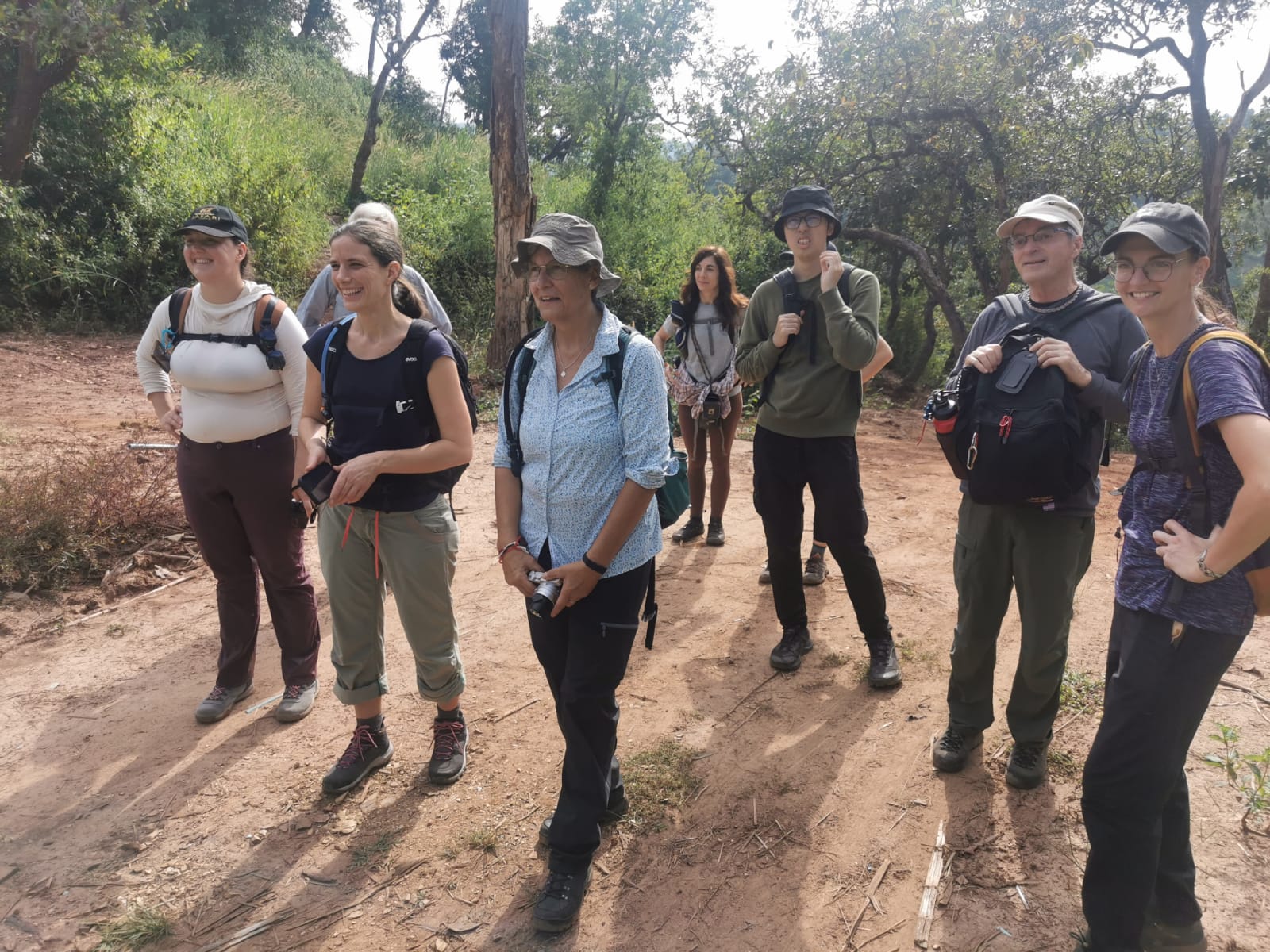
Our first two days of research have sped by. The core activity involves hiking out to where the six elephants that we are studying live and observing them for a few hours. Working on different methodologies, we record each animal’s behaviour, how the elephants associate with each other and what plants they eat.

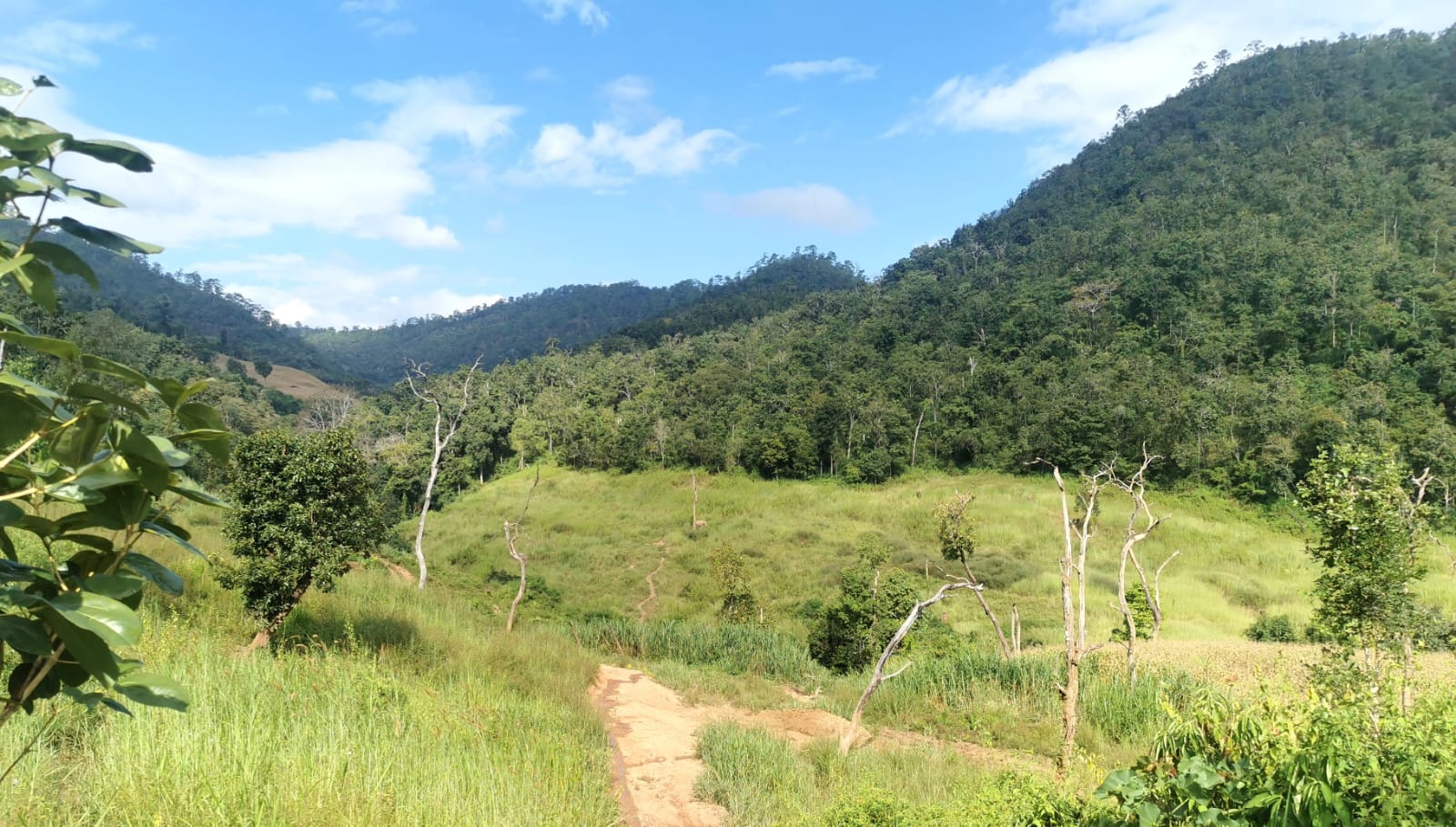
On both our research days, the elephants have been foraging in a large sloping field of tall grass, rather than in the nearby forest. Our best vantage point to watch them is on the opposite side of the small valley. This has the added benefit of a large shelter we can stand under when it rains. It rained incessantly all day today, but with that shelter, use of umbrellas and the upbeat attitude of our small team of citizen scientists, our spirits were high.

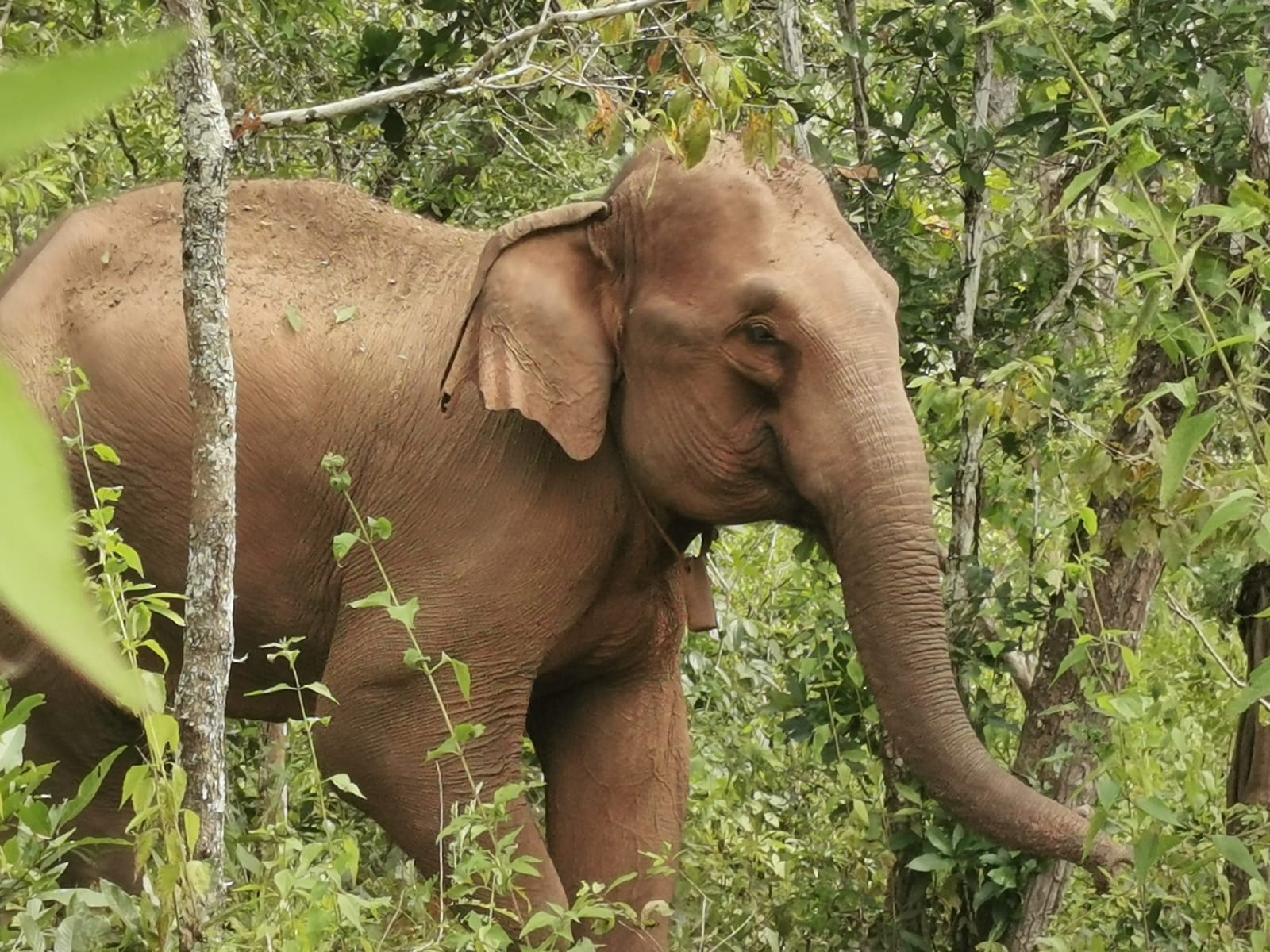
We happily watched and recorded the elephants as they foraged, explored, dust-bathed and interacted with each other. The two younger females tend to hang out together along with the 18-month old calf. The two adult bulls usually stay apart although one of them (father to the calf) does readily join the trio. The old matriarch tends to keep herself to herself.

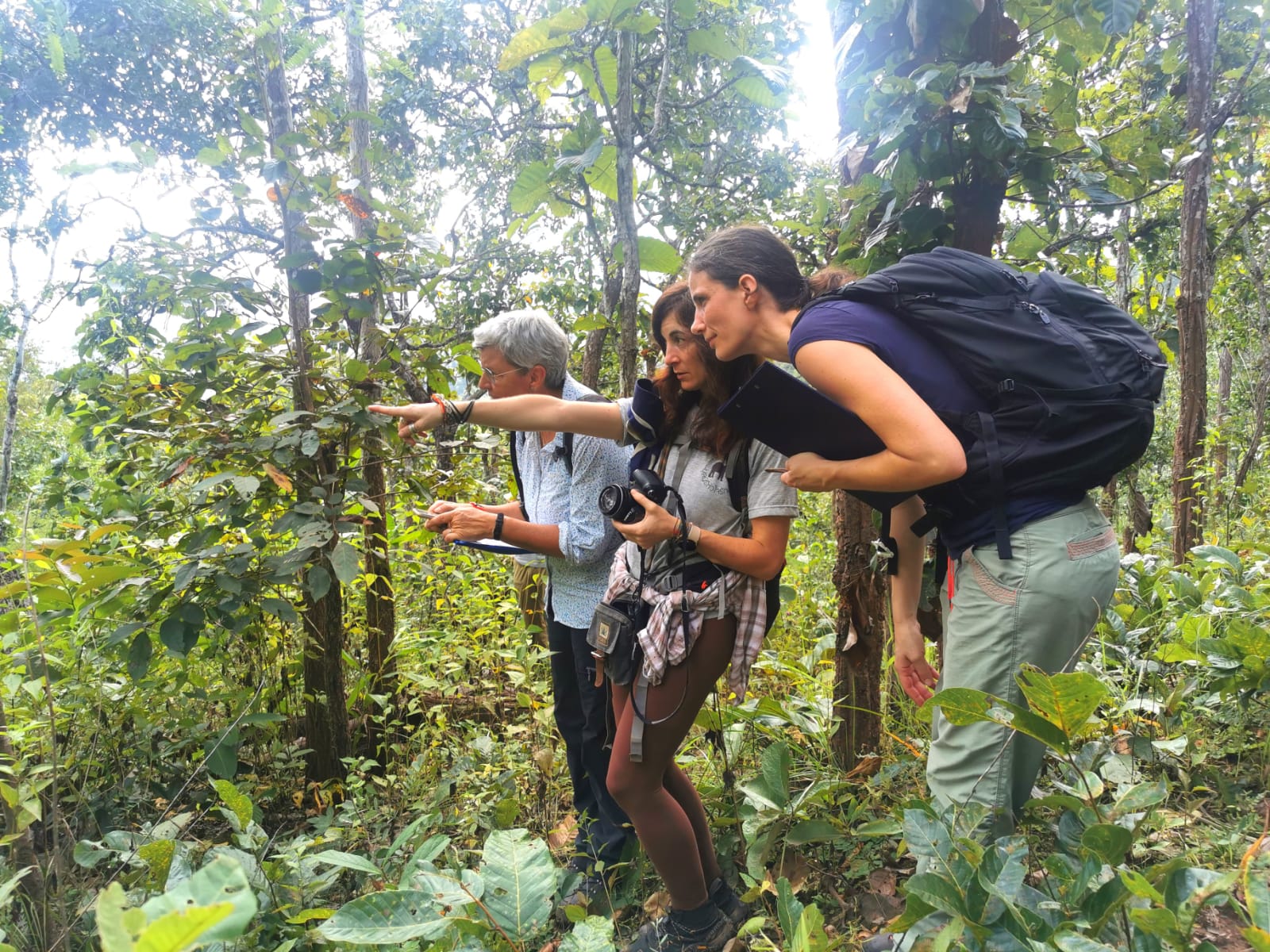
With some spare time this afternoon, we carried out an extra research task. The appealingly named ‘Biohike’ is a transect survey of insects contributing to a long-term study of biodiversity in the area near our base, including habitats affected by elephants, which have a significant and long-term ecological impact as they trample, break up and uproot the vegetation as they pass through.

This evening we will be eating dinner with our homestay hosts and tomorrow it’s back to watching and recording the elephants. The expedition team is doing well.

Continue reading “Thailand: Elephants and insects”

Thailand: Elephants

Update from our Elephant conservation volunteer holiday Thailand

The expedition has got off to a cracking start. The team assembled in Chiang Mai and travelled to base camp, all present and correct and on time: always a relief at the beginning of an expedition.

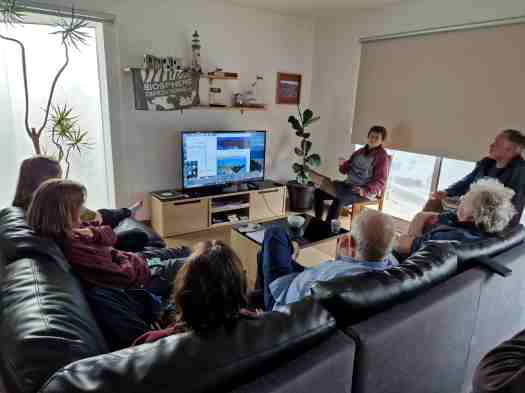
Day 1 was pretty full-on, simply with settling in, familiarisation with the base camp and the village, safety briefing and a lecture about the elephants and the work of Kindred Spirit Elephant Sanctuary. We even managed to squeeze in some initial training in the research methodologies we use on this expedition.

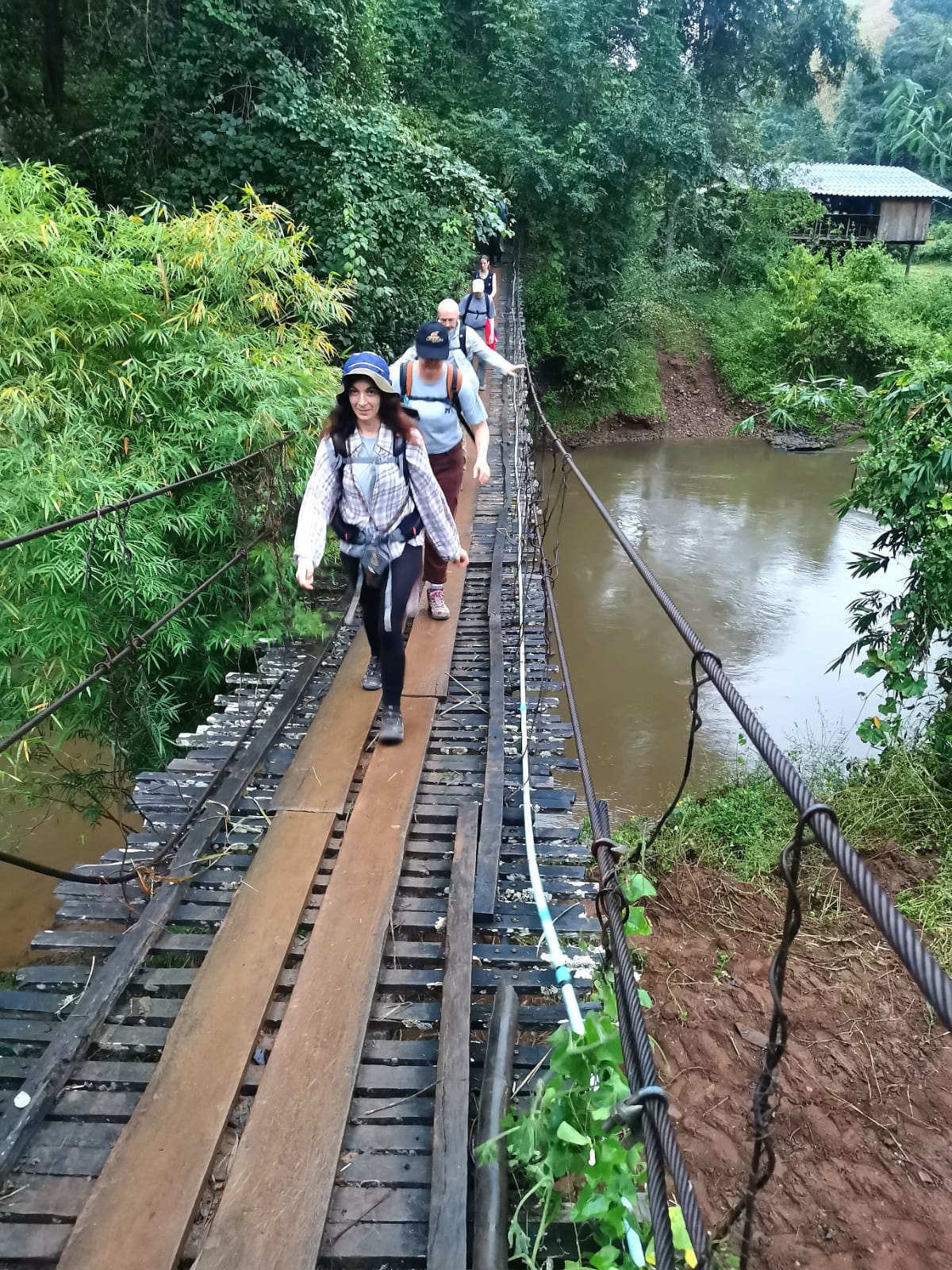
Most of the team managed to get some good sleep that first night, despite the unfamiliar nocturnal noises of dogs and geckos and the bustle of the village waking at dawn. We set off after breakfast to find the elephants. This involves a good hour’s walk over the bouncy suspension bridge, through the village, along the river bank, past rice paddies and corn fields and up towards the forest. There were plenty of insects, lizards and plants to distract us en route until finally we spotted the elephants half-hidden in a grassy field. It was a special moment to see five Asian elephants free-roaming and calmly foraging in front of us. The sixth elephant was the calf, โ€˜Juniorโ€™ who would have been somewhere near his mother or aunty โ€“ they tend to stick together as a trio โ€“ but hidden from our view in the tall grass.

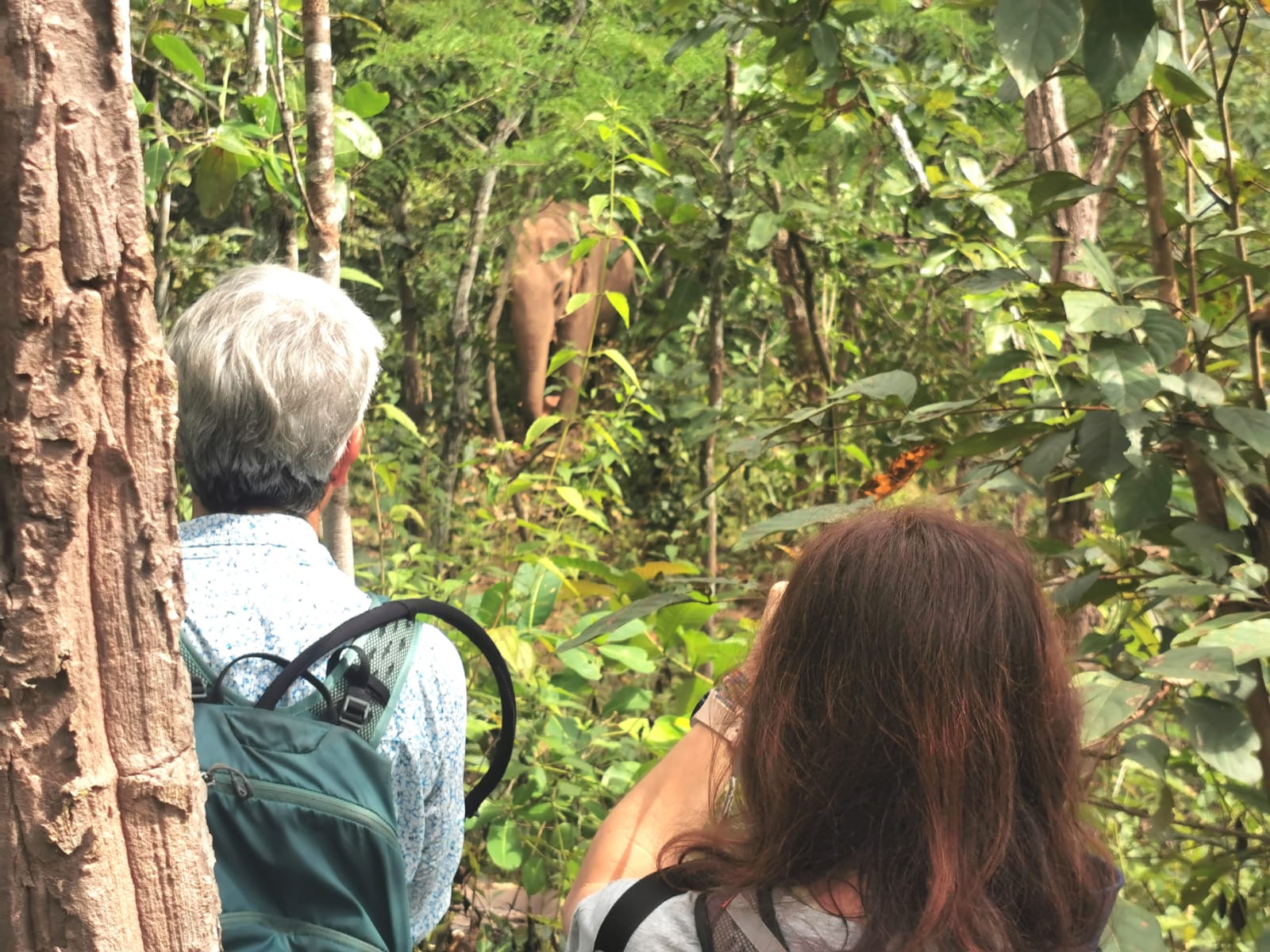
We followed the herd as they wandered into the forest and at the first opportunity we paused and watched them from a safe distance so that scientist Laura could give us training in the field, putting into practice what we had learnt in the classroom the day before. It was very helpful for us to get a feel for how to carry out the research tasks when faced with the realities of observing elephants wandering around the forest, half hidden by the trees (or each other) for much of the time. It was a good reality check: conservation research is rarely neat, tidy and simple to do. And of course, it was an utter thrill to be up close with semi-wild elephants showing their fascinating natural elephant behaviour.

We returned to base for lunch, tired, hot, sweaty, but happy, ready for lunch and some more classroom training. Tomorrow we will return to the elephants and begin the research tasks for real.

Continue reading “Thailand: Elephants”

Thailand: From base

Update from our Elephant conservation volunteer holiday Thailand

I have made it to the expedition base: in the small village of Ban Naklang, west of Chiang Mai. The village is nestled by a river surrounded by forested hills: this is where the elephants live and where we will be hiking to carry out our research tasks every day. We stay in homestays in the village: wooden huts on stilts to keep them above any floods and
any unwelcome animals. The village life bustles with people, dogs, chickens, goats and the occasional motorbike. I was woken up this morning by the distinctive loud call of a tokay gecko living in my bedroom โ€“ somewhat startling if you donโ€™t know what it is.ย 

Our base is simple, rustic , practical and comfortable. The main area is on stilts, with good views of the river, the village and lush vegetation. Colourful butterflies flit about andย  lizards dart about the walls. The weather has been warm rather than hot and the occasional rain storm has passed through quickly. A small suspension bridge crosses the river to connect us to the village. It is excitingly wobbly but perfectly safe.ย 

The team here โ€“ myself as expedition leader along with the KSES staff: Kerri (manager), Cris (deputy manager) and Laura (scientist) have been busy preparing for the expedition: checking kit, reviewing protocols, printing documents and getting the base set up just right. Tomorrow we plan to go up into the forest to find the elephants so I can get the lay of the land. And on Monday โ€“ the expedition begins!

Continue reading “Thailand: From base”

Thailand: Chiang Mai

Update from our Elephant conservation volunteer holiday Thailand

It’s not long now until the start of the Thailand elephant conservation research expedition. I have now flown out to Chiang Mai on my way to our expedition base at KSES to get things ready with Kerri and scientist Laura there.

Chiang Mai at night is bustling and busy and there are no obvious problems from the floods a few weeks ago.ย Kerri tells me that the weather at our baseย  is cool in the mornings and hot in the day time. The clothing and kit listed in the expedition dossier will be fine. The elephants seem happy wandering around in the forest whatever the weather.ย 

A couple of practical things: Please make sure you get a ‘True’ SIM card with plenty of data on it, before you leave Chiang Mai (available at Chiang Mai airport) . And download the KoboCollect app on your phone. We will use this to collect data in the field.ย Also bring any old Android phones you have and download the app to this too before leaving.

I’ll send another update when I reach our expedition base.ย 

Roland Arnison
Expedition leader

Continue reading “Thailand: Chiang Mai”

Malawi: 2024 wrap-up

Update from our Malawi expedition volunteering with elephants, hippo, cats, pangolins and African biodiversity

Biosphere Expeditions has continued its long-term partnership with Lilongwe Wildlife Trust, researching and monitoring wildlife populations in Vwaza Marsh Wildlife Reserve.

The Malawi expedition has a particular focus on surveying elephants and hippos, as well as camera trap surveys of other wild animals. Analysis of elephant dung was also carried out to assess whether elephants had been eating crops grown in fields outside the reserve. The 2024 expedition also continued the process started in the earlier expeditions of identifying individual matriarch and adult bull elephants. Building this database of individual elephants will help greatly in mapping the demographics, movements and health of the elephant herds in Vwaza.

The 2024 expedition counted 296 elephants over 34 sightings, 339 hippos over five complete lake-side transects and collected and analysed 24 elephant dung samples (yielding 1743 seeds). The expedition also identified or created 17 ID profiles of elephants, with at least one re-sighting. Seventeen camera traps throughout the expedition provided evidence of hyaena, civet, genet, two species of mongoose and honey badger, amongst other species.

Expedition Leader Roland Arnison, who also led the 2022 and 2023 expeditions in Vwaza, said that โ€œthis was another successful expedition, carrying out field research tasks that, practically, can only be carried out by a team of hard-working citizen scientists. I am confident that the results gathered from this expedition will make an important contribution to the conservation of endangered species and biodiversity in Vwaza”.

Head of Research at LWT, Dr Leandra Stracquadanio, who was the expedition scientist, said โ€œthe data that we collected during this expedition is invaluable for us to continue our monitoring of elephant and hippo populations, as well as the overall biodiversity within Vwaza. The team did an excellent job and produced high-quality data that will inform ongoing and future conservation planning.โ€


Citizen scientists feedback:

Roland and Lea and the team really made this entire experience incredible.
Kathy H., USA

Itโ€™s a great experience and I really felt us being here was useful.
Sanne W., Netherlands

Really enjoyed that each day had a different combination of activities. Really positive leadership by Roland and Lea.
Pam G., UK

The expedition was well set up and organised and there was not a day that I felt like something was out of place.
Glory M., Malawi

This is my fourth expedition to Vwaza Marsh with Biosphere Expeditions. Another wonderful experience, finished off with a very special visit from the elephants and their babies coming right past our campfire as we were having dinner on our last night.
Janet B., UK


Selection of pictures:

Continue reading “Malawi: 2024 wrap-up”

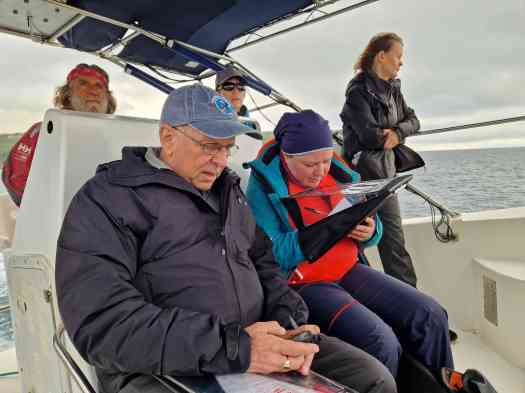
Azores : Round-up 2024

Update from our marine conservation volunteering holiday in the Azores archipelago, working on whales, dolphins and turtles

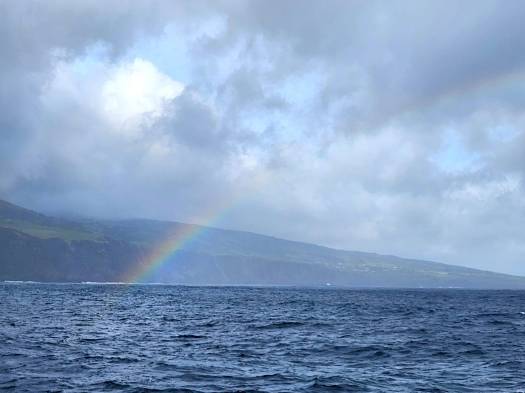
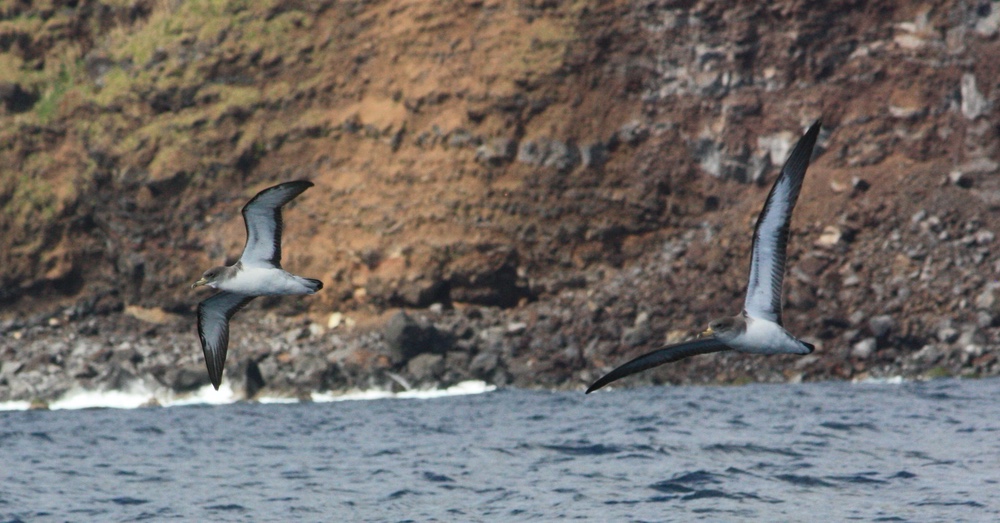
Biosphere Expeditions just completed their 18th expedition, now covering almost two decades of cetacean citizen science monitoring since 2004 in the Azores, a mid-Atlantic hotspot for marine megafauna with no fewer than 25 species. Cetacean data collection take a decade or longer to reveal meaningful patterns. Hence, the true value may not always be in the โ€˜here and nowโ€™, but be realised as future questions and challenges arise.

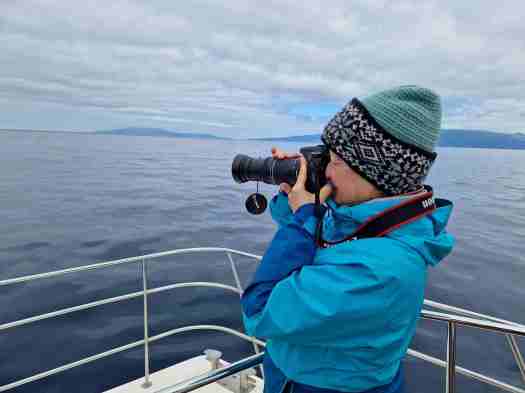
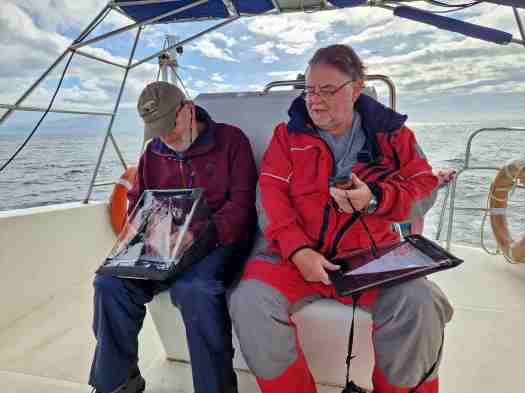
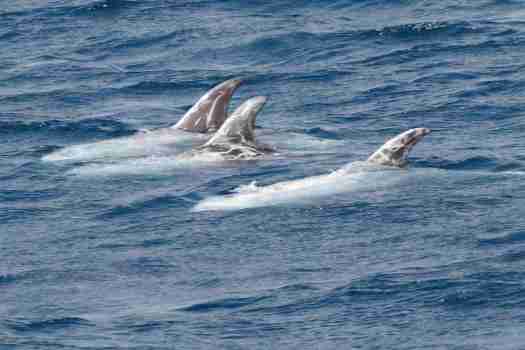
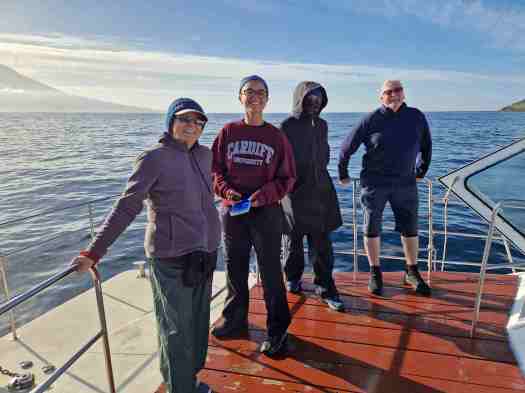
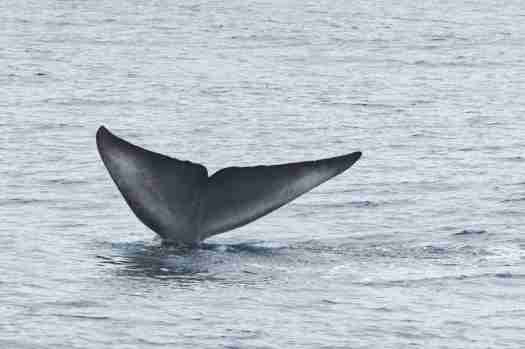
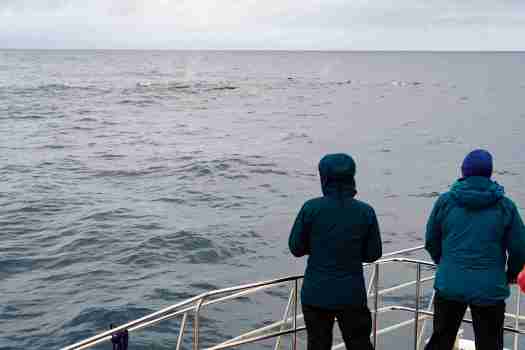
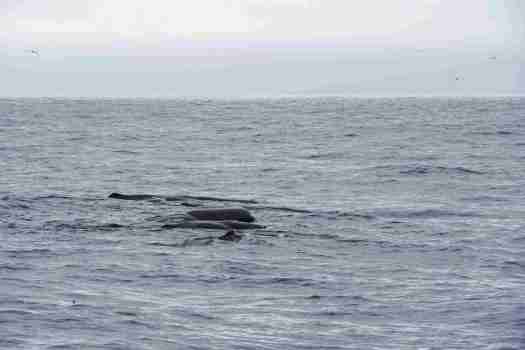
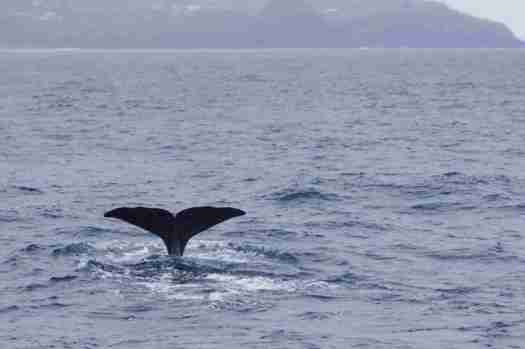
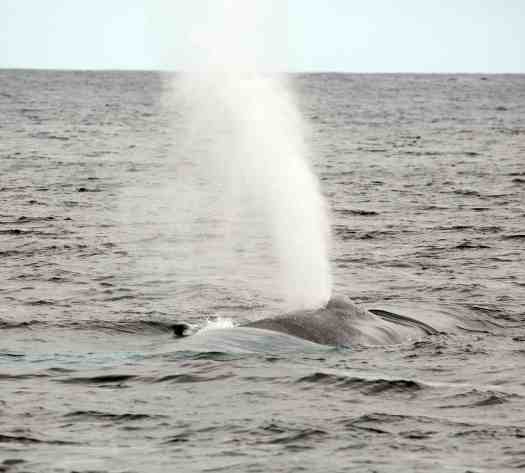
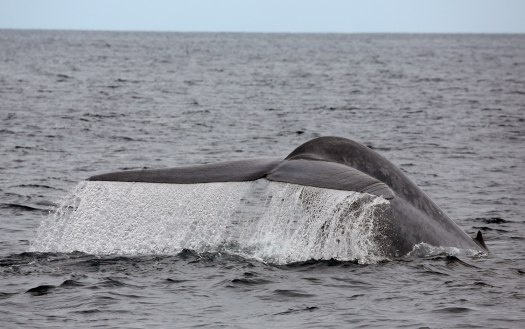
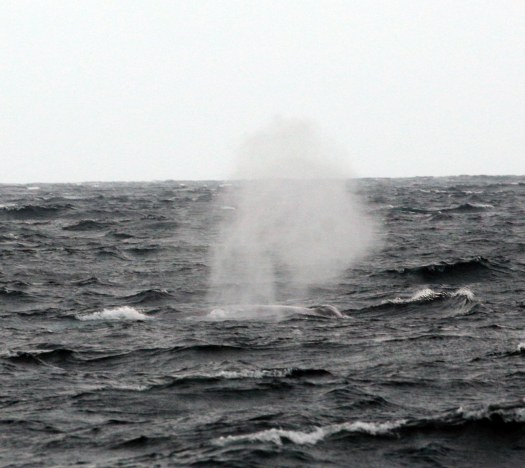
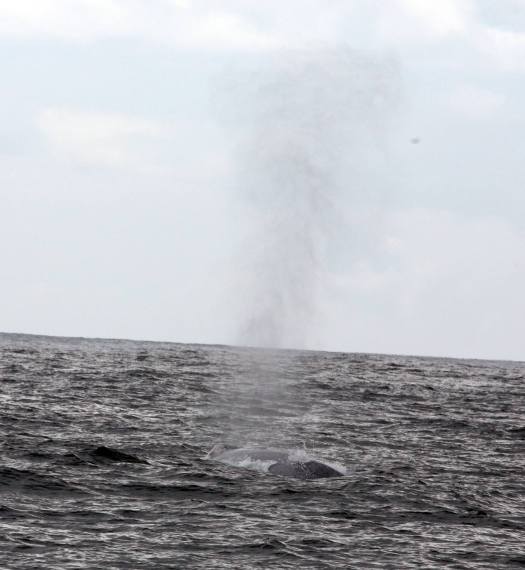
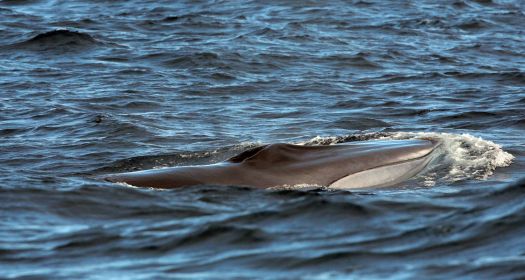
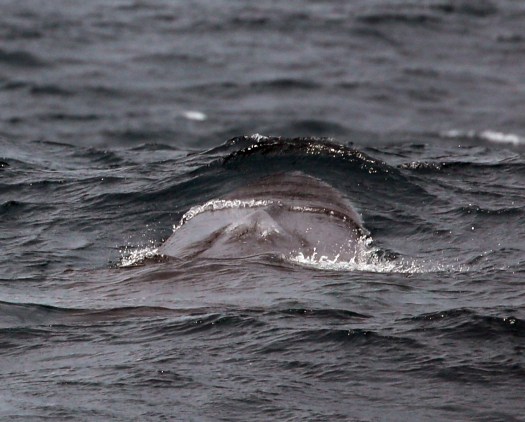
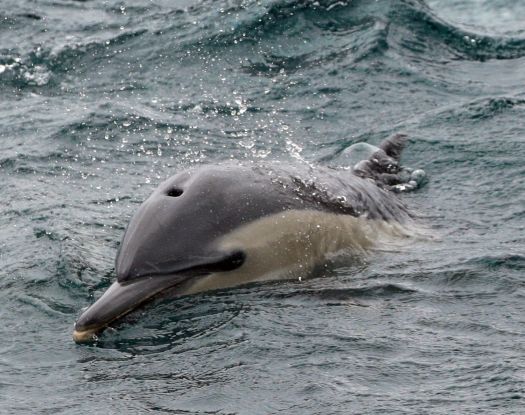
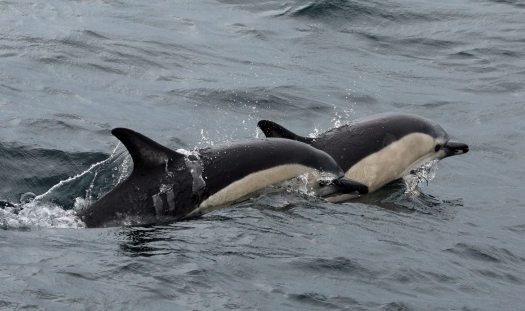
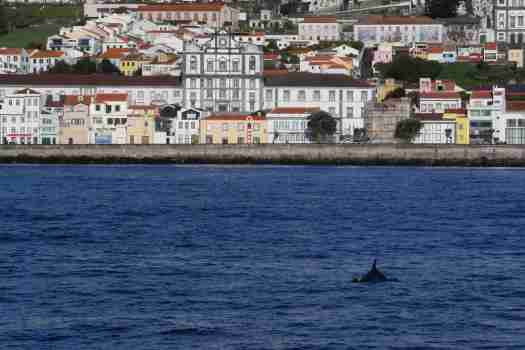
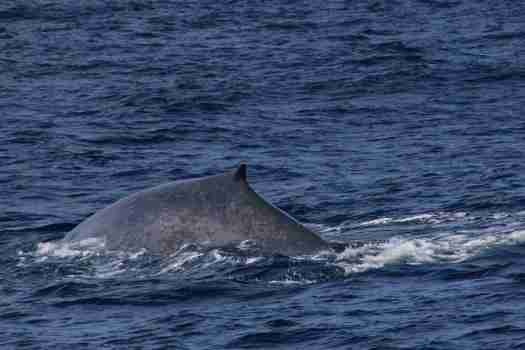
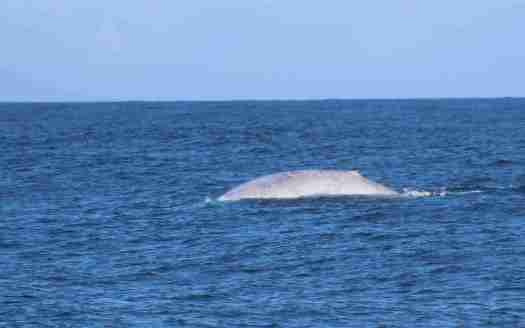
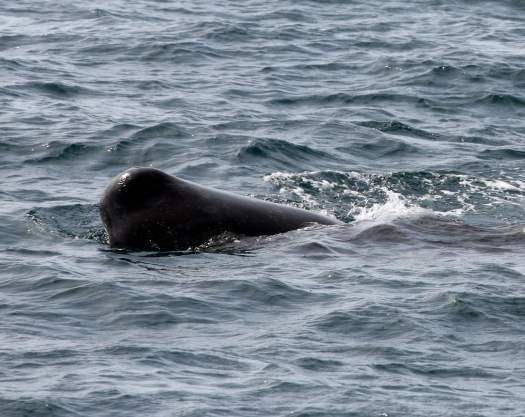
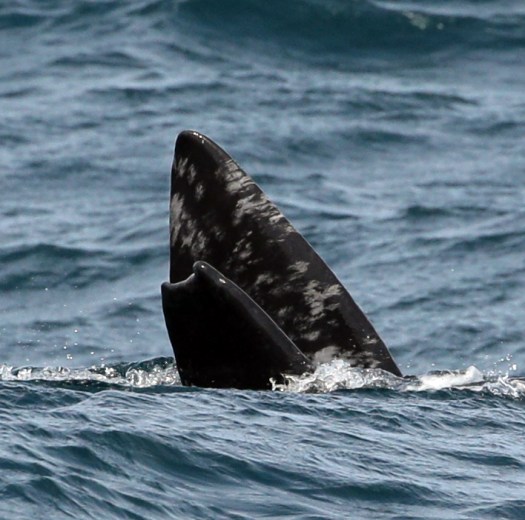
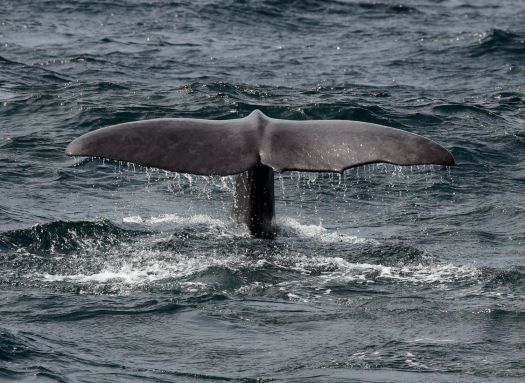
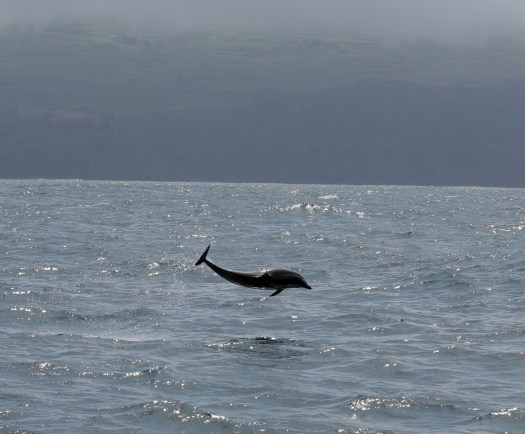
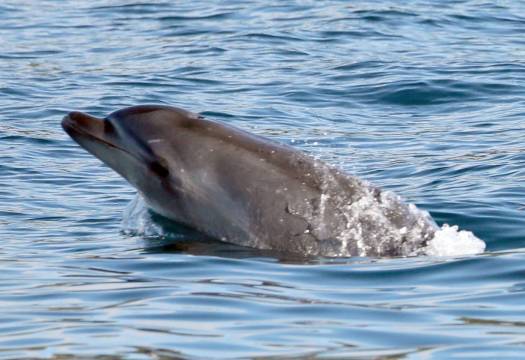
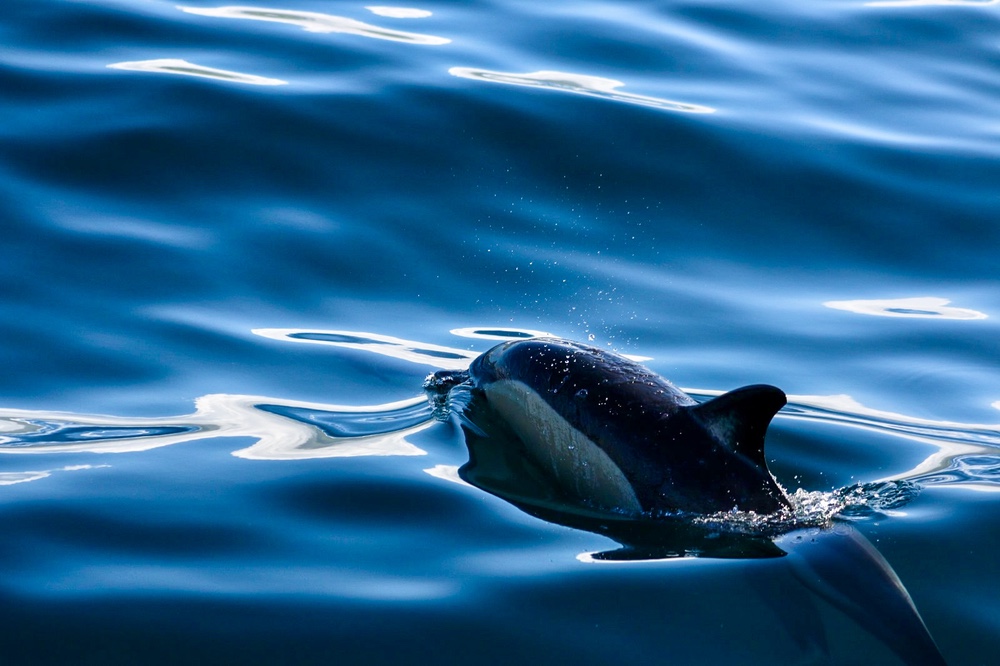
Twenty-nine expeditioners from ten countries, joined the 2024 expedition, completing 16 days out at sea, adding up to 86 sea hours while covering 1,500 km of ocean around Faial and Pico. Our search effort resulted in 92 encounters of nine different cetacean species. Sightings of common dolphins and sperm whales were most abundant. Common dolphin groups were smaller this year, a trend already observed in 2023. With regards to baleen whales, we had ten sightings of โ€˜feedingโ€™ blue whales, seven of fin whales, one minke whale and one humpback whale. The resident bottlenose and Rissoโ€™s dolphins were also seen on several occasions.

In total we confirmed some 20 positive IDs, including several re-sightings of sperm and blue whales. One of the sperm whales we sighted goes as far back as 1988, 35 years ago. Several blue whales observed were seen in previous years in the Azores, showing that they use the same migration route. Some individuals were recorded for the first time, again contributing to an ever-growing growing photo-catalogue and to our understanding of population dynamics. Many more whales have yet to be matched. Studying cetaceans takes patience and perseverance, one photo-ID shot at a time. Yet, these valuable data provide relevant insights into the spatio-temporal movements, migrations, numbers, group structures, and ecology of cetaceans, key to their long-term protection and conservation.


Feedback from the citizen scientists:

โ€˜I was dreaming of seeing a blue whale. Not expecting to see one in four consecutive days!โ€™
Jenny S., UK.

โ€˜Well-organised, safe, learned a lot on marine conservation! Great team work and excellent accommodation. โ€˜
Skarlet-Ilieva M., UK.

โ€˜An, the expedition leader is exceptional. The breakdown of tasks was good and the daily briefings provided immediate feedback of results. Very well organised.โ€™
Debbie R., Canada.

โ€˜This is my sixth expedition research project and honestly reached the top of my list for so many reasons.โ€™
Lisa C., USA.

โ€˜The group dynamics, the expedition leader and scientist went over and beyond to make sure we had all we needed. โ€˜
Paulina B., Canada.

Continue reading “Azores : Round-up 2024”

Arabia: All’s well that ends well

Update from our wildlife conservation volunteering holiday in Dubai (UAE) working on oryx, wildcat and desert species

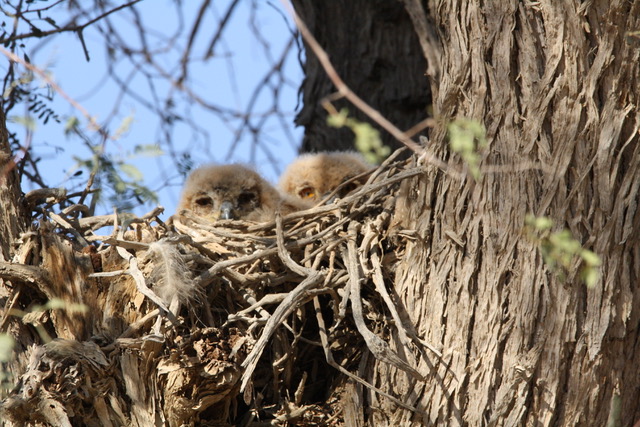
On the very last day of this yearโ€™s Arabia expedition group 2 discovered
a pharaoh eagle owl nest with two fluffy chicks in it. The nest was
well hidden in a ghaf tree with one parent always on watch. This
discovery was a direct result of our surveys, which led the scientists
to believe there was an active nest site somewhere around the west ghaf
grove. Further tips and investigations finally led us to the nest.
Science is often like a puzzle: Putting together tiny pieces to paint a
picture. Great team work, everyone!

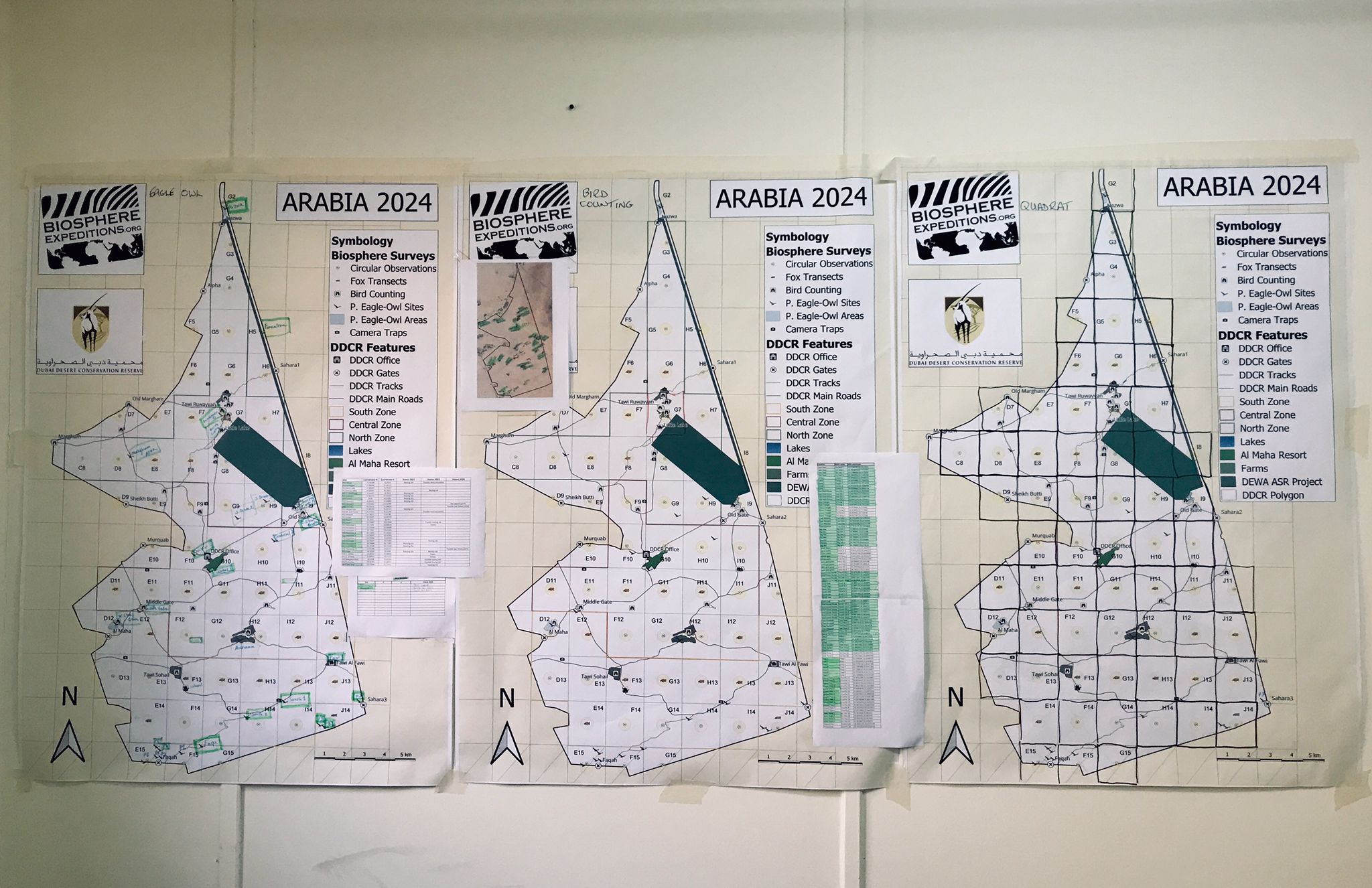
Group 2 also completed the DDCRโ€™s annual circular observations project by
surveying the remaining quadrats. Once again, two teams completed this
inventory by surveying 62 quadrats from a central point by walking many
kilometres up and down dunes enduring heat and wind. Well done, all of
you! By doing that you have done, you have created yet another piece of
the puzzle that will assist in the effective management of the DDCR.

Overall results from both groups include recordings of about 70 different
species inside the DDCR. Eighteen new pharaoh eagle owl nesting sites
were found, all of which will be monitored for activity. On the bird
census the teams recorded more than 45 different species including a
first record of a long-eared owl.

Thank you everyone for joining us in the desert and for putting your time,
money and efforts into this flagship conservation project. I hope you
enjoyed it as much as we did.

Malika & the DDCR team

Continue reading “Arabia: All’s well that ends well”

Arabia: Long-eared owl discovery

Update from our wildlife conservation volunteering holiday in Dubai (UAE) working on oryx, wildcat and desert species

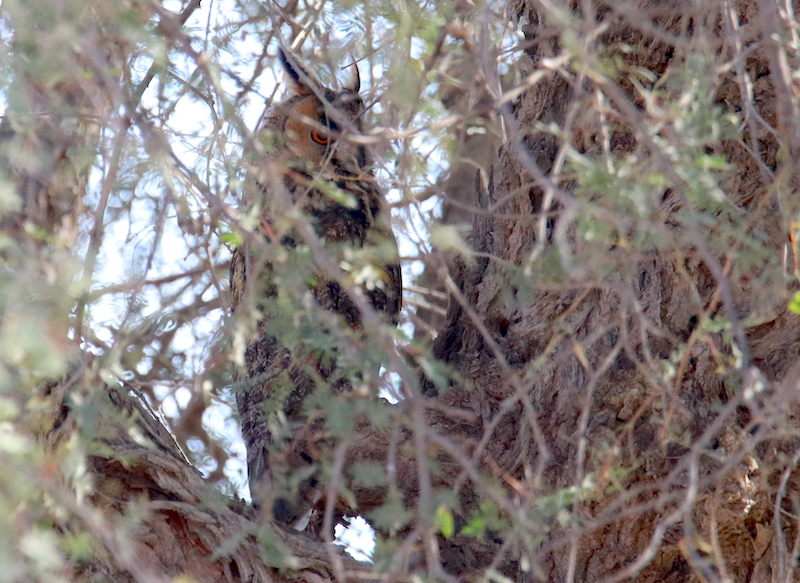
First, some exciting news from the desert expedition front: Group 1 discovered a new bird species in the DDCR, a long-eared owl. They spotted the animal on a final morning stroll around camp in a ghaf tree.โ€‚Matthias and Pete came sprinting back to camp getting their cameras and managed to get good pictures. Only at the computer screen it later became obvious that it wasnโ€™t the expected pharao eagle owl, but a long-eared owl, a species that has never before been recorded in the DDCR. The identification was confirmed by specialists a couple of days ago and will soon be added to the official DDCR bird inventory list. Congratulations for this discovery.

After two intensive training days group 2 is in now full survey mode. We are ticking off remaining quadrant surveys and have extended the pharao eagle owl surveys in order to find actual nesting sites. Scientist Maria received a tip indeed found a nest with chicks in it. If we continue to bring in neatly filled in data sheets and good results, she promised sheโ€™d take us to see them! ๐Ÿ˜‰

At camp we had a midnight encounter with an Arabian red fox. The tiny beast somehow managed to push over a big rubbish bin, 10 times bigger than itself, and rummaged through the contents. The rubbish bin has now a heavy log on top and the sighting was added to the random encounter dataโ€‚sheet.

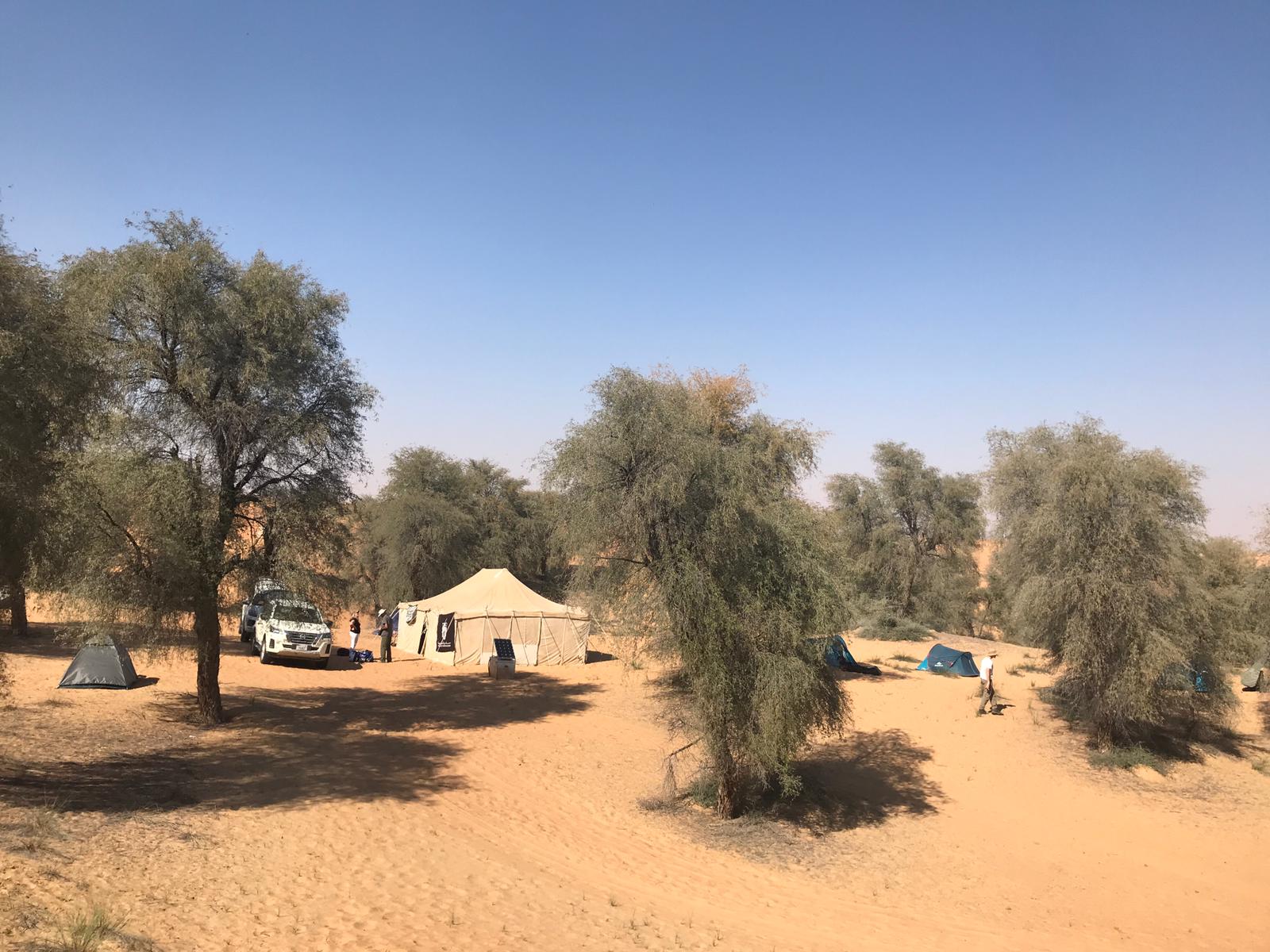
The days are getting hotter and it doesnโ€™t cool down dramatically at night. For the last few days itโ€™s been a little foggy in the morningโ€‚and we enjoyed amazing desert views on the way to our early morning surveys. We had the camp fire going once in the evening, but from day two on everyone was quite happy to hit their tent straight after returning from dinnerโ€ฆ there seems to be a pattern. ๐Ÿ˜‰ Continue reading “Arabia: Long-eared owl discovery”

Arabia: Group 2

Update from our wildlife conservation volunteering holiday in Dubai (UAE) working on oryx, wildcat and desert species

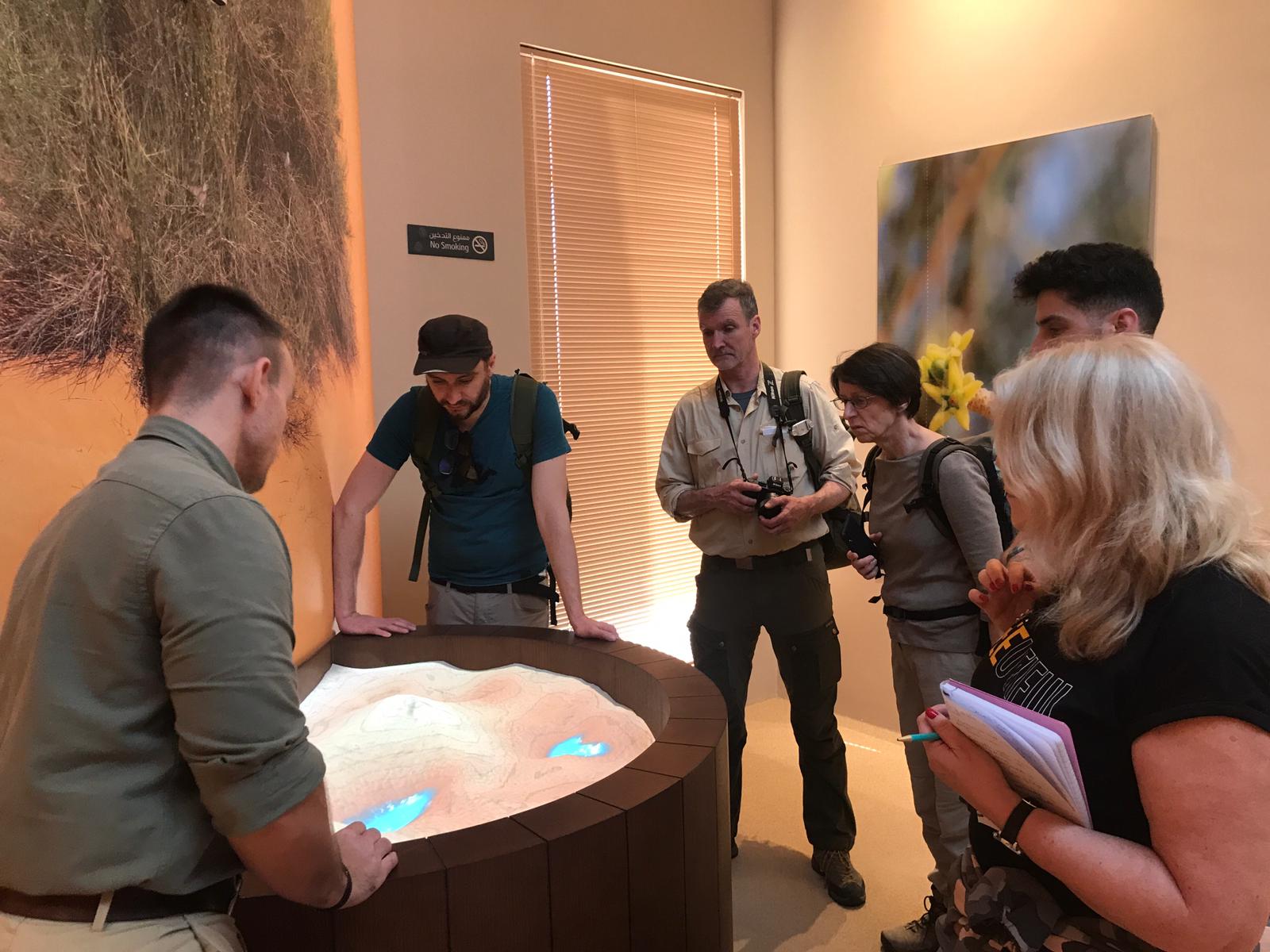
Group 1 has left – thank you so much for your efforts and being a great group. Group 2 arrived safely at camp on Monday after a tour at the DDCR visitor centre. After the vehicle & driver training, we waved Simon goodbye. Other obligations are calling for his return to Austria – travel safely, Simon!

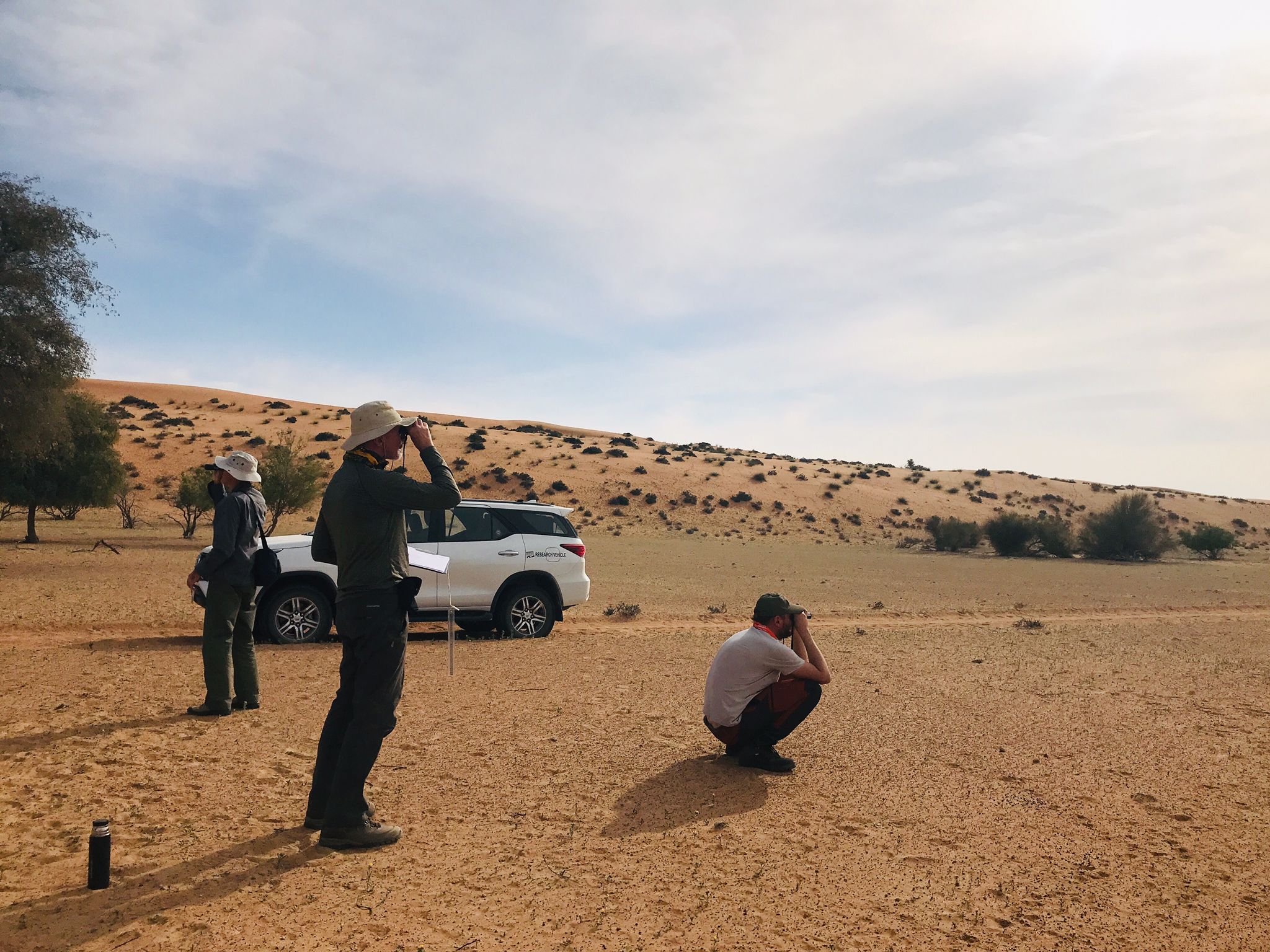
We will be a smaller group of seven citizen scientists for the next week and are determined to finish up what group 1 started. Weโ€™ll be all ready to head out on our own once we have finished Tuesdayโ€™s introduction to the science and practical training in the field.

Continue reading “Arabia: Group 2”

Arabia: Exciting owls

Update from our wildlife conservation volunteering holiday in Dubai (UAE) working on oryx, wildcat and desert species

Today is Saturday and we have said farewell to group 1 after an good week with a hidden bonus as we packed up camp this morning, more of which later!

After a week of hard work, the team completed 55 (of 62) quadrat surveys, multiple bird counts (where Matthias and Georgina deserve special mention for passing on their extensive knowledge to other citizen scientists) and the hunt for the elusive Pharaoh eagle owl goes on. Our camera traps captured Arabian red foxes, Arabian hare and jerboa, none of which we spotted during daylight hours.

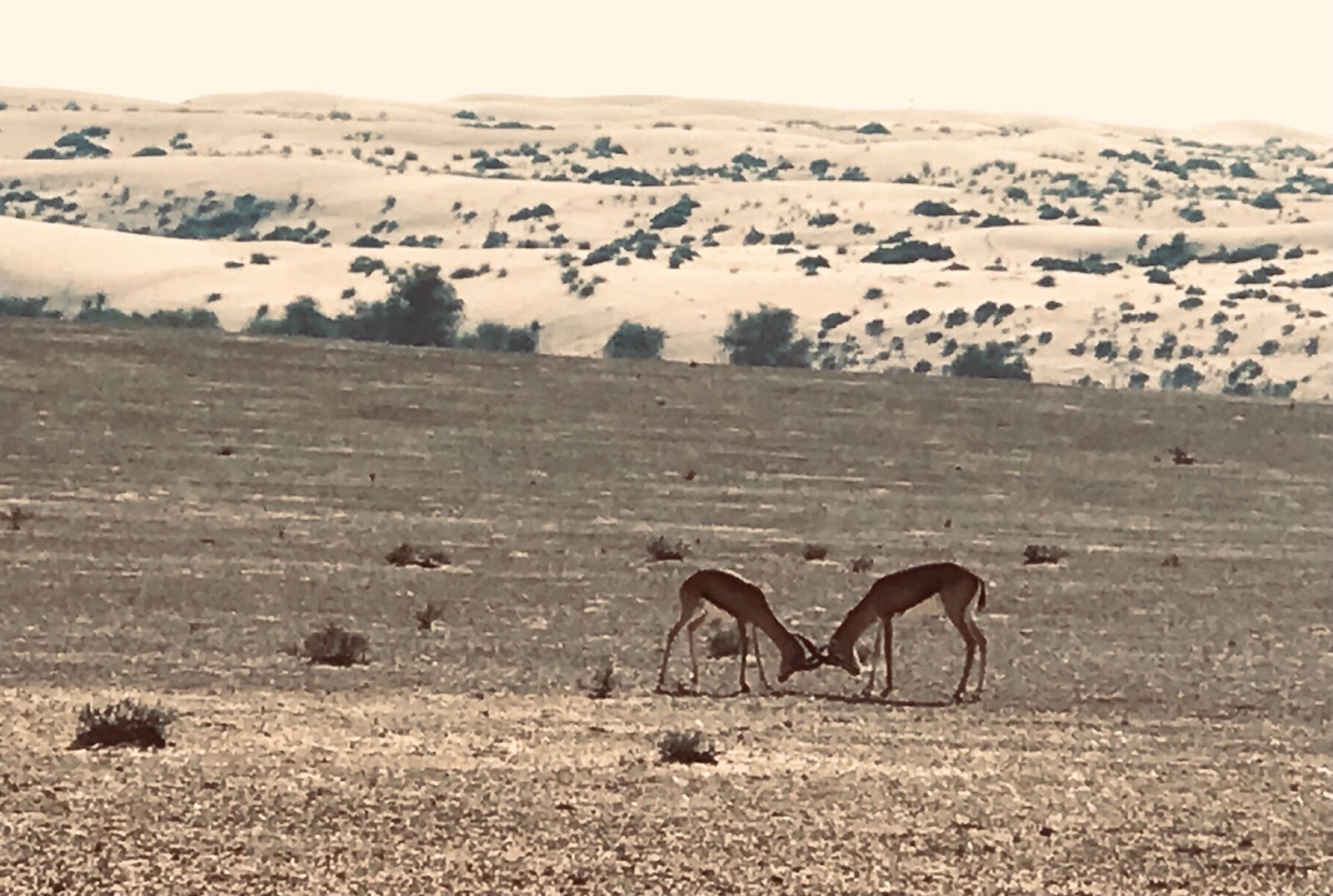
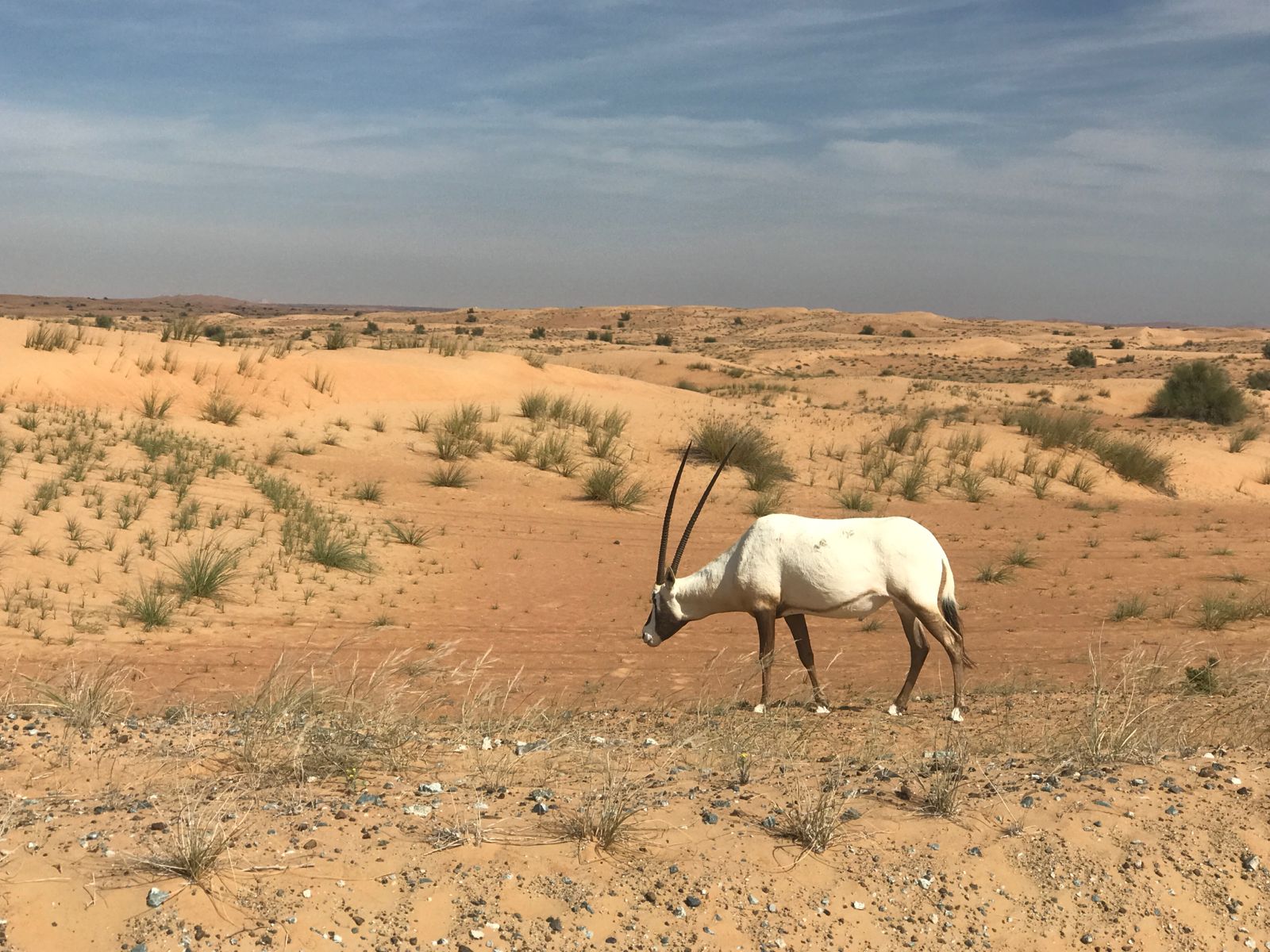
We did spot and identified 58 different species within the DDRC – it might have been more if some of us had realised we were counting insects too ๐Ÿ˜‰ In total we racked up 44 bird, 8 mammals, 4 reptile and 3 insect species. Highlights included our flagship species, the Arabian oryx, as well as desert foxes and plenty of Arabian and sand gazelles.

Weather has been very pleasant with slightly cooler temperatures than earlier in the week, which enabled us to get more survey work done in in the afternoons. Most of us revisited the highly recommended new Visitors Centre here at the DDRC to help identify what weโ€™d seen, or perhaps it was because it is the nearest Costa Coffee shopโ€ฆ. ๐Ÿ™‚

We rounded off group 1โ€™s week with an evening meal at our desert camp. A superb South Tyrolean pasta dish and a pepper side dish produced by the amazing Elisabeth. We all hope she comes on an expedition again ๐Ÿ˜‰

Ah, nearly forgot the bonus. While breaking camp this morning, our birders suddenly got very excited and rushed off to a nearby ghaf tree. There, roosting in the branches, was what we think was a long-eared owl. Photographs were taken and will be sent to the Dubai Birding Committee for confirmation. If weโ€™re right, this would be a huge first for the DDRC. Standby group 2, the location is right next door to camp!

Continue reading “Arabia: Exciting owls”