From our Sumatran tiger conservation volunteering holiday in Indonesia (http://www.biosphere-expeditions.org/sumatra)

So today was the usual whirlwind of checking equipment, shopping, repacking, reviewing datasheets and the research, safety, evacuation and all sorts of other plans A, B, C and D.

Ida, equipment and to do board

We are mostly done – perhaps just another morning tomorrow – and then off into the field. Our research plan for the expedition is:

1. Conduct wildlife survey (tiger and other species) in the following cells. Surveys include visual transect surveys as well as camera-trapping. Cells include those with and without villages for comparative analysis of the areas of tigers and their prey animals prefer.

Cells with villages in them: W137 or X136, Y131, Y132, Y135, Y136, Z131, AA130, AB130

Cells without villages*: X131, X132, X133, X134, Z134, AA132, AA135, AB135

*surveying these cells is likely to involve multi-day trips, carrying tents, hammocks and food, and staying with a local community. Participants can volunteer for these multi-day trips.

2. Conduct interviews with local people in the area (not necessarily in cells above) to ascertain human-tiger encounters and conflicts, as well as attitudes of local people towards the tiger.

3. Visit schools in the area (not necessarily in cells above) and conduct tiger educational activities, including distribution of tiger educational materials.

4. Document illegal logging and poaching activities (such as snares, traps, gun cartridges, etc.) for analysis by WWF and to be passed on to the national park authorities and rangers.

5. Work with local village headmen and communities to establish community bases for multi-day surveys. Also work with headmen and villagers to identify community members who can be trained to help with community-based tiger surveys using camera traps and other survey methods. The aim is to train and establish teams of community surveyors to assist in year-round tiger surveying and anti-poaching activities.

6. Opportunistically survey for birds, using existing skills amongst participants, and create a bird list as another indicator of local biodiversity.

And finally, for good measure, some pictures from the Red Planet breakfast room. Given this is a fairly religious Muslim country, where talking about sex and alcohol is not very high on the agenda, we are guessing that not many people realise at all what’s hanging up on the walls.

3 4


From our Sumatran tiger conservation volunteering holiday with tigers in Sumatra, Indonesia

From our Sumatran tiger conservation volunteering holiday in Indonesia (http://www.biosphere-expeditions.org/sumatra)

Greetings from Pekanbaru. Ida has landed, suitably zombified after a 42 hour trip and three flights from Seattle via China and Jakarta. She’s checked into the Red Planet hotel and tomorrow will go to the WWF offices to prepare the expedition, then go shopping (amongst other things for a SIM card, the number of which we will give you) and do all the little things that need to be done.

20160711_184753
Ida barely checking in… 😉

It’s 30 deg C in Pekanbaru and humid, as expected. We’ll be back with more news tomorrow, but before we go we wanted to share this gem with you: A new pizza place has sprung up opposite the Red Planet.

Yes, you read right, it’s “Panties Pizza”. And it gets better when you read the tag line…

…”I love Panties, as I love U”?!? Perhaps they slipped in the dictionary from “pasta” to “panties”?!….


From our Sumatran tiger conservation volunteering holiday with tigers in Sumatra, Indonesia

From our scuba diving conservation holiday with whale sharks and coral reefs of the Maldives (http://www.biosphere-expeditions.org/maldives)

We’ve completed the second day of training and everyone has passed the first Reef Check test. The test was about identifying particular types of fish that are good indicators of reef health – and is generally considered to be the hardest test that we’ll do – so well done to all the team!

Our training has so far all been done at Baros, where the resort is a partner in our work on reefs. During the training we have found, unfortunately, what we expected – a great deal of bleaching. Bleaching is extensive down to at least 20 m. Particularly hard hit are the more ephemeral branching corals, with significant (more than 50%) bleaching of most of the older, slower-growing massive corals as well. Total coral cover used to be 45% at the Baros house reef.

Baros and its house reef

That fell to only 10% in mid-May. Hopefully we’ll see less severe effects in our other survey sites from tomorrow onwards, but this is all we can do at this stage – hope. In the meantime, the life on the reef is still abundant.

Survey divers with bleaching
Reef life
Reef life

The team is having a great time, with some glorious veggie food being provided on board our very comfortable live-aboard. We’ll be doing more tests tomorrow and a full mock/practice Reef Check survey in final preparation for doing the real thing from Tuesday onwards.

Continue reading “From our scuba diving conservation holiday with whale sharks and coral reefs of the Maldives (http://www.biosphere-expeditions.org/maldives)”

From our snow leopard volunteering expedition in the Tien Shan mountains of Kyrgyzstan (http://www.biosphere-expeditions.org/tienshan)

It was after midnight when we arrived back in Bishkek this Sunday morning.

When we left on Friday, we did not expect the unexpected when driving up the mountain pass road well in time according to the timetable set for preparing base camp. Road construction work was going on in the darkness of the tunnel, so it was closed for trucks, including ours!

Loaded truck
Loaded truck
Roadworks
Roadworks

Phil, Volodya, Emma, Isma & I passed in one of the expedition cars while Aman and Bekbolot stayed back in the truck on the other side. No information could be gained about how long the temporarily closure would last. So we just sat and waited, and waited, and waited, watching dozens of trucks piling up in front of us probably half way down the pass road. Four hours later, at 18:00, the worker’s finishing time, finally the orange & white NABU truck appeared out of the dark of the tunnel!

We drove on in convoy until about half past eight until we reached the place of a herder friend of ours, where we pitched a few tents for spending the night in.

In convoy
In convoy
Fuelling up
Fuelling up
Traffic jam
Traffic jam
Stopping overnight by the herder's yurt
Stopping overnight by the herder’s yurt

But we did not go to sleep before having a very basic but good dinner.

Dinner
Dinner

After another three-hour drive on Saturday, we reached last year’s base camp location and finally we scouted out a beautiful location close to Talant’s (another herder friend) yurt, about two km further up the Karakol Pass. The spot is at an altitude of 2,950 m and beside a stream supplying us with water and the opportunity for a very refreshing bath for the very brave. You may feel some shortness of breath when arriving, but don’t worry, we will take it slowly, and although altitude sickness can occur from 2,400 m onwards, medical evidence shows that it is not usually a problem below 3,500 m.

Base camp
Base camp
Unpacking at base
Unpacking at base

Talant and his family are good friends with the NABU staff and they have also been hosting expedition teams every year in their yurt for a traditional Kyrgyzs meal on the day off. Talant’s sons will also look after the camp during the week between slot 1 & 2, when everyone will go back to Bishkek.

I would not call base camp set-up a routine, but now in our third year, we are a well-oiled team. So the truck was quickly unloaded and the kitchen tent & cooker were set up first, so that Emma start weaving her magic in the kitchen. Because of the delay, we only had part of the day to set up and did so without allowing ourselves a break. By 18:00 base was set up sufficiently so that Phil, Aman, Emma & I could leave for another six hour drive back to Bishkek. Volodya, Bekbolot and Isma stayed back to finish setting up for our return on Monday. Team 1: We need lots of people to set up the yurt, so this will be our first activity after the long journey from Bishkek and before I’ll talk everyone through the risk assessment.

Whilst I write this, Phil has gone for some last minute shopping with Emma. It is sunny and warm in Bishkek and the 14 day weather forecast looks promising. The second expedition vehicle has just been delivered, I have printed some more paperwork such as a Russian translation of the interview datasheet, etc. and will finish up with office work today.

I hope you are as excited as we are, now that preparation is over and we are all ready to go! We are looking forward to meeting the first team tomorrow (Monday) morning at 08:00 at Futuro hotel.


From our snow leopard volunteering expedition in the Tien Shan mountains of Kyrgyzstan 

From our snow leopard volunteering expedition in the Tien Shan mountains of Kyrgyzstan (http://www.biosphere-expeditions.org/tienshan)


We’re leaving Bishkek tomorrow morning to set up base camp. The truck is loaded with equipment such as the yurt, stove & wood, kitchen, mess, toilet & shower tents, cooking gear, gas bottles, fuel canisters, tables & benches and a great variety of other farily useful things. Today Emma, Volodya & Phil spent most of day shopping. An infinite loop of filling basket after basket, passing the cashier, loading the car and going straight back in for the next run. I stayed back at the NABU offices preparing paperwork and equipment.

Shopping
Shopping

The datasheets are printed, the GPSs set up and the scat collection kits made up (you will learn what that is during the training days).

Emma & Volodya loading up

Keep your fingers crossed that the truck won’t get stuck or drive into the ditch as it did last year! Aman, Phil & I will return to Bishkek on Saturday. I will let you have the latest news before the first team meets on Monday morning.

And finally, a word on the weather: It has been raining in Bishkek almost every day, but when the sun comes out it is pretty hot in the city. The south side of Ala-Too range, where our study site is, is less cloudy, but the temperatures will be much lower. Please be

prepared for both rain and sunshine (and snow can fall even in summer). Temperatures in the mountains can be anything from 5 to 25 degrees C, sometimes even dropping to freezing overnight. More first hand info when we are back from setting up.


From our snow leopard volunteering expedition in the Tien Shan mountains of Kyrgyzstan 

From our scuba diving conservation holiday with whale sharks and coral reefs of the Maldives (http://www.biosphere-expeditions.org/maldives)

I have been here in the Maldives for 24 hours now and have seen all sorts of weather from heavy rain storms and high winds to hot, steady sunshine. The only constant is the temperature, which has remained at a warm but comfortable 30 degrees centigrade. The sea has been quite choppy with all the wind, so we may get some bumpy crossings.

sea

Our evenings will be spent at quiet anchorages inside the atolls, so we will have calm evenings and overnights.

Arrangements are going well for everyone’s arrival on Saturday and with our usual boat being refitted, we have been given an upgrade so the accommodation will be very nice.

As expedition leader one of my main concerns is everyone’s safety and as part of this role, I have visited one of the main hyperbaric chambers on the Maldives and met with the manager.

Ahmed Wafir, Manager, Bandos Medical Centre sitting at the controls of their state of the art hyperbaric chamber

They have a very good set-up here and I was impressed with the organisation. We have never needed to use these facilities as all of our survey dives are relatively shallow and we work well within PADI diving protocols, but it is important to be prepared.

Continue reading “From our scuba diving conservation holiday with whale sharks and coral reefs of the Maldives (http://www.biosphere-expeditions.org/maldives)”

From our snow leopard volunteering expedition in the Tien Shan mountains of Kyrgyzstan (http://www.biosphere-expeditions.org/tienshan)

Phil & I arrived in Bishkek on Sunday, where we were warmly welcomed by our partners on the ground at the NABU office and went straight to work. We fetched the expedition equipment, stored last year at the outskirts of Bishkek, together with Almaz and NABU staff. It was­ half a truck load of tents, the yurt, research and kitchen equipment, spare tyres and car boxes, water and fuel canisters, cookers, gas bottles, benches & tables, etc., etc.

truck at storage 3-7-16

In the afternoon we were invited to a meal with everyone.

NABU&BEstaff 3-7-16

Over the next couple of days we will be checking the equipment, writing shopping lists, going shopping for food and other supplies, and updating paperwork. Tomorrow will be the end of Ramadan, the Muslim fasting month, a public holiday of big celebration here in Kyrgyzstan. So we are hoping to find some Chinese shops open tomorrow morning, which means group 1 will be on Chinese food for a couple of weeks 😉

Volodya, our scientist, arrived this morning, completing the team. We had a meeting with Amadeus in the afternoon, talking through butterfly, birds & petroglyph data collection procedures using the newly created apps. Volodya was quite excited about how easy & quick data collection and processing could be, if modern technology does work out in the field. We will have old-fashioned pen & paper versions as back-ups too.

Tonight Emma kindly invited us to have dinner at her place. She cooked a delicious meal and made Phil & I eat an enormous amount of Tiramisu afterwards. In case any of you consider weight loss to be a possible side effect to the expedition, forget about it! 😉

Emma dinner 4-7-16


From our snow leopard volunteering expedition in the Tien Shan mountains of Kyrgyzstan 

From our snow leopard volunteering expedition in the Tien Shan mountains of Kyrgyzstan (http://www.biosphere-expeditions.org/tienshan)

Hello everyone and welcome to the Tien Shan 2016 expedition diary!

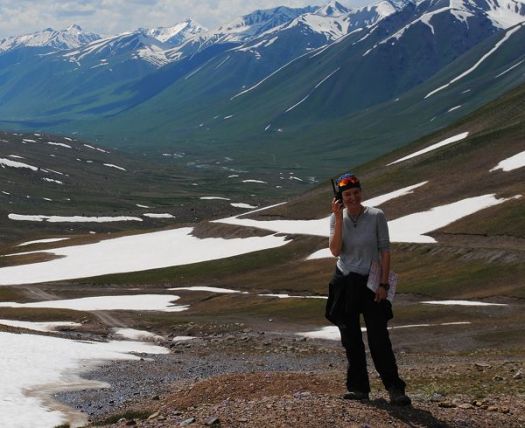
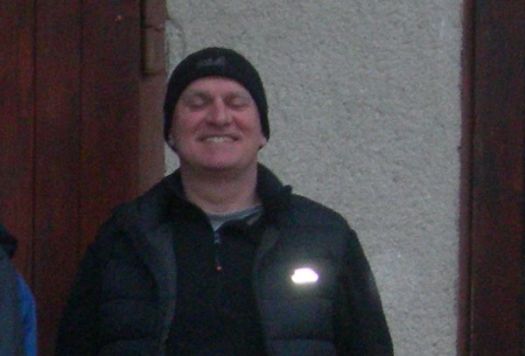
My name is Malika and I will be your expedition leader on the first group together with Phil. Phil will then take over leading groups 2 & 3 of this year’s snow leopard conservation expedition to the Tien Shan mountains of Kyrgyzstan.

Malika Fettak
Malika Fettak
Phil Markey
Phil Markey

For the third time this Biosphere Expeditions project will be run in collaboration with NABU Kyrgyzstan and the ‘Gruppa Bars’ (snow leopard patrol), consisting of four Kyryzs NABU members of staff that work in snow leopard conservation all whole year round. Each group will be accompaigned by two Gruppa Bars members (and I’ll introduce you to everyone in due course). They will be our guides, mountain experts, spokespeople and link to the local herders.

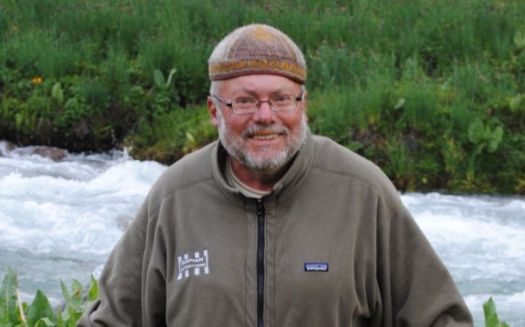
Dr. Volodya Tytar, originally from the Ukraine, is the expedition scientist. He has been working on this snow leopard project for more than a decade from the very beginning in the Altai mountains of Russia, before the study site was moved to Kyrgyzstan in 2014. If you would like to read about last year’s results, the 2015 expedition report will be ready for downloading within the next few days. You’ll receive an e-mail notification soon! Older reports are on www.biosphere-expeditions.org/reports.

Dr. Volodya Tytar
Dr. Volodya Tytar

As in previous years, we will also have a couple of local placements on each group. They all have a specific interest in conservation, good knowledge of English and will help with communications in general and with conducting interviews at local herders’ yurts in particular.

So far so good. All staff involved are busy with organising things by e-mailing from our desks in Germany, the UK, Kiev and Bishkek, but we will all finally meet at the Bishkek NABU office on Sunday. So we will be about a week ahead of you, fetching base camp equipment from storage, checking and shopping for items that need to be replaced, buying supplies, etc. We will scout out a base camp location, set up camp, meet our cook Emma, shop for food (a lot) and make sure everything will be ready and in place for research work to commence when the first team arrives.

As regards the research work, have a look below, where methods and equipment are explained. The more you know now, the easier it will be for you during the first two training days, so do swot up, if you can. In addition to studying the dossier, have a look at the “Methods & equipment” playlist. The bits that are relevant to the expedition are first and foremost our cell survey methodology, followed by GPS, compass & map, Garmin etrex 20, PBLs, camera trapping and binoculars. Enjoy!

Finally, a word on some additional research we will be doing (that is not mentioned in the dossier): Amadeus, a local placement who joined the expedition in 2015, has created a ‘Butterflies of Kyrgyzstan’ app based on data that were collected last year. We will continue collecting butterfly data along the way on survey walks either by pen & paper or, much better, by putting data directly into the app. The app is available for downloading at WWW.DISCOVERNATURE.ORG.KG (Android version only). So, if you are planning to bring your personal Android smartphone, please consider downloading the app (how we will recharge all the phones in the absence of a convenient power plug is another matter ;). We will also be collecting data on birds that will contribute to creating a similar ‘Birds of Kyrgyzstan’ app in due course. Of course you will be trained on all of this during the introduction and training day!

That’s it for now. Once Phil and I have arrived in Bishkek we’ll be in touch again with our local phone numbers and some more updates from the ground.

Best wishes

Malika Fettak

Expedition leader

Continue reading “From our snow leopard volunteering expedition in the Tien Shan mountains of Kyrgyzstan (http://www.biosphere-expeditions.org/tienshan)”

From our scuba diving conservation holiday with whale sharks and coral reefs of the Maldives (http://www.biosphere-expeditions.org/maldives)

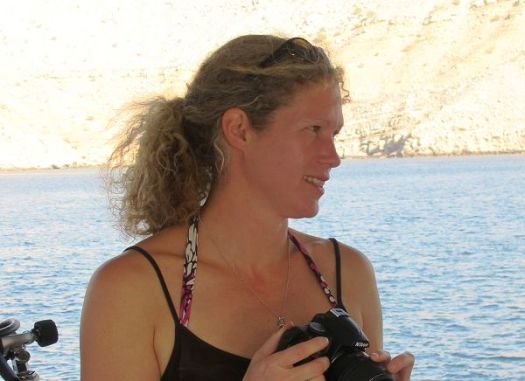
Hi, my name is Kathy and I’m going to be your leader for this year’s Maldives expedition starting soon. I’m going to be leaving the UK at the weekend to ensure that everything is well prepared for your arrival on 9 July. Once I have made it to Male’, I’ll be in touch again with my local mobile number and some updates.

Kathy Gill
Kathy Gill

We are expecting a substantial amount of bleaching to have occurred this year, so be prepared for some strange sights on our surveys.  Our scientist, Jean-Luc, knows a lot about the phenomenon that has caused this and the extent of the impact around the world, so expect to learn a lot about it and the work that has been going on around the problem. We will be documenting an exceptional event and your work on this will be crucial.

Dr. Jean-Luc Solandt

This is what Jean-Luc has said about the expedition this year: “The reason we’re doing this route is unfortunately one of sadness – to see the impact of climate change. As everyone’s probably aware, a massive bleaching event has hit the Maldives in May as a result of a strong and long El Niño. It has killed many shallow water Maldives reefs. El Niño increases surface sea water temperatures in coastal and oceanic waters, stressing many corals. Our trip is to see the extent of the damage caused by the hot water that was over Maldives reefs in early May. As our trip is in July, it allows us to see the short-term recovery of the reefs that we’ve been surveying since 2011. Our work this year, and in subsequent years, is to see which sites are more resilient.”

Below is our proposed survey route FYI.

I’m really looking forward to meeting you all and I hope your travels go well.

Regards

Kathy Gill
Biosphere Expeditions

Continue reading “From our scuba diving conservation holiday with whale sharks and coral reefs of the Maldives (http://www.biosphere-expeditions.org/maldives)”

From our Sumatran tiger conservation volunteering holiday in Indonesia (http://www.biosphere-expeditions.org/sumatra)

Hello and welcome to the Sumatra expedition diary

My name is Ida Vincent and I will be your expedition leader on this Biosphere Expeditions project, helping our local partner WWF Indonesia with their Sumatran tiger conservation.

Ida Vincent
Ida Vincent

Our local scientists Febri and Ifran will train us in all aspects of the field work once we arrive at the Subayang Field Station and Dr. Matthias Hammer, executive director of Biosphere Expeditions, will also be joining us for the first few days, to help with getting set up.

Febri Anggriawan Widodo

I trust all your preparations are going well, and I look forward to meeting the first expedition team in just over two weeks on 17 July. I will be at hotel Red Planet for the 08:00 assembly. It is important that you are not late, as we have a busy day ahead of us transferring to the field station and starting the training, so we can get to work.

I’ll be about a week ahead of you and once I am in Pekanbaru on 11 July, I will be in touch again with my local mobile phone number and other updates from the field. I hope your preparations are going well and you are ready for an expedition experience, for this is what it’s going to be. For those of you still hoping for a tiger safari, please have a look at the expedition report from last year, available via www.biosphere-expeditions.org/reports 😉

Please do have another look through your dossier too and familiarise yourself with all the information and make sure you have all the necessary kit.

I look forward to working with you on this expedition.

Ida Vincent

Expedition Leader


As regards the research work, have a look below, where methods and equipment are explained. The more you know now, the easier it will be for you during the first two training days, so do swot up, if you can. In addition to studying the dossier, have a look at the “Methods & equipment” playlist. The bits that are relevant to the expedition are first and foremost our cell survey methodology, followed by GPS, compass & map, Garmin etrex 20, PBLs, camera trapping and binoculars. Enjoy!


From our Sumatran tiger conservation volunteering holiday with tigers in Sumatra, Indonesia