Award-winning, non-profit and ethical wildlife conservation volunteering. Advancing citizen science and conservation since 1999 – for nature, not profit.
The paper warns that ‘the impacts of ocean warming on coral reefs are accelerating, with the near certainty that ongoing warming will cause large-scale, possibly irreversible, degradation of these essential ecosystems’.
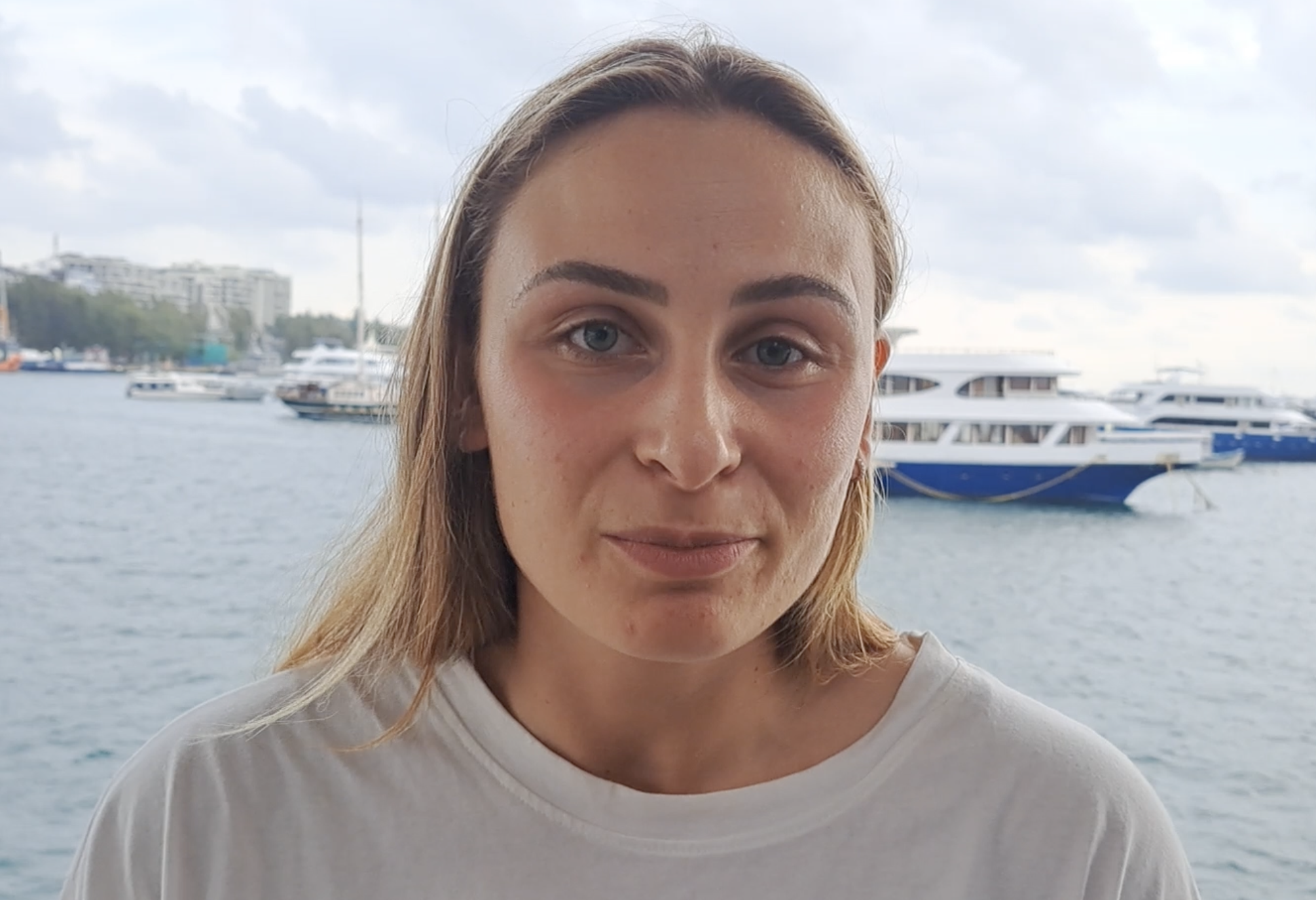
For Loulou Ojjeh, Biosphere Expeditions played a pivotal role in her journey towards becoming an ecologist when she joined its Maldives expedition in 2025.
Despite having completed only 20 dives and questioning whether she was truly ready, Loulou quickly realised that she was far from being an anomaly. ‘Many participants shared similar doubts’, Loulou recalls finding out.
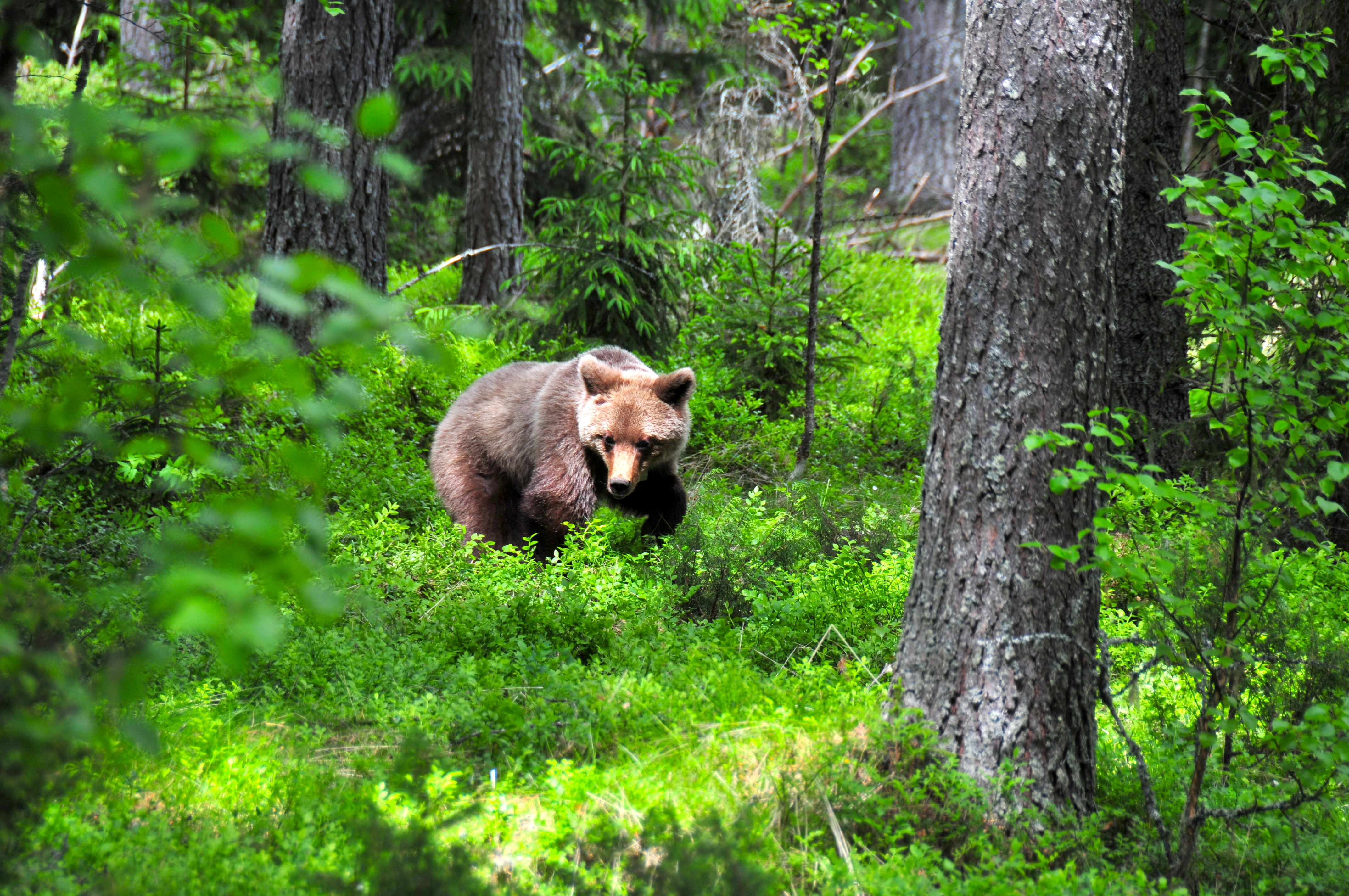
Sweden’s brown bears are a conservation success story, but their recovery brings new challenges. A ground-breaking citizen science project that has been running in Dalarna county since 2019 shows how volunteers from around the world can help local scientists in bear conservation.
Vom 5. bis 18. Juli 2025 untersuchten 19 Bürgerwissenschaftler mehrere Wolfsgebiete und legten dabei in zehn Erhebungstagen mehr als 650 Kilometer zurück.
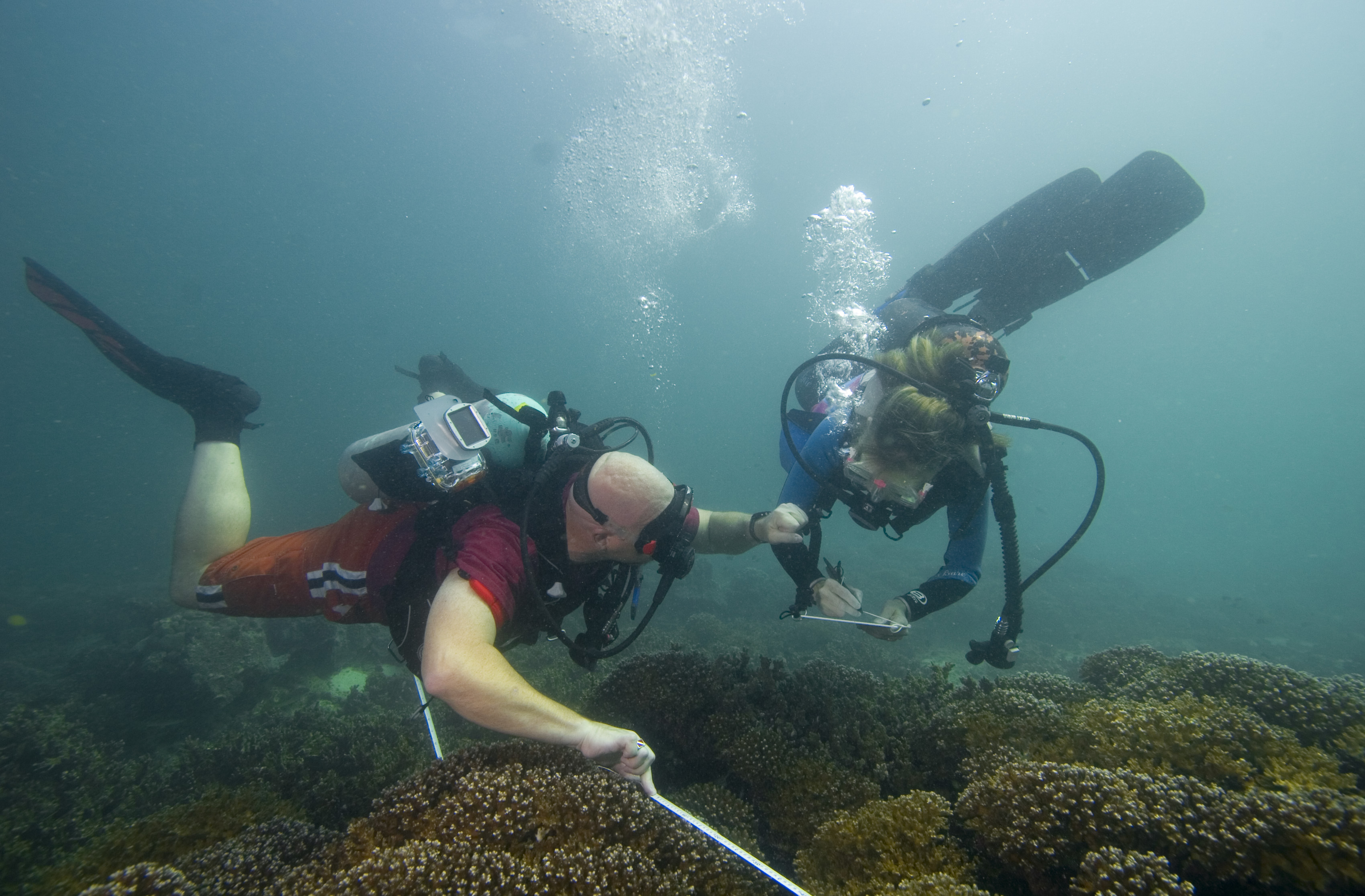
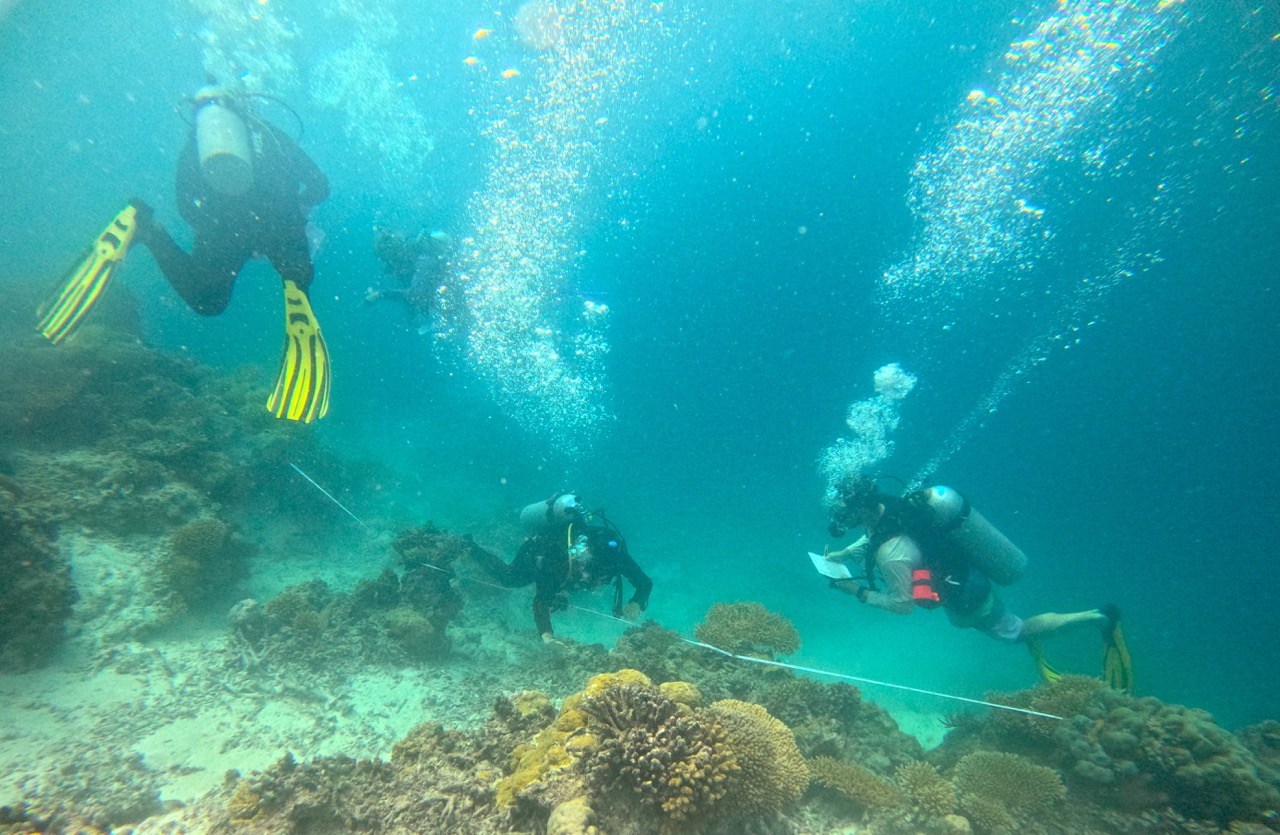
A team surveying a reef along a 100 m transect tape
In 2025, Biosphere Expeditions continued its long-standing citizen-science project in the Maldives, focusing on coral reef health through hands-on volunteer expeditions. Since 2011, these marine surveys have been an important constant of local reef conservation, blending scientific rigour, citizen science and immersive adventure.
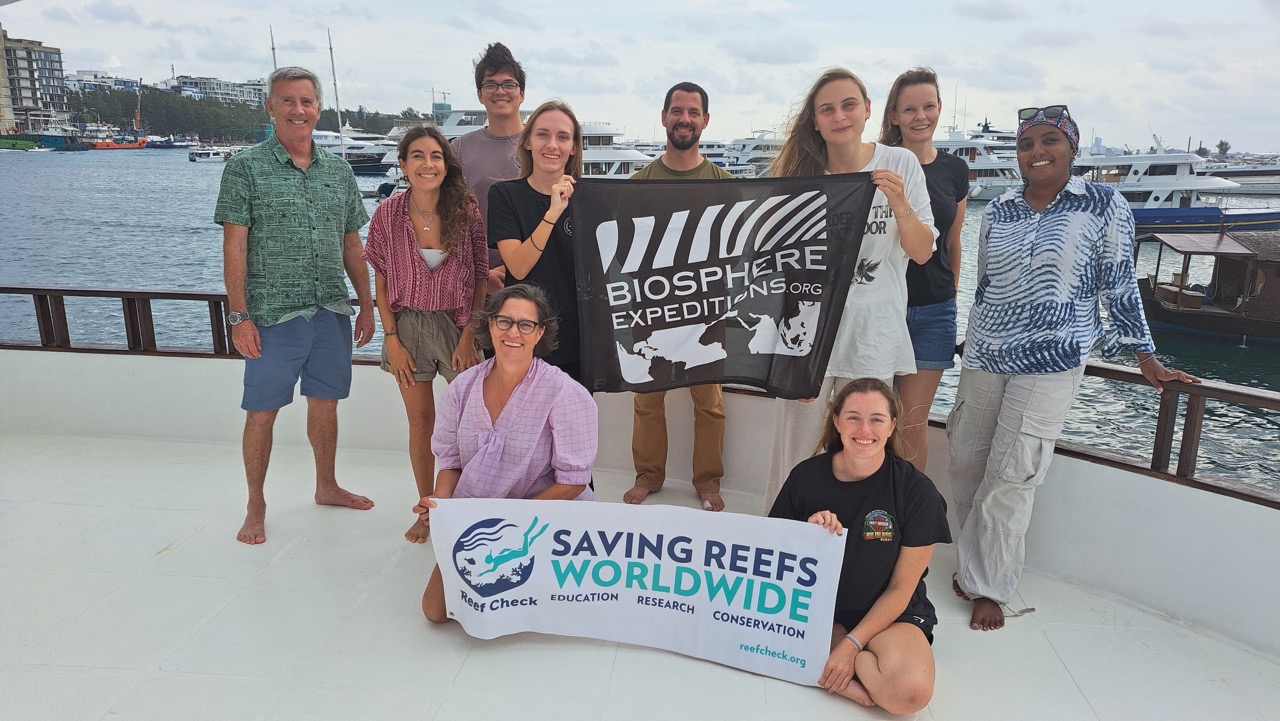
The 2025 expedition brought together diverse teams of volunteers and scientists aboard a liveaboard vessel, each group contributing to Reef Check-standard surveys across multiple atolls. These surveys involve underwater assessments of coral cover, fish populations and other ecological indicators to track reef health across time.
A special emphasis on revisiting long-term monitoring sites allows Biosphere Expeditions to build multi-year datasets that reveal trends in reef resilience and degradation. The expedition’s work has resulted in annual scientific reports and many publications in the literature.
During the 2025 expedition, citizen scientists surveyed 11 reefs and documented a mixed picture of reef conditions: some sites showed stable or improving coral cover, especially on ocean-fed outer reefs, while inner lagoon sites, more exposed to warming and stress, continued to struggle.
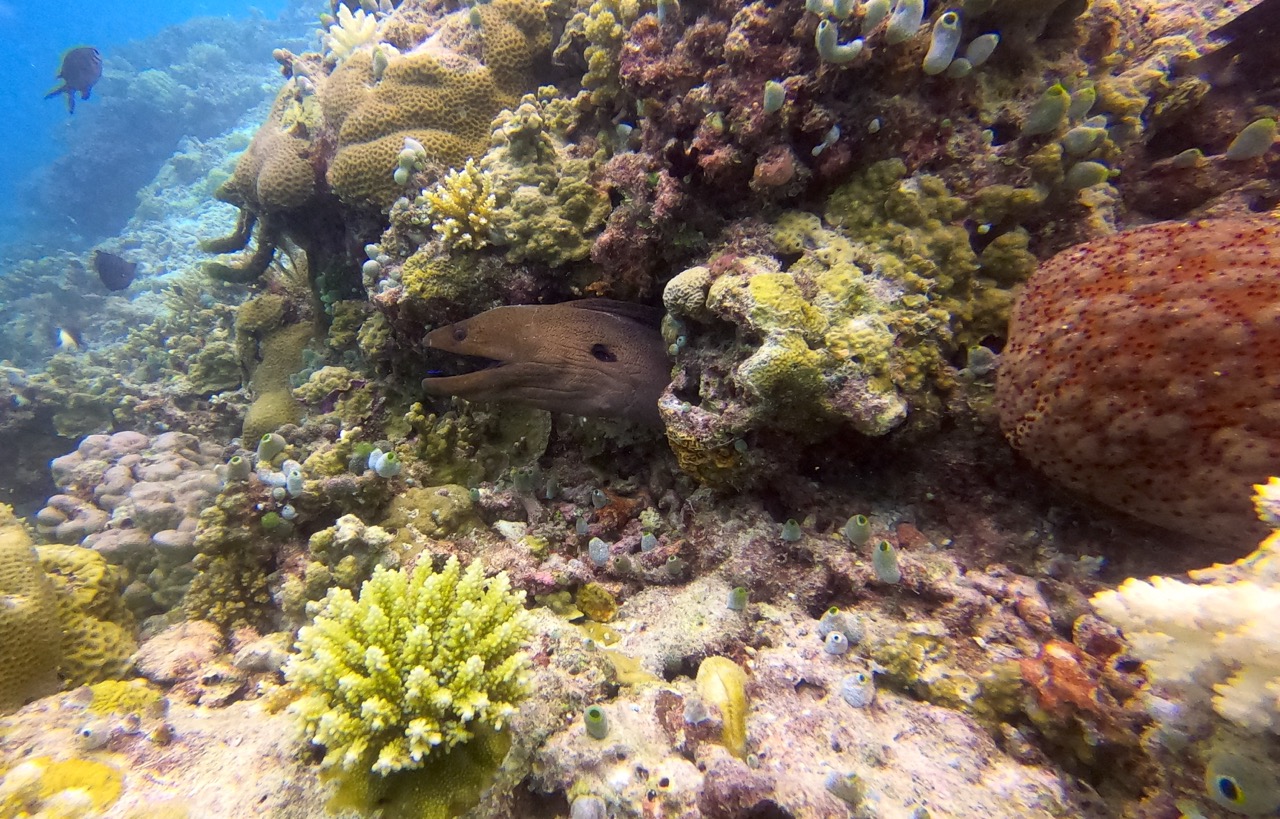
Resilient outer reefs in Ari atoll had maintained levels of coral cover and had reasonably good reef fish populations with 50 – 60% hard coral cover on the deeper surveys (6 – 10 m depth). Some reef sites within atolls showed a further recovery for hard coral cover since the 2016 mass coral bleaching, reaching 40 – 50% cover on more shallow sites (3 – 5 m depth). However, other inner reefs continue to show a ‘phase-shift’ to a non-coral dominated status with opportunistic / fast-growing benthic fauna such as the coralliomorph Discosoma smothering the reef surface at one site (Dega Thila) and currently preventing the re-establishment of corals and other benthic groups.
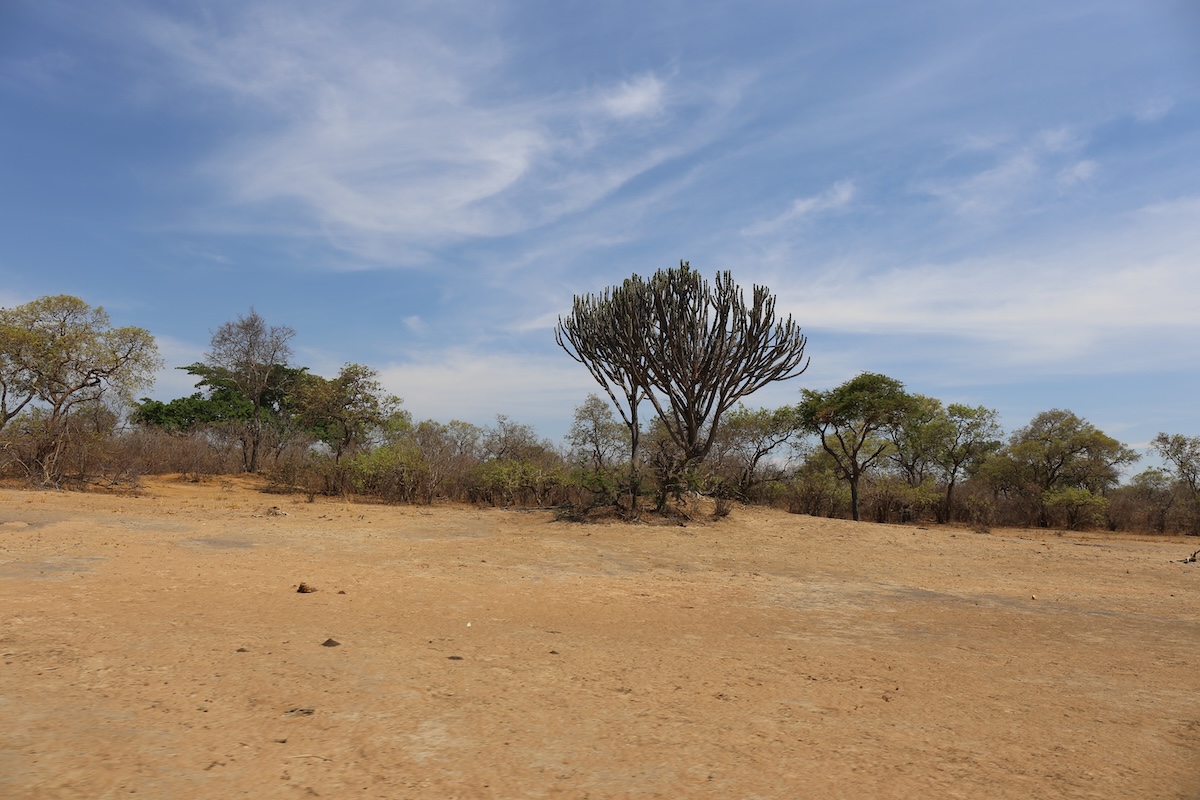
Biosphere Expeditions has completed another successful Africa volunteer expedition in Malawi, gathering long-term research data on biodiversity in one of the country’s least-studied wildlife reserves.
Conservation expedition to Vwaza Marsh Wildlife Reserve
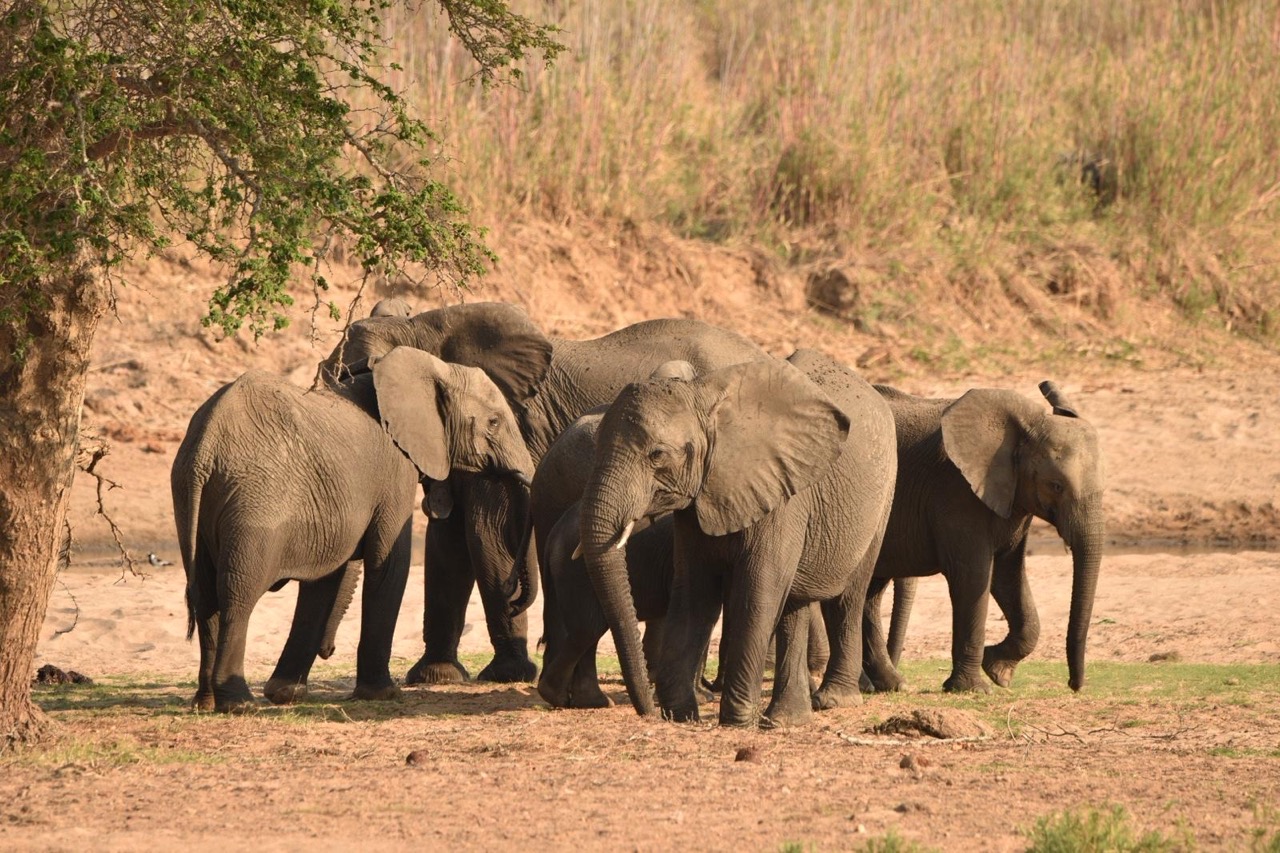
Working closely with Malawi’s Lilongwe Wildlife Trust (LWT), the volunteer expedition team spent two weeks at Vwaza Marsh Wildlife Reserve, researching the populations of elephants and hippos around Lake Kazuni, along with surveys of other mammals and birds, using camera traps and direct observation.
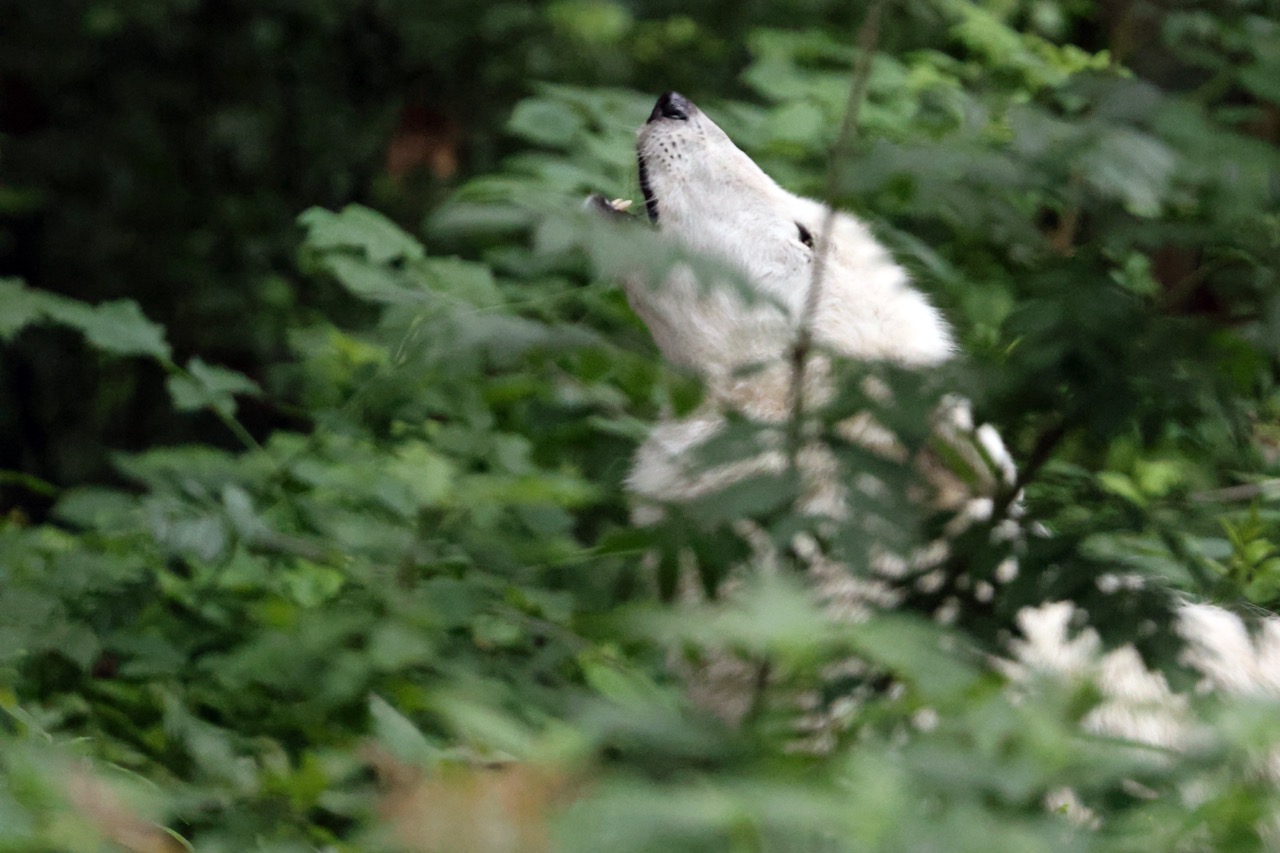
A white wolf howling in the woods in Germany (c) Christiane Flechtner
The 2025 Biosphere Expeditions wolf conservation project in Lower Saxony, Germany has once again made a significant contribution to state wolf monitoring efforts. It collected 79 scat samples, 13 of which are “good and fresh enough” – says expedition scientist Charlotte Steinberg – for DNA analysis, and all of which will be studied for remains of prey animals.
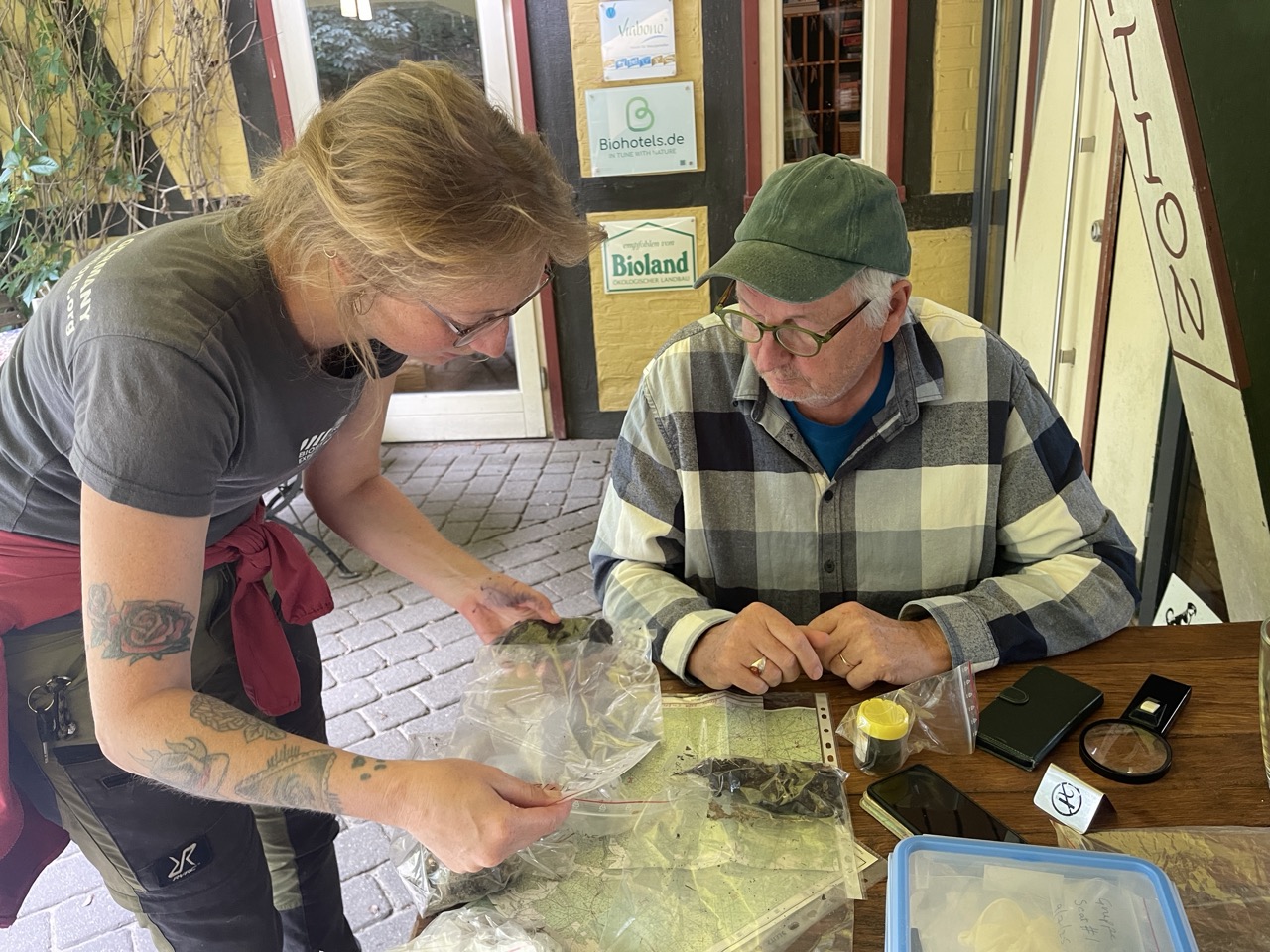
Expedition scientist Charlotte Steinberg (left) assessing scat samples with local wolf ambassador Kenny Kenner.
The wolf expedition in 2025
From 5 to 18 July 2025, nineteen citizen scientists gathered wolf evidence in support of the state’s official wolf monitoring programme. Some participants came from Germany and its neighbouring countries, as well as the UK and Spain, but there were also participants from North America, Australia, Oman and Brazil.
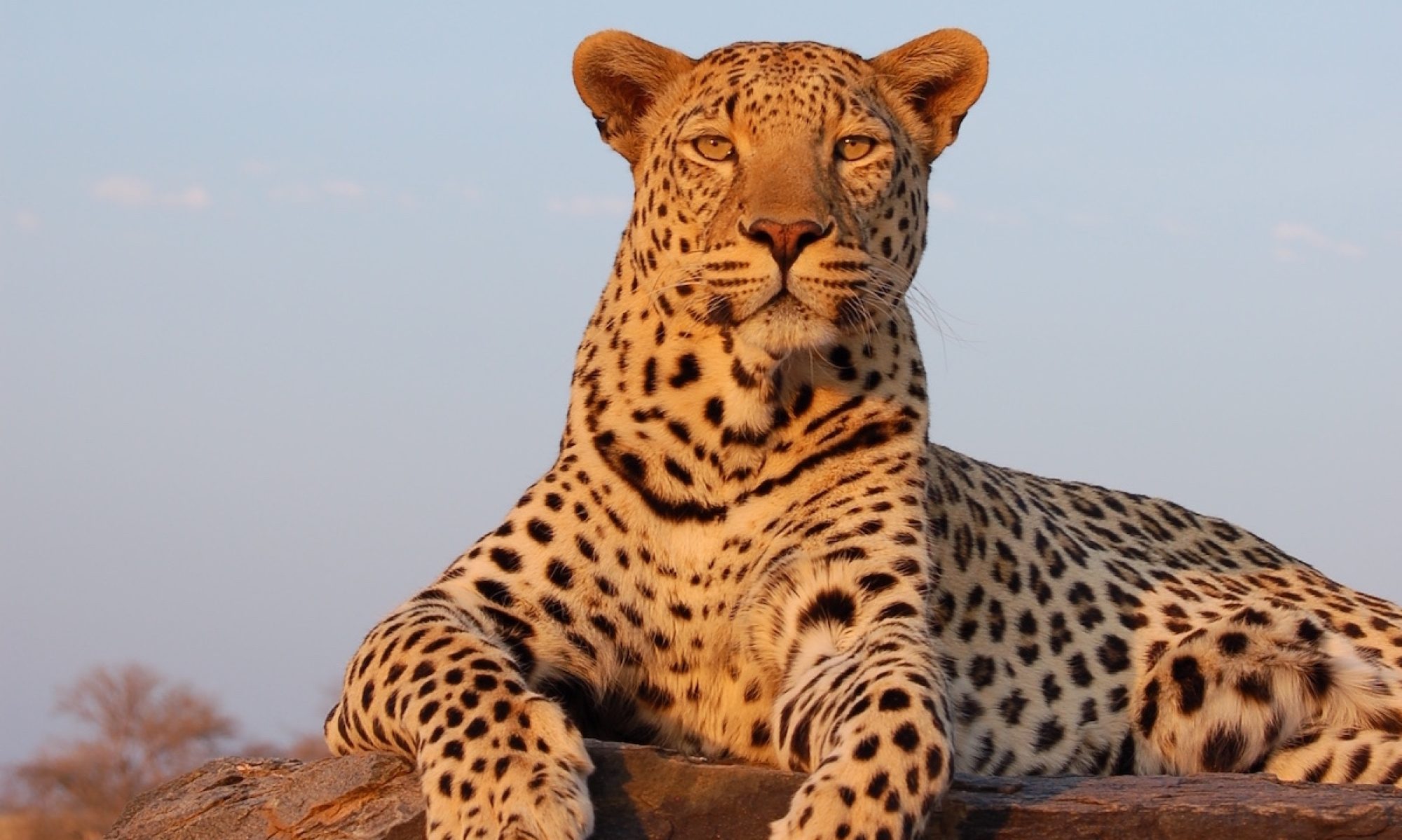
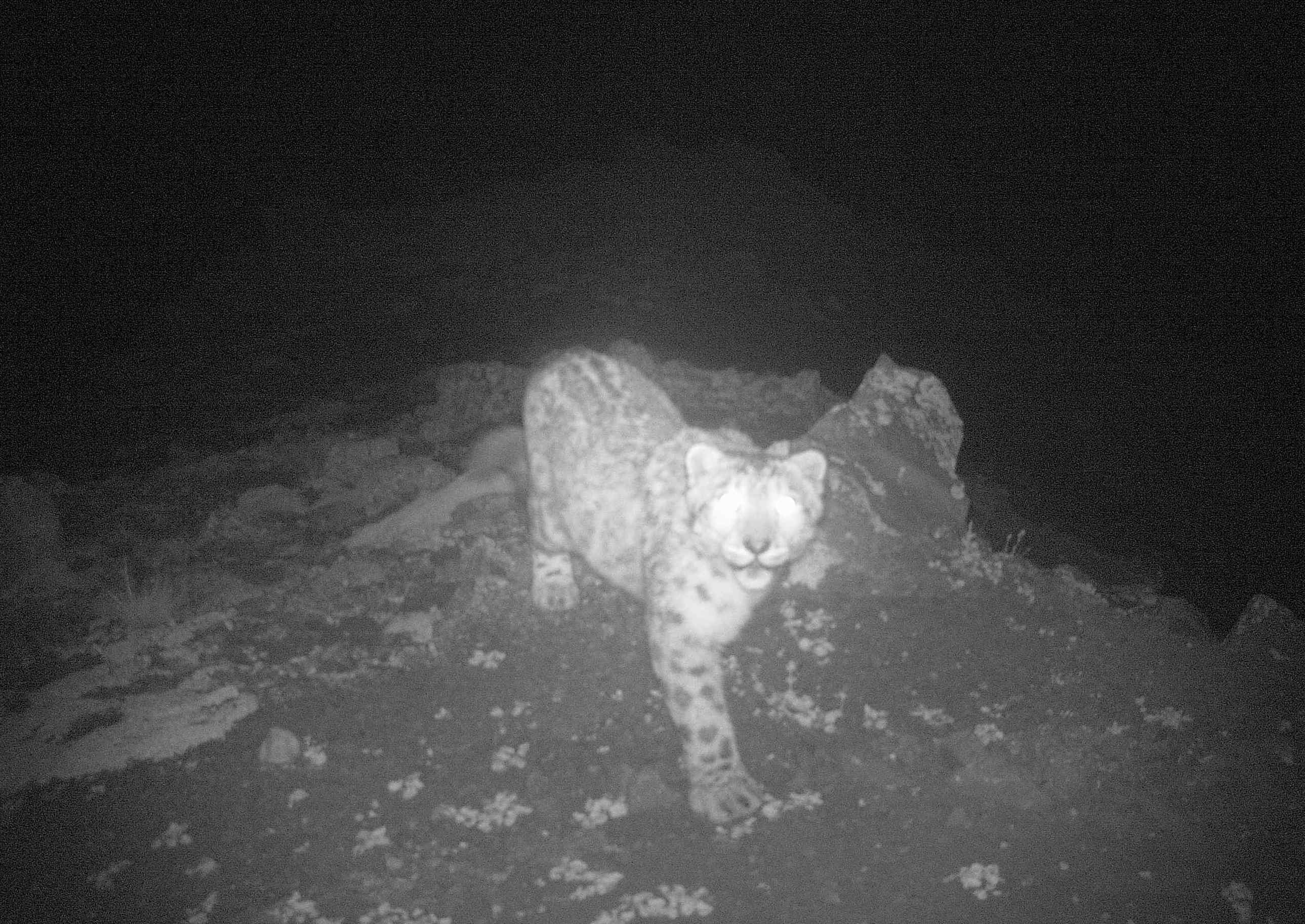
The mountain ghost caught on camera trap on a Biosphere Expeditions snow leopard conservation expedition
The snow leopard (Panthera uncia) is an iconic large cat native to the mountain ranges of Central and South Asia. It is listed as Vulnerable on the IUCN Red List because the global population is estimated to number fewer than 10,000 mature individuals and is expected to decline by about 10% by 2040.
Working in snow leopard conservation since 2003
Biosphere Expeditions has worked in snow leopard conservation since 2003. This makes it one of the longest-running initiatives organised by Biosphere Expeditions and one of the most extended research projects on snow leopards ever conducted.
Initially, expeditions were based in the Altai mountain range in Russia from 2003 to 2011, where we utilised sign rates and sightings for species recordings to confirm snow leopard presence, which contributed to the establishment of Saylyugemsky National Park – just one of many achievements that Biosphere Expeditions has racked up over the years.
Diving and contributing to protecting some of the most beautiful reefs in the world as a way to aid burnout recovery.
Some days, exhaustion feels deeper than the muscles or sleep you’ve lost. You can sleep, take a holiday, work out regularly, or binge-watch your favourite shows and still wake up feeling flat.
Burnout is rarely solved by rest alone. It’s emotional depletion, loss of motivation, and a sense that what you do no longer matters.
After the holidays or during any major life transition many people feel this more acutely. Returning to work, routines and obligations, or questioning what comes next, can feel surprisingly flat, even after a “restful” break. That’s because burnout is often about disconnection from purpose, not just physical fatigue.
Volunteering expeditions with a clear focus on wildlife conservation provide structure, shared goals and opportunities for all skill levels to contribute meaningfully.




 Biosphere Expeditions: blogs from the frontline of wildlife conservation and the fight for a more sustainable planet