Malawi: Elephants, hippos and ants

Update from our Malawi expedition volunteering with elephants, hippo, cats, pangolins and African biodiversity

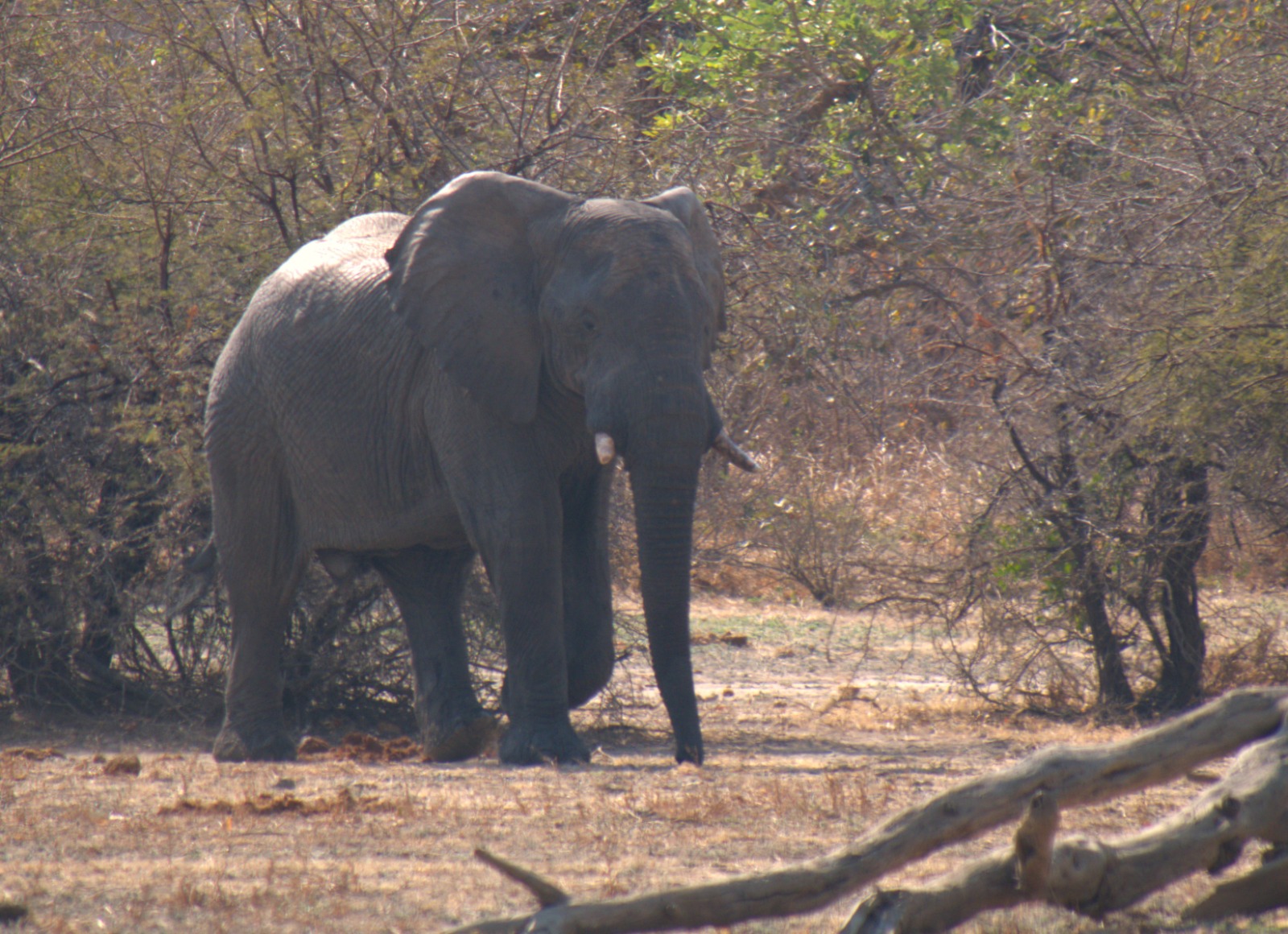
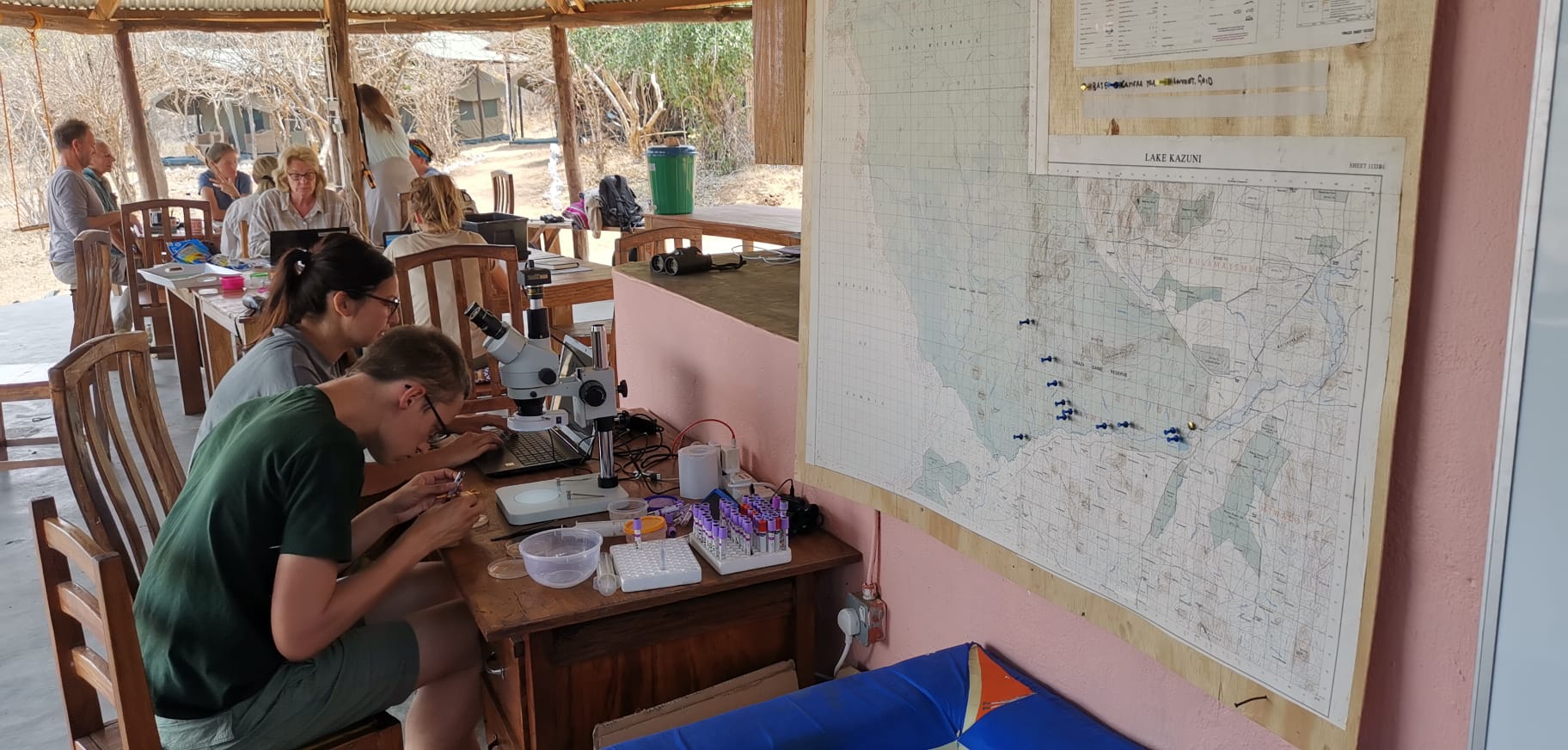
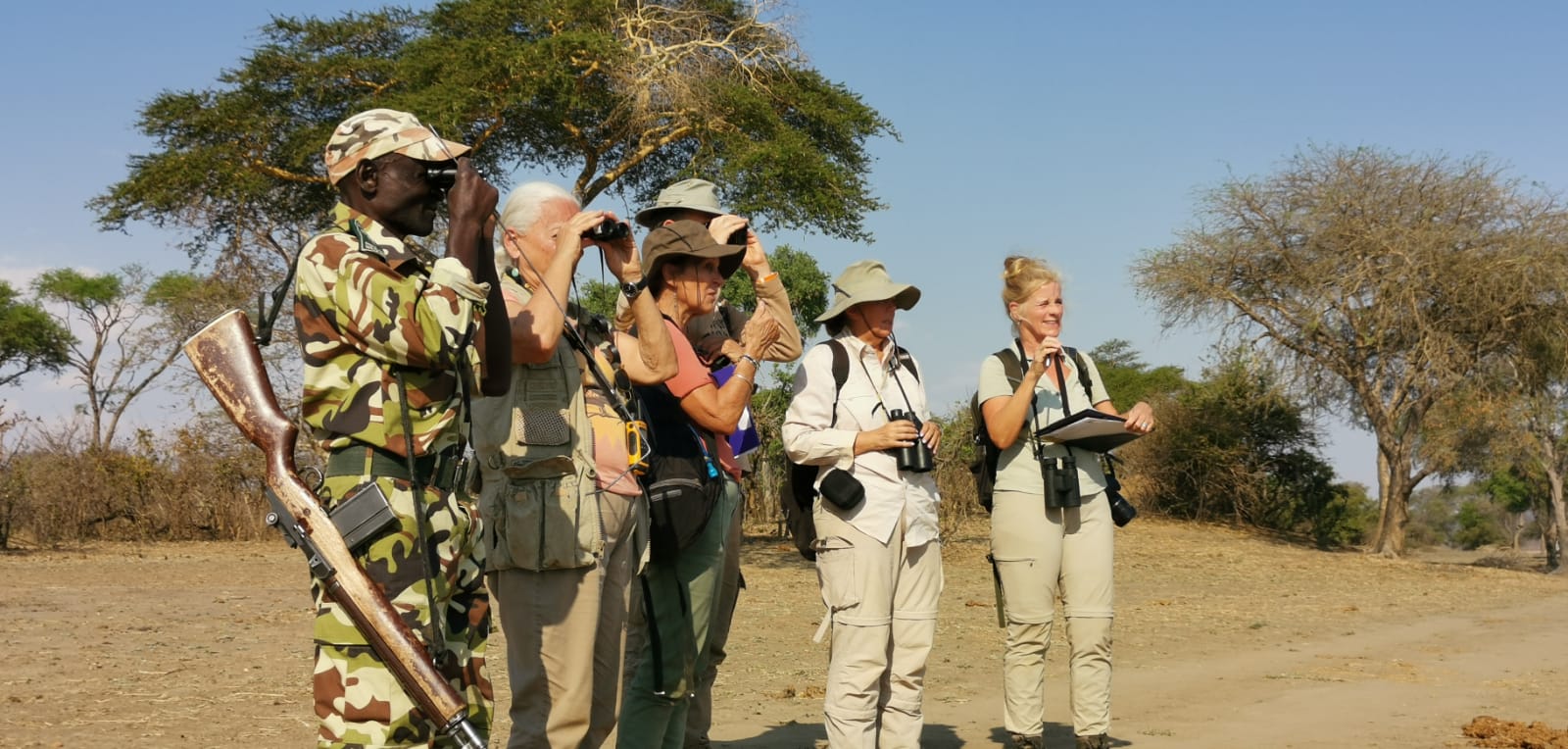
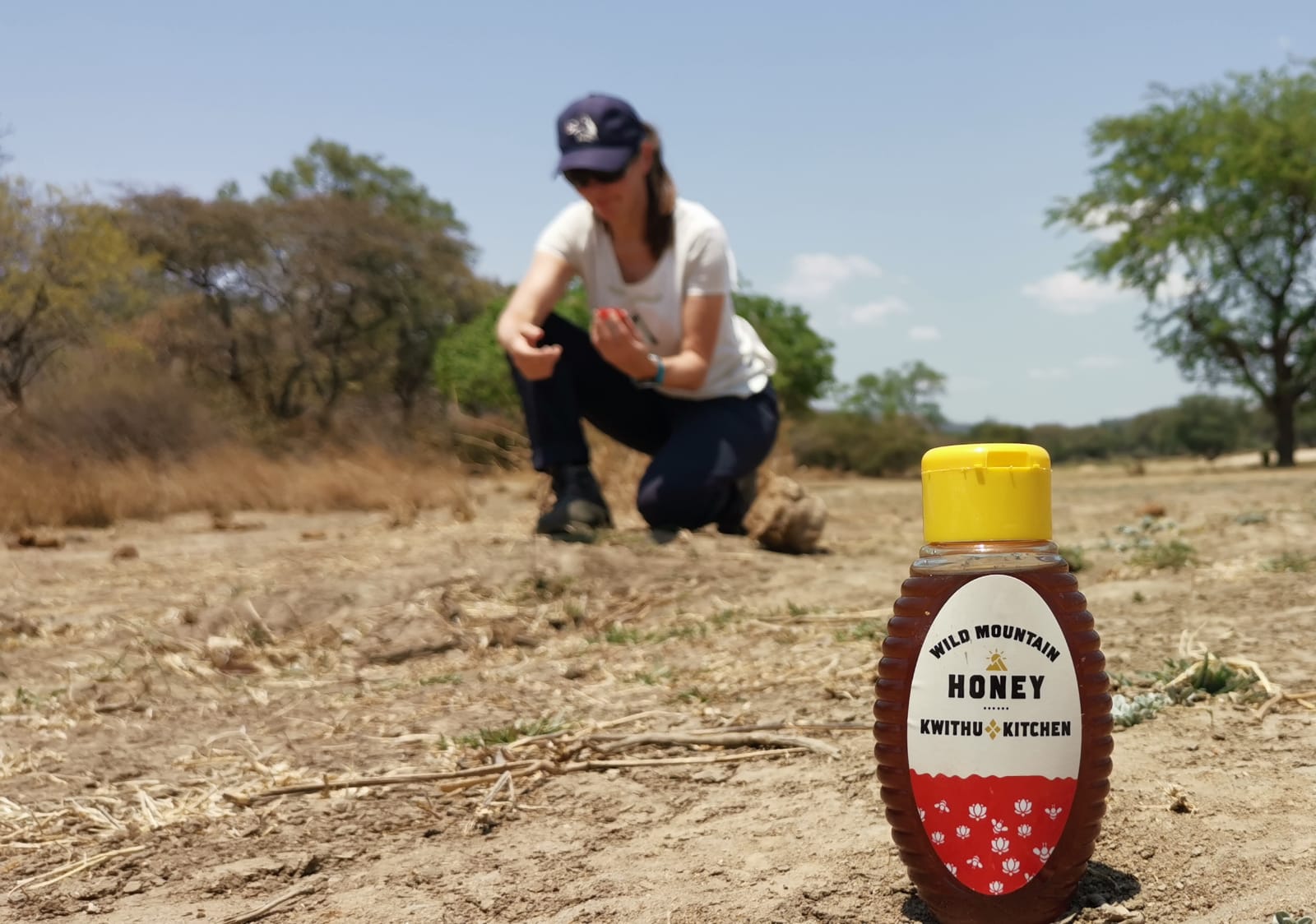
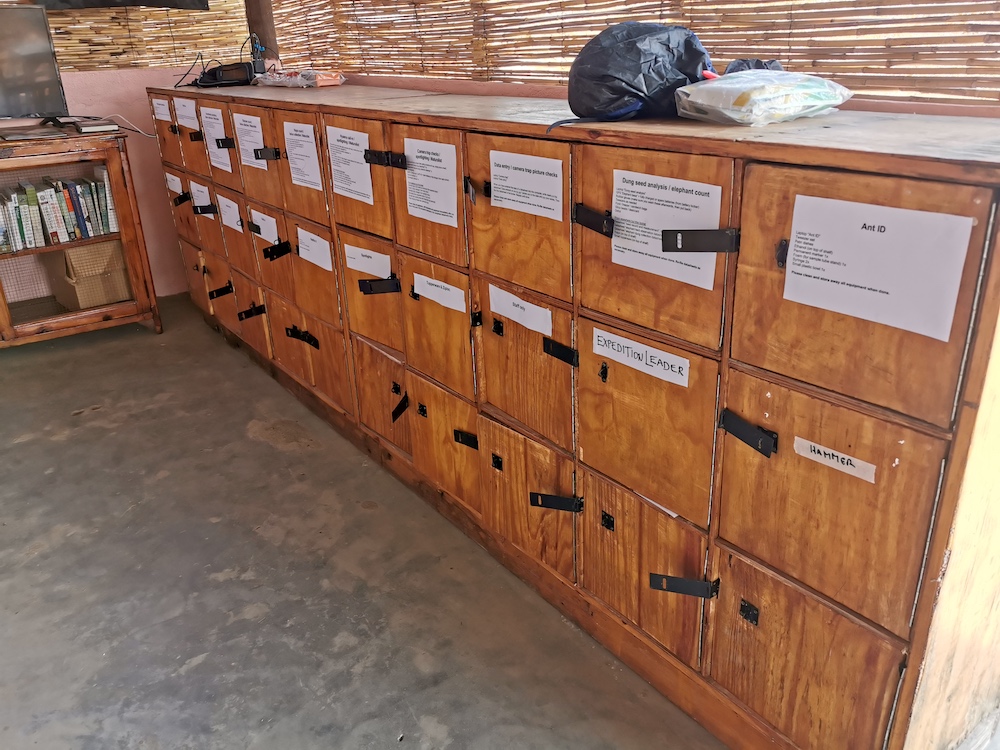
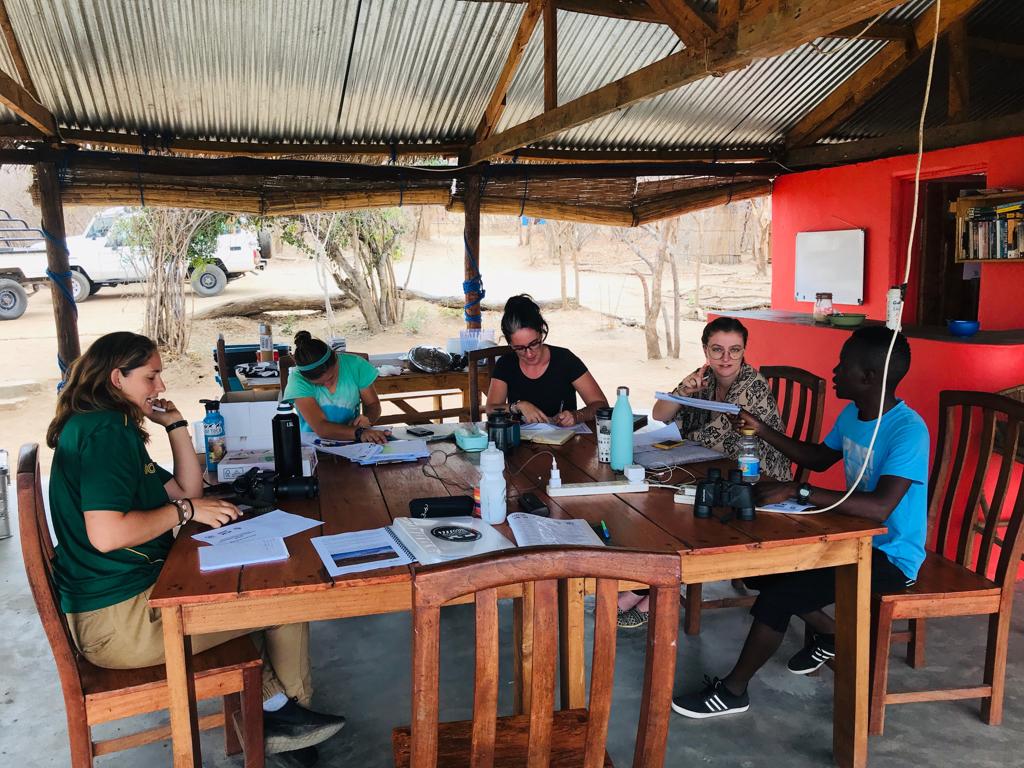
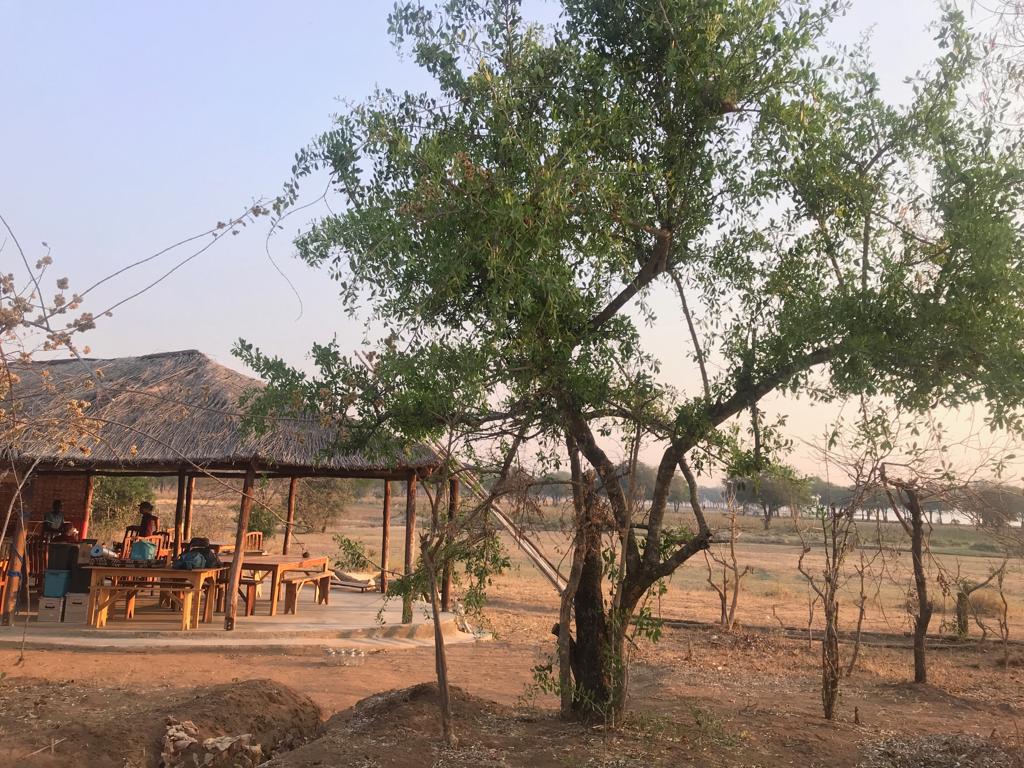
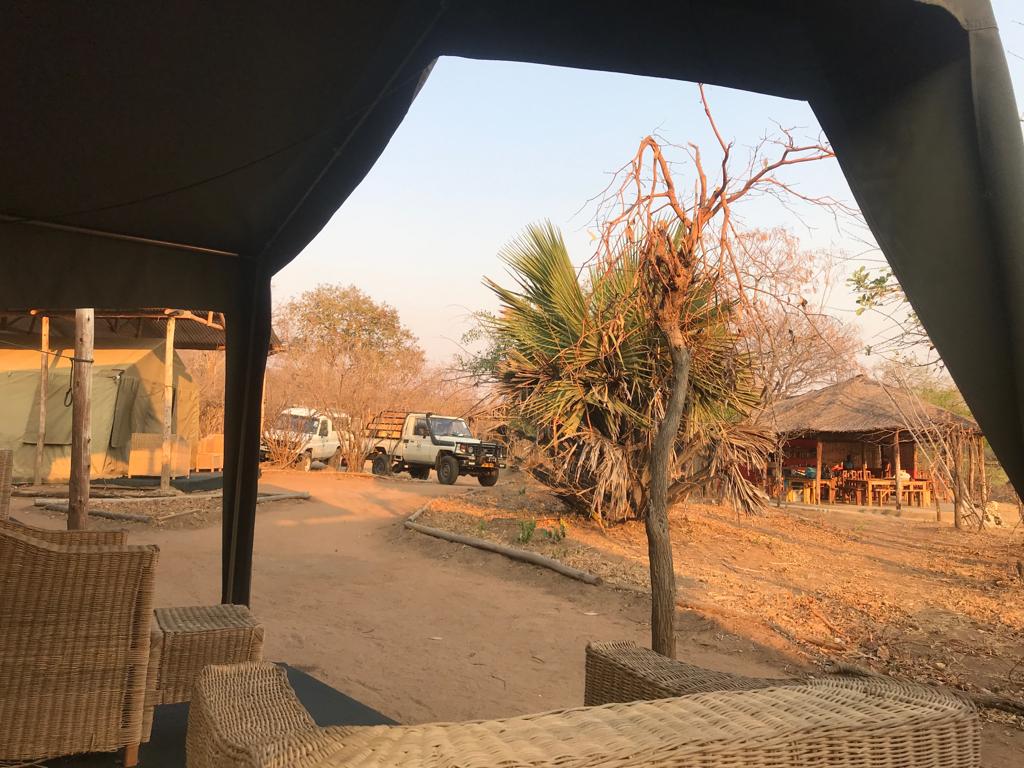
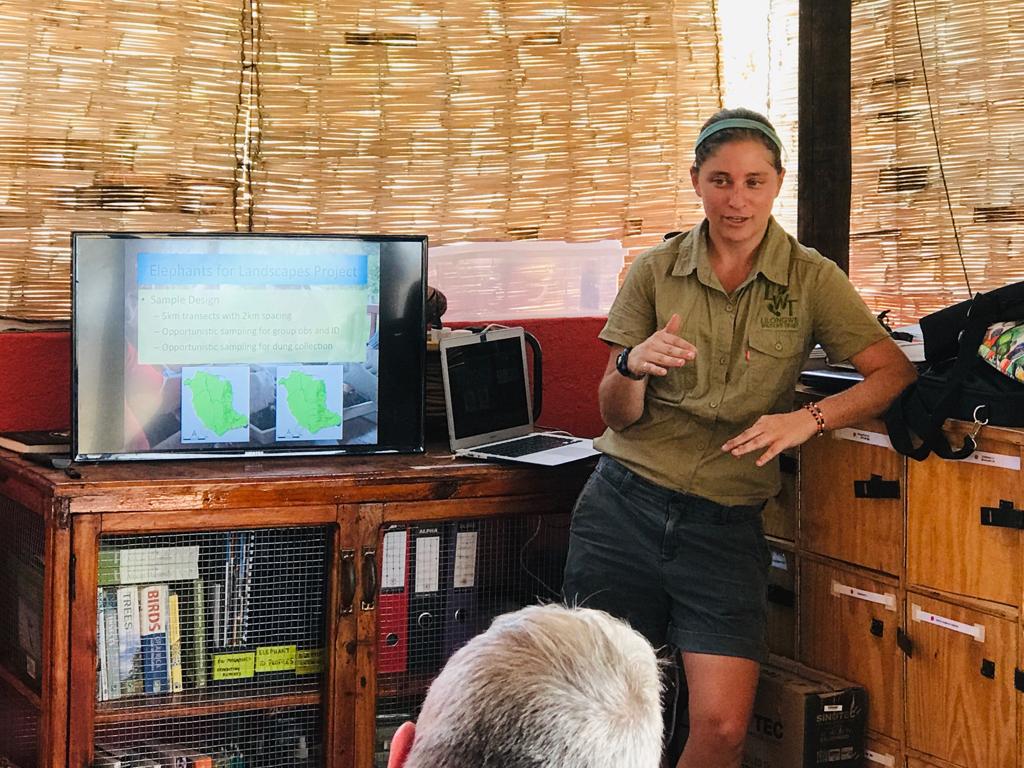
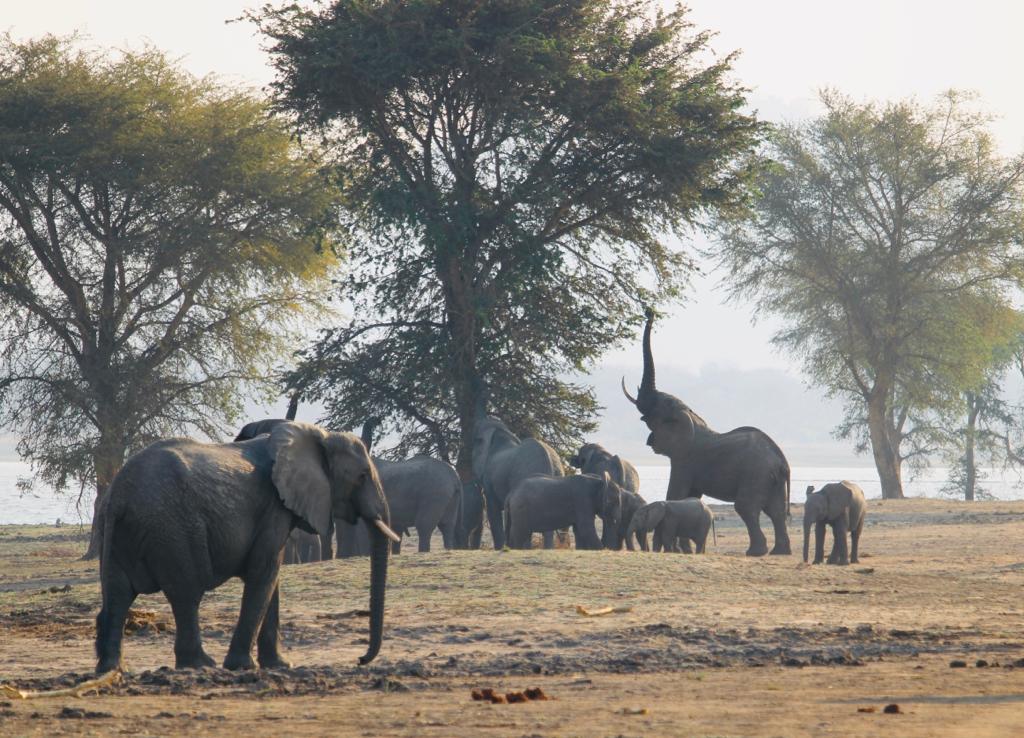
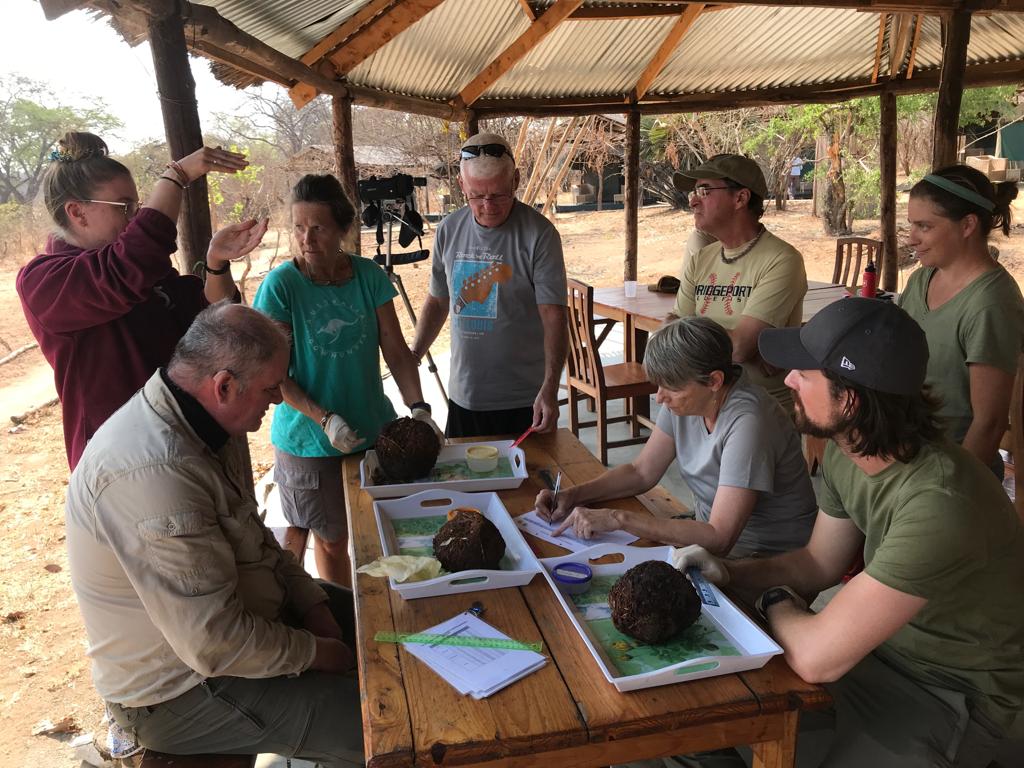
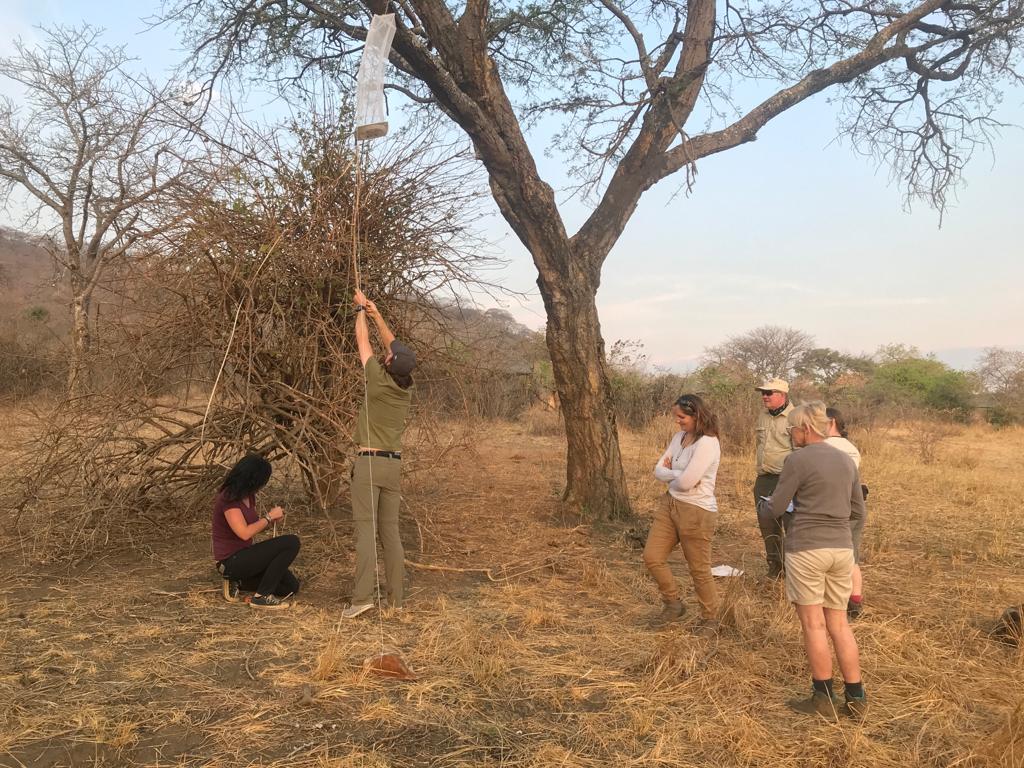
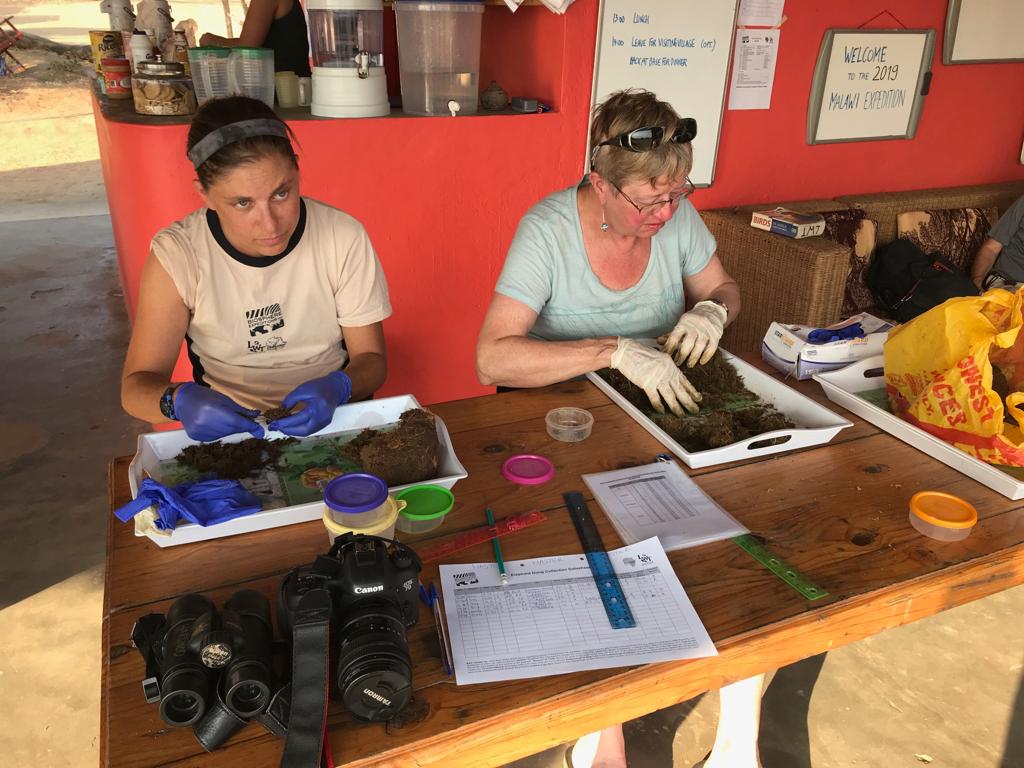
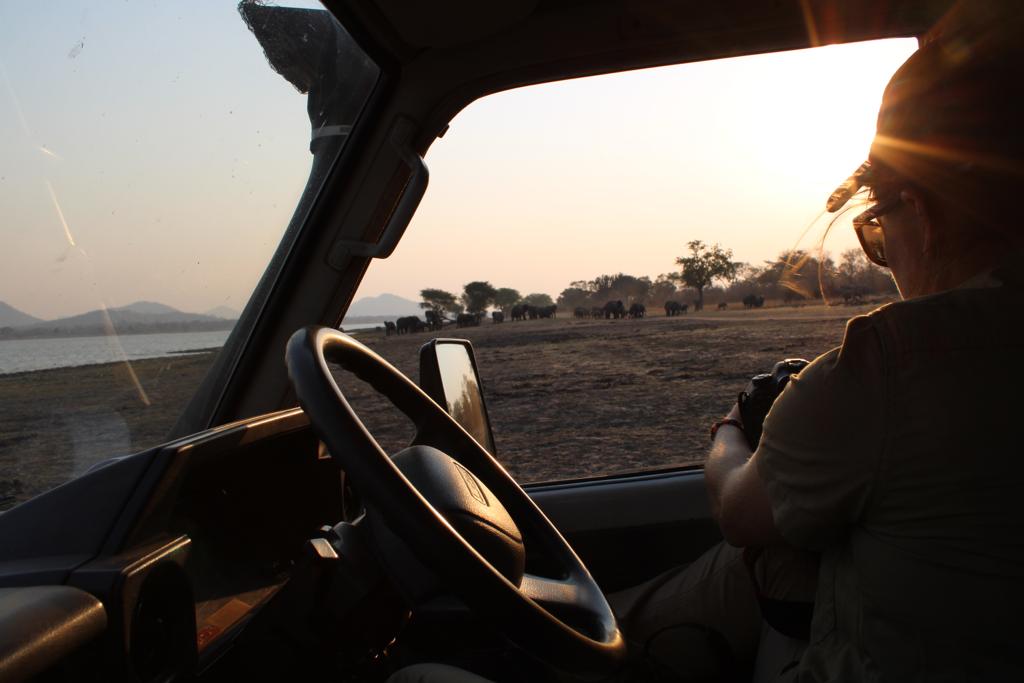
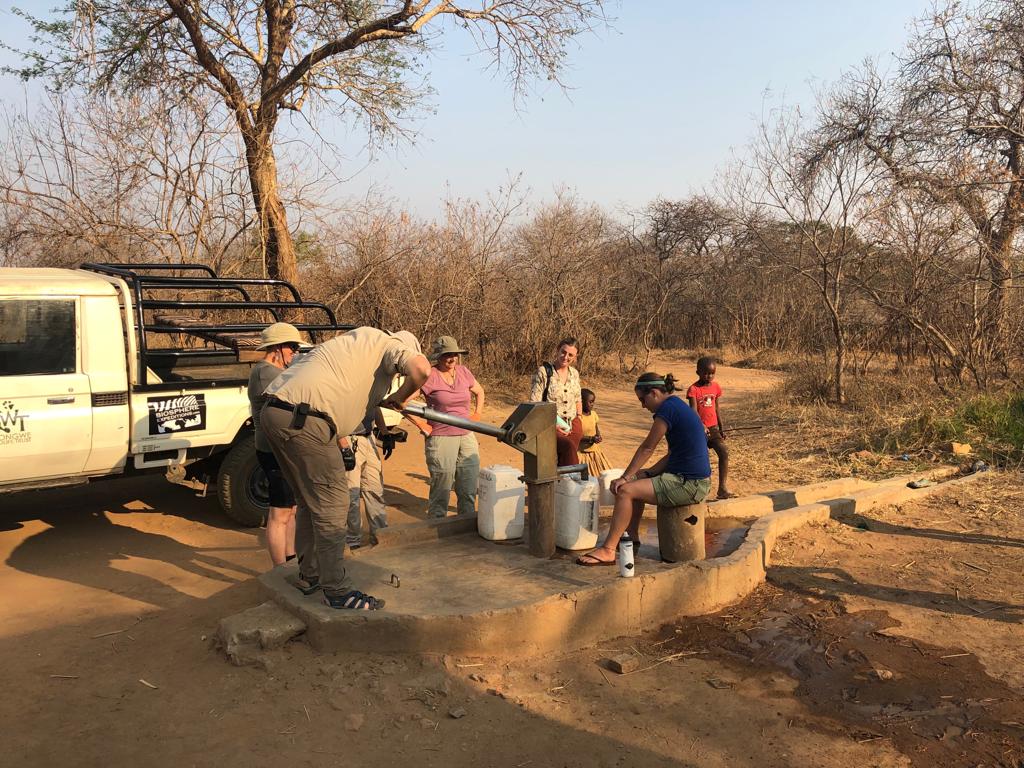
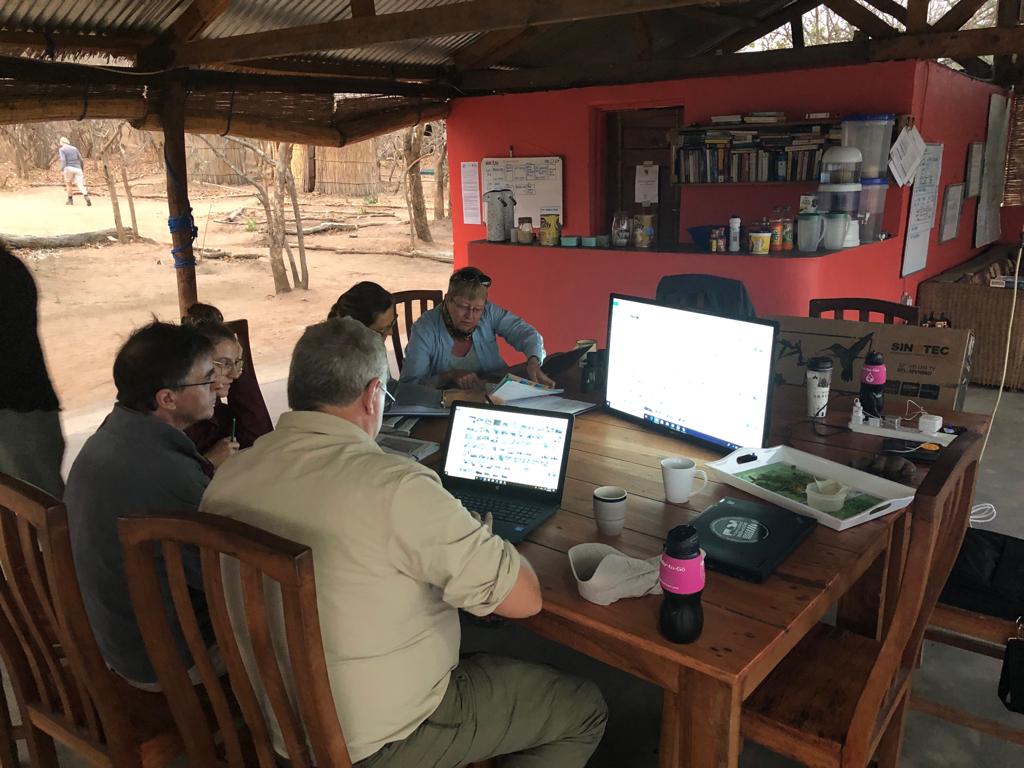
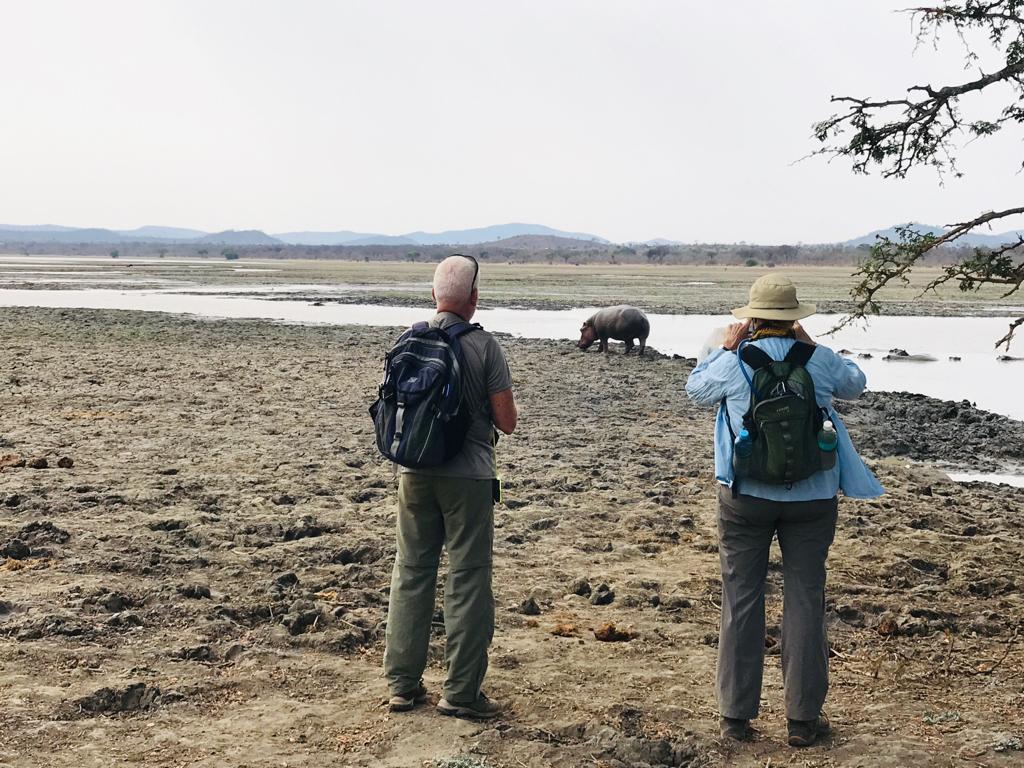
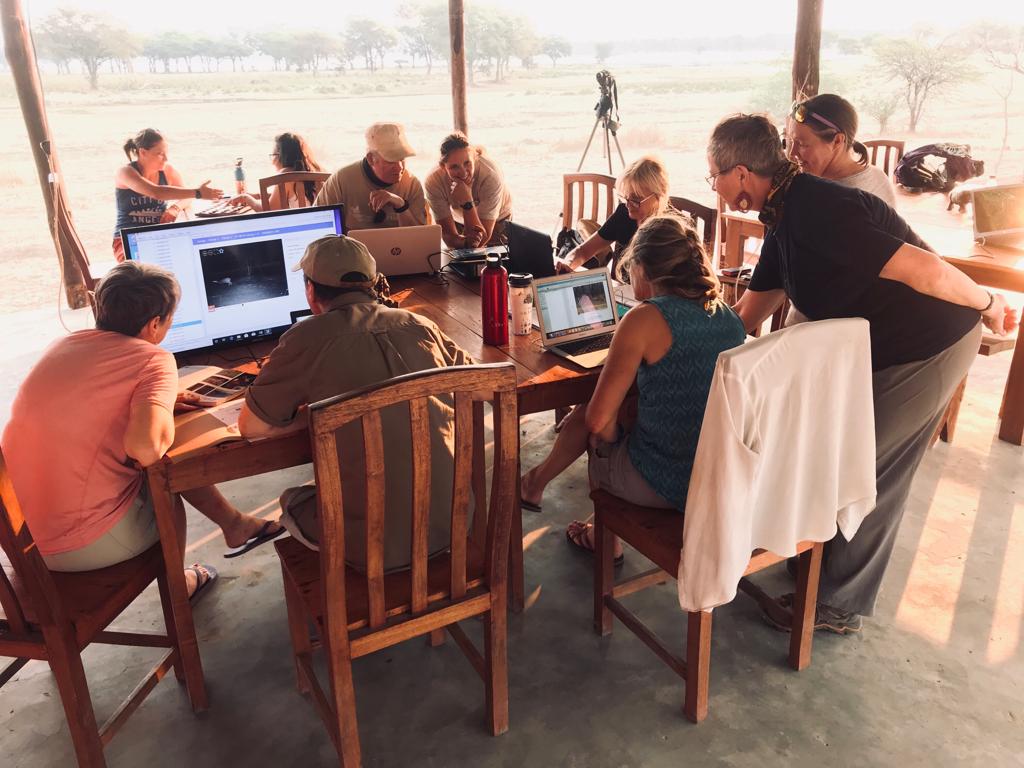
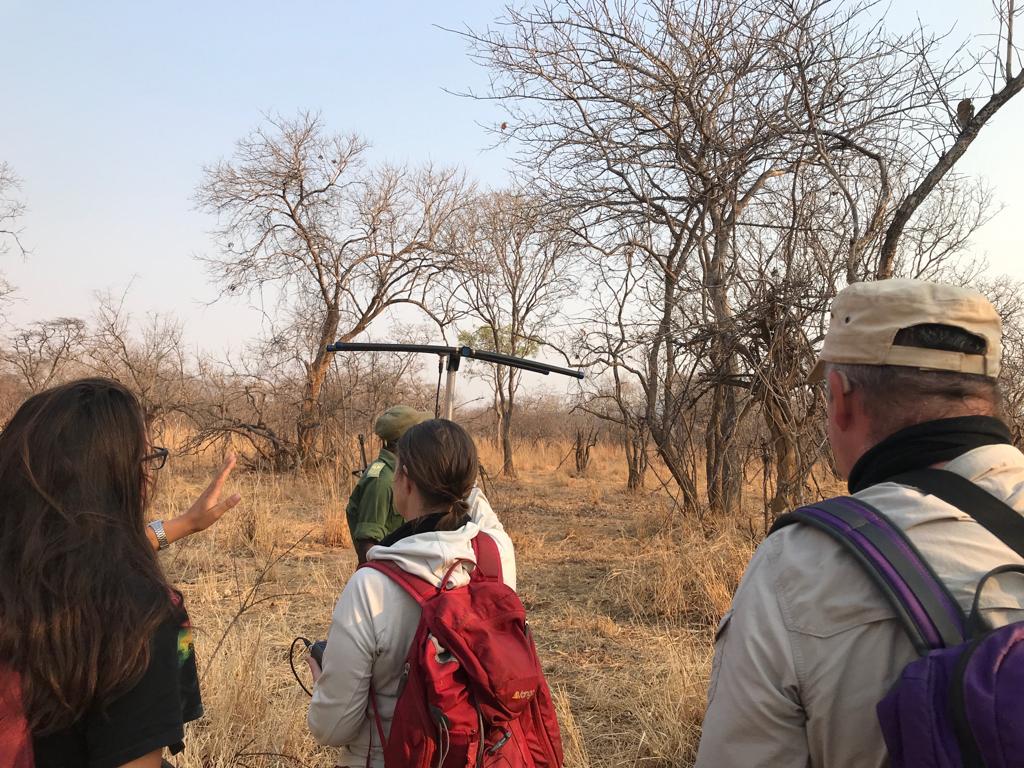
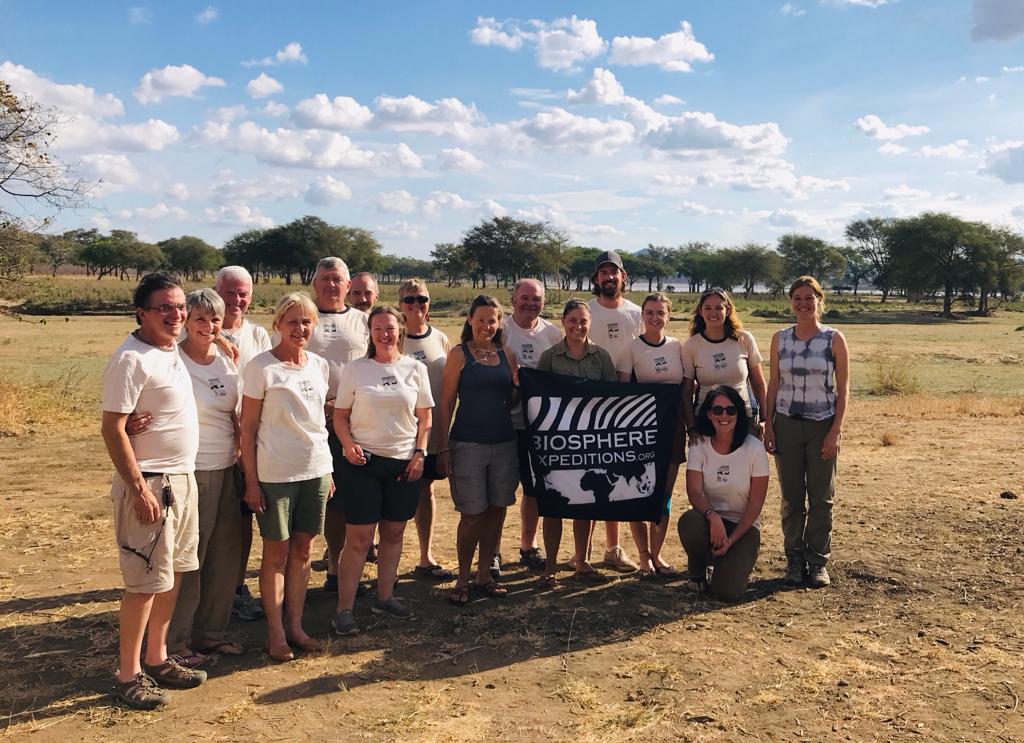
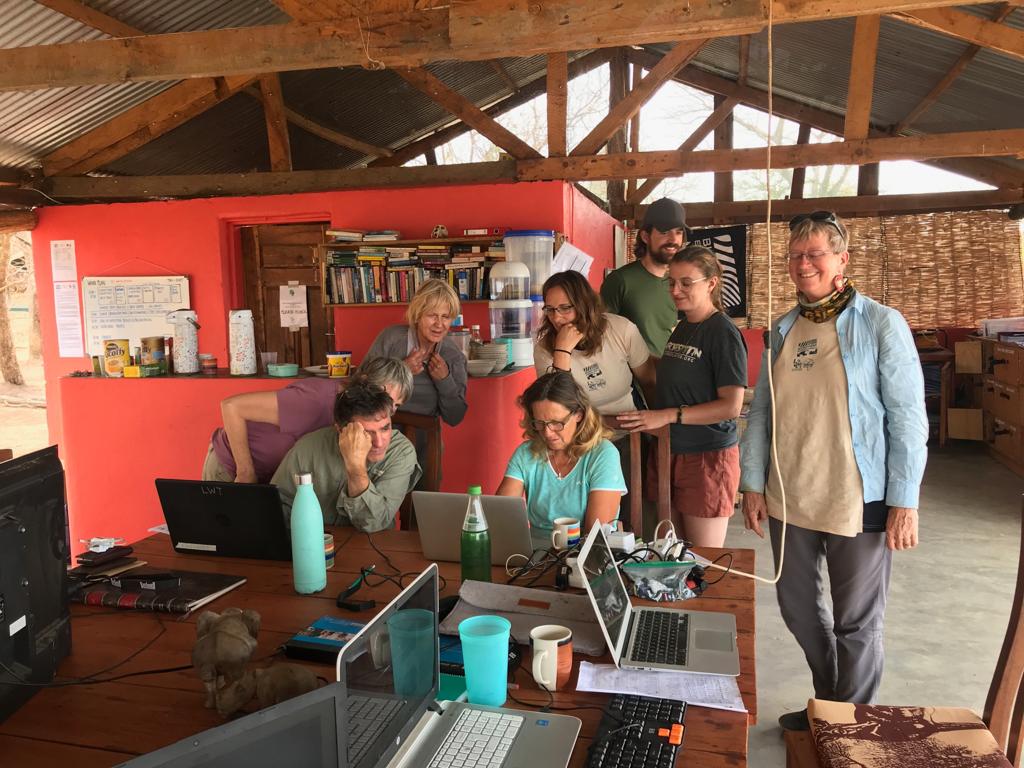
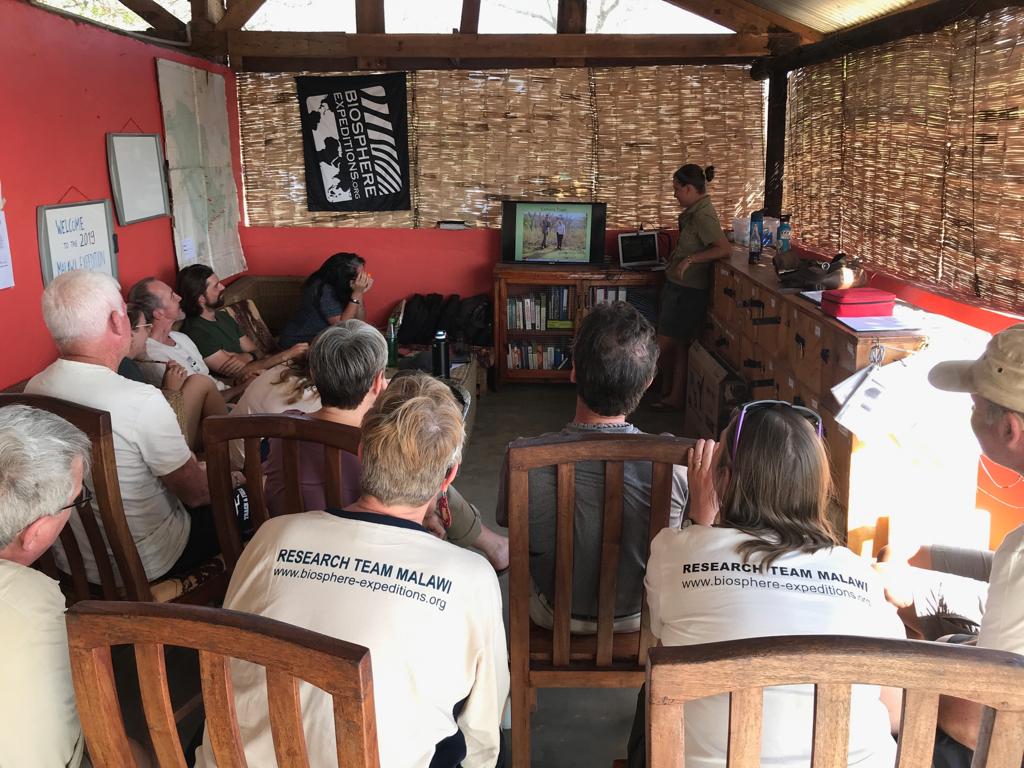
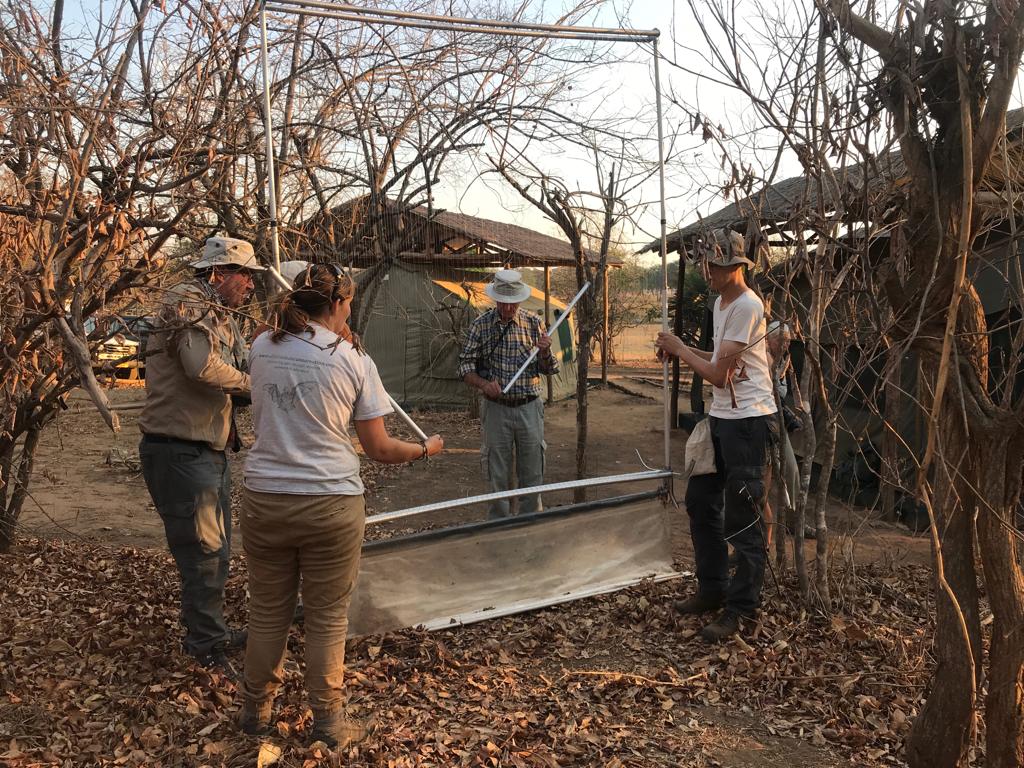
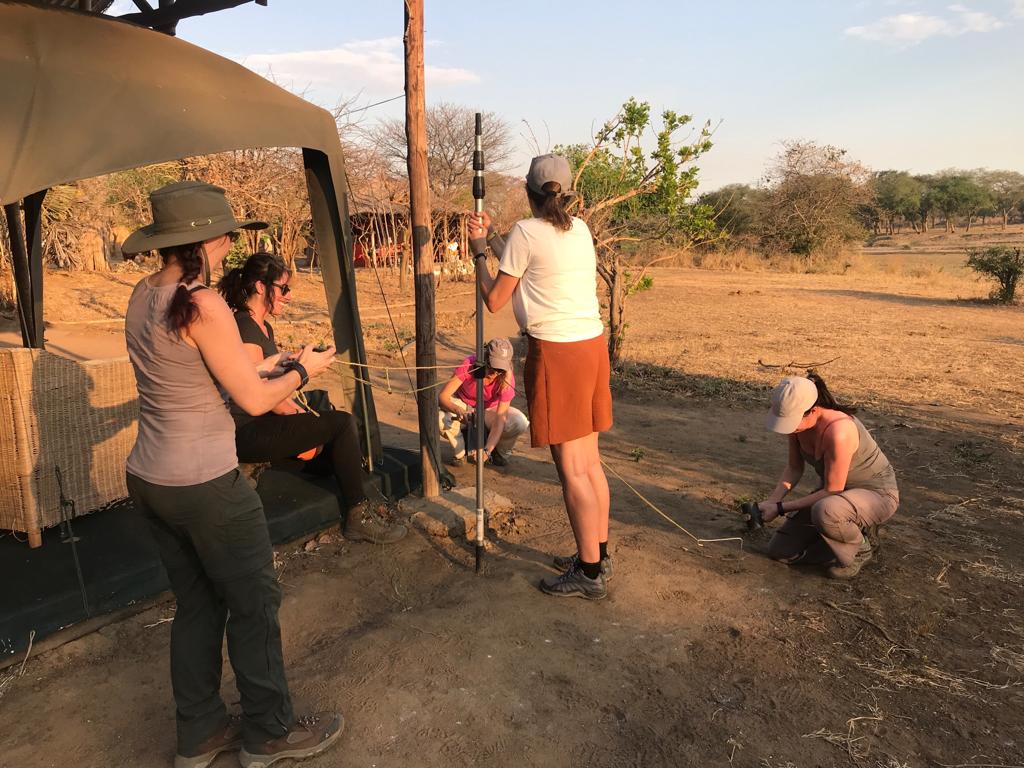
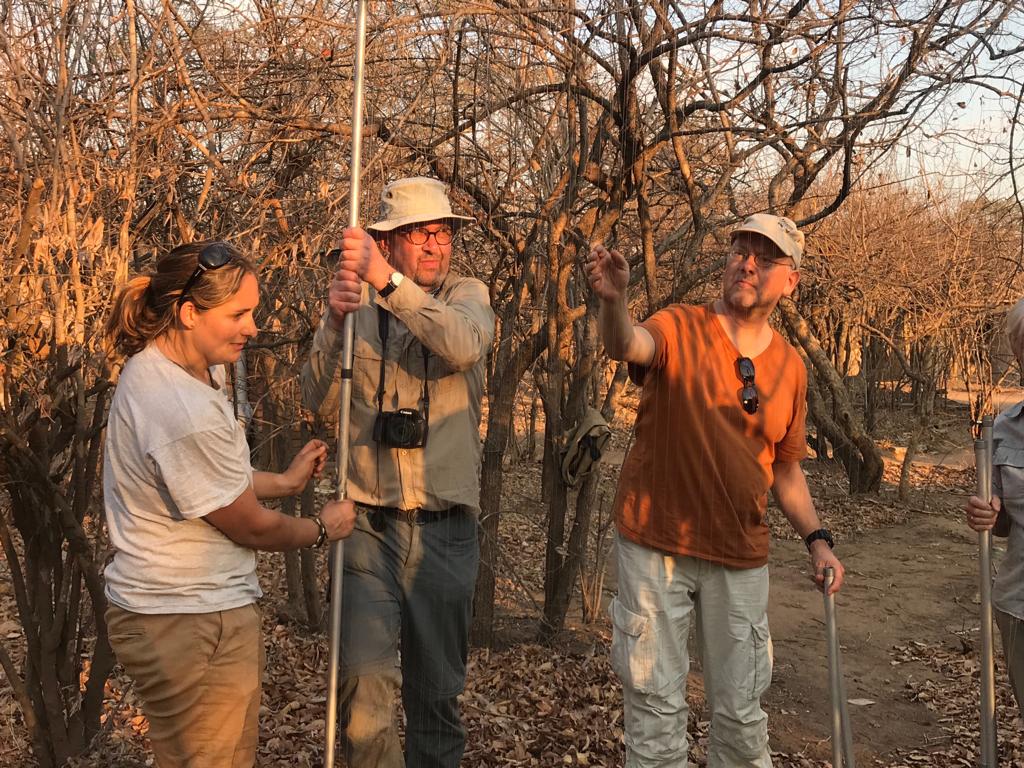
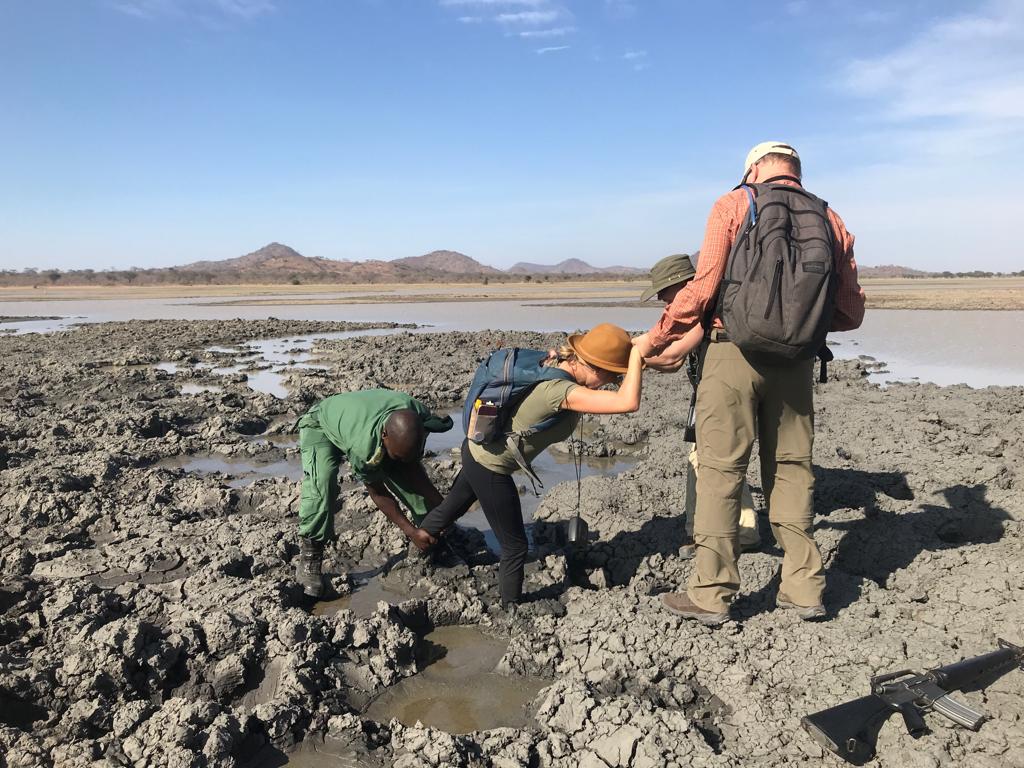
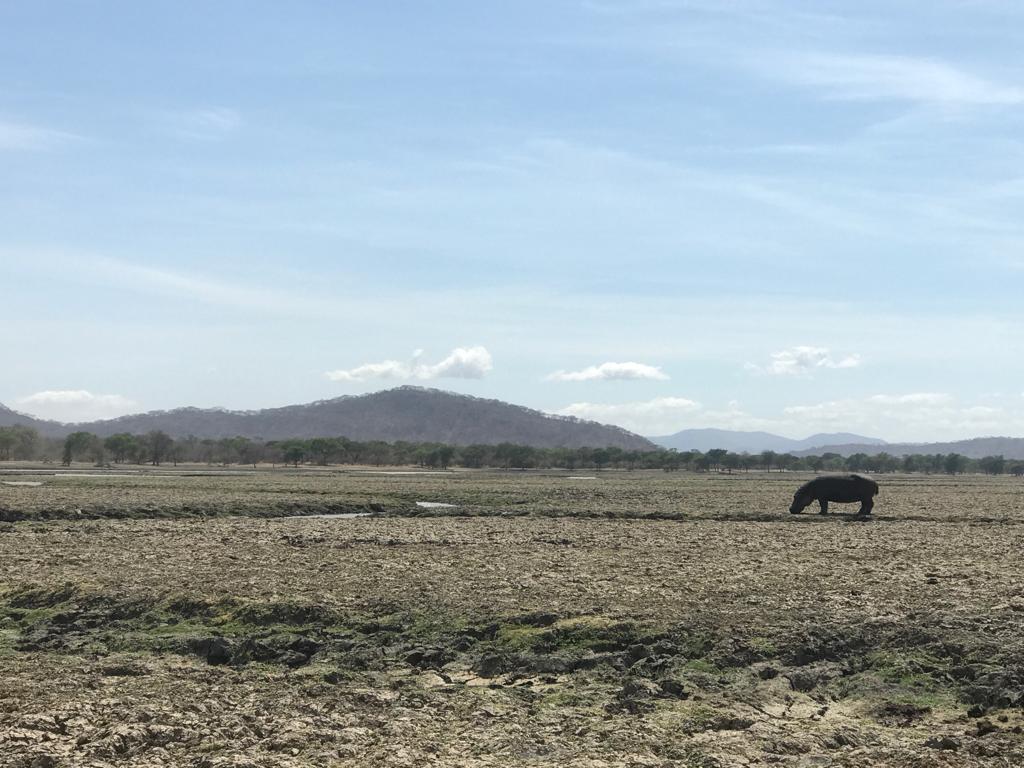
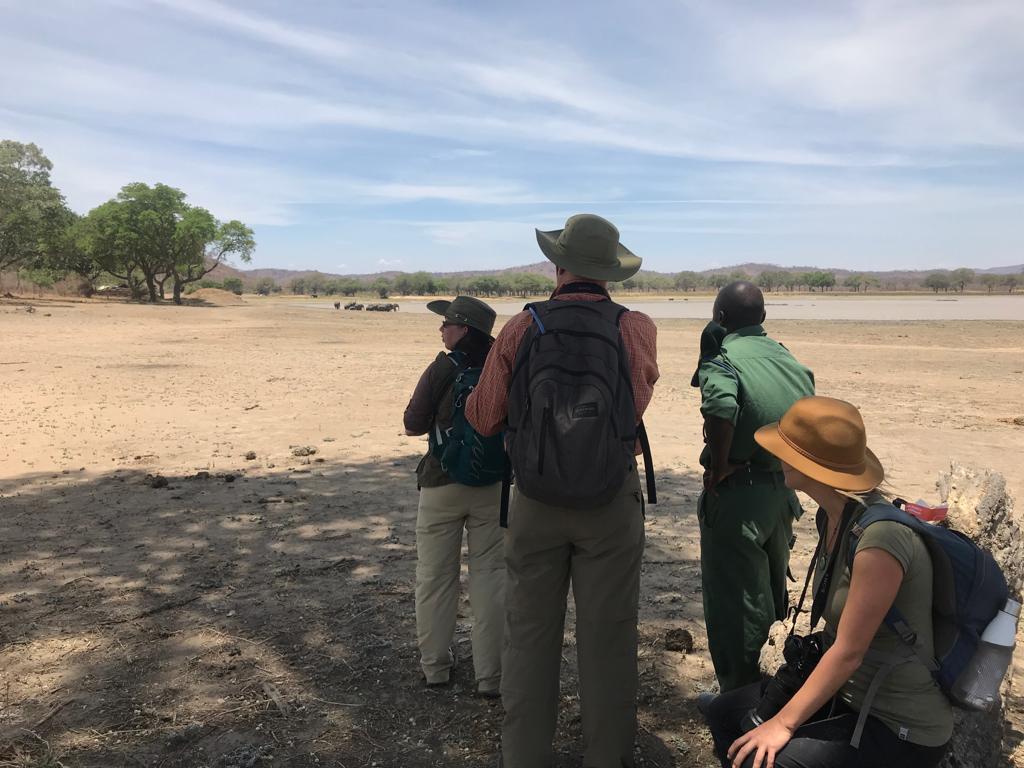
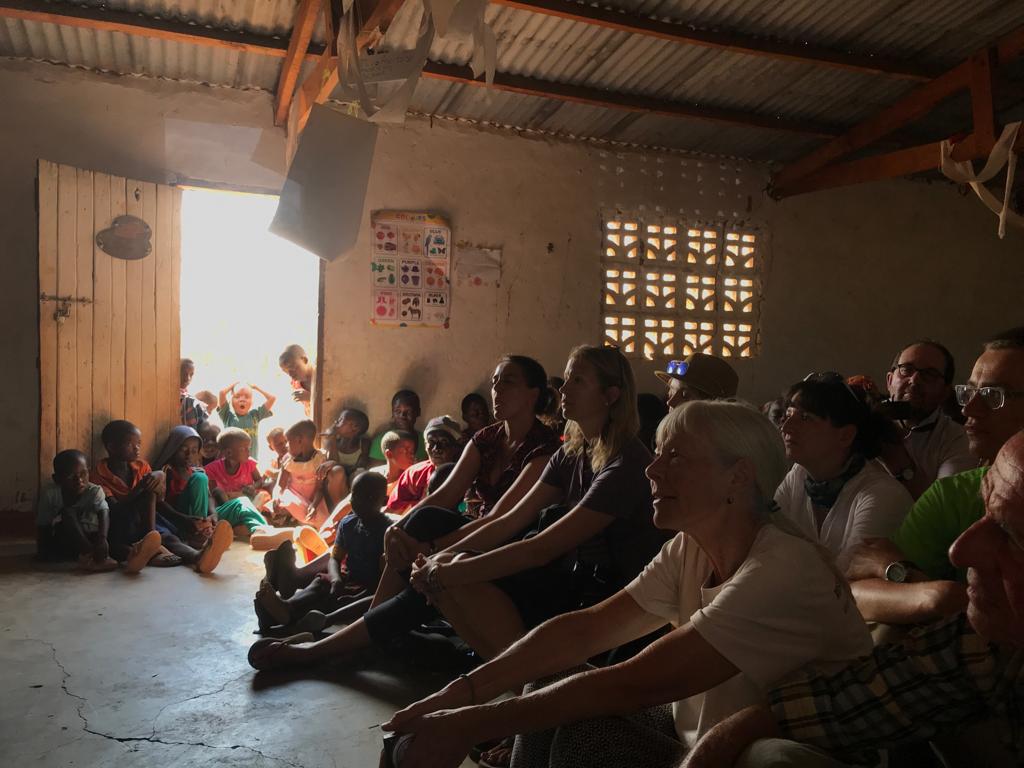
As I write this, sitting in the cool of the dining area at base camp, some of our Malawi citizen scientists are watching – and counting – a large herd of elephants drinking at the lakeshore, another team is out on a hippo count walk and others are peering at and photographing ants through a microscope, sifting samples of elephant dung for seeds and logging camera trap photos. It is a happy, calm and efficient scene! The Malawi 2022 biodiversity expedition team is up to the task โ€“ following a few days of settling in, training and practice, they are getting on the research tasks with notable competence and conviction.

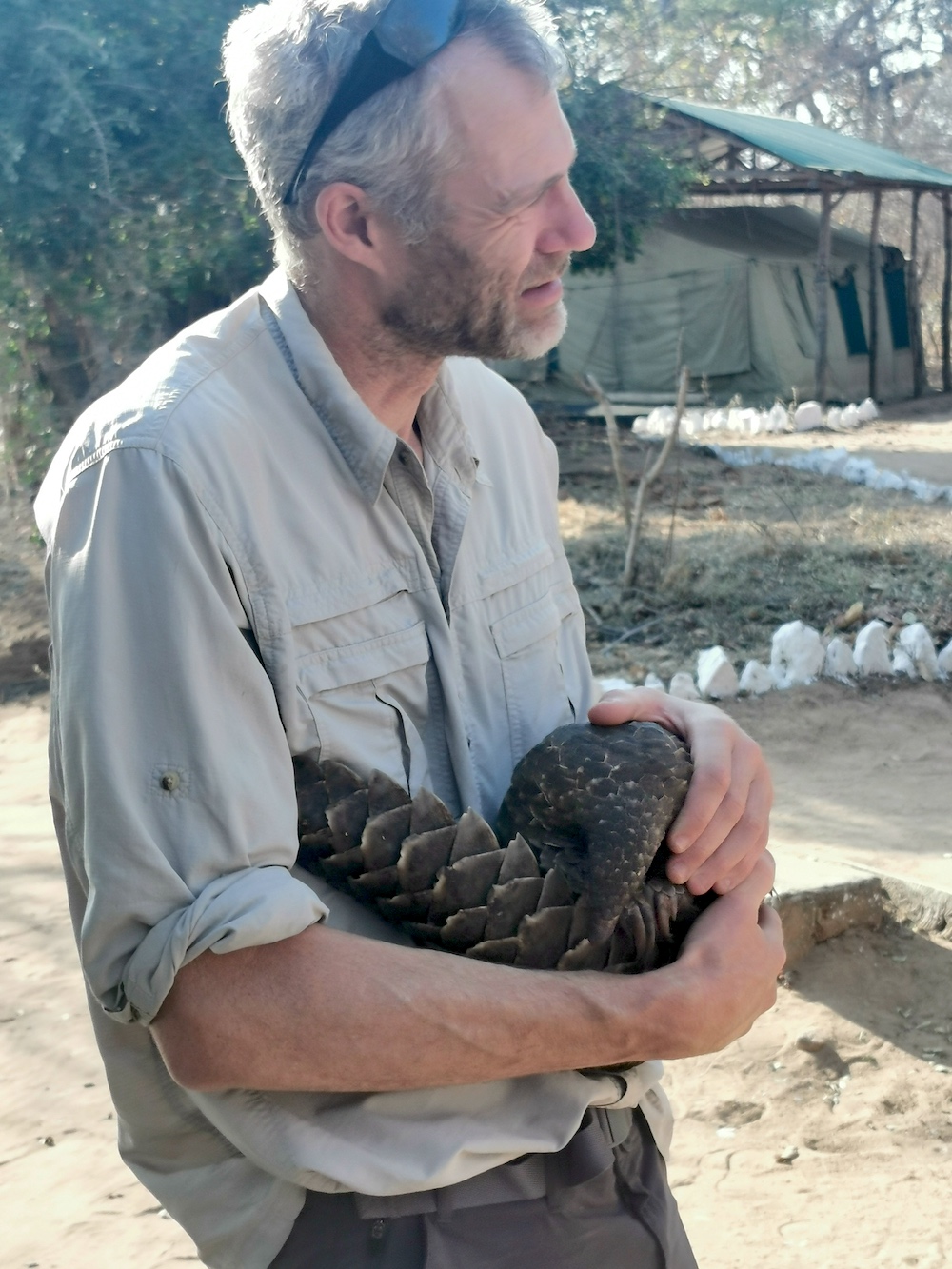
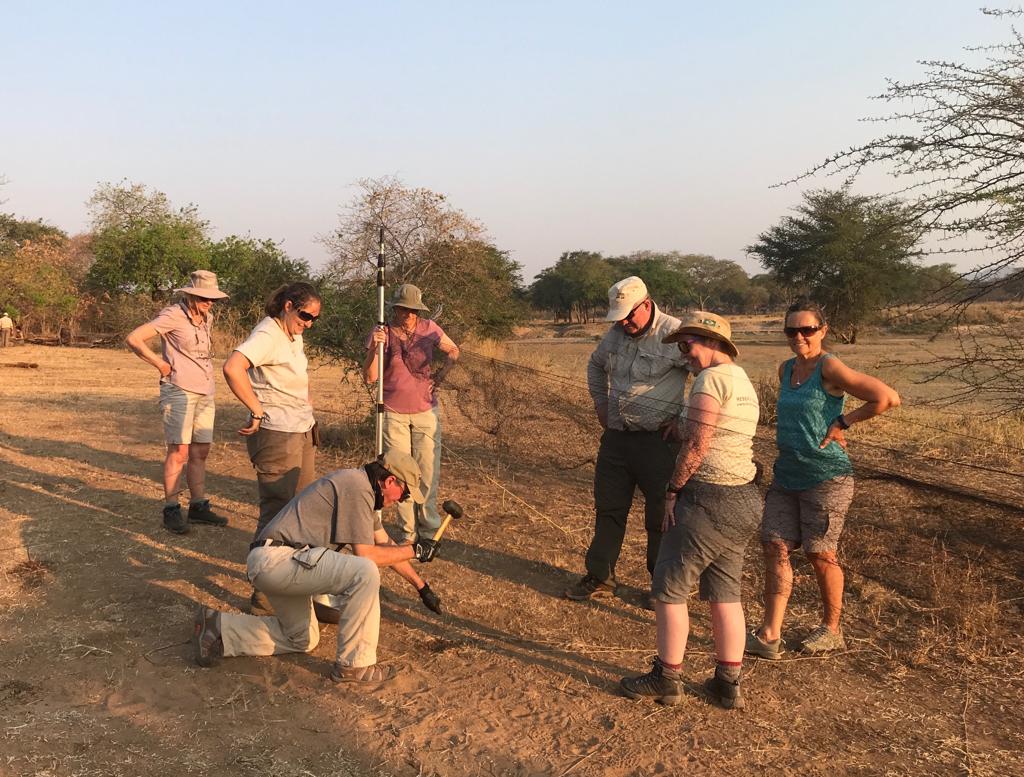
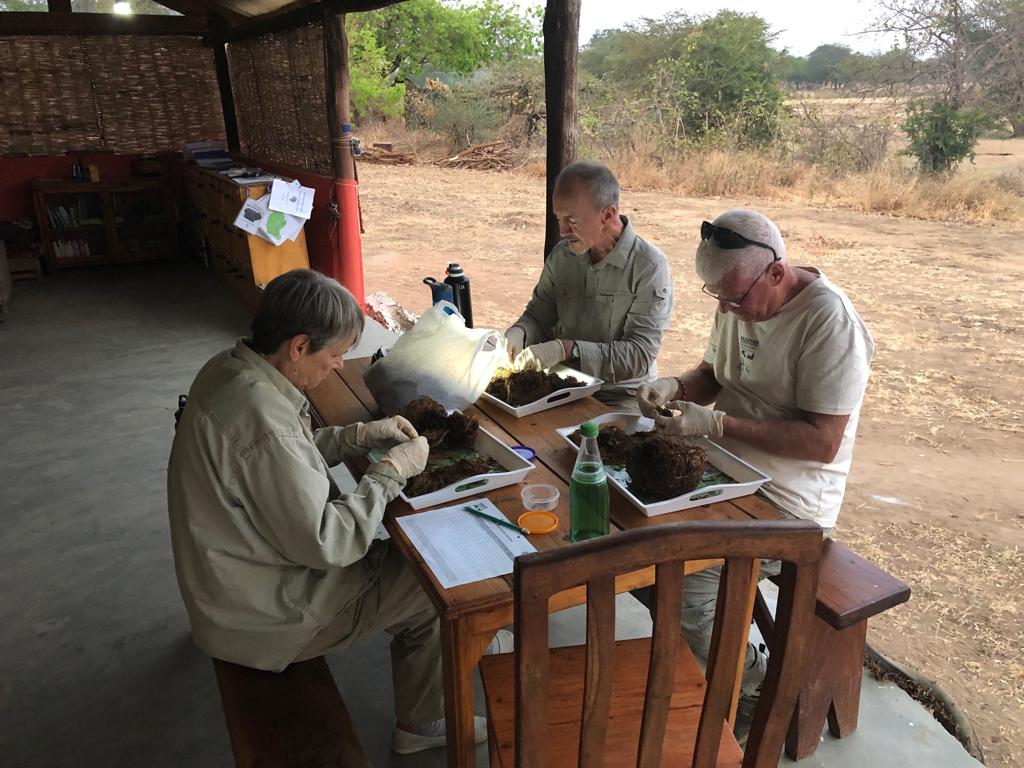
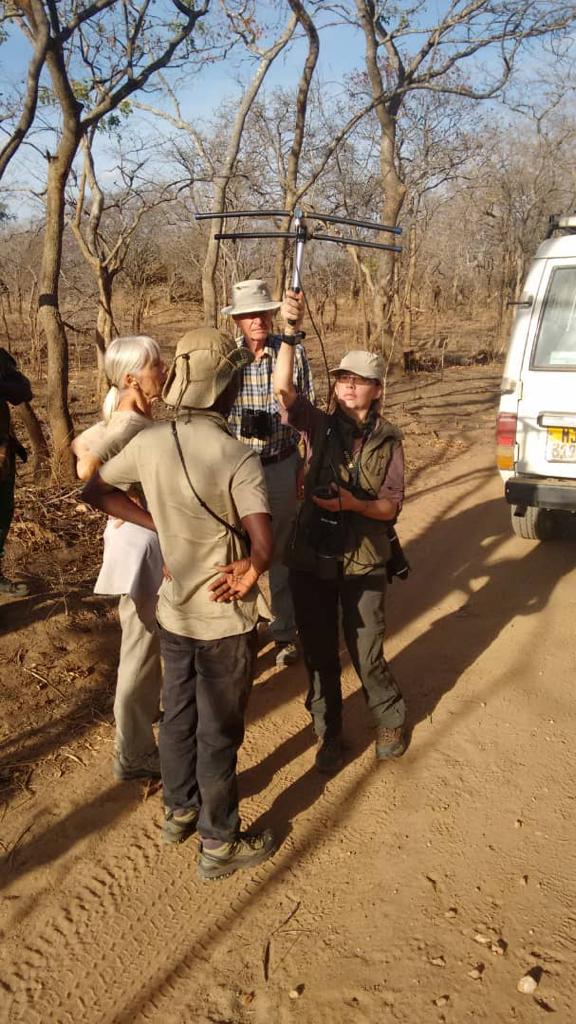
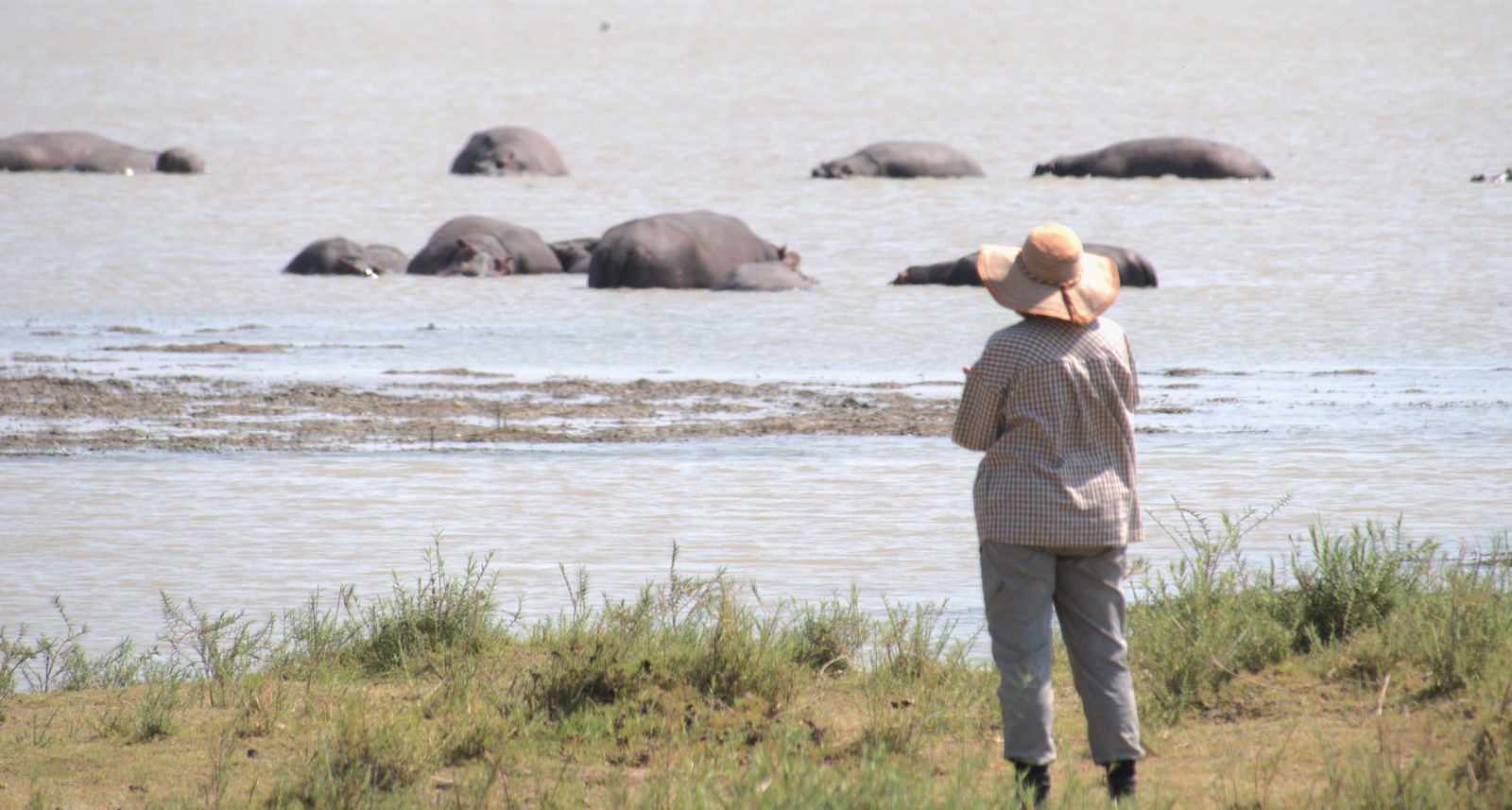
The elephant herd analysis is important project for the conservation scientists at LWT to understand and monitor herd composition and health. The hippo count, similarly, is needed to measure changes in hippo population over time. The ant research is all about working out which habitats provide the most suitable ants for pangolins (a highly endangered and much trafficked rare animal that is a frustratingly fussy eater). The elephant dung analysis will tell the scientists the extent of cultivated crops in the elephants’ diet: there is very real conflict between the elephants here and the communities that live in the adjacent land. The dung analysis will reveal whether the new fence between the reserve and the cultivated land is doing its job or not.

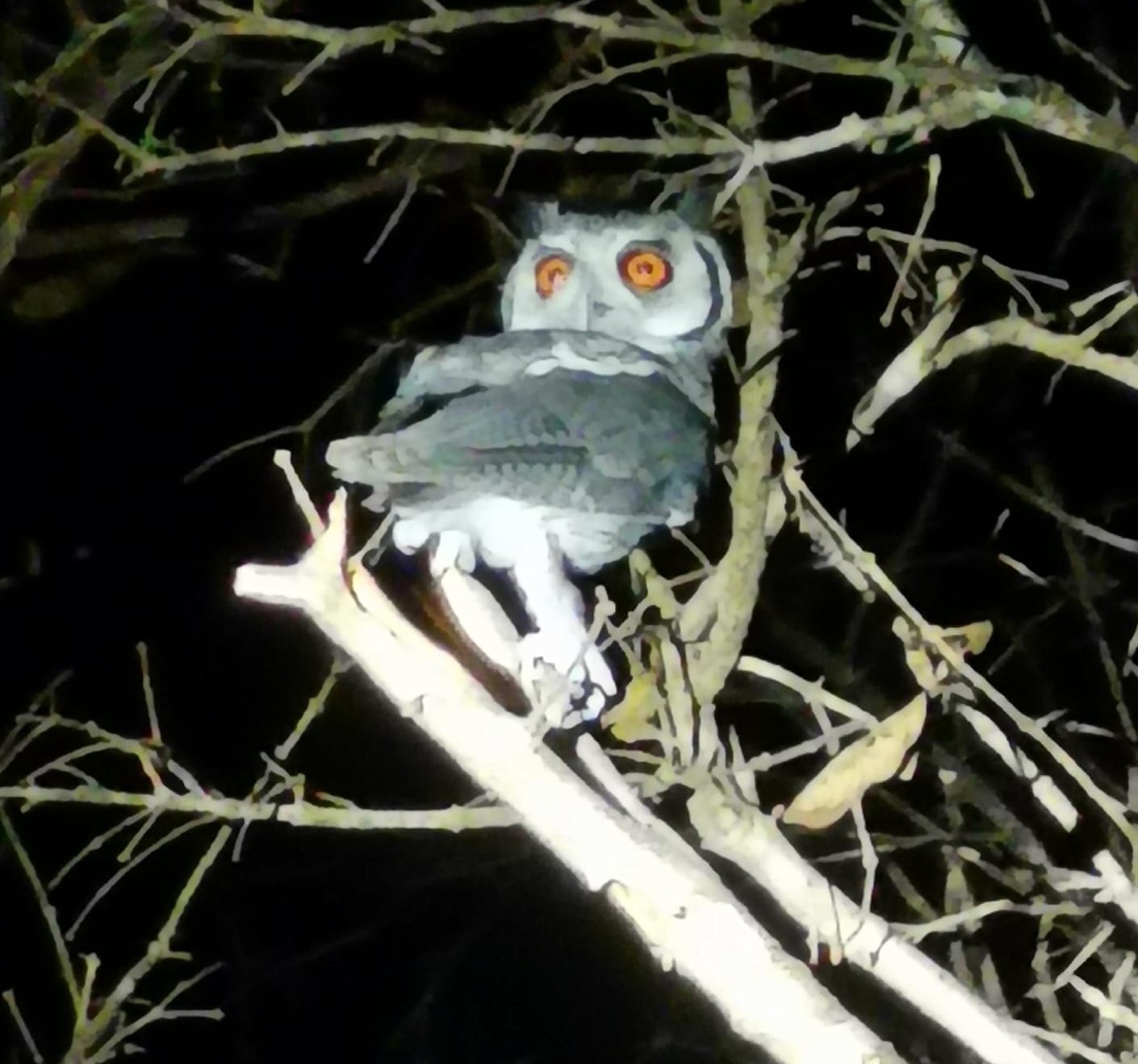
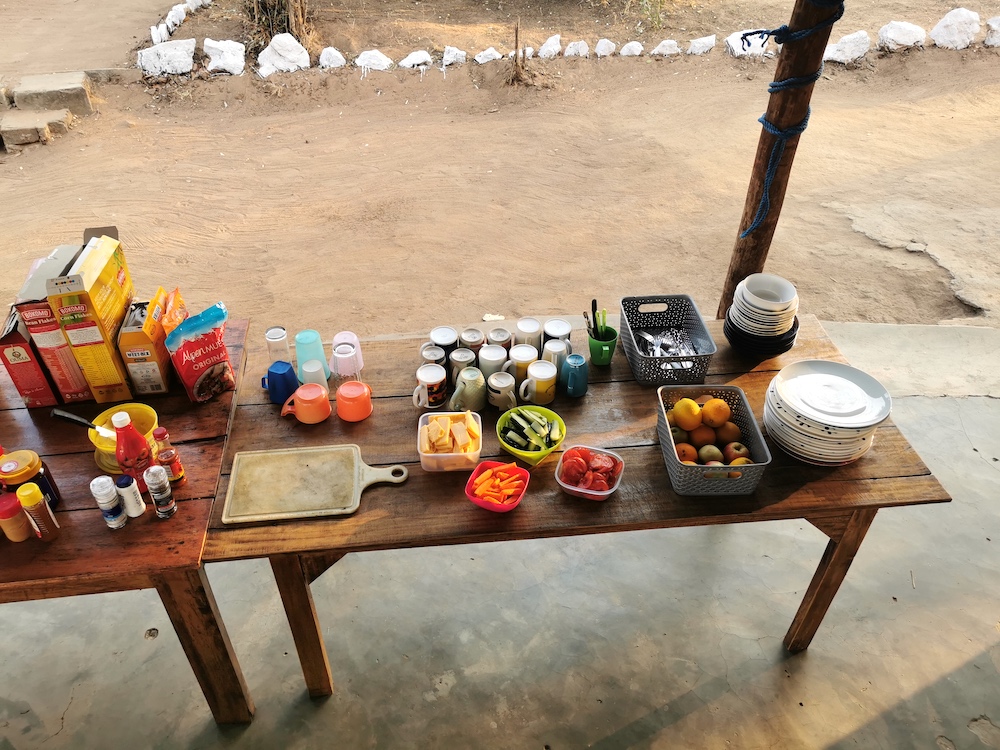
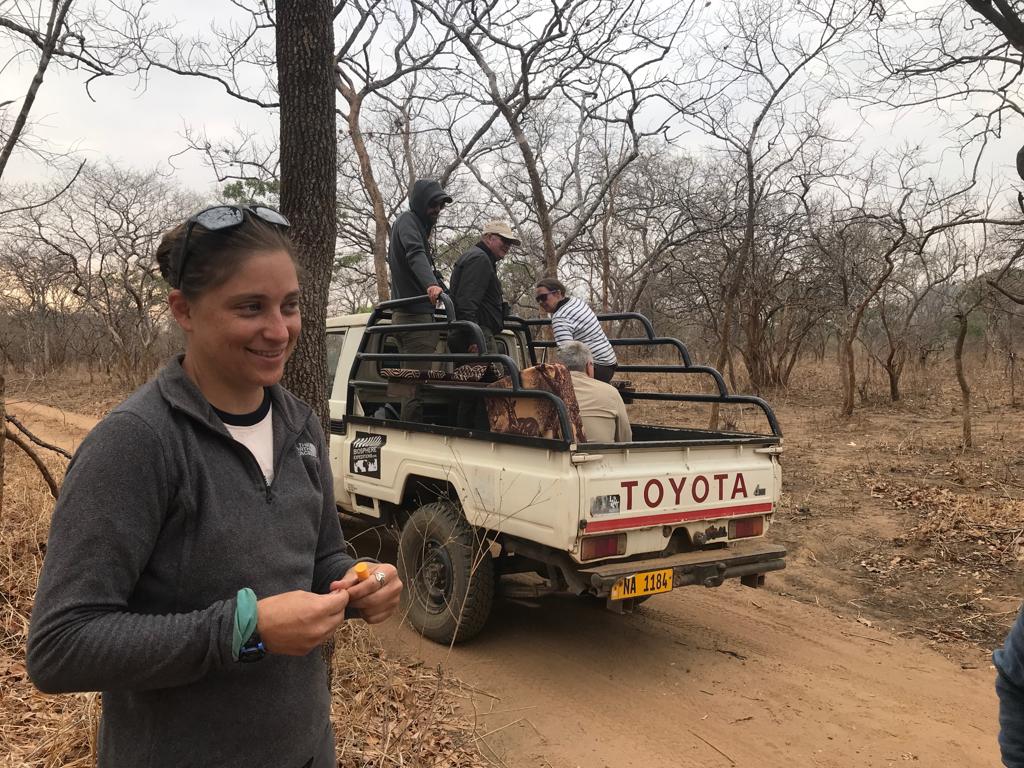
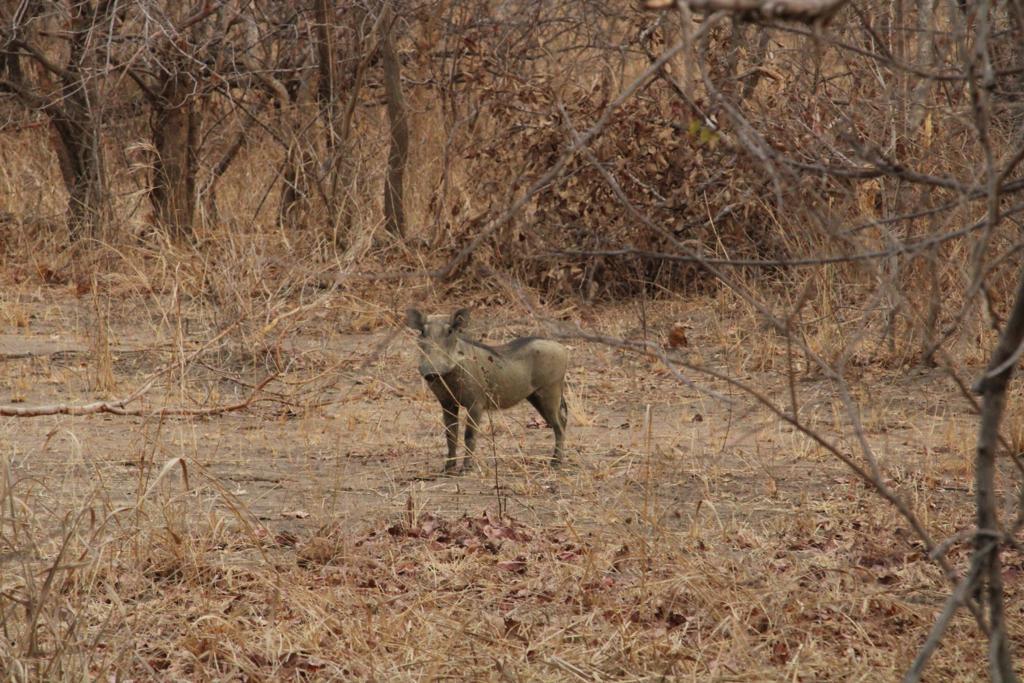
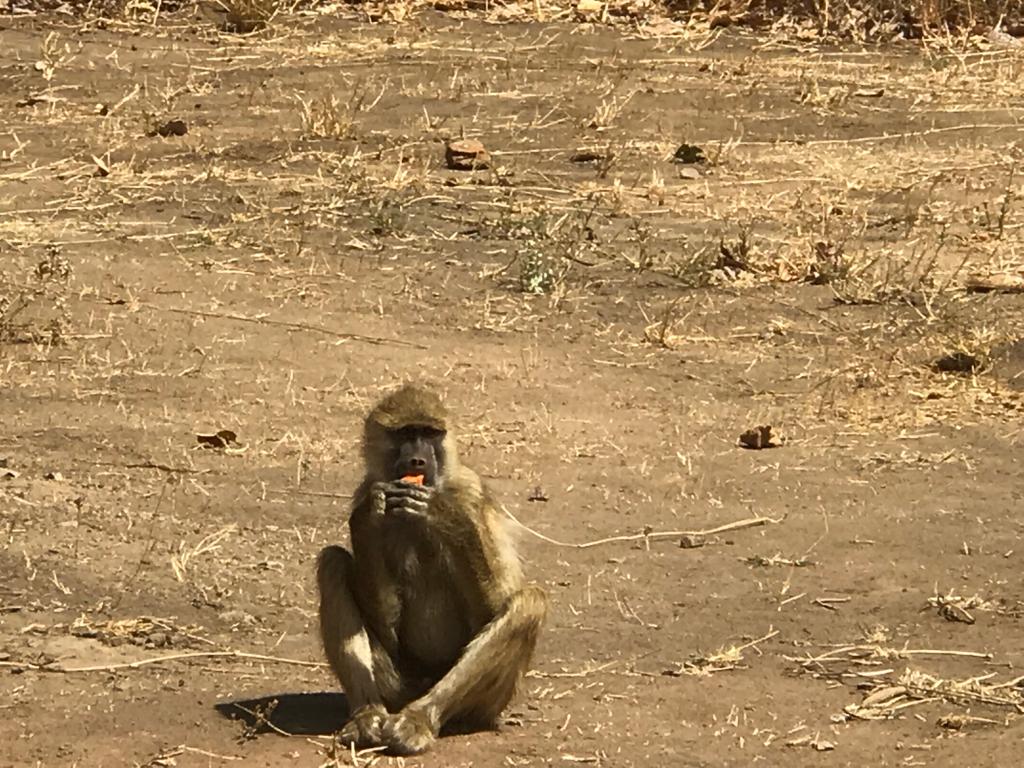
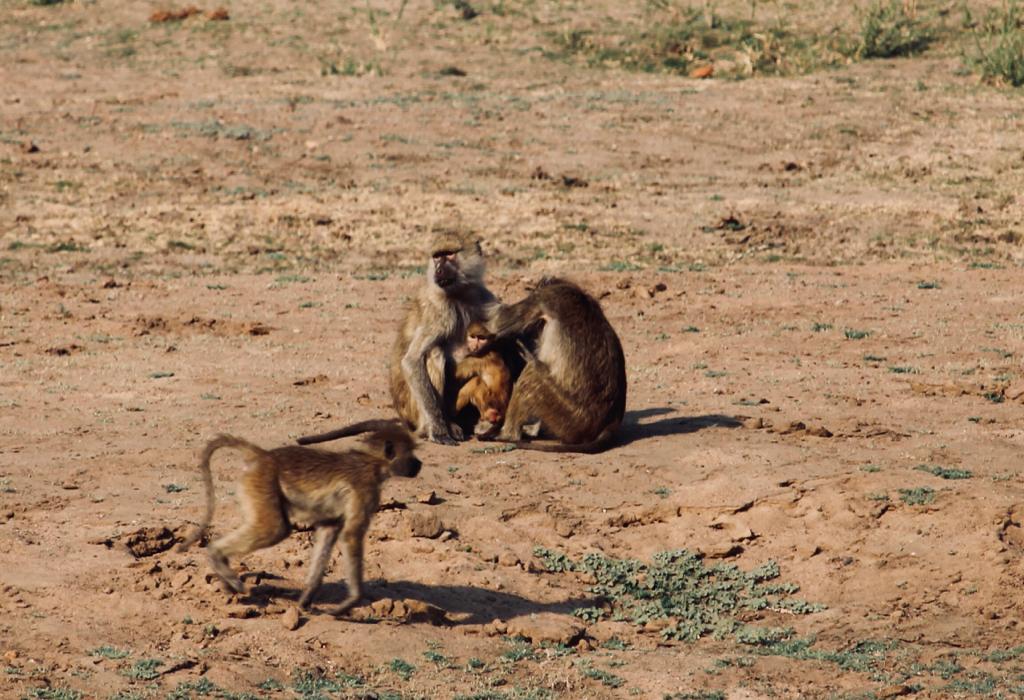
And in between all these research tasks, we have been enjoying spotting โ€“ or being bothered by โ€“ the local wildlife. Elephants and hippos are seen daily, with an almost regular visit by elephants herds walking across the river in front of base camp every afternoon. We have also had elephants calmly wandering through base camp at night, tearing at branches for food and not threatening us at all, so long as we just watch and enjoy. There are clearly many wild animals exploring around our camp every night, judging by the grunts, snuffles and shrieks heard in the small hours. Surely not all of these sounds come from the expedition teamโ€™s tents. Last night we heard hyaenas calling to each other. Our night drives and camera traps have also revealed a diversity of nocturnal animals – bush babies, genets, civets, owls and porcupines and more. Baboons are a constant, but fascinating nuisance at base camp and have to be chased away from our buffet breakfasts.

We have had some minor inconveniences – delayed baggage transfer, vehicle tracks blocked by trees pushed over by elephants, baboons stealing our food โ€“ but the expedition is going superbly so far and we expect to continue to hard work collecting good field data and enjoying the ever-changing encounters with wild animals, for the rest of this Malawi African wildlife volunteer expedition.

Elephant visiting base at night
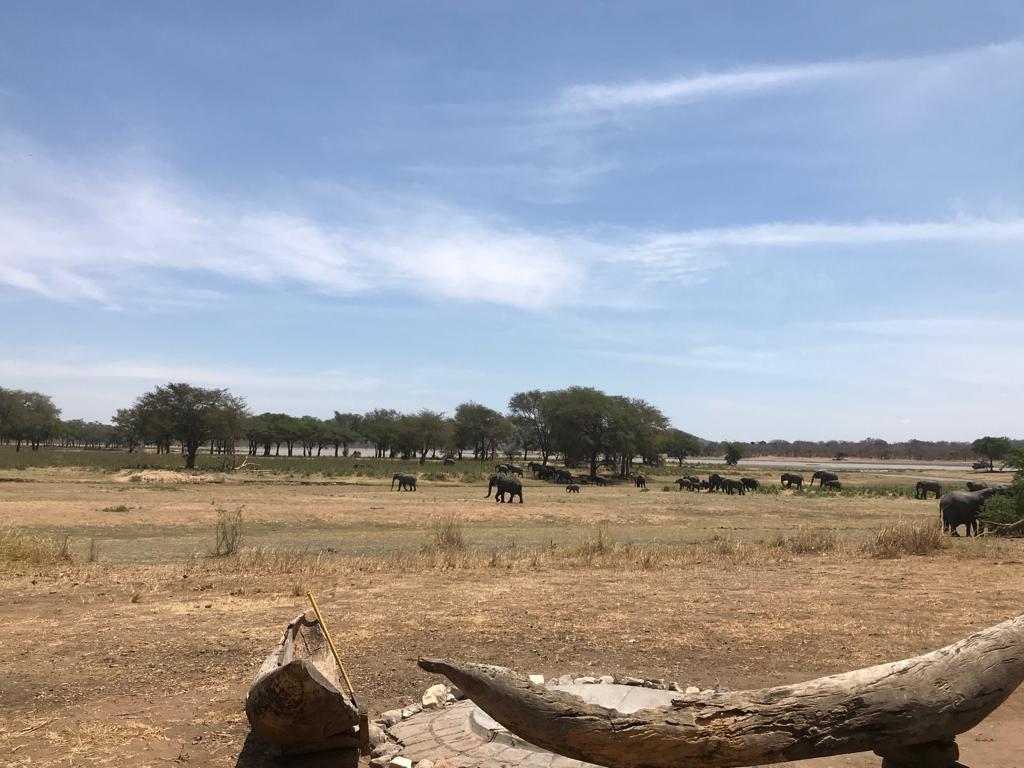
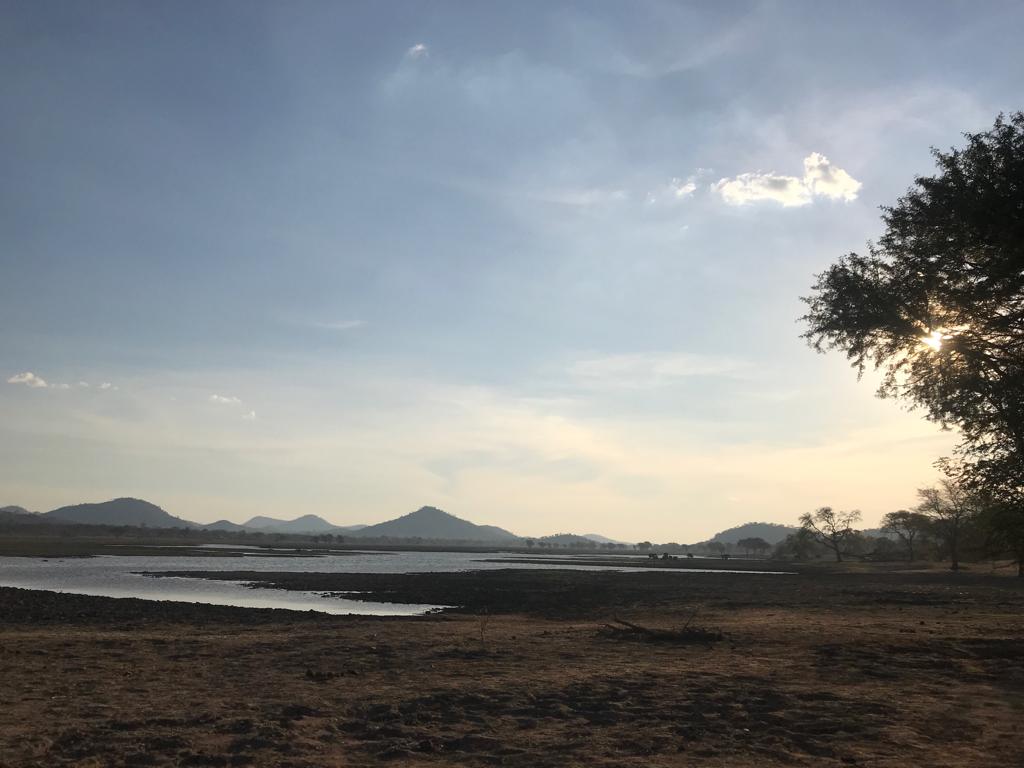
Elephants coming to the lake in front of base
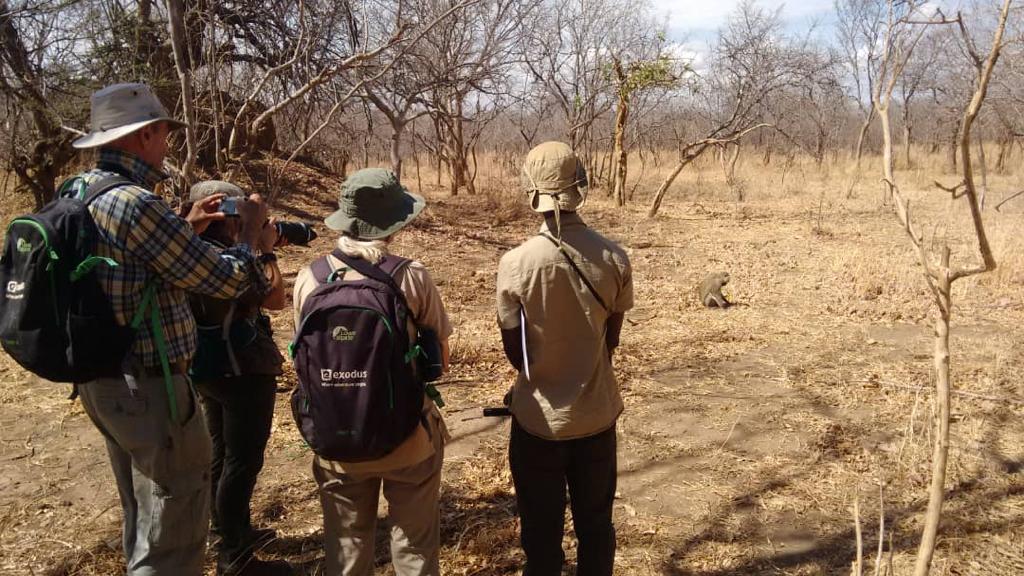
Counting elephants and herd composition from base
Continue reading “Malawi: Elephants, hippos and ants”

Malawi: Underway

Update from our Malawi expedition volunteering with elephants, hippo, cats, pangolins and African biodiversity

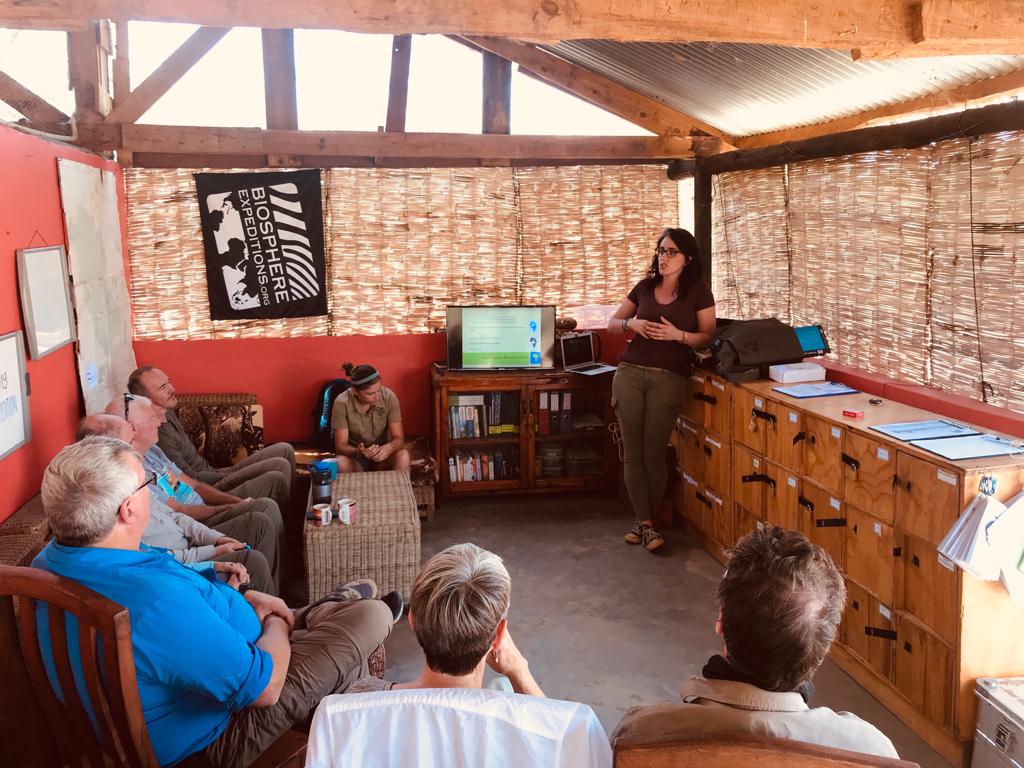
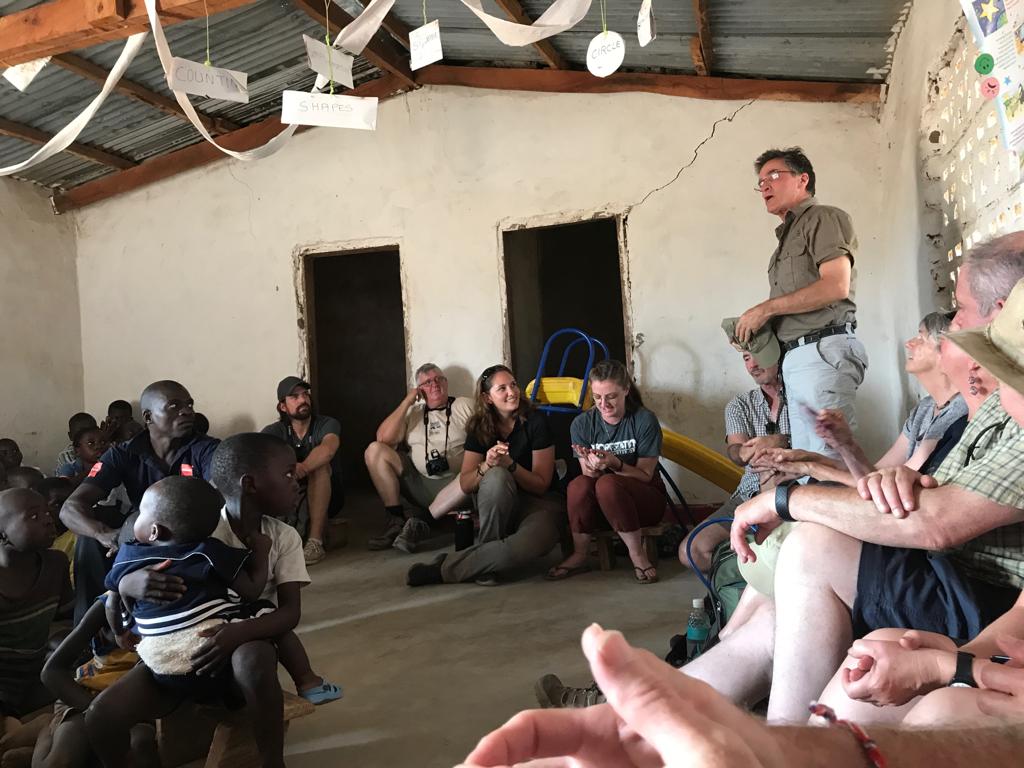
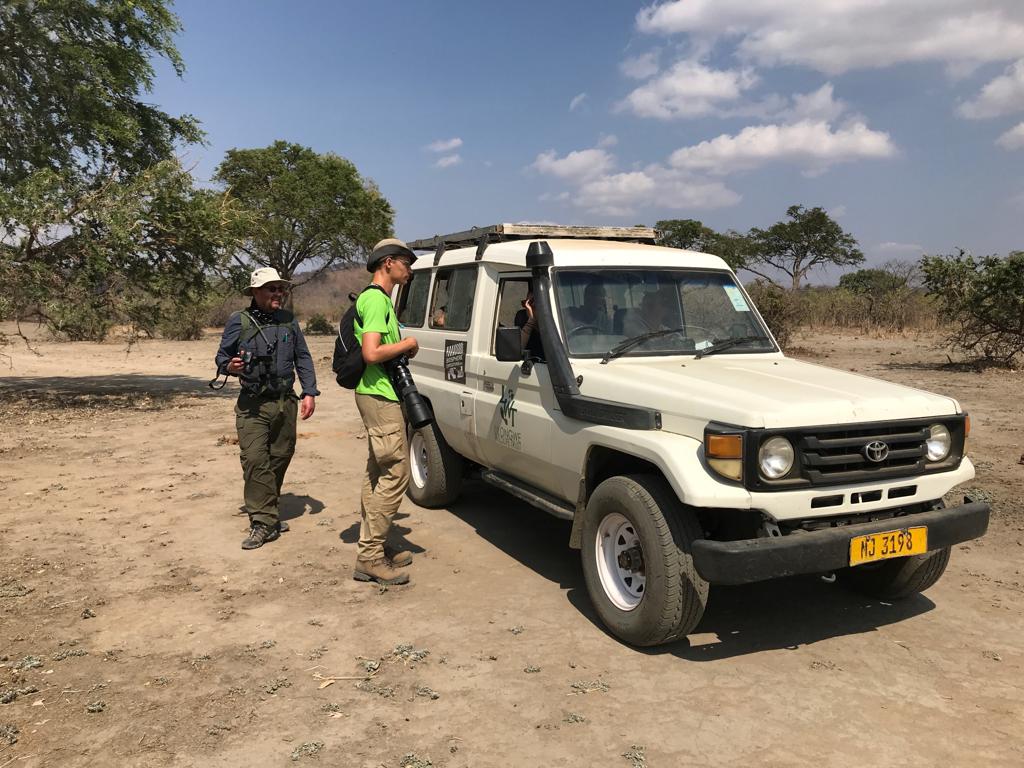
After an epic drive half the length of Malawi, including a wrong turn, the expedition team arrived at base in darkness on Sunday. Spirits were high and grumbling non-existent, a sure sign of a good expedition team. So straight into introductions and a talk we went, before dinner and early bed.

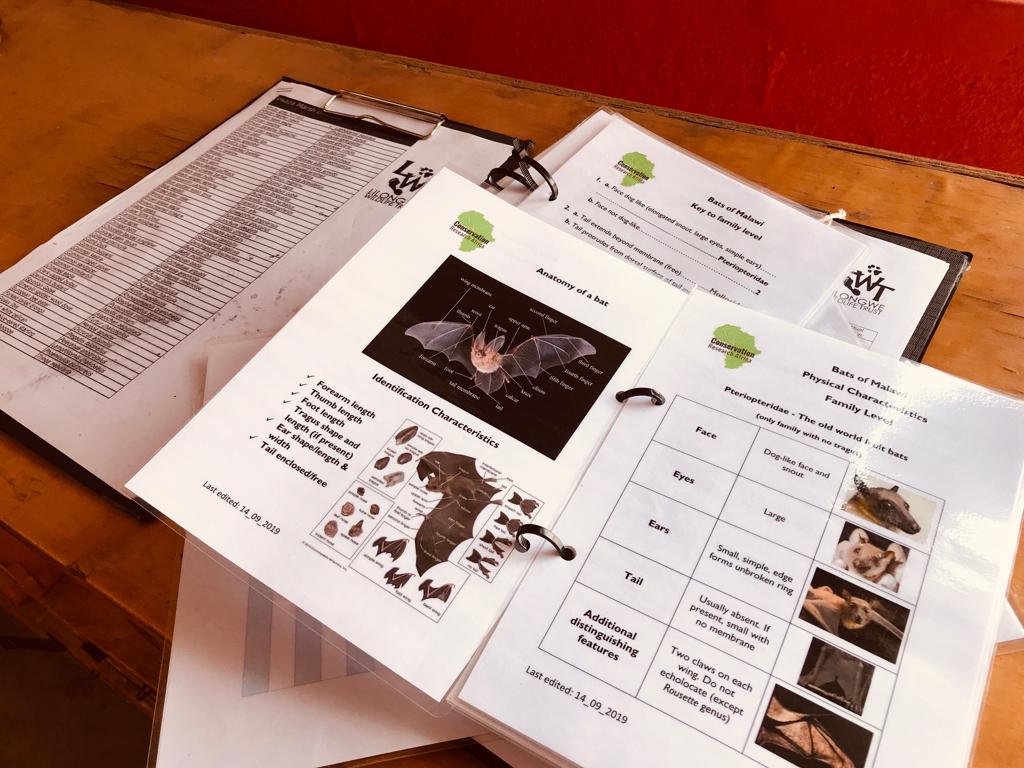
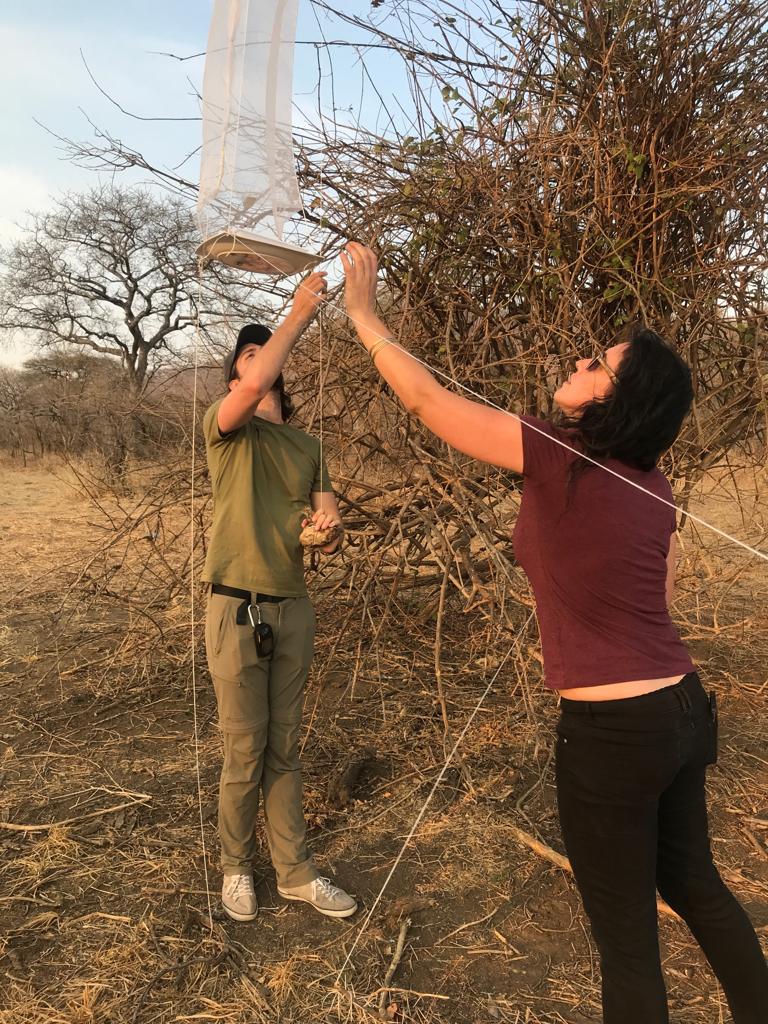
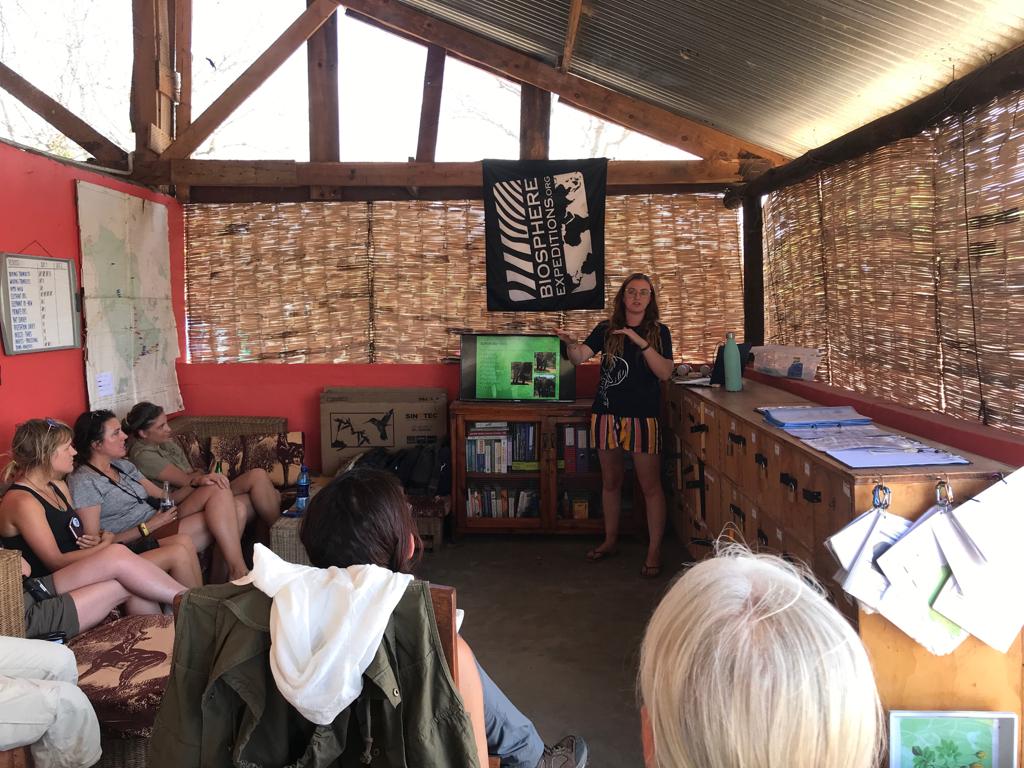
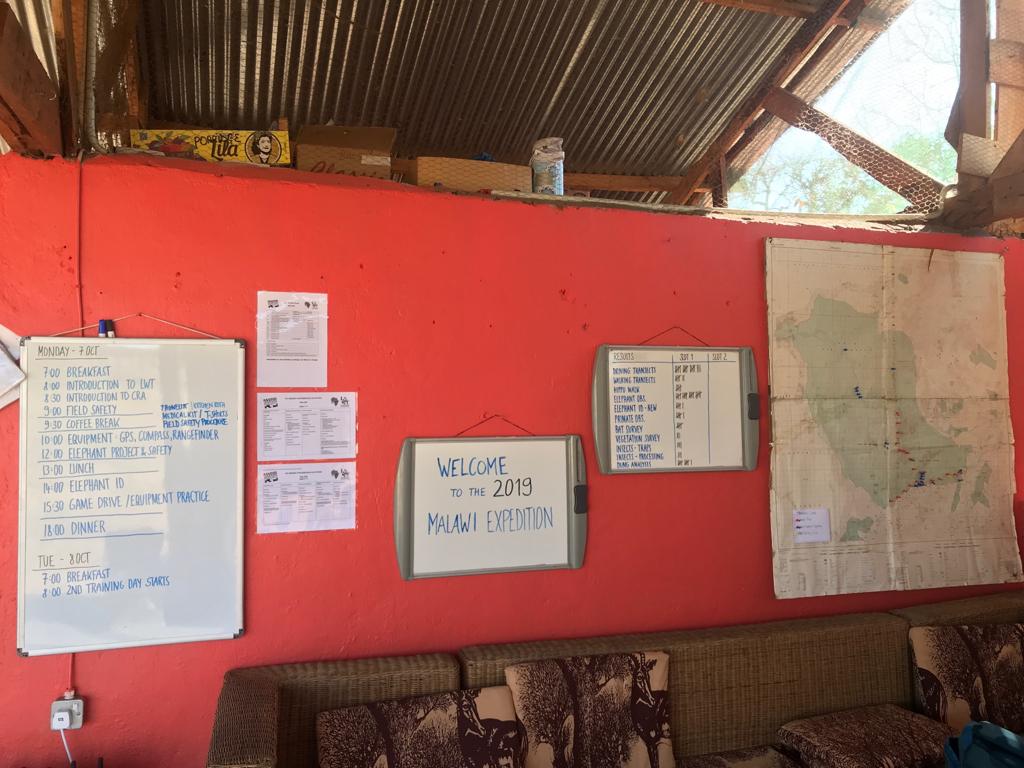
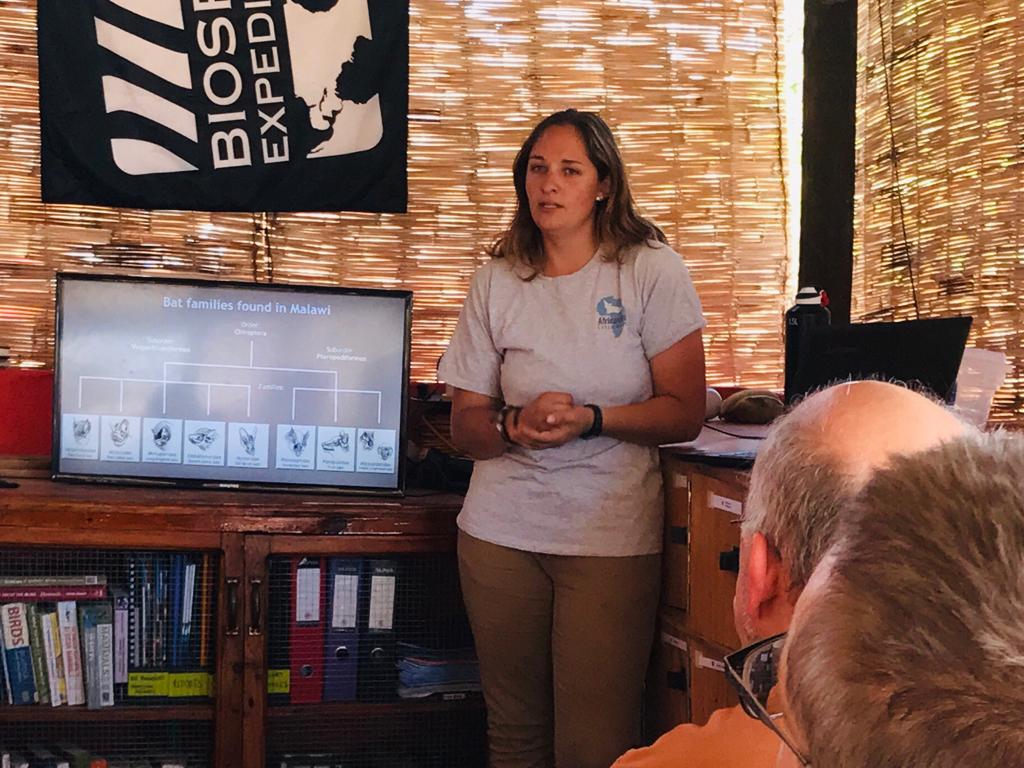
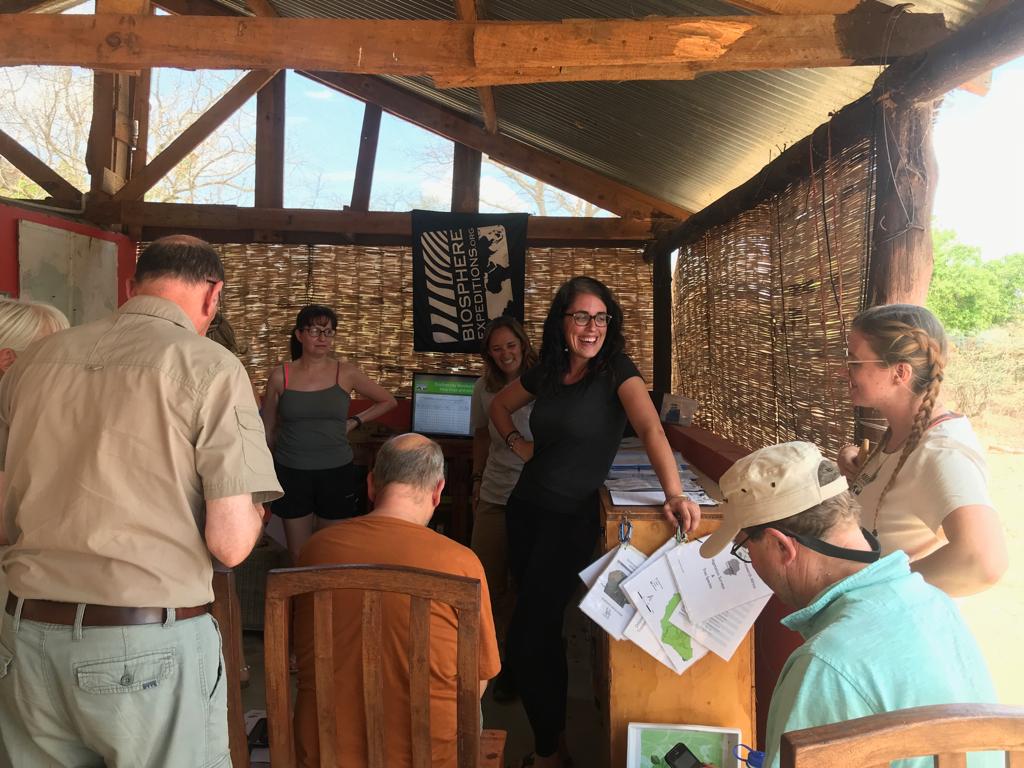
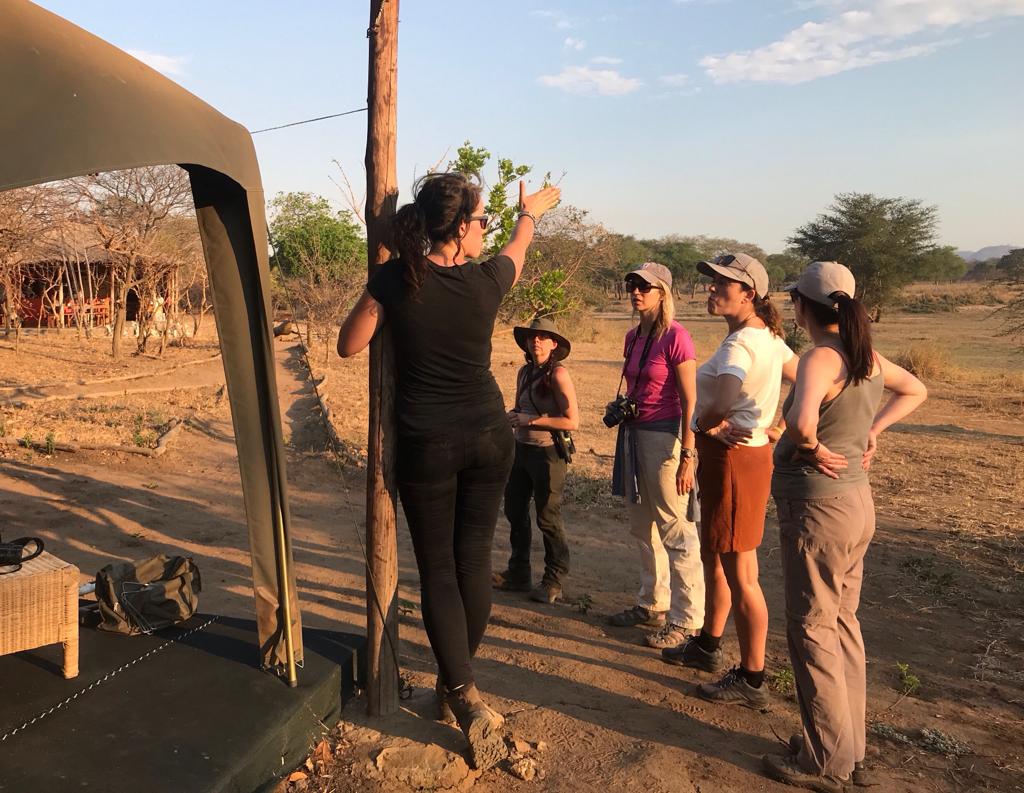
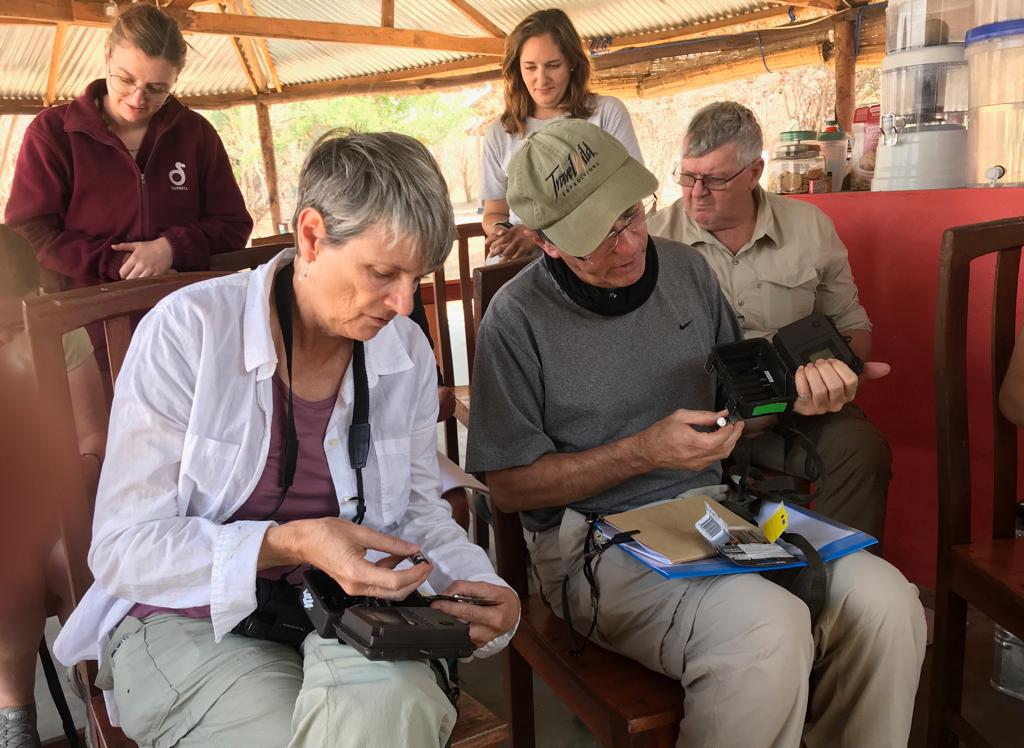
Monday started early with tea & coffee at 05:00 followed by a 05:30 two-hour game/orientation drive round a small part of the Vwaza Marsh Wildlife Reserve. The rest of the day we spent on training – background, equipment, datasheets, methodology for our various activities such as camera trapping, hippos, elephants, pangolins, iNaturalist and more. It’s an intensive two days of training and as I write this we are into day two. Olivia, our chief scientist, has set us targets. For example 200 species records on iNaturalist and 700 entries. Matthias, a birder, sprang into action and already has 57 bird species recorded. Of course Olivia can always adjust the target… Last night we also set up camera traps.

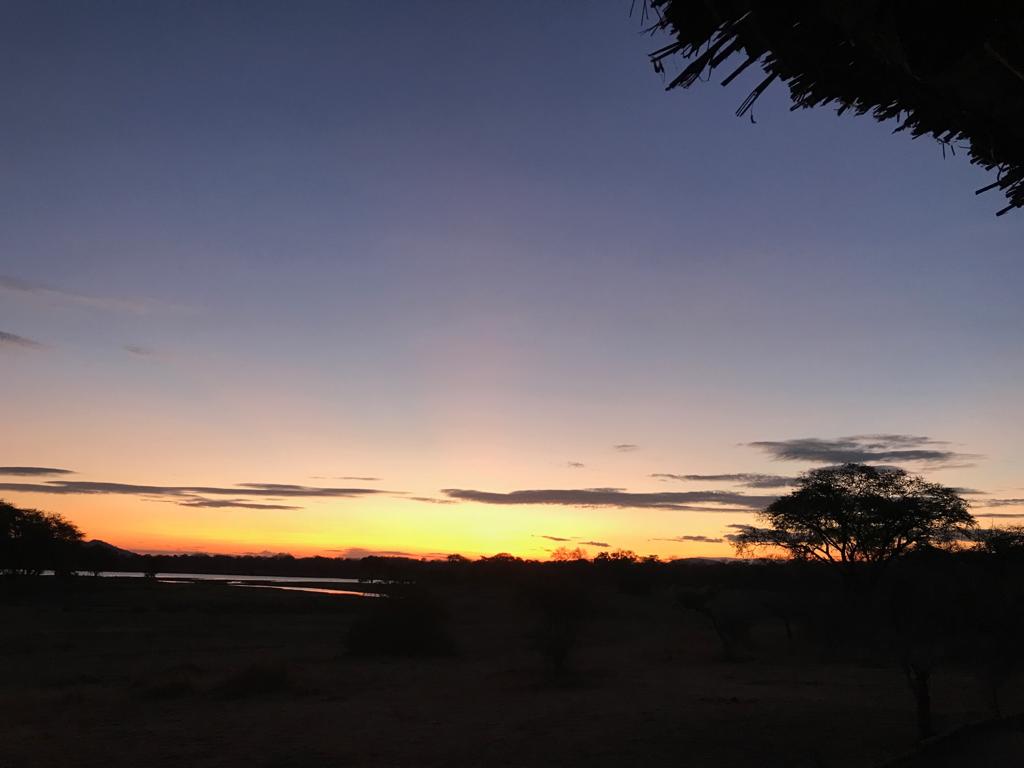
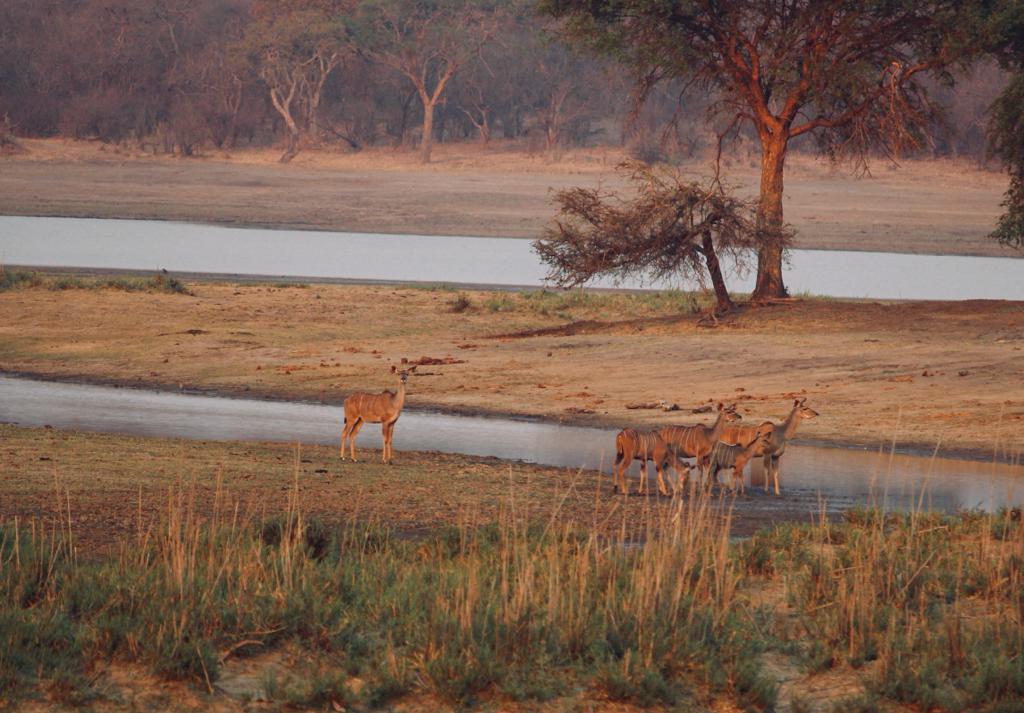
And all the while Vwaza reminds us where we are: Africa. As we are trained to be citizen scientists animals amble by base: baboons, elephants, kudus, impala, bushbuck and more. Crocodiles and hippos lurk in the lake, the sunsets are spectacular, the dawn chorus beautiful, the food good and plentiful, the (new) showers working. Life is hard as a citizen scientist in Malawi.

Continue reading “Malawi: Underway”

Malawi: Mad Max?

Update from our Malawi expedition volunteering with elephants, hippo, cats, pangolins and African biodiversity

Vwaza is as beautiful as ever, the sunsets amazing, the elephants on form (and in camp this morning), the hippos grunting, the sky blue and a balmy 26C during the day.

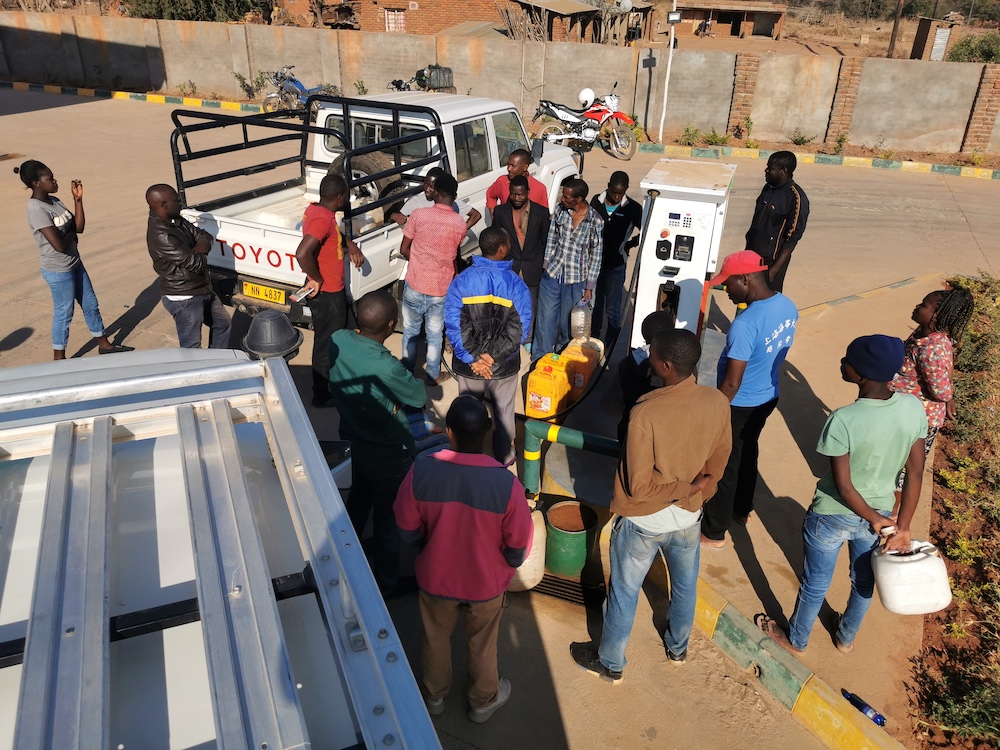
We’re shopping, writing, building, planning, scheming all day. It’s going well and almost to plan. The fuel situation in Malawi is tough at the moment. Very little around, long queues at the petrol stations, European prices. This morning at 4 we went to a ‘nearby’ station to get our towels down early for fuelling up. We were in the front of the queue and there was fuel – so far so good. When the station opened at 6, there was a power cut. No power, no pump, no fuel. So we rustled up a generator, put it on our pick-up, took it to the petrol station and – voilร  – two hours later our tanks were full. Word got round quickly and soon there were crowds.

Is this the beginning of the end game? Will Mad Max become reality? You have to wonder. Still, we soldier on and do what we can to protect nature and our beautiful planet. We are the ambulance that tries to keep the patient alive until the doctors decide to save it. Thank you for your service for the next two weeks.

And so that you know what you have let yourself in for, here’s a taste of what’s coming your way:

Continue reading “Malawi: Mad Max?”

Malawi: Slog no more

Update from our Malawi expedition volunteering with elephants, hippo, cats, pangolins and African biodiversity

Our advance party is in Lilongwe and it’s good to be back. Malawi is its old self. Chaotic, friendly, hot, sunny, dusty, red. They call it “the warm heart of Africa” and whichever PR agency came up with that tag line did a good job.

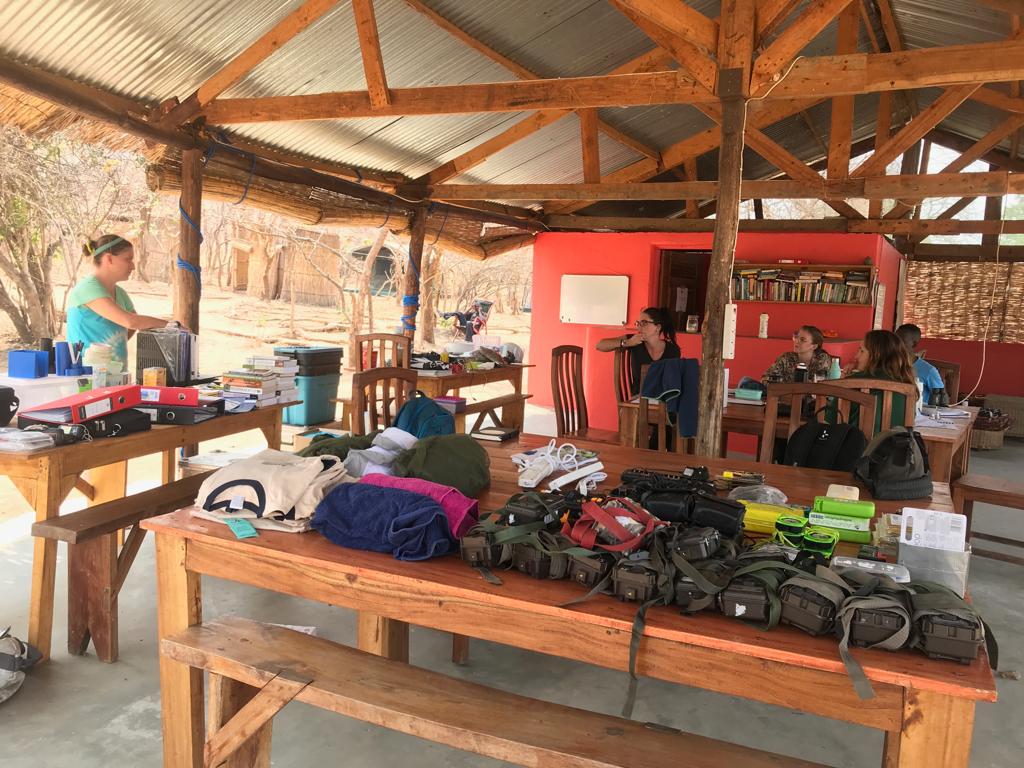
We’ve met with Benni, Tom, Olivia from Lilongwe Wildlife Trust (LWT), our local partner, to talk through our Malawi expedition. We’ve run from shop to shop in search of medical supplies, duck tape, tupperware, etc. We’ve unpacked, inventoried and re-orged equipment that has languished in storage for three years, desperate to be let out into the field. We’ve made plans and new friends. We’re typing away at our laptops, updating documents, procedures and datasheets and writing blogs. We’ve negotiated potholes and the ebb and flow of Lilongwe traffic. We’ve stuck out like sore thumbs with our fair skin at markets and shops. Much of it the usual expedition routine – often scorned as we became too comfortable with expedition life, but now much appreciated after lockdowns and no fieldwork for far too long.

Anyway, we are getting ready for you. Roland is sitting in an aeroplane somewhere between London and Lilongwe, and on Thursday morning, we’ll be on our way to Vwaza to get everything ready for you. We’ll report back from there and then we’ll see you on Sunday.

Continue reading “Malawi: Slog no more”

Malawi: Back in business

Update from our Malawi expedition volunteering with elephants, hippo, cats, pangolins and African biodiversity

After a three-year wait we are now also back in business in Malawi and if the weather in Lilongwe (solid sunshine for the next week with temperatures peaking around 30C) is anything to go by, then the sun is indeed shining on us and this ‘back in business’ expedition.
But we need to get there first and this is proving somewhat difficult. Because of a funeral in London on Monday and the accompanying hysteria in the kingdom, Roland’s flight, which was meant to take off on Monday has been delayed for 30 hours. Quite why remains a mystery. On the topic of hysteria, also see an interesting article about funeral vs environmental crisis coverage.

Matthias, leaving from a republic, is on schedule to depart tonight. He will prepare the ground for Roland and then double up as chauffeur to drive our great expedition leader up to Vwaza after his red carpet arrival, with all the prep work having been done.

Matthias will report back in from Lilongwe. For now, enjoy your packing & preparation, make sure you swot up on the science using your field manual, and start getting excited. It is happening again after a long wait!

Some impressions of the 2019 expedition:

Continue reading “Malawi: Back in business”

Tien Shan: 2023 roundup

Update from our snow leopard volunteer project to the Tien Shan mountains of Kyrgyzstan

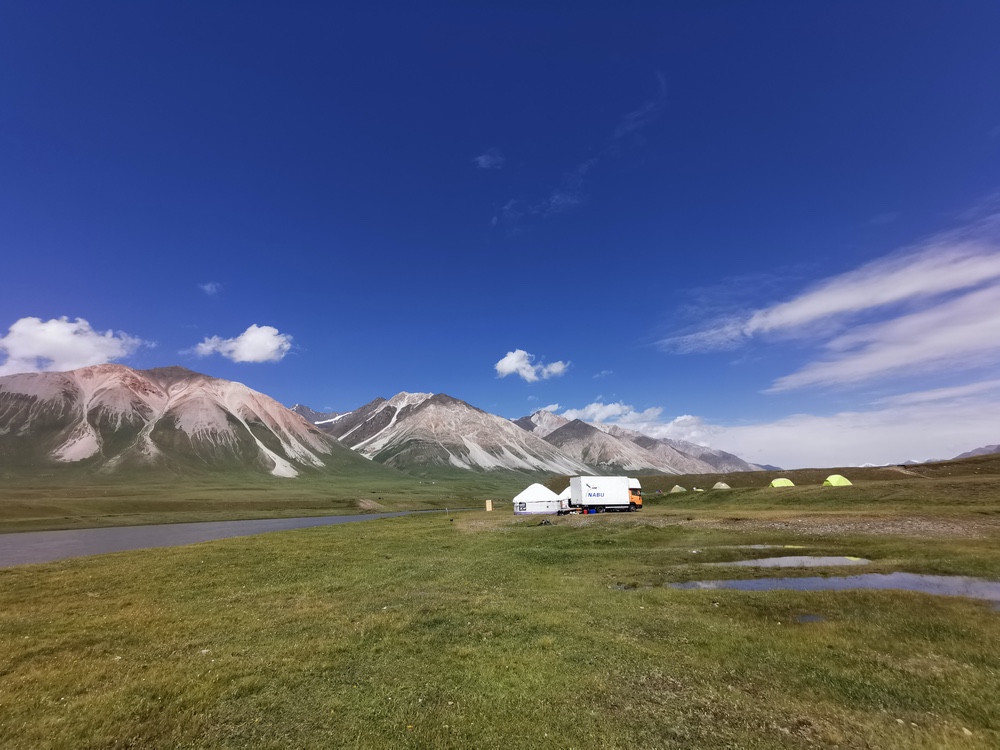
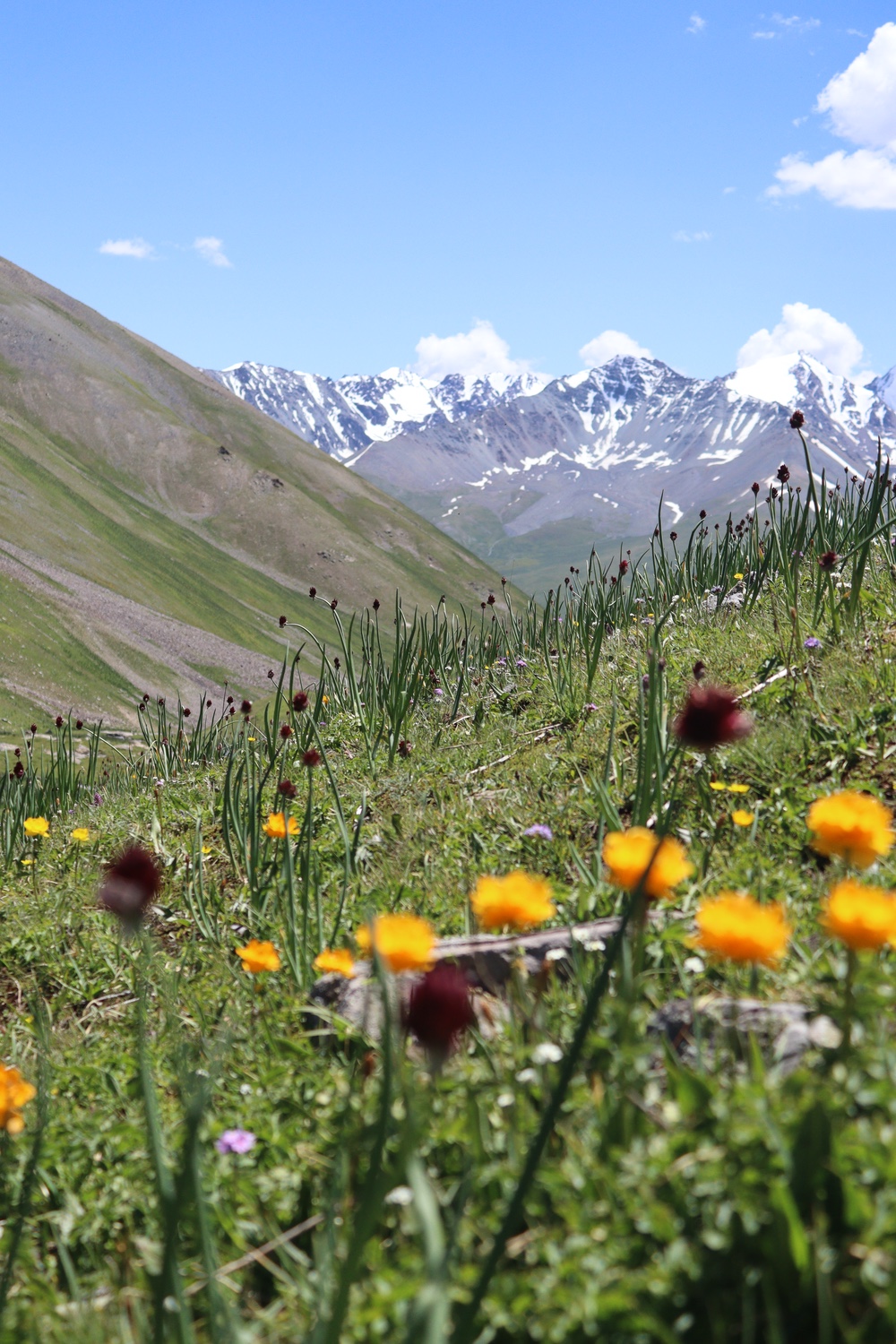
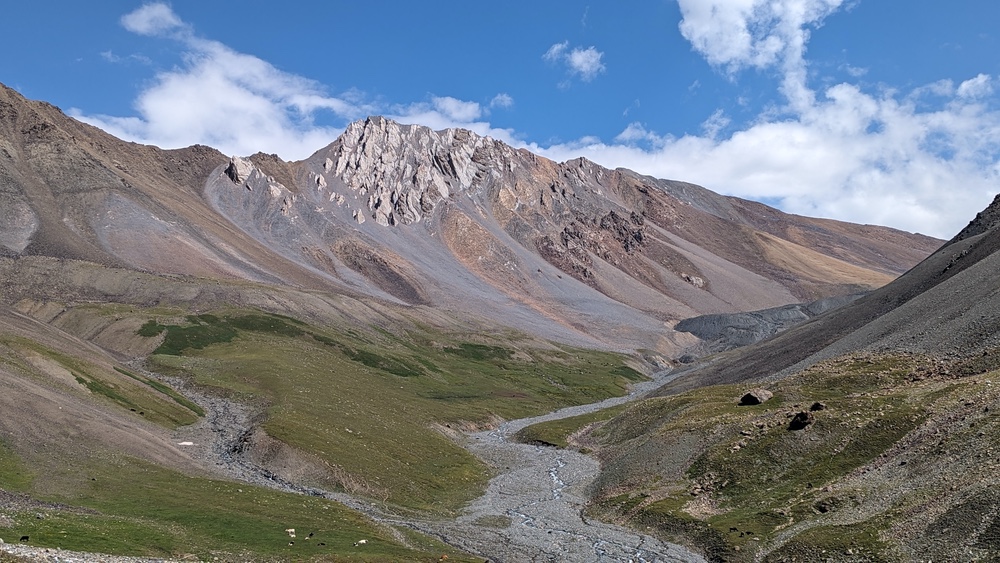
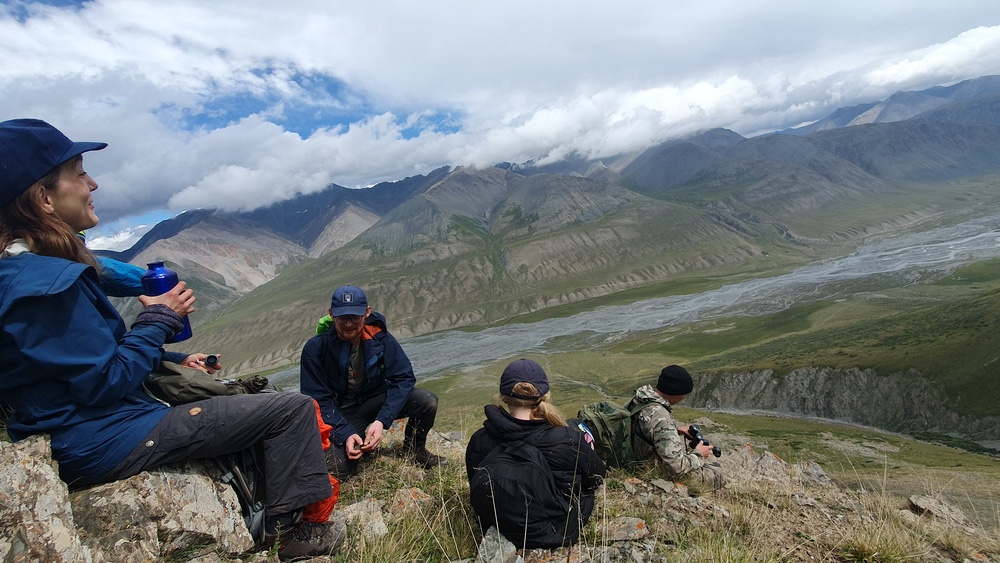
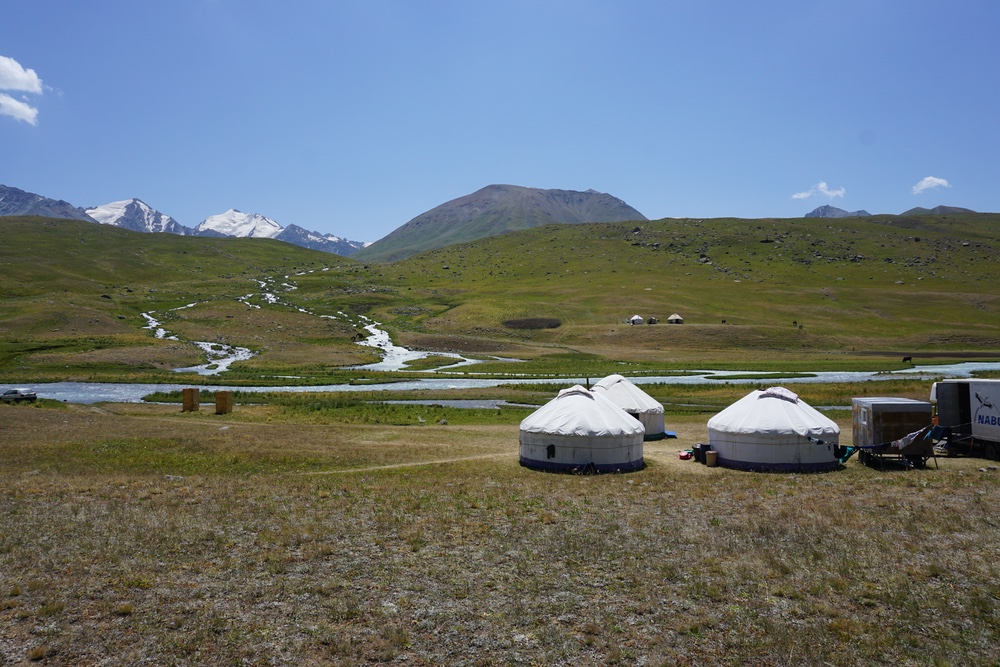
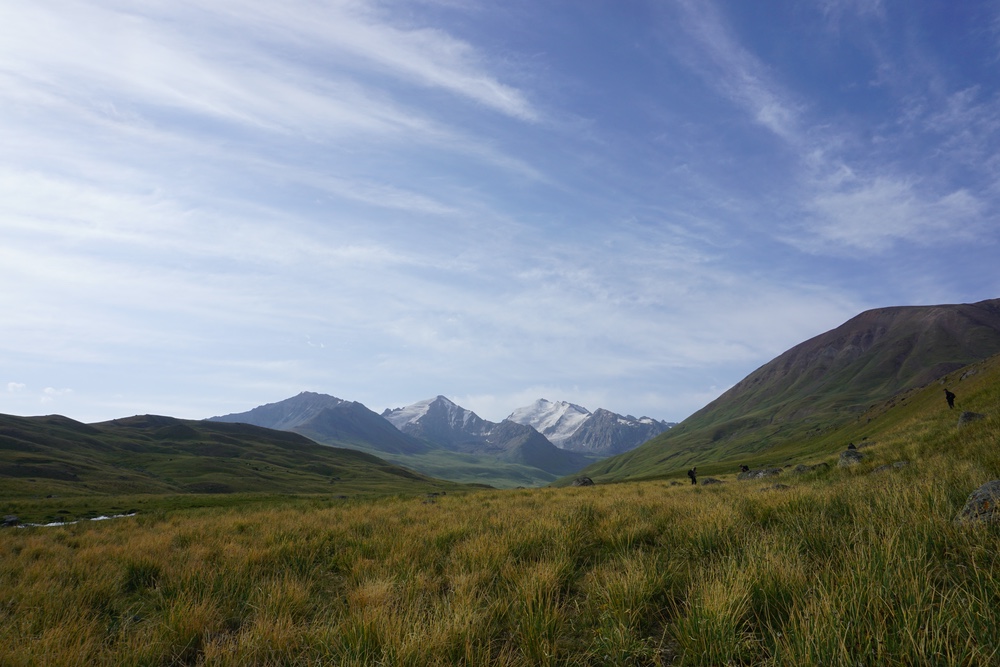
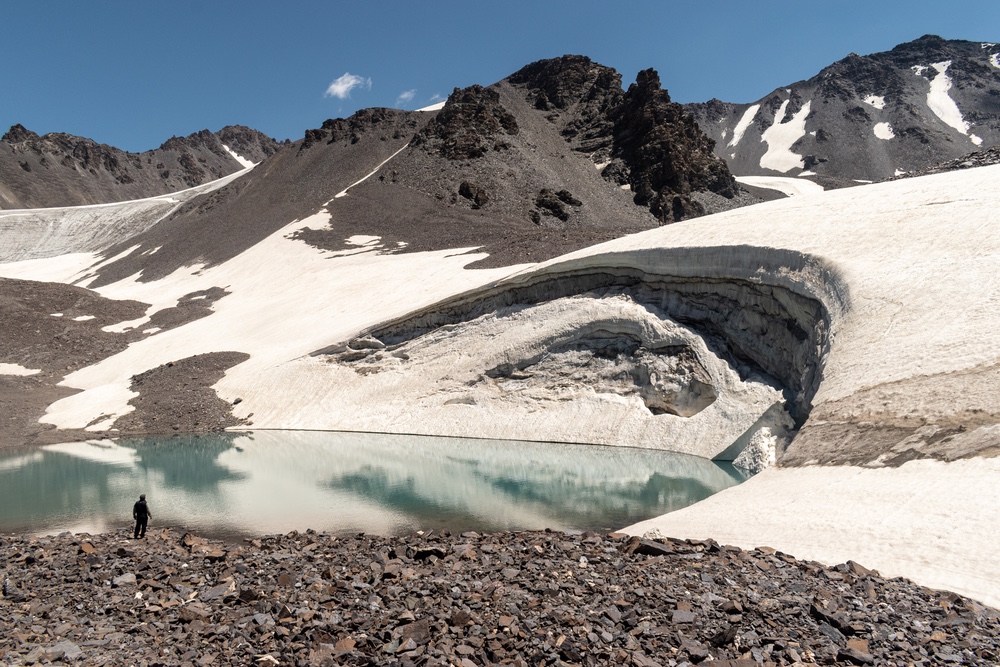
Biosphere Expeditions has this year completed its first snow leopard expedition to the mountains surrounding the Archaly valley, in Kyrgyzstan’s Tien Shan mountain range. Expedition scientist Taalai Mambetov describes the goals for the inaugural year in this location as “our primary focus was to identify indicator species, track argali sheep and ibex, and gather evidence of the elusive snow leopardโ€. If successful, the expedition would be the first to scientifically document snow leopards in the Archaly valley.

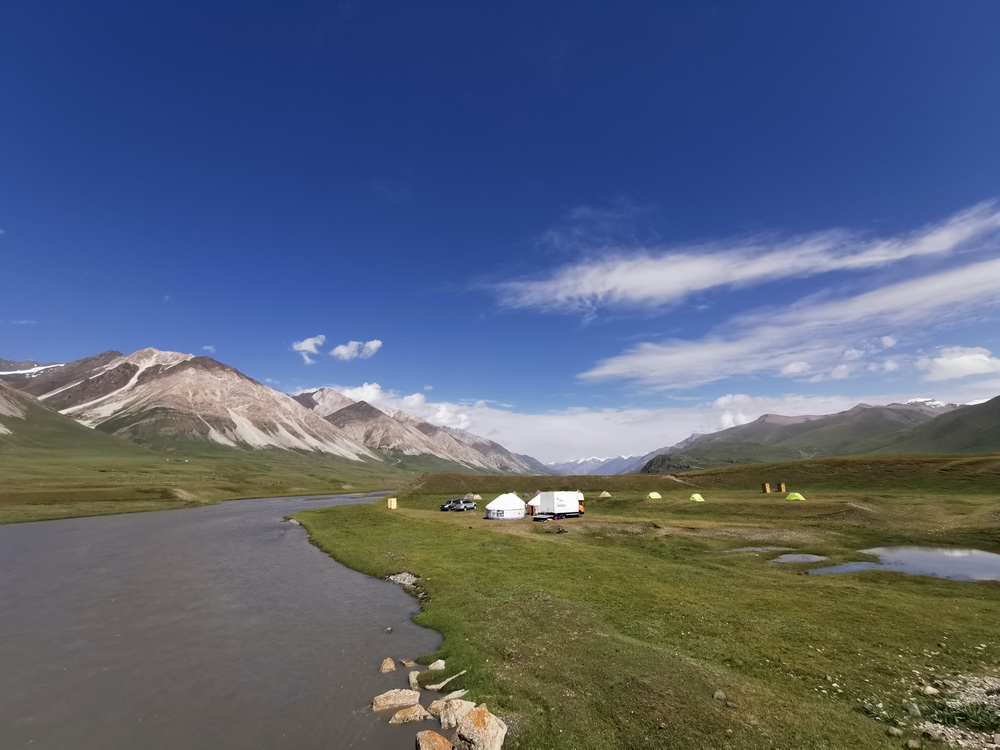
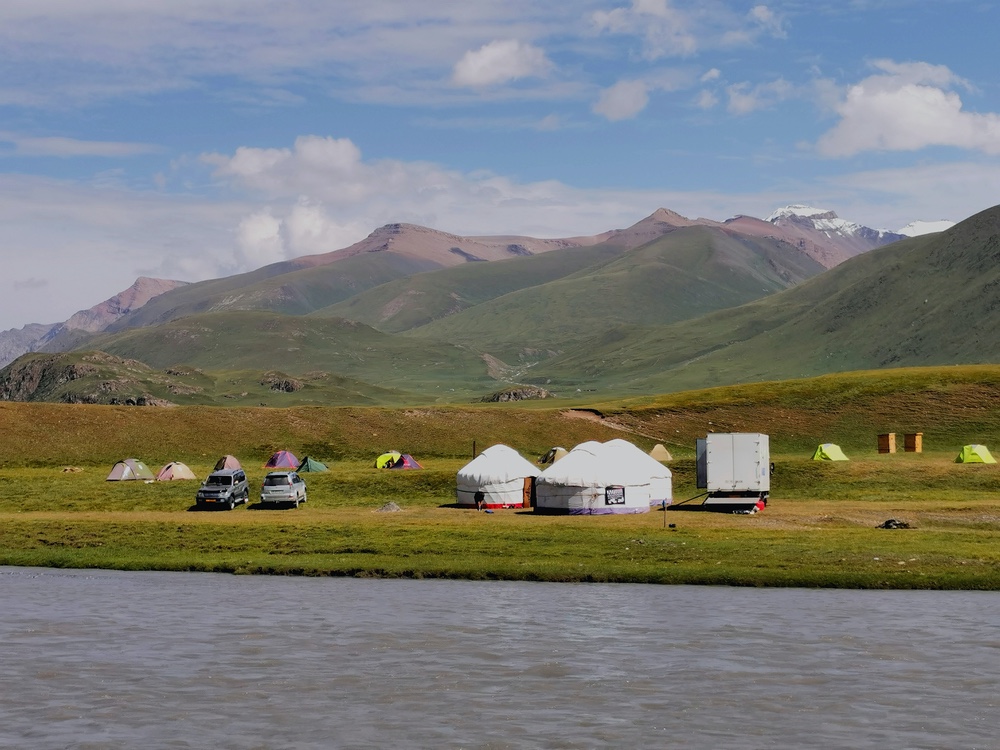
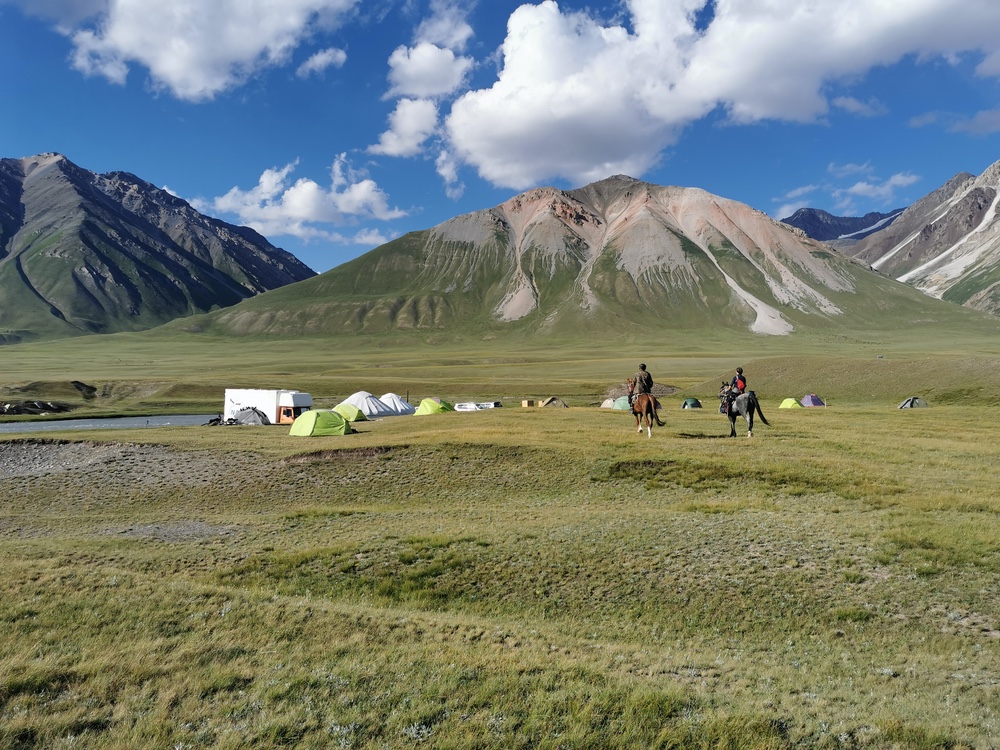
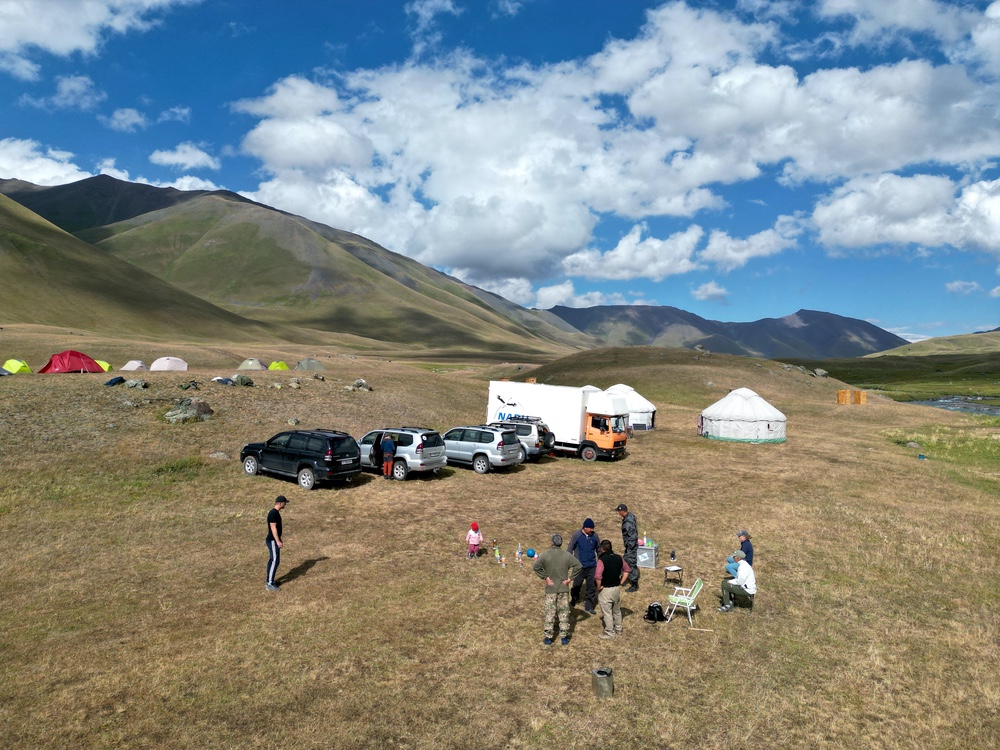
Biosphere Expeditions in collaboration with NABU started the 2023 snow leopard expedition by moving base camp 135 miles from the Karakol valley (home to the expedition since 2014) to the Archaly valley. The new location was selected for its potential prime snow Leopard habitat and the fact that no snow Leopard research has previously been conducted there.

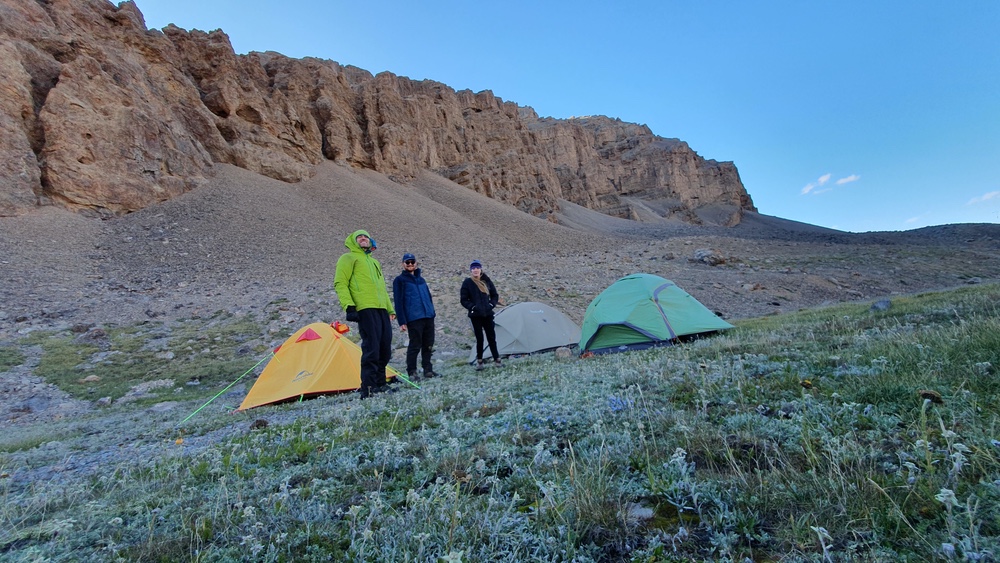
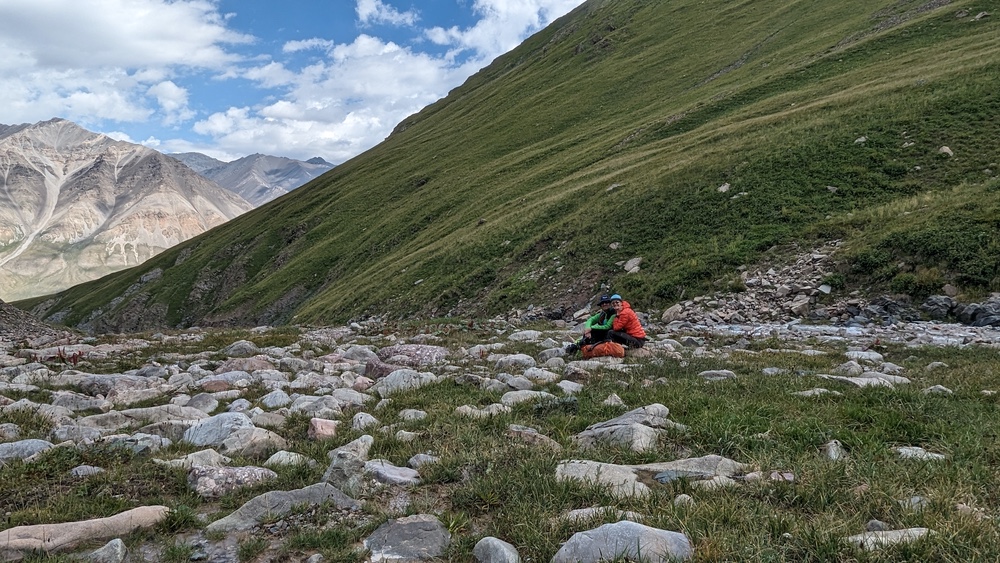
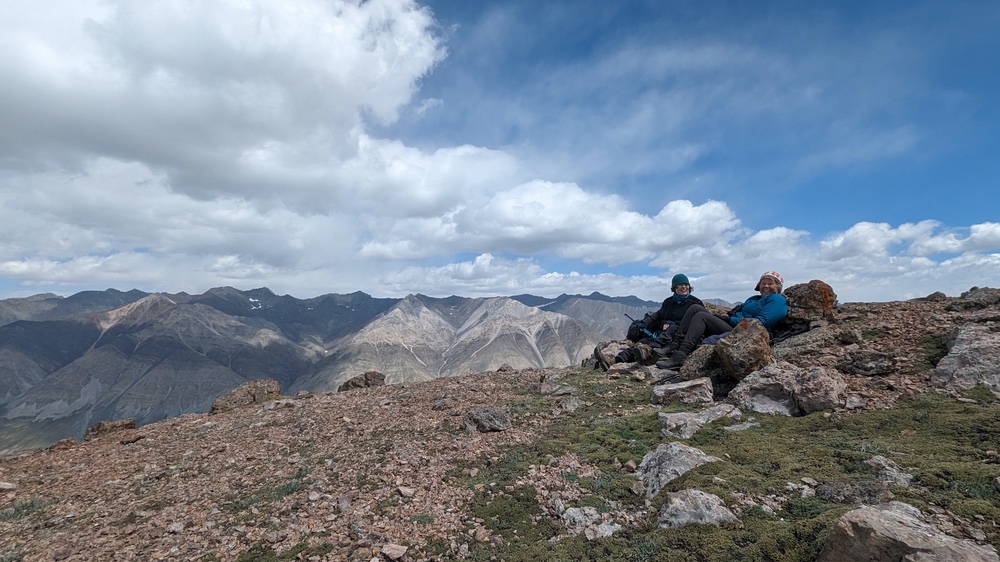
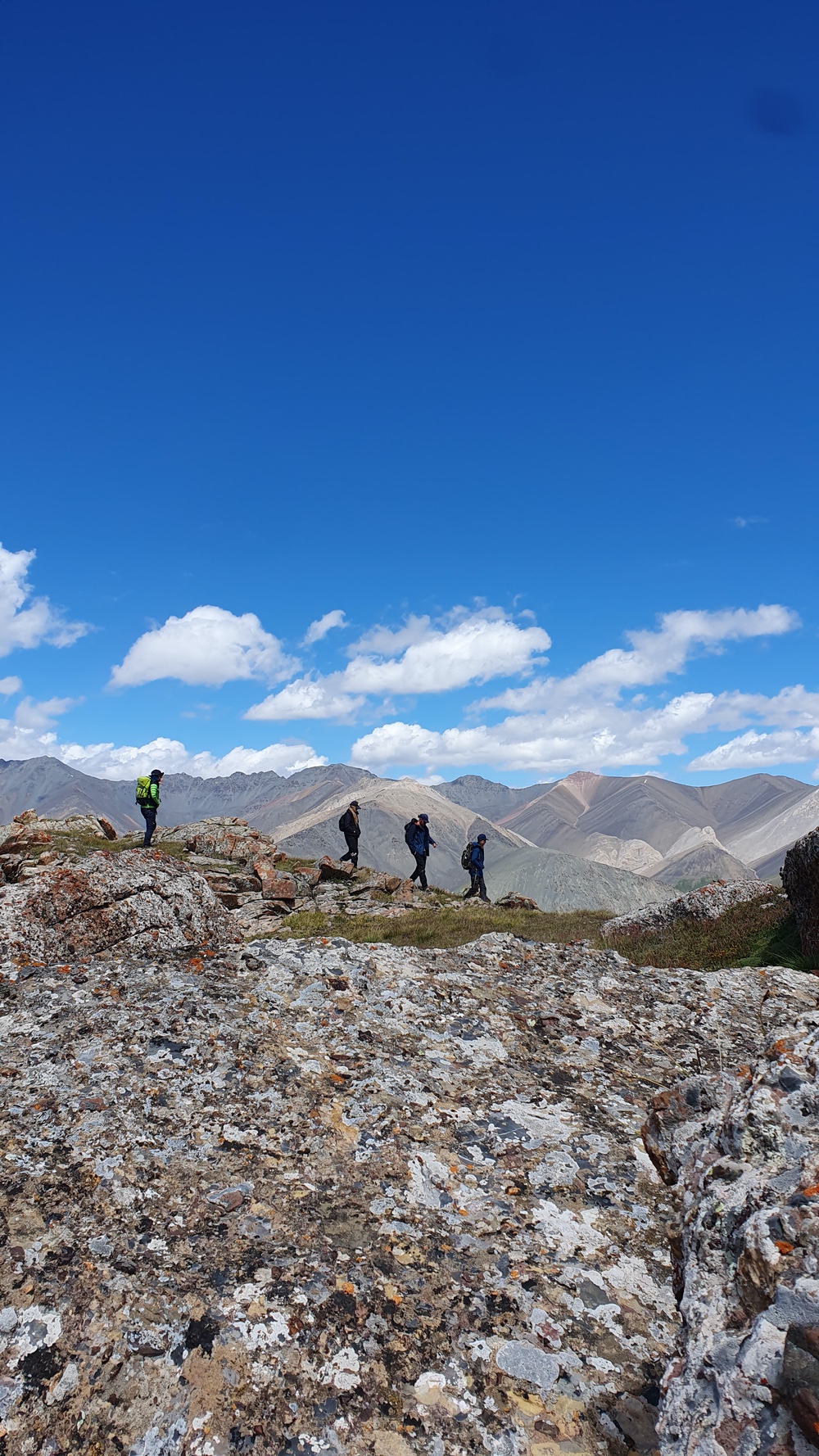
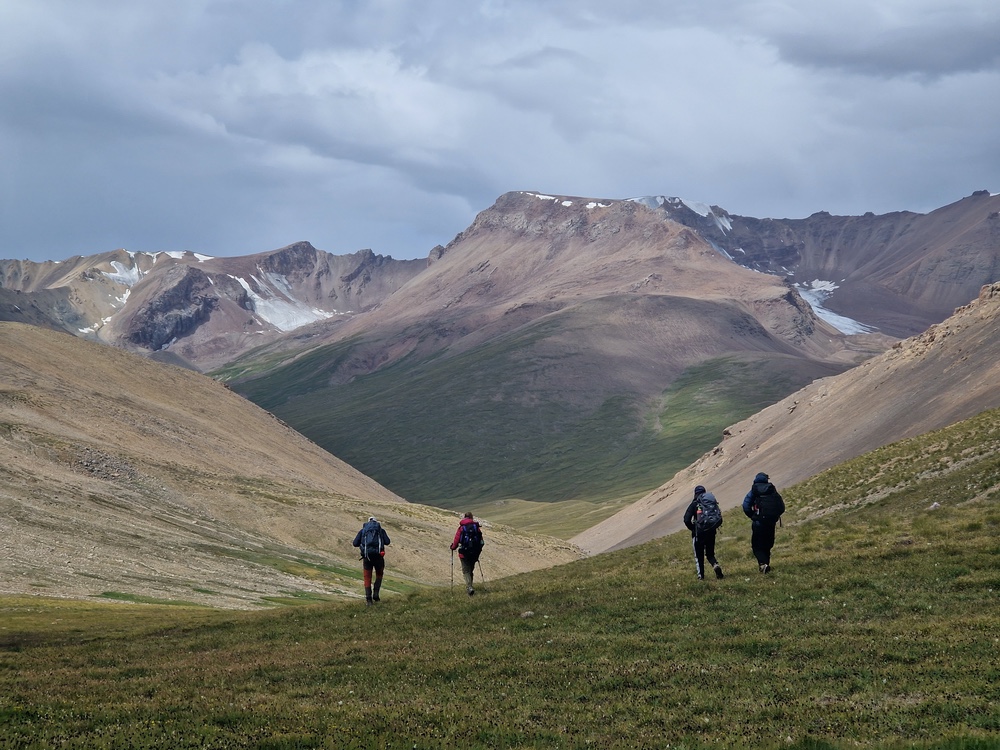
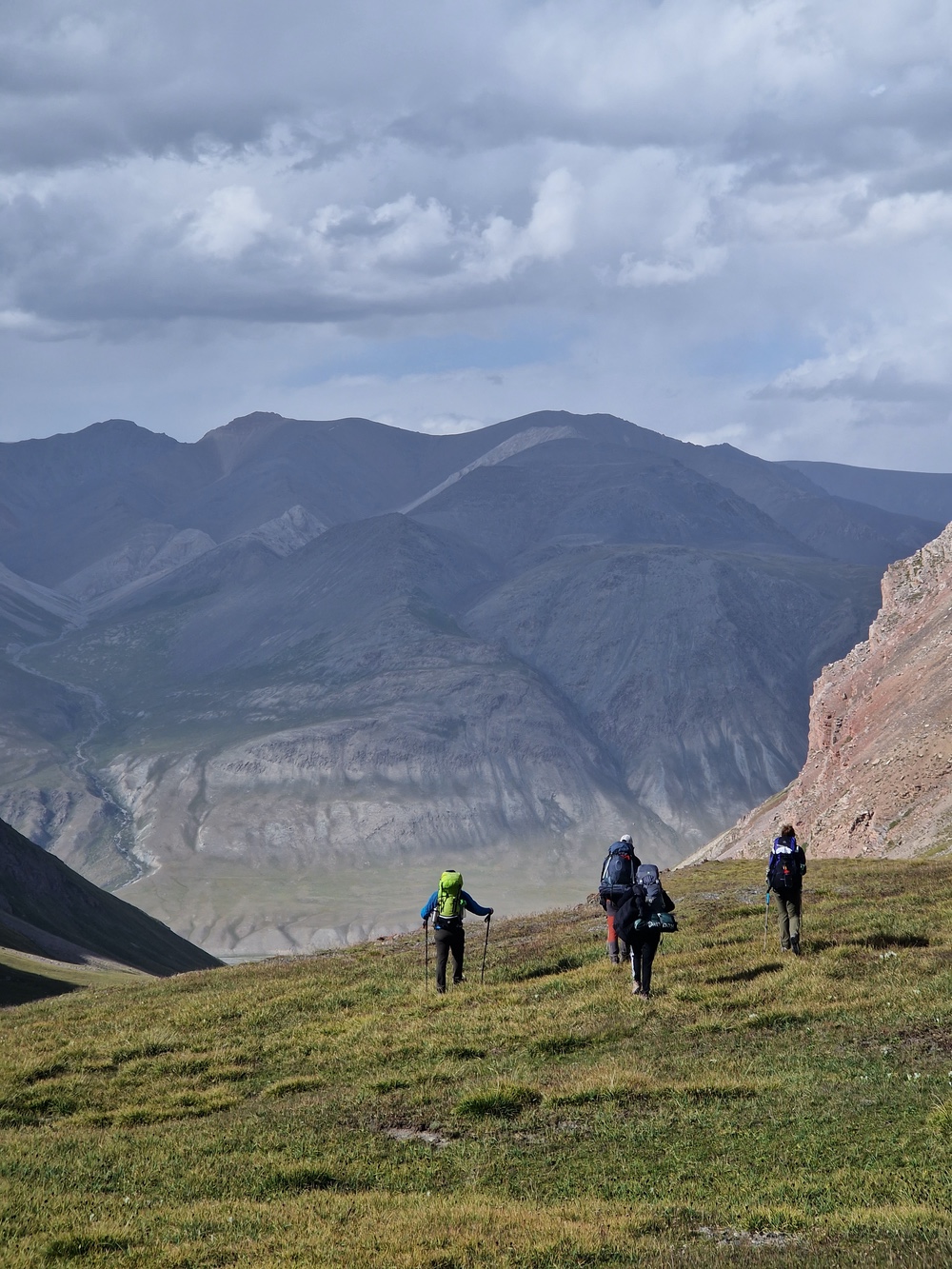
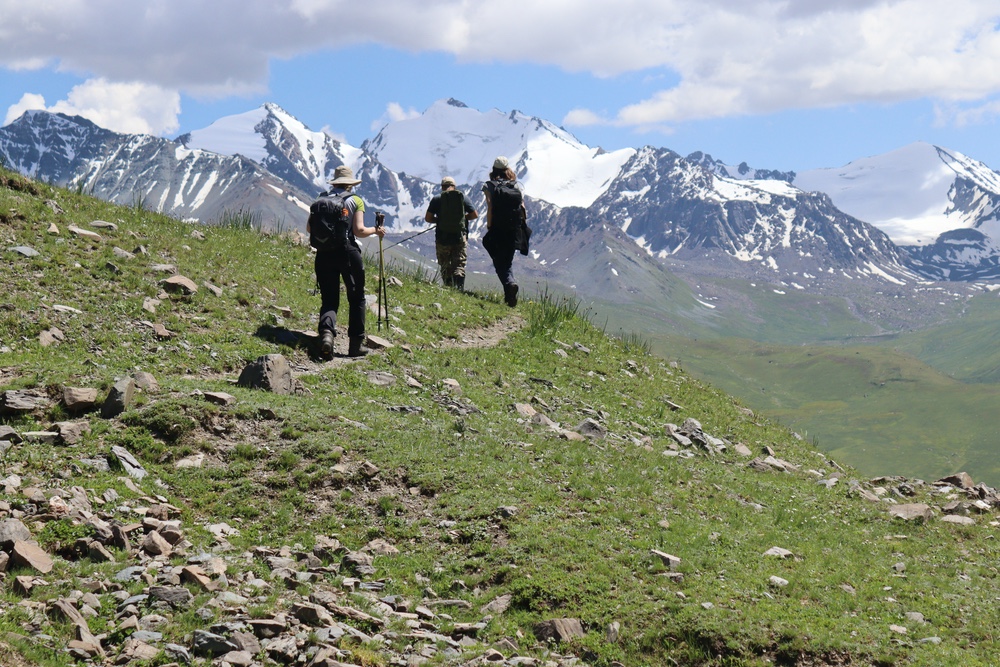
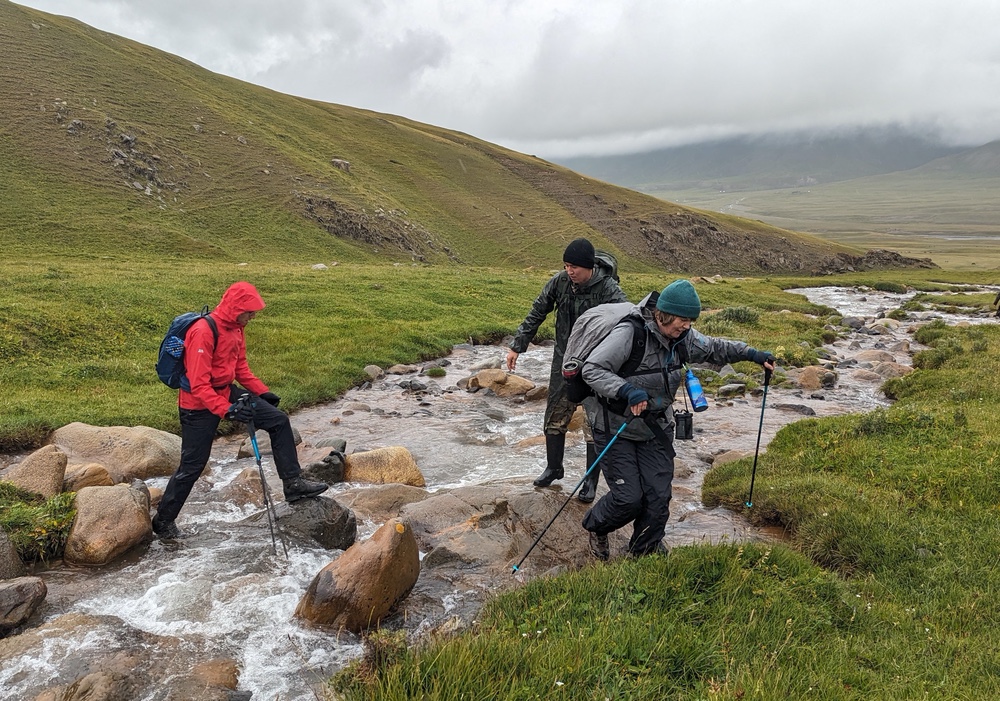
The only way to prove the presence of one of the world’s rarest and most elusive predators is either with a photo or with DNA evidence. With a new and updated scientific methodology to accompany the new survey area, the 2023 expedition had a trailblazing feel to it. Citizen scientist Tobias Mรผller from Germany commented that โ€œit was great to discover new promising areasโ€. Surveys saw groups venturing into the mountains recording snow leopard signs, their prey and livestock numbers, while walking routes that will be walked again as transects by future expeditions.

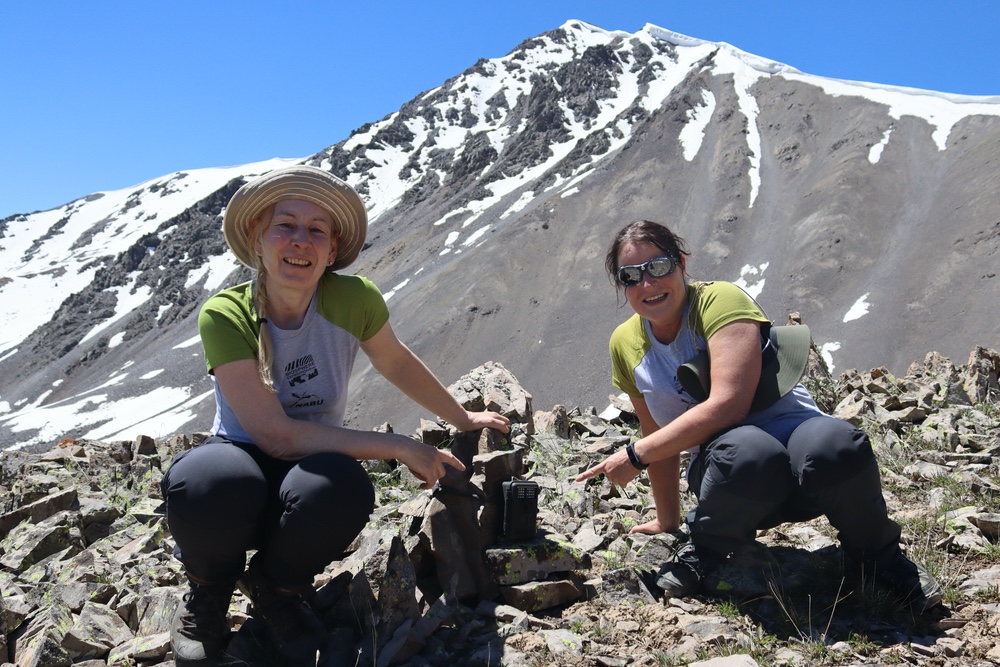
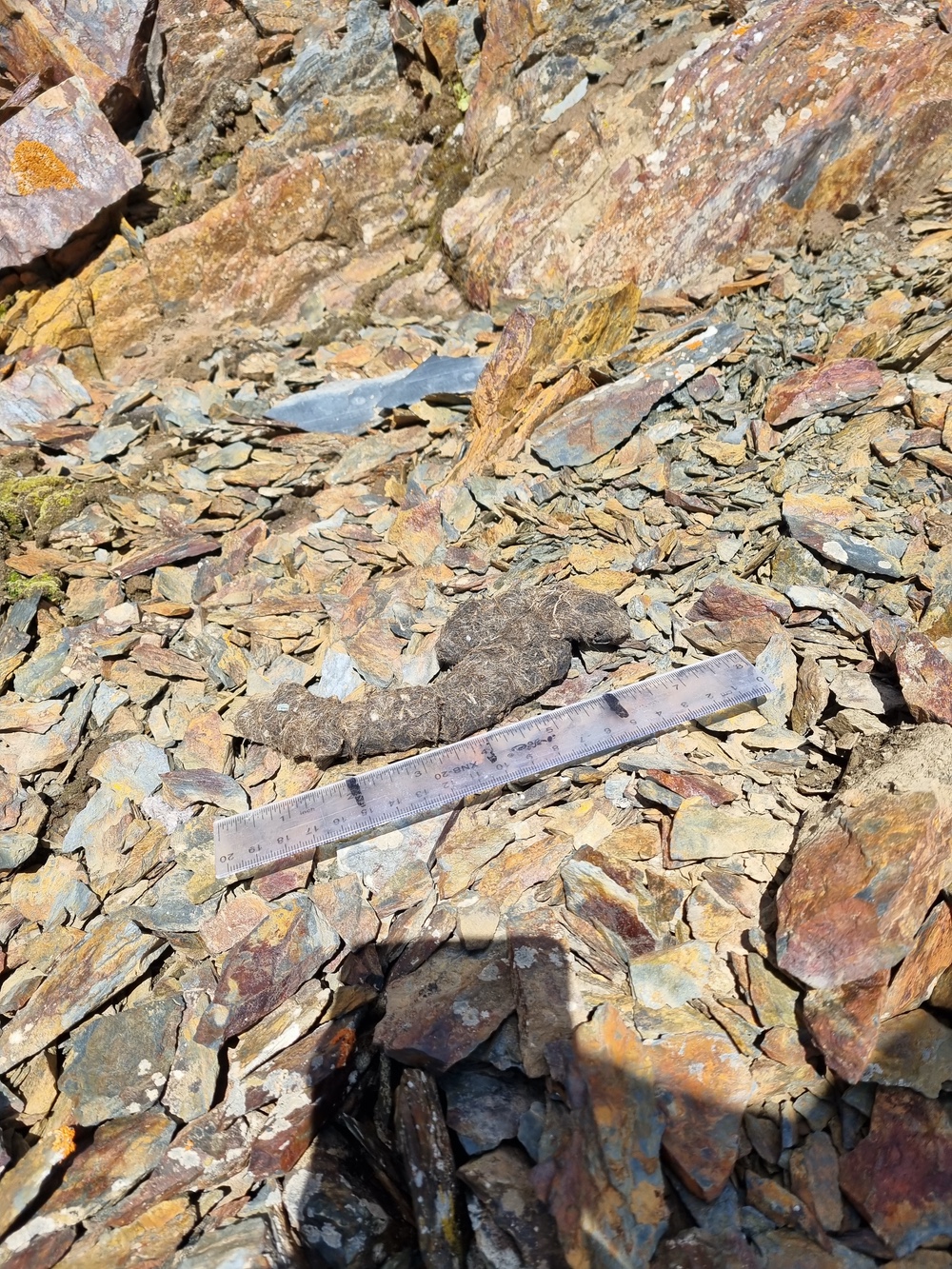
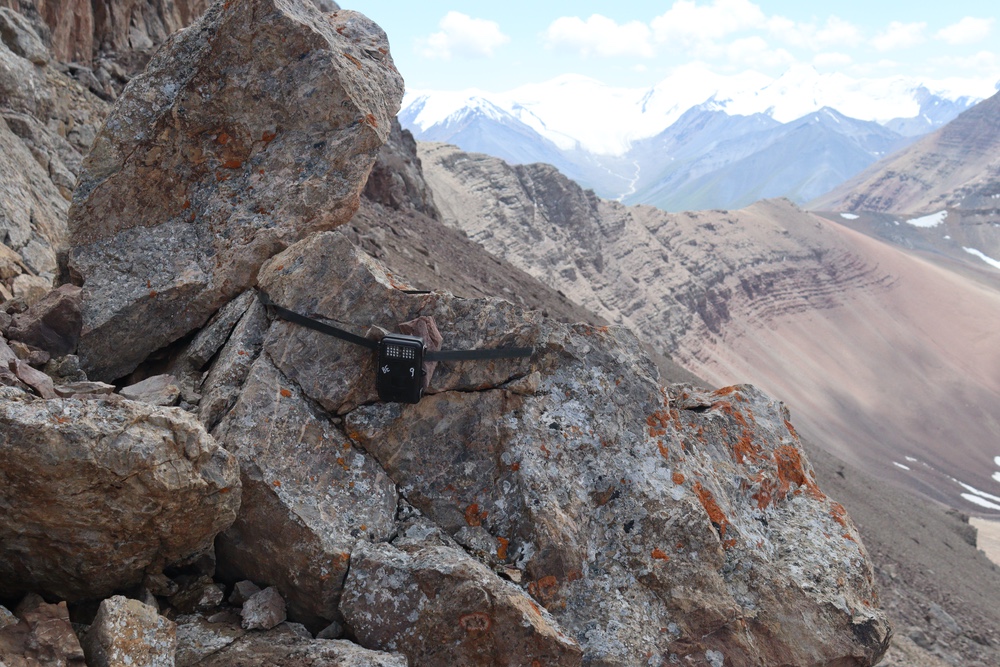
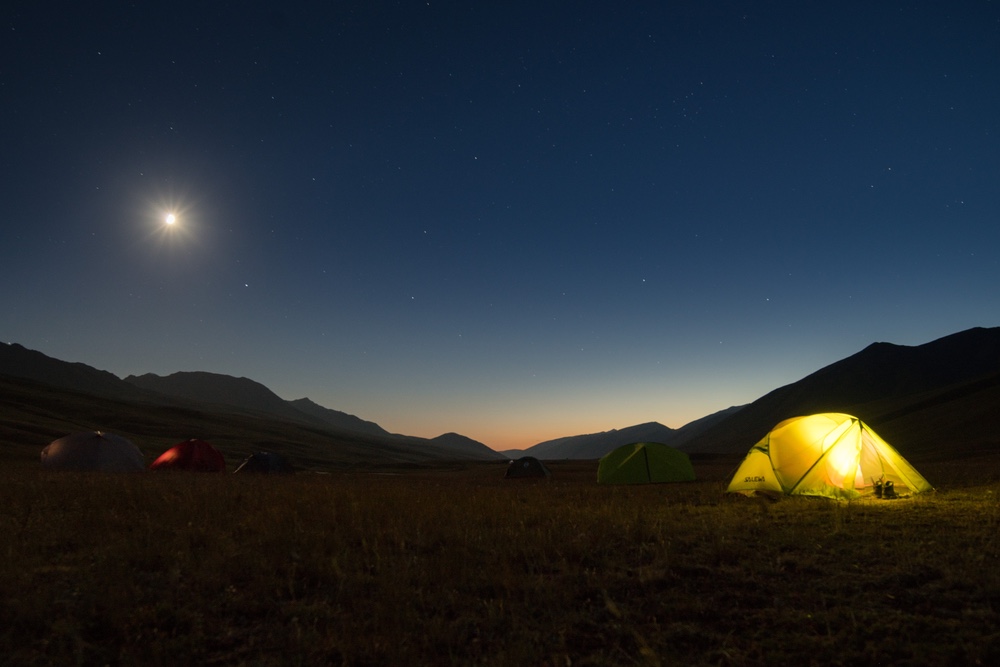
The team placed 20 camera traps between altitude of 3700 m and 4150 m, and collected 12 potential snow leopard scats throughout the expedition. The scats will be sent for DNA testing and the camera traps will be collected at the beginning of the 2024 expedition.

Taalai’s initial thoughts on the 2023 expedition and the new study area are positive: โ€œOur expedition was a pioneer venture into previously unresearched terrain, yielding significant findings regarding indicator species, tracks of argarli and ibex, and evidence of snow leopard. These findings hold promise for the future of wildlife research and conservation efforts in this remote and ecologically valuable regionโ€.

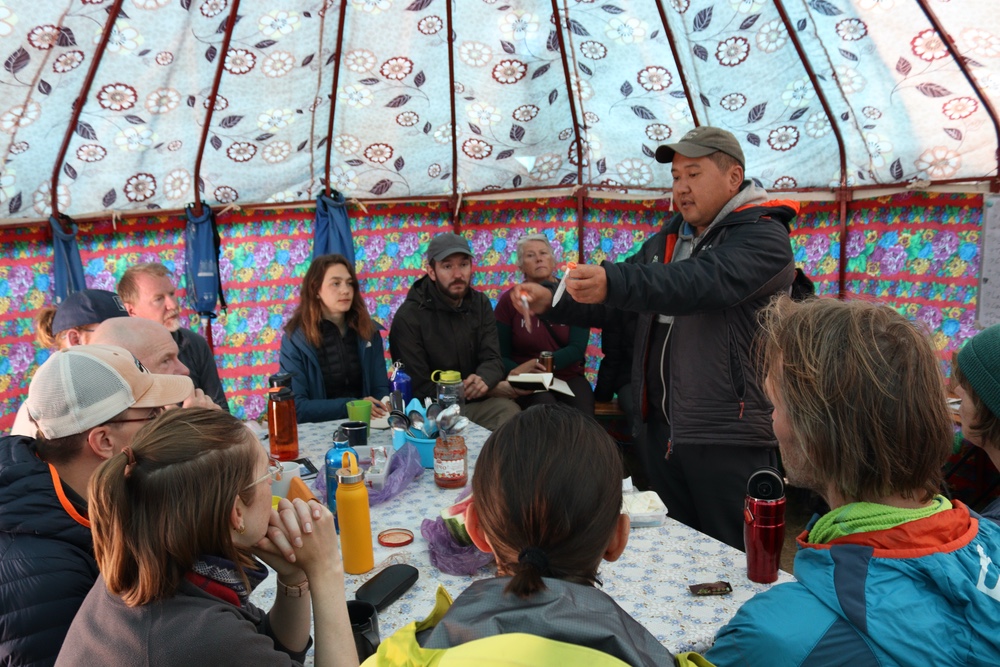
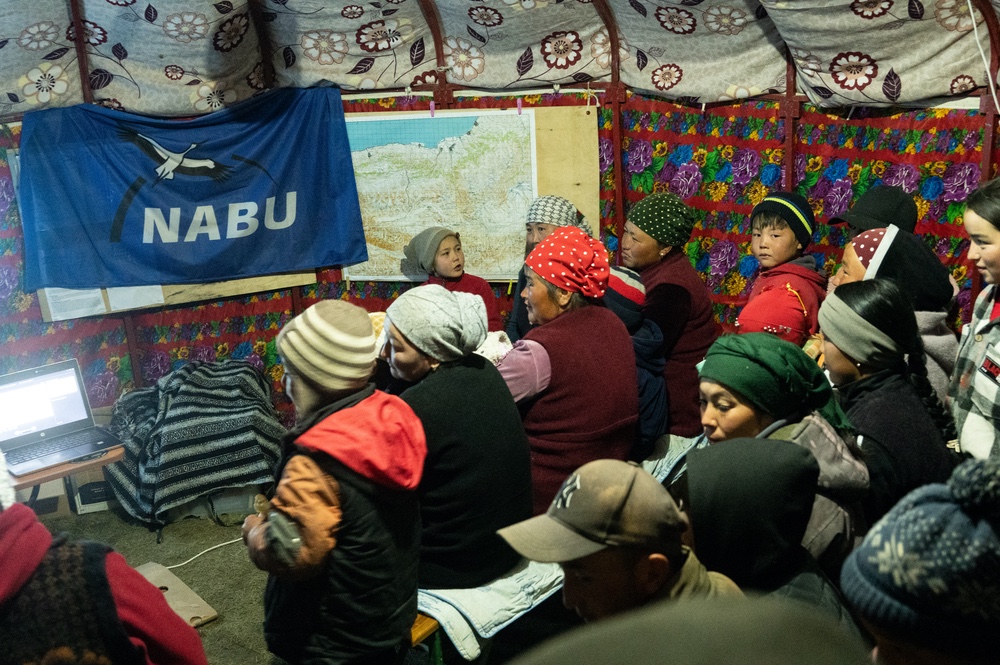
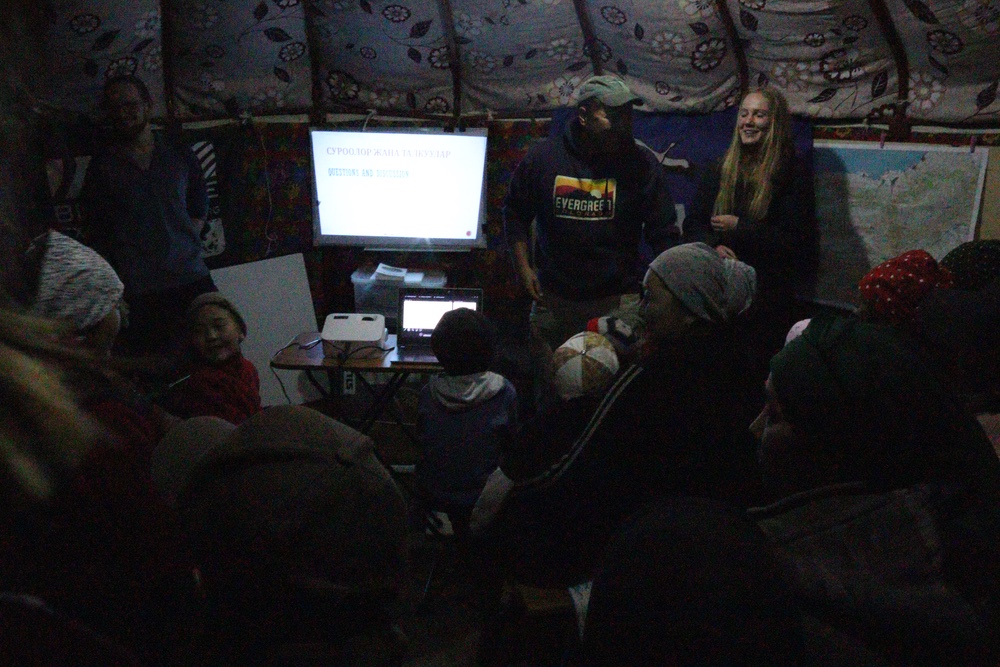
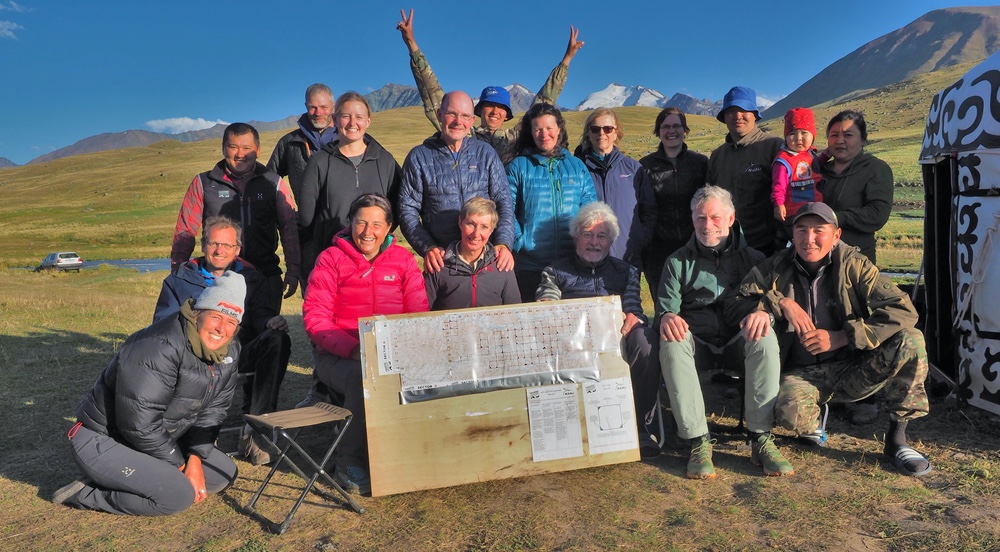
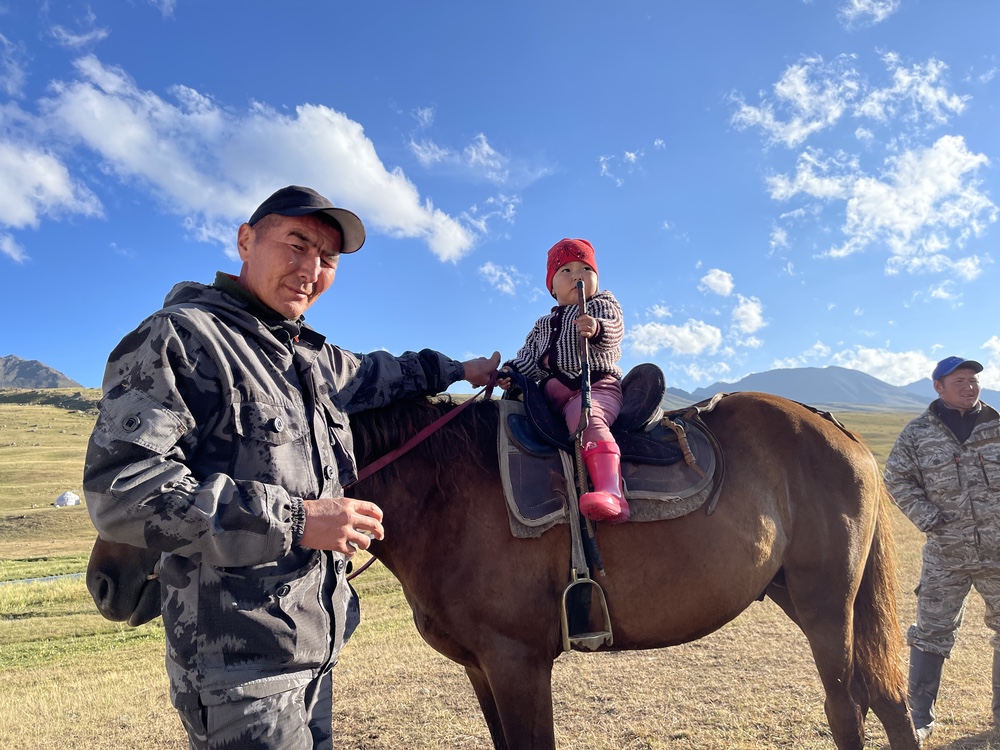
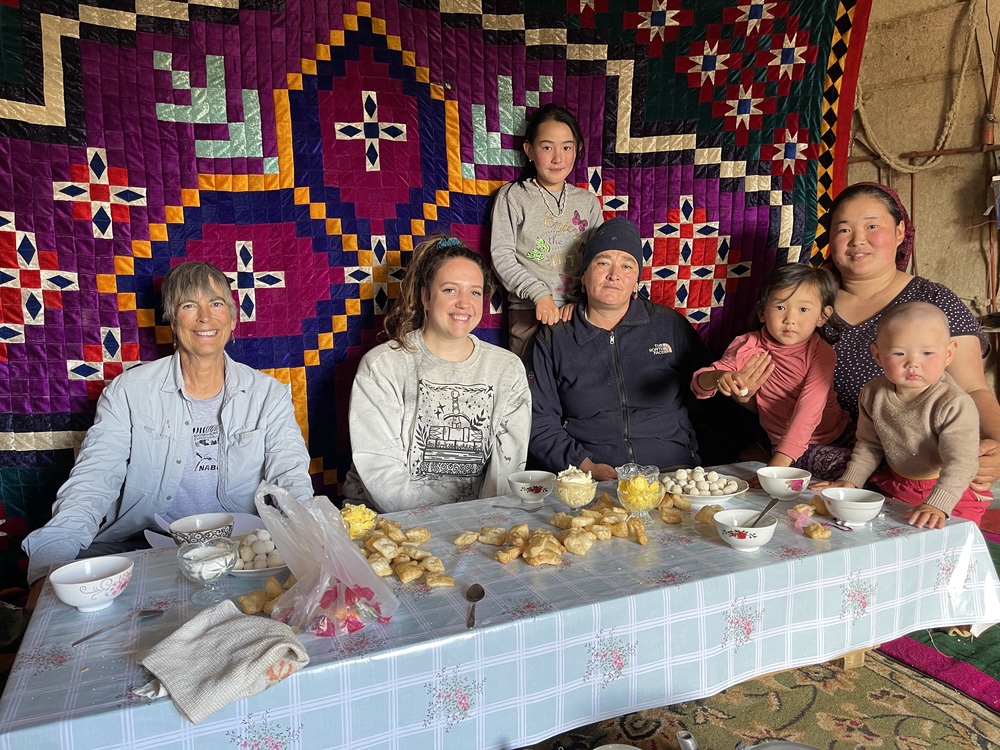
Another important task in the Archaly valley was to build positive connections with the local community who use the valley to graze livestock during the summer. This year the expedition concluded with a well-received event that introduced Biosphere Expeditions, NABU and the research in the area. Going forward, the expedition will look for ways to engage the local community in a collaborative and constructive manner. Camera trap servicing teams and alternative livelihoods capacity-building are both potential projects for the coming years.

Little is known about the snow leopard population in this area, so in the coming years the expedition hopes to shed more light on the population dynamics and highlight the importance of protecting this ecosystem. Taalai’s final thoughts were: โ€œThe Archaly valley presents a valuable opportunity for research focused on snow leopard conservation and the establishment of a sustainable community-based protection programme. By conducting research, addressing human-wildlife conflicts and engaging local communities, there is a strong potential to protect this wild area while benefiting both wildlife and people. Biosphere Expeditions’ citizen science projects serve as a collaborative force, uniting the passion and expertise of professional, citizen scientists and and the community alikeโ€.


Some expedition videos:

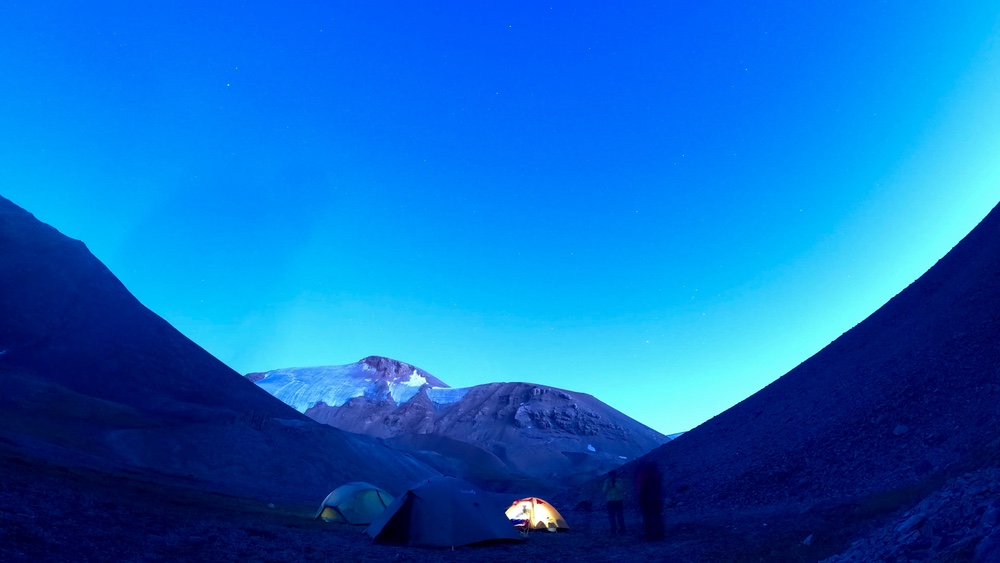
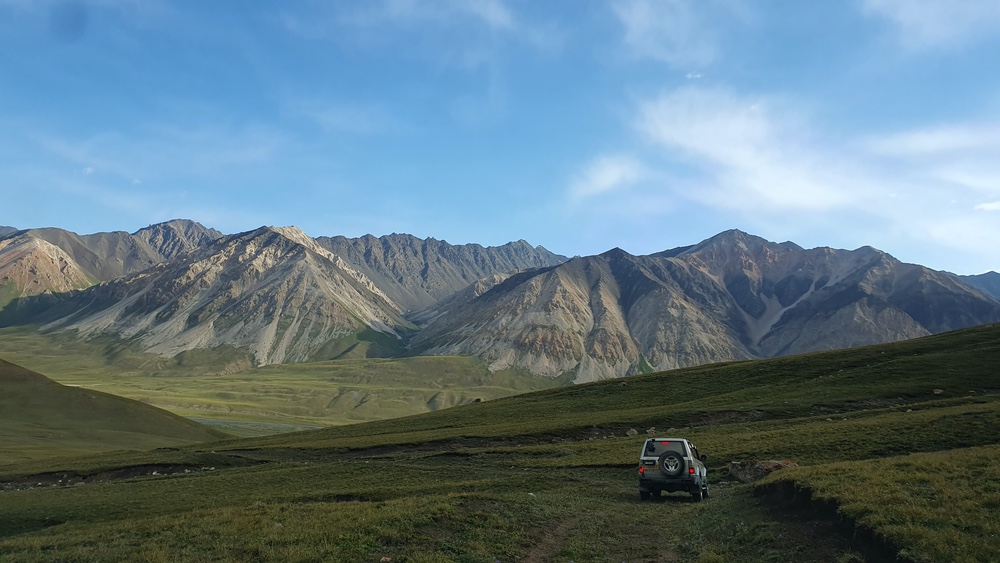
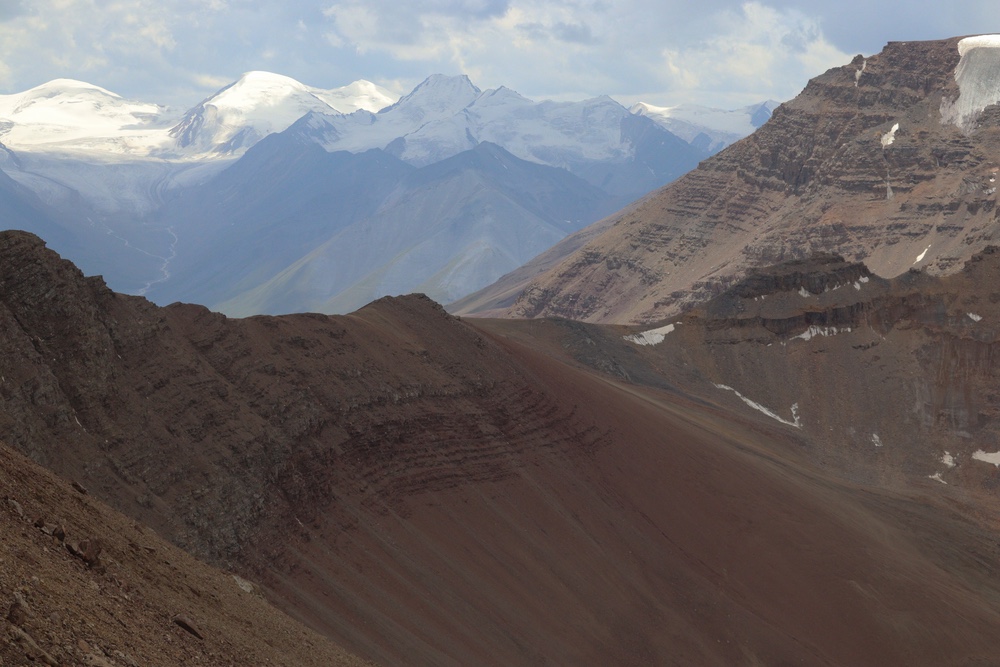
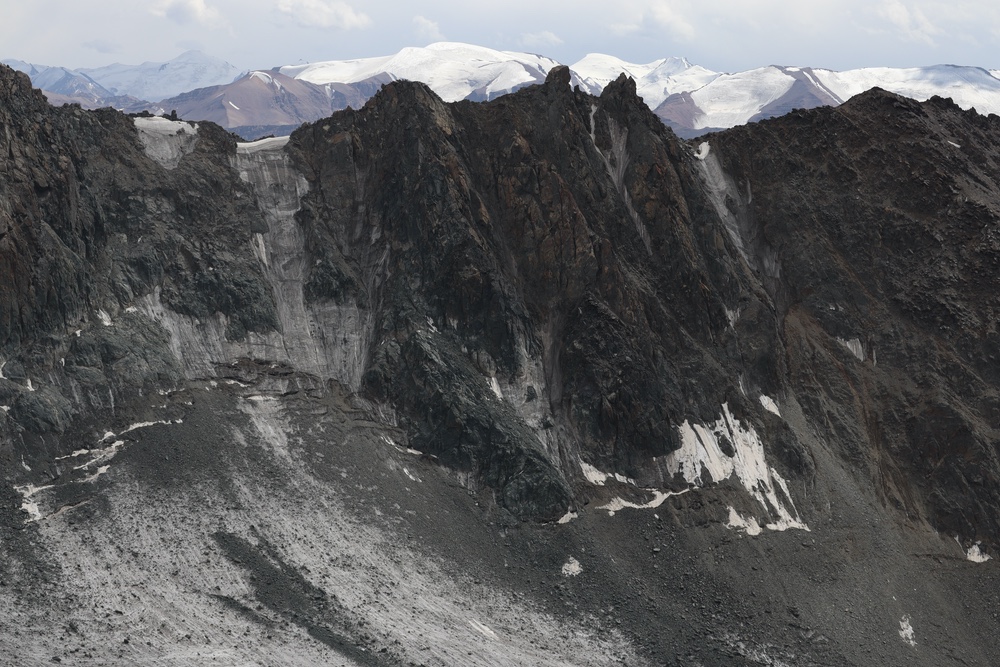
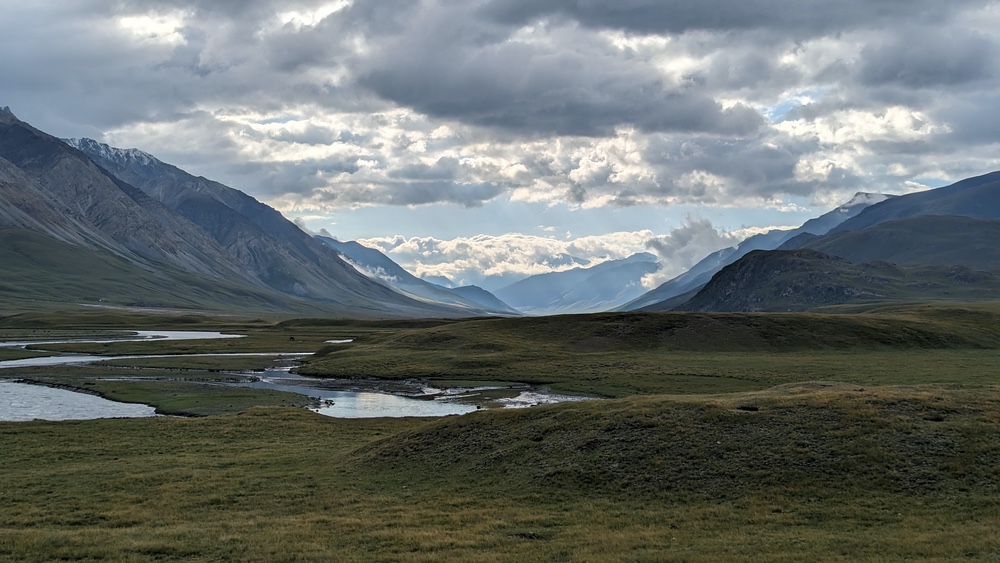
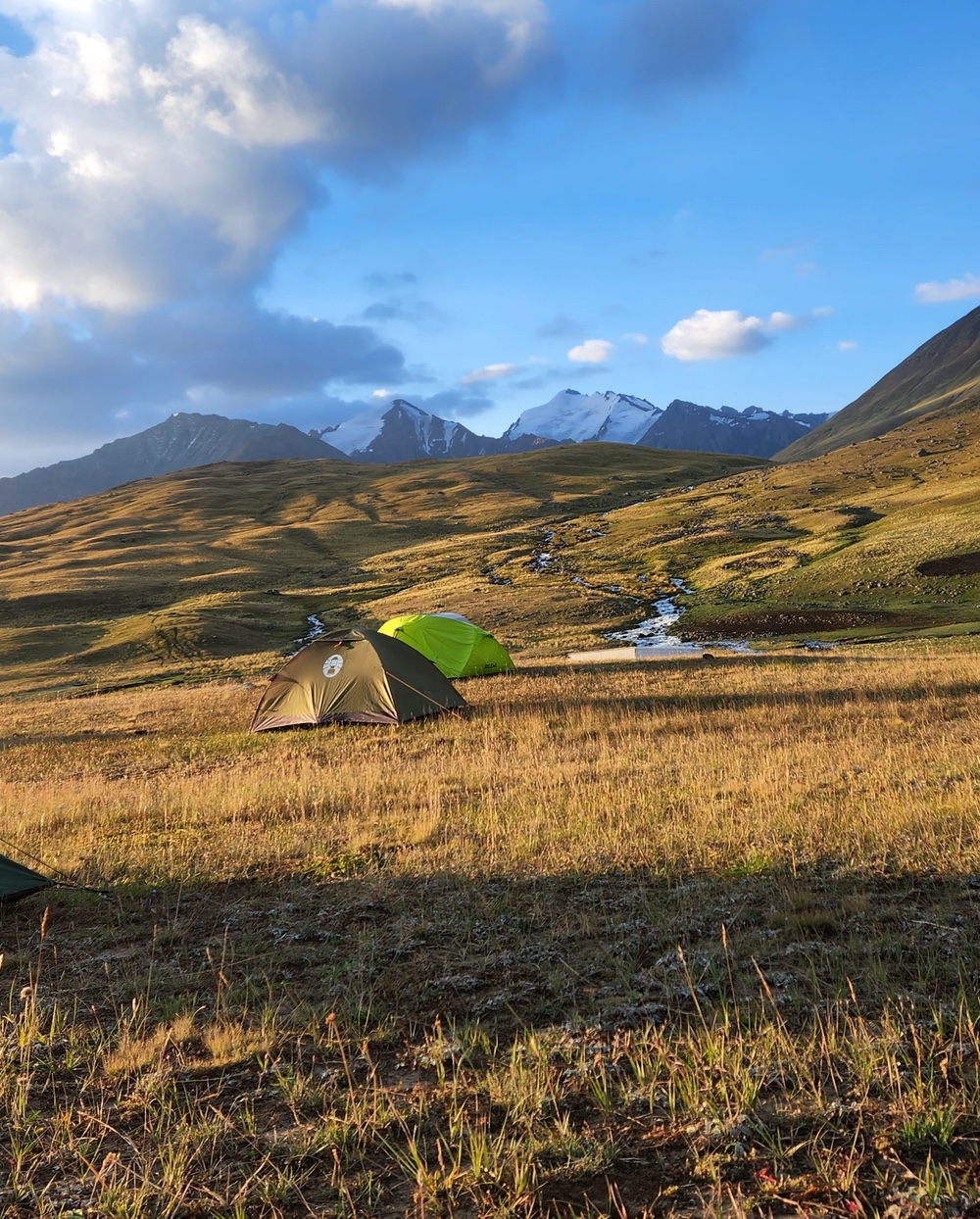
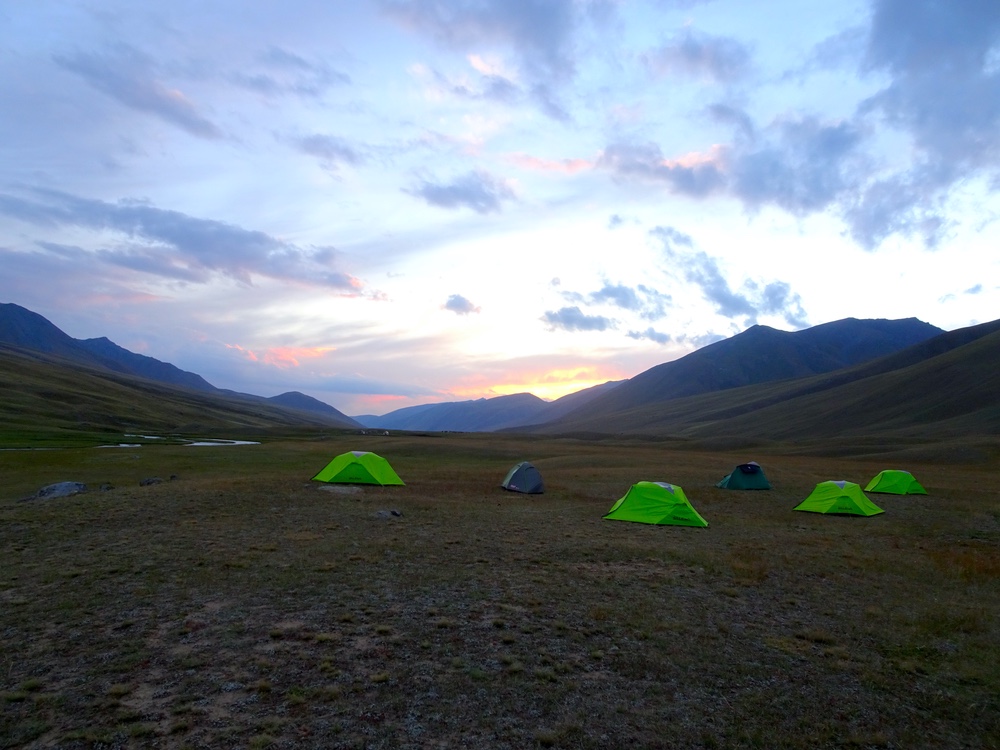
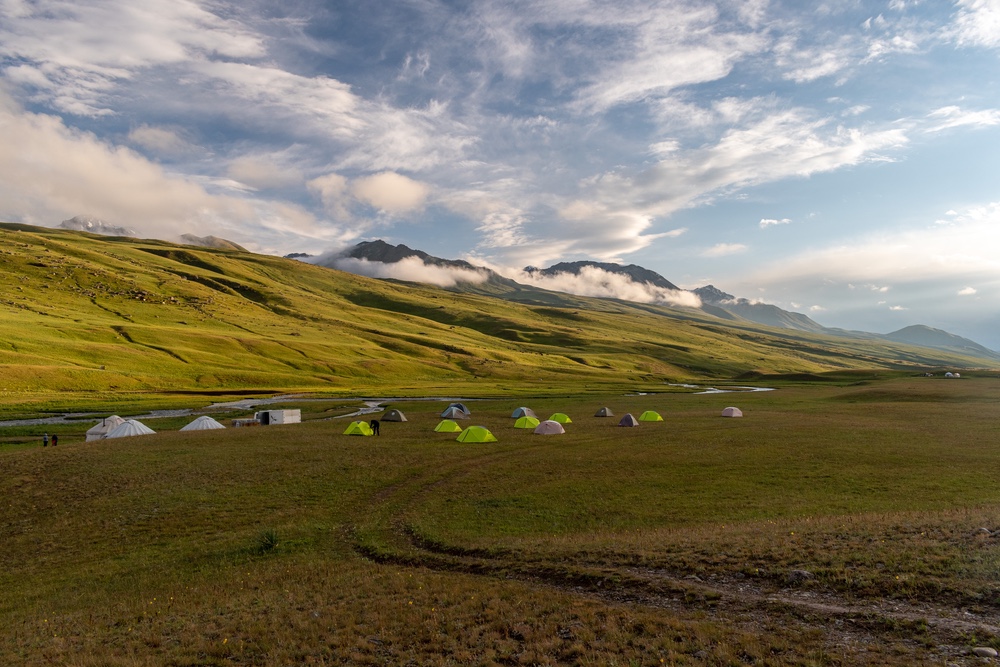
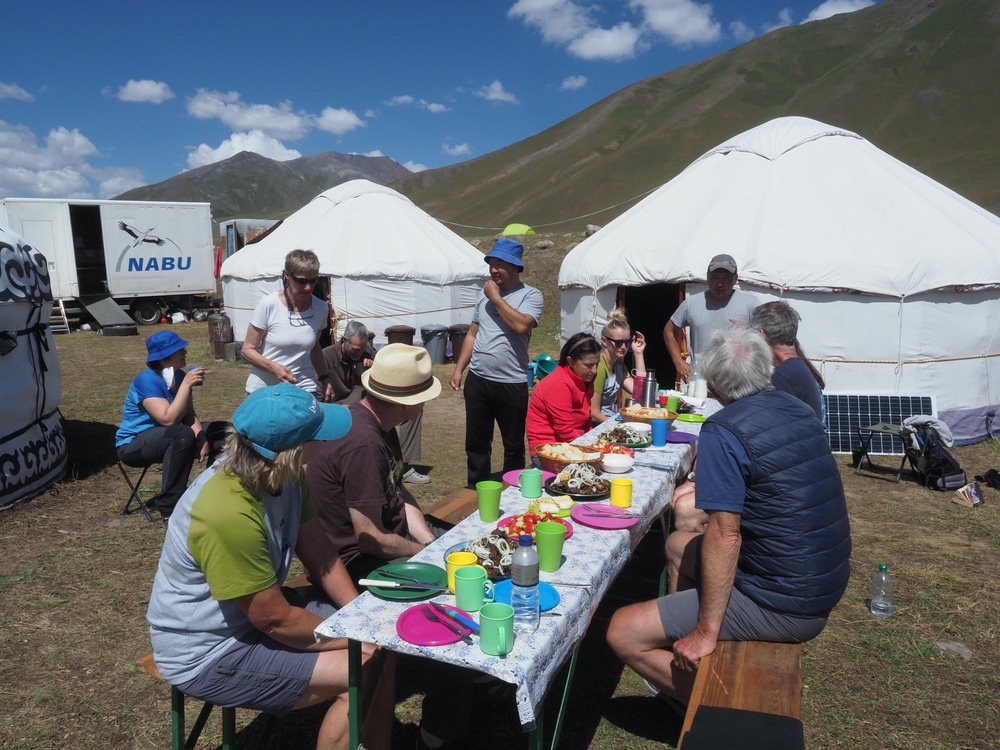
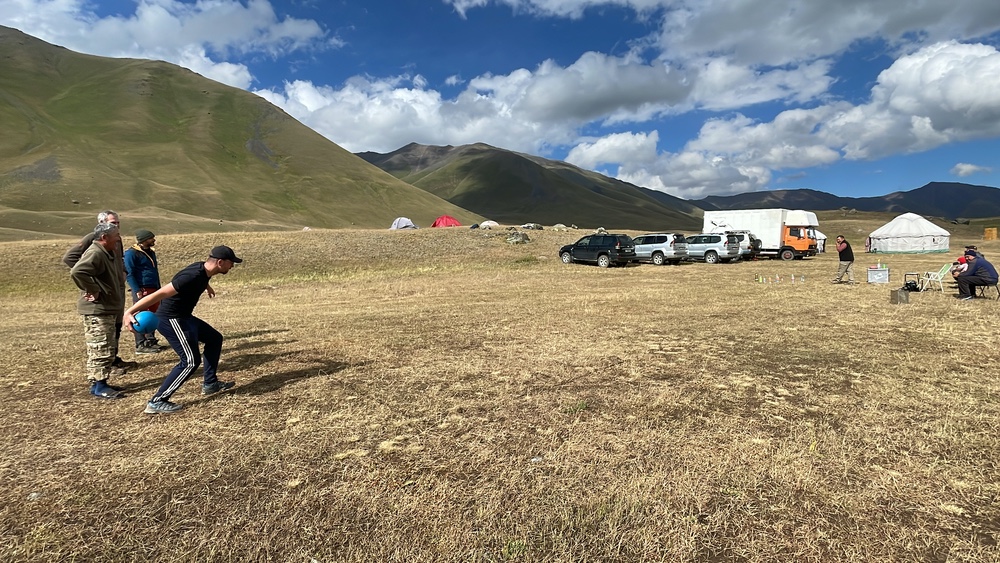
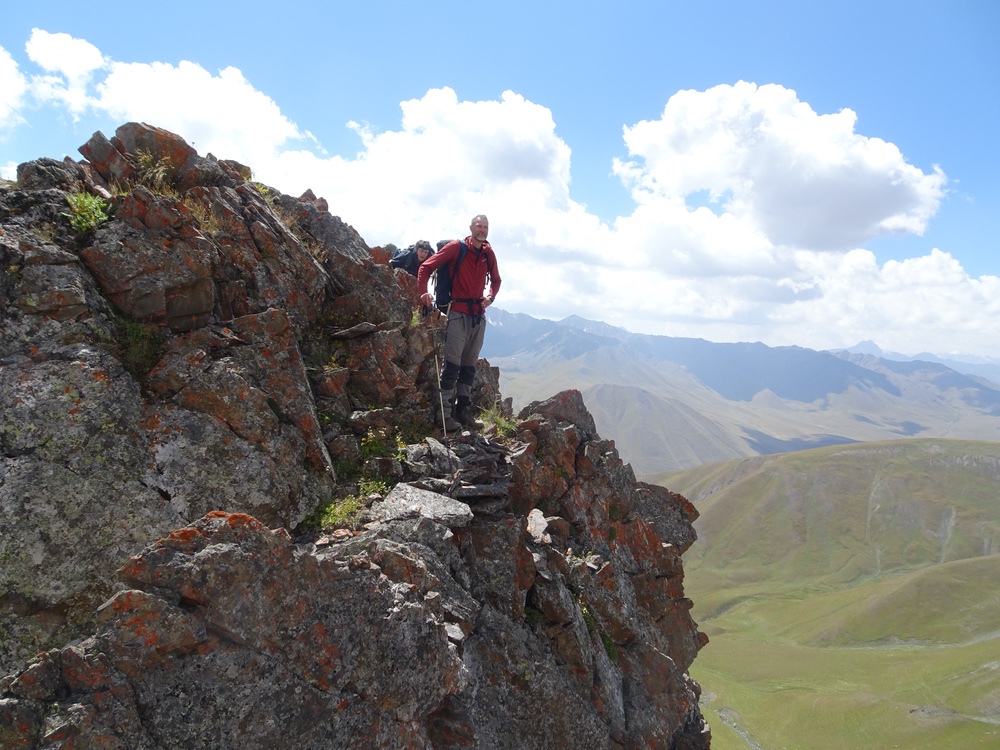
Picture impressions of the 2023 expedition:

Continue reading “Tien Shan: 2023 roundup”

Maldives: A dozen years, done

Update from our Maldives coral reef and whale shark expedition

We have just finished our twelfth (!) year of Reef Check surveying in the Maldives and who better to talk about the results of this coral reef expedition than our scientist Dr. Jean-Luc Solandt:

Dr. Jean-Luc Solandt summarising the expedition’s results

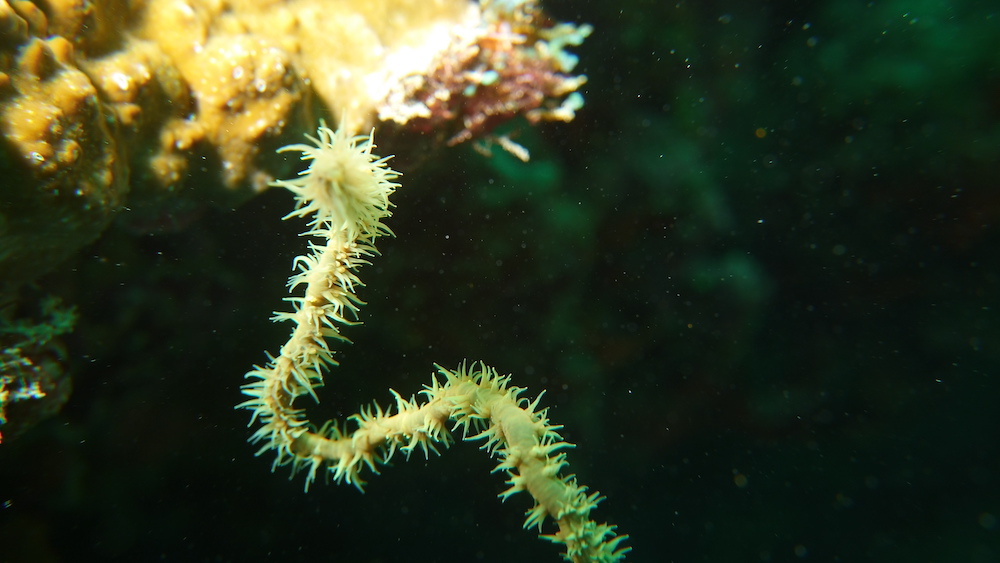
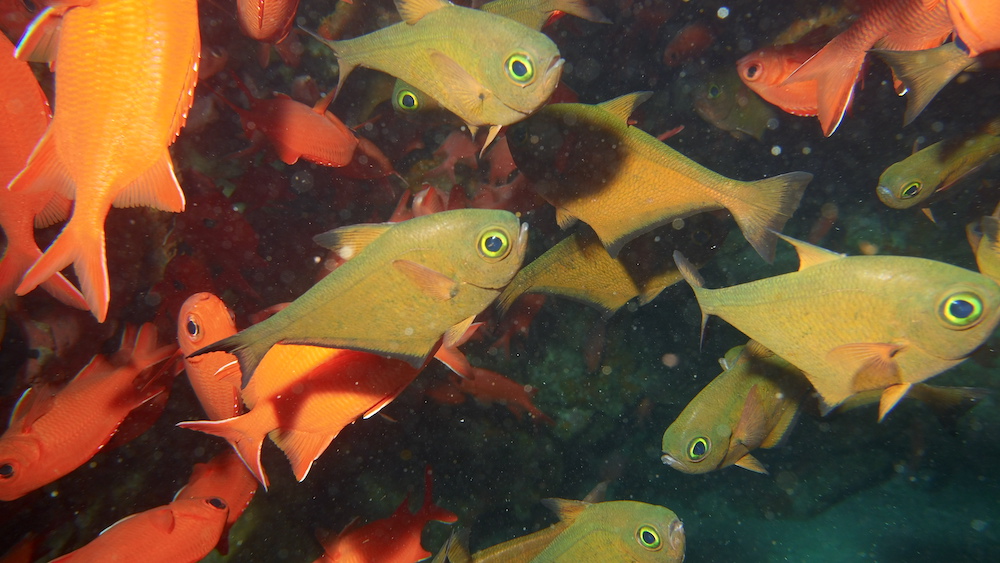
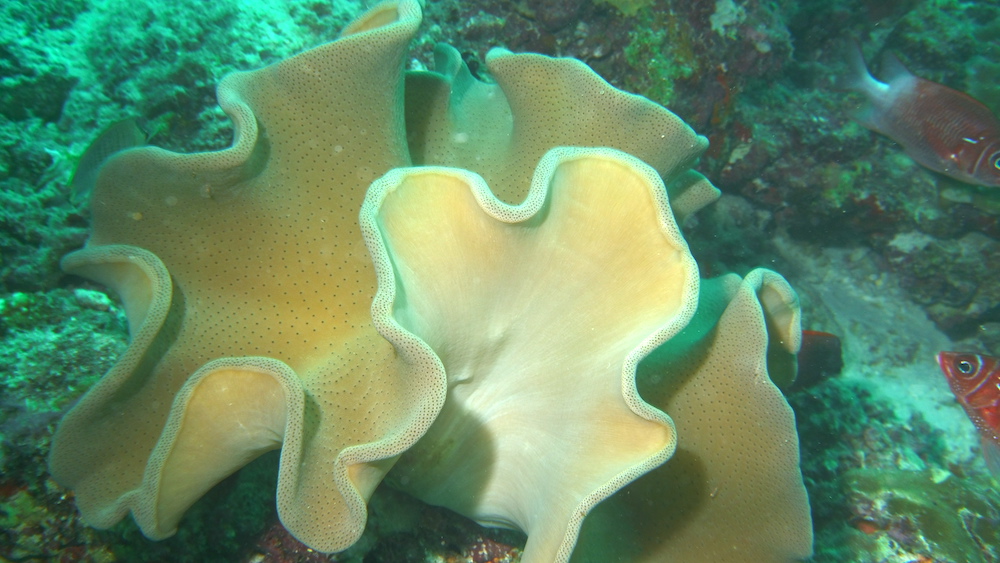
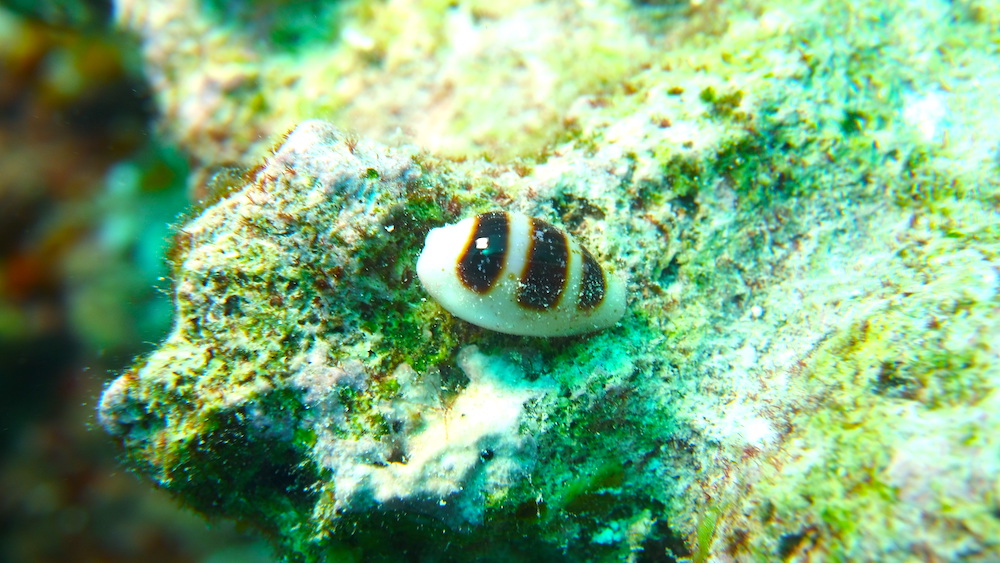
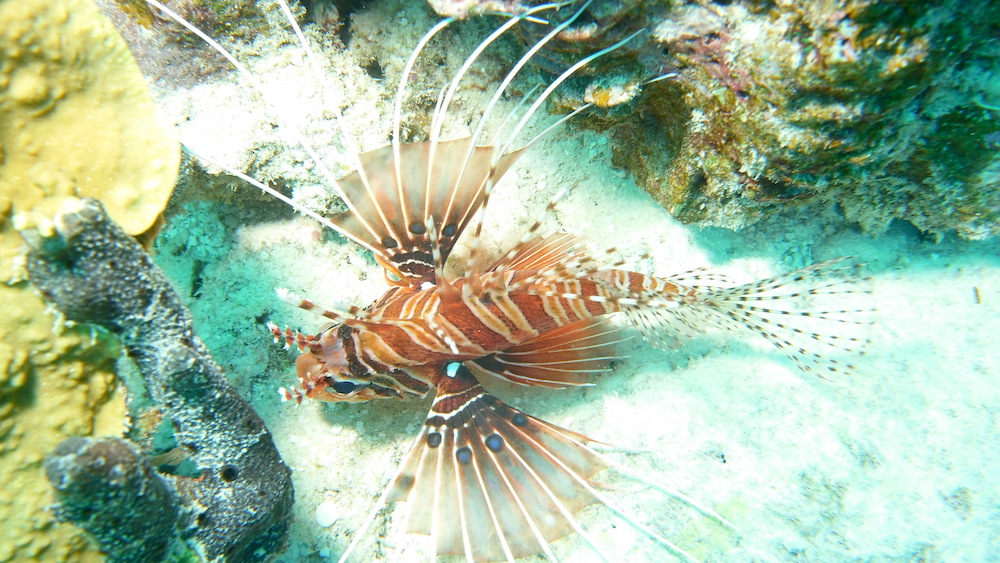
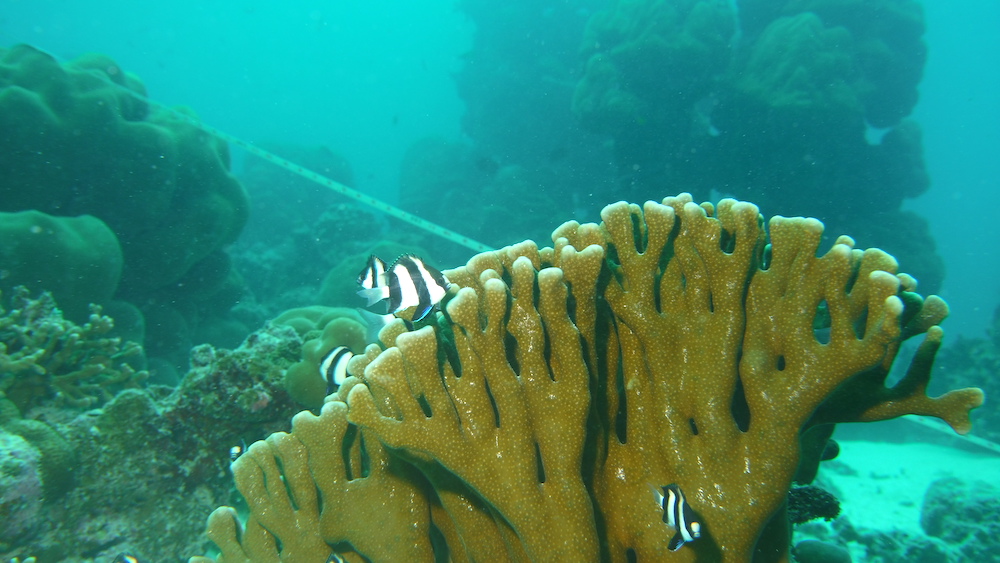
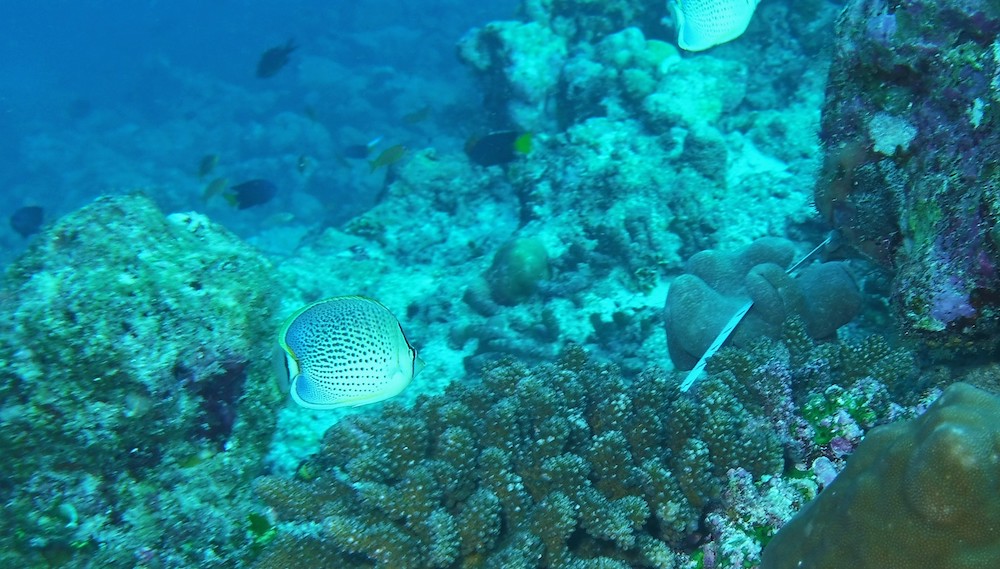
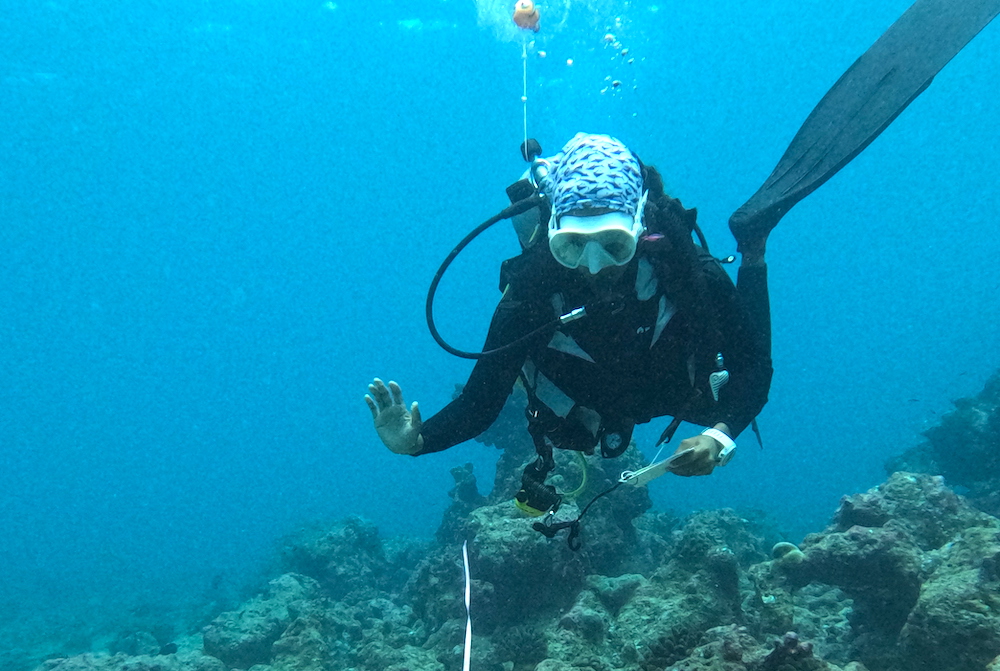
Over the last week we surveyed eight sites, collected hundreds of data points, saw good reefs and bad, big things such as sharks and manta rays (but sadly no whale sharks), but more importantly little things such as butterflyfish, snapper, coral banded shrimp, diadema urchins, hard and soft coral, rubble, rock and nutrient indicator algae. Our newly qualified EcoDivers now know and appreciate the significance of these indicators and their dedication and attention to detail is what makes this expedition work.

Dr. Solandt will now write up our findings into a report, to be published within a few months and given to government and decision-makers in the Maldives. Our placements Shuga, Bas & Hampti will continue surveys whilst we are away, keeping the Reef Check fire burning until we return in a year’s time. A twelve year dataset is an impressive achievement in any kind of scientific study and it is the time and money that our citizen scientists put in that makes this possible. So thank you again Paula, Steve, Olivier, Peter, Rick, Mark, Shuga, Bas, Toshia, Ann, Tine and Hampti and all those that came before you, and happy birthday Mark on top. What a great excuse to have a farewell and birthday party put together.

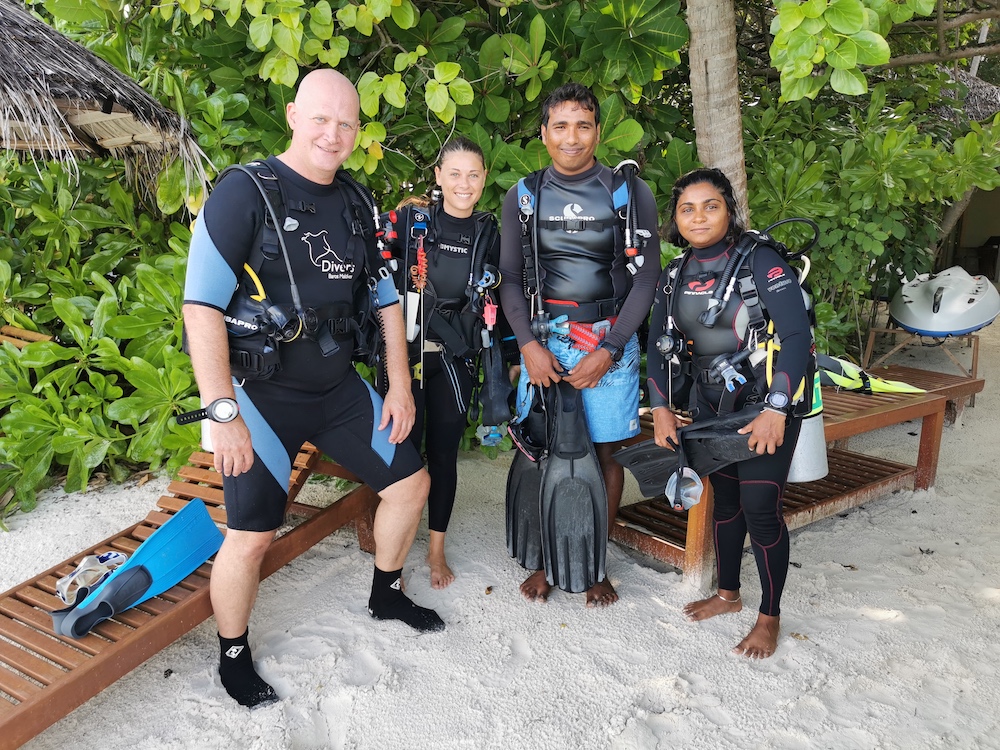
Expedition team 2022

What a great expedition. I hope to see most of you again on expedition some day on this beautiful and fragile planet of ours!

Dr. Matthias Hammer
Expedition leader

Thank you to Jean-Luc Solandt for all the pictures in this year’s Maldives expedition blog

Continue reading “Maldives: A dozen years, done”

Maldives: Giving, not taking

Update from our Maldives coral reef and whale shark expedition

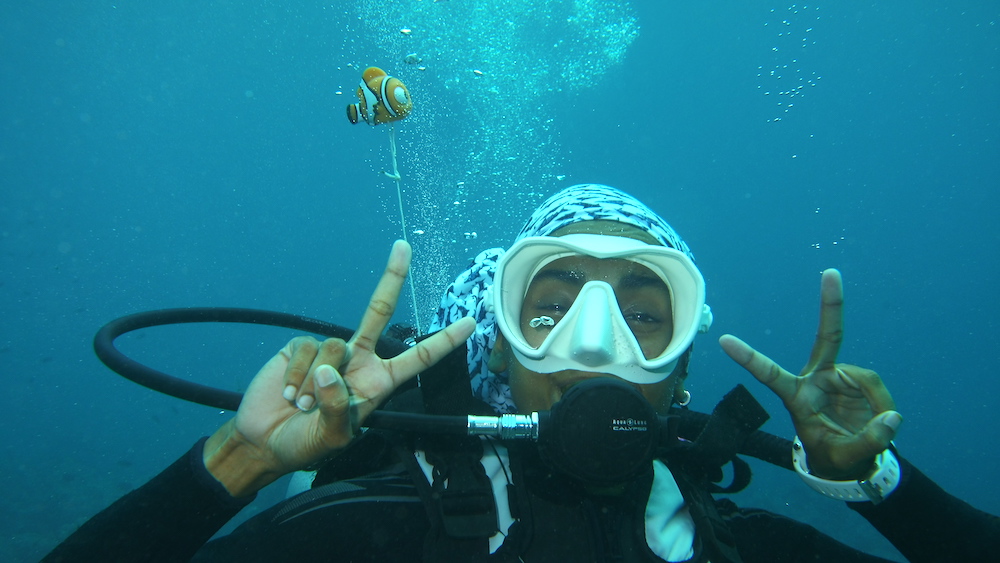
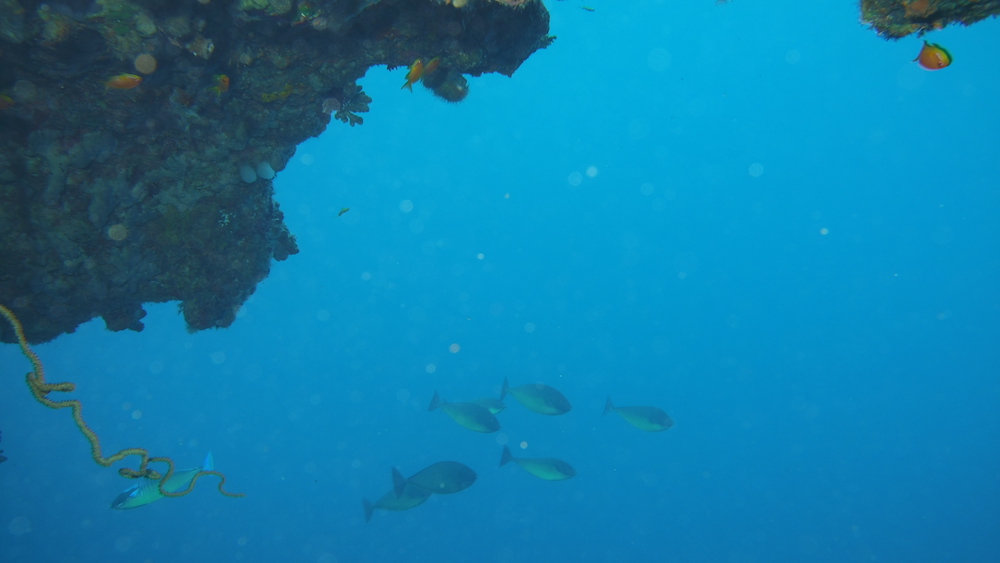
We are half way through our annual coral reef and whale shark expedition here in the Maldives. Training in Reef Check was the usual mad dash. Everyone got there in the end. Congratulations to all new Reef Check EcoDivers!

Today is our first day of surveys only. Like a fairly well-oiled machine we descend onto the reef, lay the line of science, then count fish, invertebrates and impacts as well as substrate along it. The numbers and codes we glean from two depths tell us tales of reefs hanging on, despite multiple stresses: oceans that are getting warmer and more acidic due to climate change, land reclaims through artificial sandbanks whose grains in the current smother the corals, building works on many islands and increased tourist activity as if continued growth on a finite planet and building bridges between islands was the answer. It is not. The former is a mathematical impossibility and the latter a short-sighted pipe dream.

So we do what we can. There are 250 liveaboards in the Maldives taking tourist divers around all year. We are one liveaboard of 14 scientists and citizen scientists doing surveys for a week. We are the only ones. You can do the maths yourself.

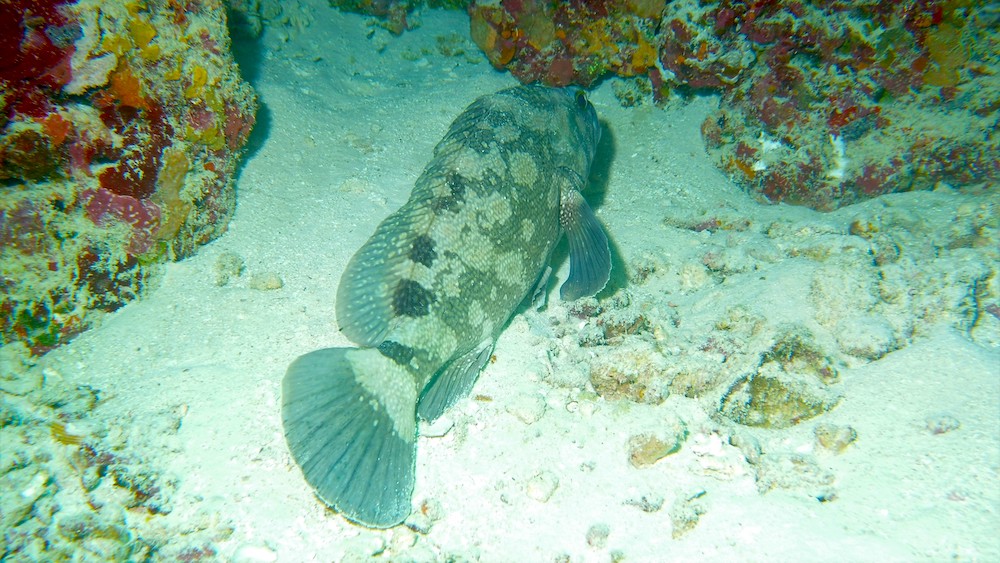
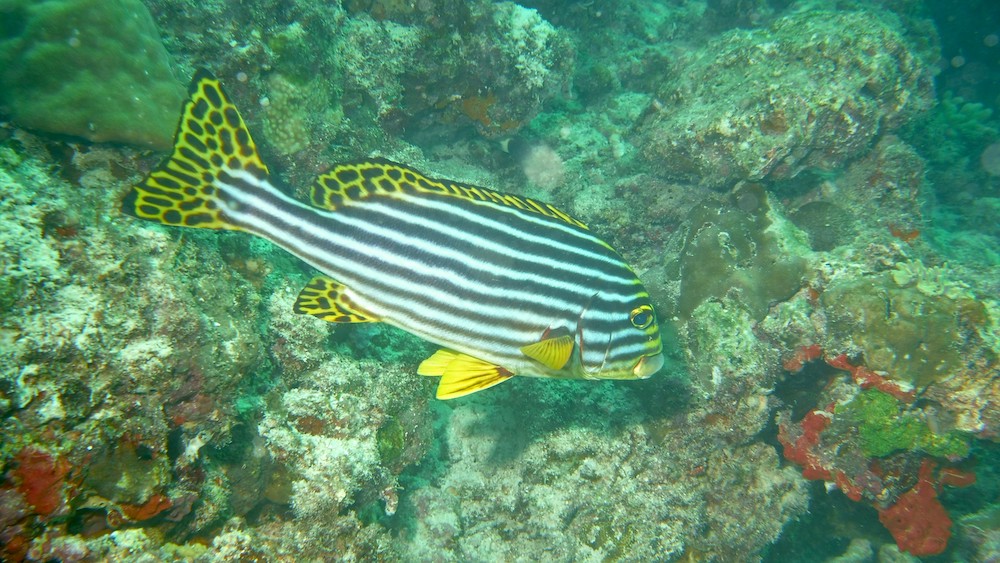
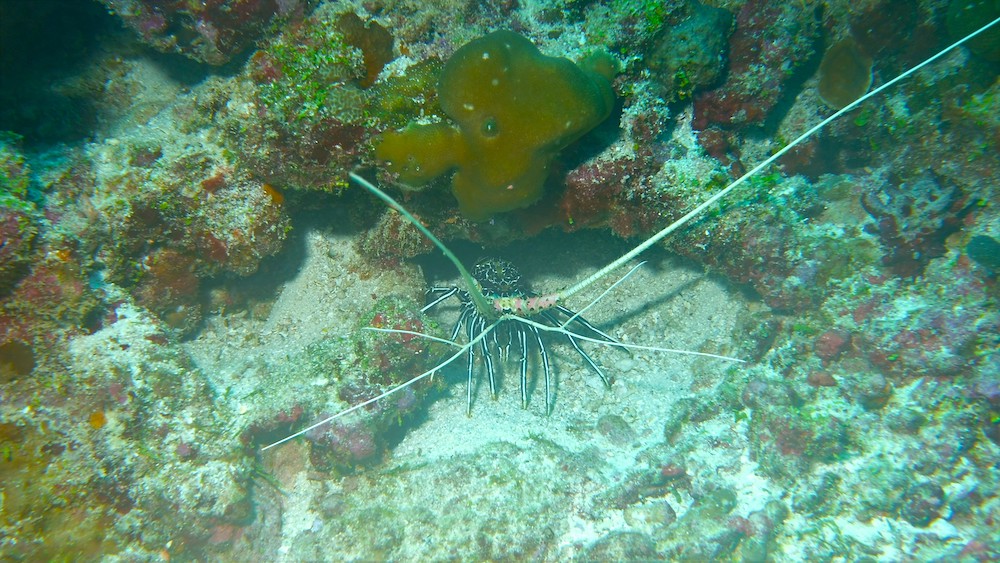
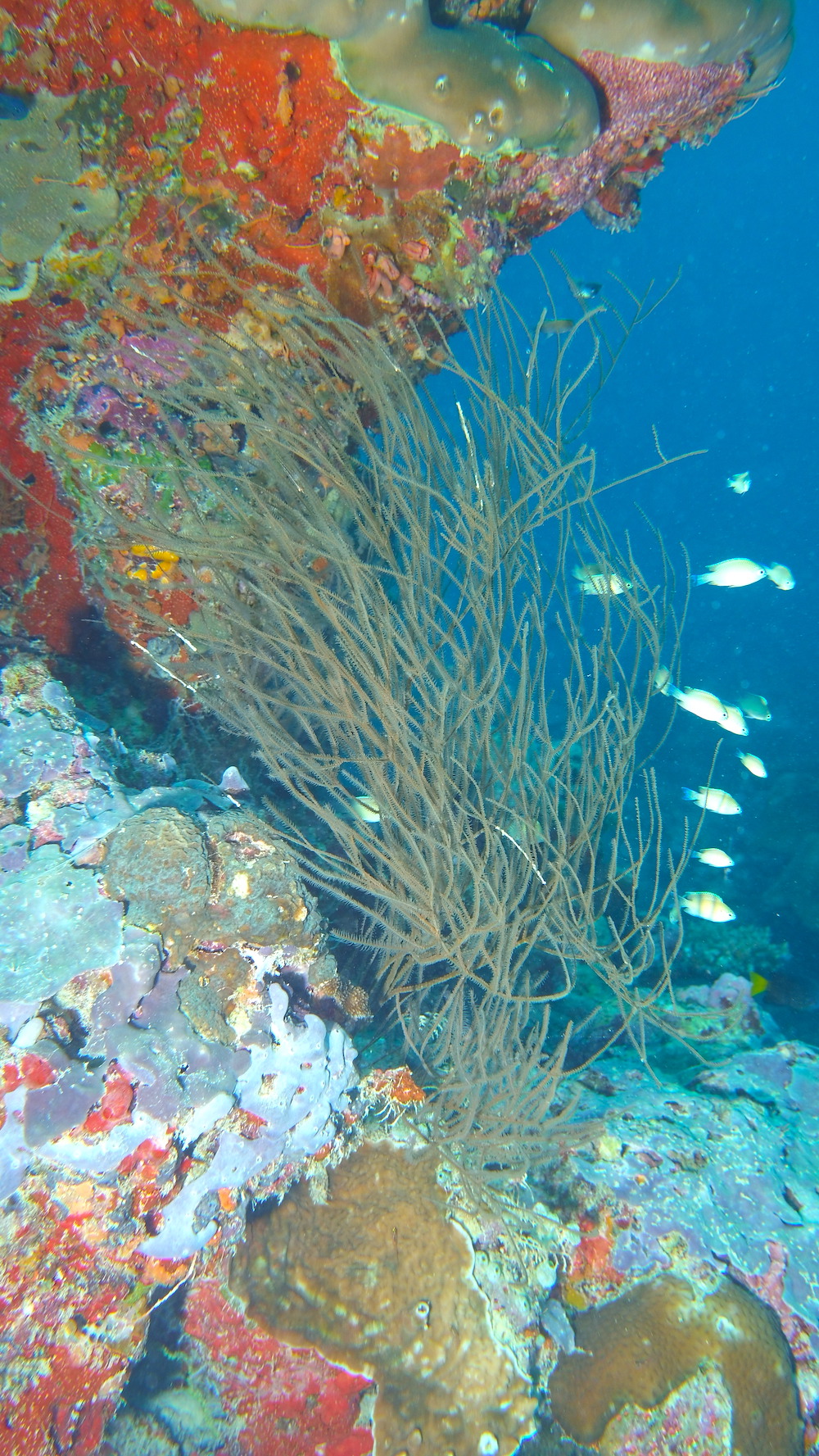
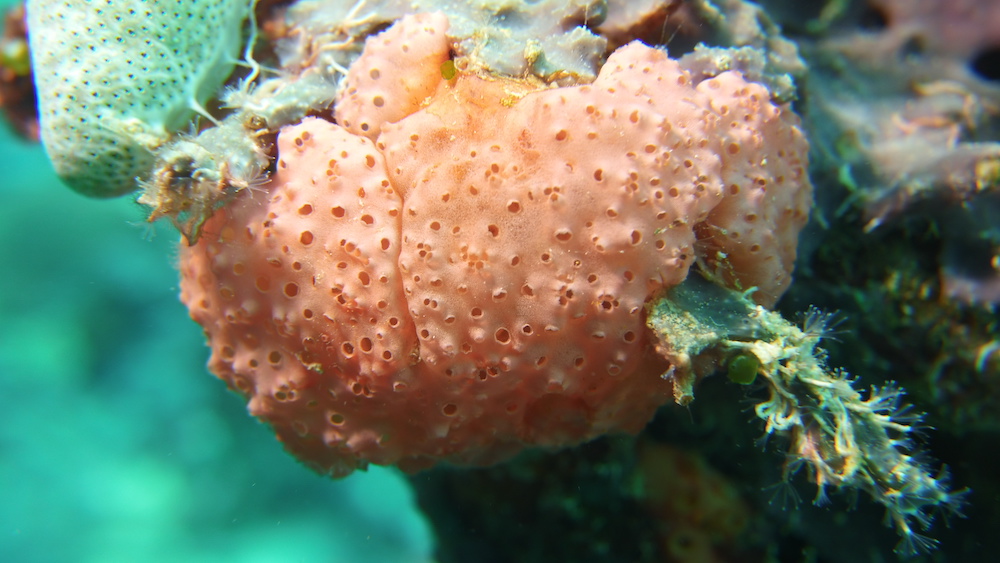
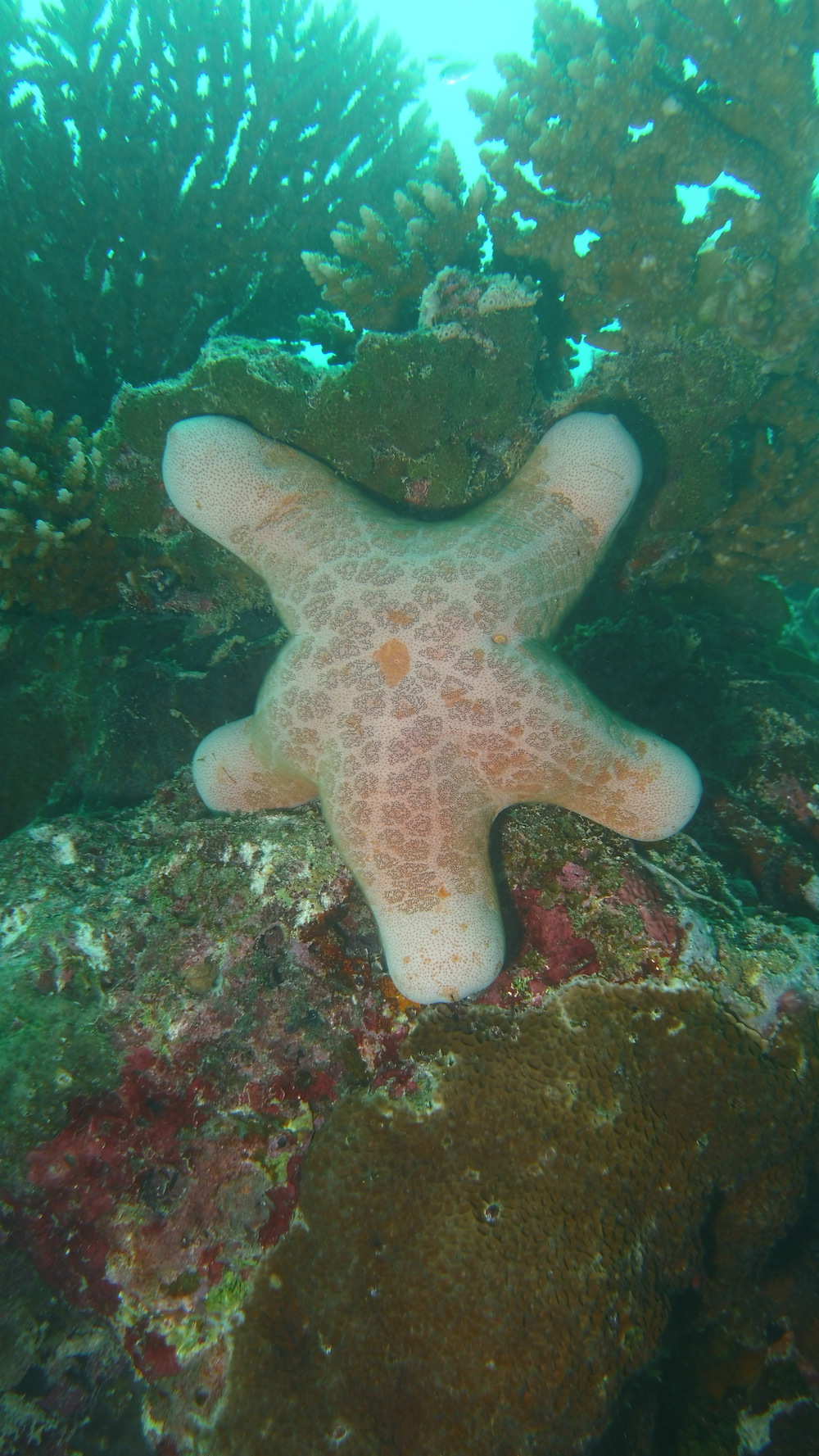
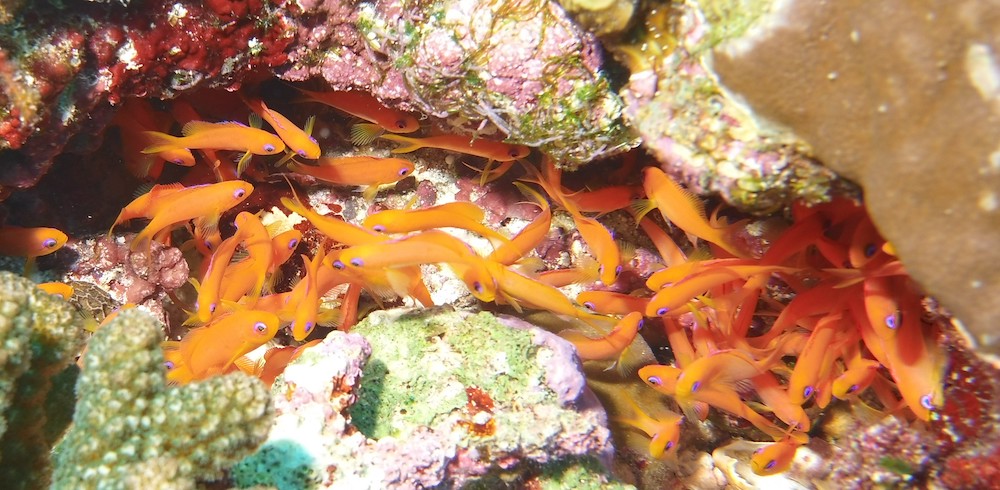
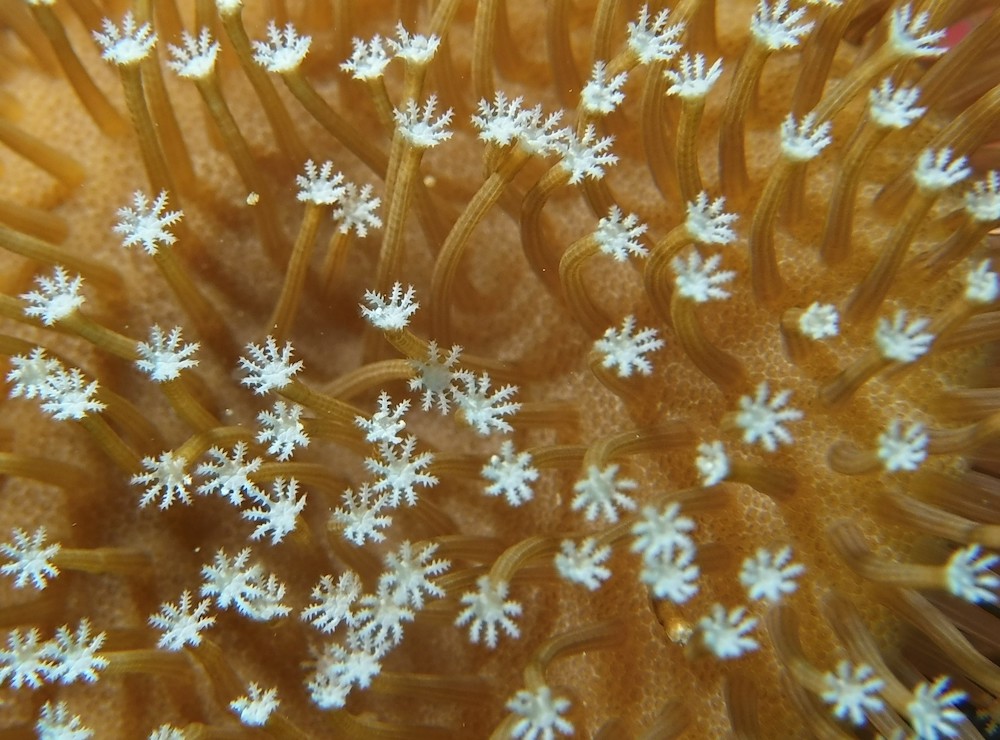
We may be one in several thousands and a quiet voice in the chatter of growth and development, but it is a beautiful experience nonetheless. A holiday with a purpose with Reef Check as our zen companion. Reef Check teaches you to look at a reef in a totally new way, to appreciate the little things and not obsess about the megafauna. We enjoy coral banded shrimp, the skill to be able to tell a soft coral from a hard coral from rock or rubble. We delight in watching grouper behaviour, small as they may be, or spotting snapper that have not been overfished. Sure, there are lobsters, humphead wrasse, turtles and sharks too. But this is not what it’s about. Instead it is about doing our bit for the reef, giving up our time and money in the process. It’s about hard work, not pleasure diving to satisfy your very own self-centred needs. It’s about giving, not taking. And this really is what the planet needs now.

Thank you Jean-Luc, Paula, Steve, Olivier, Peter, Rick, Mark, Shuga, Bas, Toshia, Ann, Tine and Hampti for giving.

Continue reading “Maldives: Giving, not taking”

Maldives: A reef bouncing back

Update from our Maldives coral reef and whale shark expedition

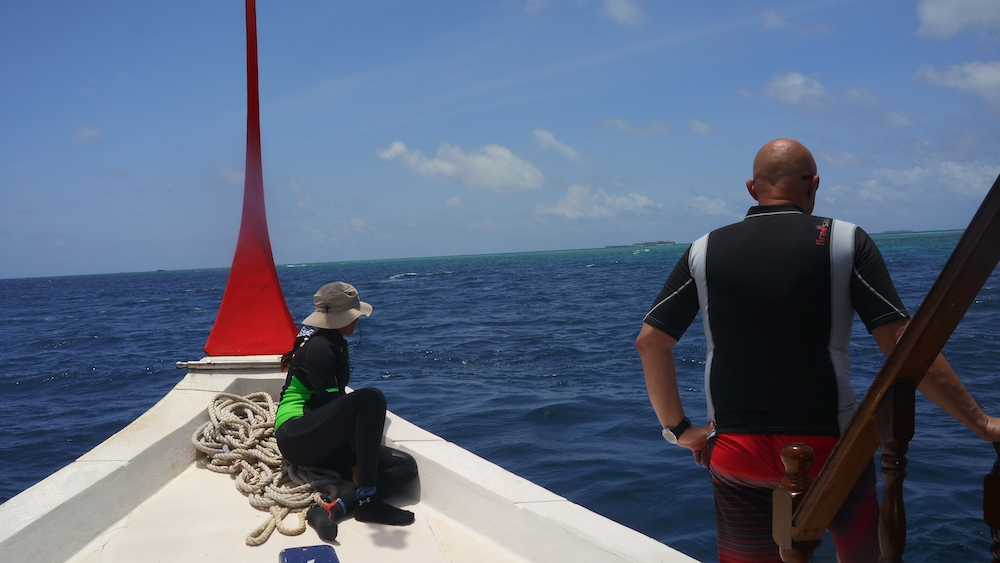
The Baros staff passed their EcoDiver tests with flying colours, congratulations. Amongst them is Shuga, a local marine biologist, who will join us on the boat and who will be a great asset to the team.

As the culmination of our two days of diving, we conducted a first survey of the Baros house reef. And what better place to record the data and celebrate certification than the beaches and the bar of this beautiful little island. The data confirmed my initial impression of a reef in recovery mode: good hard coral cover (38%), decent fish populations (with parrotfish and butterlyfish dominating, and groupers, sweetlips and snappers present), and very little coral damage such as bleaching or evidence of anchoring or pollution.I hope this is a good omen for the rest of our surveys. See you later today to find out.

Newly qualified (from right): Shuga, Ali and Ambra
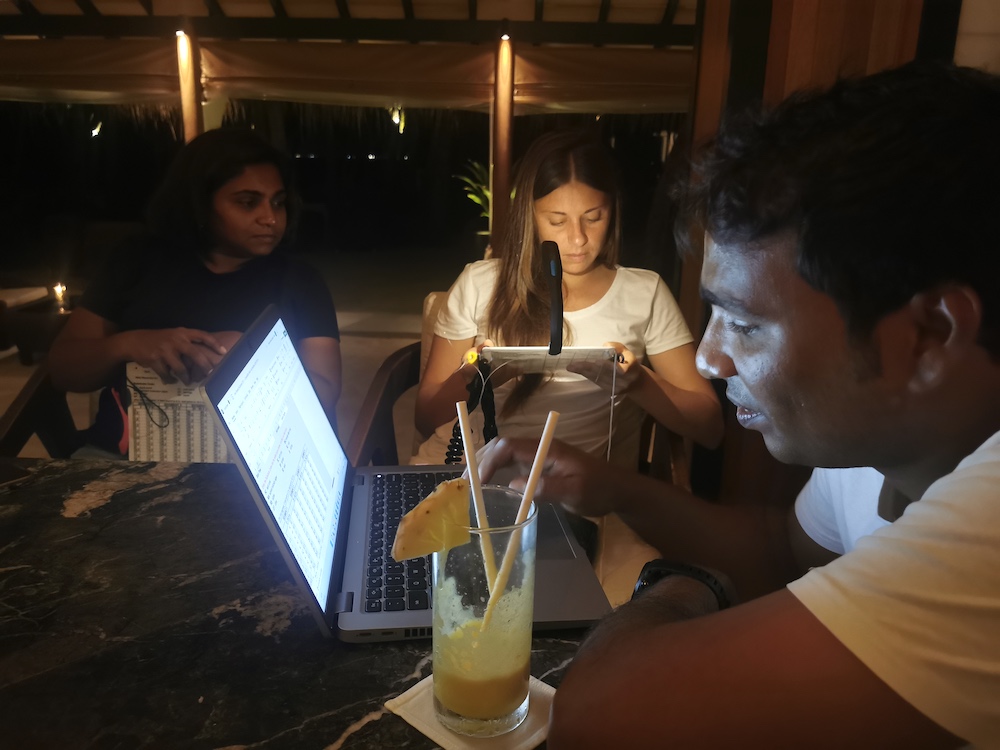
Data entry
Baros house reef from above
Data entry

Continue reading “Maldives: A reef bouncing back”

Tien Shan: Round-up 2022

Update from our snow leopard volunteer project to the Tien Shan mountains of Kyrgyzstan

Three consecutive groups of citizen scientists contributed to the Biosphere Expeditions Tien Shan Snow Leopard research expedition in 2022, run in partnership with NABU in Kyrgyzstan. The expedition continued the research carried out by Biosphere Expeditions and NABU since 2015 into the elusive snow leopard Panthera uncia in the Karakol Valley in the Tien Shan mountains of Kyrgyzstan.

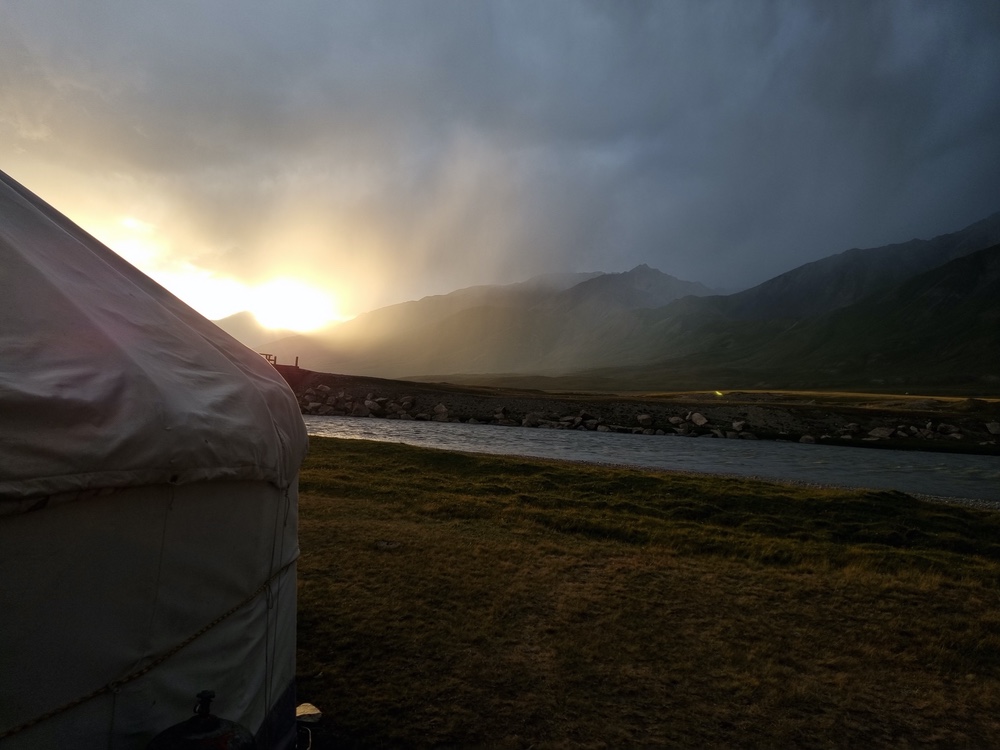
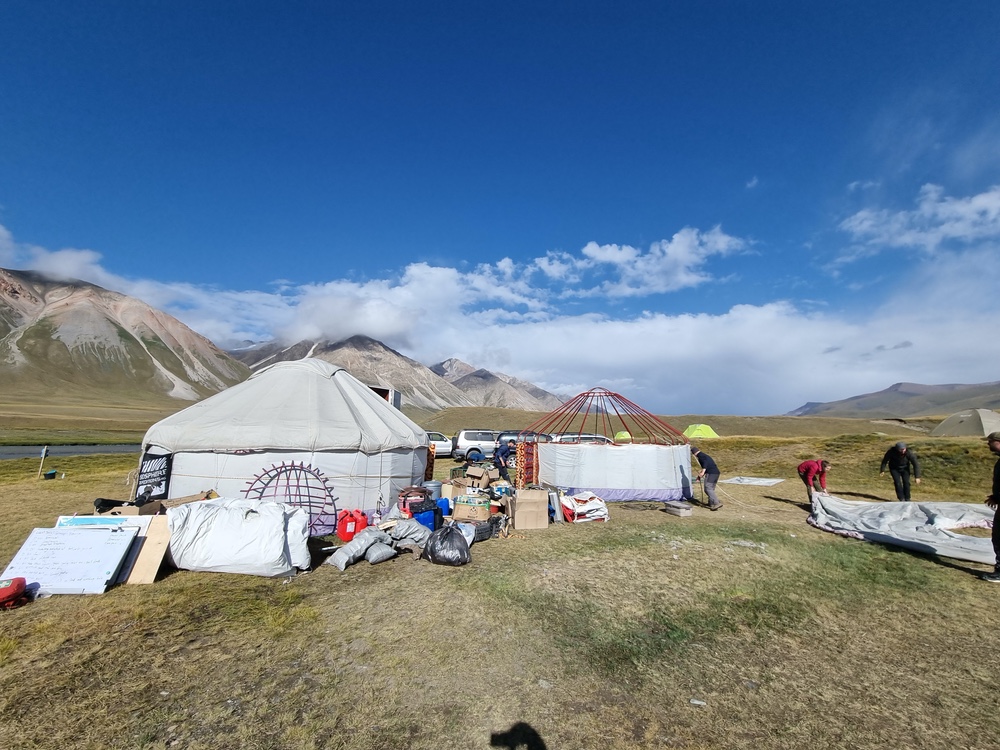
The 2022 expedition survived a number of Covid cases (all contained through practical contagion control measures) and a storm that destroyed a yurt and several tents at base camp, to successfully collect a considerable amount of data on snow leopards and their prey species in the Karakol valley.

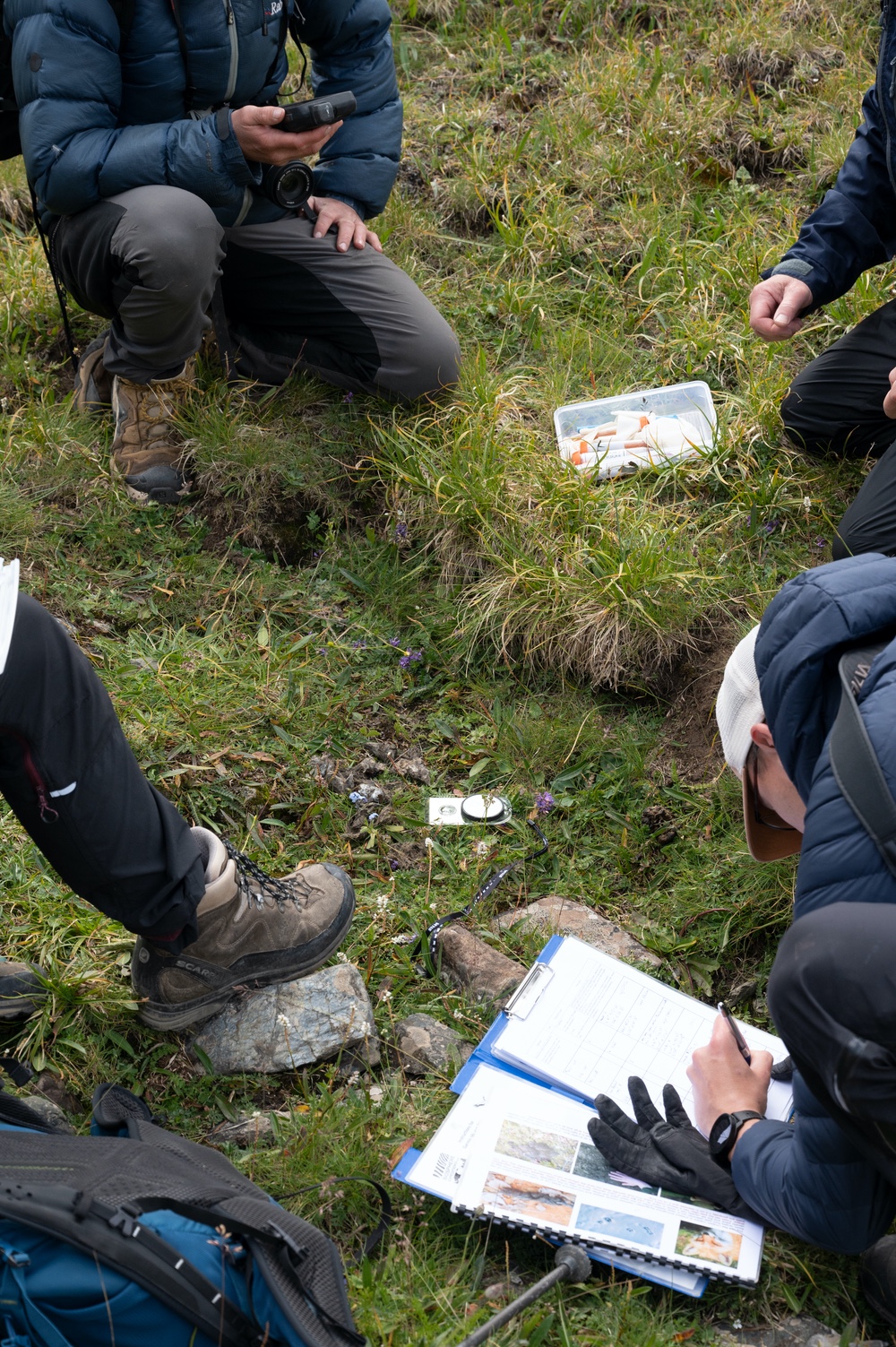
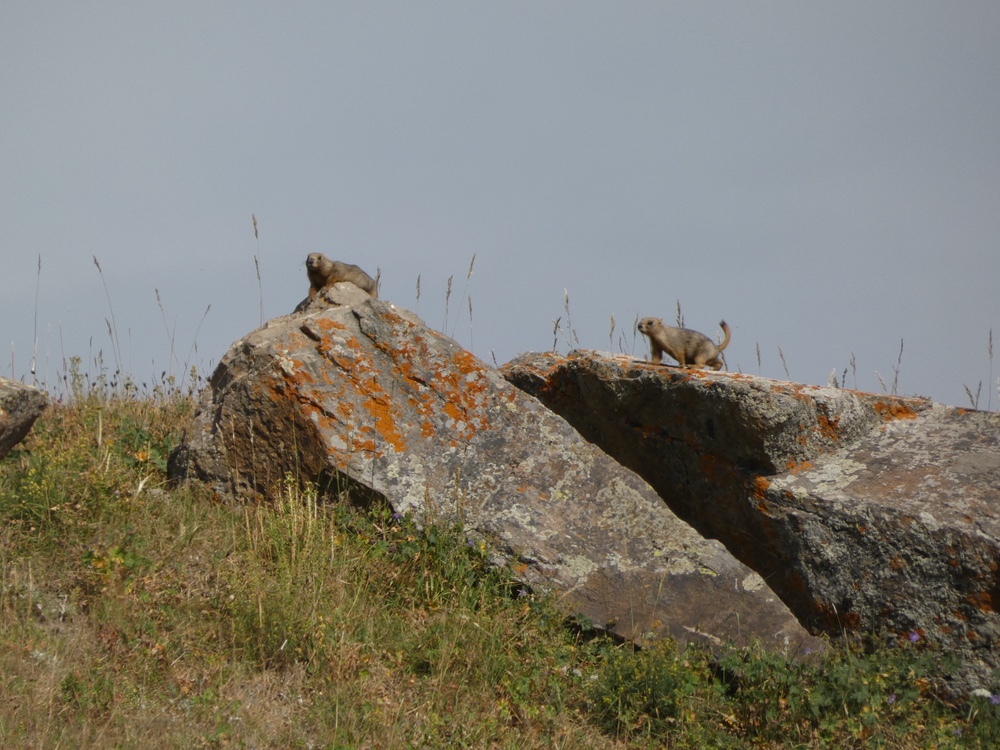
The 2022 expedition ran between 11 July and 20 August 2022 and was supported by an experienced ranger as well as members of the NABU anti-poaching patrol, Gruppa Bars. The core research task comprised a number of small teams surveying different parts of the Karakol valley and its side valleys, up to an altitude of 4000 metres, recording any signs of the snow leopard or its main prey species โ€“ ibex, argali sheep, Himalayan snowcock and marmots. The types of signs that were searched for included direct sightings or audible calls of the animals, footprints, scat and fur. In each case, the location of the sign was recorded.

The expedition recorded many sightings of marmots and occasional sightings of ibex and snowcock. Three potential snow leopard footprints and five potential snow leopard scats were found and recorded. Samples of the scats were collected for later DNA analysis, which revealed that one of the scats was from a snow leopard.

Camera traps were placed in twenty six locations around the high side valleys, for different periods of time, as a research tool to provide evidence of the presence of snow leopards and other animals. Twelve of these cameras had been placed and checked earlier by the Community Camera Monitoring Trap Group (CCTMG) established by Biosphere Expeditions. The CCTMG is a small team of local people, trained in the use of camera traps, who are responsible for the camera traps in locations around the Karakol Valley in the periods between each expedition. By the end of the 2022 expedition, 15 camera traps were left in place for the CCTMG to service until the 2023 expedition.
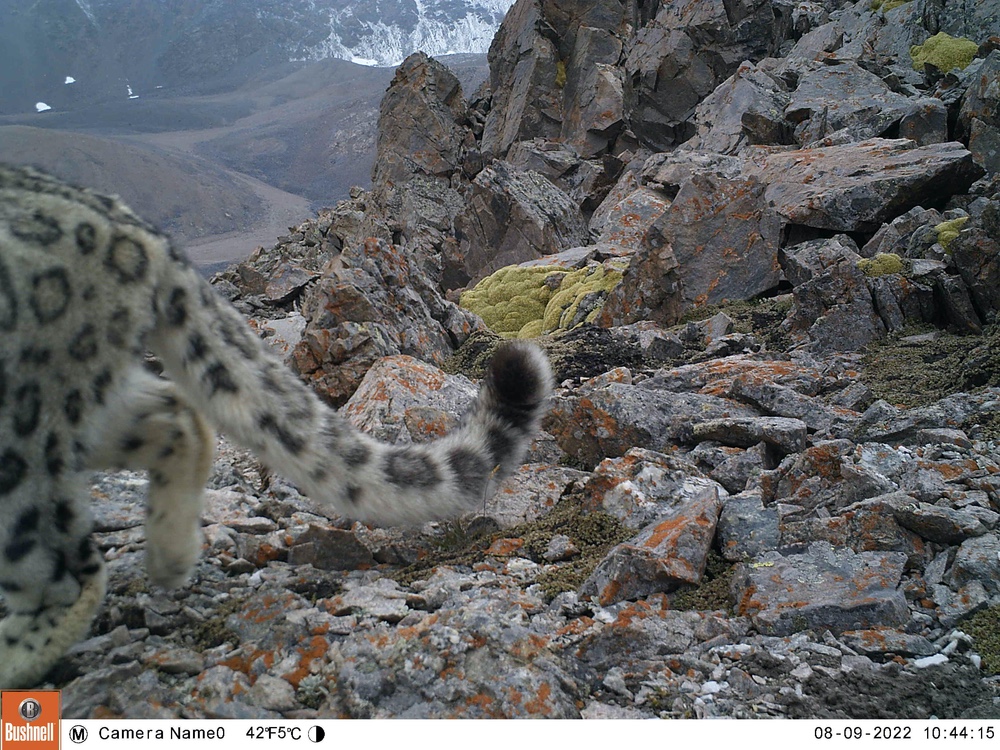
The camera traps recorded two instances of snow leopards (one of which was a snow leopard passing the camera during the expedition period, the other was from the previous autumn). Camera trap images during the expedition also included ibex (eight times), marmots (five times) and snowcock (15 times).

The 2022 expedition also interviewed eleven local shepherds and their families to ascertain their attitudes to the snow leopards and about eco-tourism and its potential for generating further income for local people. These interviews revealed a substantially positive response from the local people towards the snow leopard and an enthusiasm for hosting tourists as an additional income stream to livestock herding.

The expedition provided clear evidence of snow leopard presence, through camera trap images and scat. Along with the results of previous expeditions, the 2022 expedition demonstrated a stable and healthy prey base for the snow leopard in the Karakol Valley and a positive attitude amongst local herders towards the snow leopard and the idea of hosting ecotourism in the valley. Seventy percent of the shepherds interviewed by the expedition expressed their willingness to consider a complete transition to alternative income sources, if it could rival or come close to their main earnings from livestock herding.

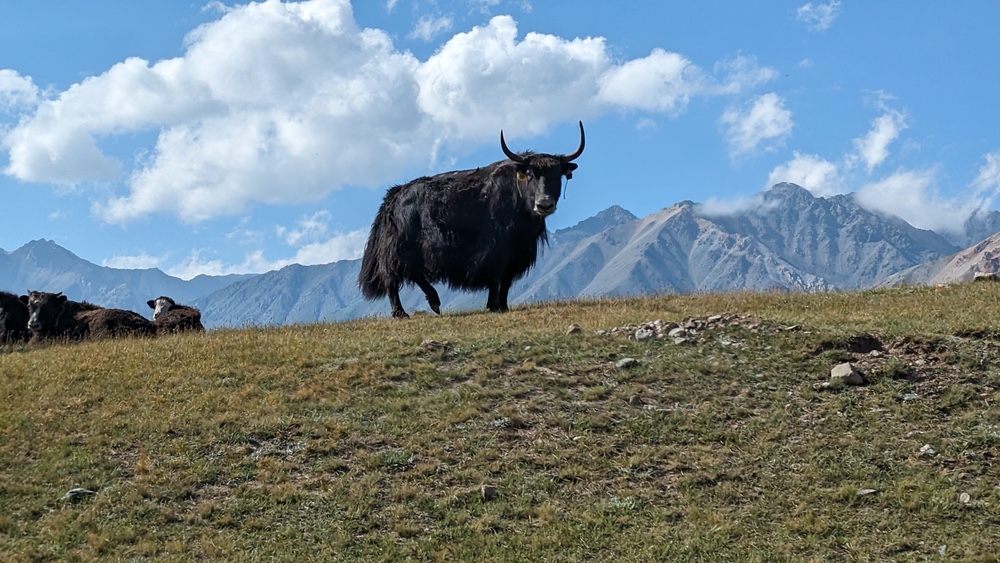
However, some conclusions from the research paint a more worrying outlook for snow leopard conservation in this region. In particular, no evidence of Argali sheep was found in 2022 compared to signs of this prey species in previous years. The high grazing pressure from livestock kept in the Karakol valley every summer, with especially high numbers observed in 2022, almost certainly threatens the success of ibex and argali sheep, key snow leopard prey species, through resource competition.
Overall, the 2022 expedition achieved its research objectives. Expedition leader, Roland Arnison, said โ€œThis was a highly successful expedition โ€“ our first since the end of the Covid lockdowns, and a very welcome return to the Karakol valley for Biosphere Expeditions. Our citizen scientists worked hard to collect a substantial amount of data over a huge area โ€“ we surveyed a total of 304 square kilometers of mountain terrain and recorded 156 signs of animals of interest. Excitingly, we had several direct sightings of ibex in the mountains and conclusive evidence of snow leopard in some locations.โ€
Continue reading “Tien Shan: Round-up 2022”