
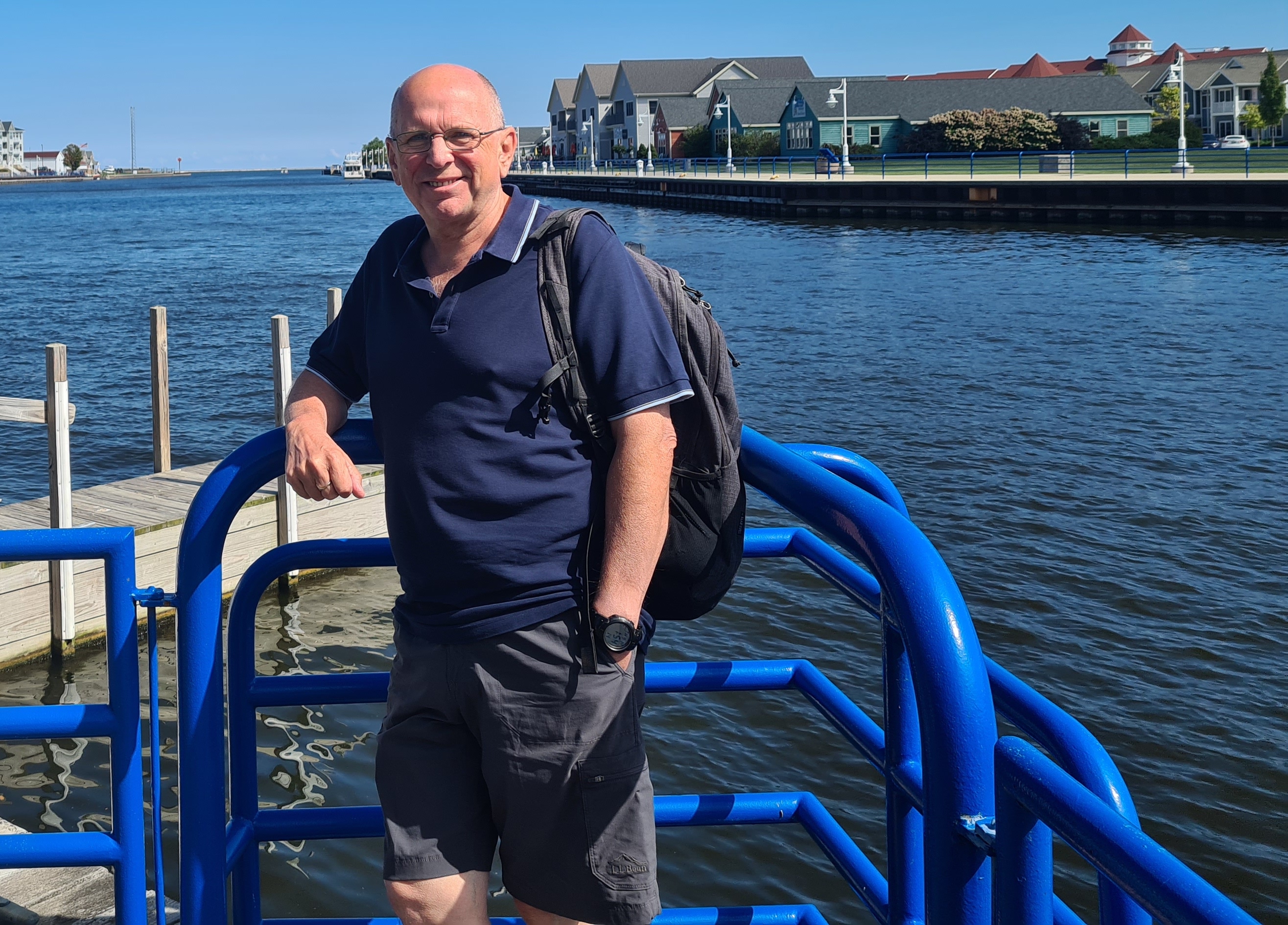
In his fifties, Neil Goodall felt the familiar urge to get away from it all and out into nature. Yet when he took the leap into expeditions, Neil discovered more than a new world – he found a new path, and a new lease of life.
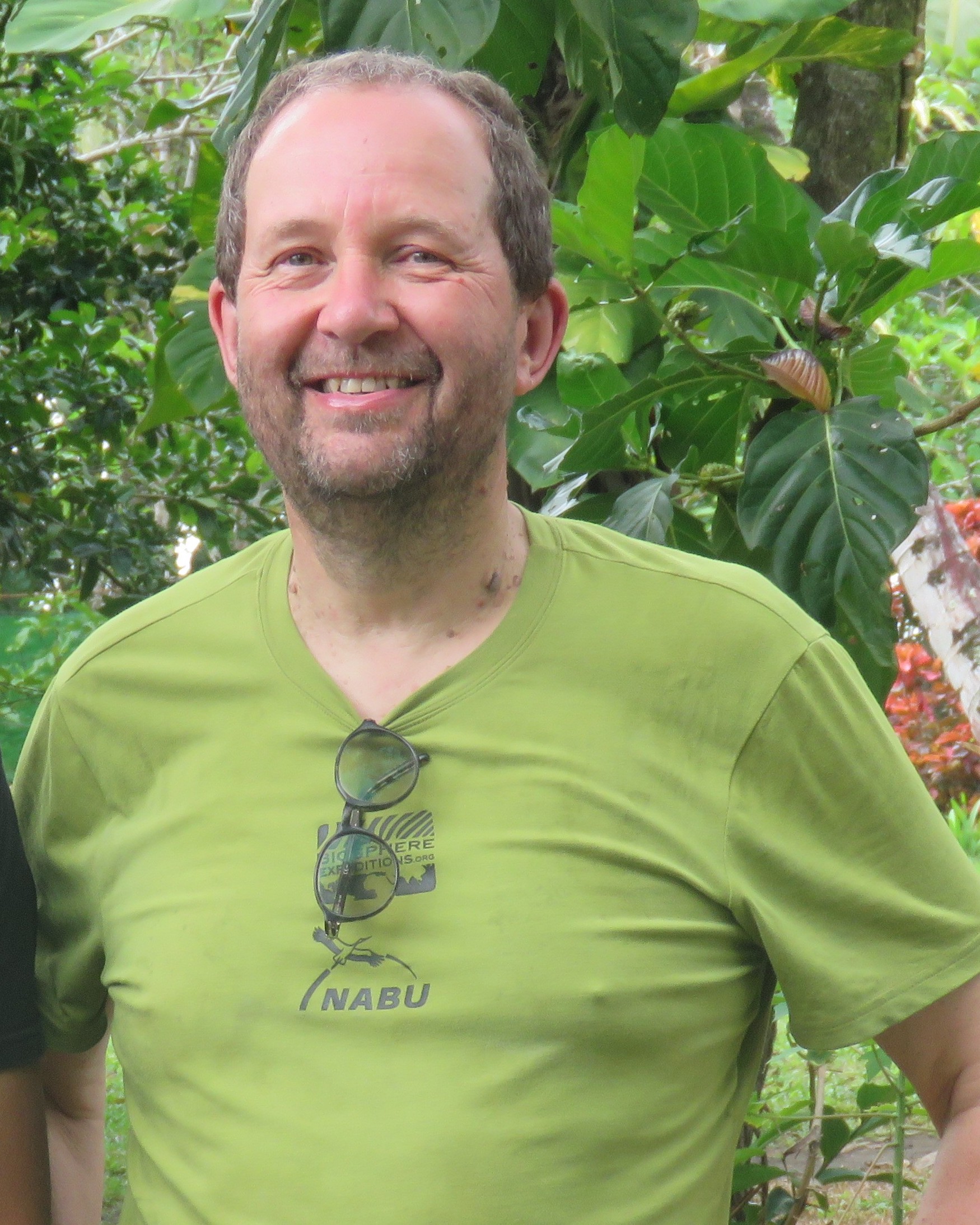
Neil Goodall never expected to find himself in an acacia bush.
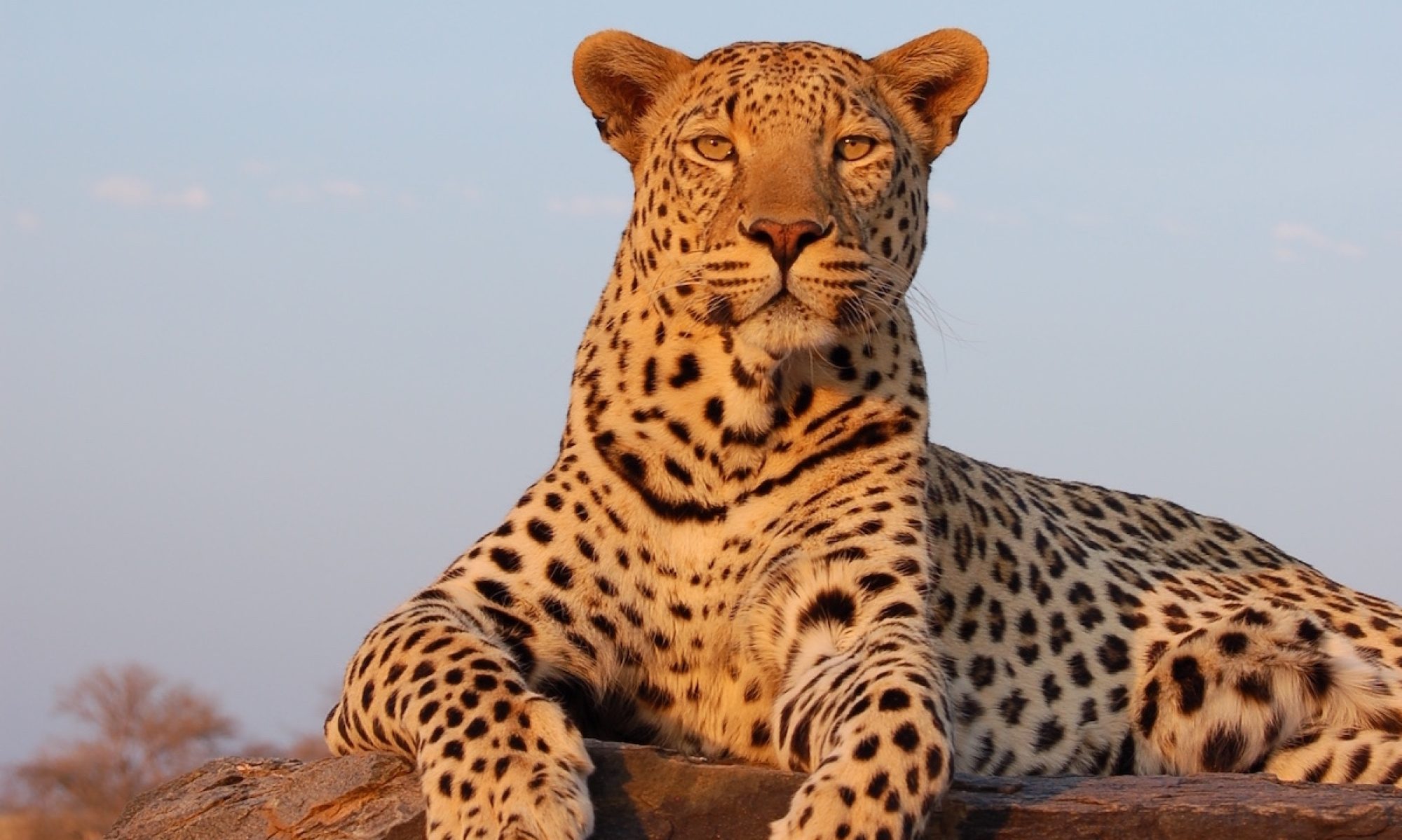
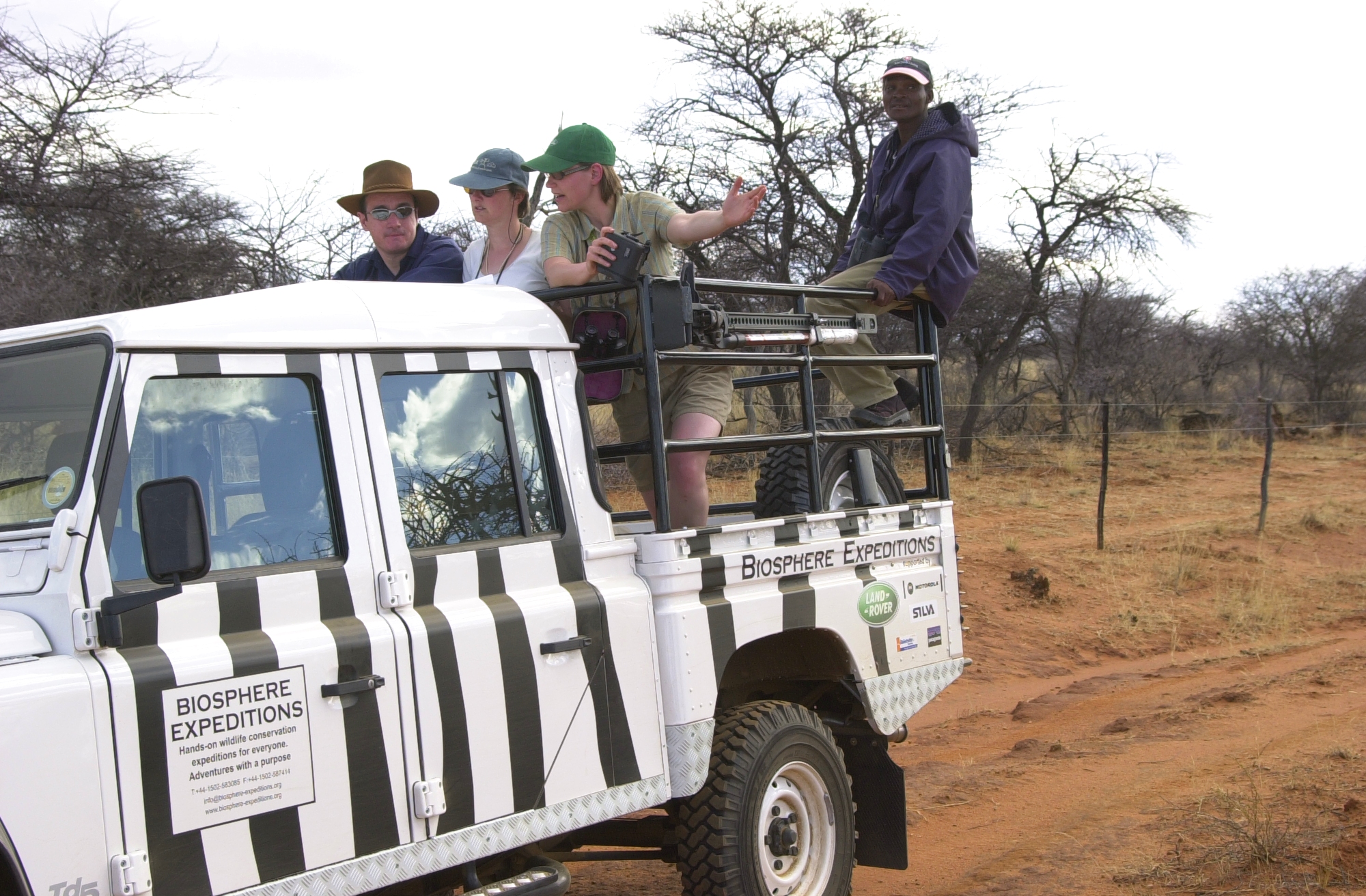
‘We were tracking leopards in Namibia, and had to set traps,’ Neil explains. ‘So I volunteered to crawl into the bush, and put the smelly carcass in the trap – and I thought, I’m an accountant!’

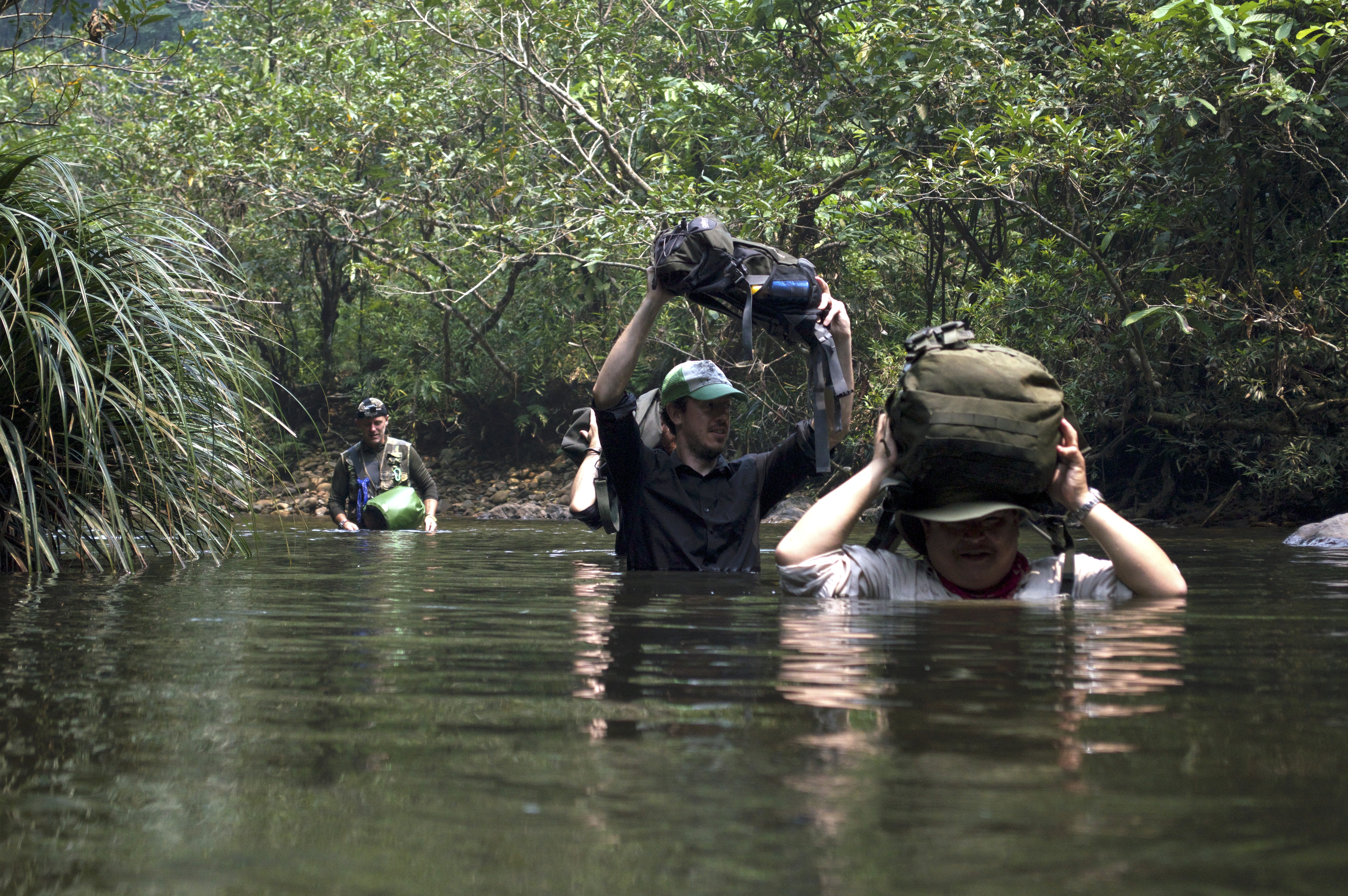
Since his first expedition in Namibia, Neil never looked back. Thailand, Malawi, Tien Shan: Neil traversed swamps, crossed deserts, and returned with a different perspective on life. ‘The contrast between this and working at my desk all day was just amazing. My colleagues couldn’t believe it. Gradually I became known as the Scat Hunter!’
Yet he wasn’t always an adventurer. Like many people, Neil found himself isolated from the natural world.
‘I always liked nature but never found the time for it,’ he says. ‘I was in my early 50s. Busy life. Two kids, family, and a very busy job – as a finance director for a public organisation.’
To get closer to wildlife, Neil followed what seemed to be the only option – safari, spending five days in the Serengeti.
‘Afterwards, I thought, I loved that, but a couple of things nagged me: you’re a tourist, you’re stuck in a vehicle, you can’t interact, and when you do see wildlife, they’re surrounded by tourist vehicles…it all felt a bit contrived.’
Signing up to be a citizen scientist with Biosphere Expeditions gave Neil the immersion in the natural world that he couldn’t reach in his everyday life – and then some.
‘It was everything that I’d hoped for: structured, but with a sense of liberation. We could go out into the wild, and as long as we did our tasks, we were free to do as we pleased. Wildebeest, giraffe, springbok – all close enough to smell them.’
Yet there was a crucial distinction. Neil wasn’t just close to the wildlife; his participation in the expedition enabled him to contribute to their conservation, shoulder to shoulder with dedicated scientists out in remote wilderness. On his first expedition, in Namibia, part of the project’s purpose was to change the narrative.
‘The farmers blamed the leopards for killing their livestock. Our work was helping to protect the cats. Collecting data, but properly in the wild – it’s such a purposeful interaction with wildlife.’
Part of what makes the expeditions so meaningful is because they’re not a holiday – they’re challenging, as Neil attests.

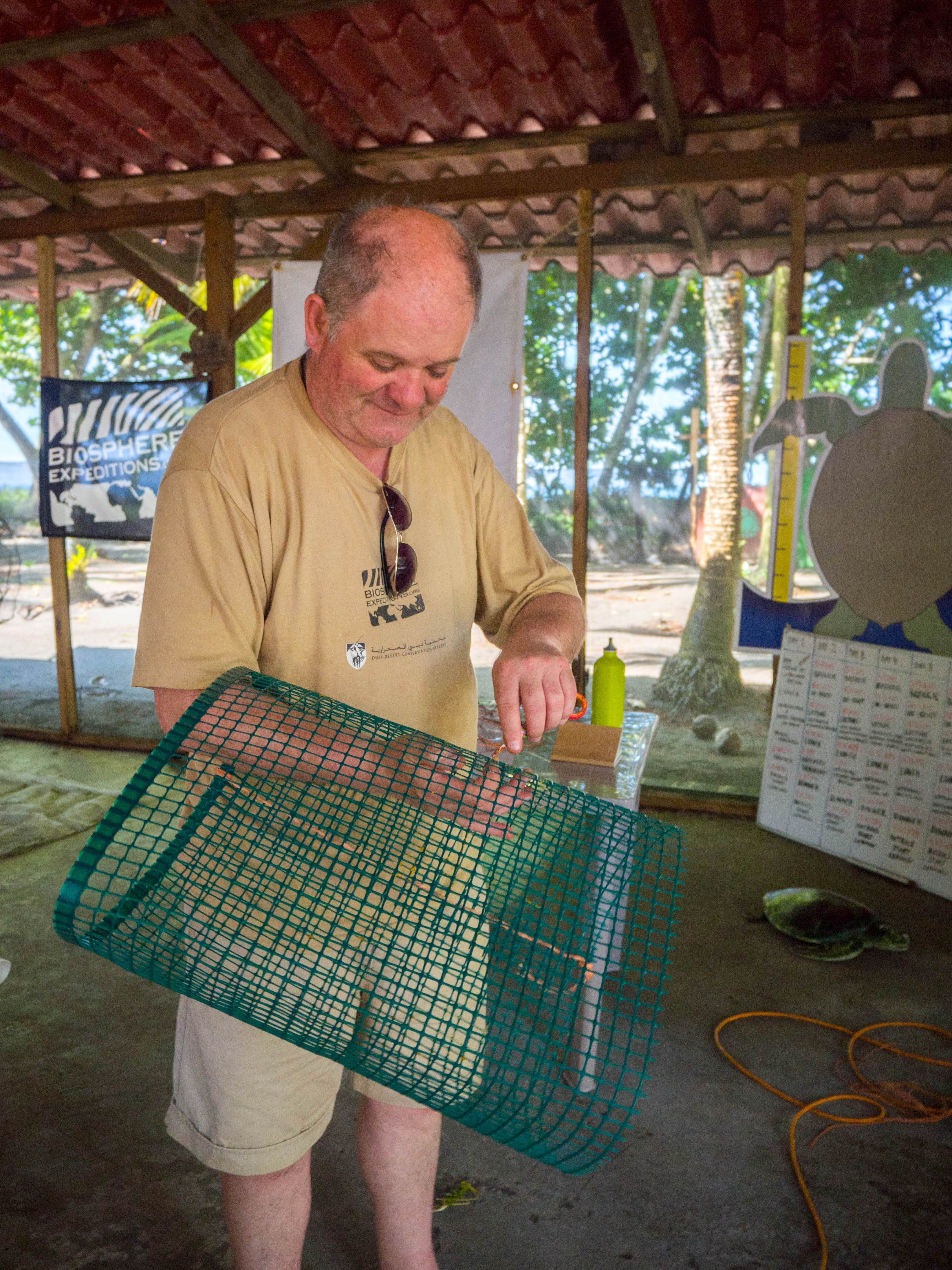
‘It’s hard work,’ he agrees. ‘You’re up early, active from the off, but when you look back at the end of the day, shattered, you think – but what have I done? All day in nature, encounters with wildlife, collecting data with a team of people who were strangers a few days before. It’s hard, but it’s also one of the best things to experience because it connects with a lot of deep drivers that are rare to find in everyday life. But Biosphere Expeditions gives you confidence: you’re well briefed, well fed, and you know what you’re doing: solid foundations to go out of your comfort zone!’
And, like many expeditioners, Neil found himself not just out of his comfort zone, but far beyond it. His experiences across the world have been so out of the ordinary that they’ve changed how people see Neil as a person.
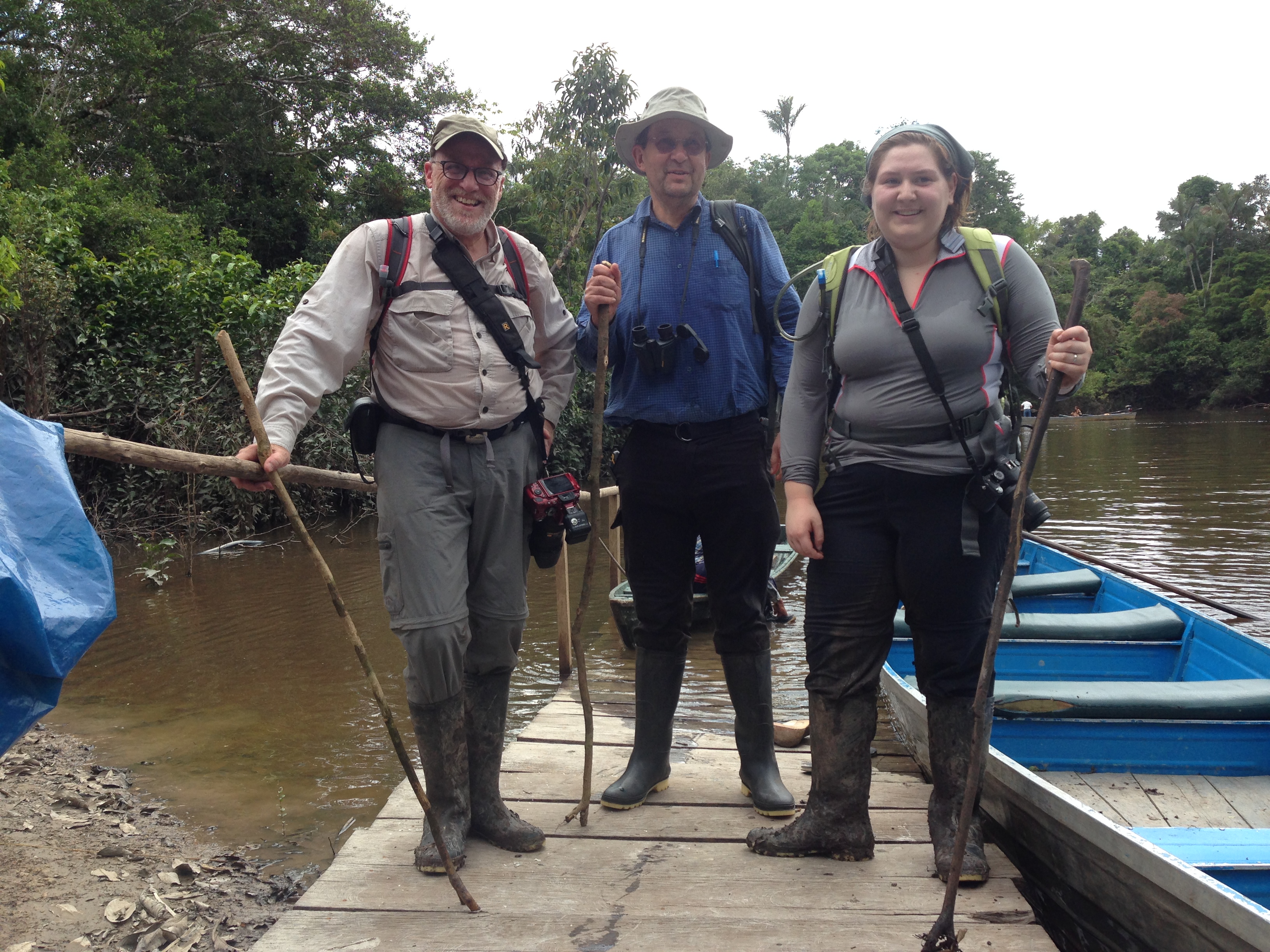
‘On my third expedition, I went to Peru – the first person in my family ever to go to South America. I found myself taking the boat from Iquitos down the Amazon, and I remember pinching myself – literally pinching myself – going, I’m on the Amazon. How!?’ Neil says, laughing. ‘People at work see me as the accountant. But it changes people’s perspective of you. They react ‘Wow, you did What!?’’
Judging by his stories, this amazement is justified.
‘One night, in a remote region of Malawi,’ Neil begins, eyes lighting up in recollection, ‘We were observing a goat carcass to see if it attracted predators in the dark. We set a camera trap 10 miles from camp, but on the way back, we got stuck in the rutted road. Imagine: three of us, in the pitch black dark, somewhere in the middle of Malawi…and we had no choice but to get out of the car and push it out of the ruts. And you feel the danger,’ Neil admits. “We could radio for help, we knew we were safe, but it’s so far beyond everyday life. You come back and think: Wow!’
Ultimately, though, Neil’s experiences on expedition have given him more than just memories. They’ve given him new skills, opened new opportunities, and have made him an active protester for change. Inspired to put his new skills to use, he attend his first protest march – Restore Nature Now – in London in the summer, alongside 60,000 other nature lovers. Neil says, “I thank Biosphere Expeditions for giving me the confidence and the compulsion to protest for what I believe is a just cause, something I had not done before in my 68 years. And I will do the same again if the march is repeated.”
‘It changed my idea of what’s possible,’ Neil reflects. ‘I’ve always had it latent within me – but when are you going to get the chance, sitting in the office?’
Sixteen expeditions later, Neil the office accountant, has been transformed – and it hasn’t gone unnoticed. So who has Neil’s new sense of purpose influenced most? Neil bursts out laughing.
‘My sons – who see me as a boring old dad – they can’t believe what I’ve done!’

 Biosphere Expeditions: blogs from the frontline of wildlife conservation and the fight for a more sustainable planet