Award-winning, non-profit and ethical wildlife conservation volunteering. Advancing citizen science and conservation since 1999 – for nature, not profit.
It’s not long now until the start of the Thailand elephant conservation research expedition. I have now flown out to Chiang Mai on my way to our expedition base at KSES to get things ready with Kerri and scientist Laura there.
Chiang Mai at night is bustling and busy and there are no obvious problems from the floods a few weeks ago. Kerri tells me that the weather at our base is cool in the mornings and hot in the day time. The clothing and kit listed in the expedition dossier will be fine. The elephants seem happy wandering around in the forest whatever the weather.
A couple of practical things: Please make sure you get a ‘True’ SIM card with plenty of data on it, before you leave Chiang Mai (available at Chiang Mai airport) . And download the KoboCollect app on your phone. We will use this to collect data in the field. Also bring any old Android phones you have and download the app to this too before leaving.
I’ll send another update when I reach our expedition base.
As a wrap-up for the 2024 expedition, we thought you would like to know what our scientist Dr. Jean-Luc Solandt said to Reef Check:
During the 2024 expedition we had to operate near to Guraidhoo (four sites) for most of the week due to the high winds. We also surveyed Bandos Island in N Male’ atoll.
Surprisingly reasonably healthy reefs just near to Guraidhoo island (Guraidhoo backreef) where we saw considerable damage in 2022 after the construction of the infilled back reef (see this report). In some (particularly back reef) reef areas there appears to have been dominance of lifeforms other than Acropora – moving towards non-Acropora genera such as Porites rus and Porites cylindrica that are also dominant at Baybe’s.
Porites species dominance
This was evident at Guraidhoo back reef. Guraidhoo fore reef, however, has not recovered its pre-development coral reef condition. Perhaps because the conditions are not suitable for both sediment and wave-action tolerant coral lifeforms such as Porites rus.
These patterns will be discussed in the 2024 report.
The 2024 expedition is done. Instead of waxing lyrical again, why not let some of those involved speak:
Thank you to all of you involved in the expedition. Thank you for making it possible through your input of time and money. Thank you for helping to build a unique dataset, telling a significant story of hope in what can sometimes be a bleak world of nature conservation, especially for coral reefs. We will have to see what comes of it.
So finally, honour where honour is due, here they are, our heroes of the reef:
Four days into the expedition, we’ve hit the groove. The first couple of days were intense, as always – cramming fish ID, invertebrates, substrate, coral disease & impact into citizen scientists’ brains, no gain without pain, late night sessions, tests, re-tests, success, until it all drops off and we can get into the real work of surveying. Well done to the team for rising to the challenge.
Yesterday, we did a test survey and this group of citizen scientist divers quietly got on with the job so well that our professional scientist Jean-Luc accepted the data. More surveys today, despite the squalls and the currents. Now, as night has fallen and I type away, they are on a night lazy dive, meaning there’s no surveying involved. Whether this is a reward or not, I am not sure.
The story from the Maldives that seems to be developing here, may be one of global significance, with echoes of it around other places in the tropics. The inner reefs, built over millennia in shallow waters, are suffering and increasingly seem doomed by climate change. Their corals simply cannot cope with the higher temperatures, gradually fading and dying, leaving space for other lifeforms to take over. Lifeforms that do not build reefs, so ocean rainforests turn to monocultures devoid of much life except a few specialised species. The outer reefs, however, exposed to colder waters from the open ocean are more resilient. But here too a great shift seems to be going on – the corals that cannot tolerate warmer waters fade away; the ones that can cope better with warmer waters survive and take over the vacant spaces. Evolution in action, reminiscent of a great city where gangs fight for turf and survival.
Does that mean that the outlook for reefs is not as bleak as it seems? Who knows. We need more time to study this, compare it to other parts of the world and draw conclusions. Whether we have the time to do this is another story. The supertanker is heading towards the harbour wall at full speed and nobody has turned the rudder around so far – far from it. Whatever we do, the corals themselves will provide the answer over time. The planet itself does not care what we humans do to it anyway. It’s been through much bigger upheavals and it is still the insignificant speck of dust it has always been at the edge of the great expanse of time and space.
But right here, in our very own great expanse of blue and azure, on this liveaboard, with this team of enthusiastic and capable citizen scientists and newly qualified Reef Check Ecodivers, it means our dives are not depressing at all. We’ve seen healthy reefs with healthy corals. Some bouncing back from development and other stresses, some quietly doing their thing despite the climate upheavals above the water.
So we dive right in, lay our 100 m line of science, count the fish, invertebrates, corals and much more along it and come out smiling. And that really is a reward, well deserved by all those on board who have opted to be small cogs in the wheels of reef research and conservation. Thank you for this.
We’re here, we’ve set up and all is well. It’s a muggy 30 C and there is rain forecast tonight. This won’t change much over the week.
Here are a few names to remember: Most importantly there’s Dileepa (cook), Randika (waiter), Mox, Antoine, Lorae (dive guides), Lukas (deck hand), Jean-Luc (scientist), Matthias (expedition leader), as well as a few other crew who are here to make sure the expedition runs smoothly.
All it needs now is you, our citizen scientists. Safe travels and we’ll see you at 11:00 at the Coffee Club tomorrow. Be prepared for a mind dump, some hard studying and exams at teh end, before we let you lose on the data collection.
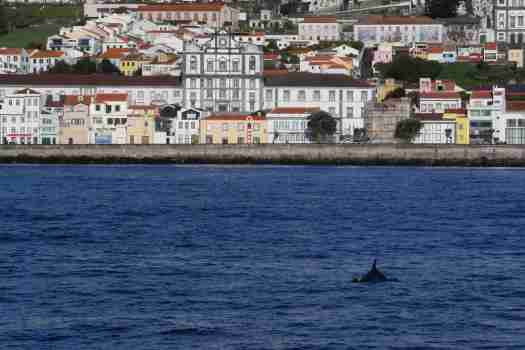
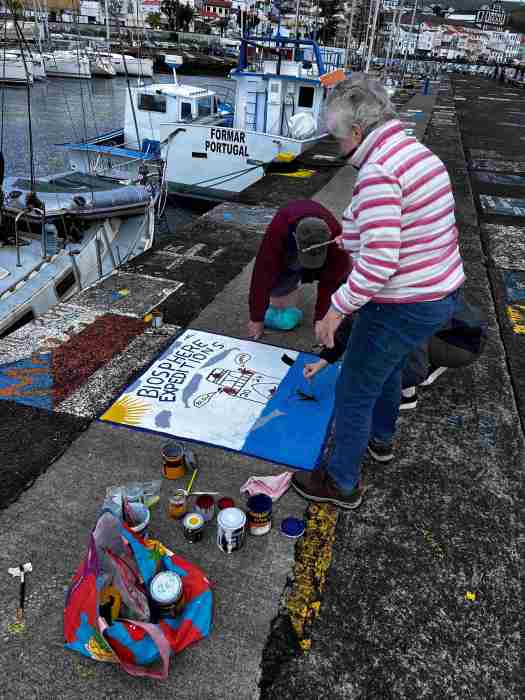
Biosphere Expeditions just completed their 18th expedition, now covering almost two decades of cetacean citizen science monitoring since 2004 in the Azores, a mid-Atlantic hotspot for marine megafauna with no fewer than 25 species. Cetacean data collection take a decade or longer to reveal meaningful patterns. Hence, the true value may not always be in the ‘here and now’, but be realised as future questions and challenges arise.
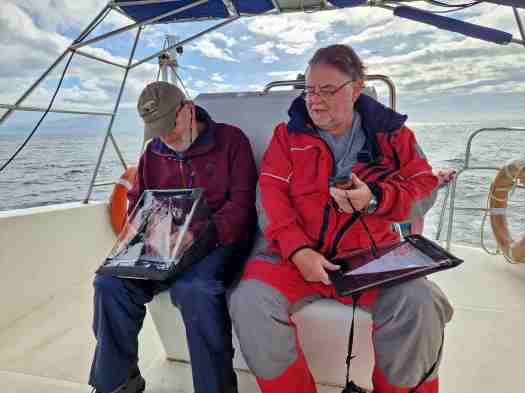
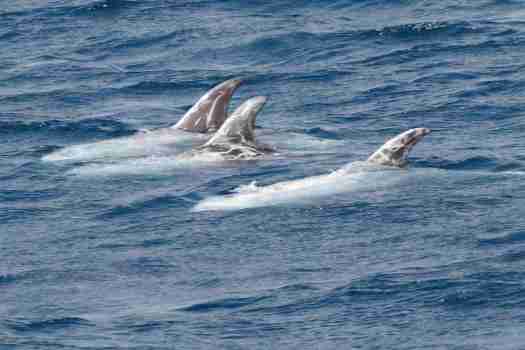
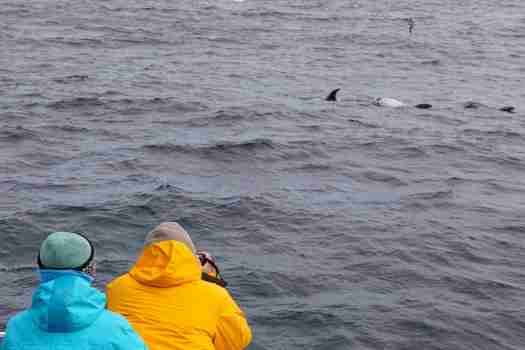
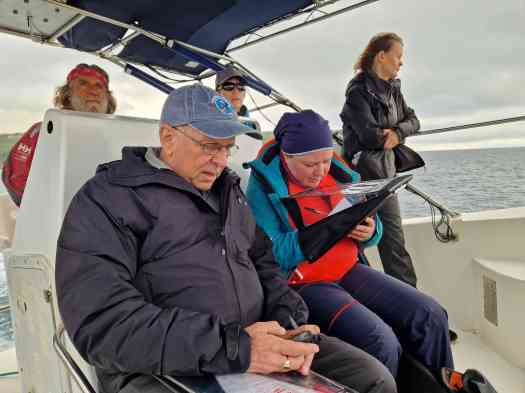
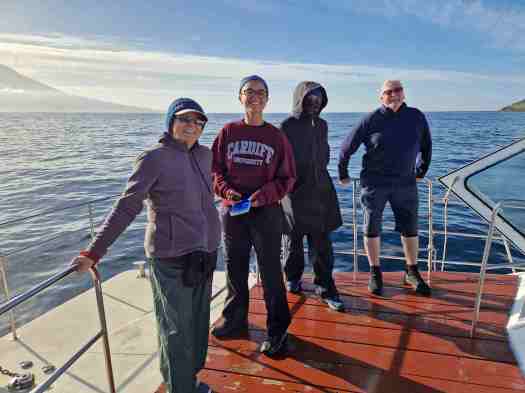
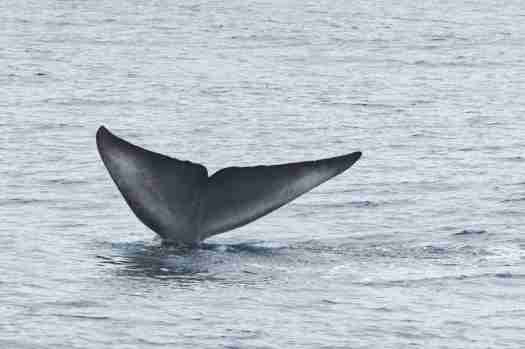
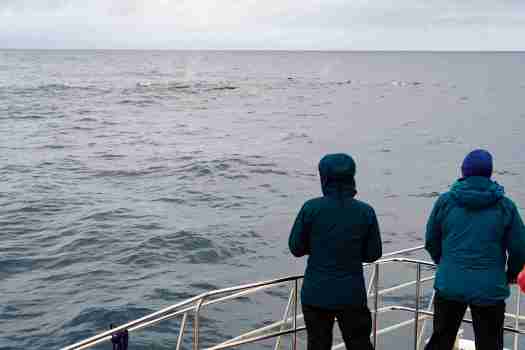
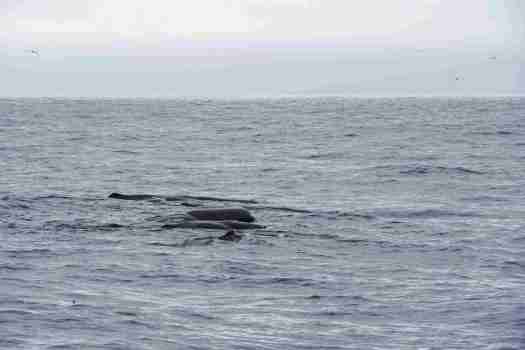
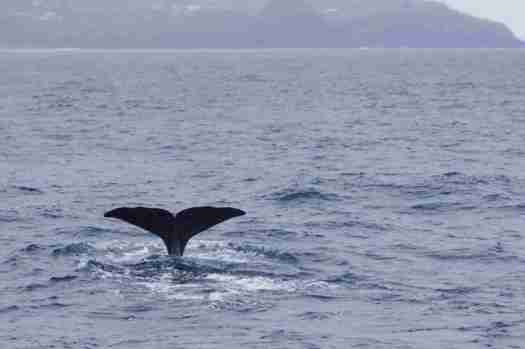
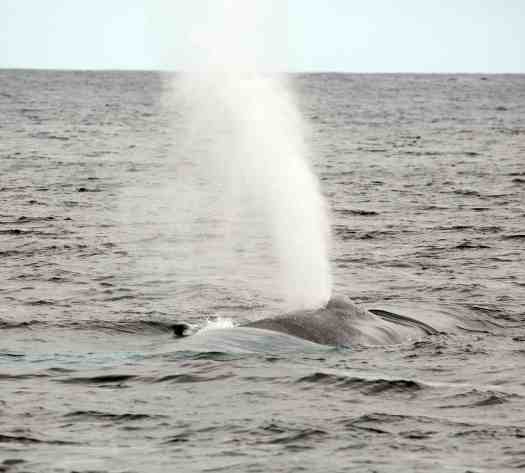
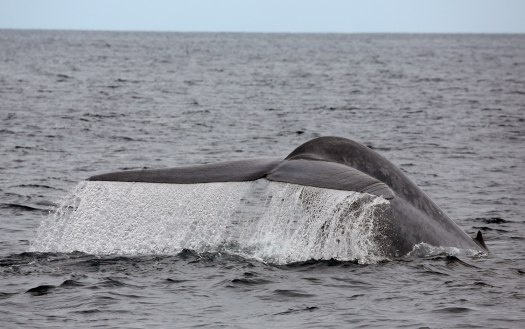
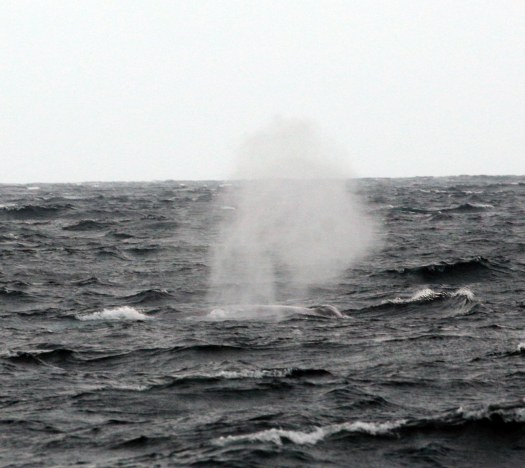
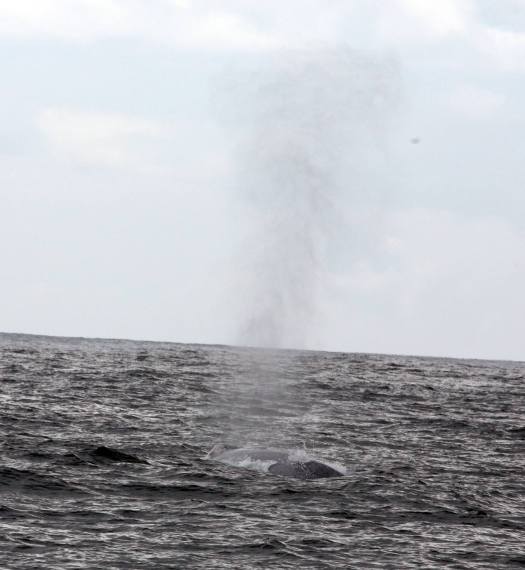
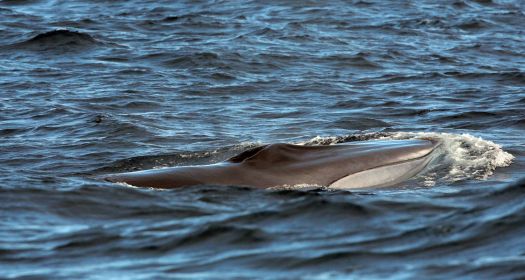
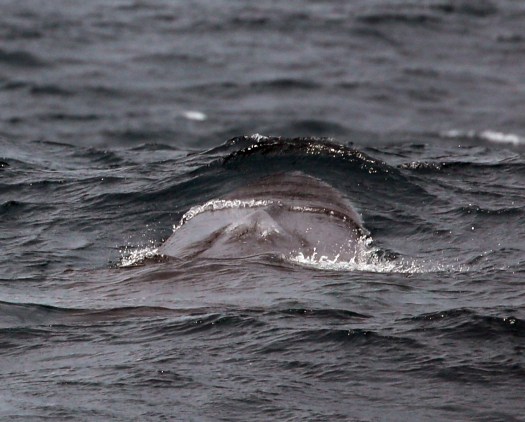
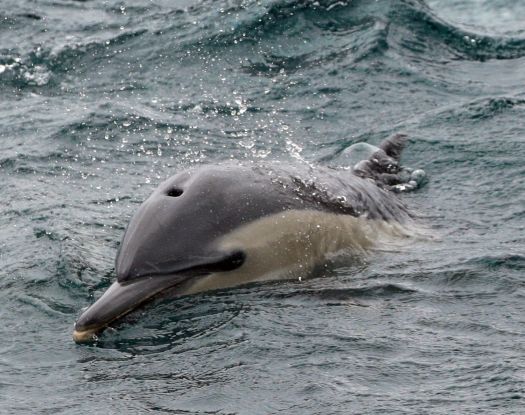
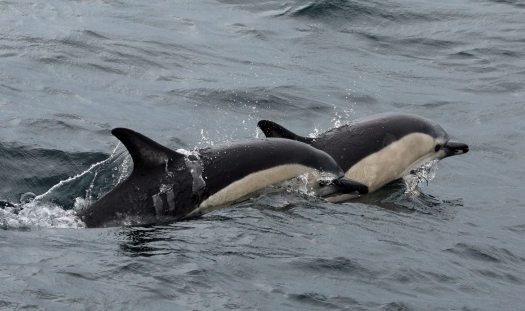
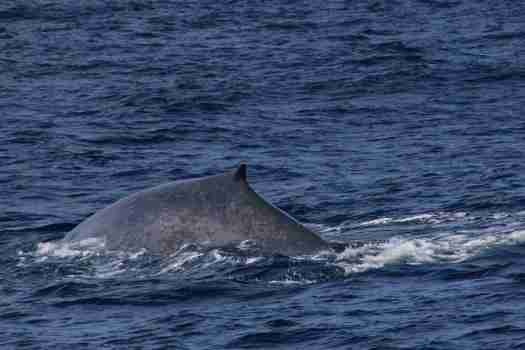
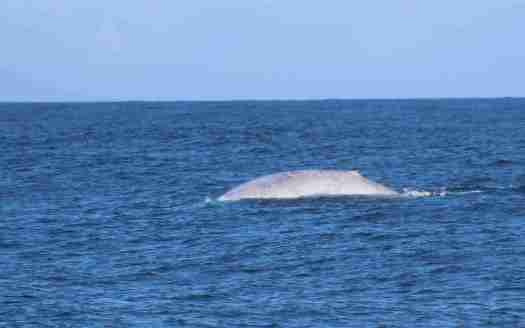
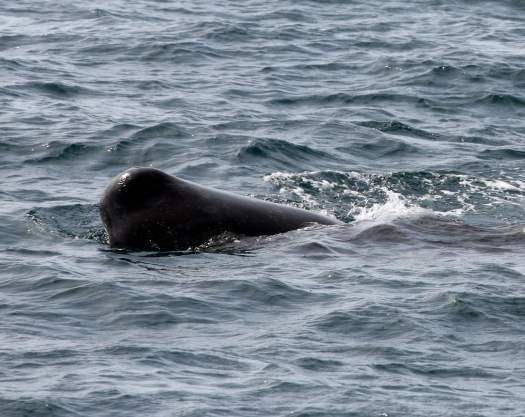
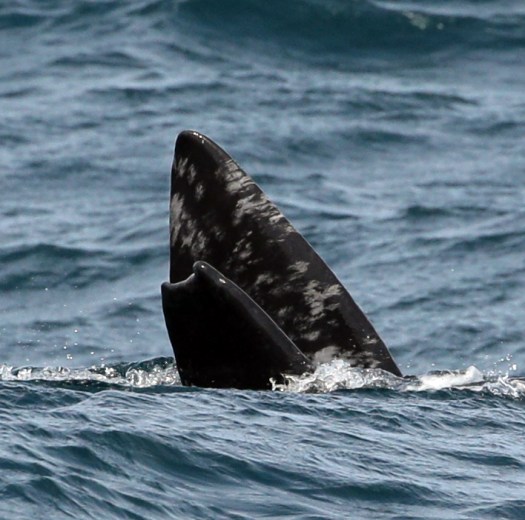
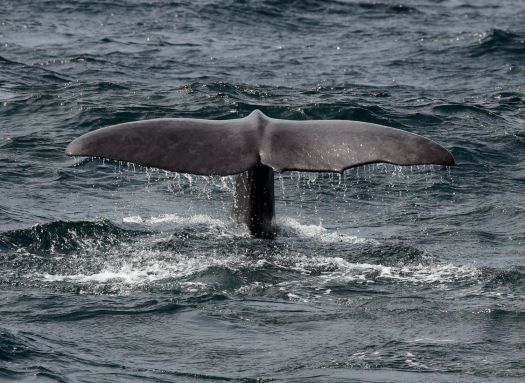
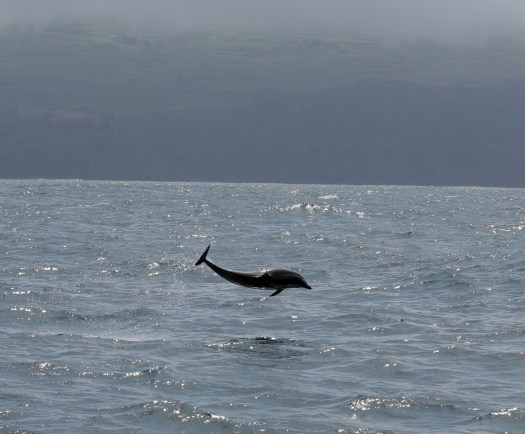
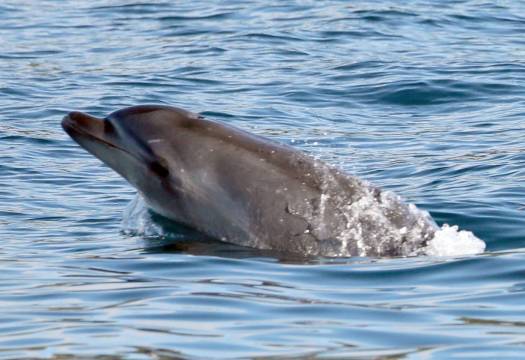
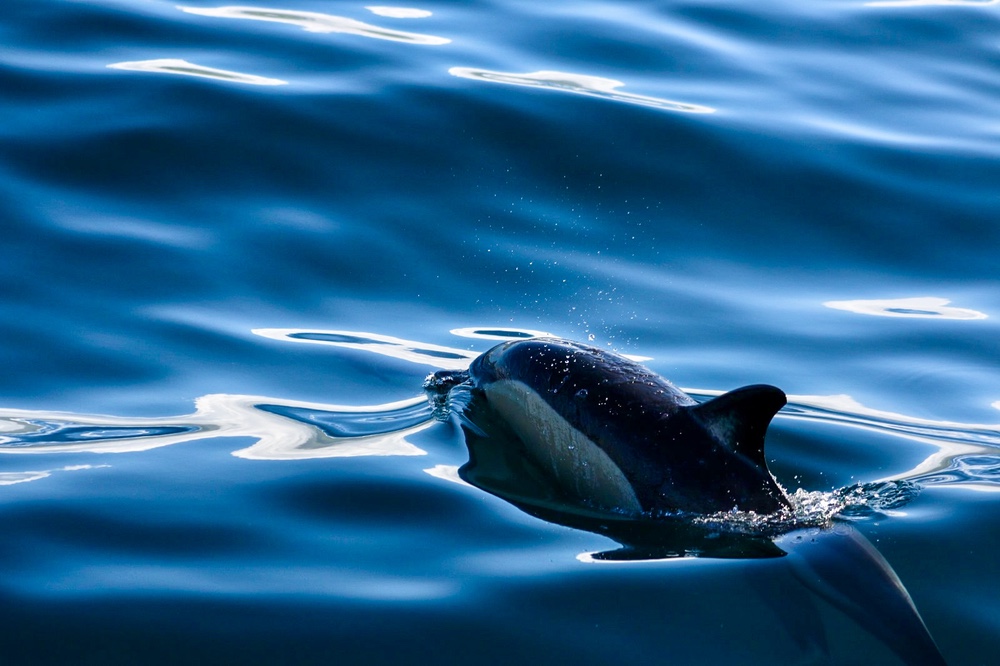
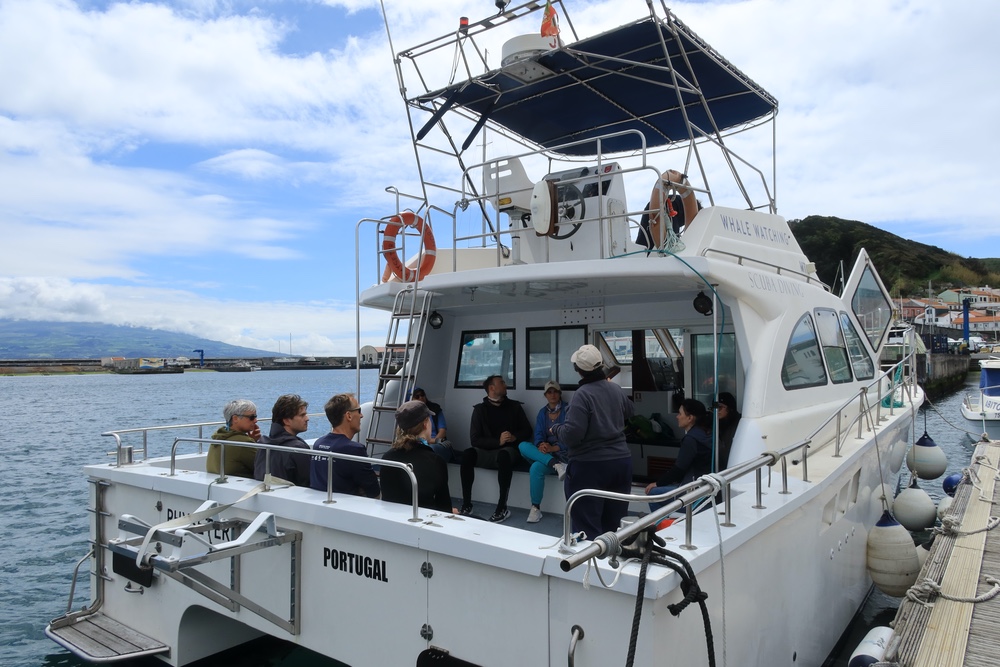
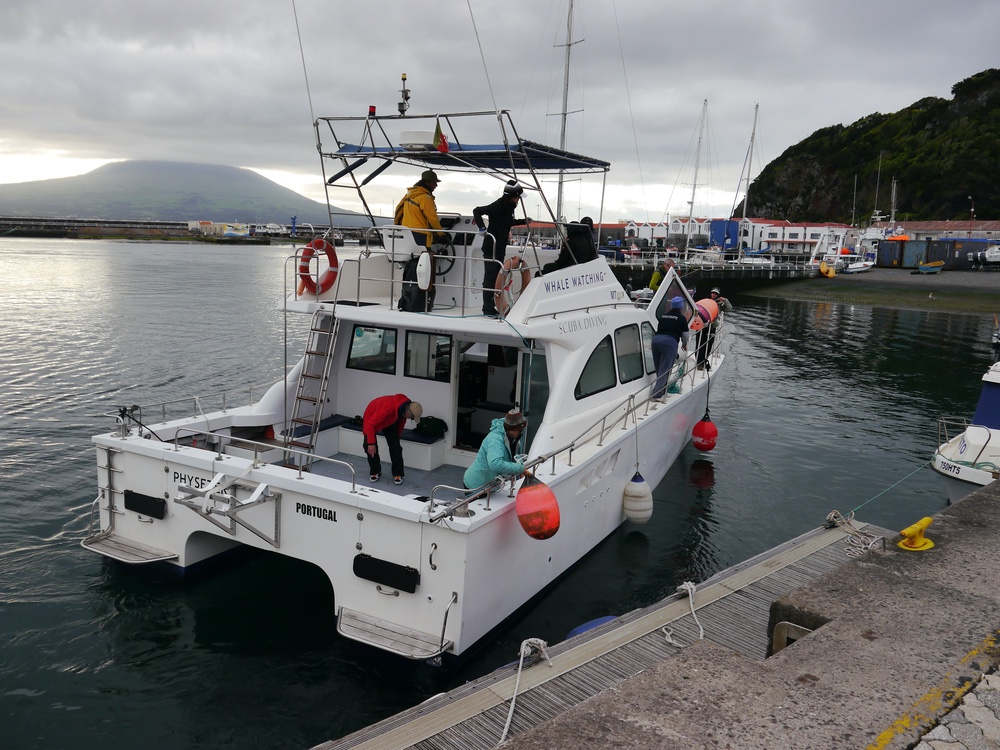
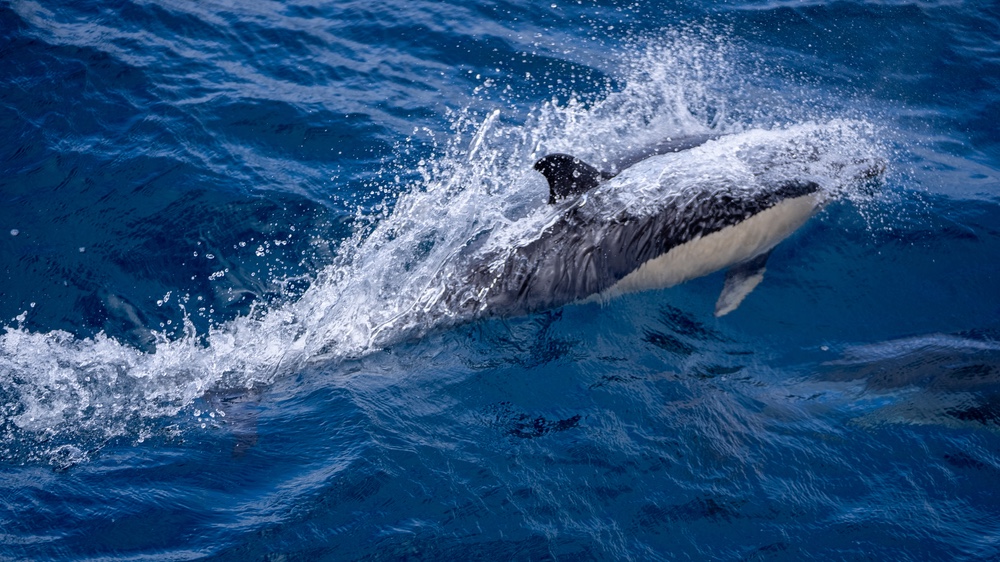
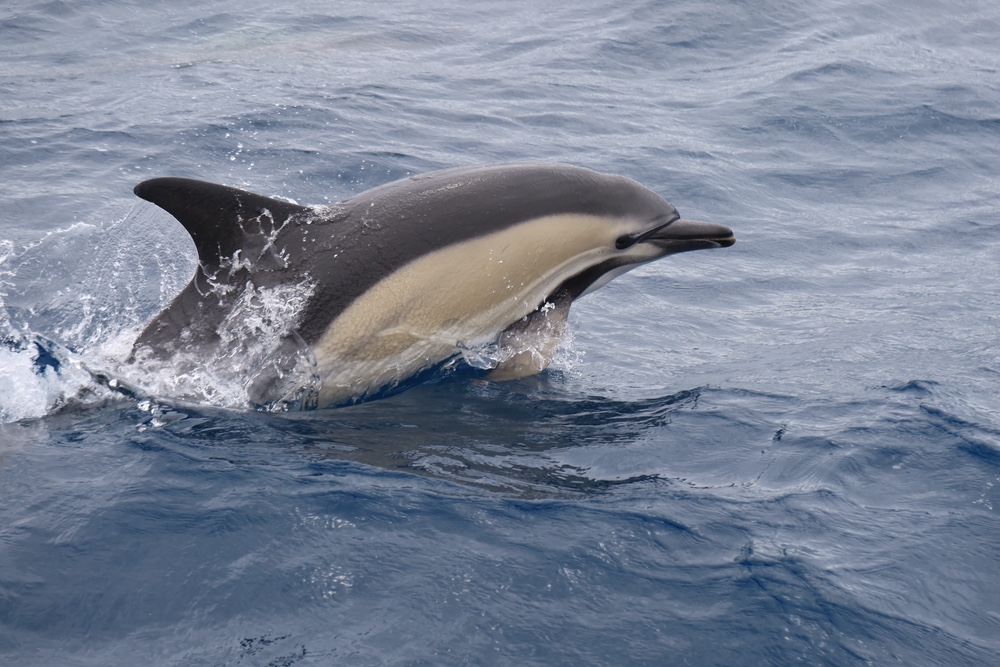
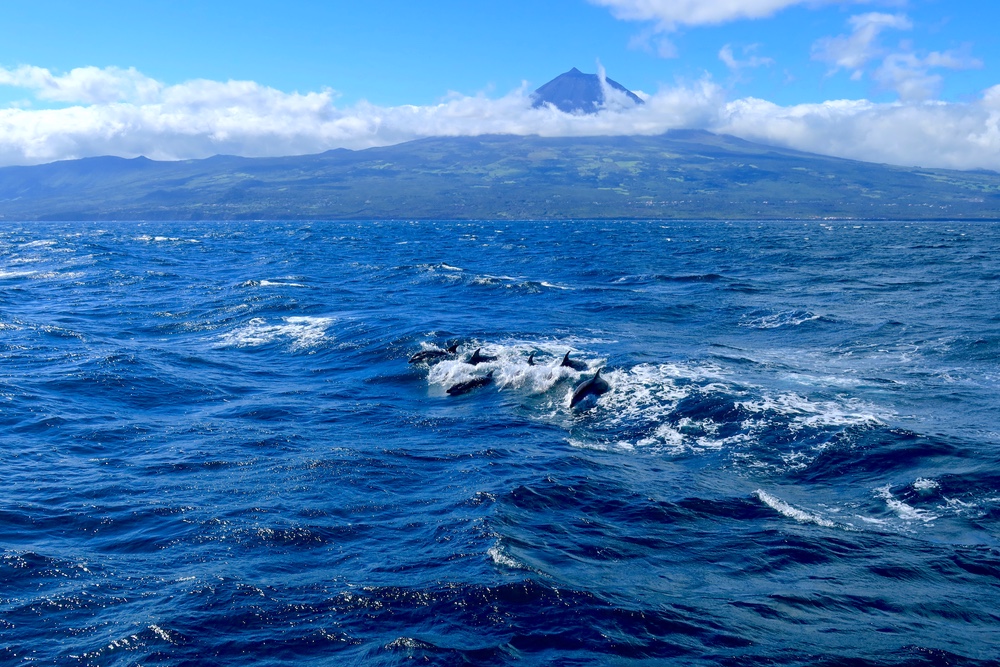
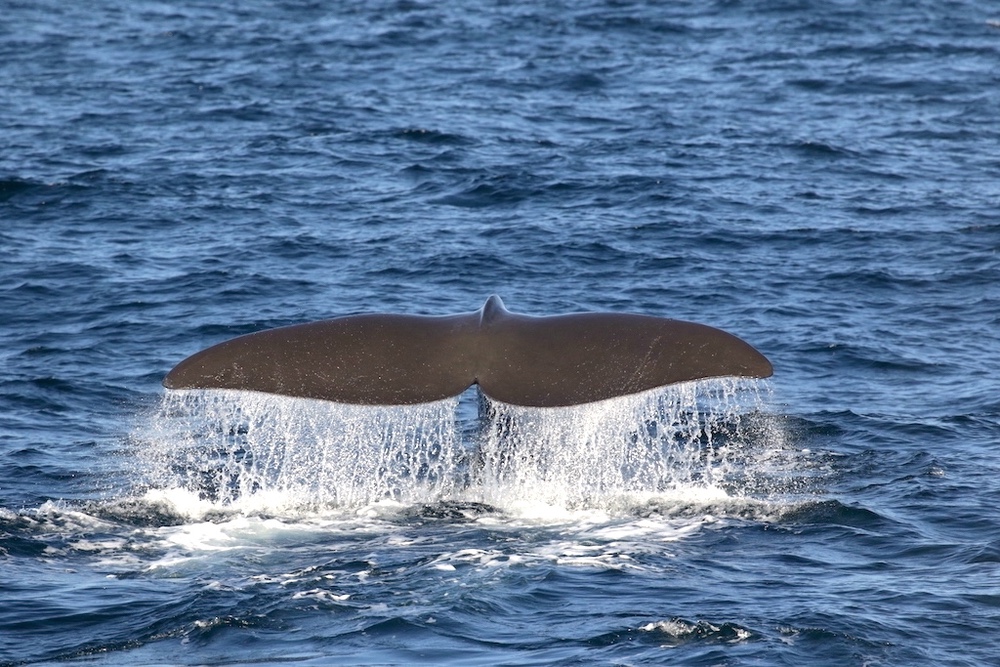
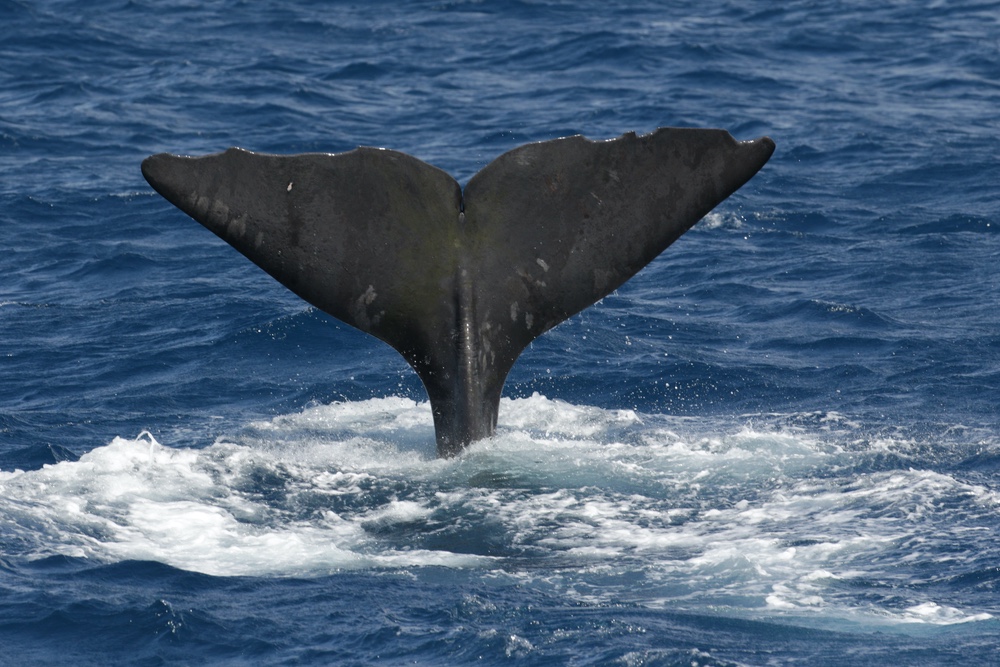
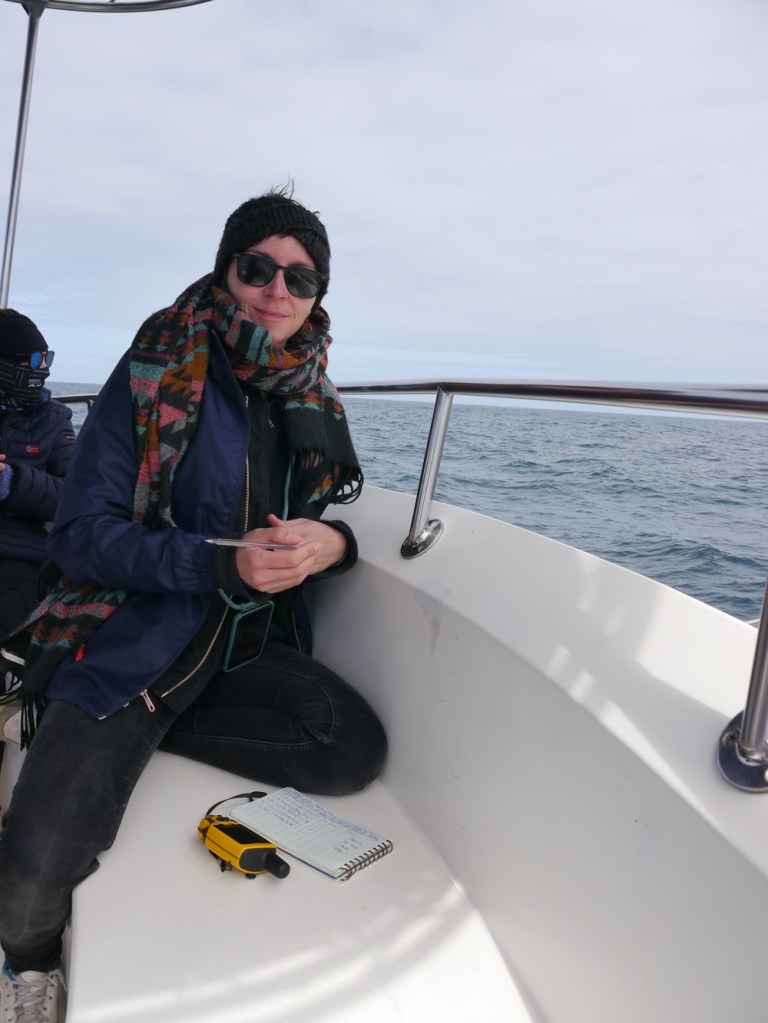
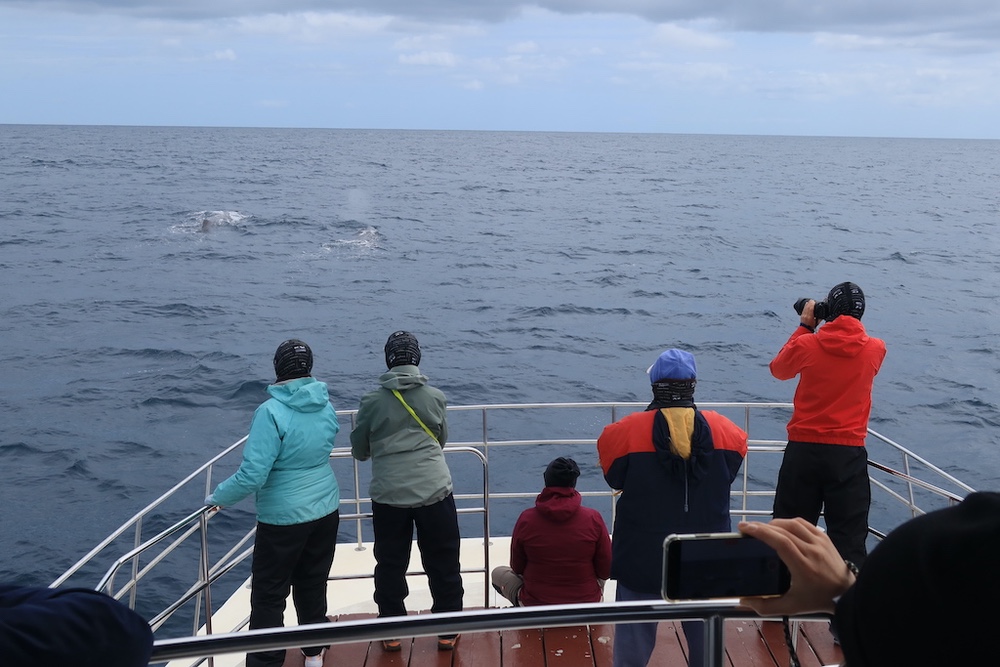
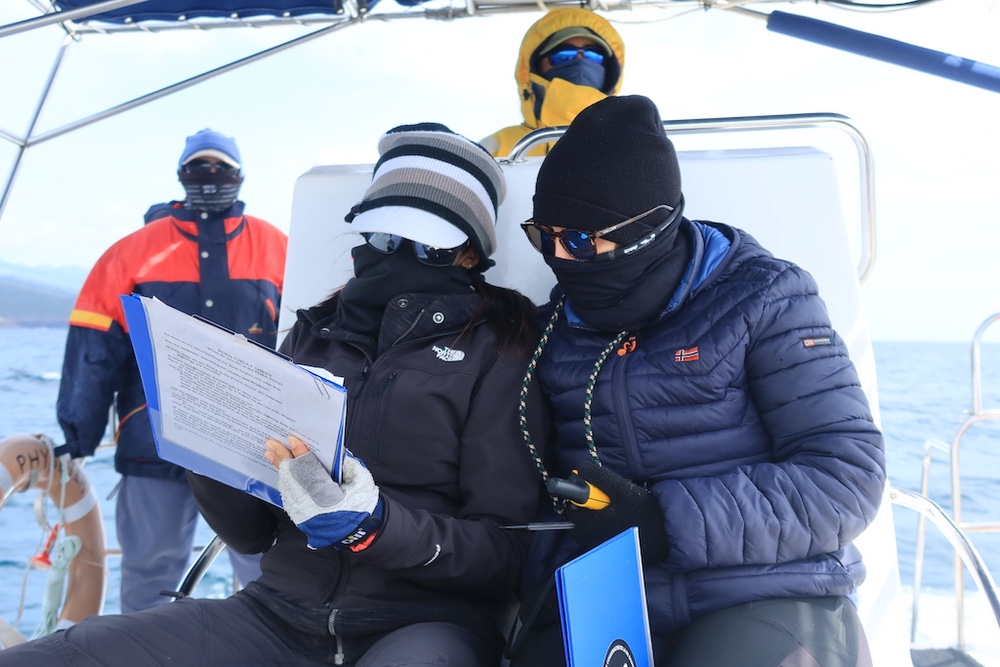
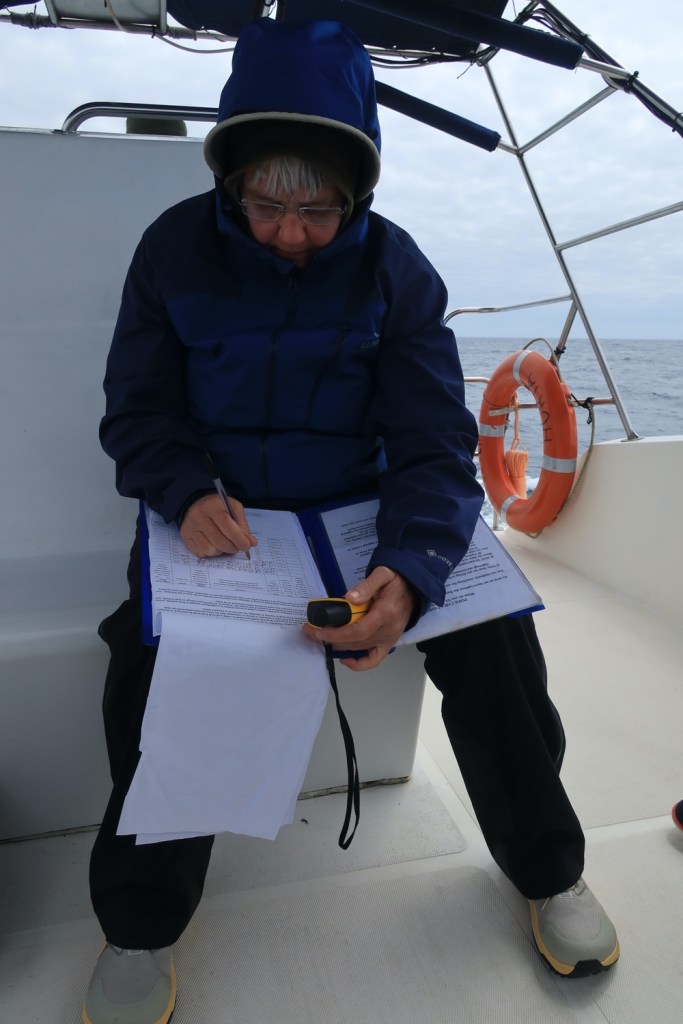
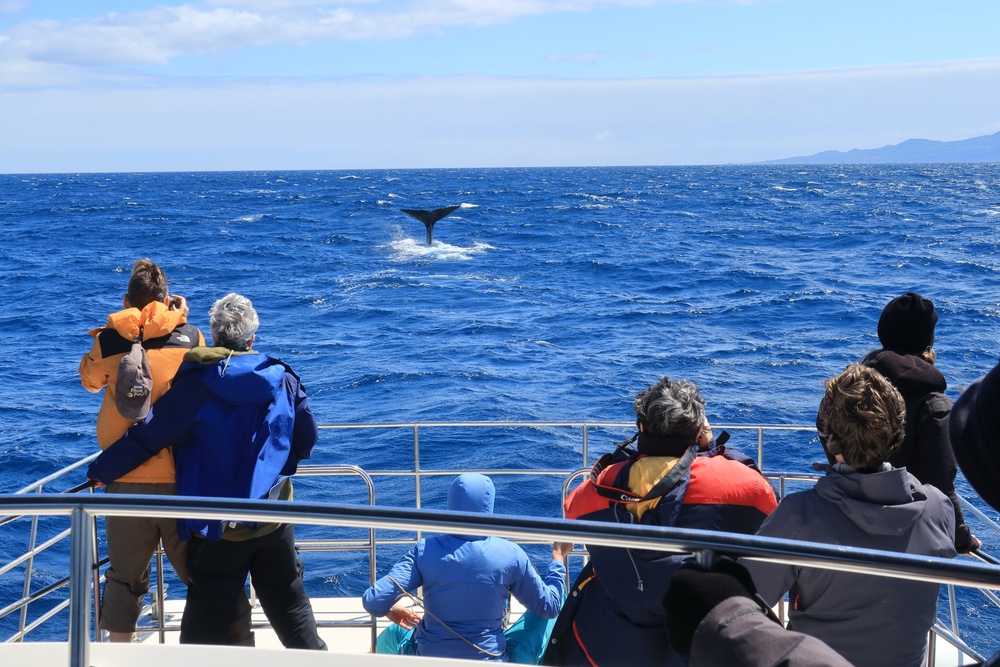
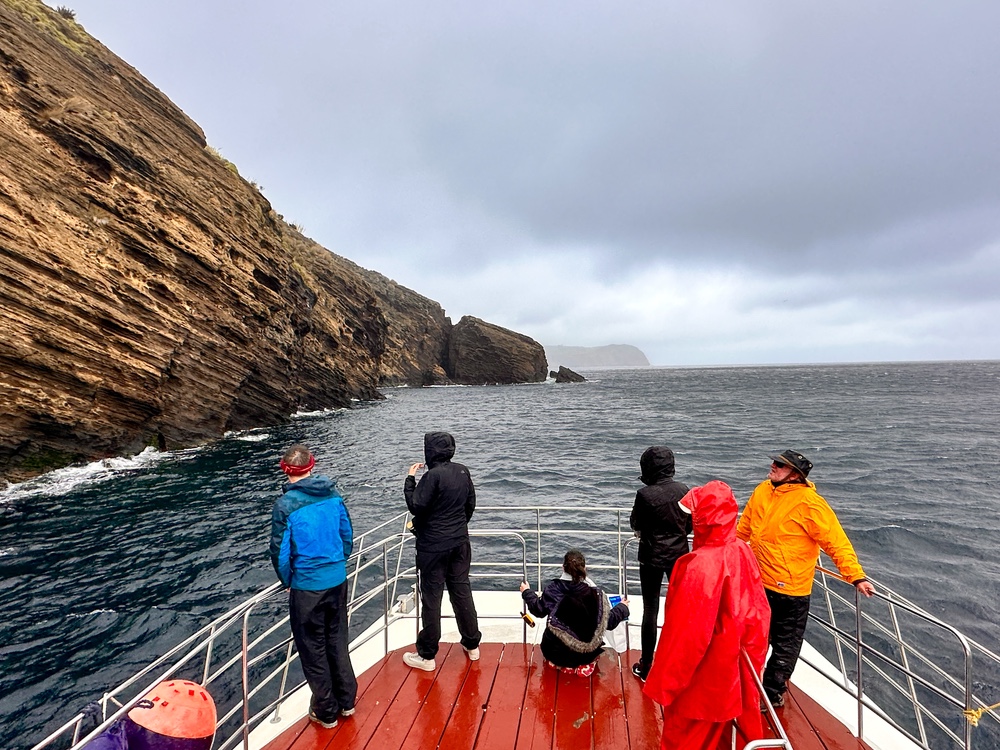
Twenty-nine expeditioners from ten countries, joined the 2024 expedition, completing 16 days out at sea, adding up to 86 sea hours while covering 1,500 km of ocean around Faial and Pico. Our search effort resulted in 92 encounters of nine different cetacean species. Sightings of common dolphins and sperm whales were most abundant. Common dolphin groups were smaller this year, a trend already observed in 2023. With regards to baleen whales, we had ten sightings of ‘feeding’ blue whales, seven of fin whales, one minke whale and one humpback whale. The resident bottlenose and Risso’s dolphins were also seen on several occasions.
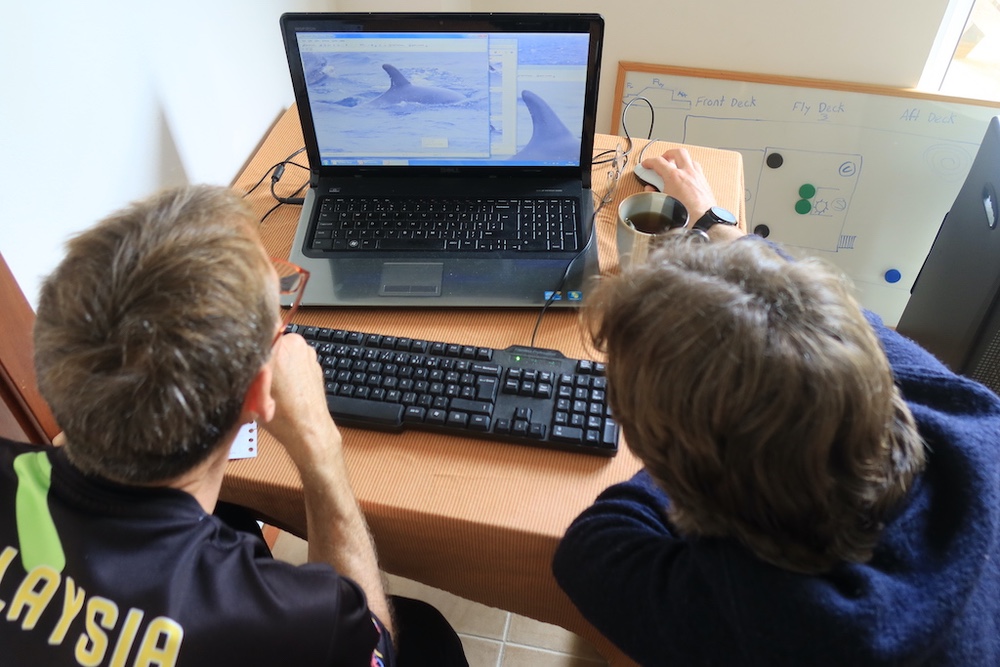
In total we confirmed some 20 positive IDs, including several re-sightings of sperm and blue whales. One of the sperm whales we sighted goes as far back as 1988, 35 years ago. Several blue whales observed were seen in previous years in the Azores, showing that they use the same migration route. Some individuals were recorded for the first time, again contributing to an ever-growing growing photo-catalogue and to our understanding of population dynamics. Many more whales have yet to be matched. Studying cetaceans takes patience and perseverance, one photo-ID shot at a time. Yet, these valuable data provide relevant insights into the spatio-temporal movements, migrations, numbers, group structures, and ecology of cetaceans, key to their long-term protection and conservation.
Feedback from the citizen scientists:
‘I was dreaming of seeing a blue whale. Not expecting to see one in four consecutive days!’ Jenny S., UK.
‘Well-organised, safe, learned a lot on marine conservation! Great team work and excellent accommodation. ‘ Skarlet-Ilieva M., UK.
‘An, the expedition leader is exceptional. The breakdown of tasks was good and the daily briefings provided immediate feedback of results. Very well organised.’ Debbie R., Canada.
‘This is my sixth expedition research project and honestly reached the top of my list for so many reasons.’ Lisa C., USA.
‘The group dynamics, the expedition leader and scientist went over and beyond to make sure we had all we needed. ‘ Paulina B., Canada.
Twenty-nine expeditioners from eight countries across the world joined the Azores expeditions in March and April 2023. This was the 17th edition in the Azores monitoring the movements, migrations, numbers, group structures and ecology of cetaceans.
Here’s a summary:
Whale watching can be done in a matter of hours, but monitoring cetaceans better to understand their spatial and temporal patterns and how they use of different areas of our oceans, takes years. Biosphere Expeditions has just completed their latest expedition in the Azores and is rapidly approaching two decades of monitoring, in an area of the Atlantic ocean. which is home to over 25 different cetacean species.
Cetacean data collection takes a decade or longer, to reveal meaningful patterns and therefore the value of our research cannot be quantified now, but it will uncountably be invaluable in the upcoming years.
Some feedback is more immediate. Images of sperm whales and blue whales taken this year, have already be matched to other locations in the Azores, and northern Europe. But many more whales have yet to be matched in our database, revealing the vast stretch of ocean they occupy around the Azores. Some individuals have been recorded for the first time this year, again contributing to our understanding of their population.
This year’s project still has a lot of data to process from over 179 cetacean encounters over 15 days at sea, sighting over 2,000 individuals. But some species are absent from this year’s research findings and dolphins have been found in lower numbers.
With the expedition fieldwork continuing in March, Lisa Steiner, the expedition scientist, an expert on sperm whales, expresses that “it has been great to extend the data collection beyond the normal tourism season and collect data on a range of species, across a broader time span. The value of this work is very significant as without Biosphere Expeditions we wouldn’t have documented the range of species, including several Sei, Humpback, Fin and Blue whales, since there are fewer tour boats out at this time of year”.
Being able to conduct field research during the ‘off-season’ reveals new information such as species being absent or present in lower or higher numbers compared to other years.
“The ability to collect such data is greatly enhanced by the annual contribution of Biosphere Expedition’s participants,” says Craig Turner (expedition leader), “and underlines the value of long-term data sets in illustrating the importance of the Azores for certain cetacean species.”
This data collection approach is being applied to other species of whale, along with dolphin species, such as bottlenose and Risso’s. The scale of the data collection both in terms of time and space serves to demonstrate the importance of the Azores for several cetacean species and highlights the importance of appropriate conservation management, to ensure these species continue to thrive not just in Azorean waters, but elsewhere in the wider Atlantic Ocean.





















































 Biosphere Expeditions: blogs from the frontline of wildlife conservation and the fight for a more sustainable planet