Award-winning, non-profit and ethical wildlife conservation volunteering. Advancing citizen science and conservation since 1999 – for nature, not profit.
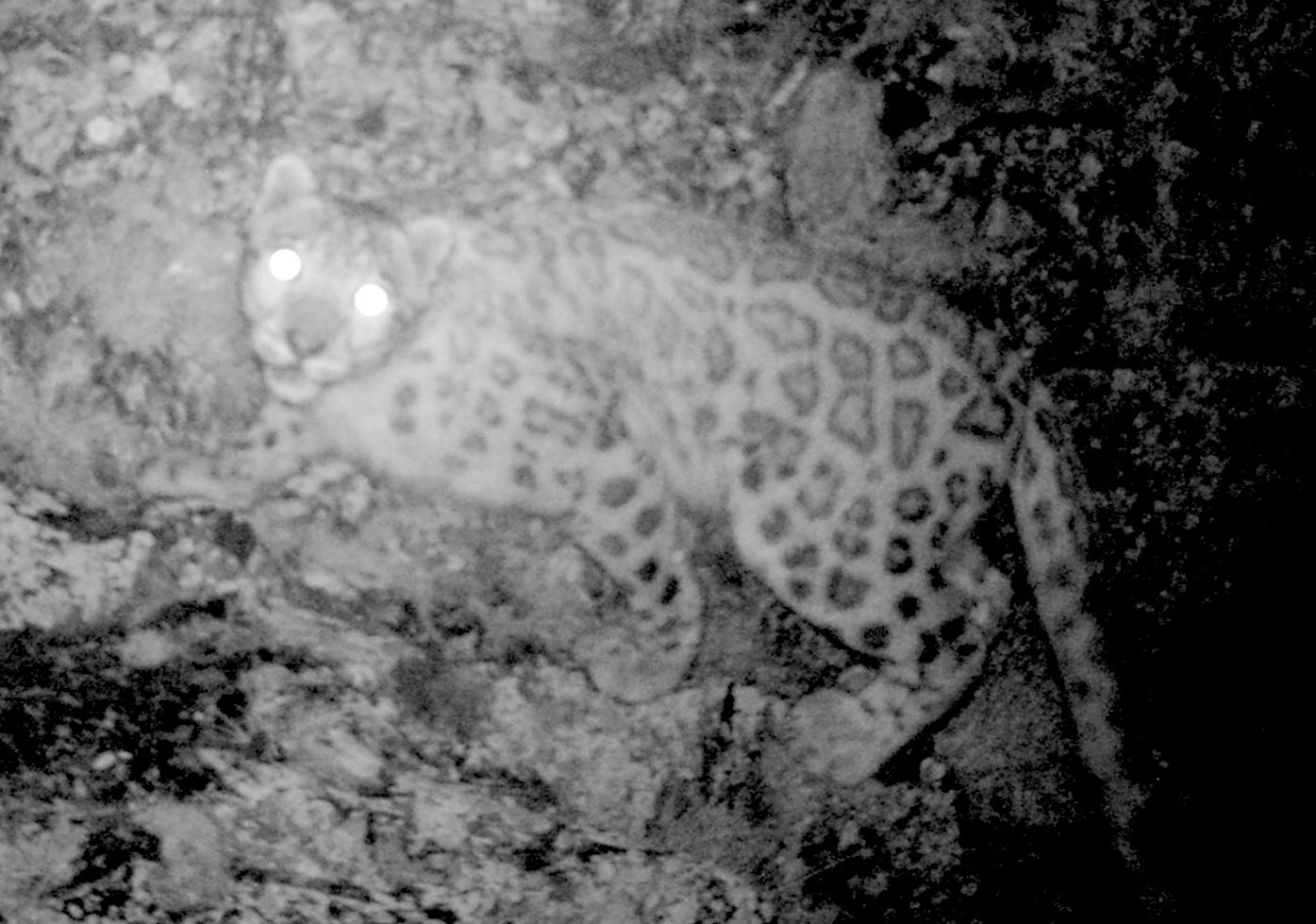
Very good news from the field. We received this message from the field today: “Hi, all well here. We retrieved camera traps today and have sightings of wolf and snow leopard. “
Screenshot
This is from camera traps left in the mountains by the expedition last year, some now retrieved by group 1. Well done!
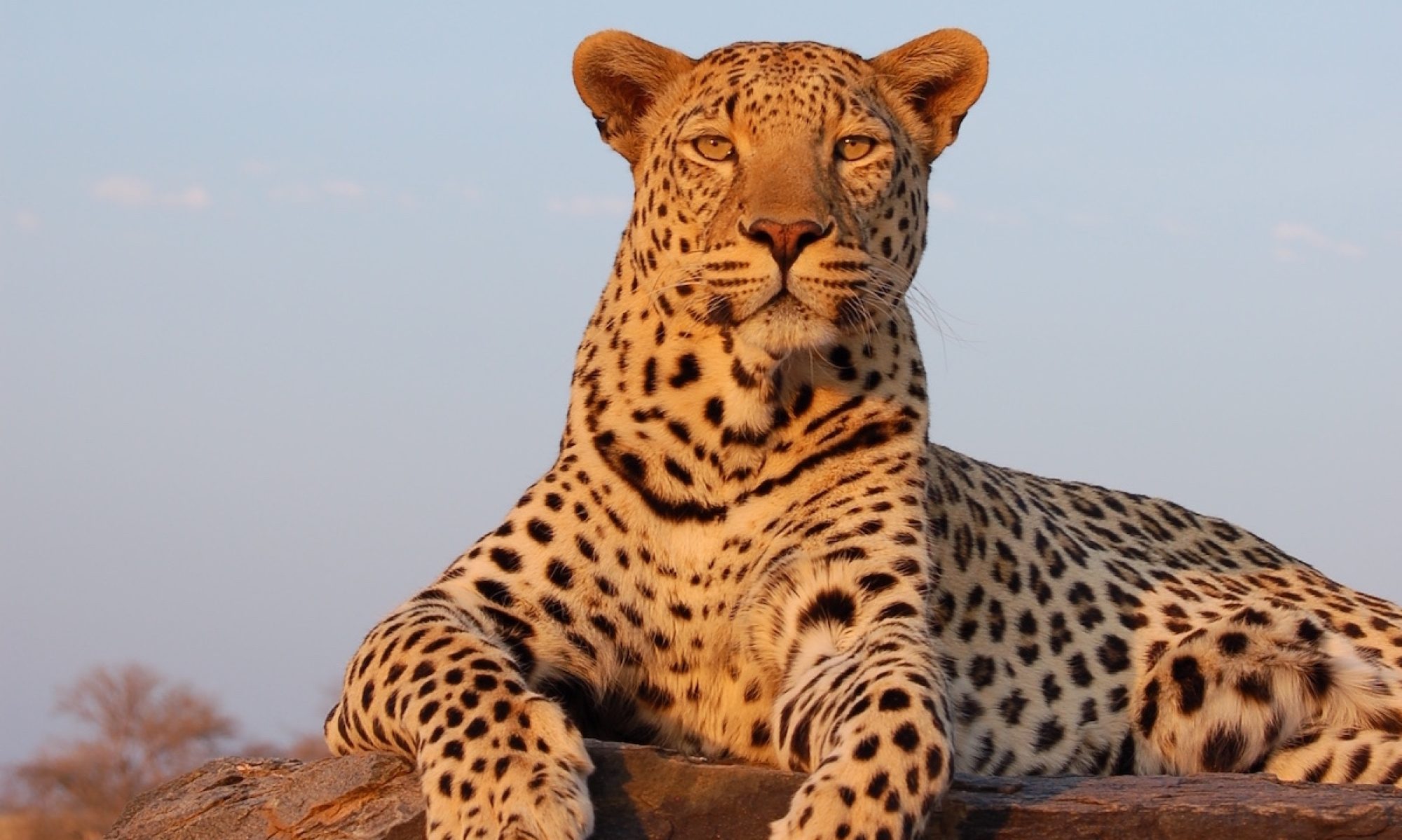
We can’t show you the pictures, as we only have text connectivity via satellite with the expedition, but here’s one from an earlier expedition.
We’ll have to wait for the real thing until group 1/2 changeover in 10 days.
There is zero connectivity at base camp and we will enjoy the digital detox. But this also means that I will only send one, perhaps two, short text-only updates per group via satellite. So please be patient, assume that no news is good news and wish us luck for our endeavours.
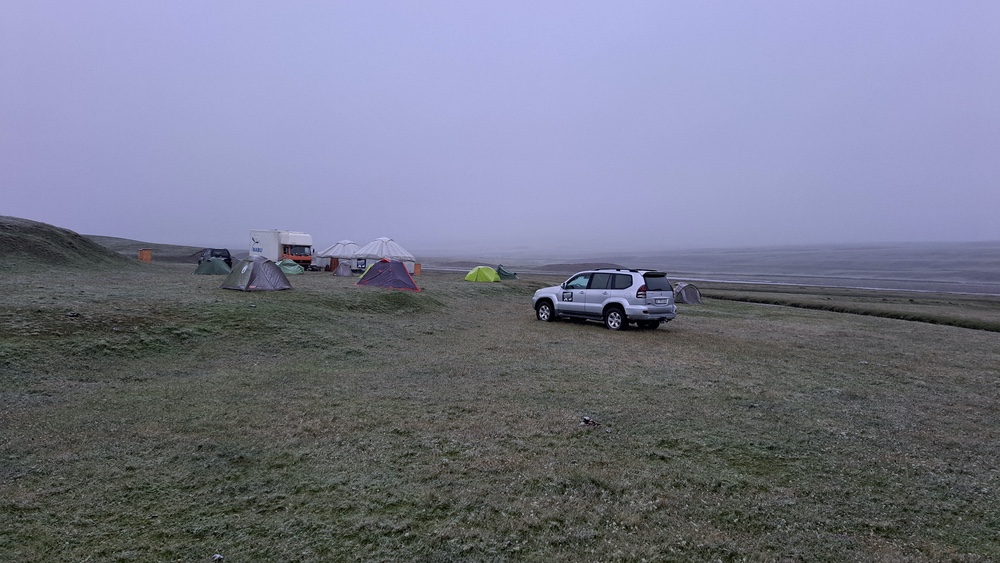
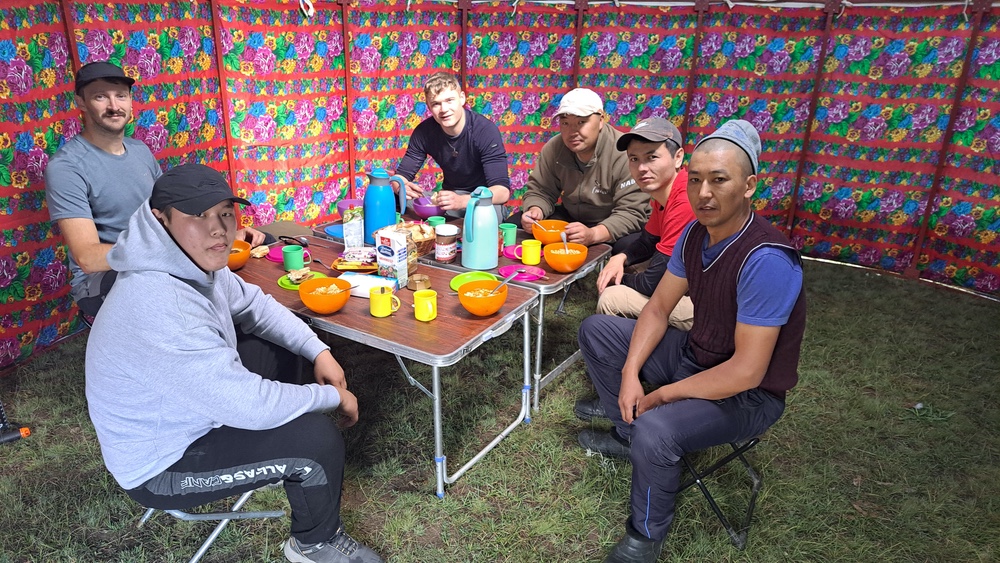
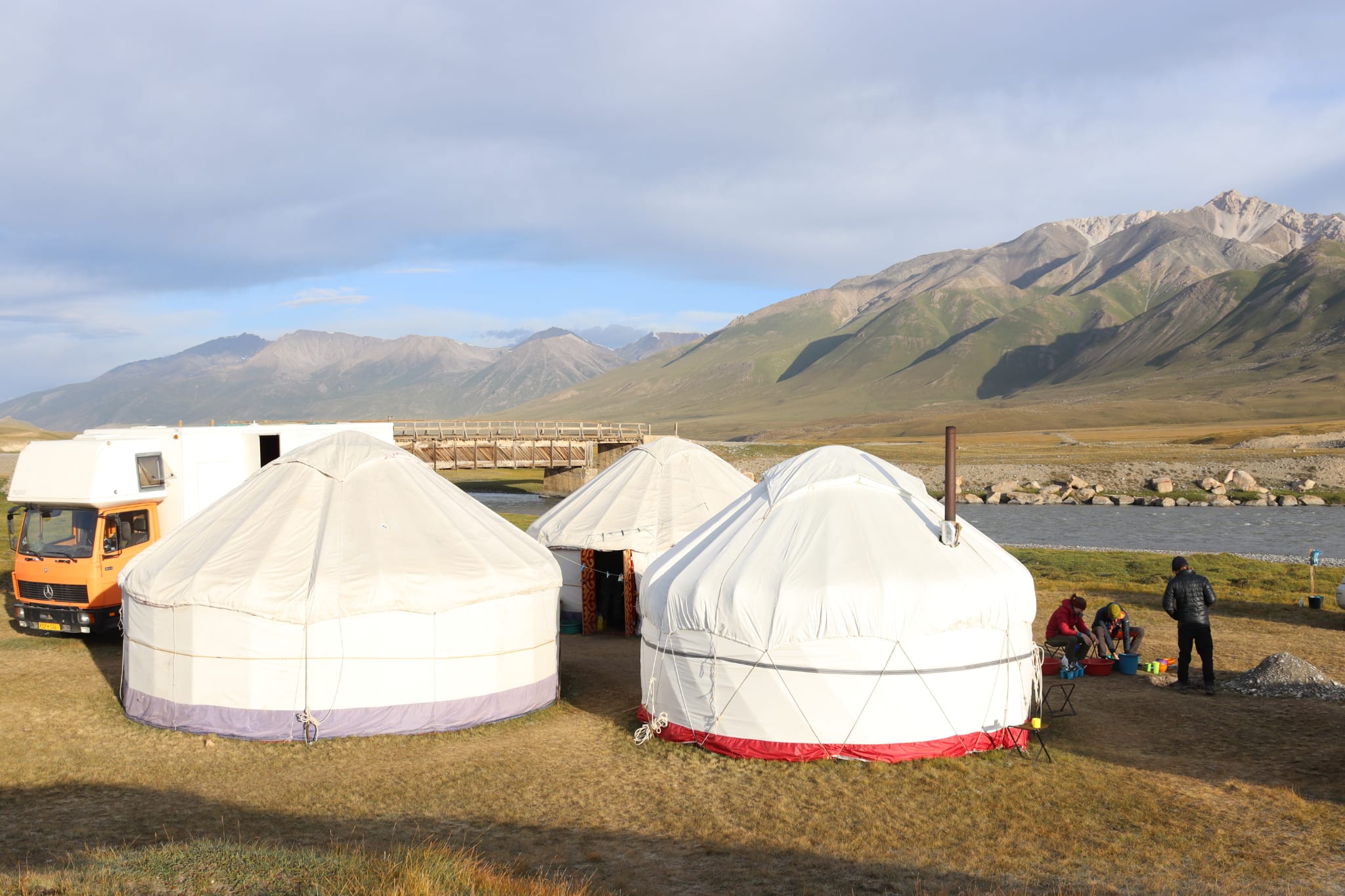
We’re as ready as we can be. We have chosen a site for base camp, pitched two yurts (third one is a group 1 job), established the science, kitchen, showers, toilets etc and said hello to the neighbours. All it now needs is you.
Come prepared for all weathers. We had 2C and a snow and ice dusting at base a couple of days ago and the weather forecast for the next few days isn’t pretty.
Snow and ice dusting at baseHome, sweet home
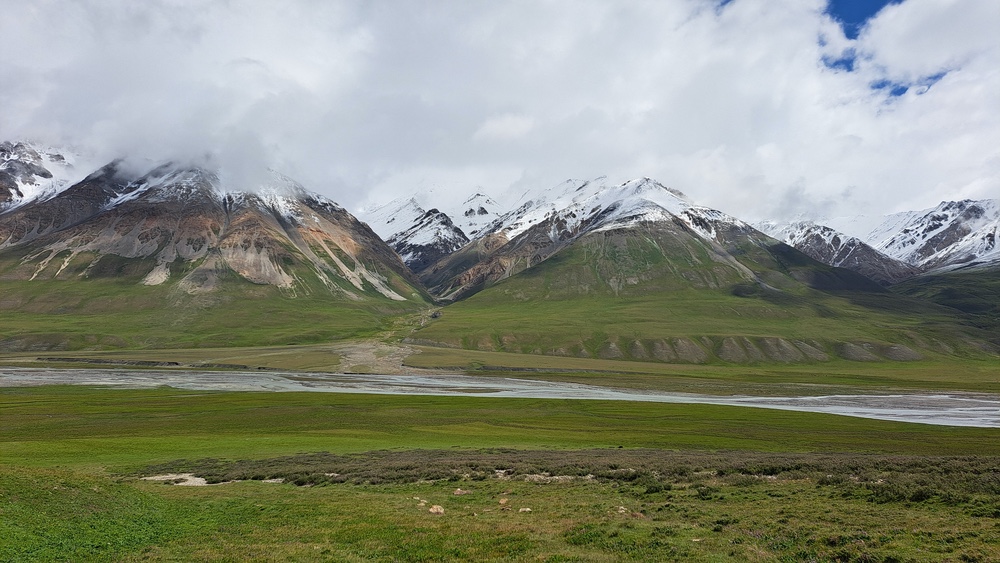
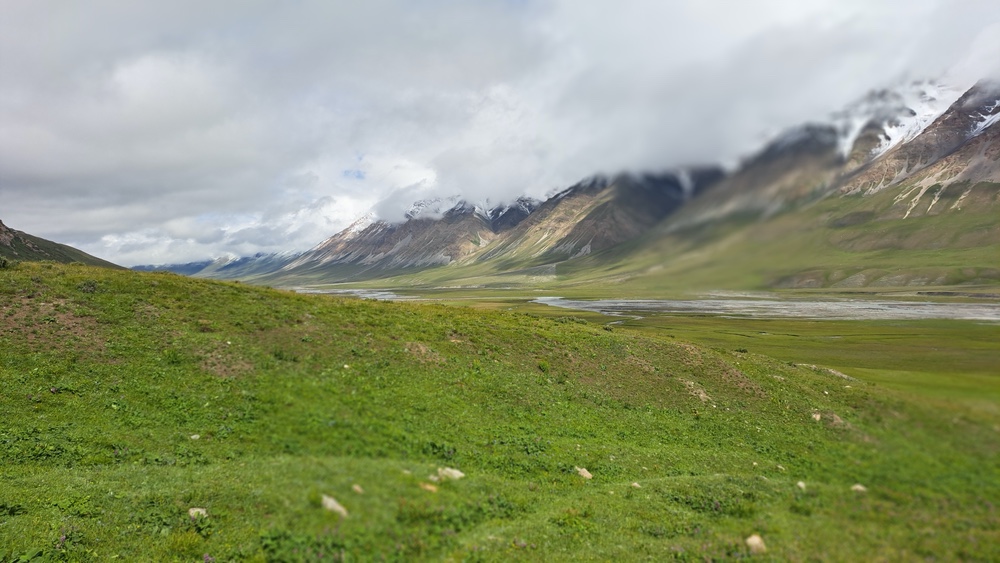
On the brighter side, lovers of Edelweiss will be pleased to hear that it is everywhere, including base, and that our study site is as beautiful and remote as ever.
Edelweiss
The drive there is long, but worth it in the end, so without any further ado, see you tomorrow, group 1. Your main task will be to get the camera traps back from where we left them a year ago. Fingers crossed they are still there, high up in the mountains, and have captured something…
We’re in a muggy and rainy Bishkek. In fact, there’s been lots of rain and snow in the last few months. We’ll have to see for ourselves what this means in terms of access to our study site and where we’ll place base camp. More news on this at the end of the week.
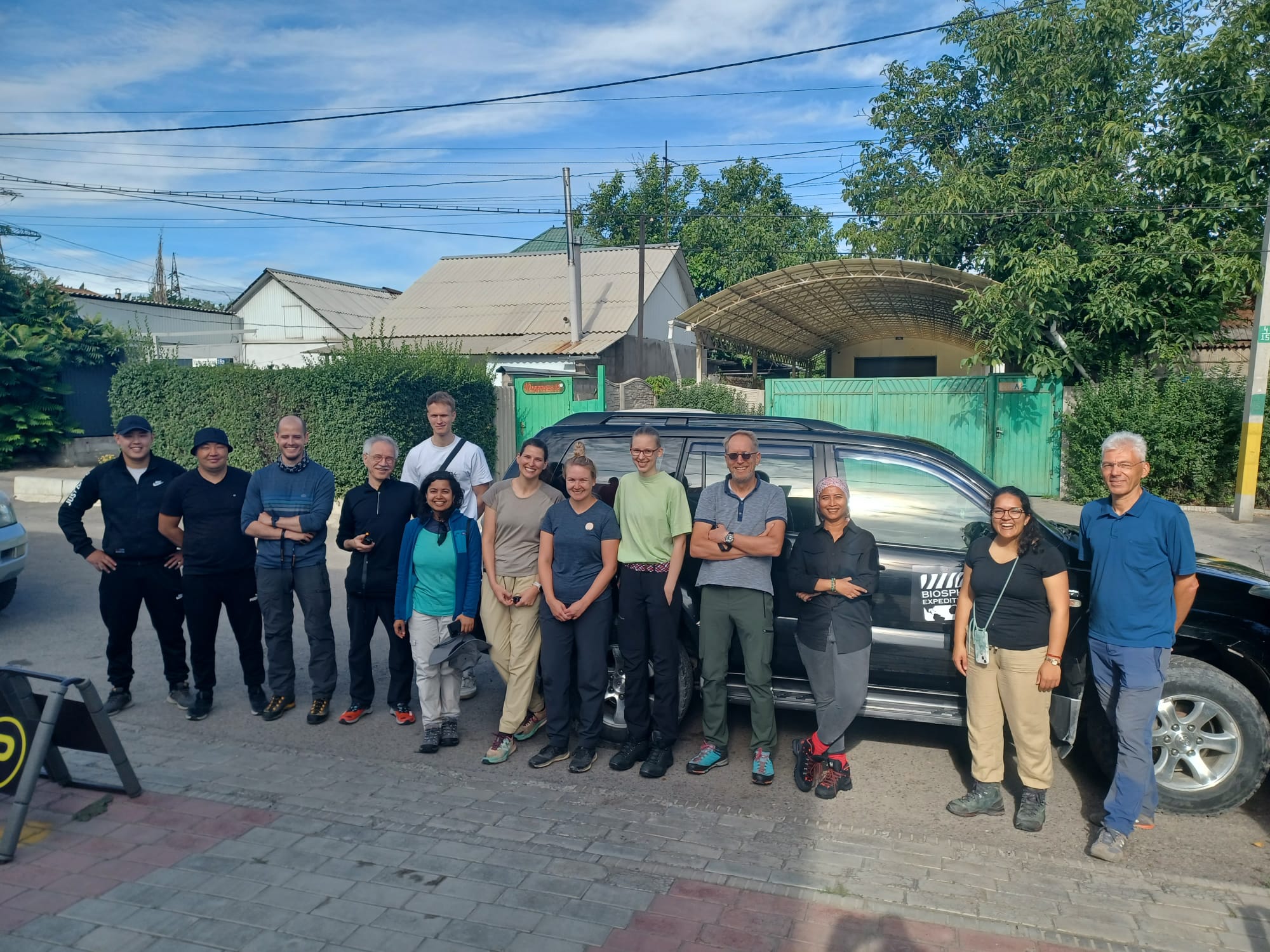
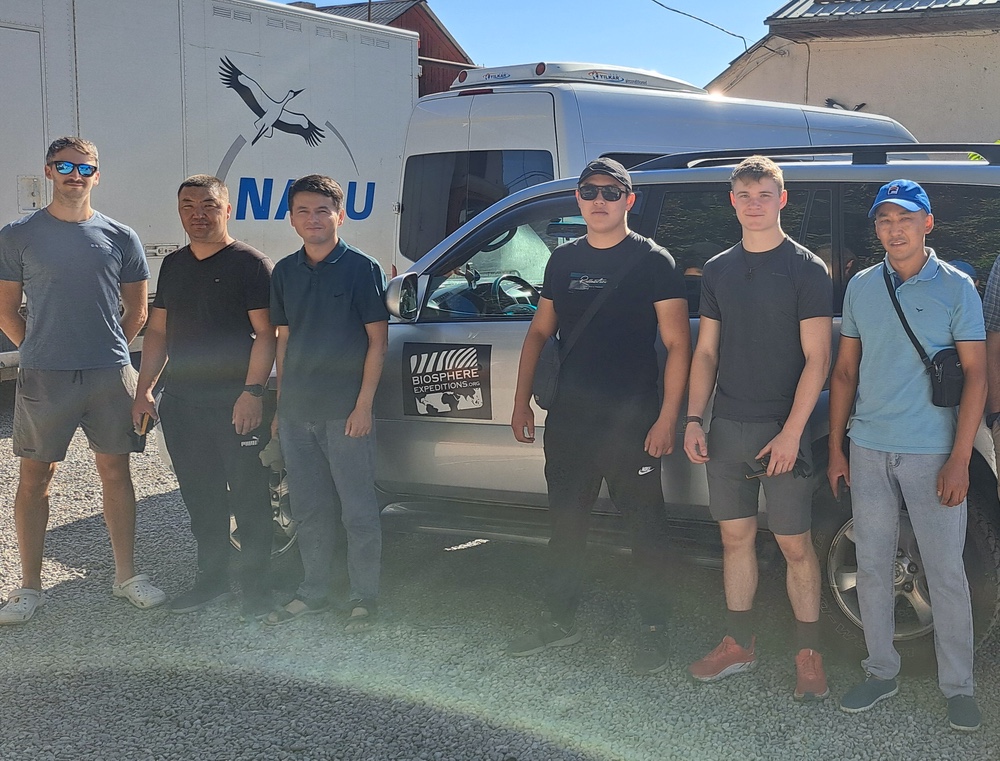
For now, it’s the usual madness of getting equipment and paperwork ready, shopping, meetings, ticking boxes. Scientist Emil is here to help, Lukas also, former staff member and Bishkek resident Amadeus and NABU staff too.
From left: expedition leader Johnny, scientist Emil and helper Lukas.
We’re doing our thing and I hope you are too. I’ll be back with updates from the field on Saturday or Sunday evening, when we return to Bishkek.
Biosphere Expeditions, working in collaboration with Björn & Vildmark (bear & wilderness), has completed its fourth citizen science research expedition in Dalarna province, Sweden, gathering field data on brown bears (Ursus arctos), contributing to the conservation of this iconic Scandinavian mammal.
The expedition involves citizen scientists staying at a base camp and, after receiving relevant training, collecting data under the direction of the expedition scientist, Dr Andrea Friebe.
The data collected is used by the trans-national Scandinavian Brown Bear Research Project (SBBRP). Dr Friebe has worked in the SBBRP since 1998 and wrote her master thesis and dissertation about brown bear hibernation and ecology in Sweden. In 2001 she founded the company Björn & Vildmark, as an interface between bear research and information for the public and for managers.
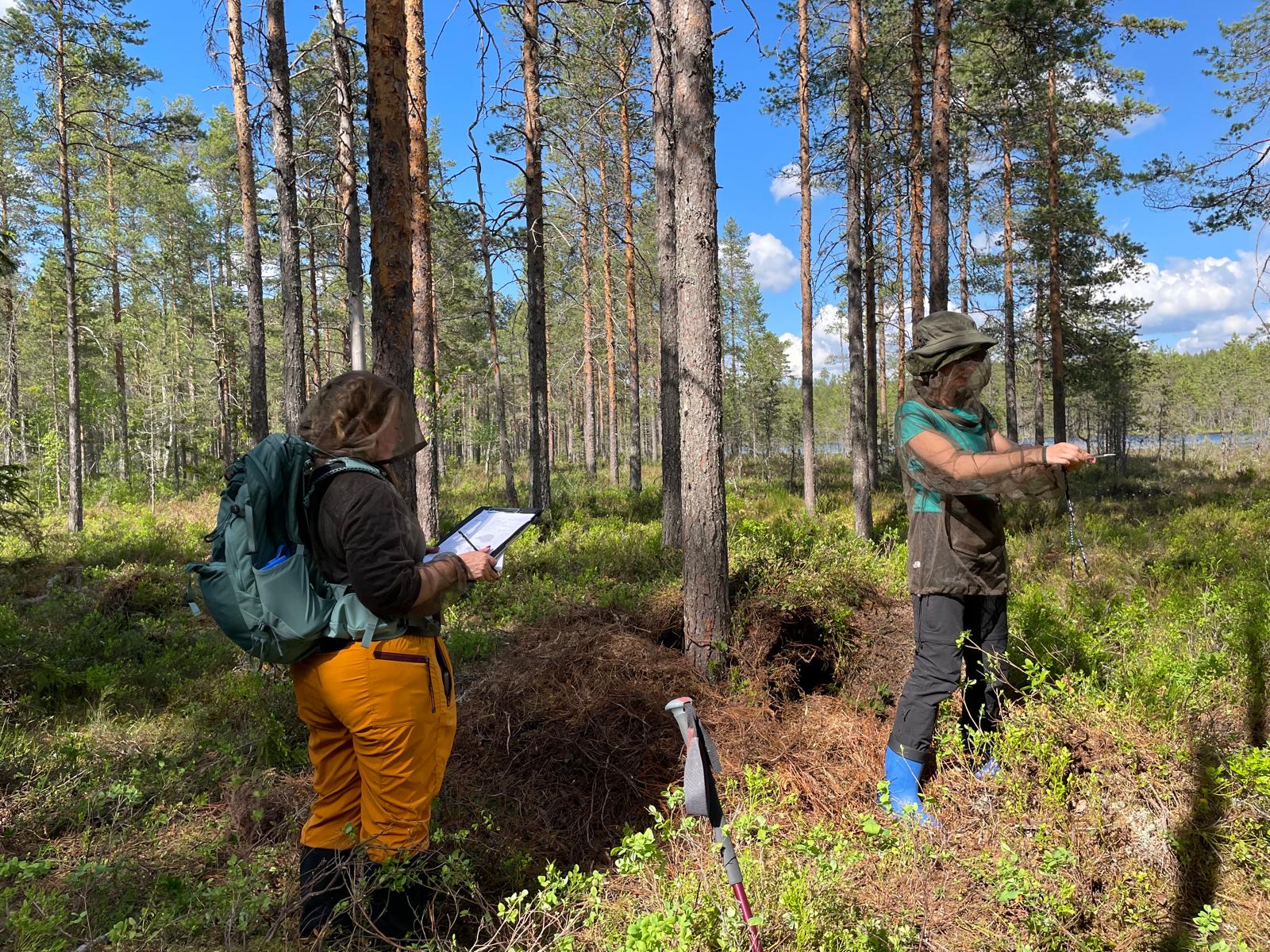
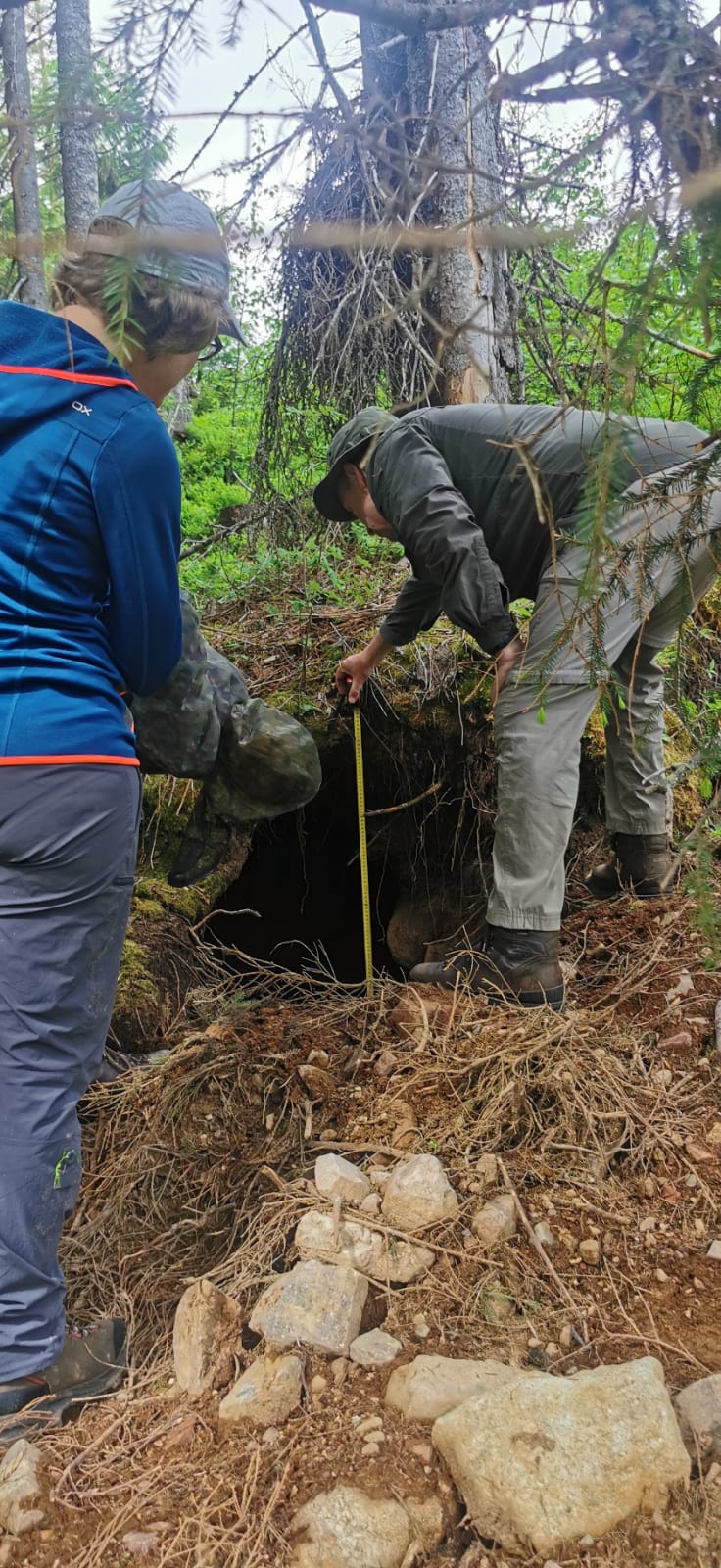
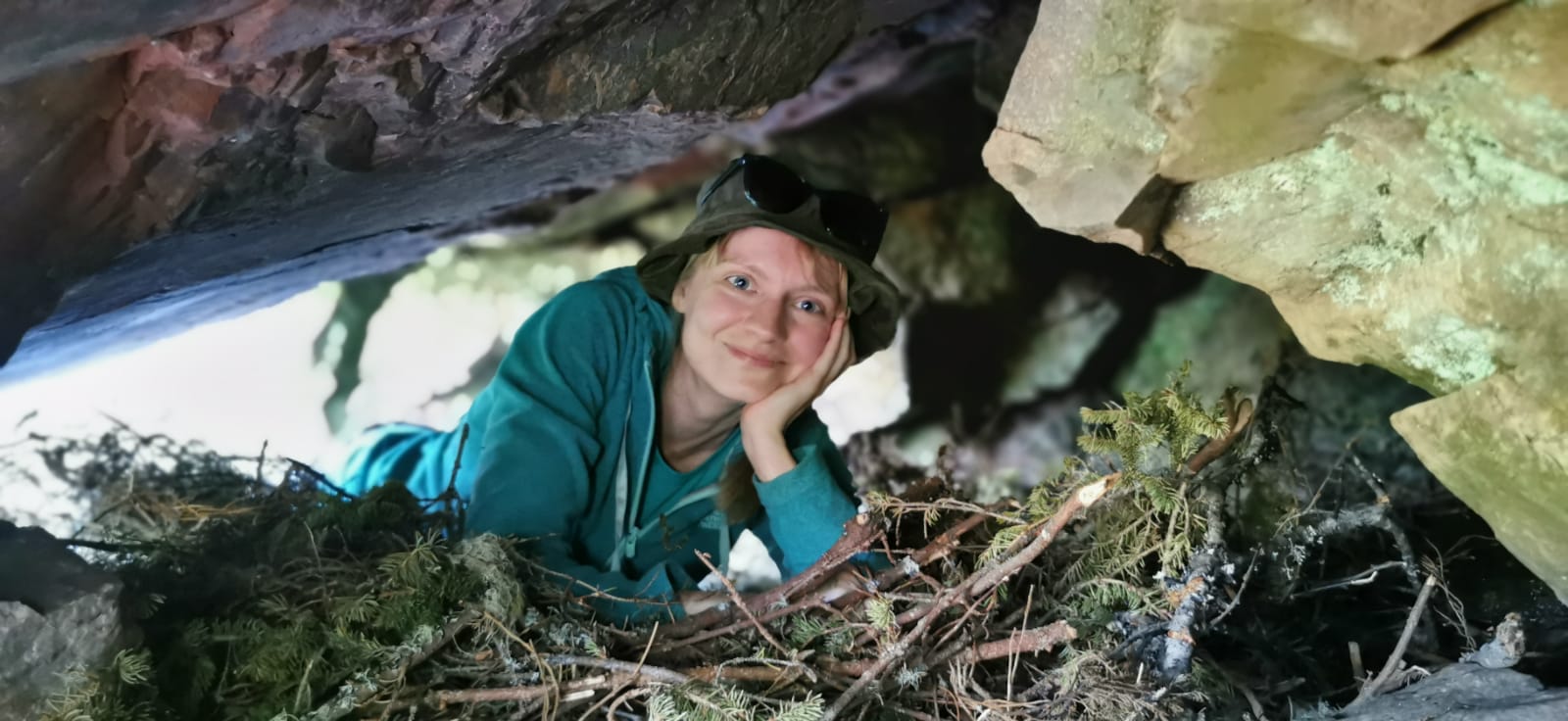
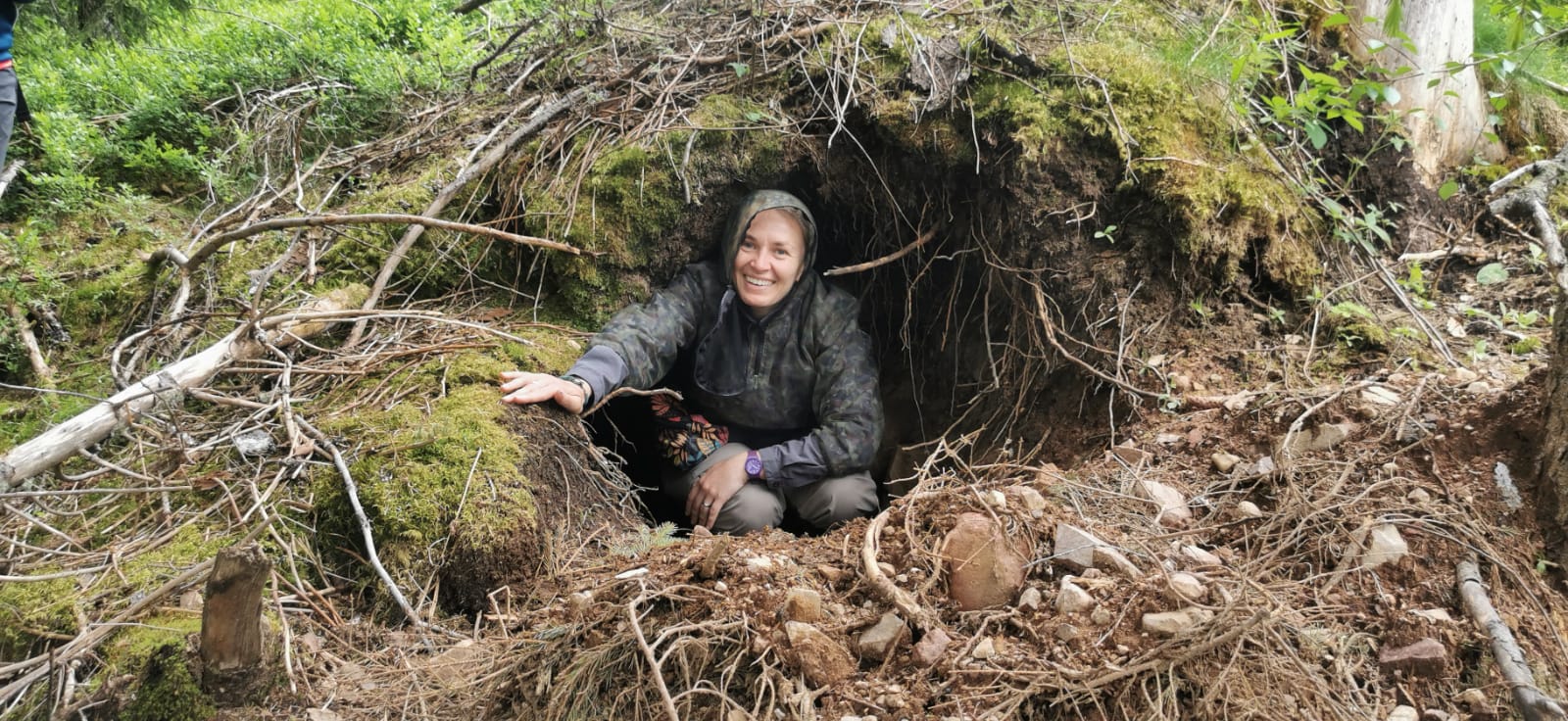
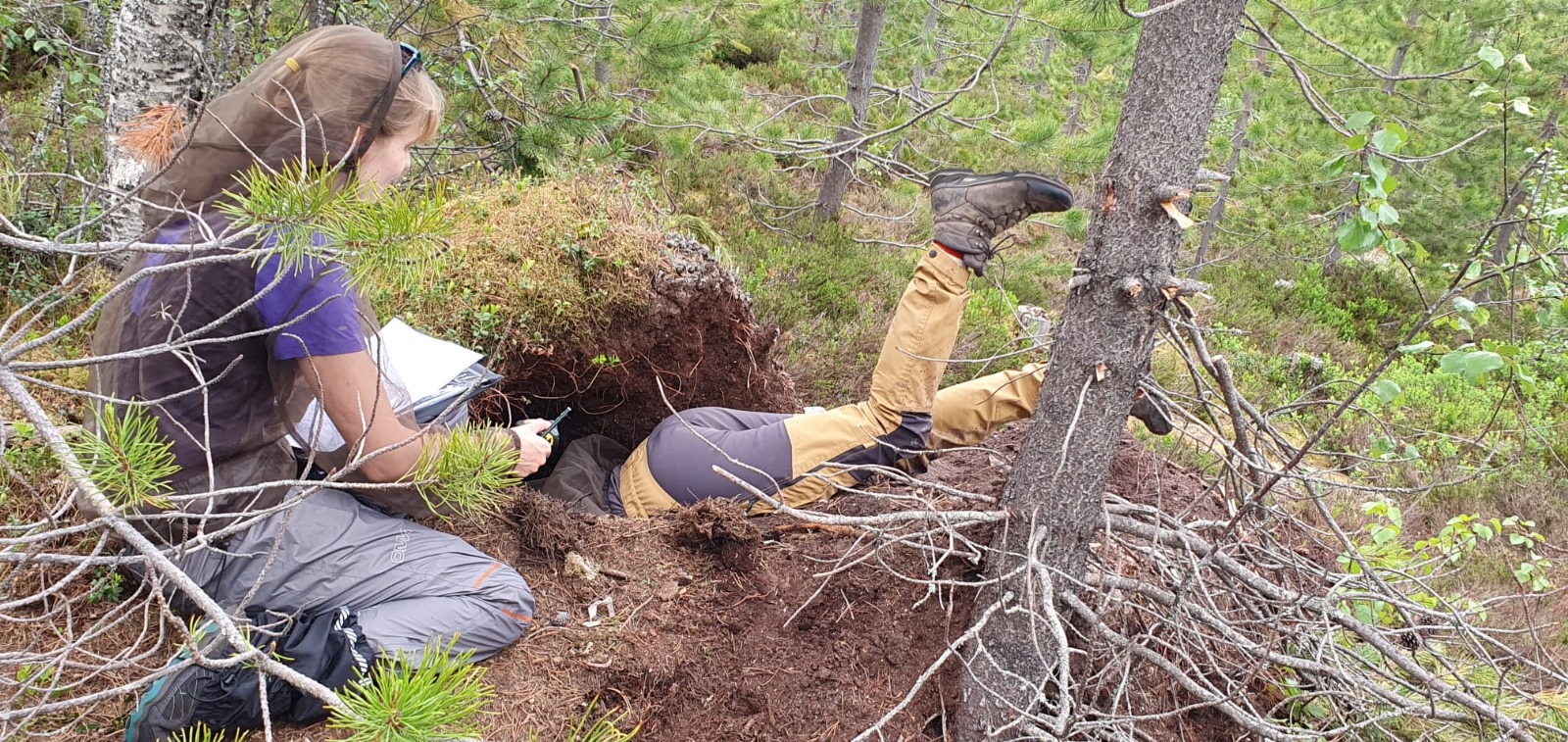
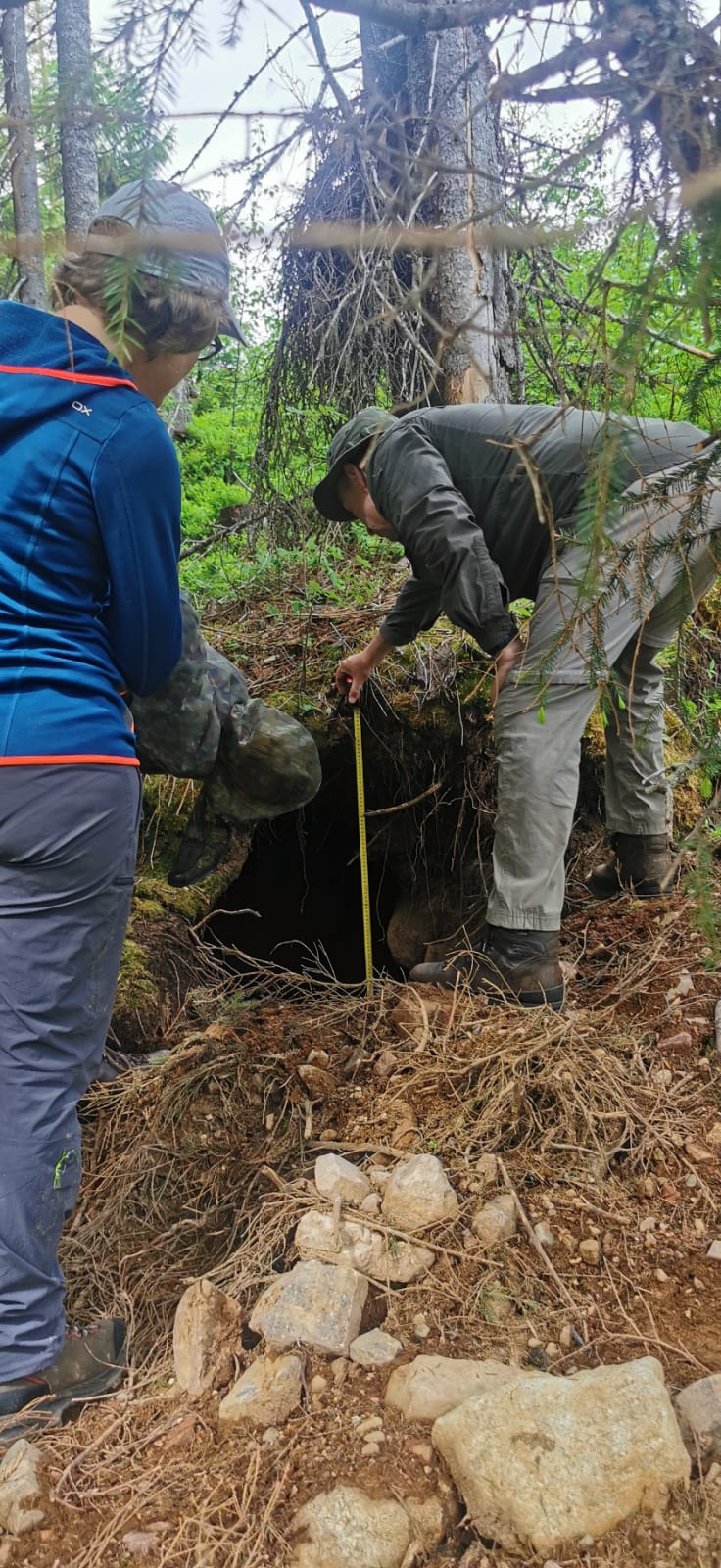
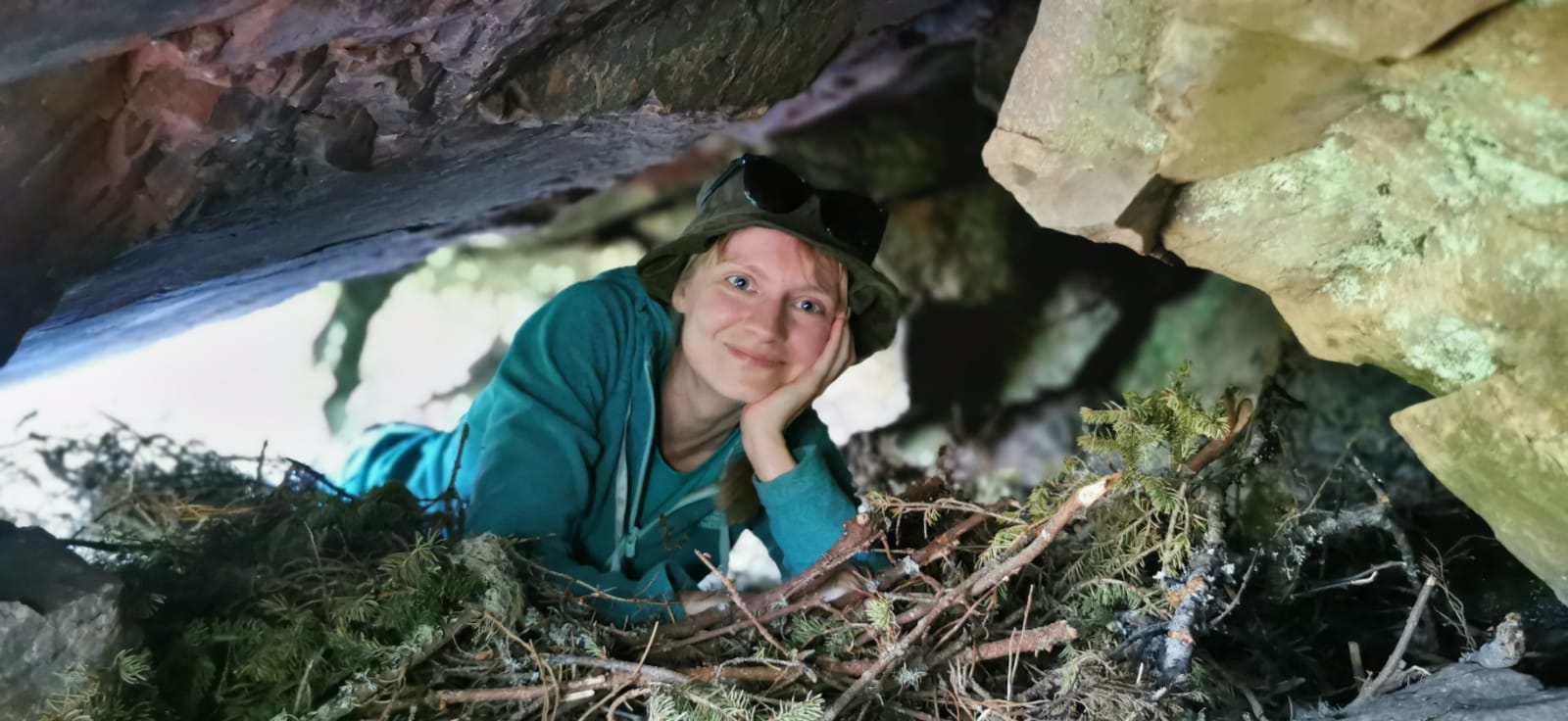
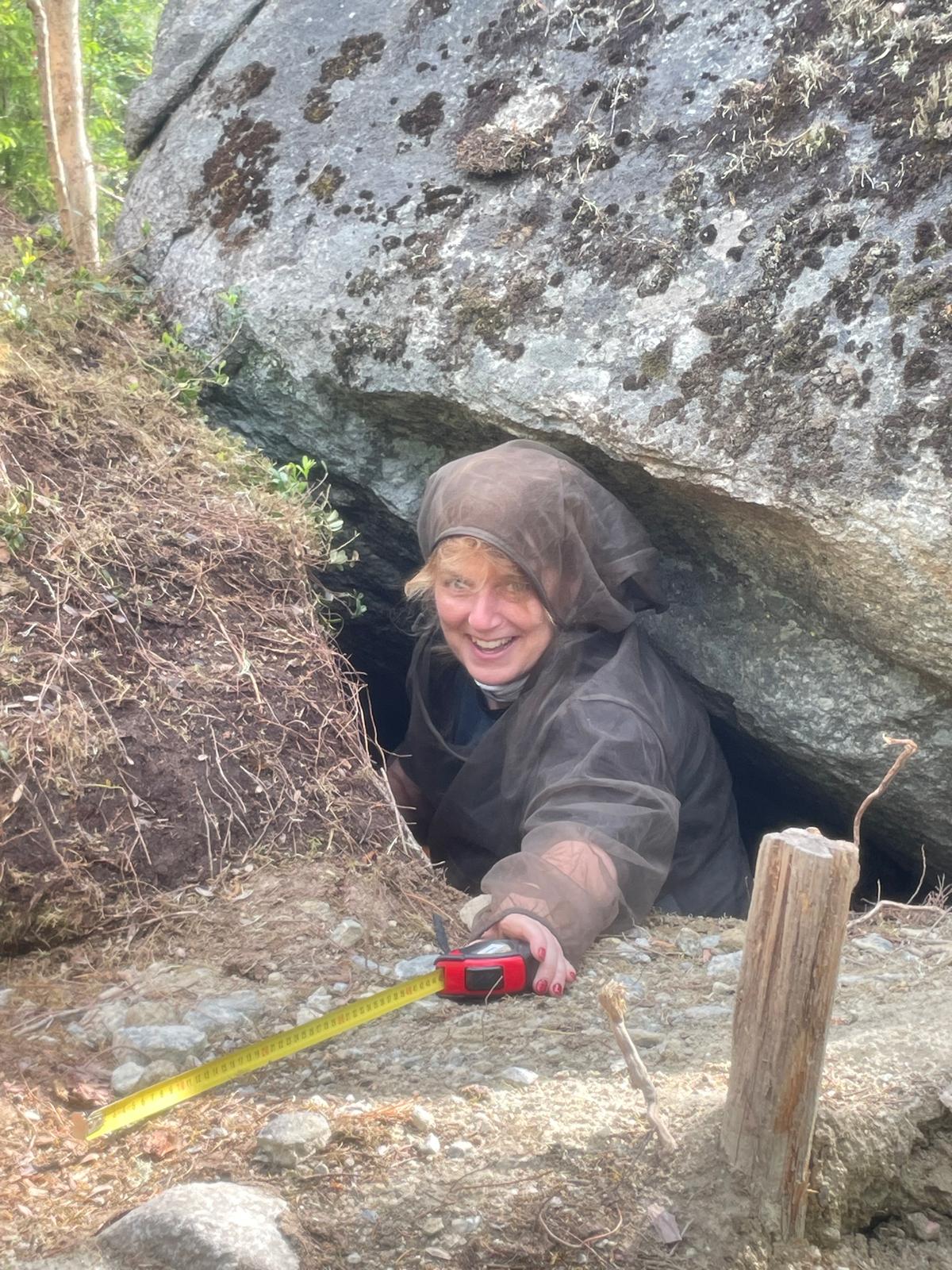
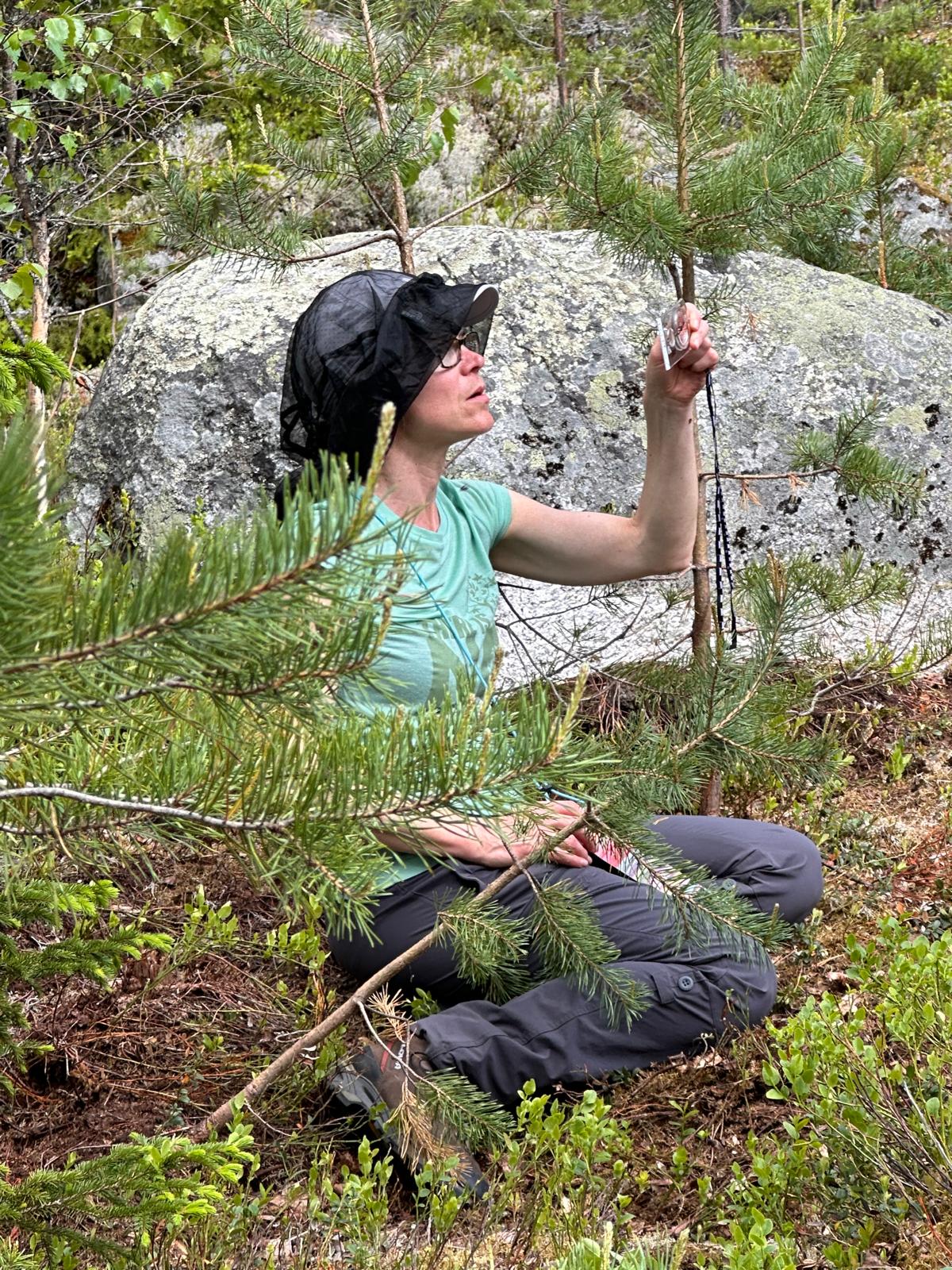
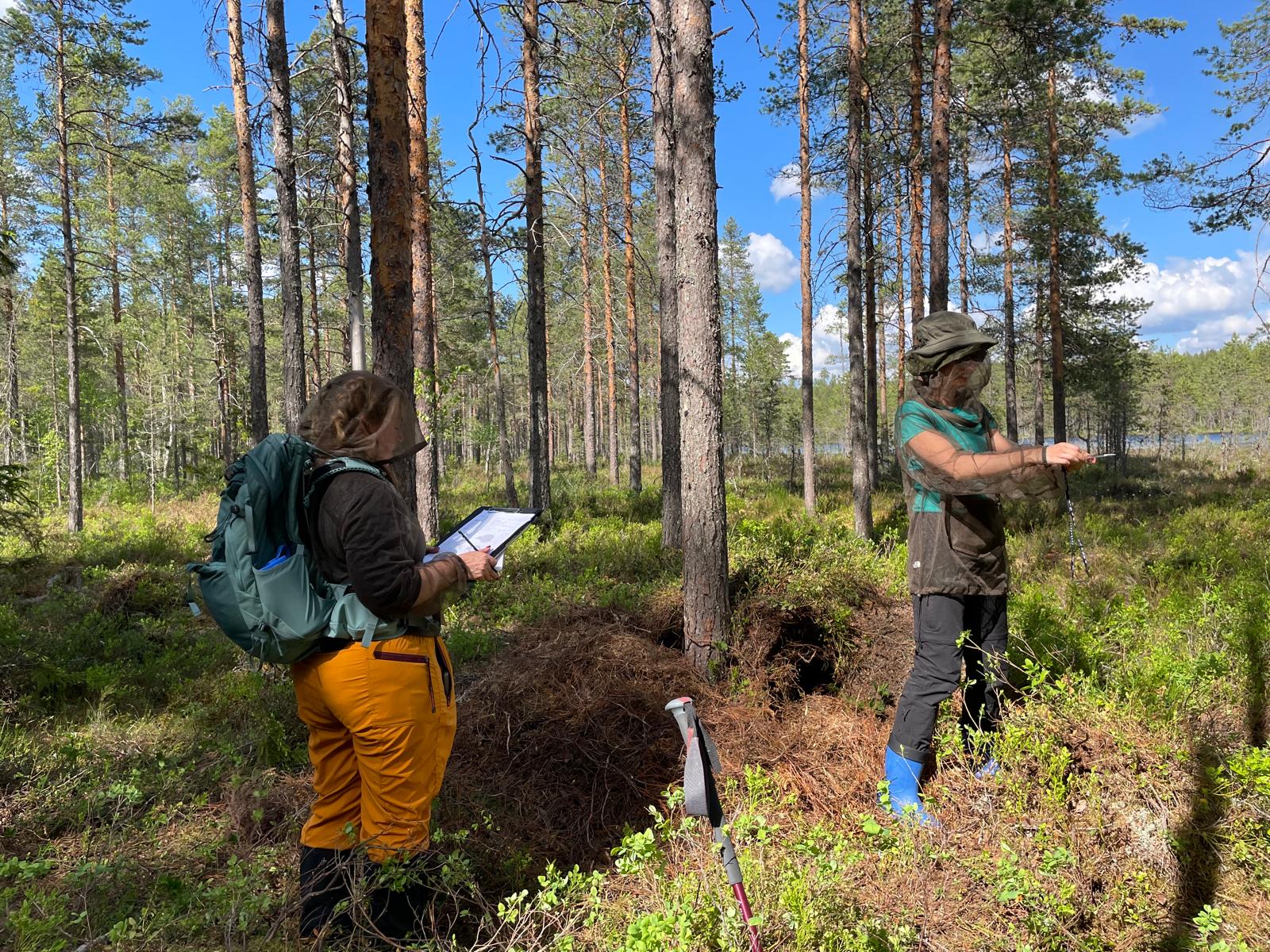
The main focus of the Biosphere Expeditions brown bear research expeditions is locating and surveying winter dens used by bears that have previously been fitted with tracking devices. Once the bears have left in spring, each winter den is then carefully measured by the citizen scientists and a wide range of data are collected relating to the type of den, the surrounding habitat and any evidence of cubs and/or bear scats at the den site.
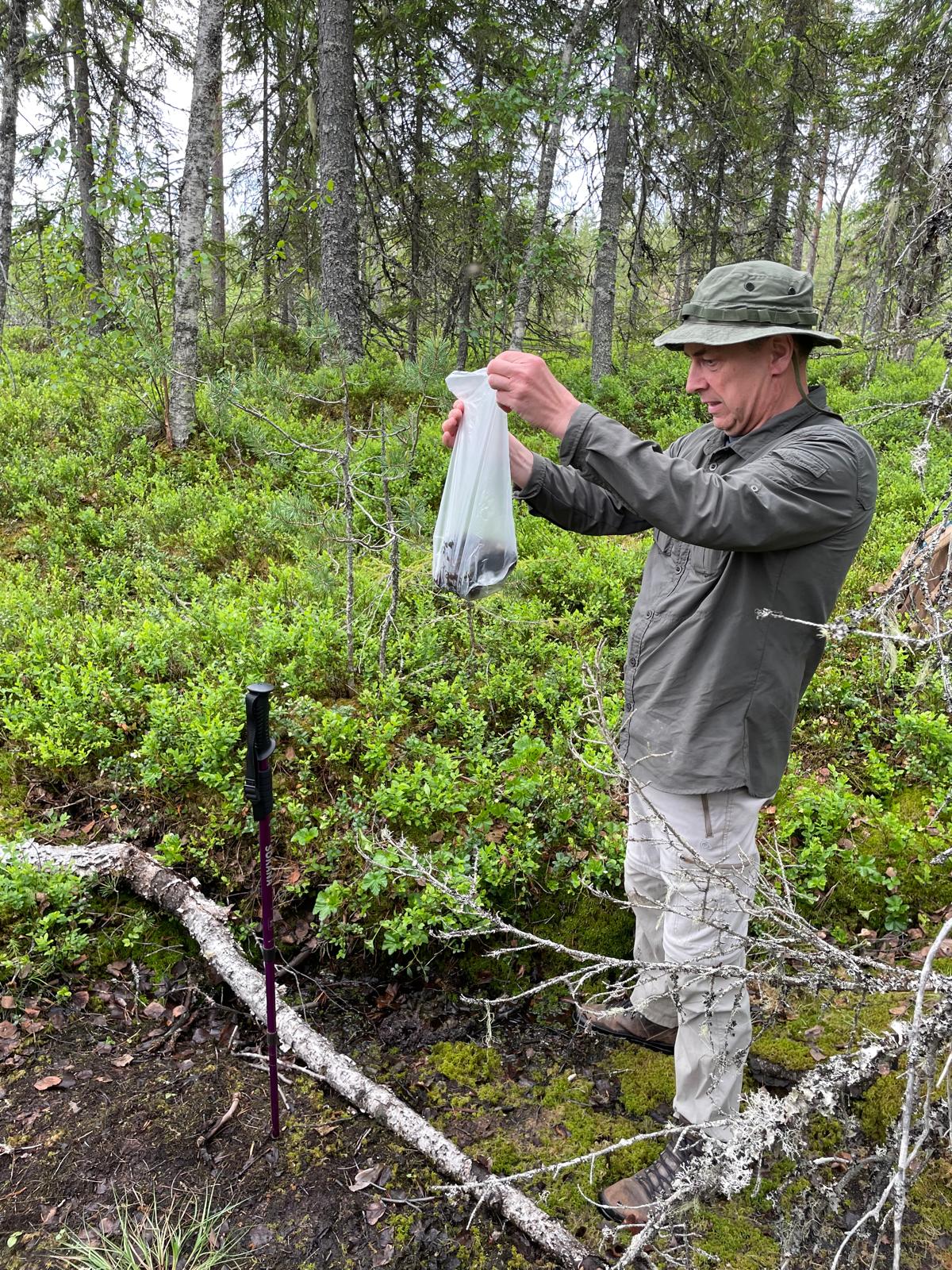
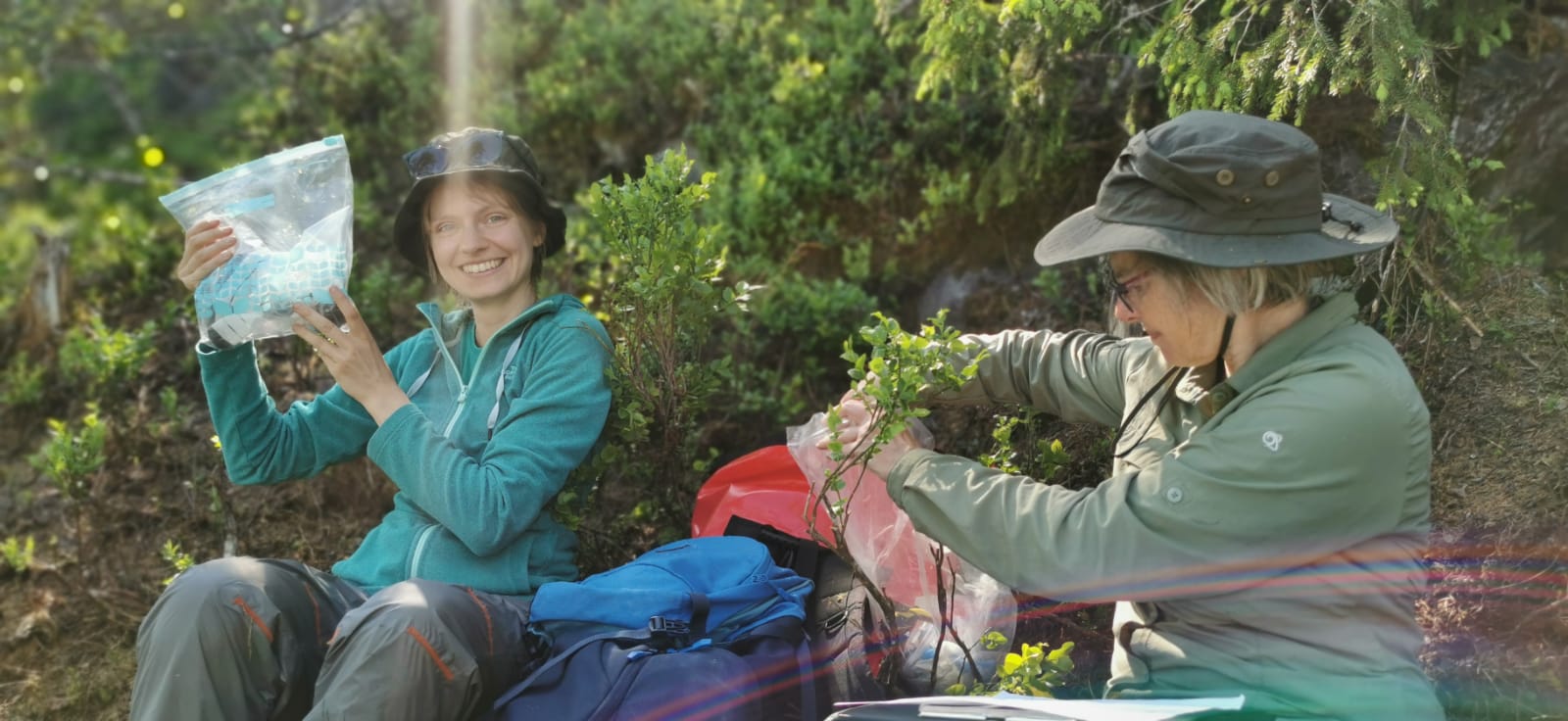
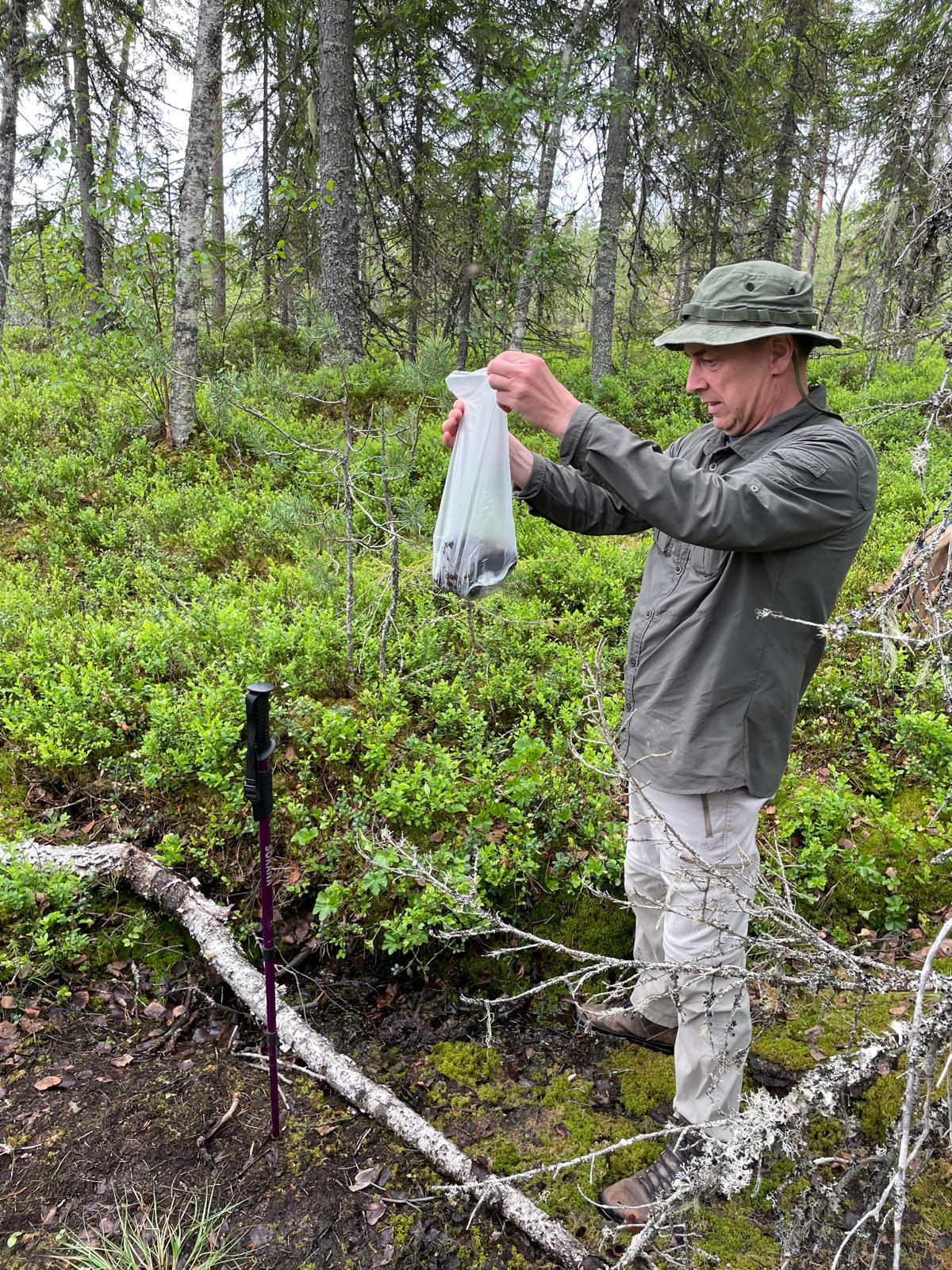
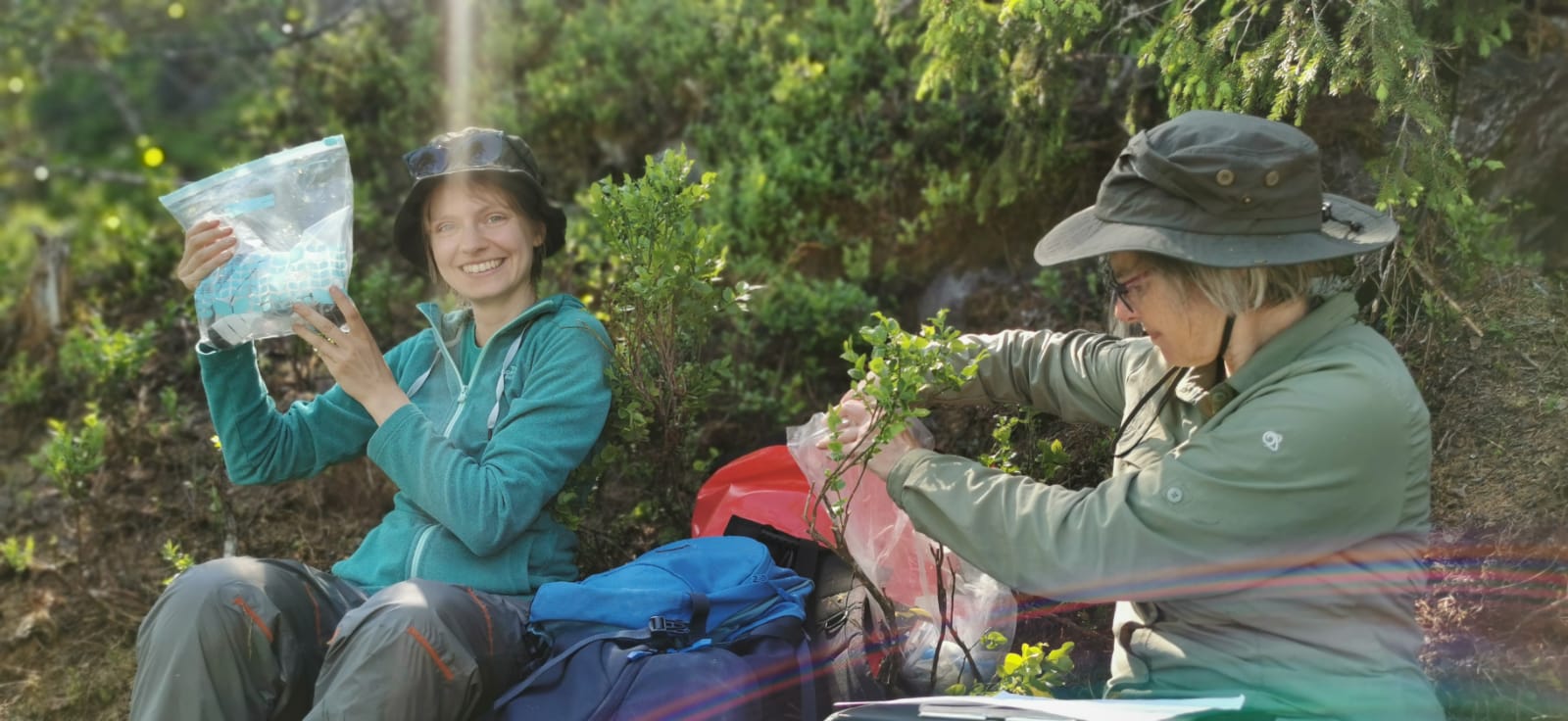
The expedition team also visits sites where bears had recently spent a significant amount of time, indicating a ‘day-bed’, or a potential kill or scavenging site. These sites also provide a high chance of finding bear scats. Samples of these scats are collected and later analysed to reveal bear diet as well as helping to identify the presence of cubs accompanying female bears.
The data gathered by the expeditions is used by the SBBRP as part of their long-term research programme following the lives of specific bears from birth to death, to gain insights into bear diet, weight development, patterns of movement, colonisation of new areas, choice of den, social behaviour, mortality and reproduction. Inter-species interaction with moose and domestic livestock have also been investigated, as well as the sensitivity of bears to human disturbance and human-bear conflict.
The purpose of this all this is to provide managers in Norway and Sweden with solid, fact-based knowledge to meet present and future challenges by managing the population of brown bears, which is both an important hunted species and a source of conflict, and whose management has been changing rapidly in recent years.
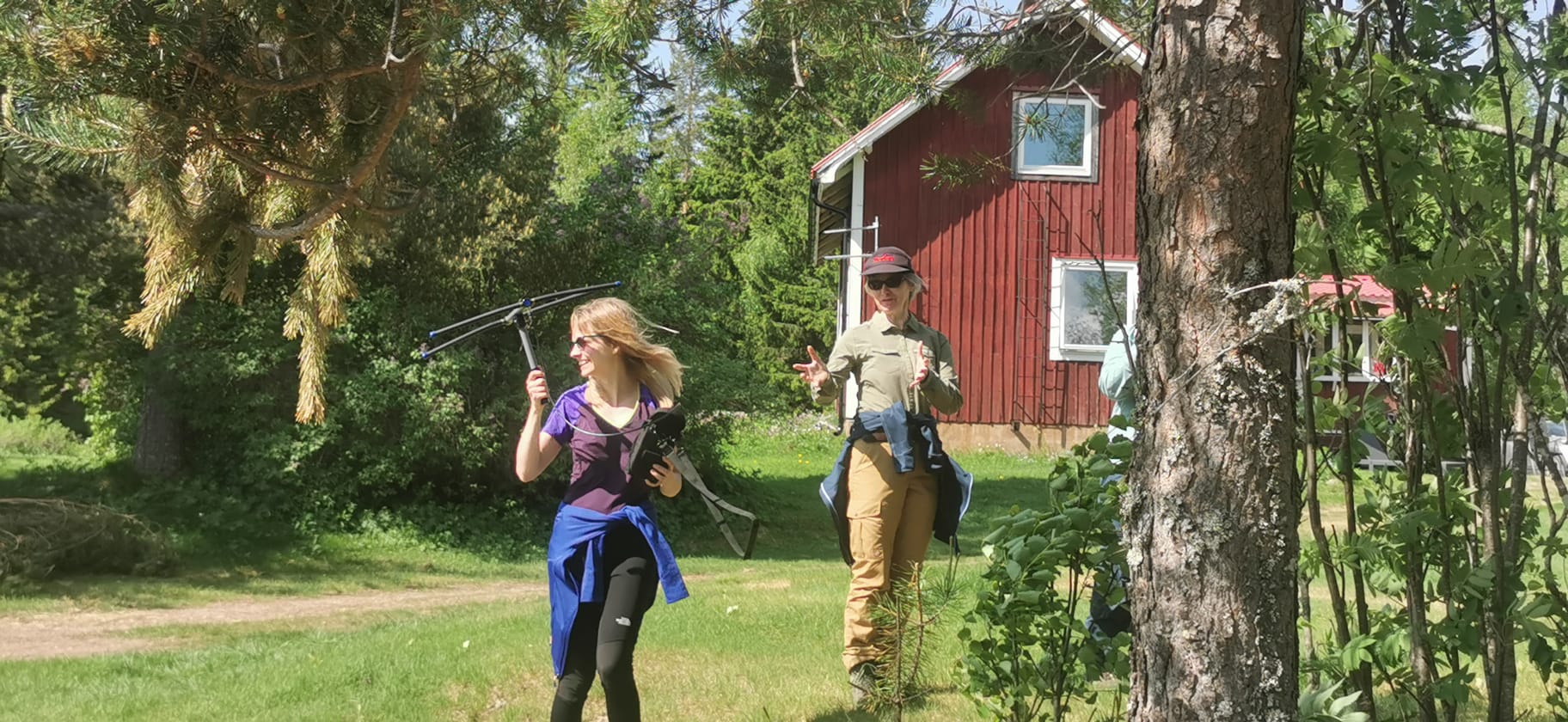
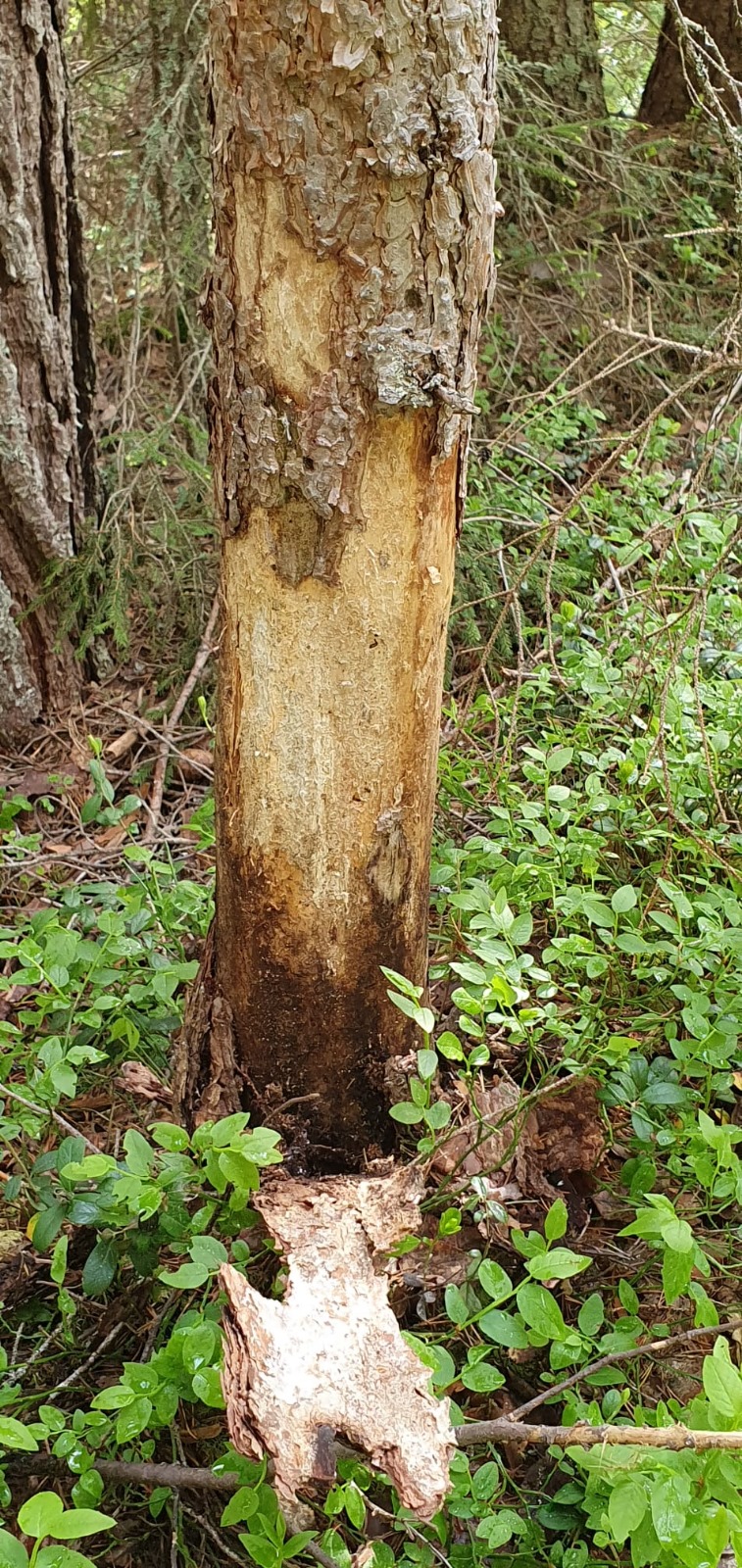
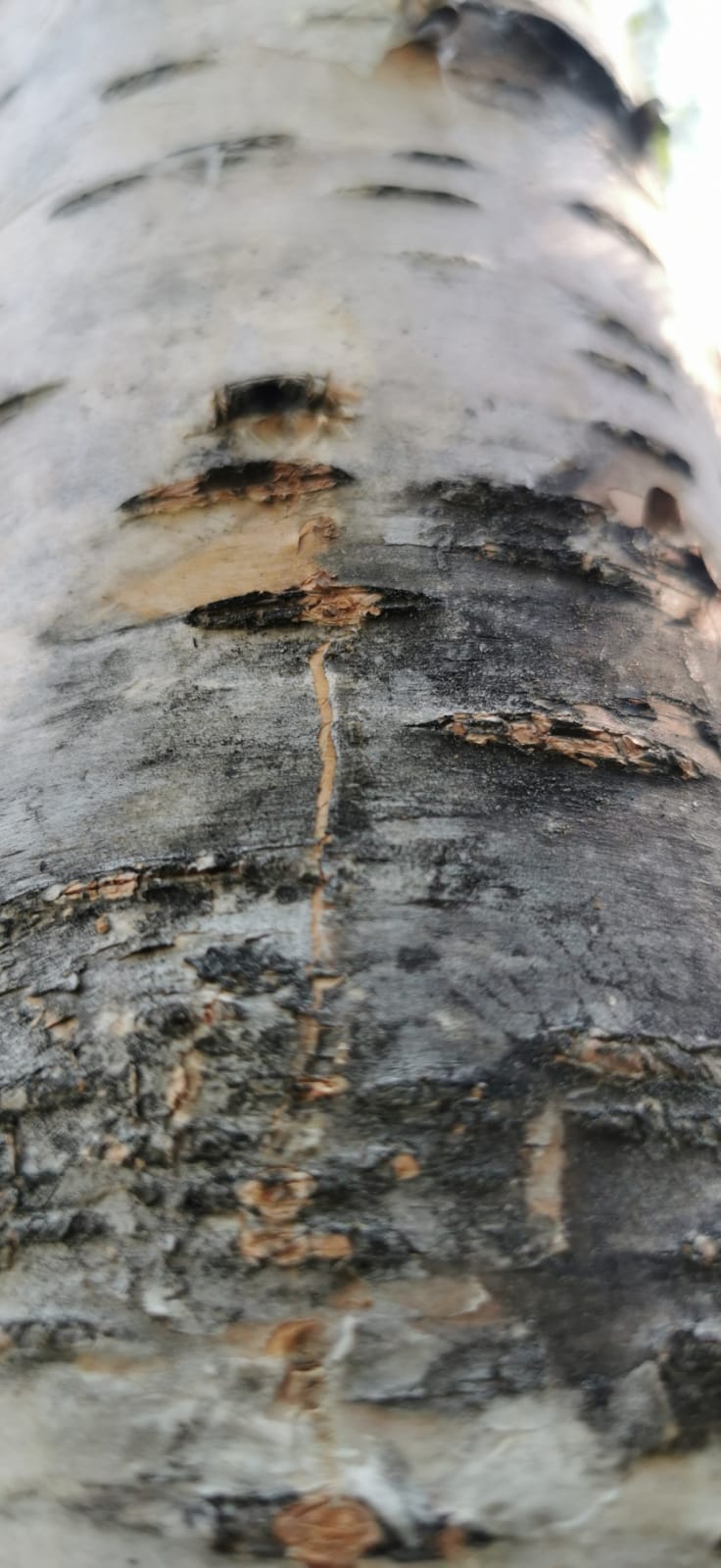
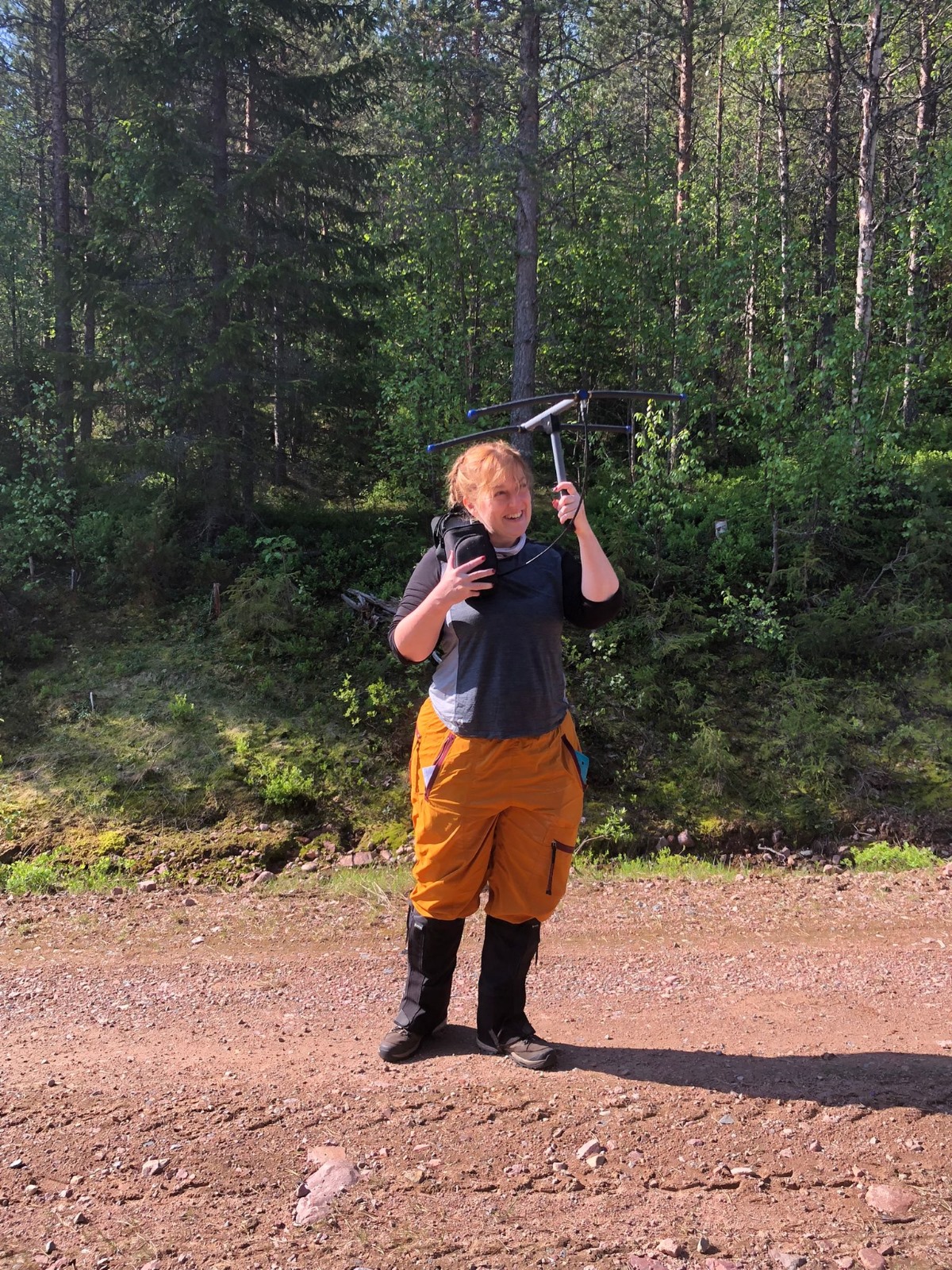
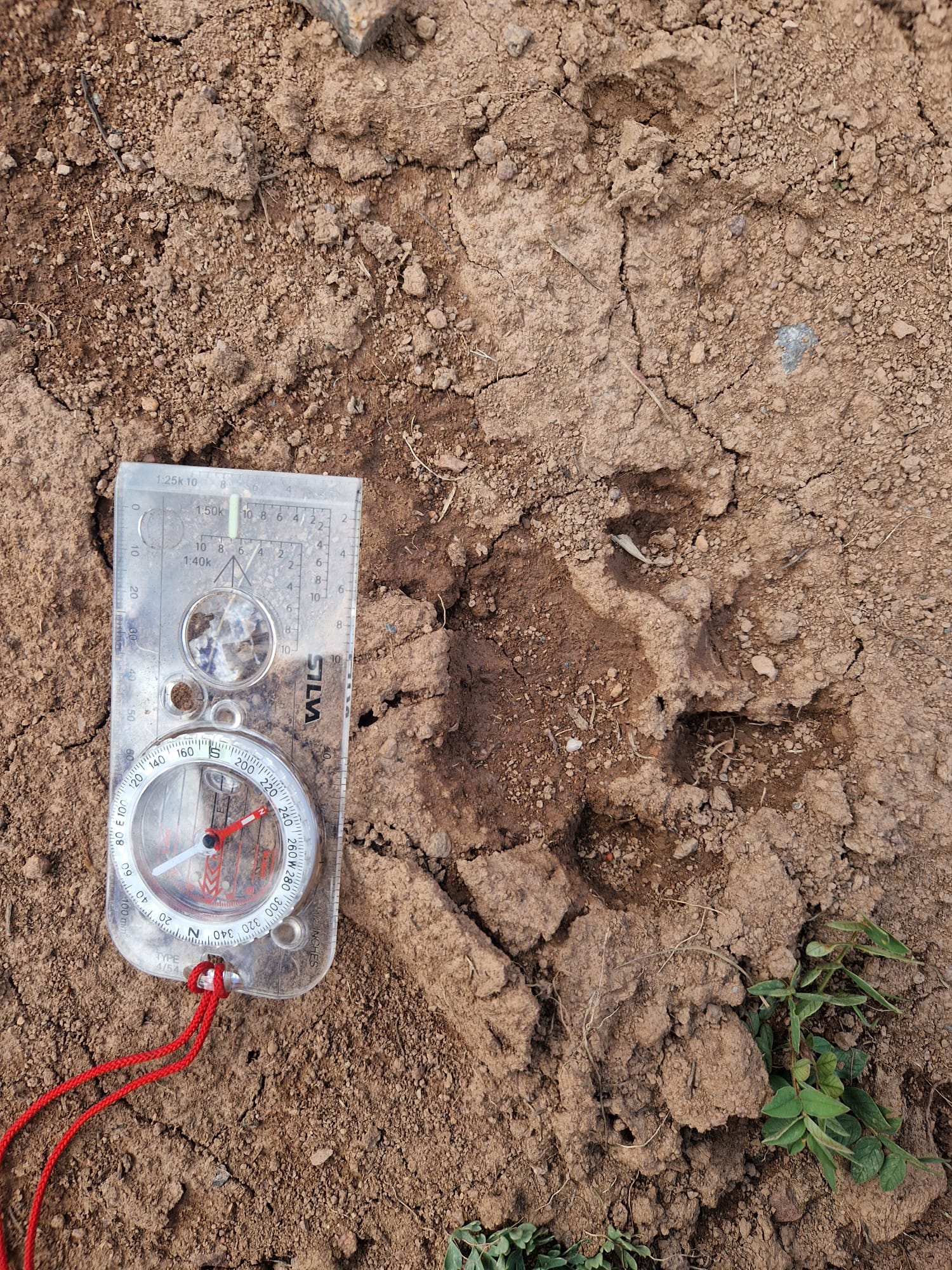
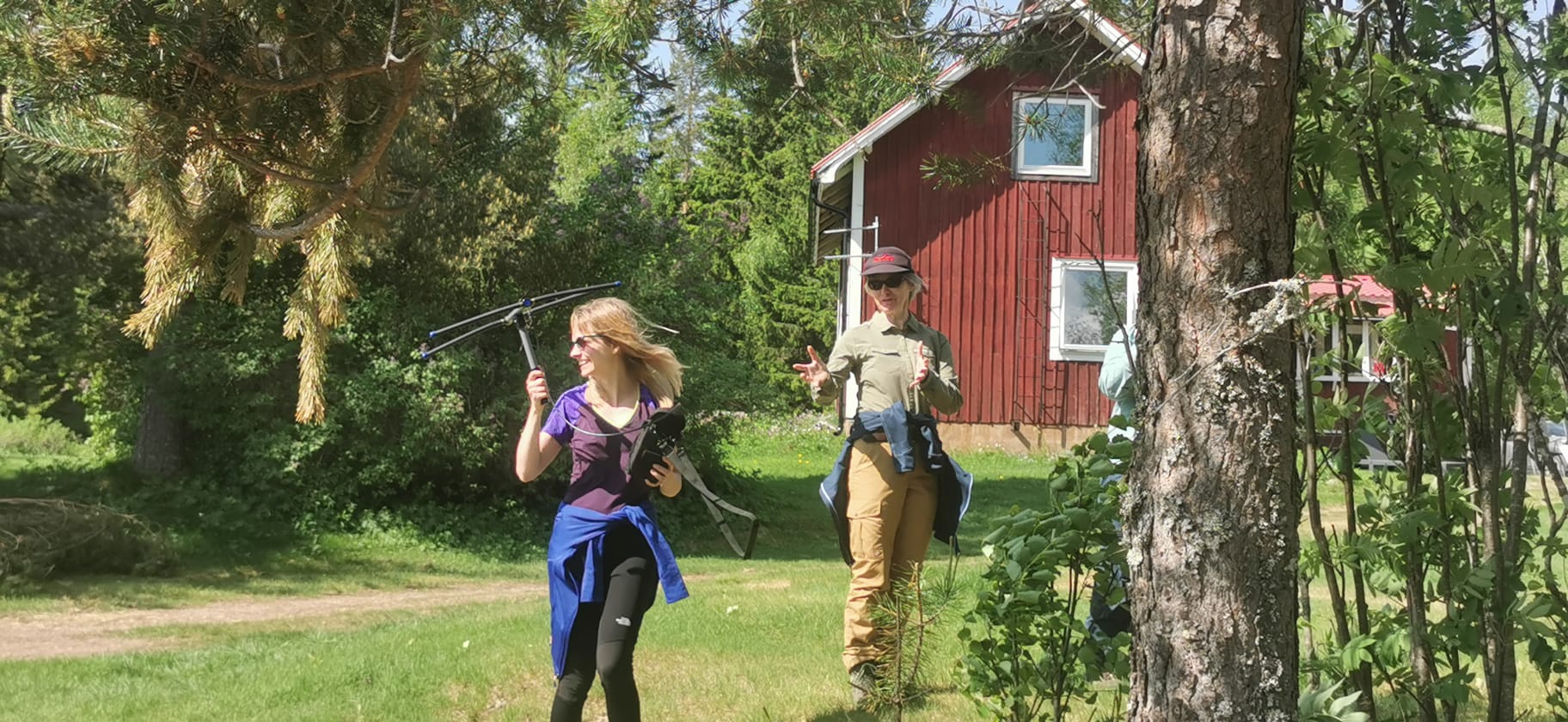
The 2024 expedition ran from 26 May to 4 June 2024, involving two days of practical training followed by seven days of research in the field carried out by nine citizen scientists from Germany, Spain, Poland, the UK and US. The expedition succeeded in locating and visiting 60 sites, including surveying 27 winter dens and collecting 56 samples of bear scats, three of which were ‘first scats of the season’ (especially valuable samples that can reveal a bear’s diet before and during hibernation). Other evidence of bear presence and behaviour recorded by the expedition included bear ‘day beds’, claw scratches on trees, footprints and the remains of prey carcasses, notably moose. The team also used directional radio antennae to reveal the live location of some bears.
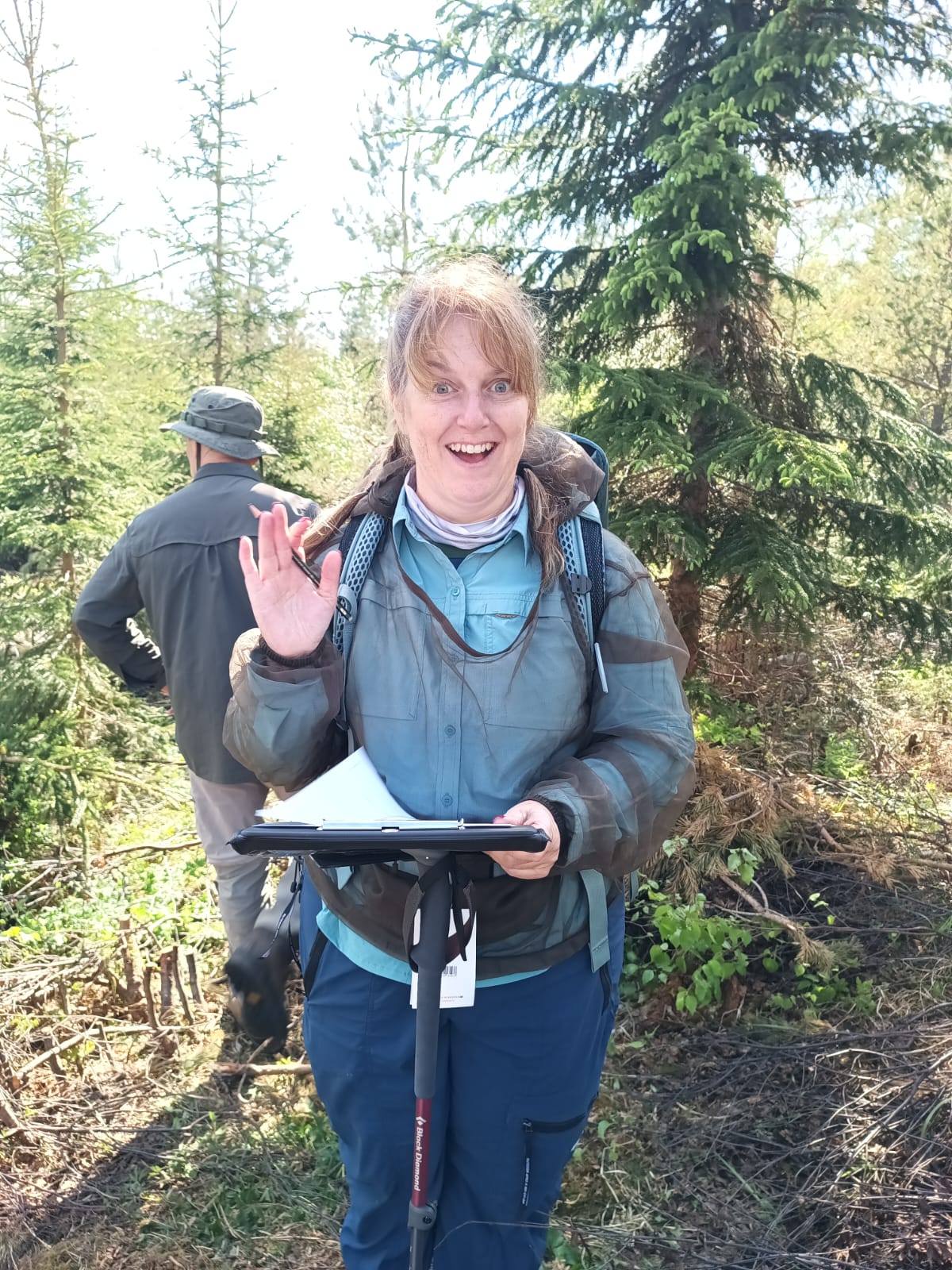
“The team did really well this year, working hard in unusually challenging conditions. They also had to deal with some tough hiking in rough wild terrain to find the dens. They all deserve a good rest following the expedition”, says expedition leader Roland Arniston with a wry smile.
Expedition scientist Dr Andrea Friebe was very pleased with the data collected. “I really appreciate the effort that the citizen scientists put into collect the data. I wouldn’t be able to obtain this long-term dataset on brown bears without them. Initial results show a changing pattern of the types of winter dens used by bears, including a trend of increasing use of basket dens by female bears, a type of den more usually favoured by large male bears.”
Andrea will carry out further analysis of the data collected on the expedition, to reveal more detailed results about bear dens, diet and demographics. An expedition report with all analyses and details will be published in due course
Biosphere Expeditions will to return to Sweden in 2025 to continue this valuable contribution to brown bear research and conservation in Scandinavia.
Citizen scientist testimonials:
“The setting of base was beautiful, basic and comfortable. Andrea was amazing to work with. Loved the presentations. The food was EXCELLENT.” Zoe G., UK.
“I enjoyed a really great experience, beautiful landscape, meeting very kind and interesting people. I am very happy that I got the chance to come here.” Almut D., Germany.
“The food that Lousie cooked was VERY good. Andrea’s enthusiasm and expertise are an inspiration. I thought she was amazing and will follow her research. I loved the technical work and strengthening my technical skills.” Kari V., USA.
“The local researcher is very excited about her work and her enthusiasm is contagious. The research felt worthwhile and finding bear dens was very satisfying. I enjoyed the full days.” Maya G., Poland.
“I appreciated the opportunity to work closely with the project scientist and gain more knowledge of bear ecology and how they interact with the human population” Thomas K., USA.
Not long now until we return to the mountains where the ghost lives. I am Johnny Adams, your expedition leader this year for our seventh year of chasing the ghost. We have finished in one area of Kyrgyzstan and are now moving onto the next, Archaly valley, recceed by the some expedition teams in 2023 and now ready for a full on-site rotation this year.
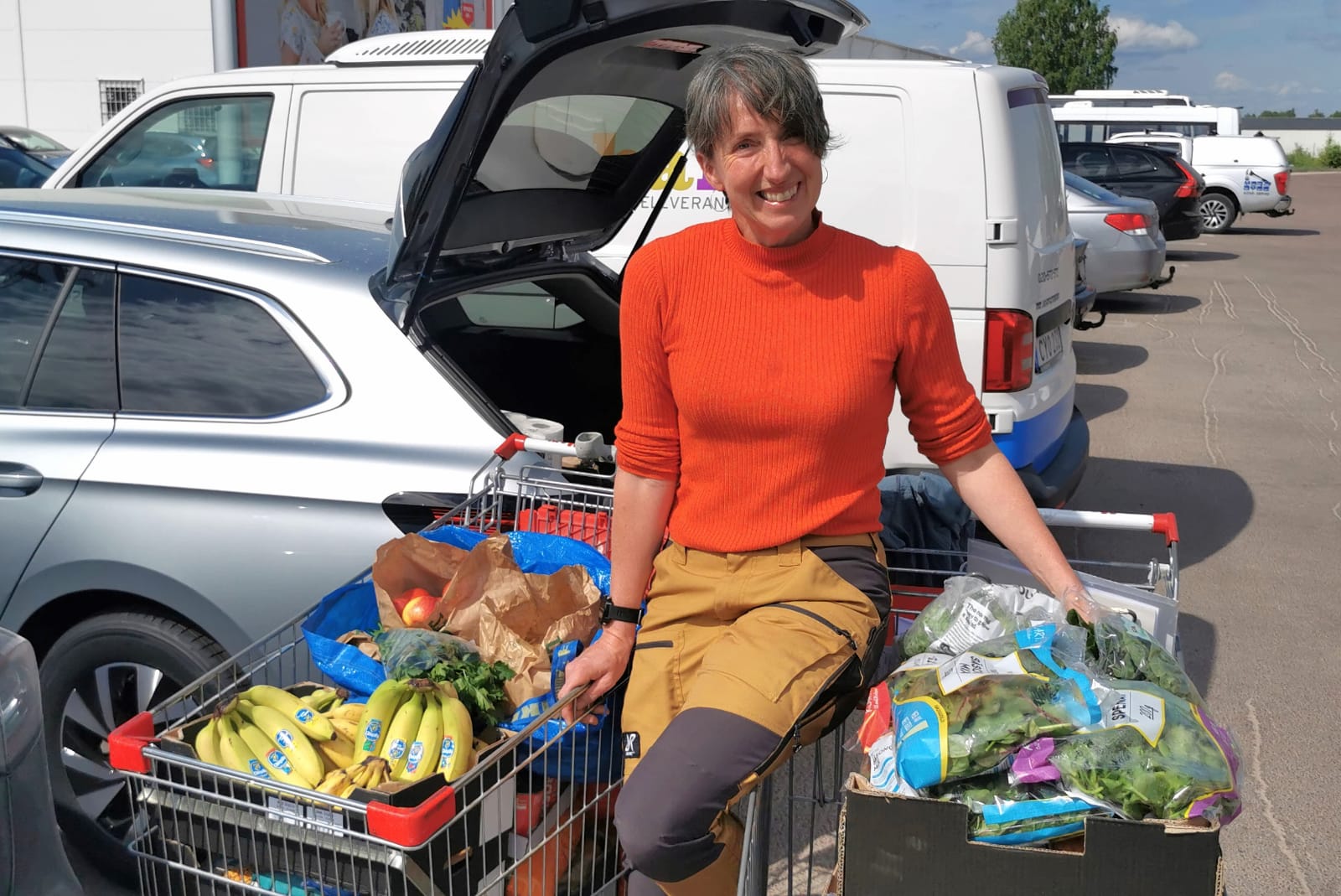
We’ll be a week ahead of you to shop, set up and do the thousands of other things and little details that need to be done so that you can just get here and do your thing: citizen science. Please do your part too: Pack properly (see the dossier), get to Bishkek on time for your group, read up on the methodology and get familiar with the datasheets and the area. All this you can do via the pages here and here. Also make sure that you bring a copy (printed or on a tablet, best printed as electricity is hard to come by in the middle of nowhere) of the field guide with you to Bishkek. This will be your personal copy to take with you on your job every day. This, combined with the methodology, the datasheets and the map, will your tools to help us document the ghost.
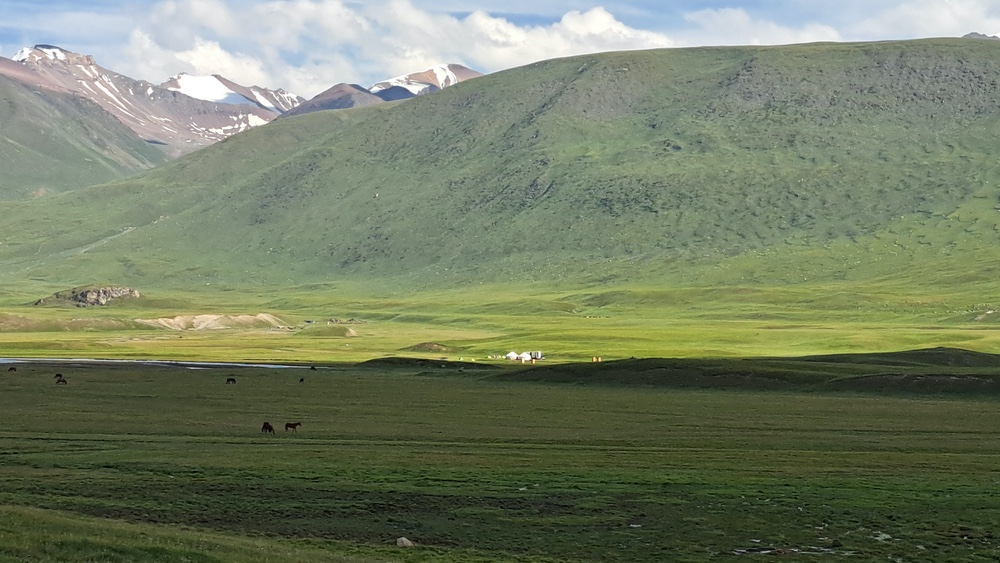
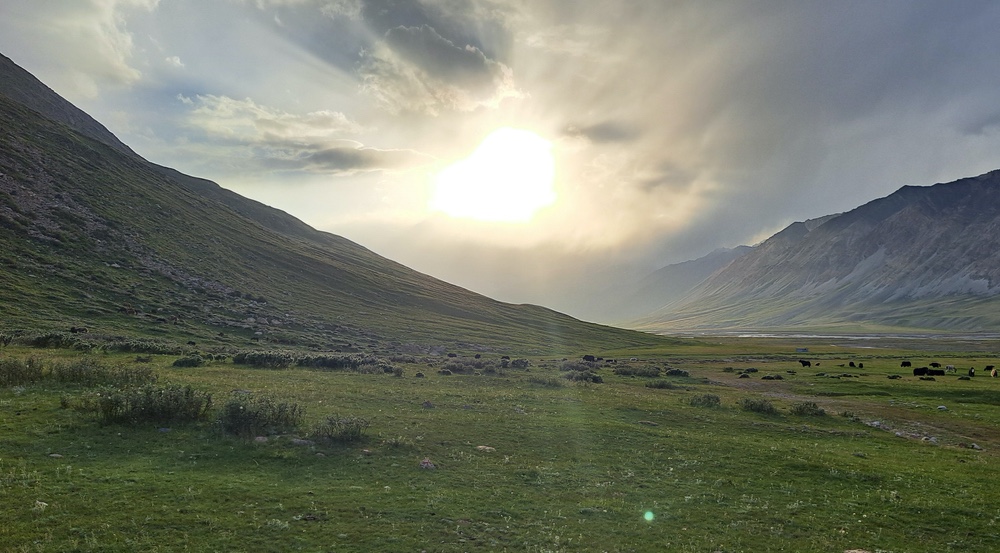
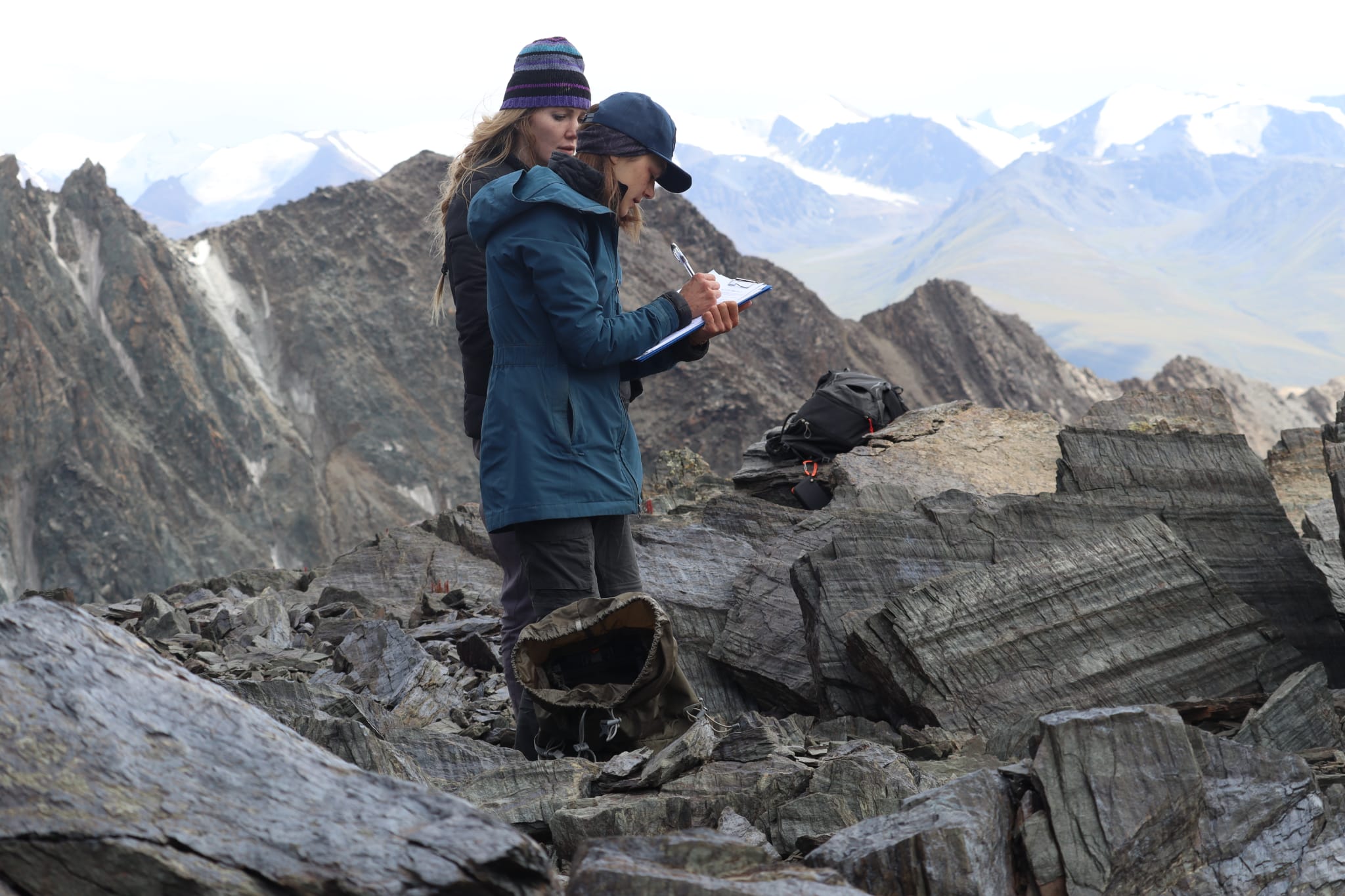
I hope by now you have realised that you are not joining some cushy snow leopard safari with cocktails at your tent in the evening, but a serious undertaking. Below are some pictures of what awaits you.
Enough said. I’ll be back in touch from Bishkek in a few days with updates on the weather, preparation progress and other messages of disaster and chaos 😉
The 2024 Biosphere Sweden Brown Bear Expedition is all but over now. Today we visited our last dens and collected our last scats. We have located and surveyed 27 dens, recorded 18 day beds and collected 56 scat samples. Of these, 7 were ‘first scat of the season’, a prize much valued by Andrea, as these scats reveal a lot about what the bear has eaten since the previous autumn. We have discovered remains of moose that bears have been eating, scratch marks on trees where bears have been sharpening their claws or climbing trees, clumps of bear hair and moose hair and other signs of bears in the landscape.
All of these research results make a valuable contribution to the long-term records of the bear population in Dalarna, and give insights into the health and resilience of the bears impacted by hunting, forestry management and climate change.
It is a great achievement for a team who only a week ago were starting pretty intense training, including how to carry out the research methodology, how to use some technical kit and how not to get lost in the woods.
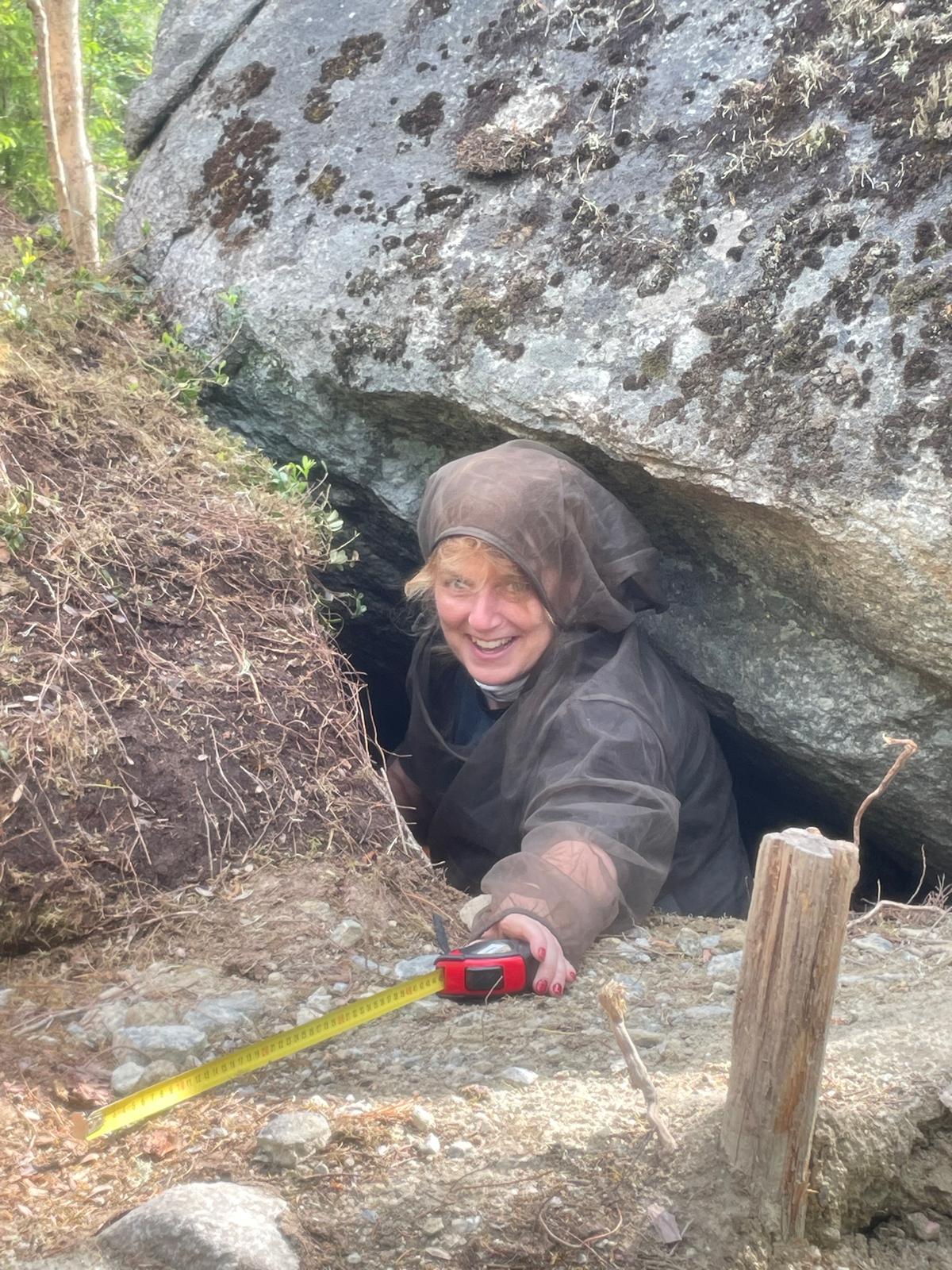
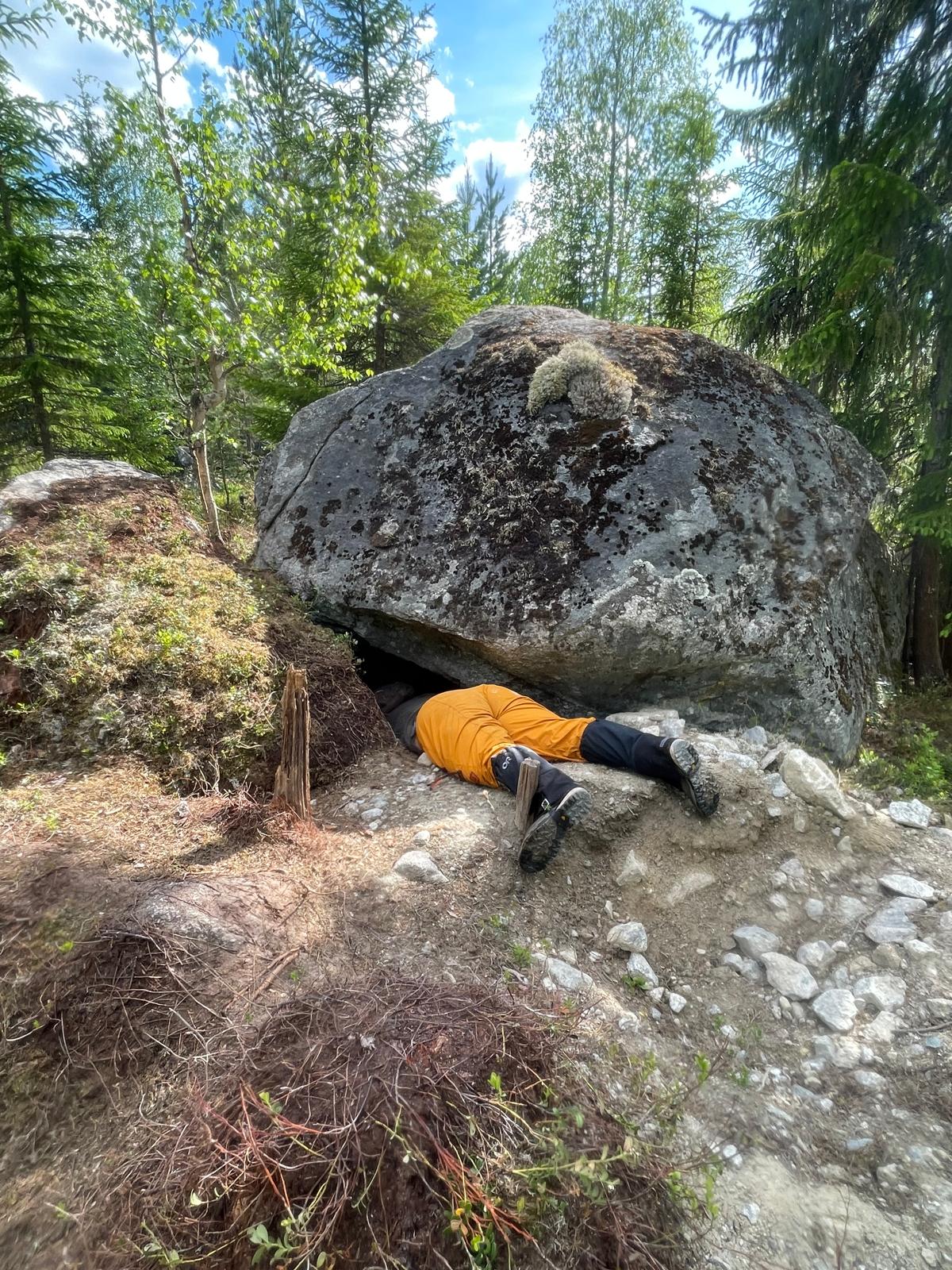
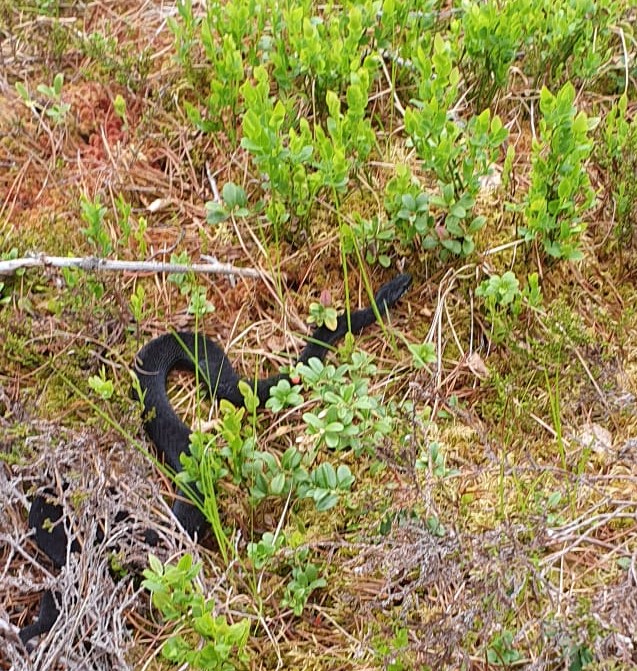
High points of the expedition included a live sighting of a bear. Many of us saw moose too. One team was excited to find a large black adder slithering through the undergrowth. We have enjoyed discovering, measuring and climbing into a great variety of bear dens. As I write this, some of the team are off swimming in a local lake, which is a fine reward for a hot day’s work in the field.
And now it is time to pack up the kit, enjoy a final dinner together and reflect on our achievements.
The expedition is settling into a good working routine now. Each day, three teams set out on missions to find bear dens and locations where a bear has been lingering recently and record what they find. Sometimes they also use a radio antenna to calculate the real-time location of a particular bear hidden in the forest. Everyone has mastered the art of navigating to a dot on a map, well off the beaten track and confidently traversing the terrain to get there. Each discovery of a den, a bear scat or a day bed brings a little dopamine hit of achievement: some of these discoveries are hard won! The detailed research methodology that Andrea needs the team to carry out each time, which seemed so daunting during training, is now almost second nature, and we are bringing in a good flow of data: 11 dens, 23 scat samples and 7 day beds so far.
And just when its all beginning to feel like a routine, one of the teams had a wake-up moment while driving along a forest track at the end of the day. “Bear!” A small brown bear calmly sauntered across the track in front of them, wandered into the forest and settled down behind some fallen branches a short distance way. Driver Tom was equally calm and stopped the car without endangering anyone or freaking out the bear. Good work all round, and a wonderful moment for Tom, Zoe and Silke. The rest of us heard their story at the evening debrief (the encounter was too brief for photos), enjoying the wonder and joy vicariously with of course no hint of envy.
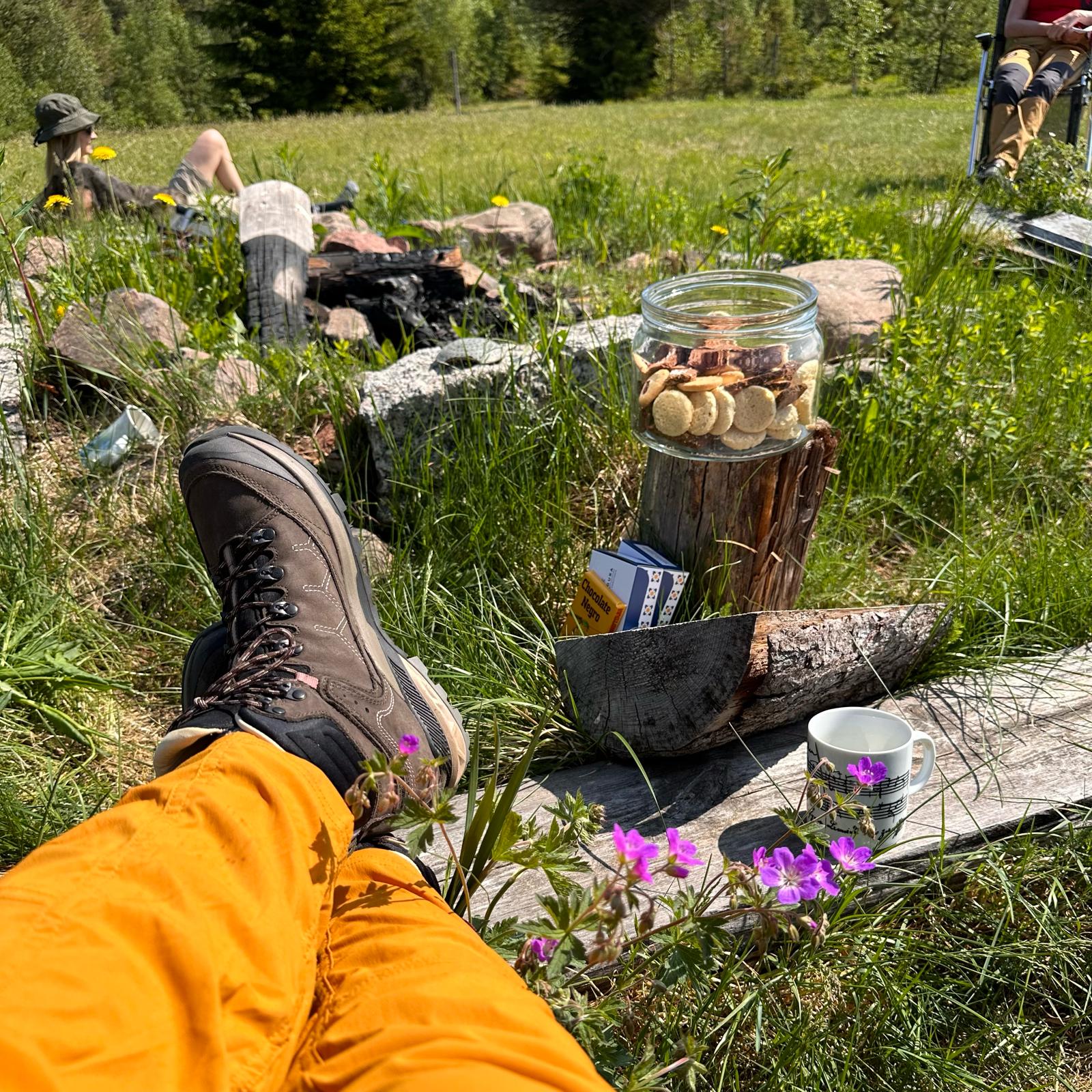
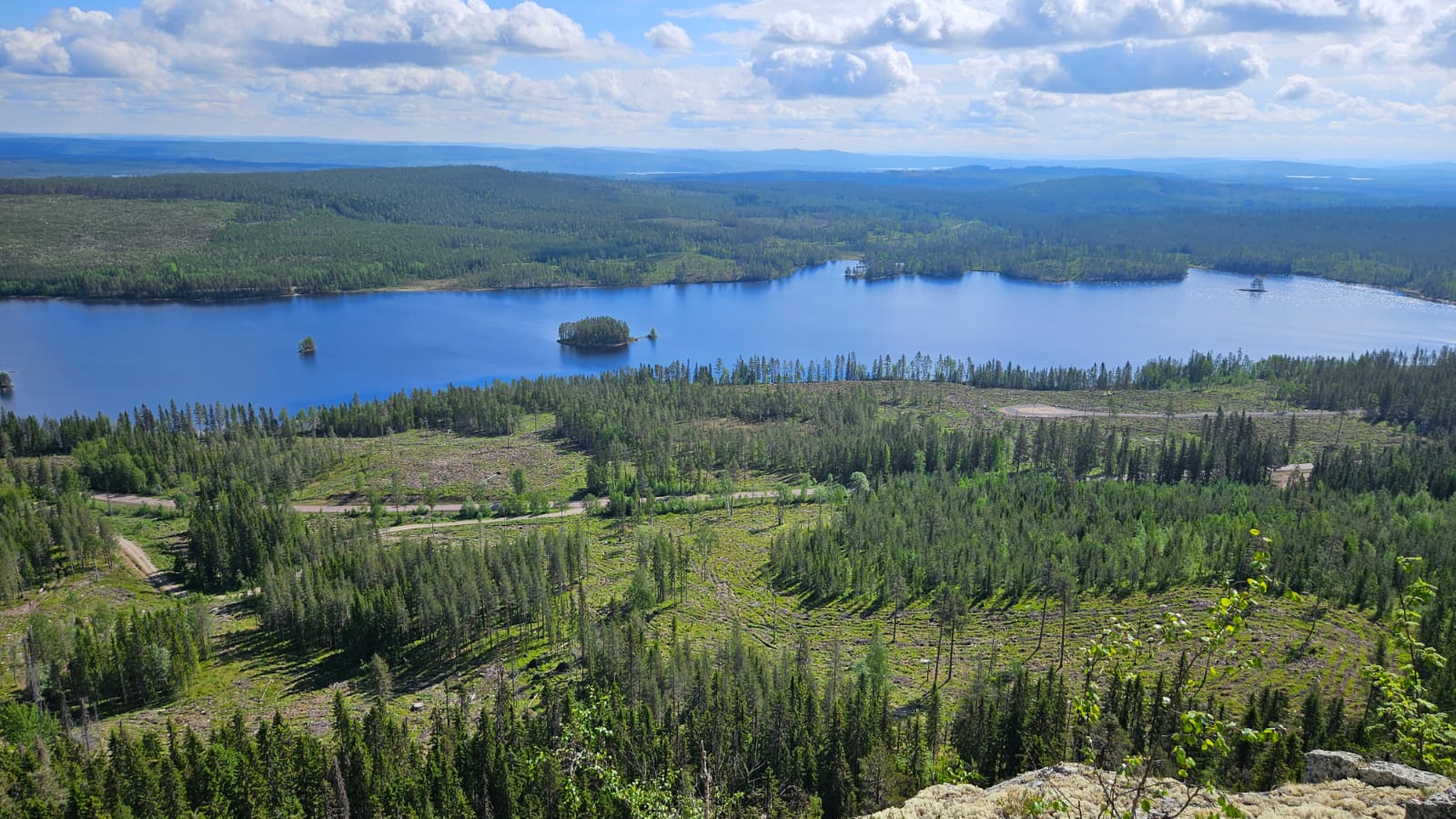
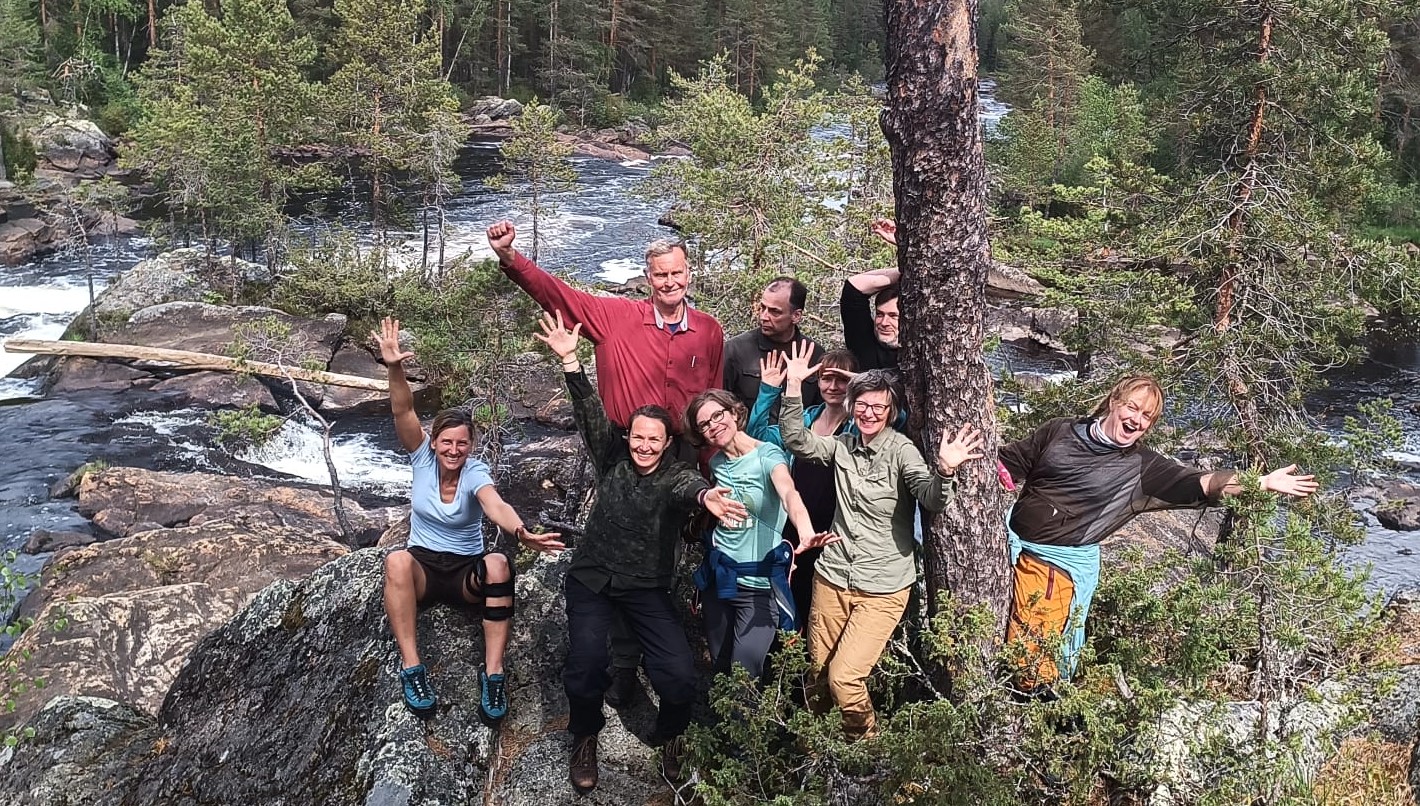
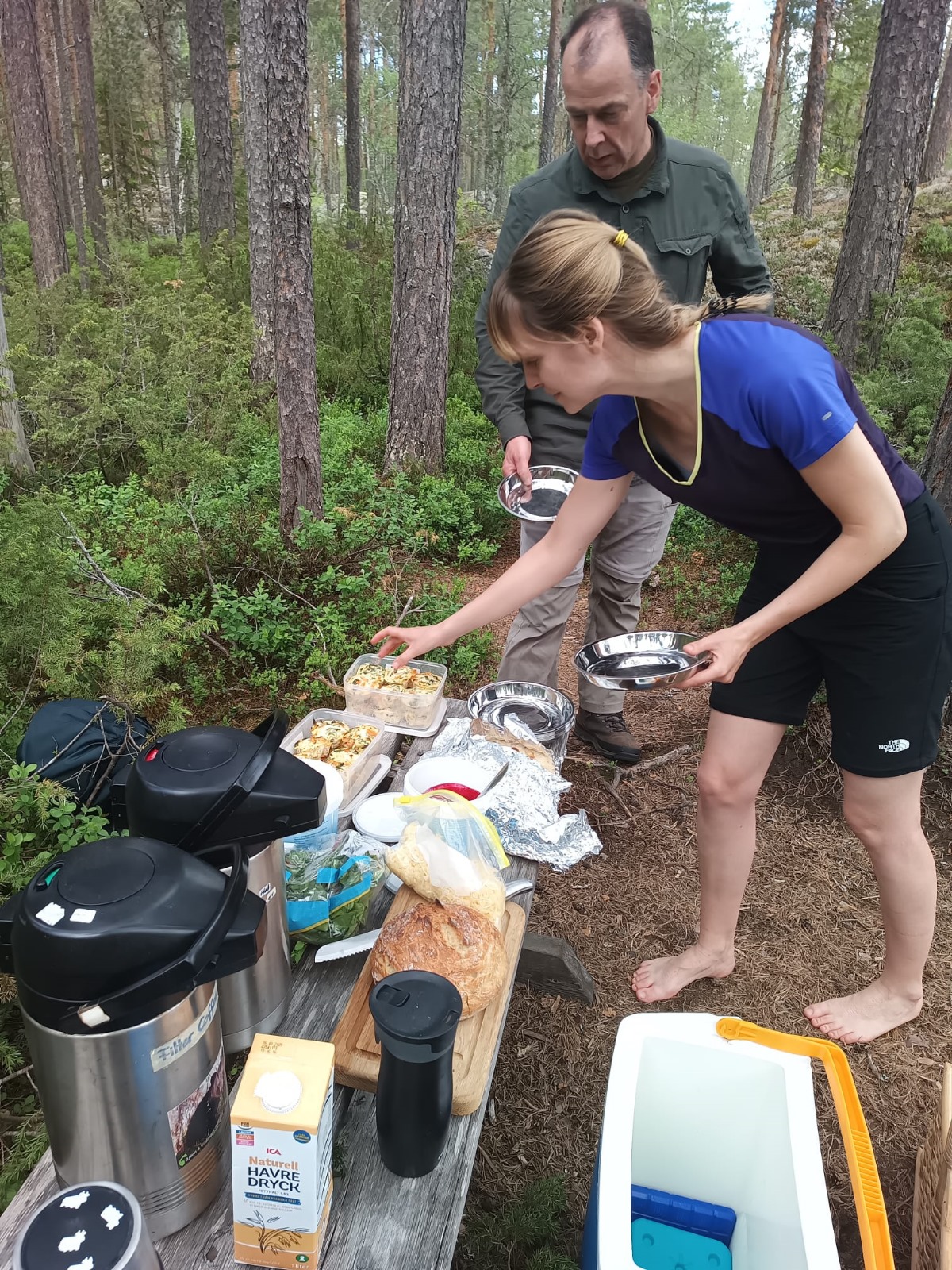
The hard-working team did enjoy a small reward of a picnic yesterday, provided by expedition cook Louise, at a local beauty spot with picturesque rocky woodland and a precarious bridge over a river gorge. Then back to work.
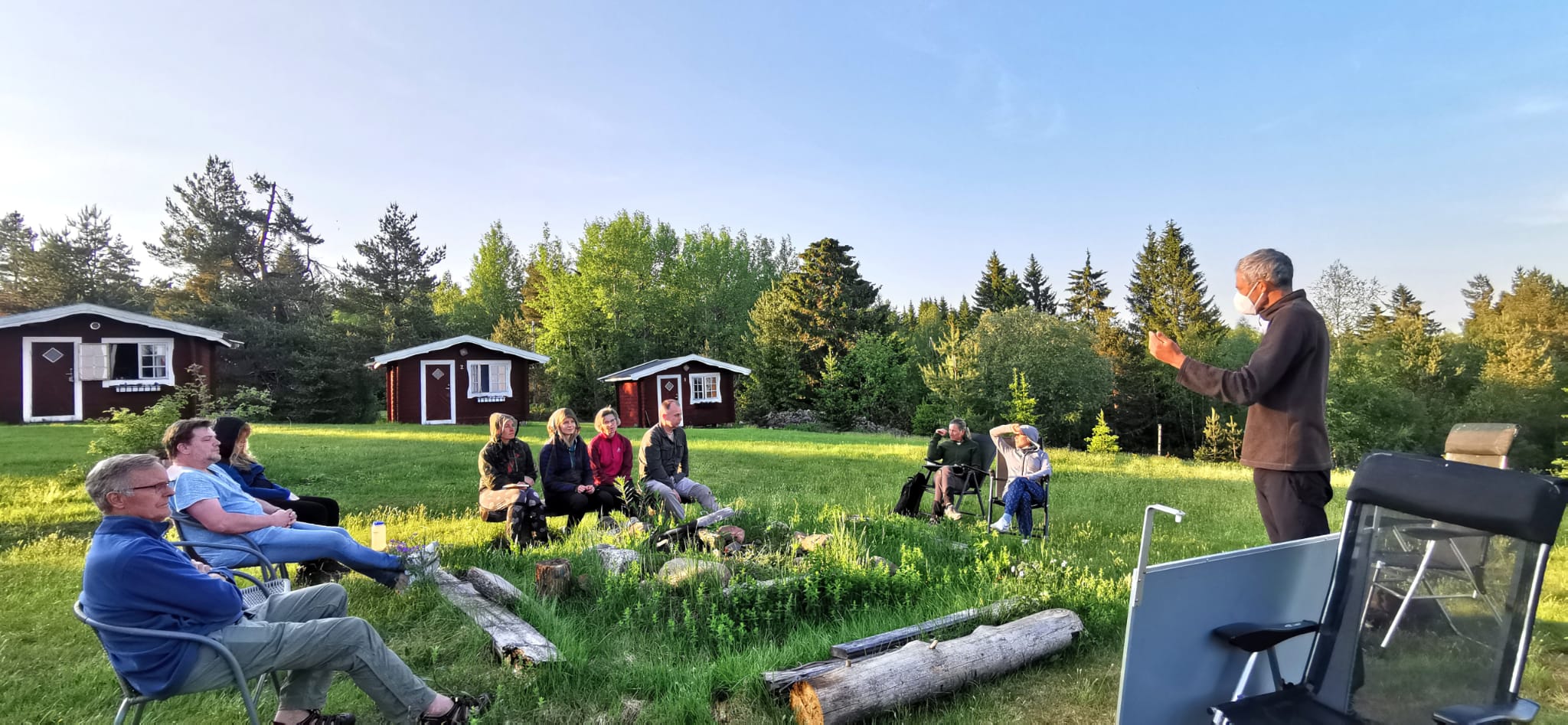
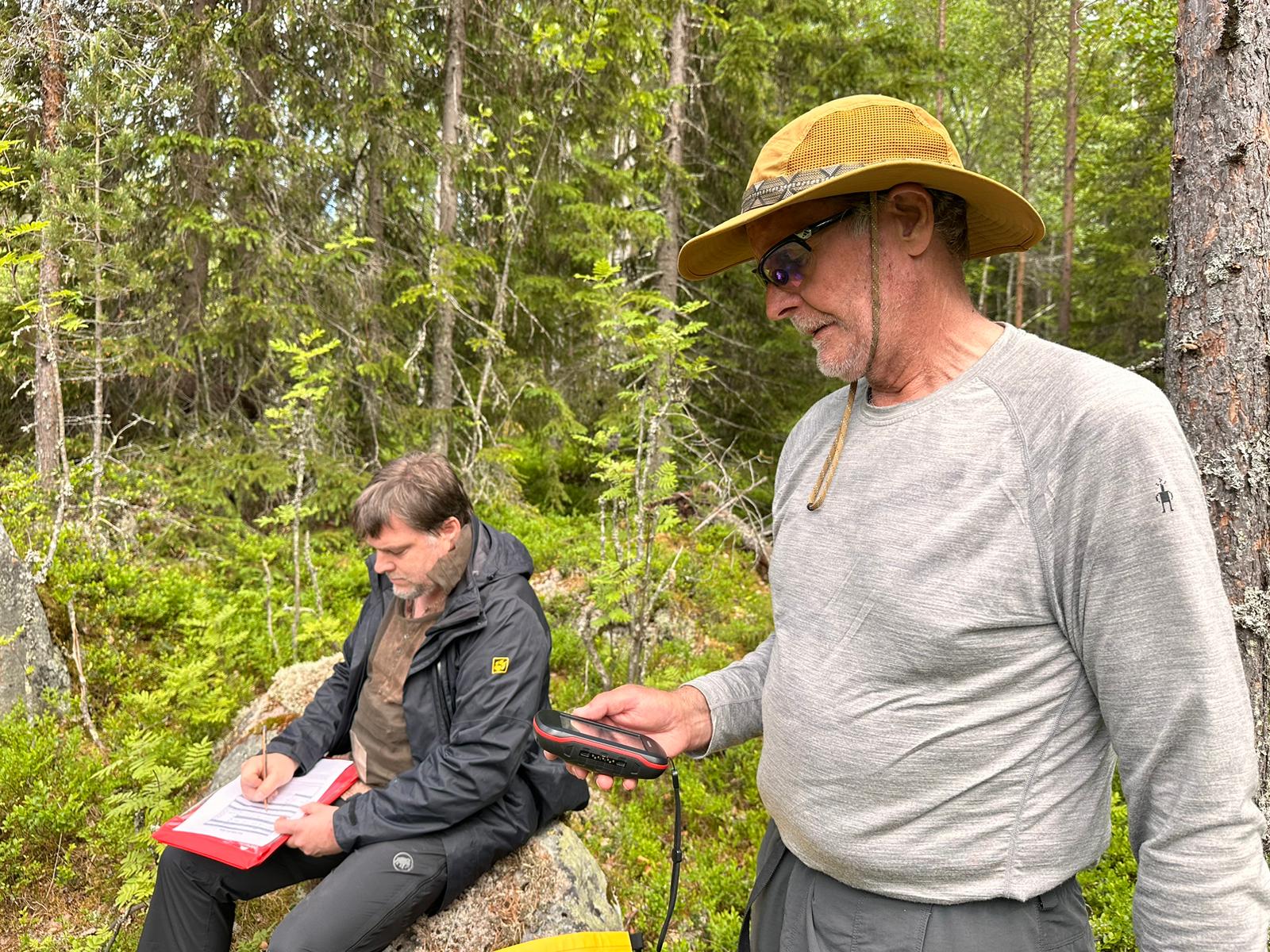
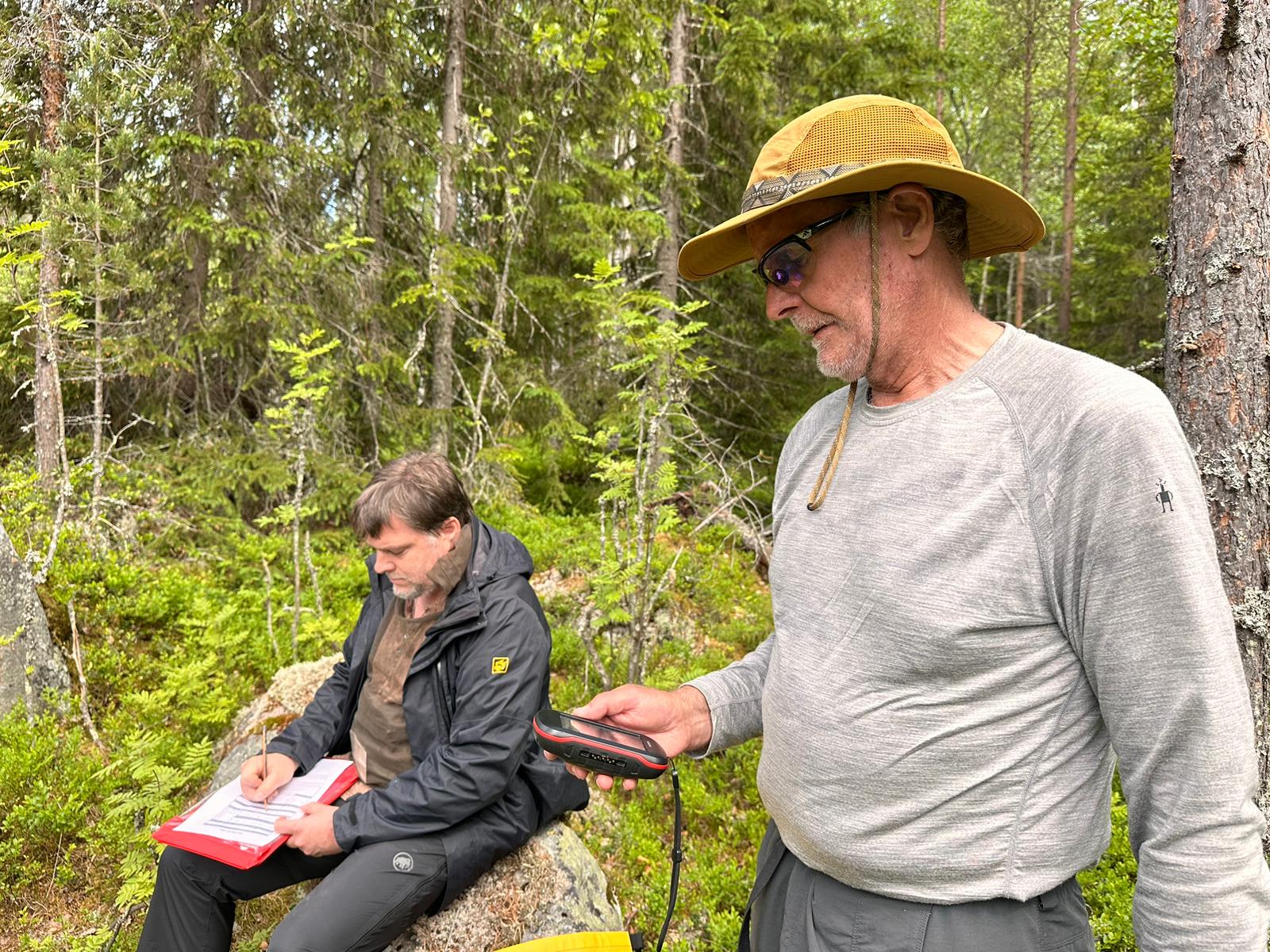
After two long days of training headed by Andrea and Gunther, the team have had a successful first day of field research, in three self-sufficient groups. The training was intense, with background lectures about why the research is so important for the protection of bears in this region, along with the detailed methodology we use to survey dens, find and collect bear scat and locate bears using radio telemetry. Andrea and Gunther also trained the team on how to use all the research kit – from the GPS units used to help locate the target dens, to the directional radio receivers used to triangulate the location of individual bears.
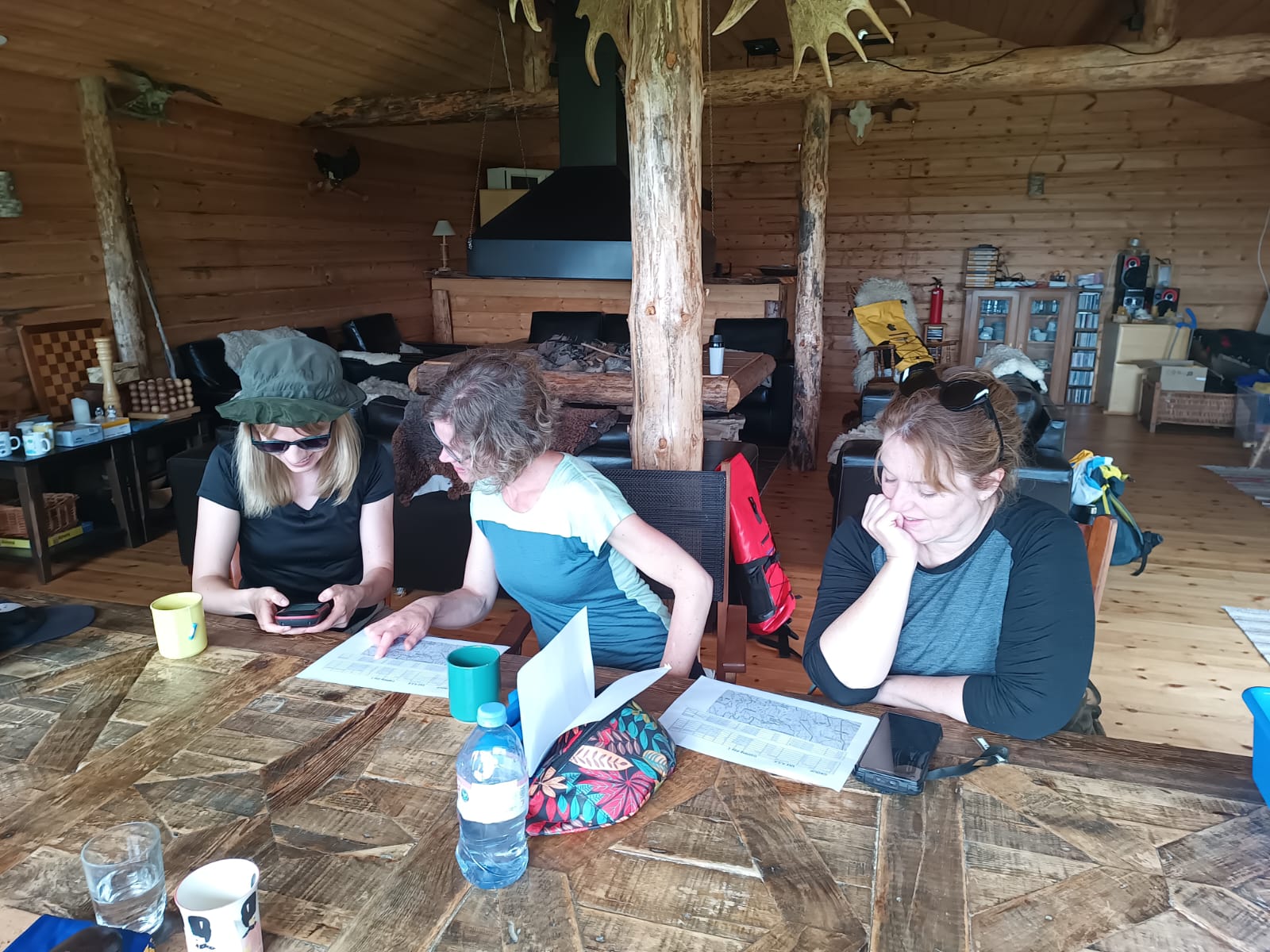
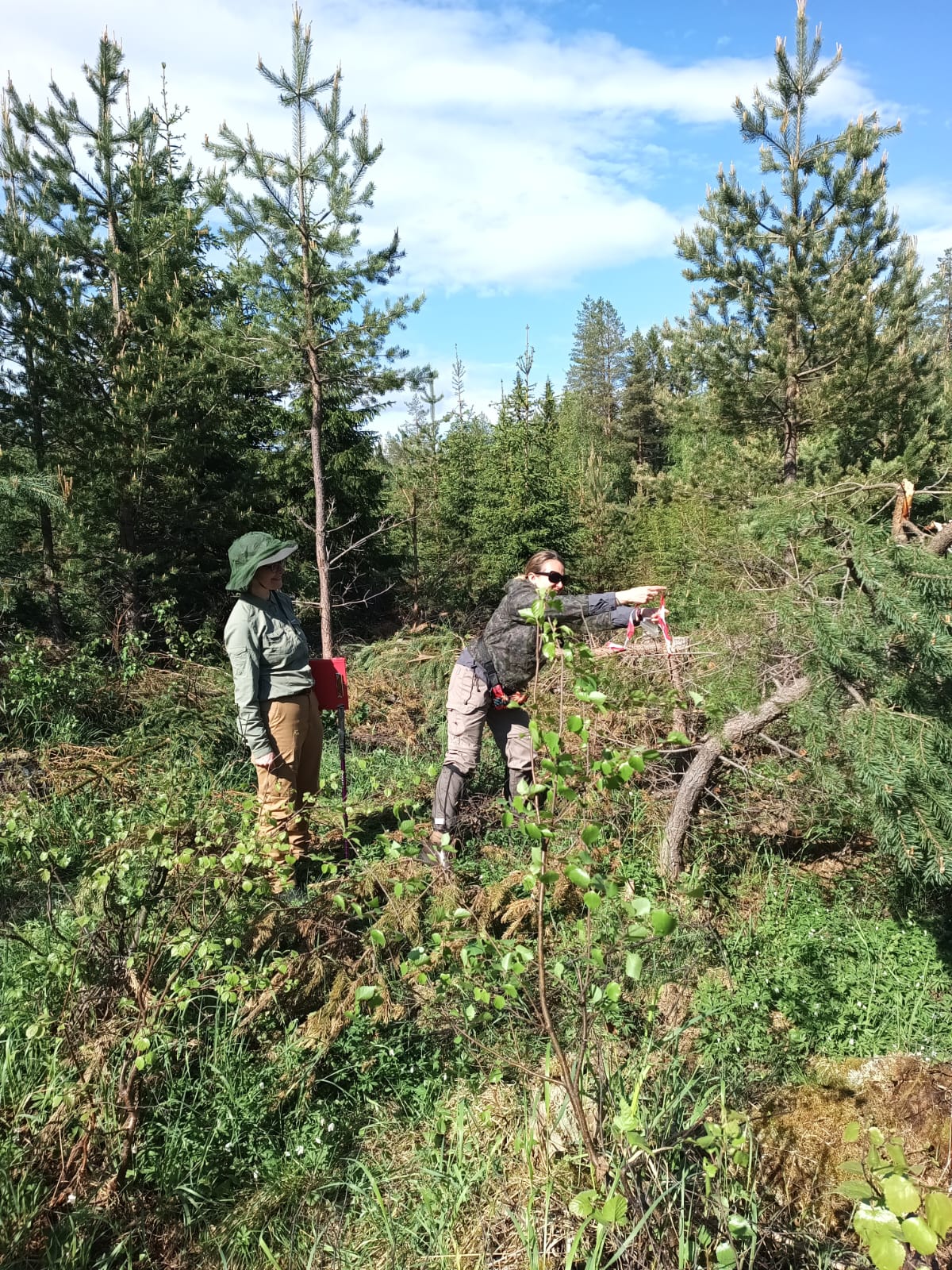
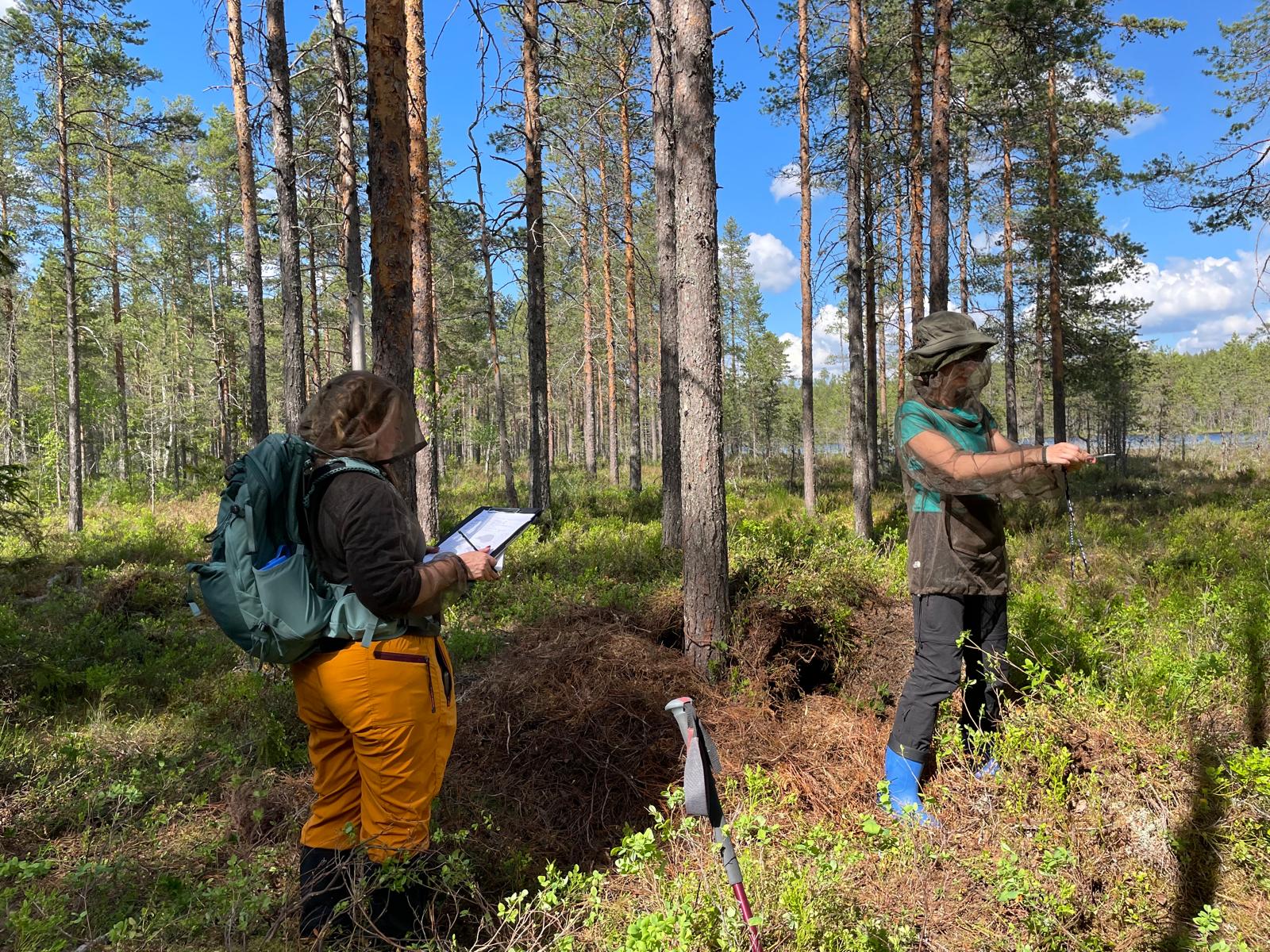
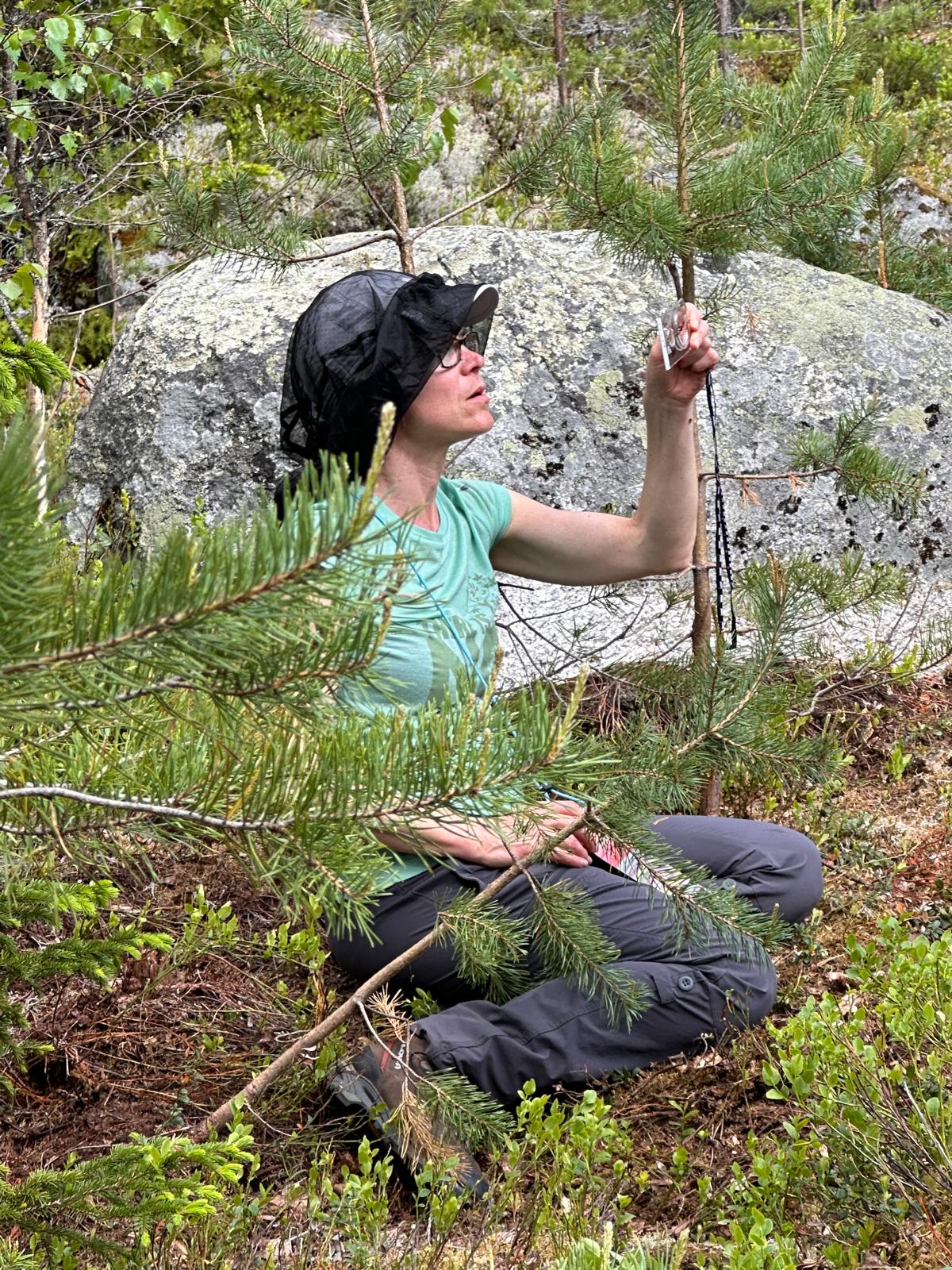
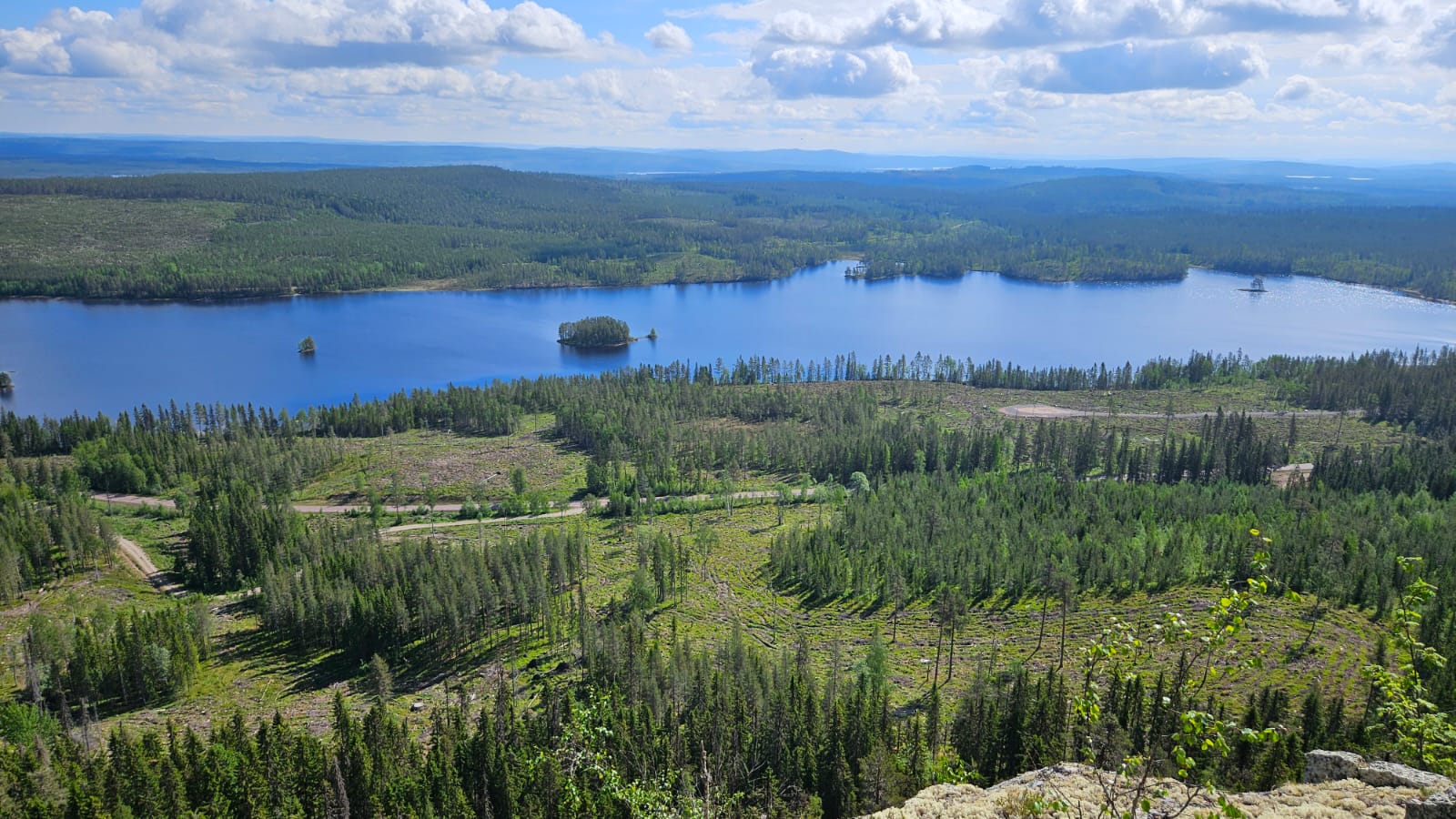
The working day starts with a briefing, giving each team a number of expected den sites and scat sites defined by GPS co-ordinates that need to be entered into the GPS units. The team have to work out where to drive to get close to their target locations – and from there the best route to hike through the wild landscape to get to their destination. How easy or otherwise this ‘hike and find’ task is varies a lot and thus our expeditioners have to be adaptable. The land can be pretty impenetrable, and the dens and scats can be very hidden.
The teams did well and had learned a lot from the training over the previous two days. On the first full research day, they discovered and recorded three bear dens, two ‘day beds’ and collected samples of seven bear scats. Another den was partly located: it was hidden somewhere on a series of cliffy ledges that was too steep to access safely. A possible revisit from a different direction was proposed for another day, so we may yet find and record this den too.
The Sweden Brown Bear Research Expedition has begun! Andrea, Gunther, Louise and Roland have been working tirelessly over the last few days to get everything set up with the necessary Covid restrictions in place. Adaptation is key to success when faced with such challenges on an expedition, and it seems to be a success so far. Even Andrea’s damaged knee (injured through a bad jump from a helicopter while darting a bear to attach a GPS tracker – she is that kind of bear researcher!) hasn’t derailed the expedition. A bionic-looking leg brace and some inner grit seems to keep her going.
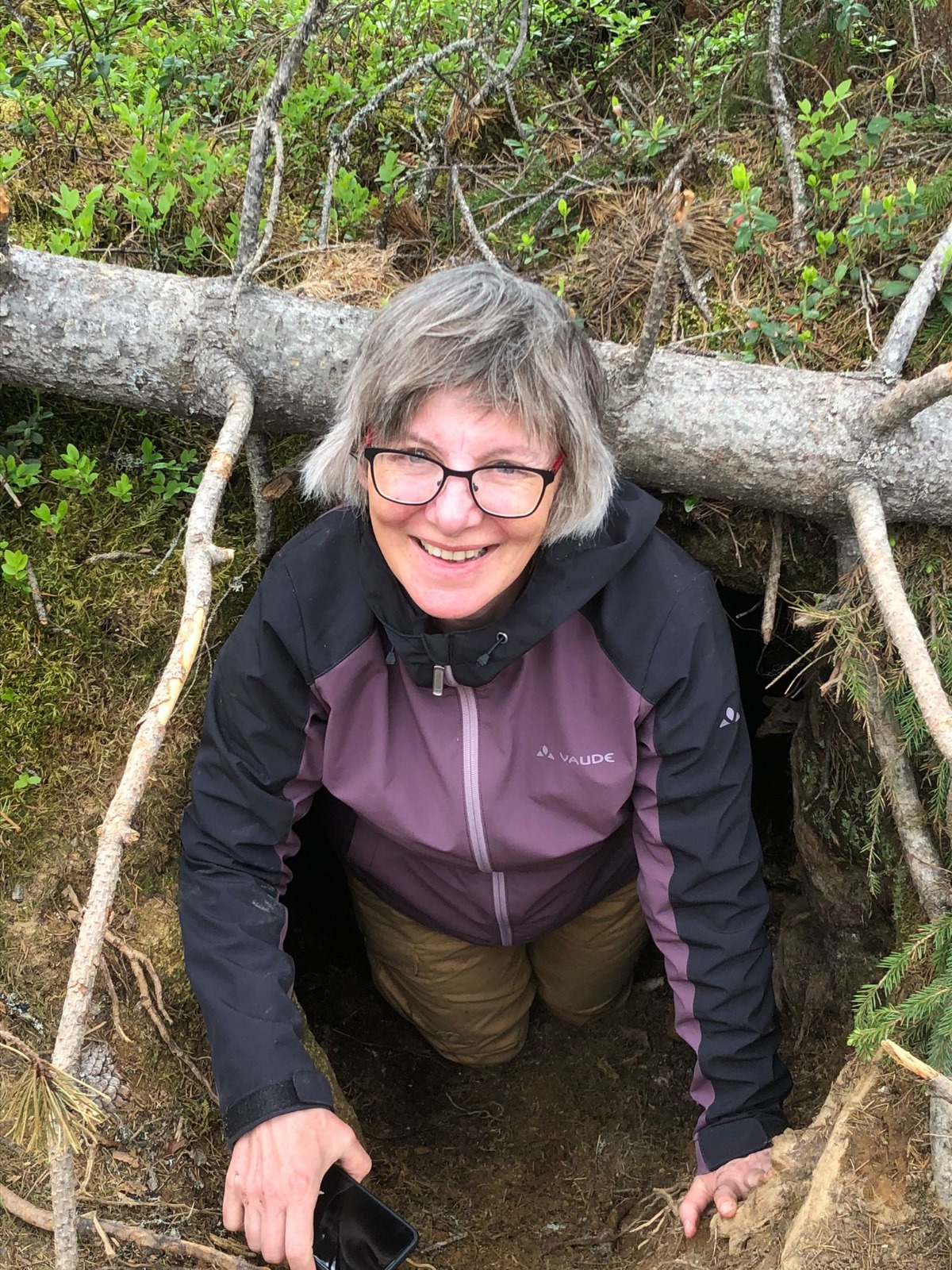
Our multinational expedition team – representing the UK, Germany, Poland, Spain and the USA – have arrived, settled into base camp and hit the ground running with a busy first day of introductions, safety briefing, background lectures and practical training. By the afternoon, the team were hiking through the forest to find a bear den (recently vacated by the bear), navigating to it using coordinates in a GPS unit. It turned out to be a very snug den, excavated into an old ant hill: this type of den is considered to be a high quality one.
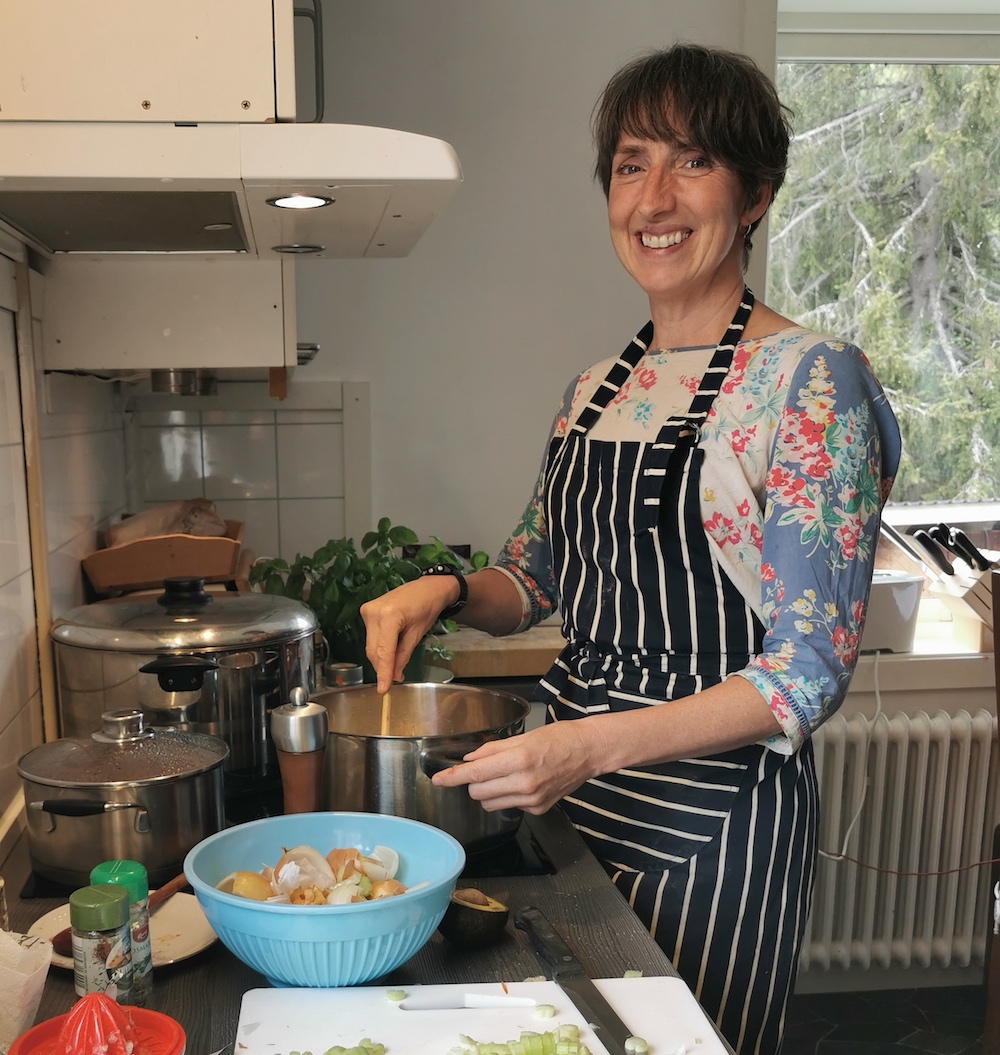
Louise’s Covid-adapted kitchen protocols have not stopped her producing great food for the hard working team. The outdoors briefing sessions are working out fine too, thanks to the good weather.
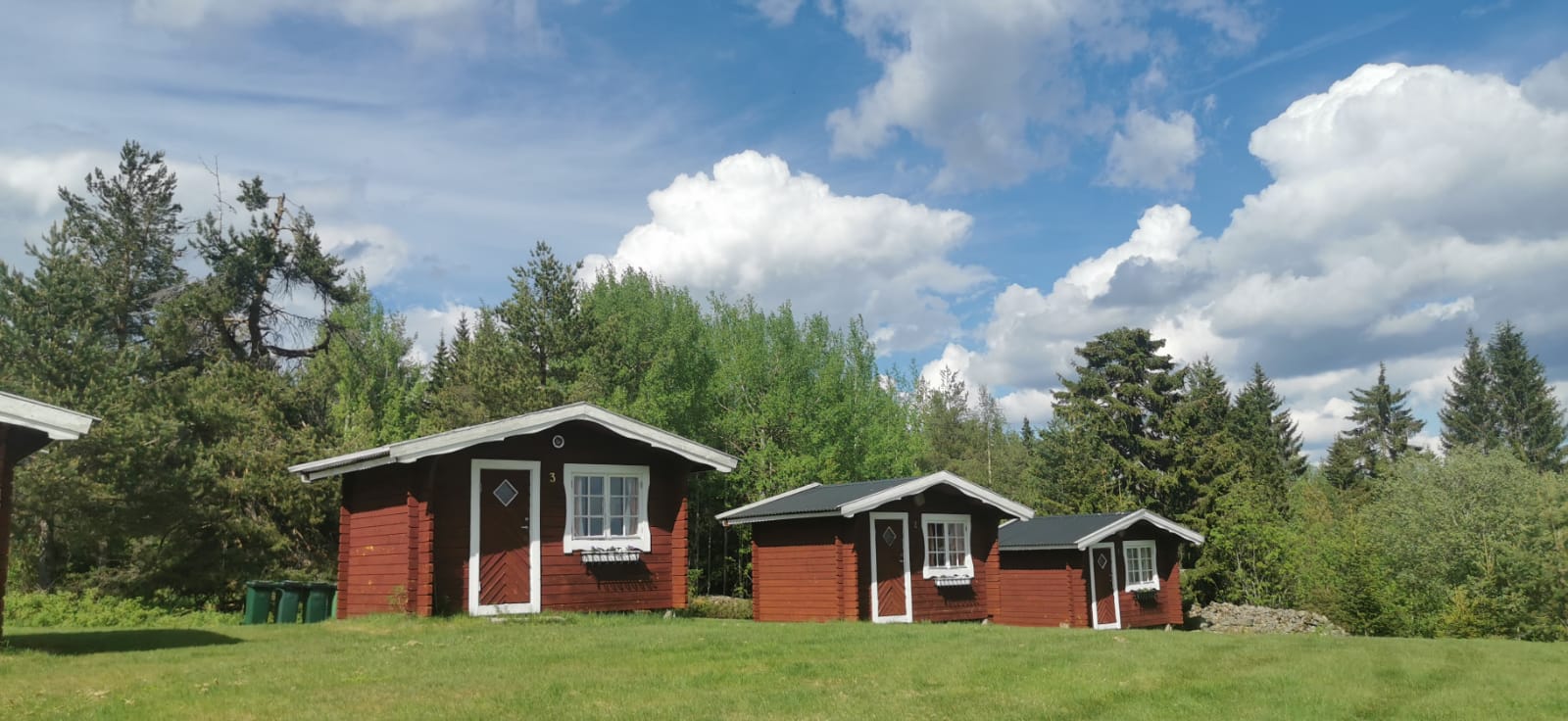
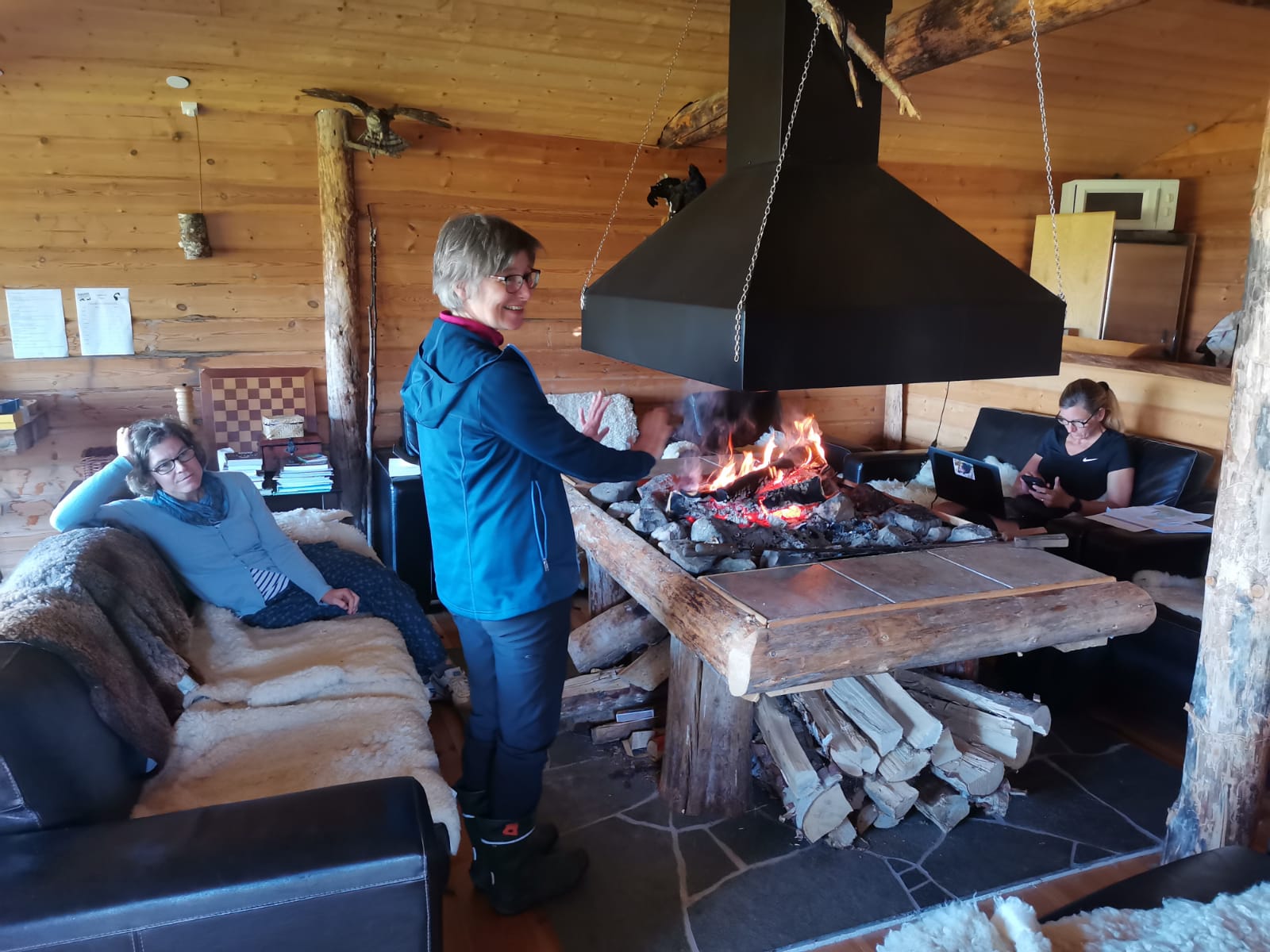
Tuesday will involve more training on research tasks, equipment and a full assessment of another bear den carried out by the whole team, led by Andrea. In the meantime, the team are allowed some down time whether that be in the communal log cabin, enjoying the peaceful ambience of the Swedish forest at dusk or, if they feel they deserve it, even firing up the sauna hidden away in the trees a short wander from base camp.




























 Biosphere Expeditions: blogs from the frontline of wildlife conservation and the fight for a more sustainable planet