Award-winning, non-profit and ethical wildlife conservation volunteering. Advancing citizen science and conservation since 1999 – for nature, not profit.
Bishkek is hot, dry, sweaty, noisy and oh so Central Asia. On a clear day the views of the mountains are beautiful.
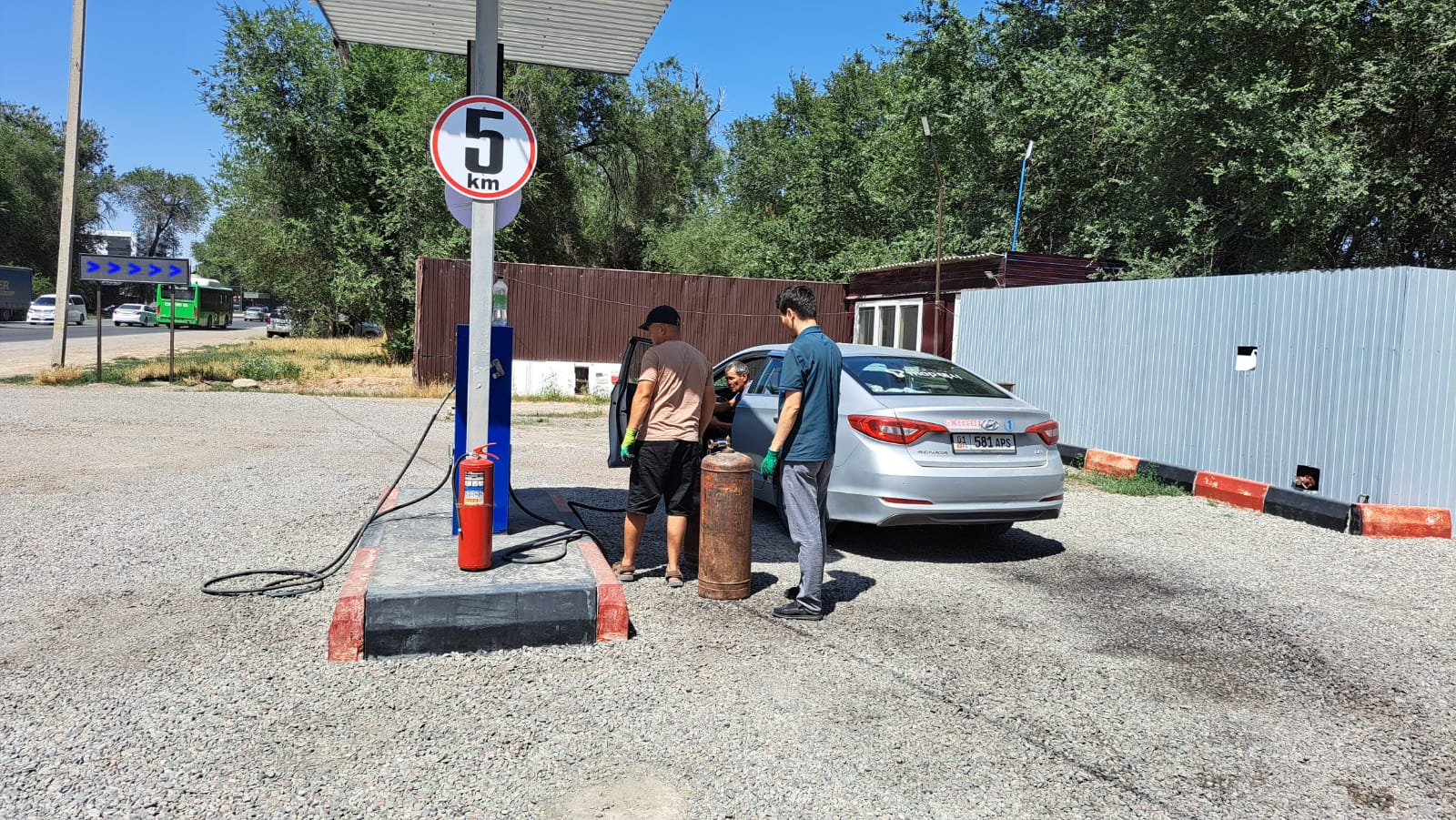
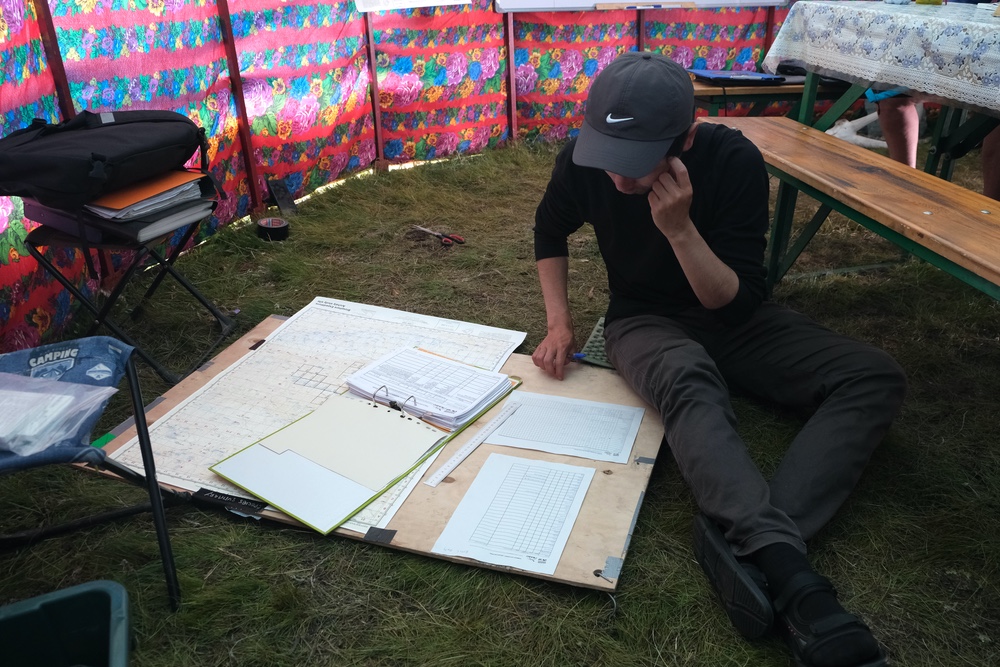
We’re shopping, meeting, talking with partners, doing paperwork, printing out datasheets, filling gas bottles, withdrawing cash, charging up and testing radios, sat phones and GPSs, and doing all the umpteen things that need to be done before an expedition can head out into the field. We have a few days of this still ahead of us until we can head into the mountains on Wednesday to set up base camp for you.
A couple of household points for the team:
There is a Globus supermarket a few minutes walk away from the Futuro assembly point hotel. It is open 24/7, takes cards and has lots of drinks and sweets and more. There will be plenty of food, tea, water and coffee at base, but no shops anywhere around. If you simply must have a can of lager in the evening or are addicted to Mars bars or similar, we recommend you stock up there before assembly (don’t be late tough!). Good luck with reading the labels 😉 Remember we are at base and away from shops for 12 nights.
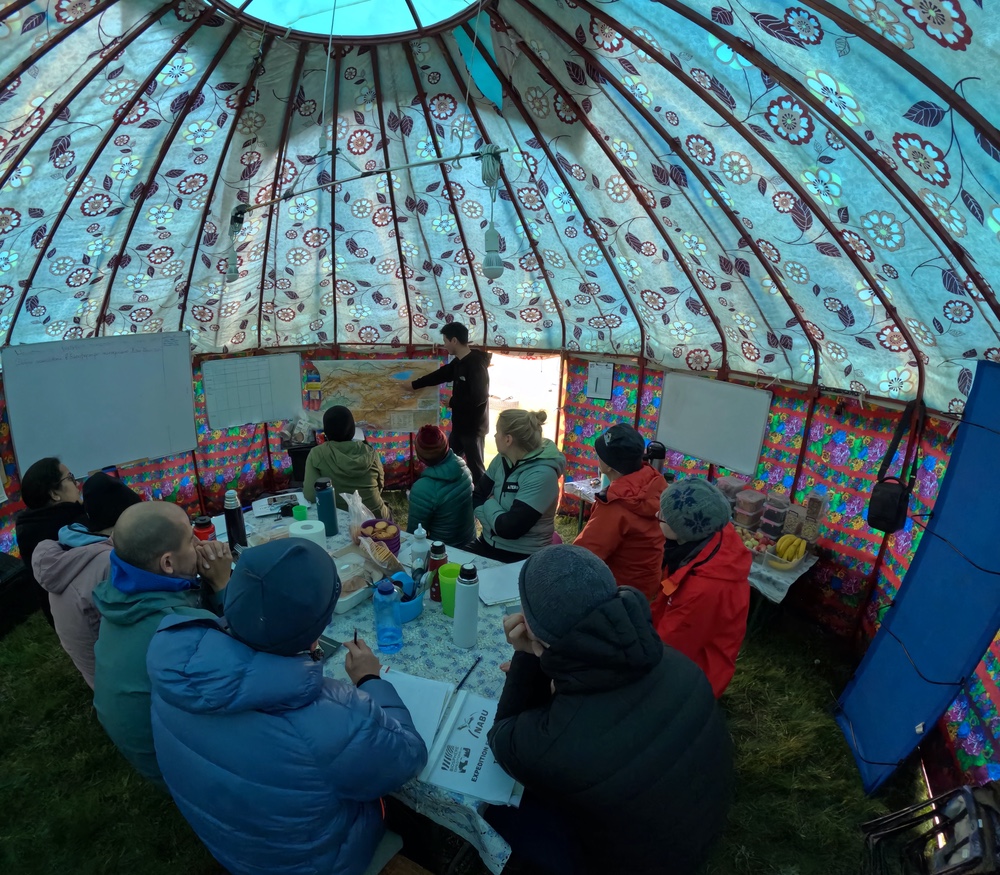
I hope you have swatted up on the 2024 report, field guide and dossier. If you want to be ahead of the curve (the first two days of training will be tough, with lots of information thrown at you), then have a look at all the documents here, which I suggest you read at some stage or on your flight to come extra well prepared.
Welcome to the 2025 Tien Shan snow leopard expedition diary. I am Matthias Hammer, expedition leader for group 1 and the founder & executive director of Biosphere Expeditions. I am already in Bishkek, where it is hot and stifling (35 C yesterday). It will be different in the mountains – cooler and fresher.
The expedition scientist, Emil, and I have a week to prepare, go shopping, put things in place etc. before two more staff and expedition leaders – Jonny and Darran – arrive from the UK and Ireland respectively and we move out and set up base camp for you, before it all starts.
Matthias (left) and Emil
So this is just to let you know that things are proceeding as planned despite various crises around the world, and that we look forward to meeting you in due course.
At your end, please study your dossier as well as the 2024 report to make sure you come prepared. I hope you are getting excited and that your preparations are going well. I’ll be in touch again before we set up and once we’re back from setup.
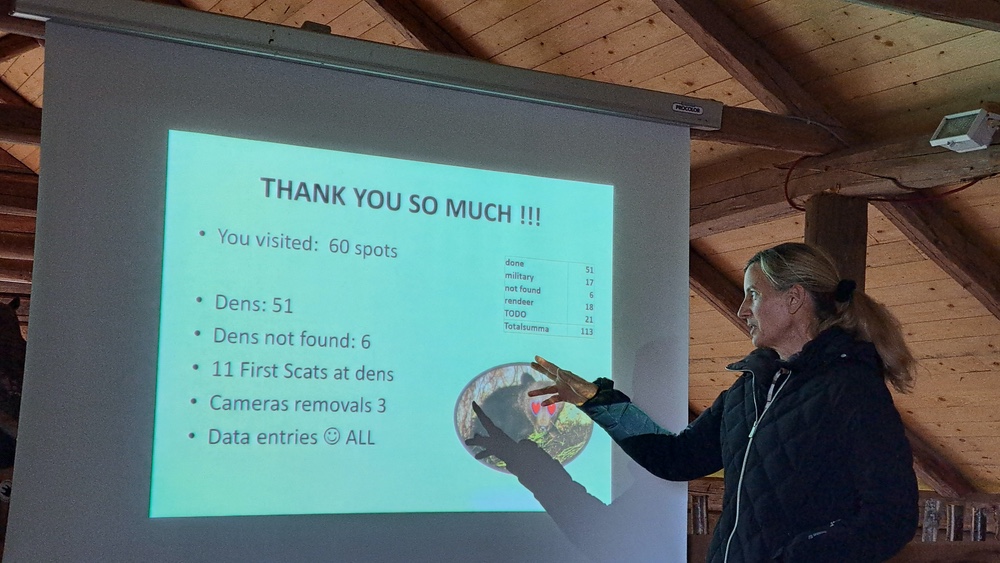
The 2025 expedition is done. Over 10 expedition days and with the help of ten citizen and professional scientists from six countries (Australia, Canada, France, Germany, Spain, UK), we found and recorded 51 dens (17 anthill, 4 anthill/soil, 6 nest, 16 rock and 8 soil dens). We also collected 11 first scats at dens, which is a record that Dr. Andrea Friebe, the expedition scientist, called “sensational”. We also removed three camera traps and entered all the data into the database. This has once again been a very significant contribution to the Scandinavian Brown Bear Research Project’s database and studies and we are expecting scientific publications that use these data soon (as well as the usual annual expedition report).
Thank you so much to all our citizen scientists who have made this possible by contributing their time and funds. Without you, there would be no expedition. You have been an exceptionally effective and determined team and we take our hats off to you for the effort you have put in.
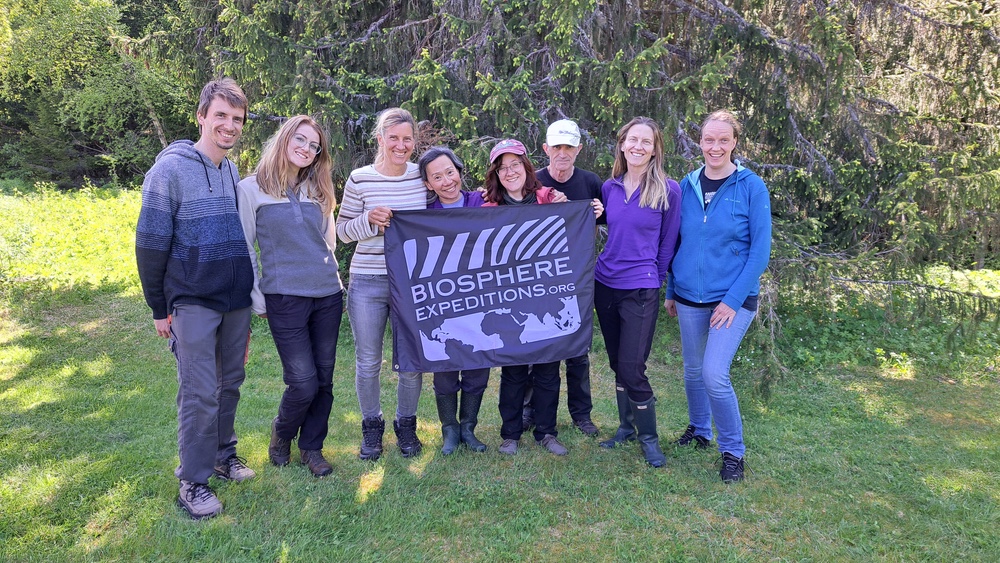
Team 2025
So, since 2019, this expedition has developed into an essential data collection part of the Scandinavian Brown Bear Research Project, because it collects – over a relatively short period each year – large amounts of den and scat data through the concentrated efforts of citizen scientists. For example, in 2019 the expedition visited 28 bear den sites and mapped 24, found 10 scats at 15 bear cluster sites, recovered a bear skeleton from a bog for further analysis, recovered a valuable transmitter, covered over 2,000 km of the study site and had two bear encounters, increasing the SBBRP’s bear den database by between a third and a half. After an unwanted Covid-break, the 2023 expedition visited 68 sites, including 38 winter dens and 35 scat collections, ten of which were ‘first scats of the season’ (especially valuable samples that can reveal what a bear has eaten before and during hibernation). The 2024 expedition surveyed 27 dens, and collected 56 scat samples including three samples of ‘first scats of the season’. The 2025 expedition surveyed 51 dens, and collected a record 11 first scats. The SBBRP expedition scientist has called the contributions of the expeditions over the years “invaluable” and “sensational”.
So I leave you with some impressions of the last few days and some citizen scientist feedback. Thank you so much again and safe travels onwards or home. We hope to meet you again on an expedition, somewhere, somewhen on this fragile planet of ours.
I really liked how we were able to go out independently in small groups and were trusted to conduct our fieldwork to a high standard. It was all amazing. Keira W., Australia
I really enjoyed the satisfaction of helping to gather data so scientists can makes sense of how climate breakdown is affecting flagship species. Also the age of participants – I’ve been on a number of projects with other organisations where everyone around me was below 25. Chai H., UK
I really enjoyed staying here and I am not sure whether anything can match the experience I had here. The work with our local scientist Andrea was so joyful and fantastic. I also learnt a lot about bears. I hope I can join the expedition again in another year. Sarah H., Germany
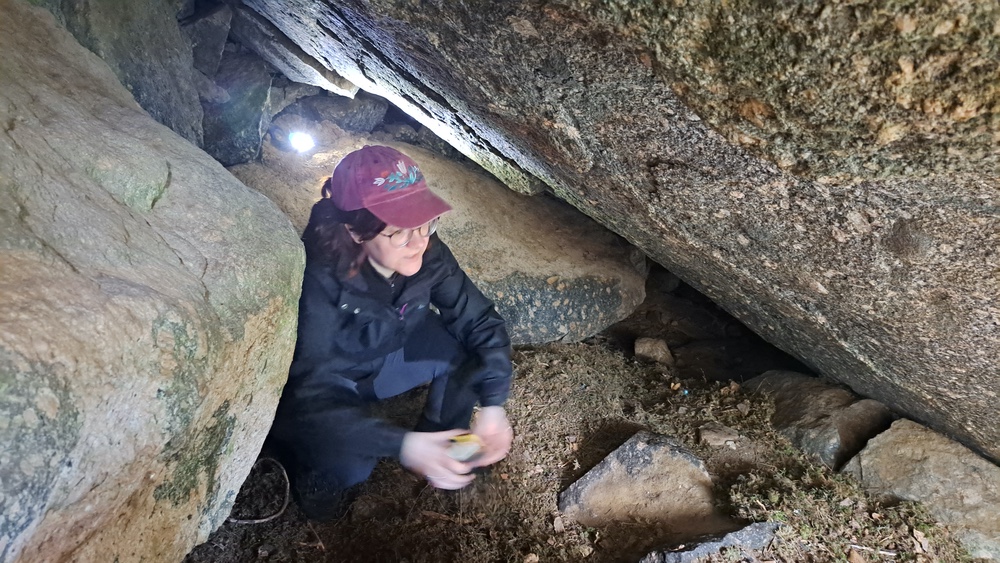
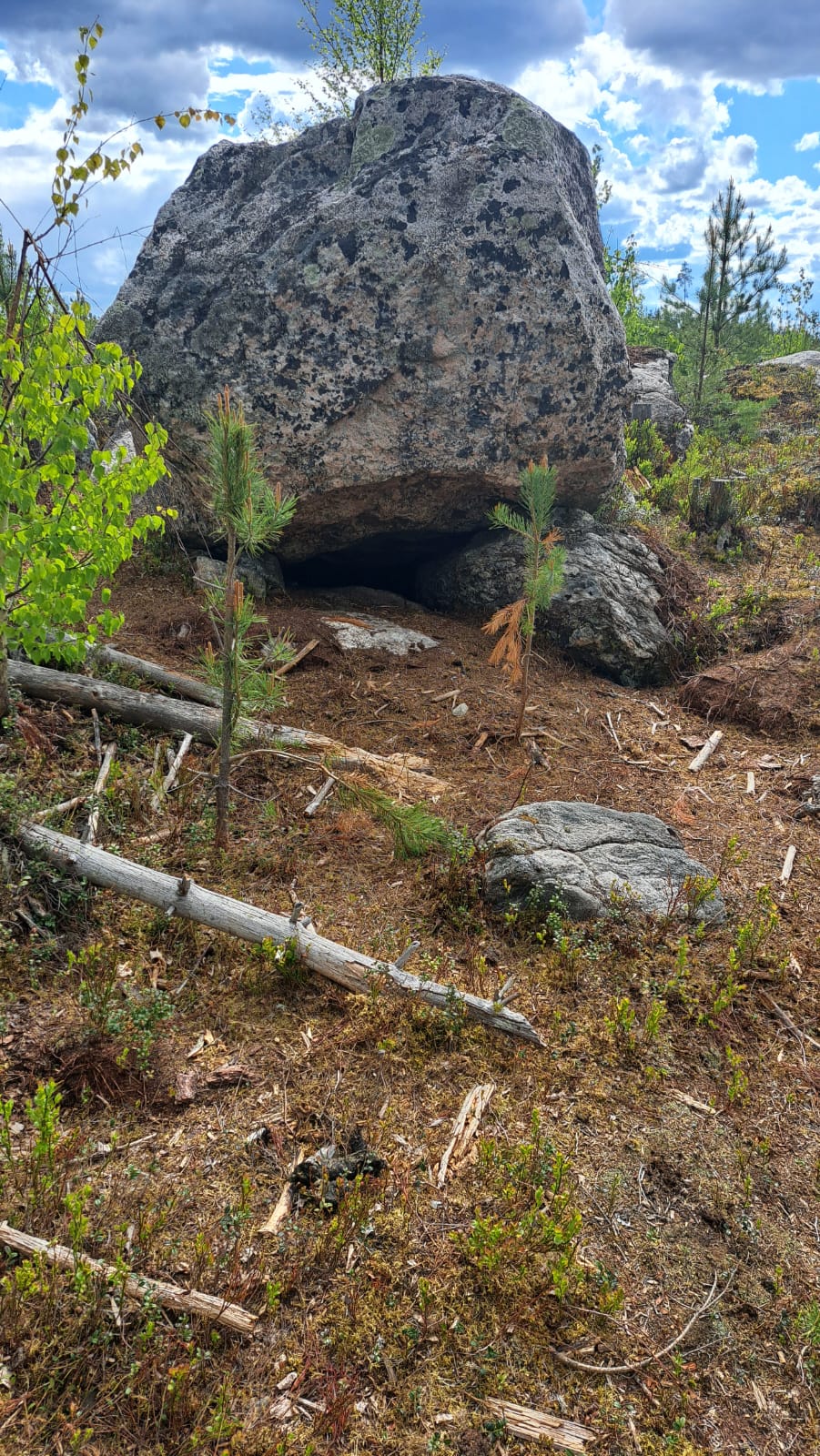
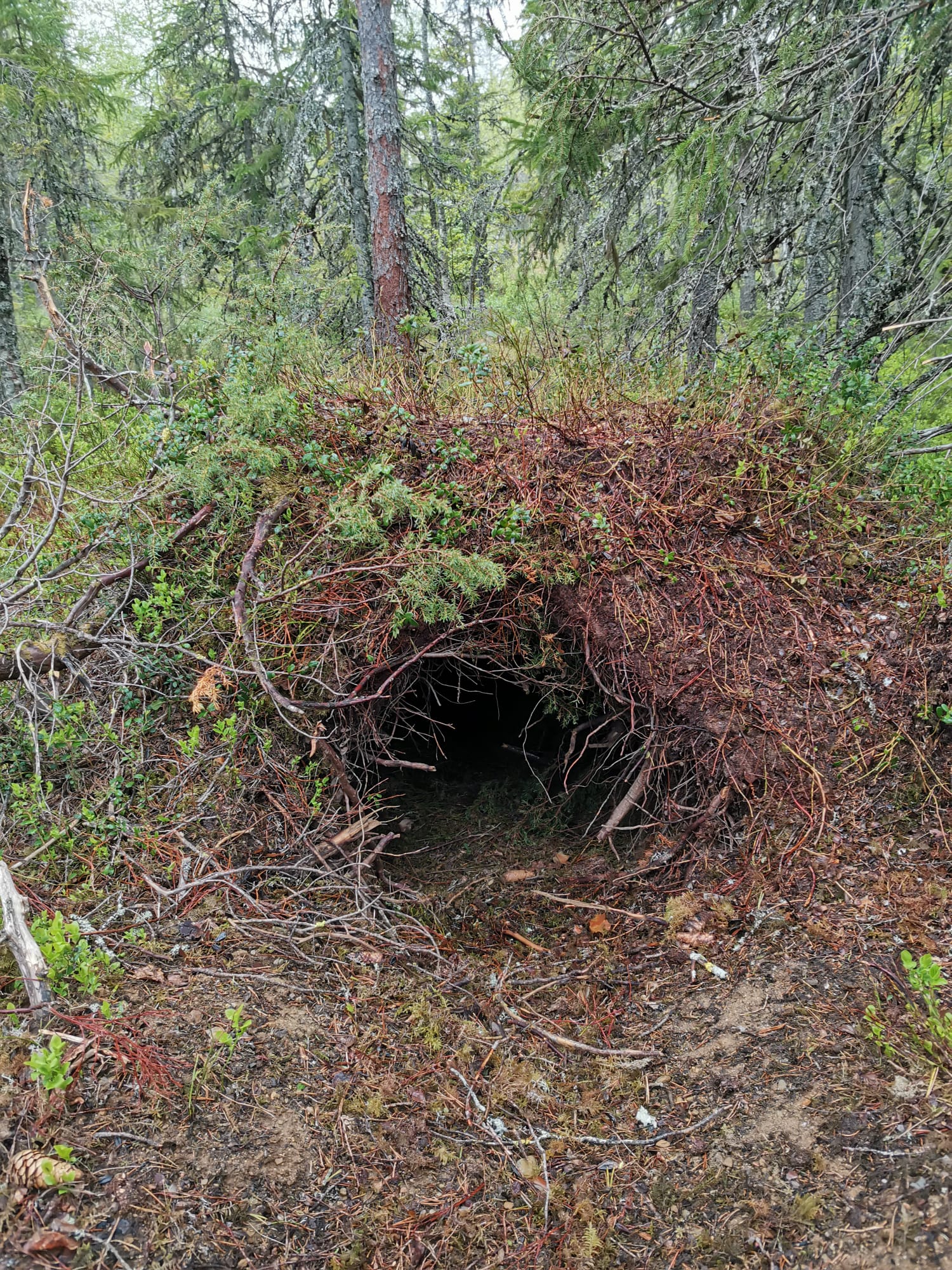
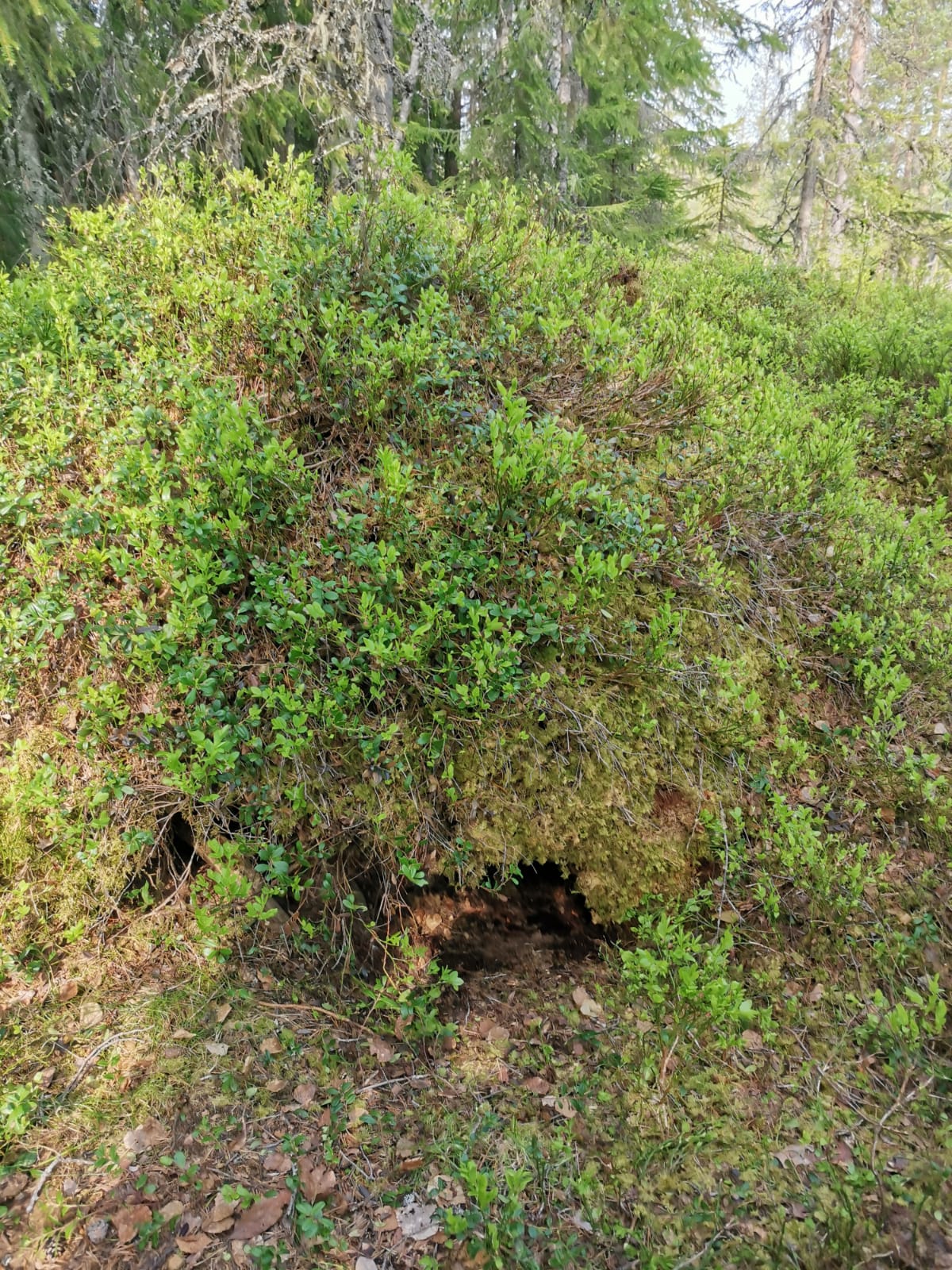
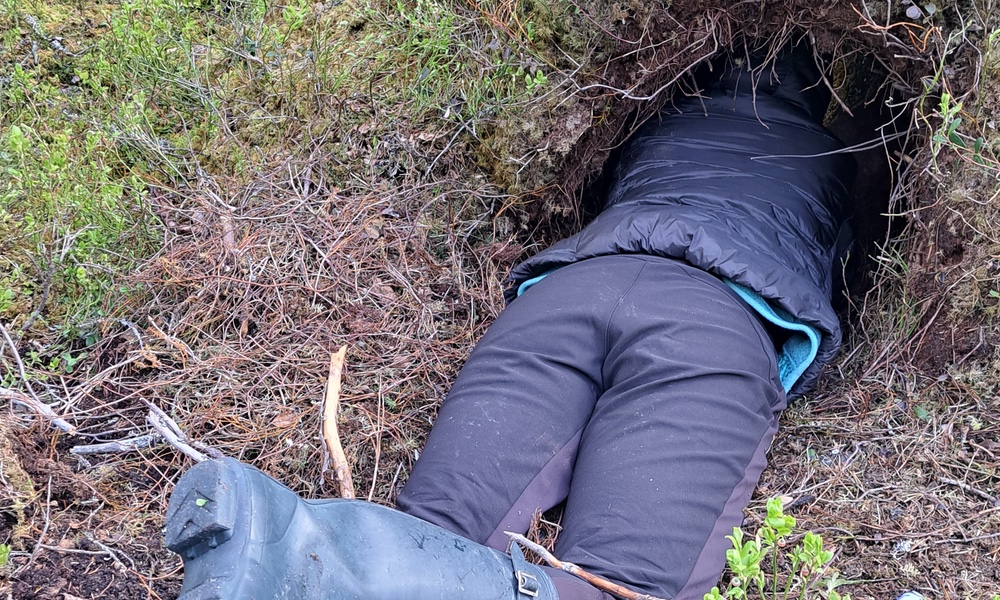
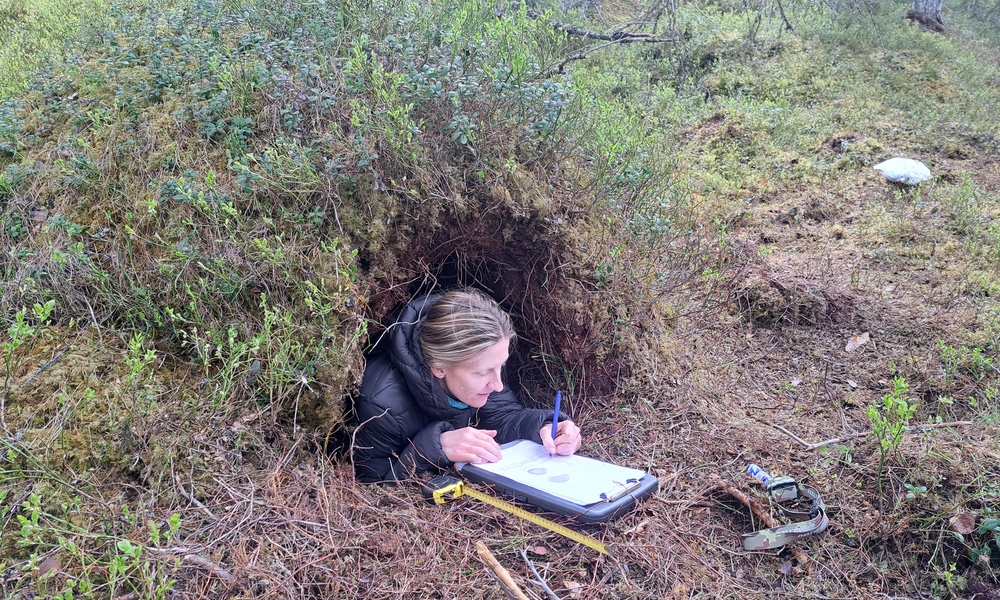
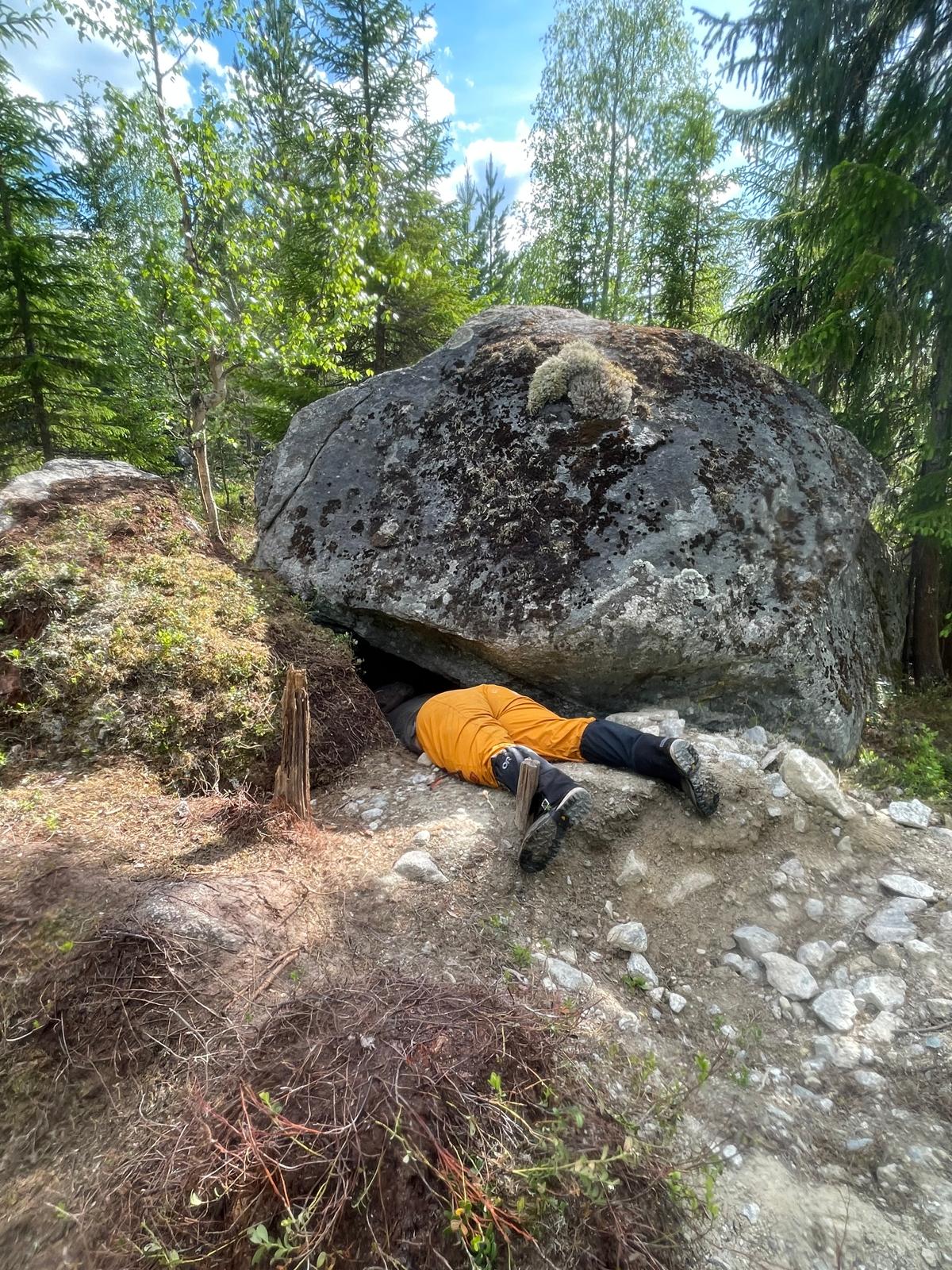
Over the past week, we’ve been checking the hell out of the dens within an hour’s drive of the base in all directions. We’ve studied and recorded soil, rock, anthill, nest and all manner of weird and wonderful dens, crawled into almost all of them (thank you Keira and Sarah for being the pre-eminent den crawlers) to measure and study the inside, found evidence of cubs and feeding and preying and playing.
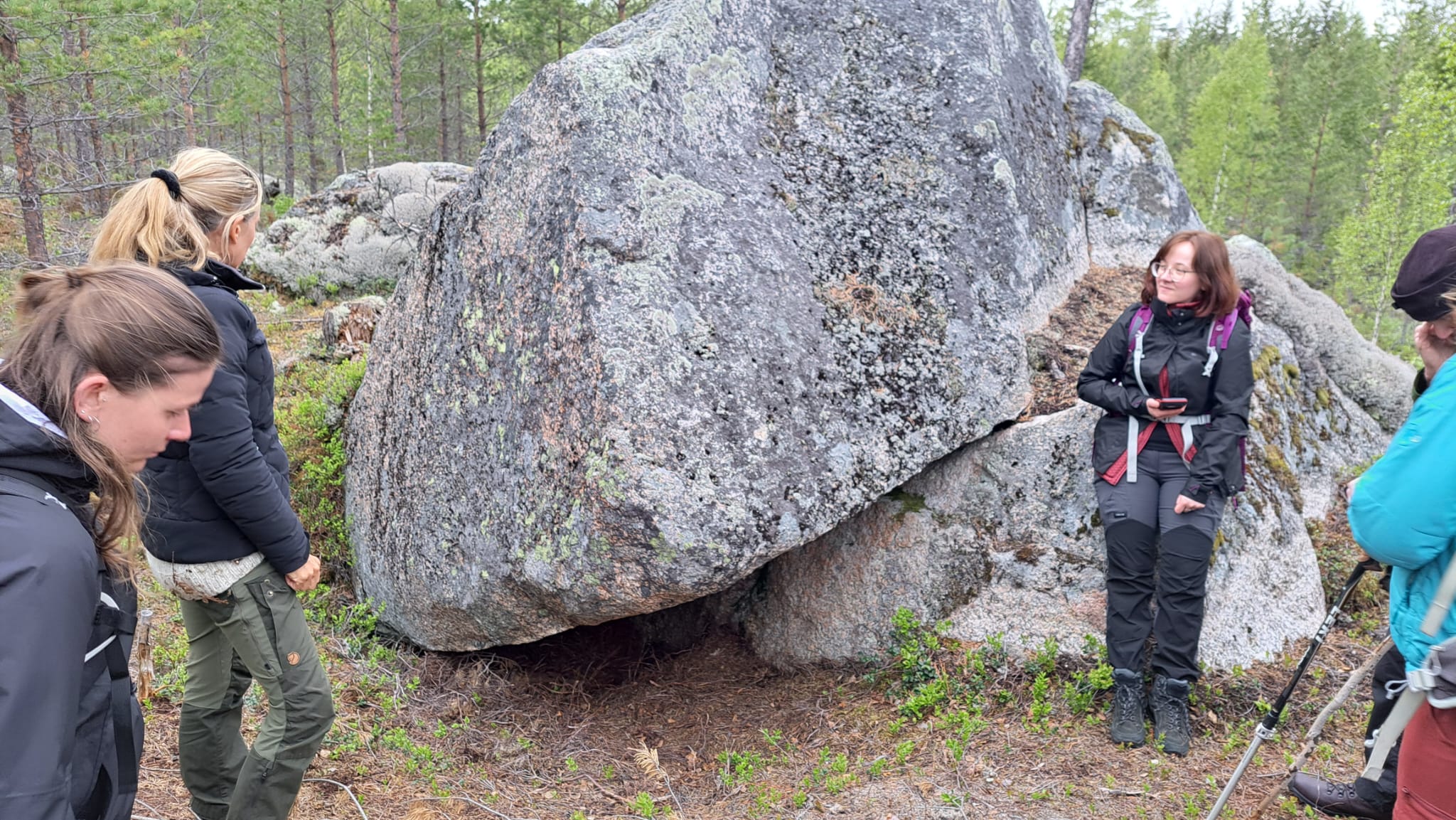
Here’s a den gallery:
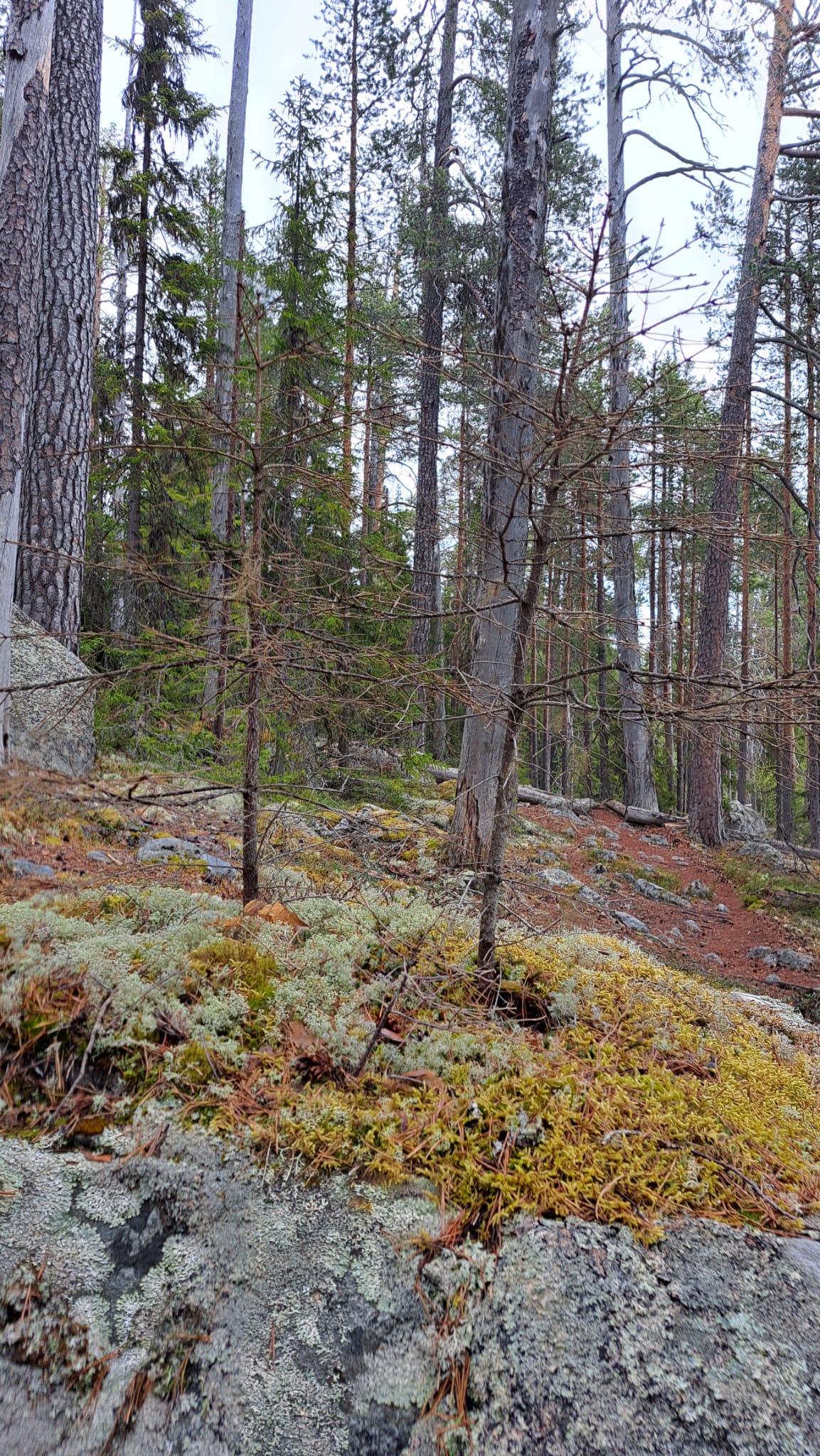
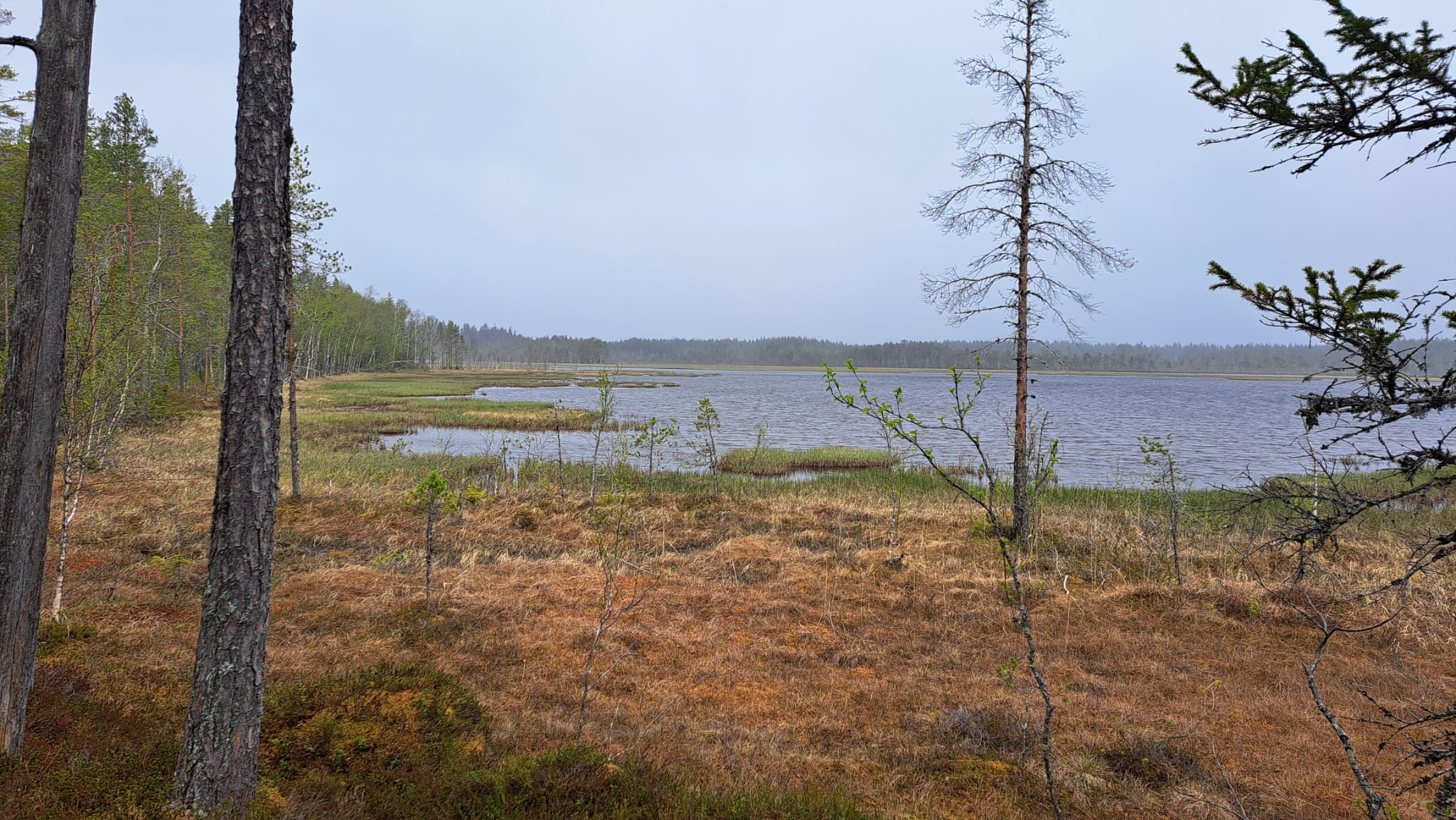
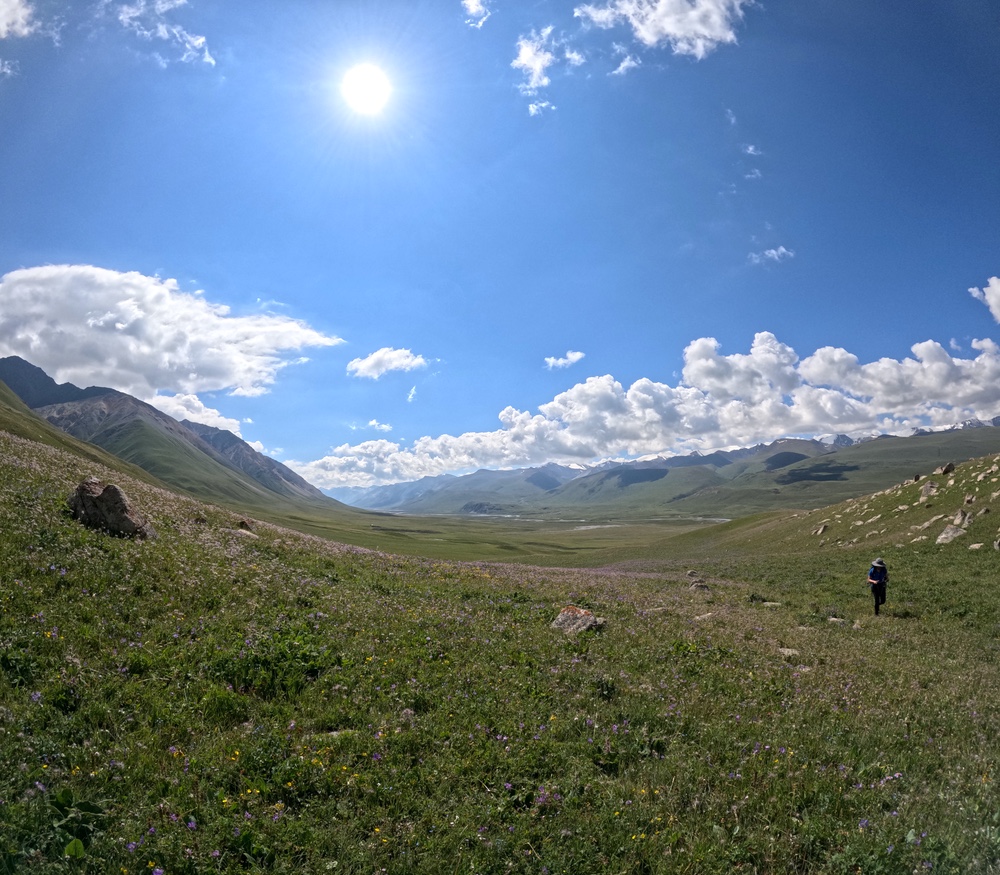
To get to the dens, we’ve negotiated broken ground, bogs, steep hills, gentle slopes, beautiful meadows, rock falls, woods and forests, plantations and clear-cuts, as well as lakes and waterways.
Highlights included coming across a bear crossing the road (“we were all too busy screaming to take pictures”), fox, moose, capercaillie and various other birdlife, crossing a lake on a paddle board to get to a den on a small island, and the team meeting at a local beauty spot for lunch.
Island den-checking
Tomorrow is our last survey day. It’ll be more dens and retrieving some camera traps. Our scientist Andrea will also present some preliminary results. I will share this all in the next diary entry, before we part, ready for a holiday after this research expedition. Thank you for den-checking your guts out team! You deserve a holiday 😉
After two days of training and recording den data as one group, we have been let loose and are now on our second day of collecting den data by ourselves, in three groups of two or three people.
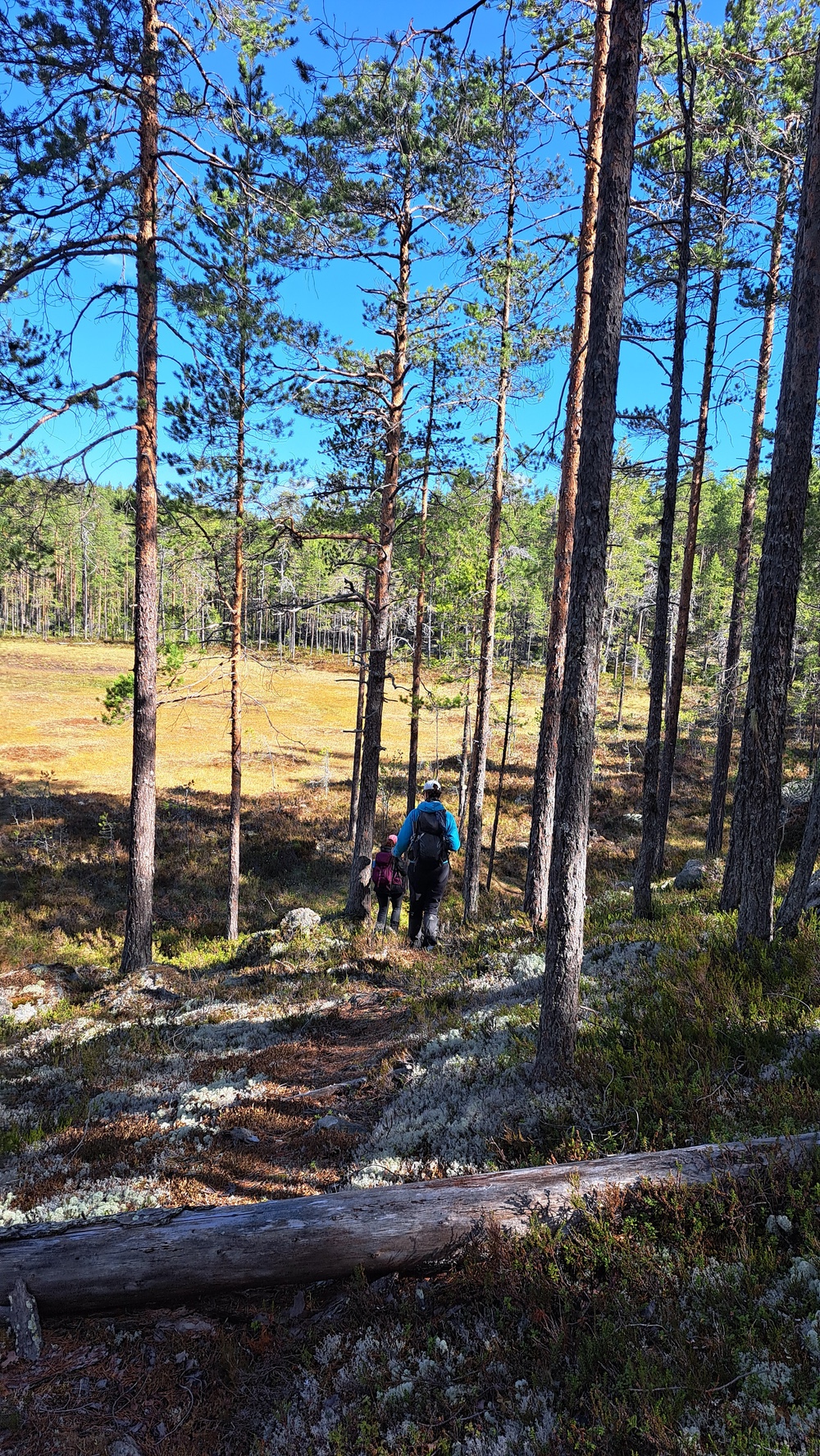
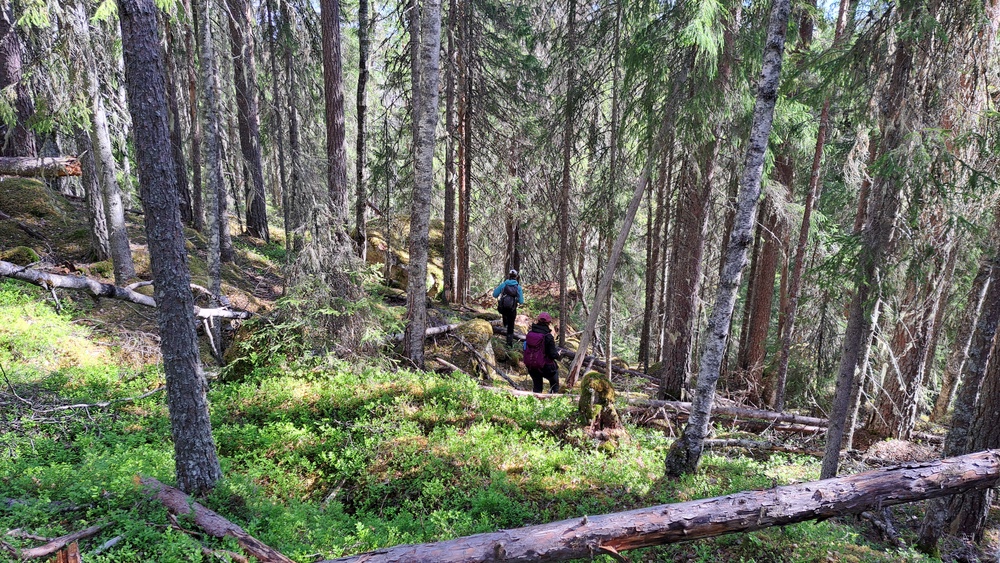
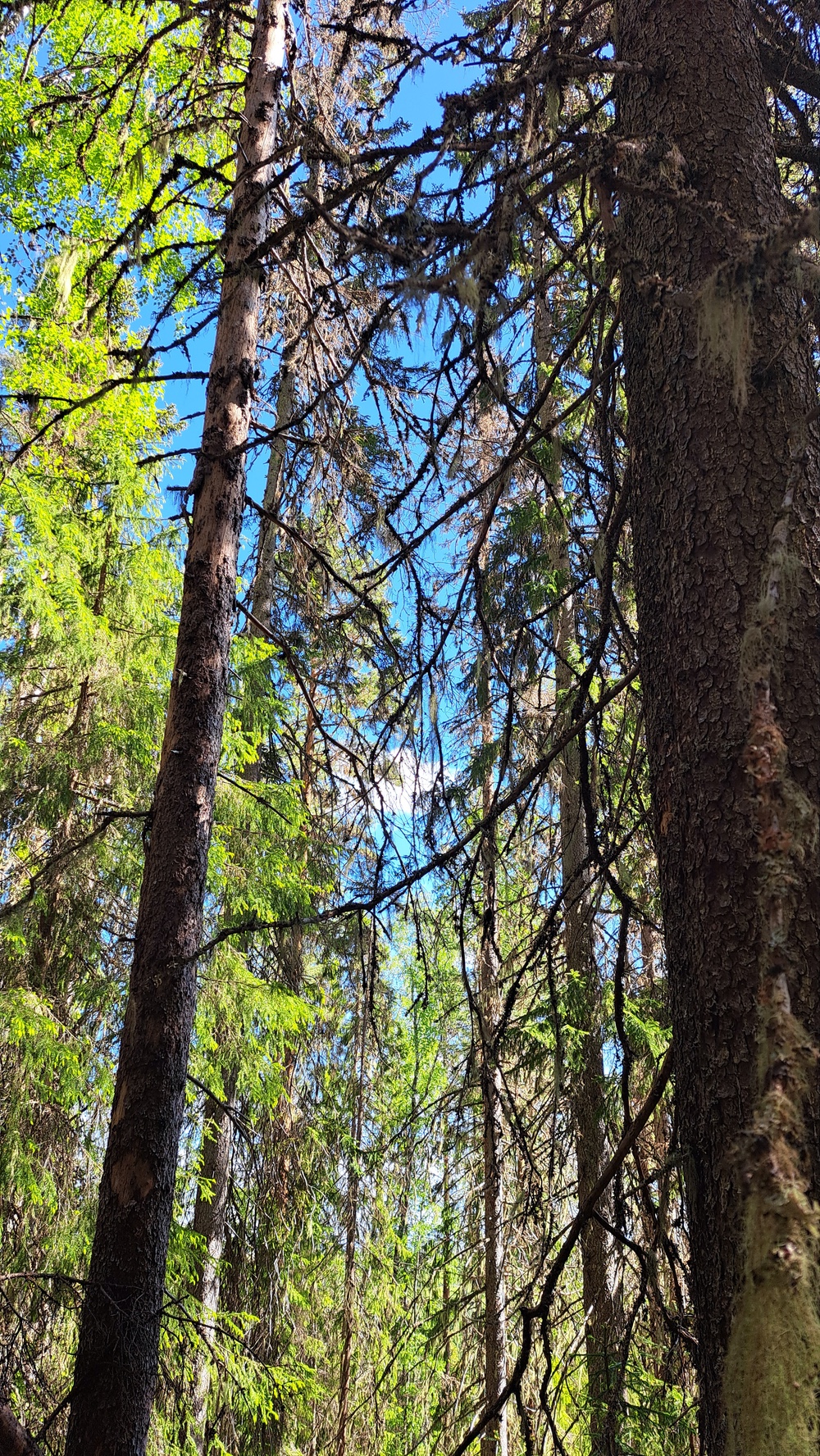
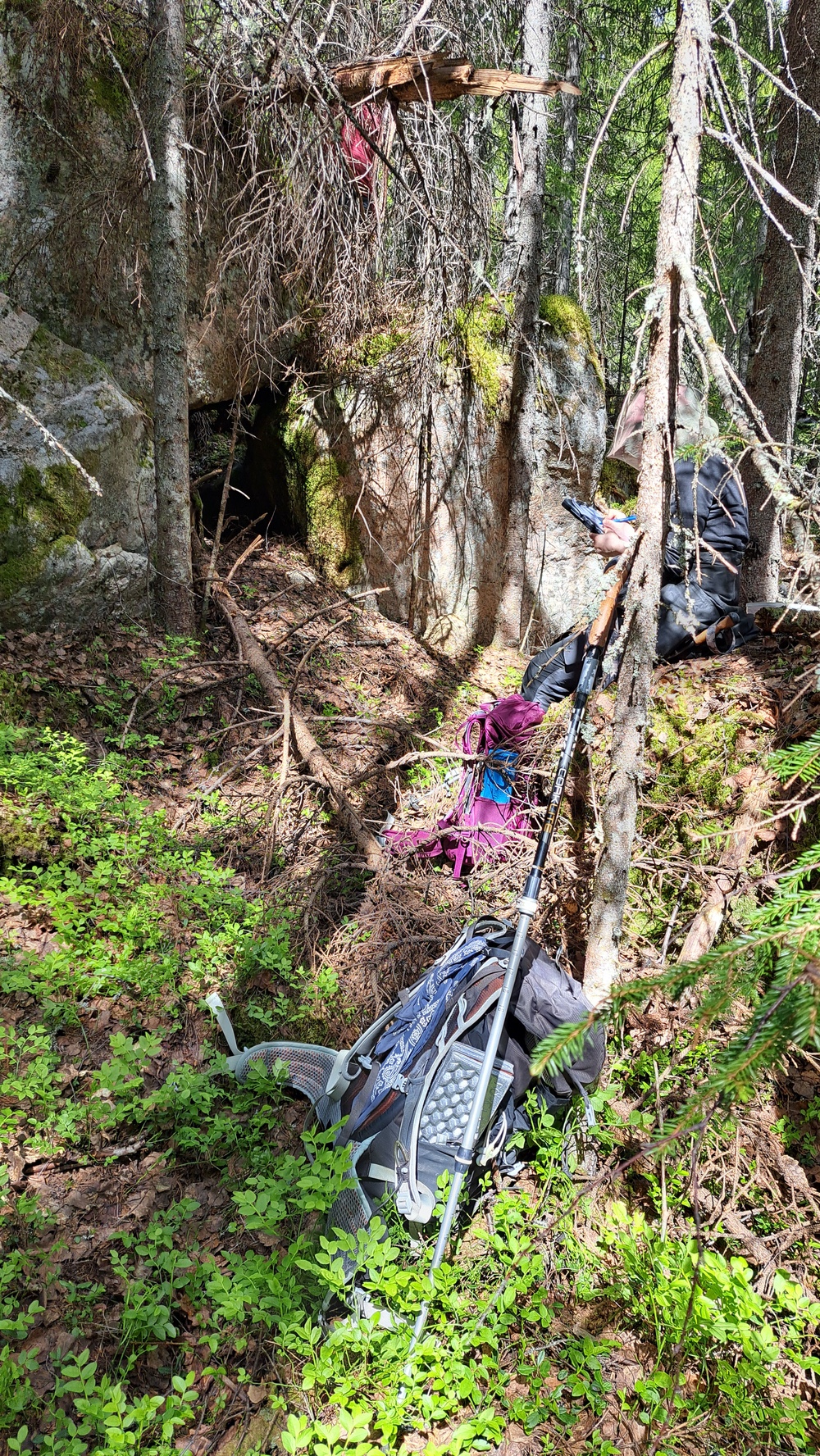
Each morning Andrea assigns dens to us, hidden in the forest. We get their GPS position and some background information and then have to work out how to get there, first in the car, mainly on forest roads to advance as close to the den as we can. Then it’s on foot through enchanted, pathless forests, picking our way through wetlands, bolder fields, carpets of moss, over rocks, birds for company. Sunshine and light through the clouds change as we walk and clamber through quiet groves, past springs and fallen trees to our object of desire: a bear den. Sometimes we only have a few hundred metres to go, sometimes one or two kilometres. It’s slow going. You have to pick a path through the trees, watch your direction on the GPS. It slows you down. It’s not a race. You sink into the forest. Deceleration. Sometimes it’s only a few minutes to the den, sometimes an hour or more.
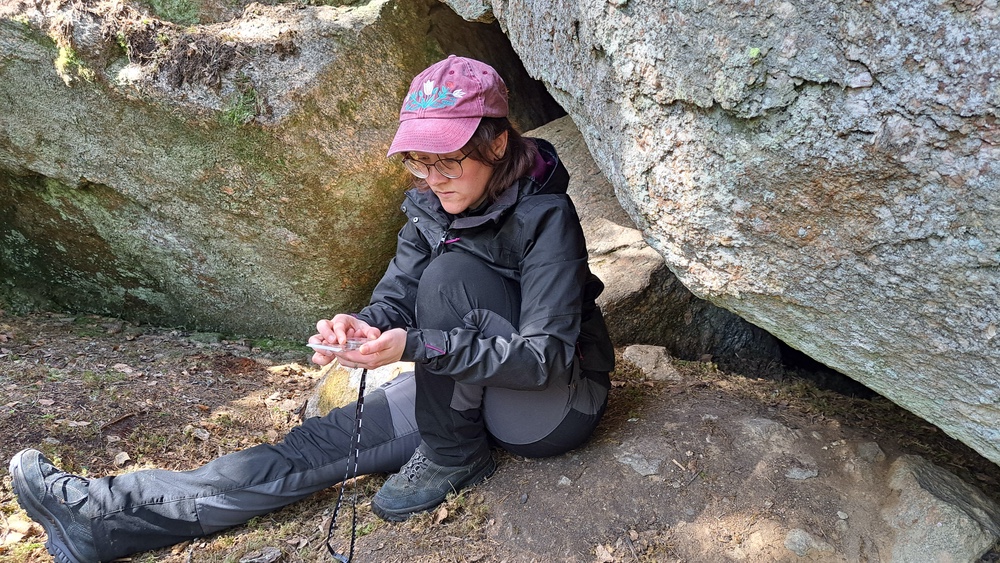
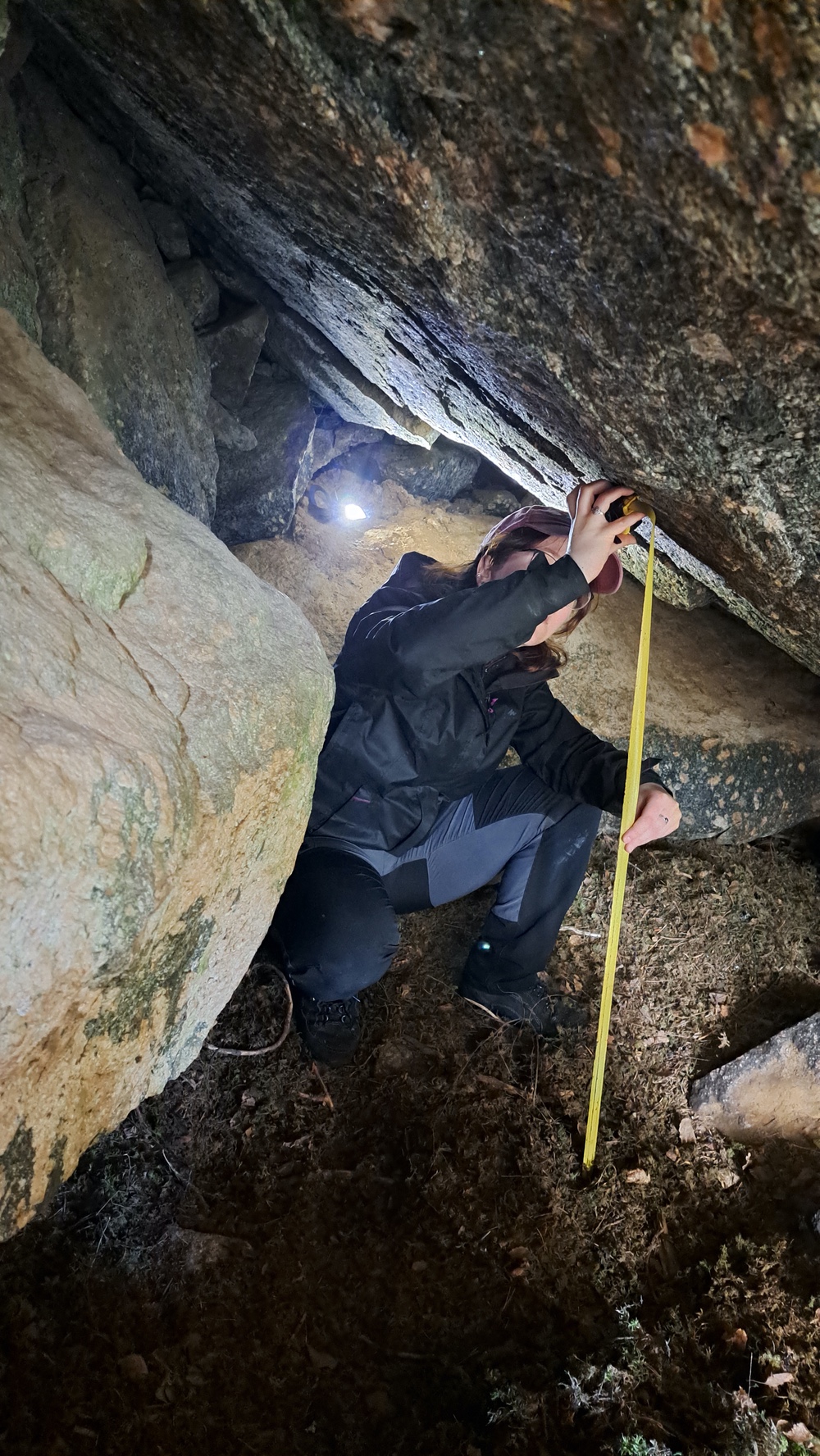
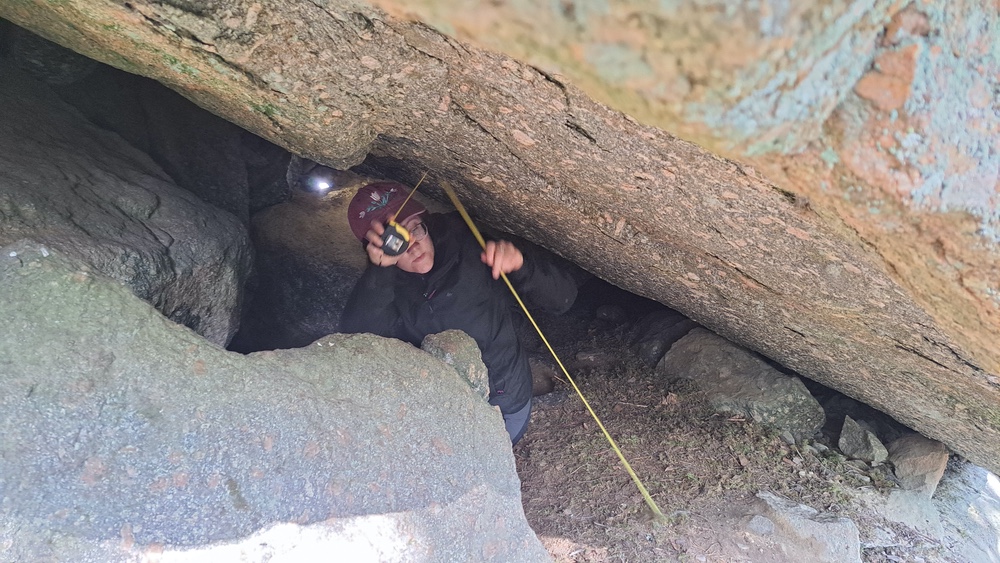
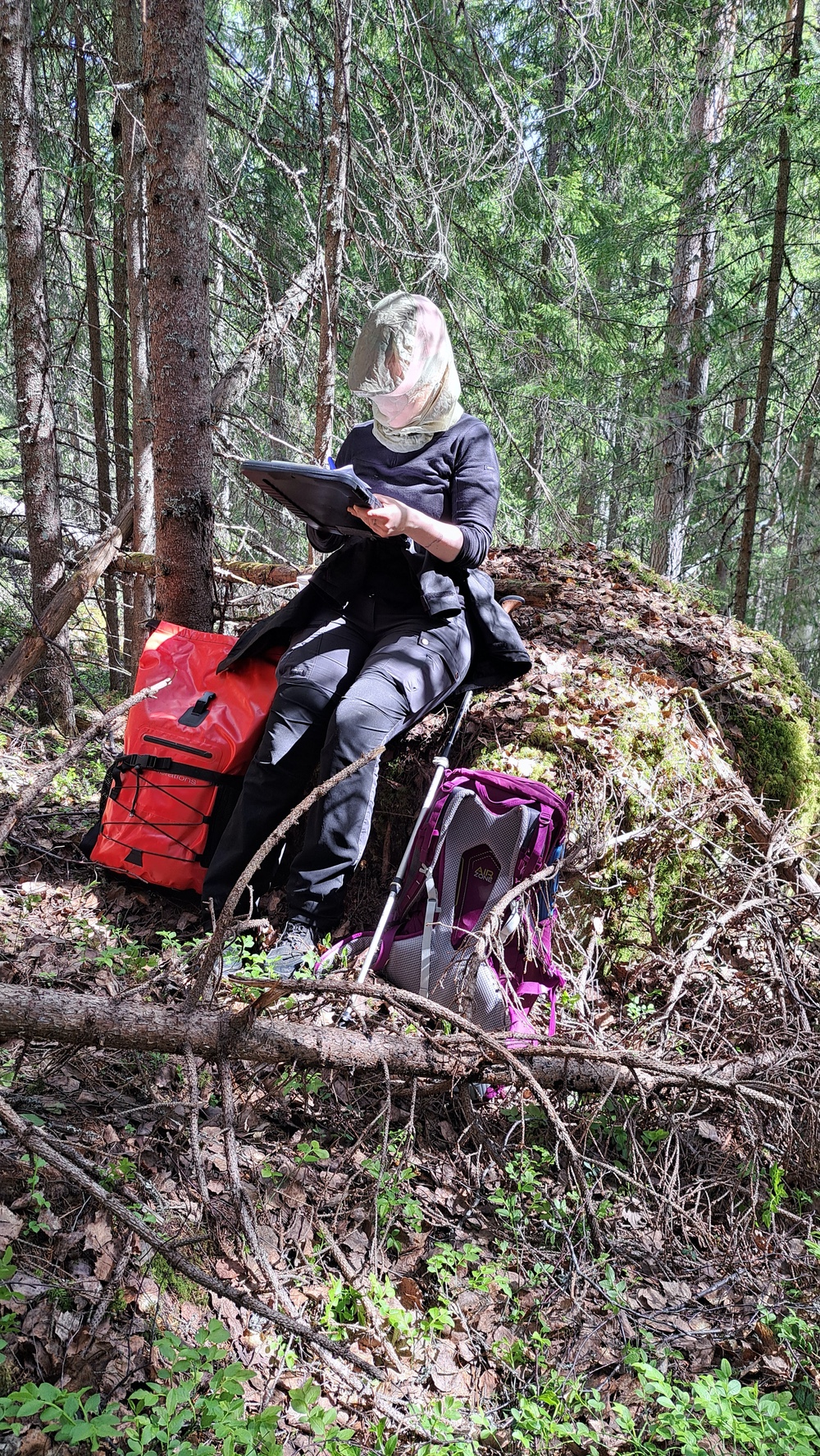
Once at the den, which wants to be found first too, lots of measurements need to be taken. How big is the den and its inside chamber (crawl inside for this)? What bedding did the bear use? What trees make up the surrounding forest? Are there any scratch marks around or scat (collect this). Are there signs of cubs, such as small scratch marks low down on trees, and more. This takes about another hour and is all meticulously recorded. Then back to the car and onto the next den. A group manages between a couple and half a dozen a day, depending how far apart they are in the forest and on the roads.
Measuring the inside of a den
Back to base in the afternoon for a de-brief session where each group tells the others what they found. Tips & tricks are exchanged, Andrea asks questions, wants to know more. Then data entry into the computer and a well-deserved hot dinner. Some fireplace conversations perhaps, for those who haven’t crashed already. Ready for the next day.
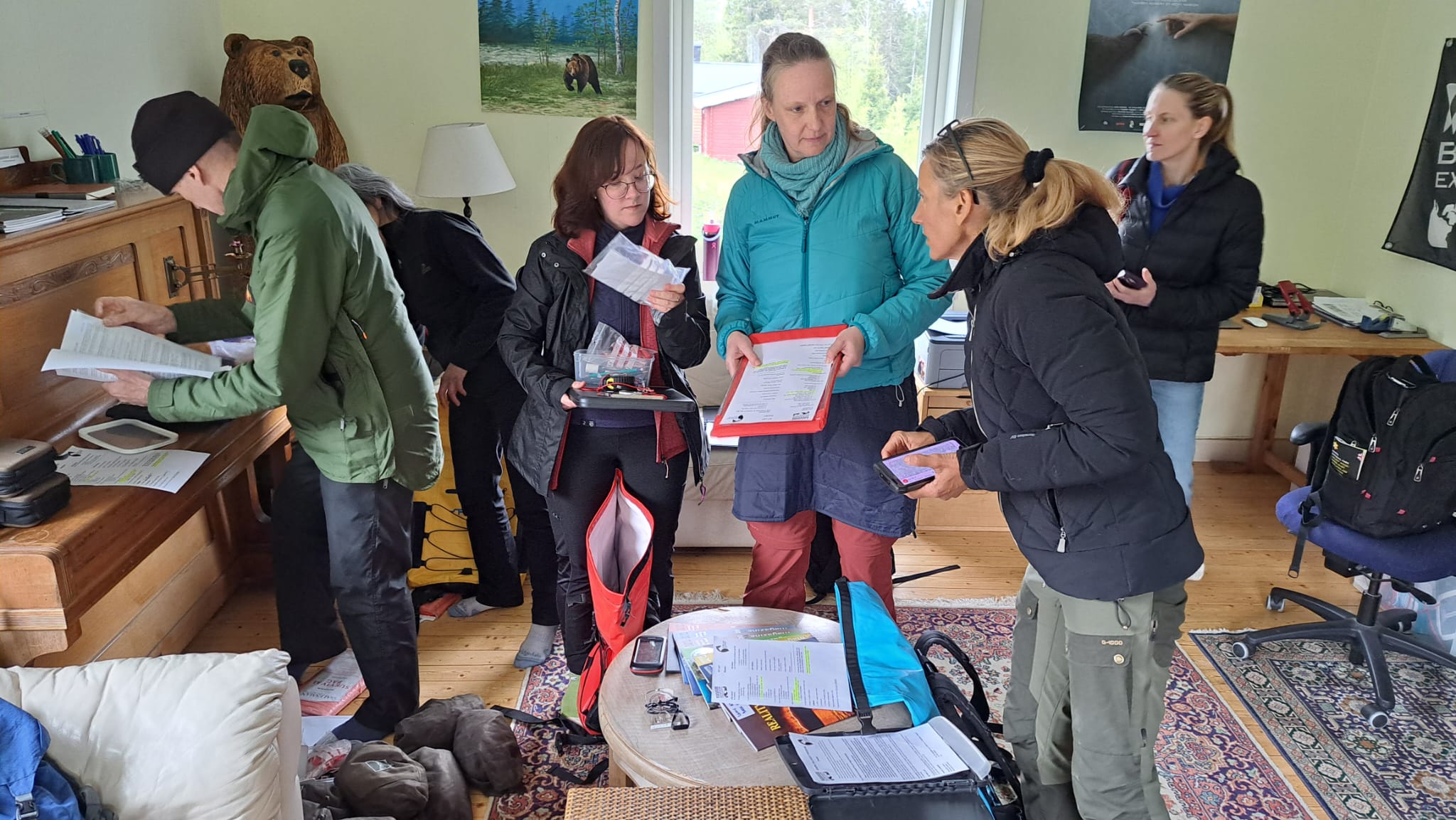
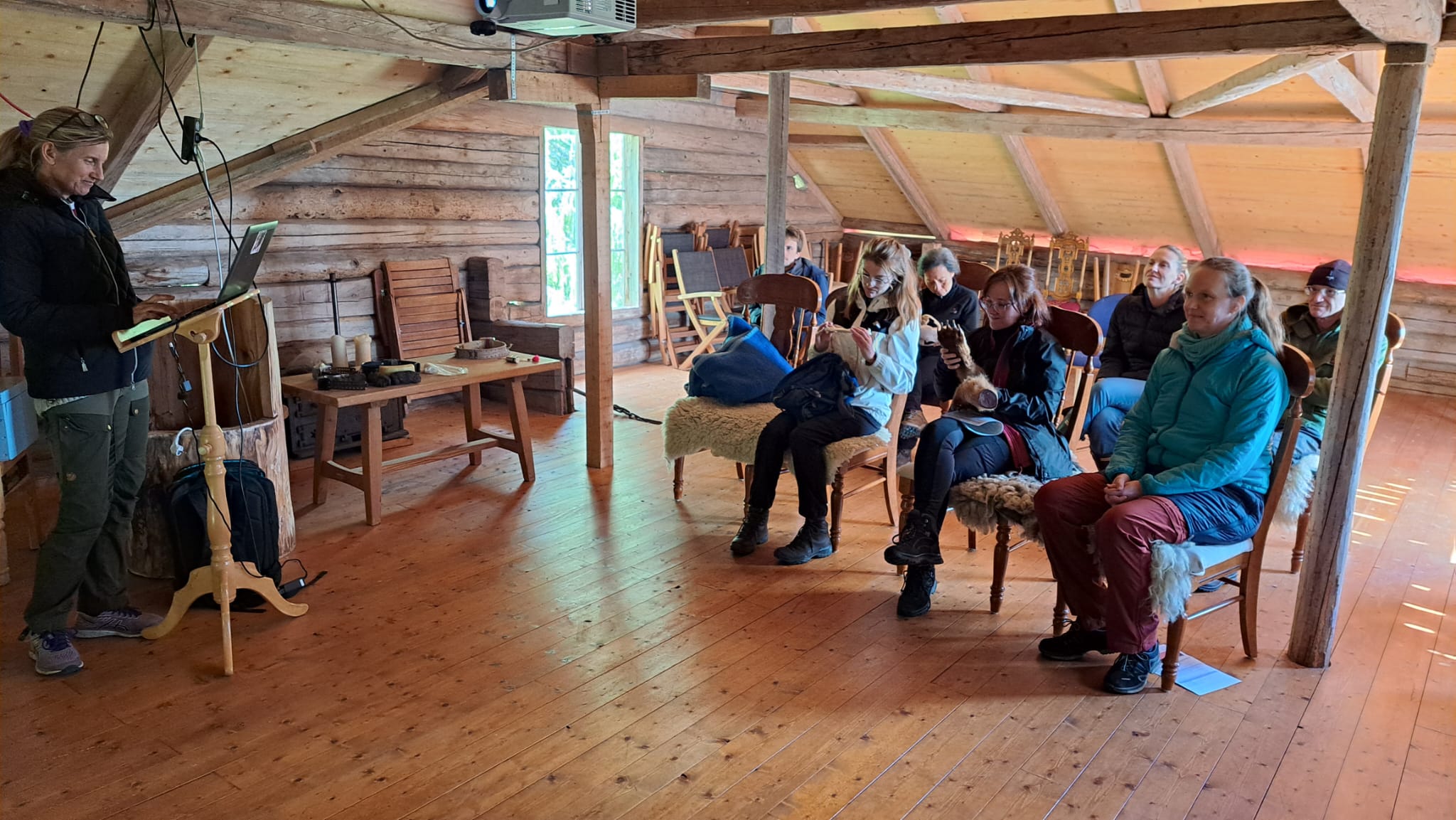
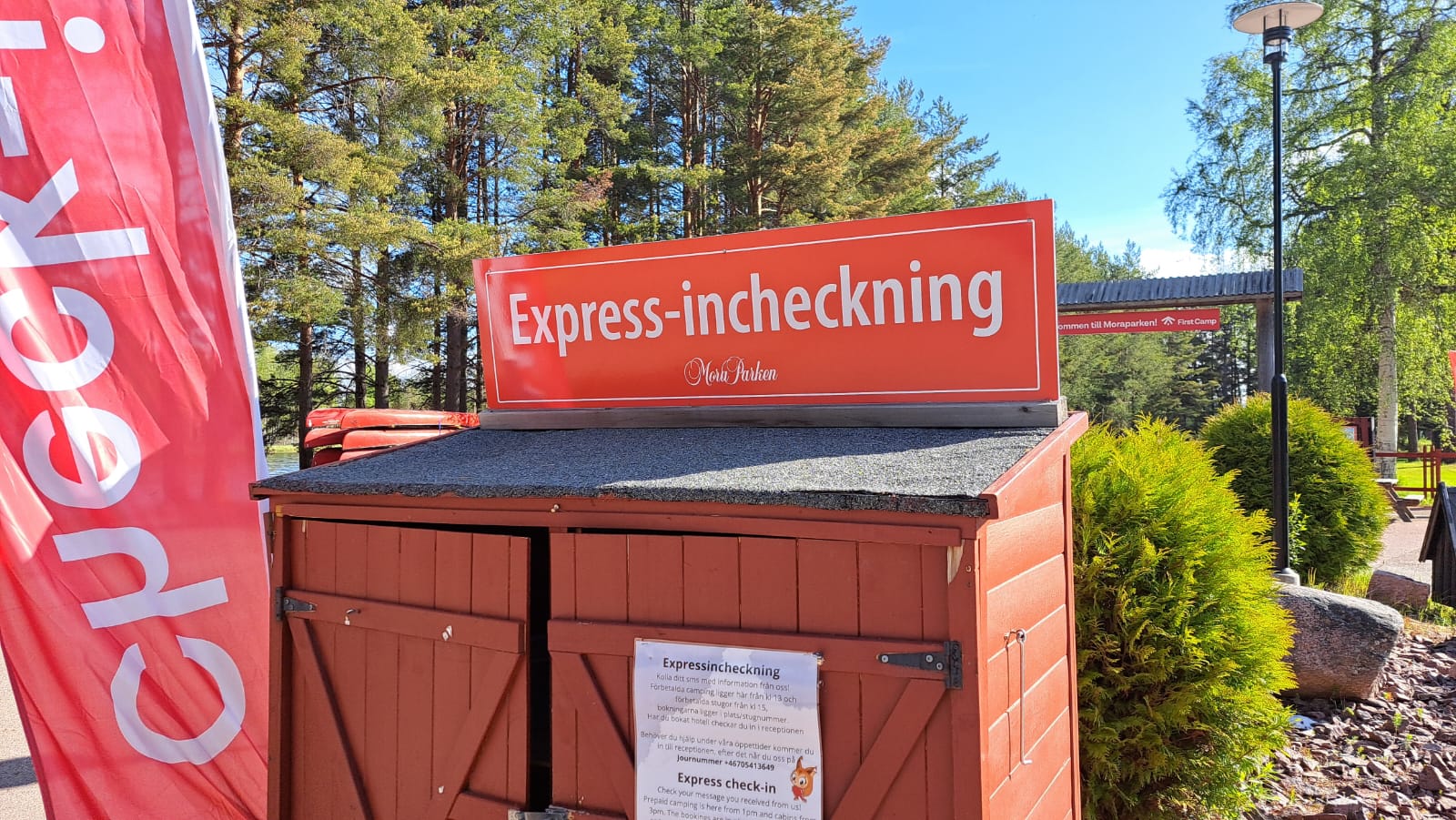
We’re off with everyone here. After some “express-incheckning” in Mora we proceeded to the expedition base and went straight into training for the rest of the morning and early afternoon: What the project is about, why citizen science is so important to it, how the bears are doing, what we will be doing, how to use a GPS & compass, how to pack your research bag and more.
In the afternoon, we checked out some old dens to see what a rock and anthill den look like, as well as an open hibernation nest (the big males just make one of those and let themselves get snowed in). Then a short lecture, dinner with the fire roaring, crash.
More of the same tomorrow. Boring, this life of a field biologist 😉
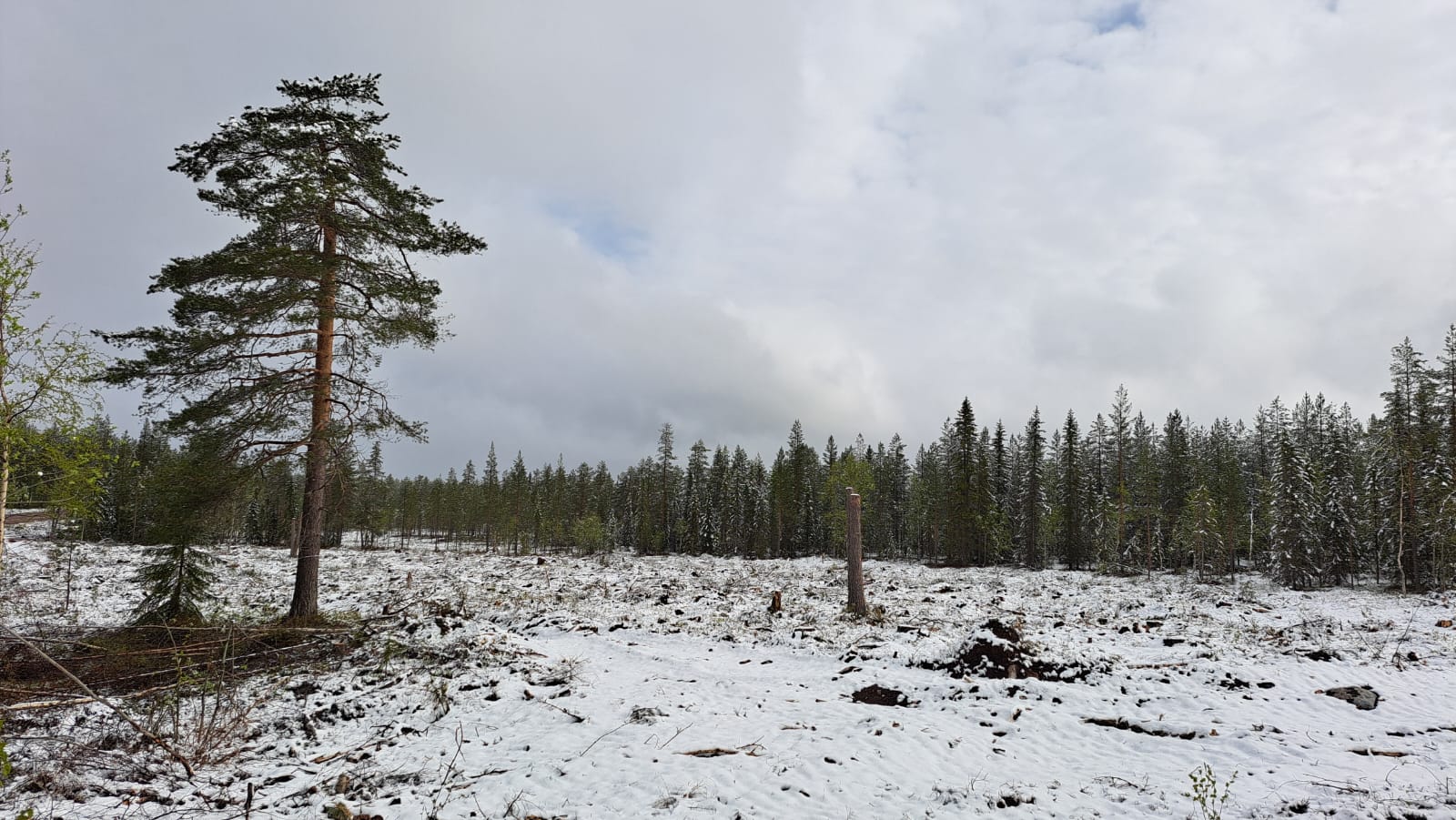
Sweden is as beautiful as ever, so is our expedition base and the surrounding forest. Note that it snowed today.
Snow in May
The bears have not fared too well over the past 12 months. The government has slashed the number of bears it wants alive in Sweden from 2800 to 1400. This has meant that over the past year lots of bears have been killed in the study site, many of them with collars. At the same time the SBBRP has been starved of funds. How all this impacts what we do on the expedition this year, Andrea will explain when you get here. Suffice it to say that your contribution will be as important as ever, if not more.
On the bright side, we’ll be getting everything ready for you over the next few days. The weather forecast says the weather should improve and get warmer by the time you arrive, but come prepared for fours seasons anyway.
So safe travels and I’ll leave you with some impressions from today…
It’s time for our 2025 edition of our Sweden bear expedition, working in collaboration with Björn & Vildmark (bear & wilderness). I am Matthias Hammer and I will be your expedition leader this year.
Expedition base
This is our fifth citizen science research expedition in Dalarna province, Sweden, gathering field data on brown bears (Ursus arctos), contributing to the conservation of this iconic Scandinavian mammal. The data collected is used by the trans-national Scandinavian Brown Bear Research Project (SBBRP). Expedition scientist Dr Andrea Friebe has worked in the SBBRP since 1998 and wrote her master thesis and dissertation about brown bear hibernation and ecology in Sweden.
Dr. Andrea Friebe
The main focus of the Biosphere Expeditions brown bear research expeditions is locating and surveying winter dens used by bears that have previously been fitted with tracking devices. Once the bears have left in spring, each winter den is then carefully measured by the citizen scientists and a wide range of data are collected relating to the type of den, the surrounding habitat and any evidence of cubs and/or bear scats at the den site. The data gathered by the expeditions are used by the SBBRP as part of their long-term research programme following the lives of specific bears from birth to death, to gain insights into bear diet, weight development, patterns of movement, colonisation of new areas, choice of den, social behaviour, mortality and reproduction. Inter-species interaction with moose and domestic livestock have also been investigated, as well as the sensitivity of bears to human disturbance and human-bear conflict. The purpose of this all this is to provide managers in Norway and Sweden with solid, fact-based knowledge to meet present and future challenges by managing the population of brown bears, which is both an important hunted species and a source of conflict, and whose management has been changing rapidly in recent years.
Investigating a den
So, here we are. I hope you have read the latest expedition reports, your preparations are going well and you are all excited. I will be a few days ahead of you and my next diary entry will be from Sweden with updates from the ground.
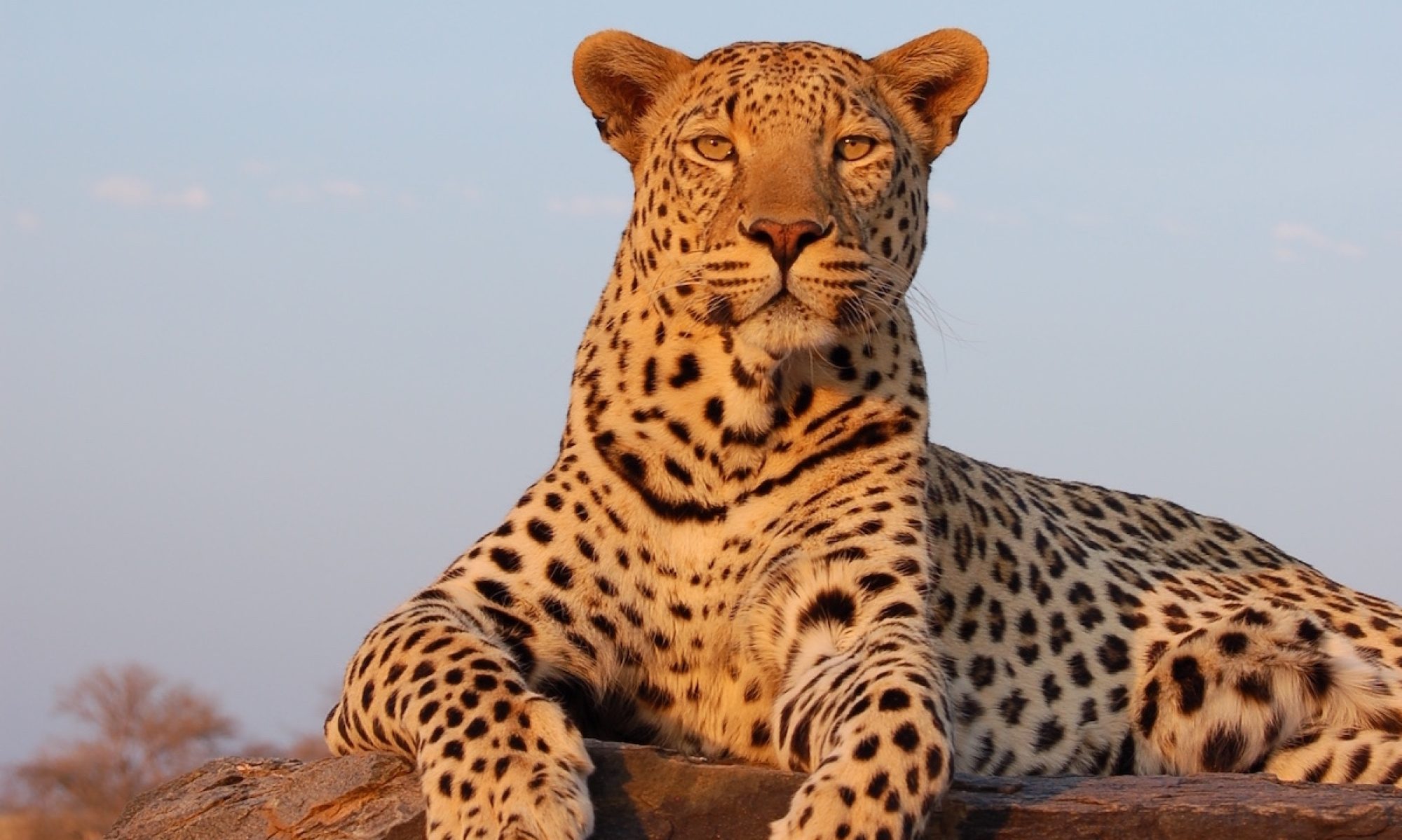
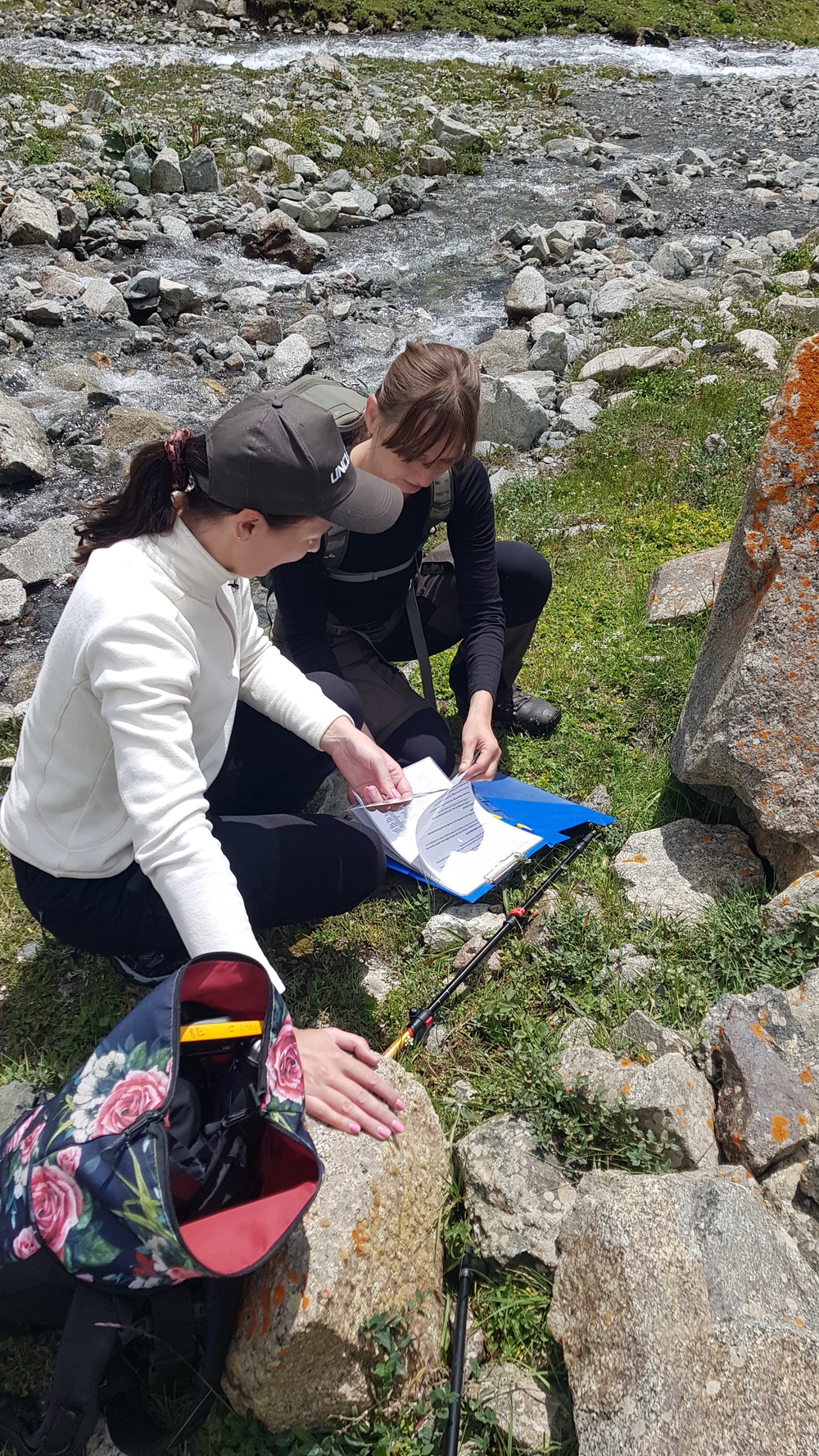
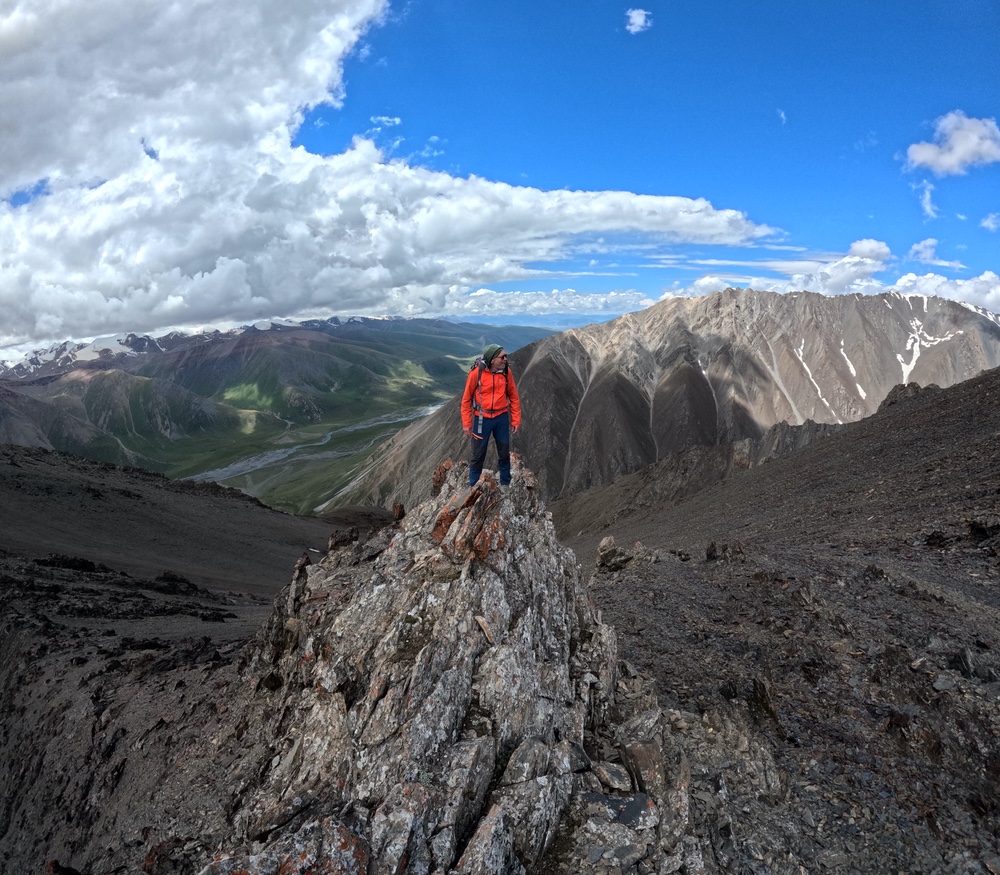
The snow leopard – perhaps the most iconic flagship species of them all – is listed as Vulnerable on the IUCN Red List because there are probably fewer than 10,000 adults left in the wild. Living in the high mountains of eastern Afghanistan, the Himalayas and the Tibetan Plateau to southern Siberia, Mongolia and western China, they are threatened by poaching, habitat destruction and climate breakdown. Helping in their conservation are organisations such as Biosphere Expeditions, who has worked in snow leopard conservation for over 20 years, making it one of the longest-running research projects on snow leopards ever conducted. Citizen science is key to this success story.
“We can only do this, because our citizen scientists from all over the world have provided a steady source of labour and funding”, says Dr. Matthias Hammer, founder and executive director of Biosphere Expeditions, the award-winning non-profit, which celebrated its 25th anniversary in 2024. “It works because these intrepid people are prepared to travel to remote places and help with research such as tracking, camera trapping, biodiversity surveys and more – tasks that can be taught in a day or two – but which provide valuable data for our professional scientists”, continues Hammer. “And they fund the research expeditions through their expedition contributions. So everyone wins: The scientists get data, the citizen scientist a unique and useful experience, and the animals get protected”.
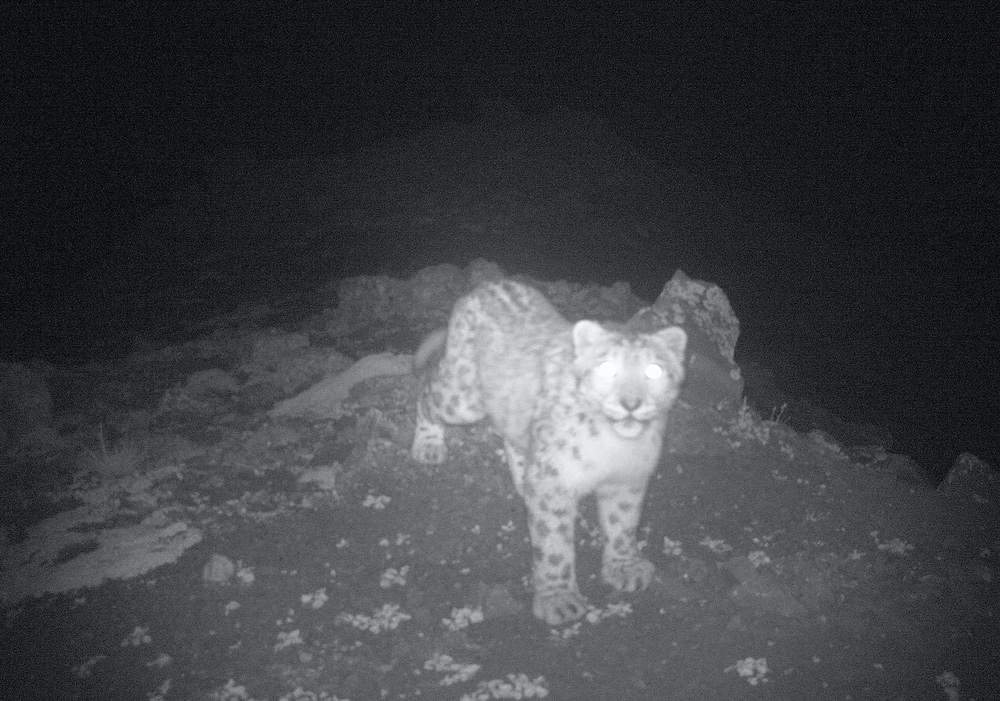
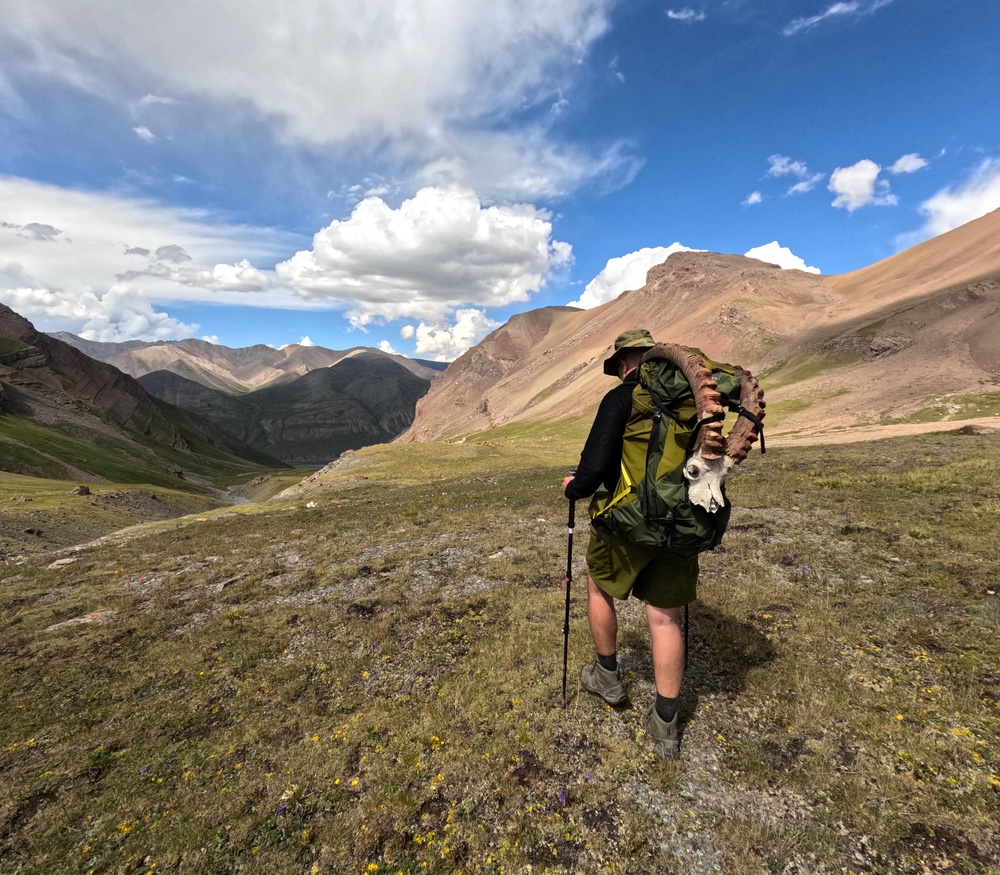
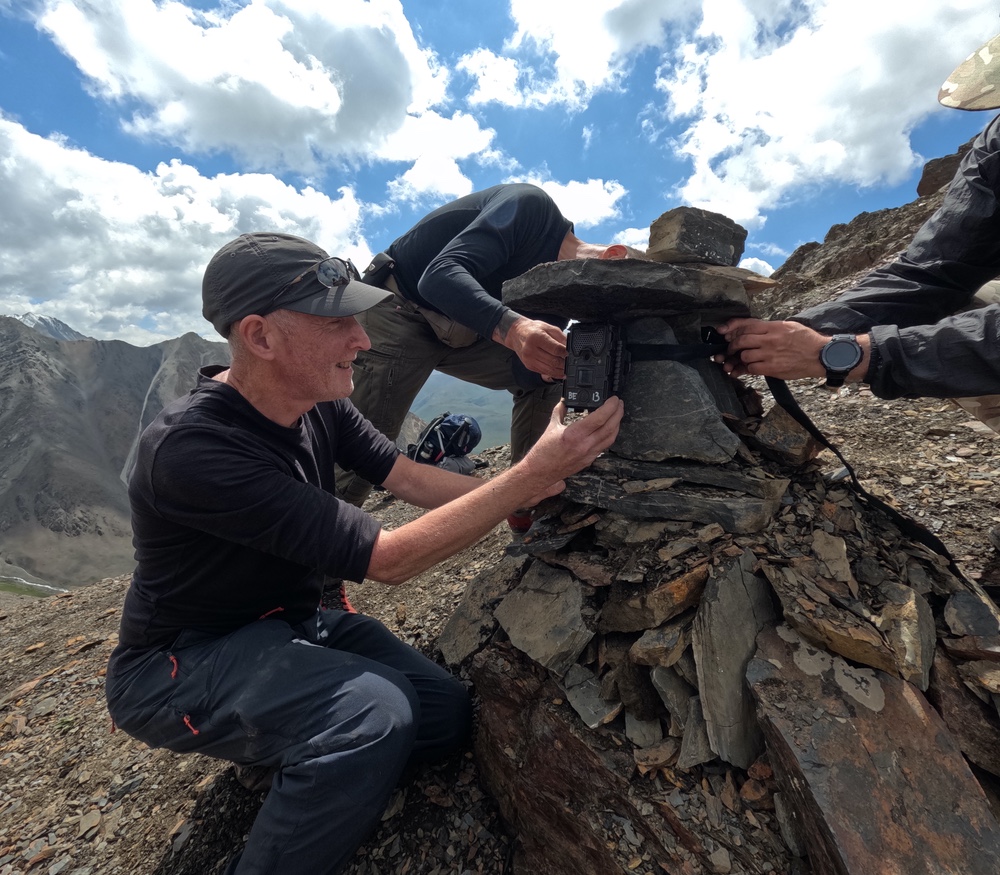
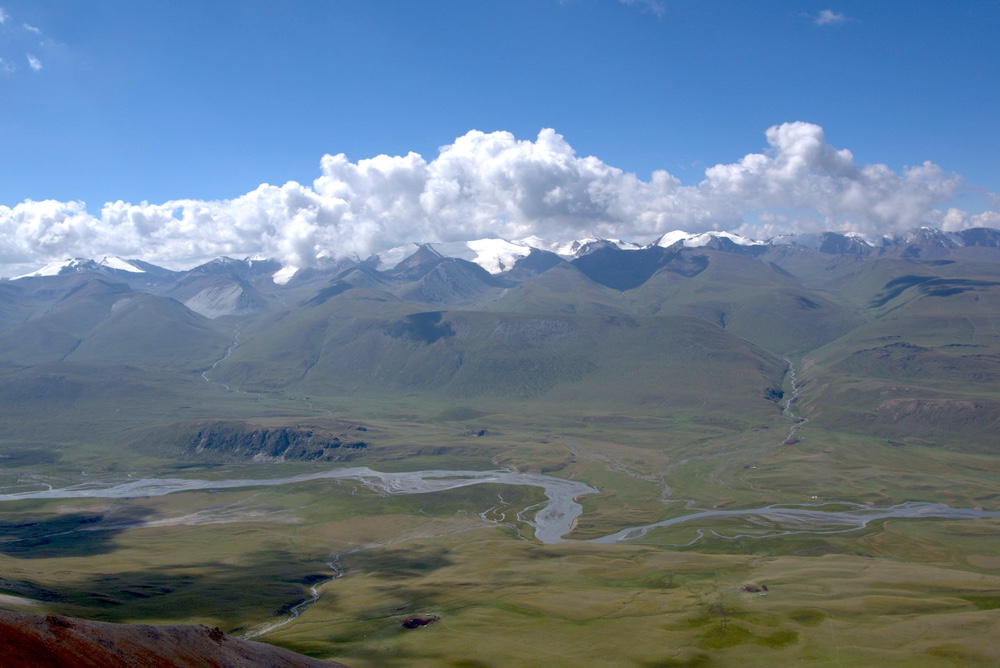
The snow leopard expeditions are a case in point: Initially, expeditions were based in the Altai mountain range in Russia from 2003 to 2011, where they utilised sign rates and sightings for species recordings to confirm snow leopard presence, which contributed to the establishment of Saylyugemsky National Park. From 2014 onwards, when the national park in the Altai was well on its way, expeditions moved to Kyrgyzstan: First the Karakol valley and lately in the Burkhan & Archaly valleys, all in the Tien Shan mountain range. There, as the 2024 expedition report details, snow leopards were recorded multiple times by camera trapping, track identification and DNA analysis of snow leopard droppings. Analysis of the camera trap photos showed that two, perhaps three snow leopards of unknown sex populate the Burkhan & Archaly valleys, which fits well with home ranges published by other studies. Further expeditions, including in the summer of 2025, will study whether these animals are just moving through or resident. The overall conclusion of the 2024 expedition was clear: The Burkhan & Archaly valleys are significant snow leopard habitat, which could develop into a snow leopard stronghold if the two main threats of game ungulate poaching and significant overgrazing by oversized herds can be tackled.
“So we will return there this summer”, says Emilbek Zholdoshbekov of Ala-Too International University, the young, early-career scientist who has served as the expedition scientist since 2024. He stands in a long line of professional scientists from Russia, Ukraine, Kyrgyzstan, the UK, the USA, Germany and Brazil, who have all contributed to the expeditions, as have over 500 citizen scientists from over 20 countries across the world over the last 22 years.
“Being the expedition scientist is a great honour and a great experience for me, because this is my first time taking part in a serious project of this kind”, continues Zholdoshbekov. “I am so grateful for the help and to have met all these wonderful people coming to Kyrgyzstan to protect one of our national treasures”.
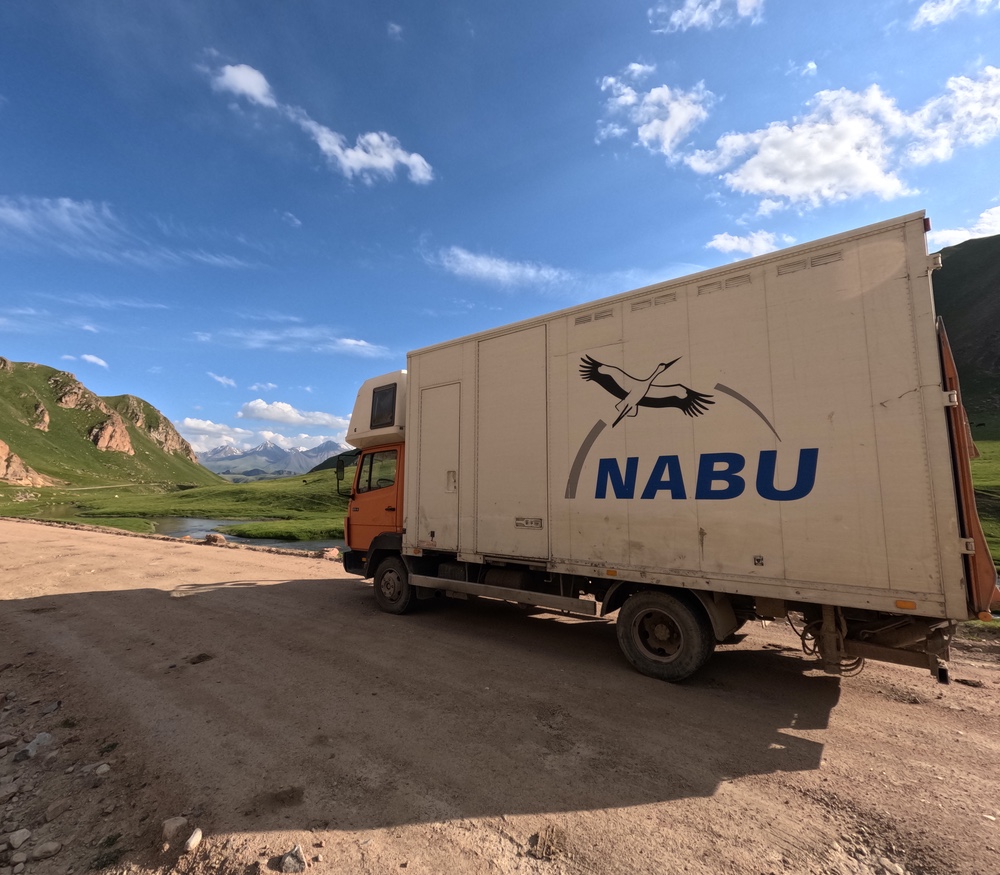
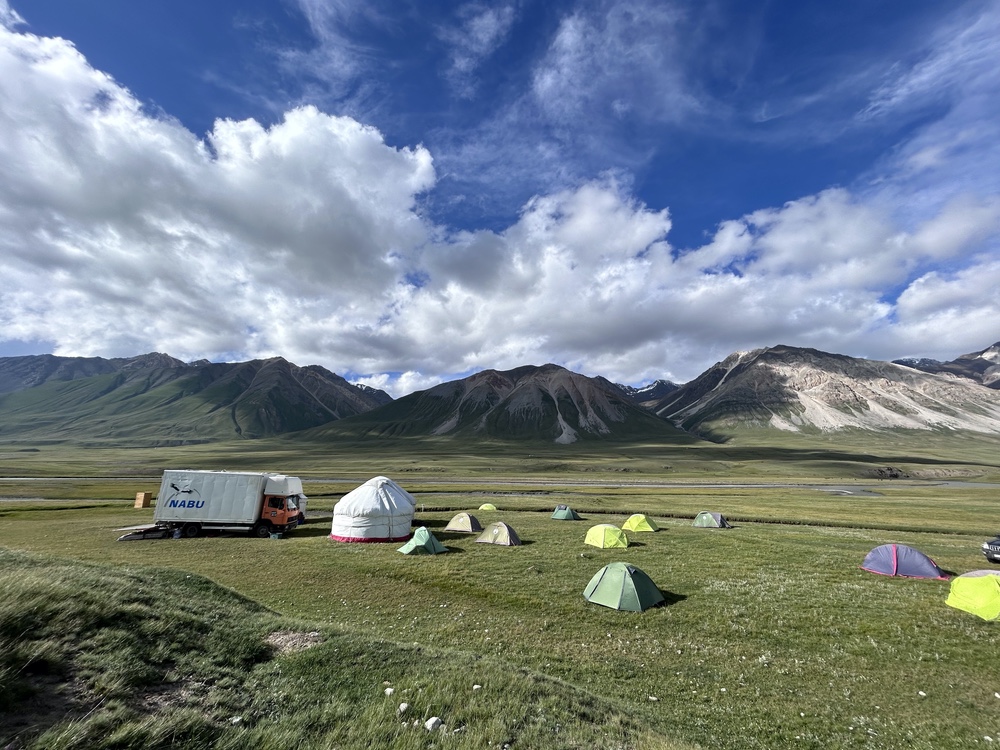
Another long-term partner of the expeditions is NABU Kyrgyzstan, an offshoot of Germany’s largest nature conservation NGO NABU. Both NGOs, NABU and Biosphere Expeditions, have been partners ever since the snow leopard research project moved to Kyrgyzstan, “In fact an invitation by NABU is what led us to Kyrgyzstan after our job in the Altai was done and the environment in Russia became increasingly hostile to expeditions involving foreigners”, says Hammer. “And from day 1 it was a success”, says Tolkunbek Asykulov, head of NABU Kyrgyzstan, “with our snow leopard anti-poaching group bedding the expeditions in and helping them for the last 10 years. It is especially gratifying to see a young, early-career compatriot leading on the science of the expedition now. This is what building capacity should look like, so thank you to Biosphere Expeditions and its many citizen scientists over the years”, Asykulov concludes.
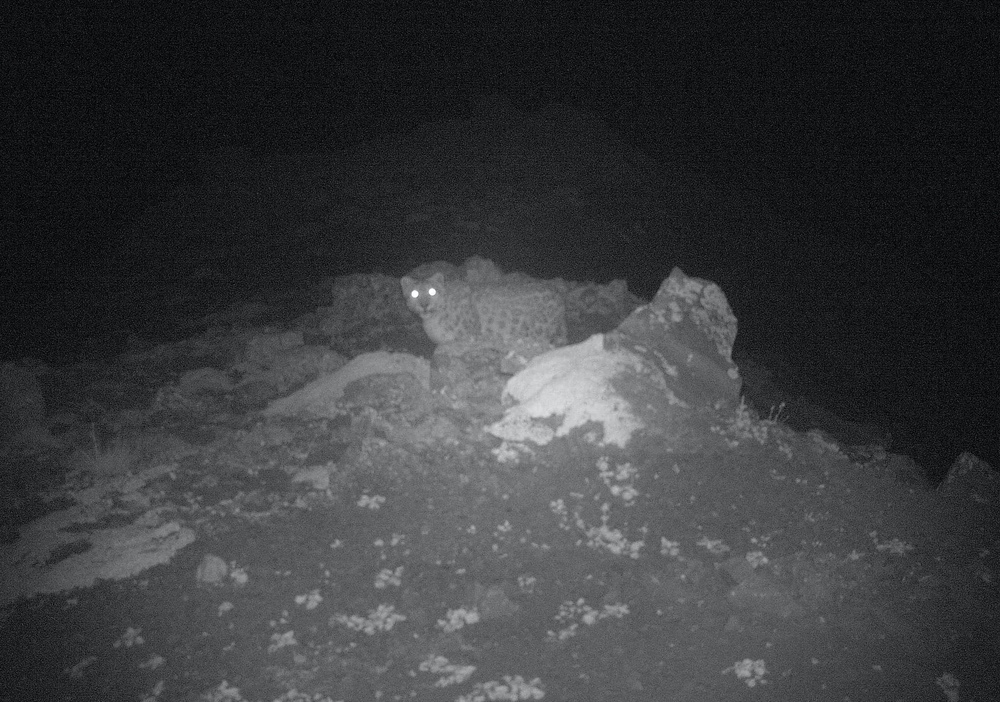
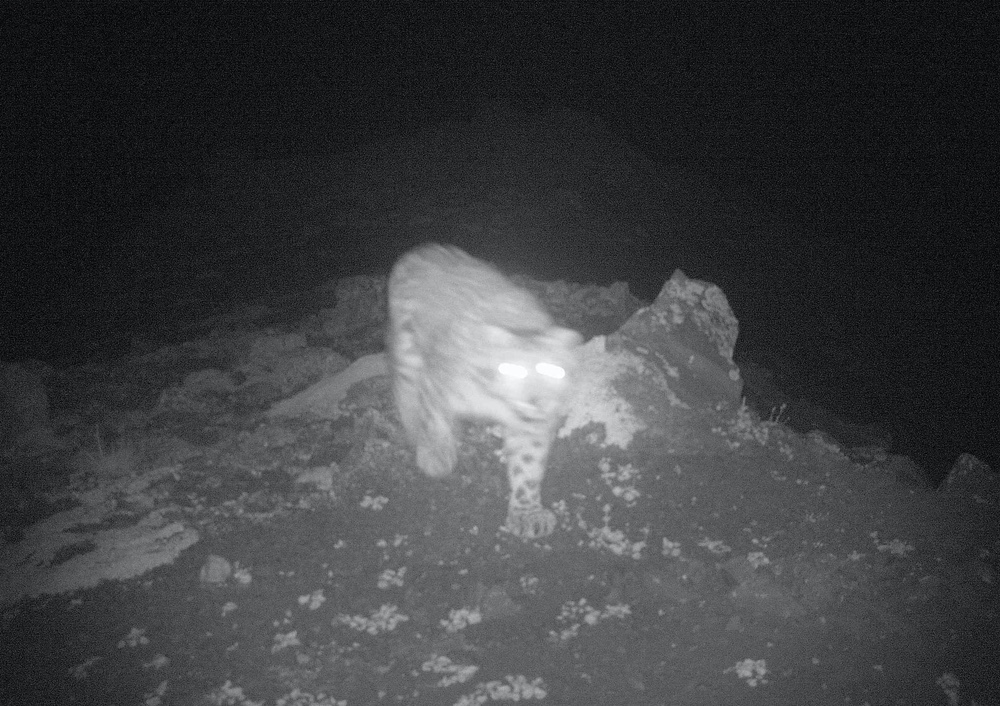
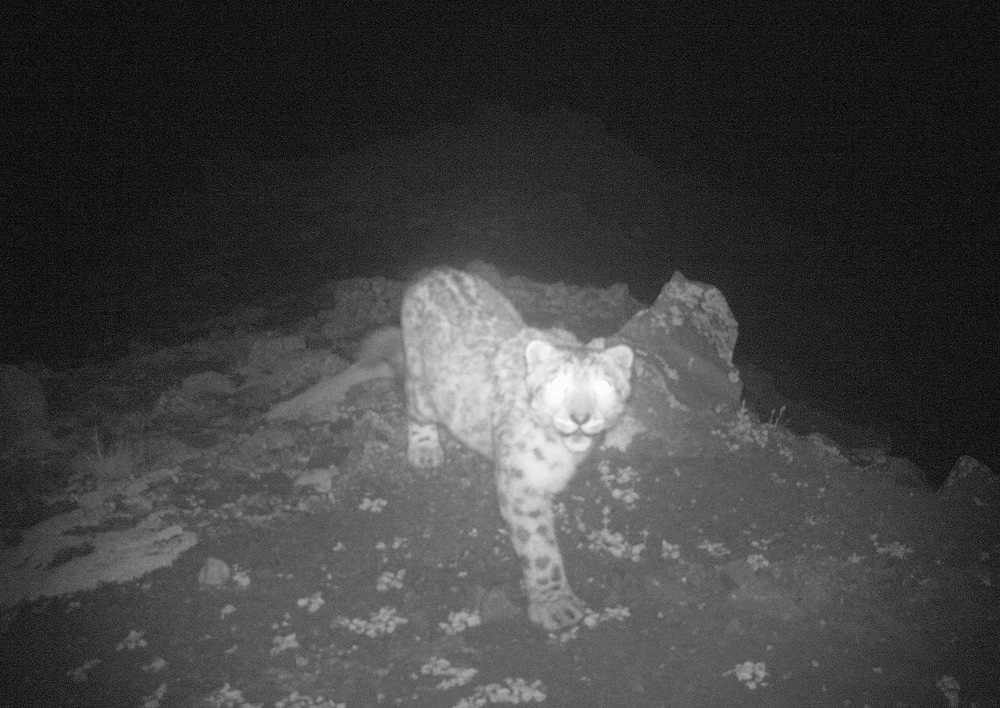
Snow leopard camera trap capture sequence 1 from the 2024 expedition
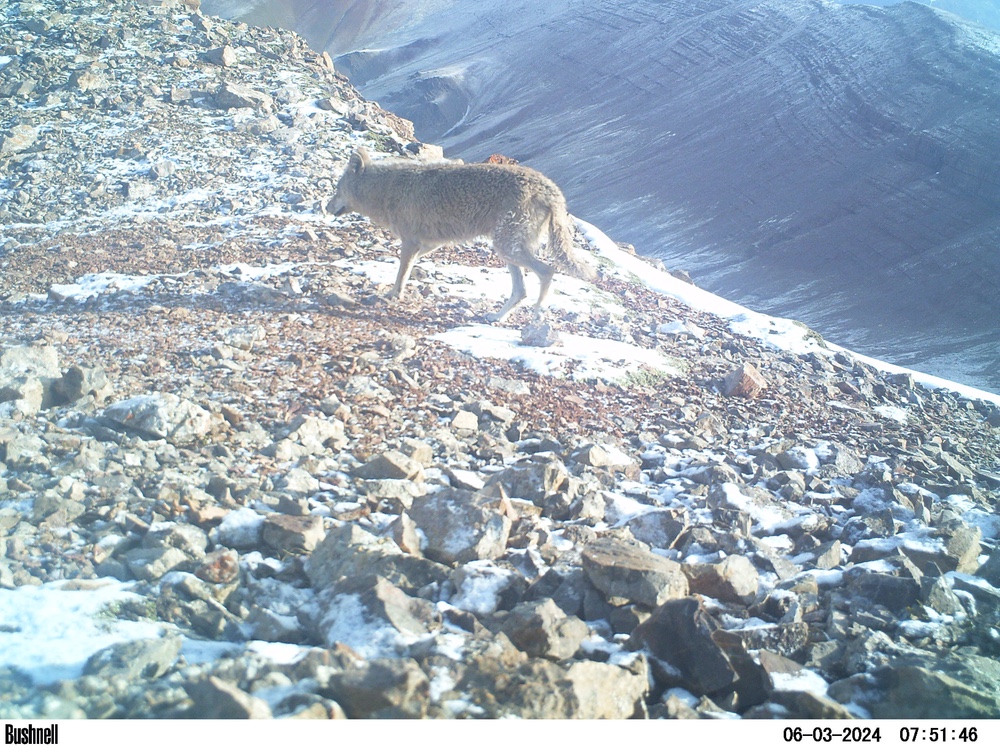
Snow leopard camera trap capture sequence 2 from the 2024 expedition
Feedback from the citizen scientists:
Great mother – daughter trip! First sighting of the Tien Shan mountains took our breath away. Daily treks out to search 2x2km cells for wildlife, who knew identifying marmot and badger scat could be so much fun?! One of the best parts was the wonderful multi-cultural interactions with the other participants and the leaders. Memories that will last a lifetime. Gina and Kerry R, USA
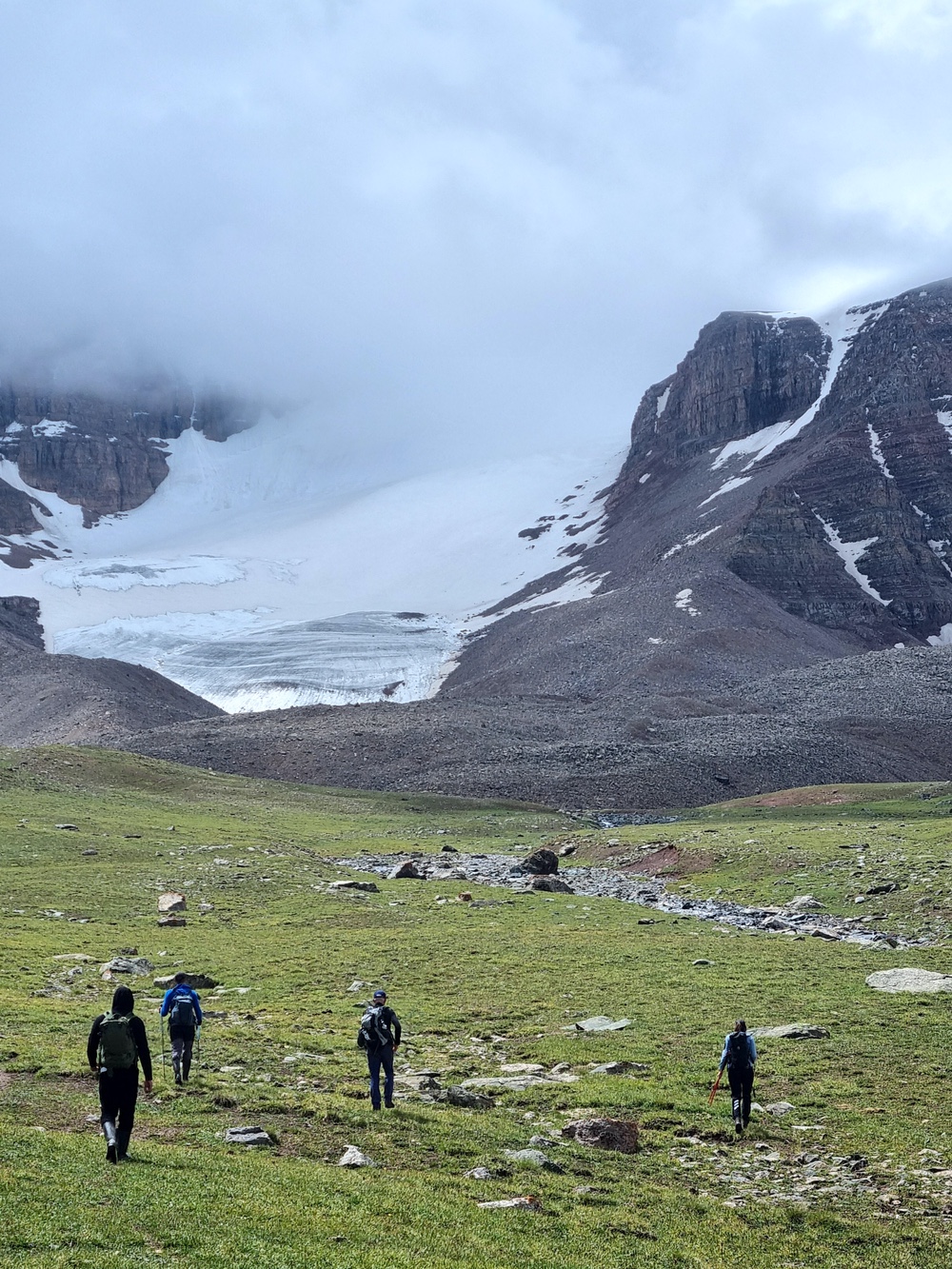
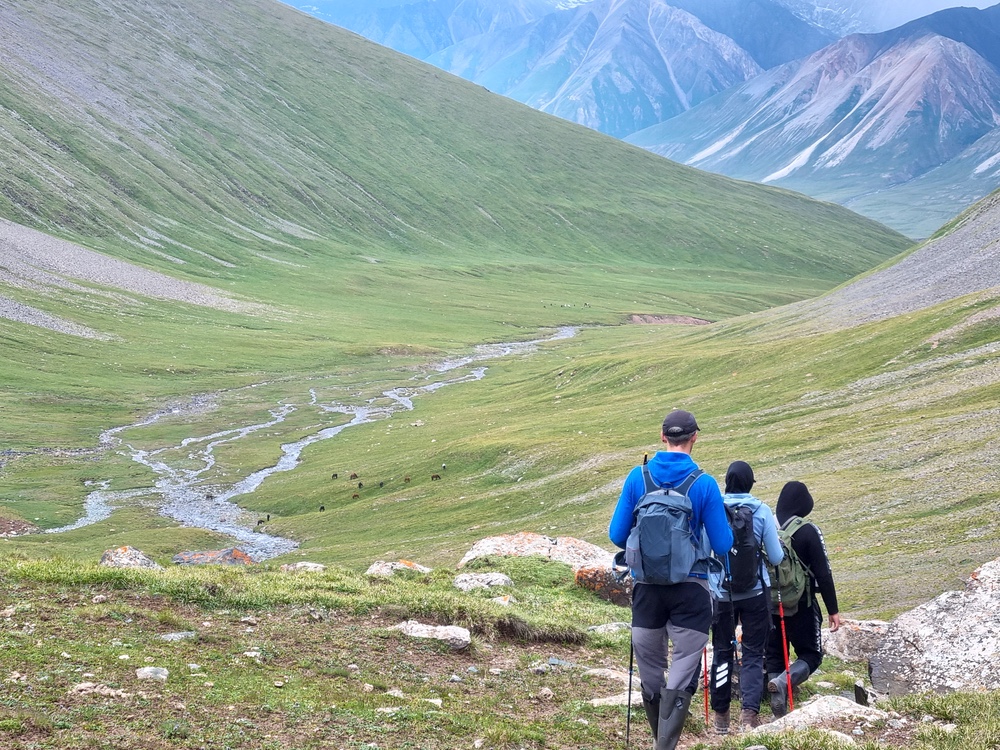
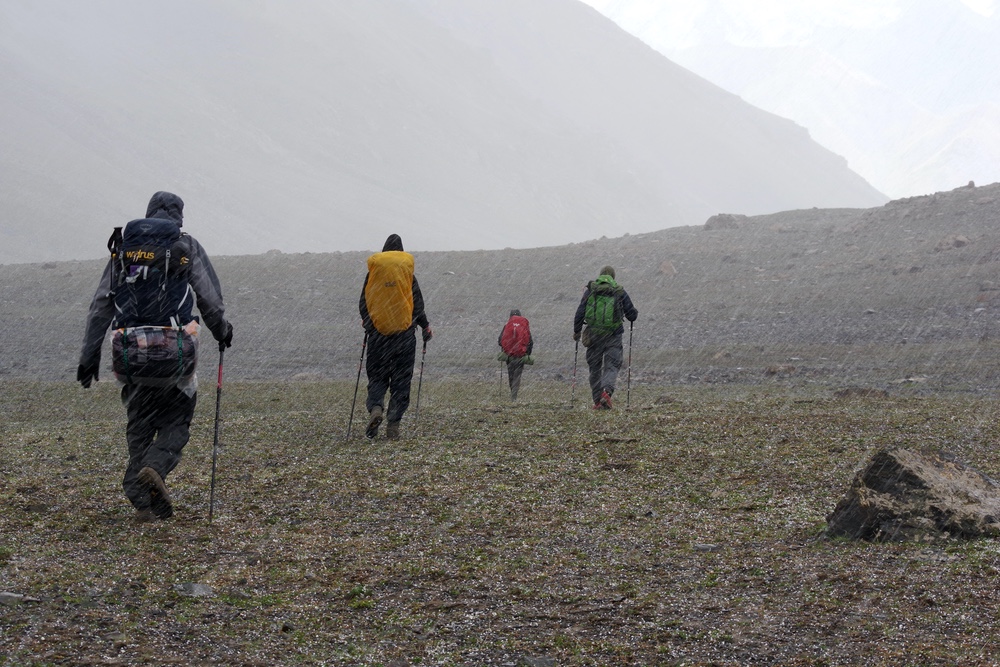
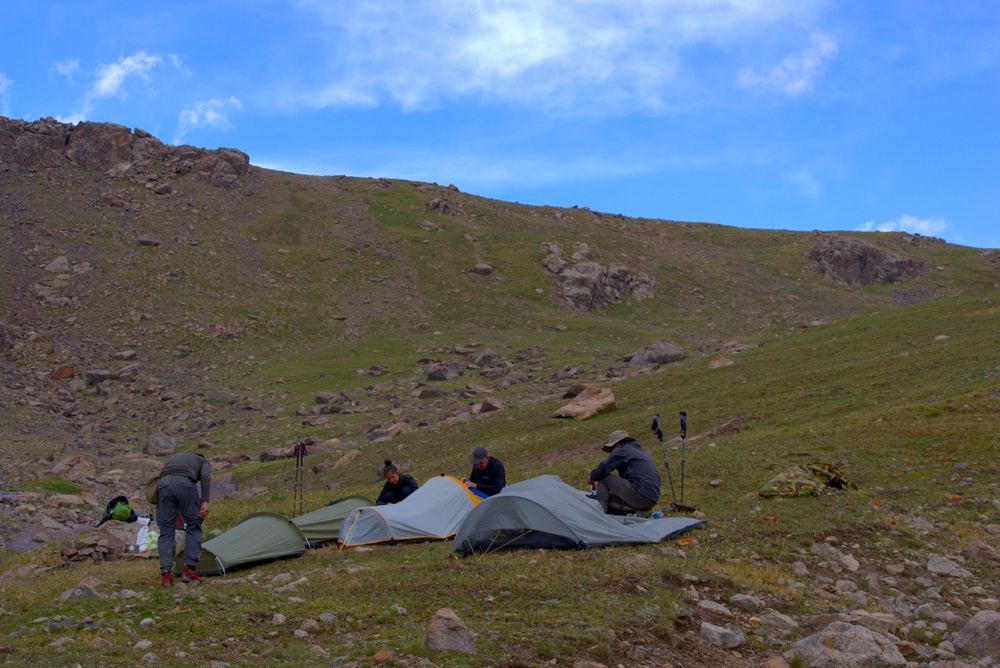
Thank you so much for this great experience. It touched me deeply and I will take so many special memories with me. Entering the high rocky mountains to the “living room” of the snow leopard, the wonderful nature, animals, flowers, the very friendly and hard-working locals, drinking water from a glacier, river crossings and to work with camera traps capturing snow leopards in their natural habitat. What else can one ask for? Tanja M., Germany
No phone network, no distractions, nothing unnecessary and still everything that was needed. Or just what was needed. Nature – mountains, beautiful connections with amazing people and so much good hiking. Time to reflect and reconnect. Thank you Biosphere Expeditions for this experience. Mimi K., Germany
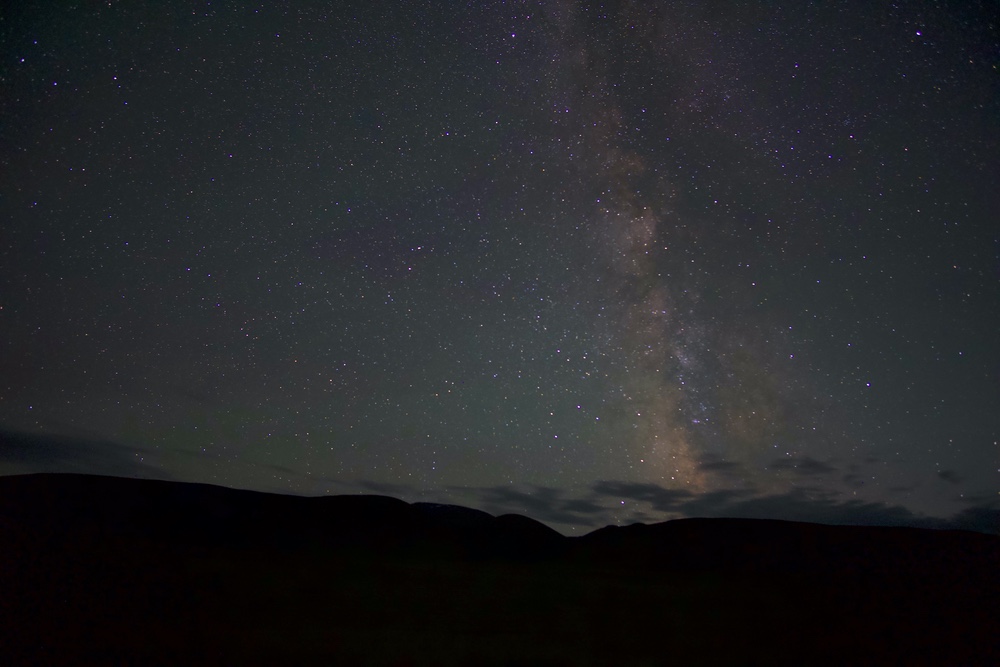
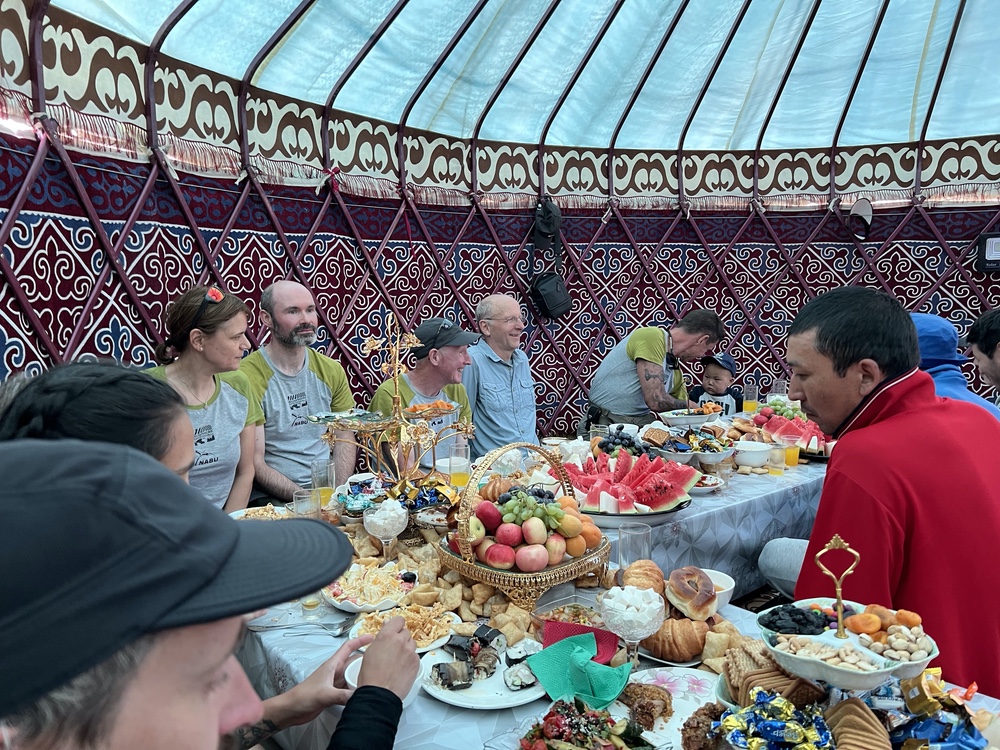
What an amazing experience it has been. Magnificent landscapes, a cool atmosphere, hiking surveys, frontier women on the overnight road-trip to Jyluu-Suu valley, offroad driving across glacial-fed rivers, wildlife sightings, clear night skies and the milky way, scenic toilet spots, delicious food, playing cards with the locals until far too late at night. The long hikes to discover the camera traps left by last year’s expedition members and the excitement when discovering images of snow leopards. I am grateful for a lifetime worth of memories. Seema I., Germany
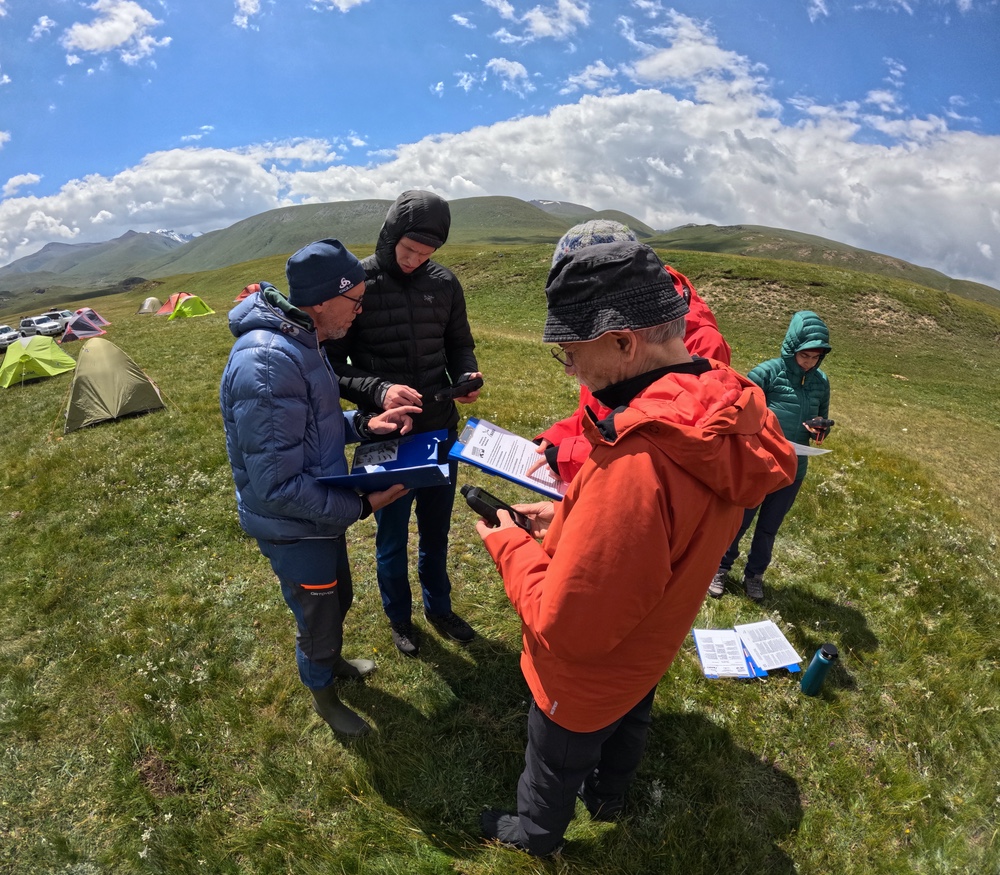
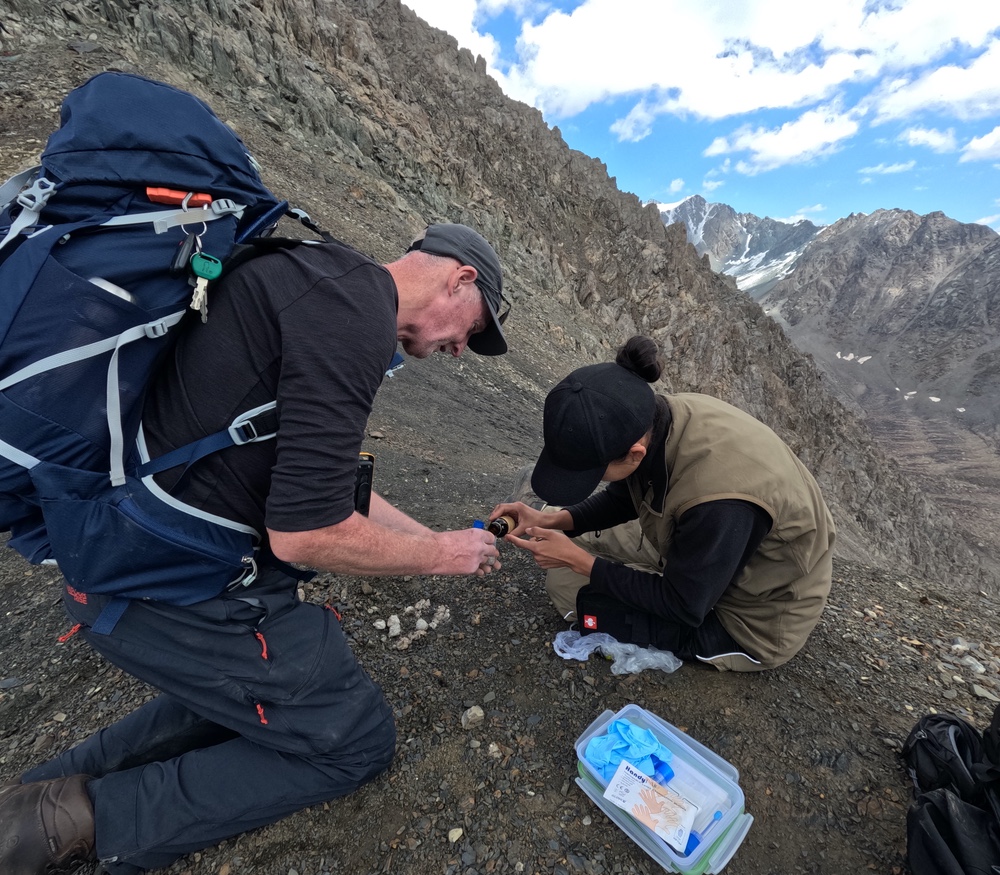
We thought you might be interested in the results of the DNA analysis of the samples you collected into the tubes.
Tubes 10, 12 (CT07), 13 and 14/15 (collected by group 3) are snow leopard.
All other tubes, i.e. all from group 1, as well as tubes 9 and 11 from group 3 are Mongolian wolf. Group 2 did not collect any tubes.
Thank you for your efforts in collecting these and the very useful results they yielded. More details and conclusions will be in the expedition report.






















































 Biosphere Expeditions: blogs from the frontline of wildlife conservation and the fight for a more sustainable planet