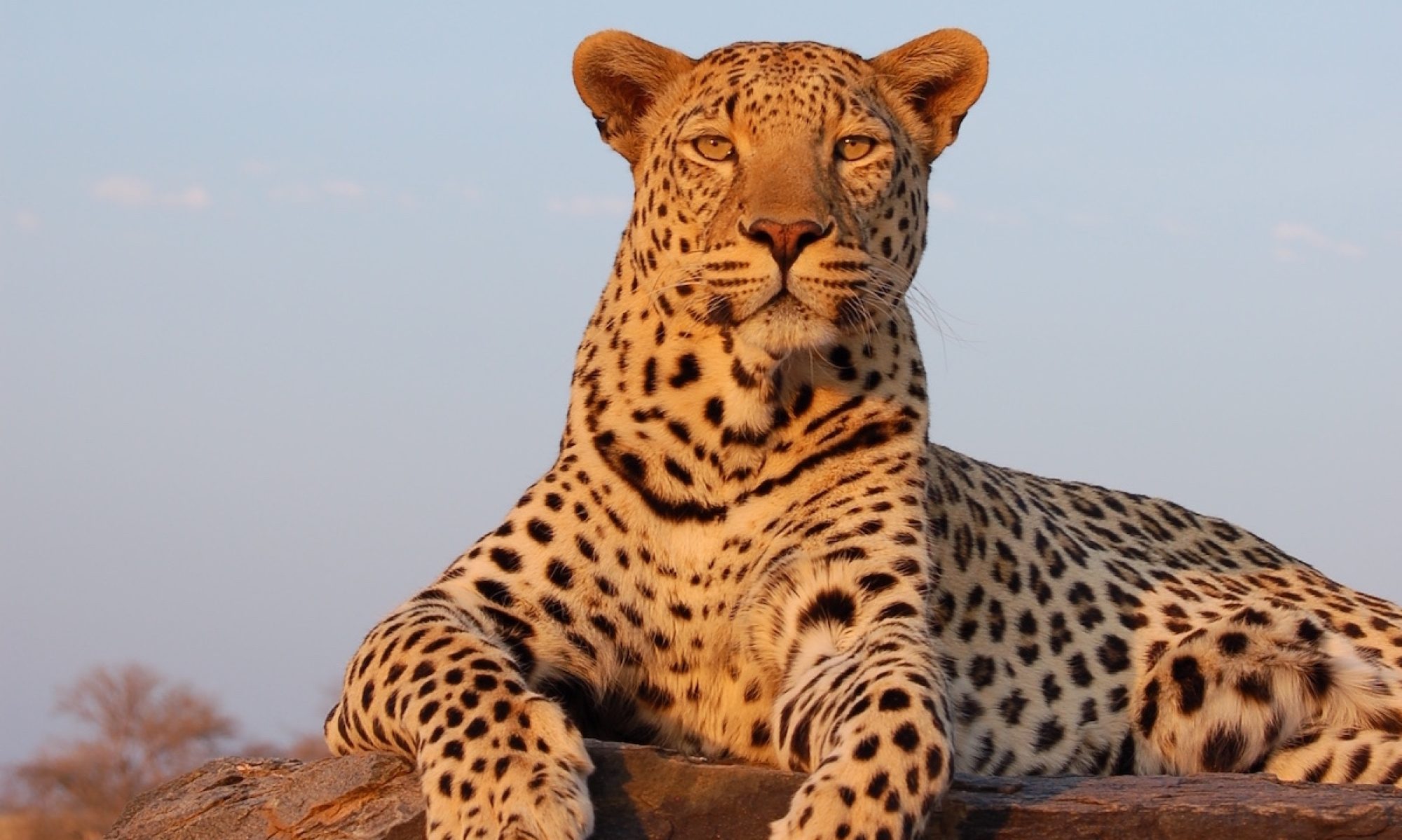

Update from our snow leopard volunteer project to the Tien Shan mountains of Kyrgyzstan
The snow leopard – perhaps the most iconic flagship species of them all – is listed as Vulnerable on the IUCN Red List because there are probably fewer than 10,000 adults left in the wild. Living in the high mountains of eastern Afghanistan, the Himalayas and the Tibetan Plateau to southern Siberia, Mongolia and western China, they are threatened by poaching, habitat destruction and climate breakdown. Helping in their conservation are organisations such as Biosphere Expeditions, who has worked in snow leopard conservation for over 20 years, making it one of the longest-running research projects on snow leopards ever conducted. Citizen science is key to this success story.
“We can only do this, because our citizen scientists from all over the world have provided a steady source of labour and funding”, says Dr. Matthias Hammer, founder and executive director of Biosphere Expeditions, the award-winning non-profit, which celebrated its 25th
anniversary in 2024. “It works because these intrepid people are prepared to travel to remote places and help with research such as tracking, camera trapping, biodiversity surveys and more – tasks that can be taught in a day or two – but which provide valuable data for our professional scientists”, continues Hammer. “And they fund the research expeditions through their expedition contributions. So everyone wins: The scientists get data, the citizen scientist a unique and useful experience, and the animals get protected”.
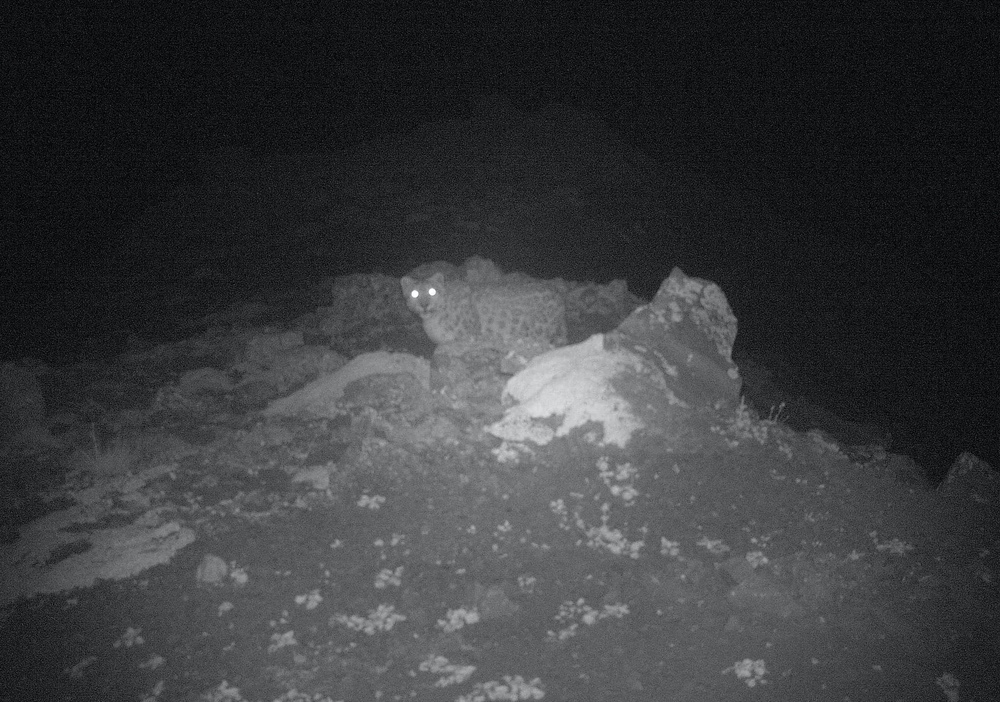
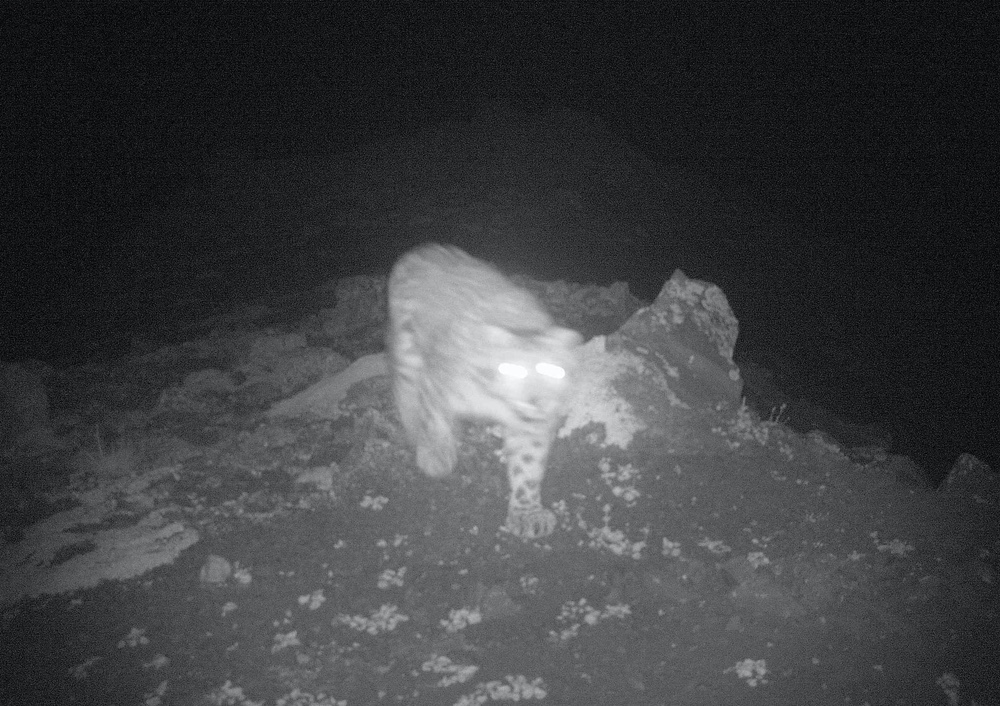
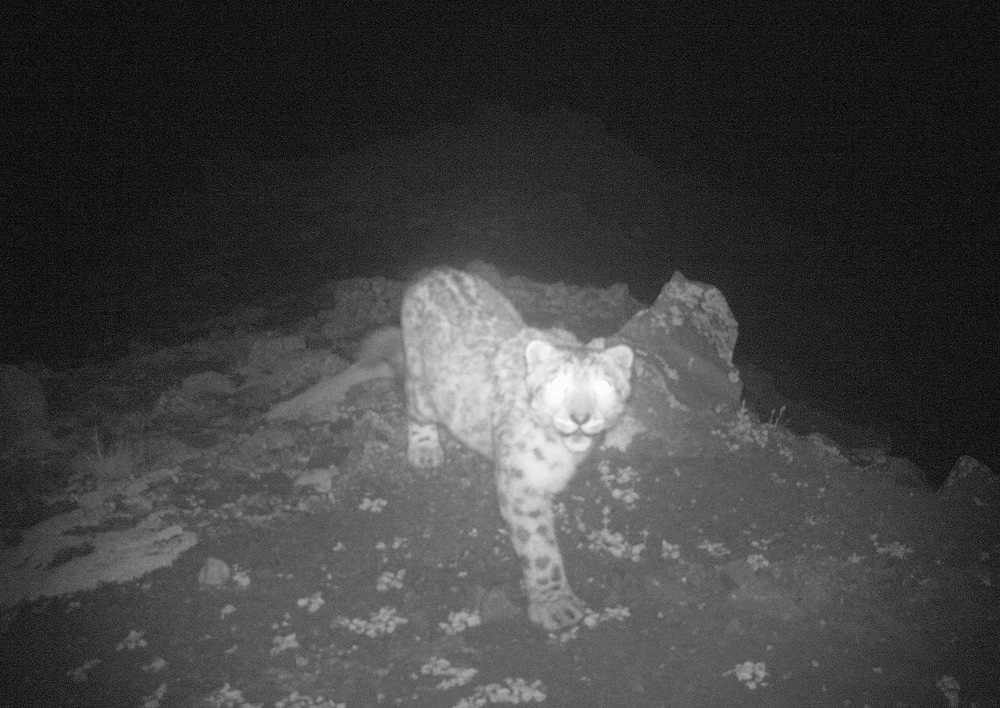
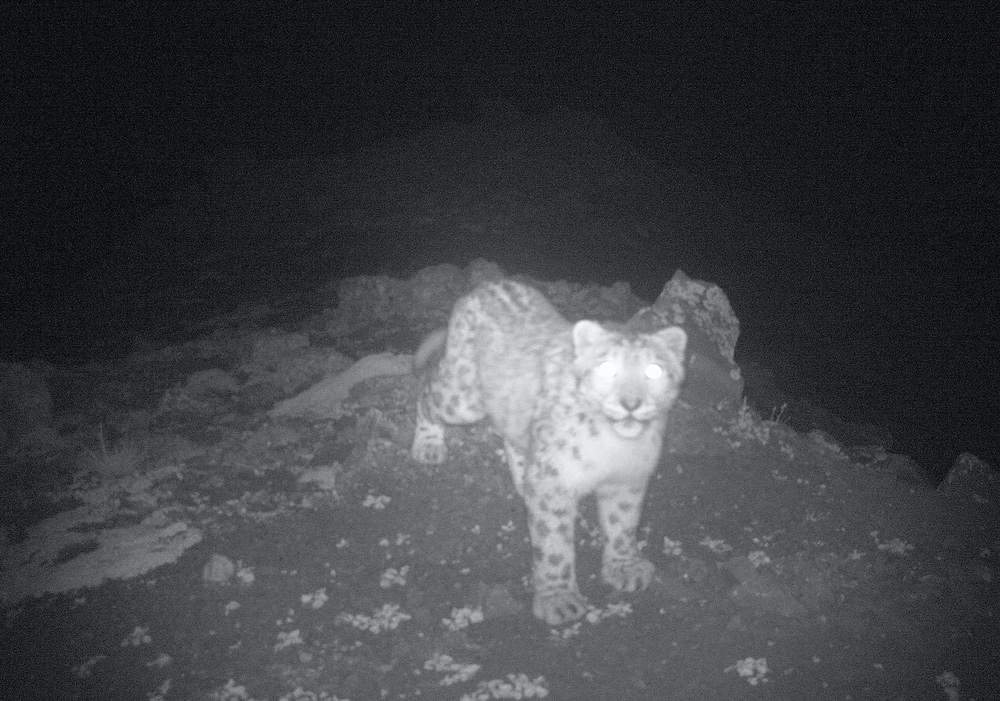
The snow leopard expeditions are a case in point: Initially, expeditions were based in the Altai mountain range in Russia from 2003 to 2011, where they utilised sign rates and sightings for species recordings to confirm snow leopard presence, which contributed to the establishment of Saylyugemsky National Park. From 2014 onwards, when the national park in the Altai was well on its way, expeditions moved to Kyrgyzstan: First the Karakol valley and lately in the Burkhan & Archaly valleys, all in the Tien Shan mountain range. There, as the 2024 expedition report details, snow leopards were recorded multiple times by camera trapping, track identification and DNA analysis of snow leopard droppings. Analysis of the camera trap photos showed that two, perhaps three snow leopards of unknown sex populate the Burkhan & Archaly valleys, which fits well with home ranges published by other studies. Further expeditions, including in the summer of 2025, will study whether these animals are just moving through or resident. The overall conclusion of the 2024 expedition was clear: The Burkhan & Archaly valleys are significant snow leopard habitat, which could develop into a snow leopard stronghold if the two main threats of game ungulate poaching and significant overgrazing by oversized herds can be tackled.
“So we will return there this summer”, says Emilbek Zholdoshbekov of Ala-Too International University, the young, early-career scientist who has served as the expedition scientist since 2024. He stands in a long line of professional scientists from Russia, Ukraine,
Kyrgyzstan, the UK, the USA, Germany and Brazil, who have all contributed to the expeditions, as have over 500 citizen scientists from over 20 countries across the world over the last 22 years.

“Being the expedition scientist is a great honour and a great experience for me, because this is my first time taking part in a serious project of this kind”, continues Zholdoshbekov. “I am so grateful for the help and to have met all these wonderful people coming to Kyrgyzstan to protect one of our national treasures”.
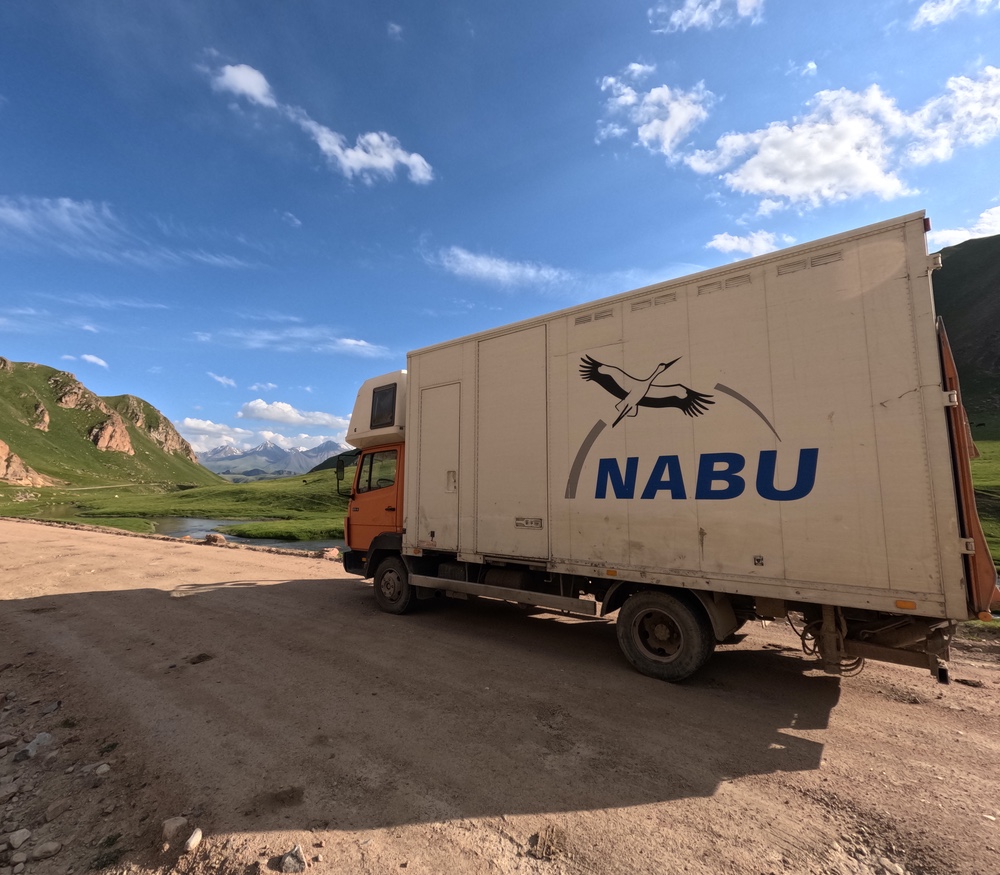
Another long-term partner of the expeditions is NABU Kyrgyzstan, an offshoot of Germany’s largest nature conservation NGO NABU. Both NGOs, NABU and Biosphere Expeditions, have been partners ever since the snow leopard research project moved to Kyrgyzstan, “In fact an invitation by NABU is what led us to Kyrgyzstan after our job in the Altai was done and the environment in Russia became increasingly hostile to expeditions involving foreigners”, says Hammer. “And from day 1 it was a success”, says Tolkunbek Asykulov, head of NABU Kyrgyzstan, “with our snow leopard anti-poaching group bedding the expeditions in and helping them for the last 10 years. It is especially gratifying to see a young, early-career compatriot leading on the science of the expedition now. This is what building capacity should look like, so thank you to Biosphere Expeditions and its many citizen scientists over the years”, Asykulov concludes.
The 2025 expedition will take place in July/August.
Feedback from the citizen scientists:
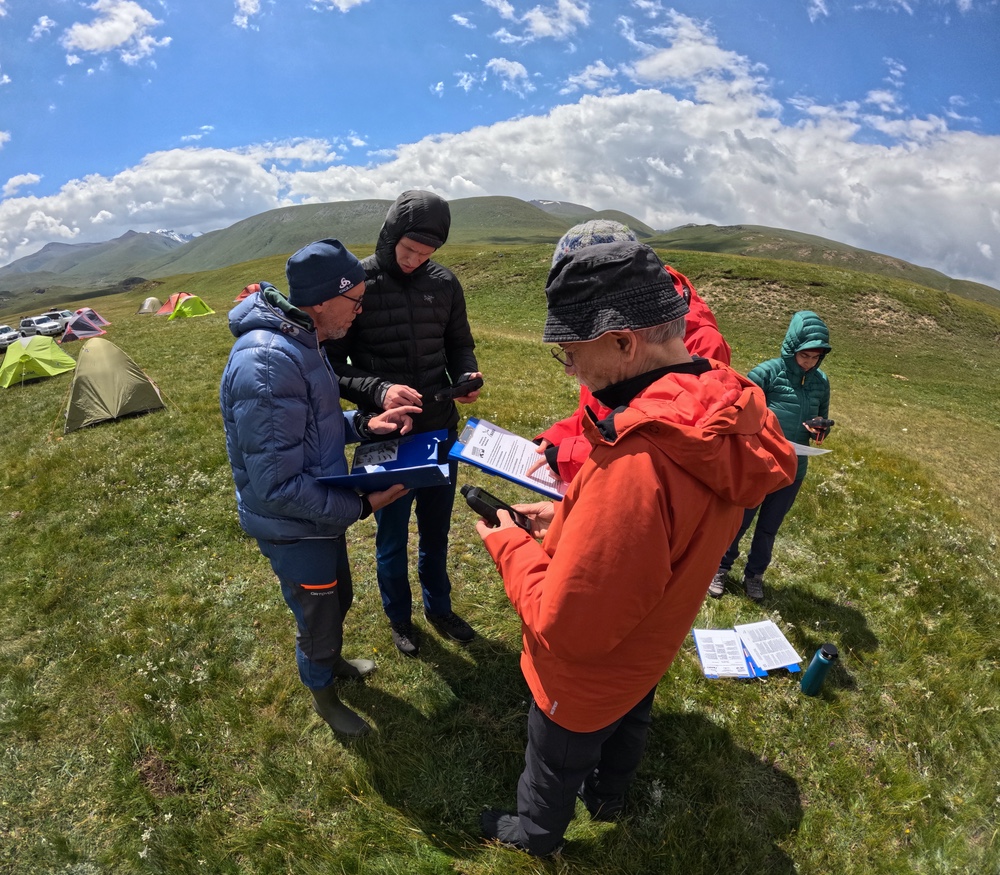
Great mother – daughter trip! First sighting of the Tien Shan mountains took our breath away. Daily treks out to search 2x2km cells for wildlife, who knew identifying marmot and badger scat could be so much fun?! One of the best parts was the wonderful multi-cultural interactions with the other participants and the leaders. Memories that will last a lifetime.
Gina and Kerry R, USA
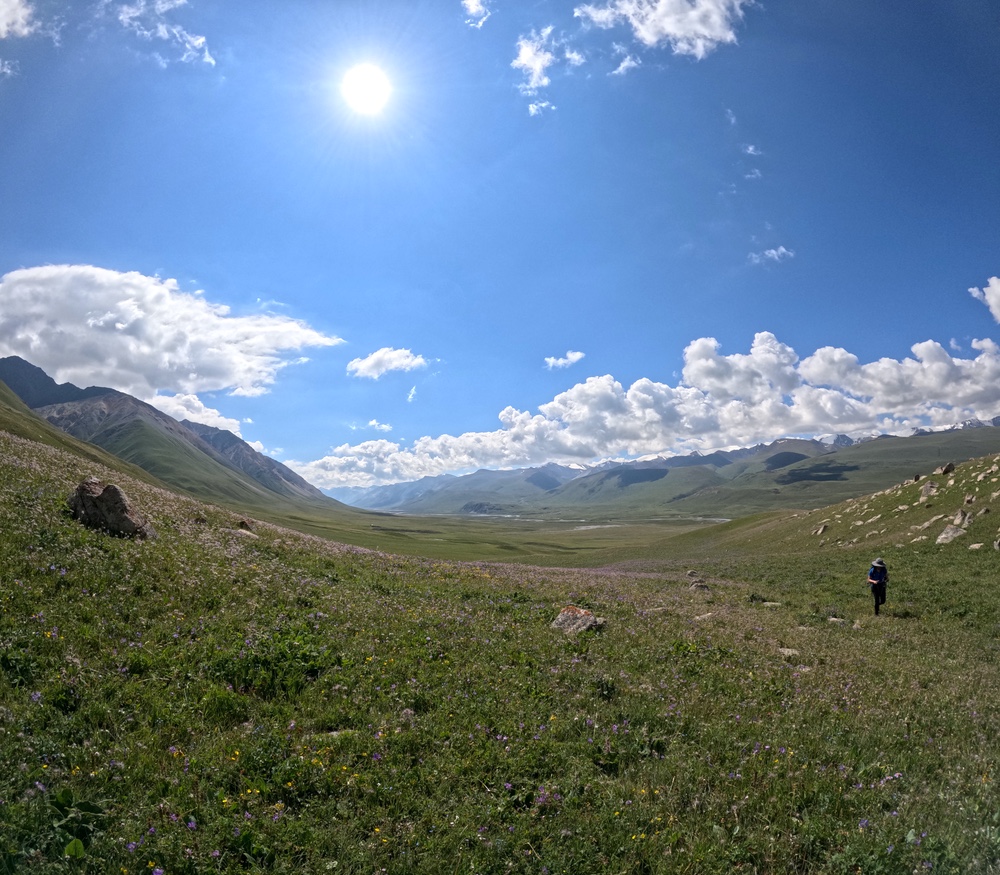
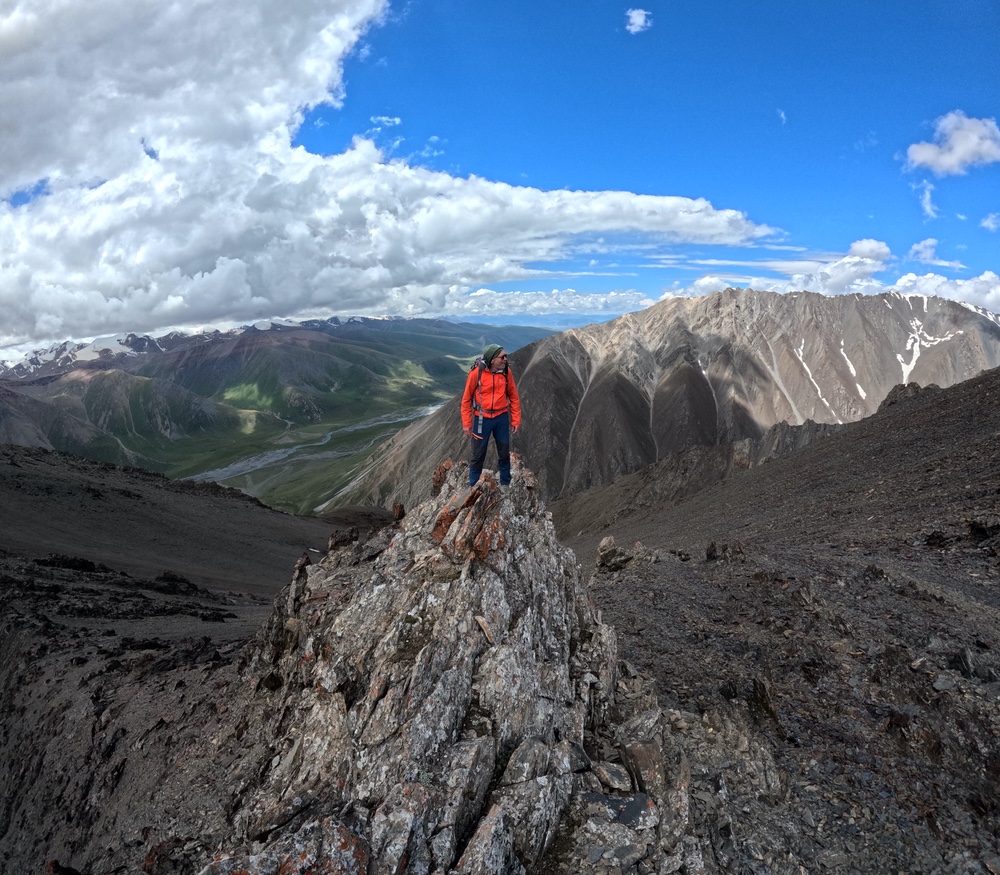
Thank you so much for this great experience. It touched me deeply and I will take so many special memories with me. Entering the high rocky mountains to the “living room” of the snow leopard, the wonderful nature, animals, flowers, the very friendly and hard-working locals, drinking water from a glacier, river crossings and to work with camera traps capturing snow leopards in their natural habitat. What else can one ask for?
Tanja M., Germany
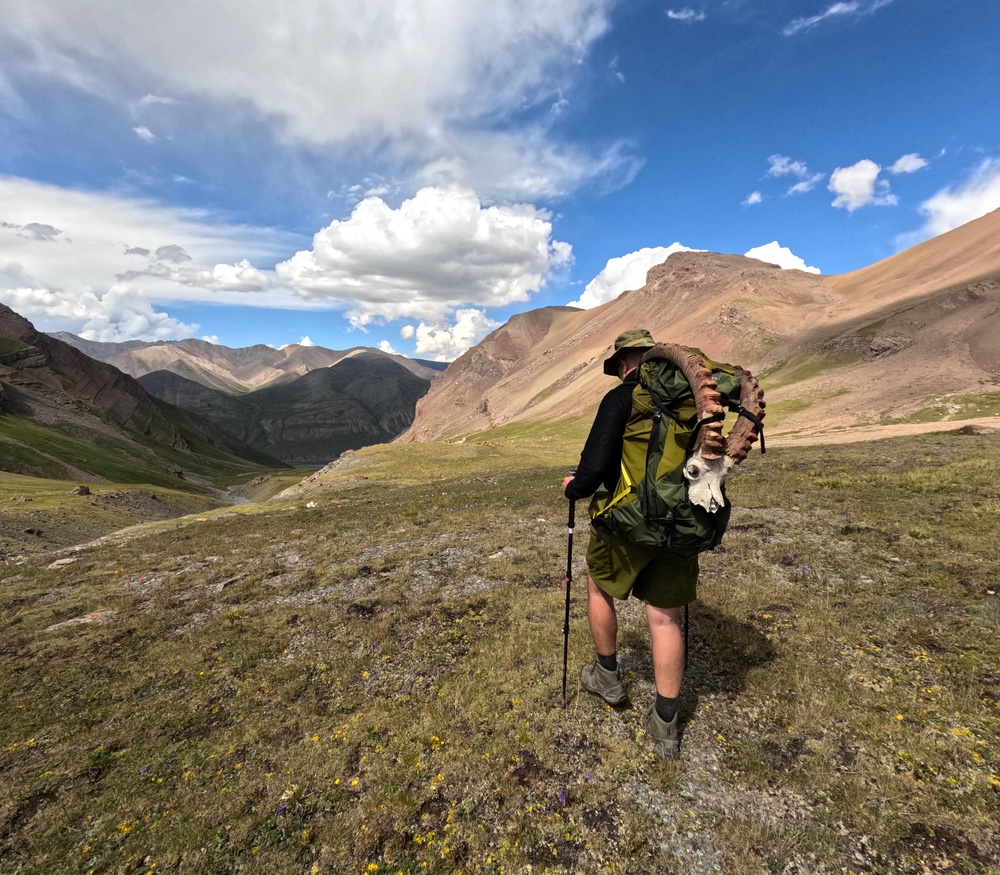
No phone network, no distractions, nothing unnecessary and still everything that was needed. Or just what was needed. Nature – mountains, beautiful connections with amazing people and so much good hiking. Time to reflect and reconnect. Thank you Biosphere Expeditions for this experience.
Mimi K., Germany
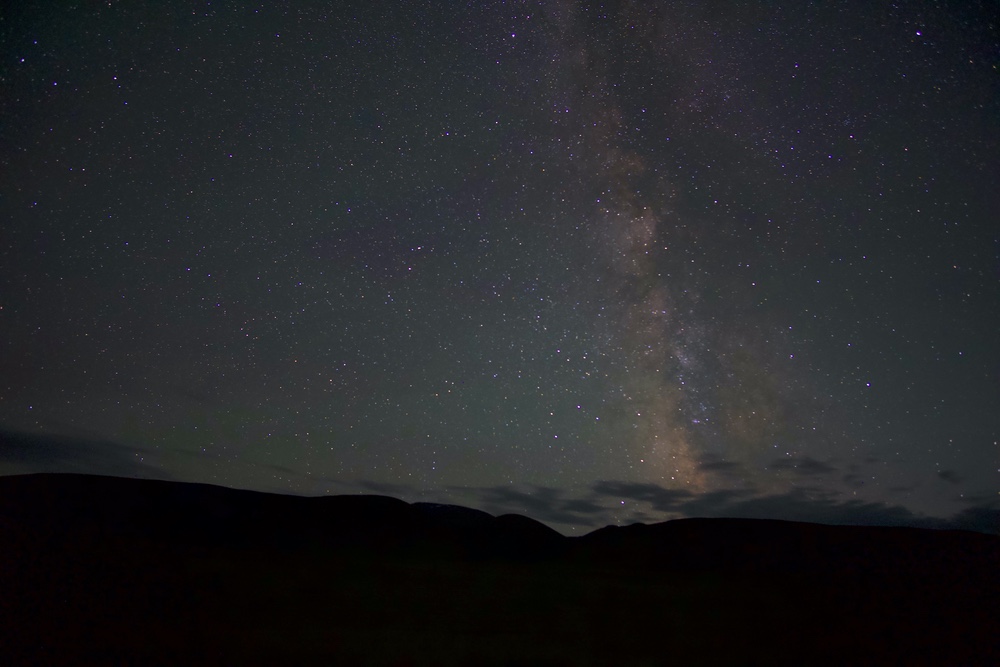
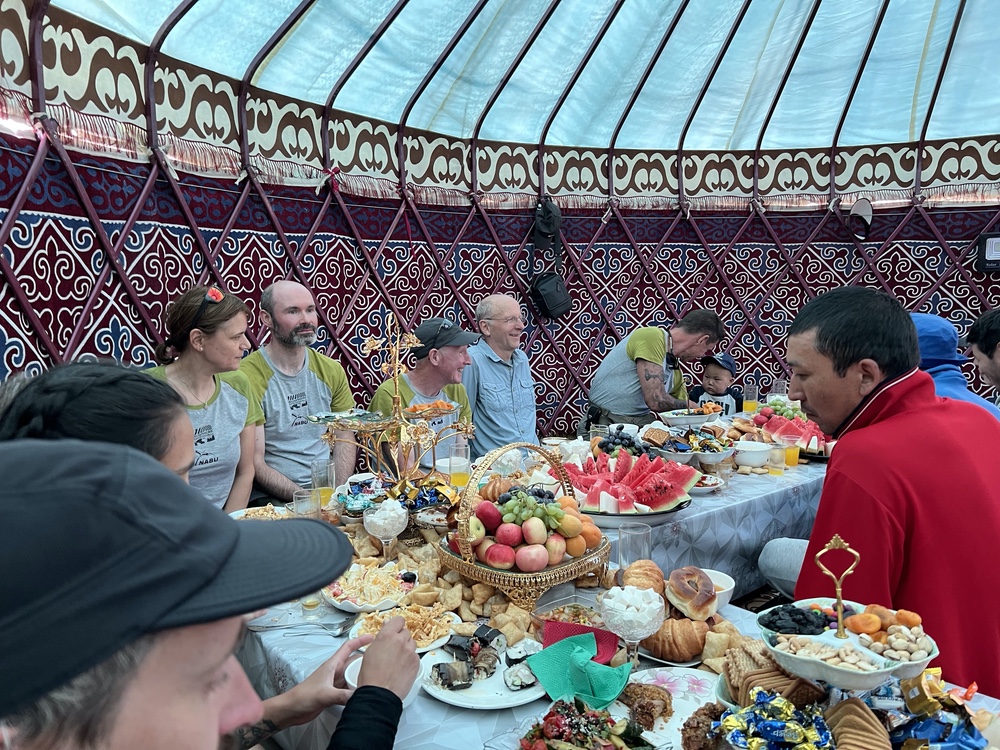
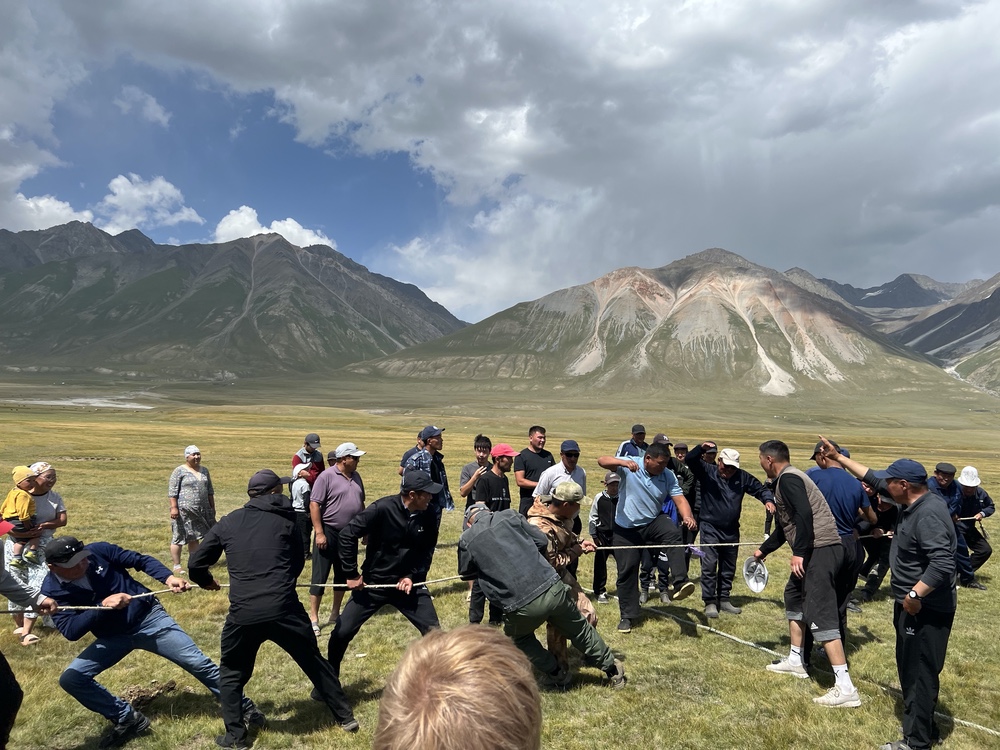
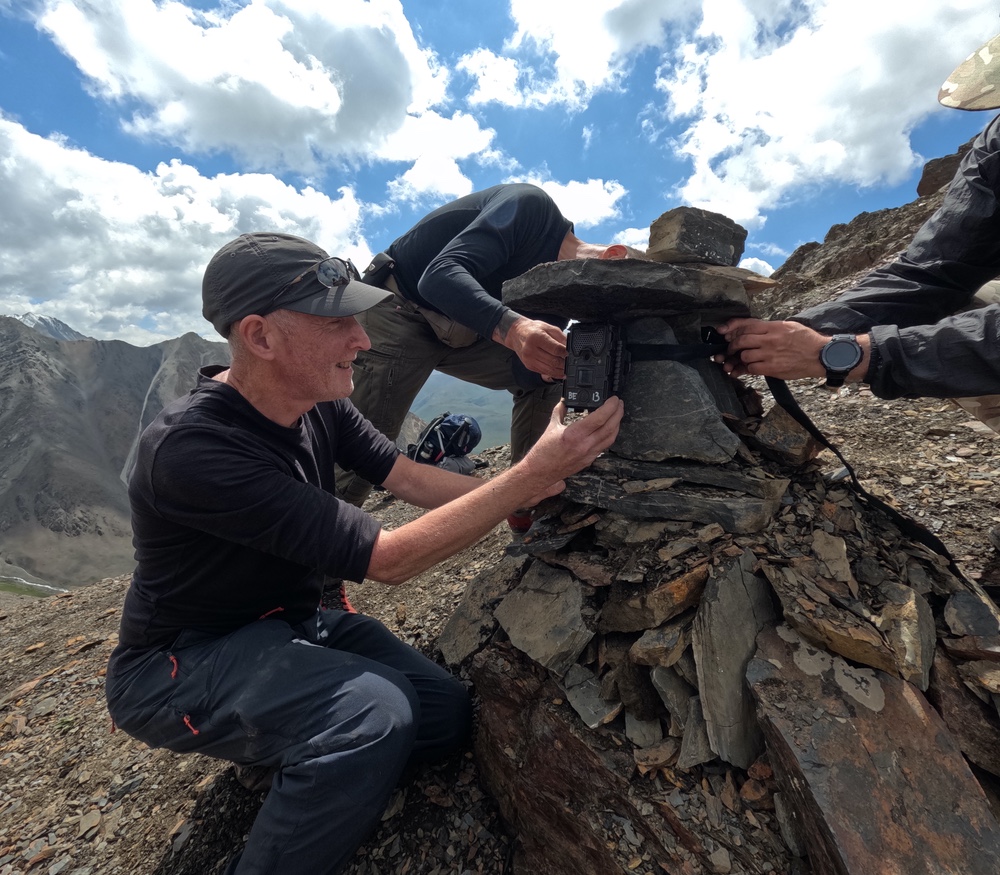
What an amazing experience it has been. Magnificent landscapes, a cool atmosphere, hiking surveys, frontier women on the overnight road-trip to Jyluu-Suu valley, offroad driving across glacial-fed rivers, wildlife sightings, clear night skies and the milky way, scenic toilet spots, delicious food, playing cards with the locals until far too late at night. The long hikes to discover the camera traps left by last year’s expedition members and the excitement when discovering images of snow leopards. I am grateful for a lifetime worth of memories.
Seema I., Germany
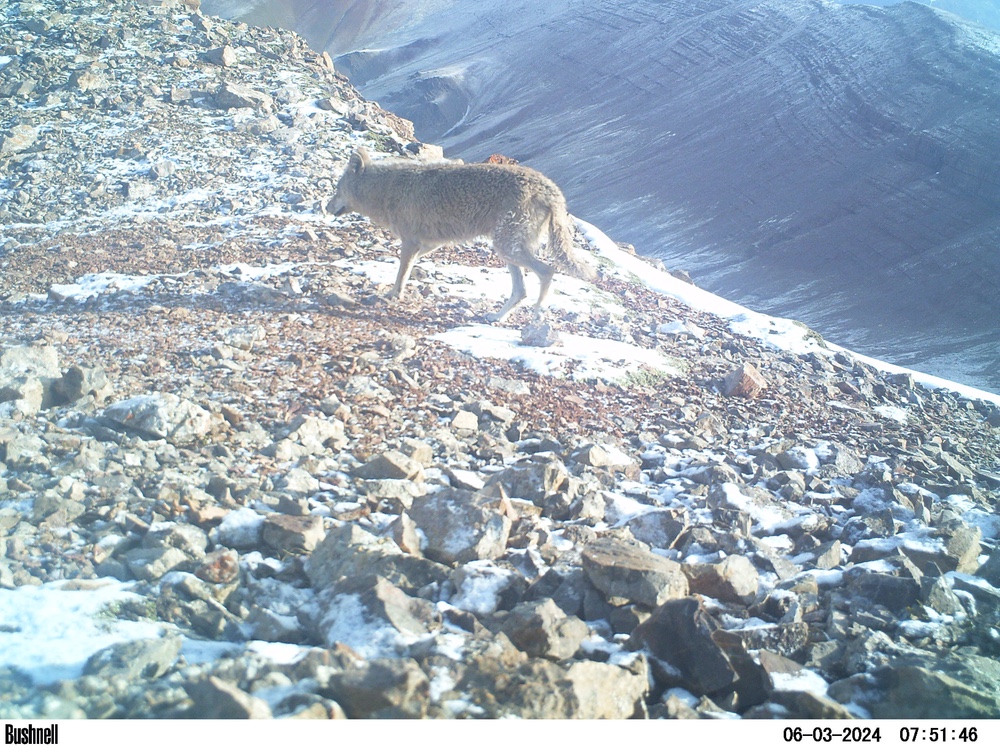
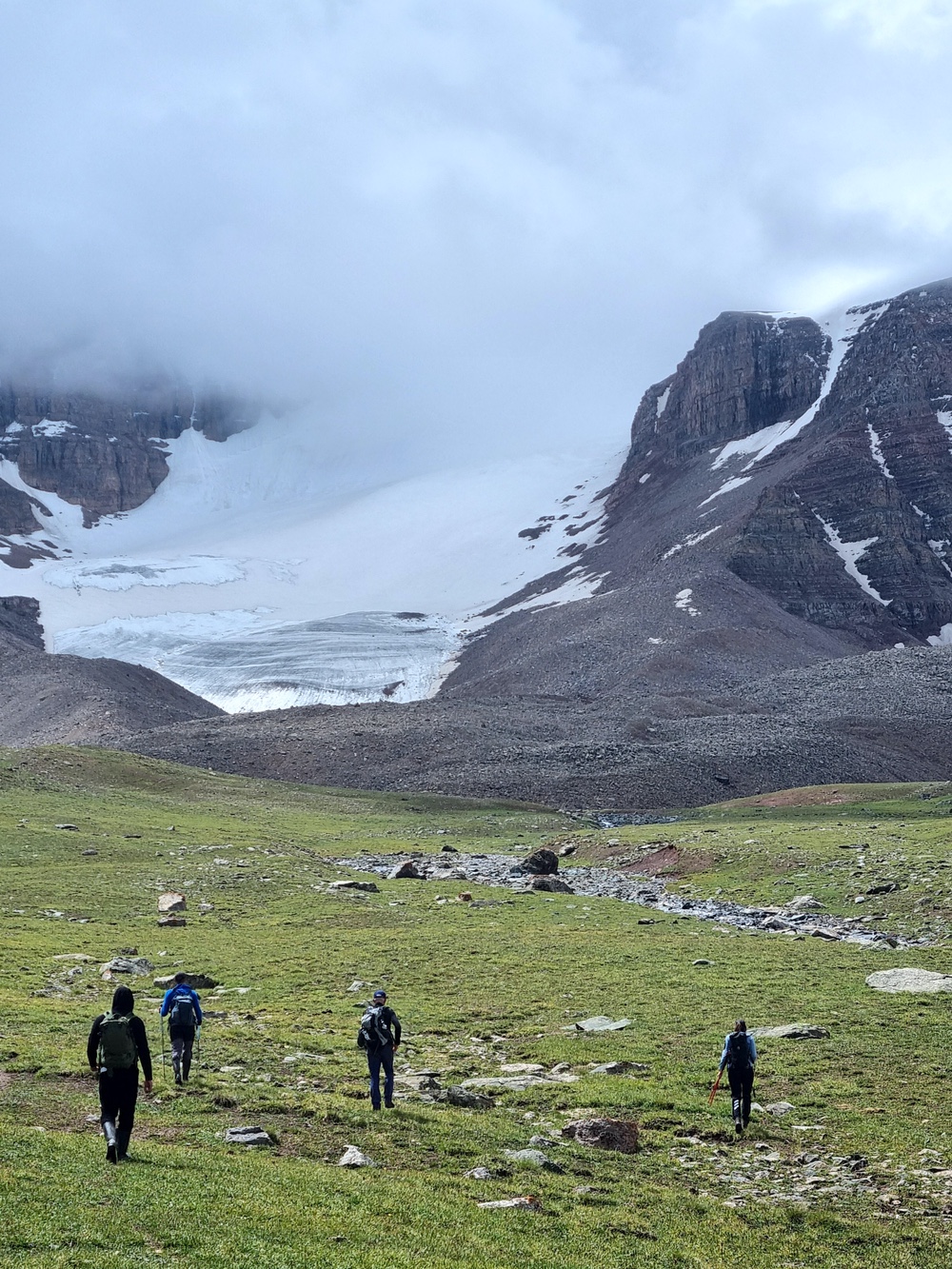
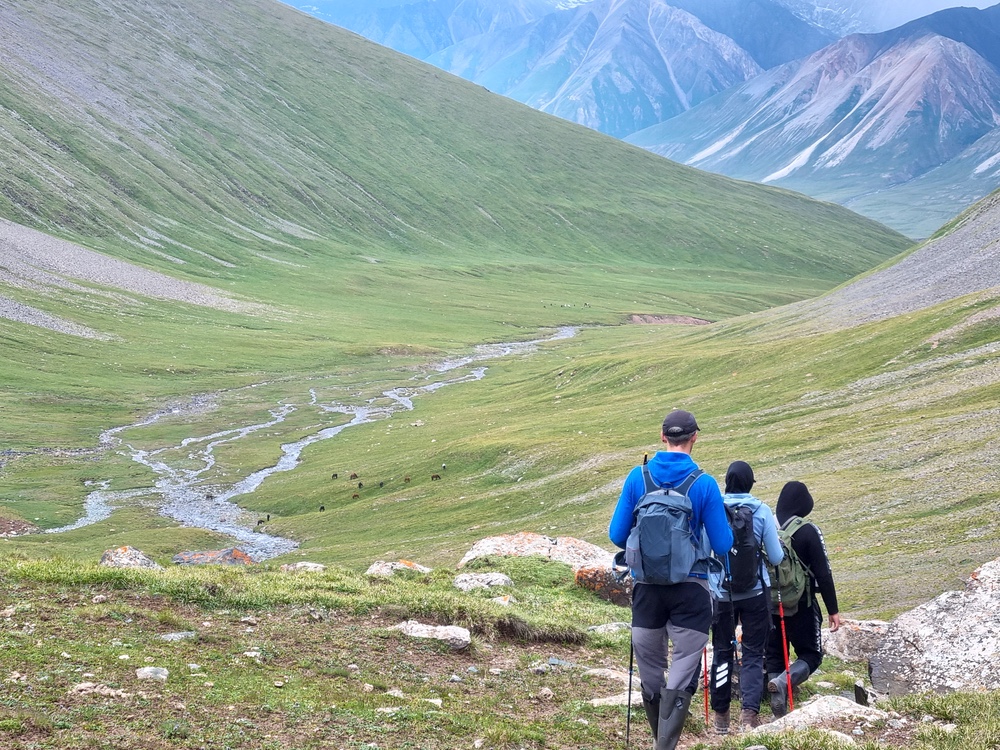
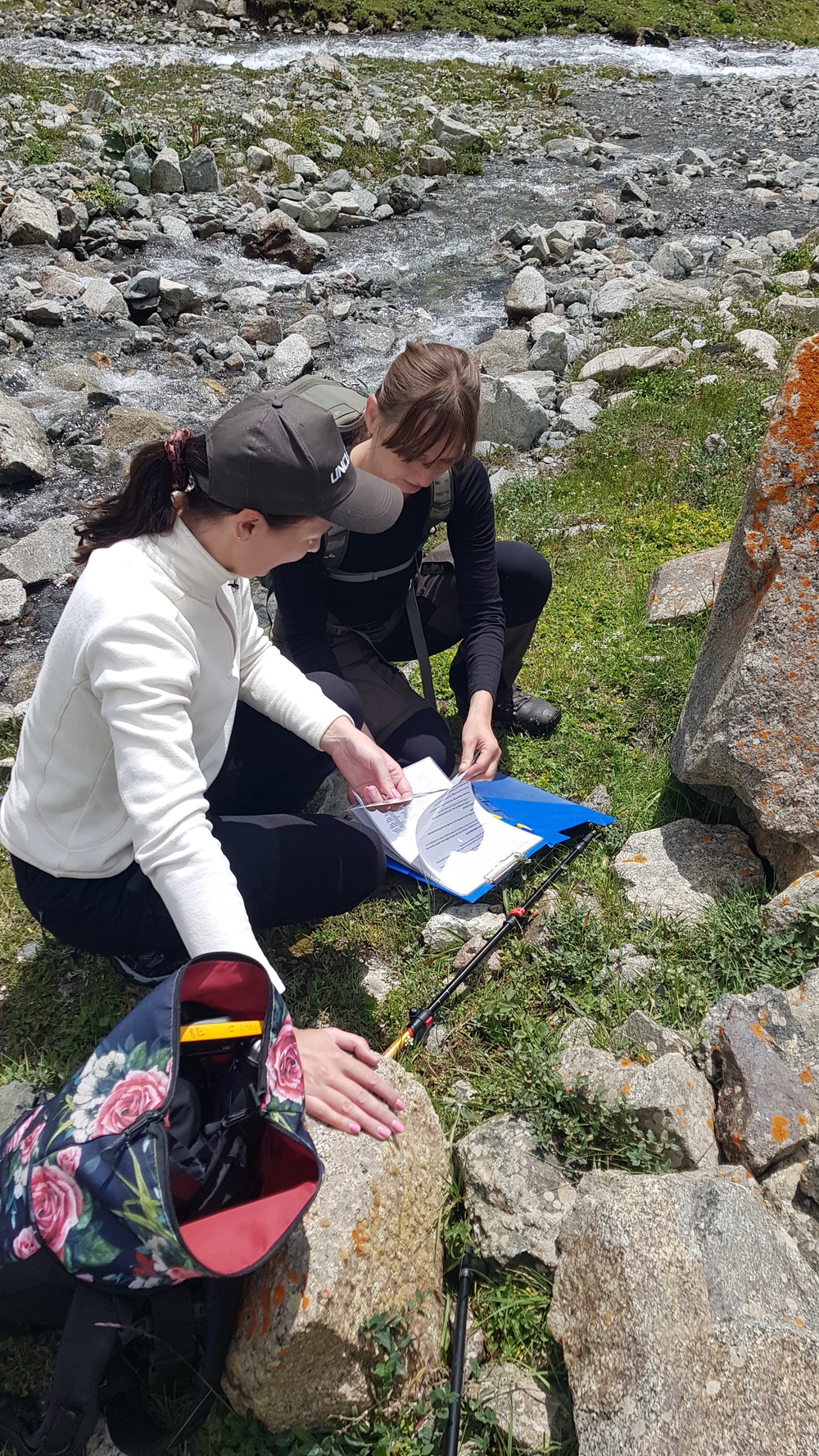
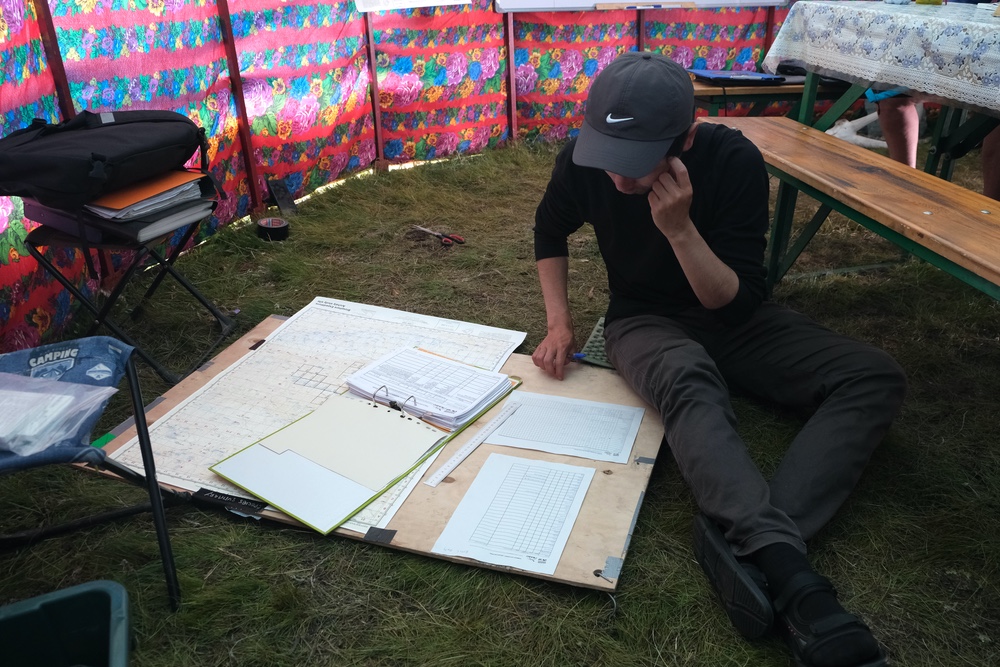
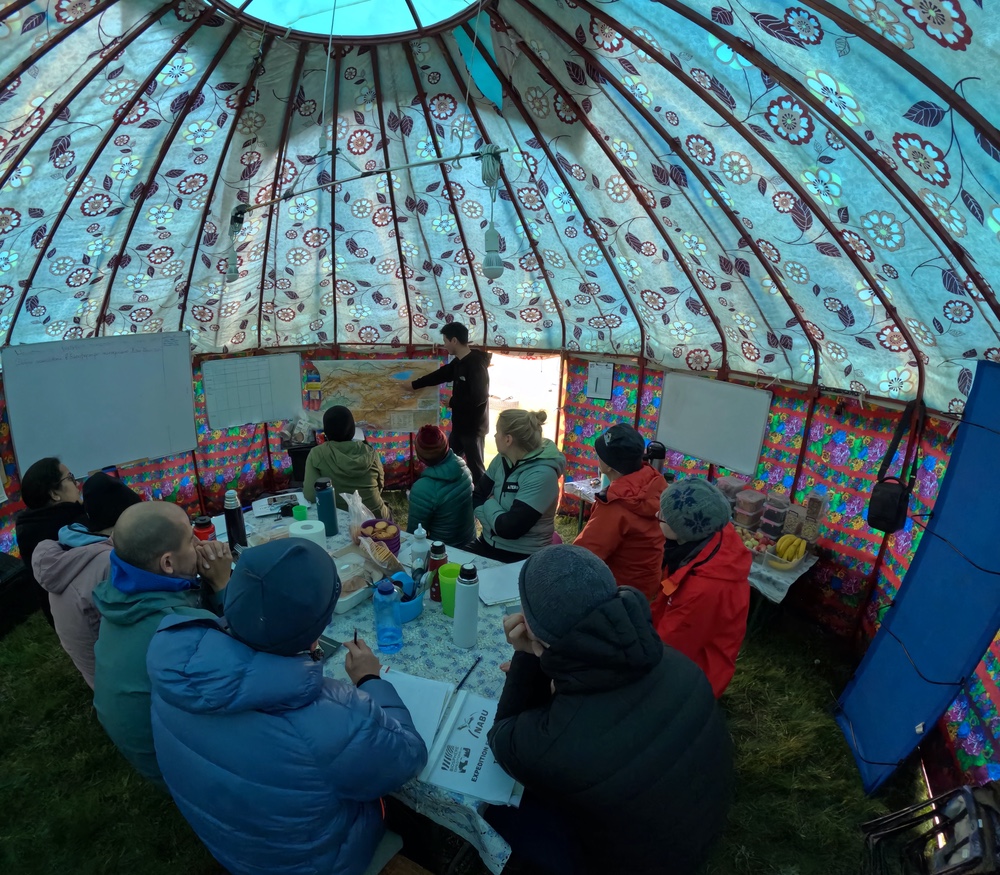
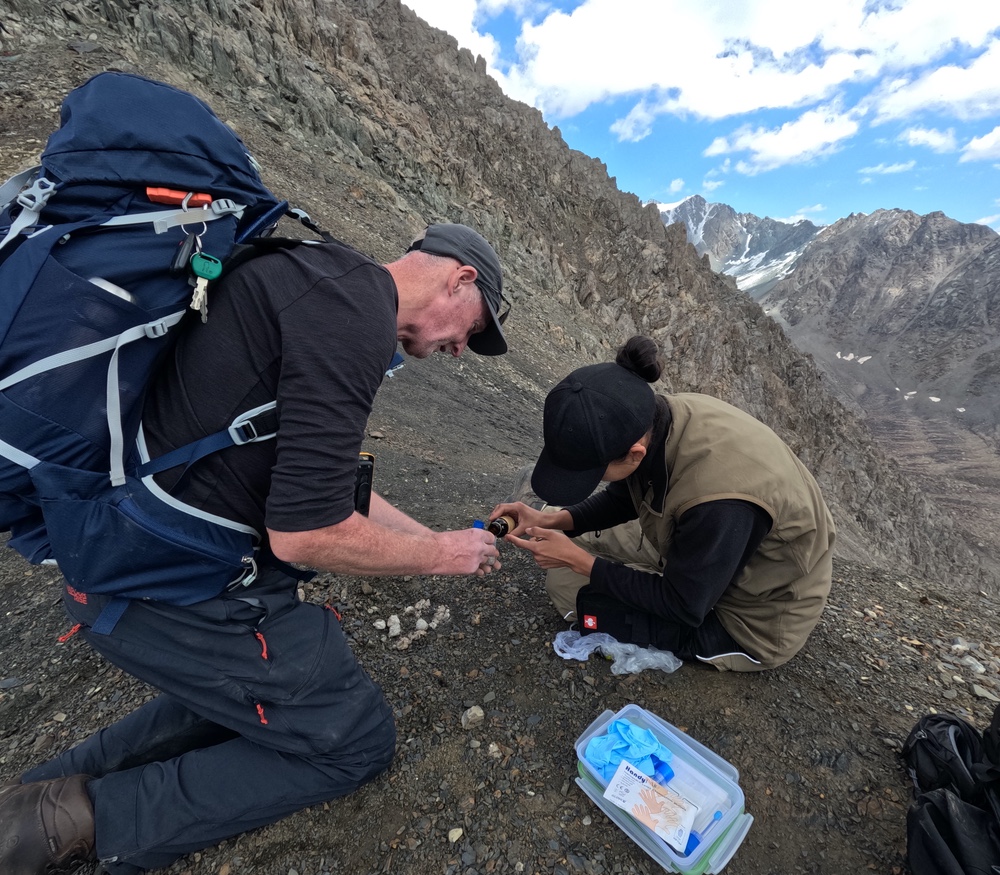
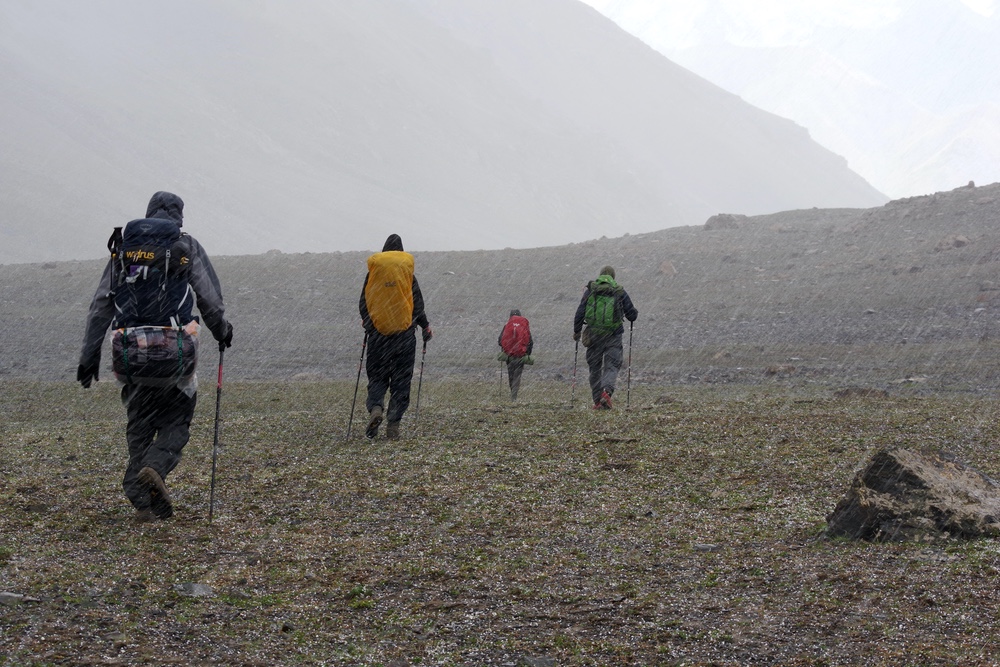
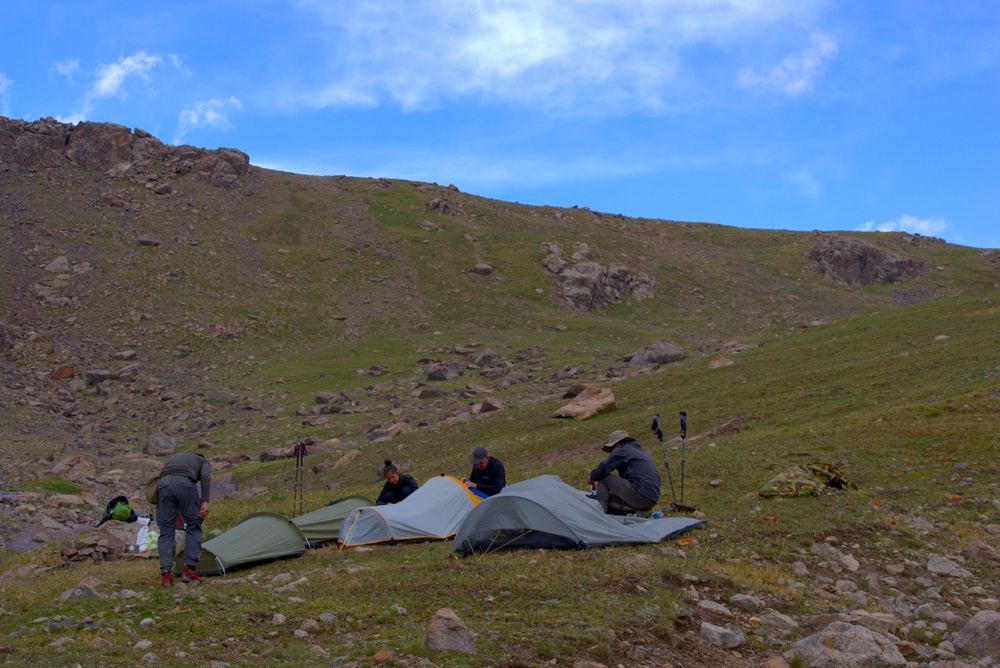
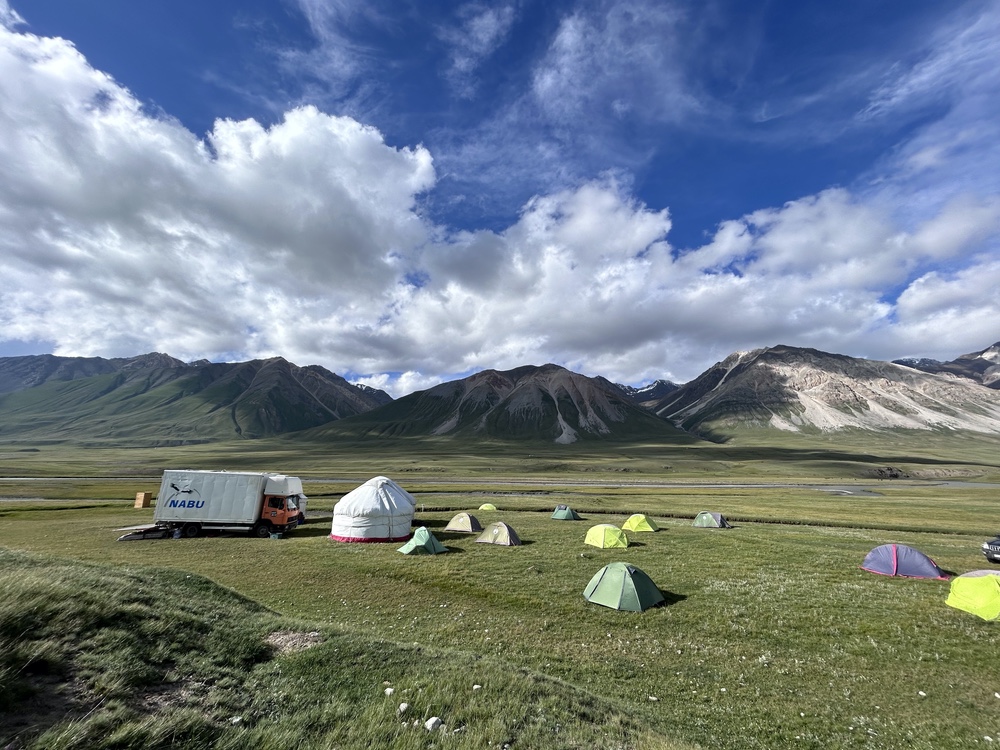
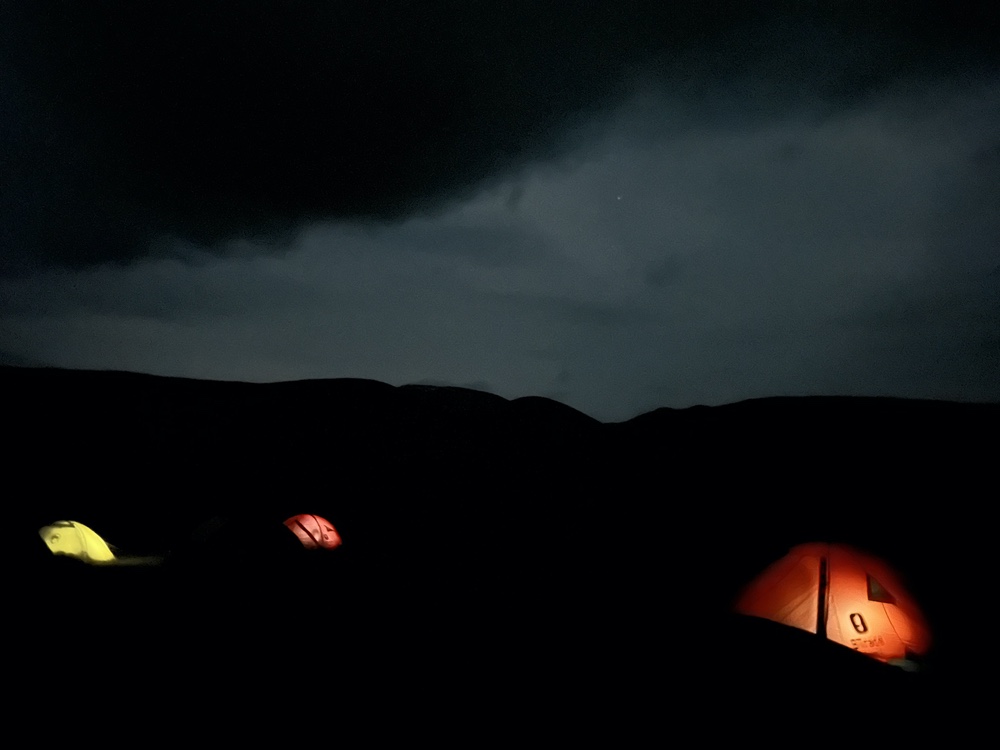
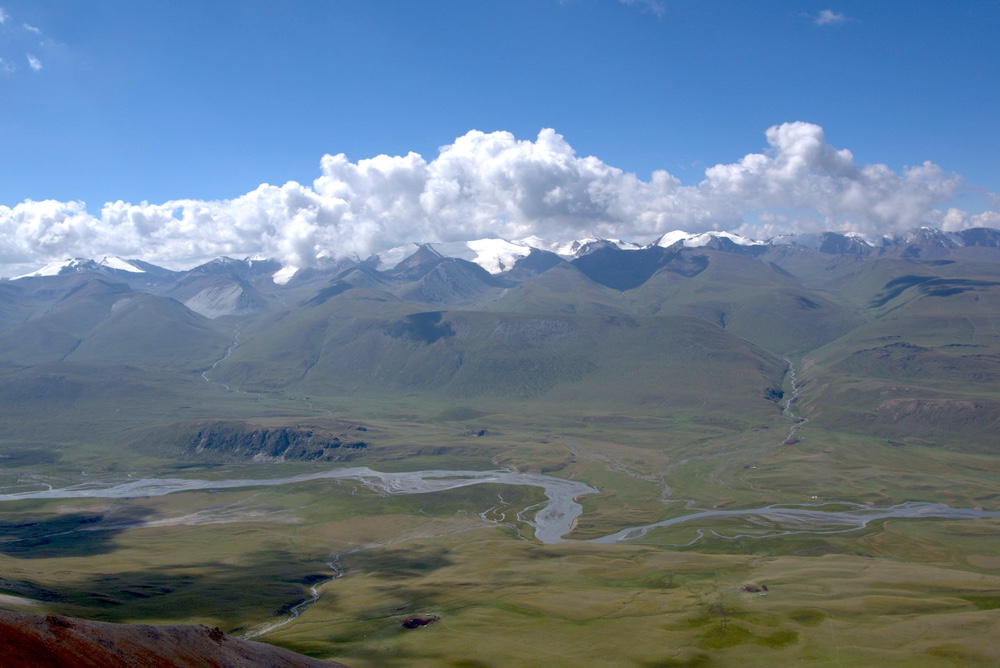
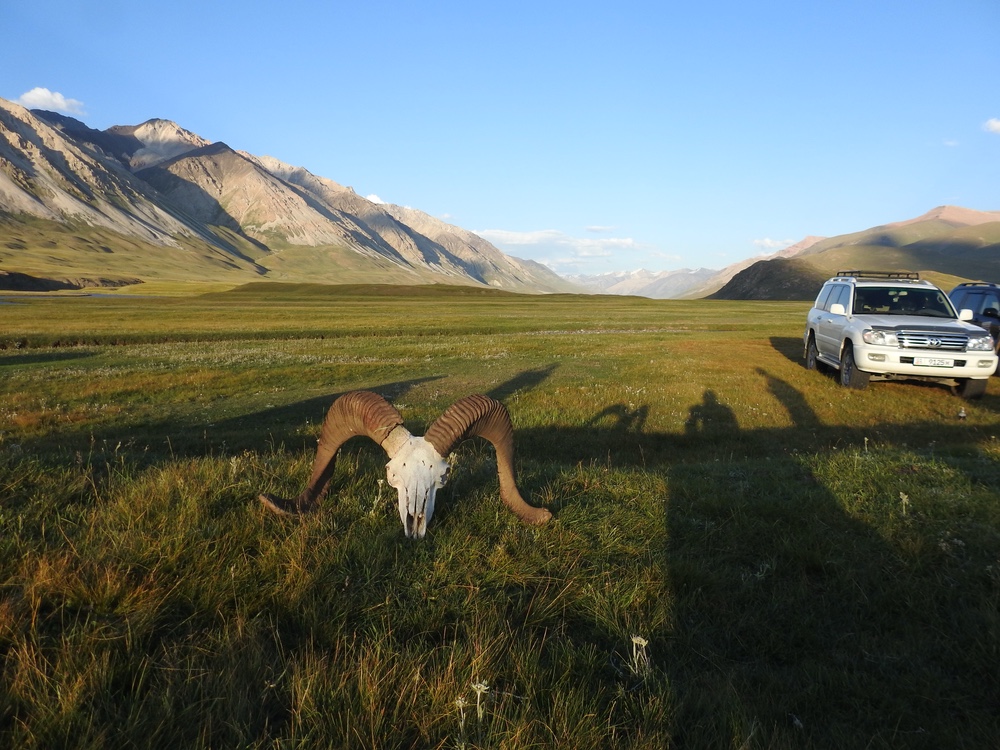
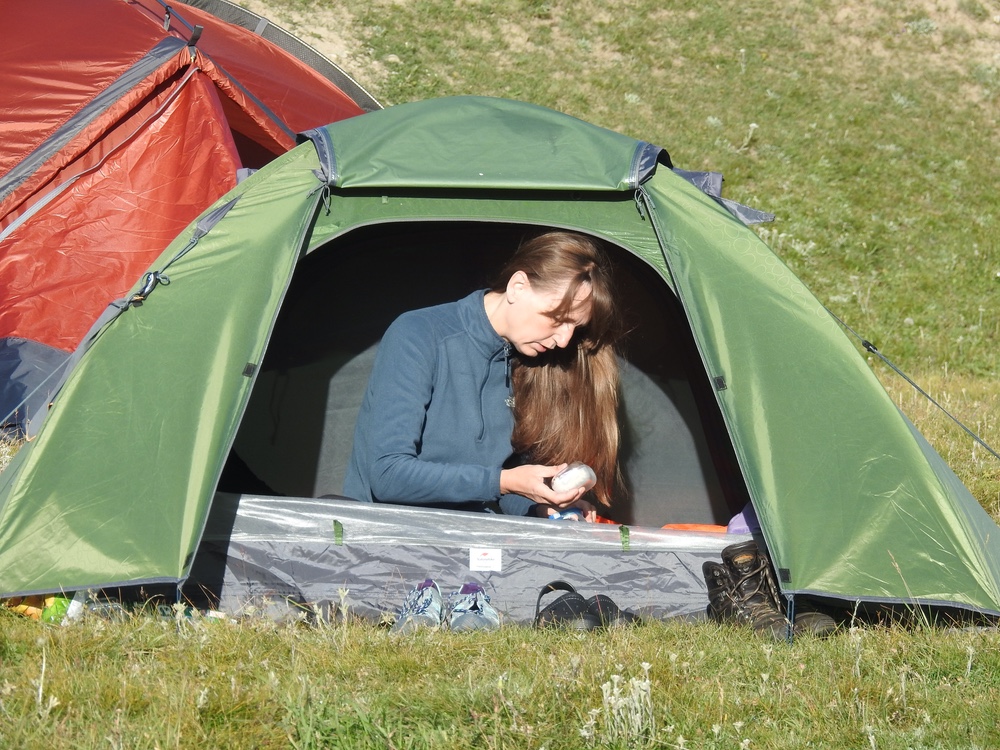
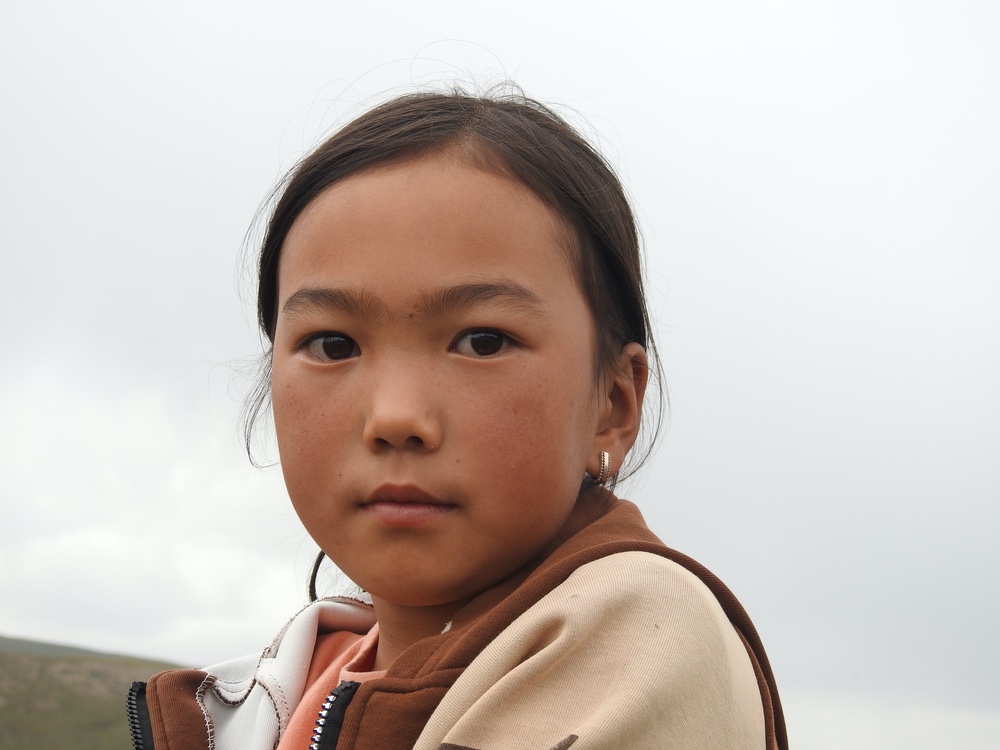
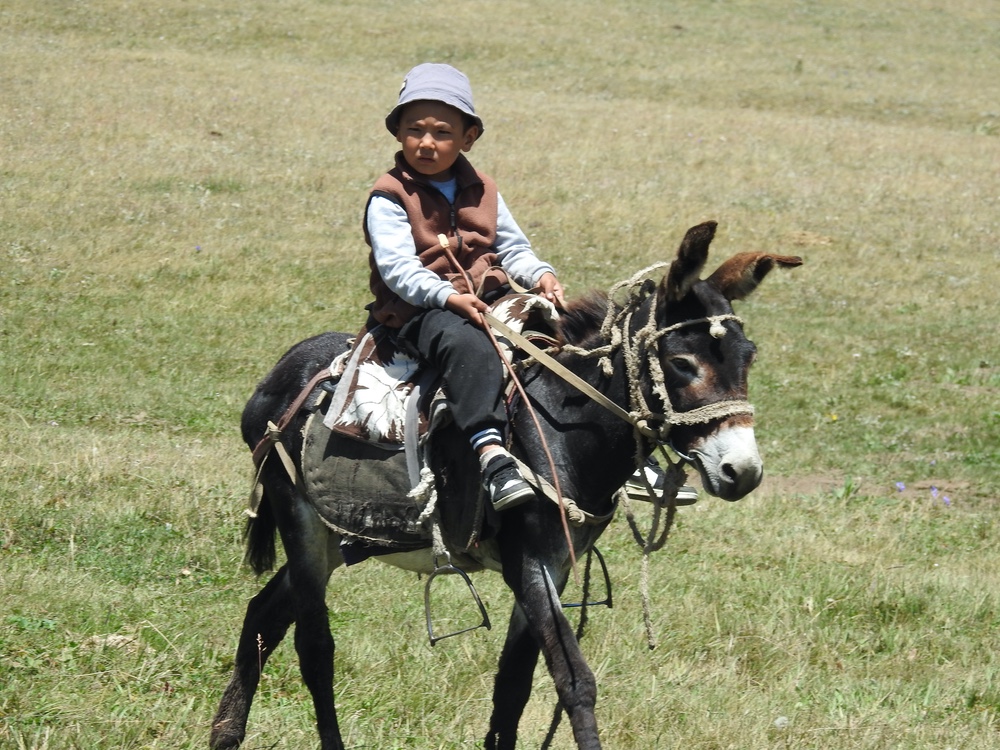
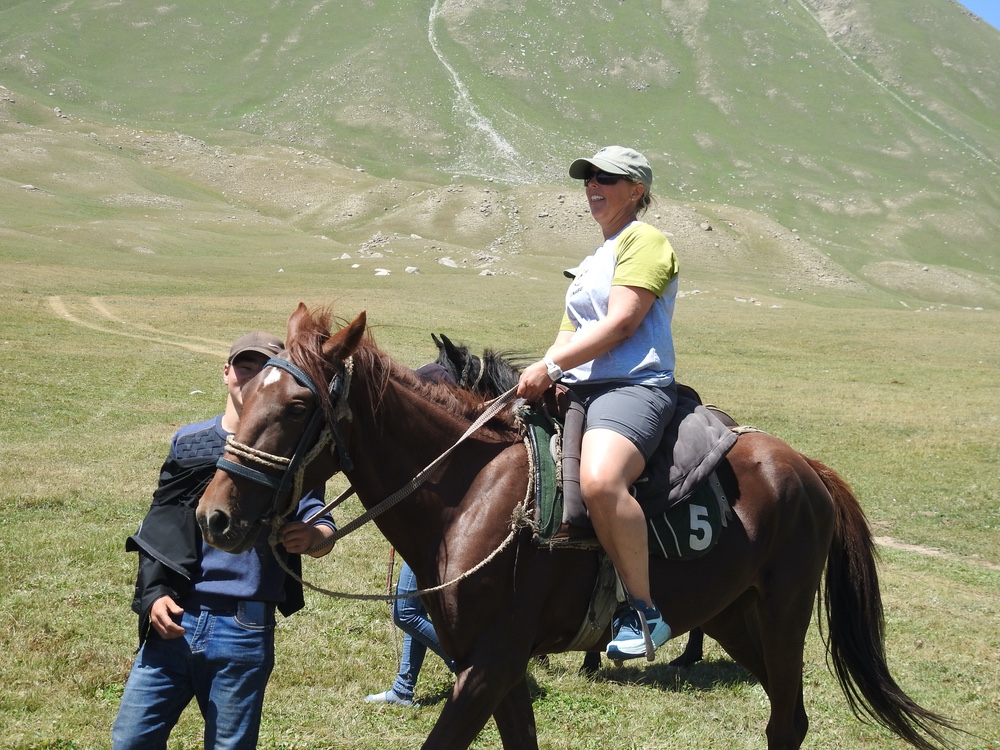
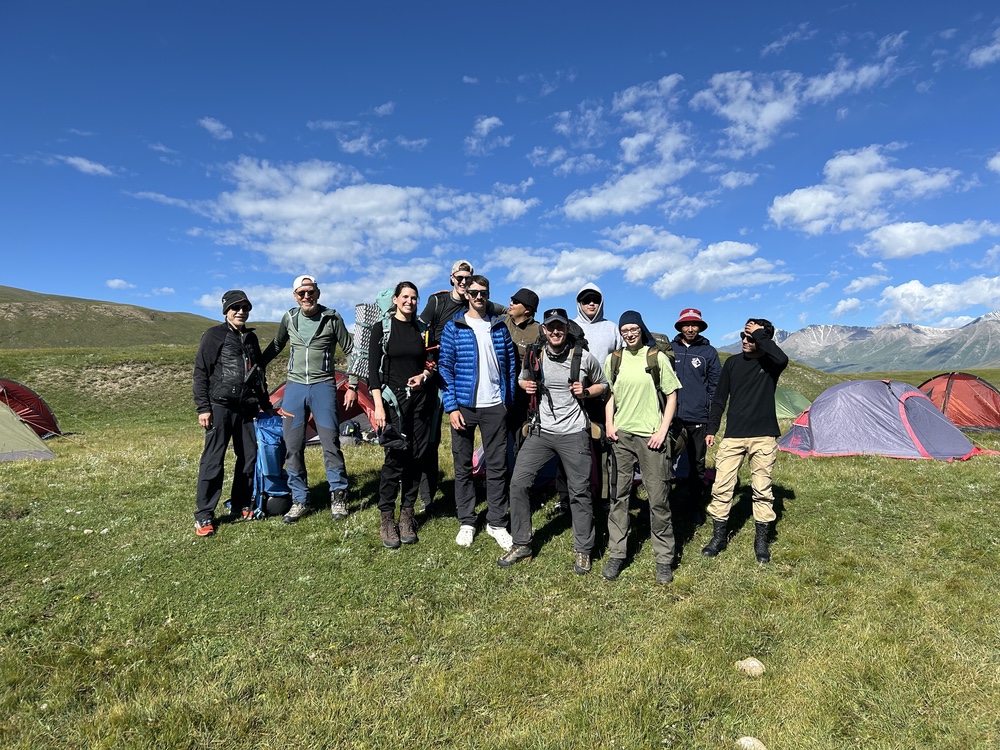
Expedition leader picture selection:

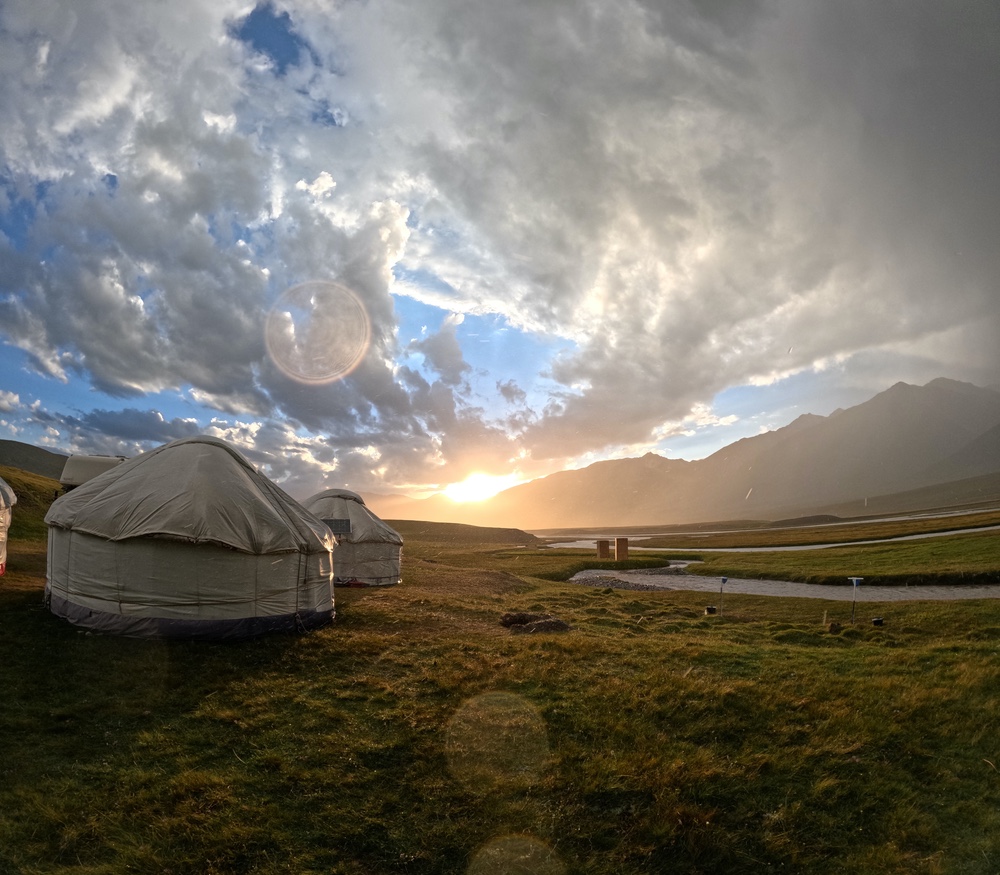
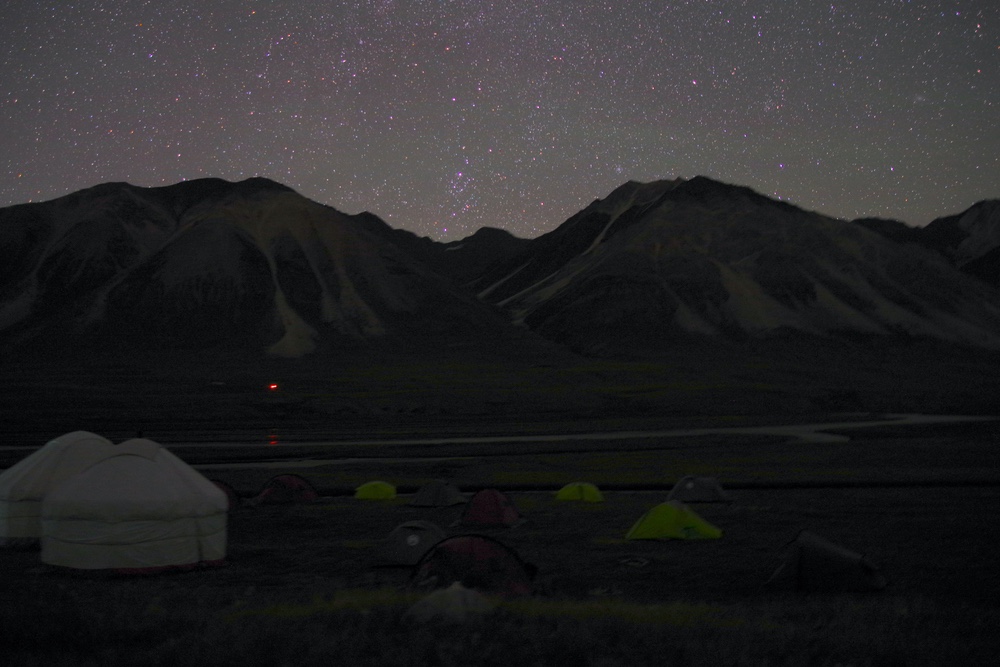
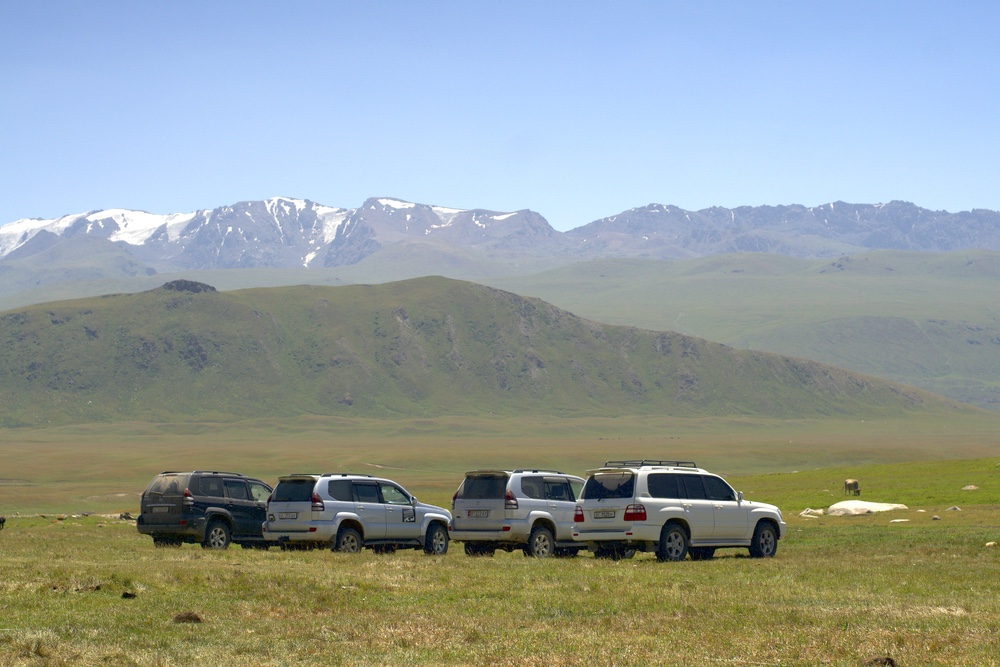



















 Biosphere Expeditions: blogs from the frontline of wildlife conservation and the fight for a more sustainable planet