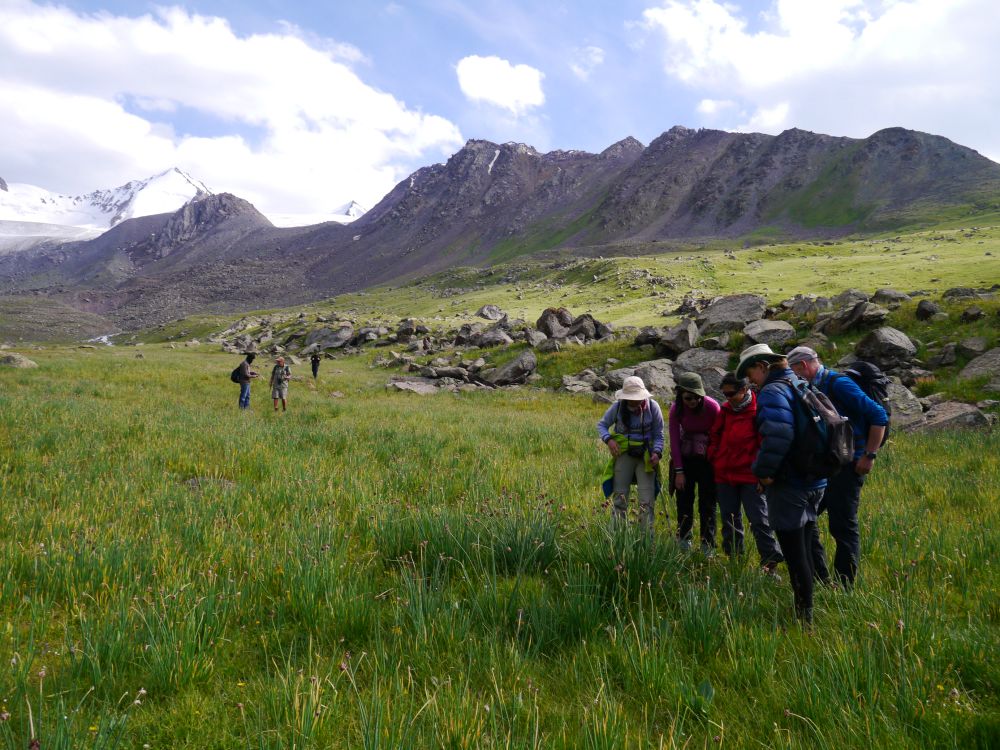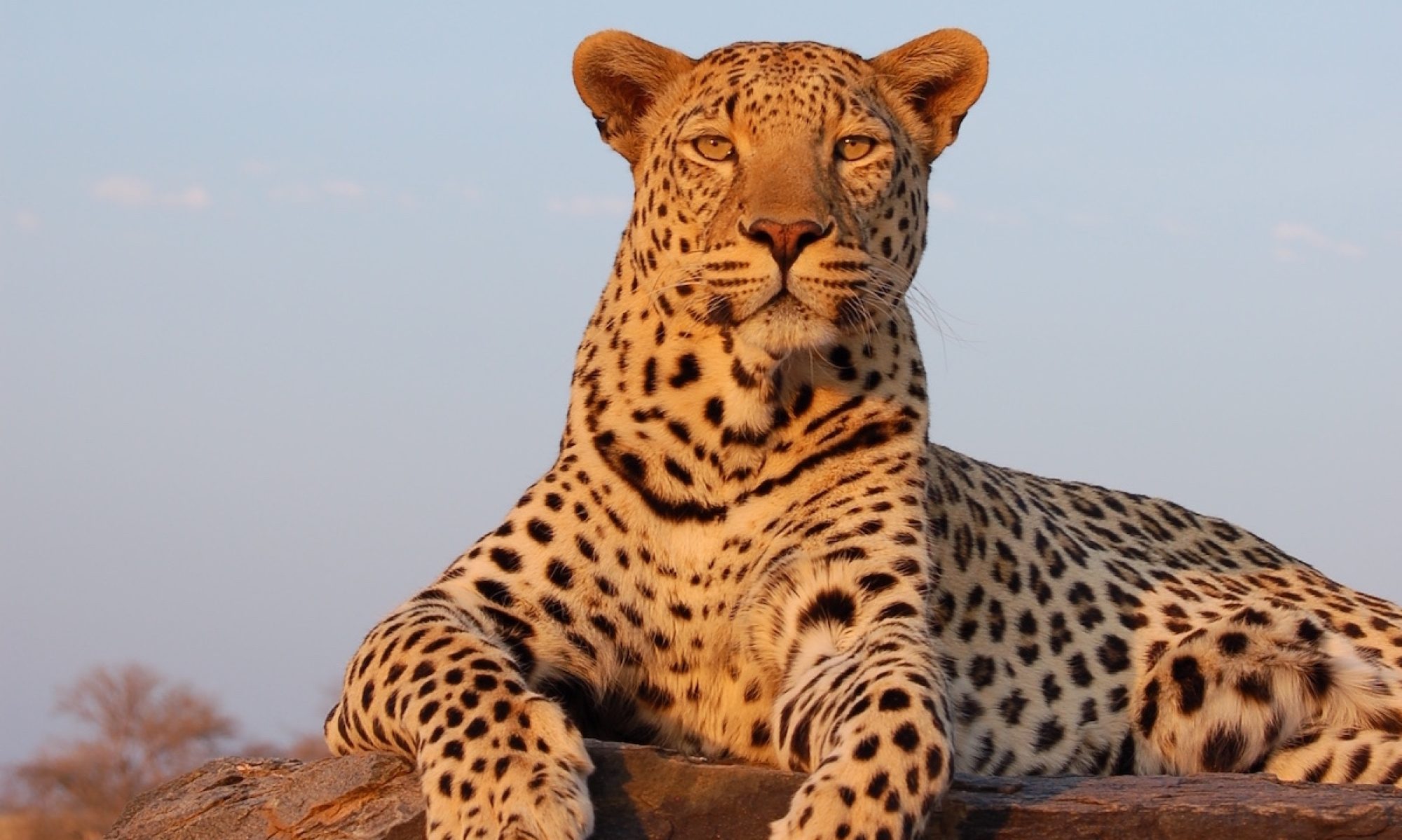
From our snow leopard volunteering expedition in the Tien Shan mountains of Kyrgyzstan (http://www.biosphere-expeditions.org/tienshan)

We have decided to strike while the iron is hot. As you know, as a result of our recent interviews with local herders, we have discovered two very recent incidents involving alleged leopard attacks on young horses in two of the bigger and more remote valleys in this system. Each were within the fortnight or so and in response to the more local account, we investigated on horseback the site of an atttack. As we placed a camera beside a heavily used pass, the unmistakeable cough of what we surmised to be a big cat in the cliffs above could be heard. Whilst none of the party saw the animal, we are now fairly certain that there is a snow leopard in that location.

The more distant and more recent incident is in fact in the valley of the original base camp. The stories are very similar, with a young horse discovered dead with large puncture and crush wounds to the throat. This is highly typical of the leopard method of killing large prey, gripping the throat and asphixiating the quarry (there is a photo sequence of this killing method on http://newswatch.nationalgeographic.com/2014/02/20/the-first-ever-successful-snow-leopard-hunt-and-kill-caught-on-camera/). The fact that a snow leopard will apparently abandon the kill at the slightest disturbance has led to the almost ubiquitously believed folk tale that the snow leopard is in fact drinking the blood of its prey rather than eating its flesh. Either way, large dead animals with “vampire-like” neck wounds can only mean one thing and the consistency of the stories as told by the herders who recently lost their horses, and by the wider community of herders throughout our huge survey region who’ve simply heard about those losses, suggests that we are not being led on a wild goose chase by folk who just want to tell us what we want to hear.

So, the hot iron… We have decided to split the team into two overnighters who will each attend an incident site and attempt to make a more thorough investigation of the environs surrounding the two kills. One team has returned to the valley of the original base camp and will atempt to get to the bottom of that story before heading further into the valley with Volodya. The other team has been deployed back into the valley that was the subject of my recent experience and will spend two days making a careful survey of its upper reaches. We have sent the FLIR thermographic equipment with the second team as they will be camping closer to the cliffs and will have a better chance to use the gear to best effect. The first team have a powerful spotting scope to scan the wider valley ends that they will face.

Your truly has remained at base camp with our awesome chef, Emma, as it represents a “central” point of contact that either group will be able to find me at should the need arise, rather than trying to locate me in either of the large ranges that each group will be negotiating.

For some reason I feel like this will be an exciting next couple of days… For the team at least. At least I’ll eat well…

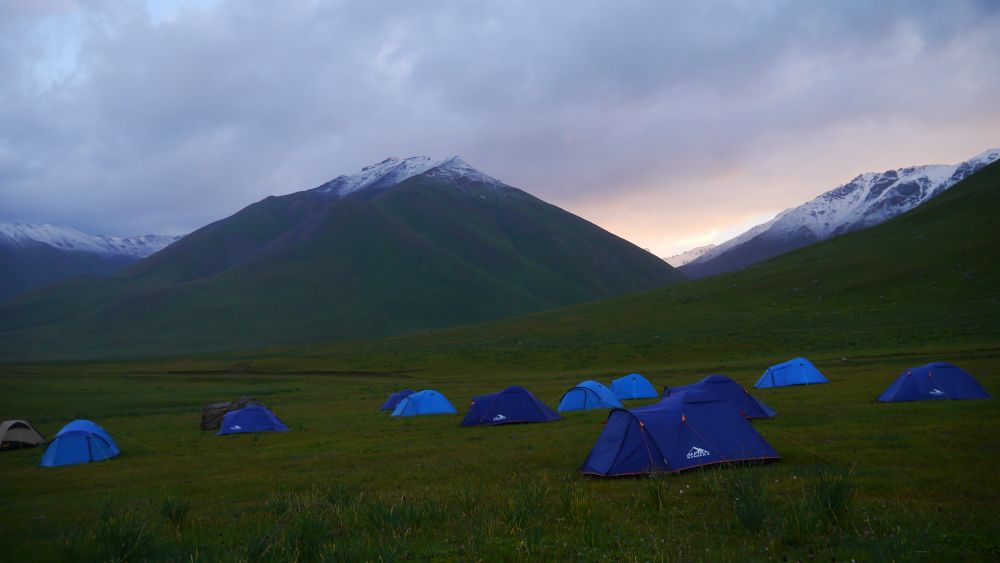
Continue reading “From our snow leopard volunteering expedition in the Tien Shan mountains of Kyrgyzstan (http://www.biosphere-expeditions.org/tienshan)”

From our conservation holiday volunteering with jaguars, pumas, ocelots, primates and other species in the Amazon rainforest in Peru, South America (http://www.biosphere-expeditions.org/peru)

I am at Lima airport waiting to board my flight back to Europe. Time to write this year’s final Amazonia diary entry. Team 2 left the ARC on Saturday morning. A big boat was sent up from the Tahuayo Lodge to ferry ten team members, four helpers, Alfredo & I, the equipment boxes and everyone’s luggage. See on the team picture (front, left to right) Ramon, Jayden, Shelley, Keiran, Alfredo (middle, left to right) David G, David H, Neil, Julian, Ashley, Andrew (back, left to right) Oscar, Segundo, Julio.

AM team 2

Overall the project has made a big step forward this year. We were able to expand the survey area significantly by exploring and recording hitherto unknown trails benefiting from the combined knowledge of Julio, Segundo, Oscar and Ramon. GPSs were used to record the tracks that will be included in our map and will help to expand and deepen research. It will take a few more years of data collection before the comparison of results will give a clearer picture of what is going on in the forest. As Alfredo said, it is a long-term project, but it is vital for the sustainable management of the whole reserve.

Thank you to everyone involved in the Amazonia expedition. Thanks for your contribution, your time, work and sweat. A special thank goes to David Hausmann for donating a brand-new pair of binoculars to the project. They will be put to good use in the future. Many thanks also to Brigitte and David Glossop for providing your personal camera traps to contribute to the research. I hope that you’ve all enjoyed your time at the ARC and the forest work as much as Alfredo & I did.

The camera trap pictures are now available:

This slideshow requires JavaScript.

I hope to see some of you again some time!

Malika

Continue reading “From our conservation holiday volunteering with jaguars, pumas, ocelots, primates and other species in the Amazon rainforest in Peru, South America (http://www.biosphere-expeditions.org/peru)”

From our working holiday volunteering with leopards, elephants and cheetahs in Namibia, Africa (http://www.biosphere-expeditions.org/namibia)

Team 1 has arrived and has already had one day of briefings so far. We’ve stuffed their brains full of useful information on bush safety, using GPSs, rangefinders, compasses and other equipment, and right now Vera is going over the datasheets. After lunch everyone will learn how to change a tyre in case of a flat, even the non-drivers. Then we’ll move on to the 4WD training, then straight into field work, because we have three open box traps on Okambara and they need to be checked twice a day.

We spent the afternoon learning how to change flat tyres then went out into the field for our 4WD training. Late afternoon tasks included a briefing on how to check the box traps and some animal identification practice. Tuesday will be our first full day working in the field.

Continue reading “From our working holiday volunteering with leopards, elephants and cheetahs in Namibia, Africa (http://www.biosphere-expeditions.org/namibia)”

From our snow leopard volunteering expedition in the Tien Shan mountains of Kyrgyzstan (http://www.biosphere-expeditions.org/tienshan)

Our neighbours from a yurt down the road reported that one of their young horses was killed by a leopard about two weeks ago. He offered to take us to the site of the attack on horseback to set up some camera traps. Today we took him up on his offer and what ensued was a hard ride up a long valley in sometimes driving snow and other times baking sun. When we got to the end of the valley, we ascended on foot beyond the moraine to a vegetated pass in a protected hollow below a small glacier. Signs of leopard prey were common and fresh with footprints and scat everywhere. While we were setting up the third camera, a small disturbance high above us sent some stones tumbling and a second or so later a percussive cough, characteristic of a leopard was clearly heard. The local guys believe that a mother and cubs are resident in this place from where they make hunting forays into the valley propper. I can’t wait to pick up those cameras with the last slot….

Continue reading “From our snow leopard volunteering expedition in the Tien Shan mountains of Kyrgyzstan (http://www.biosphere-expeditions.org/tienshan)”

From our conservation holiday volunteering with jaguars, pumas, ocelots, primates and other species in the Amazon rainforest in Peru, South America (http://www.biosphere-expeditions.org/peru)

Another day of many, many sightings on Thursday. Titi, saki, squirrel and brown capuchin monkeys were spotted and recorded all over the place. David H. and Julian made their way to the Yarina lake together with Ramon and were rewarded by spotting owl monkeys in a tree hole and a black caiman at the lake. A giant river otter was also spotted today from the Ramon/David G/Anh canoe survey team only to mention the new sightings on our list.

This slideshow requires JavaScript.

The ‘list’ is the summary sheet of target species being recorded. Divided into three groups (cats, primates and other terrestrial mammals) we so far count 10 out of 14 different monkey species that have ever been recorded in the Amazonian rainforest, evidence of 5 different species of cats (jaguar, puma, margay, jaguarundi, ocelot) and 15 other interesting terrestrial mammal species such as tapir, different species of deer and peccary, paca, agouti, tamandua, coati, tayra, the amazon red squirrel (that is about three times bigger than the well-known European species), sloth, etc.. Birds, reptiles and insects are not being taken into account.

On Friday, our last survey day, the teams retrieved eight camera traps set up from team 1 eleven days ago. Neil and I teamed up to go for the long walk to terra firme. Plenty of water in our rucksacks, bananas and a sandwich, we followed Alfredo first walking the trail grid to its end and then making our way through a massive palm swamp over to the other side, the non-flooded forest. The palm swamp stretches out for about 2 km, then all of a sudden the trail leads up a steep slope and the vegetation changes. Massive high trees stand close to each other, palm trees fill most of the open space underneath. We retrieved two cameras, had lunch at the campsite, explored another trail from there and arrived back at base in the afternoon.

David and Anh brought back two cameras from Yarina lake, David H collected two cameras from the trail grid and one more from the trail grid was brought back by Shelley, Andrew & the boys. Are you keen to hear what we found? NOT a jaguar – although a jaguar sighting was reported from one of the Tahuayo Lodge guides near Yarina lake and one of our teams heard the cat calling during a day survey over there. BUT one of the terra firme cameras captured a tayra, maybe the best series of pictures of this animal that has been taken so far as Alfredo commented. Other species captured in the camera traps are opossum, collared peccaries in different locations and another quite small mammal that couldn’t be identified yet. Pictures will be posted soon.

On our last evening at the ARC we received a delicious cake dessert from the kitchen to say goodbye to the Biosphere Expeditions team and most of us went out for this year’s very last night boat drive. More soon, including pictures, in my final diary entry in a few days.

Continue reading “From our conservation holiday volunteering with jaguars, pumas, ocelots, primates and other species in the Amazon rainforest in Peru, South America (http://www.biosphere-expeditions.org/peru)”

From our snow leopard volunteering expedition in the Tien Shan mountains of Kyrgyzstan (http://www.biosphere-expeditions.org/tienshan)

With a population density of one animal per 100 square kilometers, our chance of stumbling upon a snow leopard are rather low. Nevertheless, with the gear at our disposal and in the hands of this motivated team, we can go a long way towards assessing this landscape’s potential for harbouring our target creature. With the various optical scopes and binoculars we have seen many of the animals on the leopard’s menu and we’ve even seen fellow peak predators in the form of a lone wolf, sighted yesterday. It was a young wolf, which suggests a population in the active state of sustaining itself. The other predators we’ve seen are mostly eagles, which still speaks of a landscape capable of supporting a reasonable number of predators.

Testing our FLIR unit, we find that it will clearly display warm marmot mounds with their nervous tennants in the dead of night from over a hundred metres away, so I have high hopes that the upcoming overnighters will put it to good use on the cliffs and crags (leopard habitat) that their temporary camp will be established within easy sight of.

Yesterday, the team on the interview detail went out and visited a number of yurts. Kyrgyz hospitality is famous and also quite socially impossible to refuse. At each yurt we were invited inside and stuffed with bread and fermented horse milk and other delights until a number of us felt much the worse for wear. We discovered a great deal of consistent reportage of recent leopard incidents and the result is a fairly good idea of where a snow leopard and cubs are currently residing. We are heading there on horseback in the next few days to place camera traps, inching ever closer to our object of desire. Will we get there during the 2014 expedition?

This slideshow requires JavaScript.

==============================

Biosphere Expeditions diaries/blogs/pictures available on https://biosphereexpeditions.wordpress.com/ | www.facebook.com/biosphere.expeditions1 | https://plus.google.com/103347005009999707934/posts.

Continue reading “From our snow leopard volunteering expedition in the Tien Shan mountains of Kyrgyzstan (http://www.biosphere-expeditions.org/tienshan)”

From our snow leopard volunteering expedition in the Tien Shan mountains of Kyrgyzstan (http://www.biosphere-expeditions.org/tienshan)

We woke up after an especially chilly night to find the mountains surrounding the camp were dusted with fresh snow. It is all gone now but it was impressive to see and it explained the need for the extra layers.

Fresh dusting Denis

The little stream beside the base camp is deceptively placid looking. Today, the team went on a preliminary field survey to help them find their feet.

First survey slot 5 Deniss

After crossing the creek, glacier-fed from only a couple of kilometers away, it was harder to find their feet than many expected. Some, including our excellent Kyrgyz placement Aliashkar, actually had to get visual confirmation that they were still attached to their legs! No-one fell in though, despite the fact that the last metre of the crossing was very swift and finding good ground with numb toes is not an easy task. The video of our first overnighter at below shows you what a river crossing looks like.

Today I also introduced a piece of awesome technology to the team. The thermography company, FLIR, have lent me one of their quite amazing field units. This device images the world in terms of the heat differences in the landscape. Subtle differences in temperature of fractions of a degree are rendered clearly visible. Mammals of course, being warm-bodied, stand out clearly against the cool alpine background. Perfect, I explained to FLIR, for finding warm white things in the snow at night. We will send the unit out into the field in the coming days, but I expect its greatest utility to be discovered on the overnighters when the team will have the time and the proximity to scan the rocky ends of the valleys from close up. Thanks to FLIR for this generous loan.

Continue reading “From our snow leopard volunteering expedition in the Tien Shan mountains of Kyrgyzstan (http://www.biosphere-expeditions.org/tienshan)”

From our conservation holiday volunteering with jaguars, pumas, ocelots, primates and other species in the Amazon rainforest in Peru, South America (http://www.biosphere-expeditions.org/peru)

Exciting animal encounters! The expedition is in full swing with five teams heading out in different directions for the morning surveys. While three teams leave base by boat to be dropped off at different trail starting points further up the Tahuayo river, two more teams walk the trail grid trails behind base. Our newcomers David and Julian teamed up for a trail grid survey with Alfredo and ran into a group of 20 coatis. Hidden in the undergrowth our surveyors were able to observe the animals for a while.

coatis

Andrew, Shelley and the boys were led by Segundo and found fresh jaguar scat that must have been from the night before. They also encountered titi and squirrel monkeys, learned how to drink water from leaves and had a taste of some exotic forest fruit.

squirrel-monkey titi

Anh & David surveyed a trail leading to cocha (=lake) Yarina. Accompaigned by Julio, another local helper from El Chino village, who joined our team this week, they had a very rare encounter with two howler monkeys. While one of them disappeared very quickly into the thick green foliage, the other one took a second look…

Red_howler_monkey

I followed Ramon, our fourth local guide for this week, on a new trail leading from the Tahuayo to the Tangarana river. We encountered a group of five titi monkeys walking together with a larger group of saddleback tamarins. We were able to observe them for about 15 minutes, standing still as they crossed our trail just over our heads making funny faces and noises to chase us away.

Saddleback Tamarin

Writing this, everyone else is on their afternoon surveys canoeing up and down the river and checking the track traps we have set on various trails. It has become a bit of a habit to be silent about the sightings tally until we all meet at 18.00 for the daily review. I’ll let you know when the teams share their secrets 🙂

Continue reading “From our conservation holiday volunteering with jaguars, pumas, ocelots, primates and other species in the Amazon rainforest in Peru, South America (http://www.biosphere-expeditions.org/peru)”

From our working holiday volunteering with leopards, elephants and cheetahs in Namibia, Africa (http://www.biosphere-expeditions.org/namibia)

This morning I woke to the sound of jackals and it’s good to be back on Okambara. Vera and I did some expedition shopping in Windhoek yesterday, and now we are busy setting up base camp for our six Namibia expedition groups this year. Good and bad news at the bush camp – for our three returning expeditioners, you’ll be sad to know that the elephants knocked down the shade tree we used to use for the trucks. The good news is that we can use its thorny branches to make corrals! Other good news is that we now have nine rhinos on the farm. They are only a couple months old and Vera has yet to see them, so that is definitely something for all of us to look forward to.

elephant

I remember from last year we had some confusion about the “lunch boxes” mentioned in the dossier (myself included!) and so I want to clarify that you’ll be wanting to bring a plastic container to carry around your sandwich. We got so see some really creative ones last year, including recycled ice cream containers and lime Vera’s green one that happened to be the same color as the anti-venom kits. Bring whatever style you like, just know we’ll be packing our lunches every day and using the plastic boxes to keep the contents together.

lunch box

Another thing you need to be sure to bring is a re-usable water container. Backpack hydration packs are great, for example. See your dossier for further details.

One last thing I’ll mention right now to everyone is to bring your valid driver’s licenses! You will be able to drive our 4x4s around the study site (after proper training of course) and while we’ll only be driving on farm tracks, I still need to see your license in order to let you drive (no need to send copies to the office beforehand). Bring them even if you are thinking that you won’t want to drive, because I guarantee you when you see how easy and fun it is, you’ll regret it if you cannot drive. I mentioned the cold in yesterday’s diary, but it deserves mentioning again because when I arrived it was ZERO degrees Celsius. Bring a warm hat, scarf, layers, and especially warm gloves or mittens because the early morning vehicle game counts will be very cold until the sun comes up.

Looking forward to meeting Team 1 in Windhoek at 08:30 am on Sunday!

Continue reading “From our working holiday volunteering with leopards, elephants and cheetahs in Namibia, Africa (http://www.biosphere-expeditions.org/namibia)”

From our snow leopard volunteering expedition in the Tien Shan mountains of Kyrgyzstan (http://www.biosphere-expeditions.org/tienshan)

The first day of the fourth slot of the Tien Shan snow leopard expedition was an early test of the team member’s metel. Intel recieved prior to our departure from Bishkek indicated that the terrible tunnel at the top of the main pass into our mountains was the subject of some major works and that a four hour delay could be expected. A quick survey of our new group revealed that we were blessed with a plethora of experienced 4×4 drivers, including a park ranger and some who had completed a 4×4 training course. Just as well because we now had the option of taking our heavily laden cars over the alternate route, which we had discovered on the previous slot. It is by far a more interesting route and as we skirted within metres of the Kazakhstan border and on up into the range beside Lake Issyk Kul, we were treated to some awesome scenery and some great windows into Kyrgyz culture not as evident on the route, which we were now avoiding.

kyrgyz alatoo

As we approached our entry valley we could see that the conditions, which till now were fine, were about to take a turn for the worse. Ahead was a thick dark weather system that clad the entire range down to the foothills. We ascended the valley and negotiated the tricky bits easily. Our drivers didn’t break a sweat, partly because of their experience and partly because it was freezing. When we approached the top, the cloud was so thick that we had to crawl along at a snail’s pace with our hazard lights flashing just to see the car ahead.

fog

It was on the decent that the real test came. The last car came on over the radis ond said they could smell a problem. We stopped and foung that car three had a completely flat tyre and was now running on a rim. The smell was the shredding rubber.

flat-tyre

The team came together then and in the freezing gale and 20 metre visibility, we jacked up the vehicle and with some effort and no feeling in our fingers replaced the wheel. It was a great introduction to the team into the valley that would be their home for the next two weeks. Go team!

Continue reading “From our snow leopard volunteering expedition in the Tien Shan mountains of Kyrgyzstan (http://www.biosphere-expeditions.org/tienshan)”