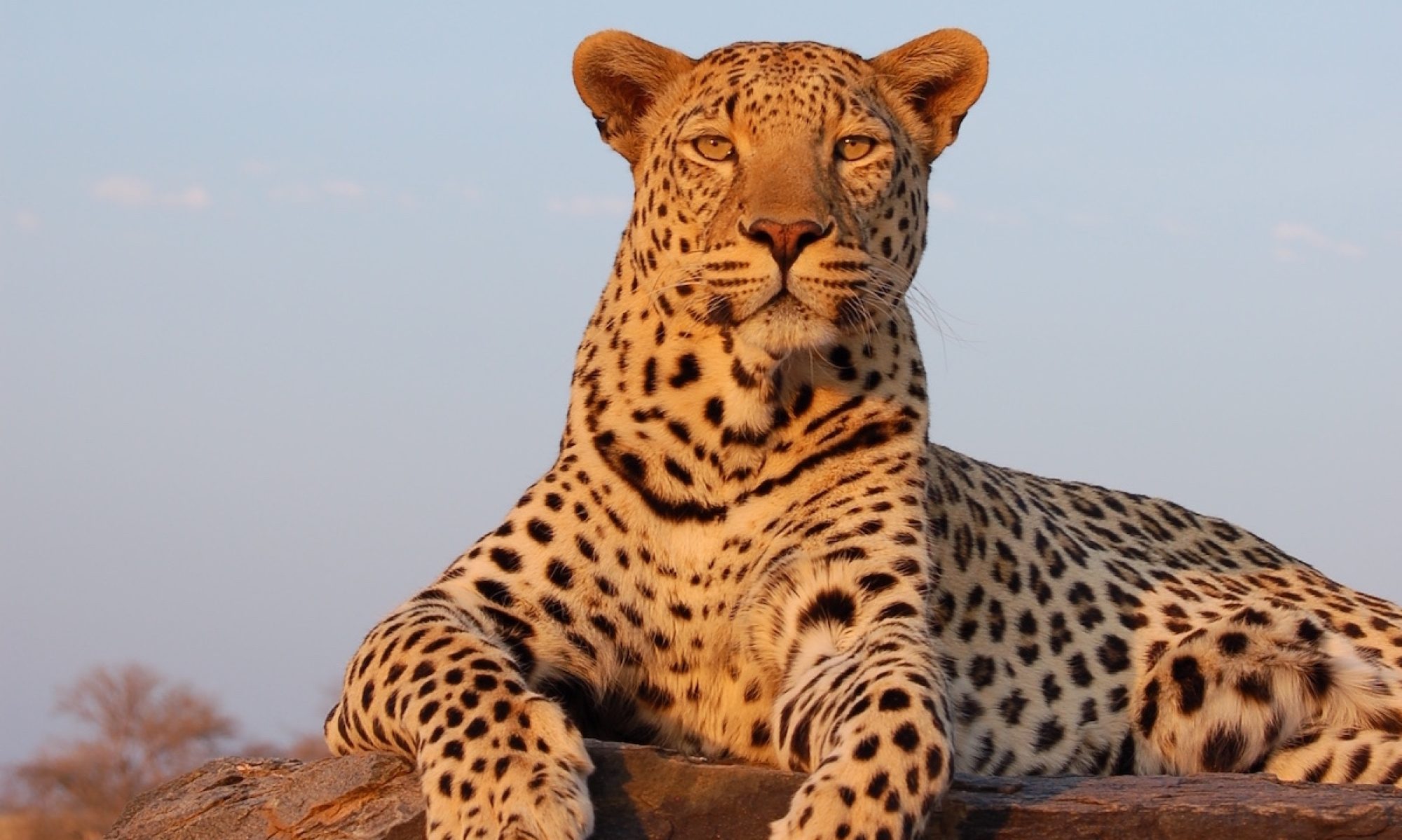
‘I’ve always had it in me – but when are you going to get the chance, sitting in the office?’

In his fifties, Neil Goodall felt the familiar urge to get away from it all and out into nature. Yet when he took the leap into expeditions, Neil discovered more than a new world – he found a new path, and a new lease of life.
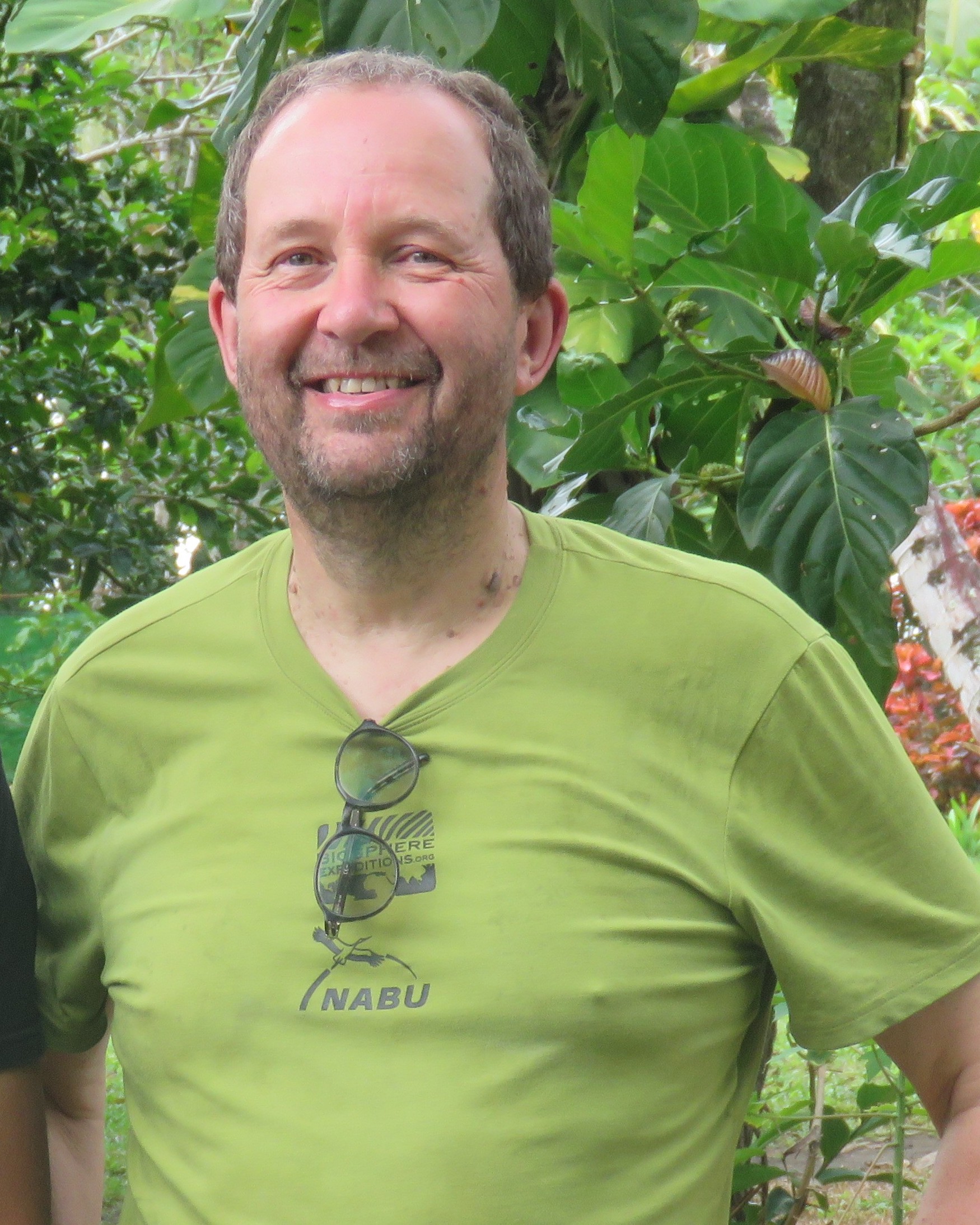
Neil on expedition in 2018

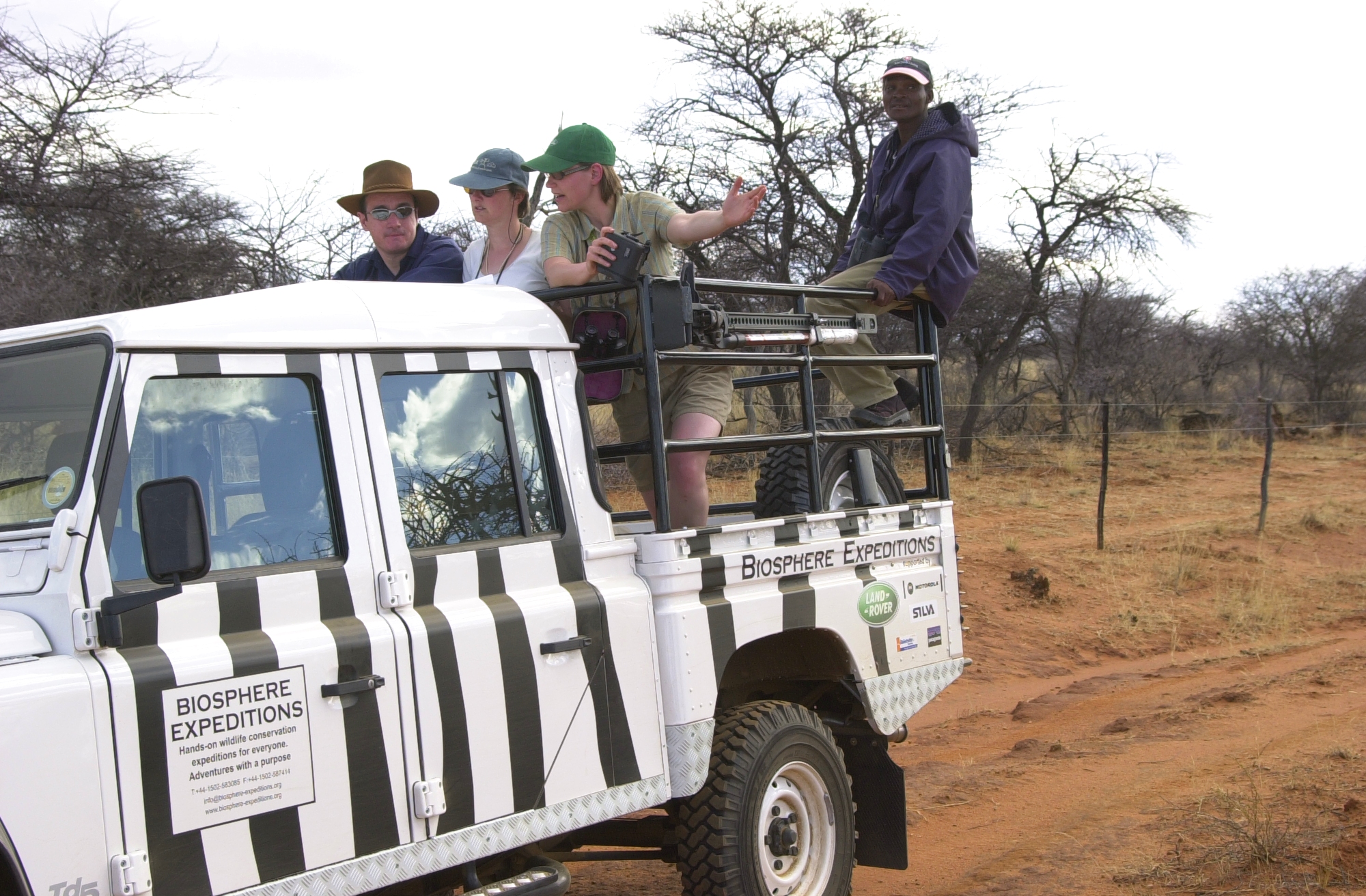
Neil Goodall never expected to find himself in an acacia bush.

‘We were tracking leopards in Namibia, and had to set traps,’ Neil explains. ‘So I volunteered to crawl into the bush, and put the smelly carcass in the trap – and I thought, I’m an accountant!’

Setting a trap for leopards in Namibia


Since his first expedition in Namibia, Neil never looked back. Thailand, Malawi, Tien Shan: Neil traversed swamps, crossed deserts, and returned with a different perspective on life. ‘The contrast between this and working at my desk all day was just amazing. My colleagues couldn’t believe it. Gradually I became known as the Scat Hunter!’

Yet he wasn’t always an adventurer. Like many people, Neil found himself isolated from the natural world.

‘I always liked nature but never found the time for it,’ he says. ‘I was in my early 50s. Busy life. Two kids, family, and a very busy job – as a finance director for a public organisation.’

To get closer to wildlife, Neil followed what seemed to be the only option – safari, spending five days in the Serengeti.

‘Afterwards, I thought, I loved that, but a couple of things nagged me: you’re a tourist, you’re stuck in a vehicle, you can’t interact, and when you do see wildlife, they’re surrounded by tourist vehicles…it all felt a bit contrived.’

Signing up to be a citizen scientist with Biosphere Expeditions gave Neil the immersion in the natural world that he couldn’t reach in his everyday life – and then some.

‘It was everything that I’d hoped for: structured, but with a sense of liberation. We could go out into the wild, and as long as we did our tasks, we were free to do as we pleased. Wildebeest, giraffe, springbok – all close enough to smell them.’

Yet there was a crucial distinction. Neil wasn’t just close to the wildlife; his participation in the expedition enabled him to contribute to their conservation, shoulder to shoulder with dedicated scientists out in remote wilderness. On his first expedition, in Namibia, part of the project’s purpose was to change the narrative.

‘The farmers blamed the leopards for killing their livestock. Our work was helping to protect the cats. Collecting data, but properly in the wild – it’s such a purposeful interaction with wildlife.’

Part of what makes the expeditions so meaningful is because they’re not a holiday – they’re challenging, as Neil attests.

Neil (right) entering data with a fellow expeditioner in Malawi


‘It’s hard work,’ he agrees. ‘You’re up early, active from the off, but when you look back at the end of the day, shattered, you think – but what have I done? All day in nature, encounters with wildlife, collecting data with a team of people who were strangers a few days before. It’s hard, but it’s also one of the best things to experience because it connects with a lot of deep drivers that are rare to find in everyday life. But Biosphere Expeditions gives you confidence: you’re well briefed, well fed, and you know what you’re doing: solid foundations to go out of your comfort zone!’

And, like many expeditioners, Neil found himself not just out of his comfort zone, but far beyond it. His experiences across the world have been so out of the ordinary that they’ve changed how people see Neil as a person.

‘On my third expedition, I went to Peru – the first person in my family ever to go to South America. I found myself taking the boat from Iquitos down the Amazon, and I remember pinching myself – literally pinching myself – going, I’m on the Amazon. How!?’ Neil says, laughing. ‘People at work see me as the accountant. But it changes people’s perspective of you. They react ‘Wow, you did What!?’’
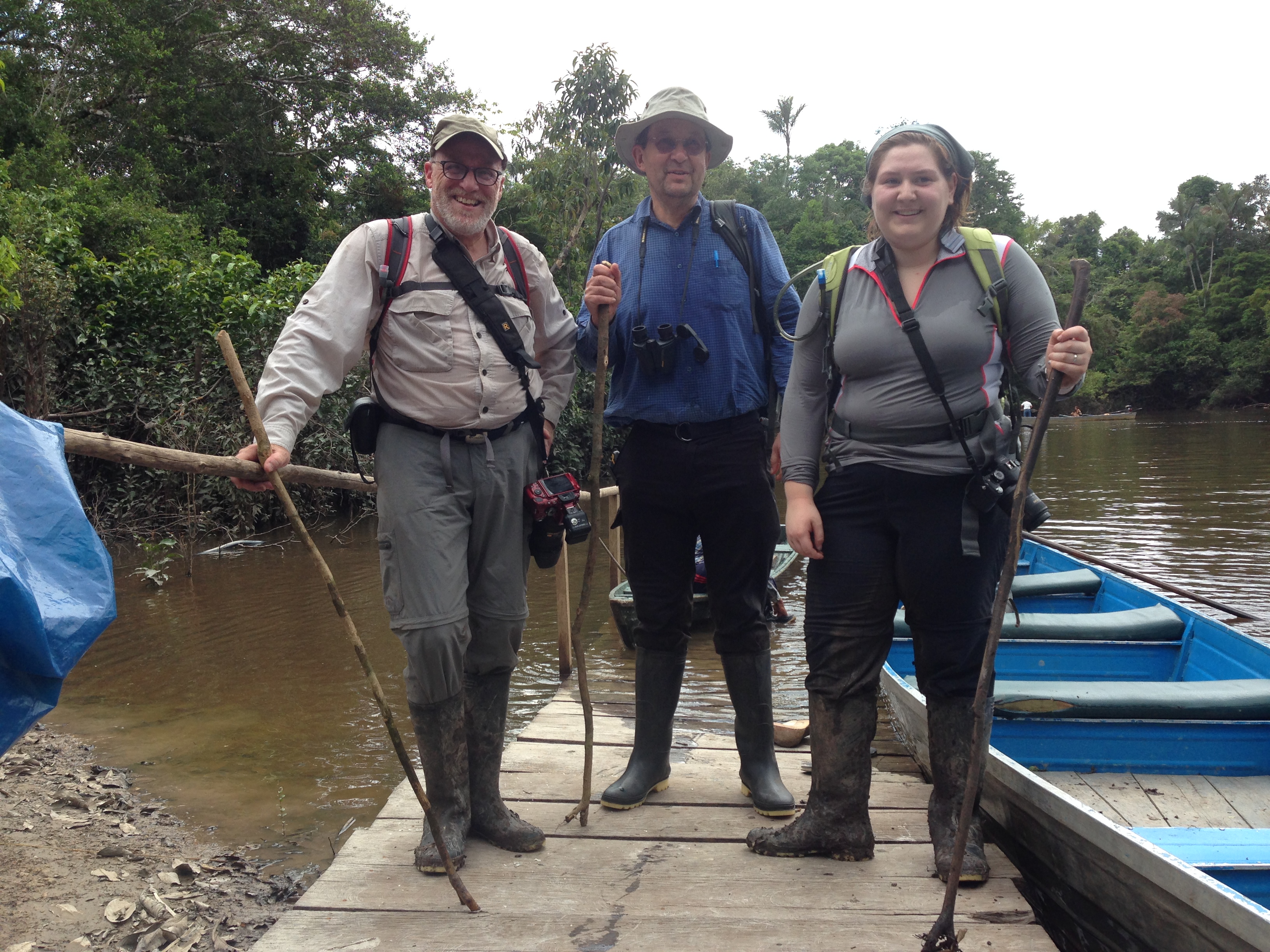
Neil (middle) with fellow expeditioners in Amazonia

Judging by his stories, this amazement is justified.

‘One night, in a remote region of Malawi,’ Neil begins, eyes lighting up in recollection, ‘We were observing a goat carcass to see if it attracted predators in the dark. We set a camera trap 10 miles from camp, but on the way back, we got stuck in the rutted road. Imagine: three of us, in the pitch black dark, somewhere in the middle of Malawi…and we had no choice but to get out of the car and push it out of the ruts. And you feel the danger,’ Neil admits. “We could radio for help, we knew we were safe, but it’s so far beyond everyday life. You come back and think: Wow!’

Ultimately, though, Neil’s experiences on expedition have given him more than just memories. They’ve given him new skills, opened new opportunities, and have made him an active protester for change. Inspired to put his new skills to use, he attend his first protest march – Restore Nature Now – in London in the summer, alongside 60,000 other nature lovers. Neil says, “I thank Biosphere Expeditions for giving me the confidence and the compulsion to protest for what I believe is a just cause, something I had not done before in my 68 years. And I will do the same again if the march is repeated.”

‘It changed my idea of what’s possible,’ Neil reflects. ‘I’ve always had it latent within me – but when are you going to get the chance, sitting in the office?’

Sixteen expeditions later, Neil the office accountant, has been transformed – and it hasn’t gone unnoticed. So who has Neil’s new sense of purpose influenced most? Neil bursts out laughing.

‘My sons – who see me as a boring old dad – they can’t believe what I’ve done!’

‘You’re right on the frontlines of conservation – and you see life differently.’

As biologists, Gary and Sandra Hogben have always been fascinated by the natural world. But when seeking a way to get stuck into some fieldwork, they began going on expeditions together. From tiptoeing past sleeping elephants to learning how to use the village water pump, it’s been an even richer journey than they’d imagined.

Sandra (left) and Gary Hogben (right) on their elephant expedition to Thailand in 2023.

Gary and Sandra never imagined they’d end up stranded on a dirt road in Malawi, miles from anywhere, bus broken down, no immediate way of moving. But that’s exactly where they found themselves. Rather than the struggle, however, they remember the laughter and camaraderie that came from taking responsibility for their own fate. ‘You’re really pushing yourself,’ Sandra says. ‘You learn your limits.’

Their story starts back in 2013, when the couple undertook their first expedition to Namibia. It proved a turning point in how they saw themselves—and their holidays. Both are biologists by training, but as Sandra notes, ‘It’s microbiology, not macro, so we wanted a broader perspective. Something that let us get back to what we used to do: proper fieldwork.’ A classic game drive wasn’t enough; they wanted hands-on involvement, real interaction with wildlife, and a sense they were contributing to something bigger.

So they signed up for a Biosphere Expeditions project in Namibia, discovering that expedition life is intense in ways they never anticipated. ‘I felt anxious about what I’d signed up for,’ Gary admits, recalling the dossier’s instructions on braving remote desert roads and uncertain conditions. But from the start, that same uncertainty became an addictive challenge. ‘I love to travel, but because of the climate crisis, I felt guilty,’ he says. ‘This wasn’t just a holiday though — it had a purpose, a way to give something back.’

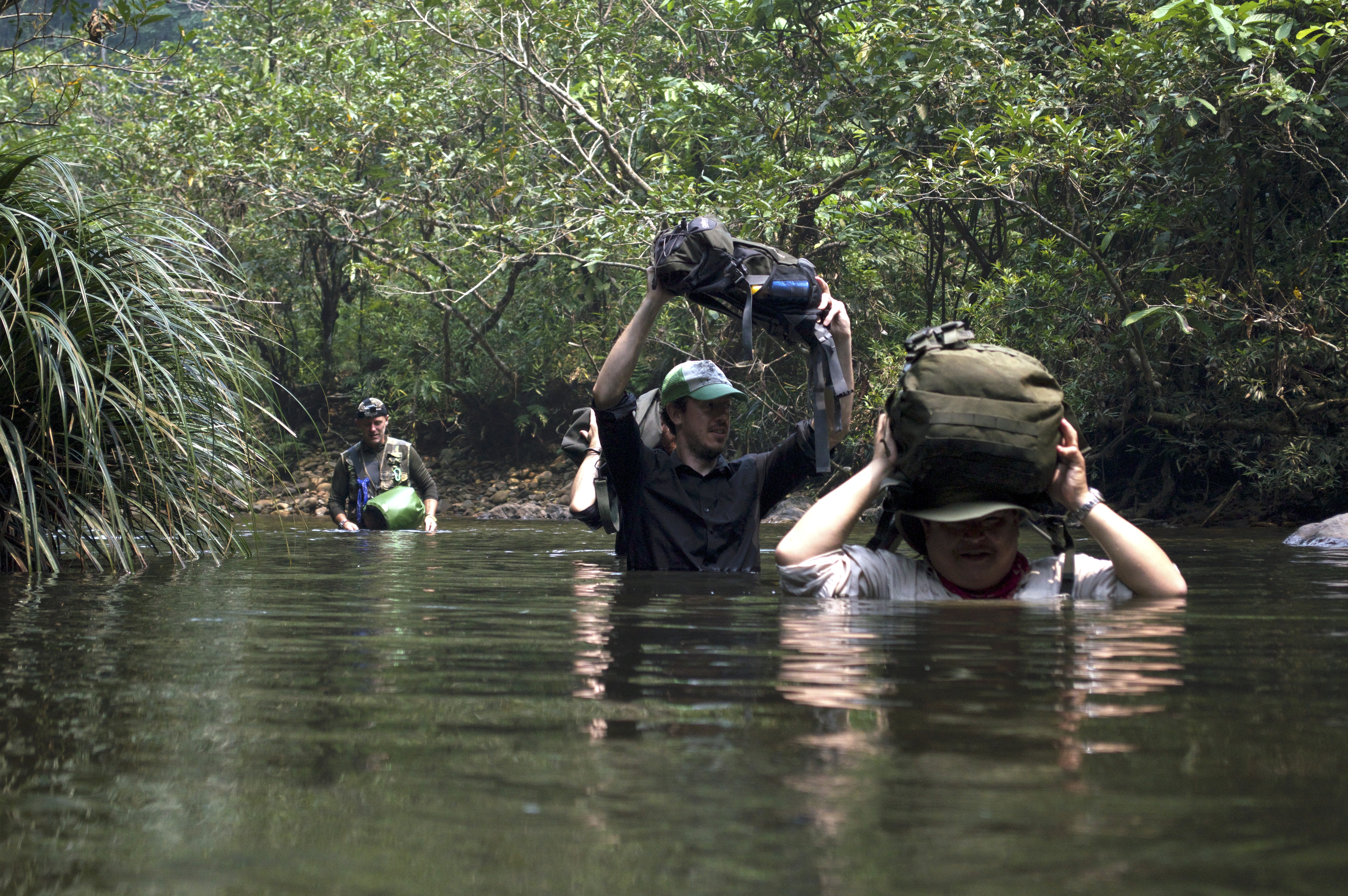
Over time, they ventured further: Malawi, Arabia, Costa Rica, Thailand — each place tested them physically and emotionally. They’ve dodged tsetse flies, tiptoed past elephants at night, and faced torrential storms checking on hatcheries every fifteen minutes. Yet for all the trials & tribulations, both speak with a sense of wonder. ‘You come back feeling that you’ve overcome a challenge,’ Sandra says. ‘And very glad to have done so.’

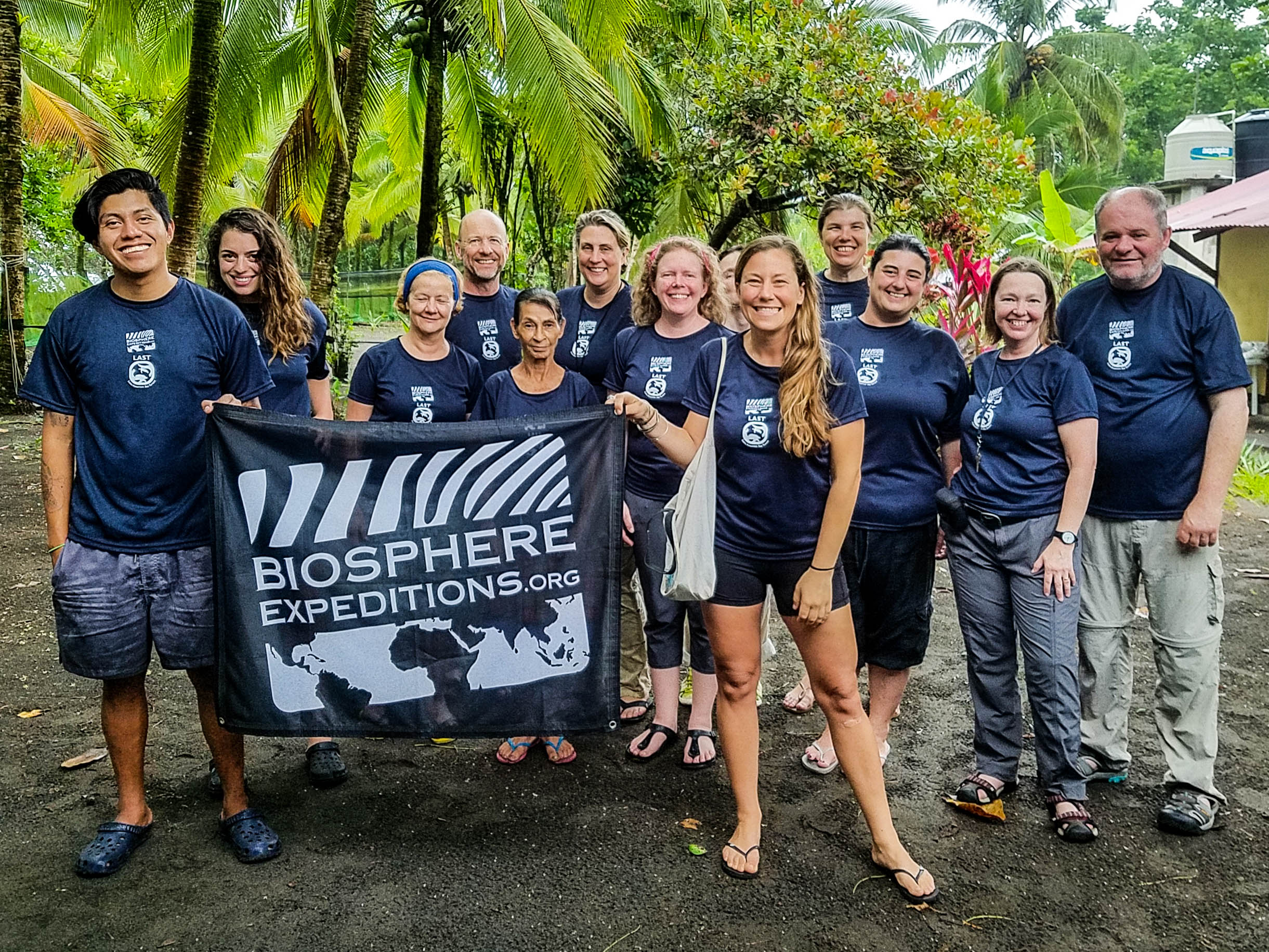
Gary & Sandra (from right) and their 2018 Costa Rica sea turtle expedition team.
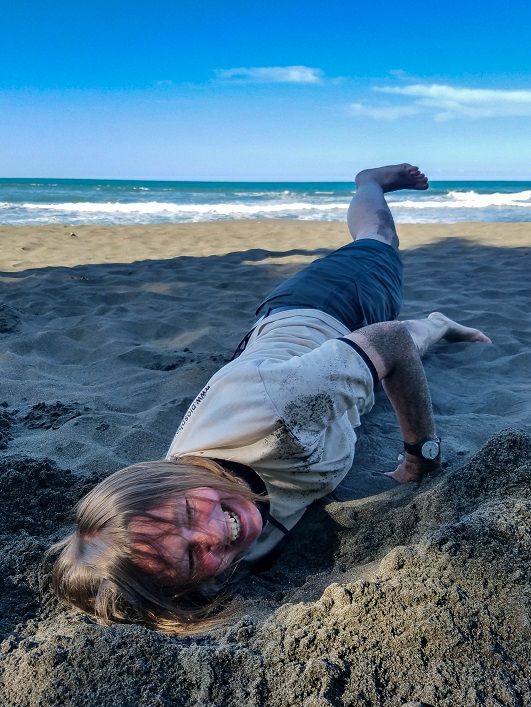
Sandra digging an incubation nest for leatherback turtle hatchlings
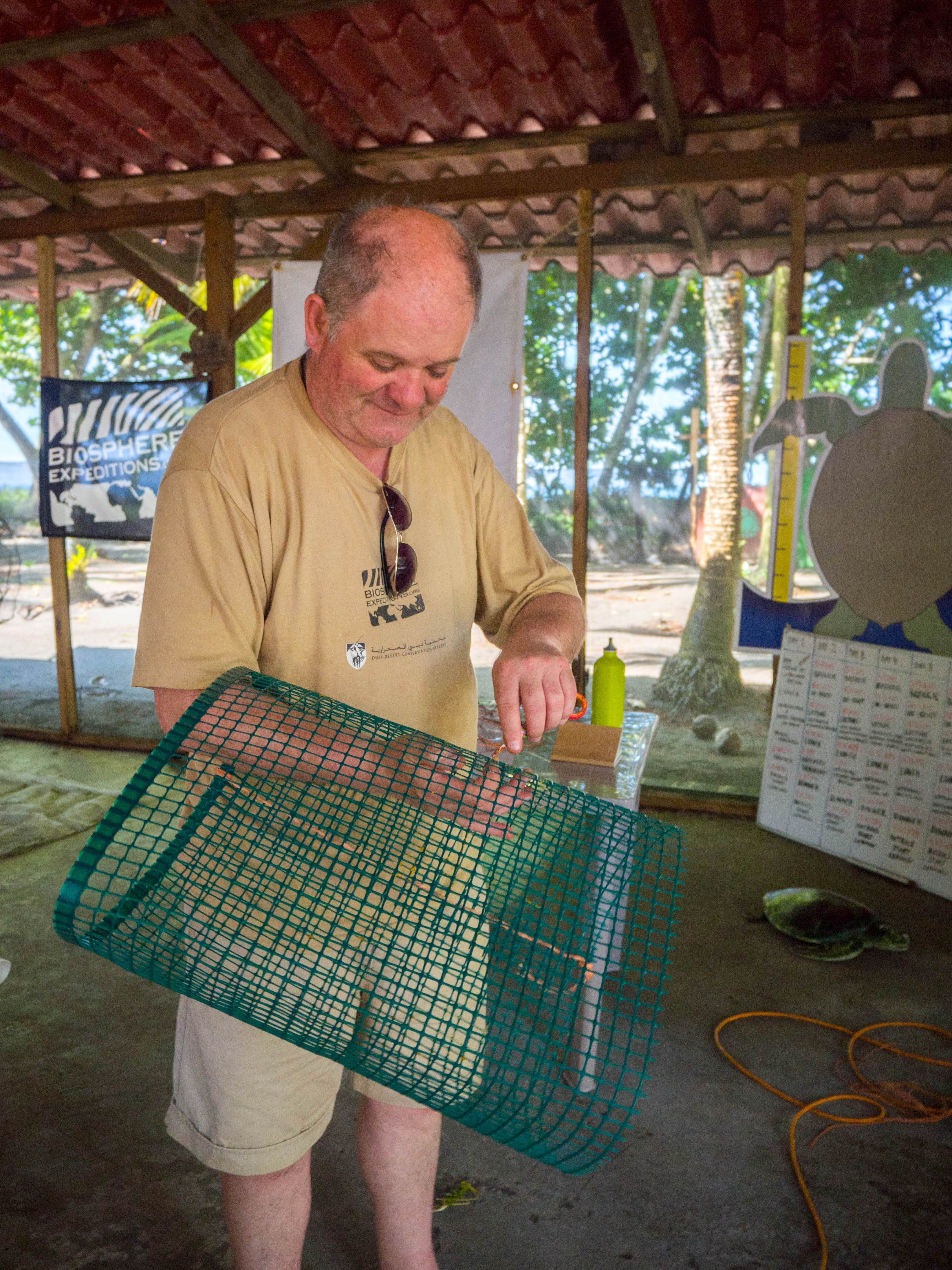
Gary constructing a protective basked for leatherback turtle hatchlings
Gary & Sandra on their 2018 Costa Rica experience

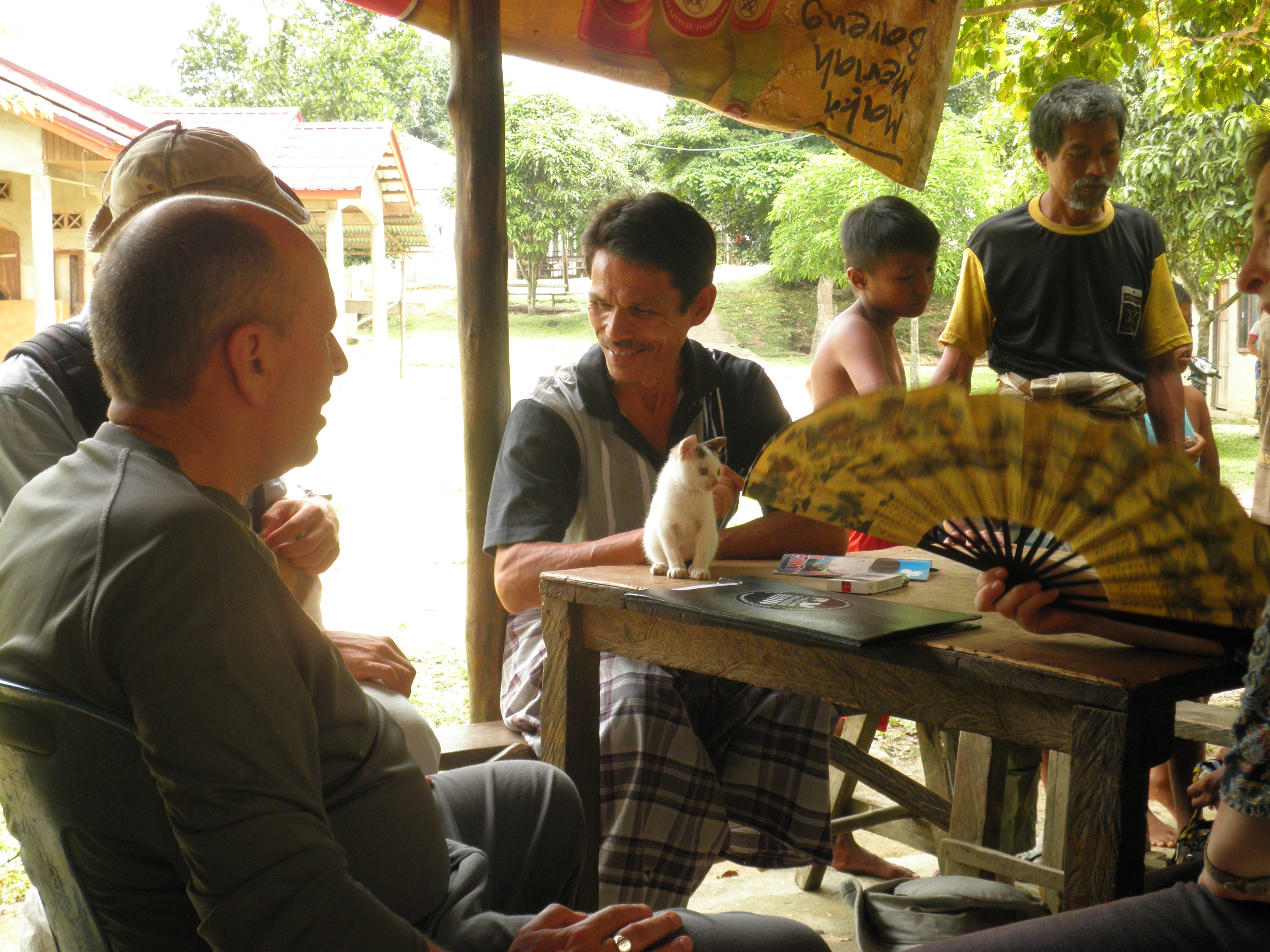
Meeting local communities helped them see their own routines in a new light. In Malawi, they learned to pump water from a village source, twenty liters at a time, or no shower. Back home, they realised their perspective had changed. ‘You see it a bit differently,’ Sandra reflects. ‘It shows you what’s possible.’ Gary now chairs a clean-water advisory group, inspired by the stark realities he encountered. ‘You’re right on the frontlines of conservation,’ he explains, ‘seeing the difference you’re making.’

Gary on his 2019 Malawi experience

Perhaps the biggest surprise has been the friendships they’ve forged. ‘We’ve stayed in touch with people from our first expedition,’ Sandra says. ‘Helen from Australia visited us in the UK, and Georg from Germany — like-minded folks who keep coming back for more.’

‘If someone asks whether they should do it, I always say: ‘Go for it. You won’t regret it,’’ Gary says. ‘I used to think being stuck between hippos and elephants was something you’d watch on TV. Now it’s part of our reality.’ And for both Gary and Sandra, that reality is far more compelling — and life-changing — than any other kind of holiday could ever be.

‘You could just feel that no-one wanted to leave…’

Tired of feeling passive, and yearning to get closer to nature, Martyn Roberts swapped safari holidays for expeditions – and learned as much about himself as he did about wildlife.

Martyn Roberts on the Azores whale & dolphin expedition in 2024

Martyn Roberts never forgot his first safari in South Africa – it left him wanting more. He loved the thrill of being close to wildlife — but as he put it, ‘I wanted to get hands-on. I wanted to make a difference, to do something more demanding that allowed me to express these beliefs, ideas and interests.’ Those hopes lingered until 2002, when a chance encounter led him to Biosphere Expeditions and a life-changing trip to Namibia.

At the time, Martyn had just come out of his first marriage and was ready for something new, something bold. His earlier safari was too short, too passive. So when he discovered Biosphere Expeditions and heard about an upcoming two-week project in Namibia, he took a leap of faith. ‘I wouldn’t call it the hard sell,’ Martyn says as he recalls his first conversation with Matthias, the expedition leader, ‘but he insisted that I join. It was an encounter with the unknown.’

For Martyn — who had always travelled with friends, family or a partner — heading off by himself to find the meeting point in Windhoek felt like a huge step. ‘Yes, it was the first time I’d travelled on my own,” he remembered. ‘I wasn’t overly worried, but I was apprehensive. What would it involve? It was a leap into the unknown.’

What he found in Namibia wasn’t at all what he’d expected. ‘The country itselt … just how wild and desolate it was,’ he marvels. ‘So much bigger than I expected. The cheetah was the species we worked with – I was a bit surprised how well it all ran!’ He still laughs about his first meeting with another big beast: Matthias, in a Windhoek café, when Martyn realised his expedition leader was nothing like the ‘old man with a big beard’ he’d imagined.
Gruelling hours, hard physical work and pushing comfort zones: Martyn discovered much more than animals alone. He and his team had to maintain vehicles, drive out into remote areas, check camera traps, and spend hours in hides. ‘Everyone was silent when Matthias asked who wanted to drive,’ Martyn says. ‘I stuck my hand up and said, ‘I’ll give it a go,’ driving people I’d never met, hours out of town, in a foreign country, at times when you’re tired can be challenging. But you do it.’

Martin driving in Namibia in 2002
Martyn driving in Namibia in 2002

That first two-week expedition changed the course of Martyn’s life. He kept returning: Altai, Sumatra, Brazil, drawn back again and again. ‘As each expedition happened, you could sense a change,’ he explains. ‘I thought, ‘I like this. This is good. We’re giving a lot and getting a lot.’ And you could feel no one wanted to leave.’ Simply deciding to go – and accepting responsibility for getting himself to the rendezvous point, no matter how remote – was a challenge in its own right. But he relished it. ‘It’s the first test to see if you’re independent and can take responsibility.’

Of all the expedition he’s been on taken, Sumatra in 2015 stands out as a defining moment. Heat, humidity, dense jungles, the exhaustion of wading through waterlogged terrain – it tested him like nothing else. ‘We had base camps with WWF, rats in the night, someone set up a camera so we got rat TV every morning,’ he chuckles. ‘But the expedition work was seriously challenging. I approached the expedition leader talking about quitting – I was in my late 50s and finding it tough. A couple of days I didn’t go out because it was too hard, and I felt I was holding the group back. But I got back in the end!’ It’s a point of pride that he persevered. ‘Even with Wellington boots, boggy ground, up and down, thigh-deep in water … it was unpleasant. But I managed,’ he says. ‘It’s addictive. Can’t get there from here? You can, you can, because you’re part of a team.’

Tough expedition work in Sumatra
Martyn (foreground left) asking local people about tigers in Sumatra 2025
Martyn (foreground left) asking local people about tigers in Sumatra 2015

Returning home after each of these experiences has been its own kind of challenge. ‘It’s a bit like the post-holiday blues,’ Martyn admits. He’d come back buzzing with stories: Muddy boots, extraordinary wildlife encounters—but maintaining his passion at home wasn’t easy. Still, that energy proved infectious for friends who saw just how transformative the expeditions had been for him.

In time, Martyn also realised that his once ‘rose-tinted view’ of wildlife charities had grown more nuanced. “Before expeditions, I supported charities like WWF. You think everything runs smoothly. But then when you do it yourself, helping professionals, you realise how difficult it is, how many challenges you face — it’s not as easy as you might think,’ he muses. The fieldwork – hauling camera traps, trekking through punishing environments, collecting data – deepened his respect for conservationists. ‘I do it two weeks a year, and it’s made me realise money isn’t everything. Commitment, courage, consistency: that’s critical,’ he says.

Martyn’s convictions haven’t dimmed; they’ve evolved. His adventures have taken him across continents, from desert scrubs to humid jungles, always in search of something more meaningful than a fleeting holiday. Each expedition tested him in a new way. Each time, he rose to the challenge. Now, he can’t imagine who he’d be without those experiences – or the confidence they’ve given him. ‘For some people, this might be a one-off. But I realised I relish it,’ he says, bright-eyed with the memory. ‘It’s rare in life. You give a lot, but you get a lot back, and that changes you.’

Dr. Matthias Hammer as keynote speaker at RGS Explore on Biosphere Expeditions’ 25th anniversary

Biosphere Expeditions’ founder and executive director, Dr. Matthias Hammer, was the Sunday keynote speaker at the Royal Geographical Society’s 2024 Explore Symposium in London, UK. His speech was about citizen science and community involvement on expeditions.

On the day at the RGS he said:

“I am honoured and humbled to be invited as keynote speaker today to the RGS, which was instrumental in getting my first student expedition off the ground 35 years ago. I would not be here today, had it not been for the RGS and Shane and Nigel Winser in particular.

I am also so pleased for Biosphere Expeditions that I should be invited to talk at the RGS on our 25th anniversary – this is a fitting tribute to all the people who have made Biosphere Expeditions what it is over the last quarter century. The honour is therefore theirs, not mine really, and I stand here for all of them – staff, helpers, professional and citizen scientists alike. My heartfelt thanks goes out to all of them.”

Dr. Matthias Hammer at Explore 2024 (c) Spike Reid


Thailand: Done

Update from our Elephant conservation volunteer holiday Thailand

The Thailand 2024 expedition has now ended and all citizen scientist have left base with a little sadness, but also a spring in their step and plans to join future expeditions. It’s suddenly gone very quiet here without them. Just the sounds of cicadas, children, chickens, dogs, a passing buffalo and the calming gurgle of the river.

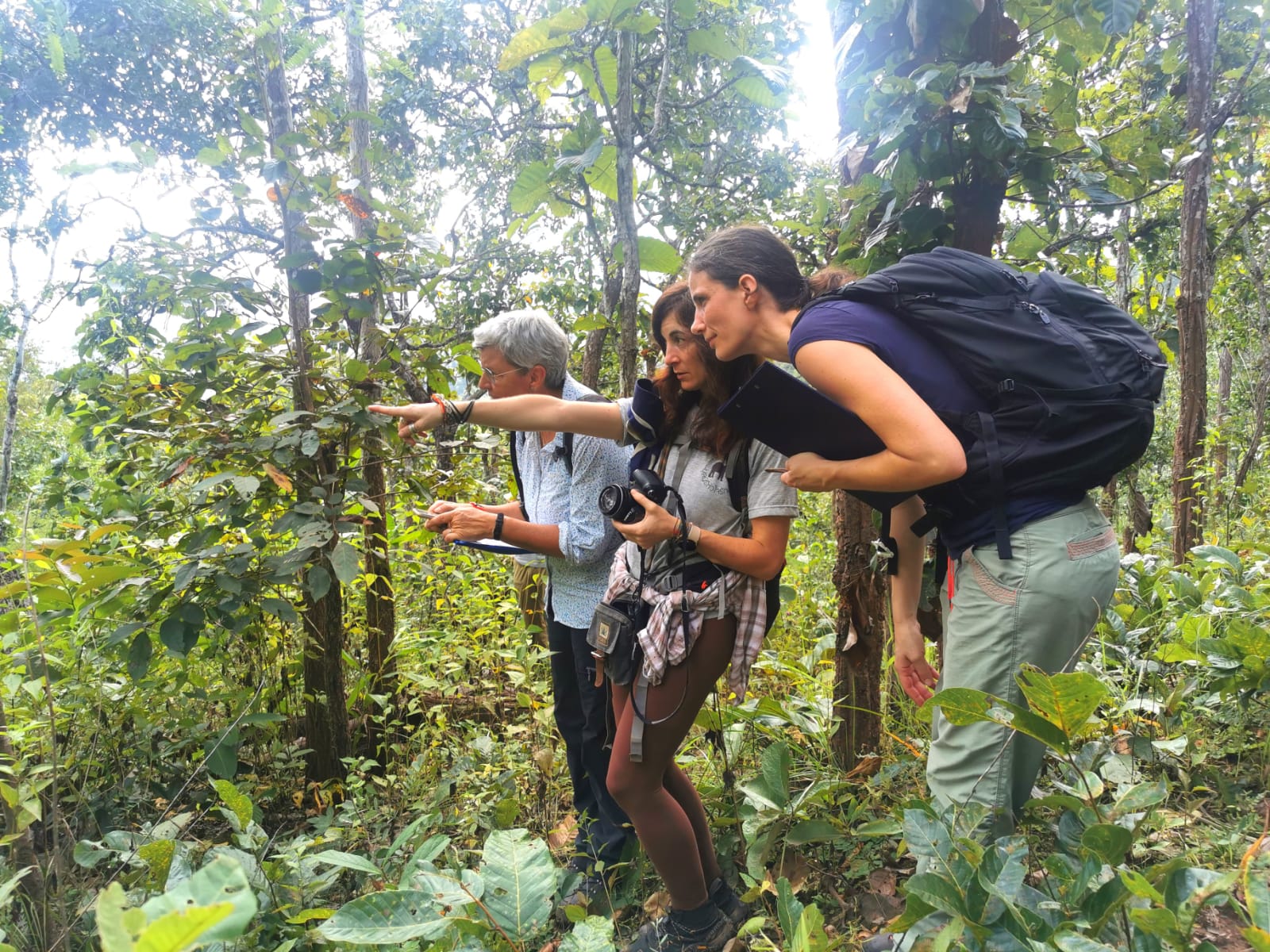
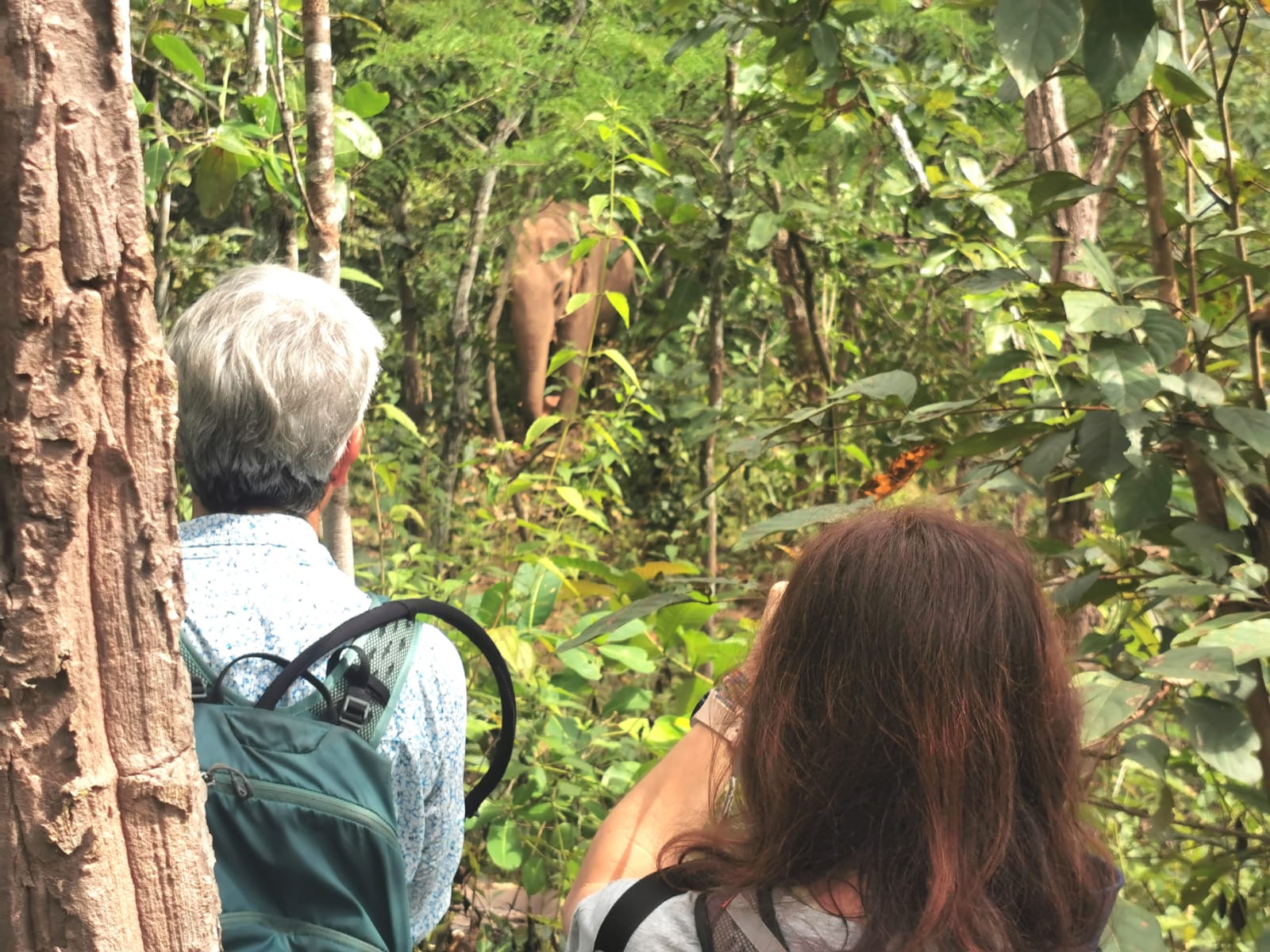
The last few days saw us continuing to observe the elephants and record their behaviour, adding to the impressive dataset. The final day in the field was hot, but fortunately for us the elephants headed for the shade of the forest and the cool of the streams for most of the time and we all had a wonderful few hours watching elephants forage, explore, dust bathe, drink and interact: simply living the natural elephant life.

Over the course of the expedition, we collected 142 hours of records of elephant activity, calf development, types of plants eaten and association between individual elephants. We also completed two biodiversity transect surveys near to base. Scientist Laura is really happy with what we have achieved and in due course she will write up the results and conclusions from our data in the expedition report.

Our final hike back from the forest was great. We passed and greeted the locals sharing the same trail, by foot and motorbike, to get to the rice fields. We enjoyed the sight of butterflies, lizards and praying mantises.

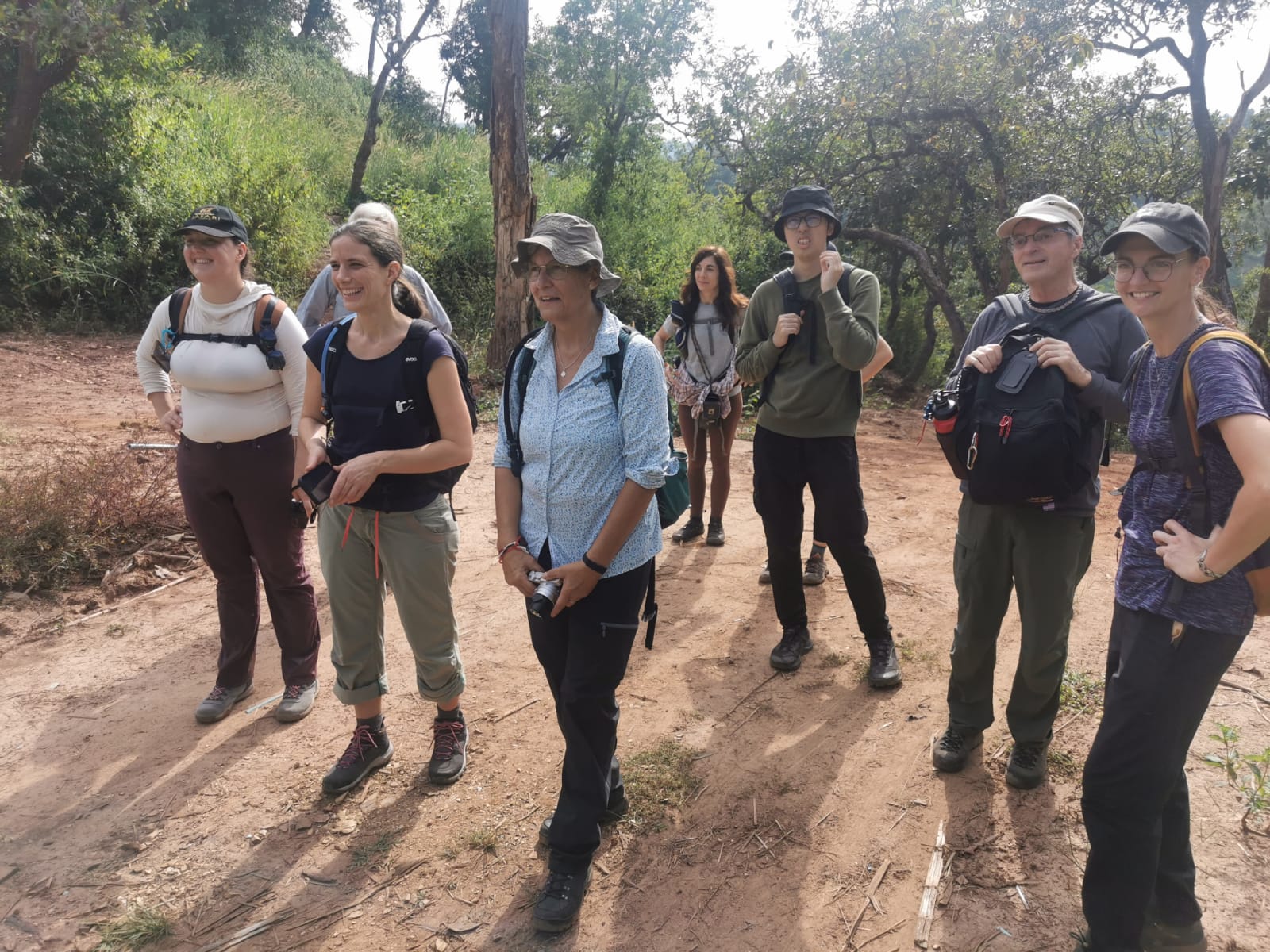
I would like to thank the excellent team at KSES – Kerri, Laura and Cris – who hosted us, oversaw the science and gave us an insight into the world of captive Asian elephants released into their natural habitat. Thank you to Kanda, our young local guide who kept us safe and was always so warm and smiley. Thanks too to the villagers of Ban Naklang who fed and accommodated us in their home stays: Baw Eh, Tawahmoh, Nee, Jadee, Lujet and Seeva. And a big thank you to Neele, Anette, Stephen, Brandon, Jim, Rachel and Ed, the expedition citizen scientists who made this conservation research expedition such a success. You were a great team: hard-working, punctual, cooperative, appreciative of the value of the work we do here and altogether had a great attitude to the expedition. I hope to see you again on a future expedition.

Continue reading “Thailand: Done”

Thailand: Rain, sun and elephants

Update from our Elephant conservation volunteer holiday Thailand

We have settled into a good routine now. A one hour hike to the forest, setting off sometime between 06:00 and 10:00, depending on which period scientist Laura needs data for that day, followed by two or three hours of data collection with the elephants.

Once we find the elephants, we split into teams – generally one citizen scientist per elephant plus a team of two who will record where each visible elephant is in relation to the rest. If the elephants drift away from each other, we have to decide whether our teams should follow them or if it is more useful for us to watch from a distant vantage point. We need to be adaptable. On two days we have had to spend our time fighting through the jungle, following the elephants as they trample their way through thick vegetation. There is a real art to choosing where to go and when, in order to get a good view of your target elephant so you can record its behaviour, while keeping our distance for safety reasons (and to avoid annoying the elephant). It keeps you on your toes (or sometimes off your toes when you trip over terrain that the elephants find effortless to traverse).

Laura, the scientist is happy with the data we have collected so far and the team are operating well, whatever the time of day, weather and conditions.

The rain has stopped now and we are being reminded how hot it gets here when the sun is fully out and the air still. A good day for drying out. Tomorrow is our last day of data gathering – likely to be in the forest as the elephants will probably retreat from the open grass field when it gets too hot. But in the meantime, we have another bio-hike to do this afternoon: a transect survey of a path near our base, recording the numbers and diversity of insect life. After that – large helpings of good Thai food for supper, with perhaps a cold beer to celebrate another successful day completed on this expedition.

Continue reading “Thailand: Rain, sun and elephants”

Thailand: Elephants and insects

Update from our Elephant conservation volunteer holiday Thailand

Our first two days of research have sped by. The core activity involves hiking out to where the six elephants that we are studying live and observing them for a few hours. Working on different methodologies, we record each animal’s behaviour, how the elephants associate with each other and what plants they eat.

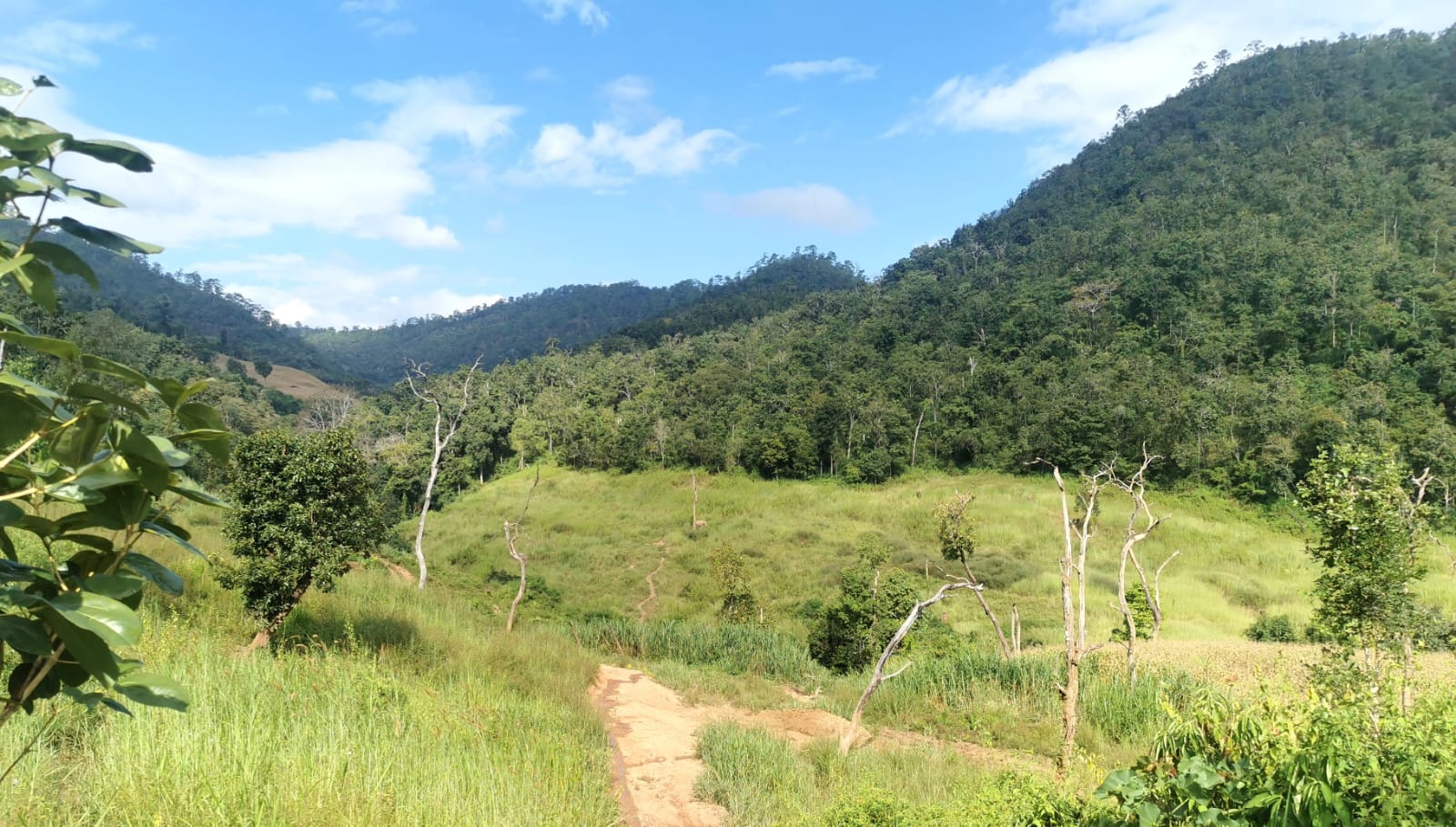
On both our research days, the elephants have been foraging in a large sloping field of tall grass, rather than in the nearby forest. Our best vantage point to watch them is on the opposite side of the small valley. This has the added benefit of a large shelter we can stand under when it rains. It rained incessantly all day today, but with that shelter, use of umbrellas and the upbeat attitude of our small team of citizen scientists, our spirits were high.

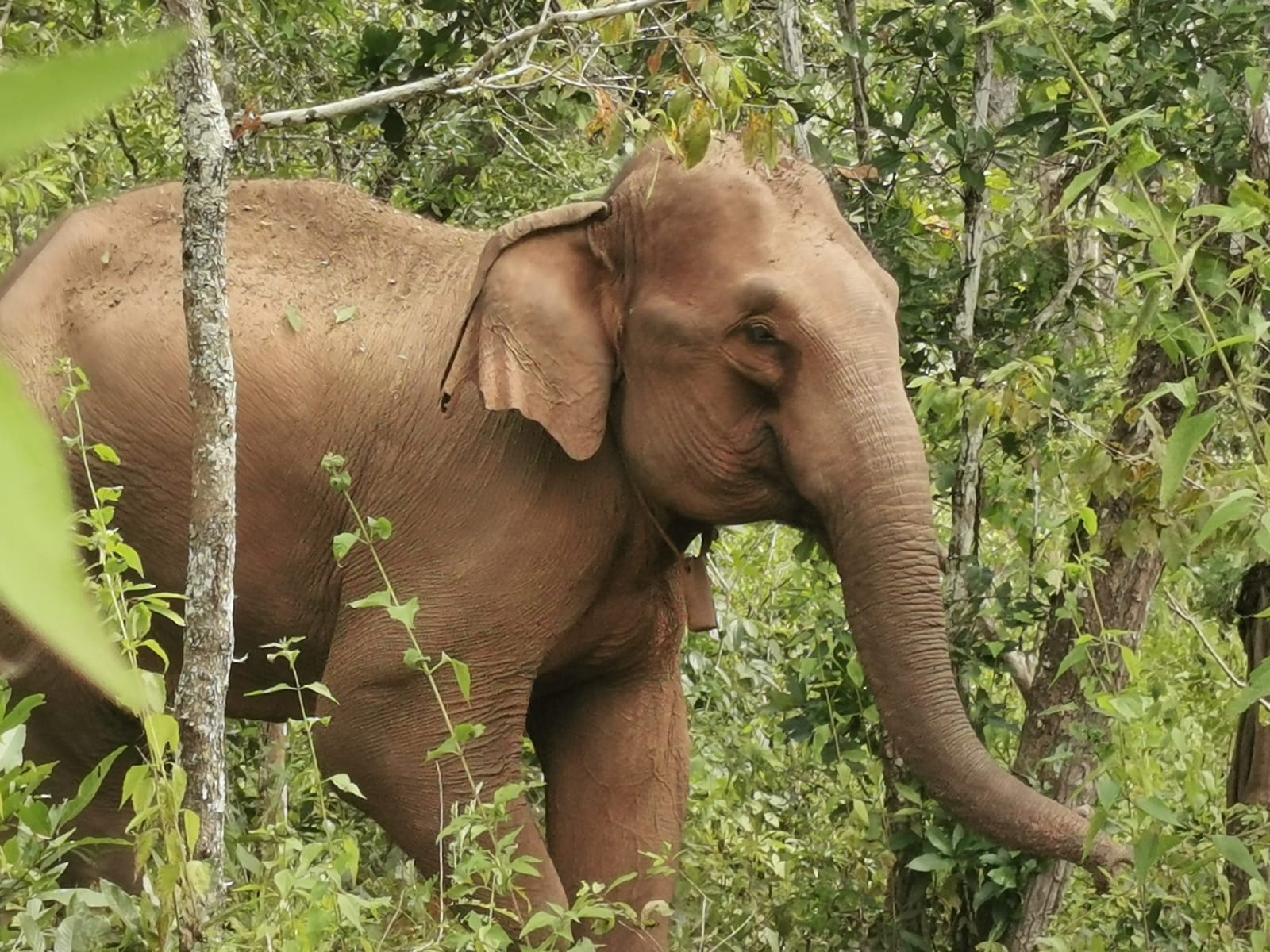
We happily watched and recorded the elephants as they foraged, explored, dust-bathed and interacted with each other. The two younger females tend to hang out together along with the 18-month old calf. The two adult bulls usually stay apart although one of them (father to the calf) does readily join the trio. The old matriarch tends to keep herself to herself.

With some spare time this afternoon, we carried out an extra research task. The appealingly named ‘Biohike’ is a transect survey of insects contributing to a long-term study of biodiversity in the area near our base, including habitats affected by elephants, which have a significant and long-term ecological impact as they trample, break up and uproot the vegetation as they pass through.

This evening we will be eating dinner with our homestay hosts and tomorrow it’s back to watching and recording the elephants. The expedition team is doing well.

Continue reading “Thailand: Elephants and insects”

Thailand: Elephants

Update from our Elephant conservation volunteer holiday Thailand

The expedition has got off to a cracking start. The team assembled in Chiang Mai and travelled to base camp, all present and correct and on time: always a relief at the beginning of an expedition.

Day 1 was pretty full-on, simply with settling in, familiarisation with the base camp and the village, safety briefing and a lecture about the elephants and the work of Kindred Spirit Elephant Sanctuary. We even managed to squeeze in some initial training in the research methodologies we use on this expedition.

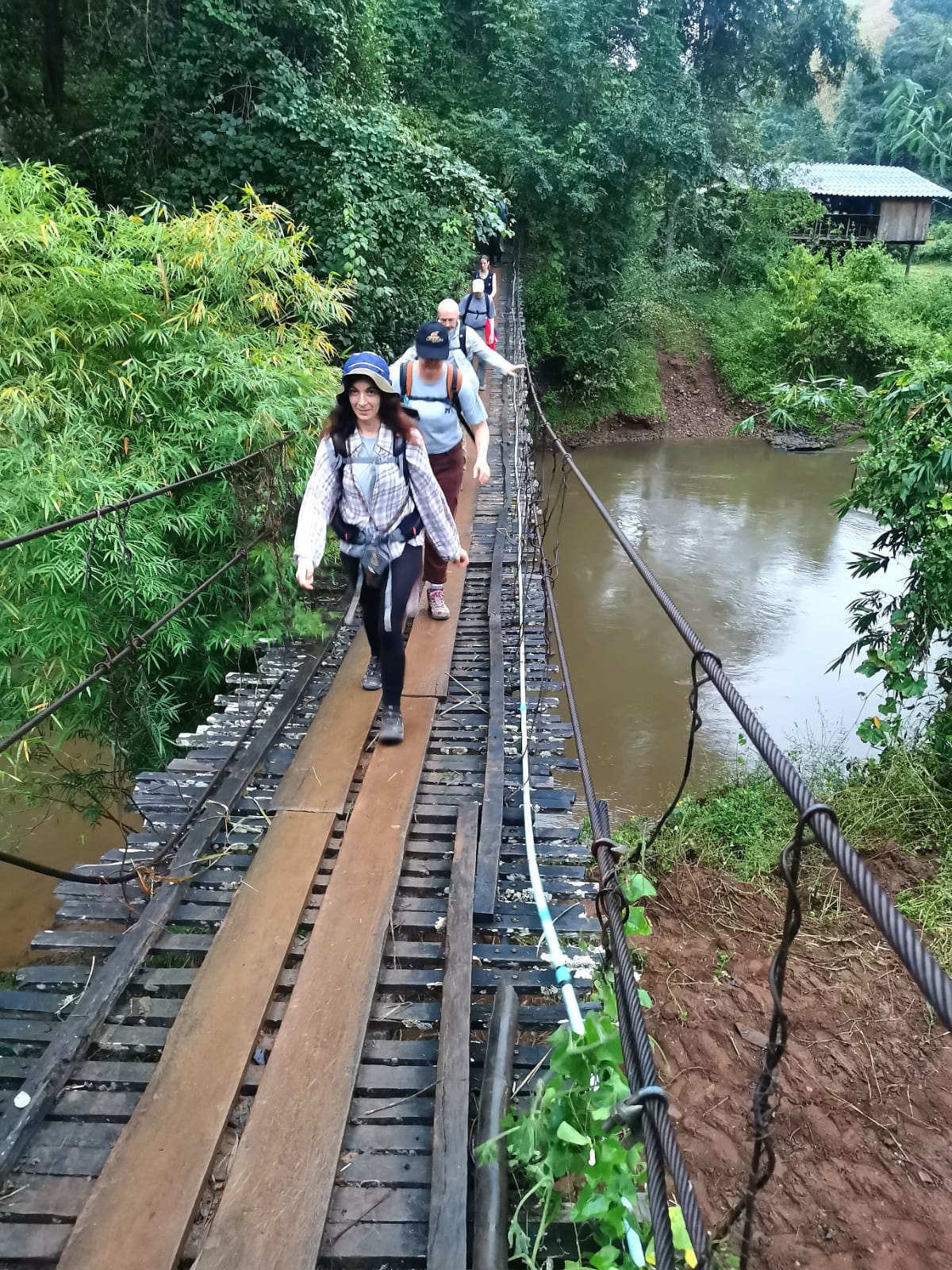
Most of the team managed to get some good sleep that first night, despite the unfamiliar nocturnal noises of dogs and geckos and the bustle of the village waking at dawn. We set off after breakfast to find the elephants. This involves a good hour’s walk over the bouncy suspension bridge, through the village, along the river bank, past rice paddies and corn fields and up towards the forest. There were plenty of insects, lizards and plants to distract us en route until finally we spotted the elephants half-hidden in a grassy field. It was a special moment to see five Asian elephants free-roaming and calmly foraging in front of us. The sixth elephant was the calf, ‘Junior’ who would have been somewhere near his mother or aunty – they tend to stick together as a trio – but hidden from our view in the tall grass.

We followed the herd as they wandered into the forest and at the first opportunity we paused and watched them from a safe distance so that scientist Laura could give us training in the field, putting into practice what we had learnt in the classroom the day before. It was very helpful for us to get a feel for how to carry out the research tasks when faced with the realities of observing elephants wandering around the forest, half hidden by the trees (or each other) for much of the time. It was a good reality check: conservation research is rarely neat, tidy and simple to do. And of course, it was an utter thrill to be up close with semi-wild elephants showing their fascinating natural elephant behaviour.

We returned to base for lunch, tired, hot, sweaty, but happy, ready for lunch and some more classroom training. Tomorrow we will return to the elephants and begin the research tasks for real.

Continue reading “Thailand: Elephants”

Thailand: From base

Update from our Elephant conservation volunteer holiday Thailand

I have made it to the expedition base: in the small village of Ban Naklang, west of Chiang Mai. The village is nestled by a river surrounded by forested hills: this is where the elephants live and where we will be hiking to carry out our research tasks every day. We stay in homestays in the village: wooden huts on stilts to keep them above any floods and
any unwelcome animals. The village life bustles with people, dogs, chickens, goats and the occasional motorbike. I was woken up this morning by the distinctive loud call of a tokay gecko living in my bedroom – somewhat startling if you don’t know what it is. 

Our base is simple, rustic , practical and comfortable. The main area is on stilts, with good views of the river, the village and lush vegetation. Colourful butterflies flit about and  lizards dart about the walls. The weather has been warm rather than hot and the occasional rain storm has passed through quickly. A small suspension bridge crosses the river to connect us to the village. It is excitingly wobbly but perfectly safe. 

The team here – myself as expedition leader along with the KSES staff: Kerri (manager), Cris (deputy manager) and Laura (scientist) have been busy preparing for the expedition: checking kit, reviewing protocols, printing documents and getting the base set up just right. Tomorrow we plan to go up into the forest to find the elephants so I can get the lay of the land. And on Monday – the expedition begins!

Continue reading “Thailand: From base”

Thailand: Chiang Mai

Update from our Elephant conservation volunteer holiday Thailand

It’s not long now until the start of the Thailand elephant conservation research expedition. I have now flown out to Chiang Mai on my way to our expedition base at KSES to get things ready with Kerri and scientist Laura there.

Chiang Mai at night is bustling and busy and there are no obvious problems from the floods a few weeks ago. Kerri tells me that the weather at our base  is cool in the mornings and hot in the day time. The clothing and kit listed in the expedition dossier will be fine. The elephants seem happy wandering around in the forest whatever the weather. 

A couple of practical things: Please make sure you get a ‘True’ SIM card with plenty of data on it, before you leave Chiang Mai (available at Chiang Mai airport) . And download the KoboCollect app on your phone. We will use this to collect data in the field. Also bring any old Android phones you have and download the app to this too before leaving.

I’ll send another update when I reach our expedition base. 

Roland Arnison
Expedition leader

Continue reading “Thailand: Chiang Mai”