Azores : New direction

Update from our marine conservation volunteering holiday in the Azores archipelago, working on whales, dolphins and turtles

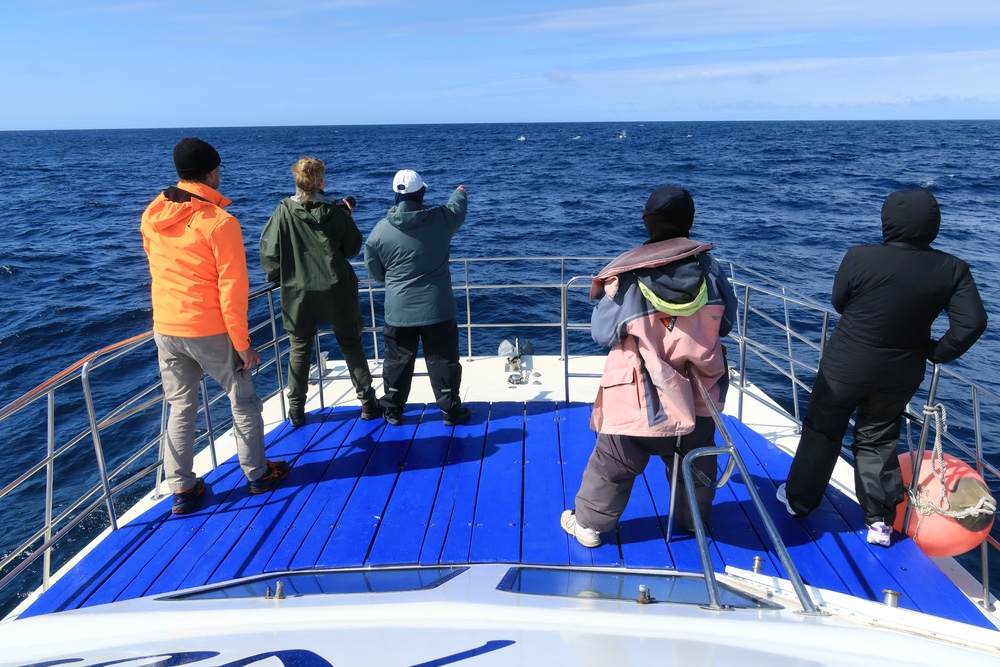
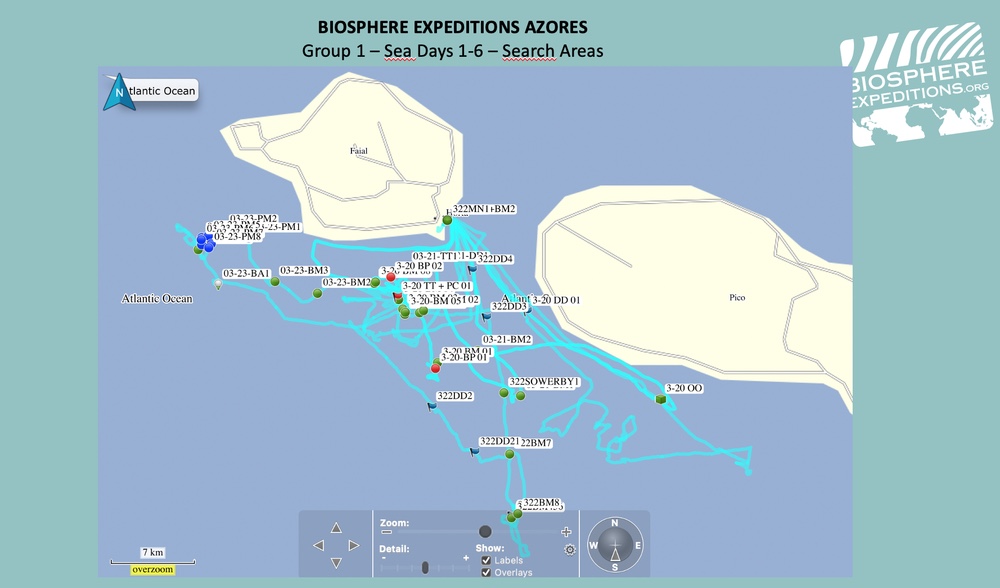
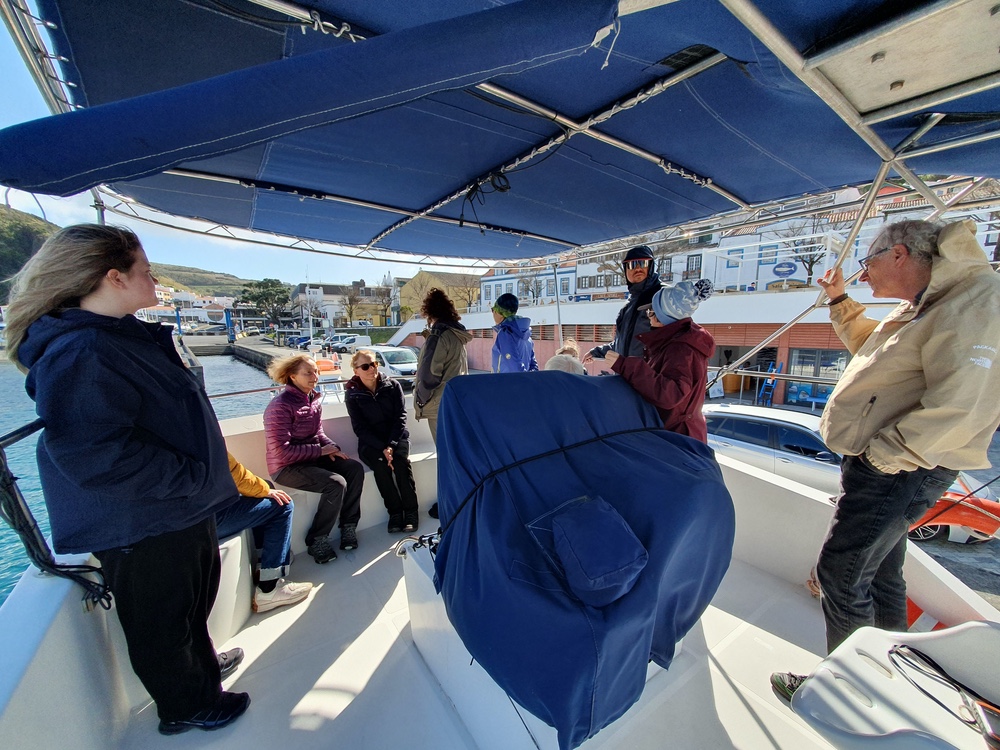
The early part of the week brought a change in the winds, and a change of direction for our surveys. We initially headed north to follow up a report of a humpback whale in the area. This was our first time north of Faial this year, and heading into a north-westerly wind and building waves made the search harder than we wanted, but the humpback was finally located – a favourite species for many.

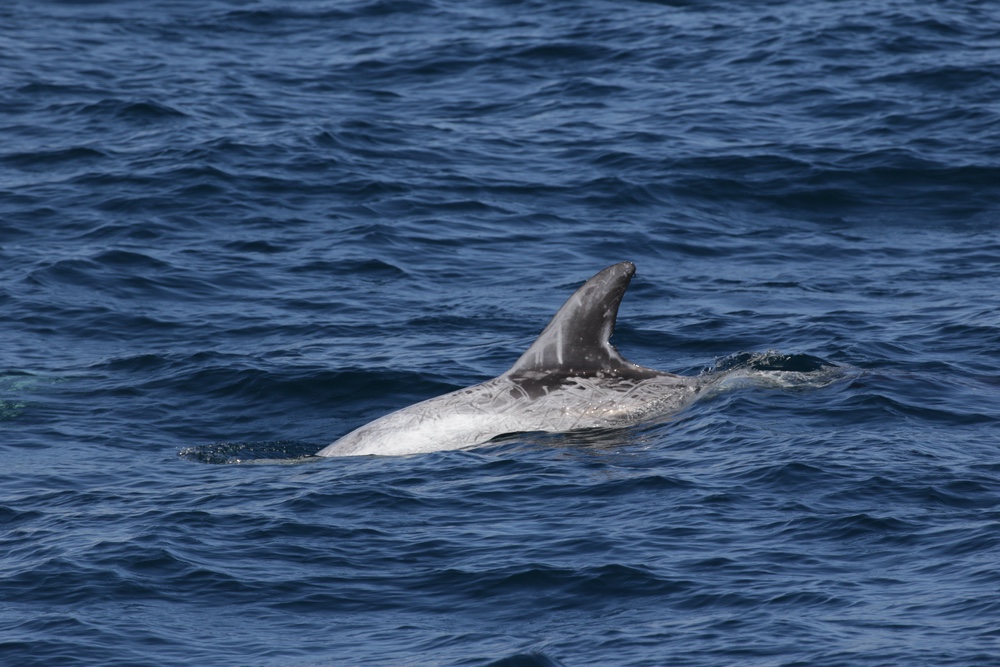
Staying with it brought more challenges, and having briefly lost it, the team spotted what we initially thought were the characteristic white pectoral fins in the waves, but this turned out to be a random sighting of Risso’s dolphins – doing their best to distract us. They achieved this briefly before the humpback was re-found and ID photos secured.

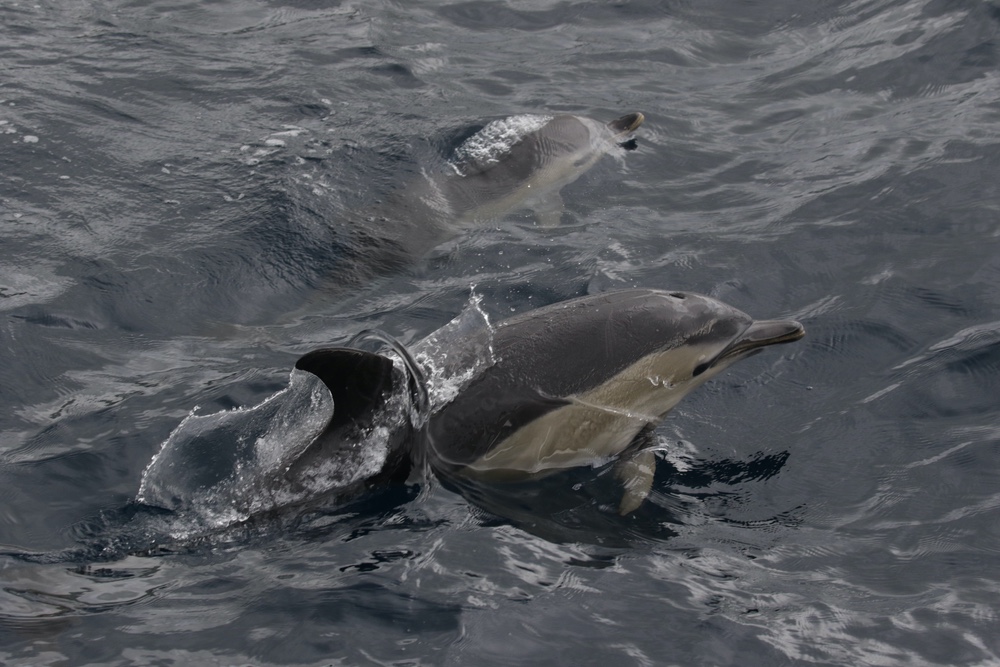
Subsequent surveys and sightings brought more dolphins in the form of common and bottlenose, the latter being less frequently sighted, but have now been located by all three expedition groups. So more dorsal fin ID images to process and catalogue.

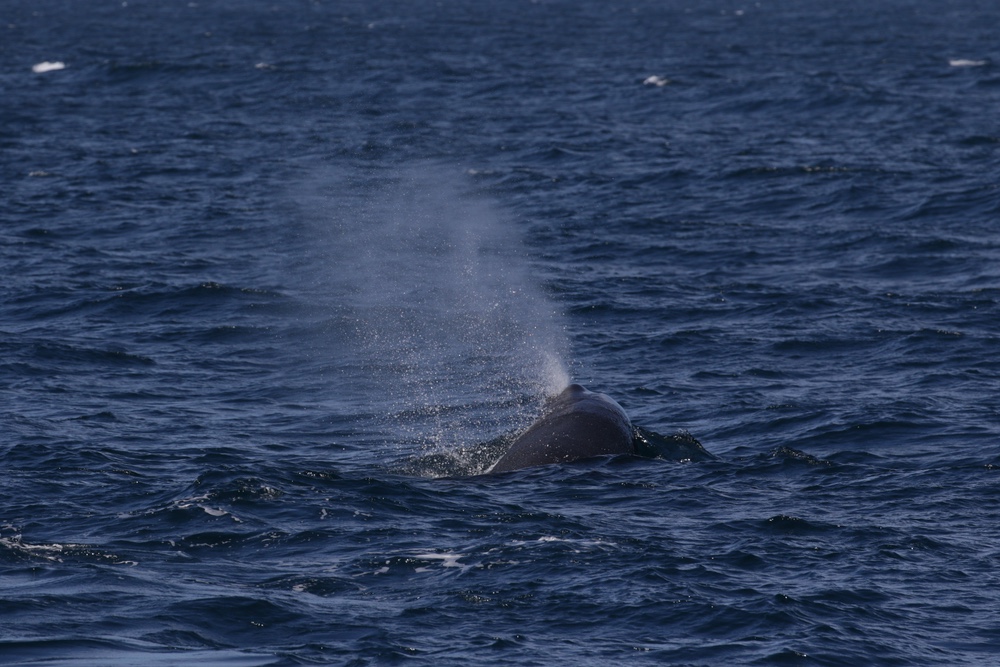
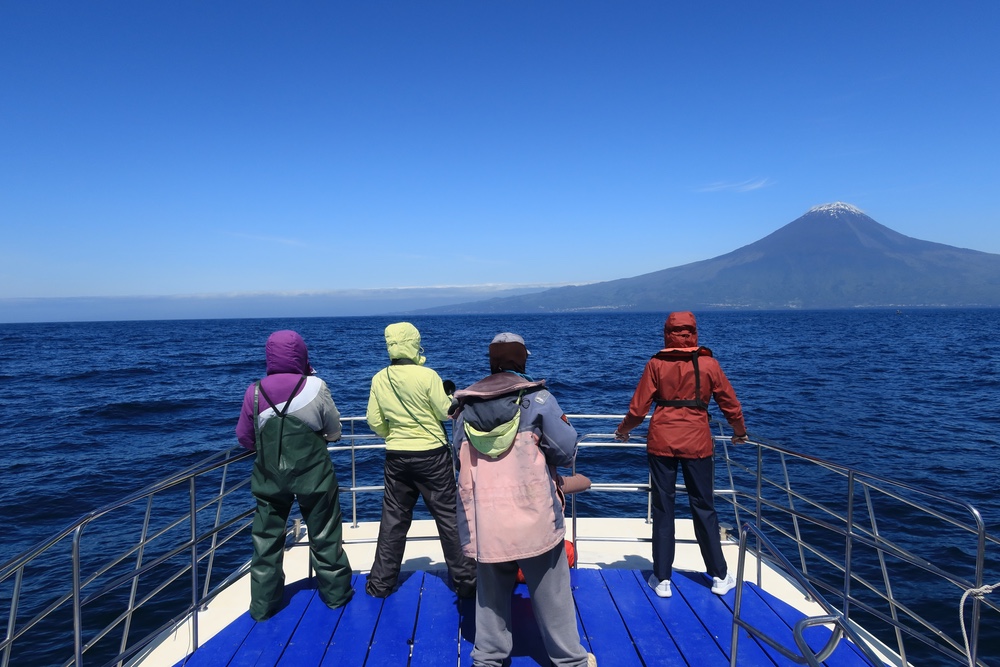
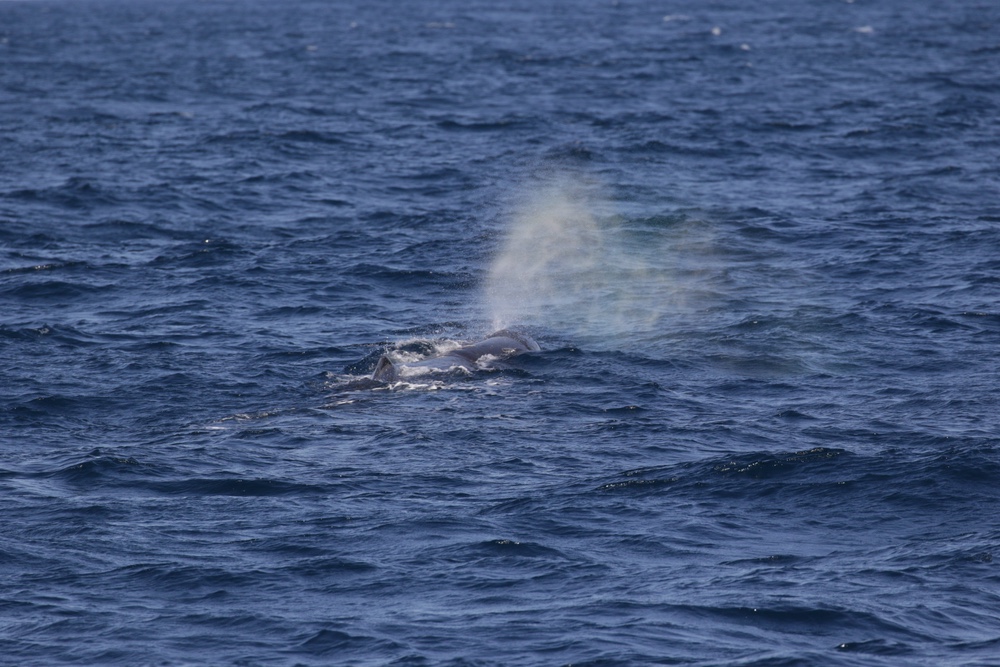
We also spent a day south of Pico (very familiar territory) tracking sperm whales. It is still surprisingly easy to lose these magnificent beasts, as they can dive for 45 minutes. This gave us an excuse to deploy our hydrophone – a sophisticated underwater microphone – so we can listen in on the underwater world, and hopefully locate sperm whales and other species. It wasn’t as effective as we hoped, but our lookouts were able to locate more whales – with ‘eyes all around’.

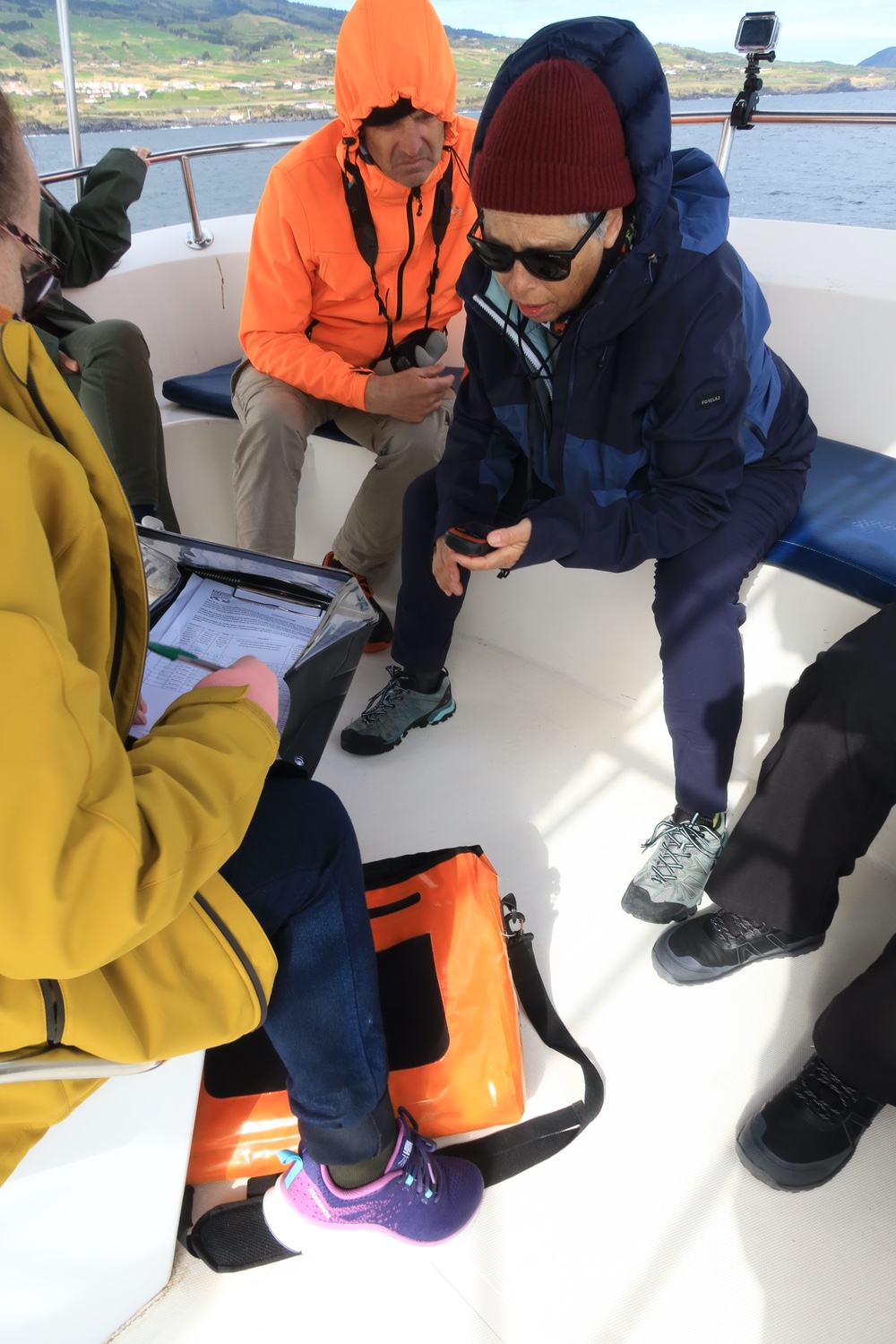
Using the hydrophone kit was timely, as we welcomed Sarah Kather for dinner. She studied sperm whale vocalisations for her Master’s Thesis (at the University of the Azores) and gave a fascinating insight into the importance of sound-based communication (and noise pollution) for various cetacean species.

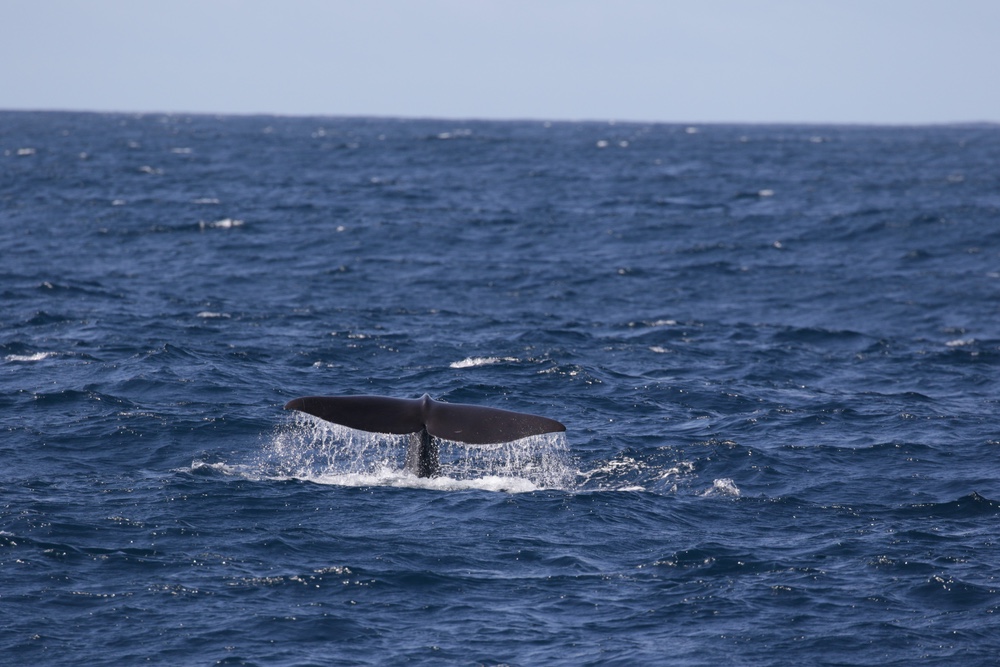
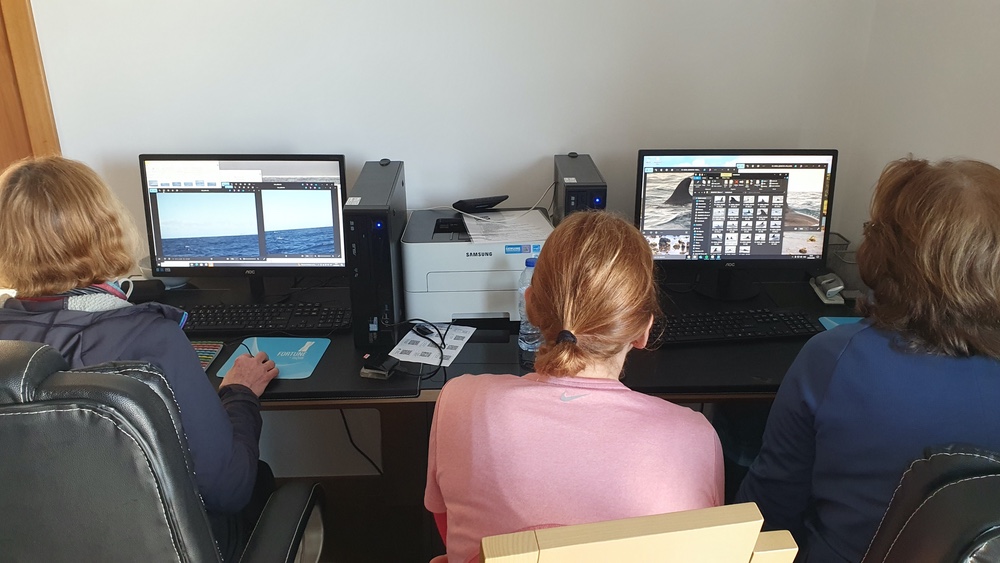
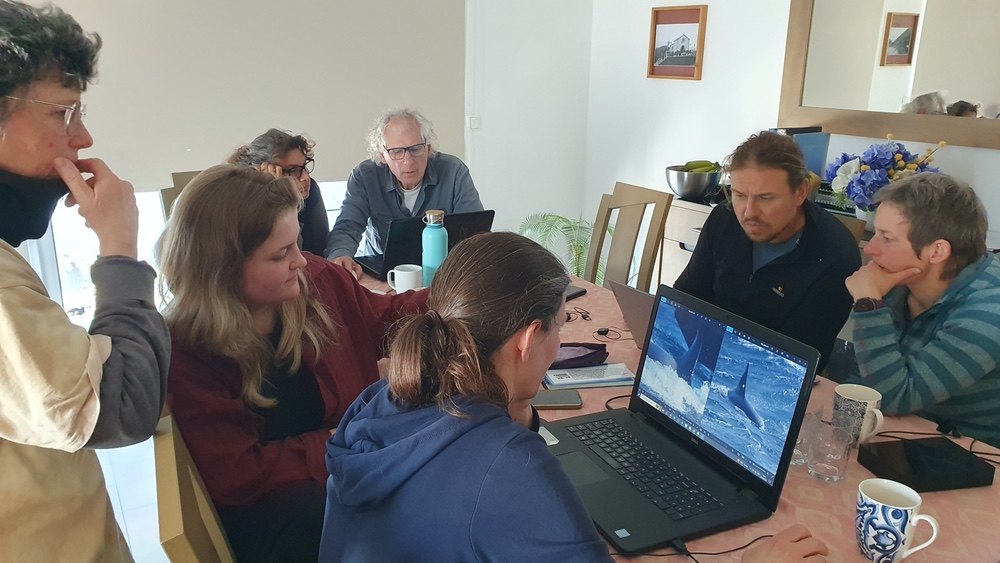
Amongst all this, Lisa also managed to match some of the sperm whale flukes documented from our earlier sightings, showing three individual females had been repeatedly recorded up to ten times over a sixteen year period. This further highlights the importance of the Azores to this species.

Fingers crossed for our final days on the 2025 expedition.
Continue reading “Azores : New direction”

Azores : Azure expeditions

Update from our marine conservation volunteering holiday in the Azores archipelago, working on whales, dolphins and turtles

We have commenced the third and final part of the 2025 Azores expedition. It is great to have another diverse and enthusiastic group. With the welcomes, greetings, briefings and training sessions out of the way, we were all keen to get out to sea. Again, the weather made us wait a day, but used the day with more training and science presentations.
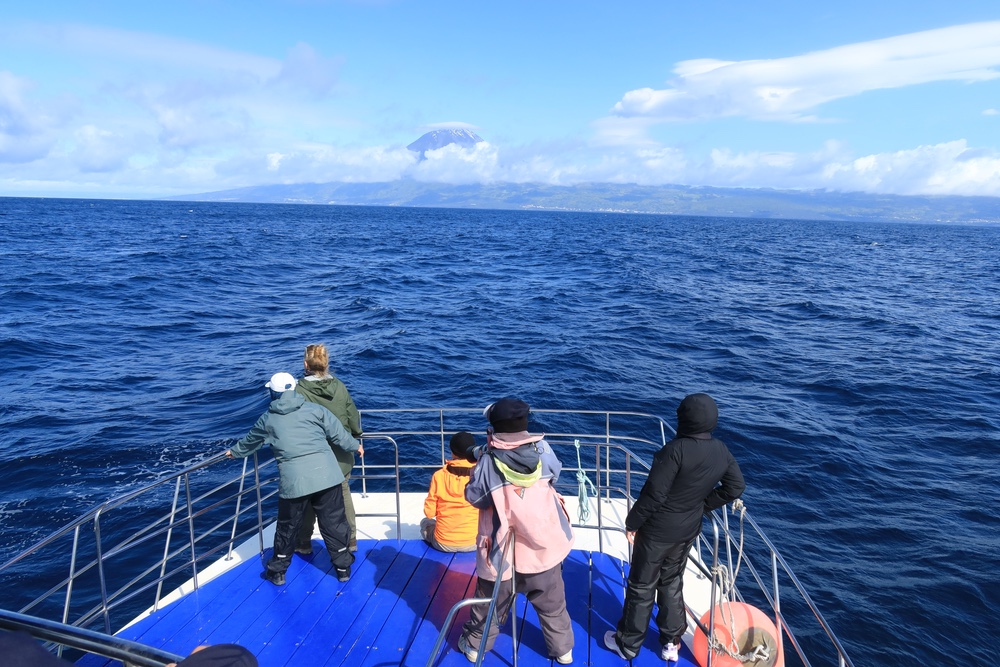
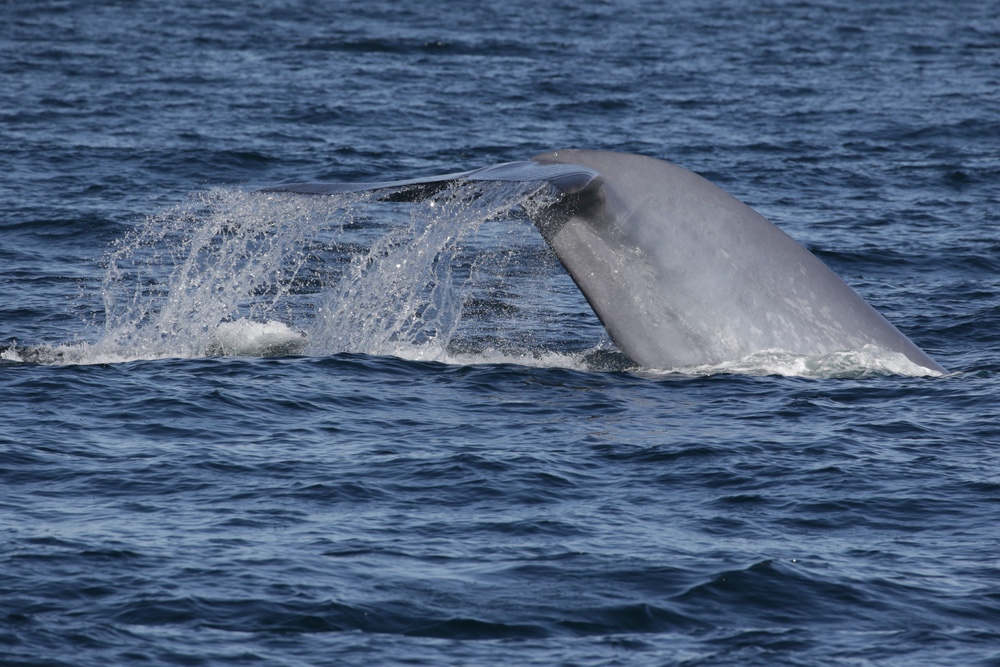
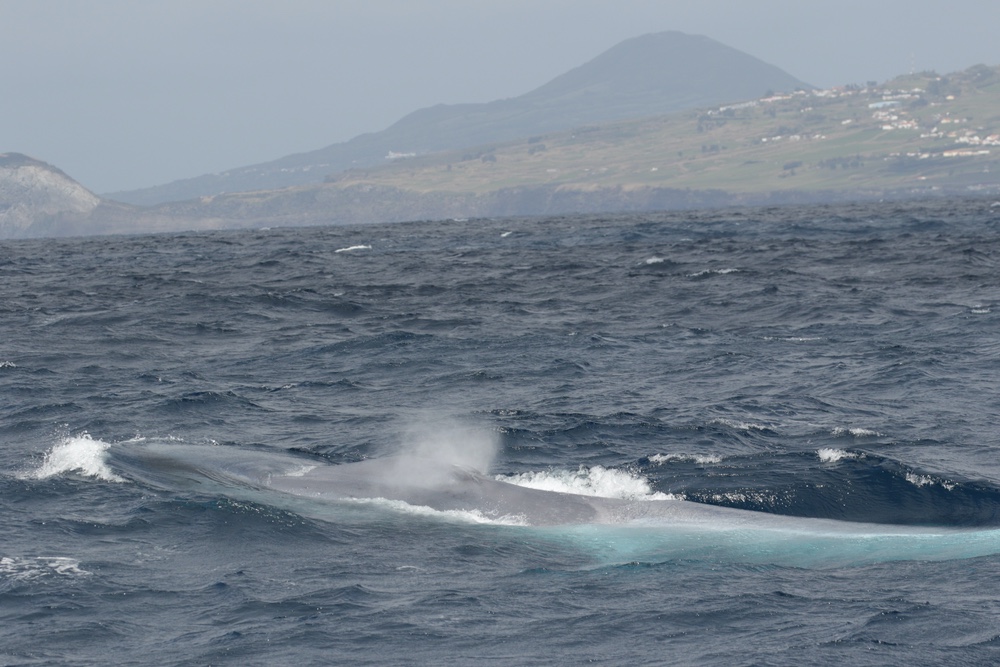
Our first day at sea was a triumph. Starting almost where we had left off – with a blue whale. That means blue whales have been seen on all but one day at sea this year – which is incredible. Next were a large group of sperm whales, who again were not the most cooperative, with very few fluking – so limited ID data, but a great job by the team for keeping up with all the sperm whale sightings. Add in some common dolphins, a loggerhead turtle, and this was a great start.

But our day was not done, it ended almost as it began, with another blue whale sighting, but this turned out to be a pair of blue whales – a first for this year. I am beginning to think we should rebrand to the Azure Expedition!

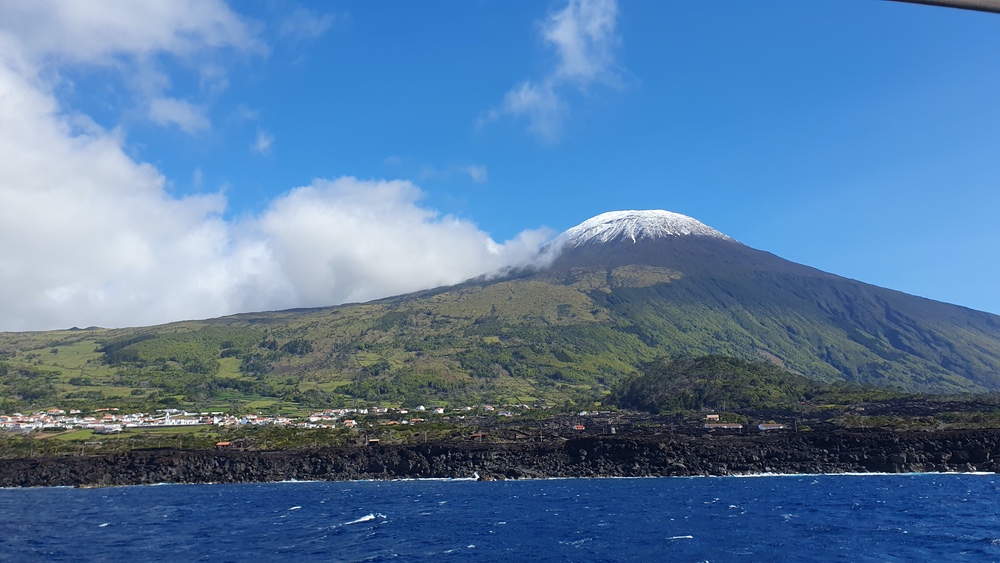
Our second sea day was less frenetic, but had a common theme – blue whales. We also recorded a large male sperm whale and common dolphins as we travelled along the south of Pico, using the volcano as a shield from the prevailing winds and thus take advantage of the calm-ish waters.

It has been a good start to the last leg, and here’s hoping our luck continues.

Continue reading “Azores : Azure expeditions”

Azores : Whatever the weather

Update from our marine conservation volunteering holiday in the Azores archipelago, working on whales, dolphins and turtles

In the words of Crowded House, it feels like we’ve been ‘walking round the room singing stormy weather’, as the seas have put on quite a show. This has also curtailed our boat time but not put a full stop to data collection or image processing – there are always things to do on the expedition – whatever the weather!

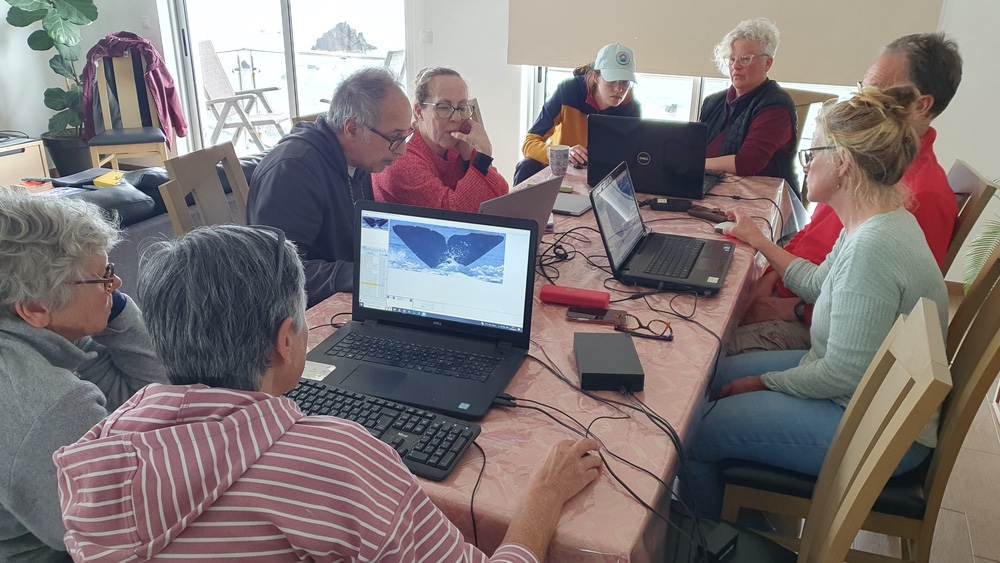
Indeed the worst of the sea conditions provided an opportunity for a day off and time spent exploring Faial, and enjoying the visual spectacle of the mid-Atlantic. It also gave an opportunity to process more data, and the chance for another talk; this time from Cláudia Oliveira from the Azores Whale Lab on the role of photo-identification and bioacoustics for sperm whale studies. Again, illustrating the power of data collection such as ours.

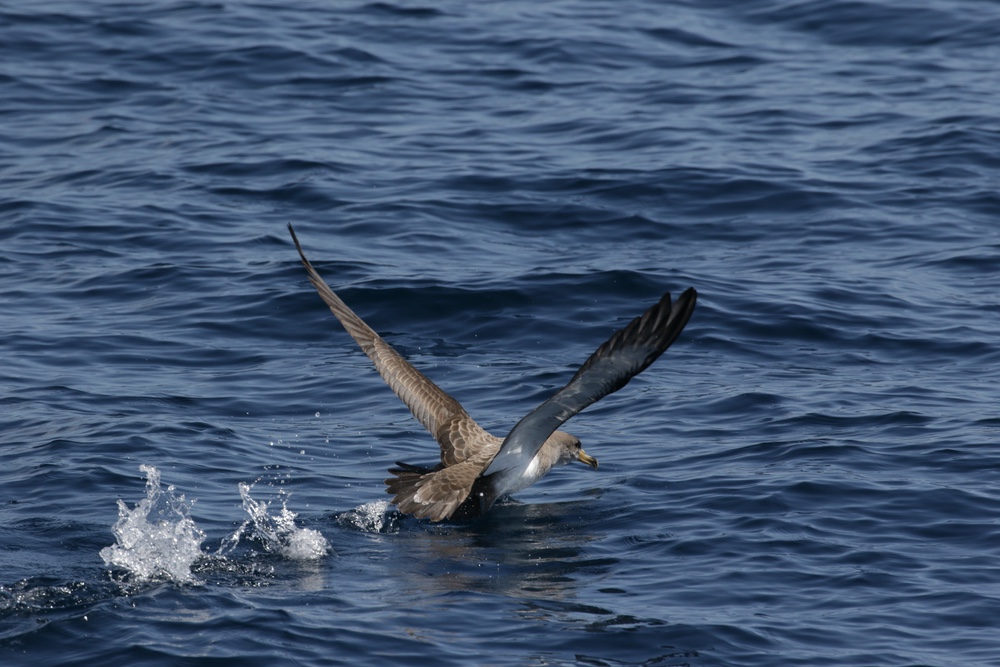
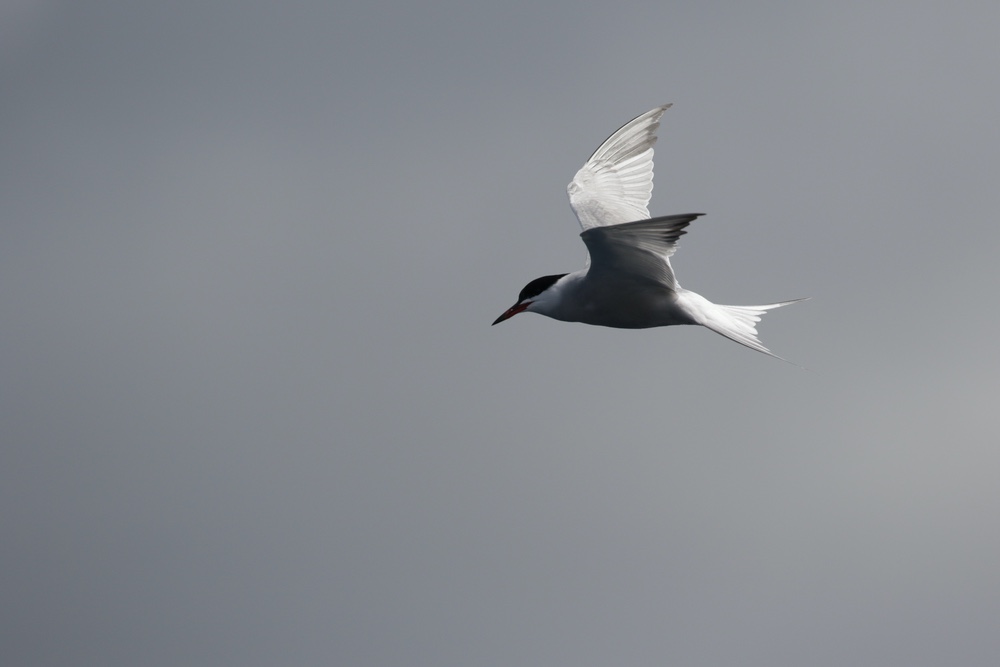
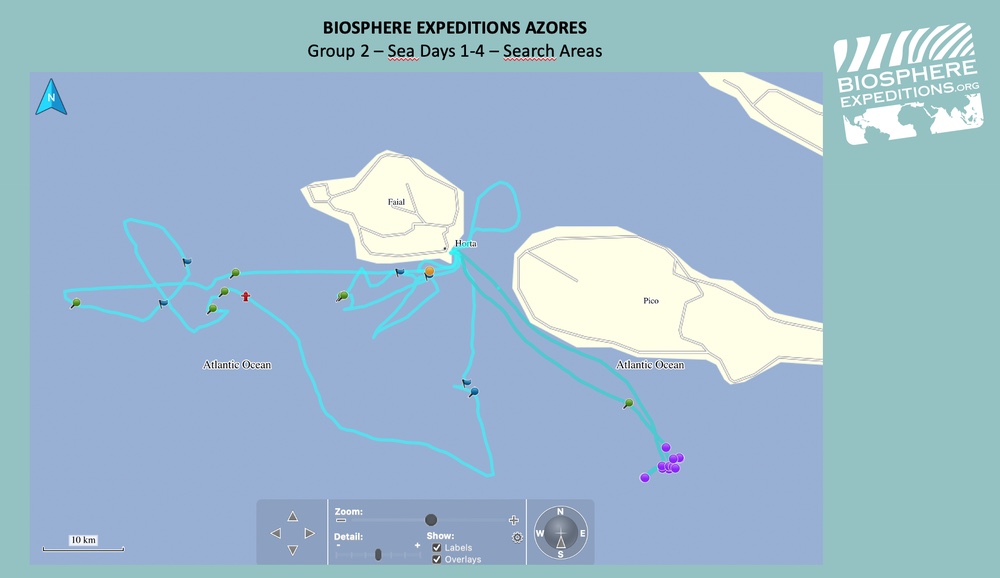
Over the past few days, we have travelled almost 400 km over four days at sea. The group has been able to add vital cetacean data to this year’s haul, add a new bird species, and the numbers of encounters and individuals have also increased. A great effort by another great group.

So, as we bid group 2 farewell, we now welcome group 3; and we hope you bring the luck with the whales and the ‘weather with you’.

Safe travels all.

Continue reading “Azores : Whatever the weather”

Azores : Restricted area

Update from our marine conservation volunteering holiday in the Azores archipelago, working on whales, dolphins and turtles

The Azores sits in the middle of North Atlantic ocean, but the weather and sea state can still restrict us to a relatively small area for surveys. This has been the case for the past few days.

Following a shore day on Wednesday and a chance to explore the island of Faial, we headed out to sea, more in hope than expectation. We were initially rewarded with an extended common dolphin sighting, close to the south of Faial. This was followed by a second encounter, in the waters protected from the worst of the winds.

Our luck then improved further, with a ‘random’ blow sighted, which of course turned out to be yet another blue whale. And during the course of obtaining the required ID pictures (great job Pixy), a second blow was spotted, but heading into the worsening seas, so we gave no chase. Whilst waiting to photograph both sides of ‘our’ blue whale, we spotted a ‘strange’ looking, almost leucistic gull. With images circulated to bird groups, it transpired that it was an Icelandic gull – a rarer visitor to these waters, normally seen in very low numbers over winter.

The day ended with an encounter with Risso’s dolphins not to far from home. The calmer waters meant a relaxed observation of four mums with calves. From the photos taken we could work out that one of the mums has been documented since 2006, so is likely to be over 20 years old. Well worth getting out on the boat.

Additionally, one of the blue whales recorded at the start of week was first recoded in 2001, and this is the sixth year it has been documented, but never previously so early in the year. We await news on some of our other sightings.

Continue reading “Azores : Restricted area”

Azores : Perseverance rewarded

Update from our marine conservation volunteering holiday in the Azores archipelago, working on whales, dolphins and turtles

Having welcomed group 2 to the expedition, we quickly embarked on the project orientations, equipment briefings and scientific survey training. Fortunately, this all went to plan, so we could make the best of the available weather window, to get out on our survey vessel – Physeter.

This meant a longer than anticipated trip on Sunday, which resulted in some well-earned records. One of our team has been on the Azores expedition on two previous occasions, but had yet to see a ‘true whale’, despite being party to an orca sighting in 2019 (the largest member of the dolphin family). This record was soon broken with a fin whale sighting and followed up with more blue whale records. If at first you don’t succeed……..it is worth trying again and again. Congratulations Neil, a great way to ‘chalk up’ your first whales!

Our second day at sea also started with the now obligatory blue whale sighting. Yes, these magnificent beasts have now been spotted every day we have been at sea in 2025 – that may also be a record for the expedition. This was followed by a rather frustrating group of sperm whales, who seemed more interested in socialising with each other and not feeding. This means no diving and that means no fluke pictures with which we can identify individuals. Some common dolphins provided some intermittent entertainment, whilst we waited, and waited and waited. Of some 25-30 whales in an area south of Pico, we returned to port (after a wet and bumpy journey) with fluke pictures from only two. Kudos to Pedro (our skipper) for getting us back to port.
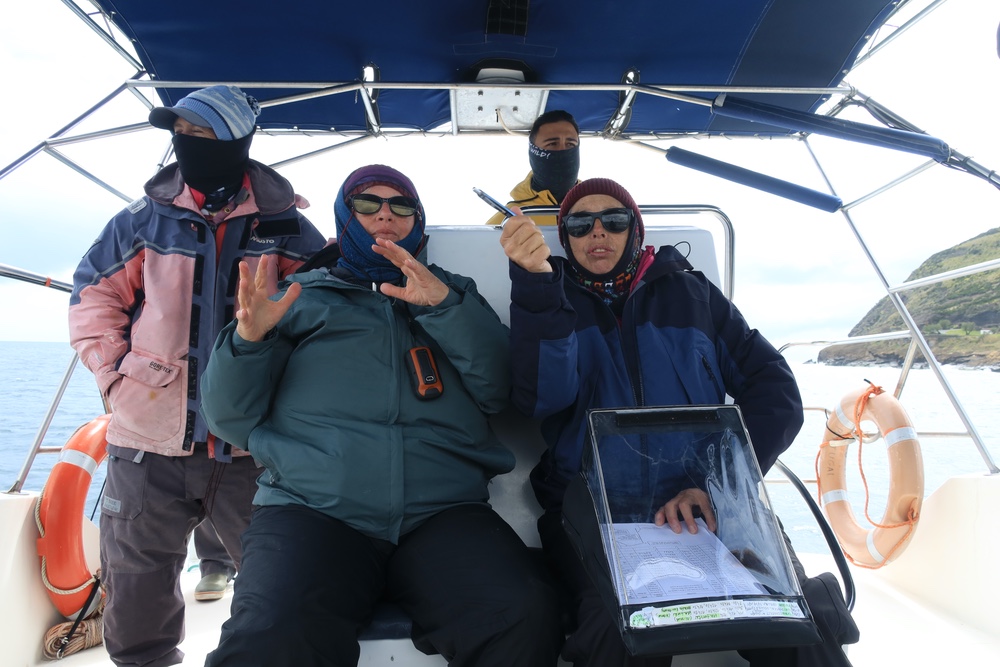
The Atlantic weather systems decided the next day would be on land. This not only gave us a chance to process some of the data from the previous days at sea, but also learn how the data can be used by others. Maria Ines (a Masters student from the University of the Azores) gave an excellent presentation of spatio-temporal dynamics of common dolphins and Atlantic spotted dolphins in the Azores, based largely on POPA (Programa de Observação para as Pescas do Açores = Observation Programme for the Fisheries of the Azores) data, which is also a key element of the expedition data collection. Understanding the importance of the Azores archipelago for these species is contingent on the availability of long-term data sets.
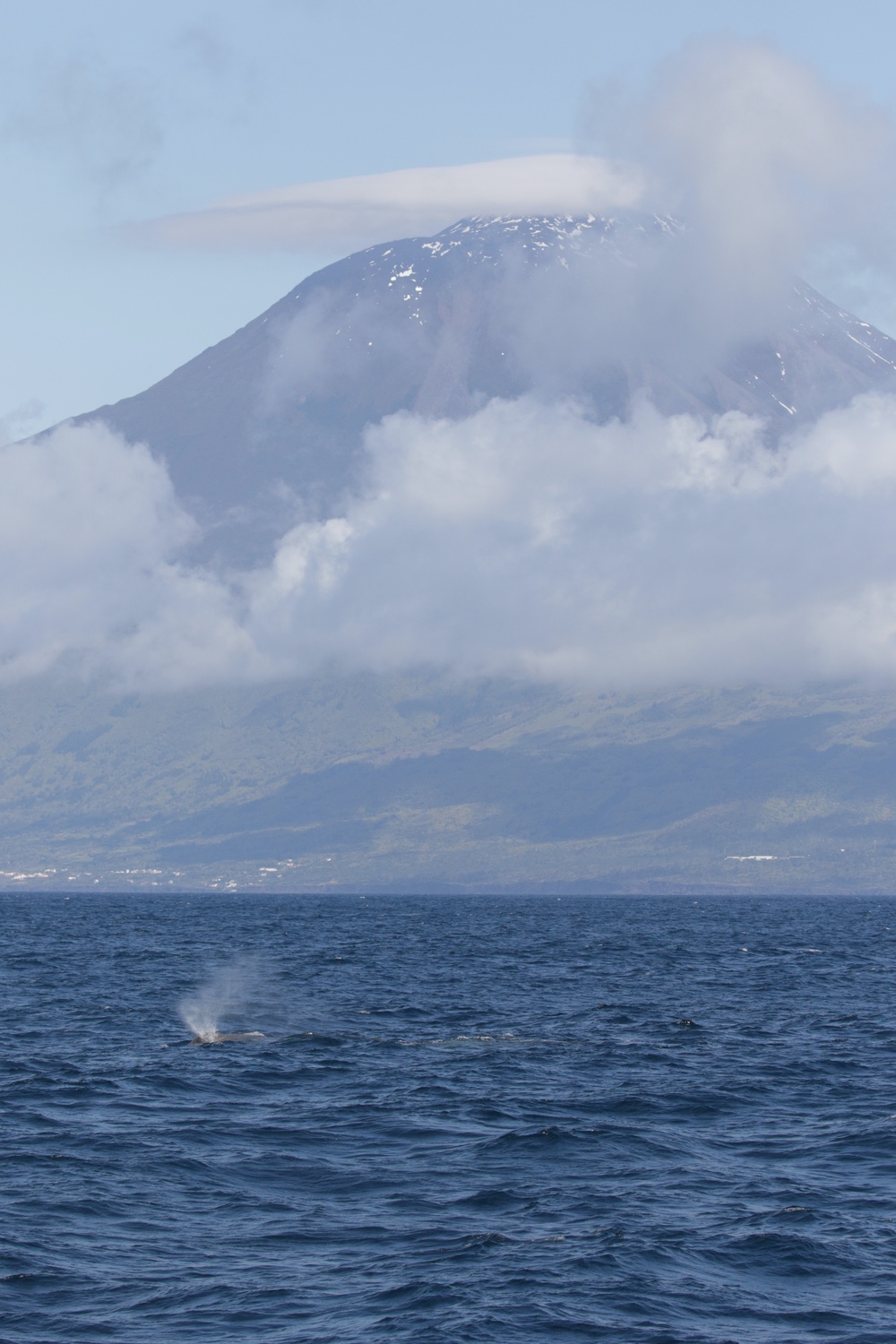
We look forward to more sightings and more data in the coming days.

Continue reading “Azores : Perseverance rewarded”

Azores : More

Update from our marine conservation volunteering holiday in the Azores archipelago, working on whales, dolphins and turtles

It has been a great effort by group 1, even if our last sea day was cut short by the increasing winds. Undeterred by the limited weather window we still managed another two blue whale encounters. That means blue whales have been located on every single day we have been at sea – staggering! The shorter day meant an opportunity for more data sorting and presentations from the local university, to give perspective on the power of our data.

Such data collection requires effort, and over the past few days we’ve spent over 33 hours at sea, covered almost 500 km of surveys, resulting in just over of 50 cetacean encounters across 11 different species. We should also not forget our first loggerhead turtle for 2025, and multiple bird species that were also recorded. Not a bad data haul for this time of year.

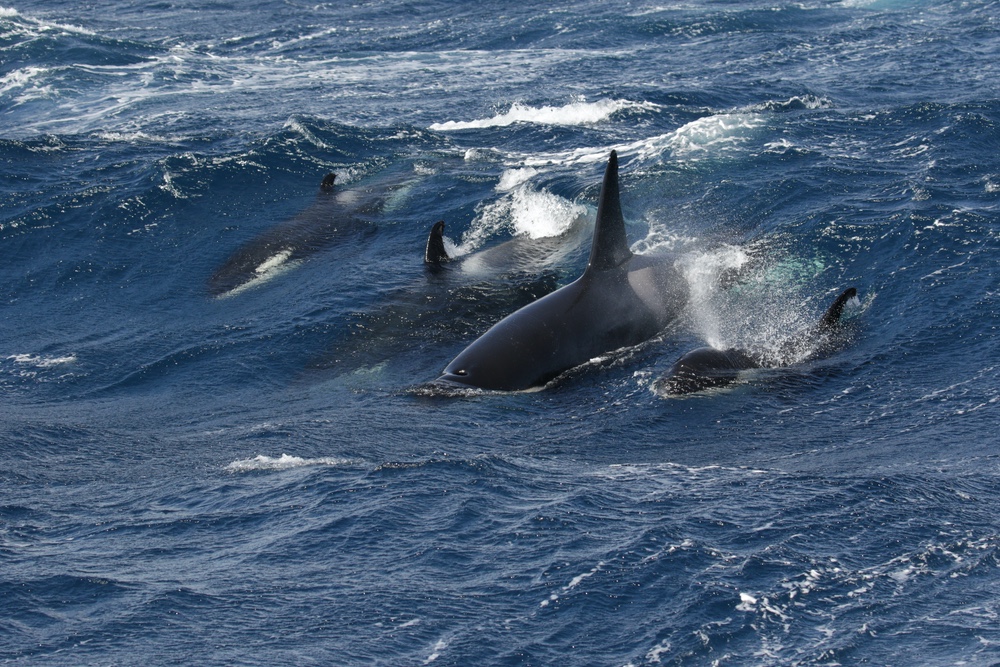
Safe to say, we already have a number of highlights. From rare species encounters to extremes of sea state, but surfing orcas will persist in the memories of many in the group. The dockside painting for 2025 has also been started, based on imagery from our own sightings. On the flip side, the realisation that our catering had been cancelled one night, an hour before dinner might give me a few more sleepless nights, but there is always plan B, C or D!

It’s been great to kick off the 2025 expedition with such a fantastic group who have shown textbook teamwork with endless effort and humour – you have been a joy to work and spend time with, thank you. But as we say farewell to group 1, we are now excited to meet and welcome group 2. Safe travels to you.

Continue reading “Azores : More”

Azores : Sightings galore

Update from our marine conservation volunteering holiday in the Azores archipelago, working on whales, dolphins and turtles

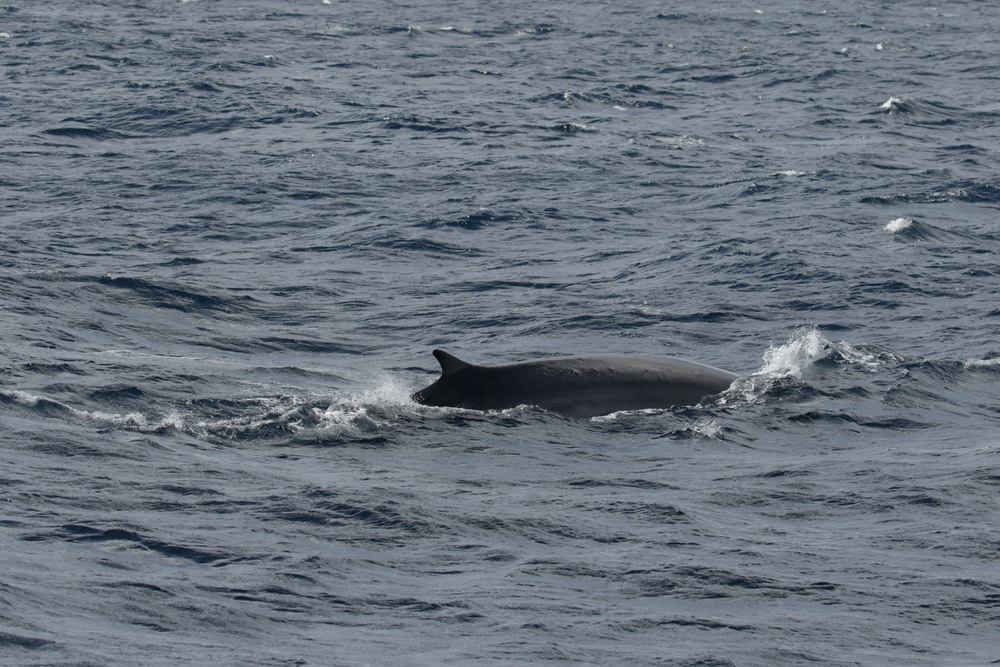
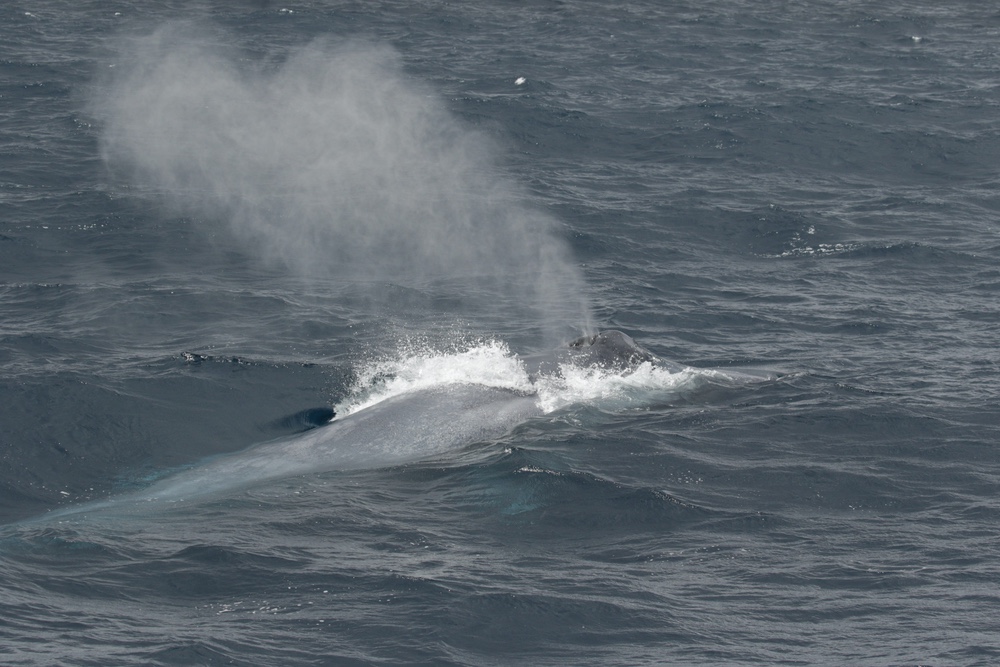
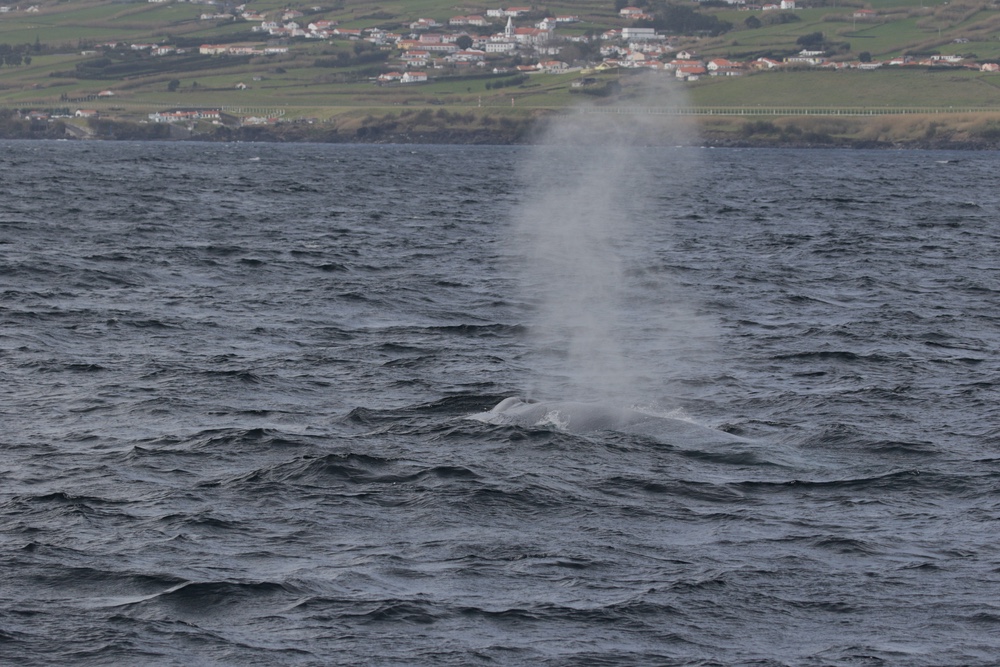
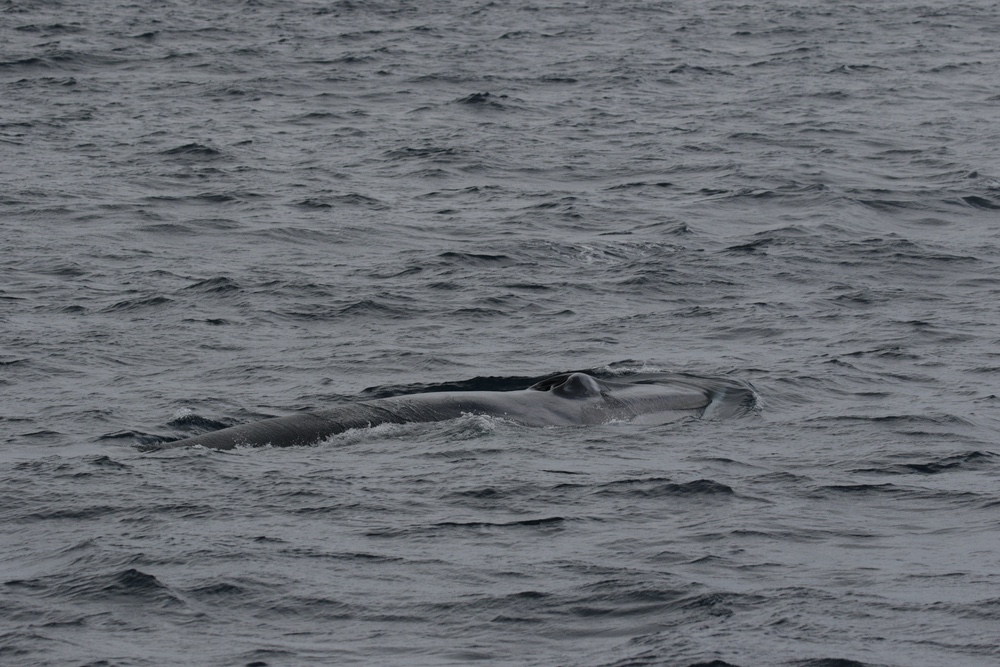
Our survey sightings have continued where we left off, and almost unbelievably the bar has been pushed even higher. Encounters with blue whales and fin whales have continued – Tim (and others) has been blown away by the fact that we are seeing the largest creature ever to exist, on a daily basis!

We have also managed to add a humpback whale encounter to the data set, but better was still to come. Returning to Horta on one of our survey days over the weekend, we had a ‘random’ encounter with a couple of Sowerby’s beaked whales. To paraphrase Lisa, you can count on one hand how many times beaked whales have been recorded on the past 18 expeditions.

However, there was even more to come, and Pedro, our ever-alert skipper, also spotted a minke whale. They are fast, relatively small, with low blows; so hard to find, and rank amongst the least recorded species in the Azores – a great sighting and fantastic data.

With the weather still on our side, our species list was to increase further still, with a group of non-cooperative sperm whales – i.e. they were socialising and not diving, so very limited fluke pictures for ‘matching’ purposes. More work to be done here. Whilst blue whale encounters seem to continue like clockwork, punctuated by more common dolphins and a fin whale. Monday saw the addition of Risso’s dolphins, following yet another random encounter to the south of Pico.

Recording cetaceans on most days at sea is what we hope for, but the realisation of new records and rare encounters is beyond all our expectations. Over the past ten years, I can’t remember a start to an expedition like this one. May the good weather and our good luck continue.

Continue reading “Azores : Sightings galore”

Azores : Blue birthday

Update from our marine conservation volunteering holiday in the Azores archipelago, working on whales, dolphins and turtles

The expedition started a bit late as incoming flights were re-routed due to strong winds. The team – in true expedition style – took it all in its stride, with the normal project briefings, presentations and equipment training completed in the first couple of days. The inclement weather conditions have continued, meaning our first day at sea was delayed until Thursday.

This also coincided with Anne’s birthday, and when asked what she would like, she requested a blue whale! Unfortunately, the challenging conditions, rising to force 5-6, meant a brief encounter with common dolphins and a rare encounter with orcas. Not what anyone expected on the first day at sea – nor did we expect what followed.

Our next encounter was indeed a blue whale, followed by a fin whale, and so the afternoon continued … with multiple blue and fin whale encounters, with two blue whales fluking! This was punctuated by a large group of bottlenose dolphins and false killer whales. Well worth the effort, as the sea state meant just staying upright was an achievement. The team did fantastically on the data recording, and initial review of the imagery suggests at least four blue whale individuals were located – we will just have to wait on any ID matches.

So, apologies, Anne, for not delivering ‘a’ blue whale, but well worth the effort of the past few of days. Also huge thanks to the local vigias (lookouts) who assist us in finding many of our quarry. A fantastic start to the 2025 data collection and the bar has been set high!

Continue reading “Azores : Blue birthday”

Azores : Strong winds

Update from our marine conservation volunteering holiday in the Azores archipelago, working on whales, dolphins and turtles

My flight to Horta on Sunday was cancelled due to bad weather. An unplanned extra day in Lisbon followed and some rapid replanning of the expedition preparation began. Huge thanks to Lisa for stepping in and help organise what she could in my absence – though there is limit to what you can do from a laptop in Lisbon. The good news is I have finally arrived in the Azores, albeit much later than expected. No real harm done, but the next day or so will be busy getting everything back on track. But this is an expedition, so it is great to have a plan, but as important is a willingness to change it and adapt.
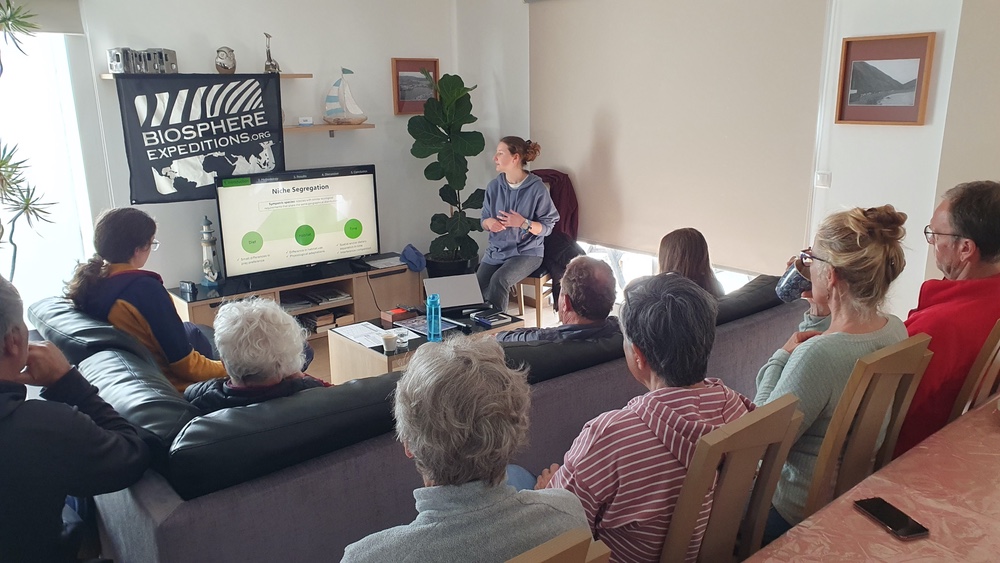
Strong winds whipping up the surge at Horta beach

The good news is our hosts at Monte Da Guia (Silvia and Mario), Lenita (our housekeeper) and Lisa have been preparing the expedition base for group 1’s imminent arrival, and I will continue this evening.

We now just hope that the weather and whales (and other target species!) are on our side and we can look forward to some great fieldwork (and data collection) over the next few days.

So safe (and hopefully uninterrupted) travels to those of you on group 1 still en route and we look forward to meeting you all on Tuesday morning.

Continue reading “Azores : Strong winds”

Azores : Starting the 2025 expedition

Update from our marine conservation volunteering holiday in the Azores archipelago, working on whales, dolphins and turtles

It’s almost time to return to the Azores, which means it is also time for the initial introductions. I am Craig Turner and I’ll be your Expedition Leader on the Azores Expedition this year.

Craig Turner

The Azores has an allure that keeps drawing me back, and I know I am not the only one returning this year. Who doesn’t want to live on a volcano, in the middle of an ocean, searching for a diverse array of charismatic species, including some of the biggest creatures to ever roam our planet! It is always great to be going back to the Azores. Whilst my home patch of water (Loch Ness) has its own monstrous appeal (and I spend a lot of time on it with the RNLI), the mid-Atlantic is vast, and despite this, we do have a better chance sighting the beasts that frequent the depths!

I am currently organising and packing my kit, checking that I have all I need for the next month – so don’t forget to check the project dossier.

It will be great to meet up with old friends and colleagues from previous years, not least, our scientist Lisa Steiner – it has now been over ten years since I first worked with Lisa. If you want to find cetaceans in the Azores, then as many know she is the person to find them. If you have seen the latest expedition report and Lisa’s publications, then you’ll know, not what to expect, but what we hope to record. Last year, you’ll note they had a variety of records – so you never can be too sure what ‘data’ we will collect. Dare I say it, blue whales have already been sighted! Just cross your fingers and do the relevant dance for good weather….

I arrive in Faial over the weekend, a couple of days before meeting the first group, in order to set up the expedition headquarters. I’ll send around another message once I get on the ground in Horta and confirm my local contact details.

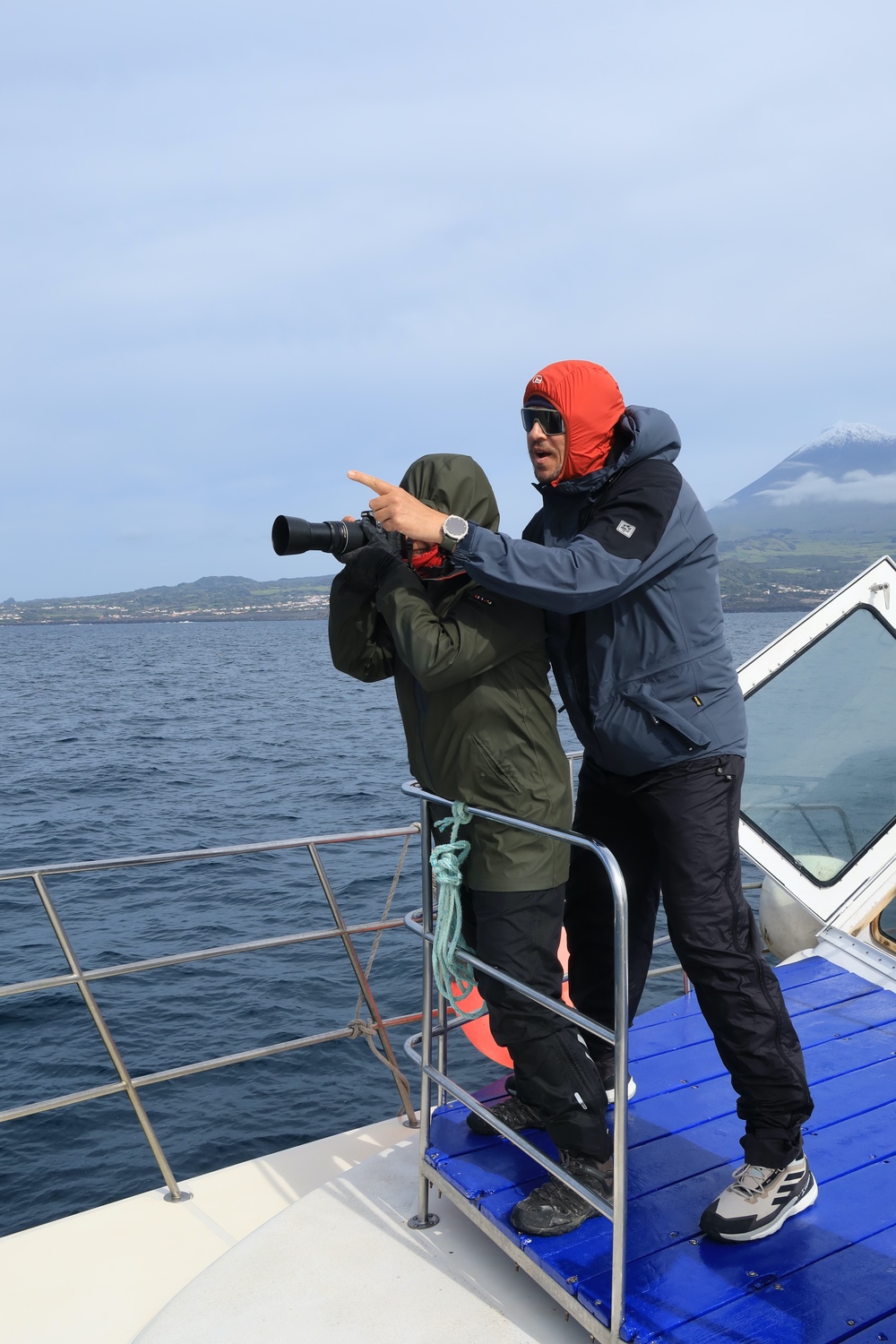
I hope you’ve all been eagerly reading your expedition materials and know to bring many layers of clothing. The weather is often very Scottish – so prepare for warm, cold, wet and dry – sometimes on the same day. Don’t forget your sunglasses or your waterproof trousers – you’ll thank me when you are stationed on the bow of the boat as a lookout and the weather is choppy (so also bring your motion sickness pills/patches – if you know you need them!) otherwise you’ll be feeding the fish!

So, with the local team in place, whale sightings already recorded by Lisa, all we are missing is you. It will be great to meet you all and I’ll send along another update very soon.

Continue reading “Azores : Starting the 2025 expedition”