Award-winning, non-profit and ethical wildlife conservation volunteering. Advancing citizen science and conservation since 1999 – for nature, not profit.
After two days of training and recording den data as one group, we have been let loose and are now on our second day of collecting den data by ourselves, in three groups of two or three people.
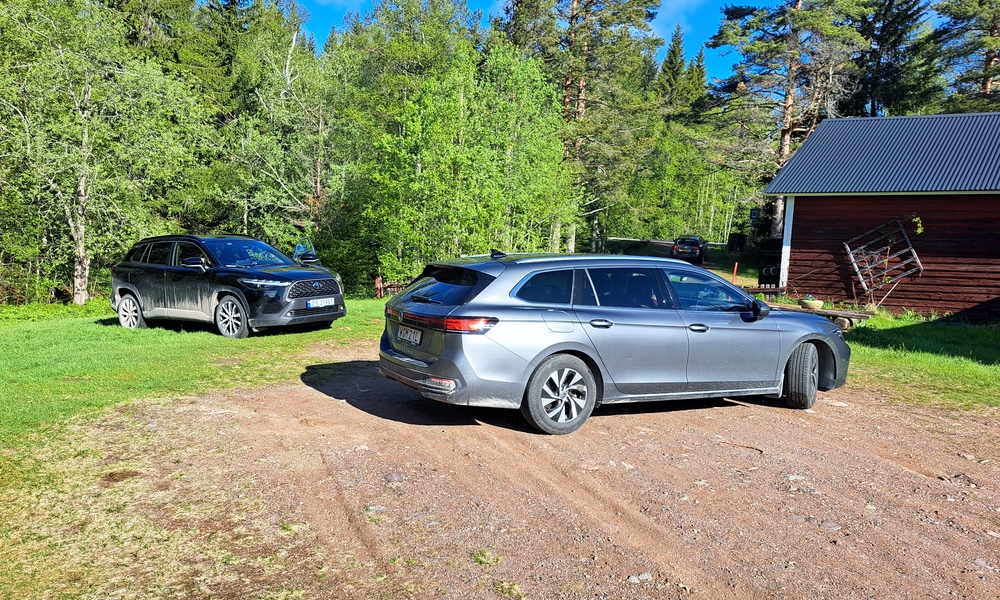
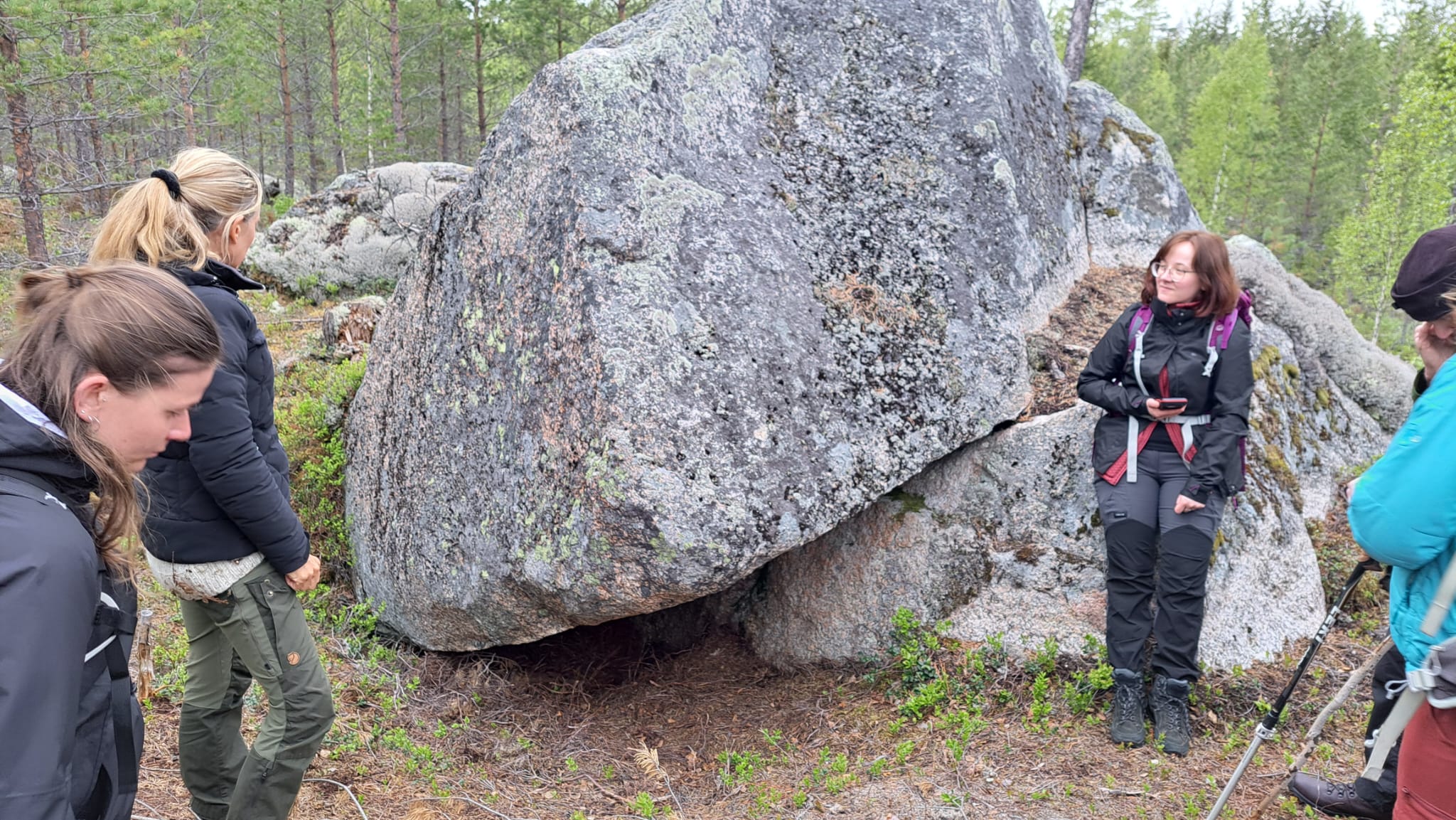
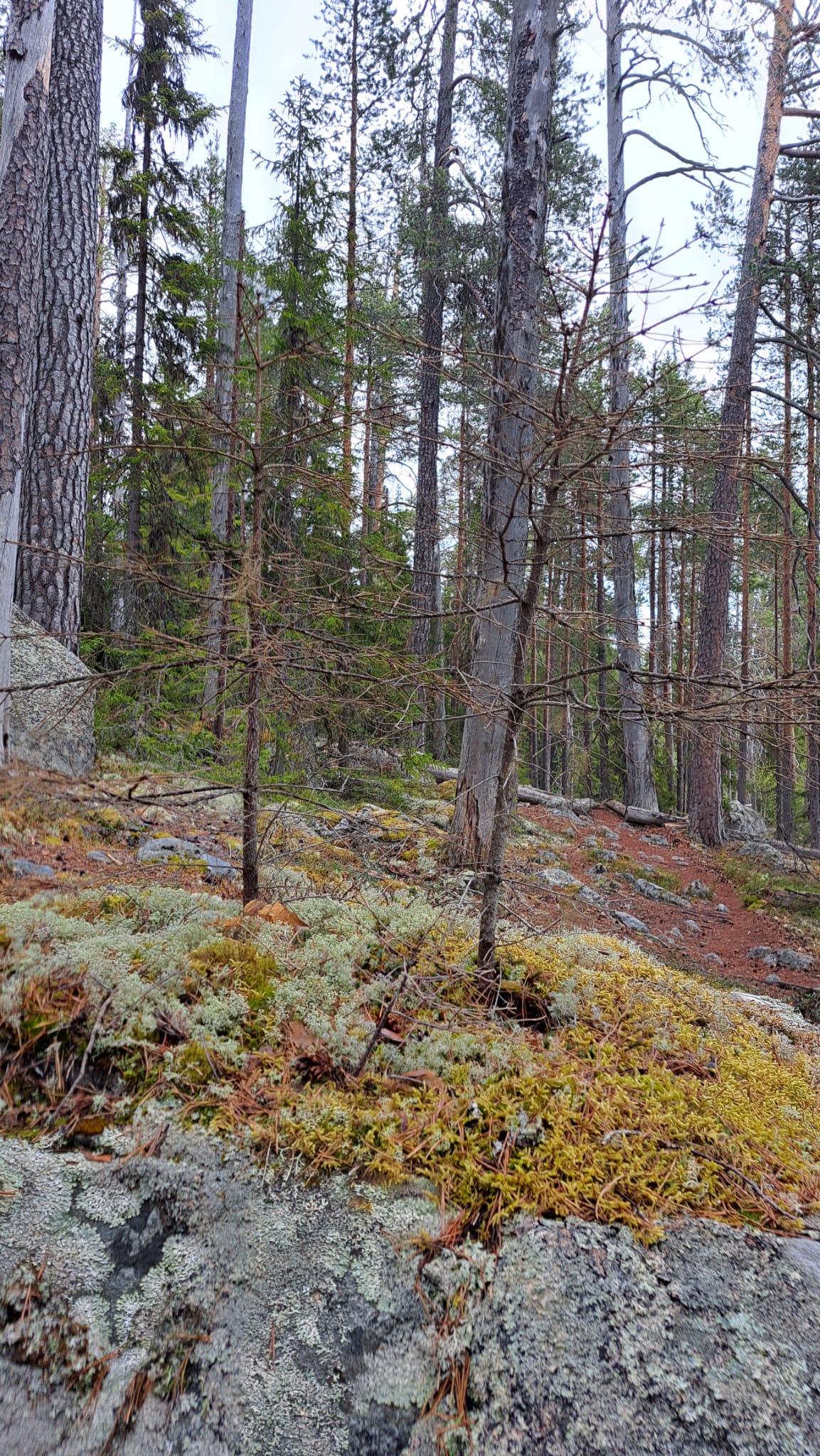
Each morning Andrea assigns dens to us, hidden in the forest. We get their GPS position and some background information and then have to work out how to get there, first in the car, mainly on forest roads to advance as close to the den as we can. Then it’s on foot through enchanted, pathless forests, picking our way through wetlands, bolder fields, carpets of moss, over rocks, birds for company. Sunshine and light through the clouds change as we walk and clamber through quiet groves, past springs and fallen trees to our object of desire: a bear den. Sometimes we only have a few hundred metres to go, sometimes one or two kilometres. It’s slow going. You have to pick a path through the trees, watch your direction on the GPS. It slows you down. It’s not a race. You sink into the forest. Deceleration. Sometimes it’s only a few minutes to the den, sometimes an hour or more.
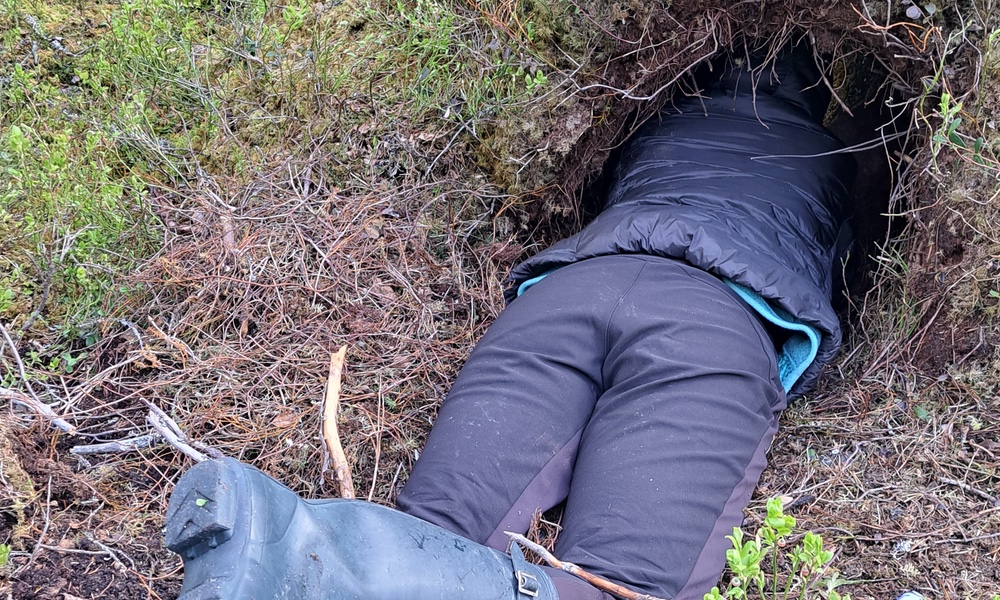
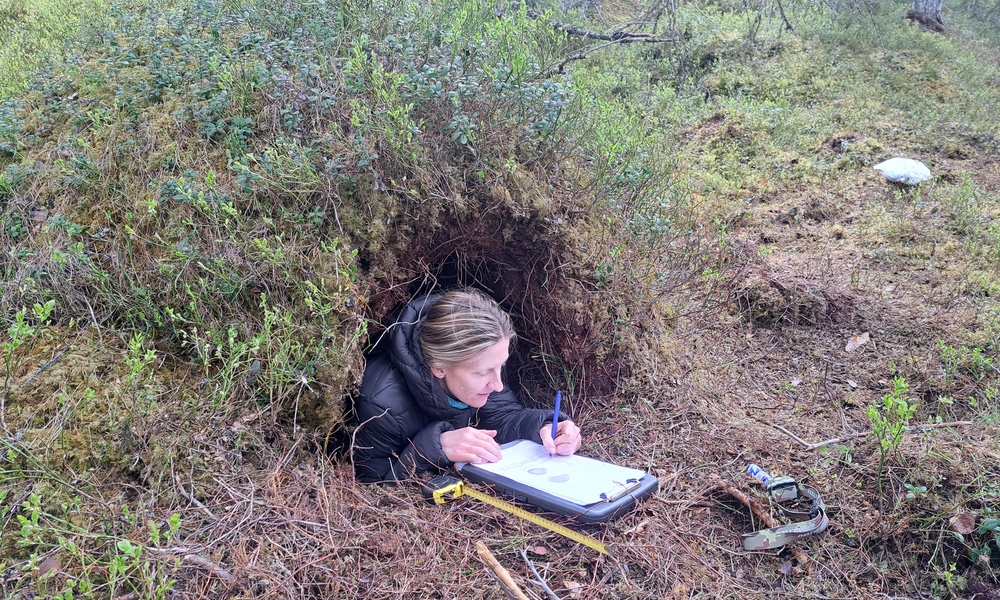
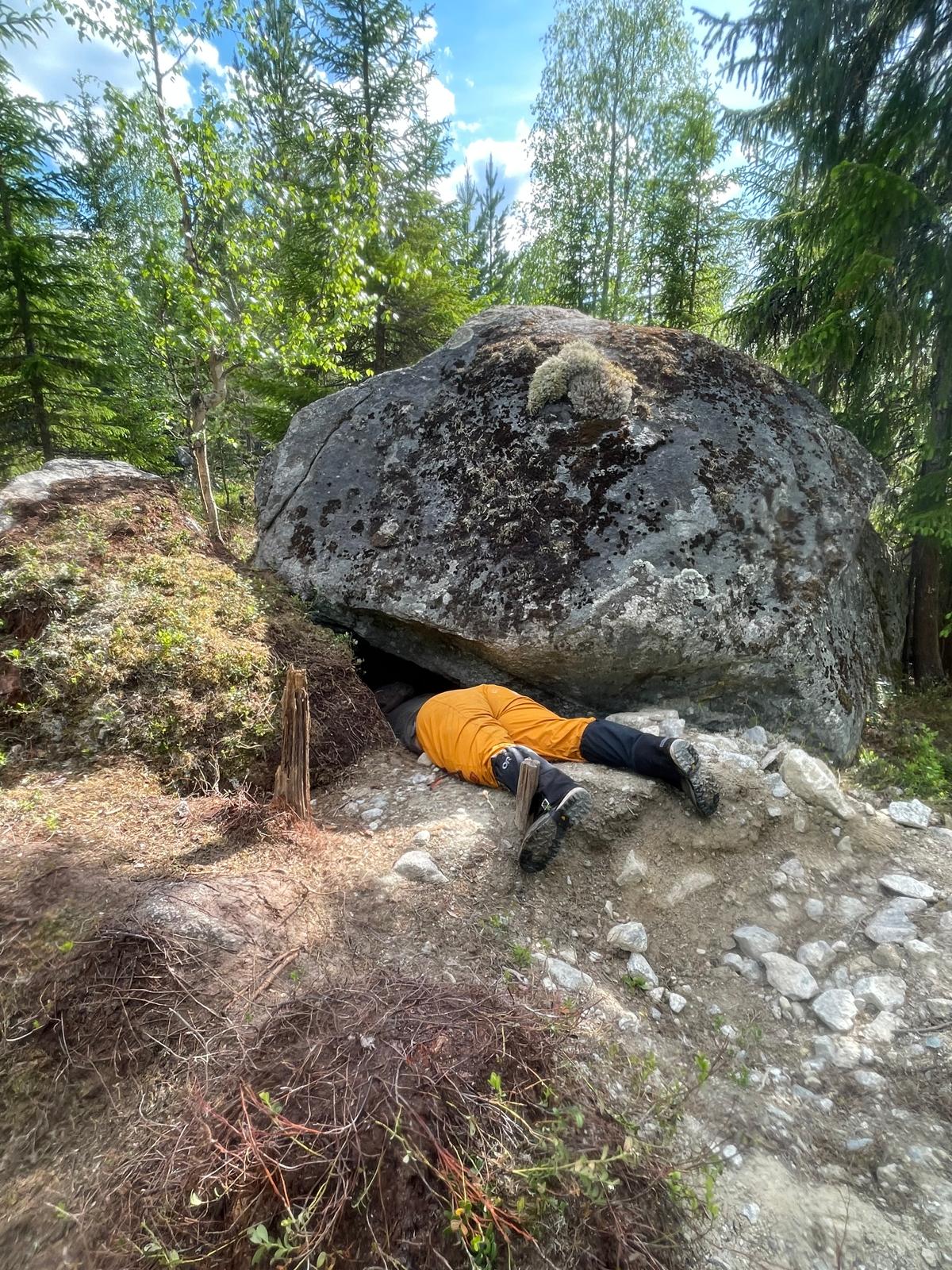
Once at the den, which wants to be found first too, lots of measurements need to be taken. How big is the den and its inside chamber (crawl inside for this)? What bedding did the bear use? What trees make up the surrounding forest? Are there any scratch marks around or scat (collect this). Are there signs of cubs, such as small scratch marks low down on trees, and more. This takes about another hour and is all meticulously recorded. Then back to the car and onto the next den. A group manages between a couple and half a dozen a day, depending how far apart they are in the forest and on the roads.
Measuring the inside of a den
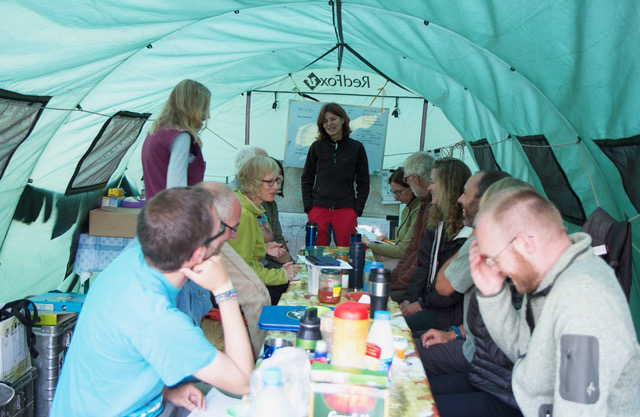
Back to base in the afternoon for a de-brief session where each group tells the others what they found. Tips & tricks are exchanged, Andrea asks questions, wants to know more. Then data entry into the computer and a well-deserved hot dinner. Some fireplace conversations perhaps, for those who haven’t crashed already. Ready for the next day.
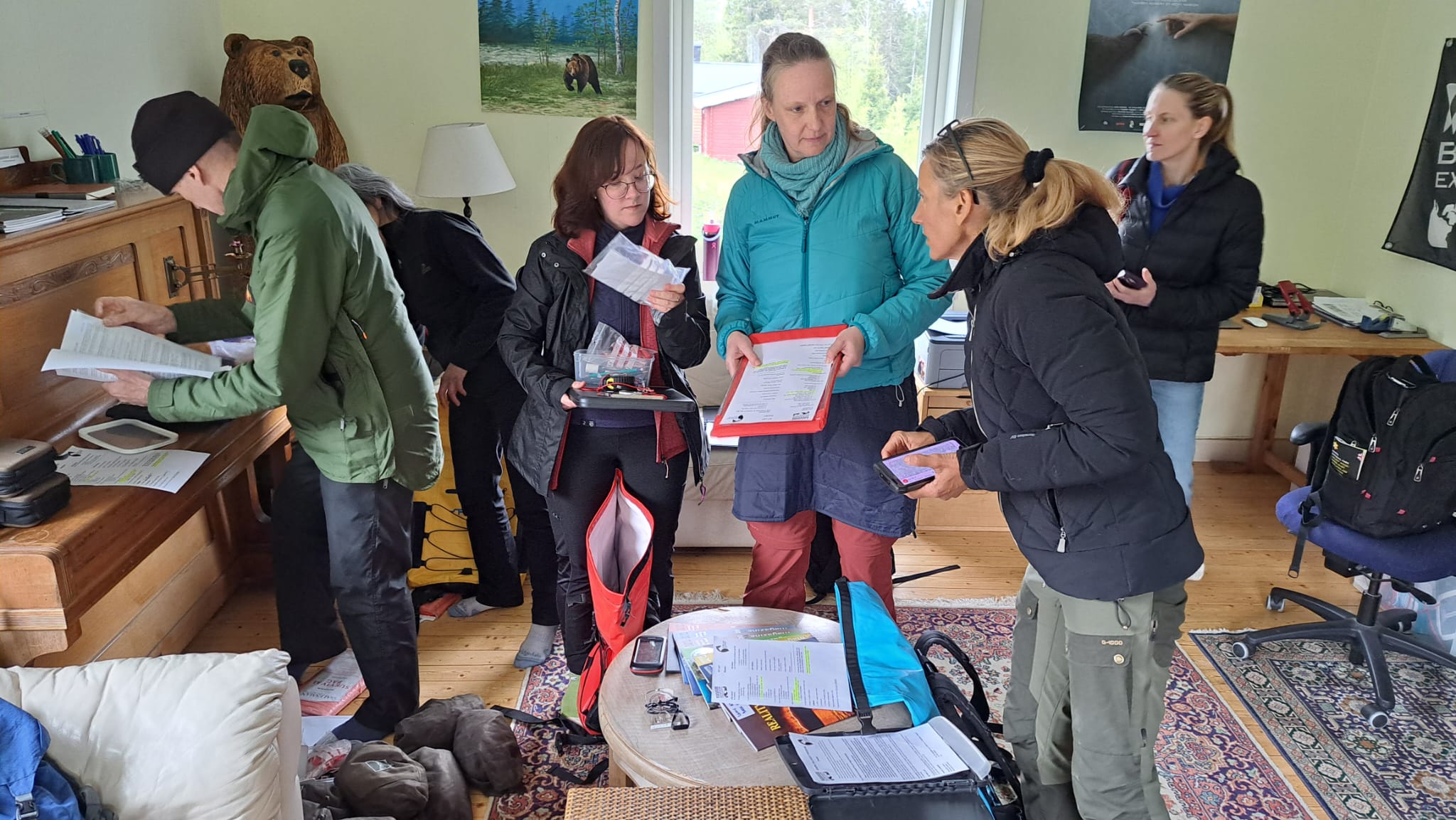
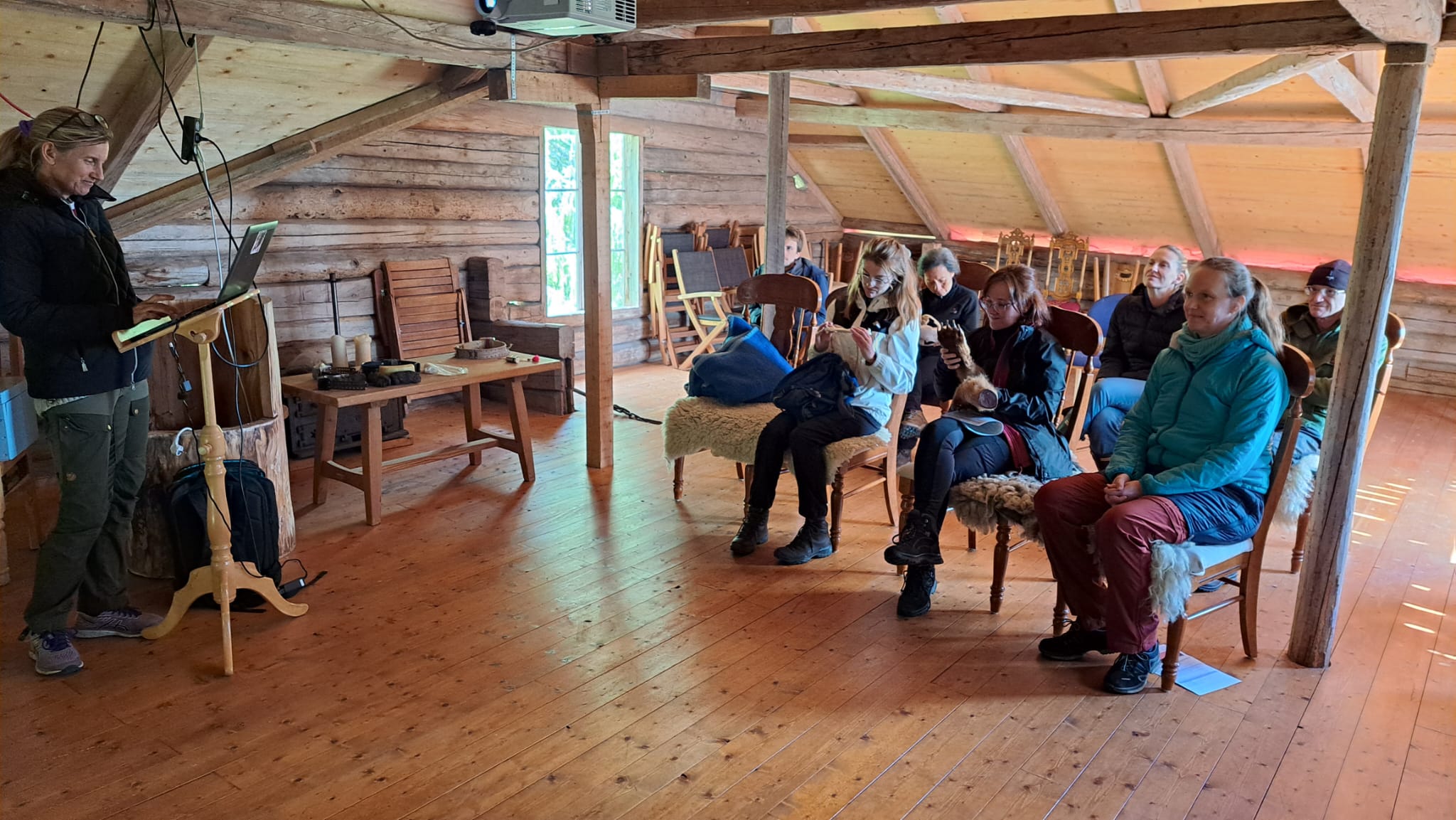
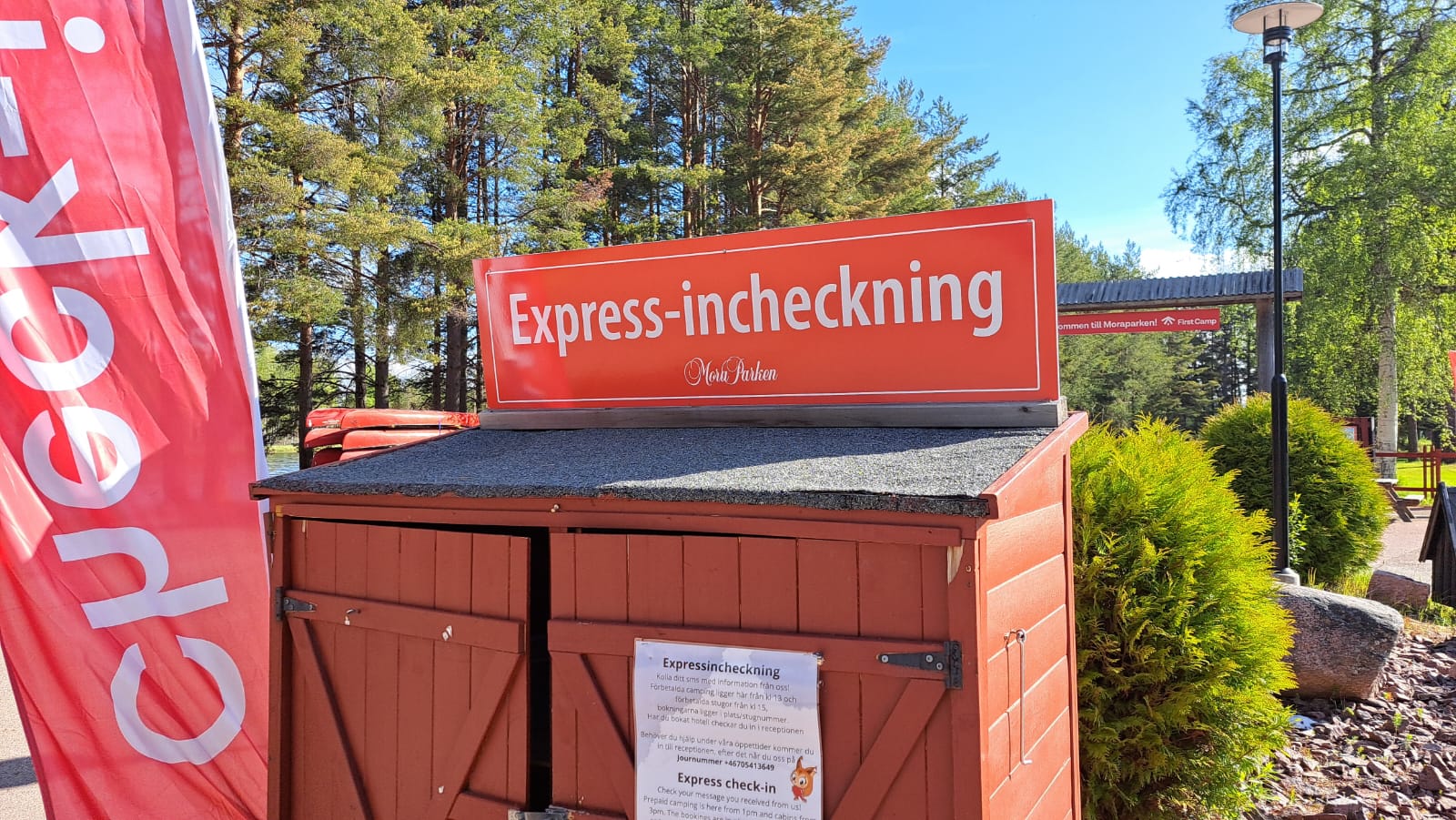
We’re off with everyone here. After some “express-incheckning” in Mora we proceeded to the expedition base and went straight into training for the rest of the morning and early afternoon: What the project is about, why citizen science is so important to it, how the bears are doing, what we will be doing, how to use a GPS & compass, how to pack your research bag and more.
In the afternoon, we checked out some old dens to see what a rock and anthill den look like, as well as an open hibernation nest (the big males just make one of those and let themselves get snowed in). Then a short lecture, dinner with the fire roaring, crash.
More of the same tomorrow. Boring, this life of a field biologist 😉
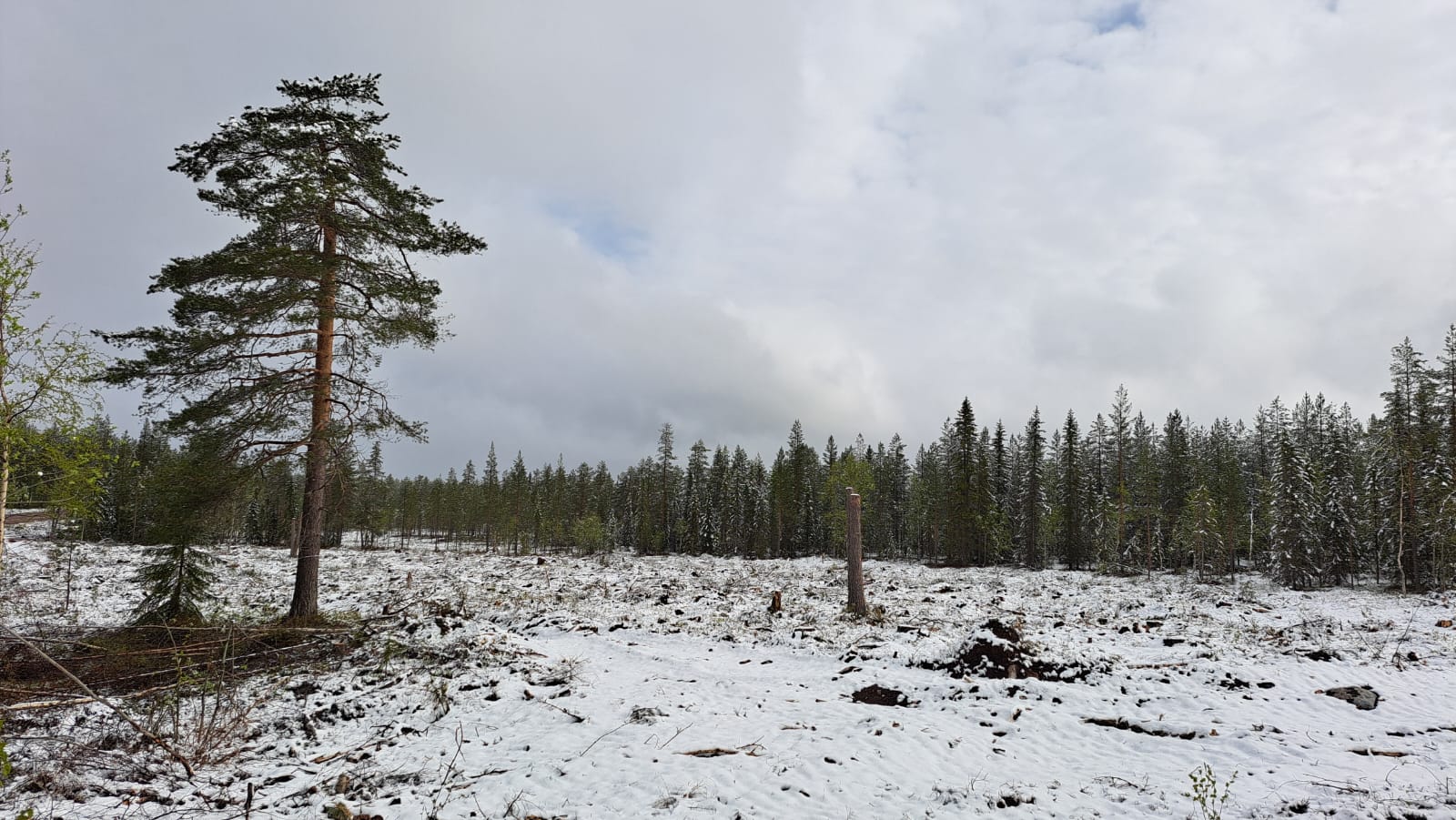
Sweden is as beautiful as ever, so is our expedition base and the surrounding forest. Note that it snowed today.
Snow in May
The bears have not fared too well over the past 12 months. The government has slashed the number of bears it wants alive in Sweden from 2800 to 1400. This has meant that over the past year lots of bears have been killed in the study site, many of them with collars. At the same time the SBBRP has been starved of funds. How all this impacts what we do on the expedition this year, Andrea will explain when you get here. Suffice it to say that your contribution will be as important as ever, if not more.
On the bright side, we’ll be getting everything ready for you over the next few days. The weather forecast says the weather should improve and get warmer by the time you arrive, but come prepared for fours seasons anyway.
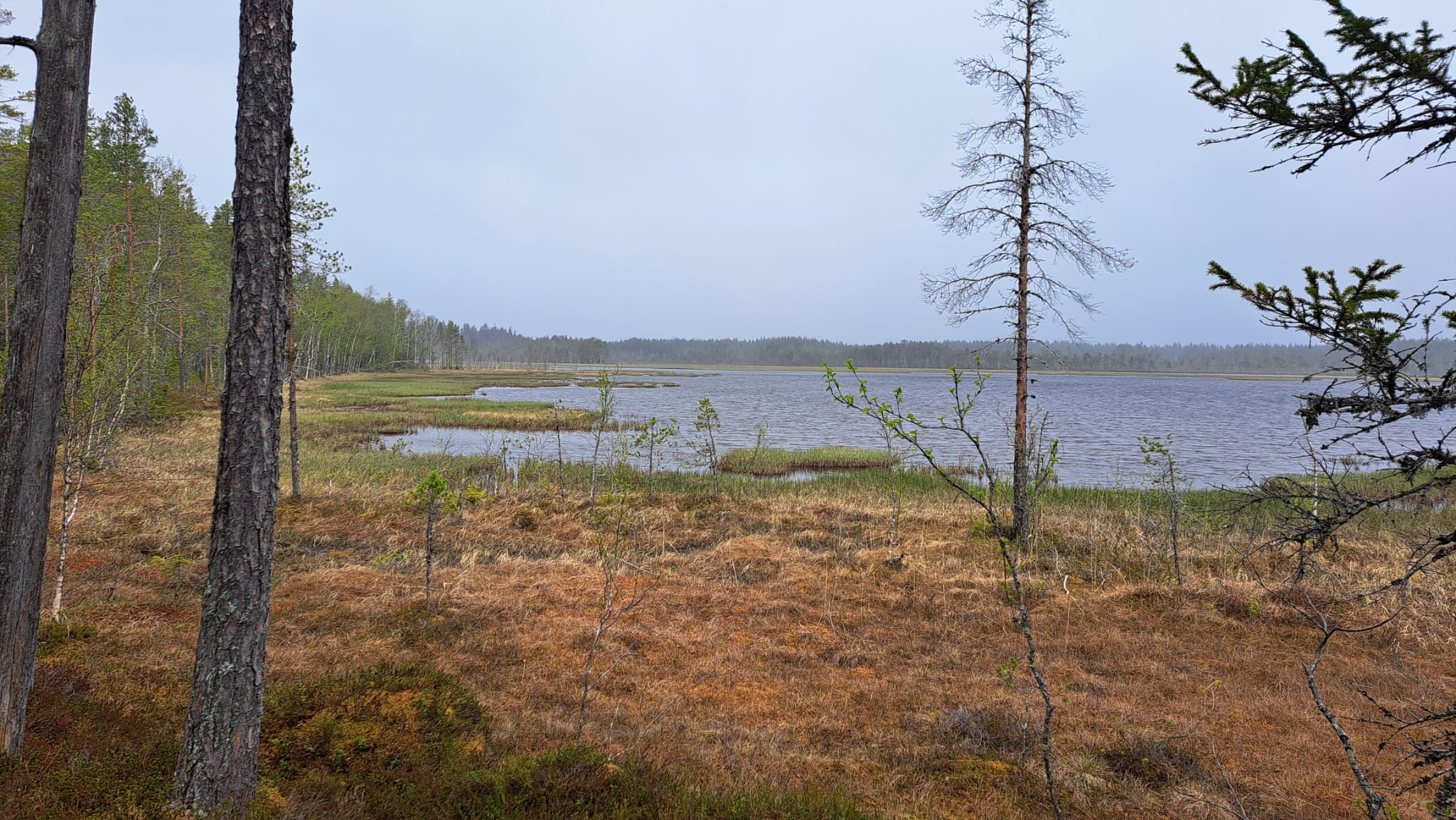
So safe travels and I’ll leave you with some impressions from today…
It’s time for our 2025 edition of our Sweden bear expedition, working in collaboration with Björn & Vildmark (bear & wilderness). I am Matthias Hammer and I will be your expedition leader this year.
Expedition base
This is our fifth citizen science research expedition in Dalarna province, Sweden, gathering field data on brown bears (Ursus arctos), contributing to the conservation of this iconic Scandinavian mammal. The data collected is used by the trans-national Scandinavian Brown Bear Research Project (SBBRP). Expedition scientist Dr Andrea Friebe has worked in the SBBRP since 1998 and wrote her master thesis and dissertation about brown bear hibernation and ecology in Sweden.
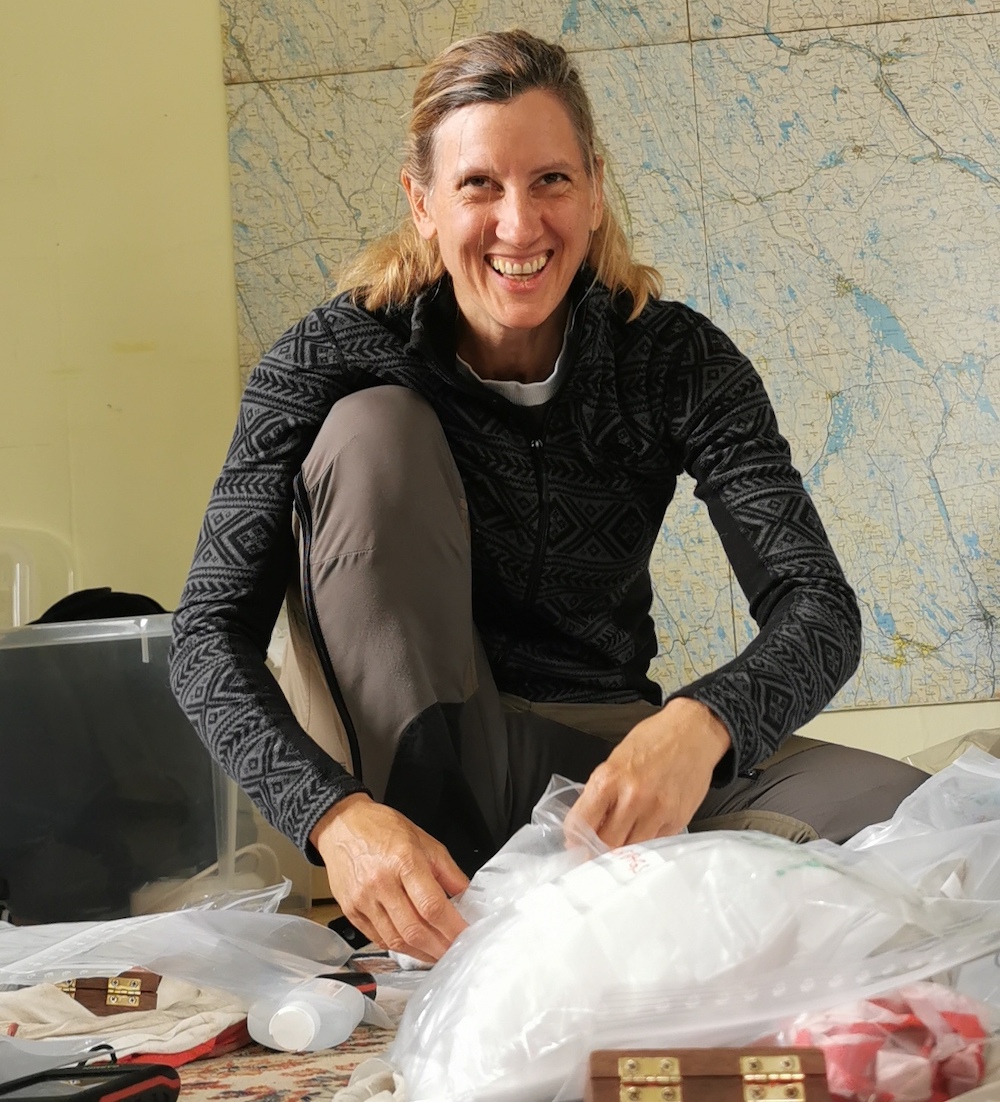
Dr. Andrea Friebe
The main focus of the Biosphere Expeditions brown bear research expeditions is locating and surveying winter dens used by bears that have previously been fitted with tracking devices. Once the bears have left in spring, each winter den is then carefully measured by the citizen scientists and a wide range of data are collected relating to the type of den, the surrounding habitat and any evidence of cubs and/or bear scats at the den site. The data gathered by the expeditions are used by the SBBRP as part of their long-term research programme following the lives of specific bears from birth to death, to gain insights into bear diet, weight development, patterns of movement, colonisation of new areas, choice of den, social behaviour, mortality and reproduction. Inter-species interaction with moose and domestic livestock have also been investigated, as well as the sensitivity of bears to human disturbance and human-bear conflict. The purpose of this all this is to provide managers in Norway and Sweden with solid, fact-based knowledge to meet present and future challenges by managing the population of brown bears, which is both an important hunted species and a source of conflict, and whose management has been changing rapidly in recent years.
Investigating a den
So, here we are. I hope you have read the latest expedition reports, your preparations are going well and you are all excited. I will be a few days ahead of you and my next diary entry will be from Sweden with updates from the ground.
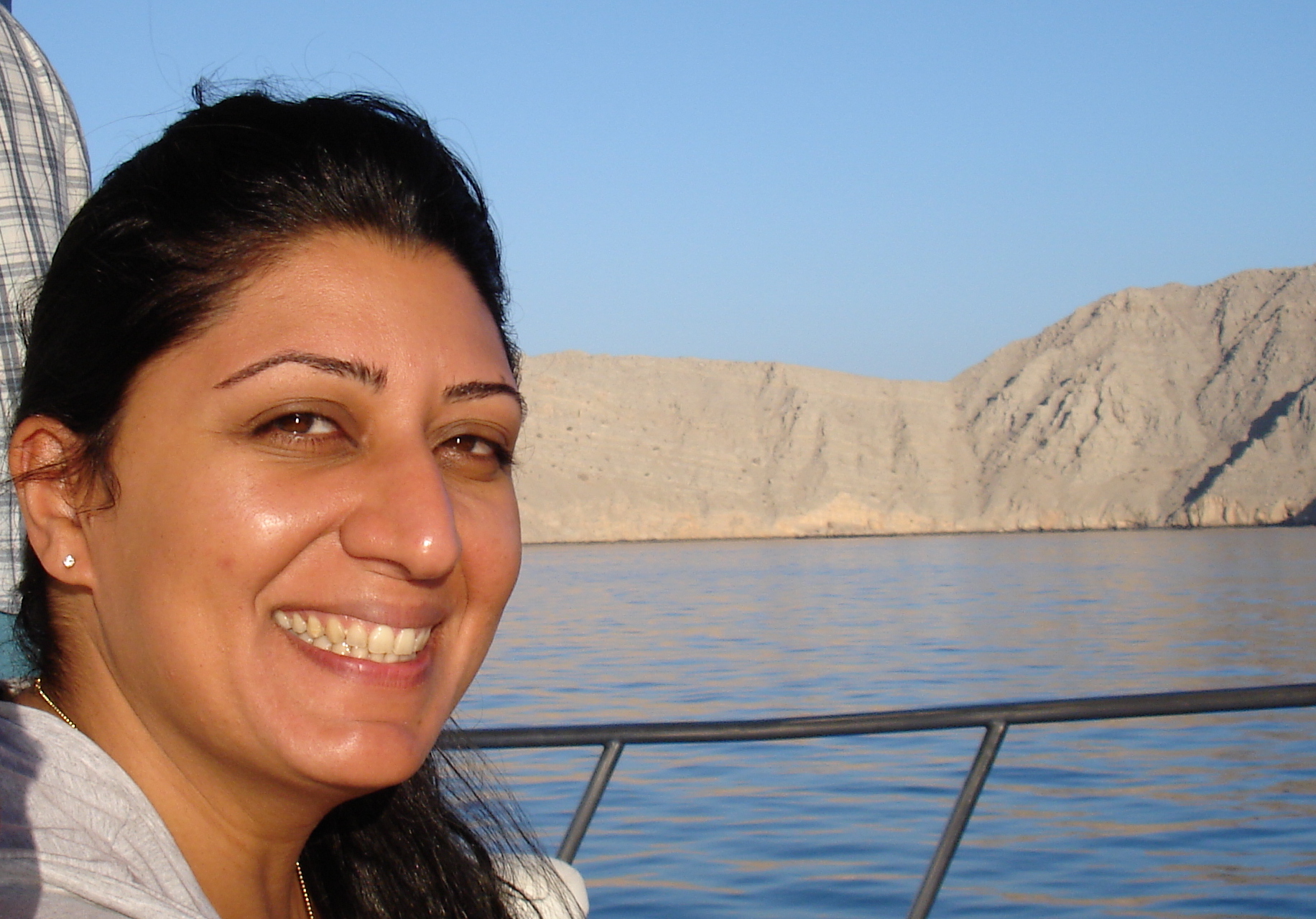
Becoming a marine conservation scientist is hard. For women in traditional societies, it’s almost impossible. Yet once she began diving, Jenan Al Asfoor was determined to break free from the confines of gender and her corporate job alike. It wasn’t easy, but now Jenan runs her own marine conservation consultancy, training the next generation to protect the coral reefs of her native Oman. Looking back now, Jenan credits Biosphere Expeditions as the turning point that transformed her passion into a lifelong purpose.
From a young age, Jenan was not deterred from defying social norms for women. She excelled in school, went to university and then took a corporate job in marketing at the Environment Society of Oman, an NGO in her native country. Diving was her hobby. ‘I was just doing it [diving] for fun, until I got the chance of a placement on a Biosphere Expeditions diving project in my country.’
Jenan had had other placement opportunities, ‘but the Biosphere Expeditions one stuck out. I was so happy to be on expedition with them. It truly changed my whole life, what I’m passionate about, and what I’m capable of doing. After my placement in Oman, went to the Maldives to expand my marine knowledge. To find a network of people, from all around the world, from very different fields, but always sharing the passion for doing something for the environment – it makes you change how you see people.’ She became more enthralled with the underwater world and the running of expeditions.
Part of the expedition to the Maldives includes getting certified by Reef Check (a reef conservation NGO that partners with Biosphere Expeditions), meaning citizen scientist divers are then qualified to conduct underwater surveys anywhere in the world. Soon, Jenan found herself re-evaluating her career and her way of living. Working alongside Biosphere Expeditions’ founder and executive Dr. Matthias Hammer and team scientist Dr. Jean-Luc Solandt changed how she saw diving too.. ‘These two opened my eyes that there was more to diving than to have fun. They then helped me to get Reef Check Oman off the ground, I started a science diploma and then went on to start a consultancy in marine conservation.’
Jenan Al Asfoor on the Musandam Peninsula diving expedition, Oman
In 2017 Biosphere Expeditions’ involvement around the Musandam Peninsula of Oman concluded with the declaration of two protected areas in the region. Jenan was the perfect steward to protect these achievements. She quit her corporate job and devoted herself full-time to diving and reef conservation, launching community-based reef conservation efforts, becoming Oman’s first Omani Reef Check Trainer, and to top it all off, starting Reef Check Oman, an offshoot of the NGO that originally qualified here as a survey diver, as well as her own consultancy. All this was not easy either. ‘My friends and family were surprised,’ she recalls. ‘Diving as a woman in Oman is unusual – it’s not seen as a field for females. People don’t see diving as something with a career related to it. People think it’s not a job, that there’s nothing there to learn, so quitting my job was really challenging, as it was not acceptable to my family. Finding encouragement was hard.’
Jenan about her achievements, hopes and aspirations in reef conservation
‘Without the encouragement of the people I met on the expeditions, I wouldn’t have made it,’ says Jenan. ‘When you don’t get support in your regular life, you need it elsewhere – that’s why Biosphere Expeditions had such a big impact.’
Proving almost everyone wrong, she is now an experienced diver and trains others – including delegates from the Omani government, who are learning how to protect the country’s precious corals. ‘I want to share all the beautiful, life-changing experiences I had being part of Biosphere Expeditions. I want to demonstrate the impact of knowledge sharing and community engagement.’ Working with Biosphere Expeditions meant Jenan learned ‘to face challenges on a daily basis. You don’t need to be a scientist to make a difference; even as citizens there’s so much we can do.’
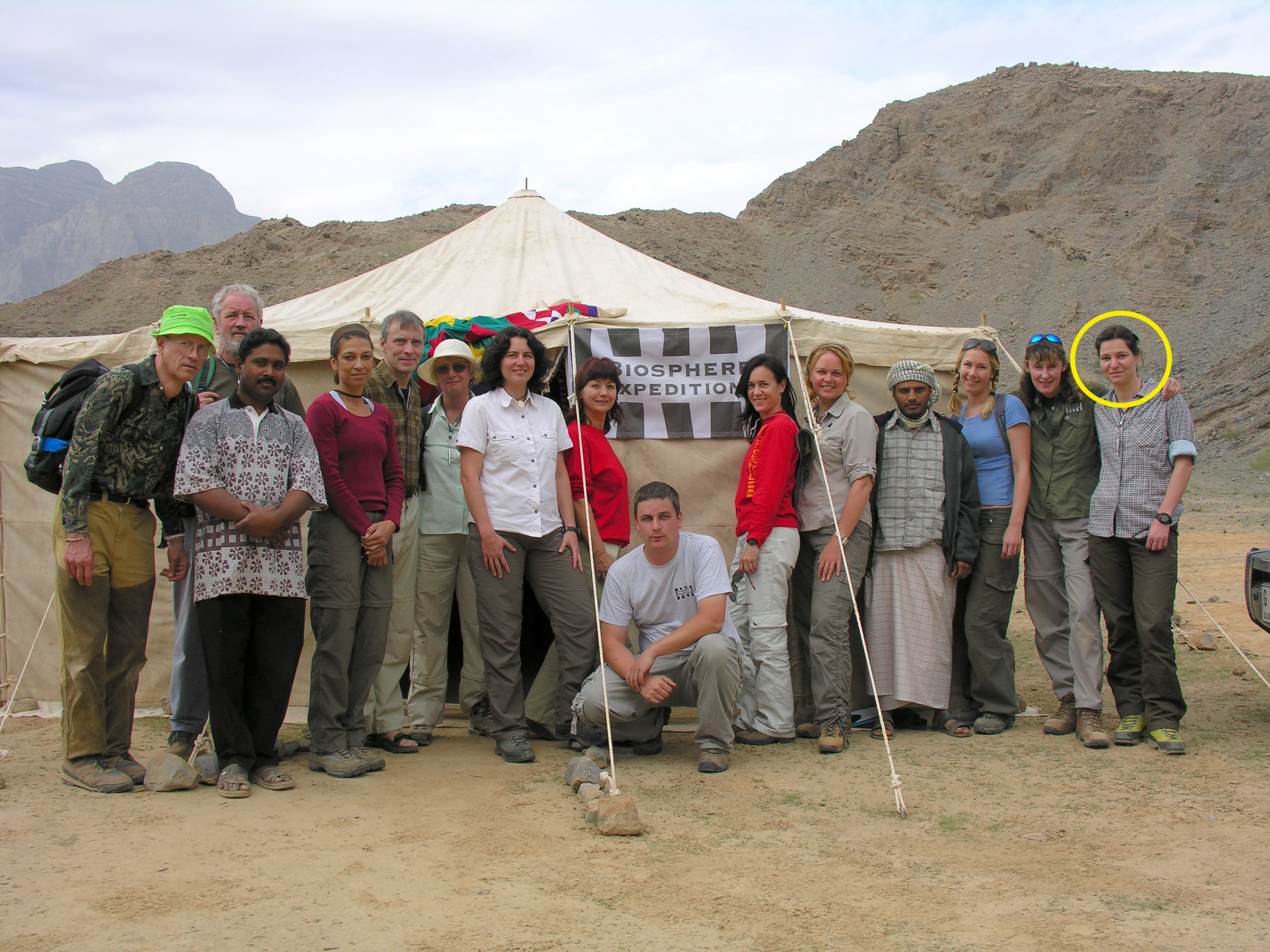
When she stepped foot on Arabian soil back in 2006, Malika Fettak had no idea how influential and life-changing it would become. Starting as a citizen scientist with Biosphere Expeditions, she eventually landed a job with them, initially as part of their marketing team. However, she craved being back in the field and so jumped at the chance of becoming an expedition leader, taking on the responsibility for teams of citizen and professional scientists as well as a handful of staff and helpers; mastering to be empathetic towards people she may otherwise have trouble getting on with and helping people achieve their dreams. Malika Fettak tells her own story.
‘Back in the early 2000s I was looking for a different way to explore the world. As a single woman wanting to travel alone, it can be scary not knowing who to trust. I was searching for a worthwhile holiday to do something more adventurous. And Biosphere Expeditions sounded perfect: you’re in a group, you’re safe, and you get to do unique things out in nature that you can’t do on your own: not as tourists, but as a team on a mission, working together in conservation. You are also pushed beyond your comfort zone: you don’t know what people you’ll be with, what the work will be like and how hard it will be. On my first expedition, my English was not as good as it is now and I was worried that I would not be able to understand my team mates, the expedition leader or the scientists. Luckily, since team members come from all over the world, the English was very accessible and I had no problems. I instantly fell in love with the simplicity of expedition life. Before the expedition, I remember worrying about how I would cope with not having a hot shower for two weeks! But it didn’t take long for those thoughts to dissipate. You learn not to be afraid and to trust your own abilities and resilience.’
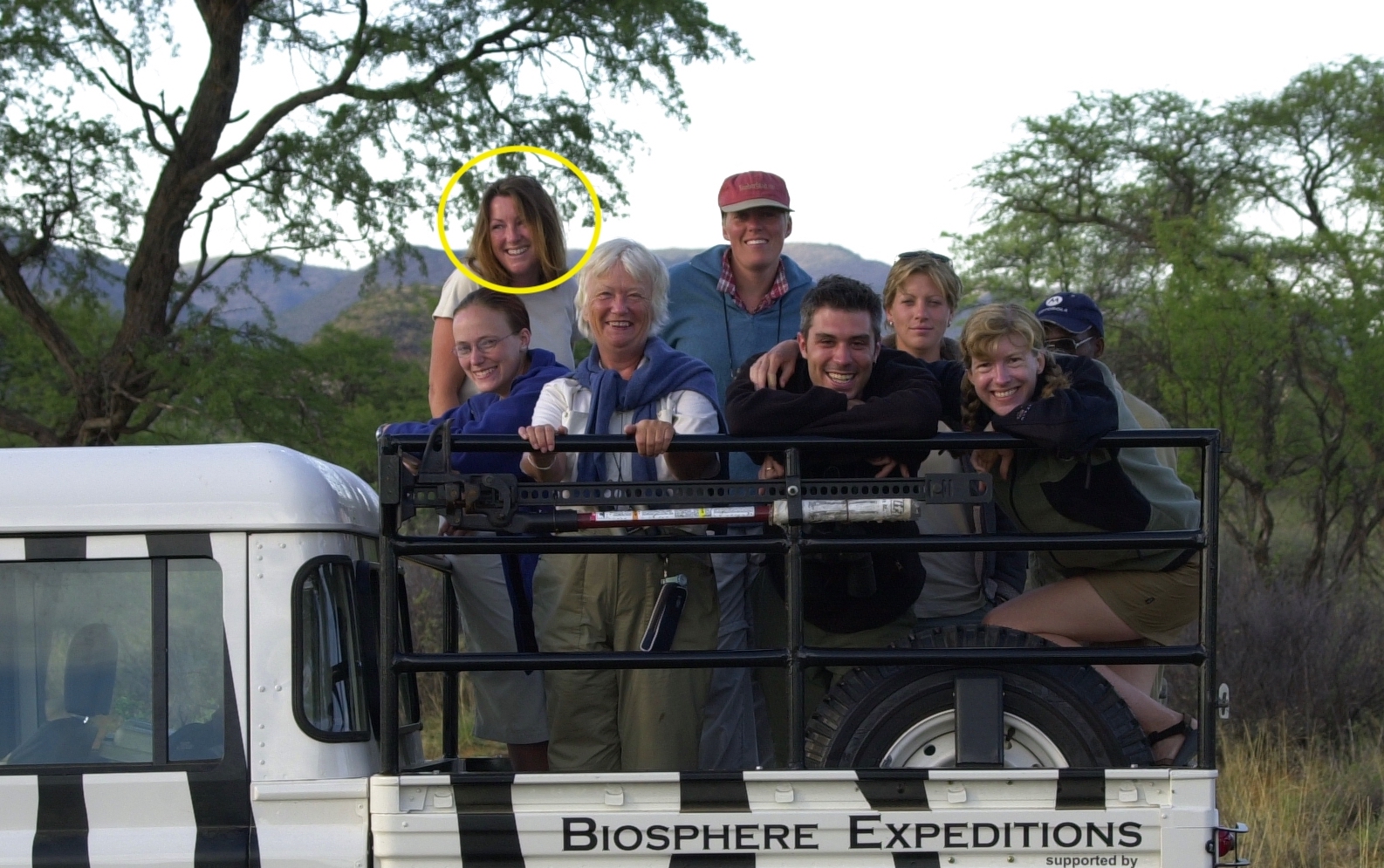
Malika Fettak (yellow circle) with her expedition team in Oman
‘It opened my eyes to the possibilities of another way of living. Out in nature, you actually need less to be happy and fulfilled. If you’re warm, dry, fed and have a place to sleep, that’s enough. And it calms your mind. You don’t have to worry about material luxuries, because in nature, on a fundamental level, it’s not important. A lot of people are overwhelmed in their lives. For example, there may be constant streams of information through phones that don’t actually have anything to do with your day-to-day life. Out in nature, especially away from phone coverage, things become simple. Things become easy. It’s not complicated out in the wild.’
‘After my first experience in Oman, I continued following Biosphere Expeditions across the globe all the way to the Altai Mountains in Russia. By this point, I’d been thinking about a career change, but I lacked a sense of direction. Matthias, Biosphere Expeditions founder and an expedition leader himself, and I had become well acquainted on expedition over the years; making me seriously consider a step into the unknown . He just said: ‘Why don’t you work for us?’ This was in 2006, seven years after Biosphere Expeditions was founded. I kind of created my own job by writing an essay about what I could contribute to the organisation. Having a degree in marketing and communications, I could see a lot of opportunities, so I began working full-time in the background.’
Leading in the Altai Mountains
‘Soon, however, I craved the expedition life again. Being out in nature, in the middle of nowhere, with nothing else but the expanse of the environment. So I signed myself for expedition leader training. It was a huge challenge at first, especially in a foreign language, but it was also extremely fun. I learned a lot. Once I started leading expeditions, that was it – I knew I’d found my place. Working in the wild, weathering the elements whilst leading people: everything that’s missing in contemporary city life, Biosphere Expeditions brings to you.’
Malika Fettak in between countries as an expedition leader
Starting as a citizen scientist, I loved the shift in perspective I got as an expedition leader. Not only was I suddenly responsible for all those people on the expedition; I also found myself in unimaginable situations. I learned how to solve problems, figuring it out as I went along. I felt a sense of accomplishment taking people out there, encouraging people to leave their comfort zones and helping to change people’s self-limiting beliefs – not in theory, but in reality. It really was a life-changing journey.’
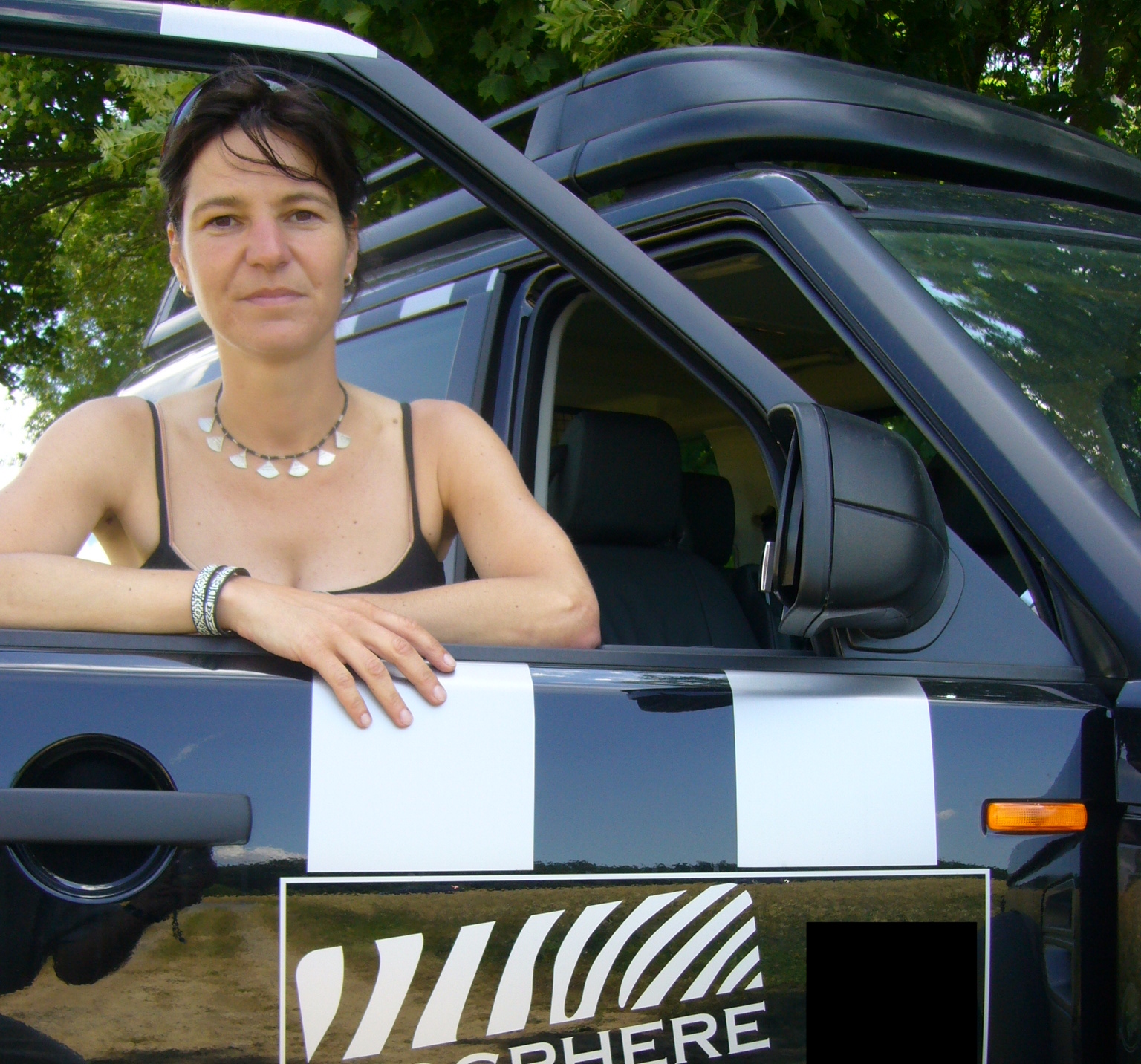
Expedition leader Malika Fettak
In more recent years, I took a step further in my career again and qualified as a systematic coach and trainer in order to encourage and support personal development of people and empower teams outside expedition life – but I still lead expeditions. This has allowed me to look at the work Biosphere Expeditions does from a different perspective yet again. It has become all too clear for me that people are a lot more comfortable speaking about the things they want to achieve in their lives, rather than actually taking action. Biosphere Expeditions requires action. A lot of people talk about nature conservation, but never do anything about it. They think there’s no way I could do that! Then you find out: I actually can!’
‘The great thing about Biosphere Expeditions is that a formative personal experience of simply existing ias part of nature is almost built in. You’re there not to save the world all by yourself – for this is impossible – but learn and make experiences for your own sake and for the world around you. Biosphere Expeditions has made me appreciate the importance of every living thing on the planet. Even the smallest animals have successfully found a niche to live in; they all have an impact on each other, starting with a bug or ant, their presence is vital for, say, the top predator to have a healthy ecosystem to live in; that’s what I’ve understood and learned and experienced. The jaguar depends on the ant.’
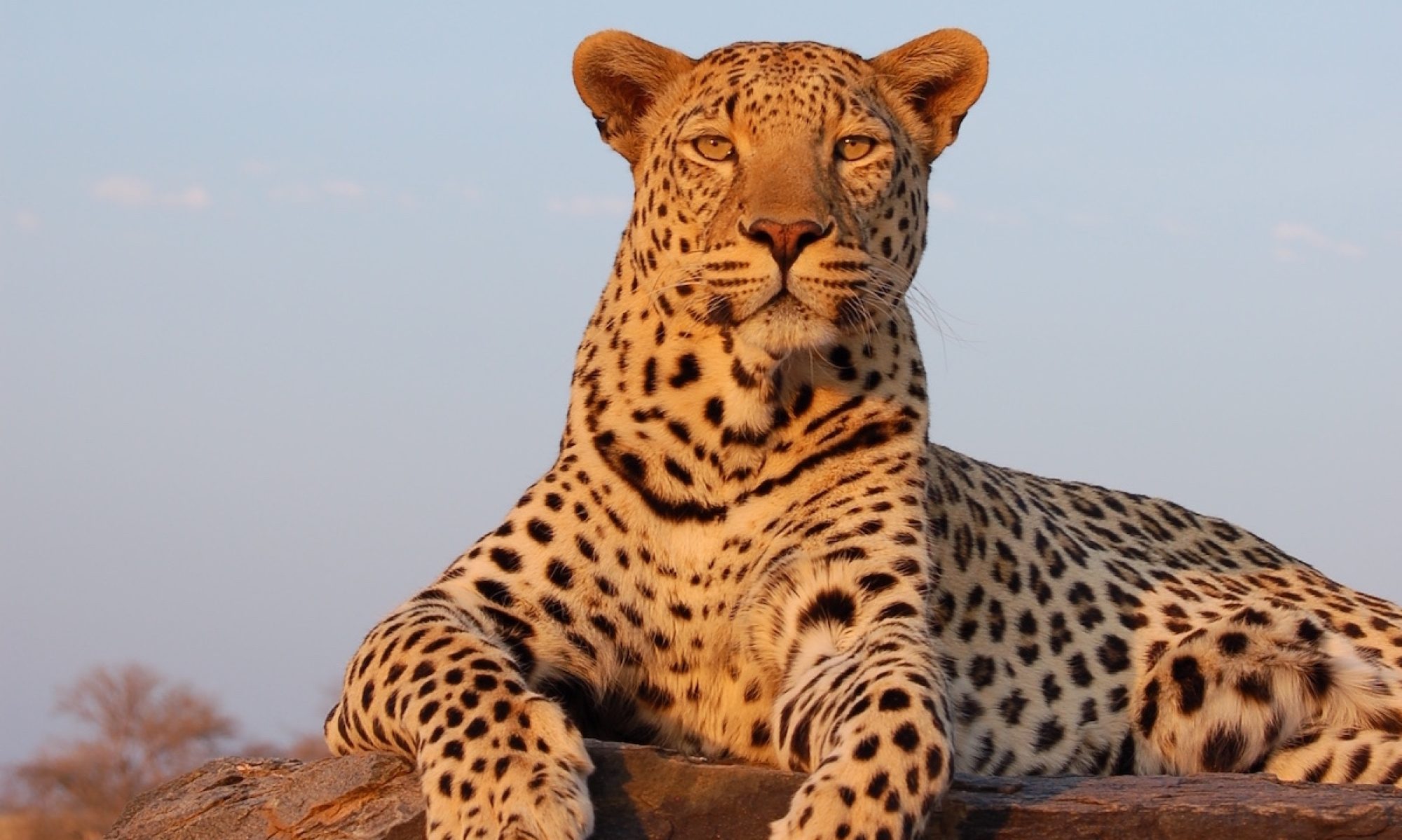
Eve Hills is a PhD student at the University of Brighton currently working on leopard prey and habitat preferences in the Meru Conservation Area, Kenya. Big cats have always fascinated Eve – ever since coming on expedition with Biosphere Expeditions. So, what was so significant about this first experience?
‘I went to Africa for the first time in as a young child and instantly fell in love with the continent and wanted to come back,’ Eve Hills recounts. ‘I had a passion for big cats from a young age and did everything in my power to include them in any school projects.’ Five years later, she came across Biosphere Expeditions, ‘via one of the first expeditions to Poland to research wolves. In those days, Matthias (Dr. Matthias Hammer, Biosphere Expeditions’ founder and executive director) ran most of the show, so I was able to talk to him about my dreams of wanting to do something with big cats. In the end, I was sick and could not make the wolf project. Then, in 2002, a cheetah project came up in Namibia and I was really excited. I saved all my money and wanted to do the whole thing, which lasted two months.’
Eve Hills (yellow circle) with her expedition team in Namibia in 2002
Eve immediately fell in love with the entire experience. Staying for two months gave her a unique perspective. ‘I think this allowed me to immerse myself completely. It was an incredible place and the landscapes were so different. I just loved sharing my environment with big cats, knowing they were there. I don’t really need to see them. One of the most special things for me was when we tracked leopard prints and it was just incredible following in the animal’s footsteps. I remember collecting all the sand from one of its paw prints. It was really amazing. I loved feeling part of something. ’
After Eve came home, as with so many people, life got busy and she was ‘side-tracked by a job that had nothing to do with conservation.’ She also had to contend with a partner who thought she ‘should get a real job.’ However, she never forgot about those beautiful moments on expedition and did whatever she could at university to include big cats in her projects. She continued pursuing this passion into her master’s degree when she, ‘ linked up with some cheetah conservation organisations based in Kenya and intended to do a cat project.’
So now Eve is a PhD student studying leopards. As for the future of her relationship with Biosphere Expeditions, she says, ‘I’m hoping to get involved with another project and I’m keeping my eye out for any leopard-related projects.
Eve Hills (and others) talking about her expedition experience in Namibia
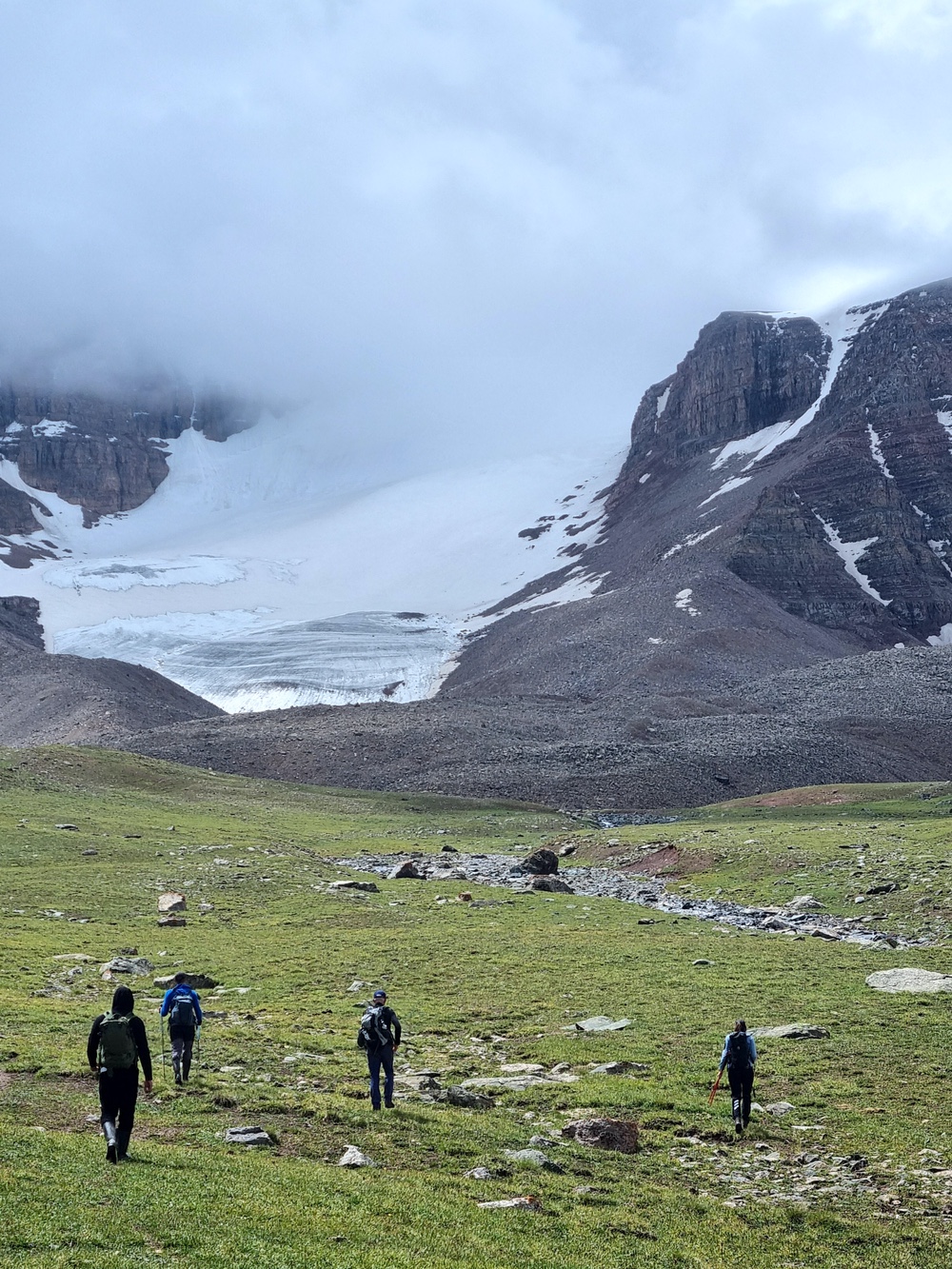
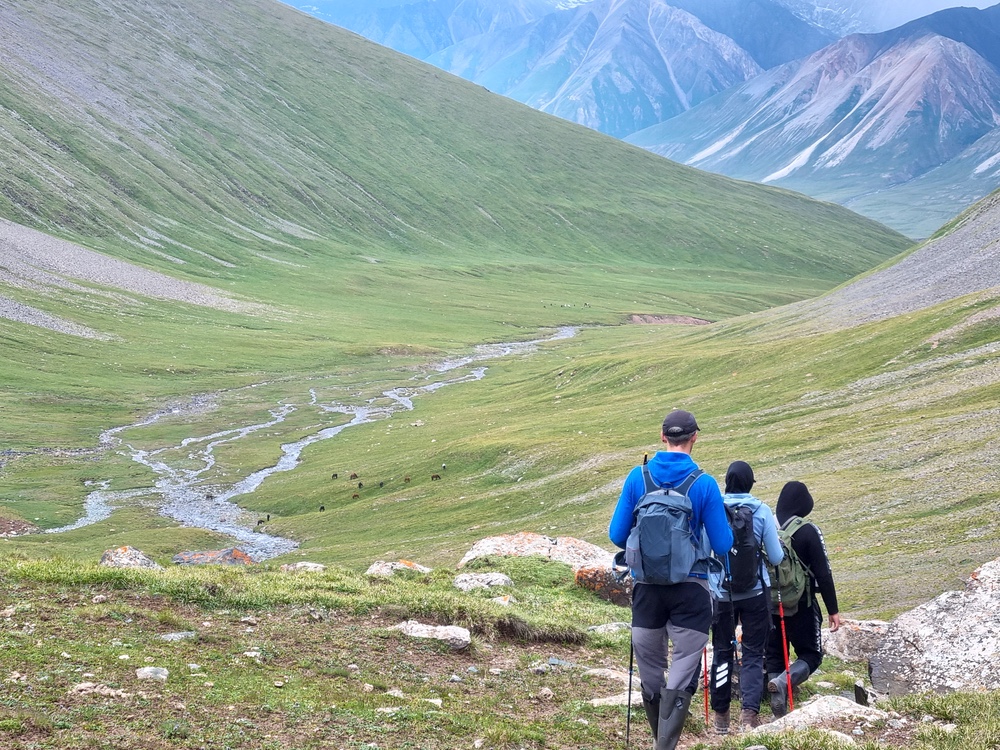
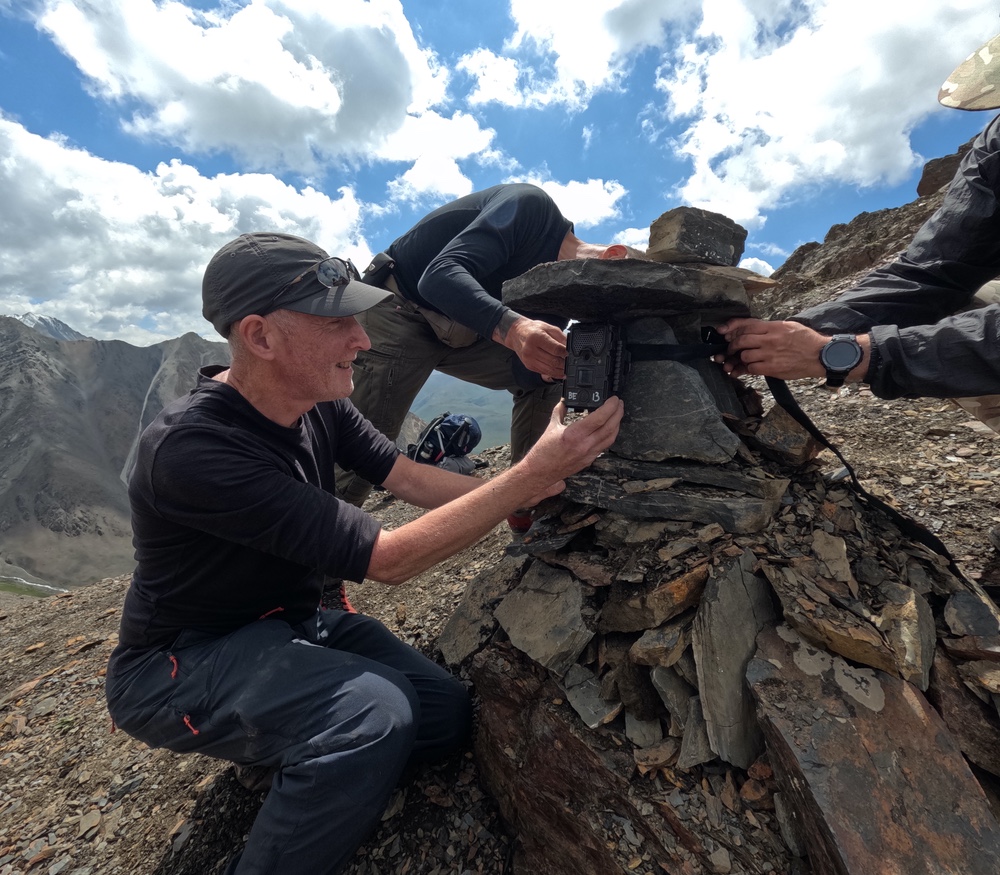
The snow leopard – perhaps the most iconic flagship species of them all – is listed as Vulnerable on the IUCN Red List because there are probably fewer than 10,000 adults left in the wild. Living in the high mountains of eastern Afghanistan, the Himalayas and the Tibetan Plateau to southern Siberia, Mongolia and western China, they are threatened by poaching, habitat destruction and climate breakdown. Helping in their conservation are organisations such as Biosphere Expeditions, who has worked in snow leopard conservation for over 20 years, making it one of the longest-running research projects on snow leopards ever conducted. Citizen science is key to this success story.
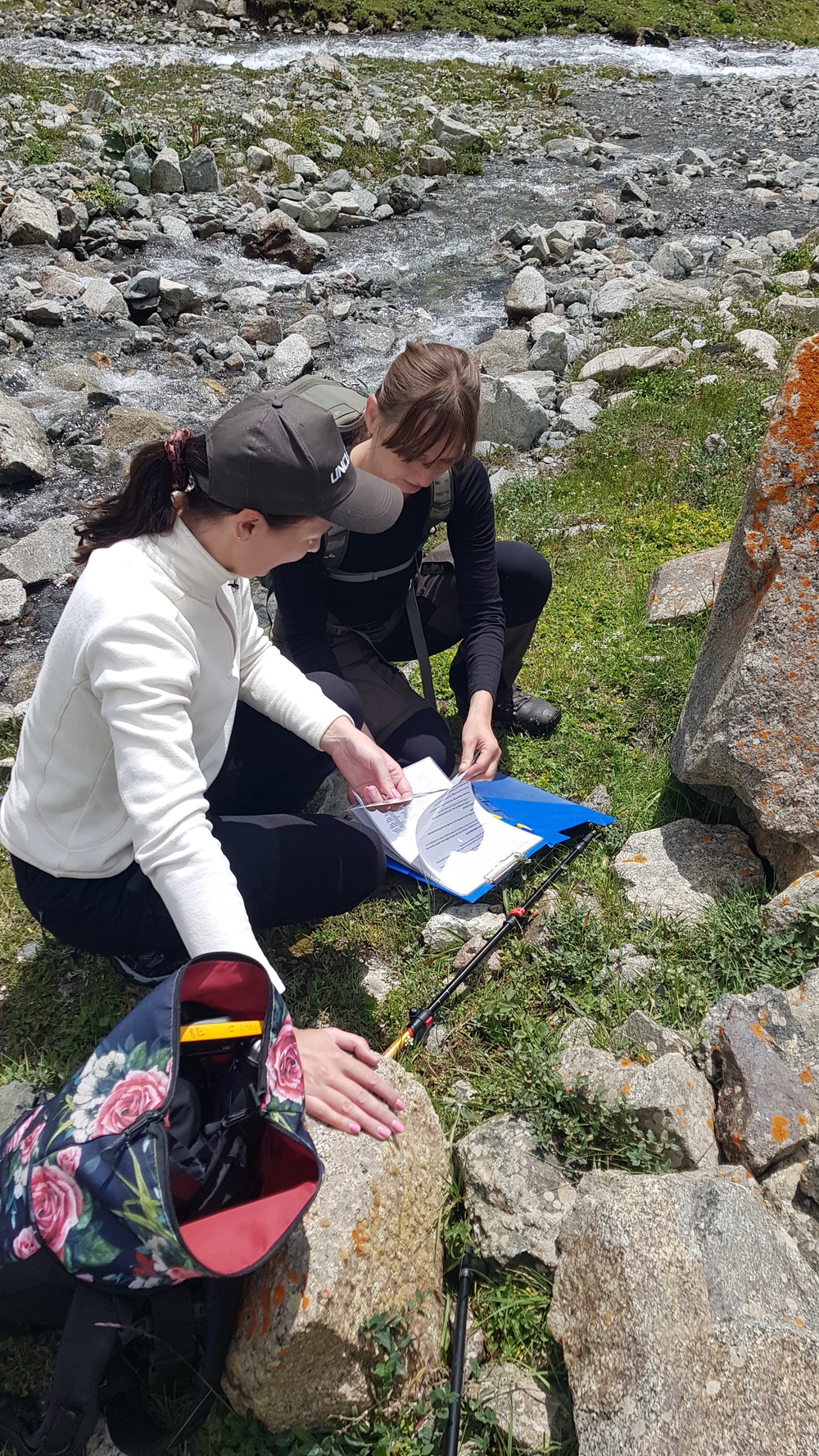
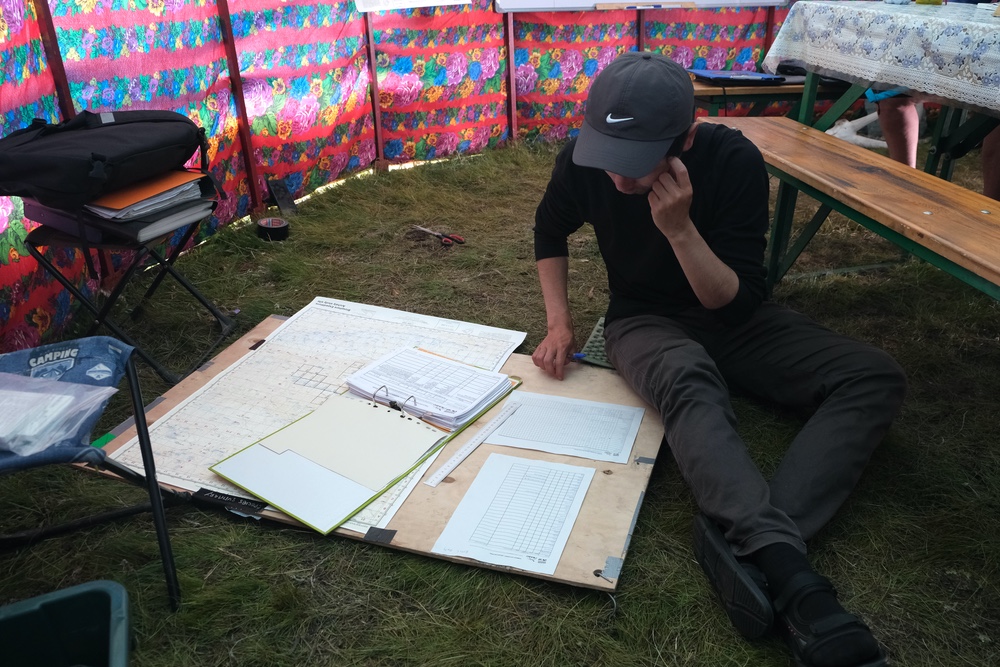
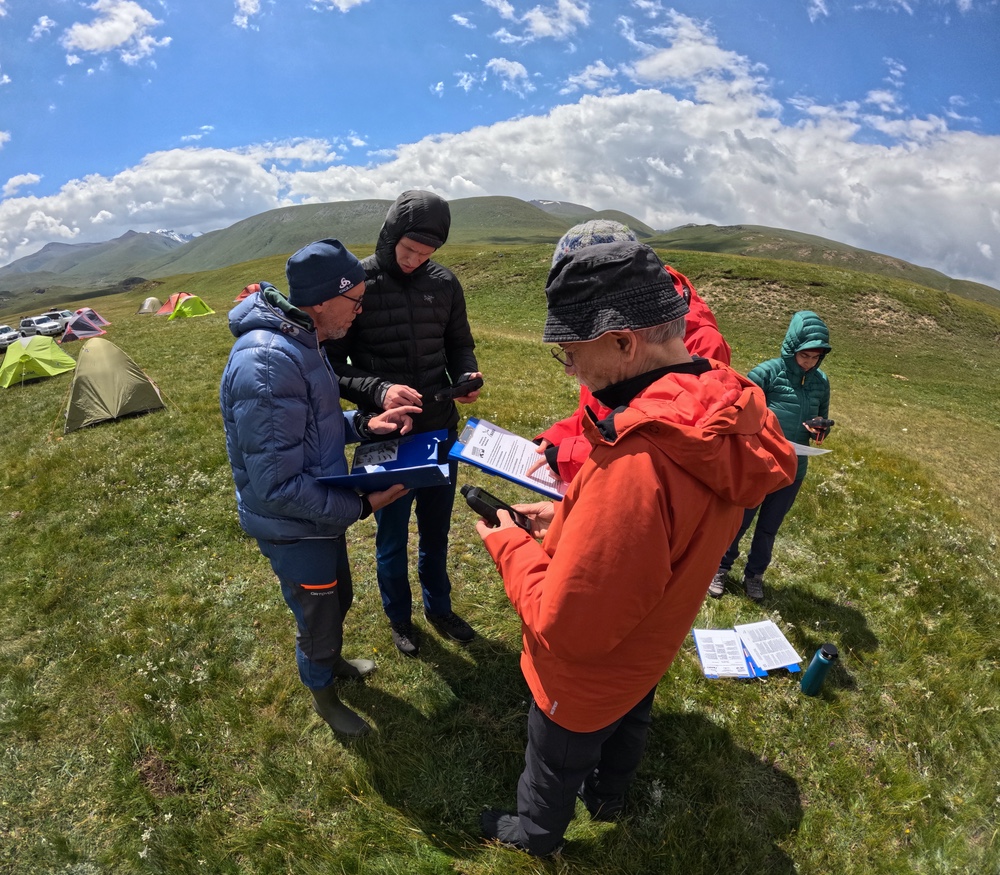
“We can only do this, because our citizen scientists from all over the world have provided a steady source of labour and funding”, says Dr. Matthias Hammer, founder and executive director of Biosphere Expeditions, the award-winning non-profit, which celebrated its 25th anniversary in 2024. “It works because these intrepid people are prepared to travel to remote places and help with research such as tracking, camera trapping, biodiversity surveys and more – tasks that can be taught in a day or two – but which provide valuable data for our professional scientists”, continues Hammer. “And they fund the research expeditions through their expedition contributions. So everyone wins: The scientists get data, the citizen scientist a unique and useful experience, and the animals get protected”.
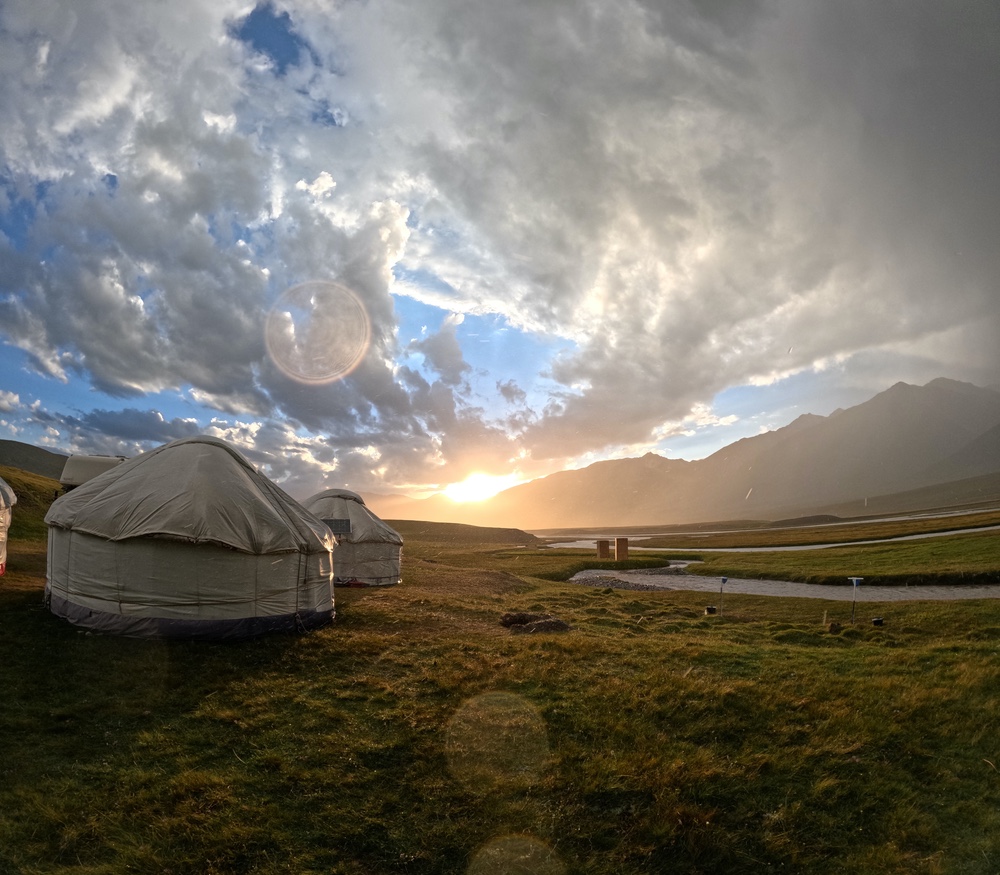
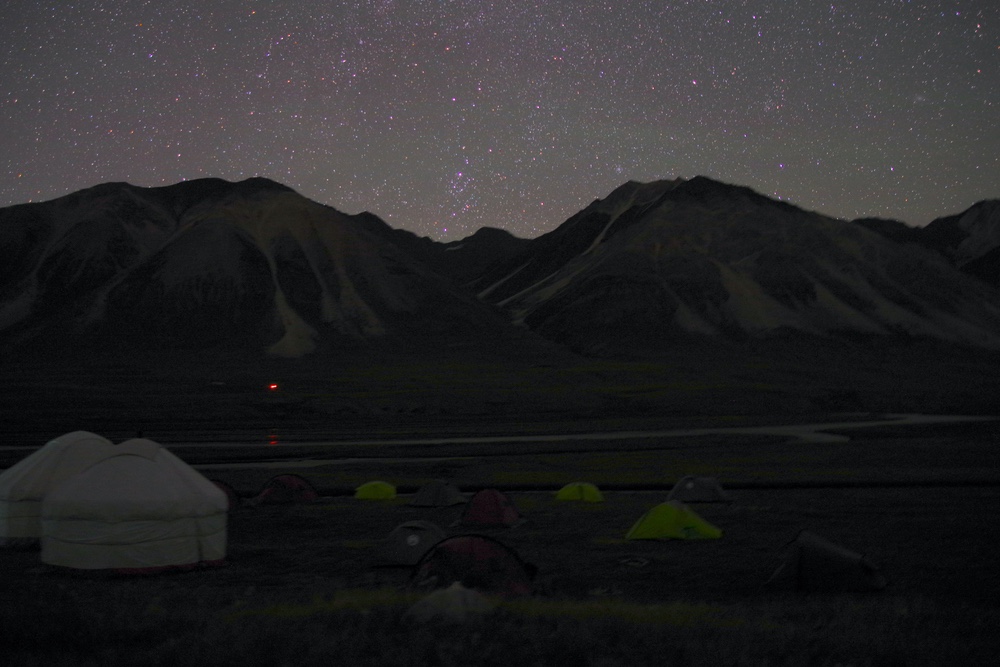
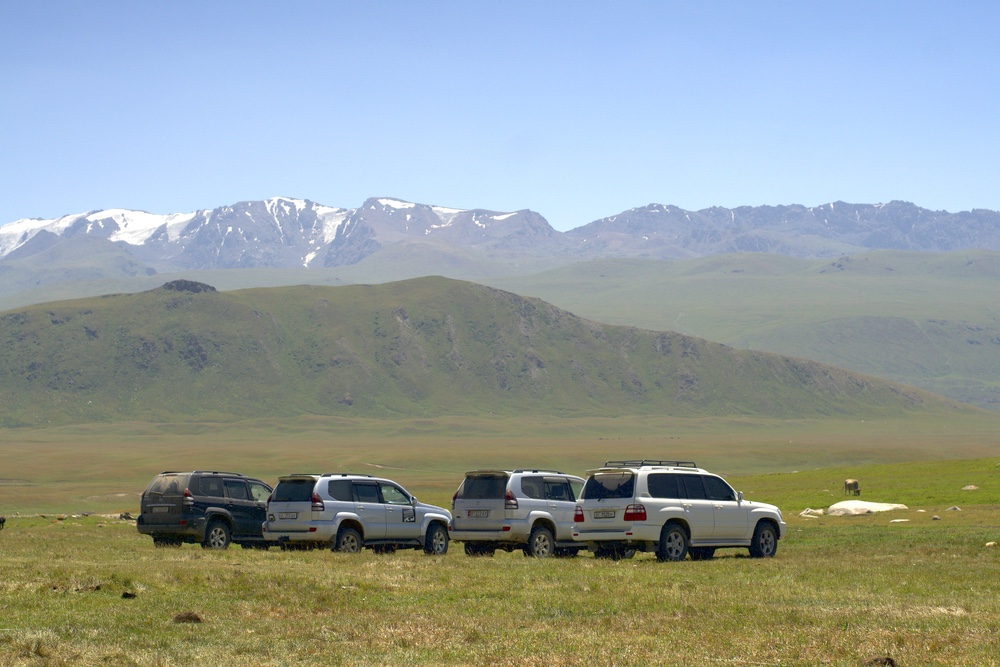
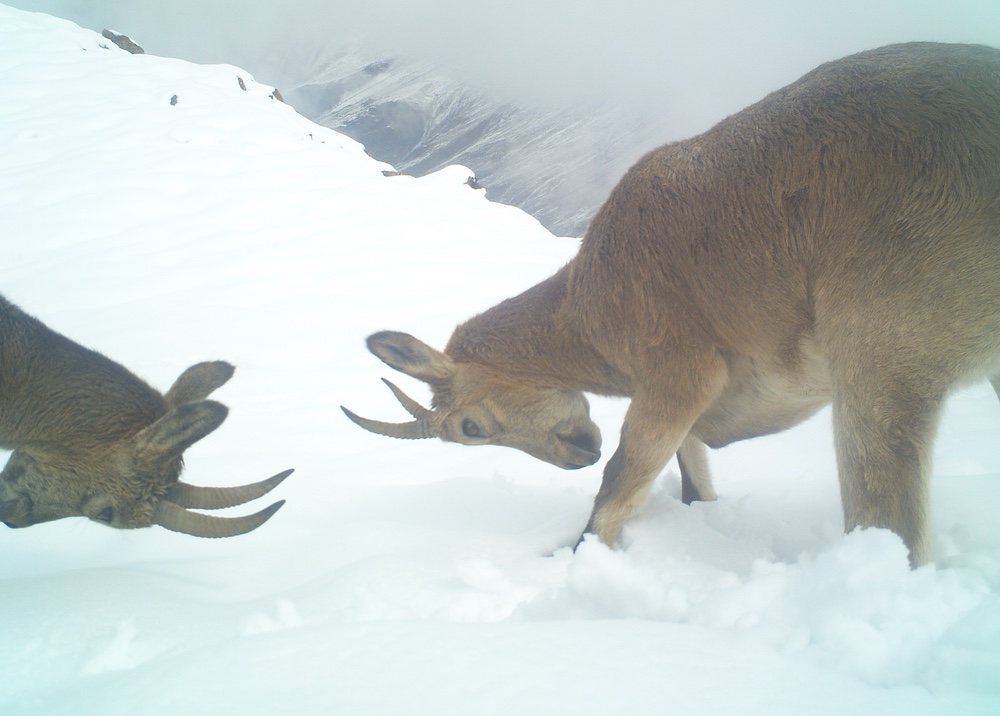
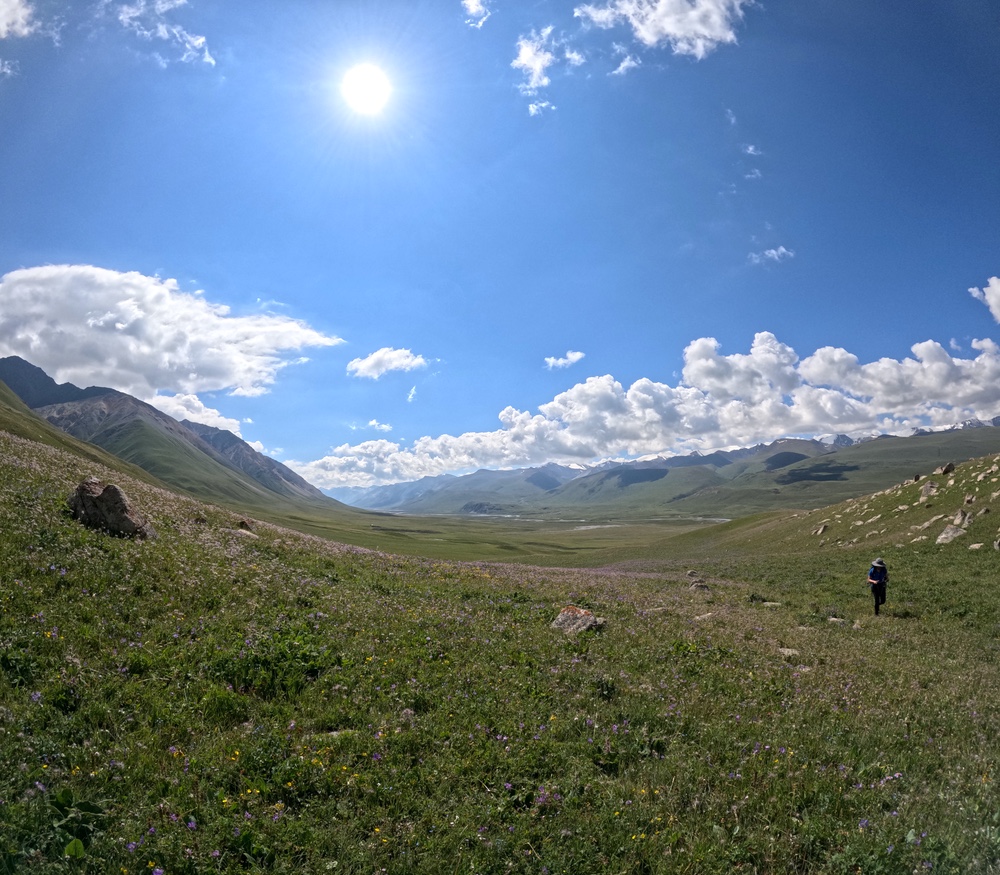
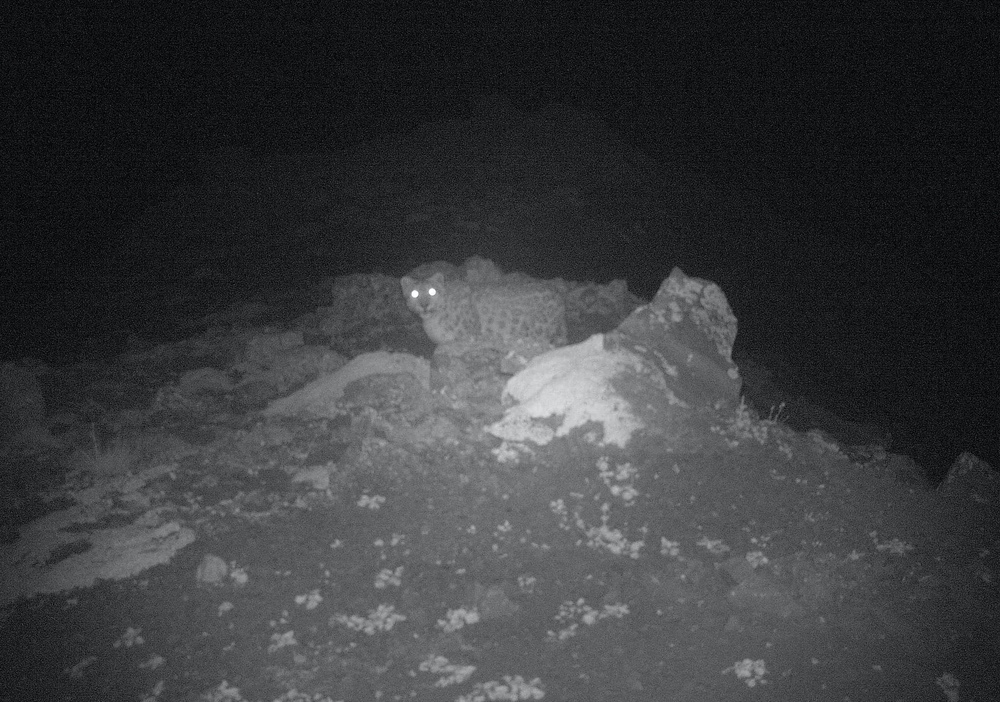
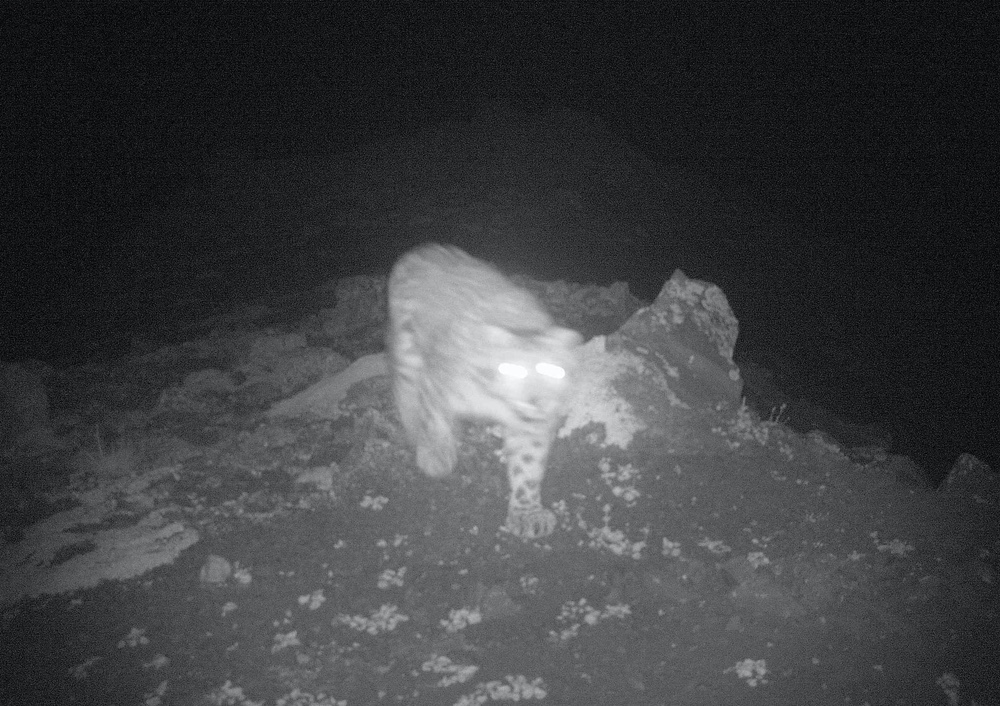
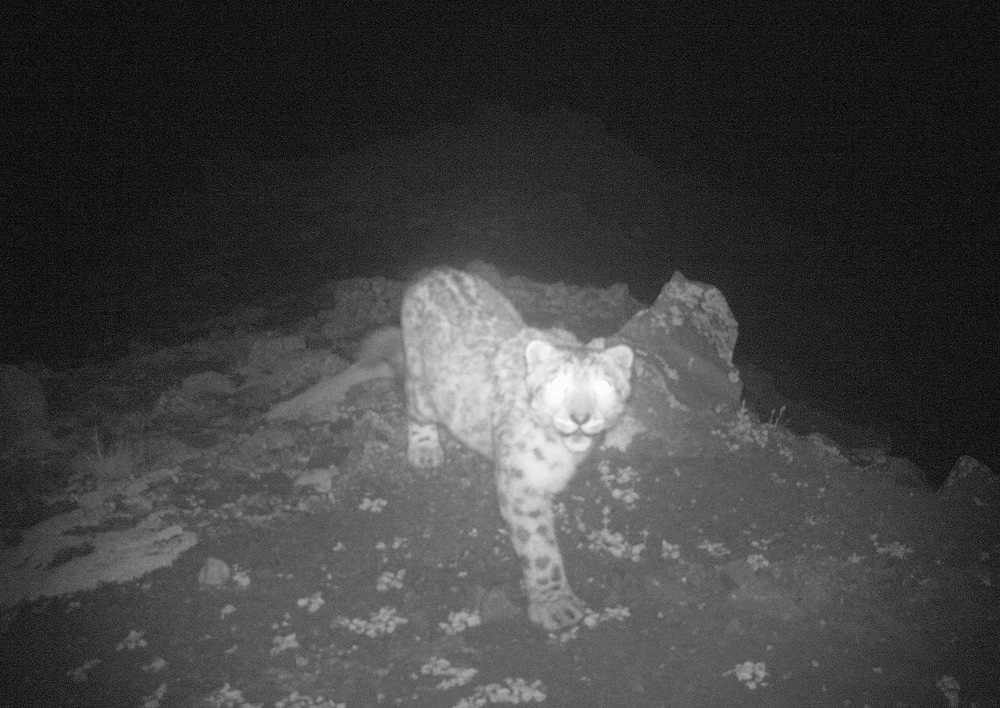
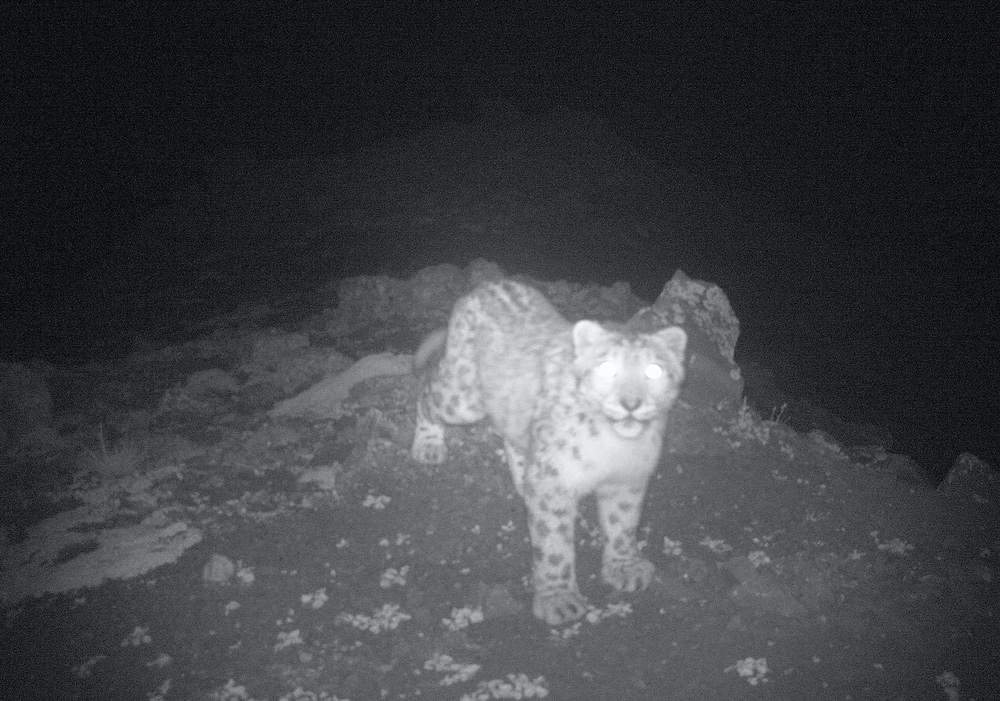
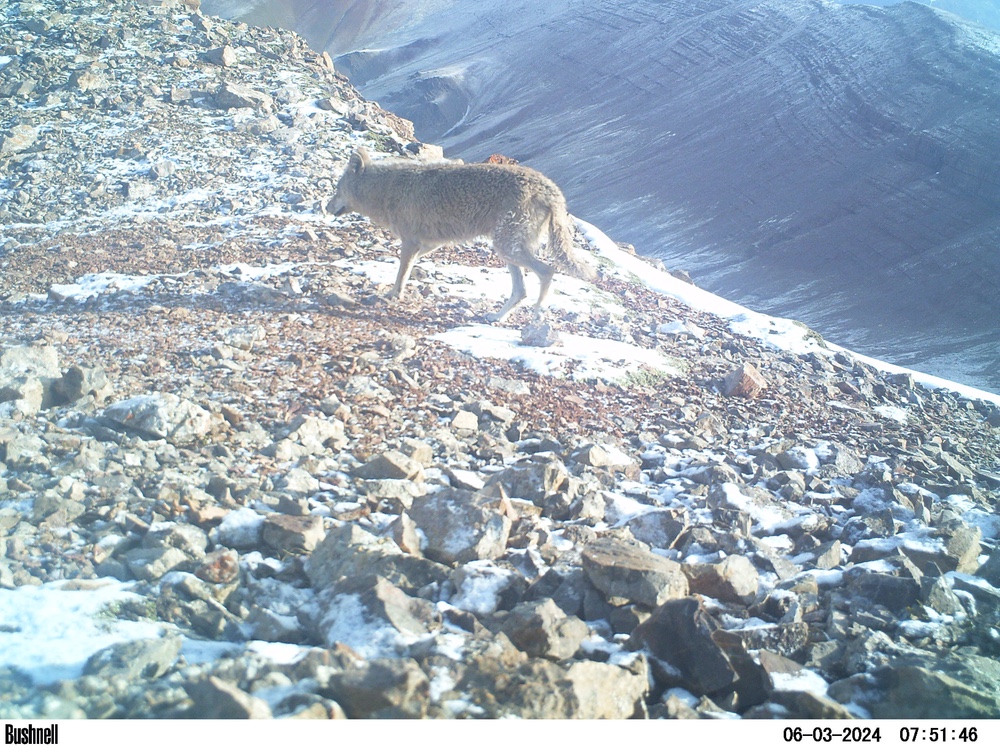
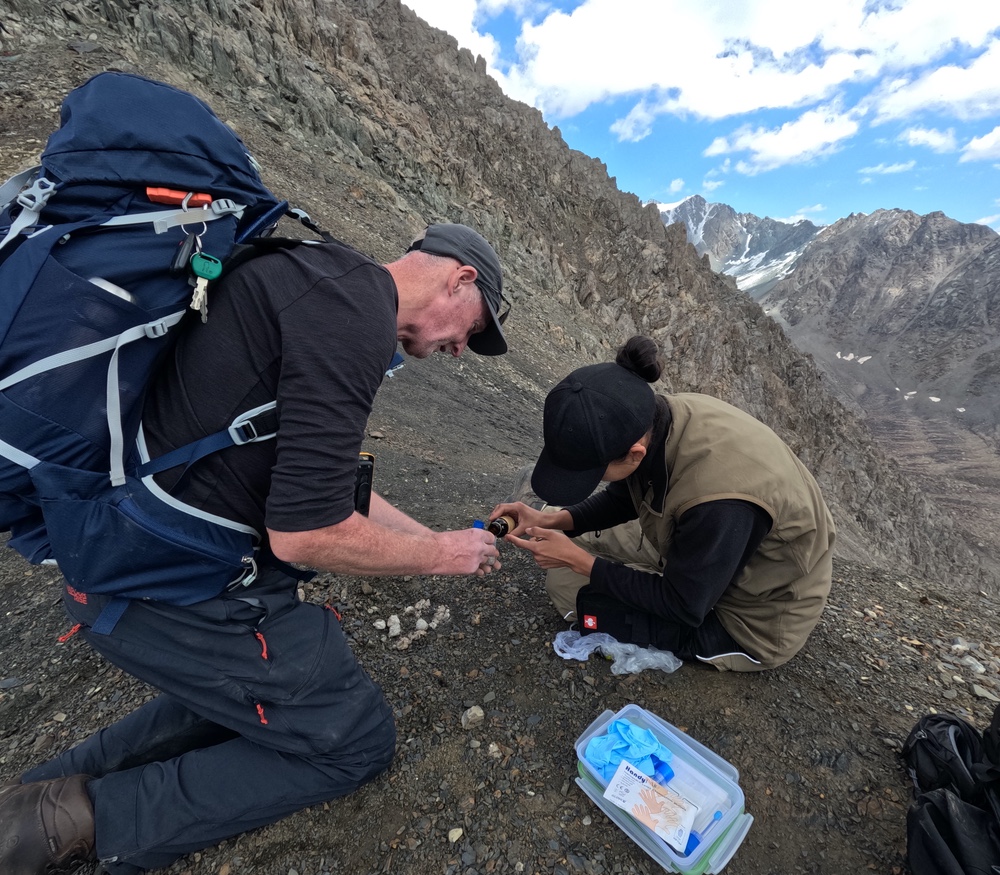
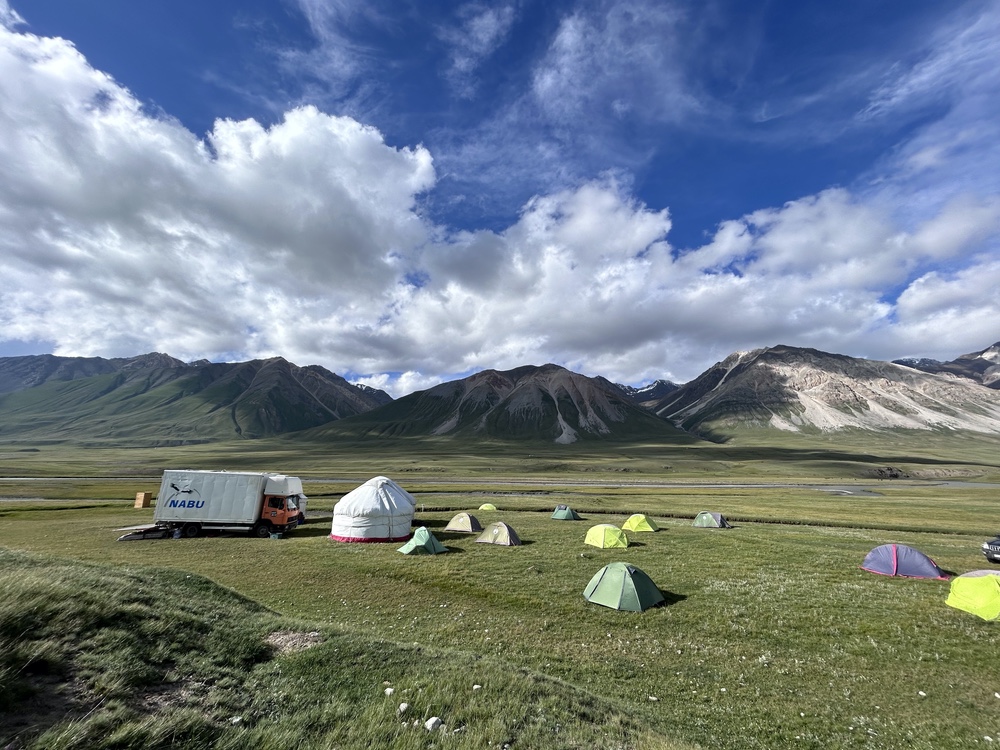
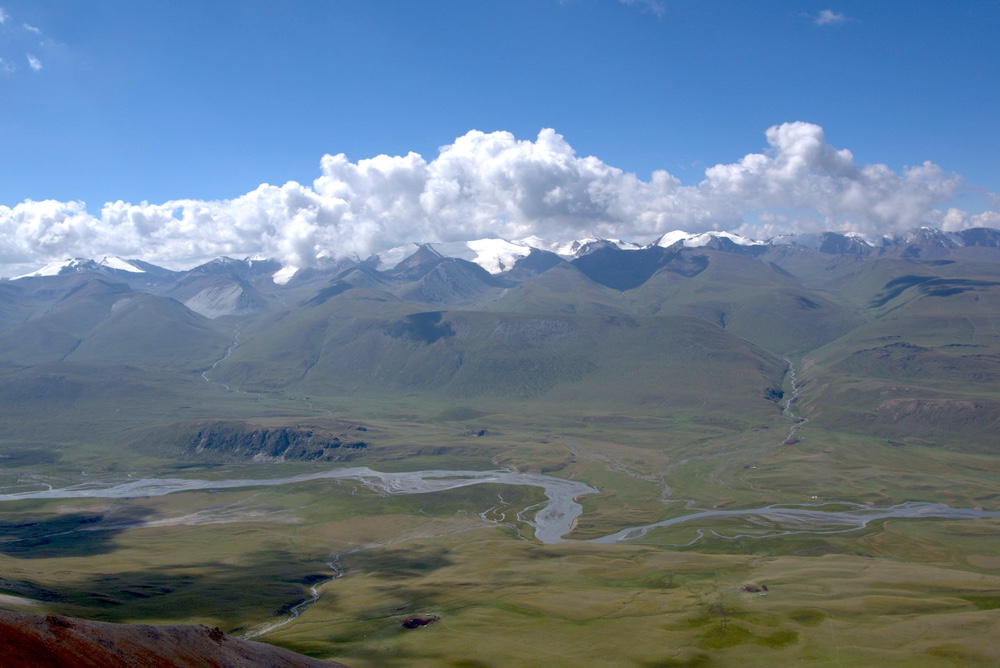
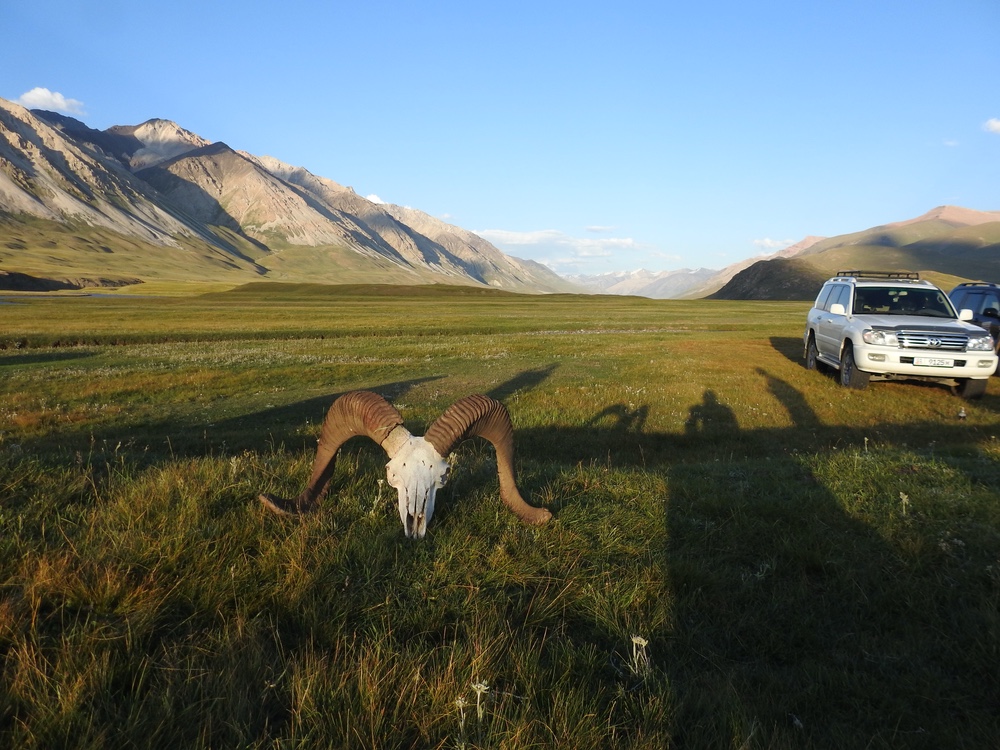
The snow leopard expeditions are a case in point: Initially, expeditions were based in the Altai mountain range in Russia from 2003 to 2011, where they utilised sign rates and sightings for species recordings to confirm snow leopard presence, which contributed to the establishment of Saylyugemsky National Park. From 2014 onwards, when the national park in the Altai was well on its way, expeditions moved to Kyrgyzstan: First the Karakol valley and lately in the Burkhan & Archaly valleys, all in the Tien Shan mountain range. There, as the 2024 expedition report details, snow leopards were recorded multiple times by camera trapping, track identification and DNA analysis of snow leopard droppings. Analysis of the camera trap photos showed that two, perhaps three snow leopards of unknown sex populate the Burkhan & Archaly valleys, which fits well with home ranges published by other studies. Further expeditions, including in the summer of 2025, will study whether these animals are just moving through or resident. The overall conclusion of the 2024 expedition was clear: The Burkhan & Archaly valleys are significant snow leopard habitat, which could develop into a snow leopard stronghold if the two main threats of game ungulate poaching and significant overgrazing by oversized herds can be tackled.
“So we will return there this summer”, says Emilbek Zholdoshbekov of Ala-Too International University, the young, early-career scientist who has served as the expedition scientist since 2024. He stands in a long line of professional scientists from Russia, Ukraine, Kyrgyzstan, the UK, the USA, Germany and Brazil, who have all contributed to the expeditions, as have over 500 citizen scientists from over 20 countries across the world over the last 22 years.
“Being the expedition scientist is a great honour and a great experience for me, because this is my first time taking part in a serious project of this kind”, continues Zholdoshbekov. “I am so grateful for the help and to have met all these wonderful people coming to Kyrgyzstan to protect one of our national treasures”.
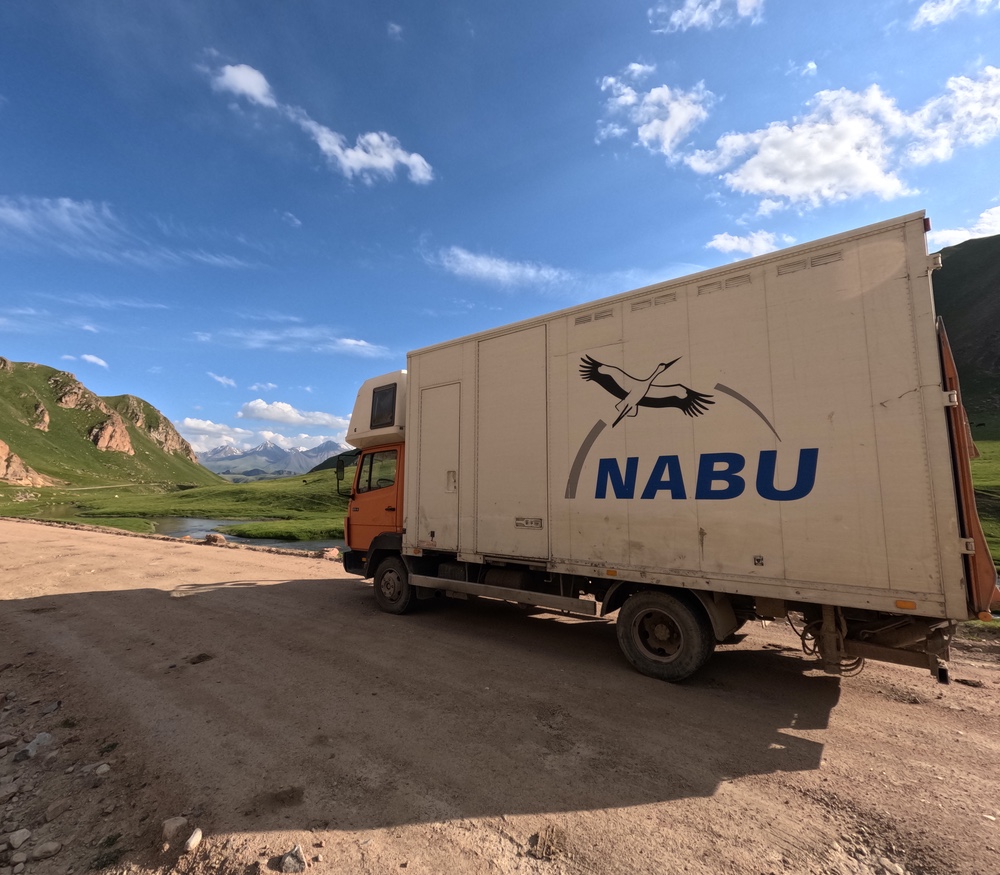
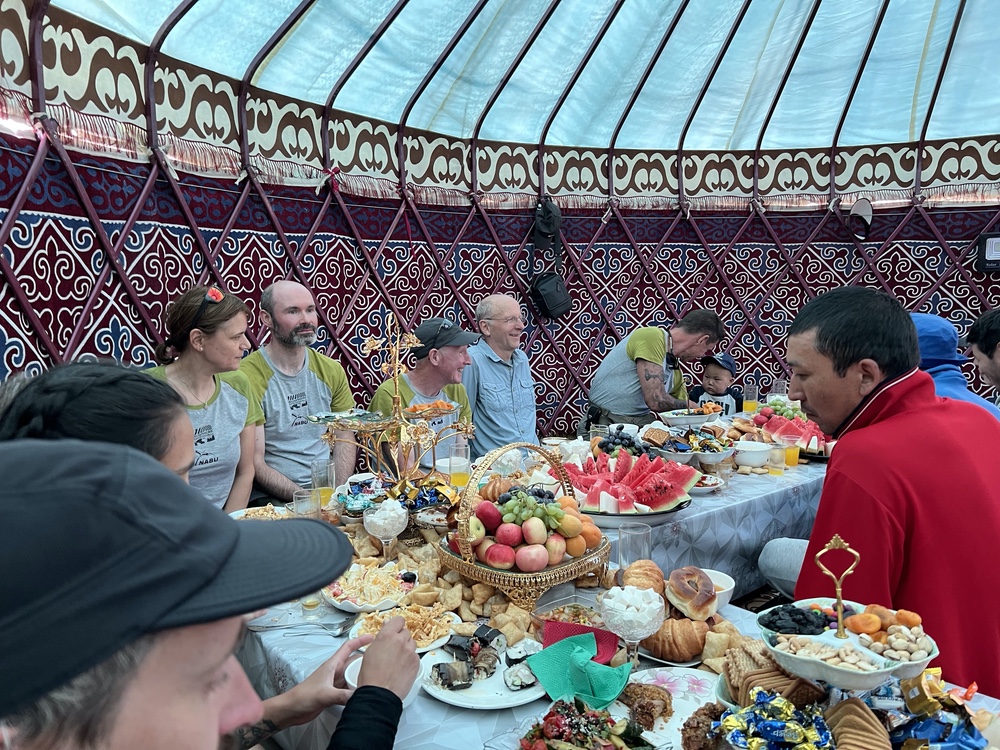
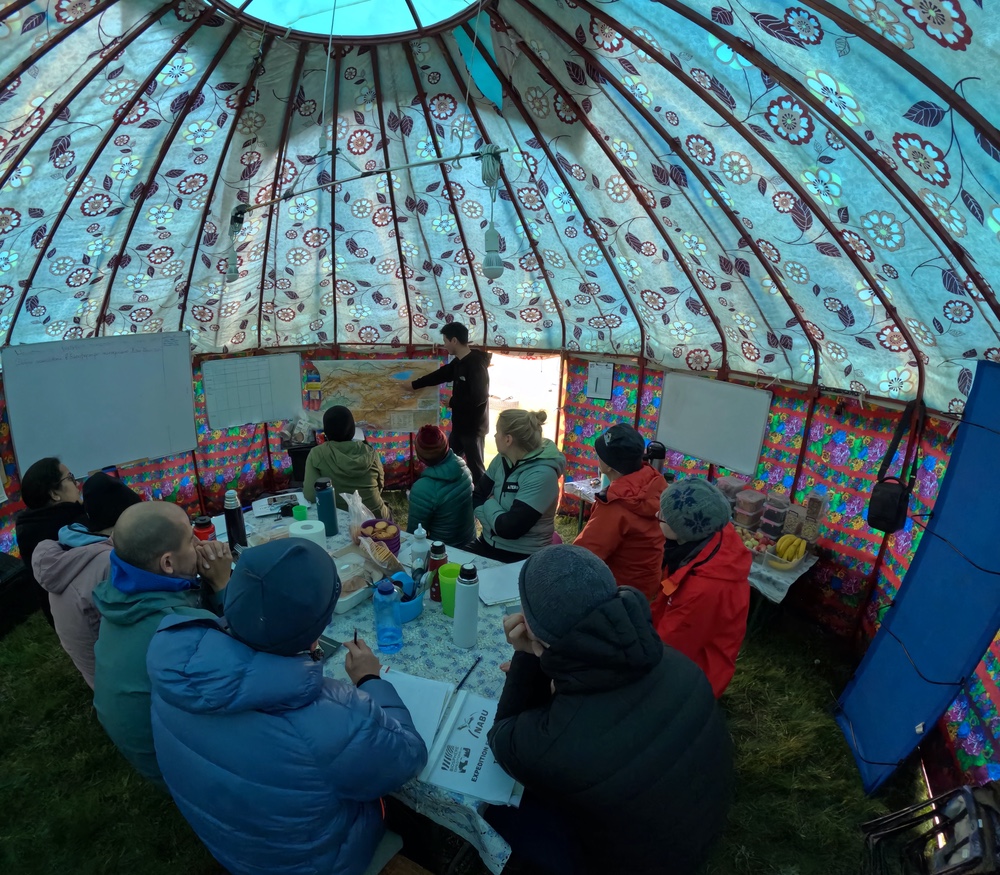
Another long-term partner of the expeditions is NABU Kyrgyzstan, an offshoot of Germany’s largest nature conservation NGO NABU. Both NGOs, NABU and Biosphere Expeditions, have been partners ever since the snow leopard research project moved to Kyrgyzstan, “In fact an invitation by NABU is what led us to Kyrgyzstan after our job in the Altai was done and the environment in Russia became increasingly hostile to expeditions involving foreigners”, says Hammer. “And from day 1 it was a success”, says Tolkunbek Asykulov, head of NABU Kyrgyzstan, “with our snow leopard anti-poaching group bedding the expeditions in and helping them for the last 10 years. It is especially gratifying to see a young, early-career compatriot leading on the science of the expedition now. This is what building capacity should look like, so thank you to Biosphere Expeditions and its many citizen scientists over the years”, Asykulov concludes.
Snow leopard camera trap capture sequence 1 from the 2024 expedition
Snow leopard camera trap capture sequence 2 from the 2024 expedition
Feedback from the citizen scientists:
Great mother – daughter trip! First sighting of the Tien Shan mountains took our breath away. Daily treks out to search 2x2km cells for wildlife, who knew identifying marmot and badger scat could be so much fun?! One of the best parts was the wonderful multi-cultural interactions with the other participants and the leaders. Memories that will last a lifetime. Gina and Kerry R, USA
Thank you so much for this great experience. It touched me deeply and I will take so many special memories with me. Entering the high rocky mountains to the “living room” of the snow leopard, the wonderful nature, animals, flowers, the very friendly and hard-working locals, drinking water from a glacier, river crossings and to work with camera traps capturing snow leopards in their natural habitat. What else can one ask for? Tanja M., Germany
No phone network, no distractions, nothing unnecessary and still everything that was needed. Or just what was needed. Nature – mountains, beautiful connections with amazing people and so much good hiking. Time to reflect and reconnect. Thank you Biosphere Expeditions for this experience. Mimi K., Germany
What an amazing experience it has been. Magnificent landscapes, a cool atmosphere, hiking surveys, frontier women on the overnight road-trip to Jyluu-Suu valley, offroad driving across glacial-fed rivers, wildlife sightings, clear night skies and the milky way, scenic toilet spots, delicious food, playing cards with the locals until far too late at night. The long hikes to discover the camera traps left by last year’s expedition members and the excitement when discovering images of snow leopards. I am grateful for a lifetime worth of memories. Seema I., Germany
Whale watching can be undertaken in a matter of hours, but monitoring cetaceans to better understand their spatial and temporal use of different areas of our oceans – takes years. Biosphere Expeditions has just completed their latest expedition in the Azores, and is rapidly approaching two decades of monitoring, in an area of the Atlantic Ocean supporting over 25 different cetacean species.
Cetacean research questions cannot often be addressed (with any certainty) in a month or a single year. Data collection may take a decade or longer, to reveal meaningful patterns and this is the case with the cetaceans of the Azores. The true value may not always be in the ‘here and now’, but be realized as future questions or challenges arise. Such a data bank will only accrue value over time.
Some feedback is more immediate. Images of sperm whales and blue whales taken this year, have already be matched to other locations in the Azores, and northern Europe, across more than two decades. Some blue whales have not only been matched but never been recoded so early in previous years. yut many more whales have still yet to be matched, revealing range of their movements and importance of different parts of the oceans. Some individuals have only been recorded for the first time, again contributing to our understanding of population dynamics.
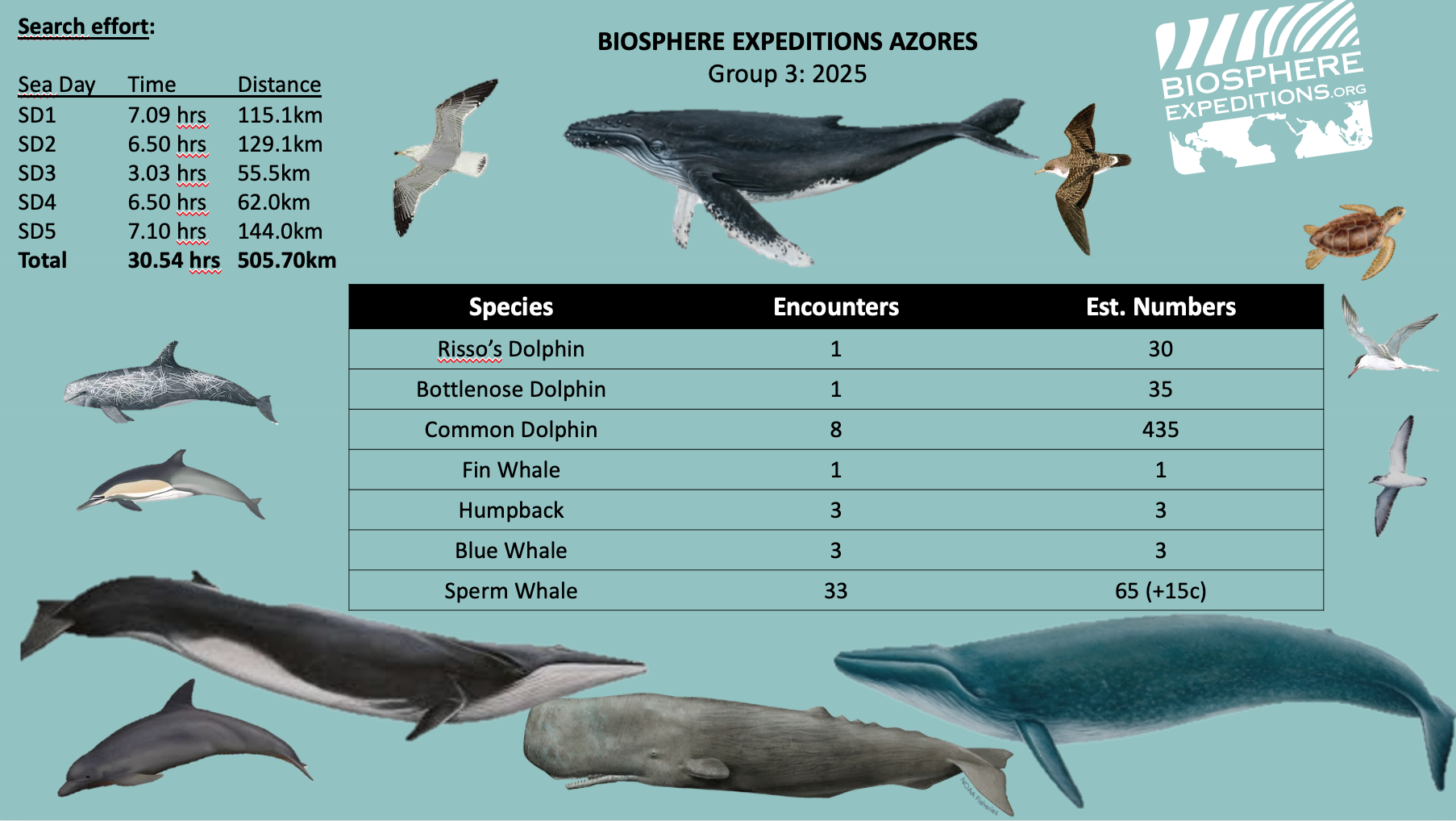
This year’s project still has a lot of data to process, from over 125 cetacean encounters over 15 days at sea, sighting over 1500 individuals. But some species are absent from this year’s research findings (e.g Sei whales) and dolphins have been found in lower numbers. On the upside, a few rarer records were noted such as orca, minke and Sowerby’s beaked whale.
With the expedition fieldwork continuing to commence in March, “it has also been great to extend the data collection beyond the normal tourism season”, says expedition scientist Lisa Steiner, “and collect data on a range of species, across a broader time span. The value of this work is huge as we wouldn’t have documented the range of species, including several sei, humpback, fin and blue whales, since there are fewer tour boats out at this time of year”.
Understanding spatial and temporal patterns of so many cetaceans is key to their long-term protection and conservation. And undertaking field research when others are not often at sea reveals new information such as species being absent or present in lower or higher numbers compared to other years.
“The ability to collect such data is greatly enhanced by the annual contribution of the Biosphere Expeditions citizen scientists”, says expedition leader Craig Turner, “and underlines the value of long-term data sets in illustrating the importance of the Azores for many cetacean species”.
This data-collection approach is being applied to other species of whale, along with dolphin species, such as bottlenose and Risso’s. The scale of the data collection both in terms of time and space serves to demonstrate the importance of the Azores for several cetacean species. And highlights the importance of appropriate conservation management, to ensure these species continue to thrive not just in Azorean waters, but elsewhere in the wider Atlantic Ocean.
Citizen scientist feedback:
The expeditions was very well organised. Craig & Lisa work very well together and you could tell they enjoy what they do. They cope very well when plans change, flights are delayed, weather changes etc . Amazing Nicola B, Switzerland.
Our first day on the boat (also my birthday) I will never forget. I wished for a blue whale and I think we had six sightings that day (plus seven orcas!). Seeing the blow, seeing it just at the water surface and the beautiful turquoise colour before it dives. It was an experience way beyond what I expected. Accommodation was excellent. We were so lucky to have a view over the seas and Pico beyond. Great positive atmosphere of all the group members Anne Clarke, UK.
The group dynamic was excellent and the leader really helped to create this. The expectations were handled well and we knew flexibility (weather etc) needed. So no frustrations or disappointments. Meals etc were excellent, science presentations very informative. Peter S., Canada.
We found everything to be very well organised. A big compliment to our expedition leader Craig – what a wonderful guy – he kept everything going and the spirits up ; and to Lisa, our great scientist from whom we learned a lot. Loved the lectures from the Portuguese scientists who came to explain about their work on cetaceans. Loved to listen to Lisa who shared her unbelievable knowledge with us. Gitta V., Netherlands.
This was a wonderful experience for me. Lisa & Craig are top notch organisers and kept things flowing. Briefing every day after outings and evenings were perfect. Selections of vegetarian options was excellent for me Mita P., USA.
That’s all folks. It is time for final diary entry. The end of the expedition is suddenly upon us, and five weeks seems to have flown by, with the international team now gone. Before I wrap the expedition, let me first recap the last few days:
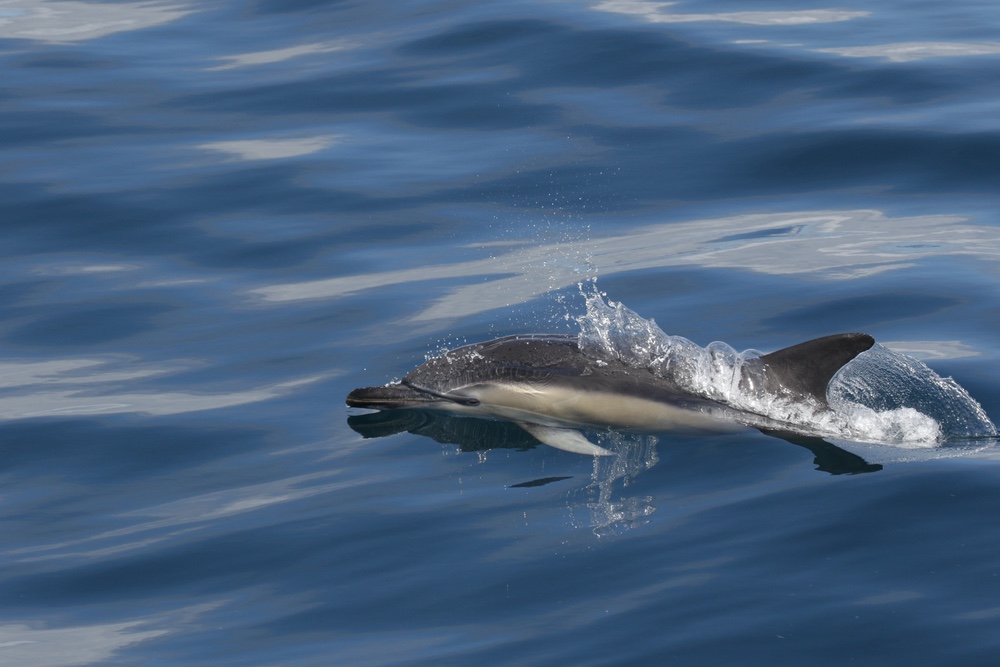
Our final day at sea presented yet more great sightings. Most notably was another fin whale and not one, but two more humpbacks – one far easier to photograph than the other, but still a favourite amongst many. Add to this, more sperm whales, common and bottlenose dolphins and it was another great data haul. Sea conditions and our continued search for more sightings put us close to Capelinhos – the most recent volcano to erupt in the Azores – at the west end of Faial. This presented an opportunity for another first in 2025 – a circumnavigation of Faial – as the seas were easier to navigate to the north. Our 2025 data collection ended with our final loggerhead turtle.
This ocean-based tour of the island gave the group a better feel of where to visit on their day off – with many heading back to Capelinhos. But on our last day we were thwarted at the final hurdle, in our effort to go to sea, by bad weather, but this presented another opportunity to sort more data. Not how we would wish to end, but you can’t argue with the Atlantic Ocean – just accept that plans may often change. So that concluded our data collection and sorting, on another really successful expedition in the Azores.
This year we’ve again documented an impressive array of records that without Biosphere Expeditions, would not have been collected. Here are just some of our highlights. We have
deployed three teams into the field, comprising 8 different nations, spanning multiple decades
completed in excess of 84 hours of surveys, covering over 1400 km of the ocean
collected data on at least eleven different cetacean species (six whale and five dolphin species), one turtle species and numerous birds
encountered more than 125 cetaceans,
confirmed some positive whale IDs, and several re-sights, but also have numerous new flukes – i.e. individuals never recorded before
Data in isolation can be a bit ‘dry’, and lack context, as field research rarely gives us instant results (though fluke matches are coming through) or fast answers to our bigger questions. But we’ve collected another great baseline of data and the full results will become clearer in the expedition report. The power of this simple field data builds over time, as has been illustrated by our excellent invited speakers (thank you, to all).
Whilst we comb the see and learn about the cetaceans and contribute to the ongoing data collection on this project (19 years and counting), it is not always all about the project. What also makes the project so special is the people. So let me initially offer some thanks. First off, to our three groups, who stepped up to the daily challenge of data collection to achieve our goals of better understanding the spatial and temporal distributions of the cetaceans and turtles of the Azores. You’ve not only all contributed to advancing this knowledge and making this expedition a success – you have also been great fun to work with and not given the expedition leader too much stress!
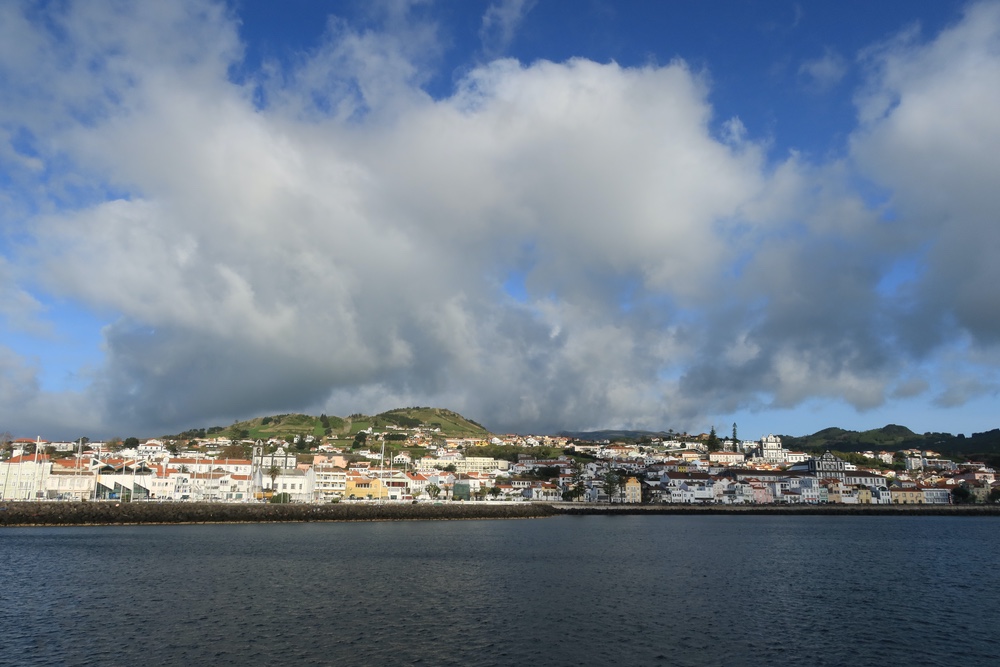
We also thank the wider Biosphere Expeditions team, as this project can’t happen without the unseen preparation, often months before we even set foot on a boat. I also extend thanks to all in Horta who have supported us, particularly Norberto Divers, the lookouts and our various caterers – whose food has more than sustained us! We also extend our thanks to our hosts (Silvia & Mario) and the project base, of course to Lenita (our housekeeper) who ensured we were more than comfortable. I (like many) can also not forget our skippers (‘Pico’ Pedro & Pedro 2), who not only took us to sea, but ensured the team knew the sea state, wind direction, cetacean locations and always got us back to port safely – thank you gentlemen. Finally, our collective thanks go to Lisa. A constant force for knowledge and our leader in all things scientific. It is always a privilege to share in your world of cetacean fieldwork.
We have also had the great privilege of briefly experiencing life in Azores. As I mentioned in my very first diary entry (if you remember!), who doesn’t want to live on a volcano, in the middle of an ocean, searching for a diverse array of charismatic cetaceans. The allure of this fascinating archipelago is strong, and I don’t doubt that some of us will return, in the not too distant future – there are many reasons to come back.
For me personally it has been great to have the opportunity to return to the Azores, work on the project, in this wonderful place and meet old and make new friends. It has been a blast, but all good things come to end and now I too must make my way home. Time to head to my place in Scotland, catch up with my own family and see what projects we take on next.

































 Biosphere Expeditions: blogs from the frontline of wildlife conservation and the fight for a more sustainable planet