Award-winning, non-profit and ethical wildlife conservation volunteering. Advancing citizen science and conservation since 1999 – for nature, not profit.
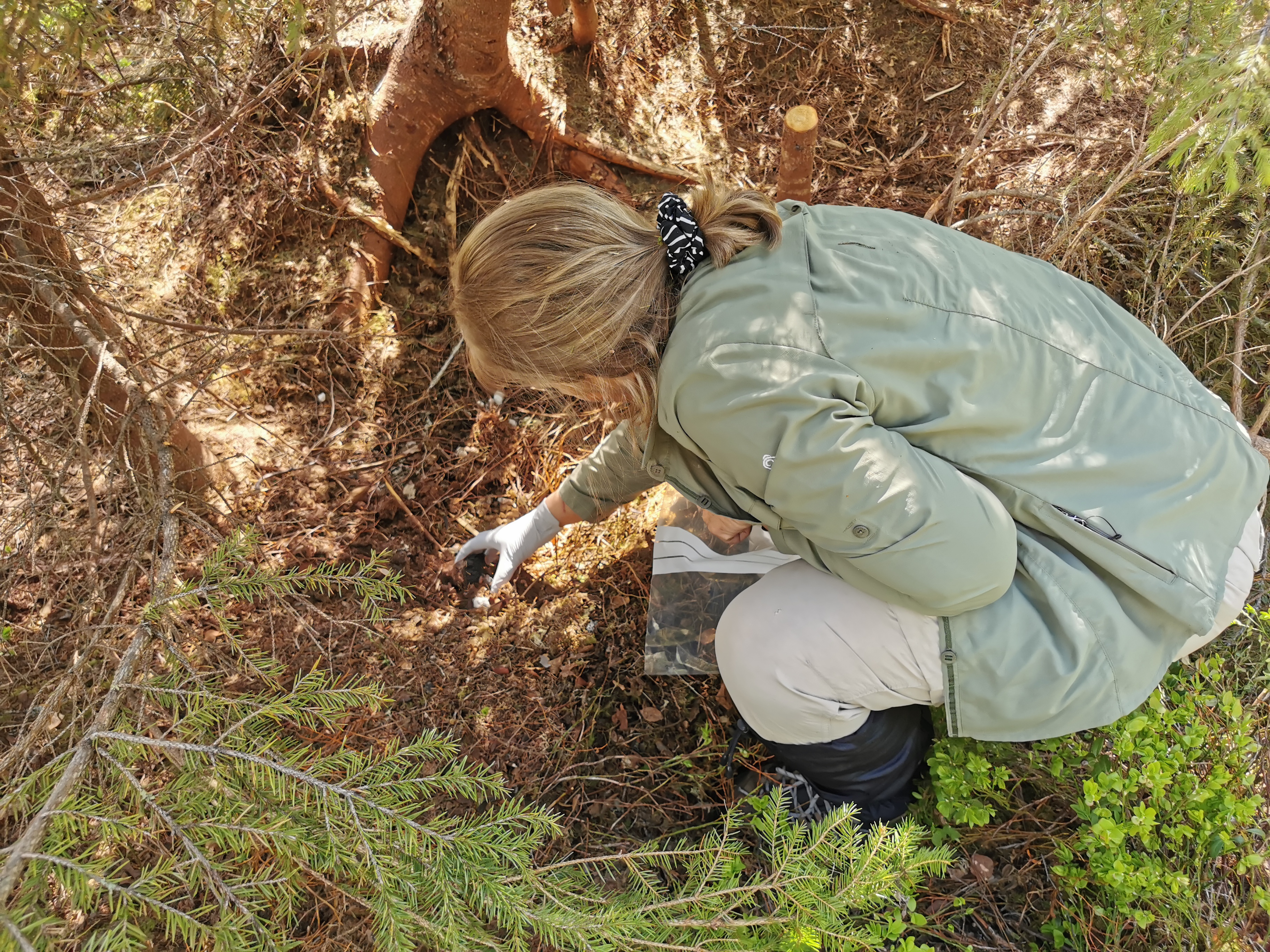
On Monday our team set out to two different locations for a full day of wolf monitoring. Team Claudia and Stefan accompanied by Lotte set the first record returning to base with no less than eight scats. Our experienced team Sigi and Sylvia brought back the first fresh scat, suitable for DNA analysis. Like detectives on a mission, this set the tone to monitor as many locations as possible.
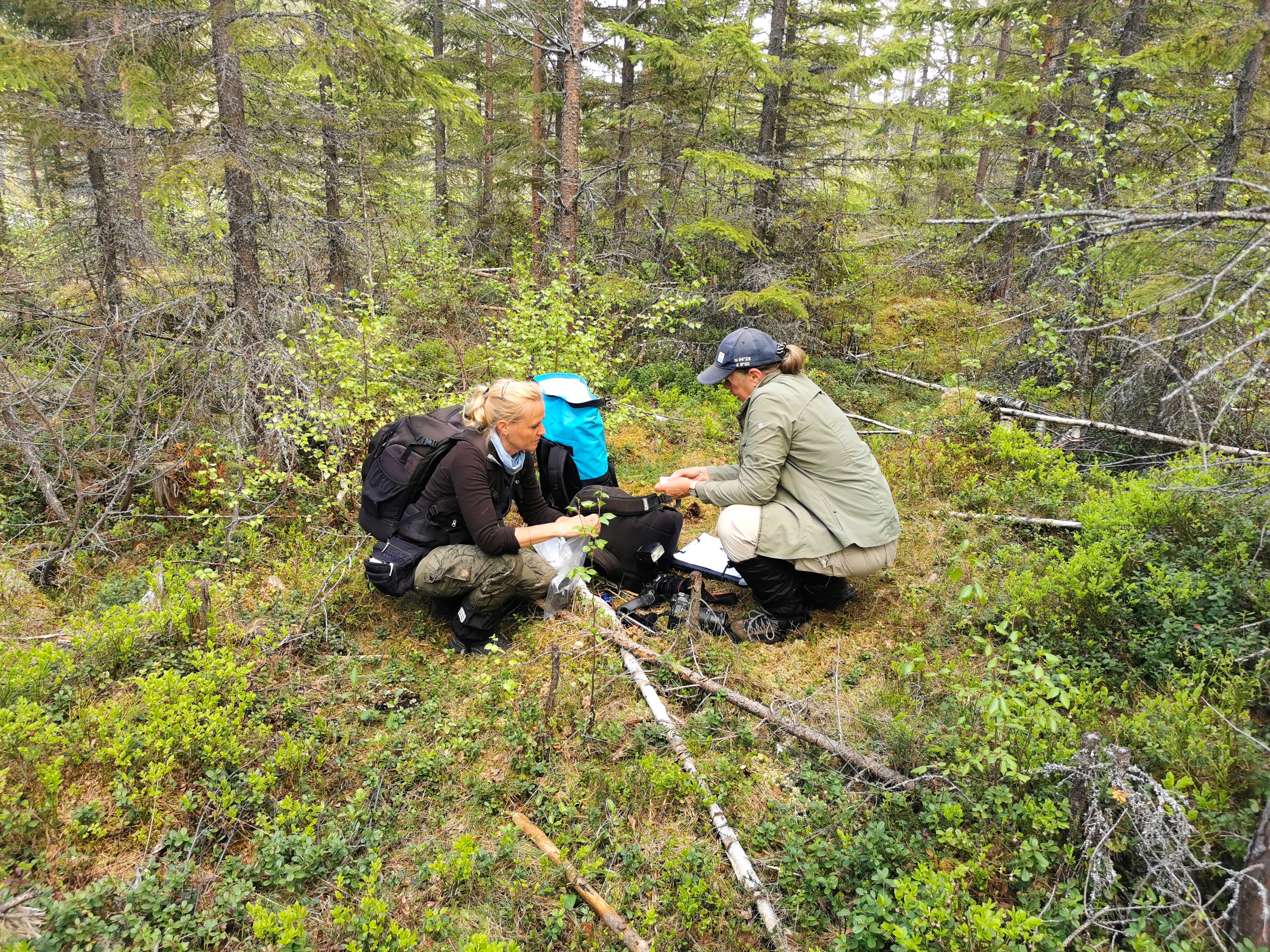
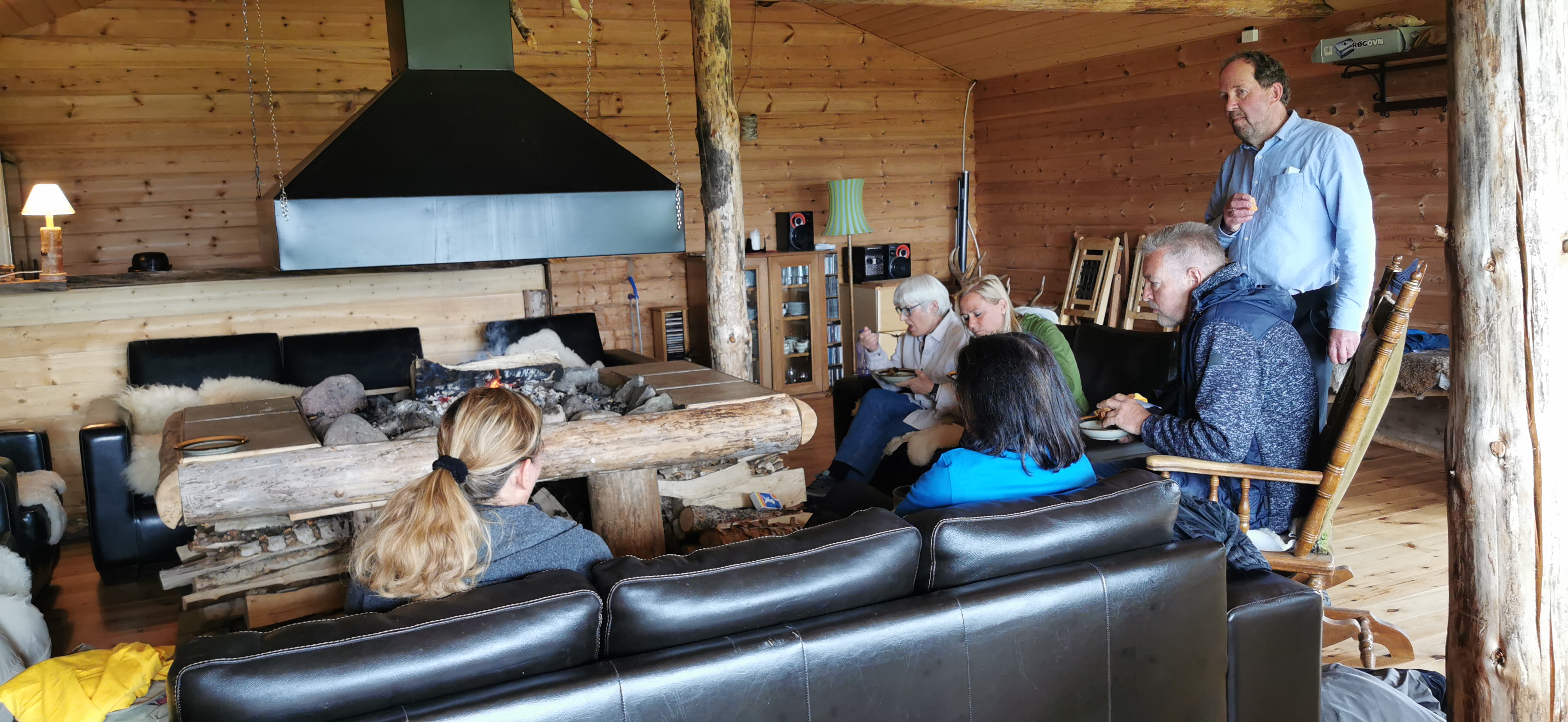
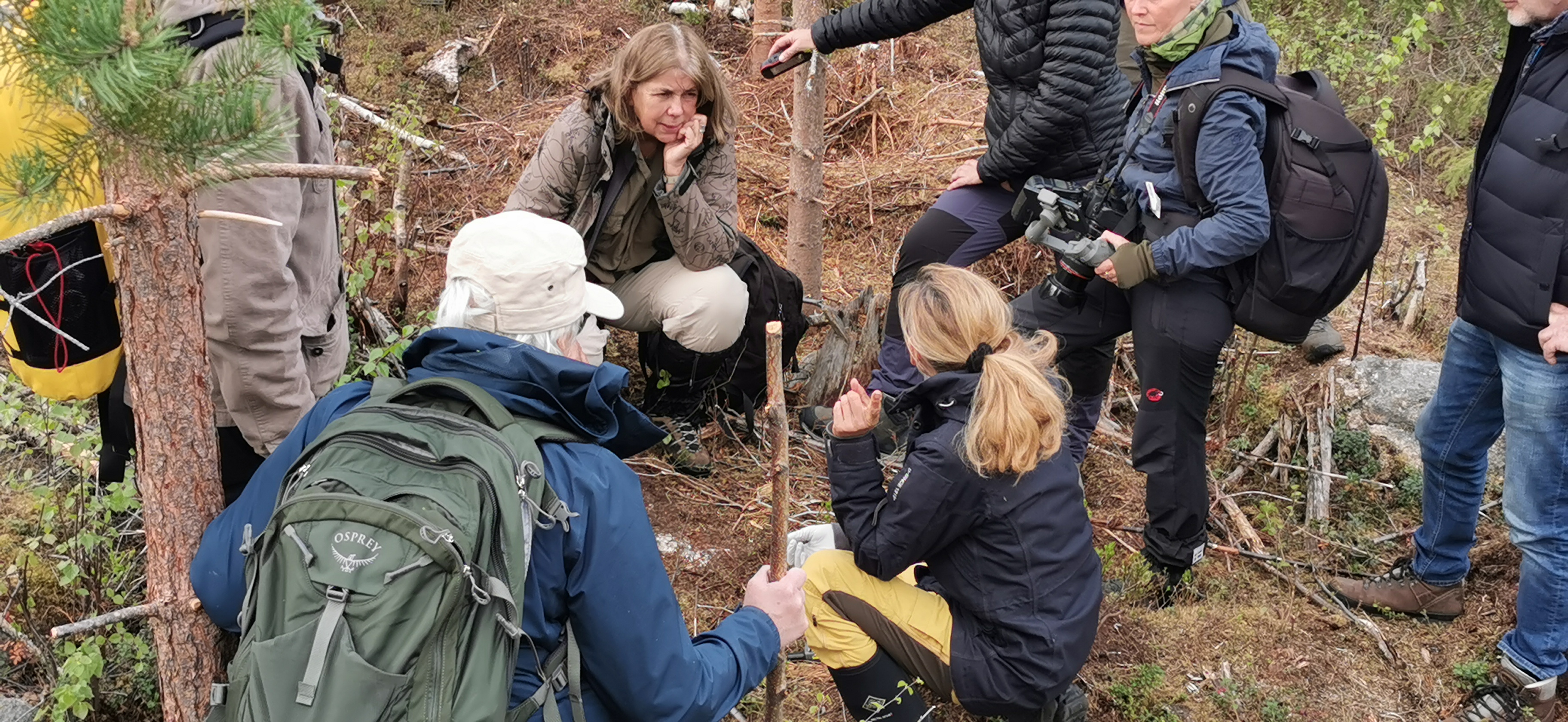
On Tuesday seven of us set out on an overnight trip to Göhrde, a 2-hour car ride north-east of our base. We were welcomed there by wolf commissioner Kenny at his beautiful bio-hotel, located in the middle of the forest. Once there, three teams walked a total of 75 km over two days (Tuesday and Wednesday) and managed to collect two samples for DNA and 23 for dietary analyses, much needed to assess the current situation of the local wolf pack. One of the highlights was stumbling upon the footprints of both adult wolves and their pups, truly exhilarating to see the evidence and realise you are walking in the middle of prime wolf territory!
In the meantime, closer to our expedition base, Alastair and Silvia joined Timo to check up on camera trap images on a wolf-proof fence put in place at a cattle farm. Lotte and Claudia braved the Naturistenweg (nudist walking trail), but kept their clothes firmly on 😉 Professional as they are, they stayed focused on the task at hand.
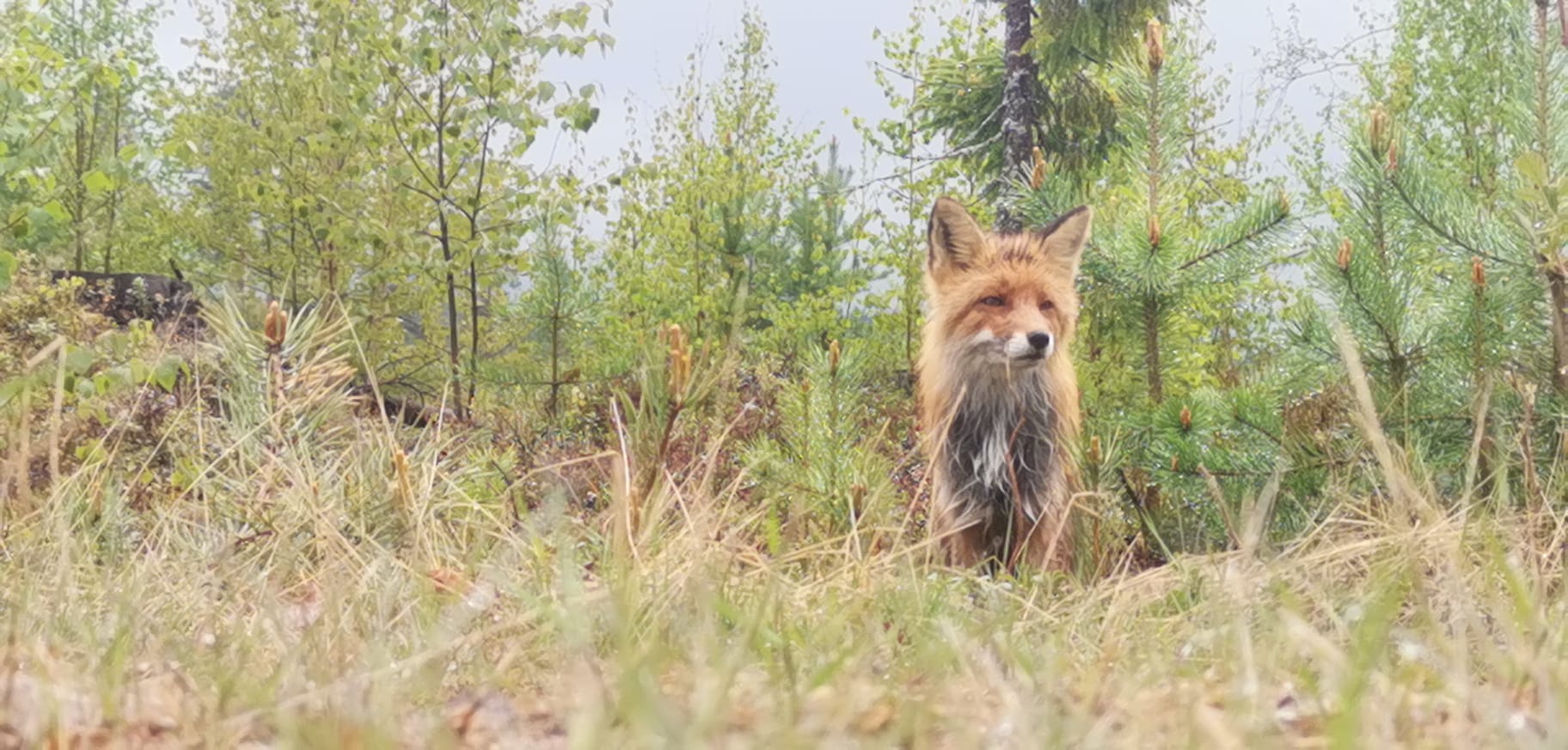
Our counter now is at 41 samples, including four good enough for DNA analysis, from five different wolf territories – and the team is ready for more. It is fun detective and wolf citizen science work in beautiful forests of spruce and pine, but also beach and oak, and heathlands interwoven with meadows. Also, there is plenty of wildlife around and between all of us we have seen foxes, roe deer, hare, red kite, cranes, newborn squirrels, a lonesome badger, staghorn beetles and many more.
This Saturday we welcomed our first team of wolf volunteers at the Bremen assembly point. Half of the team are Biosphere Expedition returnees keen to get a taste of new expeditions or returning to familiar ones. The trio Sylvia, Siggi and Pat are true hardcore wolf fans, having joined all four expeditions our work here in wolf conservation in Germany started. The remainder of our team has also been really keen to get into expedition action. So, it’s fair to say we have got a truly motivated team to get the citizen science wolf monitoring 2022 up and running.
After meeting up in Bremen, we drove to the Wolfcenter Dörveden to learn more about (and see) our target species. From there we proceeded to the expedition base at Herrenhaus Gut Sunder for 36 h of intensive training and a series of talks by a great team of experts.
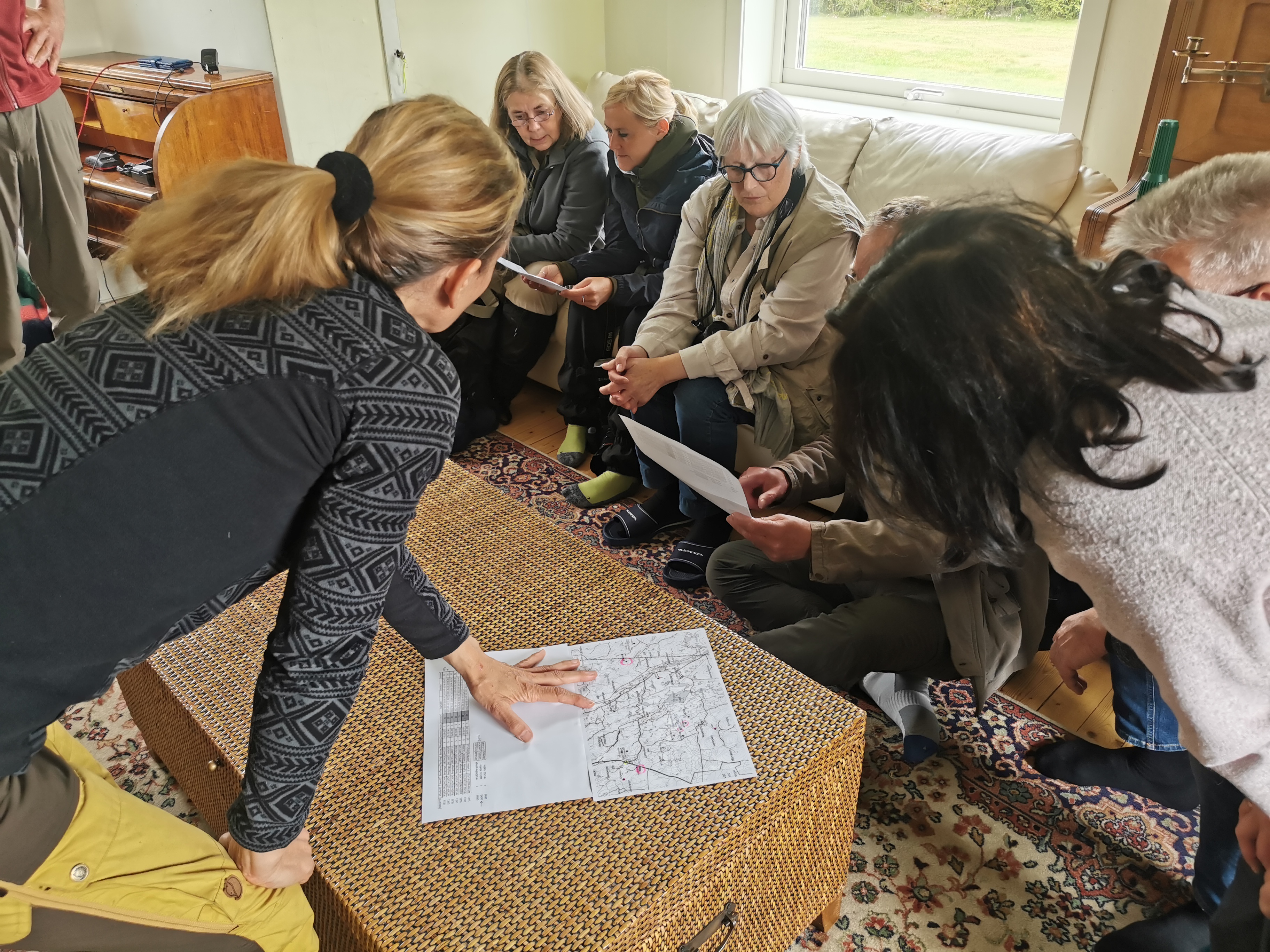
Our expedition scientist Peter gave us an introduction to the state wolf monitoring programme , the priority survey areas and actual field data collection protocols. His assistant Lotte enlightened us about everything you possibly want to know about wolf scats (and more). Expedition leader Malika trained us on GPS and radio use as well as other equipment. Ingrid from the Wolfsbüro underlined the importance of citizen science in gathering long term data on wolf populations to inform strategies for coexistence with a large predator. Theo, the first wolf commissioner of Lower Saxony and an excellent photographer, treated us to a stunning presentation of the Lüneburg Heath biodiversity and how everything in this ecosystem is connected. Finally, this Sunday afternoon we did a first trial in the field to test our newly developed skills along a 7 km hike in pine forests in 31°C. Today, Monday, surveying proper starts in earnest.
Learning about the wolf at the WolfcenterScientist Peter on the area around basePeter’s assistant Lotte on scatExpedition leader Malika on equipmentSylvia and Alastair on data collection trainingTrainingMore trainingContinue reading “Germany : Arrived, trained, ready”
We have slight staff overkill on this first full Germany wolf expedition for two years. There’s experienced leader Malika, training An to lead this expedition, our scientist Peter and our founder and executive director Matthias, who happens to be in the area.
There was not a cloud in the sky during the five hour drive up from our German office in Bavaria to our manor house expedition base in Lower Saxony, which sits there like nothing has happened and has done so since 1649. It will probably cloud over by the time you arrive on Saturday, but it should stay warm.
Entrance to the expedition baseMalika packing up
A word about the base: This is run by a charity that involves mentally challenged people as staff, for example those with Down syndrome, who are in the high risk group for Covid. Because of this, management have kindly asked us to wear masks inside when we are with staff, so please make sure you bring enough (for this purpose the thinner medical masks are fine).
About the charity that runs the expedition base
This morning at the expedition base
We’ll spend the next couple of days getting everything ready for you and report back once more before we meet group 1 at Bremen airport on Saturday.
We have now run two expeditions (Azores and Sweden) successfully without Covid incidences. As a result we are suspending, with immediate effect, all of our Covid restrictions and processes except these:
We still require expeditioners to be fully vaccinated, including a booster vaccination. There is no time limit on when the vaccinations must have been received, as long as expeditioners are fully vaccinated and boostered with a vaccine that is either approved by or under the assessment of the WHO.
We will still require you to perform a rapid Covid self-test at the beginning of each expedition group (test supplied by Biosphere Expeditions).
We will still require expeditioners to bring some additional self-test kits and masks, just in case. How many of each depends on the expedition and this will be communicated to members of each expedition about six weeks in advance.
If this situation changes, we will notify everyone here.
Please also note that our normal terms & conditions now apply again to all expedition signups.
ANSWERS TO FREQUENTLY ASKED QUESTIONS
What constitutes “fully vaccinated”? You are considered fully vaccinated two weeks after you get your second dose of a two-dose or one dose of a single-dose vaccine. Currently, there is no time limit after vaccination on your fully vaccinated status, but this is likely to change soon in most countries.
What type of proof of vaccination do you accept? Any reasonable type. This may be a vaccination certificate on a national app, a letter by a doctor or vaccination facility, an entry in a vaccination booklet or on a vaccination card. All proofs must show your full name, the date of the vaccination and which vaccine you have been given. If your proof is a hardcopy, please bring the original with you, not copies or photos. If you are in any doubt, please send us a scan or photo of the proof for verification first.
I will need to provide a negative test to get into the expedition host country. Do I still have to perform a lateral flow test immediately before the expedition departs? Yes, you do. Everyone will have to undergo a lateral flow test when the expedition first assebles. The reason is that travelling will have exposed you to an increased risk of infection and we want to make sure – as much as this is possible – that we start the expedition infection-free.
Do I need to bring my own flow tests and masks? Yes, you do. They are easily available from pharmacies, supermarkets etc. and not expensive. Exactly how many tests and masks you need to bring, will be announced at least six weeks before the expedition starts.
What happens when I or someone else on the expedition tests positive? This will depend on the regulations of the country we are in. It may be enough to isolate the person who has tested positive and the rest of the expedition team can continue under a strict and frequent testing regime (this is where the home test kits you will bring with you will come into play, for example). Where isolation within the expedition base is possible, we will offer you the option of doing this. This is at the easy end of the scale. At the other end of the scale is stopping and disbanding the expedition with de-central isolation of the whole expedition team, if local regulations require this or if this is the prudent thing to do. We will always try our best to help you avoid additional costs and hassle, but you must come prepared, adequately financed and/or insured for eventualities and additional costs. For example, as soon as an expedition is stopped or when you are leaving an expedition (voluntarily or because you are required by local regulations to do so), then you must cover all costs yourself. This may include hotel or hospital stays for quarantine periods required by local laws, additional Covid tests, health care costs, missed flights due to quarantining etc. It is impossible for us to predict what the regulations in each expedition host country will be in the future. Suffice it to say that we will have a plan before each expedition starts (and communicate this to you), but you must also think about eventualities yourself and make sure you come on the expedition adequately financed/covered/insured for the example situations described above, as well as any others that may arise. In this context, insurances vary widely and it is up to you to decide what cover, if any, you want to purchase. Because policies vary widely and change frequently, we have no partner insurers or recommendations.
What about getting into the expedition host country? This is still your responsibility. The host country requirements for entry (there is a good worldwide overview on https://infopages.traveldoc.aero/information/coronavirus) will differ from our requirements for expedition participation. It is your responsibility to make sure you fulfil both so that you can firstly get into the expedition host country and secondly take part in the expedition once you have arrived in-country.
Why are you creating all these rules? The end goal is to run expeditions in a safe and responsible environment, especially whilst the pandemic is still with us, and empower all those who are not anti-vaxxers to be able to attend.
Are these rules set in stone? No. The pandemic situation is fluid and changes likely. When we do make changes, we will let you know. The further away in time your expedition is, the more likely changes are. At the moment these are likely to be relaxations, but who know what other surprises the virus has in store for us. We will keep you updated.
Day 7 was half a day in the field and yet, between all of us, we still managed to achieve three dens, several scats and day beds. We wrapped up the field research by a local beauty spot, where everyone met up for cake, soup, tea and coffee to celebrate our achievements by a fire, reflecting on a week that has flown by.
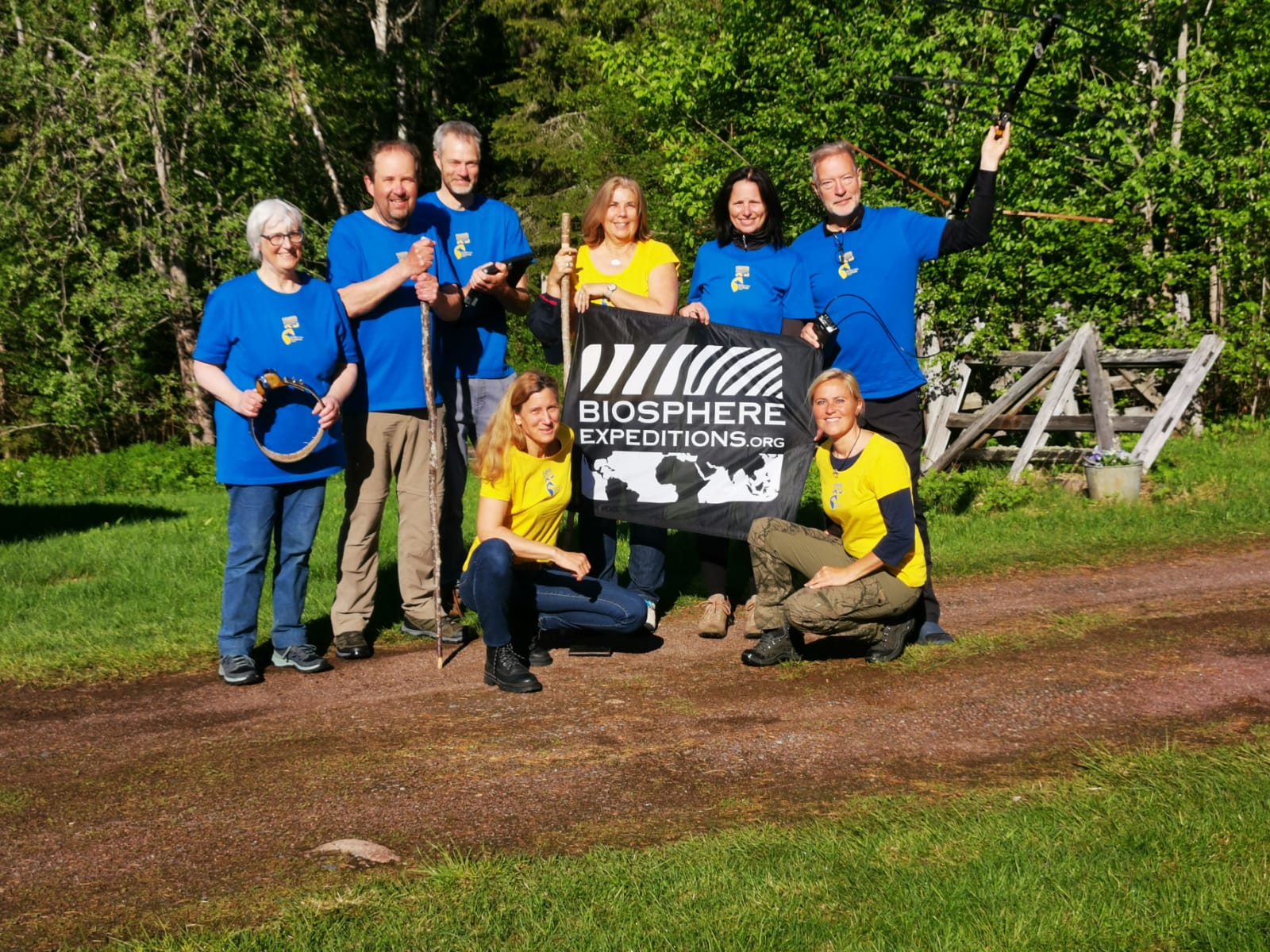
Back at base, we entered data gathered into a laptop and started to clear up. Andrea gave a ten-minute presentation summing up how we have helped her research and thanked us for this. Here’s the final tally: We documented all 24 dens of the study site, collected over 100 bear scats – which was well beyond Andrea’s target – recorded 30 day beds, 8 carcasses and a multitude of other interesting events such as gnawed antlers, encounters with moose, fox, owls and other animals. Andrea’s words of gratitude were not just a polite ‘thanks’. She explained to us how she absolutely relies on our citizen science contributions to carry out significant parts of her work on brown bear ecology in a changing world of climate change and forestry. Essentially, if we were not here to do it, it would probably not get done.
We in turn want to return the gratitude and say thank you very much to Andrea for being so welcoming and patient with us, and letting us be part of her world for an all too short summer week here in Sweden. In the words of Neil: “We’ll be back”.
The final tallyThe expedition team 2022Final field lunch
This is Roland, the assistant expedition leader, taking over from Matthias after being shown the ropes and finding my feet.
It is day 6 of our Sweden bear conservation project and we have now settled into the rhythm of each day of brown bear conservation research. Each day proceeds with quiet confident efficiency. We get up early, gather our research tools, are given our tasks for the day by our chief scientist Dr Andrea, and set off in three teams armed with a list of locations to reach. We get as close as possible by vehicle along remote forest tracks and then it’s on foot after that, negotiating bogs, boulders, tree stumps, steep slopes and forests of varying degrees of impregnability to navigate our way to very specific locations. The location of a hibernation den is indicated by a constant, immovable GPS signal that a bear with a GPS collar left all last winter, unknowingly transmitting its co-ordinates – and usually a range of biometric data too – to Andrea via the mobile phone network. A cluster site is simply a place where the GPS data tell us that a bear has recently spent at least a few hours in one small area. Why? We enjoy the detective work needed to answer this question. It may be where the bear killed and ate a moose calf or simply lay down for a rest for a while – a hollow in the ground and flattened vegetation indicates such a ‘day bed’. Above all, a cluster site gives us the best chance of finding bear scat, which is prized by Andrea for its research value.
Expedition scientist Dr. Andrea Friebe
So our days are filled with the hunt for clusters and dens – and a myriad of other signs of bears in the landscape, all carefully documented according to Andrea’s research protocols. At the time of writing, we have located and surveyed 17 dens, recorded 23 day beds and bagged up 65 samples of bear scats: all in all a major contribution to the long-term brown bear research project. And we haven’t quite finished yet.
And along the way we have had daily encounters with wildlife: we have spotted owls, capercaillies, a glimpse of an eagle, a friendly fox and occasionally a moose or two wandering through the wetlands.
Fox encounter
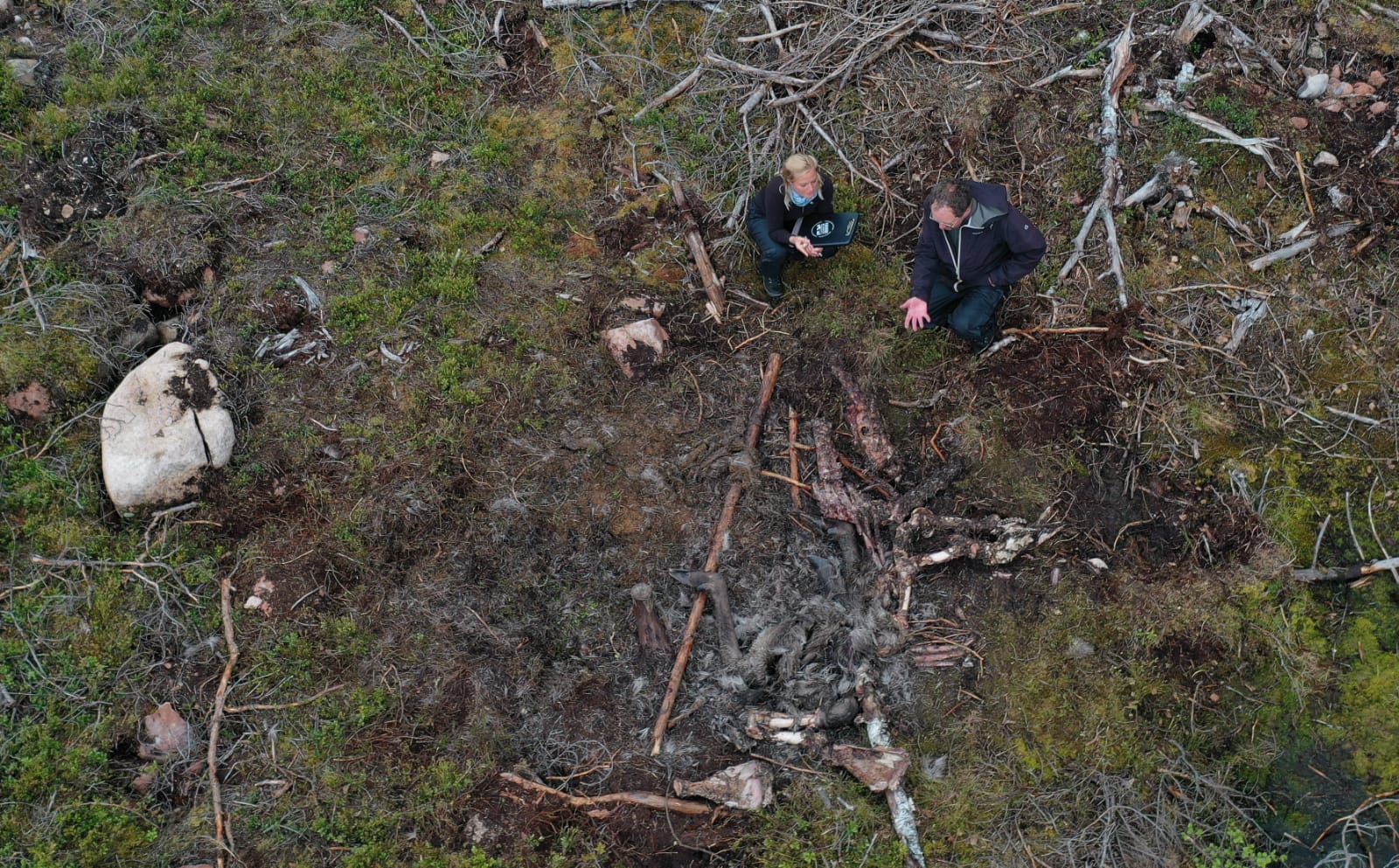
The final cluster site visited today by Team Christiane/Neil/Roland took little detective work to reveal why the tracked bear had spent five hours there. The massive decaying carcass of an adult moose lay unapologetically scattered in a hollow.
Christiane and Neil with the moose carcass
Today is our last day in the field. Half day, actually, because we will spend the other half entering the data we gathered into computers so that Andrea can analyse them – another piece of the puzzle of effective brown bear conservation in Sweden.
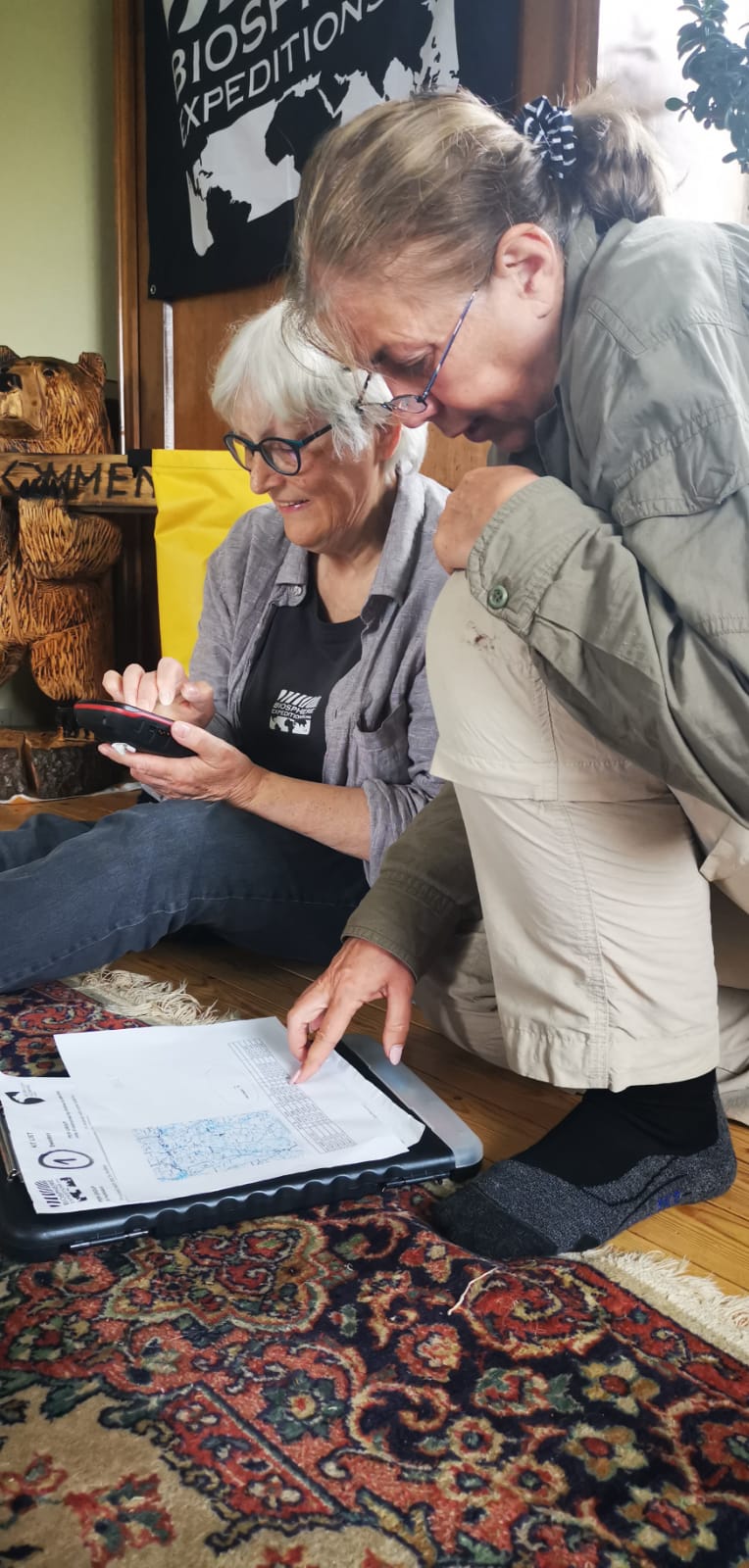
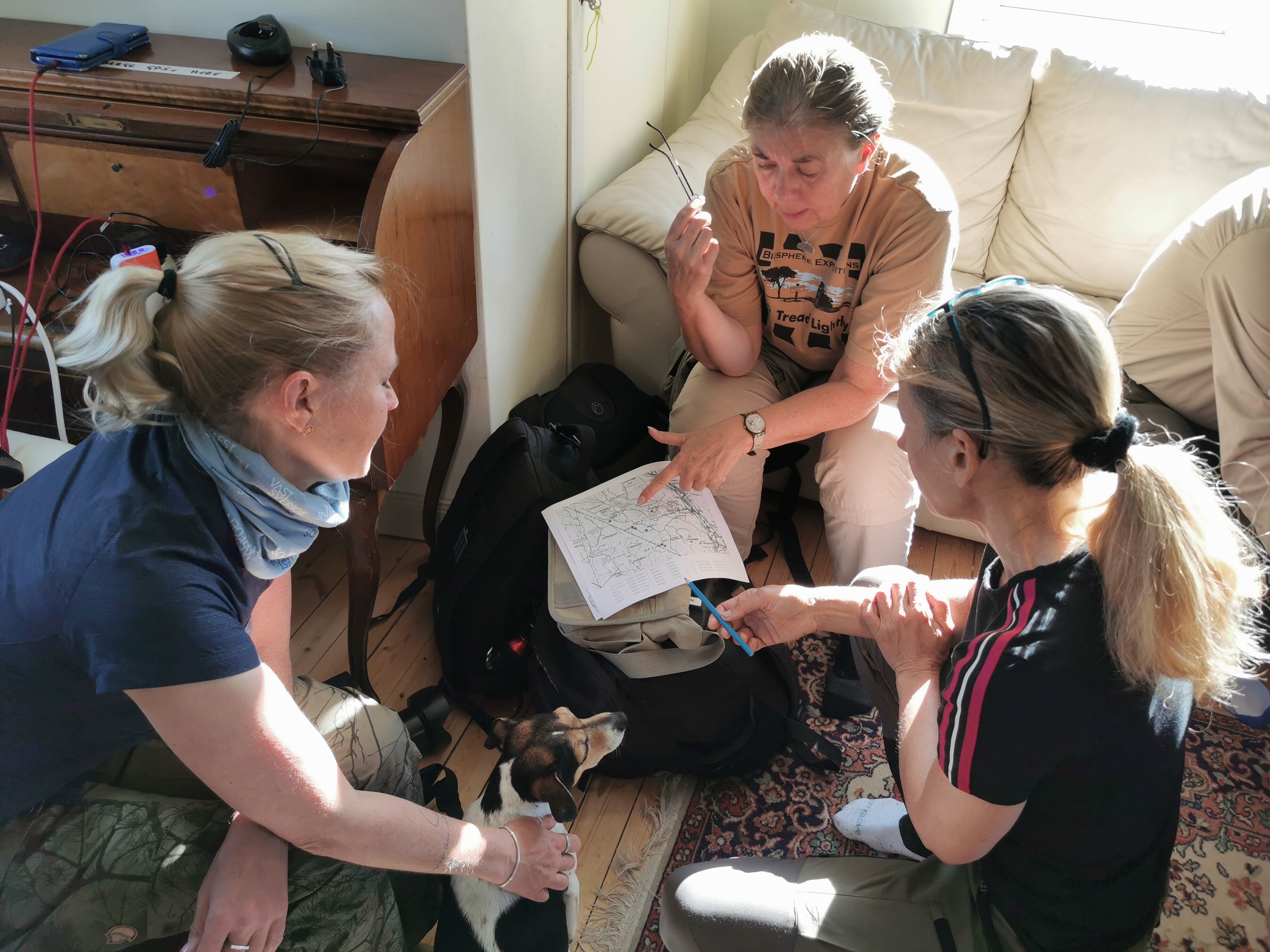
Neil investigating a bear denEvelyn recording bear den dataPat and Evelyn working it all out on a map
As I rise before seven in my cabin, the morning chorus is in full swing. The wood creaks a little from the sun shining on it, fairly high in the sky already. The grass outside is a soft green carpet that caresses my feet as I wander over to the shower block. Fellow citizen scientists greet me sleepy-eyed on the way. A young red squirrel sits on the steps, seemingly unperturbed by all of us around. A crane flies in and settles on the meadow for a morning graze. The sky is blue and white, full of promise of a good day ahead.
The smell of coffee greets me as I walk into the main house and kitchen, busy with the team having breakfast and making their lunch packs for the day out. Before eight we gather round the map that ominously fills one entire wall, showing how large the study site is and how many bears it can hold in this landscape of forest and water. Andrea, our scientist, has prepared our maps and tasks, a sheet of lines and numbers that would have meant nothing to me only three days ago. Now it holds the keys to my day ahead. Andrea explains where each group should go and briefs them all individually. We then work out the best route to drive there to get us as close as possible to our target sites. Today we have a bear den and a few bear position clusters on our list. The den positions are know den sites that need to be documented. The clusters show where a bear has spent some time in one place. It is our job to find out why it has spent time there. It could be a good feeding site (for example a carcass the bear can feed on). It could be a day bed for a rest. Or something else.
Andrea briefing team 2: Chris and Evelyn.
Today the drive to our first site is about one hour, mainly along a very smooth gravel road and past pretty lakes, waterfalls and seemingly endless forest.
One of the many lakes on the wayWaterfall on the way
Once at the site, we do two things. First, mark the car position in the GPS so that we can easily find it again. And second – where necessary – check there is no bear at the site. This is done by radio telemetry. If there was a bear nearby, I would hear a clicking beep in the receiver. No sound, so off we go.
Neil checking for bears nearbyPat checking for bears nearby
It’s only 363 m to the den by the GPS. But that can take a while as the going is usually slow over pathless and broken terrain. Today it’s especially tricky as this site has recently been logged, so there are logs, stones, roots and all sorts of other things strewn over the ground. You have to place every footstep carefully and be patient. Actually, I find this meditative, relaxing and mentally taxing at the same time. Once you hit a slow rhythm it’s not bad at all and we get there after 20 minutes or so.
On the way to a bear den
When the GPS beeps to tell us we have reached our target spot, we need to look around the find the den. Sometimes it’s right there and obvious; other times you have to look for it for a while. This one’s easy today. It’s right there, a nest in the ground, shaded and hidden by two small pines.
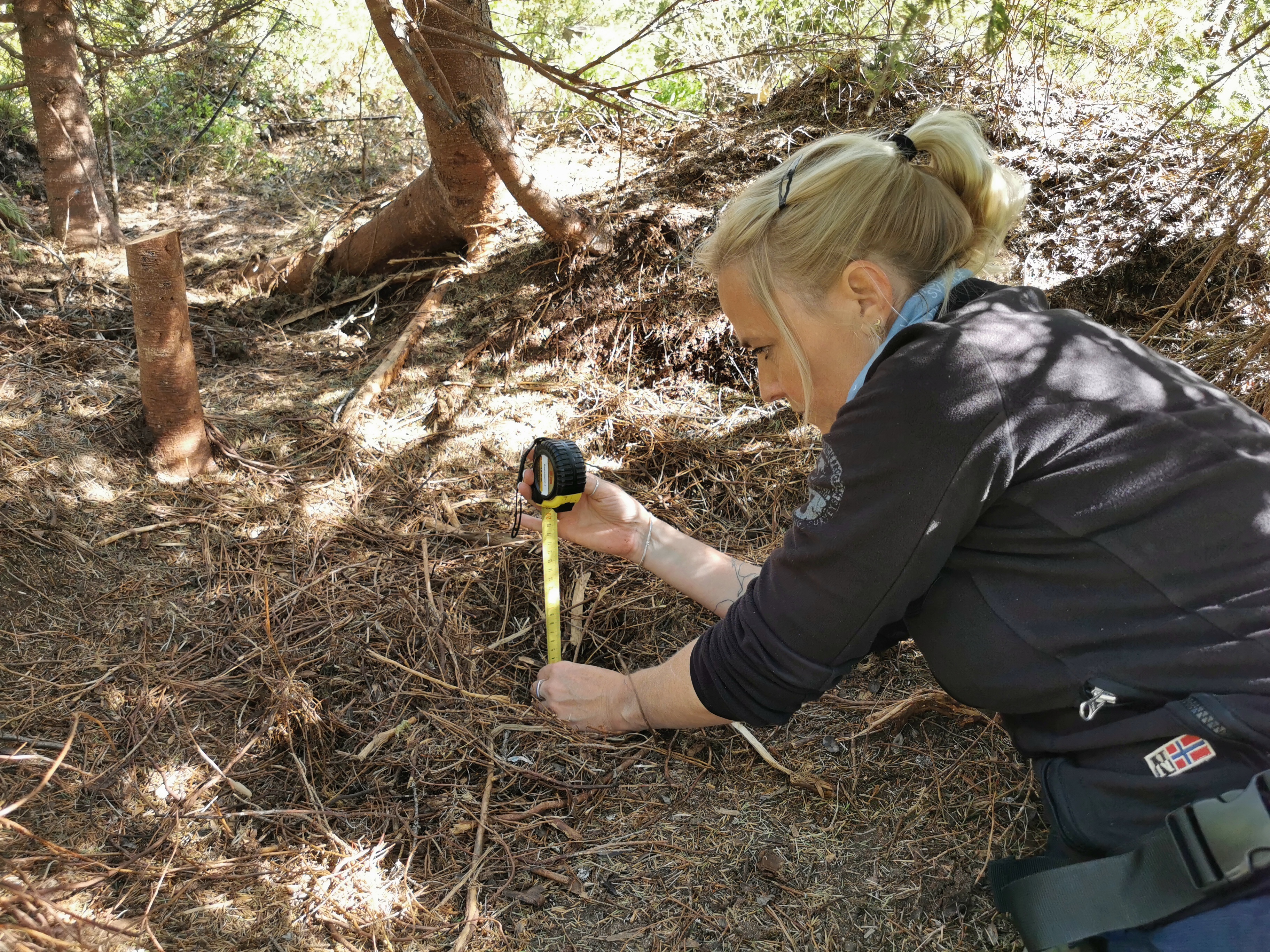
Then the work begins: measuring the den, looking for scats, assessing the vegetation around, how well hidden the den is etc. We have a manual to take us through each step – in case we have forgotten bits of our training – and a datasheet to fill in one field at a time. It takes us about 45 minutes to document everything.
Recording dataMeasuring the nest den bedding depthCollecting scat
Then it’s back to the car and the next site. Another 350 m into the forest. This one’s a cluster site, so we search for clues as to why the bear would have spent time here. We find animal remains. Some bones and moose antlers, chewed down by the bear, probably for its minerals, but nobody is quite sure. A scat that is snowy white and full of bone material. Again we document everything and move on.
Documenting site 2
By the time we get to site 3, the day is already well advanced and we have to hurry. We find scat, bag it quickly for Andrea and get back to the car. An hour’s drive back. A beautiful owl encounter on the way. A quick dip in that lake that beckoned in the morning and we’re back at base, tired but happy. Andrea is happy too, looks at our haul, the datasheets, asks questions and lets us off the hook for a quick shower before the group debrief session, where every group talks the others through their day and results. These are marked on the big map and scored. Ulli and Karin: 8 scats, 9 (!) day beds, 3 carcasses. Pat and Neil: 12 (!) scats and 1 den. Chris & Evelyn: 6 scats, 1 den, 3 chewed antlers and 1 carcass. There are tall tales, much laughter and excellent results. Andrea is happy and that is the point.
The big overview map with results and “scores”
Then off to a delicious dinner of chilly sin carne, lovingly prepared by Roland and Pat, and some well-deserved down-time until we start all over again the next day. It’s not easy being a citizen scientist, but someone’s got to do it 😉
This first diary entry comes earlier than normal, but we wanted to share with you that we now have a new local scientist who will succeed Dr. Volodymy Tytar, who has been there with Biosphere Expeditions since the beginning, leading the science on expeditions to Ukraine, the Altai Republic and most recently the Tien Shan mountains of Kyrgyzstan. Close to retirement, he will sadly not be able to come to his final Tien Shan snow leopard expedition this year as planned, because he wants to stay in Kyiv with his family and people. We salute his and his country’s bravery and thank him for all he has done for Biosphere Expeditions over the past 20 years or so. Thank you Volodya! He will train his successor, Taalai Mambetov, a Kyrgyz scientist, remotely and perhaps return next year for a lap of honour (we hope so anyway).
Outgoing scientist Dr. Volodymyr Tytar
Our incoming scientist is Taalai Mambetov. Taalai holds a Master’s degree from the Faculty of Biology, Kyrgyz National University. He began his scientific career as a junior researcher at the National Academy of Sciences. Since 2017, is as a teacher and field biologist at his alma mater. Taalai has articipated in various projects (ICBA, FFI, Kew Botanical Garden project etc.) mainly related to biodiversity.
He says “I am delighted to be joining the Biosphere Expeditions team to protect the snow leopard and the places where it lives in my beloved Kyrgyzstan. I look forward to learning from Dr. Tytar and to working with the rest of the team, to get up to speed and continue the important work that has already been done. I also look forward to meeting the team of international citizen scientists who have chosen to support conservation, instead of going on a beach holiday somewhere. Thank you for this and for coming to the Tien Shan mountains instead. It will be interesting to talk to all of you about your motivations and to work with you in snow leopard conservation in Kyrgyzstan, my home country.”
Incoming scientist Taalai Mambetov
Together, we will now all crack on to get things ready for you. You won’t hear from us in this diary again until the expedition leaders are on their way as the advance party before the arrival of team 1. May our – and your – preparations and travel go well. See you in Bishkek!
Take a handful of people from all walks of life and from all over Europe (e.g. Germany, UK, Belgium), transfer them from the assembly point to the expedition base (Mora to a fairly remote cottage in the forest), then throw them in at the deep end (background and methodology lectures, new equipment, datasheets, expedition survival and other rules) and – e voilà – as I type this, they are in the forest happily getting drizzled on, using a GPS to find a bear den in the middle of nowhere (first by car and then walking), crawling into it to measure it, collecting little presents the bear has left outside – and then doing it all over again until the day is done and they return to dinner by an open fire.
Well done all of you. Under the guidance of our scientist Andrea and a very capable new (assistant) leader, you have mastered a multitude of new gadgets and techniques in a day and a half and you have earned your new title as citizen scientists. Pat like a gazelle over rough terrain, Neil on his umpteenth expedition overcoming complications, Karin & Ulli finding their keys and feet in English with a gateau on top, Chris geared up to the nines in Swedish plaits, Evelyn dutifully keeping the compass away from the densiometer, Roland mastering the relascope and expedition leading. And they know what these things are, because they are now citizen scientists, helping Andrea with her bear research, her enthusiasm palpable, with a big, grateful smile welcoming the arrival of her new helpers. She is happy in the field, showing us her trade, and so are we.
Tomorrow, after graduation at dinner, they will venture out on their own in twos and threes – no supervision, no mollycoddling – just qualified citizen scientists going about their business in remote corners of the forest, sent there by Andrea with instructions to go find a den, a bear cluster or whatever else Andrea needs us to do.
And Sweden, oh Sweden, does the rest. The endless forests of orange, green and white, the lakes beckoning intrepid swimmers, the bogs lurking behind the trees and rocks, the picture-perfect red cottages with their white window sashes, the moose ambling through the lichen, the silent solitude, the cool wind, the presence of the bear evident all around us – if you know what to look for, the Scandinavian beauty of it all that will stay with us long after we have gone, just like the data we have collected for Andrea will stay with her. A small legacy for the bears, the project, the planet. And that, in a nutshell, is what it’s all about.
Introductory lectureAround the open fireThis is where I need to you go todayStudy site for todayGetting to a bear denAt the bear den












 Biosphere Expeditions: blogs from the frontline of wildlife conservation and the fight for a more sustainable planet