Azores : Blue!

Update from our marine conservation volunteering holiday in the Azores archipelago, working on whales, dolphins and turtles

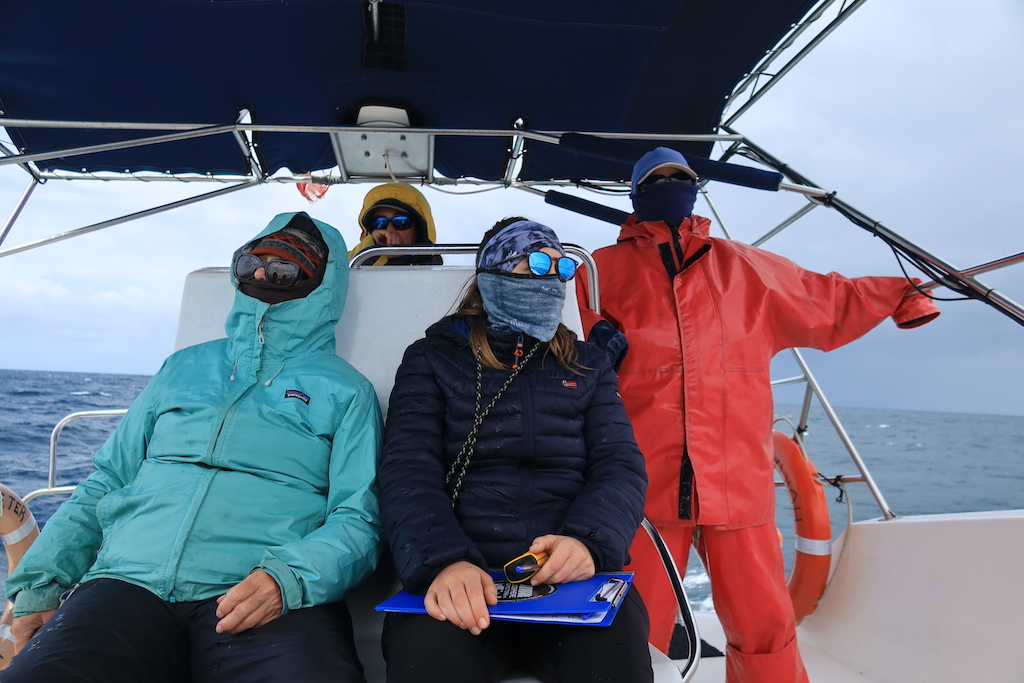
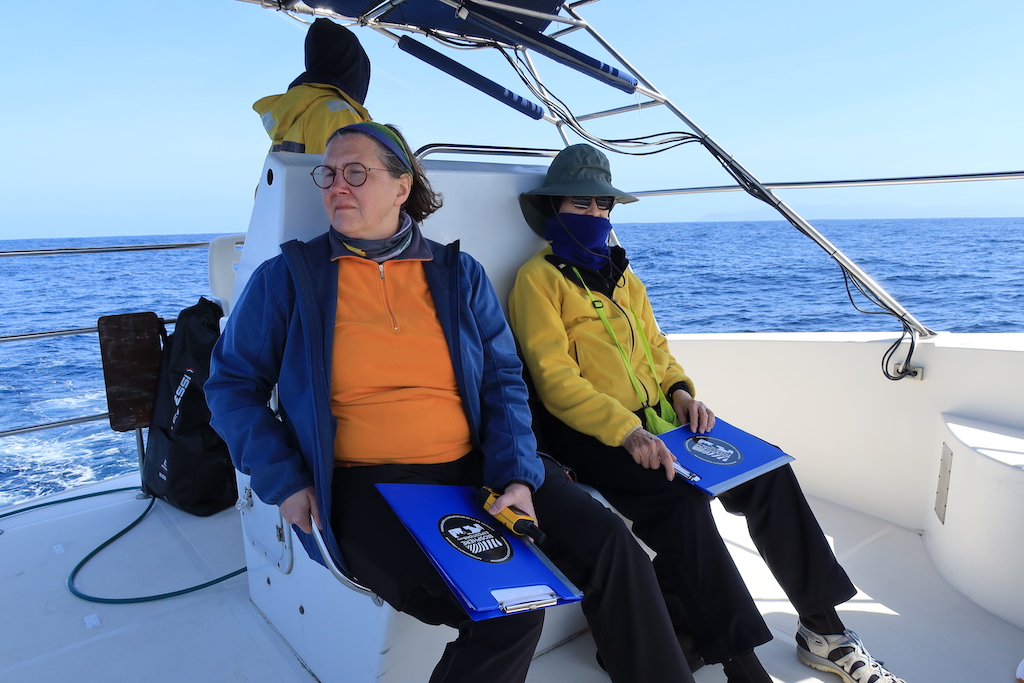
After a much needed day off exploring Faial and Pico, and recharging all ‘batteries’, it was time to embark on a final day at sea for group 2. Conditions dictated that we would head south of Pico due to the increasing winds.

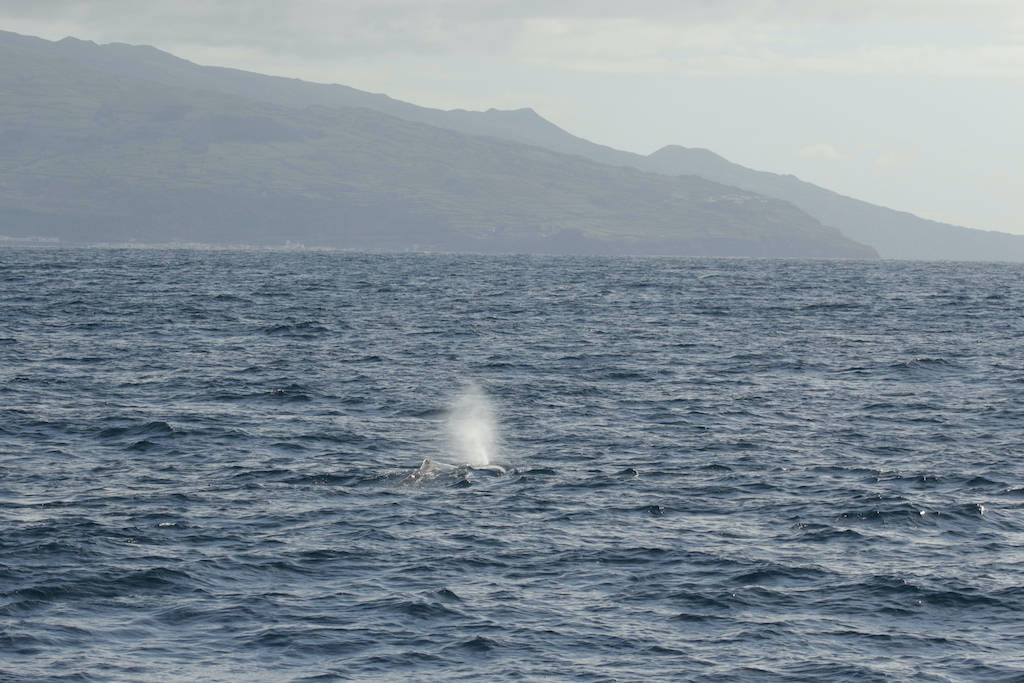
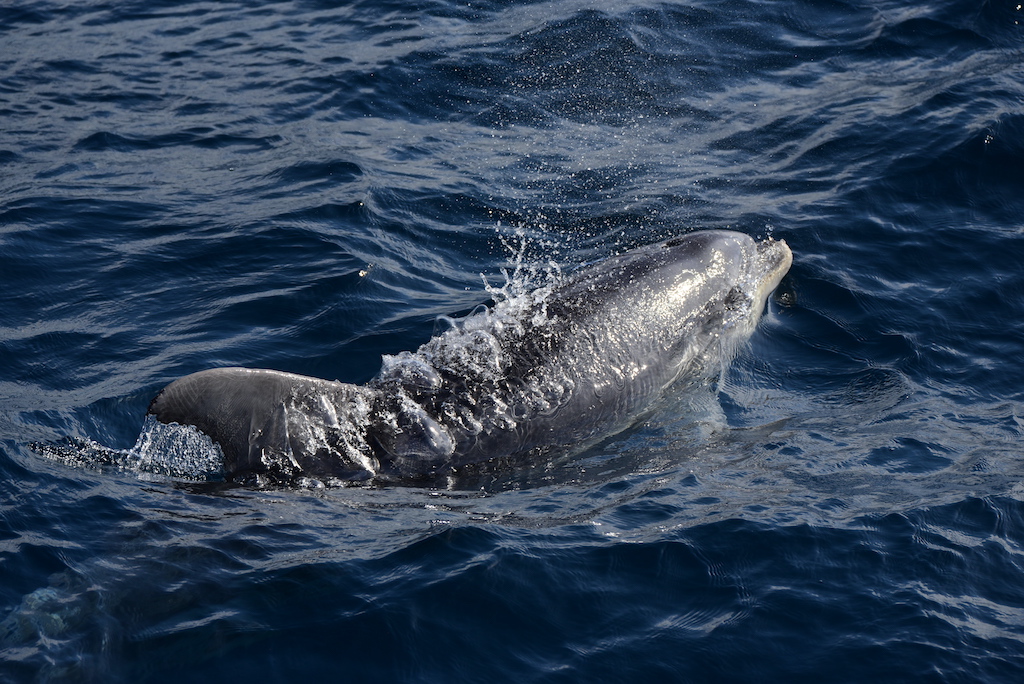
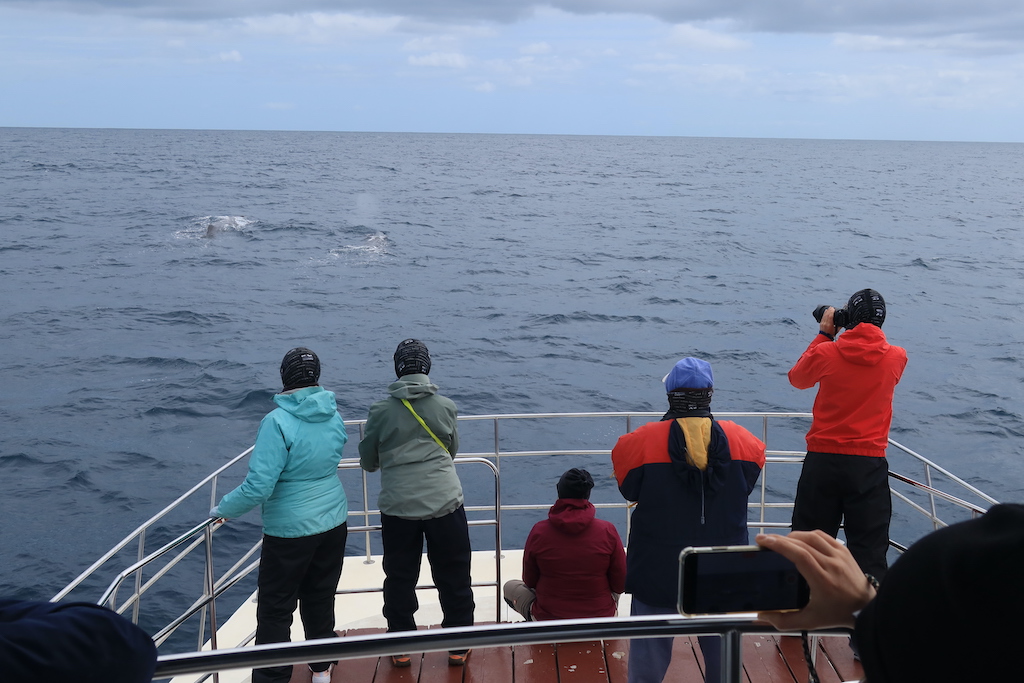
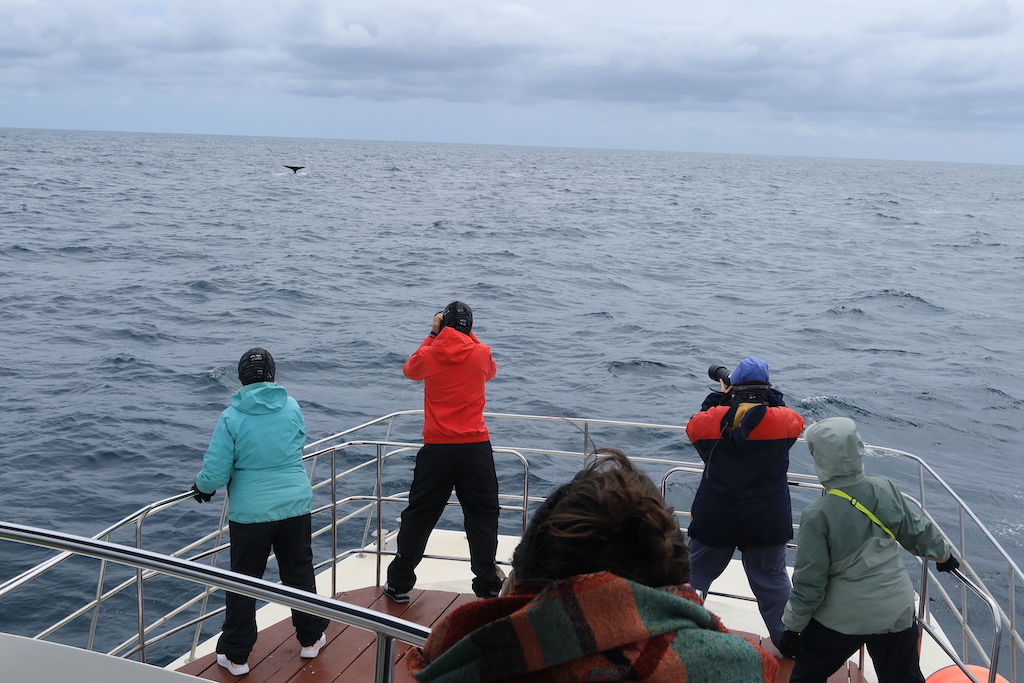
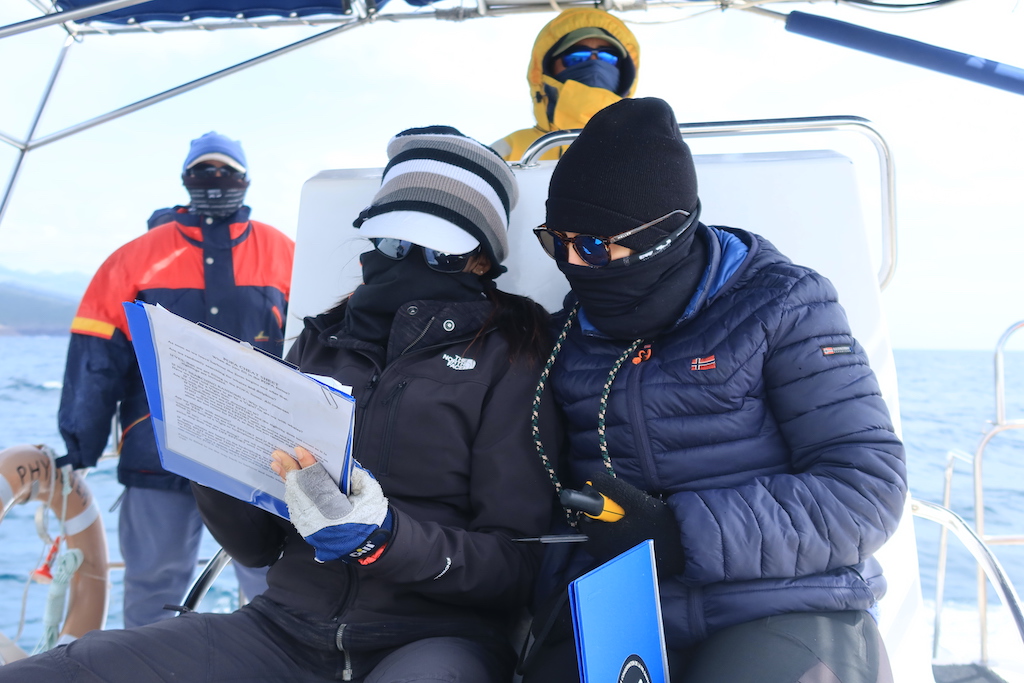
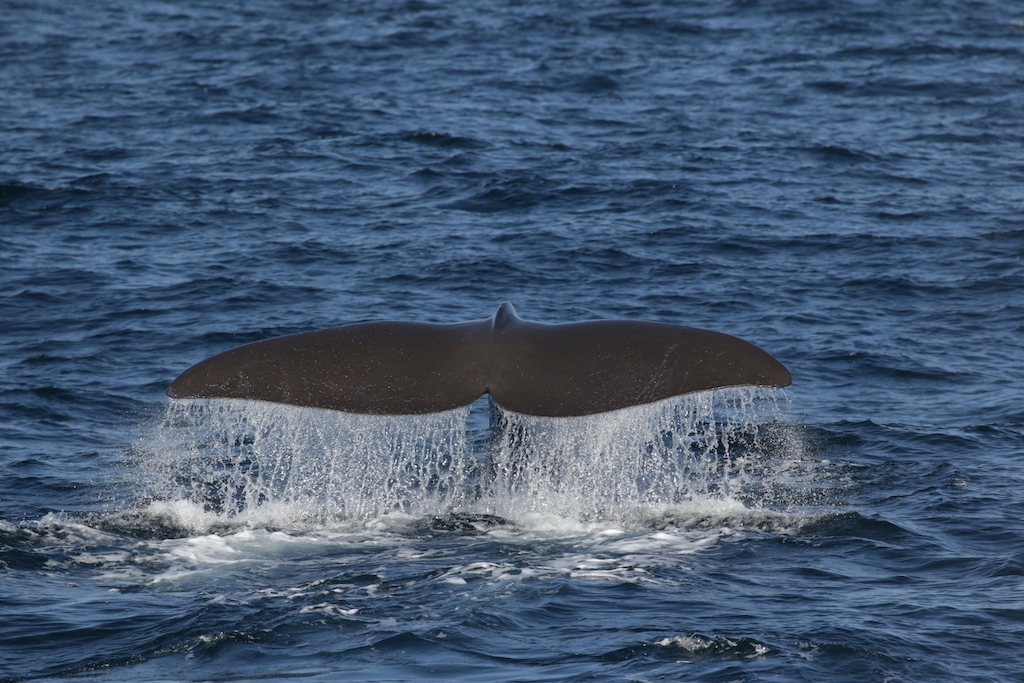
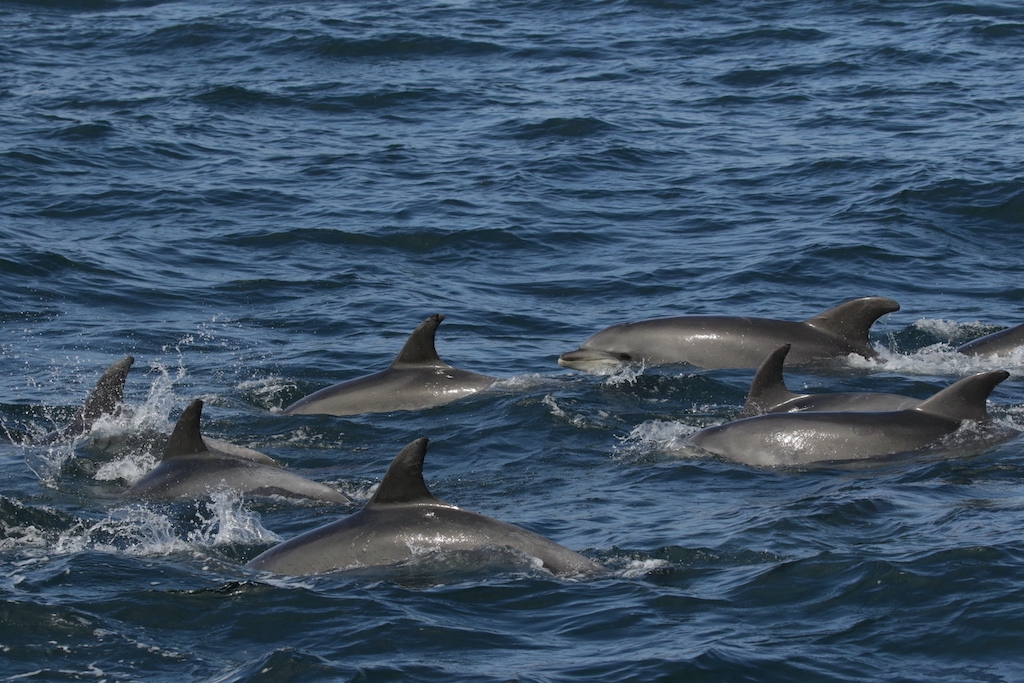
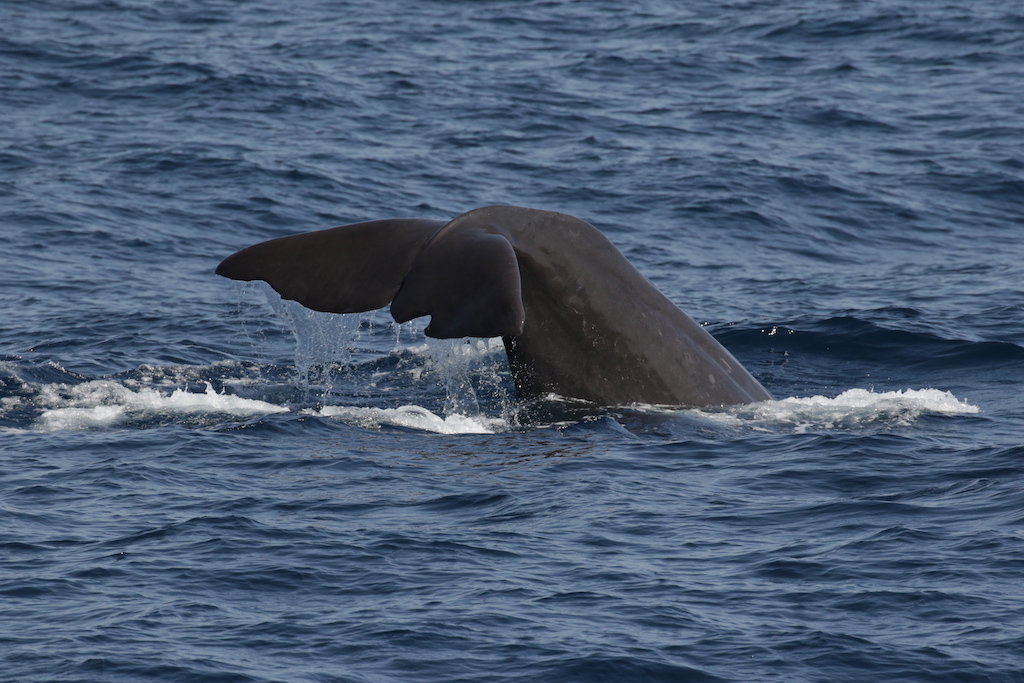
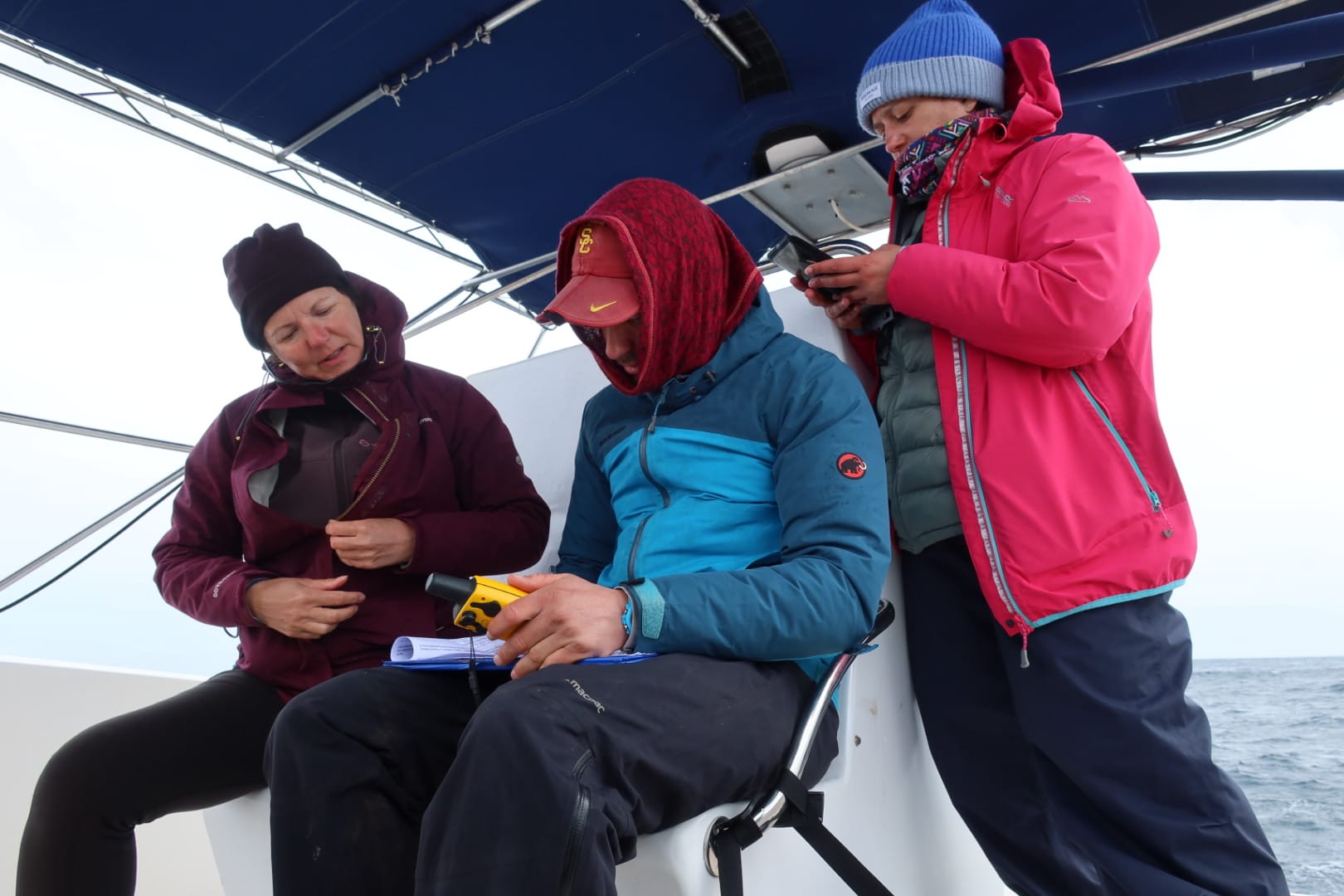
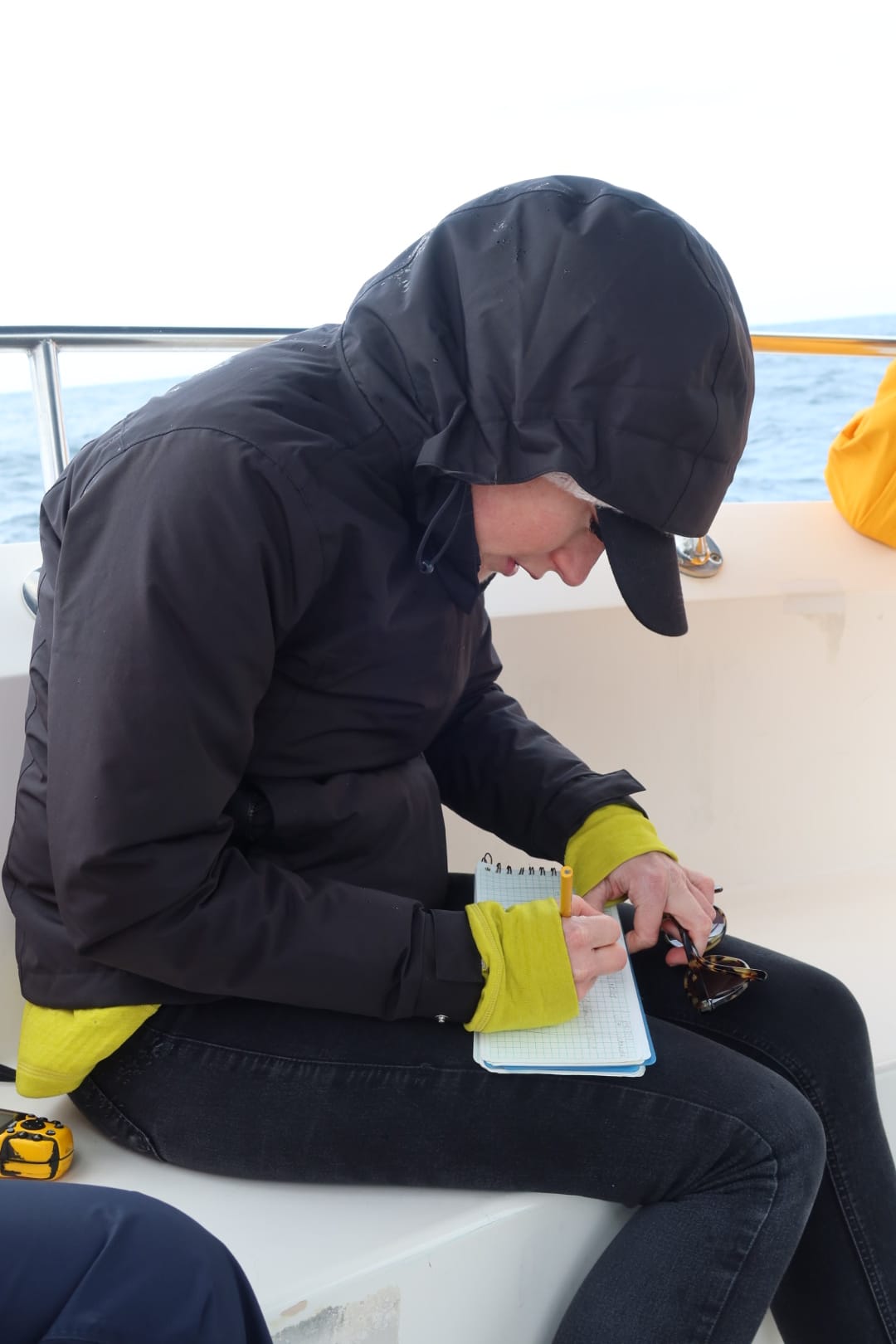
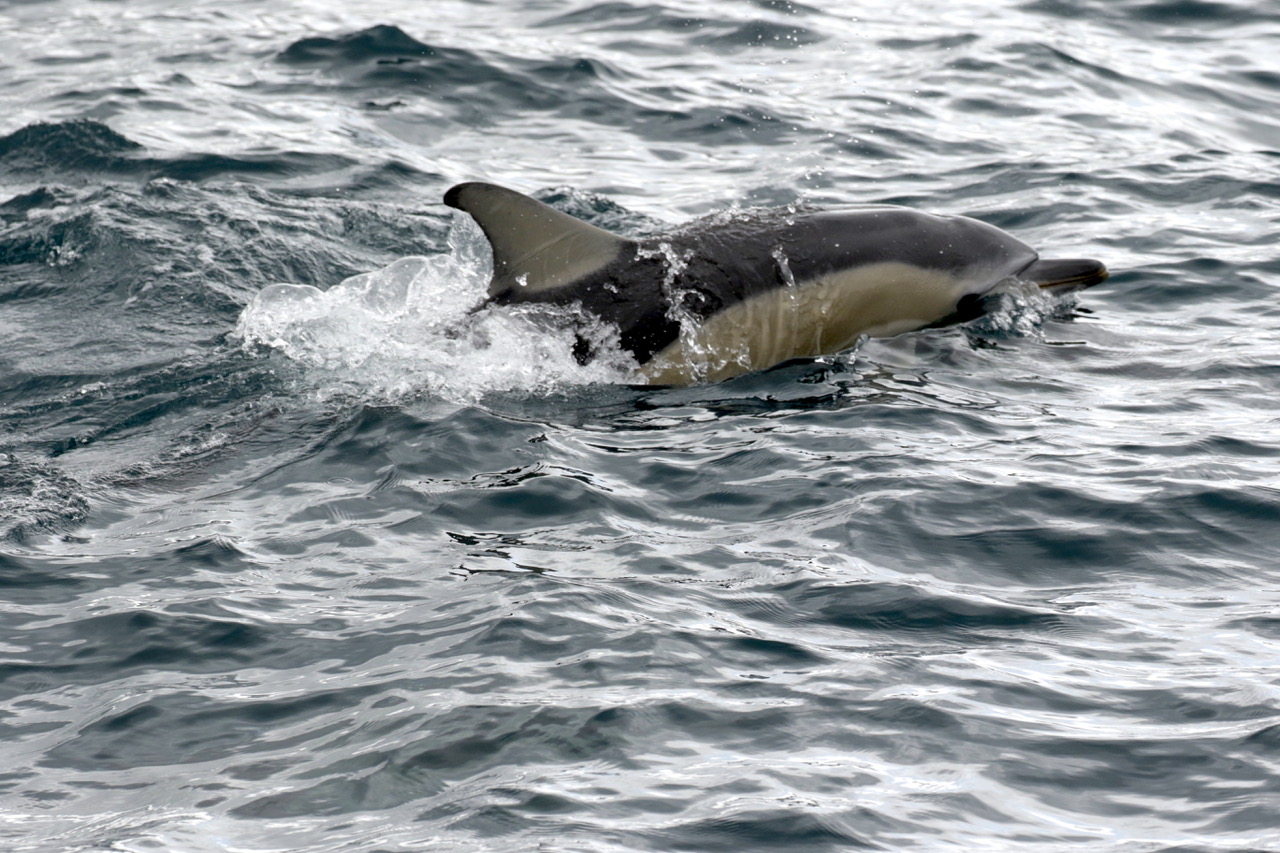
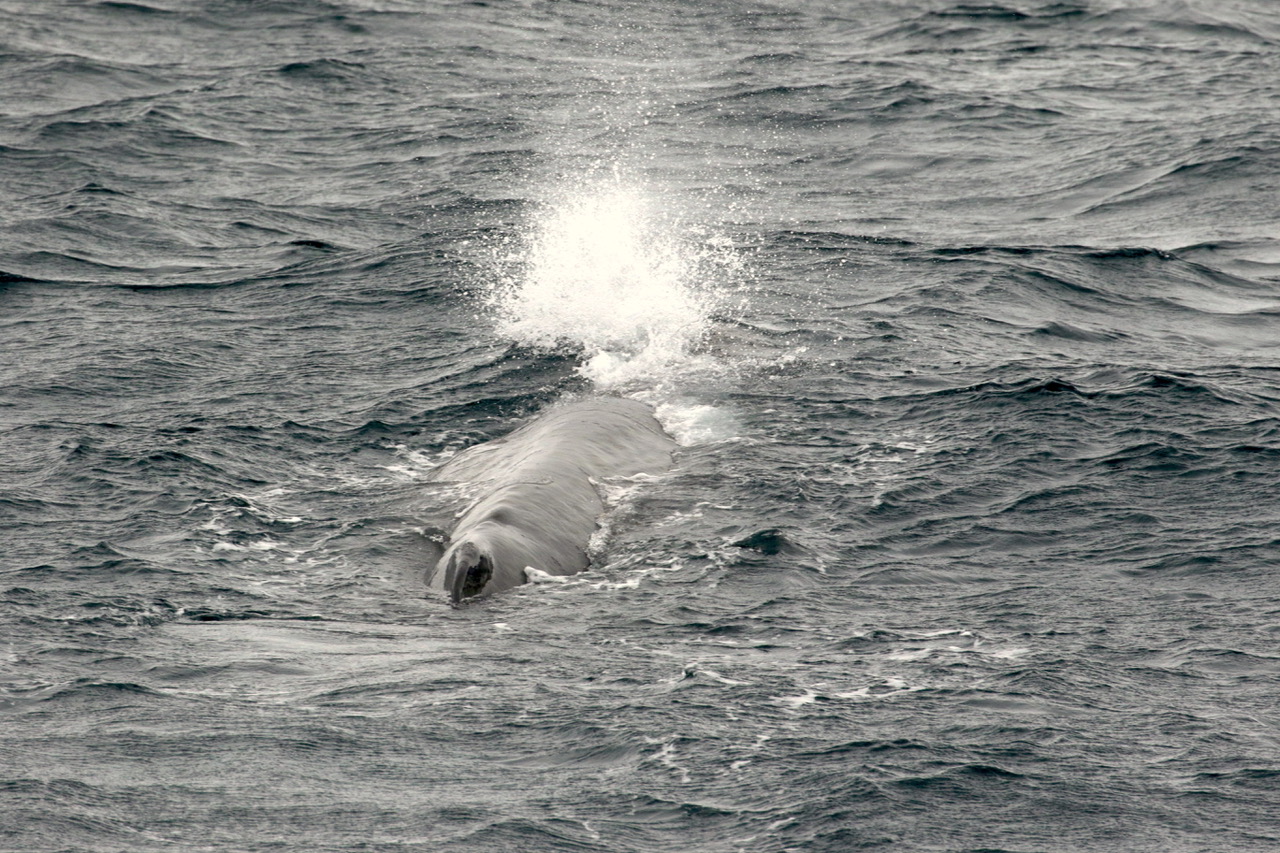
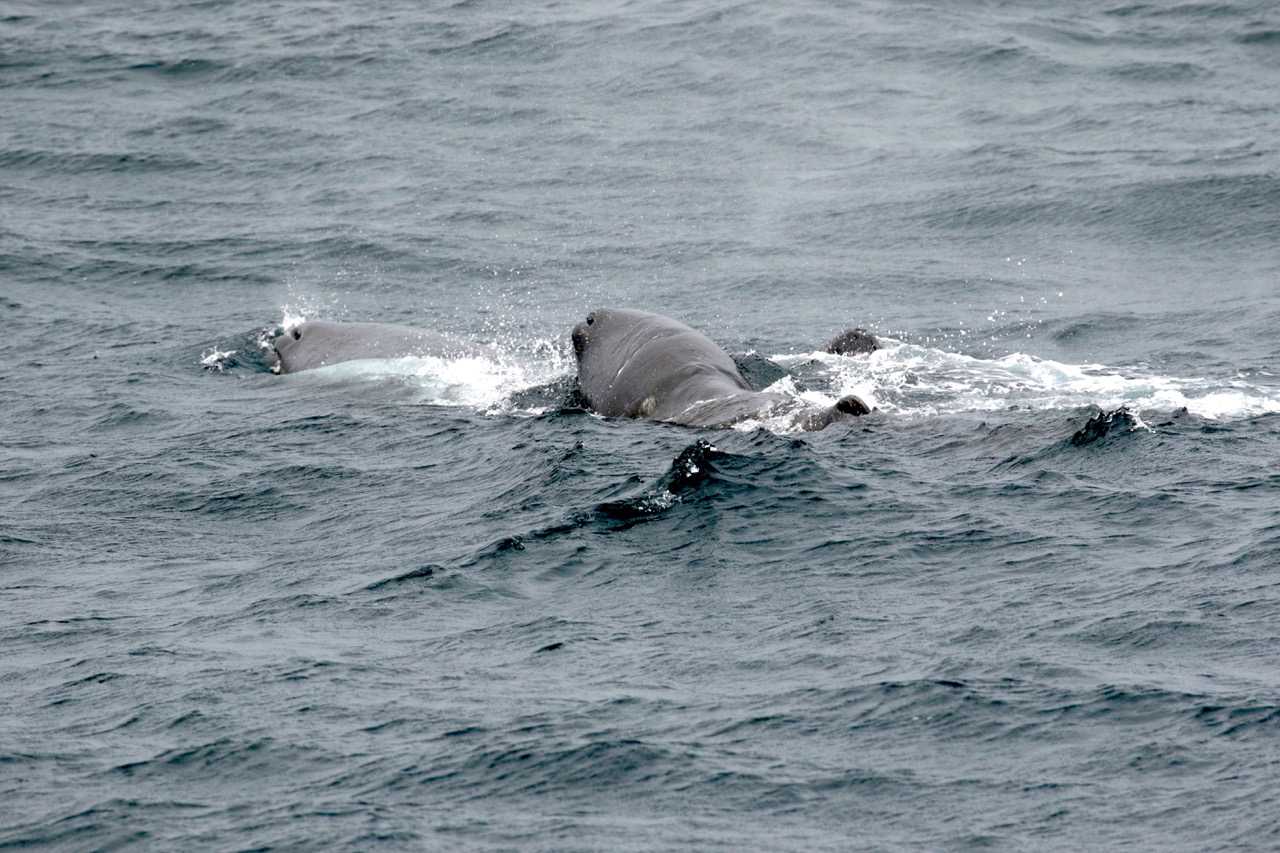
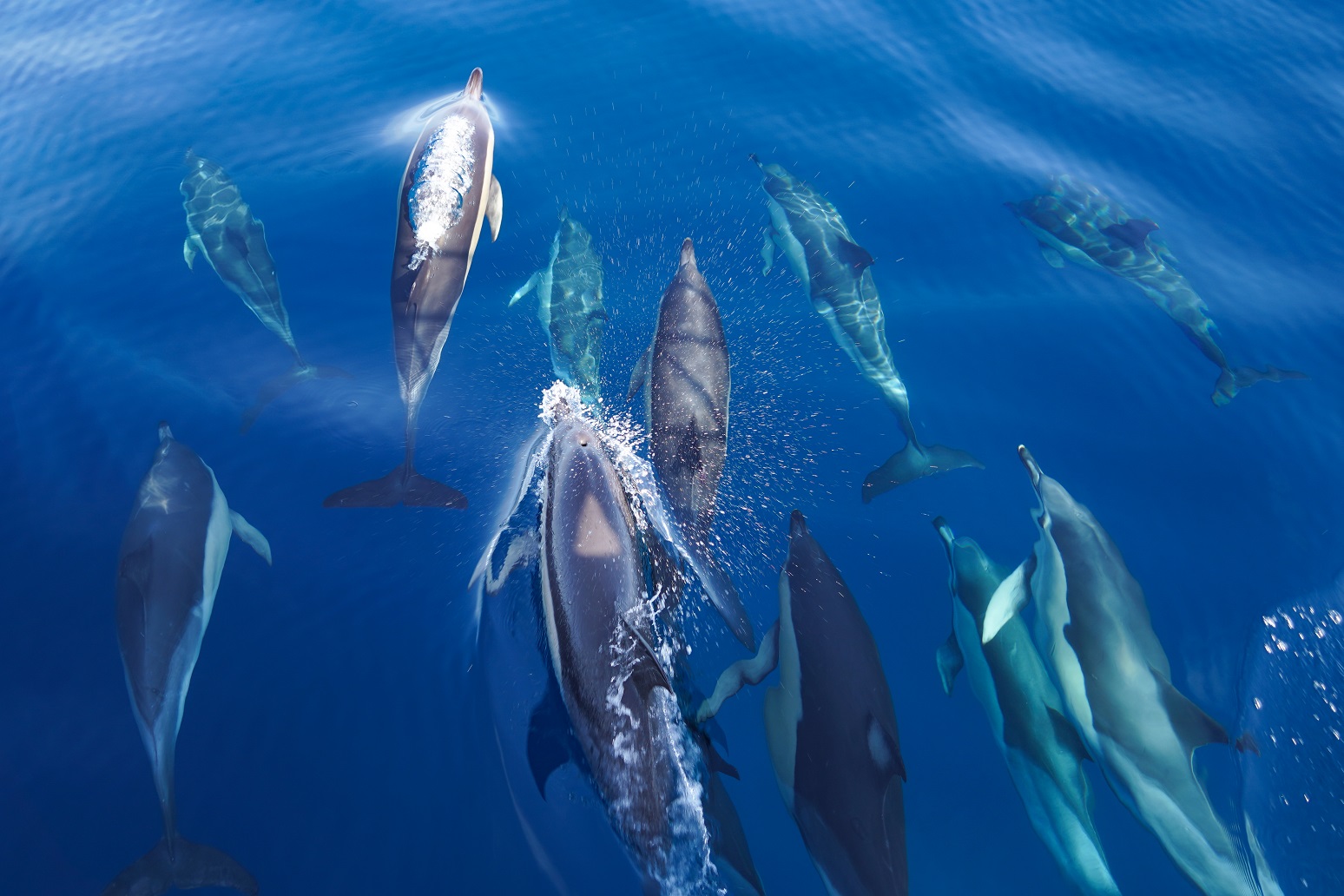
With the now customary common dolphin sighting, we were soon in the company of more sperm whales. This meant the team could seamlessly start documenting each individual and record flukes as they dived – for once the whales were largely behaving. They were soon joined by a group of bottlenose dolphins – not uncommon to see these dolphins hassling sperm whales. With two species to document, it was all hands on deck and kept Gernot very busy on camera.

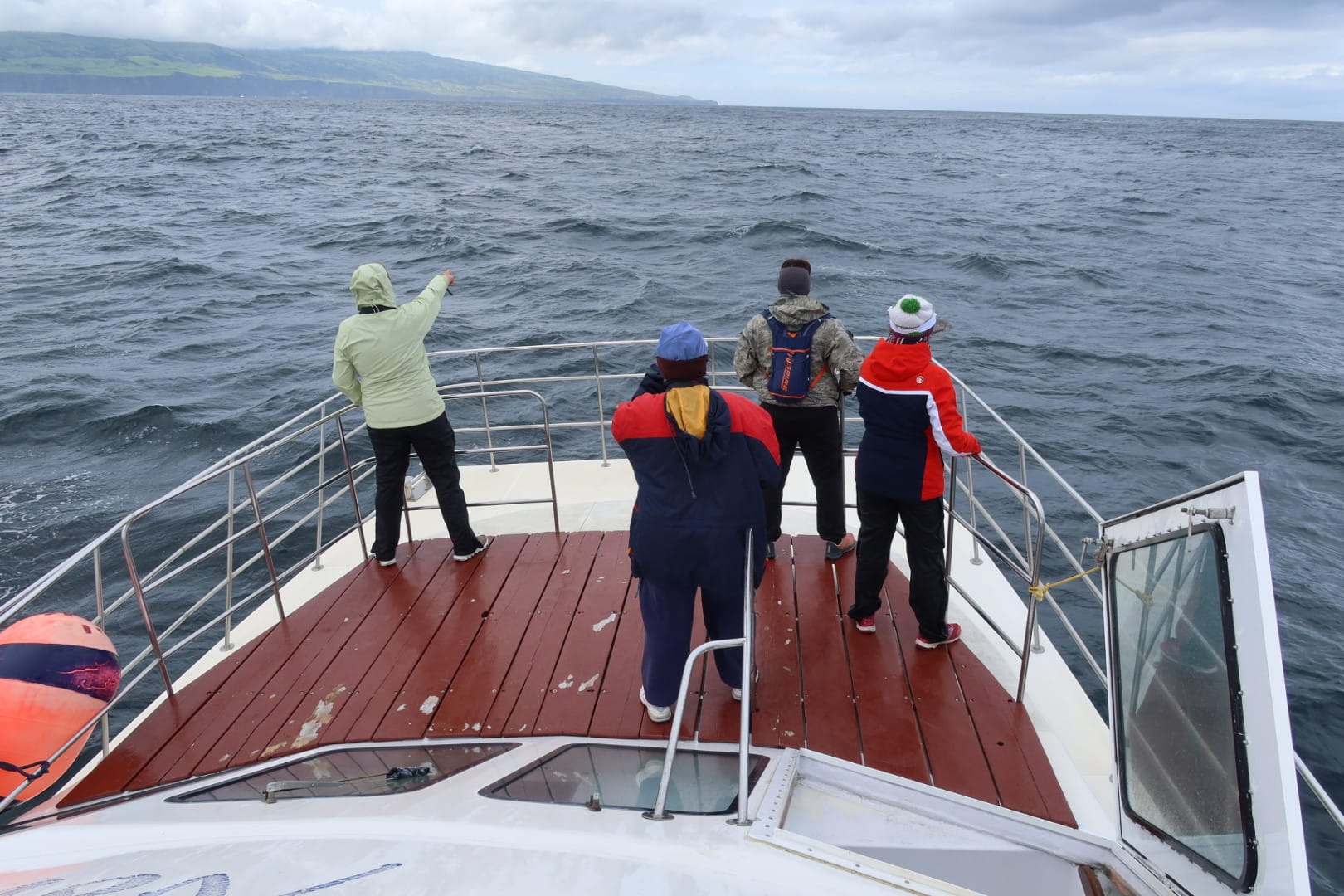
The look-outs soon reported a possible baleen whale, not to far away, so off we went in pursuit. This turned out to be a pair of Sei whales, another new record for the expedition, as we had hoped in the previous blog! They only surface once (briefly) so can be a tricky species to find. We were then directed to another baleen whale sighting which also turned out to be another pair of Sei whales.

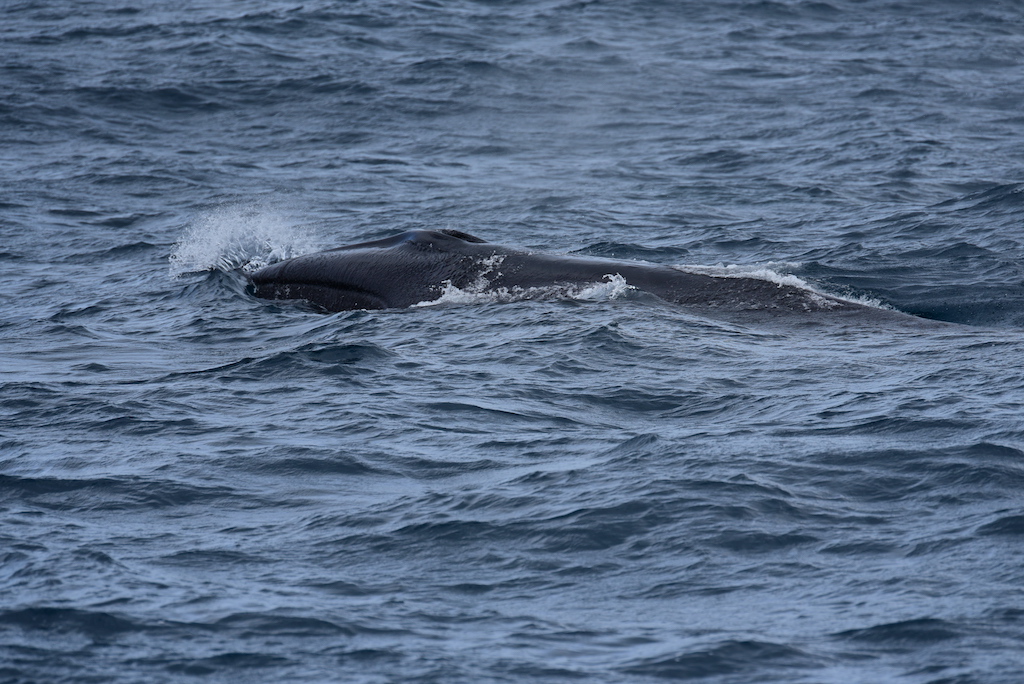
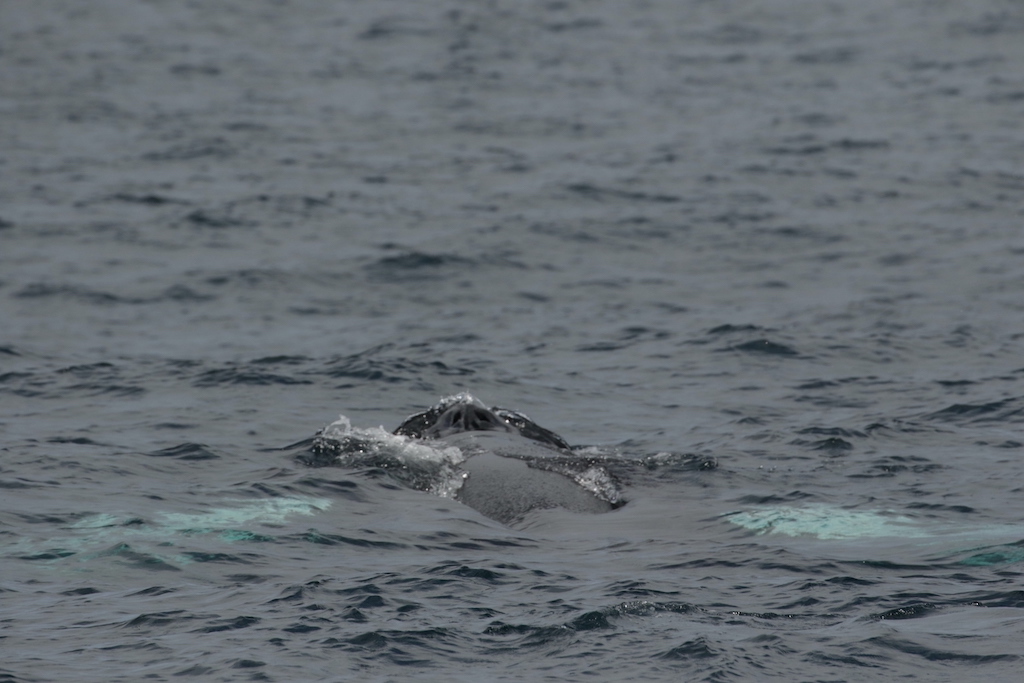
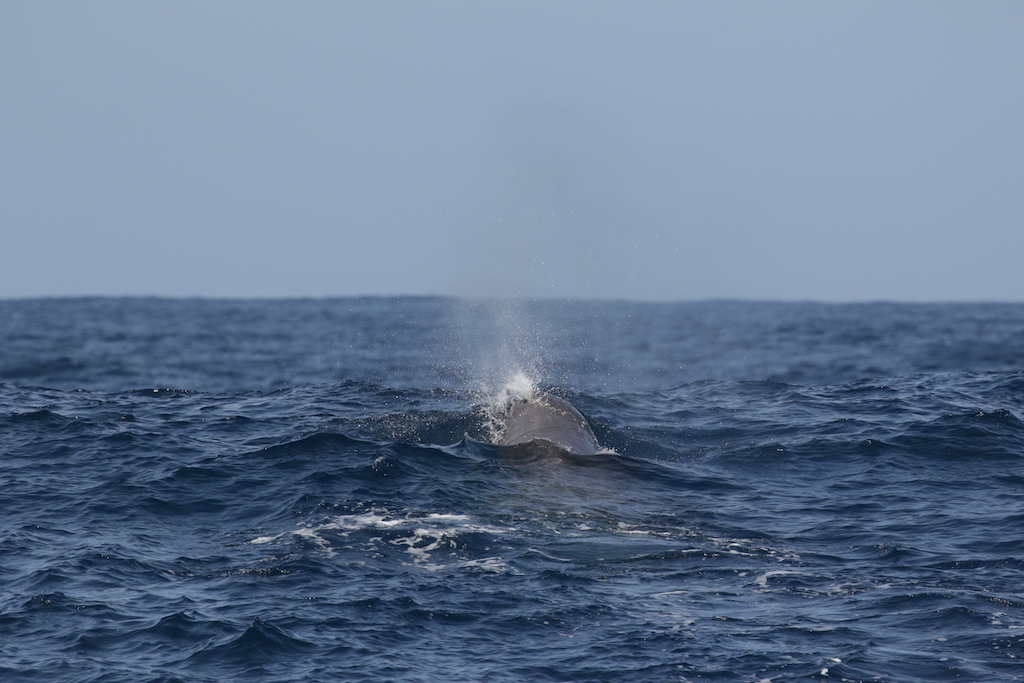
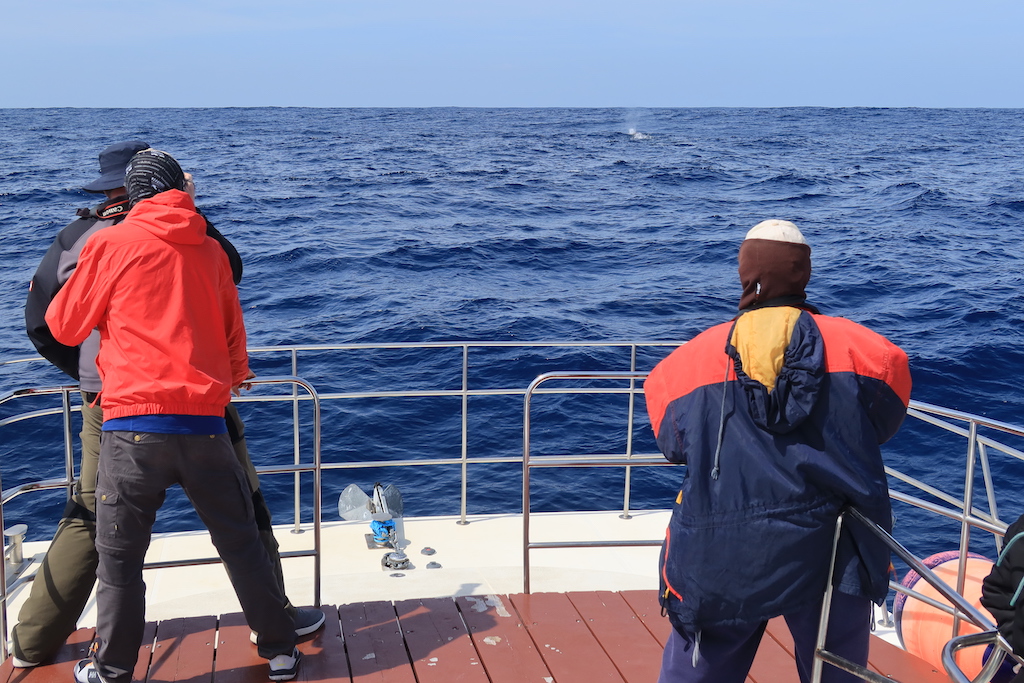
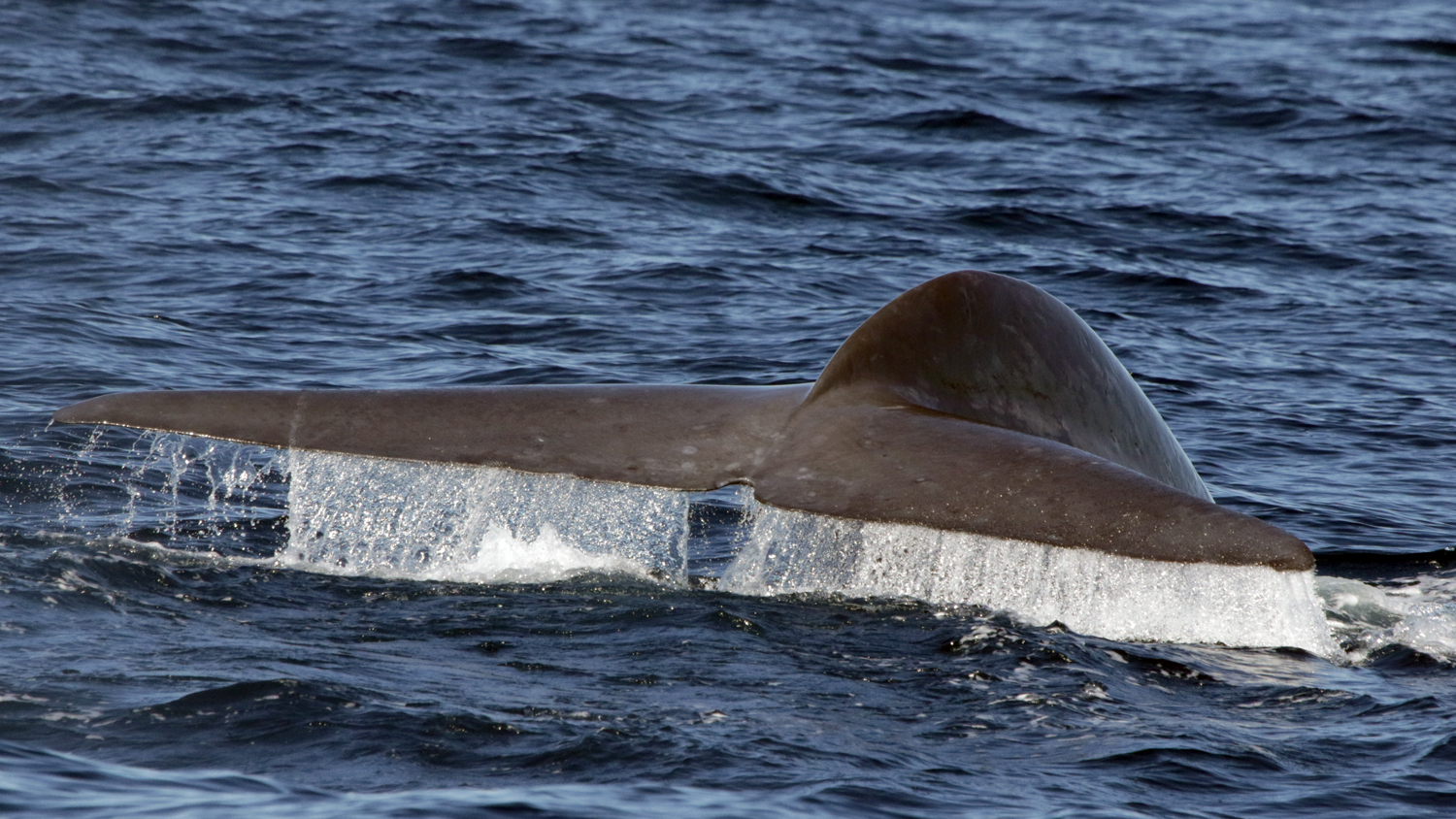
These encounters were relatively brief, which meant we could soon return to the sperm whales. A few individuals later, our skipper (Siso) spotted a large blow – this turned out to be a blue! A single blue whale gave us a great sighting as it almost circled the boat. A great last whale sighting for group 2.

With over 540 km travelled over 5 days at sea, the group has been able to almost double the species list for the expedition – now standing at 9 species. Numbers of encounters and individuals have also increased. A great effort by all.

So, as we bid group 2 farewell, we wait to welcome group 3, and hope they too bring the luck with the whales and the weather. Safe travels all.

Continue reading “Azores : Blue!”

Azores : New direction, new sightings

Update from our marine conservation volunteering holiday in the Azores archipelago, working on whales, dolphins and turtles

The weather has turned in our favour for much of the past week, which meant improving conditions and calmer seas. Music to ears of many. It also meant we could venture in a new direction for 2023, south of Faial. This paid dividends with not only another humpback sighting, but also a fin whale.

The latter is another new record for 2023, and appeared at random, whilst ‘on transect’ less than 10 m in front of the boat! Quite a surprise for all, including our skipper. This was followed by more sperm whale encounters off the far west of Faial, which then gave us the opportunity to complete the circumnavigation of Faial before returning to Horta, only interrupted by a few common dolphin sightings, and a great encounter with sociable bottlenose dolphins.

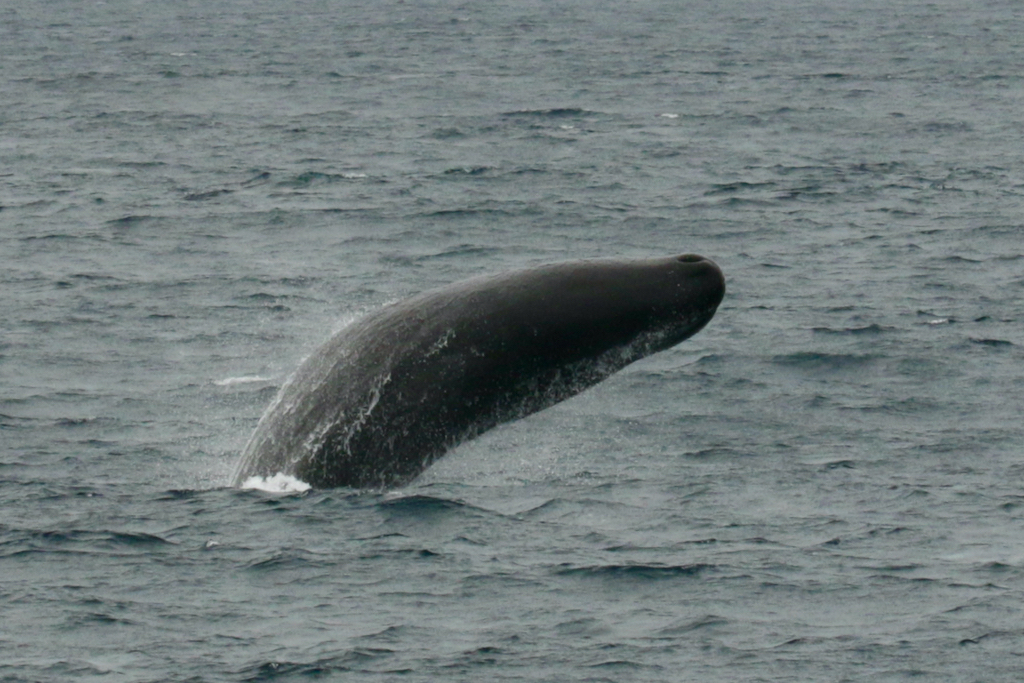
The next day saw us head south again, this time off Pico. In addition to the usual, dolphin, and less common turtle and shark sightings, it again turned into a sperm whale day. Whilst they were doing their best to frustrate us, with not many fluking, so ID pictures were limited, they saved the best until last. We managed to see one breaching some distance from the boat, but were then treated to three breaches a few hundred metres from the front of the boat – think flying giant cucumbers!

With the weather changing and winds building on Thursday, we pursued a suspected sighting of more than one blue whale, several miles north of Faial. This turned out to be a fairly challenging day, with the boat making way into oncoming weather and waves, peaking at force 5 – which makes staying upright a challenge – let alone doing any data collection. However, persistence often pays off, and we were rewarded with sightings of three blue whales. A great job by all to get the data recorded and stay on the boat….

With photos sent off to various collaborators, we now await news of possible matches, to work out where there whales may have come from or go to…….watch this space. After four consecutive days at seas the team are having a well-earned rest before we make the final push on Saturday.

Continue reading “Azores : New direction, new sightings”

Azores : Patience pays off

Update from our marine conservation volunteering holiday in the Azores archipelago, working on whales, dolphins and turtles

Having welcomed group 2 on the expedition, we embarked on the first two days of orientations, equipment and scientific survey training. This all went to plan until it was time for our first session on the boat – the weather (and sea conditions) had other ideas!

This lead to an impromptu afternoon on shore, followed by a day sorting existing data and images. An important task , which gives real context to the field surveys. But soon the howling winds abated, meaning we could head out to sea on Monday.

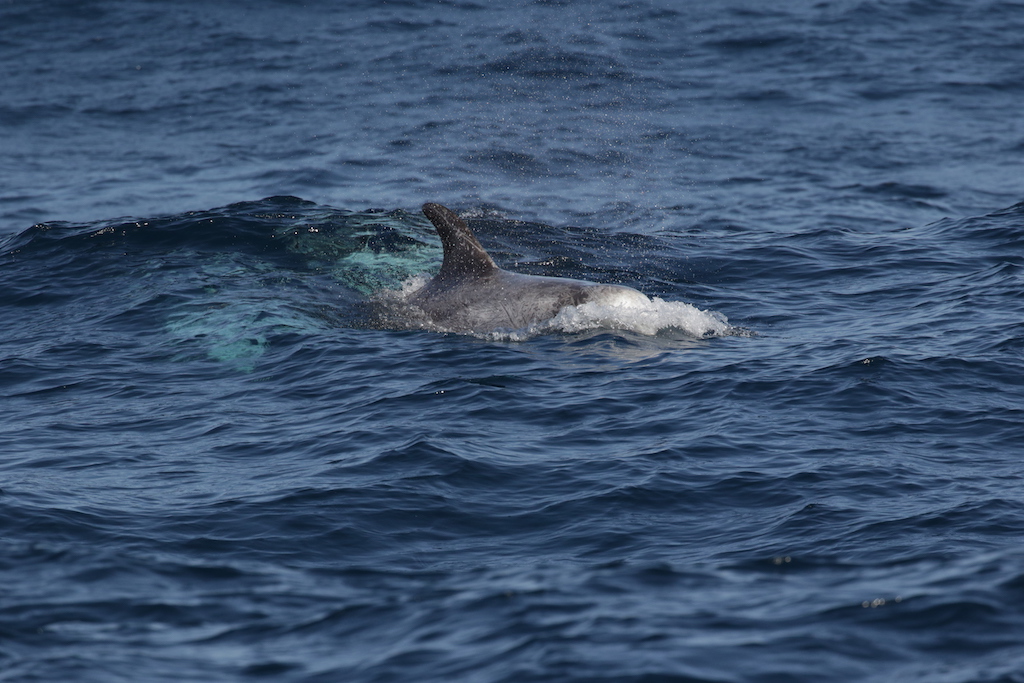
The wait was worth it; with multiple sperm whale records and more common dolphins. We were also able to record both Risso’s dolphins and striped dolphins for the first time in 2023. Great effort considering we were still working in 4-5 m swell and the various species weren’t making it easy to record them, let alone obtain good photo ID imagery. A special thanks to Cord, Bendine and Nina for stepping up to the task in the way you did.

With the weather set to continue to improve (for the next few days at least), we look forward to even more sightings now that we have our sea legs, hopefully.

Continue reading “Azores : Patience pays off”

Kenya: Goodbye

Update from our Africa volunteer project working on the Big Five and biodiversity in the Maasai Mara of Kenya

We have spent the last 10 weeks fully immersed in our Maasai Mara project, but we have now packed up, dropped the cars back to the hire company and waved our final goodbyes to the local team and our expeditioners.

The last week has been challenging with the ground becoming waterlogged and muddy due to the early onset of the wet season, but group 4 mastered it all with great attitude. They faced down all adversity with aplomb and persevered in all conditions. Well done!

Here are some collated headline data from our biodiversity monitoring research:

64,801 total animals recorded

915 raptors and endangered birds

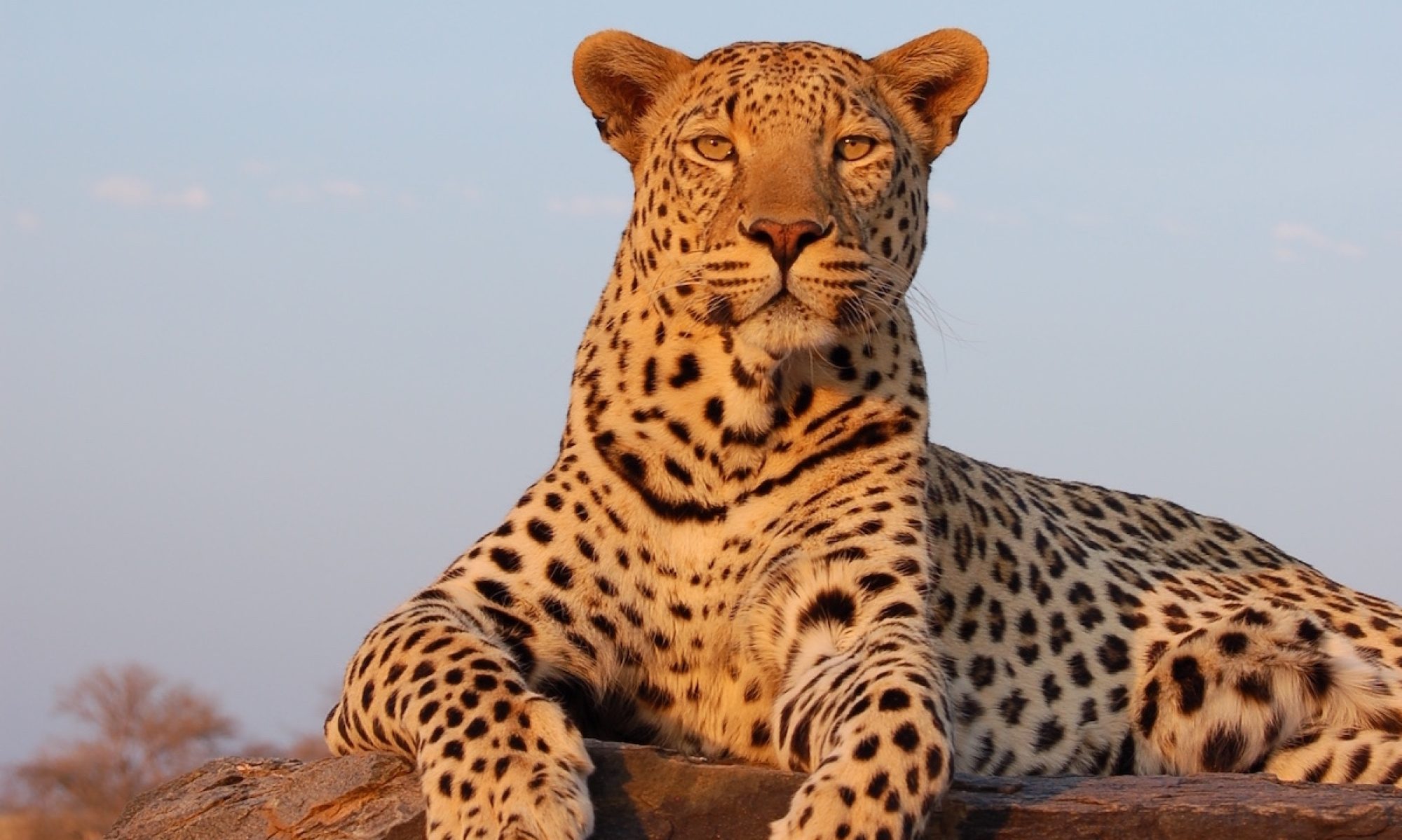
47,204 mammals recorded on vehicle transects with a total distance of 1,124 km including sightings of lions, cheetahs, elephants, leopards and bush pigs

170 km driven on transect in Enonkishu, 342 km driven on transect in Mbokishi and 533 km driven on transect in Ol Chorro

Foot patrols recorded 274 samples of scat and 212 of footprints over a total distance of 48 km

126 hours of waterhole observation with 14,783 animals recorded

1,899 iconic species/ interesting animal activity recorded via mammal mapping

11,211 images captured by hotspot cameras that contained images of animals

Now that the Kenya expedition has come to a close, we would like to take this opportunity to say thank you to all the people that made this expedition successful.

The team at the Wild Hub who looked after us. The who logistics team kept us and the vehicles from Market Car Hire going for the whole ten weeks, despite a difficult start. The rangers at Enonkishu, Mbokishi and Ol Chorro who have been alongside us through rain and shine and imparted so much knowledge and information on us and our expeditioners. We couldn’t have done this without you, so thank you for your hard work.

Thank you also to our expedition scientists Roland and Rebekah for their committment, insights and hard work. And most of all thank you to the 49 citizen scientists who gave up their valuable holiday time to assist with and money to fund this research – we absolutely could not have done this without you. We know that you could have spent the 13 days on a beach somewhere sipping mojitos, but you came to Kenya, woke up at 06:00 every day and worked relentlessly, so that we could collect these data. We appreciate each and every one of you, your hard work, dedication and ability to put up with our bad jokes even when you are exhausted from a full days work. We really hope to see you on another Biosphere Expedition very soon. Take care and we hope that you will cherish the memories of Kenya as fondly as we will.
Best wishes

Johnny Adame
Expedition leader

Continue reading “Kenya: Goodbye”

Azores : Changing guard

Update from our marine conservation volunteering holiday in the Azores archipelago, working on whales, dolphins and turtles

A sterling effort by group 1 despite the weather frustrating our efforts to get out to sea.

This has meant time on shore to sort data, process imagery and begin the task of matching individuals, across multiple species. Amazing what you can achieve with coffee, a few treats and determination.

Over the past few days we’ve covered almost 500 km of surveys, with just shy of 40 cetacean encounters across five different species. The only area we could not explore was south and west of Faial due to some challenging seas.

We should also not forget the loggerhead turtles, multiple bird species and two shark sightings. Not a bad data haul for this time of year.

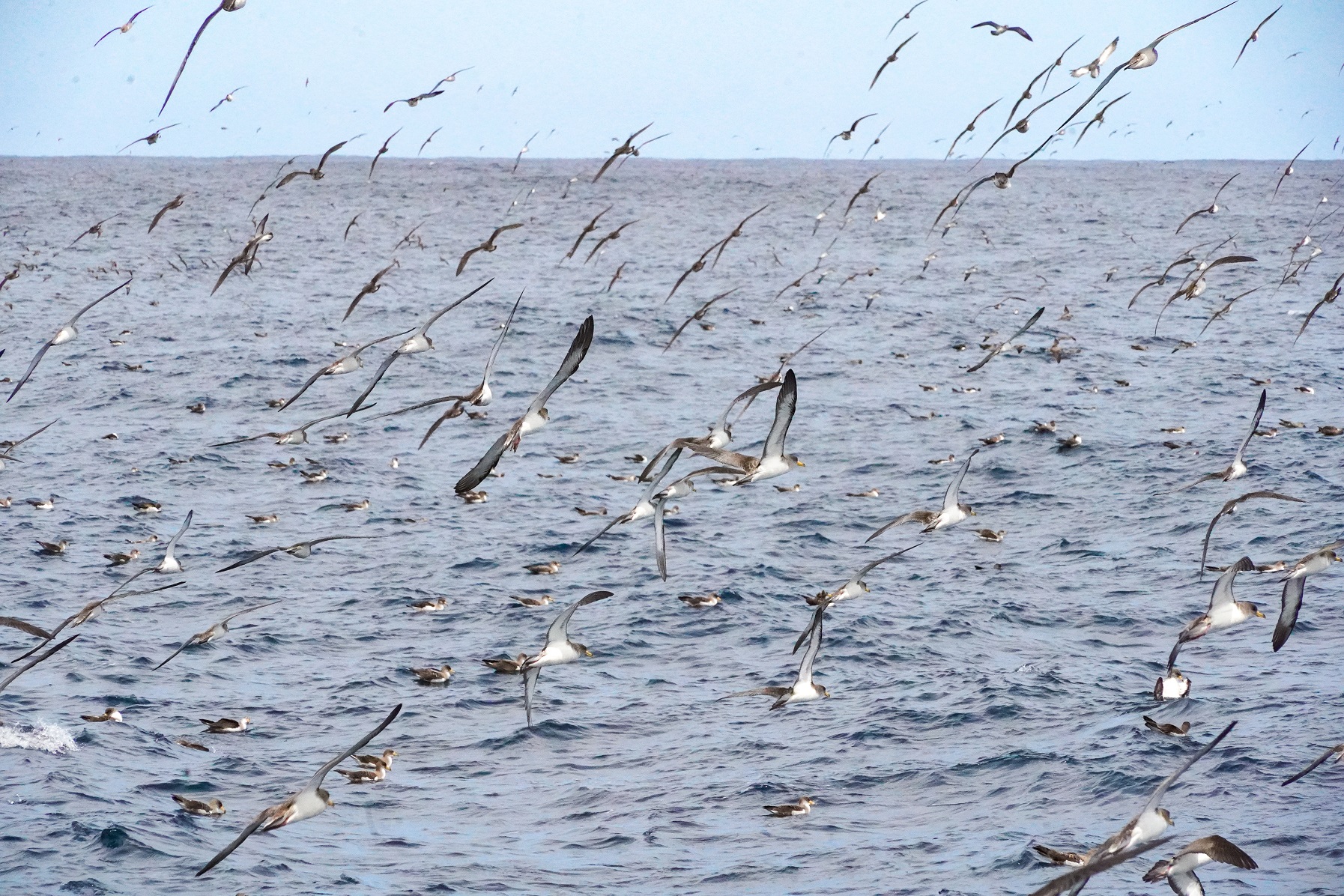
Safe to say we’ve already had some highlights this early in the expedition. Our first blue whale, a humpback being mobbed by hundreds of see birds and a rare circumnavigation of Pico.

Talking of long-distance trips, some of us also completed an extended night walk of Horta, courtesy of Sofia’s local knowledge – a story for another time!

It’s been a joy to kick off the 2023 expedition with such a great group who have personified great teamwork with endless humour – you have been a joy to work with, thank you.

We also lose Henry (our expedition leader in training) who has been another great asset (and halved my workload!). But as we say farewell to group 1, we are now excited to meet and welcome group 2. There is still much to discover and here’s hoping you bring good weather and calm seas….

Safe travels to all…

Continue reading “Azores : Changing guard”

Azores : Tenacity rewarded

Update from our marine conservation volunteering holiday in the Azores archipelago, working on whales, dolphins and turtles

The harder you work, the luckier you get.

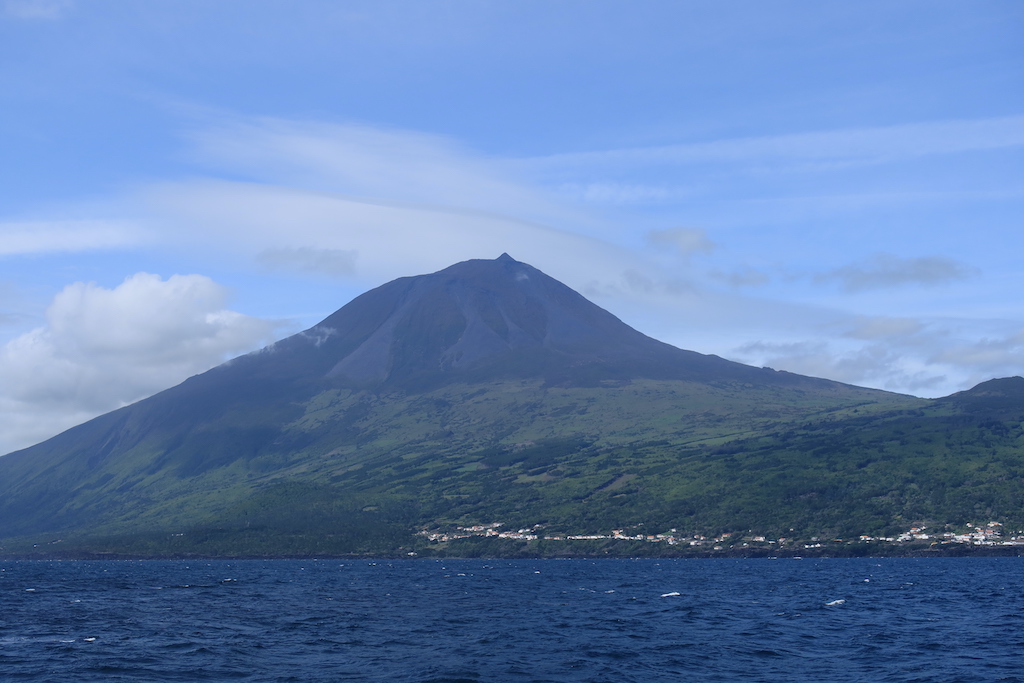
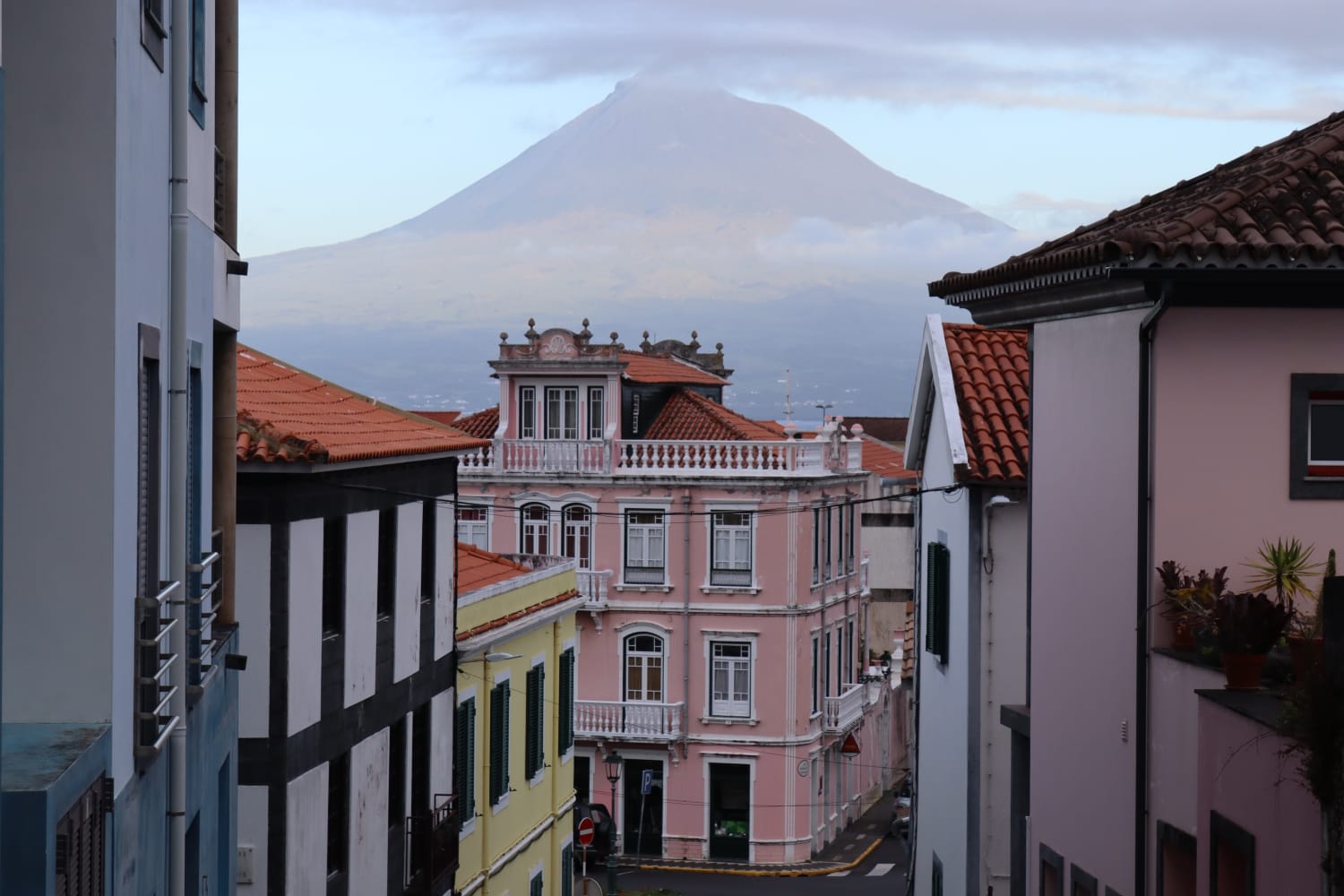
Sea day 3 began with clear skies and views of Portugal’s highest mountain on the Island of Pico. We headed for the lee of the island to increase our chances of sighting (and recording) target species. Despite the best efforts of the spotters and deployment of the hydrophone, we were not seeing (or hearing) anything. Eventually we received information that a humpback had been spotted off the north coast, so we headed into the somewhat rougher waters on the windward side of the island. This culminated in a 145 kilometre circumnavigation of Pico during which we did manage to find a juvenile humpback feeding and were even treated to a couple of breaches.

Sea day 4 came with more swell and another long day covering 108 kilometres north of Faial. This time sperm whales could be heard in the distance through the hydrophone. So we began the process of slowly honing in on their position. Sea conditions made it challenging and after hours of work, Alice finally spotted the blow as the whales surfaced just 200 metres from the boat. The resulting photos enabled Lisa to get positive IDs on four individuals, some of which had been recorded on previous expeditions of ours.

After four days at sea, fatigue was certainly evident amongst the team. But with incoming rough weather a 5th consecutive day on the water was decided upon. We were a couple of expeditioners down due to sea sickness and fatigue, but the team pulled together, with Emma and Elena volunteering to make sure all roles were covered.

Day 5 was a different story to the previous days, with calmer waters, no rain and more whales. We had over 20 sperm whale sightings with six individuals identified, and as if to reward the hard work of the previous days, we even managed to record a blue whale (we’re still waiting on any positive ID matches for this individual).

This Sunday the team are having a shore day and taking a well-earned rest. Fingers are firmly crossed for a break in the weather to enable one more day at sea.

Continue reading “Azores : Tenacity rewarded”

Kenya: Still going

Update from our Africa volunteer project working on the Big Five and biodiversity in the Maasai Mara of Kenya

Group 4 has arrived in the Maasai Mara and have picked up where group 3 left off. Sunday and Monday were training days with our now familiar sessions on equipment and methodologies, flanked bypresentations by Rebekah. Group 4 had luck on their side when during the driver training, there were cheetah and elephant sightings – the elephant sighting being a family group of 9 within Mbokishi, which is rare.

The weather has been doing its best to scupper our plans with torrential downpours and thunderstorms, but we are flexible and adaptable in our planning and so far, the weather hasn’t impacted our research. That doesn’t mean that we haven’t had vehicles stuck in the mud, but that’s a different story!

On transect in Ol Chorro we came across a giraffe carcass that had been there for just a couple of days. This turned out to be a feast for the wildlife with over 20 hyaenas in the area and some jackal waiting patiently for their turn to eat. Further away from the action were vultures and eagles fighting over various body parts.

Group 4 are our final group for this Kenya expedition and we are making our preparations to leave the Maasai Mara. Rebekah and Roland are busy planning the expedition report, but we still have data to collect and transects to complete in the meantime. We will be back with updates of how the final local education day of the expedition went later this week.

Continue reading “Kenya: Still going”

Azores : On the water

Update from our marine conservation volunteering holiday in the Azores archipelago, working on whales, dolphins and turtles

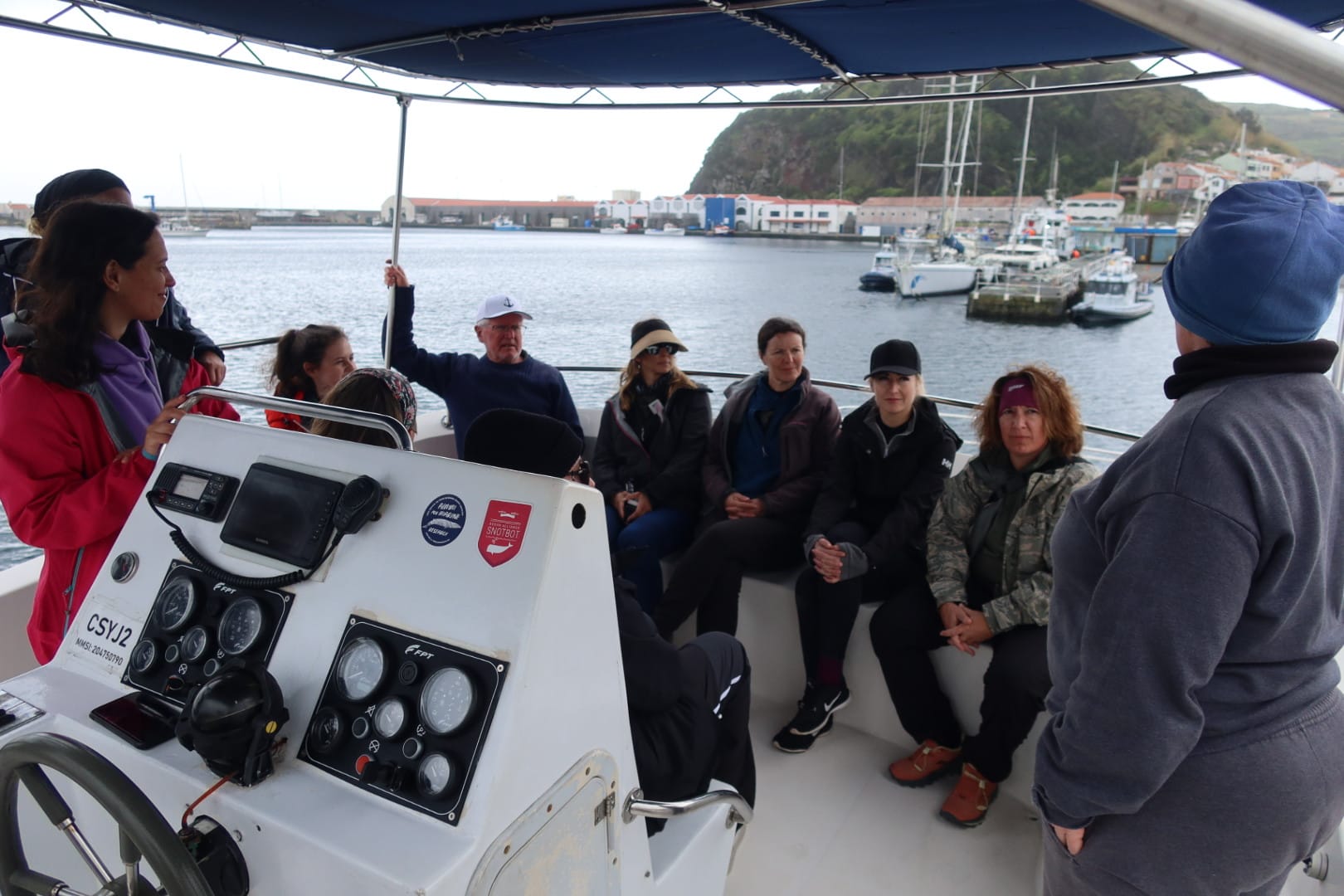
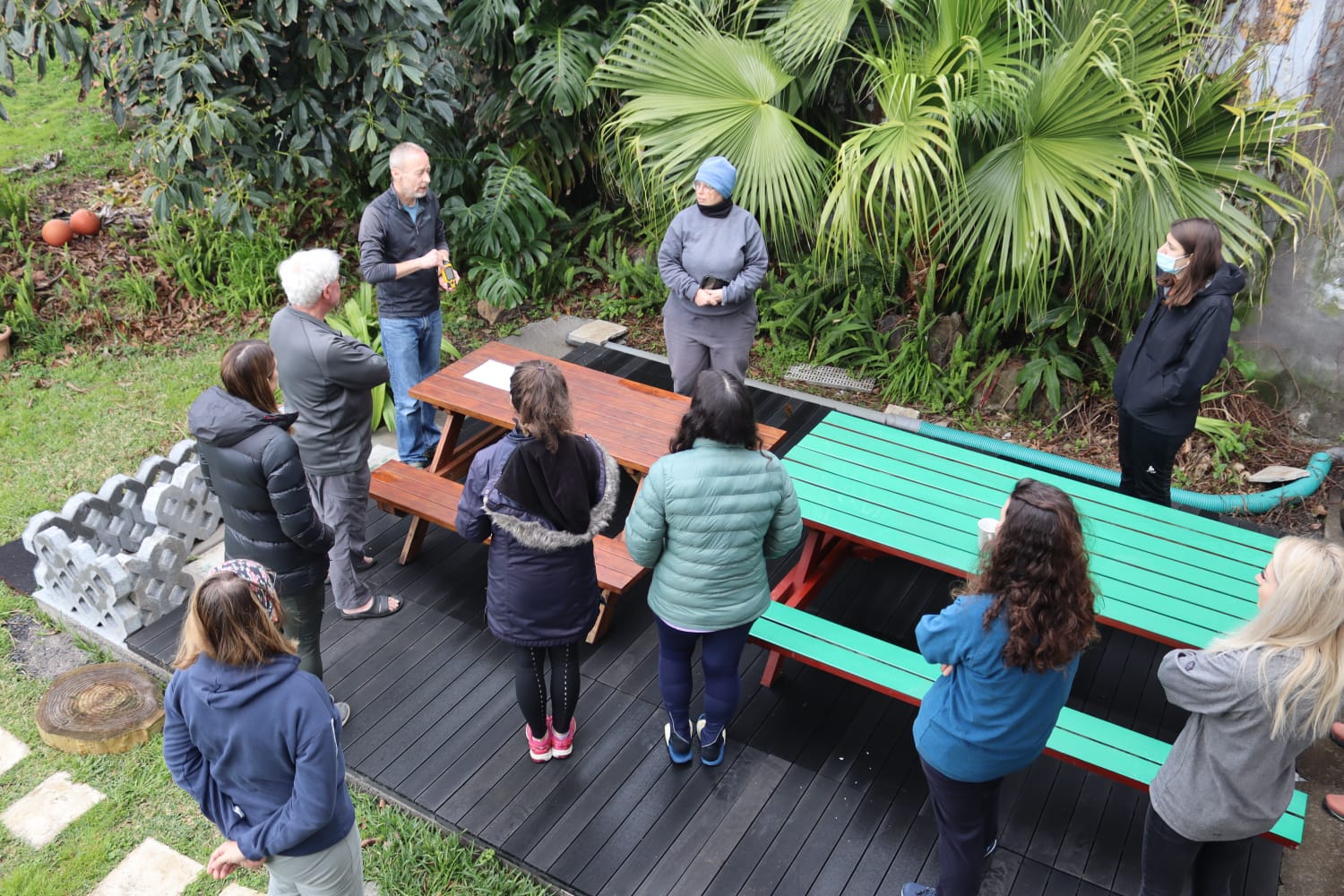
The expedition is underway with participants from six countries arriving to Horta on Monday. Some great weather conditions meant we hit the ground running with training on equipment use and data collection amongst the avocado and banana trees at the expedition base.

After the training was completed, the weather became more challenging for Tuesday afternoon’s test run on the water. Despite the conditions, within four hours we’d covered 57 kilometres, recorded common and bottlenose dolphins and three sperm whales (including a calf displaying suckling behaviour). The team did well on the data recording, especially Tracy, who is in danger of earning herself a permanent slot as POPA master.

Expedition scientist Lisa has been giving evening lectures, and after last night’s species identification lecture, everyone was keen to put their new knowledge to the test. However, the cetaceans weren’t making it easy. Despite almost double the distance covered, and deploying the hydrophone – so we could potentially hear what we couldn’t see – day two on the water proved less fruitful (with only common dolphins recorded).

Such is the unpredictability of wildlife. Spirits amongst the team are high and the weather looks good for day three on the water.

Continue reading “Azores : On the water”

Azores : Re-orientation

Update from our marine conservation volunteering holiday in the Azores archipelago, working on whales, dolphins and turtles

Expeditions are partly about the journey and the destination. So, after three days, three flights and four airports Henry and I landed in the Azores. Though slightly later than anticipated due to an unforeseen strike! No real drama and now the interesting part of the expedition can begin….

For the past couple of days Jim and Claudia (our hosts), and we have been preparing the expedition base for your imminent arrival.

It has been great to re-orientate myself with (and introduce Henry to) Horta, meet up with our hosts and catch up with Lisa (our scientist) to hear about all the recent news. We will share more detail on that once you’ve arrived…

We now just hope that the weather and whales (and other target species) are on our side and we can look forward to some great fieldwork (and data collection) over the next few days.

So safe travels to those of you on group 1 still en route, and we look forward to meeting you all on Monday morning (as per the details in the dossier).

Continue reading “Azores : Re-orientation”

Azores : Opener

Update from our marine conservation volunteering holiday in the Azores archipelago, working on whales, dolphins and turtles

It’s time for the initial introductions. I am Craig Turner and I’ll be your Expedition Leader in the Azores this year. On the first group, I will also be joined by Henry Taylor (Expedition Leader in training). It is great to be going back to the Azores after a few years’ break and escape the ongoing Scottish winter – I‘ll be making tracks earlier than expected as more snow is forecast, which could otherwise hamper my journey to the airport!

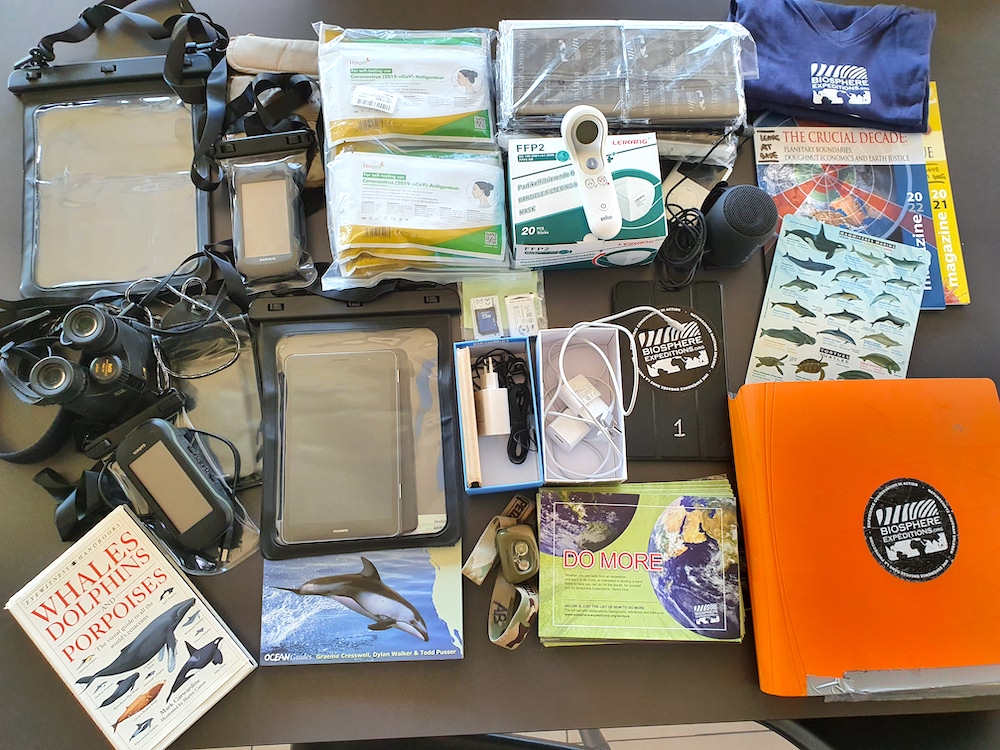
I am currently organising and packing my kit, checking that I have all I need for the next month – so don’t forget to check the project dossier. It will be great to meet up with old friends and colleagues from previous years, not least, our scientist Lisa Steiner. If you want to find cetaceans in the Azores, then she is the person to find them. If you have seen the latest project report and Lisa’s recent publications or the 2022 Azores expedition roundup, then you’ll know, not what to expect, but what we hope to record. Last year, you’ll note they had a variety of records – so you never can be too sure what ‘data’ we will collect. Just cross your fingers for good weather….

We arrive on Friday morning, a couple of days before we meet the first group, in order to set up the expedition headquarters. I’ll send around another message once I hit the ground in Horta and confirm my local contact details.

This reminds me to mention communications on the island. There’s cell/mobile reception on Faial in addition to internet via public hotpots and free WiFi in most cafes. Hopefully, you can resist the need for frequent international comms, and just soak up the experience of Atlantic island isolation.

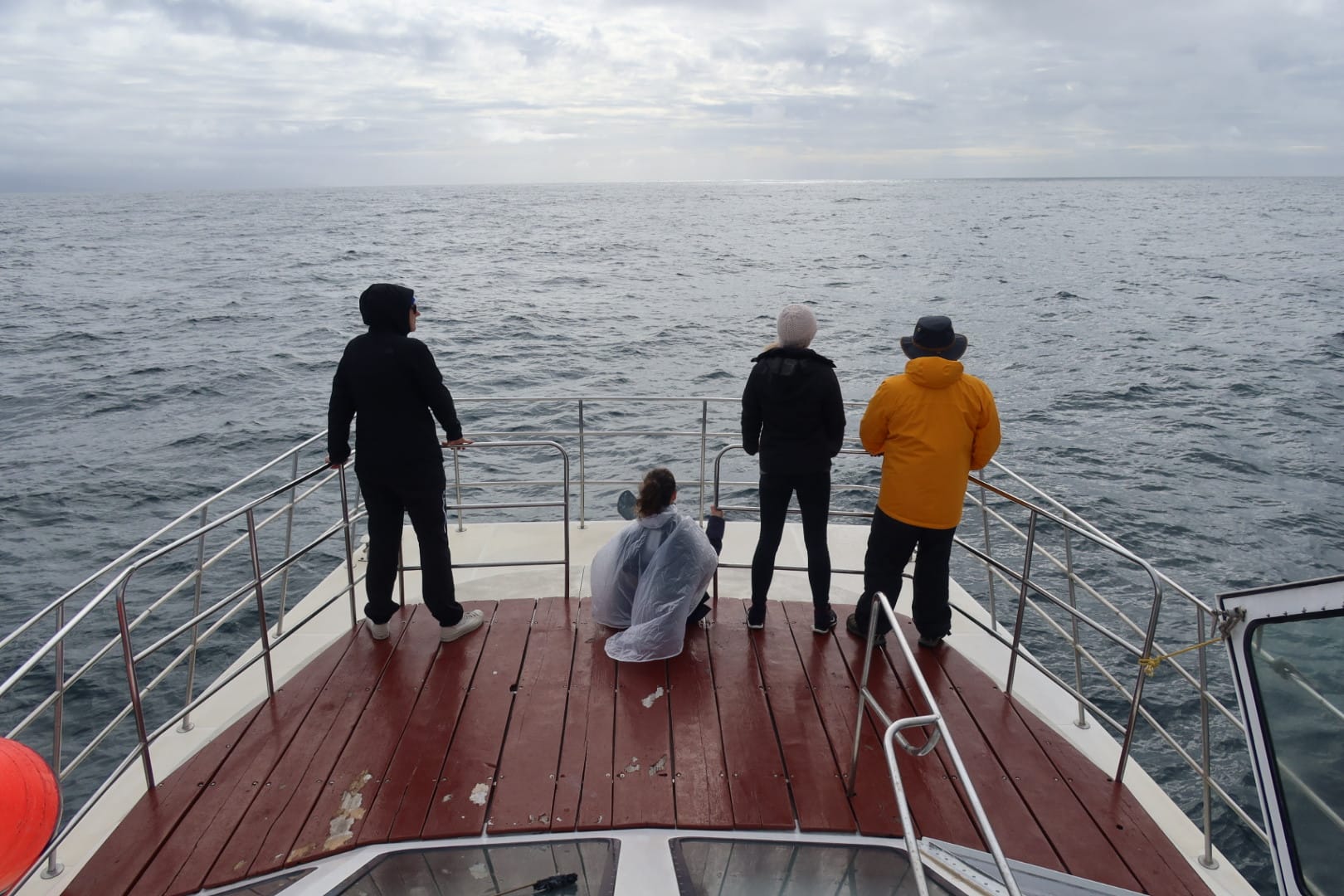
I hope you’ve all been eagerly reading your expedition materials and know to bring many layers of clothing. As to the weather, think Vivaldi ‘The Four Seasons”, so prepare for warm, cold, wet and dry – sometimes on the same day. Don’t forget your sunglasses or your waterproof trousers – you’ll thank me when you are stationed on the bow of the boat as a lookout and the weather is choppy (so also bring your motion sickness pills/patches – if you know you need them!).

So with the local team in place, whale sightings already logged by Lisa, all we are missing is you. It will be great to meet you all and I’ll send along another update very soon.

Here’s to another month working back in the EU!

Safe travels group 1…

Craig & Henry
Expedition Leaders

Continue reading “Azores : Opener”