Arabia: Exciting owls

Update from our wildlife conservation volunteering holiday in Dubai (UAE) working on oryx, wildcat and desert species

Today is Saturday and we have said farewell to group 1 after an good week with a hidden bonus as we packed up camp this morning, more of which later!

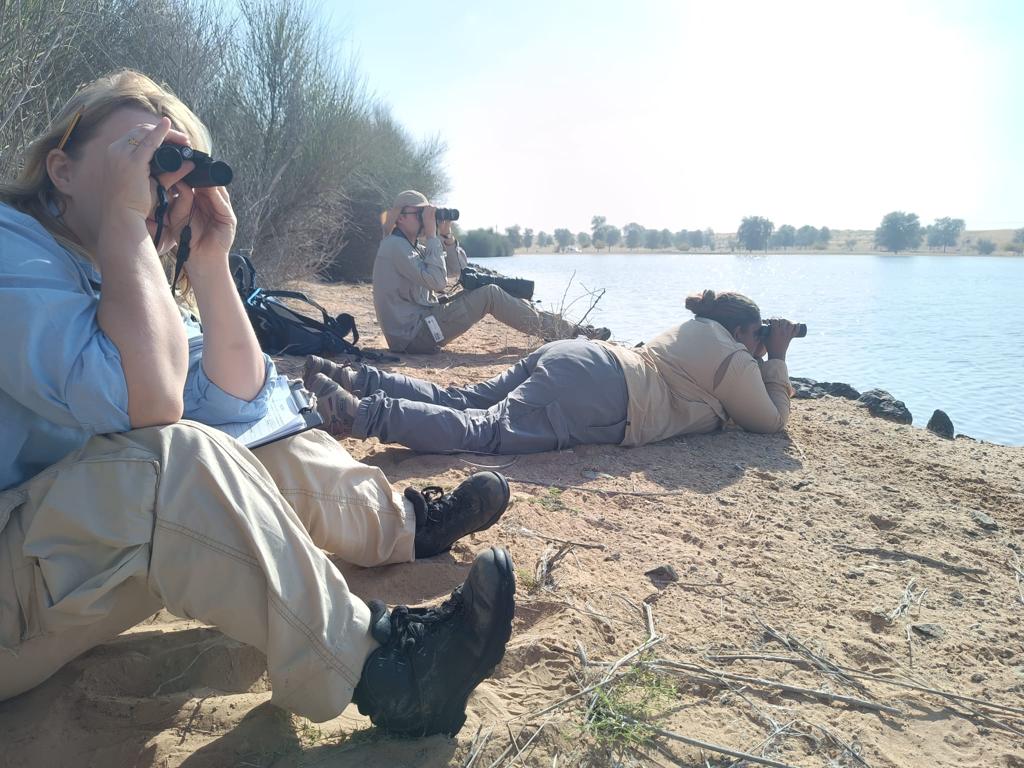
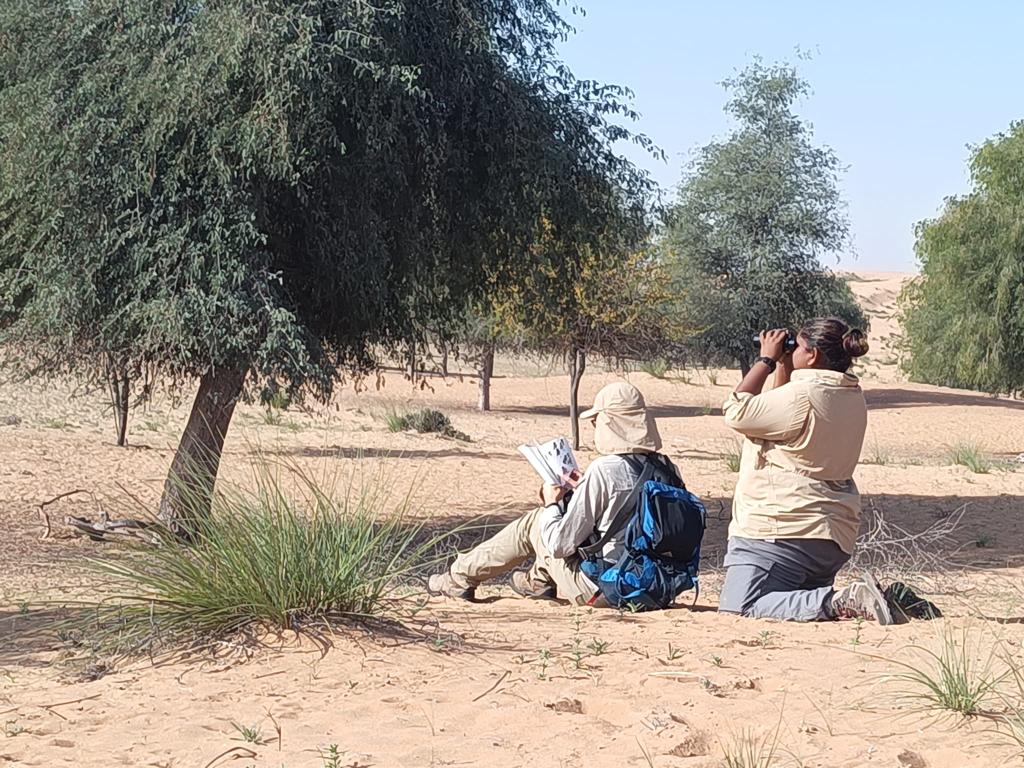
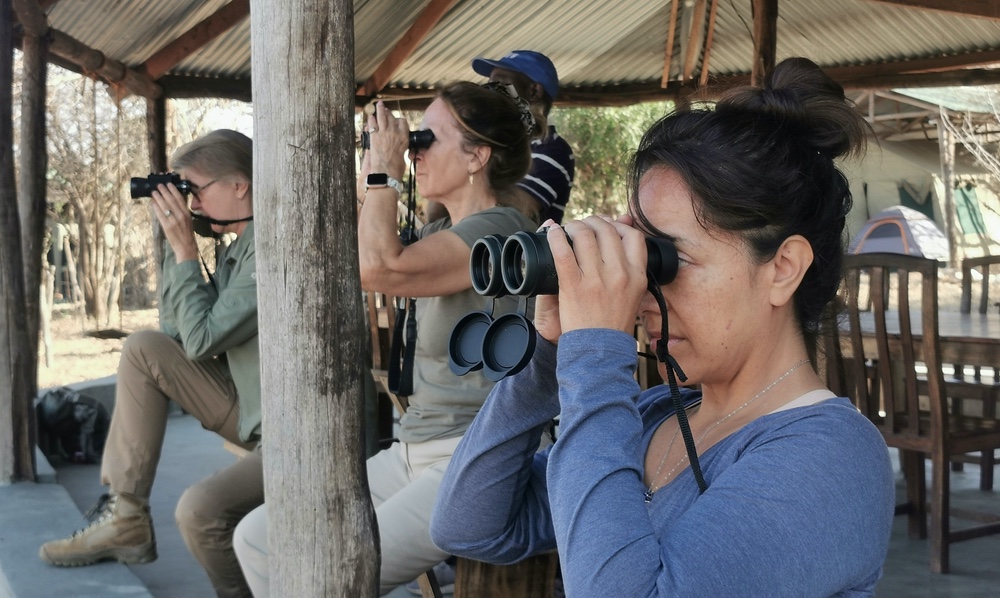
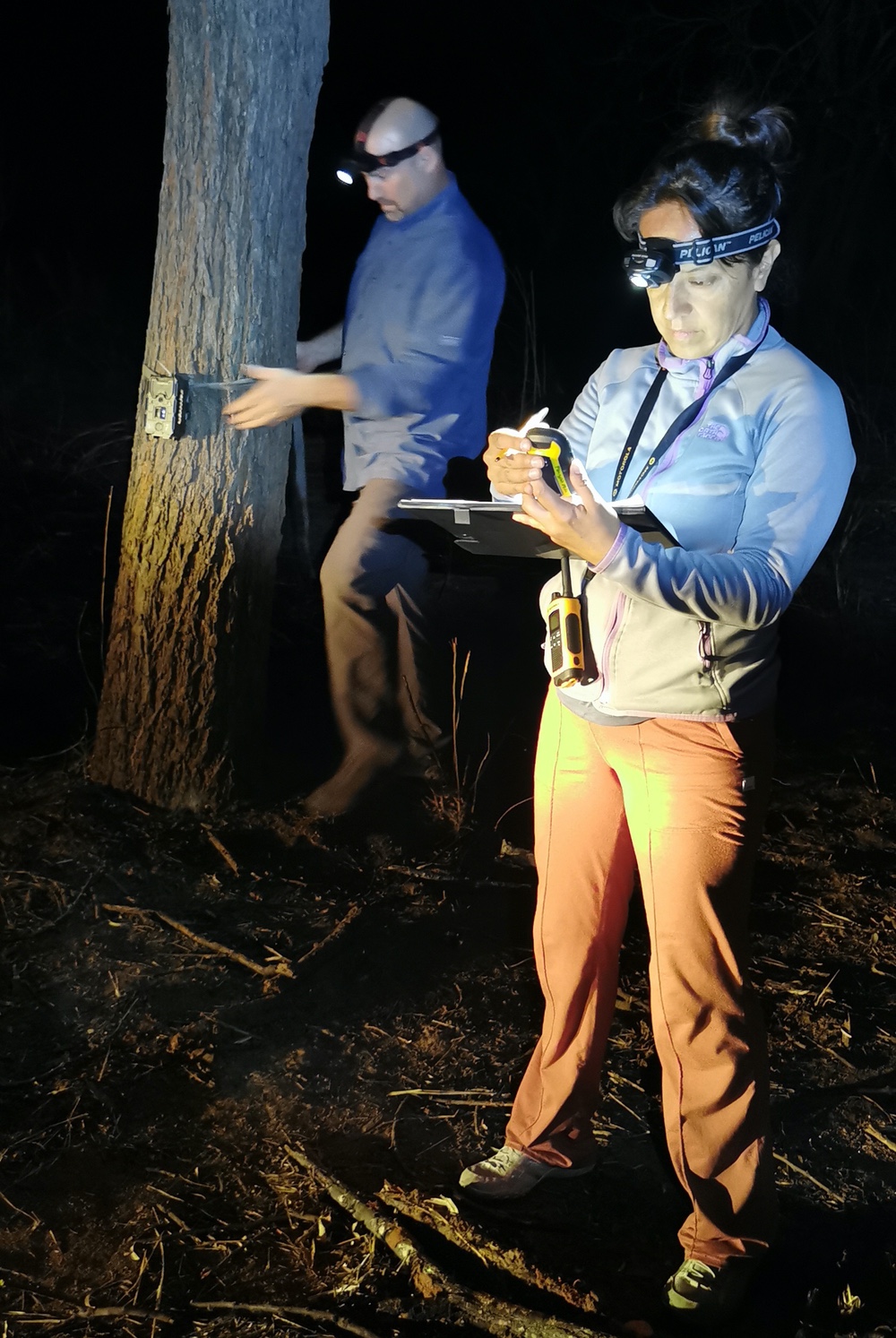
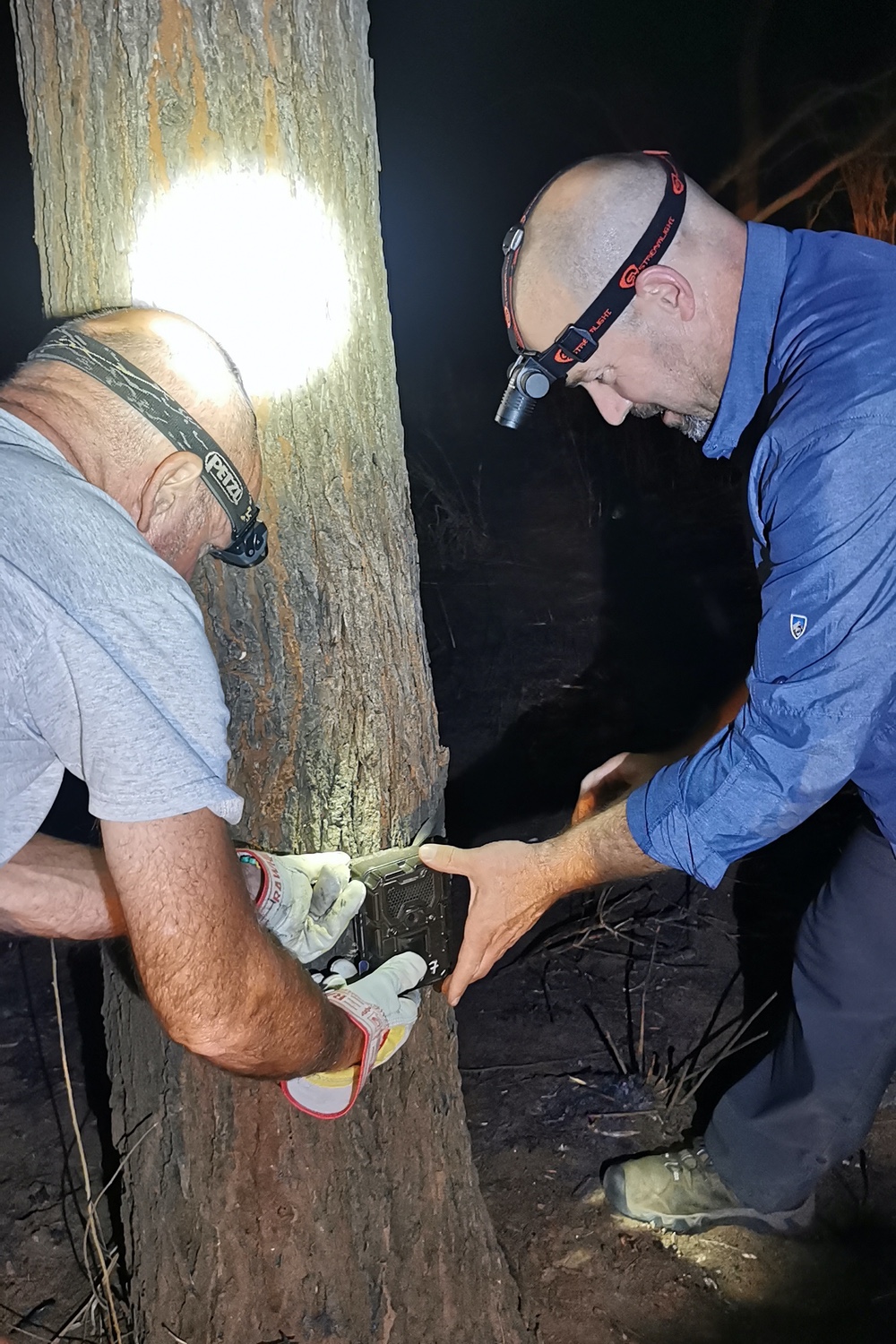
After a week of hard work, the team completed 55 (of 62) quadrat surveys, multiple bird counts (where Matthias and Georgina deserve special mention for passing on their extensive knowledge to other citizen scientists) and the hunt for the elusive Pharaoh eagle owl goes on. Our camera traps captured Arabian red foxes, Arabian hare and jerboa, none of which we spotted during daylight hours.

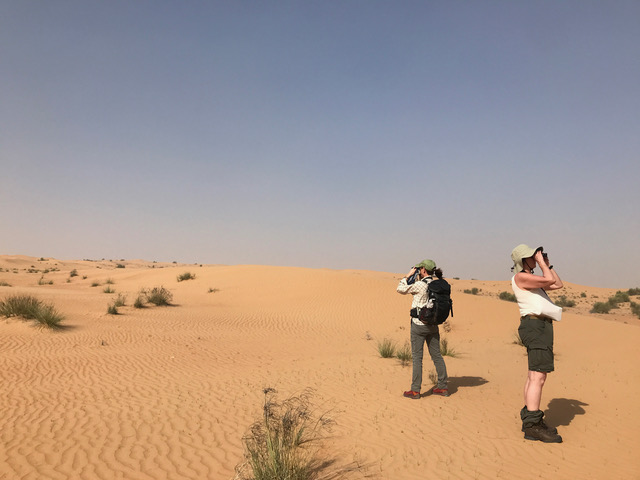
We did spot and identified 58 different species within the DDRC – it might have been more if some of us had realised we were counting insects too 😉 In total we racked up 44 bird, 8 mammals, 4 reptile and 3 insect species. Highlights included our flagship species, the Arabian oryx, as well as desert foxes and plenty of Arabian and sand gazelles.

Weather has been very pleasant with slightly cooler temperatures than earlier in the week, which enabled us to get more survey work done in in the afternoons. Most of us revisited the highly recommended new Visitors Centre here at the DDRC to help identify what we’d seen, or perhaps it was because it is the nearest Costa Coffee shop…. 🙂

We rounded off group 1’s week with an evening meal at our desert camp. A superb South Tyrolean pasta dish and a pepper side dish produced by the amazing Elisabeth. We all hope she comes on an expedition again 😉

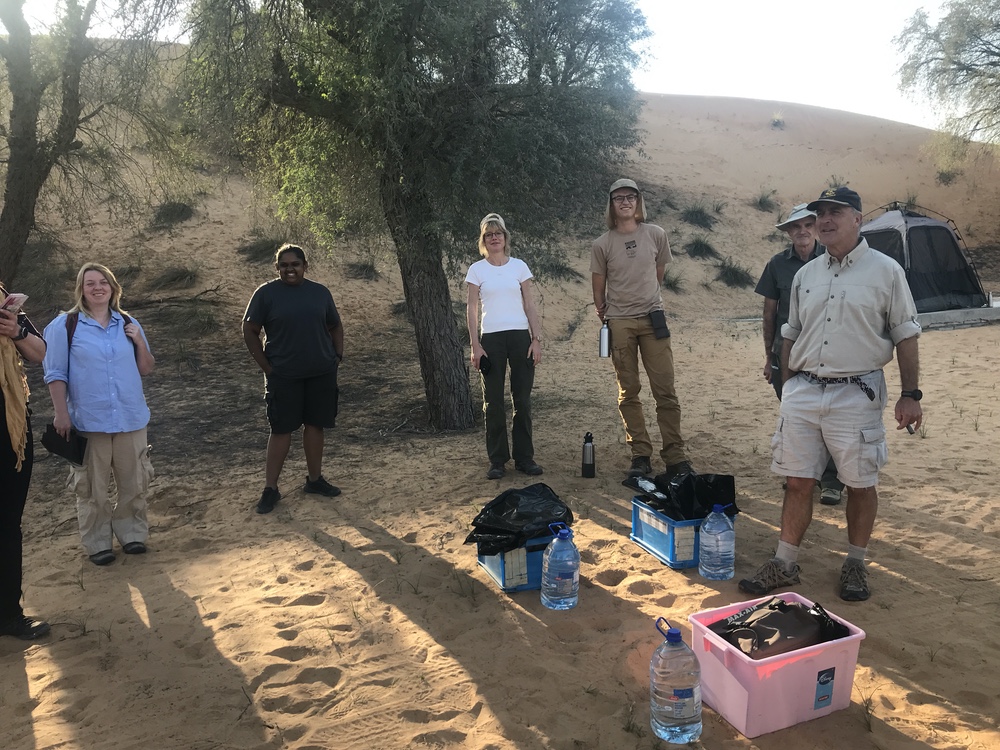
Ah, nearly forgot the bonus. While breaking camp this morning, our birders suddenly got very excited and rushed off to a nearby ghaf tree. There, roosting in the branches, was what we think was a long-eared owl. Photographs were taken and will be sent to the Dubai Birding Committee for confirmation. If we’re right, this would be a huge first for the DDRC. Standby group 2, the location is right next door to camp!

Continue reading “Arabia: Exciting owls”

Arabia: Packed days

Update from our wildlife conservation volunteering holiday in Dubai (UAE) working on oryx, wildcat and desert species

It’s day four on our desert expedition and while I am writing this, everyone else is out in the field collecting data. We work in four teams swapping activities such as circular observation, bird census and pharaoh eagle owl survey. All data collected in the field also need to be typed in to the computer, which makes data entry another activity we will bring in in a couple of days. The daily routine works well: Getting up at 5:30, breakfast at 6:00 and heading out into the field at 7:00. The teams are back at camp in the afternoon for tea, coffee & a refreshing cold shower before the daily de-brief at 17:30, planning the next day and dinner afterwards.

The temperature has increased gradually day by day (30C/15C day/night) and with some cloud cover, we experienced early morning mist today for the first time. I bet the animals and plants very much enjoyed the humid air as much as we did during the early morning survey walks.

You will be hearing from us again once this group is done and we can give you a summary of what we have achieved so far. Tomorrow will be another packed survey day, same as on Friday morning, when we will collect the camera trap SD cards for reviewing.

Continue reading “Arabia: Packed days”

Arabia: In the desert

Update from our wildlife conservation volunteering holiday in Dubai (UAE) working on oryx, wildcat and desert species

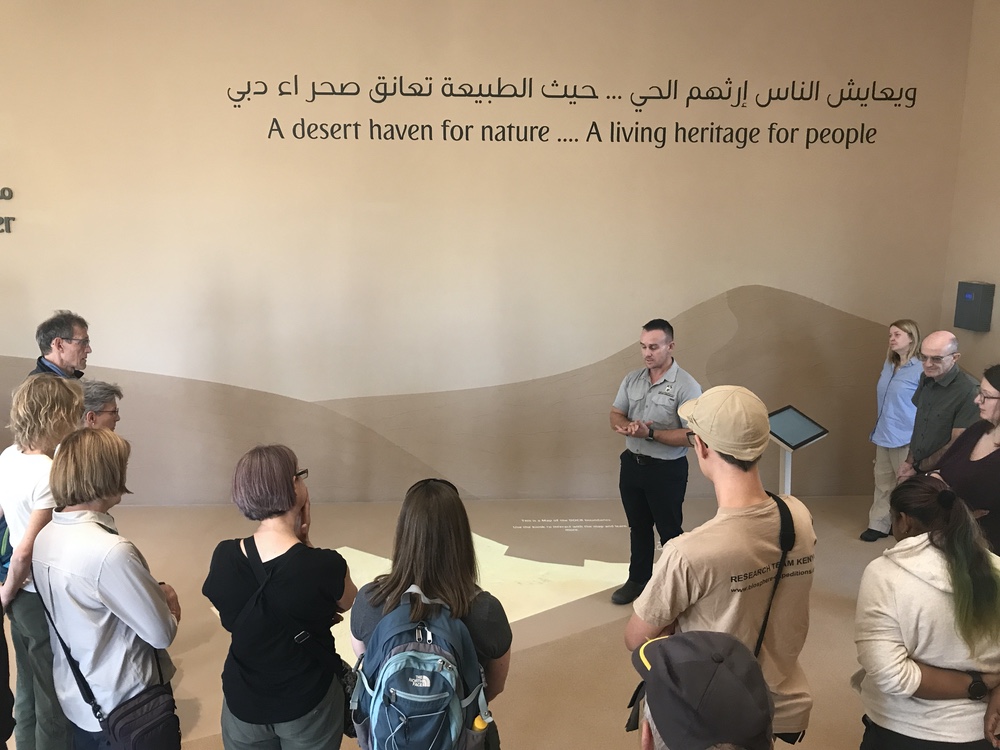
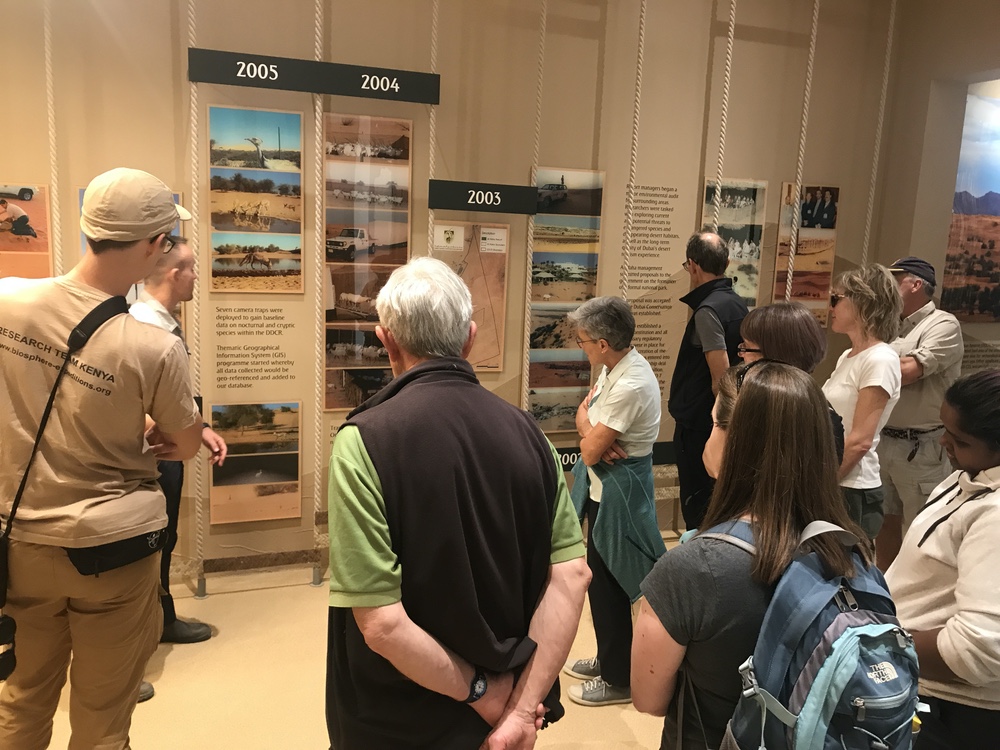
On Saturday group 1 arrived without mishaps and were treated to a visit to the brand-new DDCR Visitor Centre, its displays serving as an introduction and featuring plenty of Biosphere Expeditions mentions and joint achievements, of which everyone involved in the expeditions over the years can justifiably be proud of. Our staff were happy to see their pictures, handwriting and other “artefacts” on display.

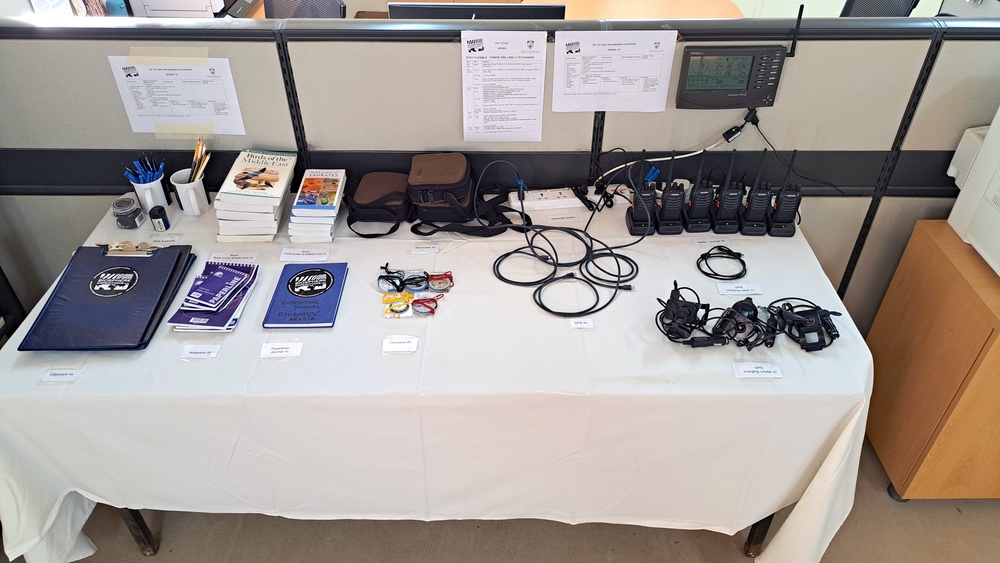
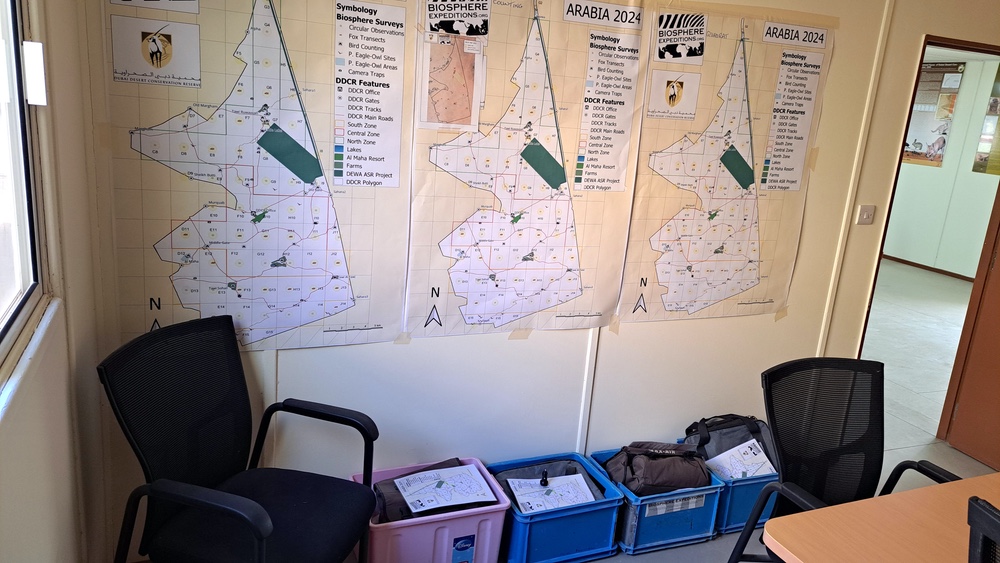
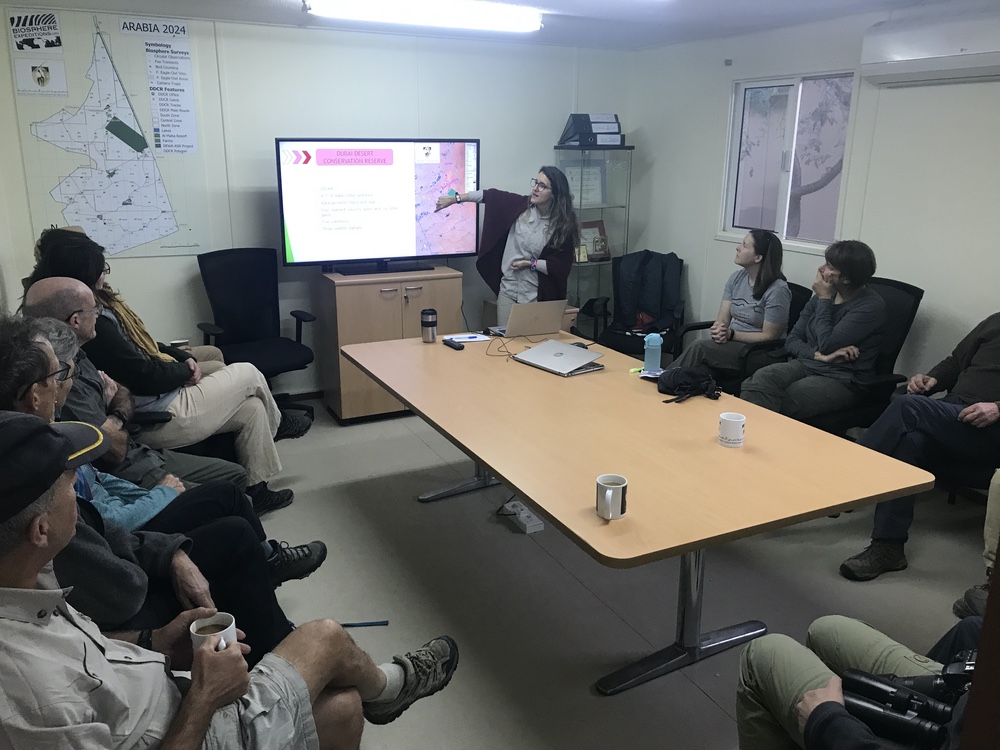
From the Visitor Centre we proceeded into the DDCR. The gazelle and oryx welcome committees were there, as ordered. We stopped off at the office for a quick orientation talk and to explain where all the science gear was, what the maps meant and more.

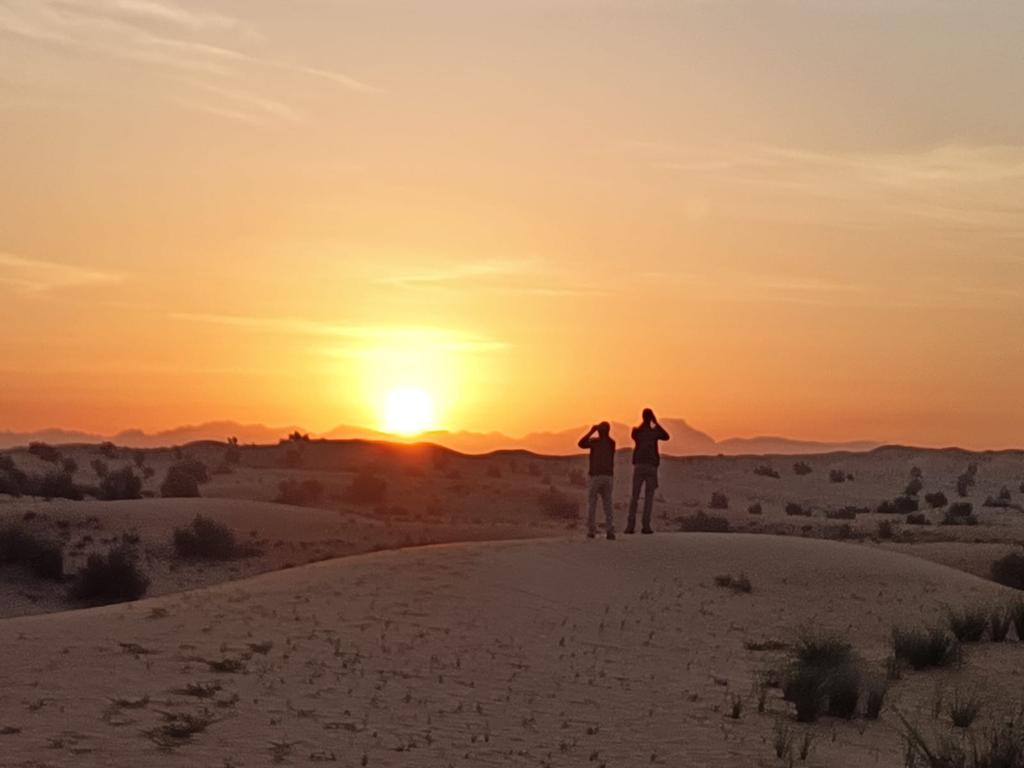
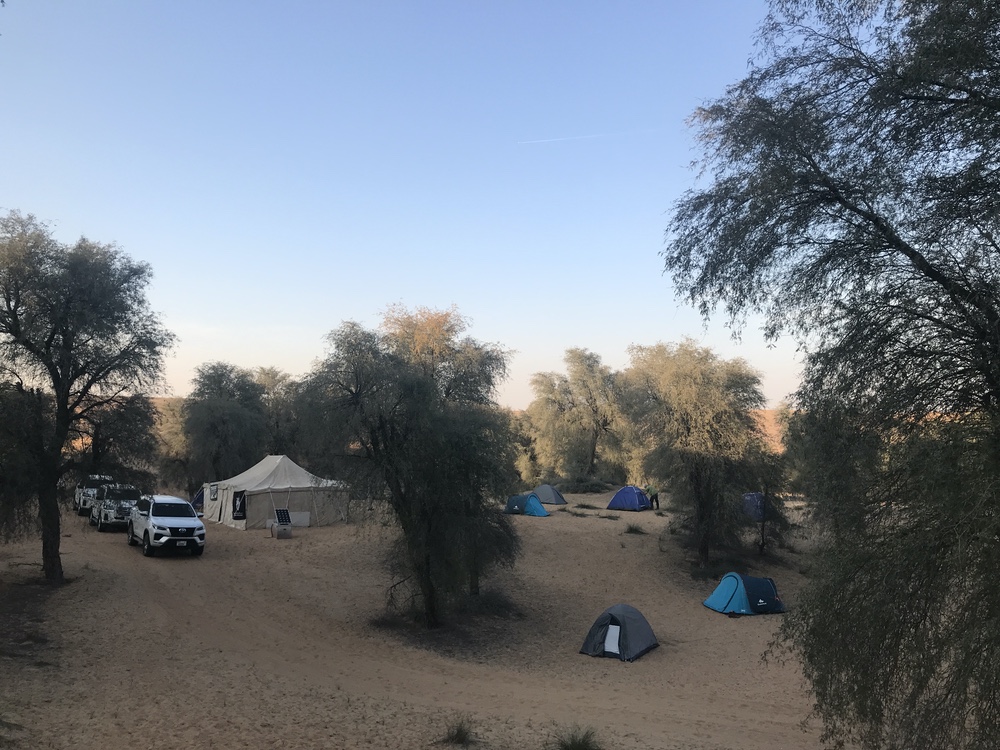
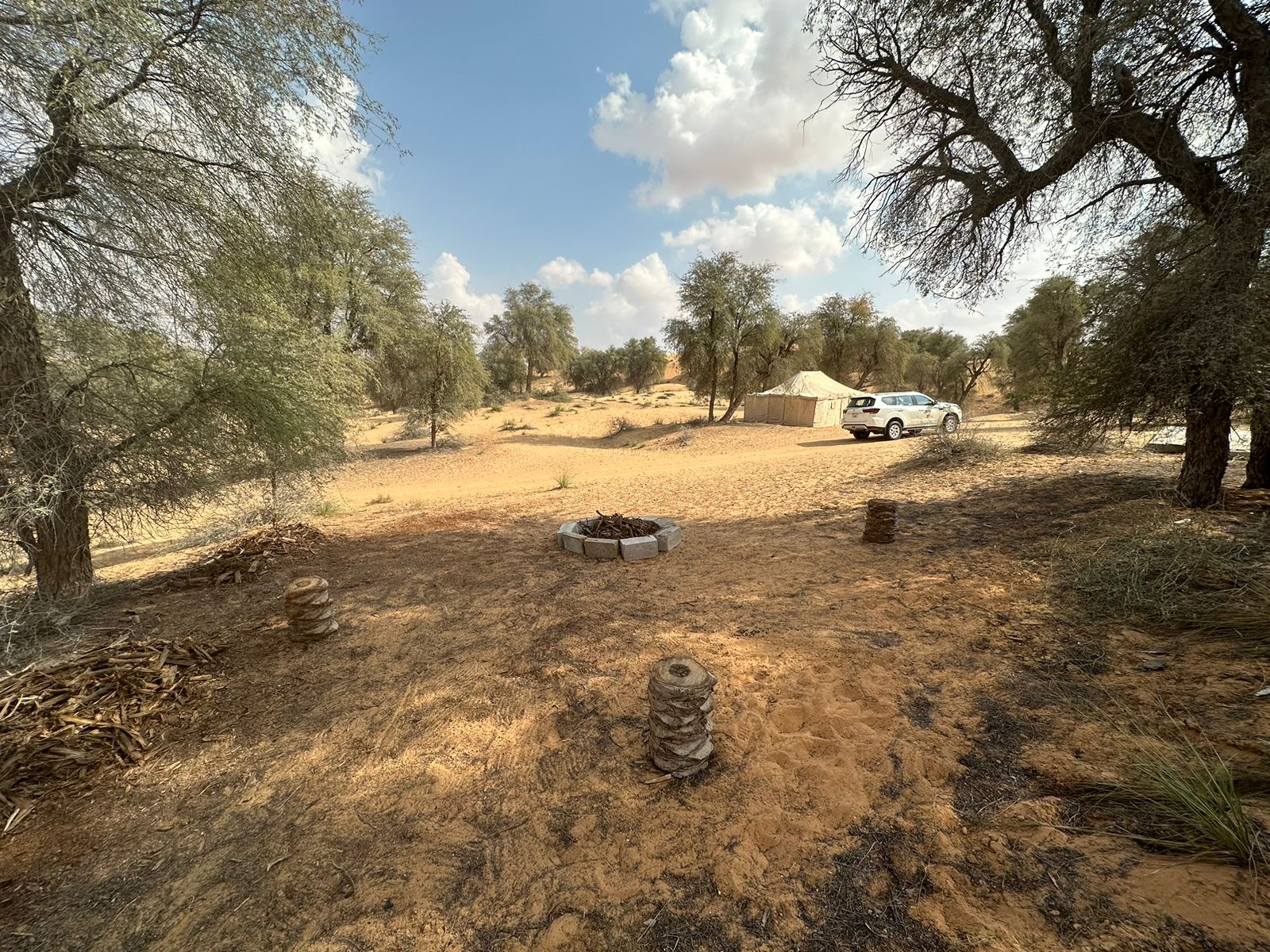
The final stop was base camp for the safety talk and to pitch tents and get settled in. Then a beautiful sunset, dinner and bed, because we have to be up before the sun rises to get ready for the day. 30C during the day, 8C in the night. Spare sleeping bags were in demand. It’s the desert after all.

More training on Tuesday, first in the classroom on theory and then practice newly learnt skills in the field. The first camera traps are going out into the field as I write this. Well done group 1! I think everyone will sleep well tonight. It’s not a holiday, you know :))
Continue reading “Arabia: In the desert”

Arabia: Noises in the night

Update from our wildlife conservation volunteering holiday in Dubai (UAE) working on oryx, wildcat and desert species

We’re here. It’s the usual dash to get ready and we will be. There’s six of us dashing (see picture below).

From left to right: Jenan, helper from Oman. Malika, expedition leader. Simon, expedition leader in training. Basil, expedition scientist from DDCR. Maria, expedition scientist from DDCR. Gerhard, conservation manager DDCR.

The sun is shining, bathing the desert in earthy colours of red, brown and yellow. The sky is azure, the birds are singing and the gazelles and oryx are doing their thing in the desert. Camp is noisy. Last night there were diggers for the water project nearby, destroying the desert silence and keeping some of us awake. They work 24/7 sometimes close to camp, so bring ear plugs!

Base camp

The schedule is ready (see below), so come prepared for an expedition, not some cushy desert holiday.

Safe travels. See you soon, group 1.

Continue reading “Arabia: Noises in the night”

Arabia: Changes

Update from our wildlife conservation volunteering holiday in Dubai (UAE) working on oryx, wildcat and desert species

Welcome to the first diary entry of the 2024 Arabia expedition. I am Malika Fettak, your expedition leader.

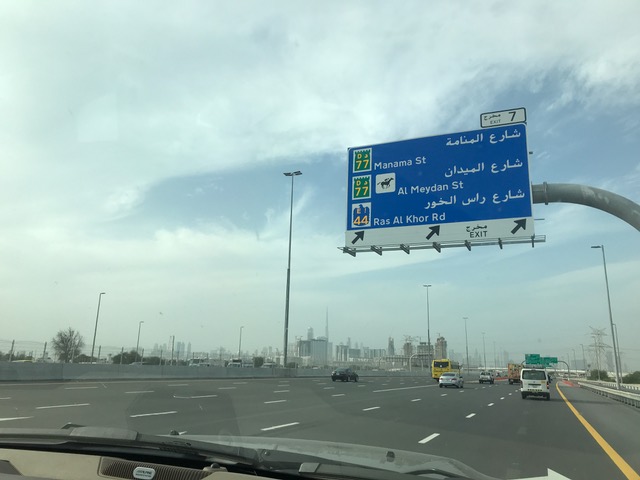
This expedition and I share a long history going back to 2012, the very first Arabia expedition to the Dubai Desert Conservation Reserve (DDCR). Since then, the city, surrounding areas and the desert landscape have developed into something else. 2-lane roads have turned into 8-lane highways, spaces between buildings have been filled with even more skyscrapers and the size of the city has multiplied. Along the approximately 60 km from Dubai to the DDCR, where just over a decade ago there was only desert, road networks for new housing areas already exist both sides of the highway indicating construction areas in the near future. However, all of this is literally left behind once you pass the gate to the reserve. The desert landscape that stretches before your eyes seems to be from a different time, before the oil, when Dubai was nothing more than a settlement of fishermen at the Creek.

The reserve is like an island: 230 square kilometres in size, surrounded by a high solid metal fence and strictly guarded entrances that can only be passed by a very restricted group of people. Among these are us, the expedition team, contributing to conservation and supporting the Reserve’s management. We are special guests every year with the privilege of setting up a desert basecamp for the expedition and moving freely with the expedition 4×4 vehicles. No tourist or other individuals have access to the reserve without supervision, can not move around on their own, let alone stay overnight. That makes this expedition something very special.

This year a DEWA (Dubai Electricity & Water Association) project is underway 24/7 in the Reserve, causing quite a bit of noise around the base camp site we have used recently. So this year we will be back in a spot that we have used in the past, with updgraded facilities of water supply, shower, toilet, campfire, solar power for our fridge etc.

New this year also is the DDCR Visitor Center that was opened only a few months ago. Designed and equipped with great dedication by the DDCR staff, this year we look forward to touring it by way of introduction before we settle into camp and explore the desert ourselves. For a few weeks, we will be extra eyes and ears in the field, documenting, reporting and exploring and what DDCR managment needs to know for effective protected area management. We will come across oryx and gazelles frequently on our drives and walks, explore & record fox dens and nesting sites of desert eagle owl and we may be lucky enough to spot and record vultures and other desert species.

I look forward to meeting the first team in a week at the Premier Inn in Silicon Oasis. I’ll write again before that with updates from the desert.

Malika Fettak
Expedition leader

Continue reading “Arabia: Changes”

Thailand: End

Update from our Elephant conservation volunteer holiday Thailand

Sunday morning, 04:30. Alarm goes off, how strange…then I remember that this is our early morning hike out to the elephants. 04:45. Kettle’s boiled and coffee made. 05:04. Coffee is watered down as I overhear comments about it being too strong. 06:00. We head out. The morning air is cool as we start our hike into the forest in the dark. The path is difficult to walk on as we’ve had rain for the last few days. We collect data and do what citizen scientist are meant to do: assist the efforts of our local researchers and NGO partners.

Monday morning, and the last day of our research is underway. With tired legs and enthusiasm we get on our way. For some of the team this means taking a 4×4 to the survey site other walk to where our disjointed herd is. Pat, Carlo and Paula record elephant interactions. Boon Rott, who has been solitary, keeping a little more distance from the other elephants, is being tracked by Gary. Neil and Sandra are recording the activity budgets of Too Meh and Mae Doom, who are foraging close by. Elena is at work recording foraging data, identifying what plant species the elephants are eating. Carlo and Paula join Phyllis and Sue with Sri Prai, Dodo and Junior.

That evening we had out last dinner together, made atmospheric with interspersed with power cuts, and head torches placed under water bottles as lanterns. As ever its has been such a pleasure to work with KSES and also the amazing team of citizen scientists that is the core of every Biosphere Expeditions field effort. Even with all the technology in the world there is no substitute for feet on the ground, hard work and collecting data out there in the field, regardless of what the weather and terrain may throw at us. So thank you everyone. Thank you for giving up your time and funds to make this possible. It is much appreciated, you will see the results in time and we hope you will come back.

Continue reading “Thailand: End”

Thailand: Middle

Update from our Elephant conservation volunteer holiday Thailand

As we approached the mid point of our expedition on Friday, the team has the new technology sussed. This expedition has several returning expeditioners, familiar with using data sheets and clipboards, including Neal who came out to Thailand in 2018 and is currently on his 14th expedition (he’s aiming for 20). After initial apprehensions in moving from tried and tested methods to the app, they all seem happy confident with it, particularly as there are now no longer queues for the laptops to input data, giving everyone some extra time to unwind after a hard day’s work.

On Friday and Saturday we were on afternoon survey slots, which means being out in the forest during the hottest part of the day. As we are a large group, some of the team have been using these days to do surveying and other tasks closer to base, including biodiversity surveys.

The elephants have taken our team in all directions: Boon Rott, Gen Thong, Mae Doom and Too Meh spent one day milling around in a sloping open field, foraging in the one spot of shade, leaving our citizen scientists basking in the sun. Gary and Sandra were some steep slopes to be with Dodo, Sri Prai and their calf Junior foraging in another part of the forest, before they lost sight of Sri Prai and Junior after lunch, not to be seen for the rest of the day. On another day, Susanne spent an adventurous day being led on slippery slopes into the bush following Dodo, who has a habit of going in the opposite direction of the rest of the herd.

Also, we had a nice cup of tea and some doughnuts to celebrate Paula’s birthday.

Continue reading “Thailand: Middle”

Thailand: Start

Update from our Elephant conservation volunteer holiday Thailand

Today, Monday, saw the arrival of our Thailand elephant expedition 2023 team of citizen scientists make it to our base camp and into their homestay in the Karen village Ban Naklang. We have with us Gary, Sandra, Patricia, Paula, Carlo, Sue, Phyllis, Neil, Susanne and Elenor, as well as KSES team Kerri, Aislinne and Jasmin, along with myself, Anthony.

The team

Everyone turned up just in time for lunch after their journey from Chiang Mai this morning, stepping out of the 4x4s looking resplendent in immaculate jungle wear and spotless boots. It’s rainy here, so we’ll soon take care of that…

After lunch we had a KSES presentation from Kerri, followed by introductions and the risk assessment from me (no backing out now). We also learnt about the new digital system for data collecting, designed to reduce error and publish our research more efficiently.

Presentation

Tomorrow we’ll have a full day of field training, but even more excitingly we’ll get to meet the elephant herd.

Continue reading “Thailand: Start”

Thailand: Rain

Update from our Elephant conservation volunteer holiday Thailand

After a lengthy journey from Barcelona via Chiang Mai I arrived. As we drove to Naklang the temperature eased off, which was a relief from the heat of the city. I was excited to see the new baby elephant in the jungle, and equally as excited to meet Kerry and Sombat’s baby boy Ollie, who was a mere bump in her belly last year when I was last out here. 

For the next couple of days, we will be concentrating on getting everything set up for the team’s arrival. Jazmin will be meeting you at the Mecure hotel at 08:00 on Monday. 

If you are planning to buy a local SIM card while you are in country, the one that currently works in this area is ‘TrueMove’. And there are packages available that last for 15 days that cost THB 699. 

At the moment we are right in the middle of some very unseasonal rain, so please make sure that you have suitable clothing for very wet weather. 

We are looking forward to seeing you on Monday. 

Bridge in the village
Continue reading “Thailand: Rain”

Malawi: Round-up 2023

Update from our Malawi expedition volunteering with elephants, hippo, cats, pangolins and African biodiversity

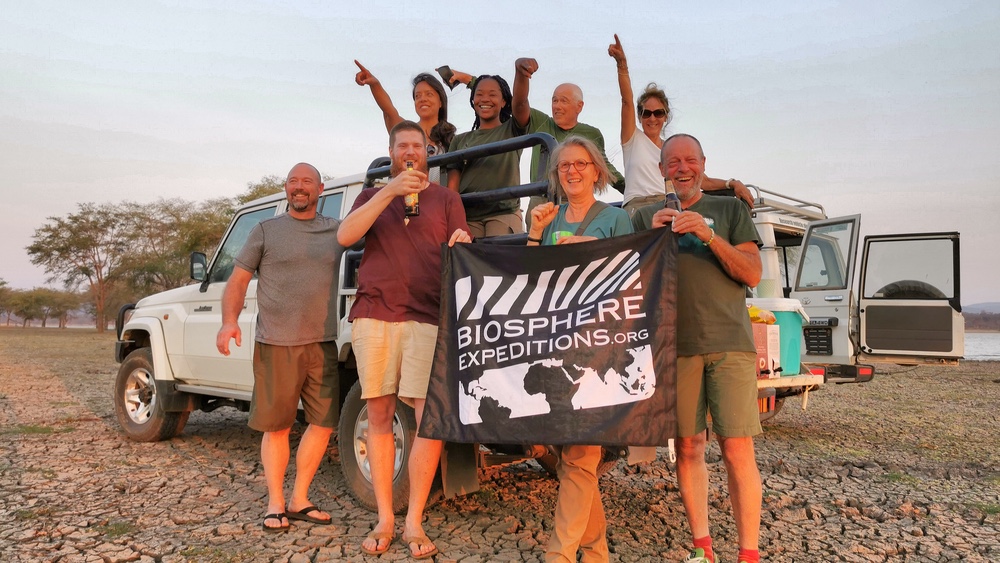
Biosphere Expeditions have continued their long term partnership with Lilongwe Wildlife Trust (LWT), researching and monitoring wildlife populations in the Vwaza Marsh Wildlife Reserve in Malawi.

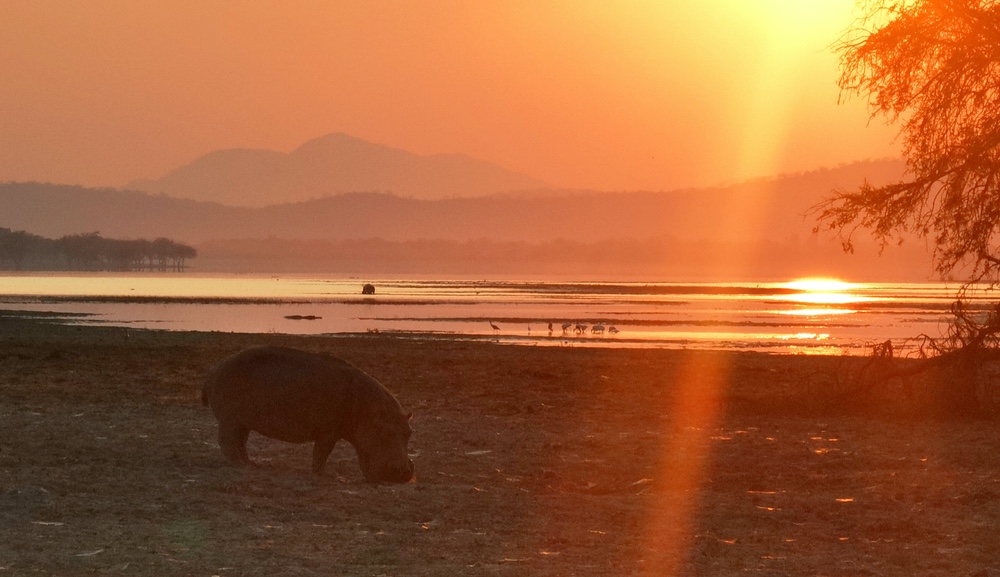
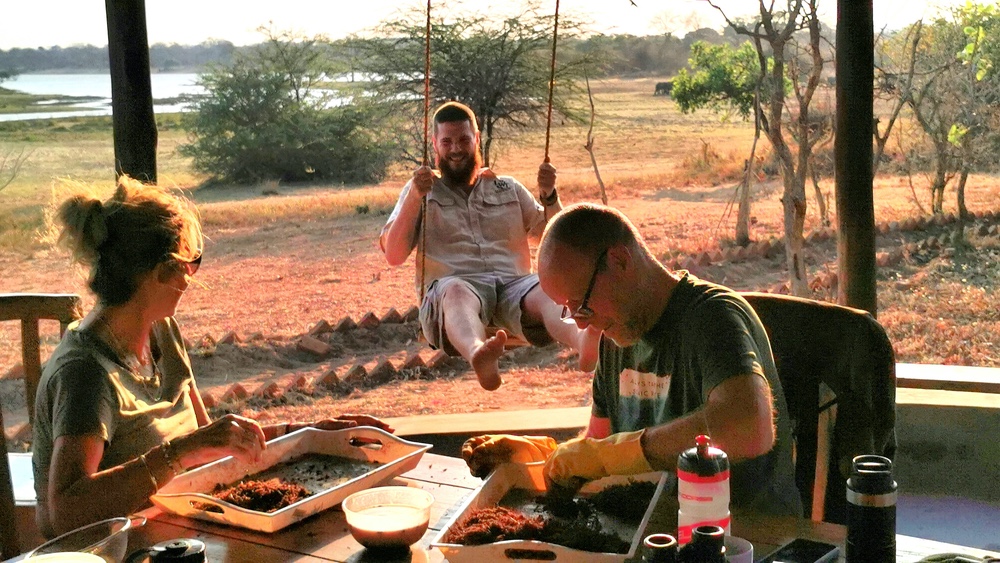
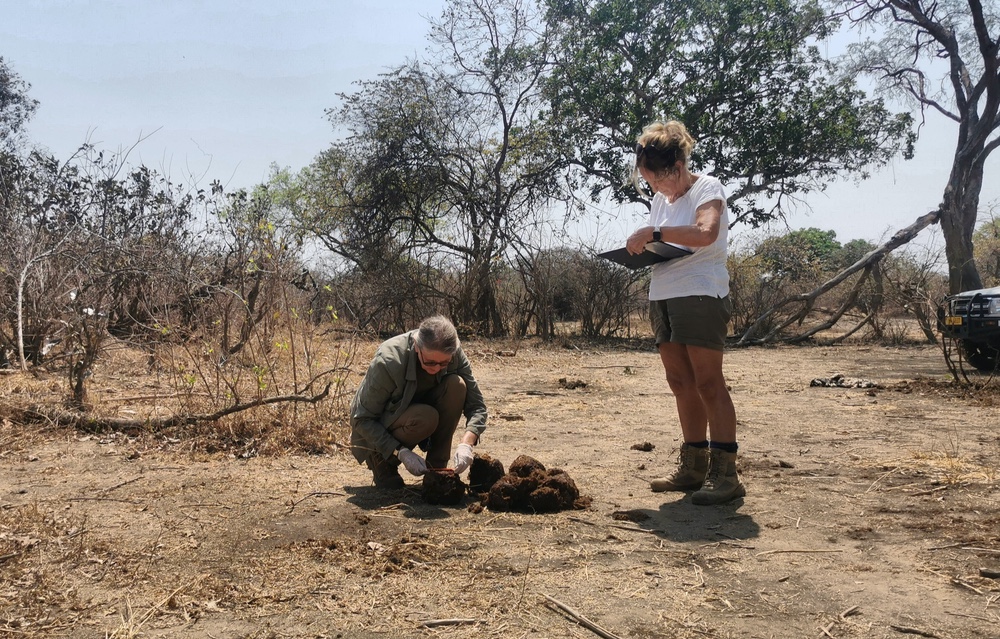
The two post-Covid expeditions in 2022 and 2023 have had a particular focus on elephants and hippos as well as camera trap surveys of other wild animals. Analysis of elephant dung was also carried out to assess whether elephants had been eating crops grown in fields outside the reserve. The 2022 expedition also included a project to identify invertebrates in different habitats, as potential food source for pangolins. The 2023 expedition began the process of identifying individual matriarch and adult bull elephants. Building this database of individual elephants will greatly help in mapping the demographics, movements and health of the elephant herds in Vwaza.

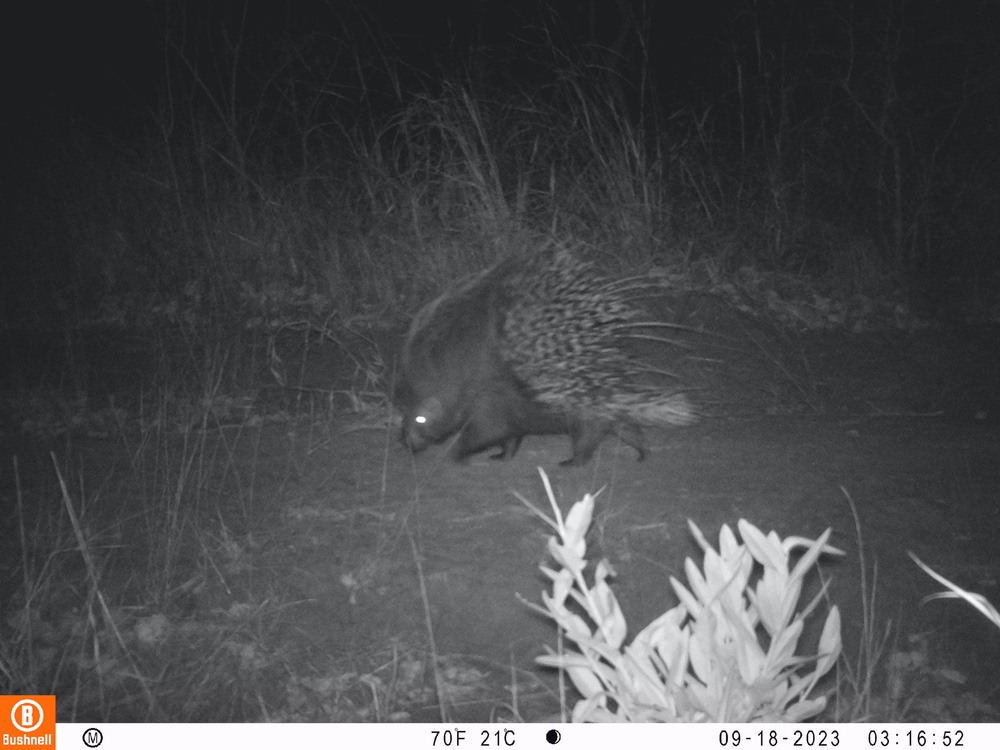
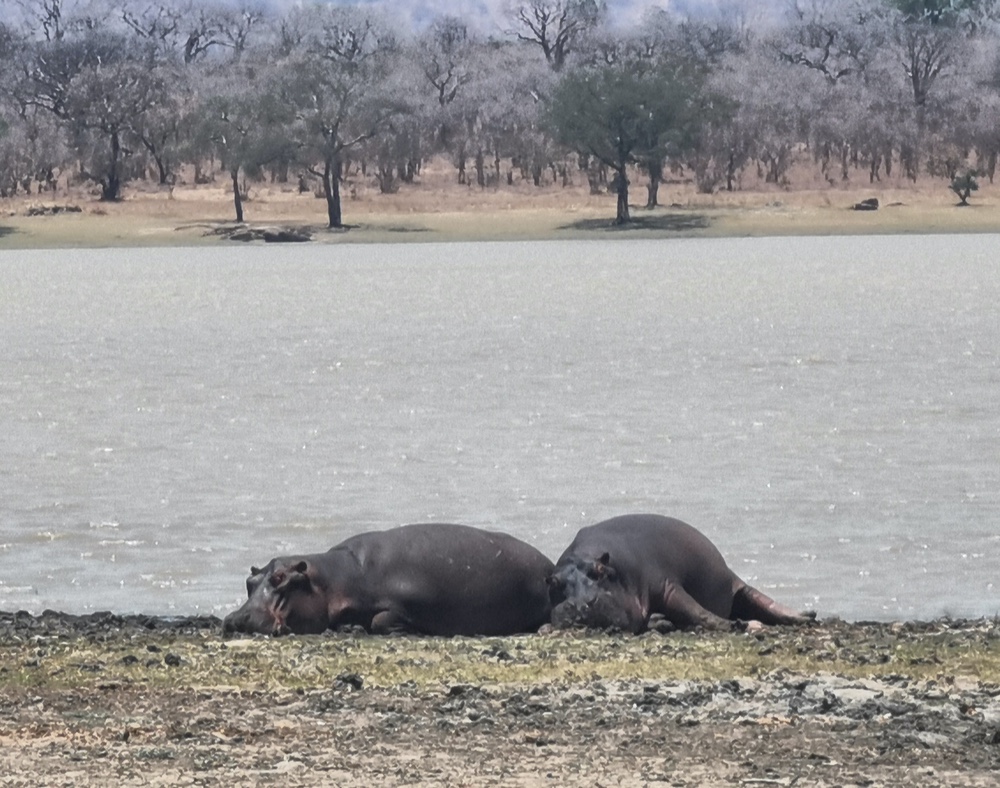
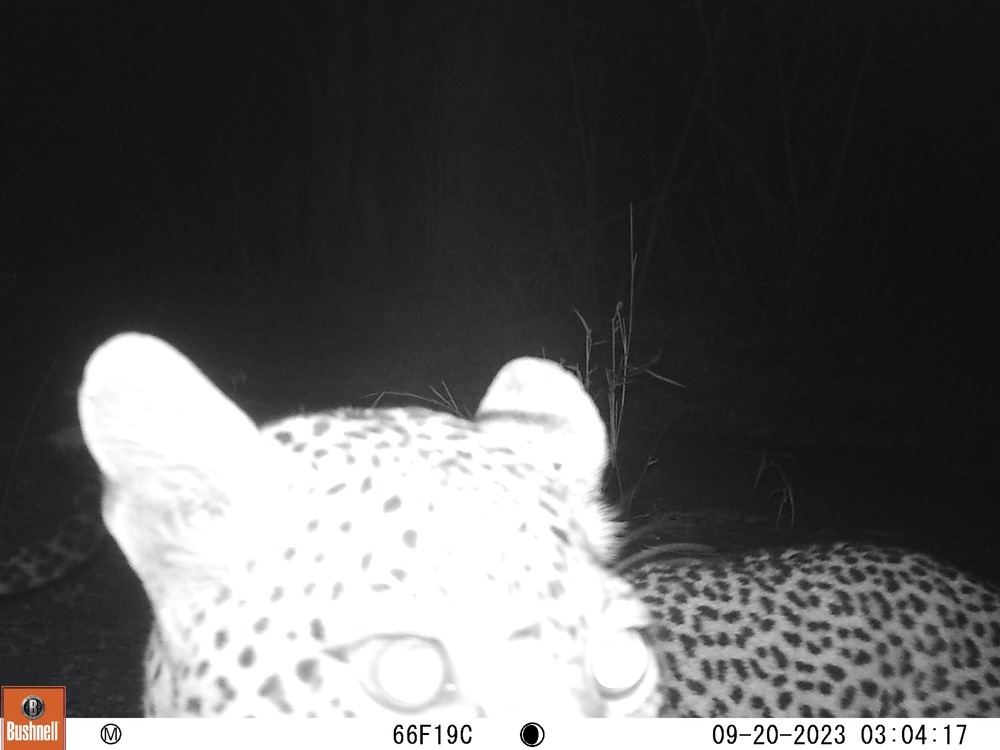
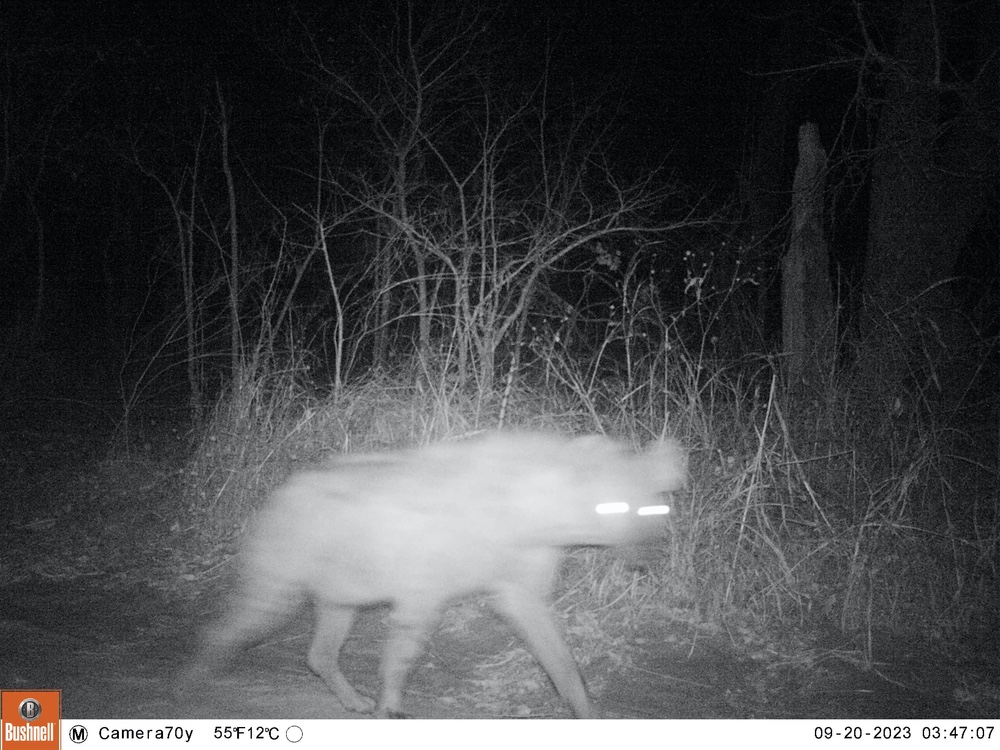
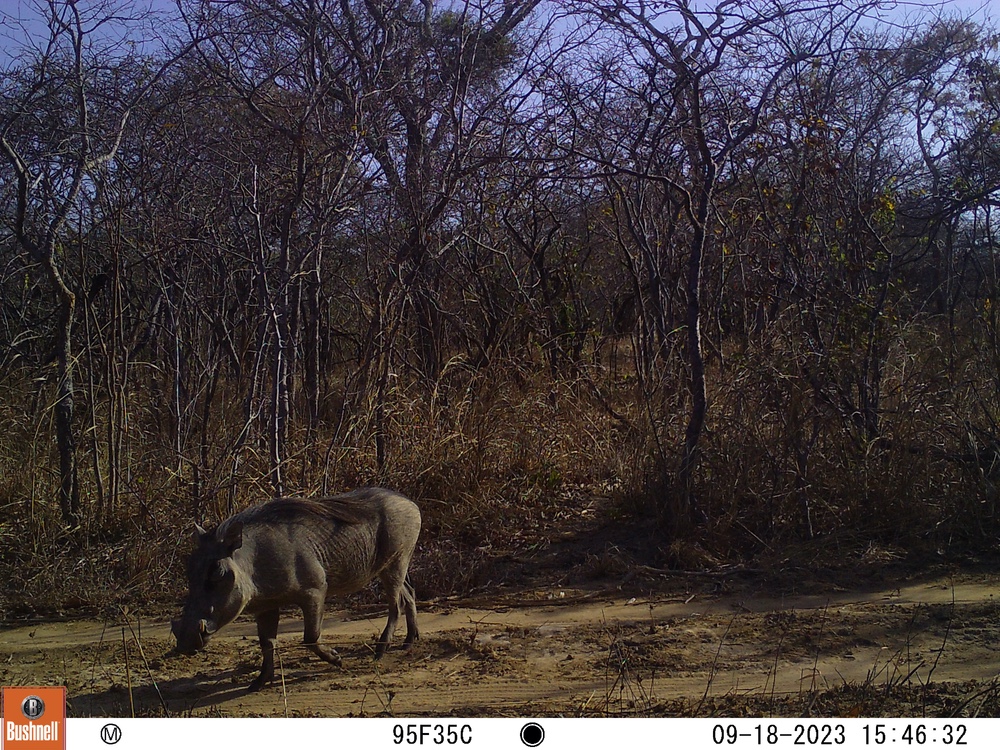
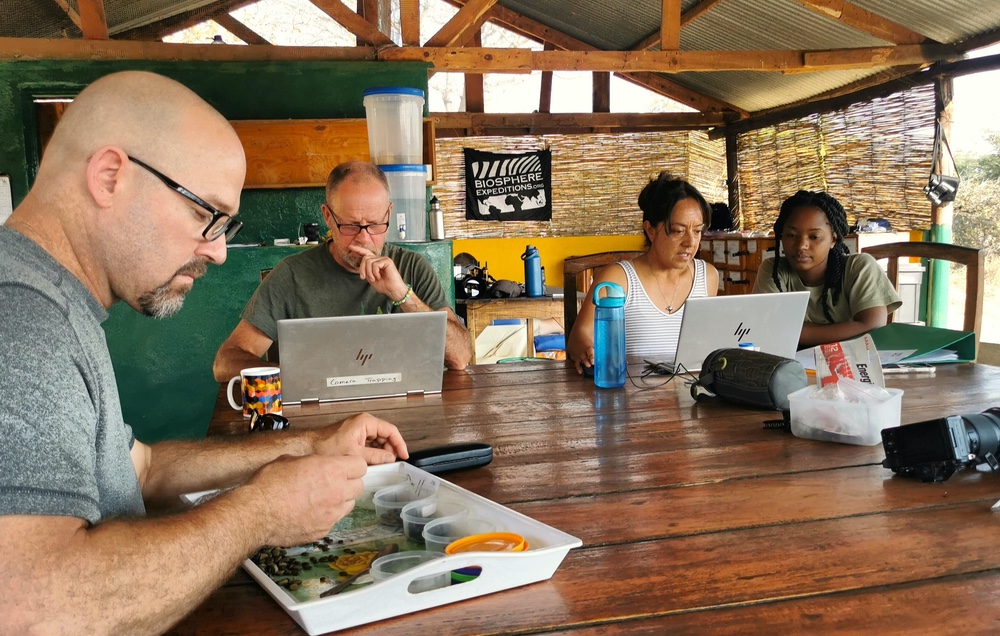
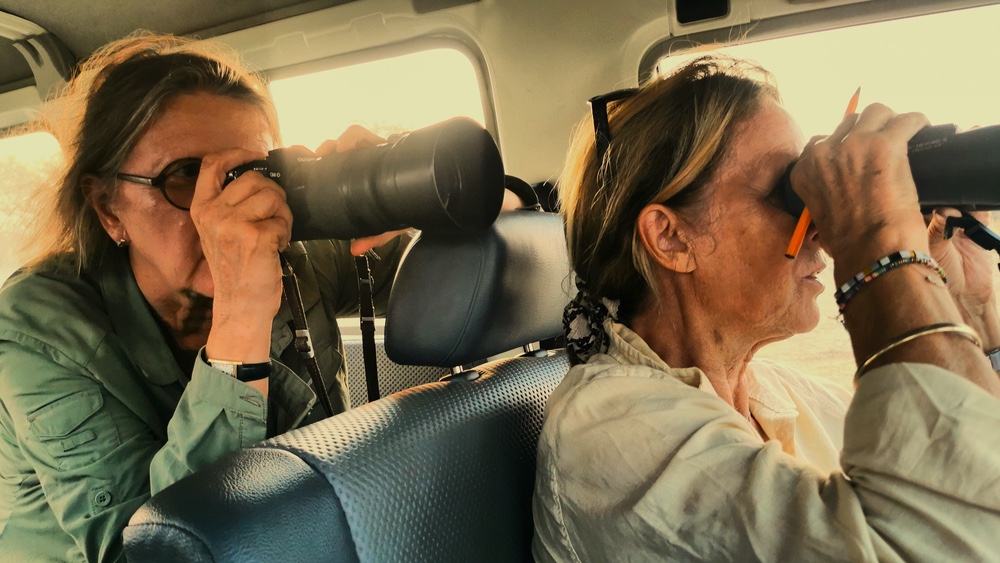
The 2022 and 2023 expeditions between them counted 676 elephants over 64 sightings, 1144 hippos over 10 complete lake-side transects and collected and analysed 66 elephant dung samples (yielding 3110 seeds). More than 80,000 camera trap images were analysed, giving evidence of notable species rarely seen directly, including leopards, honey badgers, hyaena and wild dogs. The 2023 expedition also created 16 ID profiles of individual bull and matriarch elephants.

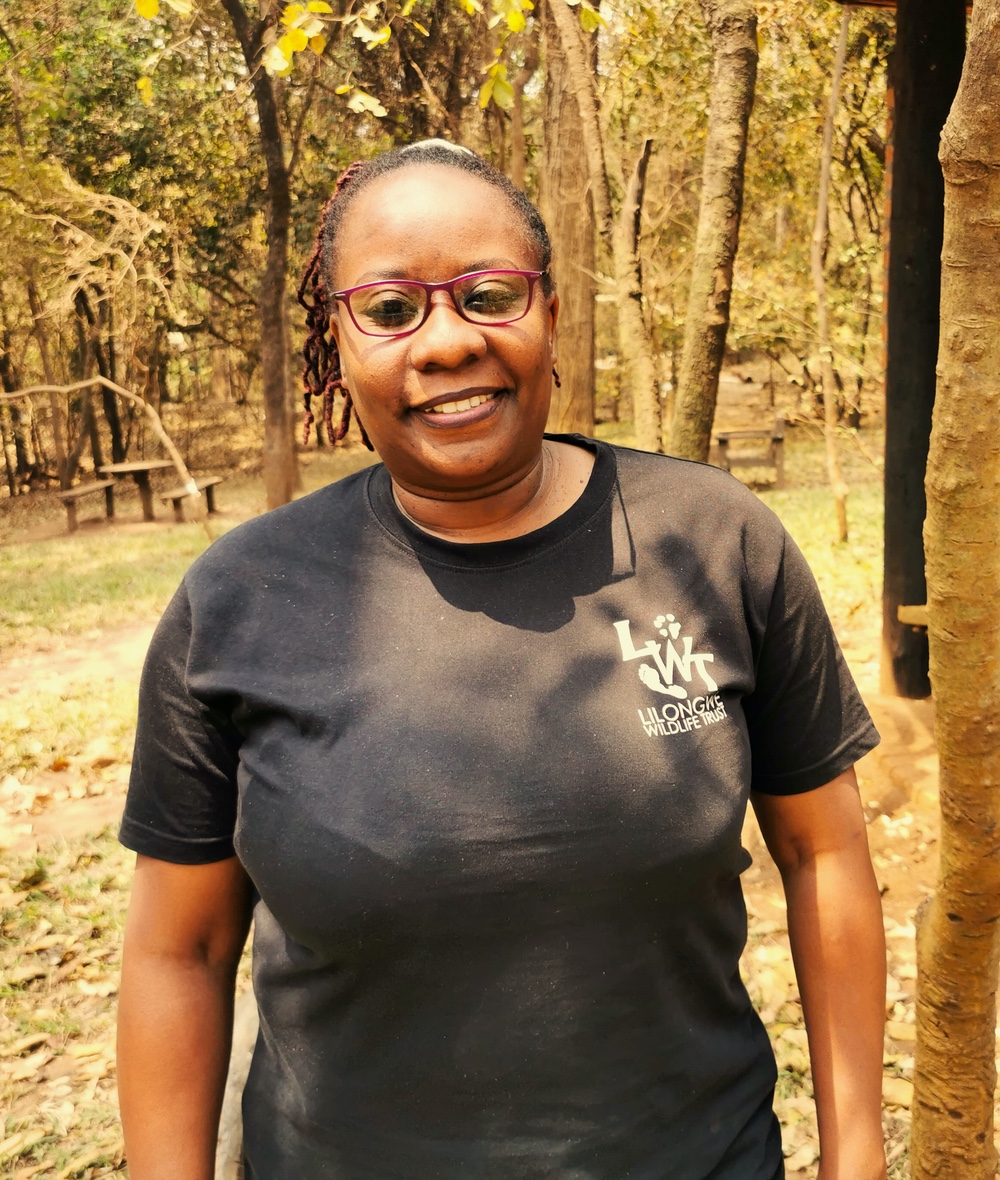
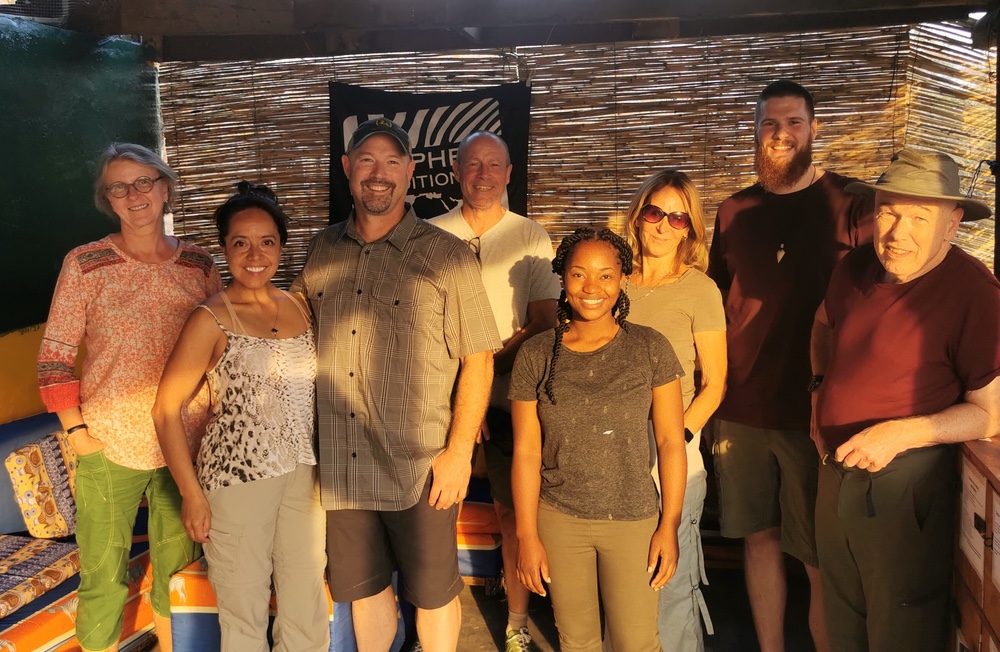
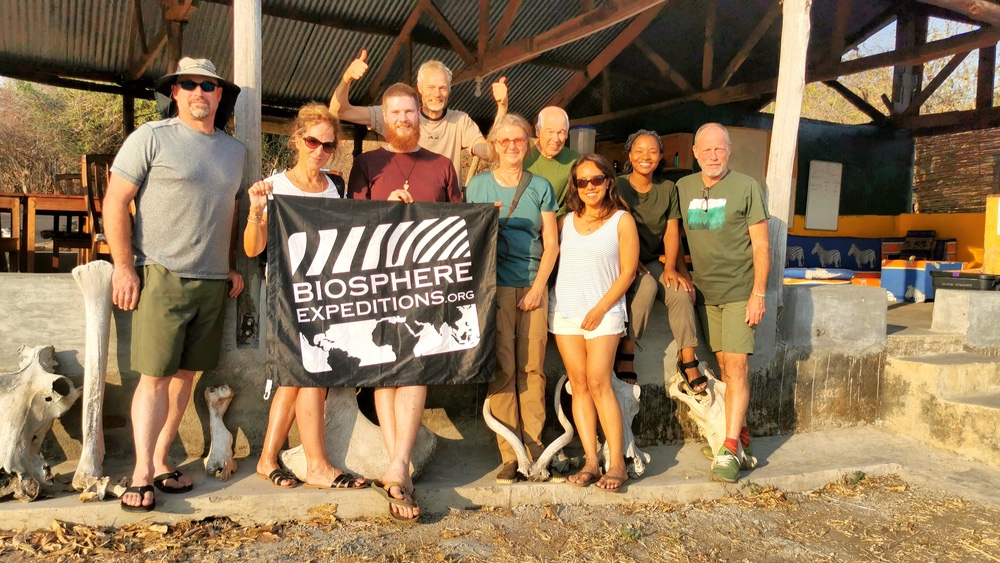
2023 expedition leader Roland Arnison, who also led the 2022 expedition, says “our citizen scientist did really well. They were quick at learning from the research methodology training, worked well as a team, and were diligent and dedicated in carrying out the research tasks every day. I am very grateful to them.”

LWT’s field research coordinator, Benni Hintz, said, “Data are absolutely critical to conservation, which is why we were thrilled to partner with Biosphere Expeditions for another year of wildlife monitoring work in Vwaza Marsh Wildlife Reserve. Thanks to the efforts of Biosphere Expeditions’ citizen scientists we were able to expand our knowledge of the movement, health and composition of wildlife populations in the reserve – particularly elephants and hippos – and had a lot of fun along the way! We’re very grateful to everyone for their hard work during yet another successful expedition.”

Continue reading “Malawi: Round-up 2023”