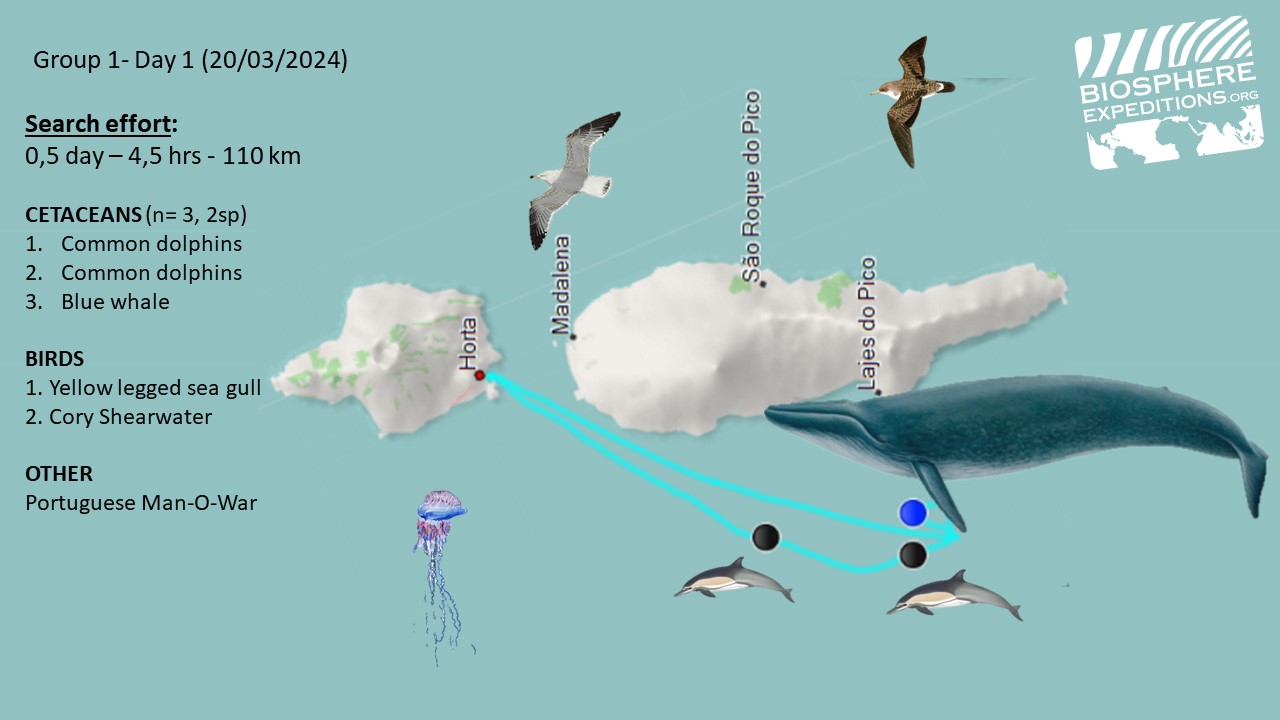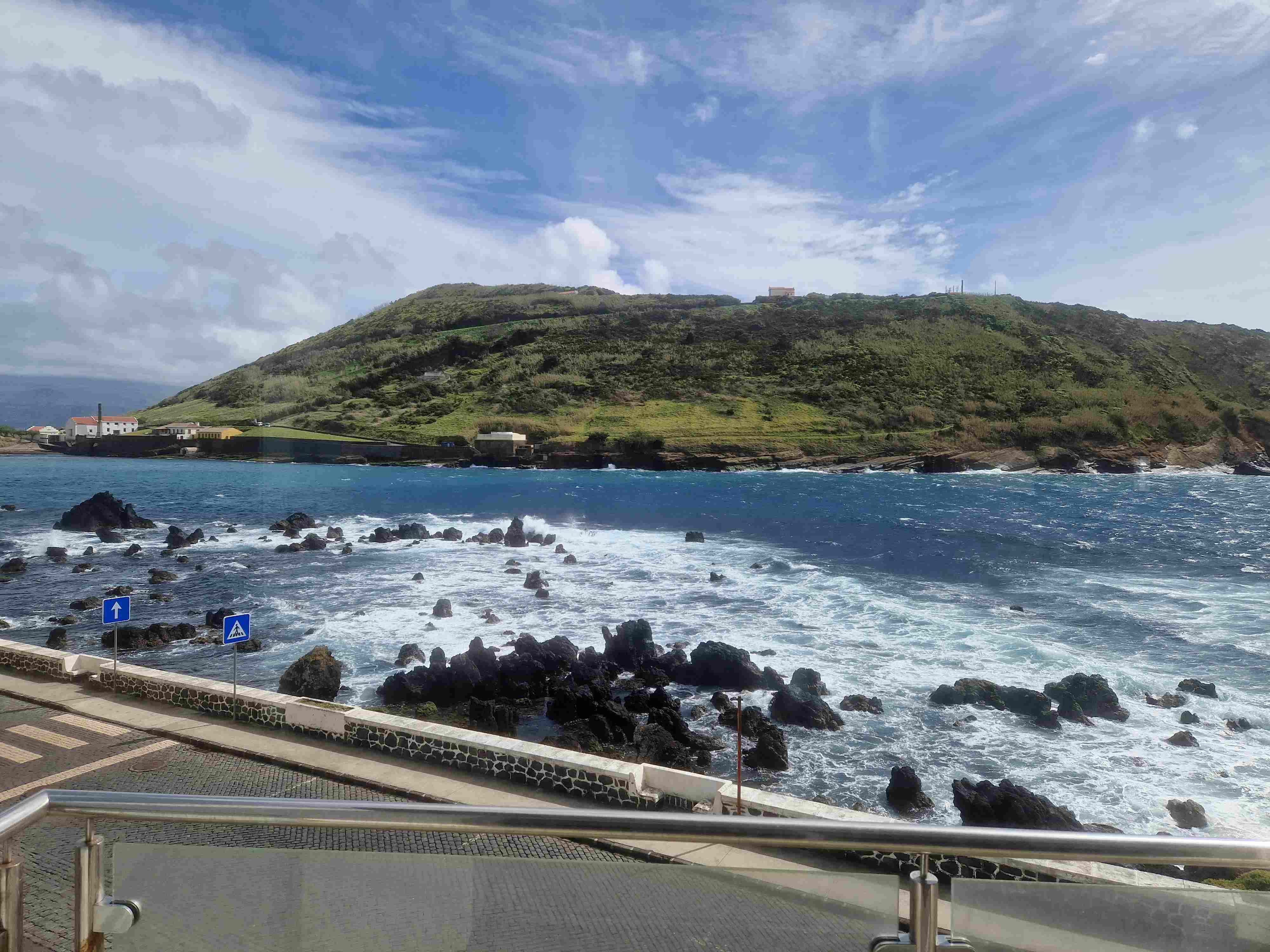
Azores : Good start to group 3

Update from our marine conservation volunteering holiday in the Azores archipelago, working on whales, dolphins and turtles

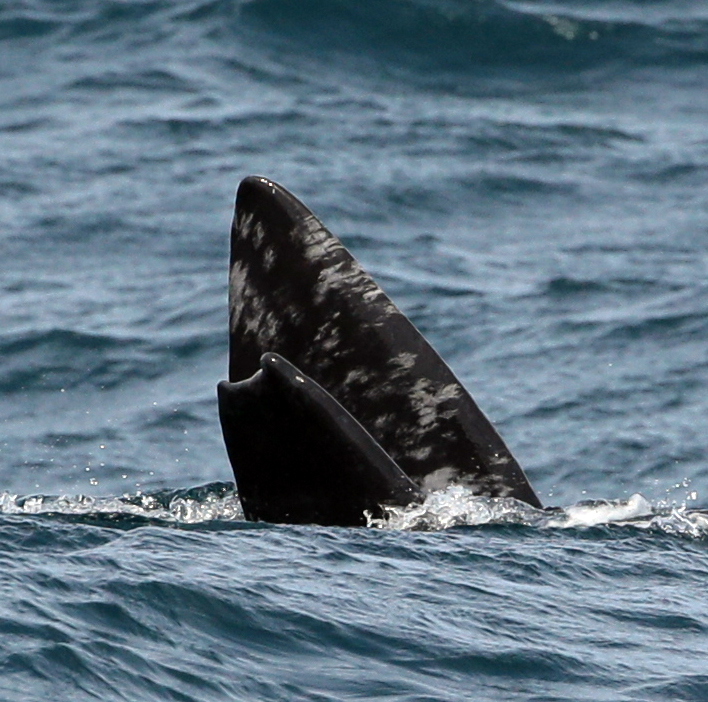
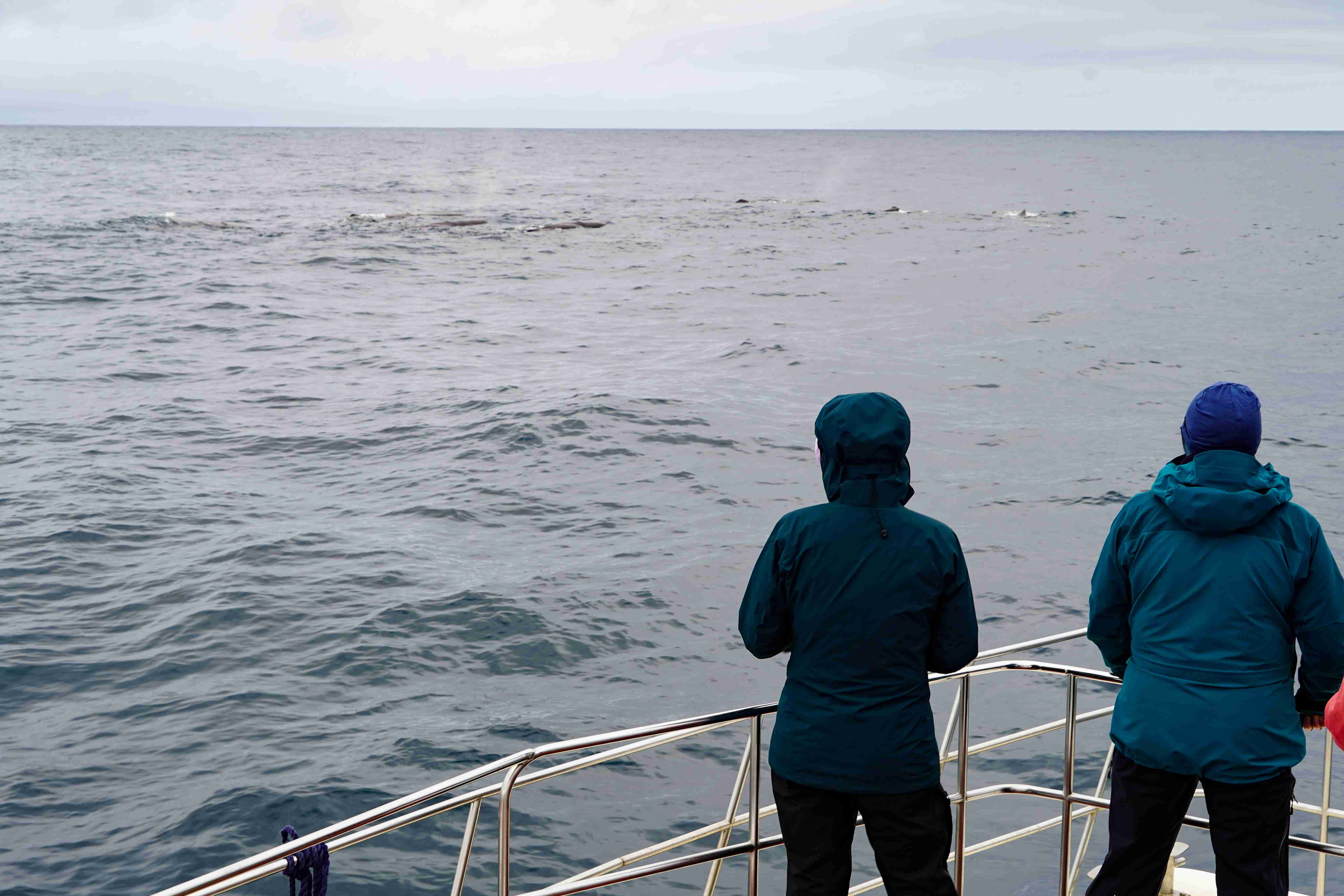
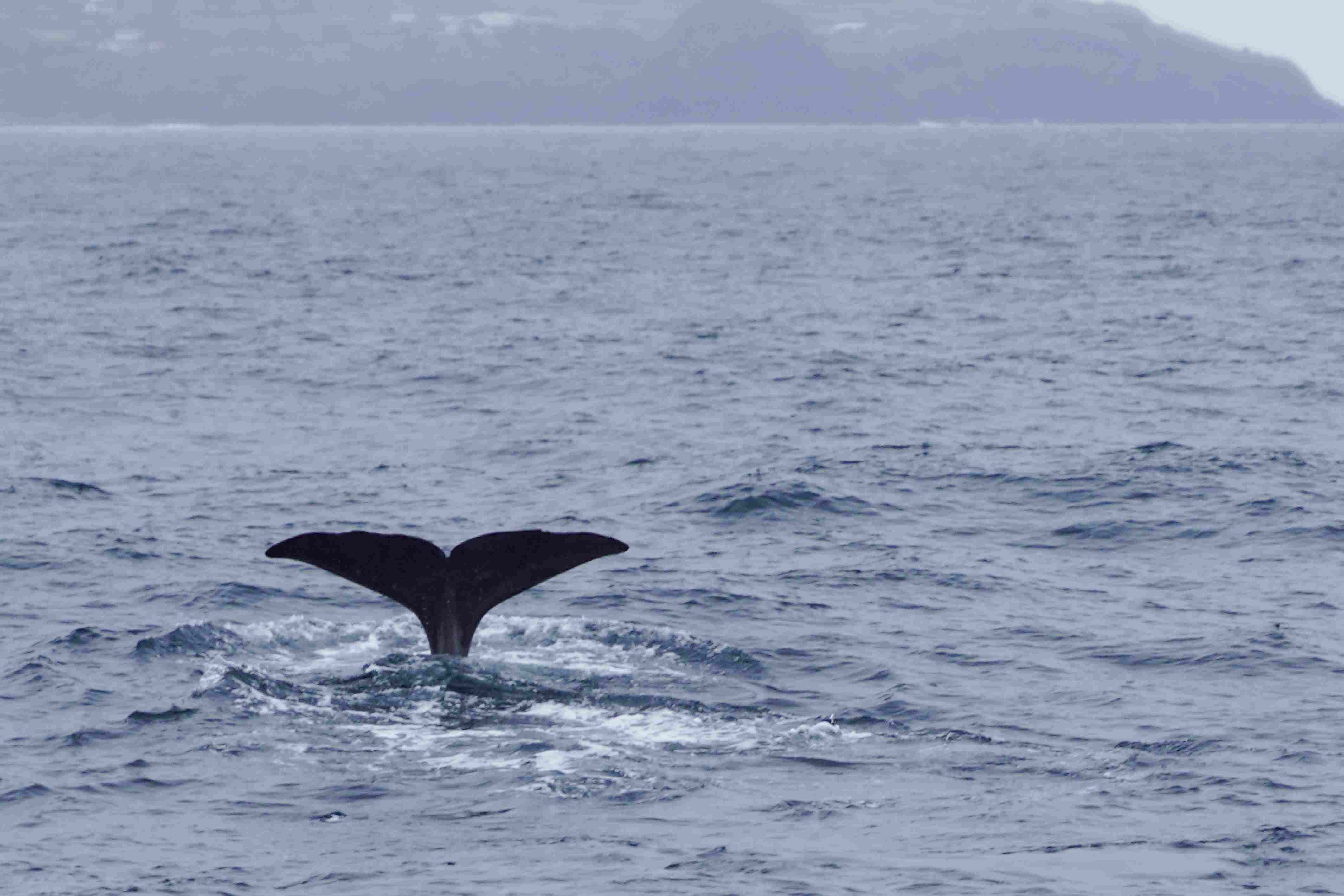
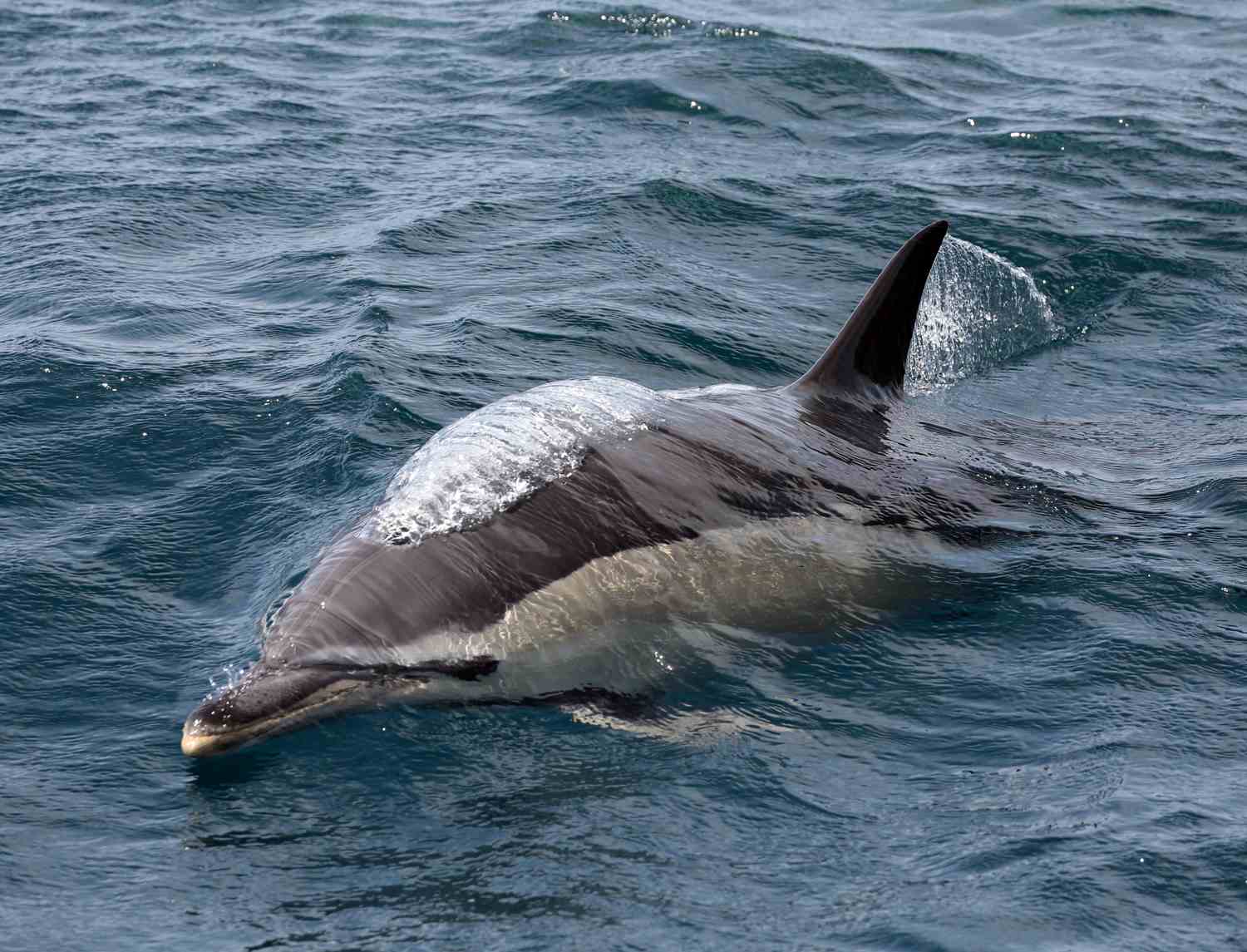
On Wednesday we welcomed our third group to the Monte de Guia research base. Their first encounter on Thursday was a small group of common dolphins bowriding. In between Sāo Gorge and Pico the vigia spotted a baleen whale. This was no easy task as it had a habit of disappearing into the depths of the ocean as soon as we tried to get closer. But with patience and determination, we found it and took a closer look as we identified it as a fin whale, our second one of the 2024 expedition. Next was a pod of sperm whales, a group of six, including two suckling calves, socialising at the surface. Clearly not Lisa’s favourite behaviour as it meant no dives and thus no fluke shots to get insight in which group we were actually dealing with. So is nature, we are grateful nonetheless for a nice sighting.

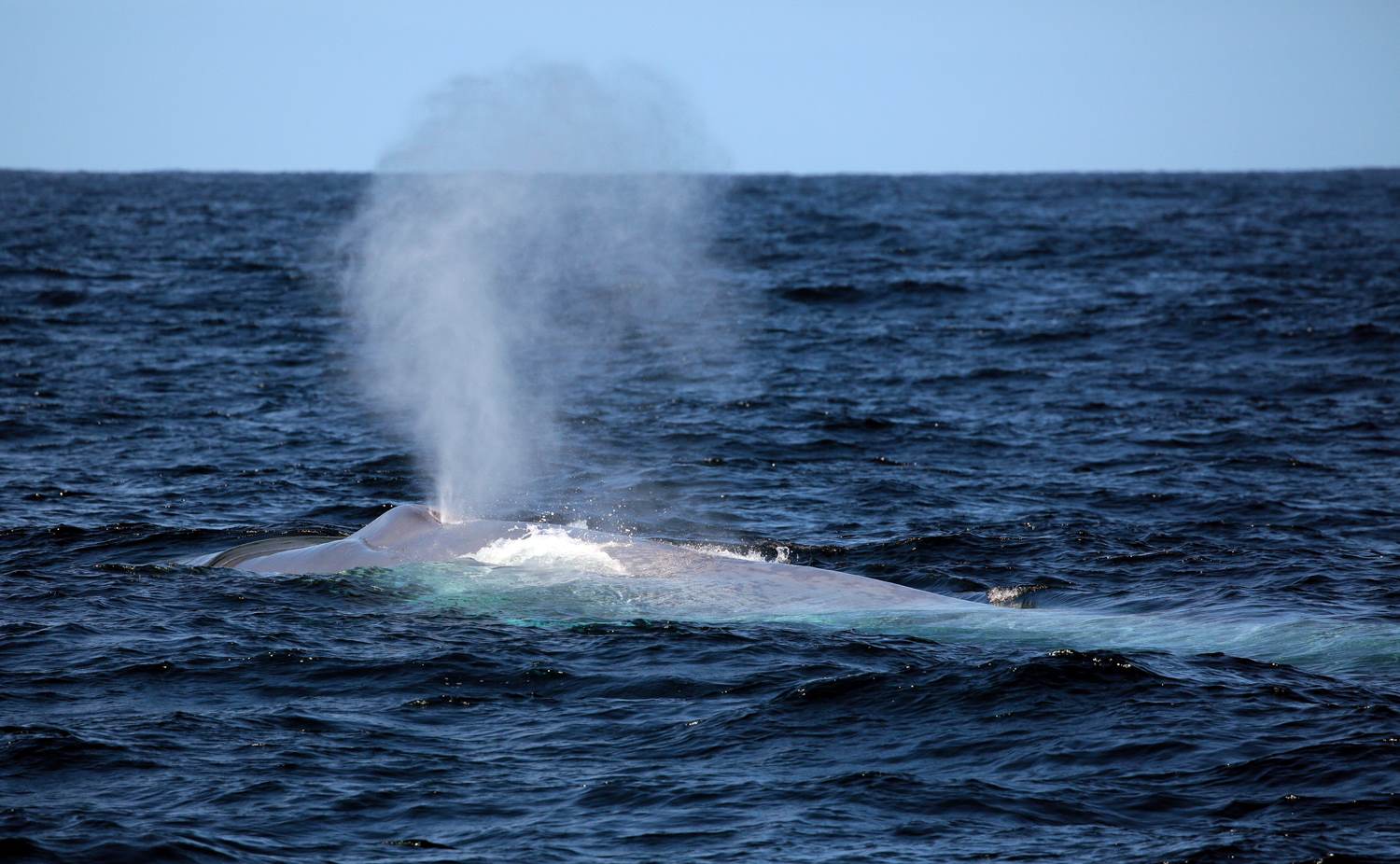
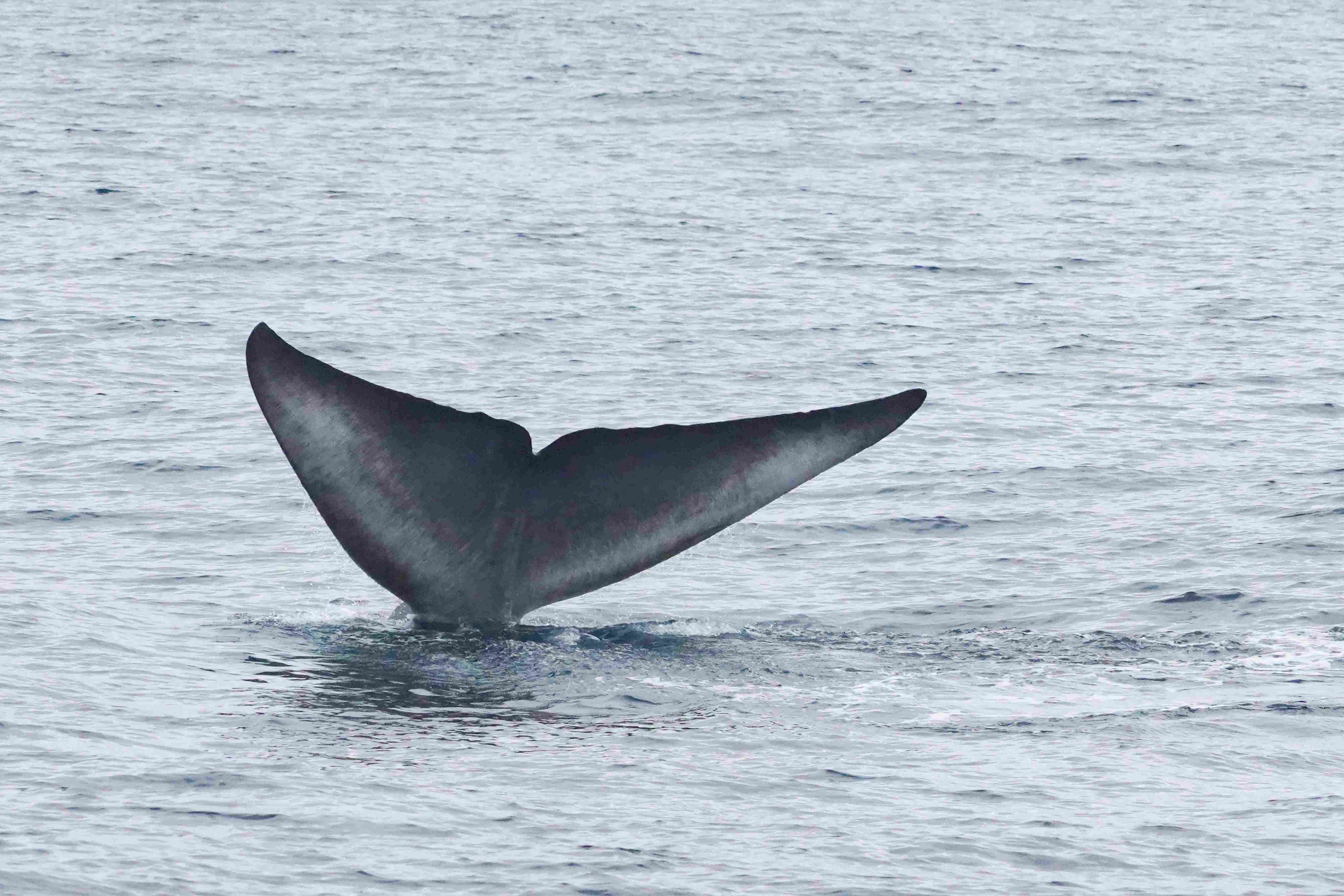
Heading back to Faial, the vigia informed us a blue whale was in the vicinity so we changed direction and before long we spotted its signature majestic high blow, followed by what always seems like a never-ending spray off the animal’s back. This whale was travelling at such a high speed that our boat could not keep up. What a memorable sighting! Four cetacean species in one day for this group. Clearly, we are off to a good start!

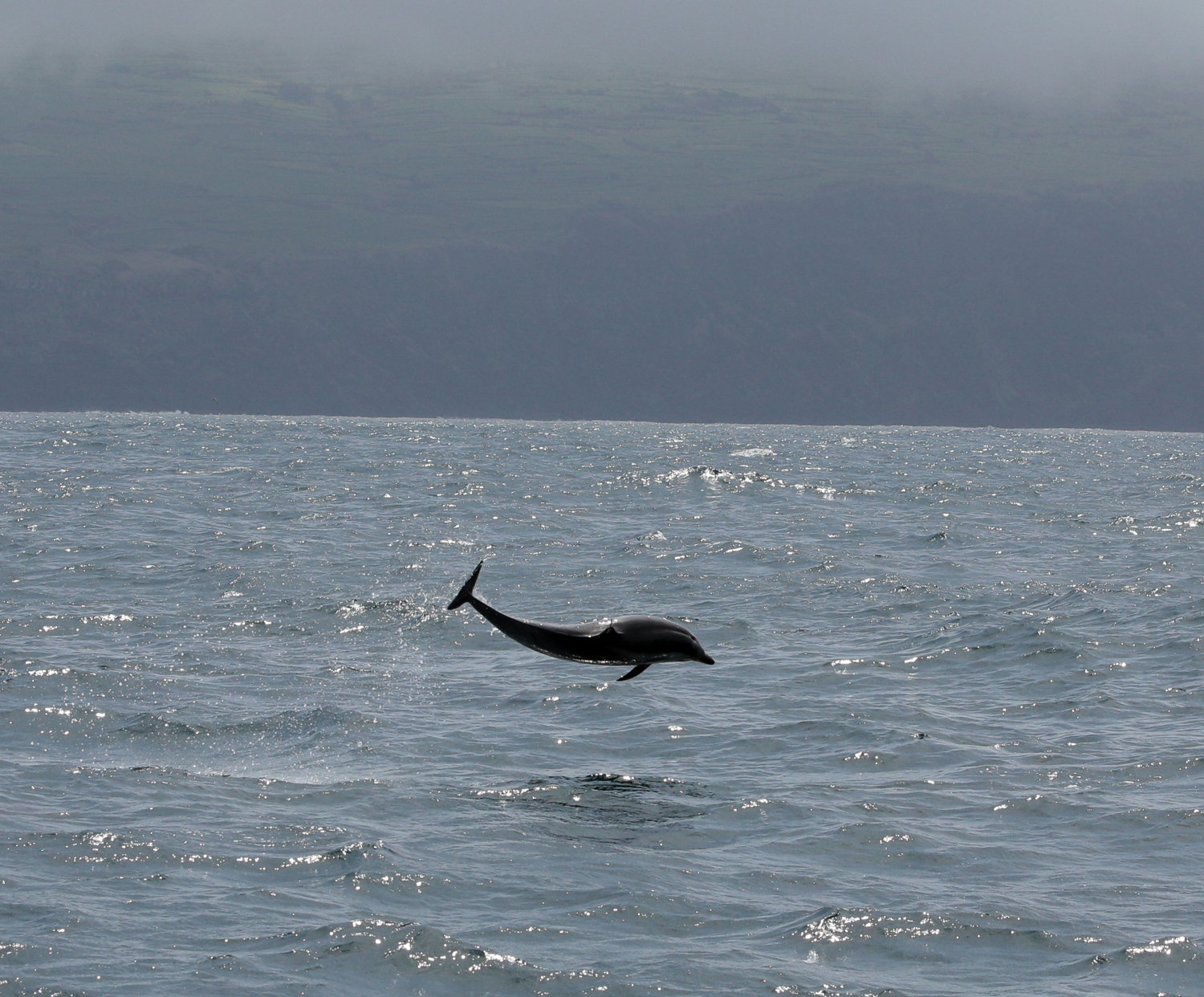
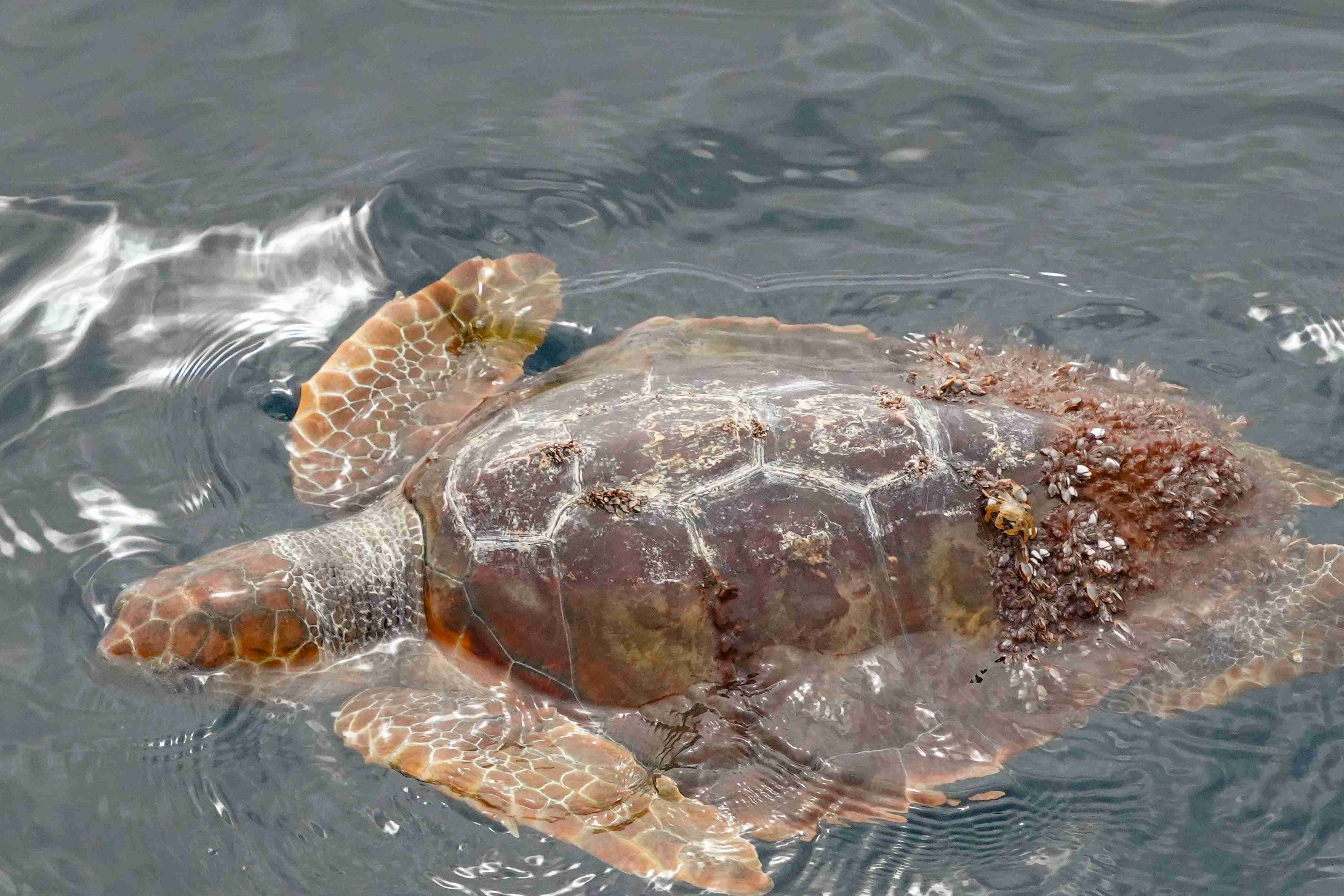
Friday the sun came out at last and as we circumvented Faial, there were no fewer than seven common dolphin encounters and two loggerhead turtles. We also engaged in a two-hour sighting of a pod of sperm whales who were again socialising at the surface. Later we encountered striped dolphin for the first time this season. A group of 300 with at least 20 calves travelled by leaping quite high out of the water. The team named them ‘The Flying Dolphins.’ What a spectacular sight!

Continue reading “Azores : Good start to group 3”

Azores : Sperm whales, at last

Update from our marine conservation volunteering holiday in the Azores archipelago, working on whales, dolphins and turtles

The bad whether seemed relentless as Friday approached, so the team stayed onshore and developed their photo-ID skills, becoming increasingly efficient in photo-analysis and matching, making our scientist Lisa very happy. Claudia Oliveira, a sperm whale expert from Azores University, visited us to give great talk on acoustics and photo-ID research to elucidate sperm whale behaviour and the impact of whale-watching boats. In the evening, we watched the National Geographic ‘Secrets of the Whales’ episode.

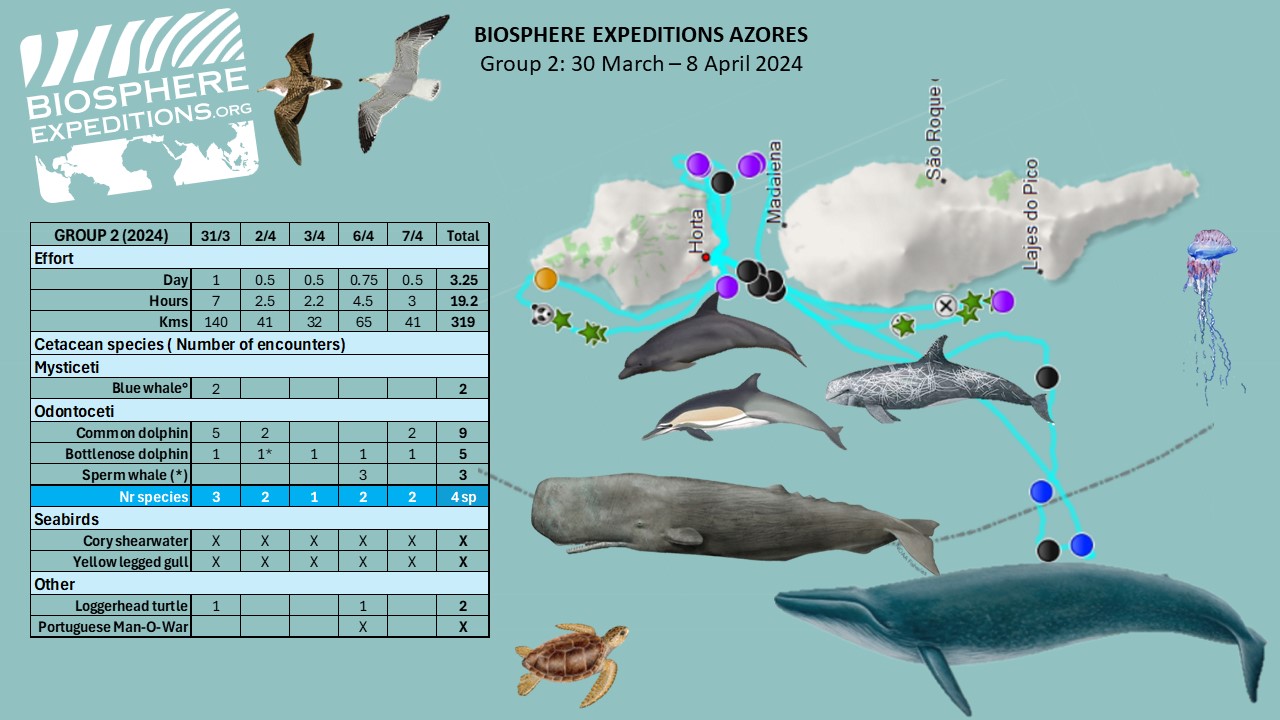
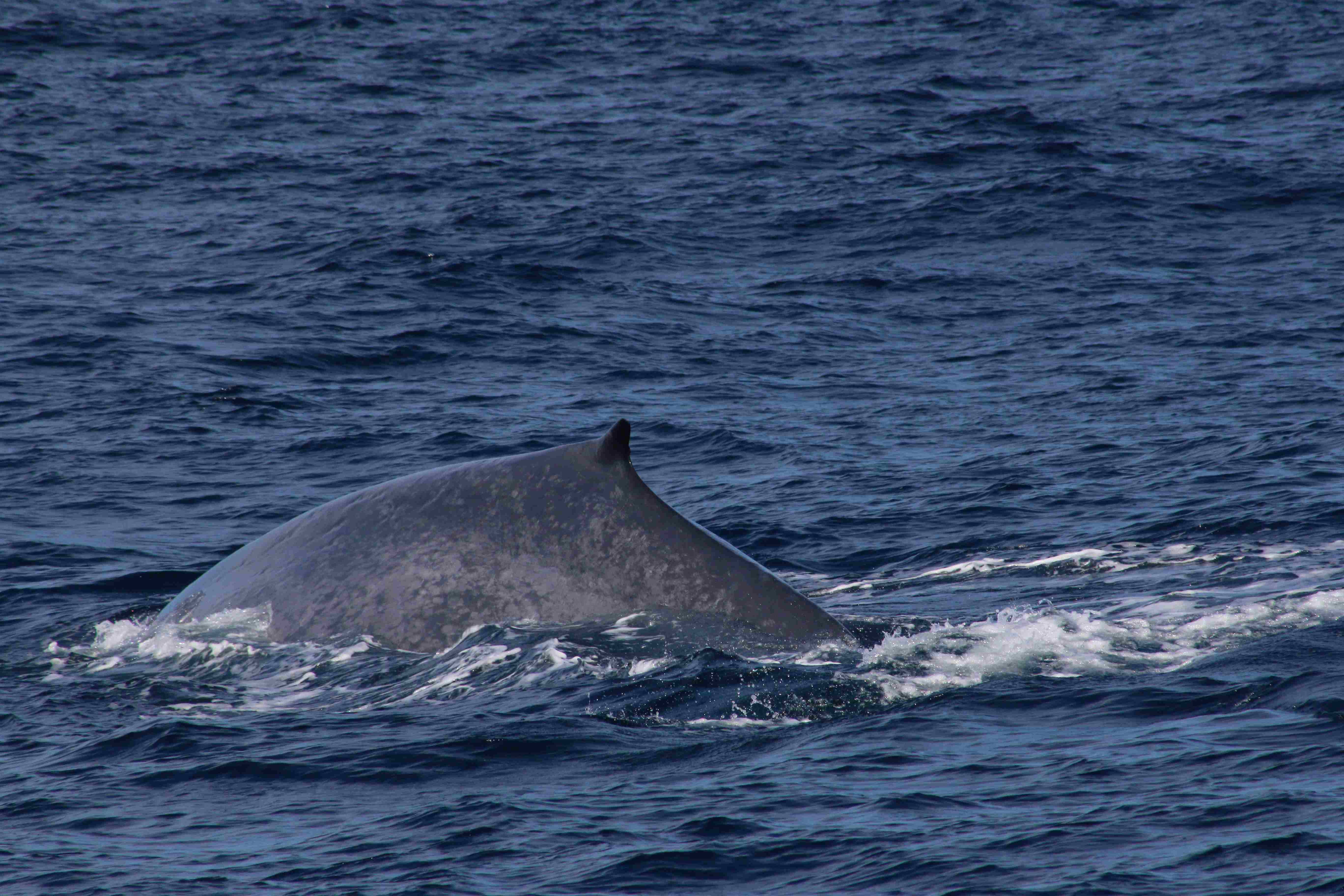
The team was determined to go out on Saturday, even if the sea was at its roughest, with the catamaran dancing on the waves, lots of sea spray everywhere and very high waves. Everyone was confined to the upper deck to keep safe. With help from the on-land lookouts or ‘vigias’ we were treated ….at last …. to three sperm whale sightings. The first glimpses of our priority species this season! Only one, a subadult male, fluked and then disappeared rapidly behind a high wave. Given the conditions, it was quite an achievement to get one good photo-ID shot. After spotting some more bottlenose dolphins, we returned to base.

On Sunday the Physeter was the only boat heading out, because … you guessed it right … of the rough weather. No longer phased by this, we collected more data regardless. We saw a large group of bottlenose dolphins were socialising, including leaps, splashes and lots of surface activity, ideal for taking a closer look.

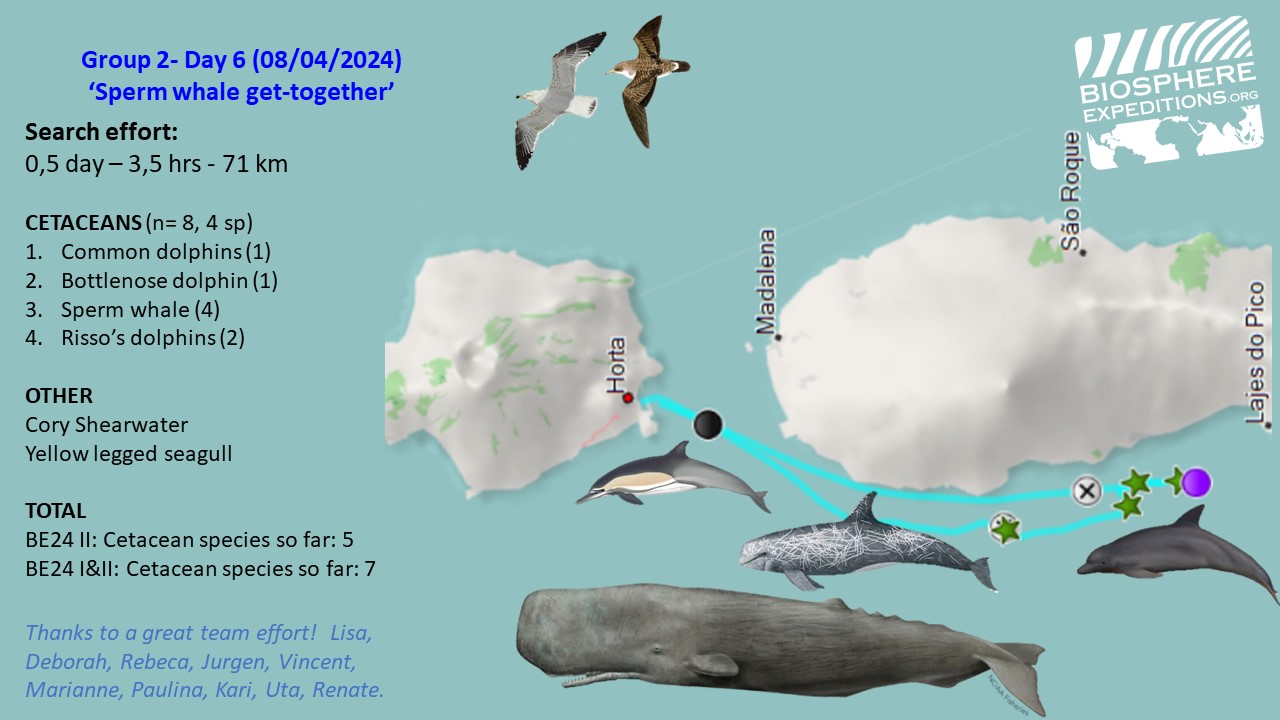
Monday was rainy and windy, but finally with calmer seas, so our skipper Norberto treated us to an extra long day. We added Risso’s dolphins as a new species for this second group and saw more than 12 sperm whales, initially spread out widely, but slowly coming together at the surface. We also spotted a suckling calf, multiple females and several juveniles. We photographed two flukes, which Lisa matched to numbers ‘6249’ and ‘ 6253’ in the sperm whale database. These animals were last seen here in July 2018. It was a rare treat and a unique goodbye to our second group of expeditioners.

Thanks to everyone in the team for your flexibility in coping with the unpredictable weather and for a true team effort! Safe travels and we look forward to welcoming our third and final group of the 2024 season.
Continue reading “Azores : Sperm whales, at last”

Azores : Stormy weather

Update from our marine conservation volunteering holiday in the Azores archipelago, working on whales, dolphins and turtles

On Tuesday high waves and strong winds were prevailing, but given that the weather forecast for the whole week was looking grim, we decided to give it a go in the morning anyway and find a bit of shelter north of Faial. Quickly, it became clear we were not going to venture out very far from the coast; our balancing skills were put to the test, no railing on the boat was left unexplored and all waterproofs were deployed, for the data sheets, gear and expeditioners.

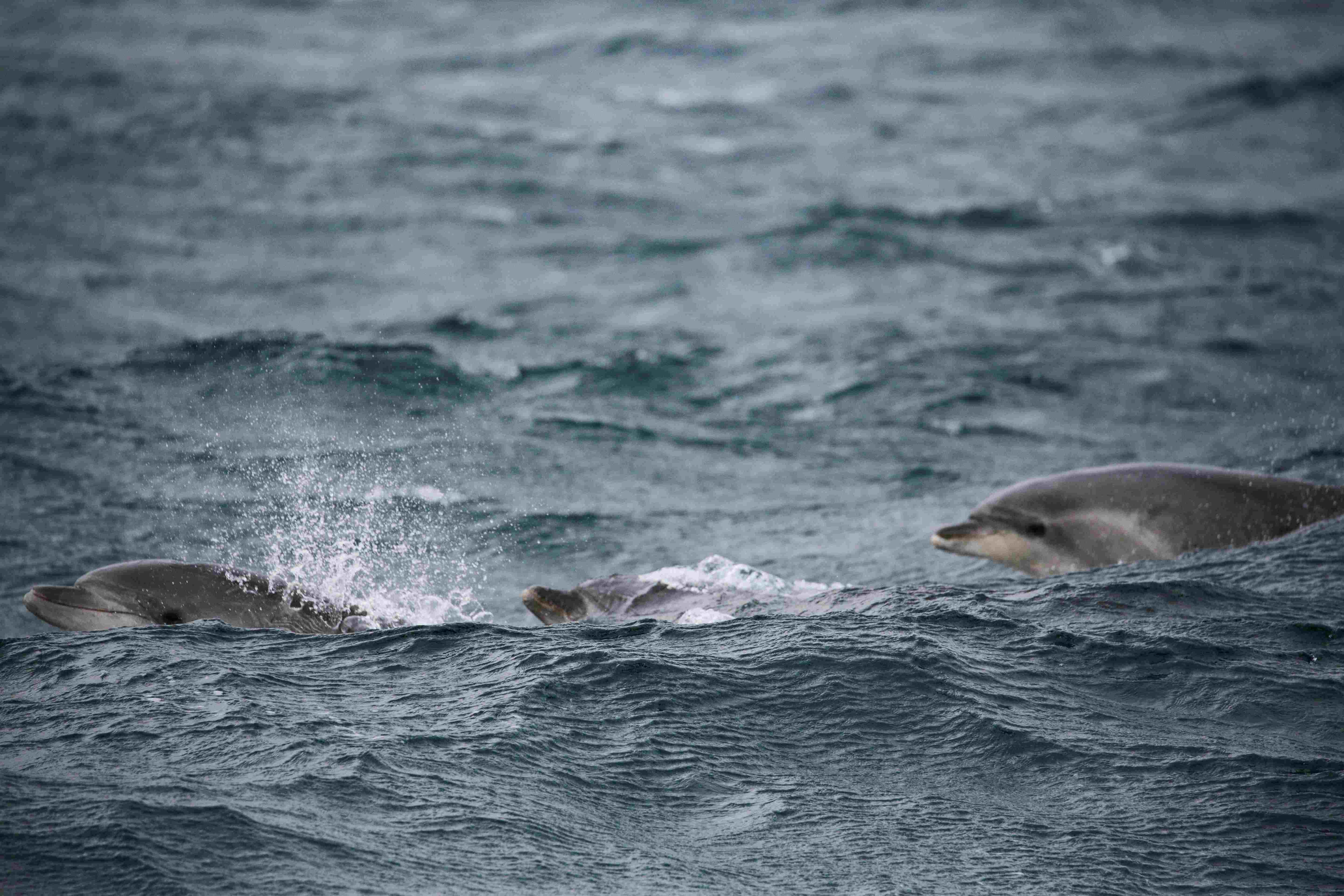
Against all odds, our observers managed to spot a group of common dolphins in the high waves. Later, we came across a pod of 40 bottlenose dolphins joined by 20 common dolphins surfing the waves, bowriding and clearly more at ease with the rough sea conditions than us. We observed several calves of both species, another highlight, and managed to get good photo-ID shots. It was an adventurous morning and we thank our skilled skipper Norberto for sailing us back safely to the harbour. A rainbow over the sea surface was an extra bonus, as well as a nice ‘after-sea’ drink at the legendary sailor’s ‘Peter Café Sport’.

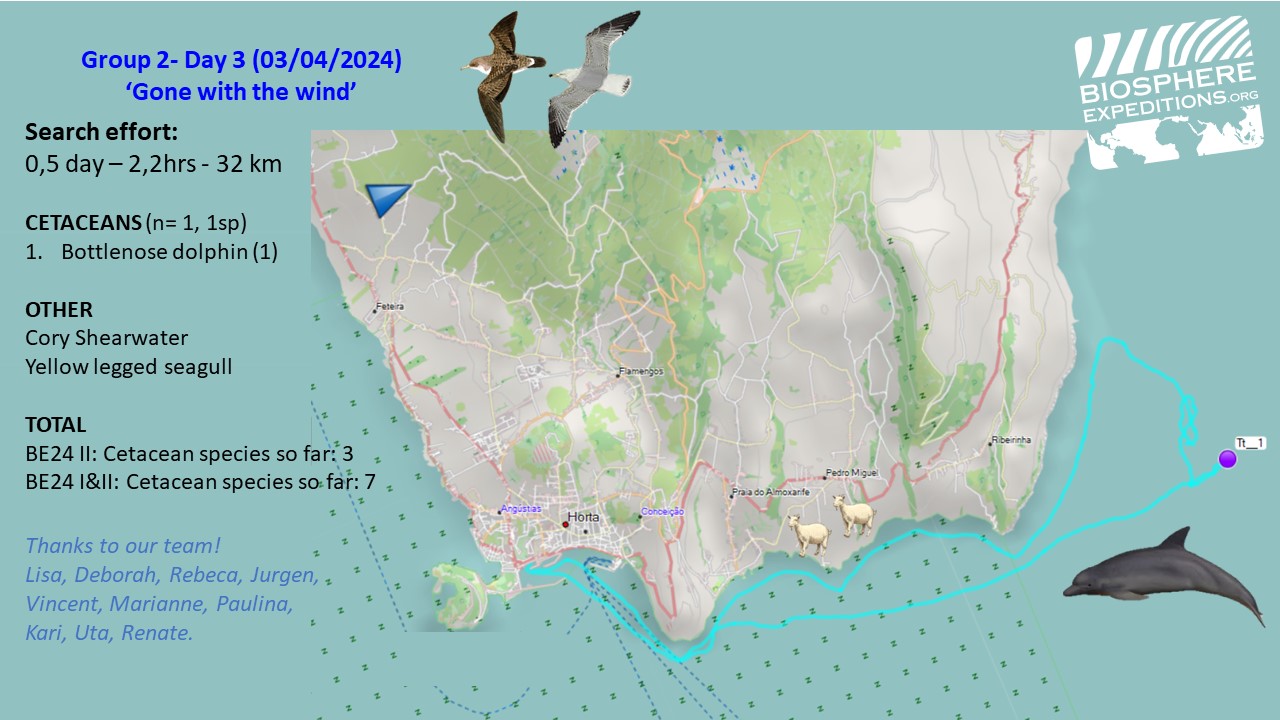
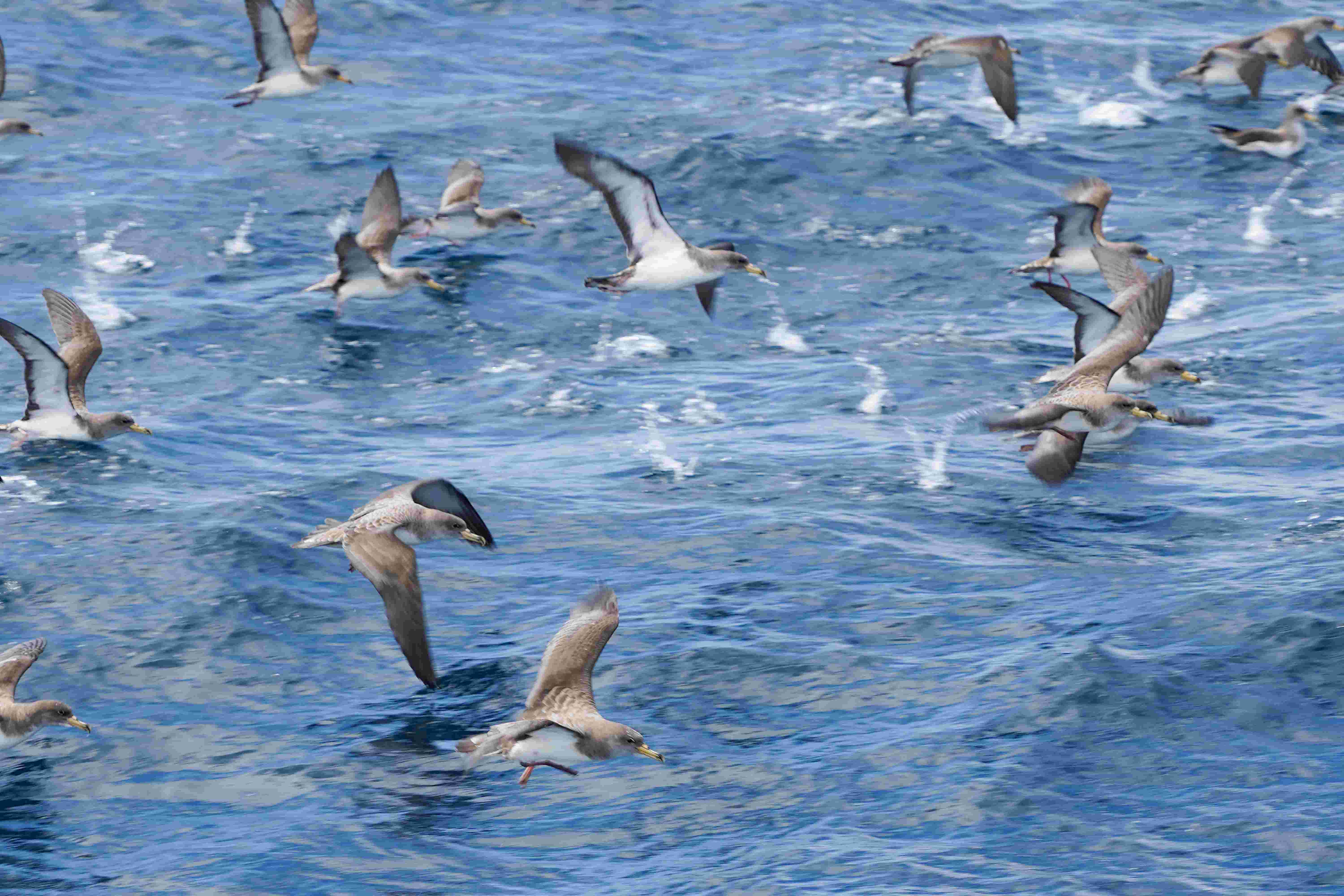
Wednesday, we had an early start leaving the harbour at 08:00 trying to put in a few hours of monitoring before the weather map turned ‘purple’ with wind gusts up to 90 knots and 5–6 metre waves. We ventured eastwards of Faial and then up north and found part of the same bottlenose dolphin pod seen the day before. The graceful Cory shearwater and yellow-legged gull seemed to enjoy gliding in strong winds and are always a pleasure to watch. They accompanied us back to shore, where the team did some more important photo-identification work, while the stormy weather intensified outside.

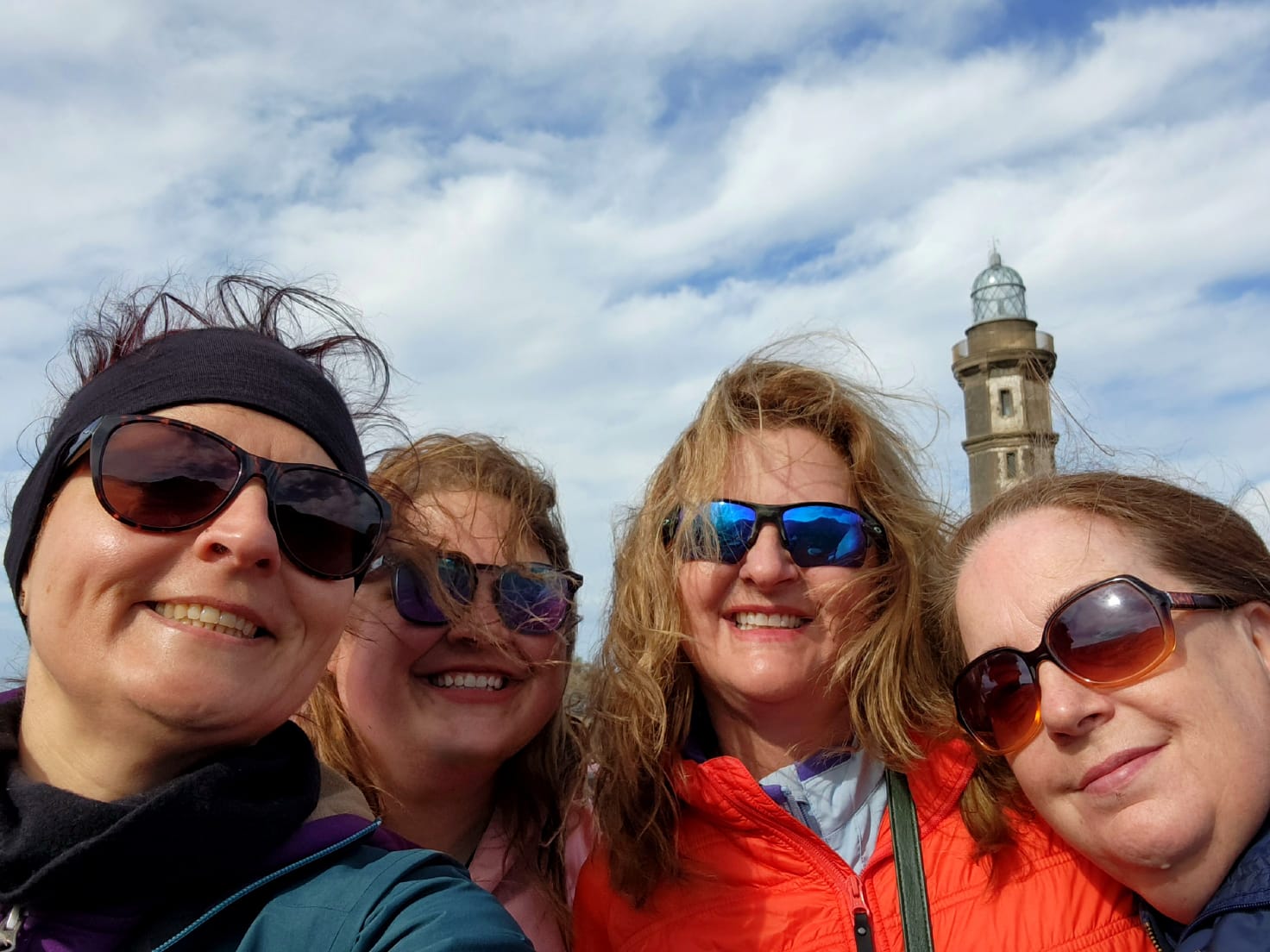
Thursday, the team enjoyed a windy day off and set out to explore the fascinating landscape of the landmark volcano Capelinhos, the last one on the island of Faial that erupted between 1957 and 1958, creating new land ‘terra nova’ 65 years ago. This site is a good reminder that each single Azorean island is merely the tip of a huge underwater mountain chain on the mid-Atlantic ridge.

Continue reading “Azores : Stormy weather”

Azores : Blue Easter

Update from our marine conservation volunteering holiday in the Azores archipelago, working on whales, dolphins and turtles

Group 2 experienced a flying start on their first day with intensive training. Only Sunday’s weather forecast looked good to go out to sea, so we made sure to focus our training on all citizen science tasks on board to be ready for it.

After many rainy and windy days, Easter came with blue skies, calmer seas and lots of eagerness from the expeditioners to get started and test their sea legs. A lone bottlenose dolphin feeding just outside the harbour welcomed the team. Shortly after, when crossing the channel to Pico, we sighted a pod of common dolphins. A promising start!

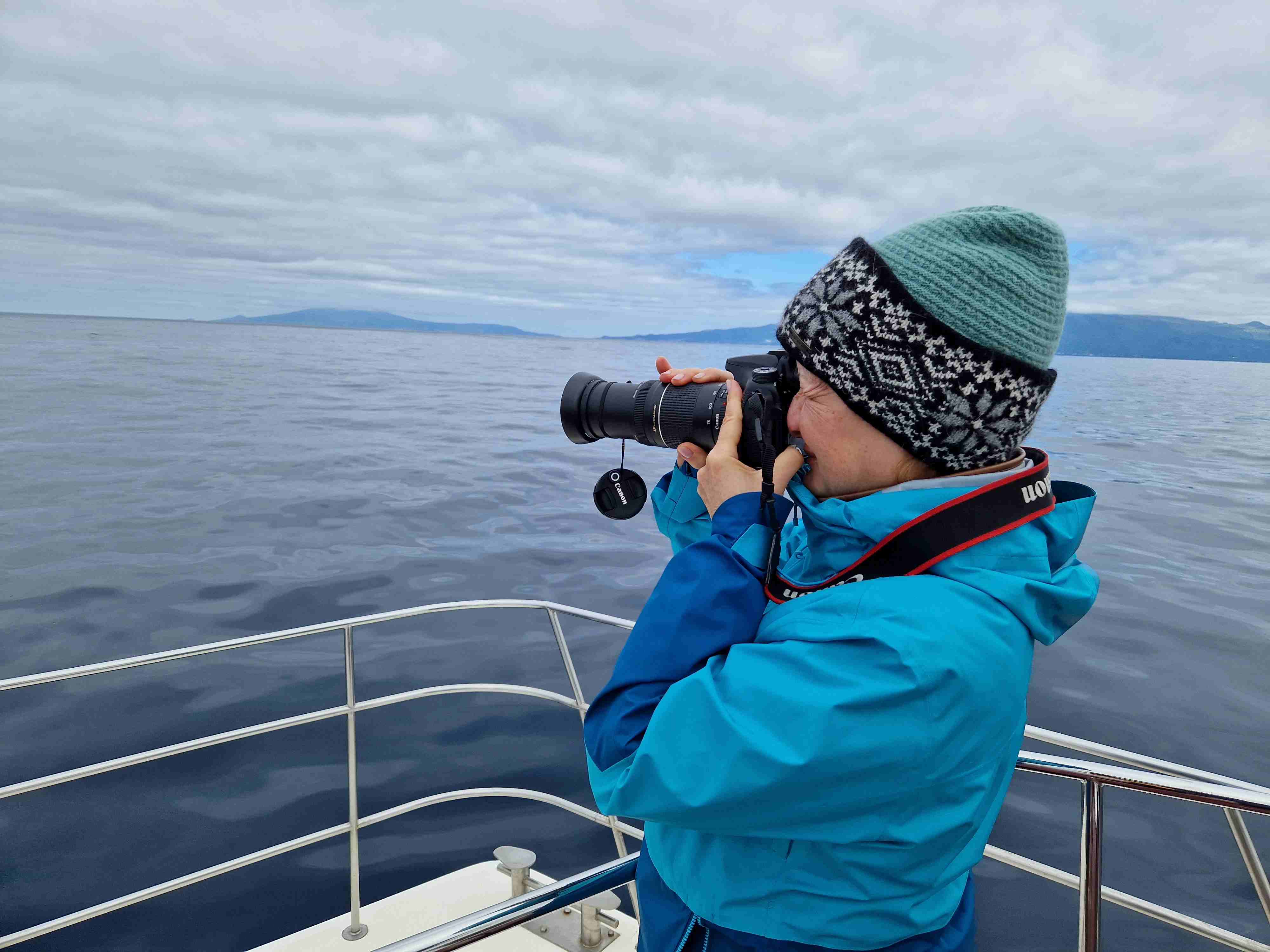
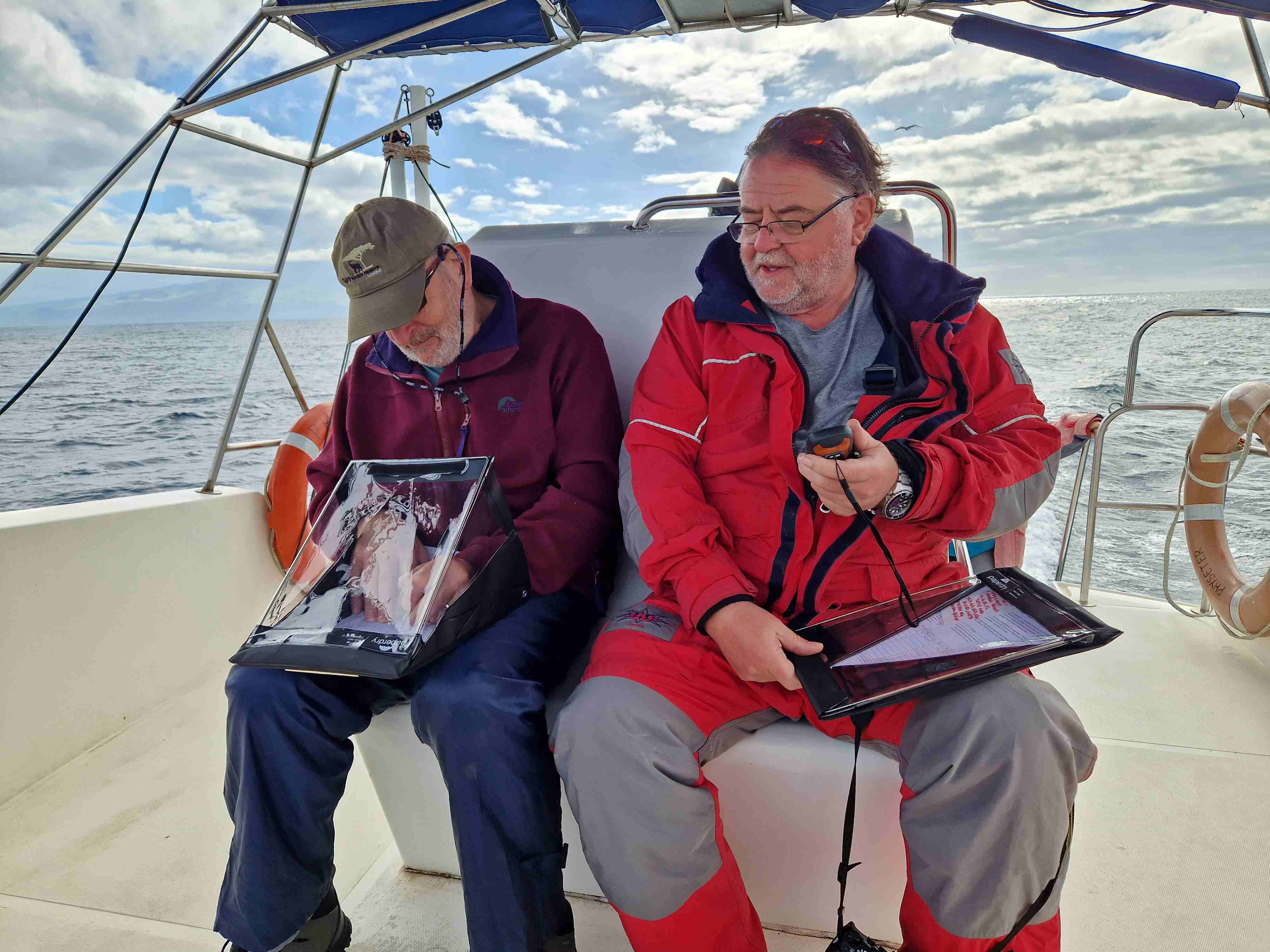
With north-westerly winds prevailing, we headed back out to the south of Pico, our main search area, lowered the hydrophone in the water to eavesdrop on a single sperm whale spotted by the ‘vigias’ on land, but could not locate it. We tried our luck further offshore, in search of an ‘unidentified’ baleen whale. A large blow in the distance got us excited … for many on board it was their first encounter with the largest living animal on the planet, the blue whale. Lots of ‘ooh and ahs‘ of admiration when the giant passed by, dwarfing our 12-m catamaran displaying its fluke not just once but several times. The day became even better when we spotted another slightly ‘smaller’ blue whale. Kari did a great job capturing it all on camera in high waves, Jürgen and Renate were busy collecting POPA data on the upper deck, Rebeca noted down sightings data on the lower deck, while Uta was perfectioning her bucket-throwing skills to measure water temperature.

On Monday the weather gods were merciless, with strong winds and high waves making it impossible to get out to sea. Onshore days are ideal for photo-identification, so we spent the day matching sperm whale flukes, as well as sorting out Risso’s dolphins, false killer whale and sei whale photos. We finished our day with a nice home-cooked enchilada dinner, dreaming of better weather and more sightings.

Continue reading “Azores : Blue Easter”

Azores : Windy days

Update from our marine conservation volunteering holiday in the Azores archipelago, working on whales, dolphins and turtles

The weather gods turned against us on Tuesday and Wednesday. The ‘Windy app’ displayed ominous shades of orange and red, signalling wind speeds of up to 45 kilometers per hour and waves reaching four metres. Clearly, these conditions were far from ideal for spotting cetaceans, even for those with sturdy sea legs!

Having said this, shore days provide a good opportunity to learn about cetacean photo-identification. Half of the team focused on matching sperm whale flukes using the Flex, Europhlukes Match, and Happywhale algorithms. Meanwhile, the other half meticulously sorted through our Risso’s dolphin shots to determine the number of individuals in each group. This preparation is needed before going through the existing local Risso’s dolphin photo catalouge. Step by step, these matches unveil insights into the life history, migration patterns and group sizes.

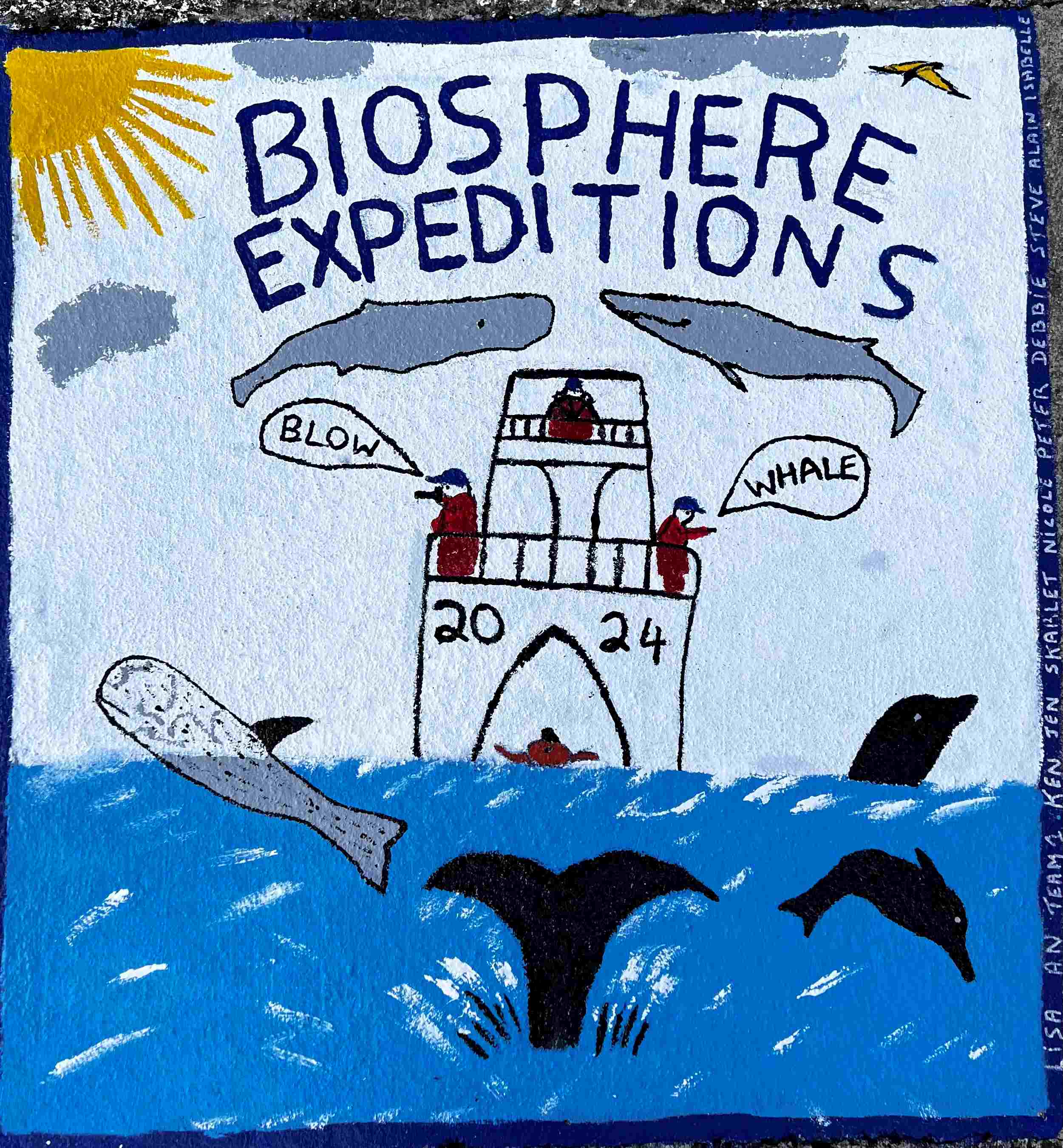
We also used our two days ashore to honour a longstanding tradition in Horta: the vibrant paintings on the breakwater in the harbour. Trans-Atlantic sailors initiated this tradition many years ago, believing it would ensure safe passage to their next destination. We hope the same holds true for our expeditioners departing this morning in rough weather conditions. Biosphere Expeditions is grateful for your hard work and dedication to cetacean citizen science, with lots of good humour and an excellent team spirit. Obrigada!

Group 2, get ready for more rough weather!

Continue reading “Azores : Windy days”

Azores : Risso’s dolphins displays

Update from our marine conservation volunteering holiday in the Azores archipelago, working on whales, dolphins and turtles

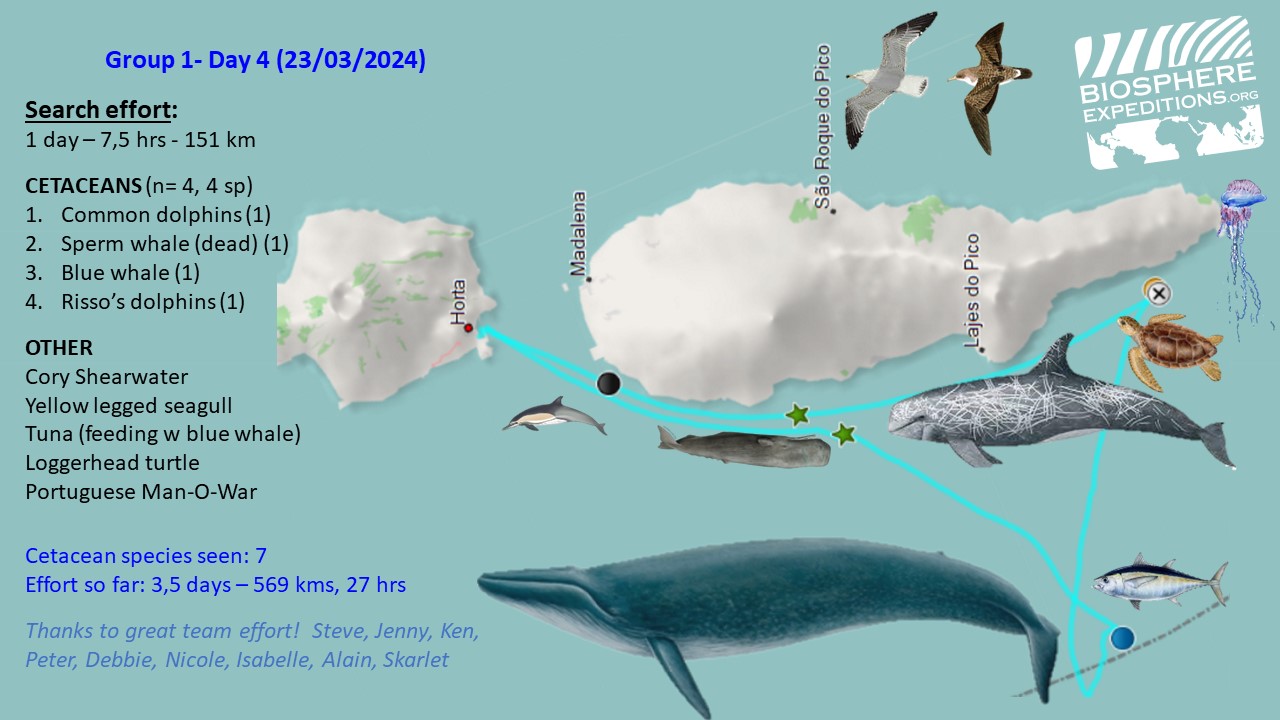
On Saturday we had sea state 4 with higher waves, strong winds and a rocking boat. The lower deck team had to hold on tight and put their balance skills to the test. Also on the upper deck, taking data when holding on can be tricky, but the team managed in the end. With the north-eastern winds, we headed out again to the south of Pico and came across a dead sperm whale floating. The cause of death is unclear. Eventually the carcass will sink to the bottom in what is called ‘a whale fall’ and provide food for a whole set of organisms during the different stages of decomposition at depth for a long period of time, up to as long as 10 – 50 years. We have yet to spot our first live sperm whale.

Further offshore we managed to get photos of a blue whale. Turned out it is still the same individual we saw on our first day, hence there must be food around. This individual was last seen around Azores in May 2022.

Then Lisa decided to explore an area good for Risso’s dolphins sightings, one of our priority resident species, and sure enough we found them there. The animals were moving about slowly, surfacing simultaneously in chorus-like display line not too far from the boat. We took many pictures, which will be analysed later this week and send to specialists. A lonely loggerhead was floating nearby and many Cory shearwaters completed the scene.

With the winds getting even stronger, Sunday was a day off for the team to explore the volcanic landscapes Faial has to offer: Caldeira, Capelinhos and, right next to our basec, Monte de Guia.

On Monday we tried our luck again even though the wind was blowing fiercely. The southern side of Faial was the only place sheltered enough to do monitoring. These conditions make it much harder to spot animals, yet our patience paid off. Following multiple short encounters of individual common dolphins, a pod of 20 approached the boat to bow-ride and surf in the waves displaying their agility and beautiful colouration.

Continue reading “Azores : Risso’s dolphins displays”

Azores : Baleen whales

Update from our marine conservation volunteering holiday in the Azores archipelago, working on whales, dolphins and turtles

On Thursday it was smooth sailing on rolling waves. The topic of the day was clearly baleen whales. We did a return visit to the same giant blue whale still feeding in the same area. Then Nicole spotted a large fin whale twice, followed by Peter surprising us with the observation of the smaller minke whale. Quite remarkable, as they are hard to spot with almost no blow. An excellent day to memorise those identifying features, unique to each species. Meanwhile everyone is in the rhythm of the different roles to be performed on board. Also, thanks to sea state 1, with just ripples on the surface, we managed to get a good closer look at our first loggerhead turtle floating nearby the boat.

On Friday the sun came out. We covered a lot of distance in the morning with no sightings, except for a few elusive small groups of common dolphins. Southeast of Pico, a vigia guided us to a humpback whale feeding closer to shore. Another baleen whale species on our list, the fourth in only three days! Their white long pectoral fins make this species quite distinctive, as well as their coloured fluke, ideal for photo-identification. Another blue whale was feeding in that same area….

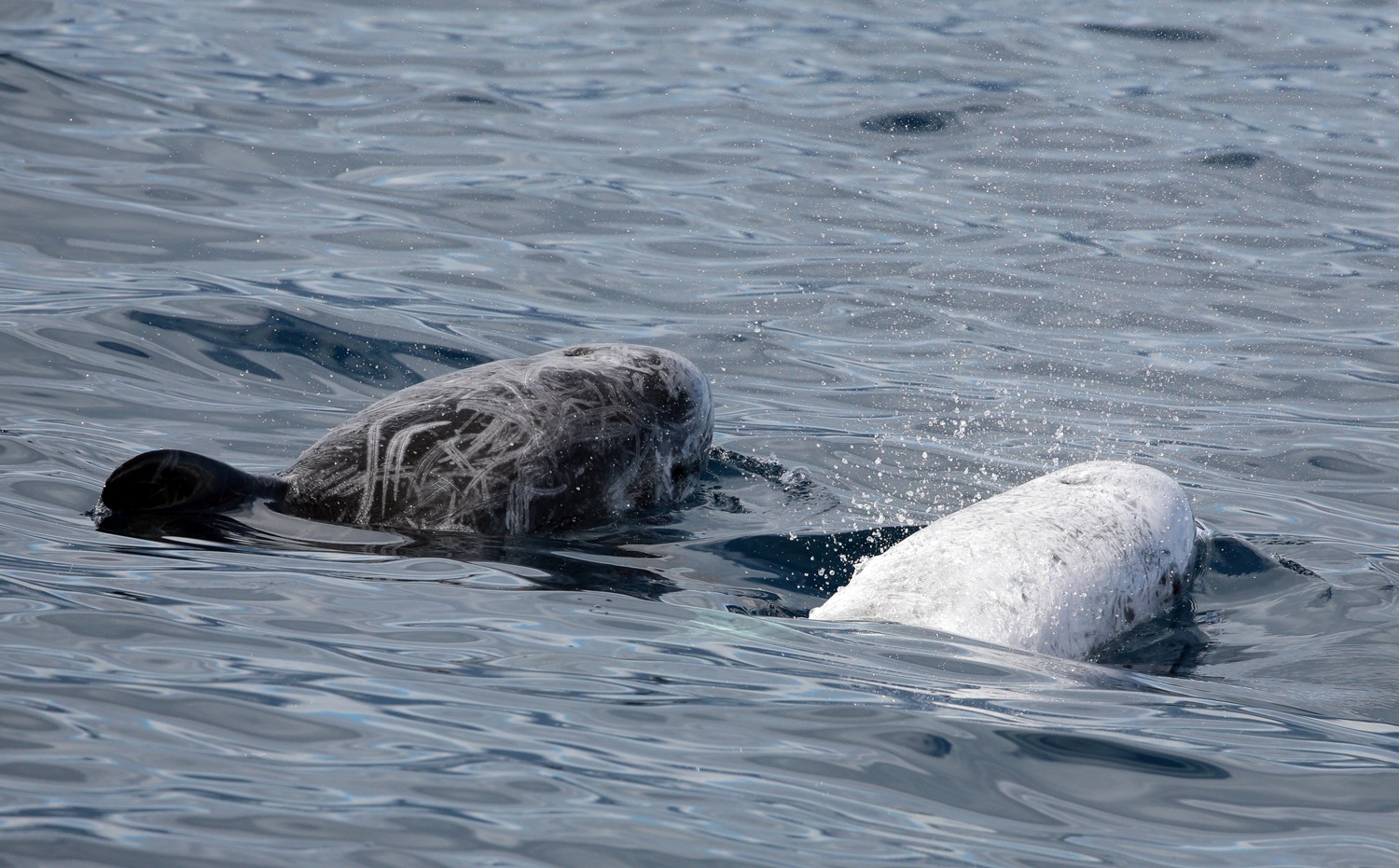
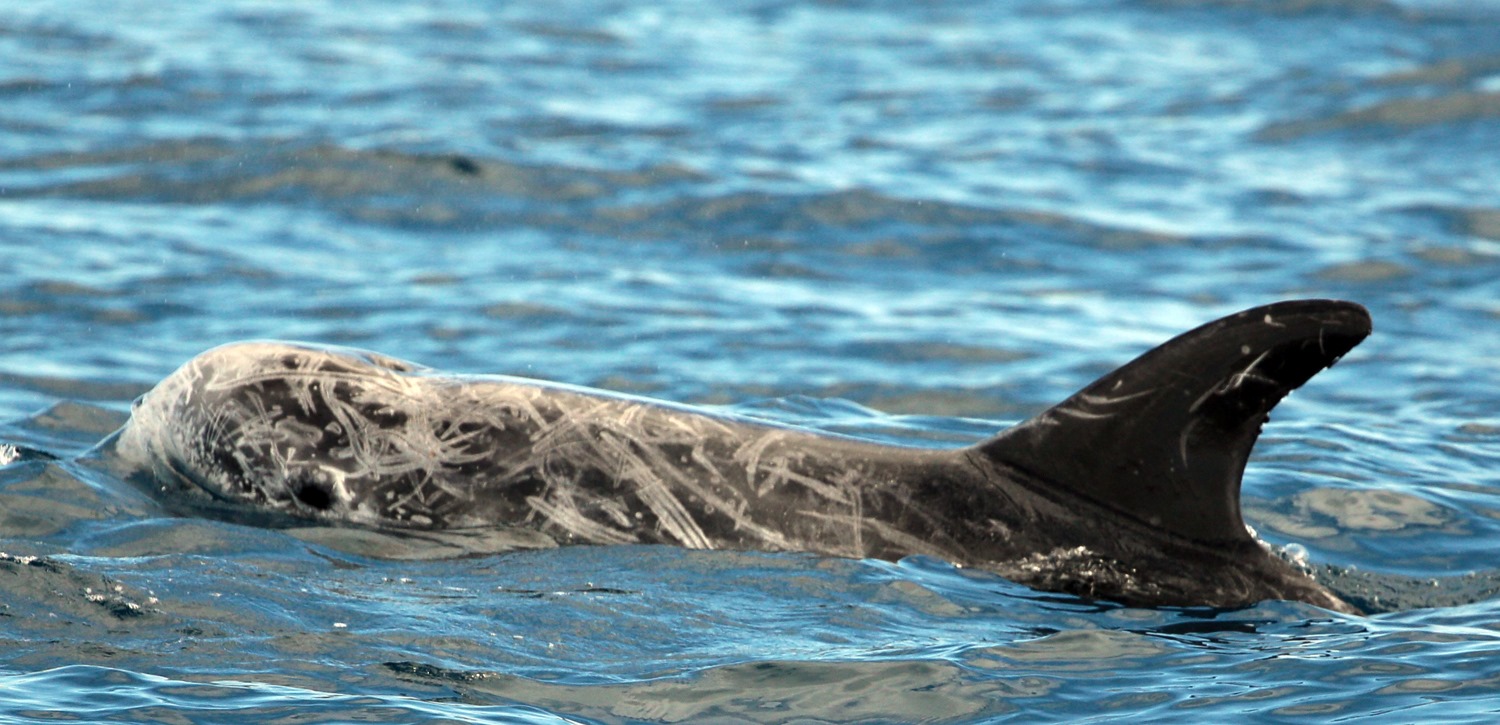
On our way back to Horta, we spotted Risso’s dolphins, also called the ghosts of the sea, ranging from black to white depending on the number of scars. The local expert Karin Hartman confirmed this is a relatively shy resident group of males, some of which have been seen already since 2000, with one female in the group being courted. Thus ended a long, tiring yet very satisfying day full of beautiful observations, rich in data and many photos for identification to better understand the migration patterns of the different baleen whales.

Continue reading “Azores : Baleen whales”

Azores : A blue start

Update from our marine conservation volunteering holiday in the Azores archipelago, working on whales, dolphins and turtles

After two days of strong winds, the sun came out to welcome our first group of expeditioners arriving from both sides of the Atlantic. As always, the first two days are dedicated to full-on training to get everyone up to speed on the species of interest, ready to record valuable data out at sea.

As we were getting familiar with all the roles on board, the many different datasheets, GPS, transect log, phone app… there was a slight sense of information overload. Yet, once on board, the team really got into it, performed well and demonstrated they are up to the task.

Southwards of Pico, we spotted and recorded our first two groups of common dolphins, when the vigias – lookouts on land – informed us of something special further ahead. Sure enough, a little later Isabelle spotted a huge blow of 8 m high, which can only come from ‘the’ mighty gentle giant of the ocean, the one and only blue whale. Lisa commented it was a ‘small one’ of just 20 m, nevertheless we were all in awe, especially when the whale was cooperative and dived several times to feed, resulting in some good fluke shots.

It’s fair to say that our first day out at sea with a blue whale sighting kicked off this 18th annual expedition nicely. With good weather foreseen in the coming days, we are curious to see what else we can find. Meanwhile our photos of the blue whale have been sent to experts to see if they can identify the individual. Stay tuned for more.

Continue reading “Azores : A blue start”

Azores : White caps

Update from our marine conservation volunteering holiday in the Azores archipelago, working on whales, dolphins and turtles

I write to you from our beautiful research base at Monté de Guia where Lisa and I are busy preparing everything for your arrival. Located right at the waterfront, the sea view here is ideal to check out the weather conditions before heading out to sea and get into marine citizen science action. Today we were treated to blue skies, some sunshine, but strong winds and many white caps dancing on the waves, but the conditions should improve in the coming days when group 1 will get trained.I hope group 1 is more or less packed up and ready for the journey or on it already.

I wish you a safe flight and I look forward welcoming you here tomorrow (Tuesday) at 11:30.

Continue reading “Azores : White caps”

Azores : Starter

Update from our marine conservation volunteering holiday in the Azores archipelago, working on whales, dolphins and turtles

Welcome to the first diary entry of the 2024 Azores Biosphere expedition. I am An Bollen, your expedition leader for this 18th edition. I look forward returning to the stunning Azores and immersing myself in citizen science research alongside all of you in the weeks ahead. It will be my third time running the expedition.

Meanwhile at our research base, Lisa Steiner, our expedition scientist, has already been treated to sightings out at sea. Not only her favoured sperm whales, but also humpbacks, including a mother with a young calf – an uncommon occurrence.

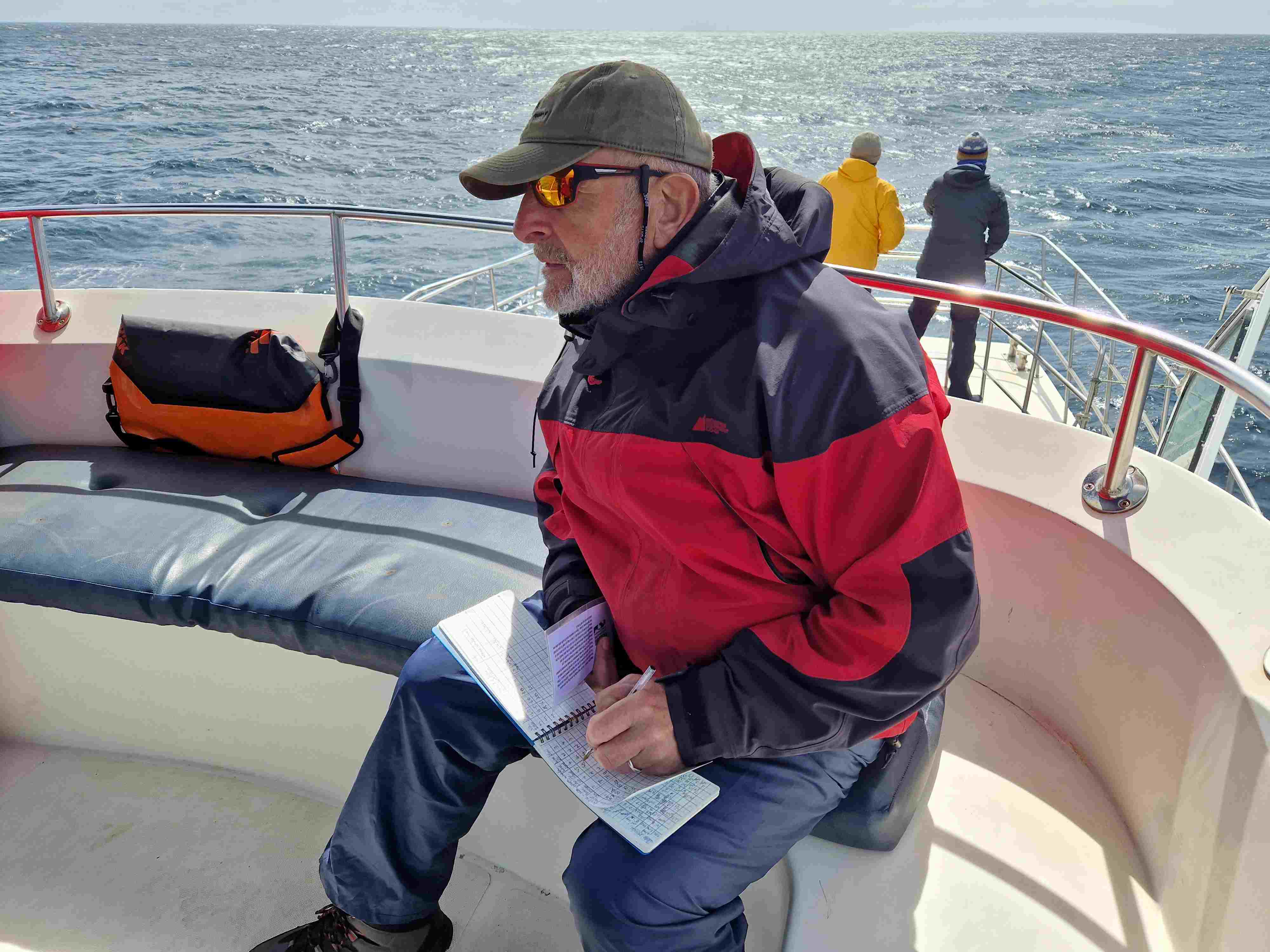
This year, we’ve established a new research base – the Monte De Guia Alojamento, strategically positioned right along the seafront. I’m already in packing mode, preparing to depart for Lisbon on Saturday and then onwards to Horta. As always, the weather during this time of year remains unpredictable. Some days offer fair conditions, while others bring strong winds, chilly temperatures, and occasional rain. Lisa’s photo, showcasing her all-weather whale-watching outfit, encapsulates it perfectly. Layering up with a reliable windproof and rainproof outer jacket is the key. The Azores can surprise you with four seasons in a single day, so come prepared!

When I arrive in Horta, I’ll share the next diary entry along with my local contact details. Those remaining back home and eager to stay updated, can visit this blog, where we’ll regularly publish diaries and photos.Looking forward to seeing you all soon!

An Bollen
Expedition leader

Continue reading “Azores : Starter”