Award-winning, non-profit and ethical wildlife conservation volunteering. Advancing citizen science and conservation since 1999 – for nature, not profit.
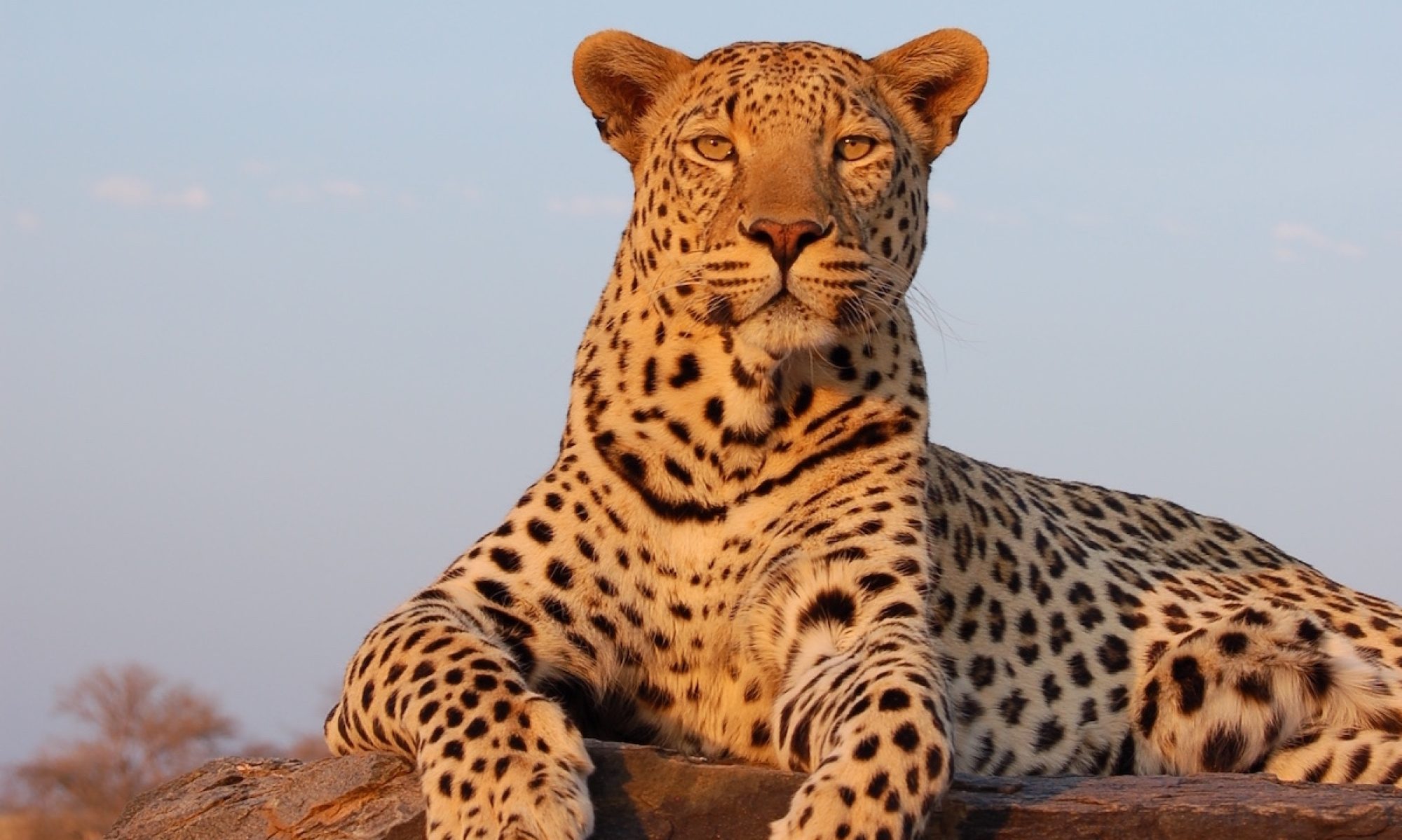
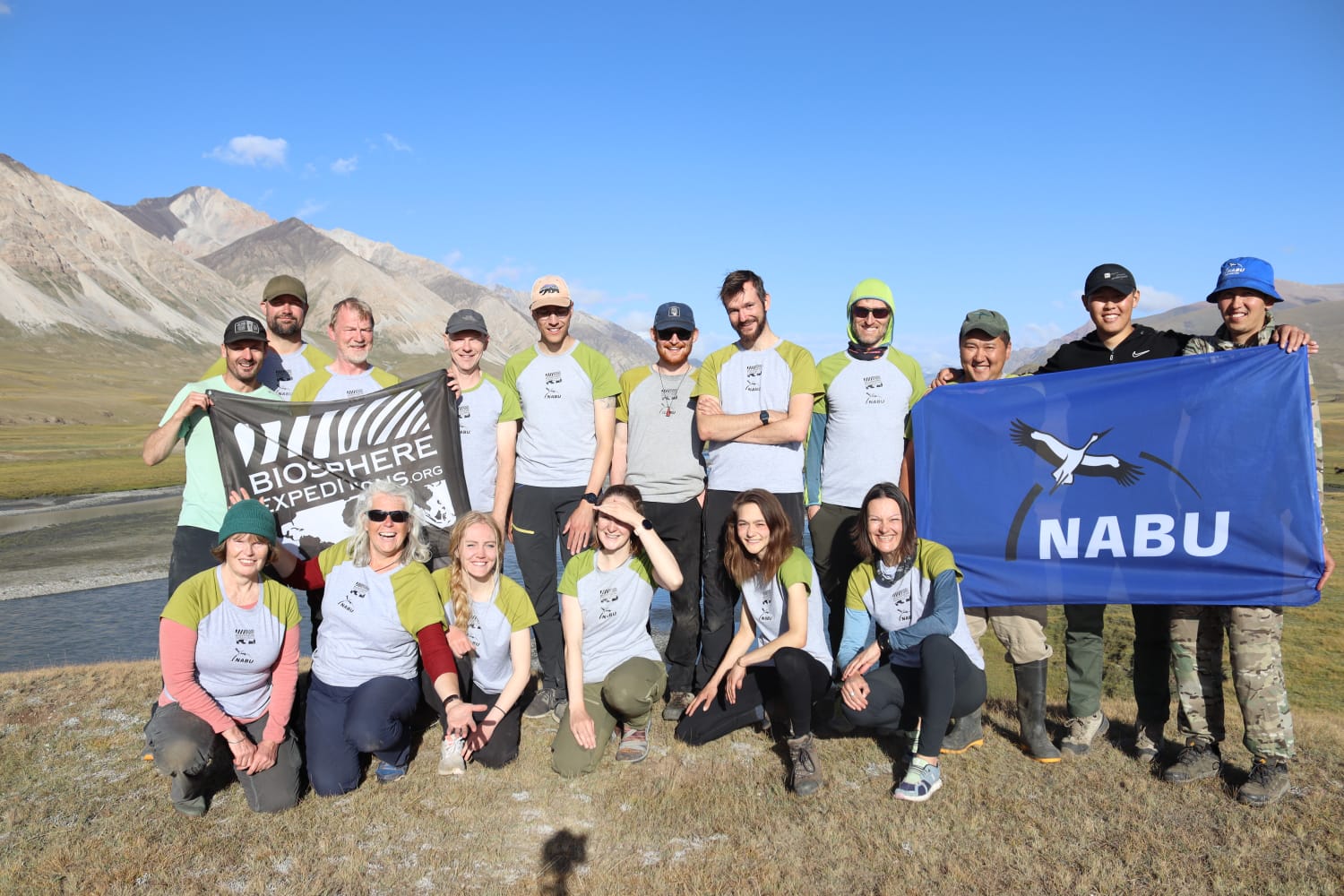
Not long now until we return to the mountains where the ghost lives. I am Johnny Adams, your expedition leader this year for our seventh year of chasing the ghost. We have finished in one area of Kyrgyzstan and are now moving onto the next, Archaly valley, recceed by the some expedition teams in 2023 and now ready for a full on-site rotation this year.
We’ll be a week ahead of you to shop, set up and do the thousands of other things and little details that need to be done so that you can just get here and do your thing: citizen science. Please do your part too: Pack properly (see the dossier), get to Bishkek on time for your group, read up on the methodology and get familiar with the datasheets and the area. All this you can do via the pages here and here. Also make sure that you bring a copy (printed or on a tablet, best printed as electricity is hard to come by in the middle of nowhere) of the field guide with you to Bishkek. This will be your personal copy to take with you on your job every day. This, combined with the methodology, the datasheets and the map, will your tools to help us document the ghost.
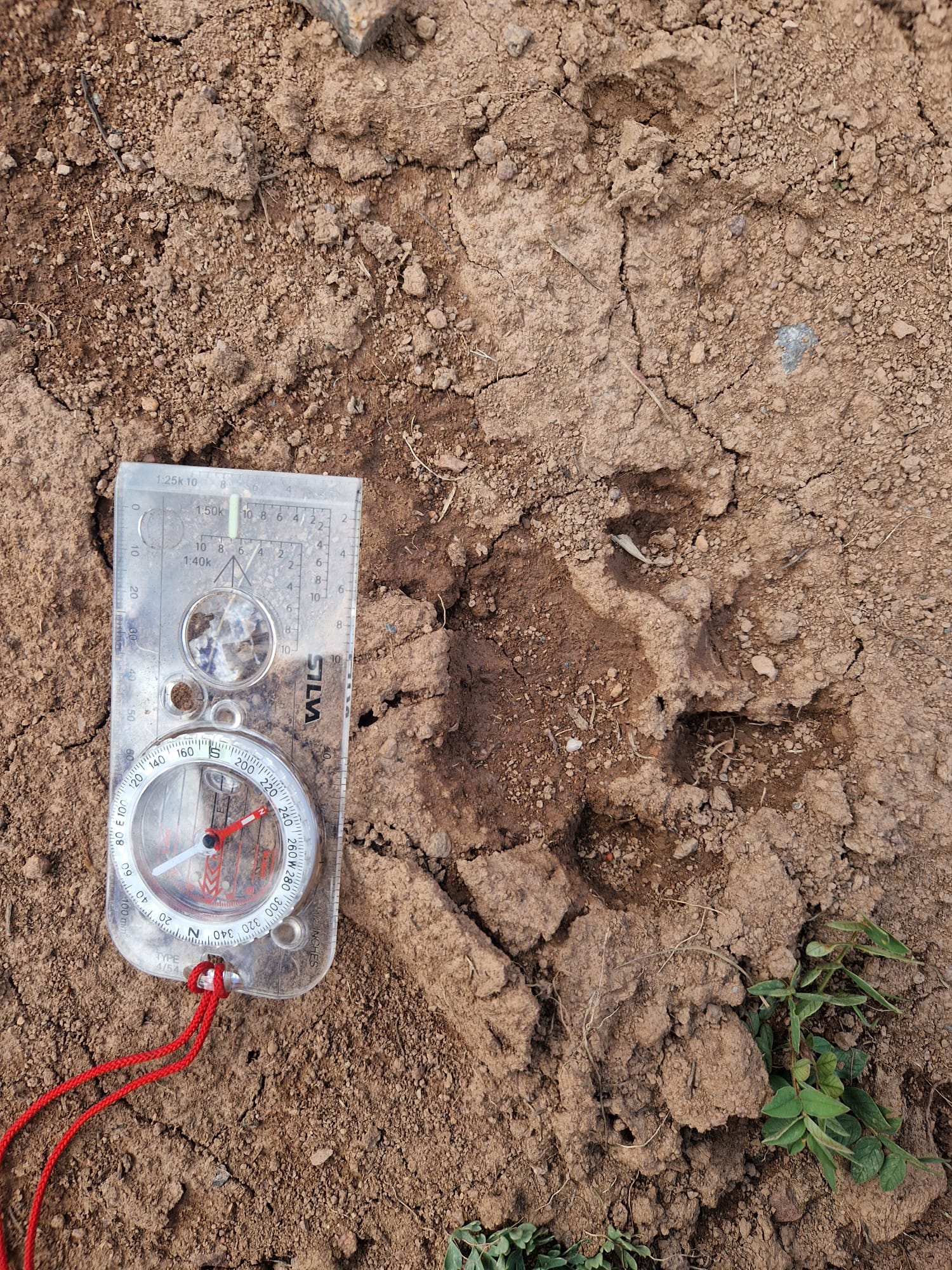
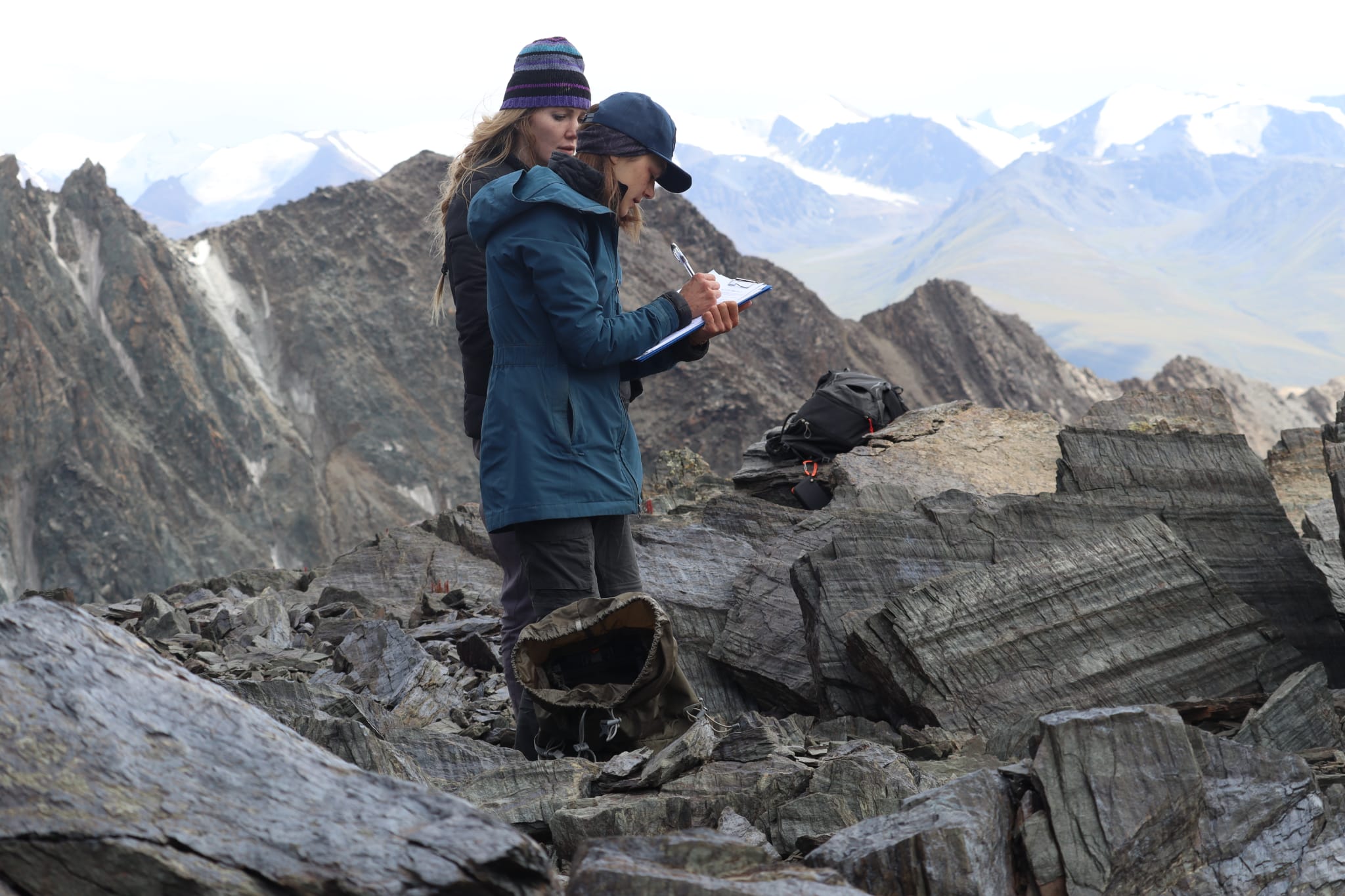
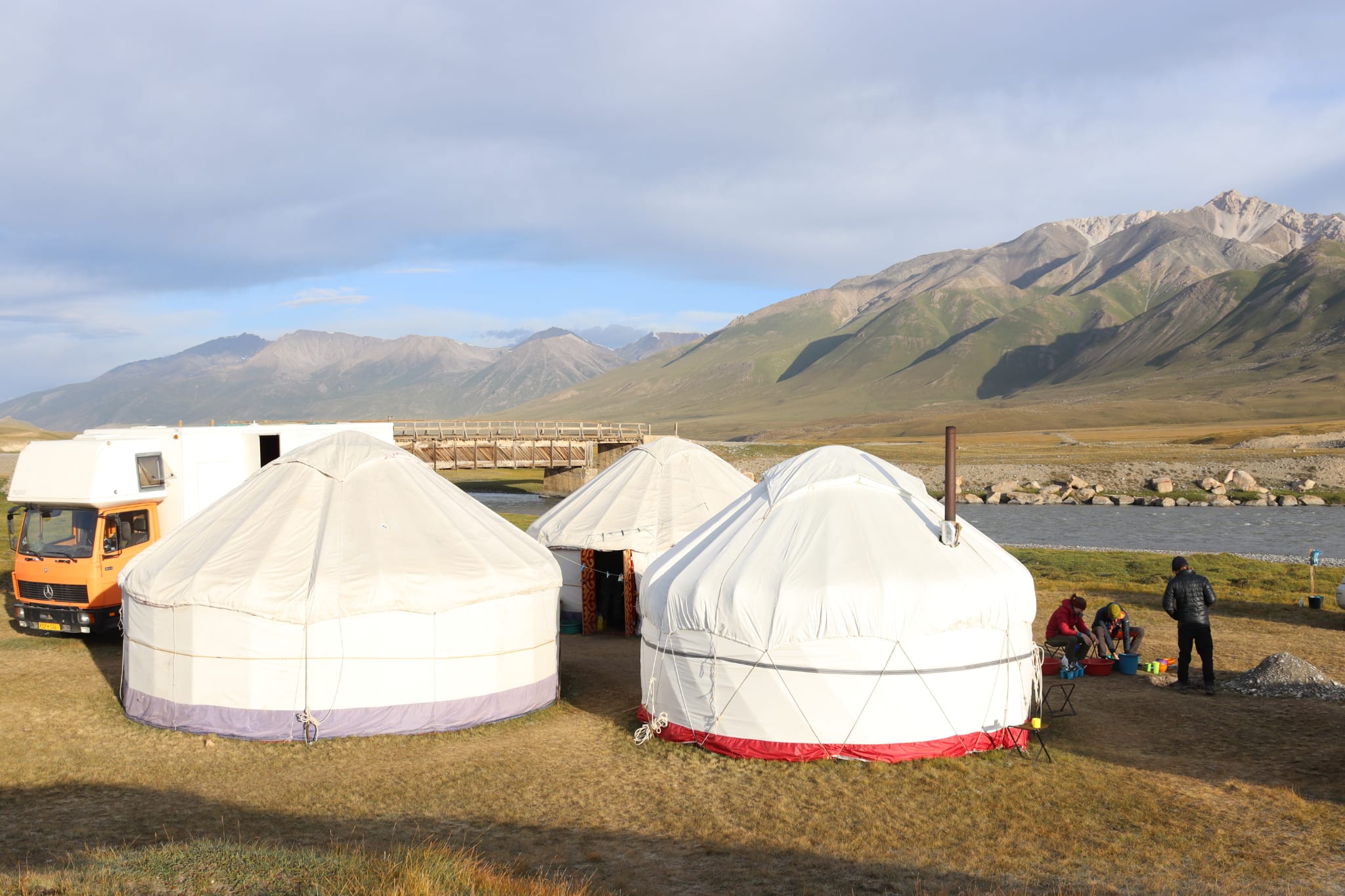
I hope by now you have realised that you are not joining some cushy snow leopard safari with cocktails at your tent in the evening, but a serious undertaking. Below are some pictures of what awaits you.
Enough said. I’ll be back in touch from Bishkek in a few days with updates on the weather, preparation progress and other messages of disaster and chaos 😉
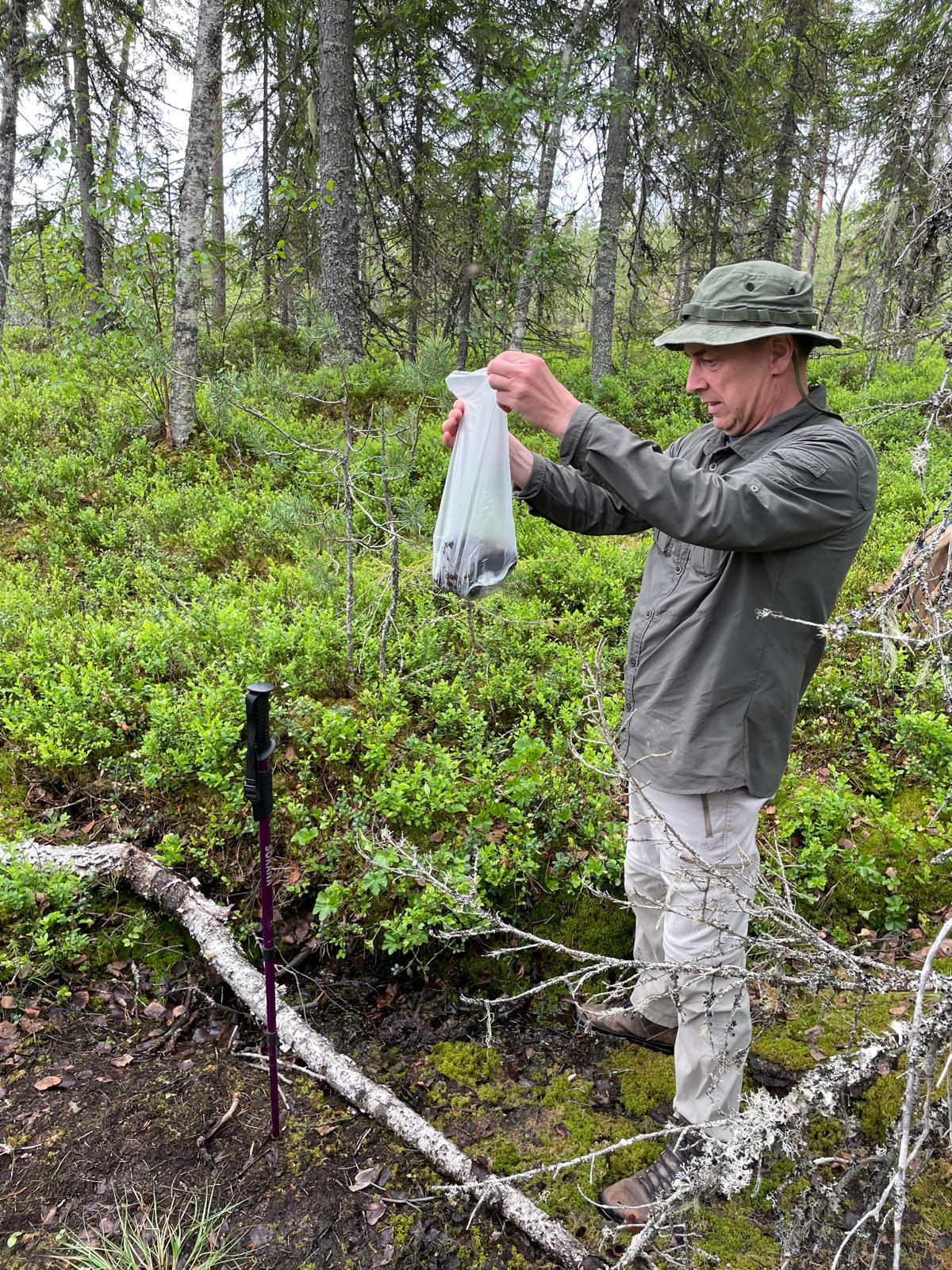
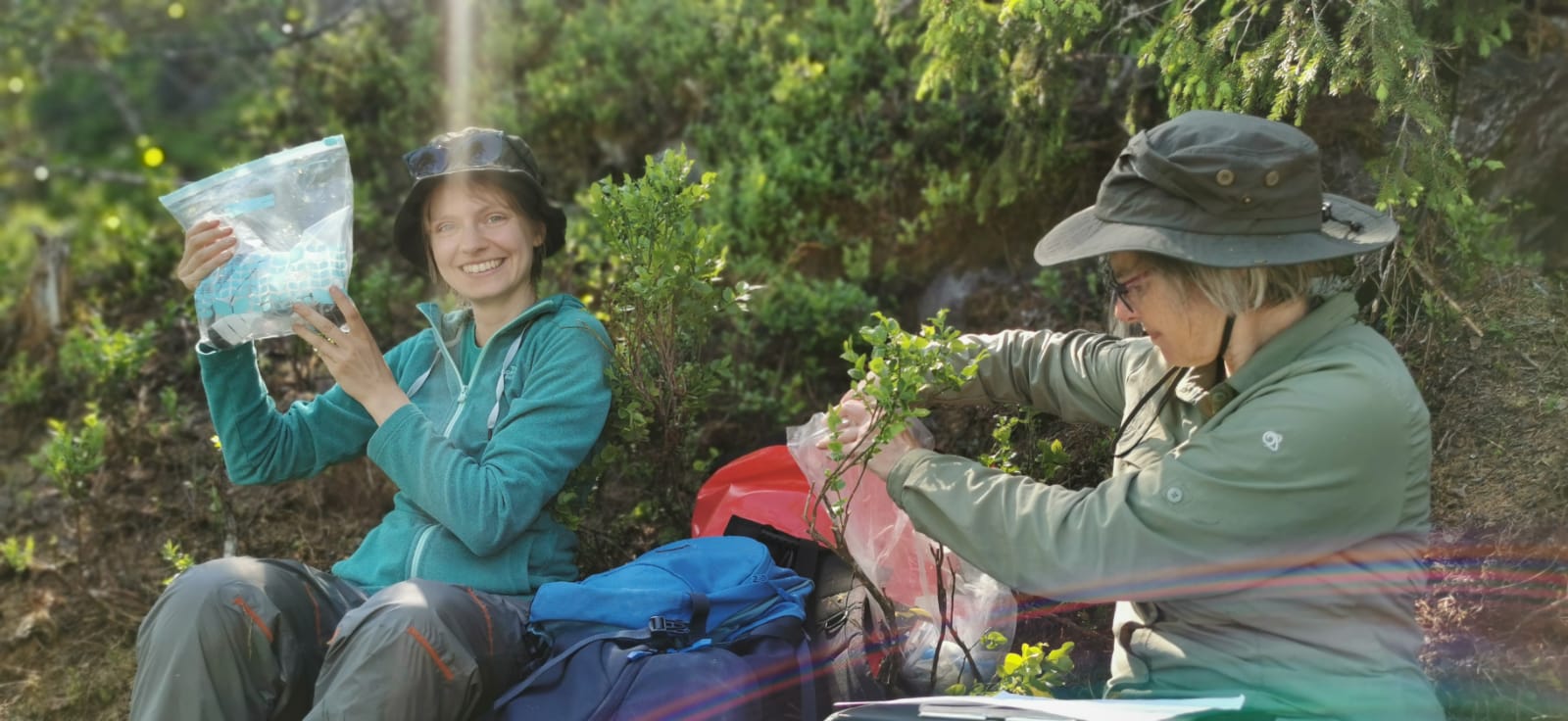
The 2024 Biosphere Sweden Brown Bear Expedition is all but over now. Today we visited our last dens and collected our last scats. We have located and surveyed 27 dens, recorded 18 day beds and collected 56 scat samples. Of these, 7 were ‘first scat of the season’, a prize much valued by Andrea, as these scats reveal a lot about what the bear has eaten since the previous autumn. We have discovered remains of moose that bears have been eating, scratch marks on trees where bears have been sharpening their claws or climbing trees, clumps of bear hair and moose hair and other signs of bears in the landscape.
All of these research results make a valuable contribution to the long-term records of the bear population in Dalarna, and give insights into the health and resilience of the bears impacted by hunting, forestry management and climate change.
It is a great achievement for a team who only a week ago were starting pretty intense training, including how to carry out the research methodology, how to use some technical kit and how not to get lost in the woods.
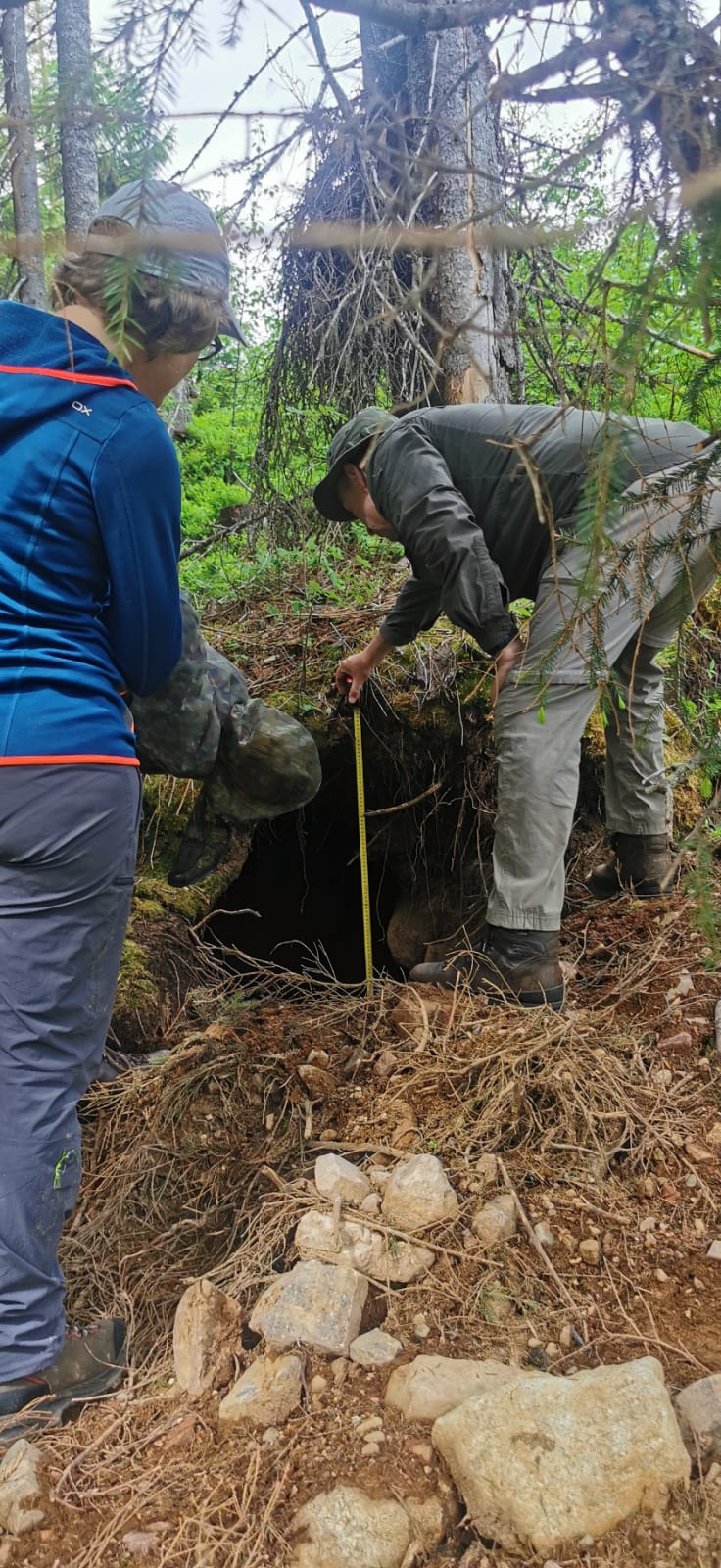
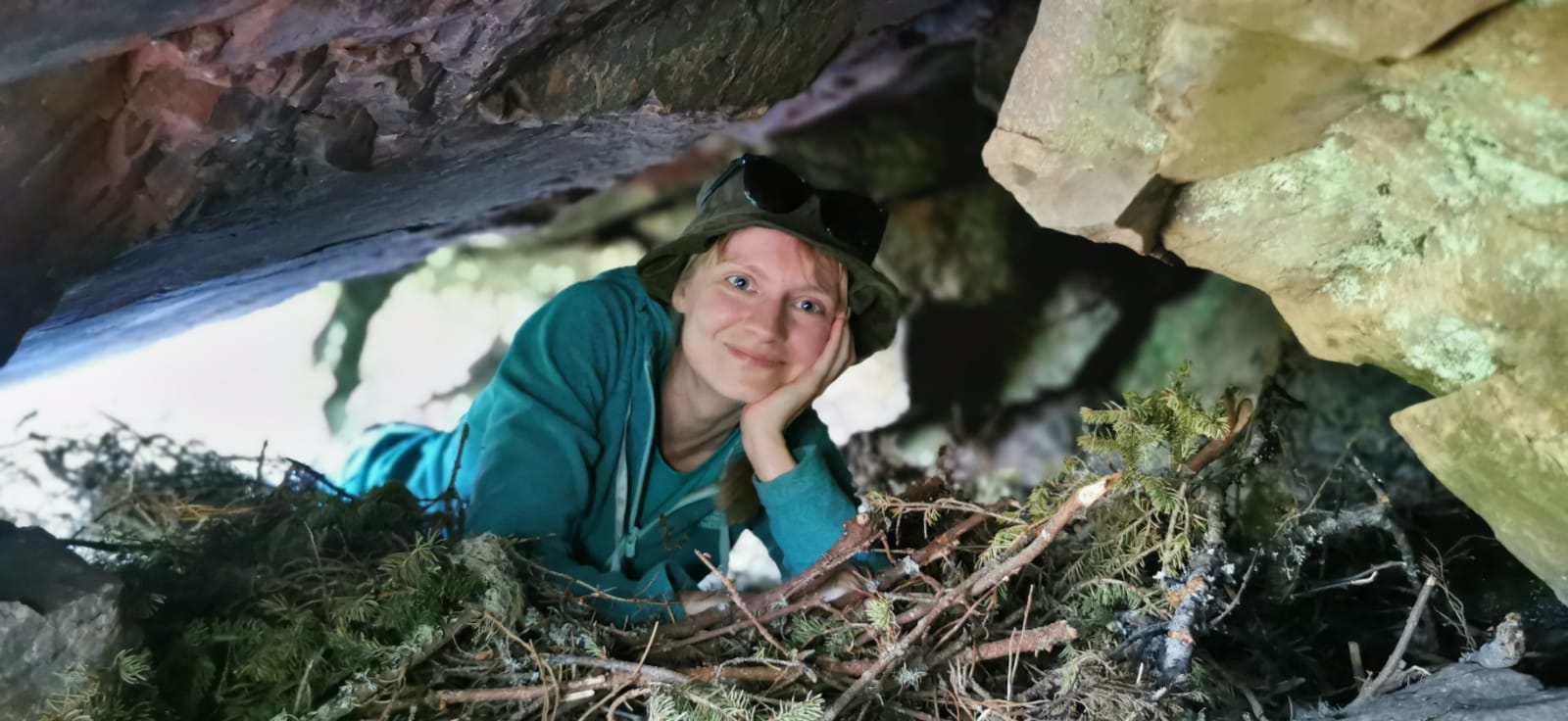
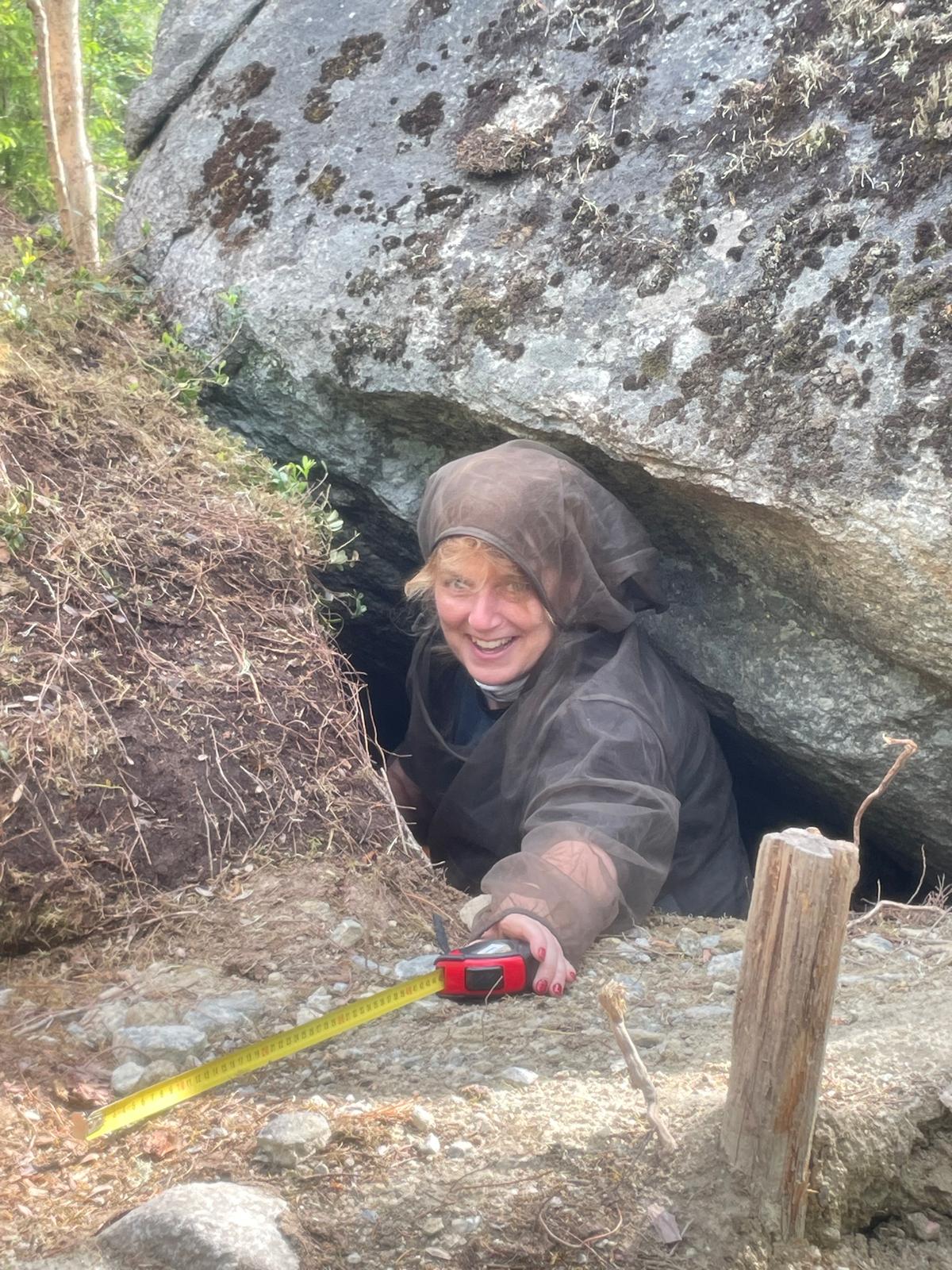
High points of the expedition included a live sighting of a bear. Many of us saw moose too. One team was excited to find a large black adder slithering through the undergrowth. We have enjoyed discovering, measuring and climbing into a great variety of bear dens. As I write this, some of the team are off swimming in a local lake, which is a fine reward for a hot day’s work in the field.
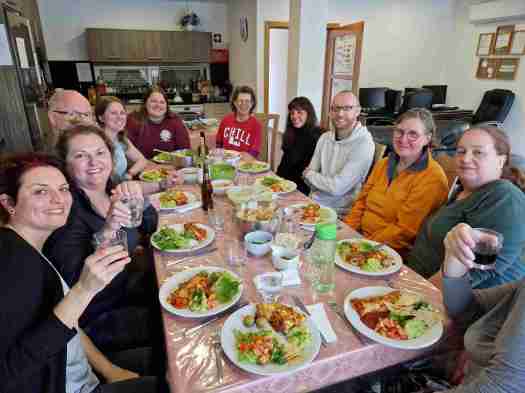
And now it is time to pack up the kit, enjoy a final dinner together and reflect on our achievements.
Biosphere Expeditions just completed their 18th expedition, now covering almost two decades of cetacean citizen science monitoring since 2004 in the Azores, a mid-Atlantic hotspot for marine megafauna with no fewer than 25 species. Cetacean data collection take a decade or longer to reveal meaningful patterns. Hence, the true value may not always be in the ‘here and now’, but be realised as future questions and challenges arise.
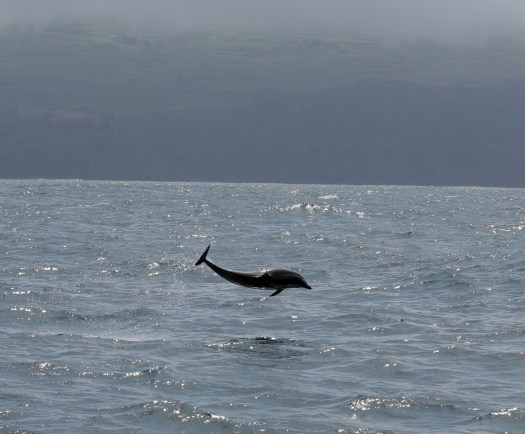
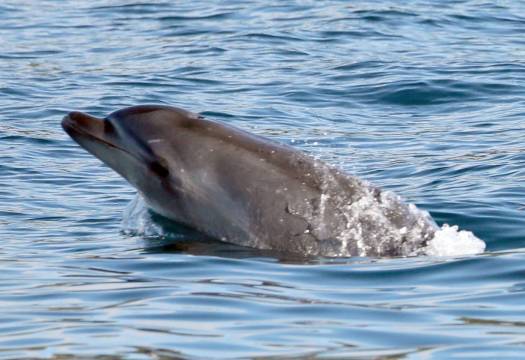
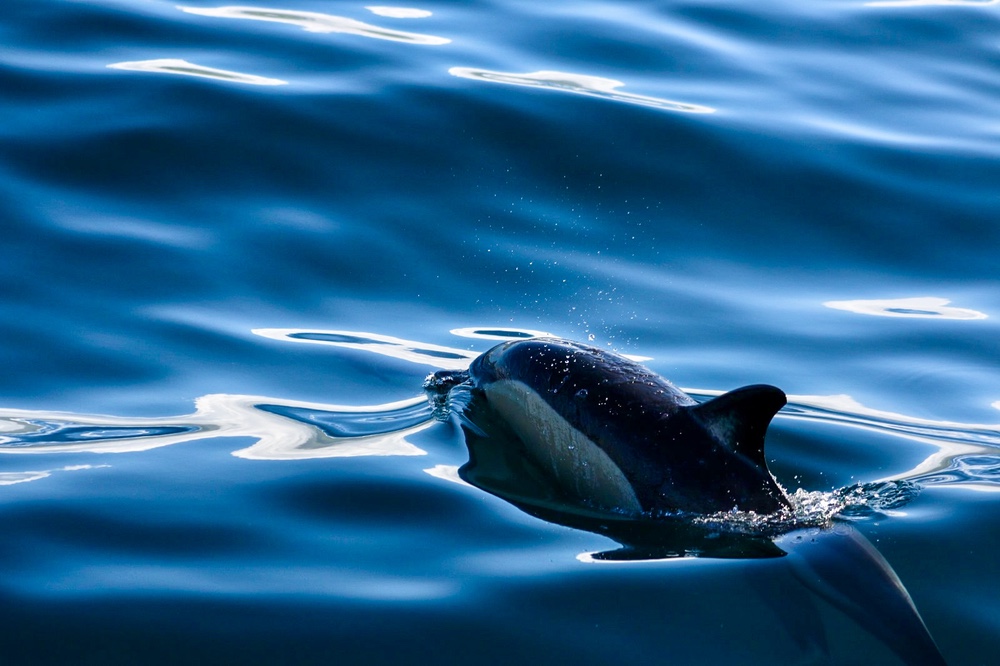
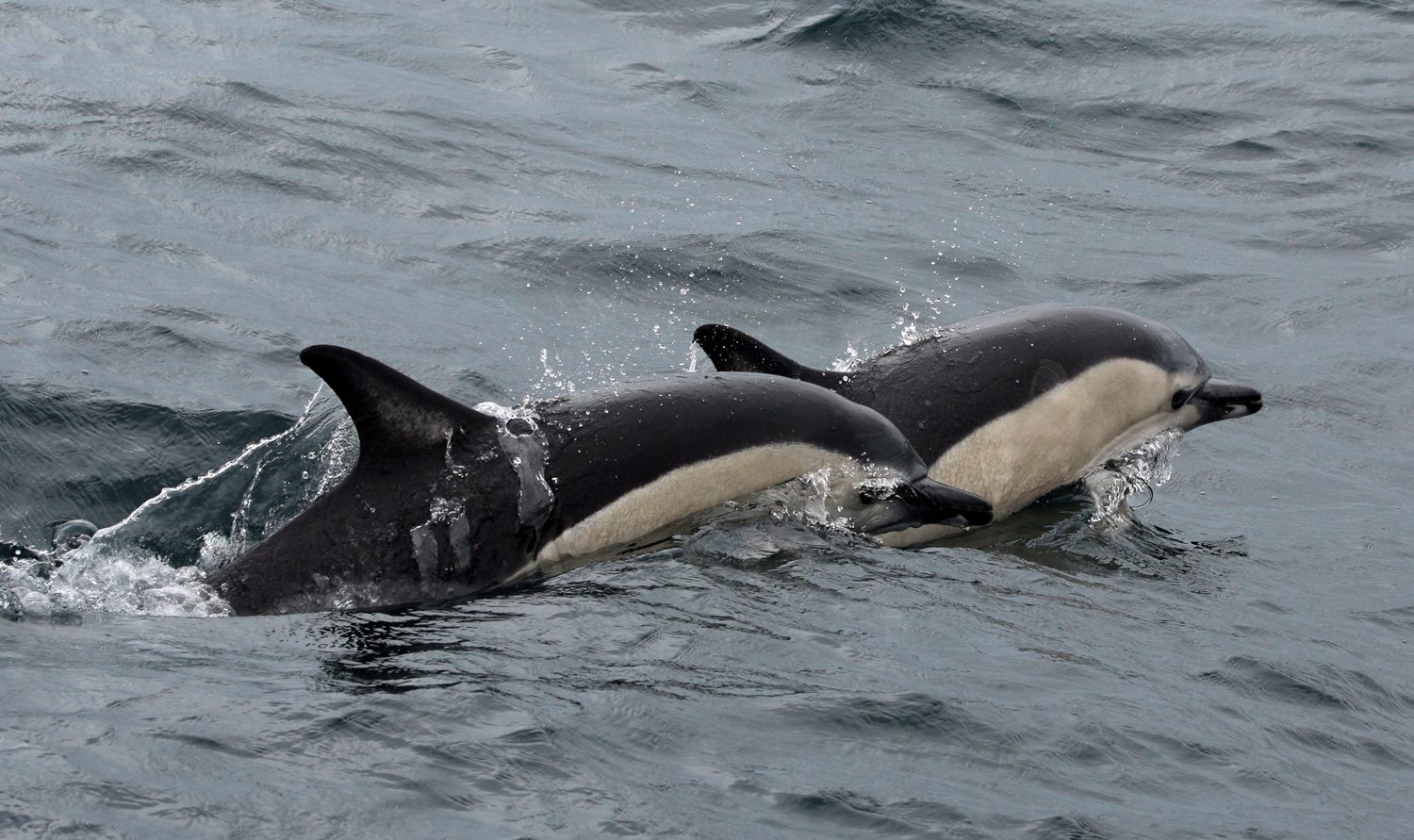
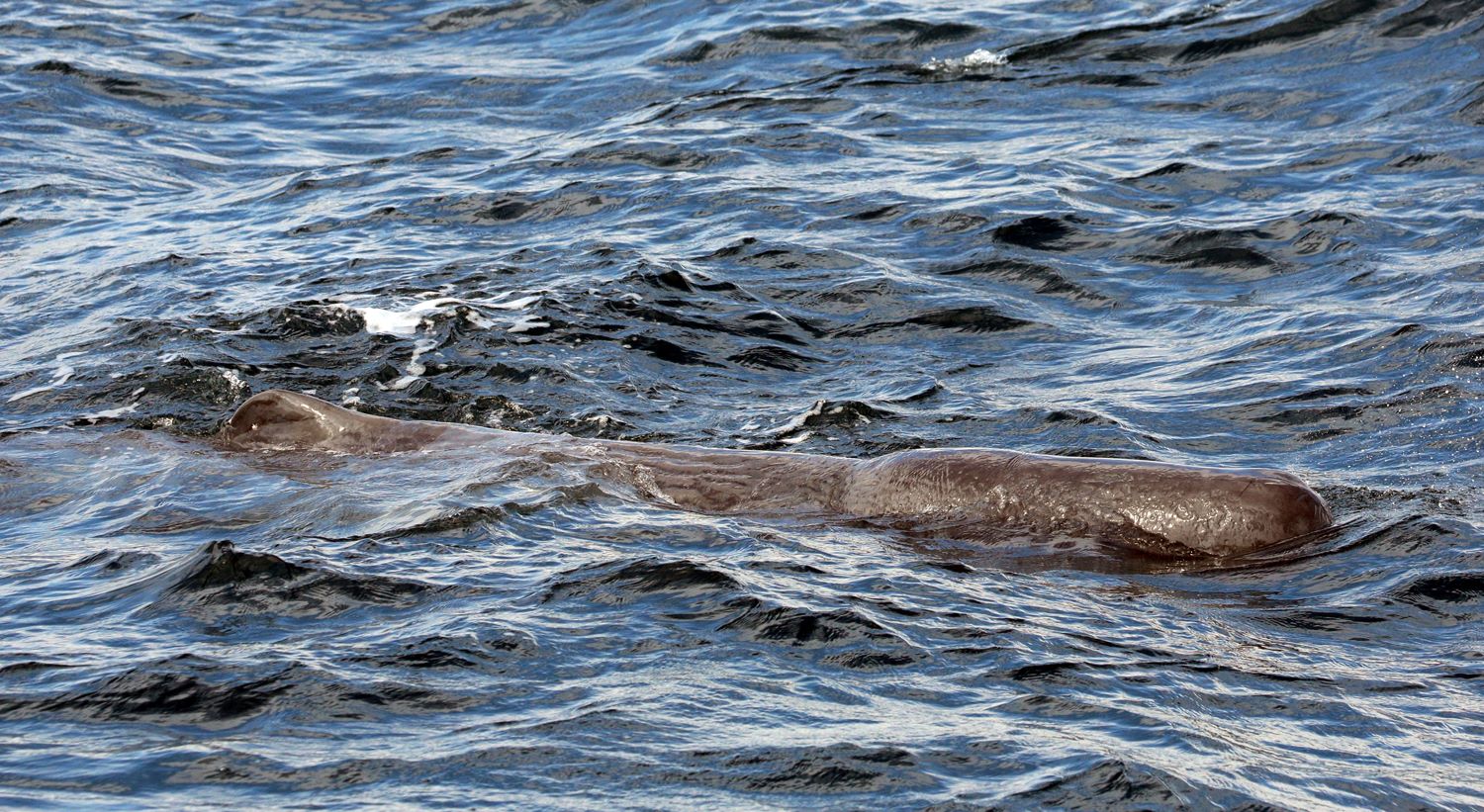
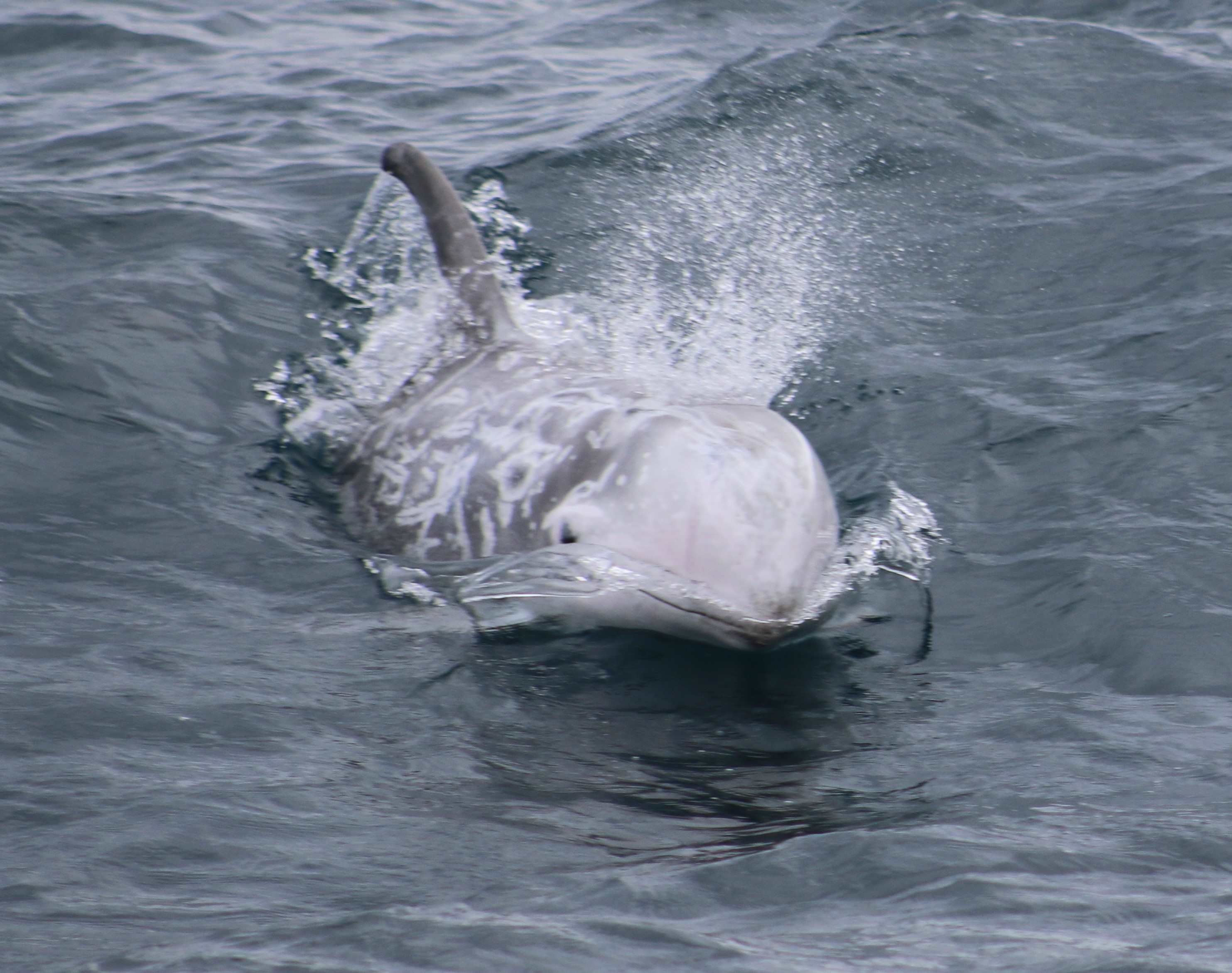
Twenty-nine expeditioners from ten countries, joined the 2024 expedition, completing 16 days out at sea, adding up to 86 sea hours while covering 1,500 km of ocean around Faial and Pico. Our search effort resulted in 92 encounters of nine different cetacean species. Sightings of common dolphins and sperm whales were most abundant. Common dolphin groups were smaller this year, a trend already observed in 2023. With regards to baleen whales, we had ten sightings of ‘feeding’ blue whales, seven of fin whales, one minke whale and one humpback whale. The resident bottlenose and Risso’s dolphins were also seen on several occasions.
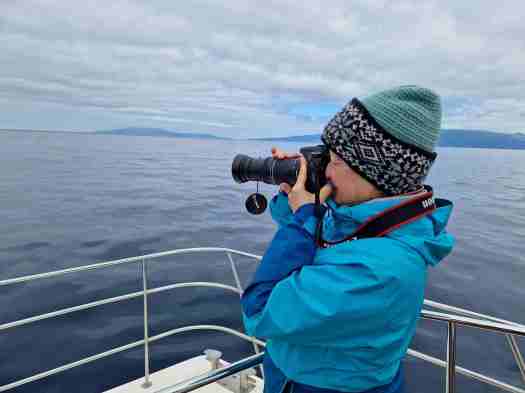
In total we confirmed some 20 positive IDs, including several re-sightings of sperm and blue whales. One of the sperm whales we sighted goes as far back as 1988, 35 years ago. Several blue whales observed were seen in previous years in the Azores, showing that they use the same migration route. Some individuals were recorded for the first time, again contributing to an ever-growing growing photo-catalogue and to our understanding of population dynamics. Many more whales have yet to be matched. Studying cetaceans takes patience and perseverance, one photo-ID shot at a time. Yet, these valuable data provide relevant insights into the spatio-temporal movements, migrations, numbers, group structures, and ecology of cetaceans, key to their long-term protection and conservation.
Feedback from the citizen scientists:
‘I was dreaming of seeing a blue whale. Not expecting to see one in four consecutive days!’ Jenny S., UK.
‘Well-organised, safe, learned a lot on marine conservation! Great team work and excellent accommodation. ‘ Skarlet-Ilieva M., UK.
‘An, the expedition leader is exceptional. The breakdown of tasks was good and the daily briefings provided immediate feedback of results. Very well organised.’ Debbie R., Canada.
‘This is my sixth expedition research project and honestly reached the top of my list for so many reasons.’ Lisa C., USA.
‘The group dynamics, the expedition leader and scientist went over and beyond to make sure we had all we needed. ‘ Paulina B., Canada.
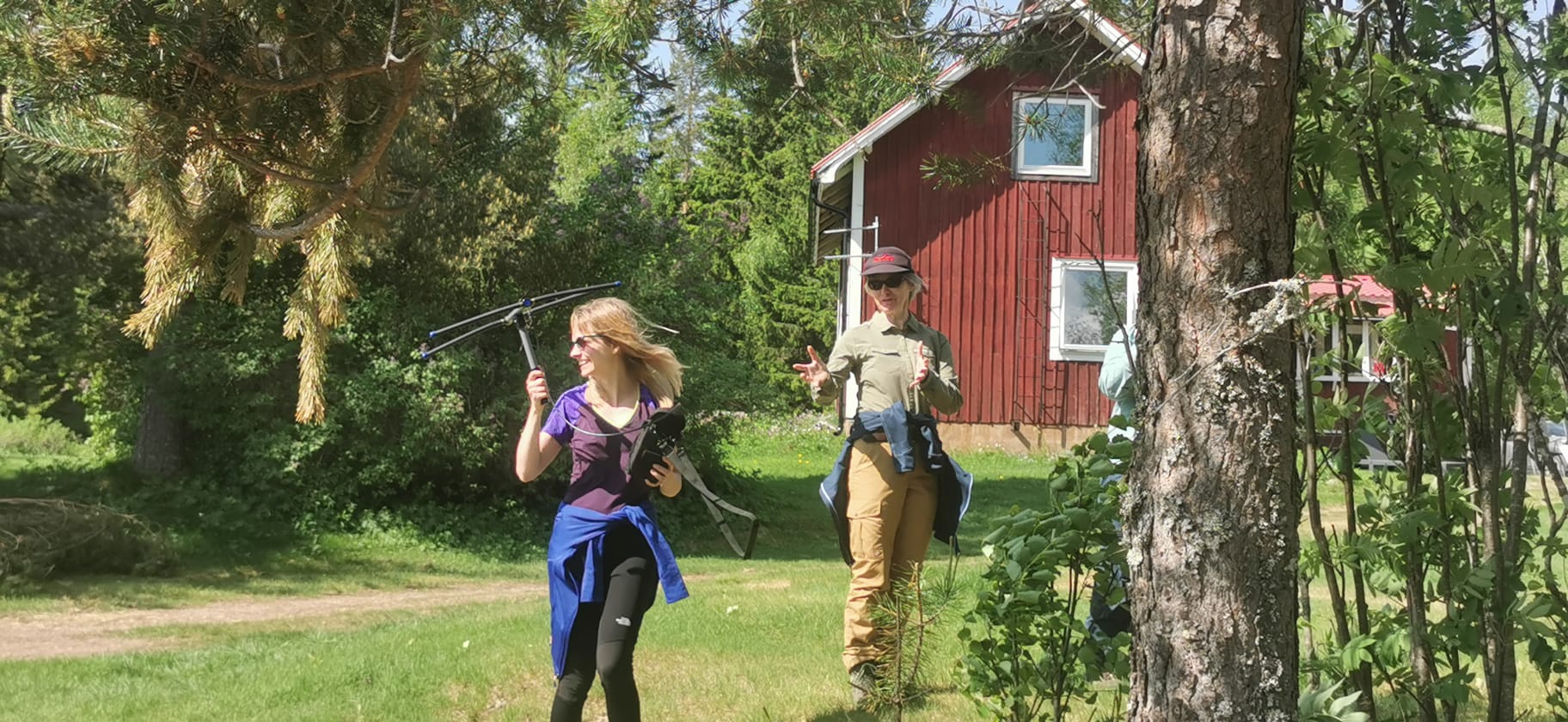
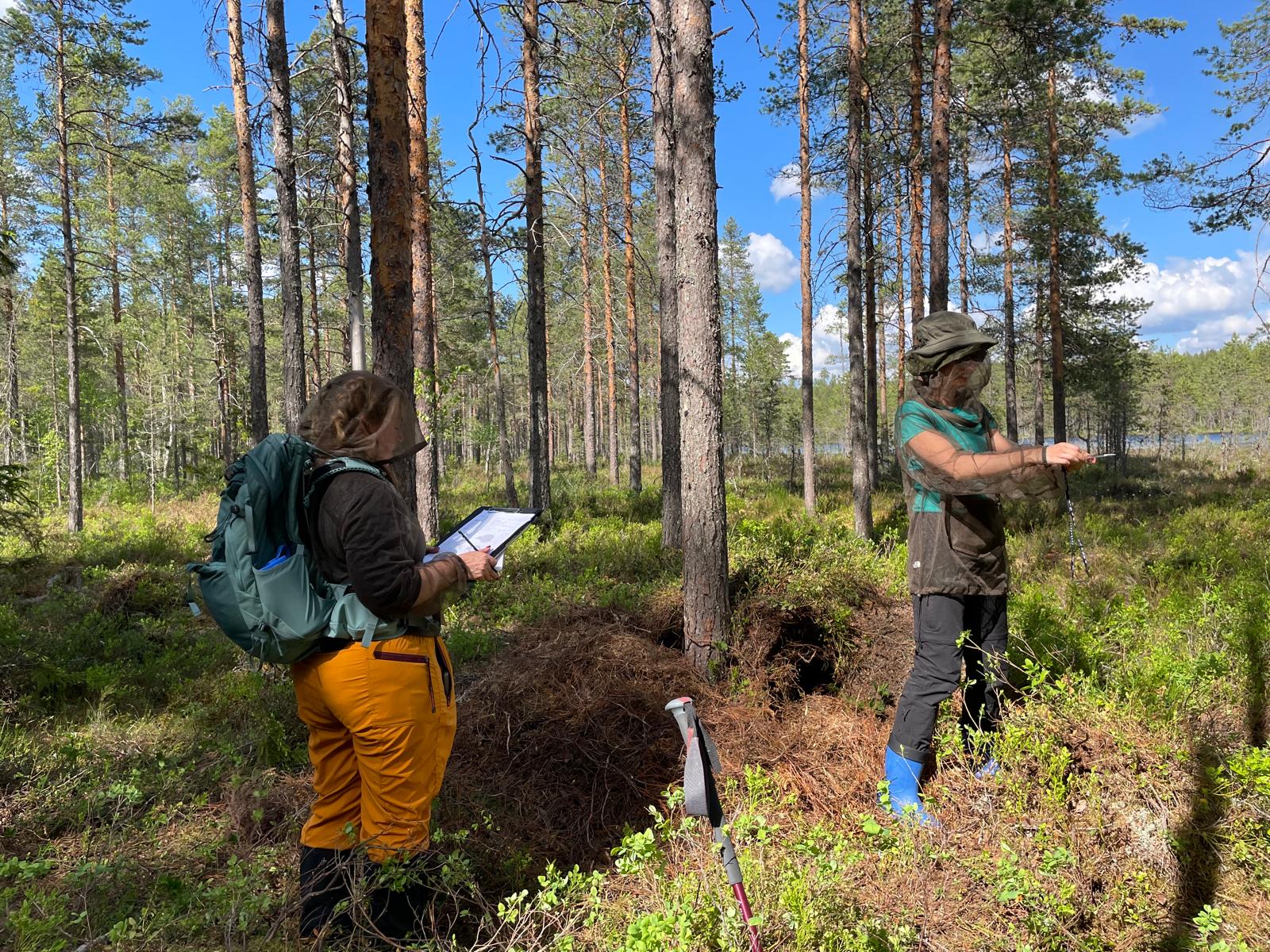
The expedition is settling into a good working routine now. Each day, three teams set out on missions to find bear dens and locations where a bear has been lingering recently and record what they find. Sometimes they also use a radio antenna to calculate the real-time location of a particular bear hidden in the forest. Everyone has mastered the art of navigating to a dot on a map, well off the beaten track and confidently traversing the terrain to get there. Each discovery of a den, a bear scat or a day bed brings a little dopamine hit of achievement: some of these discoveries are hard won! The detailed research methodology that Andrea needs the team to carry out each time, which seemed so daunting during training, is now almost second nature, and we are bringing in a good flow of data: 11 dens, 23 scat samples and 7 day beds so far.
And just when its all beginning to feel like a routine, one of the teams had a wake-up moment while driving along a forest track at the end of the day. “Bear!” A small brown bear calmly sauntered across the track in front of them, wandered into the forest and settled down behind some fallen branches a short distance way. Driver Tom was equally calm and stopped the car without endangering anyone or freaking out the bear. Good work all round, and a wonderful moment for Tom, Zoe and Silke. The rest of us heard their story at the evening debrief (the encounter was too brief for photos), enjoying the wonder and joy vicariously with of course no hint of envy.
The hard-working team did enjoy a small reward of a picnic yesterday, provided by expedition cook Louise, at a local beauty spot with picturesque rocky woodland and a precarious bridge over a river gorge. Then back to work.
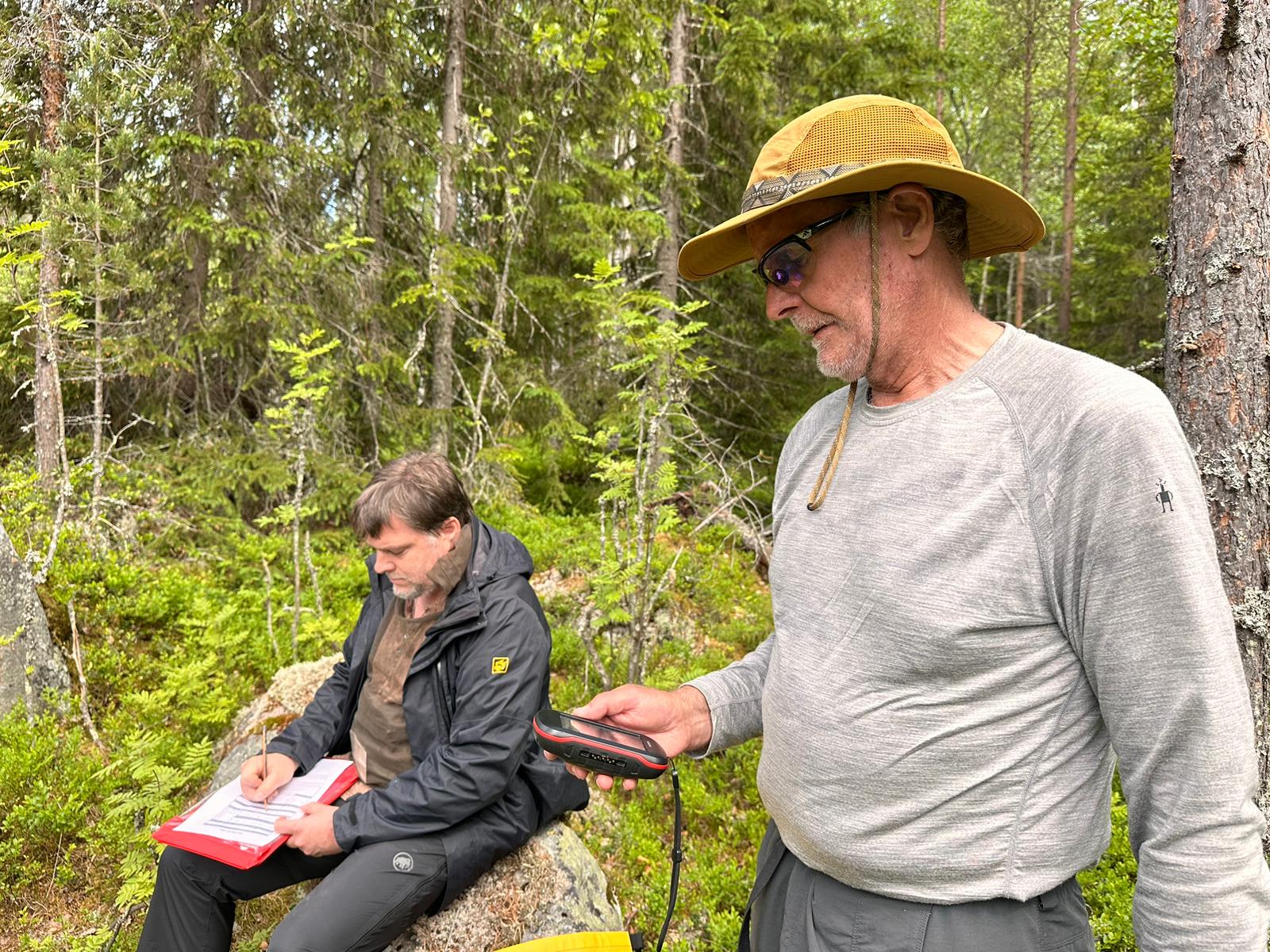
After two long days of training headed by Andrea and Gunther, the team have had a successful first day of field research, in three self-sufficient groups. The training was intense, with background lectures about why the research is so important for the protection of bears in this region, along with the detailed methodology we use to survey dens, find and collect bear scat and locate bears using radio telemetry. Andrea and Gunther also trained the team on how to use all the research kit – from the GPS units used to help locate the target dens, to the directional radio receivers used to triangulate the location of individual bears.
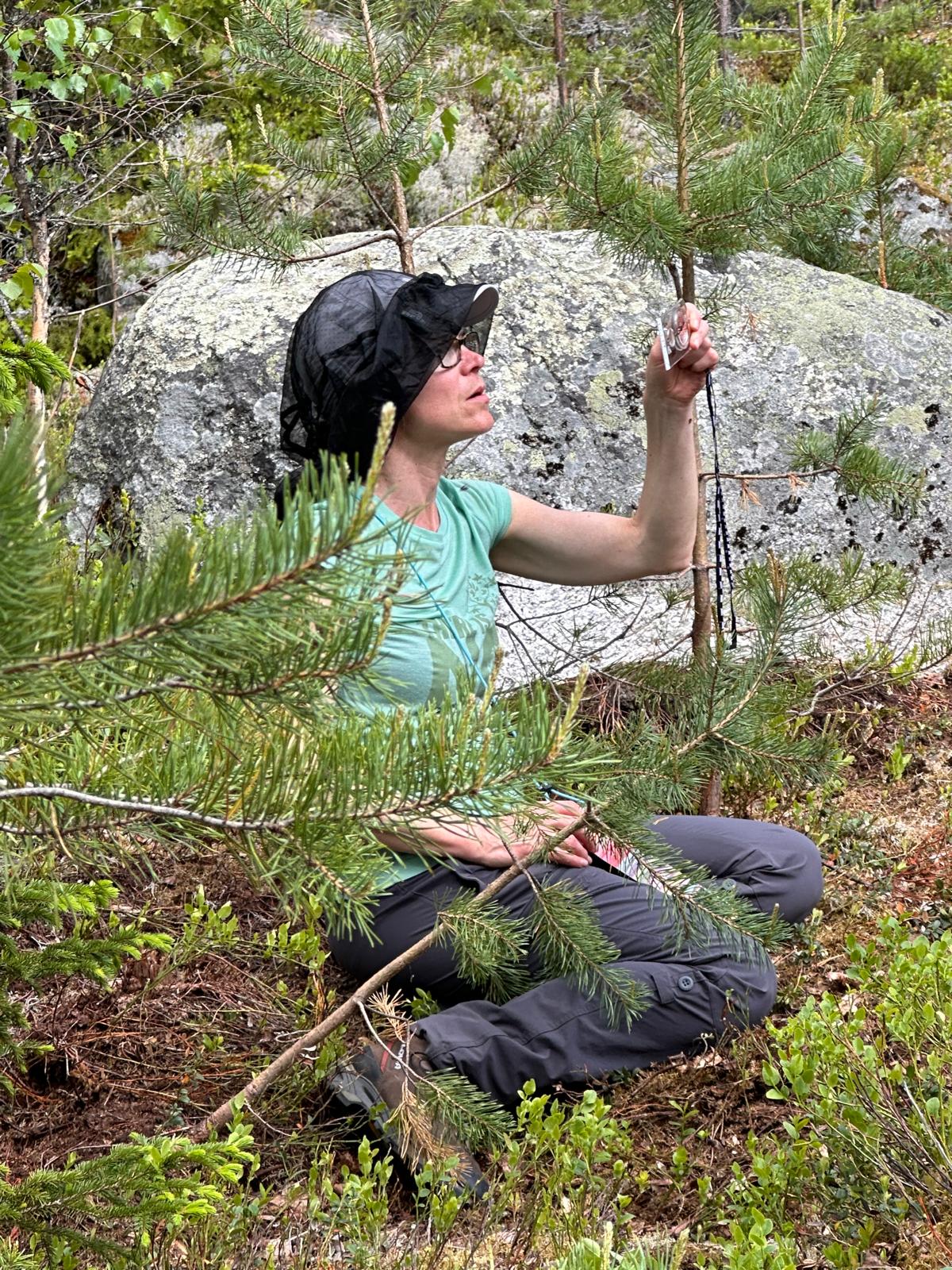
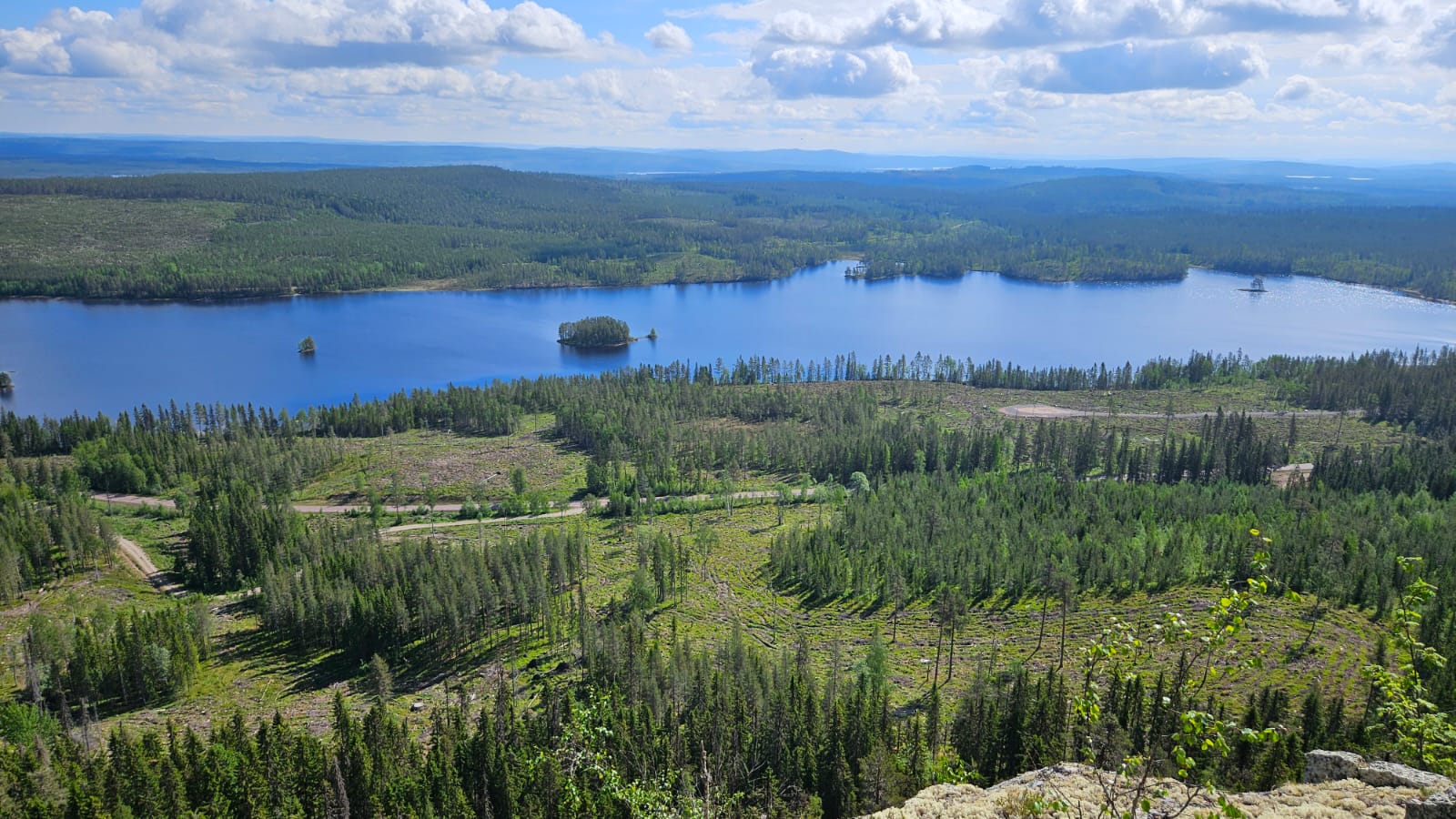
The working day starts with a briefing, giving each team a number of expected den sites and scat sites defined by GPS co-ordinates that need to be entered into the GPS units. The team have to work out where to drive to get close to their target locations – and from there the best route to hike through the wild landscape to get to their destination. How easy or otherwise this ‘hike and find’ task is varies a lot and thus our expeditioners have to be adaptable. The land can be pretty impenetrable, and the dens and scats can be very hidden.
The teams did well and had learned a lot from the training over the previous two days. On the first full research day, they discovered and recorded three bear dens, two ‘day beds’ and collected samples of seven bear scats. Another den was partly located: it was hidden somewhere on a series of cliffy ledges that was too steep to access safely. A possible revisit from a different direction was proposed for another day, so we may yet find and record this den too.
The Sweden Brown Bear Research Expedition has begun! Andrea, Gunther, Louise and Roland have been working tirelessly over the last few days to get everything set up with the necessary Covid restrictions in place. Adaptation is key to success when faced with such challenges on an expedition, and it seems to be a success so far. Even Andrea’s damaged knee (injured through a bad jump from a helicopter while darting a bear to attach a GPS tracker – she is that kind of bear researcher!) hasn’t derailed the expedition. A bionic-looking leg brace and some inner grit seems to keep her going.
Our multinational expedition team – representing the UK, Germany, Poland, Spain and the USA – have arrived, settled into base camp and hit the ground running with a busy first day of introductions, safety briefing, background lectures and practical training. By the afternoon, the team were hiking through the forest to find a bear den (recently vacated by the bear), navigating to it using coordinates in a GPS unit. It turned out to be a very snug den, excavated into an old ant hill: this type of den is considered to be a high quality one.
Louise’s Covid-adapted kitchen protocols have not stopped her producing great food for the hard working team. The outdoors briefing sessions are working out fine too, thanks to the good weather.
Tuesday will involve more training on research tasks, equipment and a full assessment of another bear den carried out by the whole team, led by Andrea. In the meantime, the team are allowed some down time whether that be in the communal log cabin, enjoying the peaceful ambience of the Swedish forest at dusk or, if they feel they deserve it, even firing up the sauna hidden away in the trees a short wander from base camp.
Greetings from Sweden everyone. Louise and I travelled up to Mora together, started feeling ill and tested positive for Covid yesterday; no idea where we picked that up. This is a bummer, but not the end of the world, as Covid no longer is the health issue it once was and because Sweden no longer has any restrictions in place (they never did have many). Today we feel pretty rough, but can still function, so because of this and out of courtesy to everyone else, this is how we will run the expedition:
Louise and I will isolate ourselves as much as possible in the main house, where the kitchen is located. Louise will cook there and we will put the food out for you to carry over to the fireplace house to eat (we will eat in the main house).
Also in the fireplace house will be the equipment and where Andrea will conduct her training sessions.
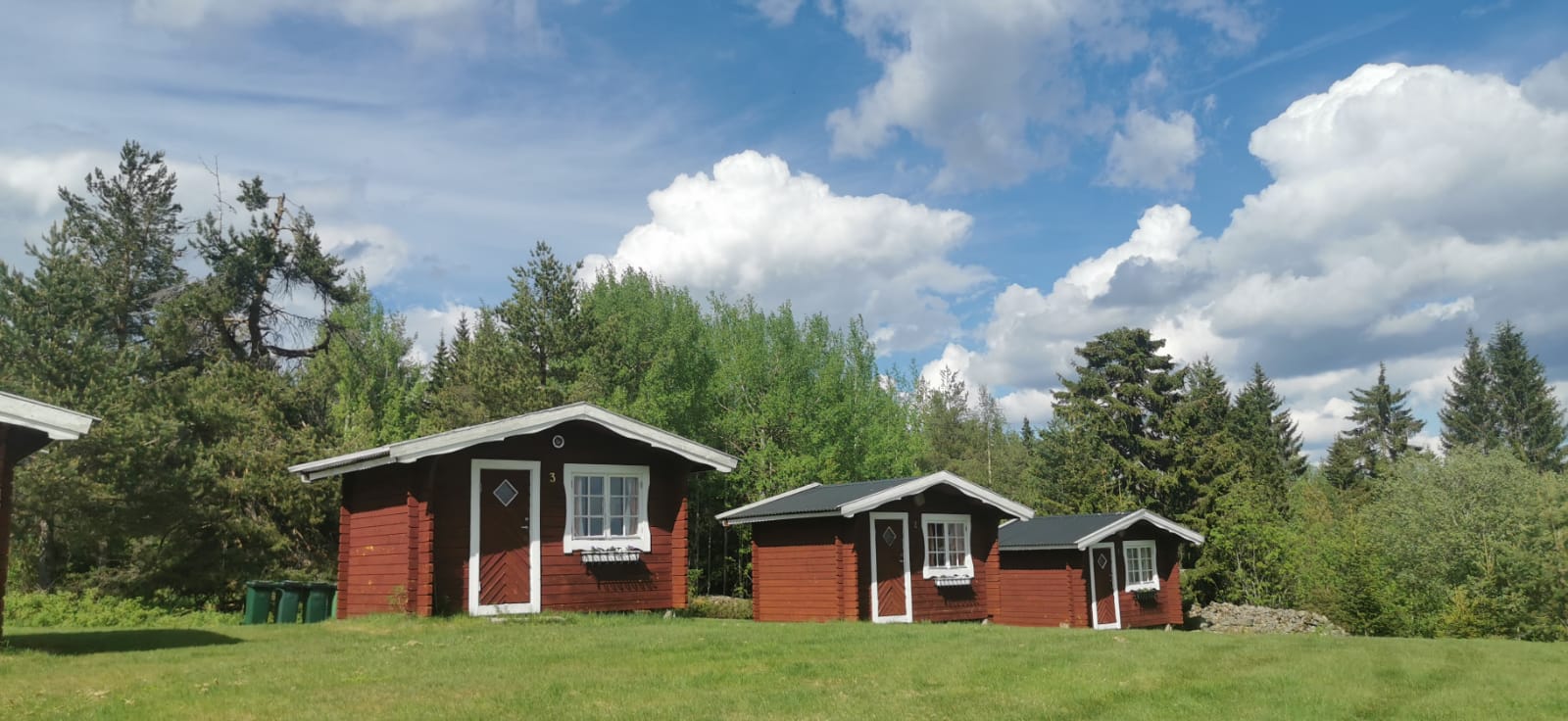
You will all have twin share cabins to keep your things and sleep in at night, as normal.
Louise and I will wear FFP2 masks (the thicker type) whenever we are in contact with you. We recommend that you also wear FFP2 masks when around us (make sure you buy some before you arrive and we will also have some on site).
Andrea has drafted in her husband Gunther to help with training sessions. If I am needed for training sessions, they will be held outside or in the well-ventilated/draft barn and I will be masked up. We recommend that you mask up too.
Andrea will lead all field training activities during the first two days and Louise and I will stay back at base.
As people usually stay infectious for 10 days after testing positive, this will bring us towards the end of the expedition. Louise and I will monitor for symptoms and only stop using masks and join the group as normal if we have two negative tests 24 hrs apart; you are of course free still to use masks around us if/when we re-join.
I hope this explains everything clearly. We can discuss details on site, if you want to.
Apart from that, the expedition preparation is going well and to plan. We have bought what looks like an enormous amount of food, but is exactly the right quantity as calculated in Louise’s spreadsheet.
Our base camp is looking good and will be ready to welcome the expedition team on Sunday. The weather forecast is looking good. Cloudy and sunny days ahead, not much rain, temperatures up to 25C on some days. Don’t forget your sun hat!
We have the same team as last year of expedition scientist Andrea, expedition cook Luise and me running the expedition and we are busy preparing. I am taking a break from a sea kayaking journey in Scotland and will be heading direct to Sweden in the coming days. Louise will be joining us from Devon to take command of the kitchen and keep the expedition team well fed. And expedition Andrea is based in Sweden and currently busy fitting tracking collars to bears who have recently left their winter dens. It is the use of these tracking collars that allow us to find the dens that we survey on our expedition, while also collecting a range of other biological data needed for us to understand how the bear population of mid Sweden is affected by changing pressures from climate change, forest management and hunting. This is conservation research on the front line.
We will be using similar research methodologies as last year, but we have some new kit. Make sure you read past expedition reports (2023, 2022, 2019) so that you are fully informed when you arrive.
The weather in Kvarnberg is good at the moment, warm and sunny. Although of course this may change, so please do bring clothes suitable for any weather, as described in the expedition dossier.
I can’t wait to get started and I will be back in touch from Sweden when I have arrived to set everything up for you.
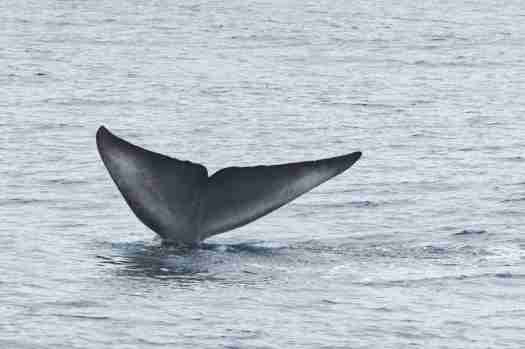
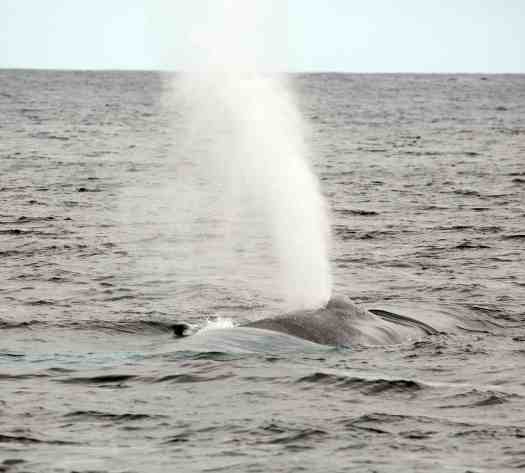
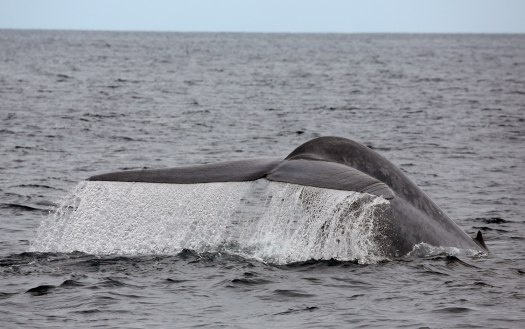
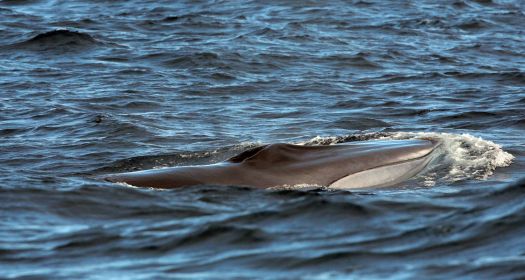
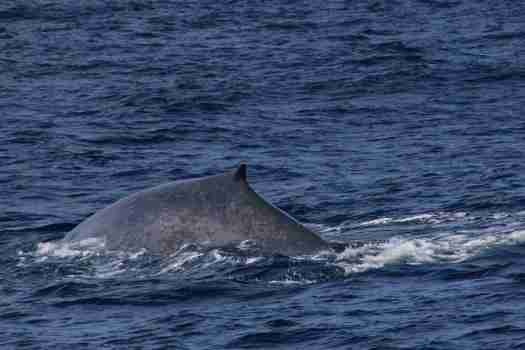
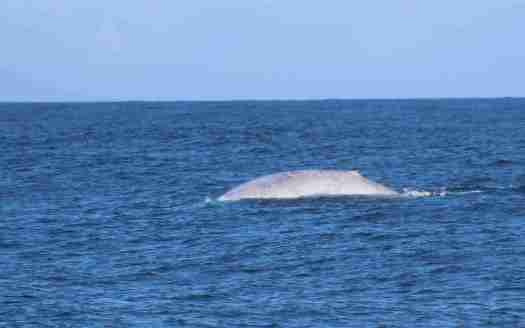
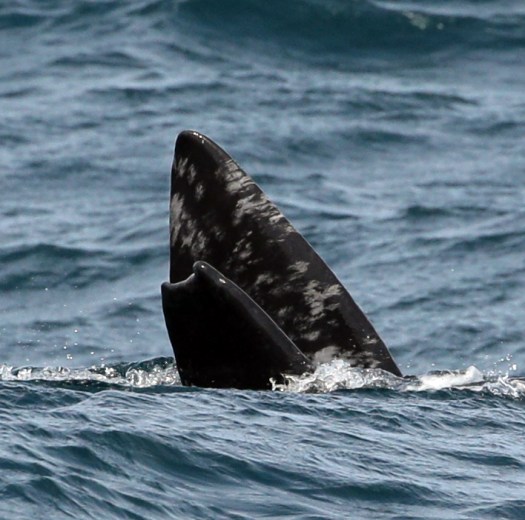
Finally, on the last two days at sea, we had some better weather. Wednesday was clearly a baleen whale day with impressive blue whale and fin whale sightings. According to our records, the blue whale we saw was already known to us with sightings back in 2018 and 2023. On this occasion, he treated the team to a nice ‘krill poo’ perfume, confirming feeding behaviour.
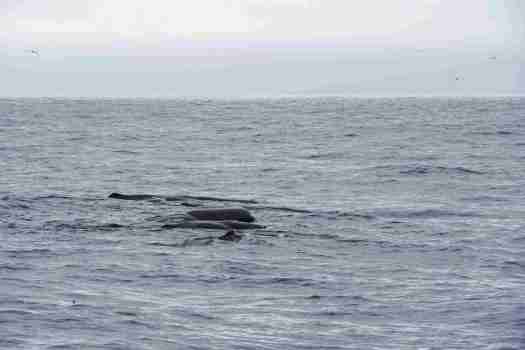
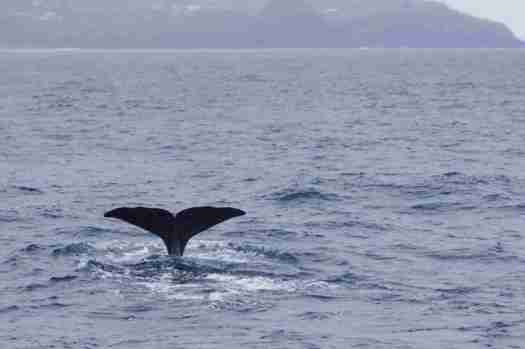
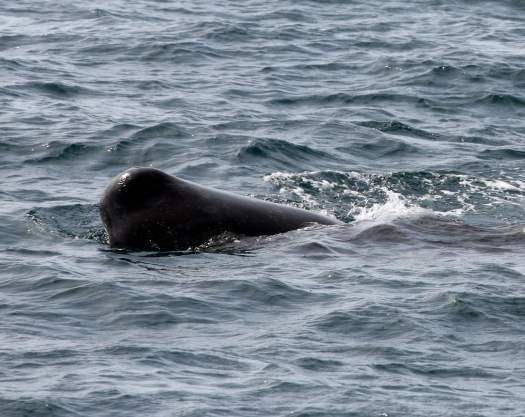
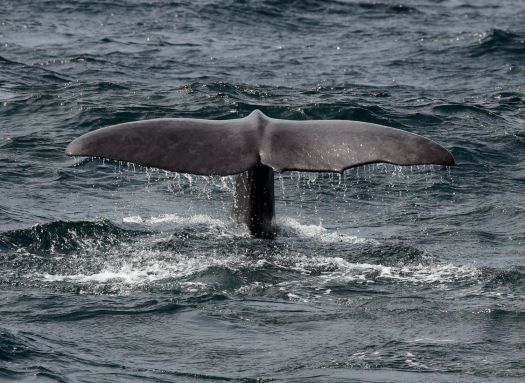
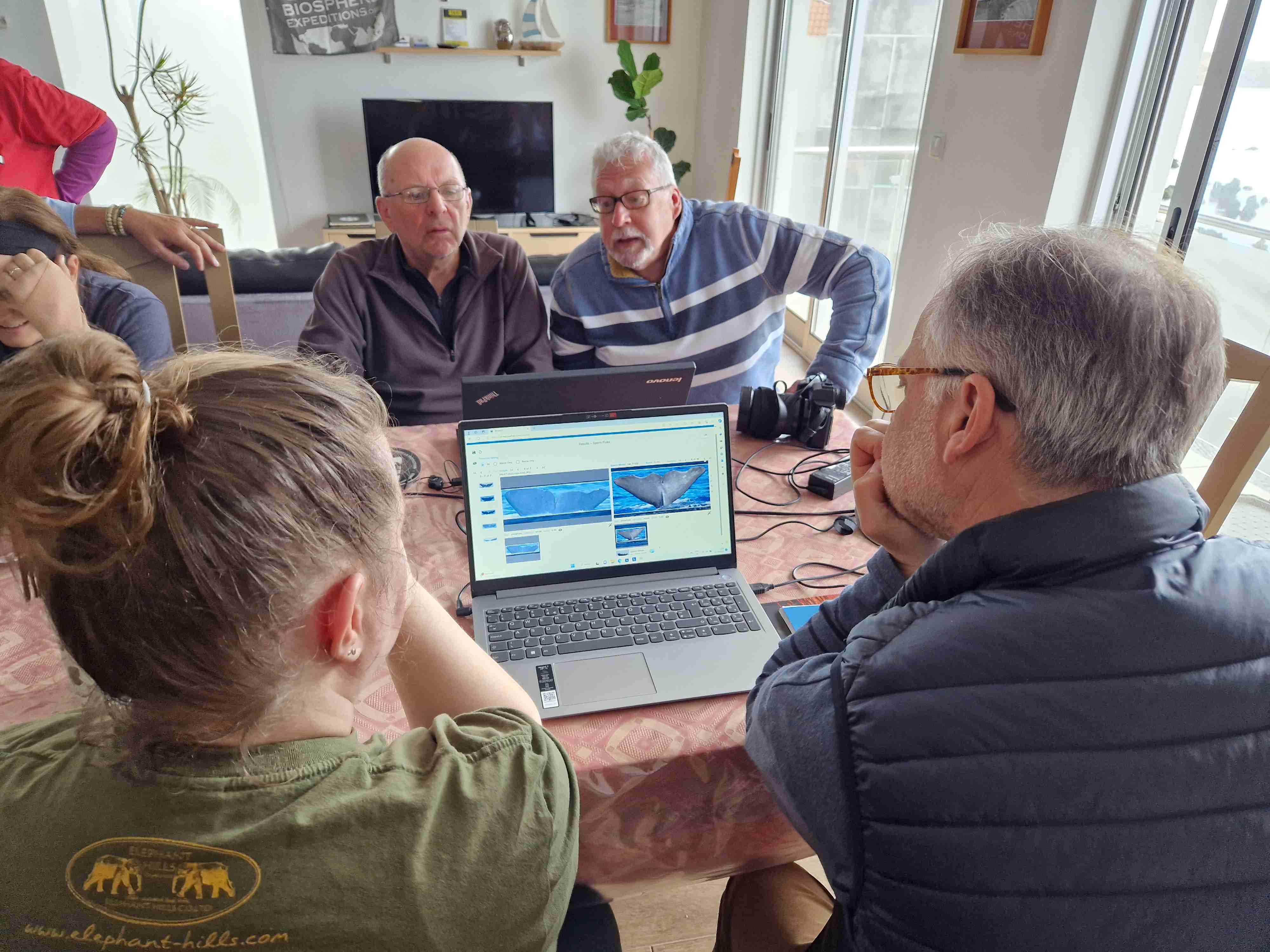
During our goodbye survey on Thursday, we had no fewer than 13 encounters . To everyone’s delight, especially Lisa’s, we had five sperm whale encounters, several with calves. This time they were being cooperative by diving to feed at depth where we then managed to get photo-ID shots of five flukes. These were matched on the programme Happywhale in the evening where we discovered that ‘1018’ has been around since 1988! Thirty-five years is quite remarkable. Another sighting matched with ‘6165’, who was last seen here in July 2018. There were four encounters with common dolphins, some striped dolphins off in the distance and the first group of bottlenose dolphins for our third group. Like on our first day out, we saw a blue whale again, confirming they have been around during the five weeks of the expedition. Clearly there is enough food for them to linger before they migrate further. An excellent day to conclude this 18th expedition!
With that, we wrap up the 2024 Azores Biosphere Expeditions. Despite the challenging weather conditions, we managed to record a fair amount of data that without Biosphere Expeditions, would not have been collected.
The 2024 highlights in a nutshell:
> We’ve deployed three teams into the field, comprising of 29 expeditioners from ten different nations, spanning multiple decades, from both sides of the Atlantic and beyond
> We completed 16 days at sea, totalling 86 survey hours, covering over 1500 km of ocean
> We’ve collected data on nine different cetacean species (five whale and four dolphin species), and one turtle species (eight individuals)
> We had a total of 92 encounters with cetaceans, about one encounter for every sea survey hour
> We notched up 20 positive whale IDs, including several re-sightings of sperm and blue whales, but also some new flukes and dorsal fins – i.e. species never recorded before
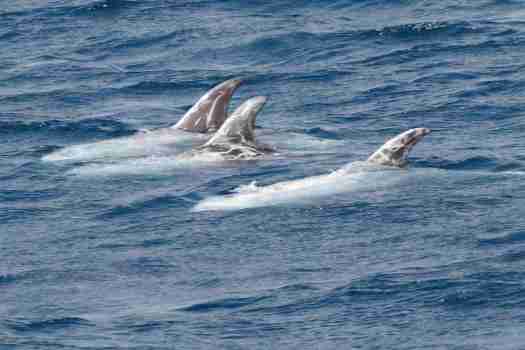
> The local expert informed us that our Risso’s dolphin sightings include several of the residents groups seen between Faial and Pico. More information on the bottlenose dolphin encounters will follow.
The above is only a first glimpse of the raw data, which Lisa will analyse further and publish in Biosphere Expeditions’ annual expedition report online. Studying cetaceans takes patience and perseverance, one photo-ID shot at a time. The power of these datasets build over time, through resightings in the Azores, but also north- and southwards, giving insights into migration patterns, feeding and breeding areas and group compositions. Every year, more data gets added to the photo-catalogues, elucidating more valuable information, which can be used to steer cetacean conservation.
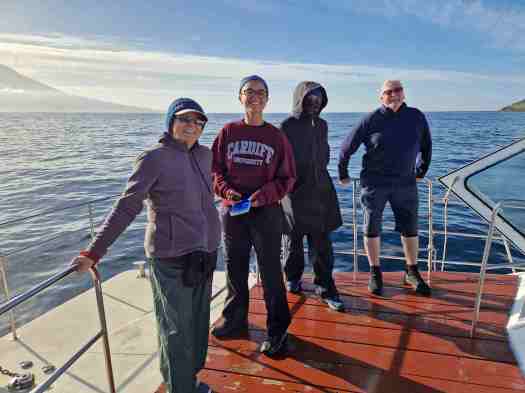
Expeditions help us in more ways than mere data collection. They are about the inspiring people we meet, the group dynamics and teamwork. I want to thank everyone for their positive attitude dealing with the rough weather conditions, making our schedule quite unpredictable. Thanks to you all for travelling here and contributing your time, effort and lots of enthusiasm for cetacean citizen science. I hope you enjoyed it as much as I did.
To conclude, I would like to take the opportunity to thank Norberto Divers and our various caterers – whose food kept us going on long sea days. Our skippers Bruno and Norberto made sure we returned to port safely every day. Our collective thanks goes to Lisa, our cetacean scientist, who shared a wealth of knowledge on these fascinating species, giving us a much greater insight into their life history. Final thanks go to our new hosts, Mario and Silvia from the Monte de Guia Alojamentos, a new comfortable and modern research base in Horta, where we will be returning with pleasure. Obrigada!
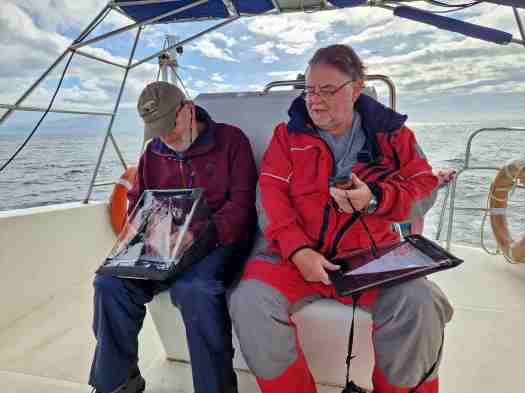
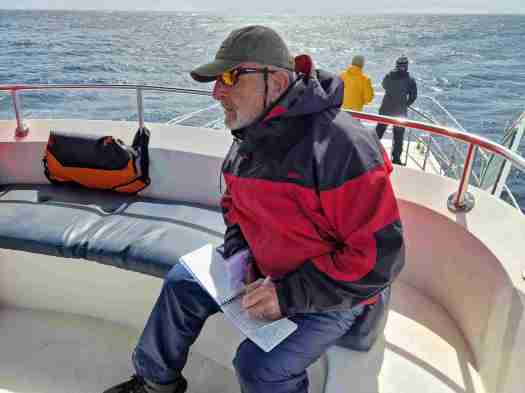
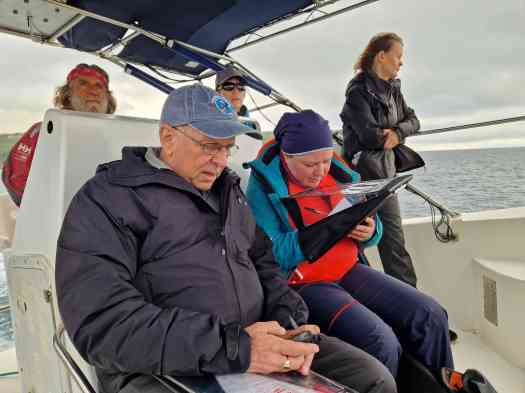
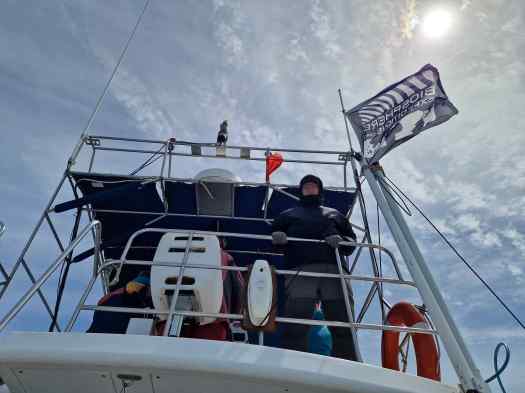
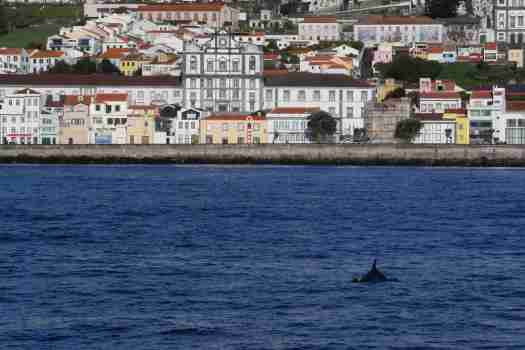
We were unsure about heading out to sea on Saturday morning as strong winds enveloped the island. Fortunately, our experienced skipper Norberto had a plan. Passing the stormy channel between Faial and Pico on Pico’s southern side meant we were sheltered from the strong winds.
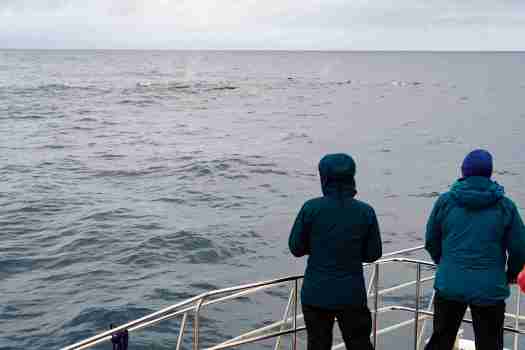
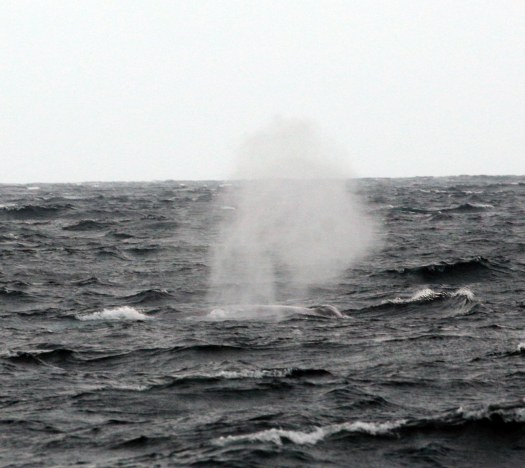
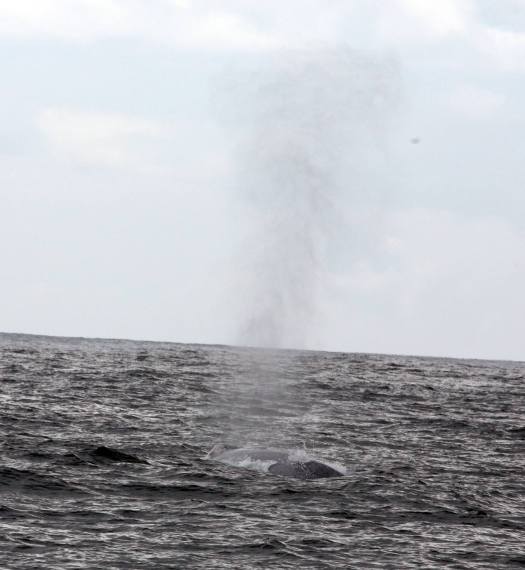
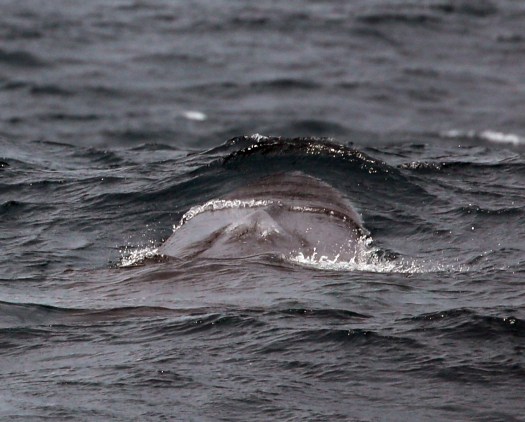
Our lookouts on board managed to spot a loggerhead turtle in the high waves. The vigia on Pico guided us to a blue whale, always a magnificent sighting.. When the blue whale searched for more turbulent waters we did not follow, opting instead for quieter waters closer to shore.
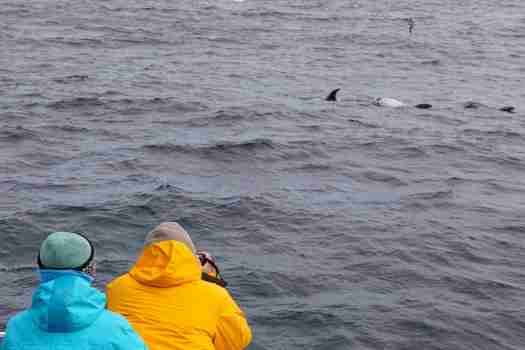
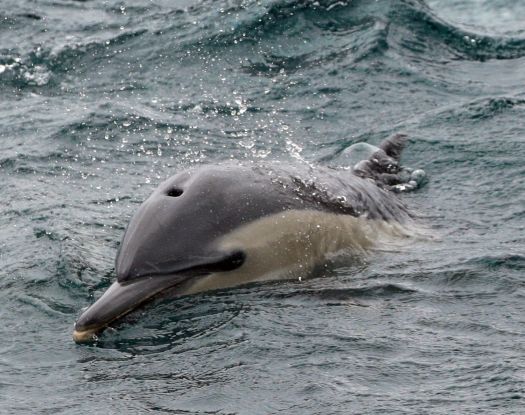
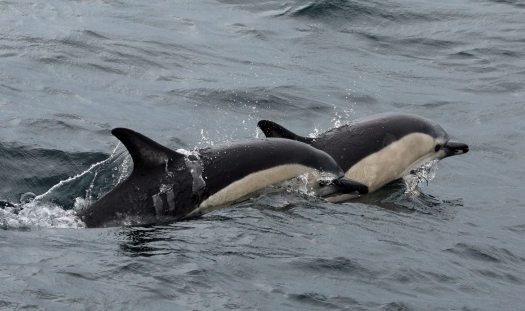
Common dolphins approached our boat to bowride and followed the catamaran for quite a while, until we spotted a group of Risso’s dolphins, much to the team’s delight. Their distinctive scars make them a good species for photo-ID. We soon realised we were actually observing a mixed group of Risso’s dolphins and common dolphins. Lisa commented that both species are not often seen together due to their different feeding habits, making it a special sighting. Risso’s feed at depth on cephalopods, whereas common dolphins feed mainly on small fish closer to the surface. We even spotted one lucky Risso’s dolphin that escaped a shark attack, with clear markings on the tail.
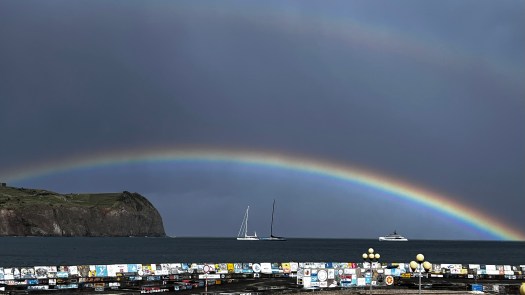
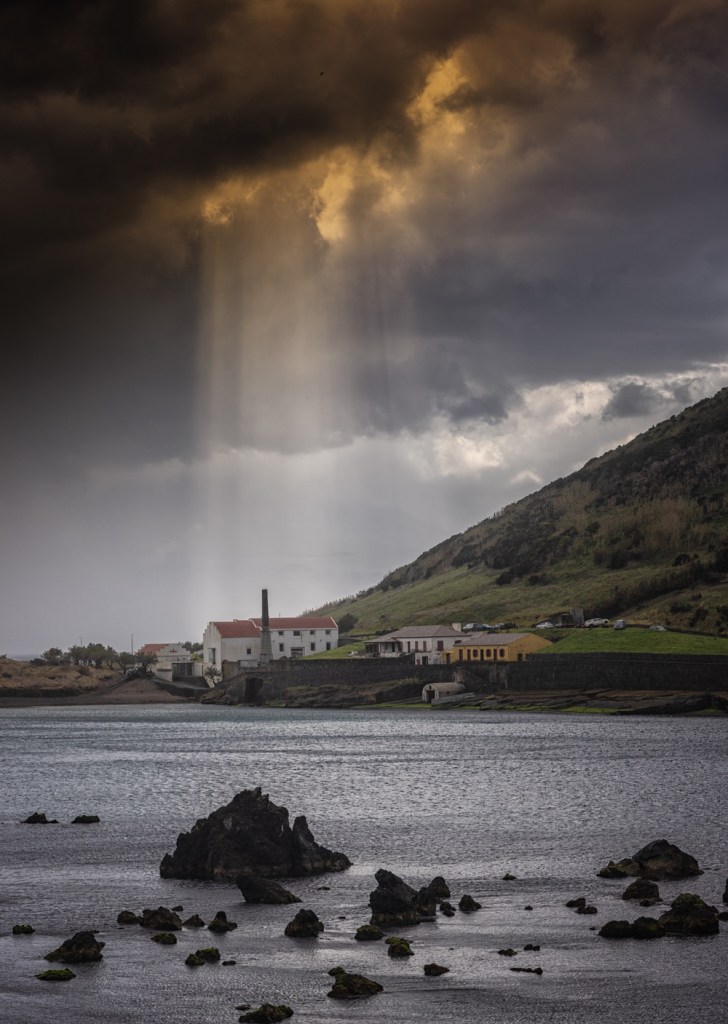
Regrettably the stormy conditions, not just around Faial but in the whole of Azores archipelago and beyond, didn’t improve, meaning the next three days were spent onshore..
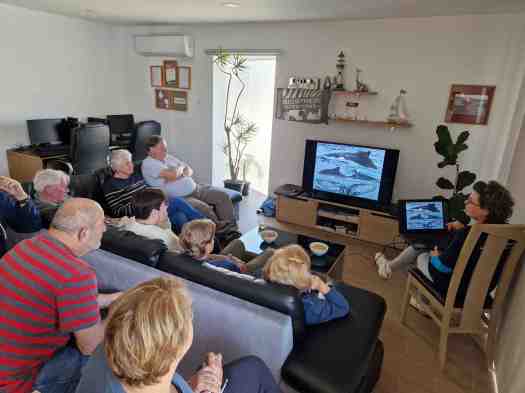
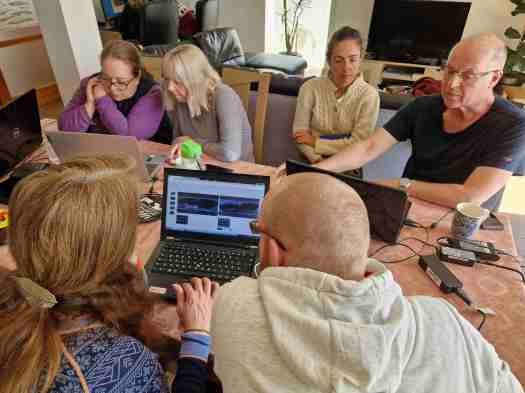
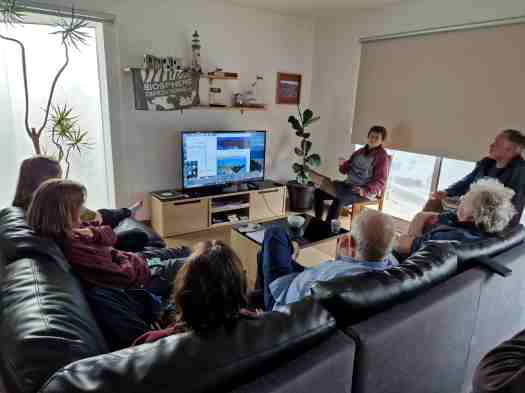
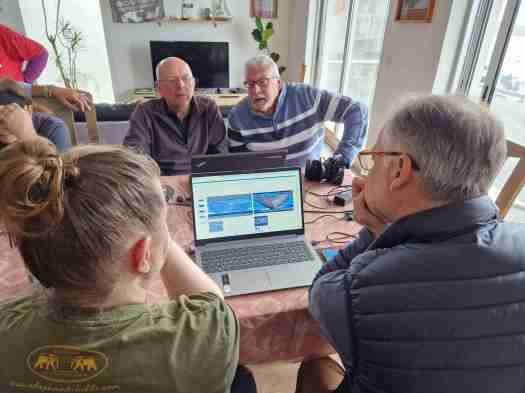
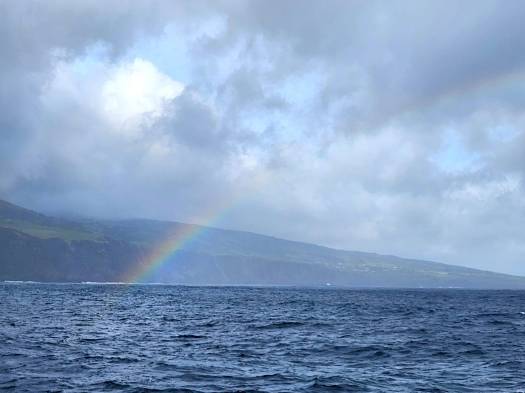
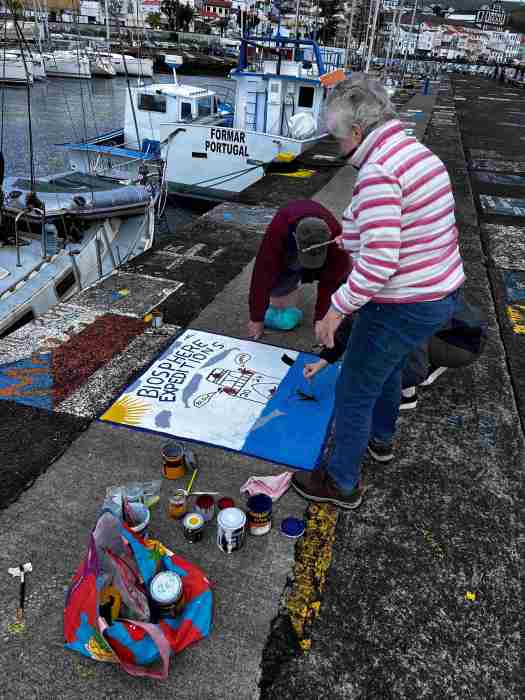
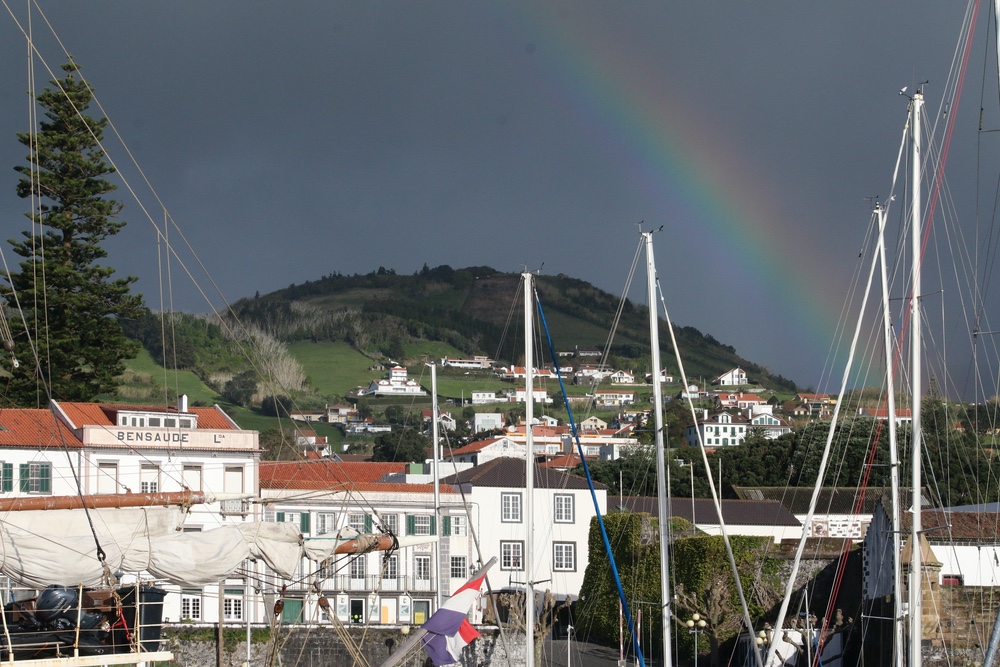
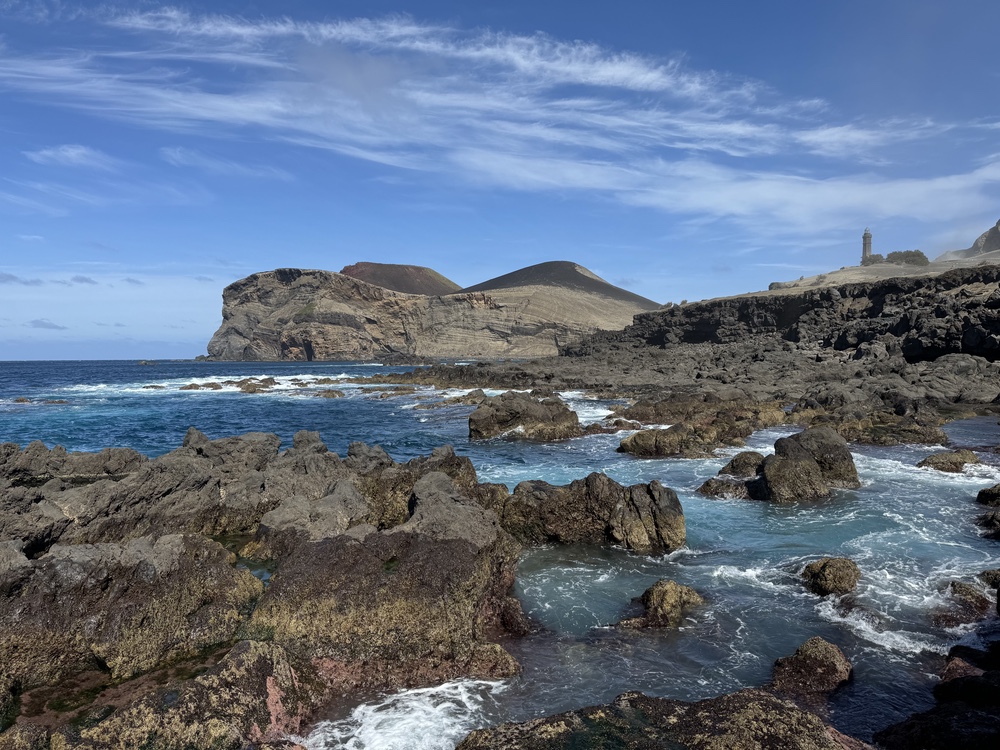
We spent Sunday relaxing and exploring the island’s highlights. On Monday everyone’s photo-ID sorting and matching skills were put to the test, with a day of organisation. On Tuesday, heavy rains forced us to take shelter in both the Porto Pim whaling station/ museum and the Capelinhos Volcano Interpretation Centre. We remain hopeful for two more survey sea days.



























































 Biosphere Expeditions: blogs from the frontline of wildlife conservation and the fight for a more sustainable planet