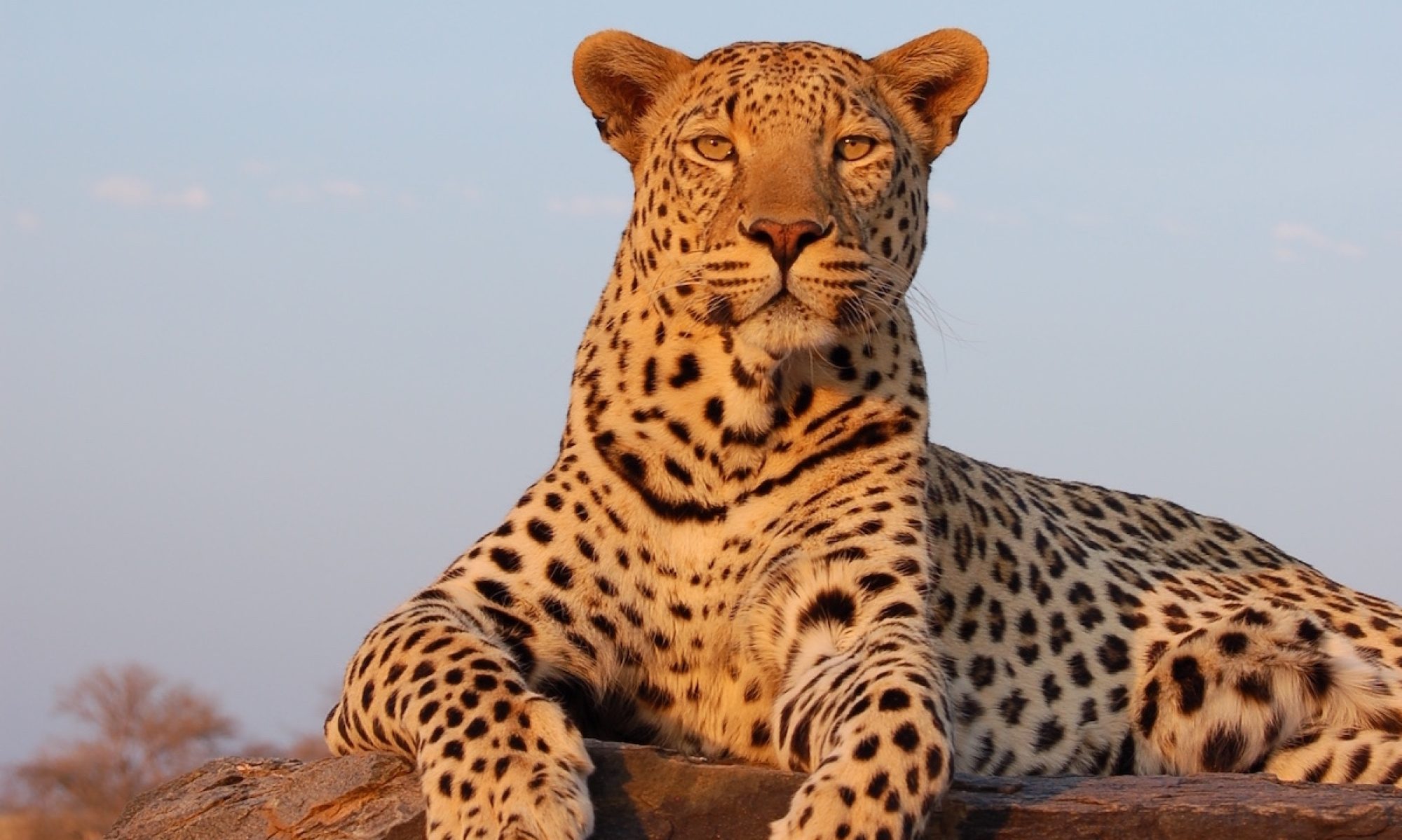

Update from our snow leopard volunteer project to the Tien Shan mountains of Kyrgyzstan
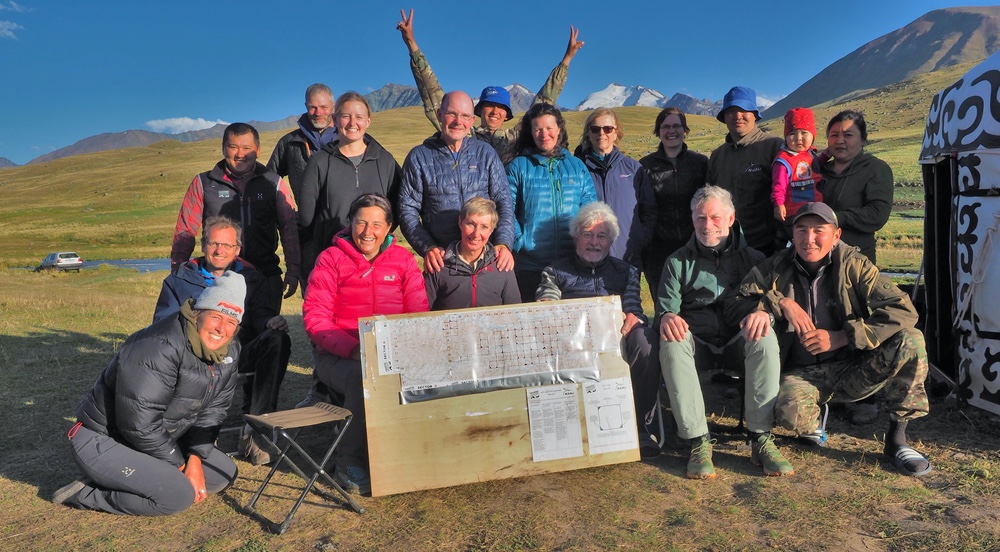
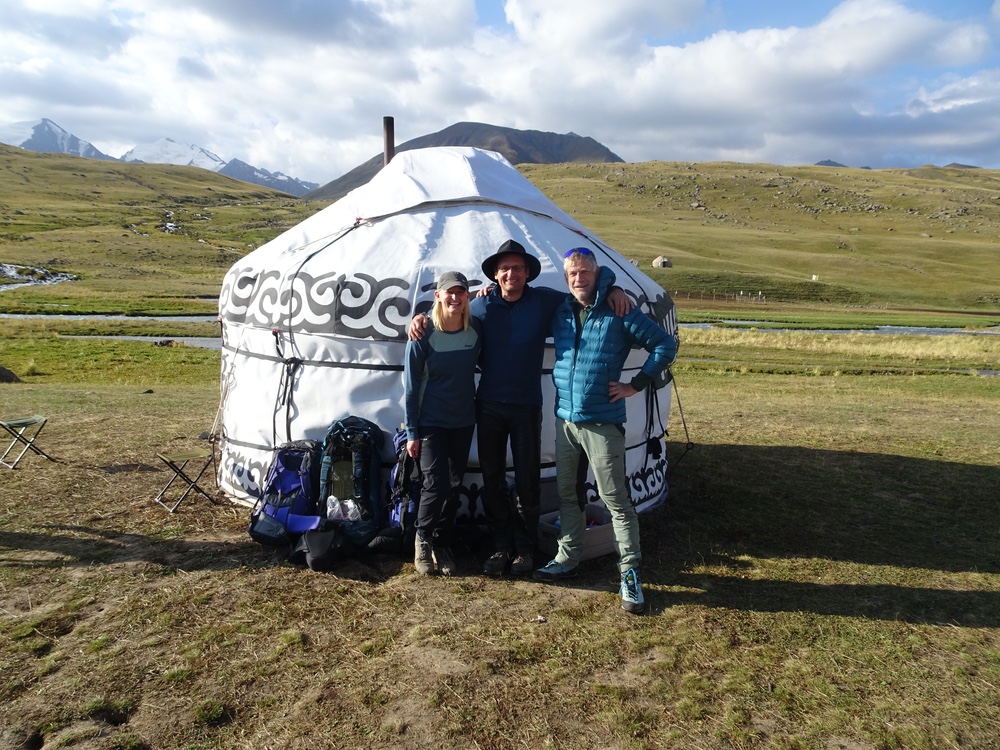
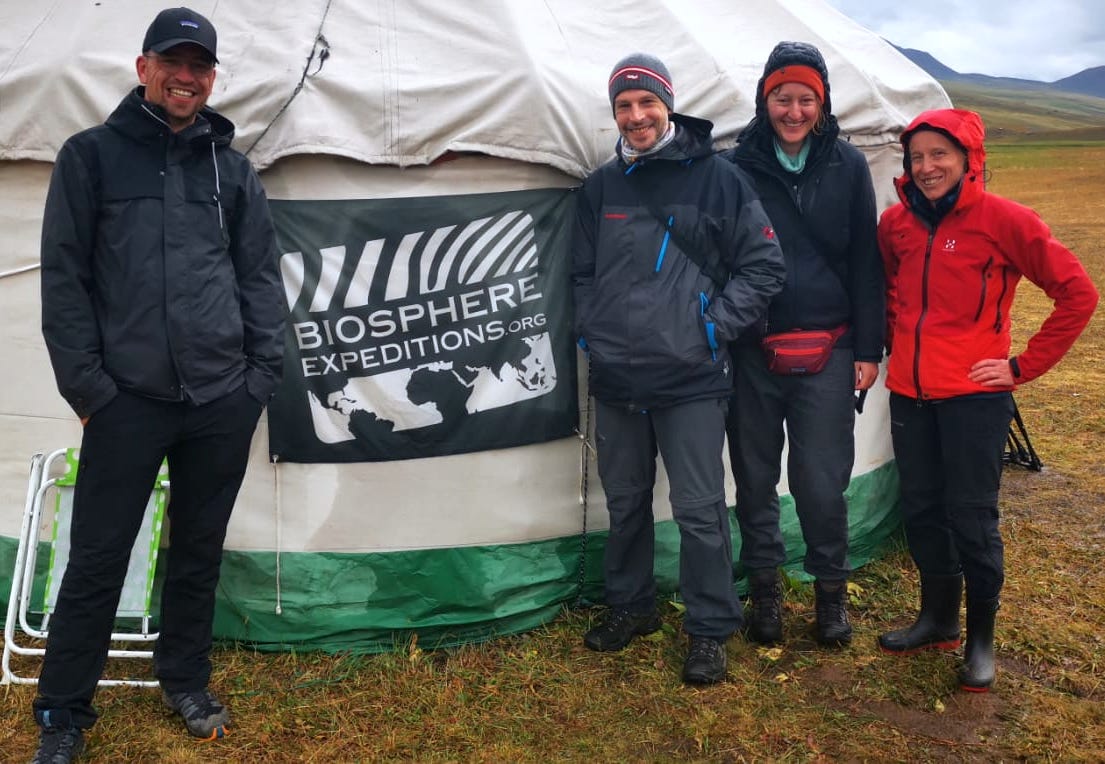
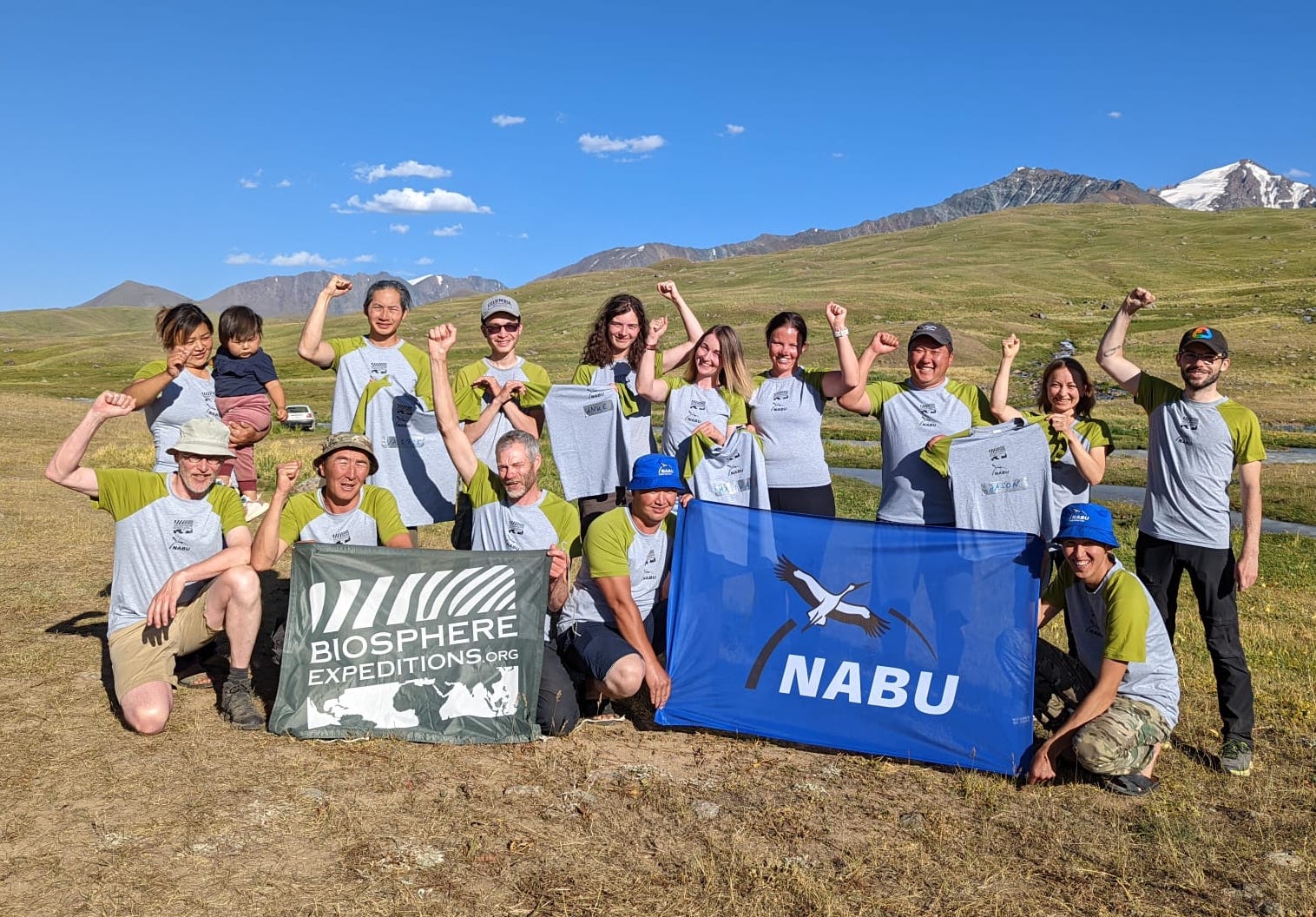
Three consecutive groups of citizen scientists contributed to the Biosphere Expeditions Tien Shan Snow Leopard research expedition in 2022, run in partnership with NABU in Kyrgyzstan. The expedition continued the research carried out by Biosphere Expeditions and NABU since 2015 into the elusive snow leopard Panthera uncia in the Karakol Valley in the Tien Shan mountains of Kyrgyzstan.
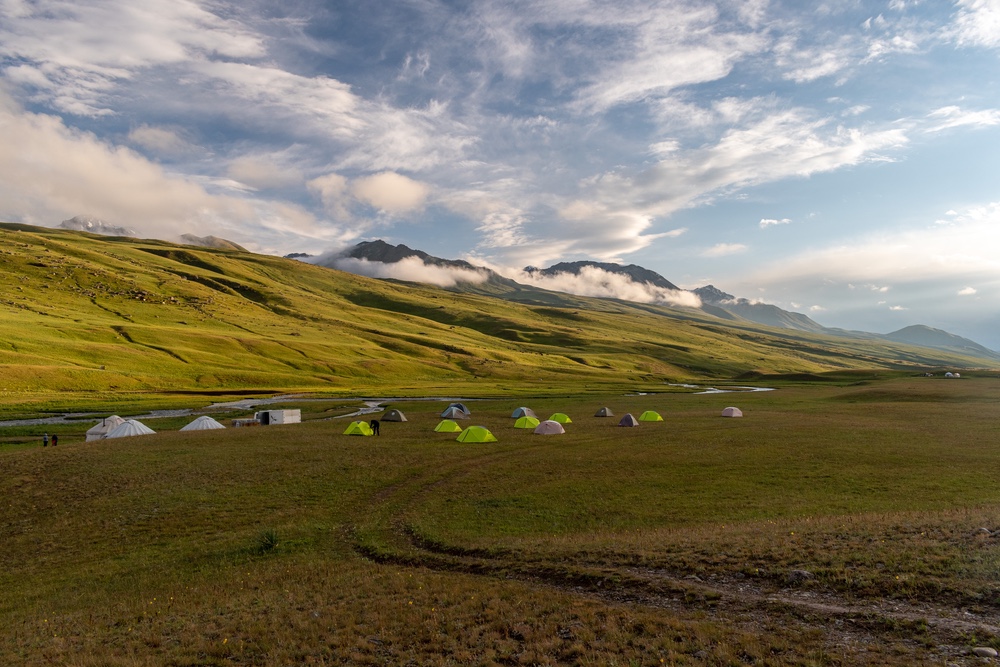
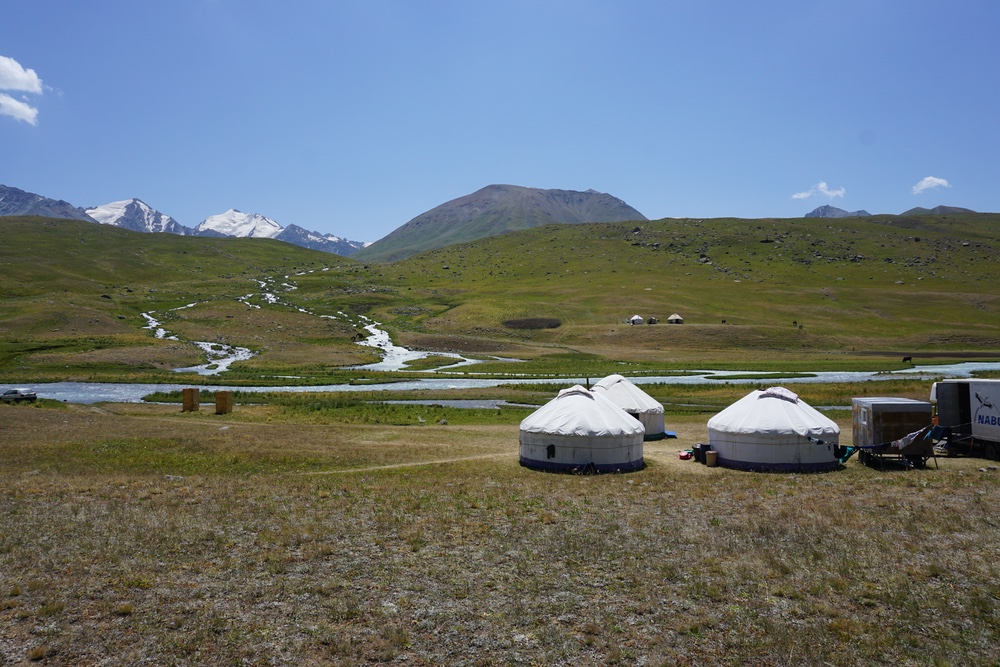
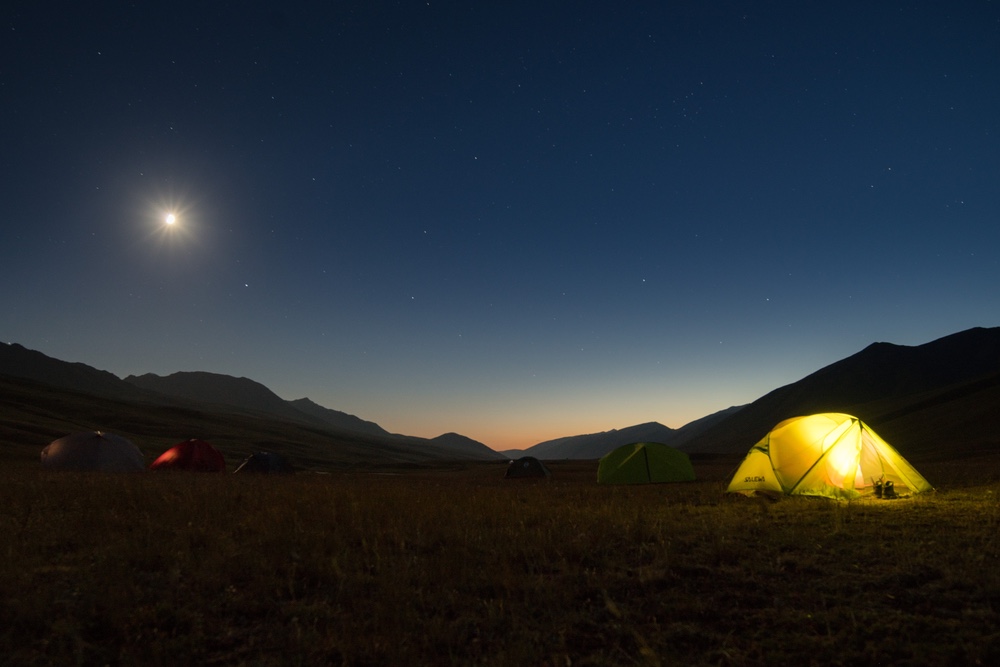
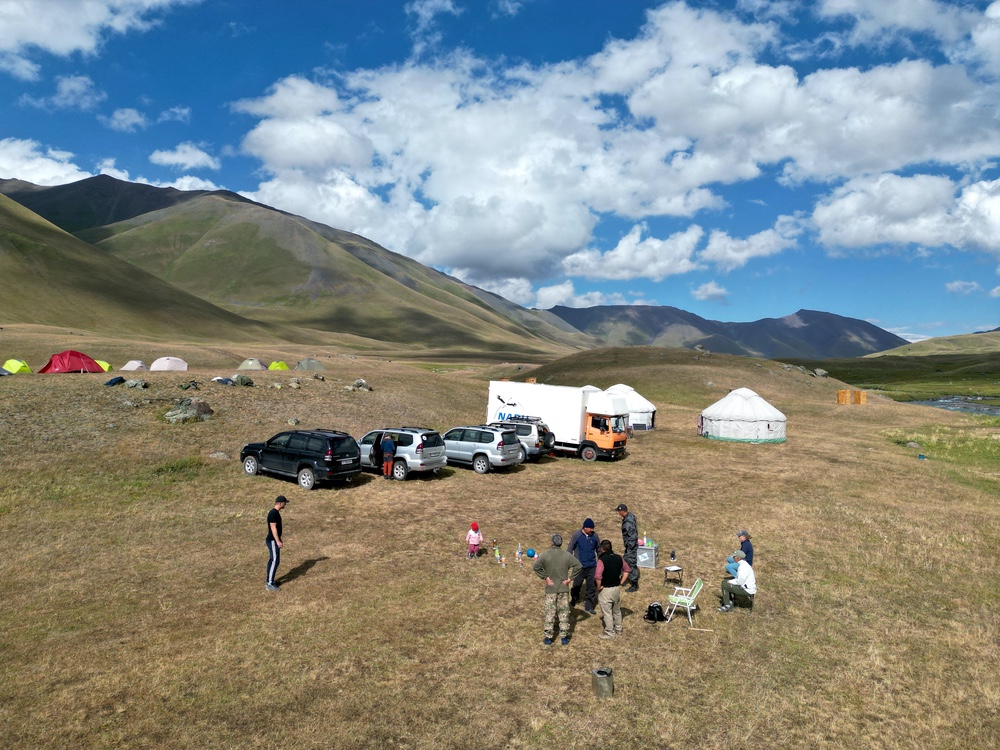
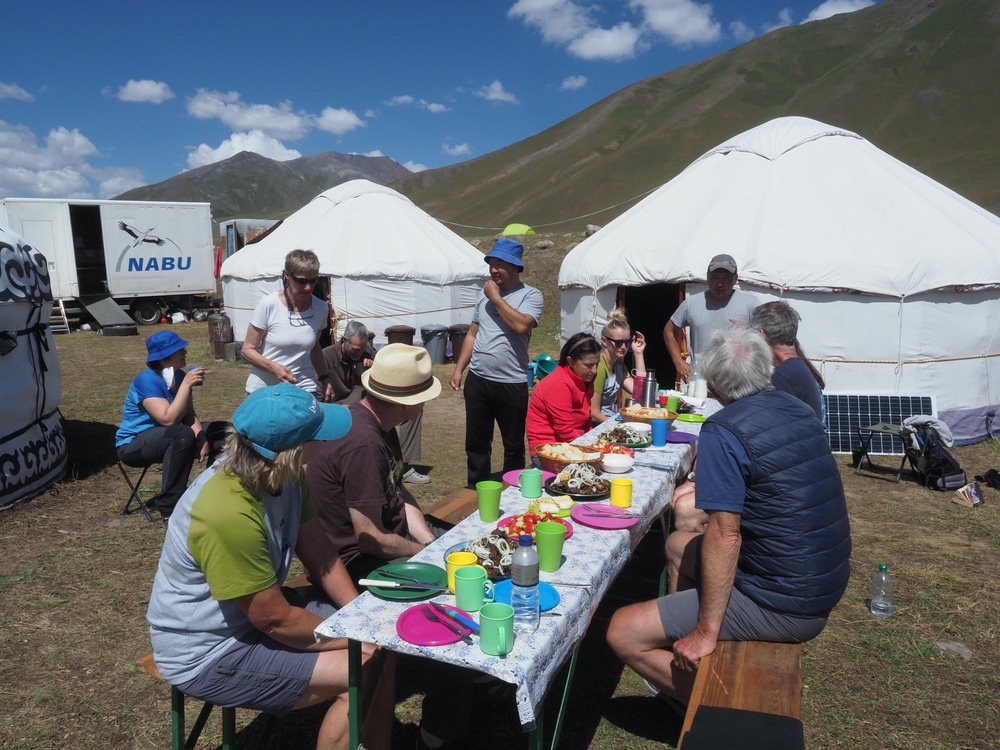
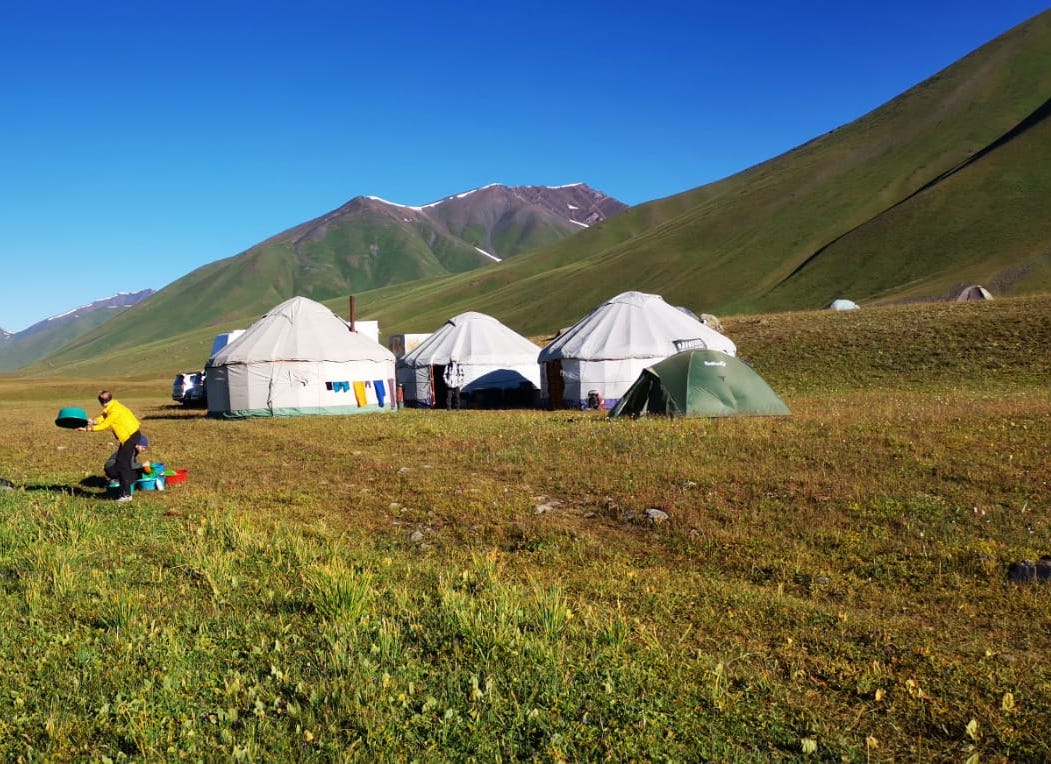
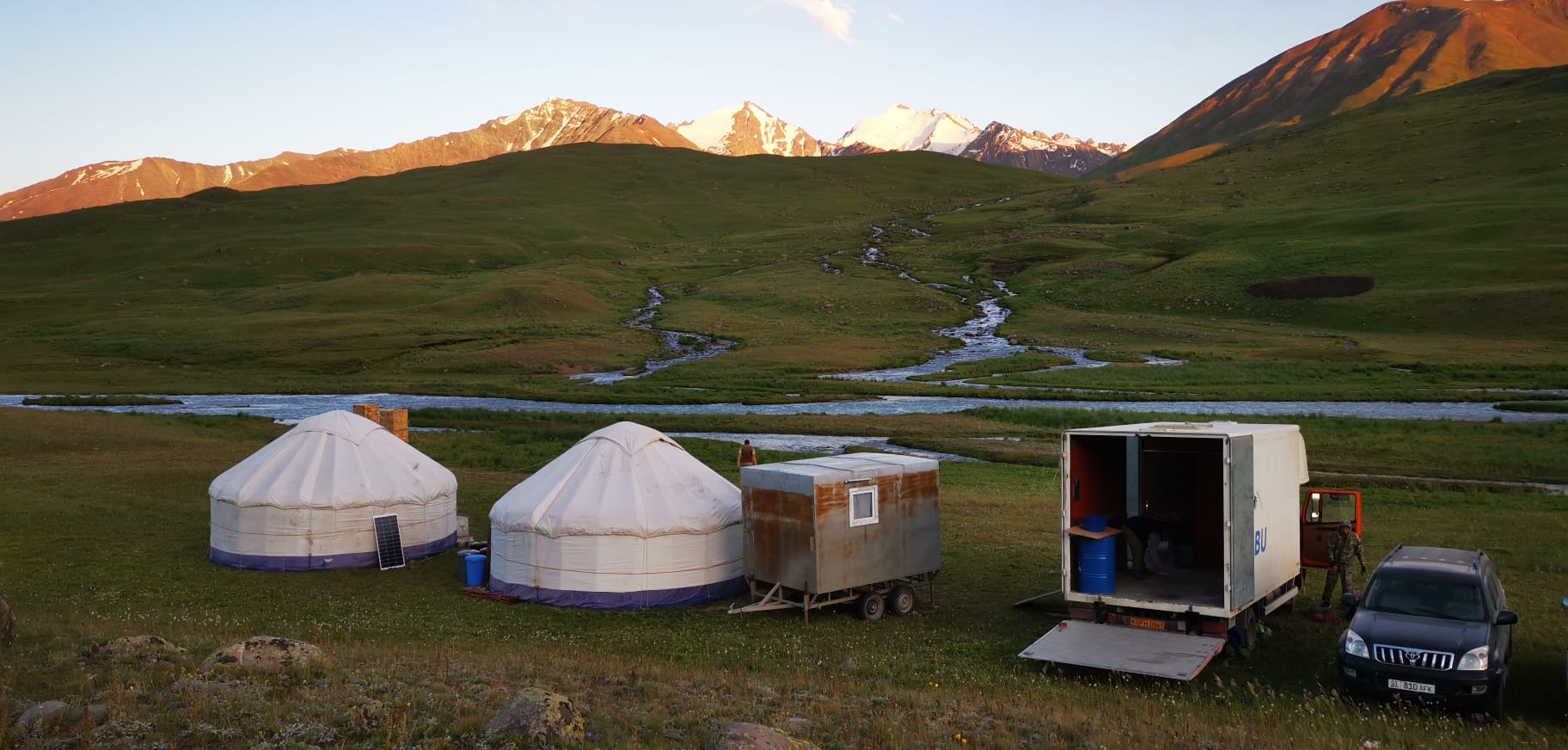
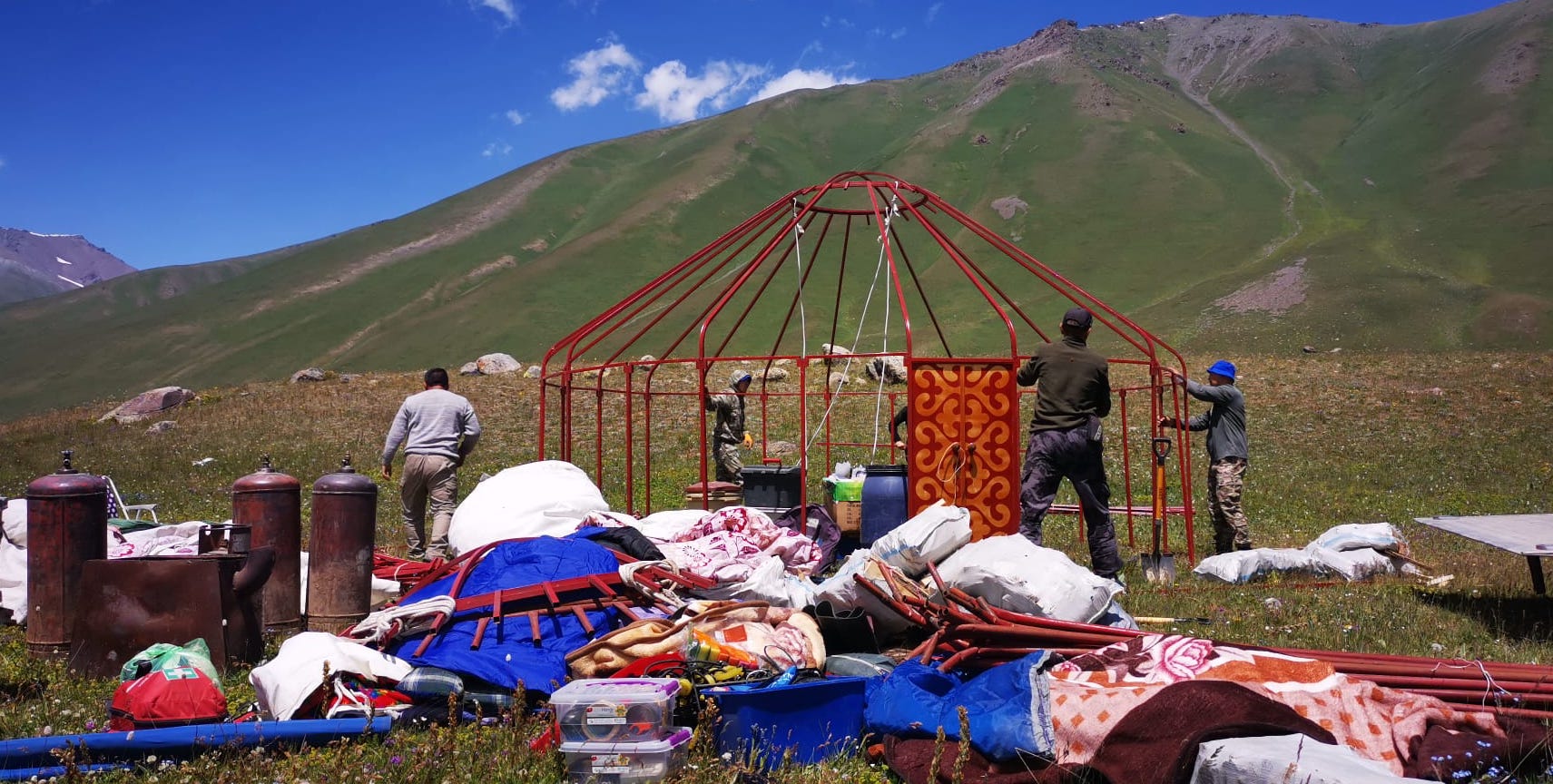
The 2022 expedition survived a number of Covid cases (all contained through practical contagion control measures) and a storm that destroyed a yurt and several tents at base camp, to successfully collect a considerable amount of data on snow leopards and their prey species in the Karakol valley.
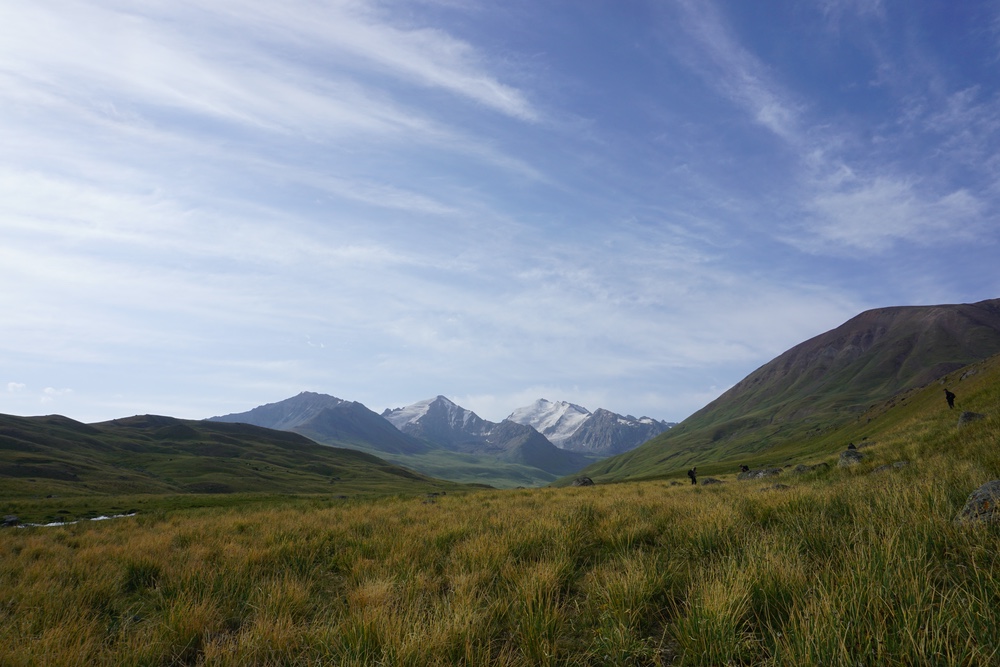
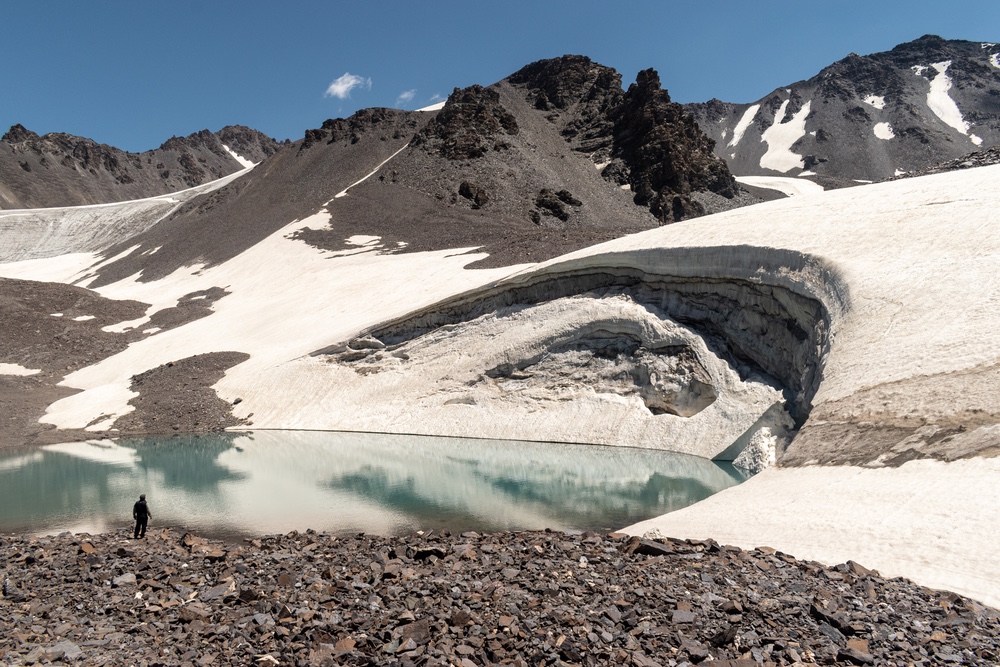
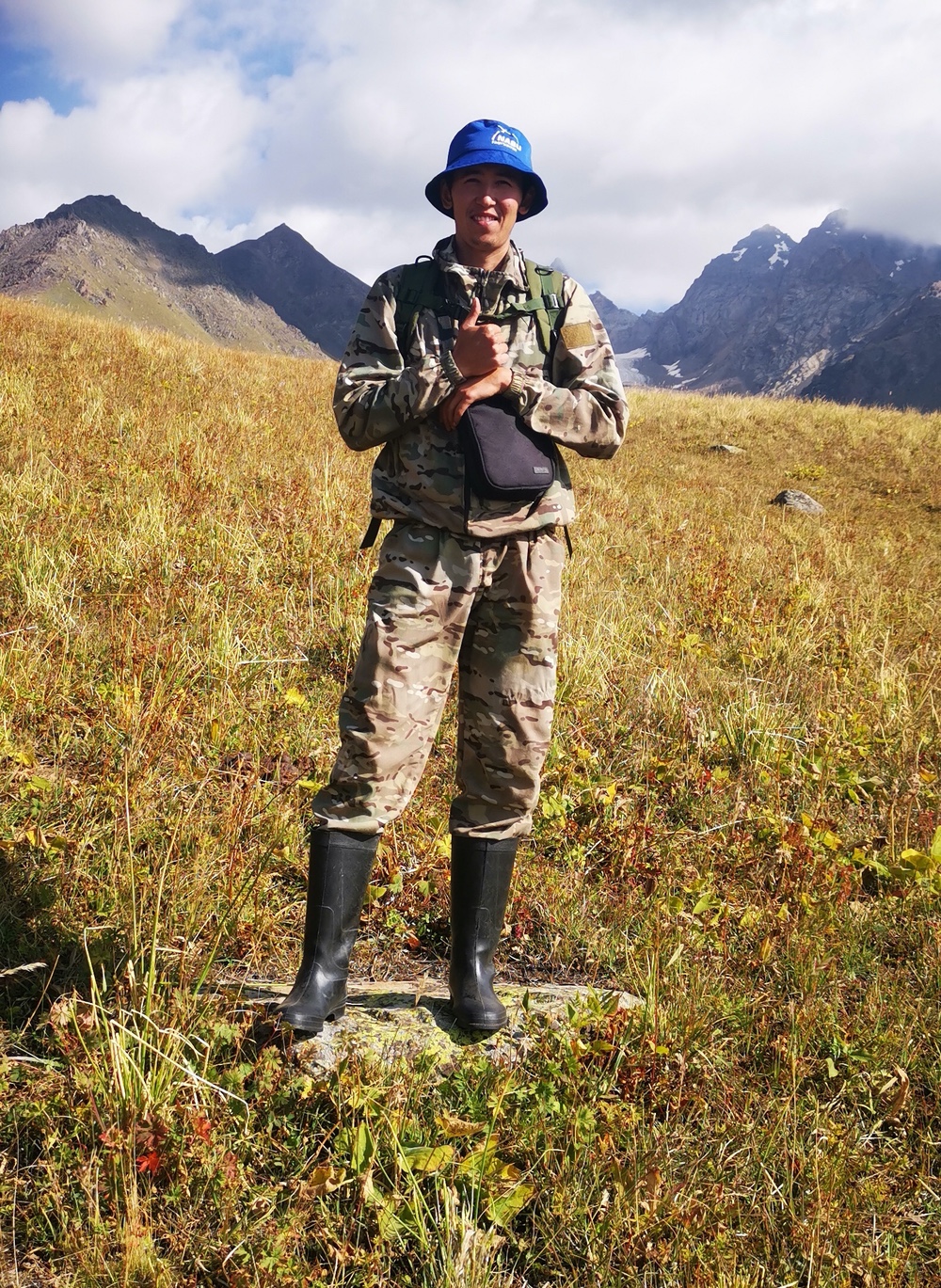
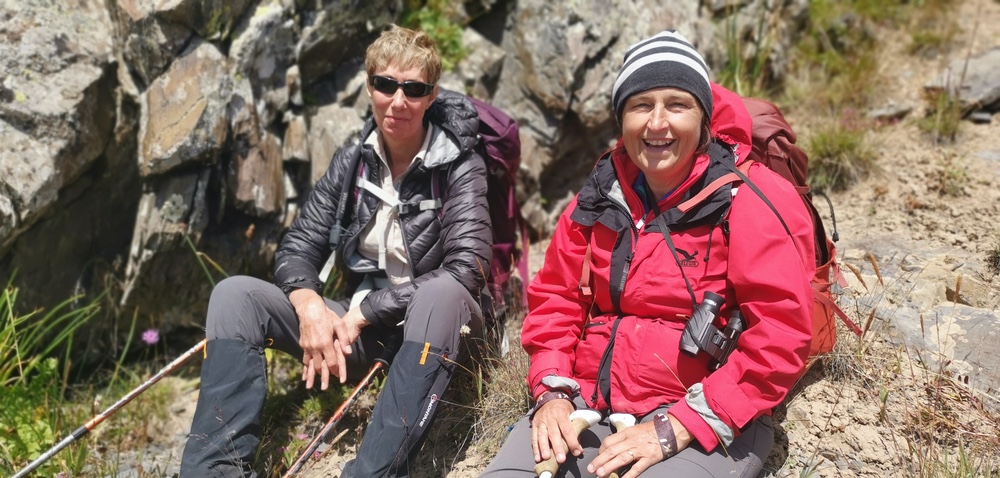
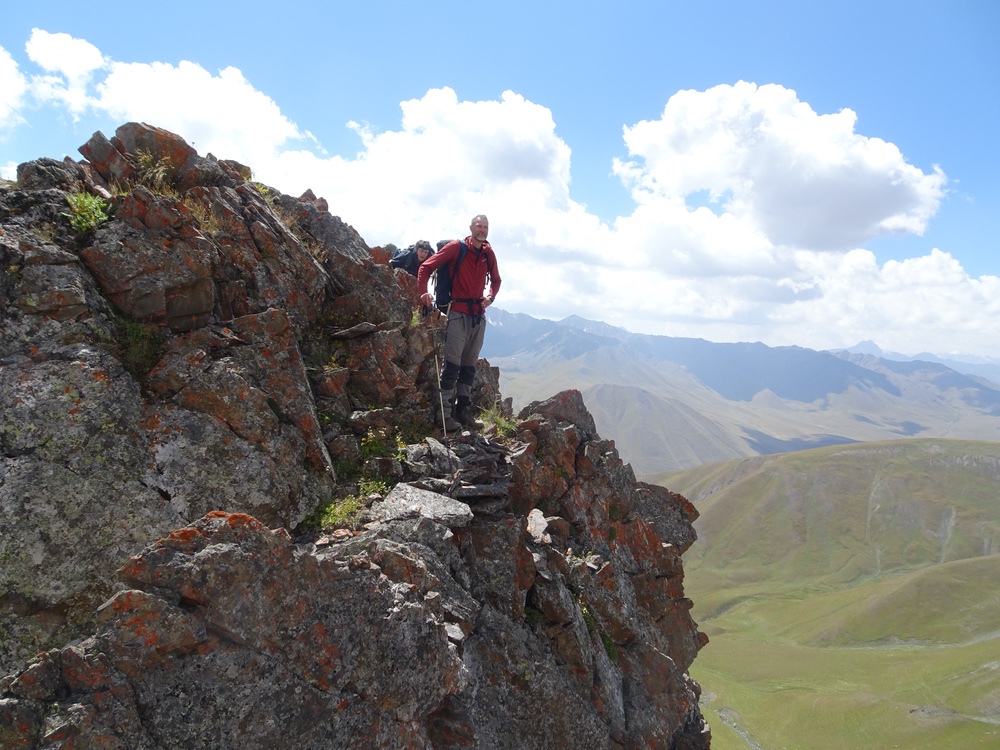
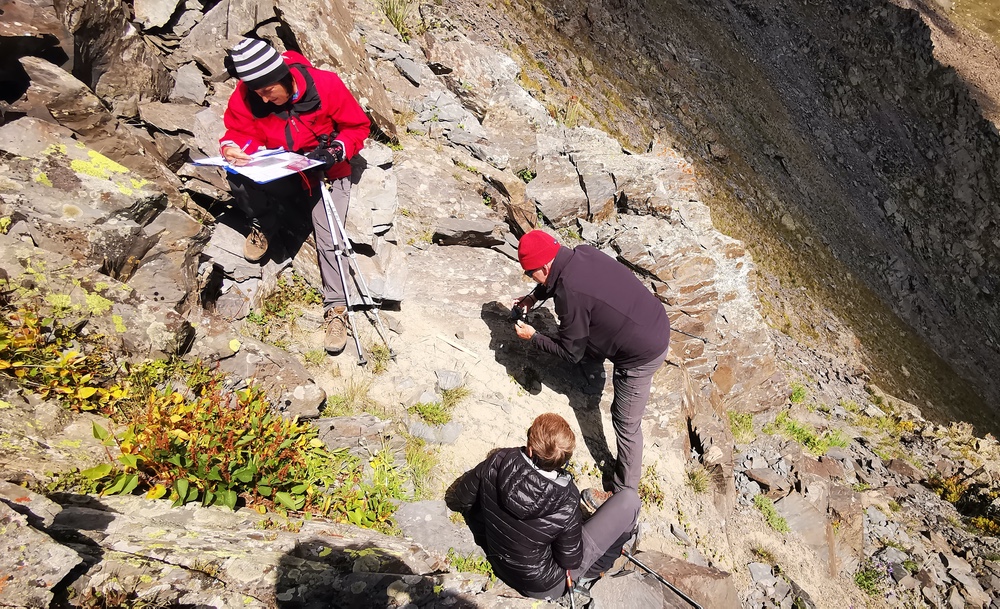
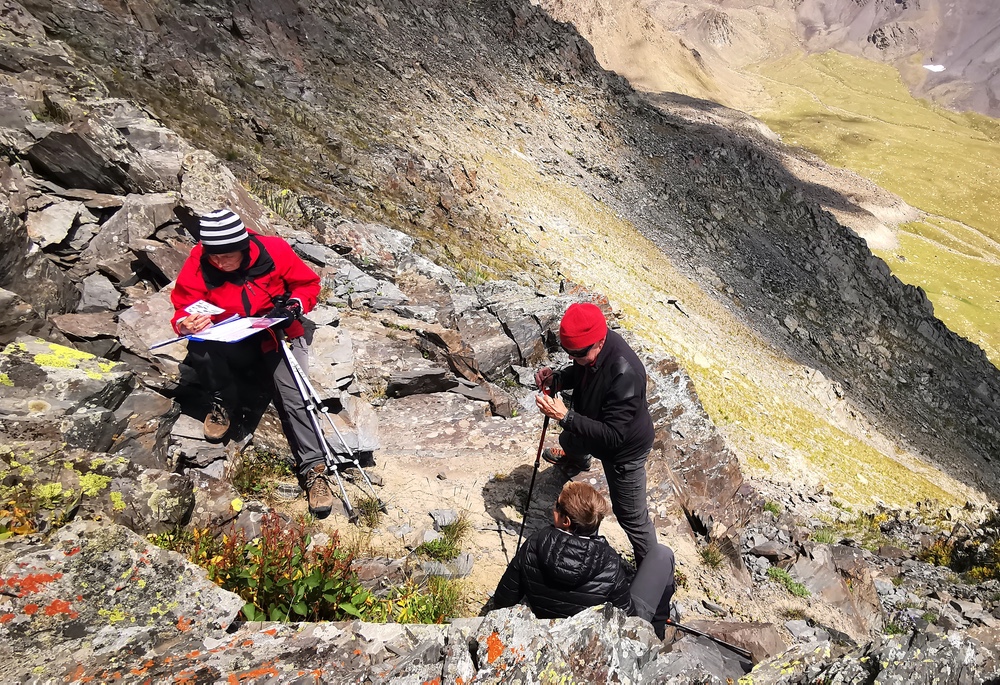
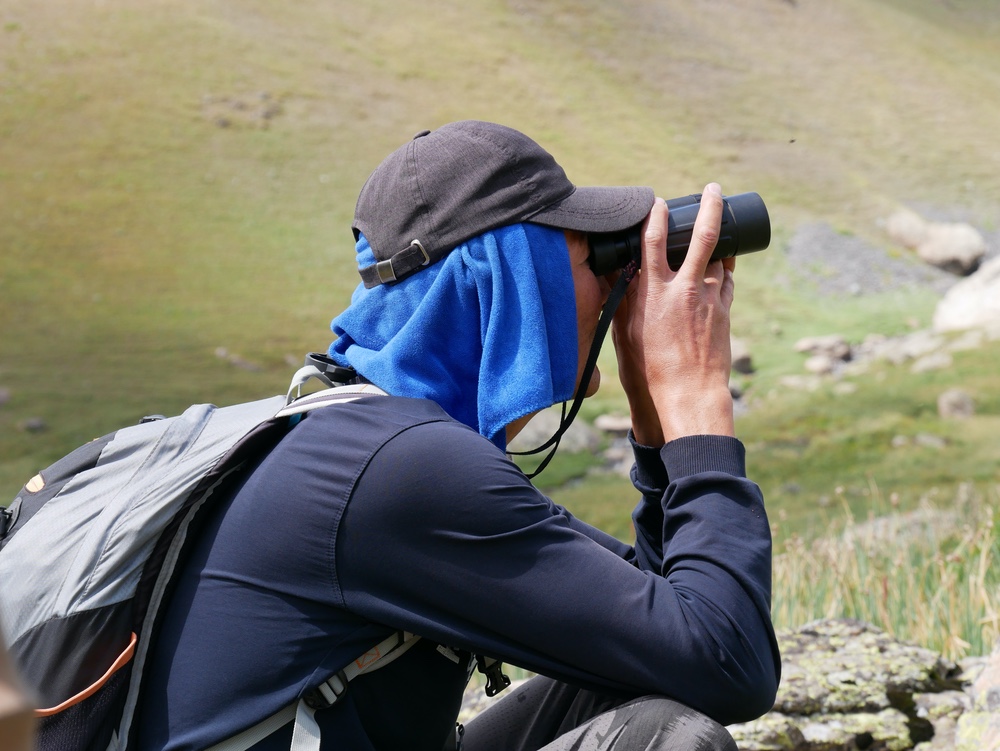
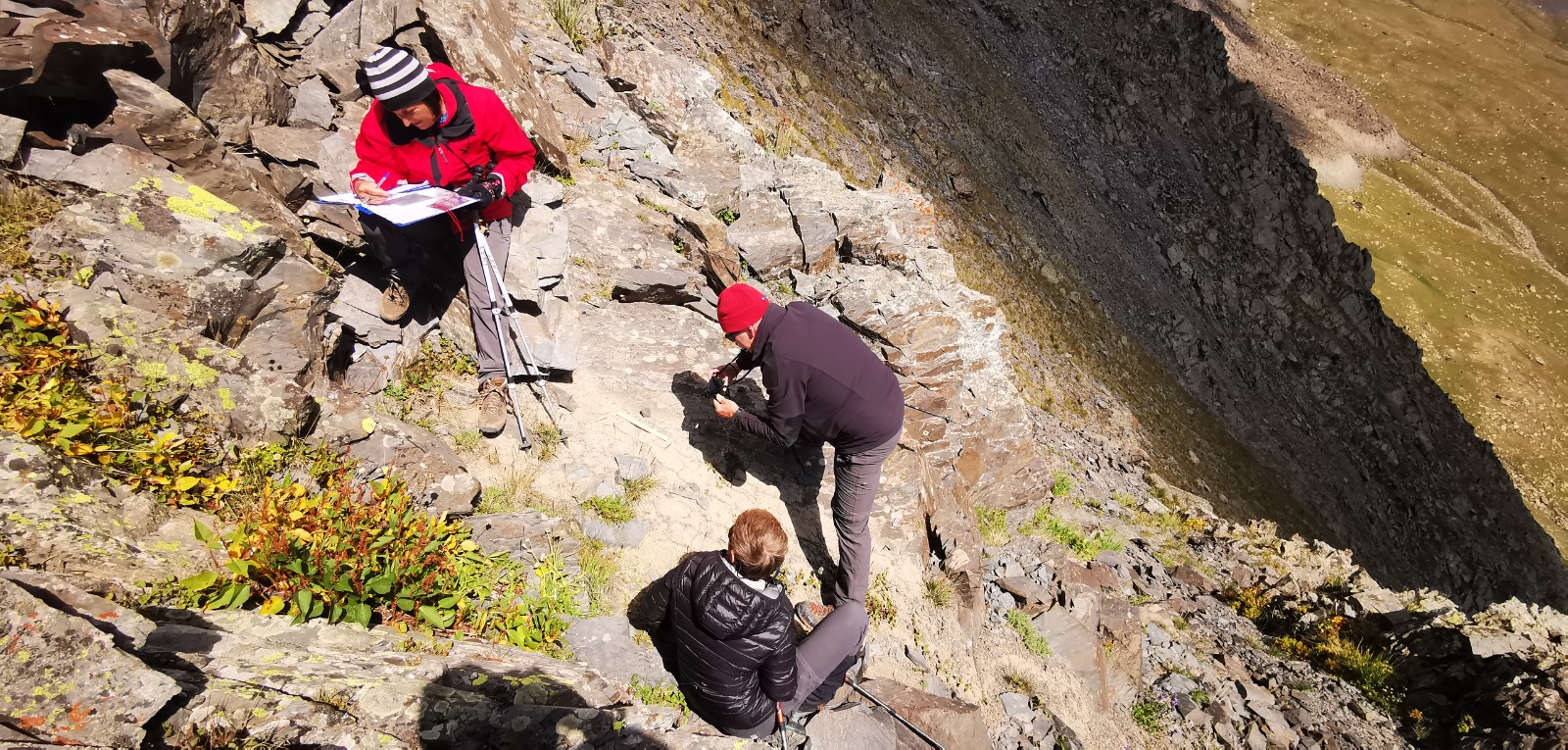
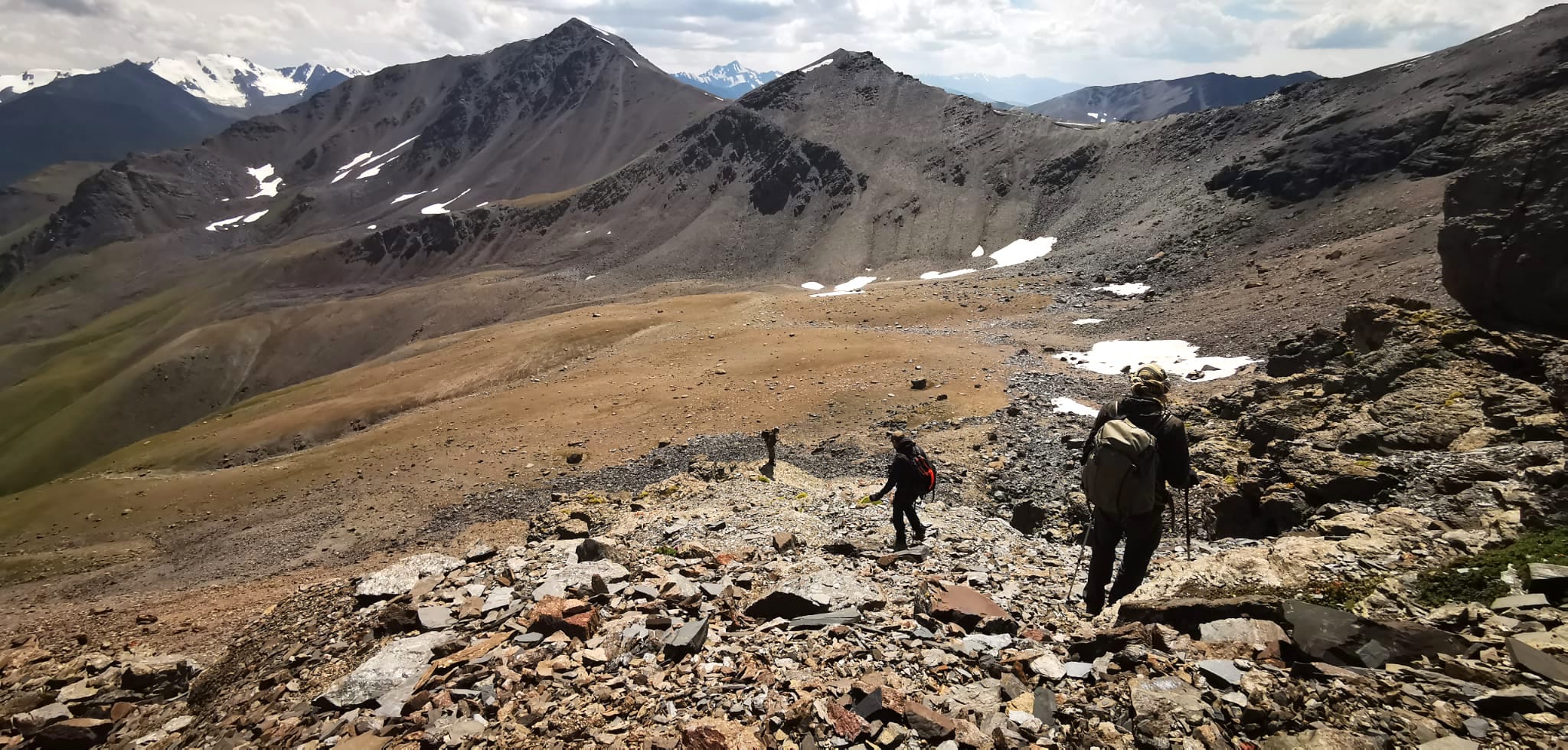
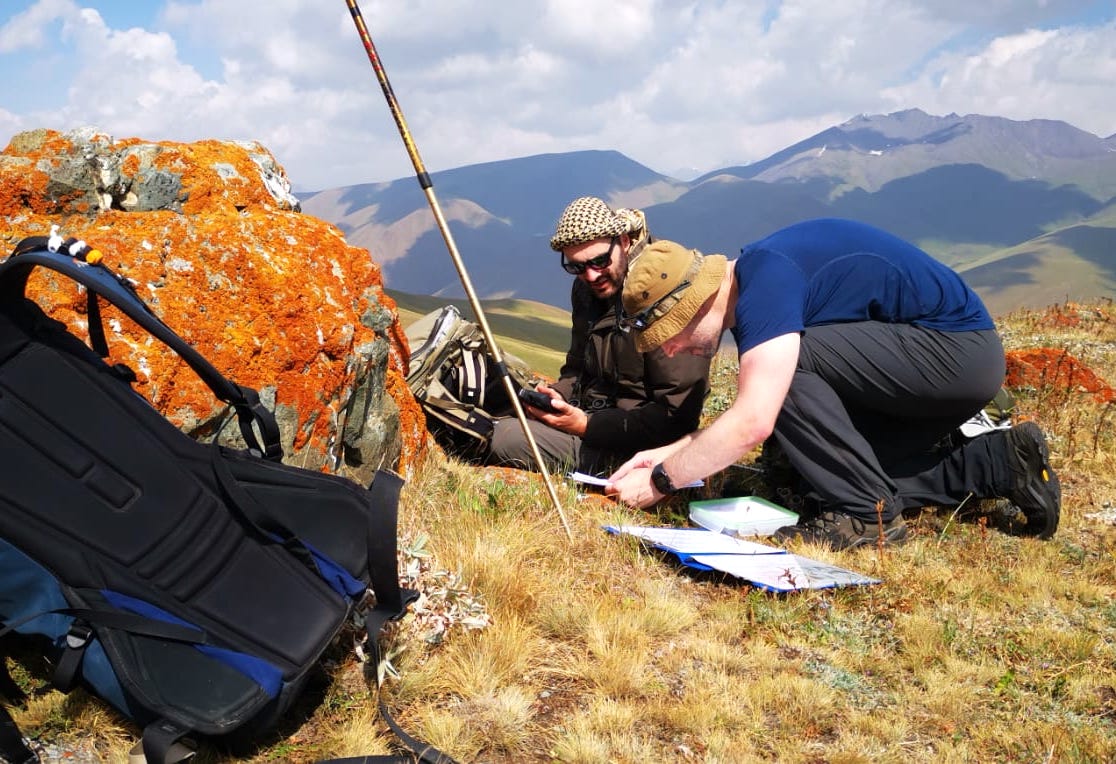
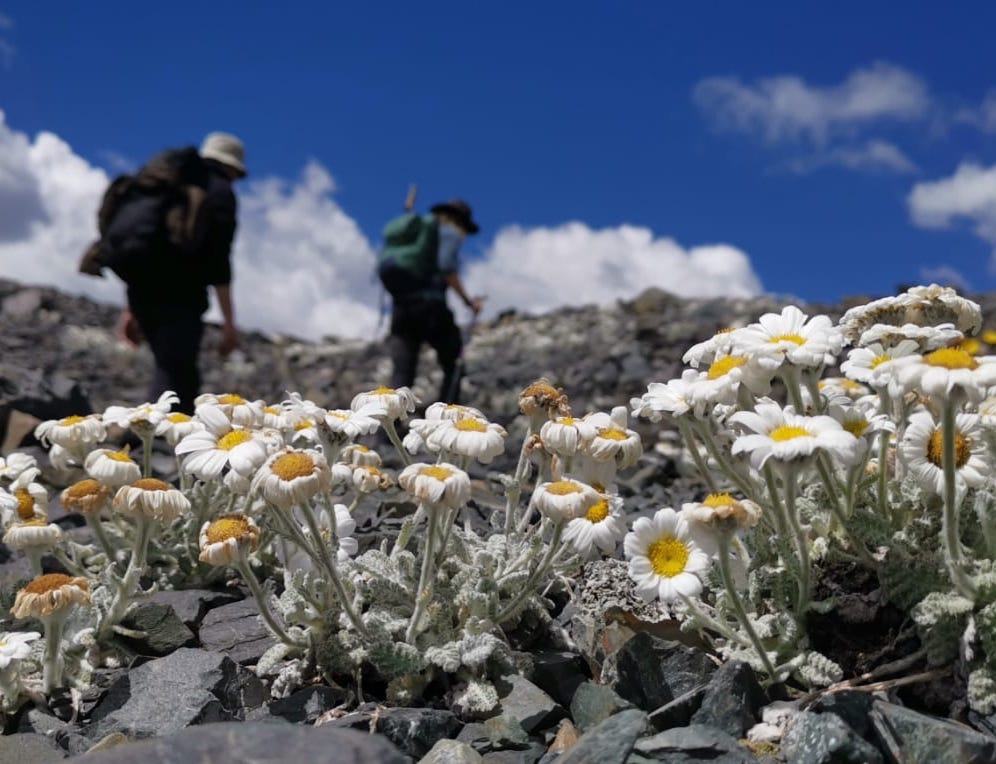
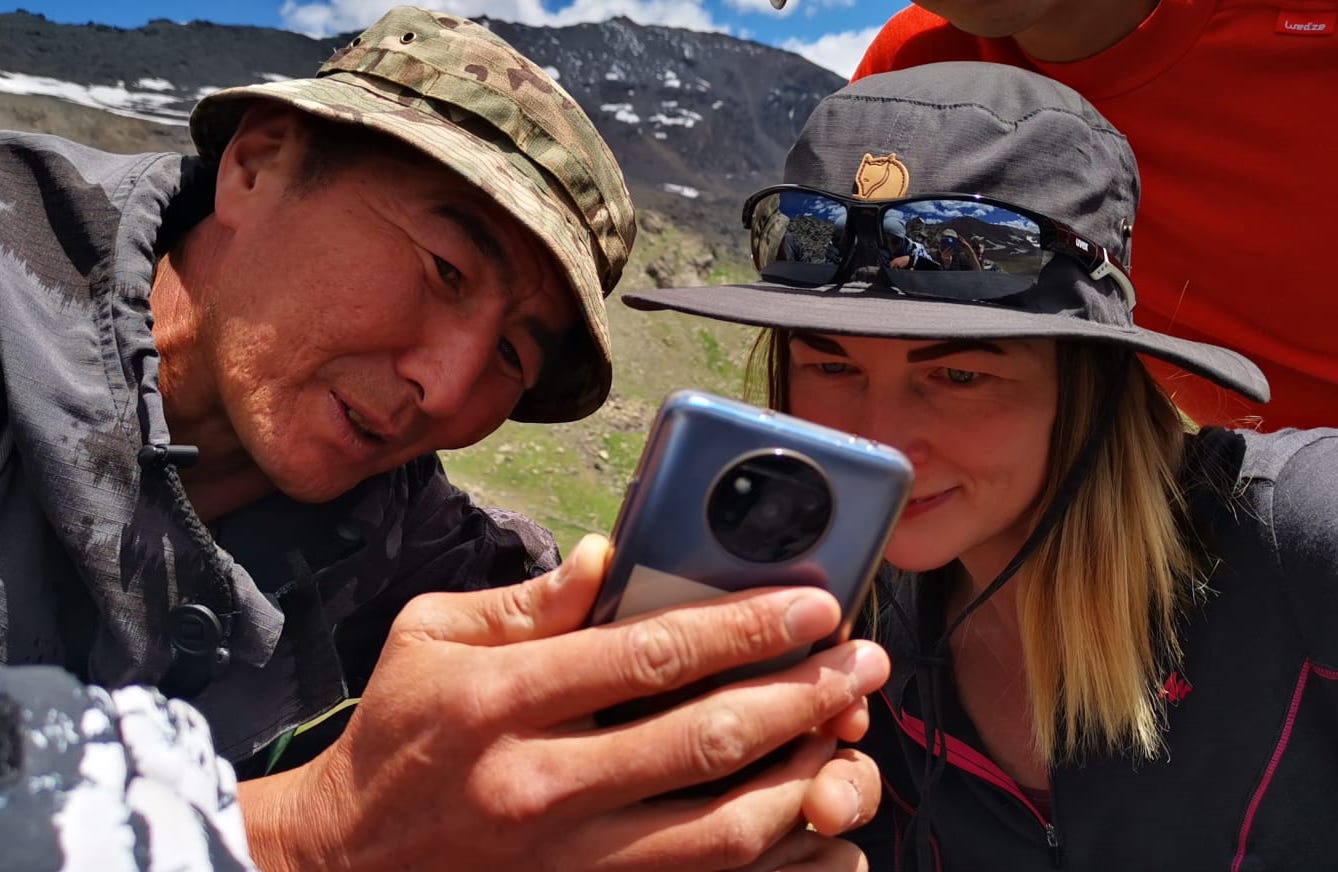
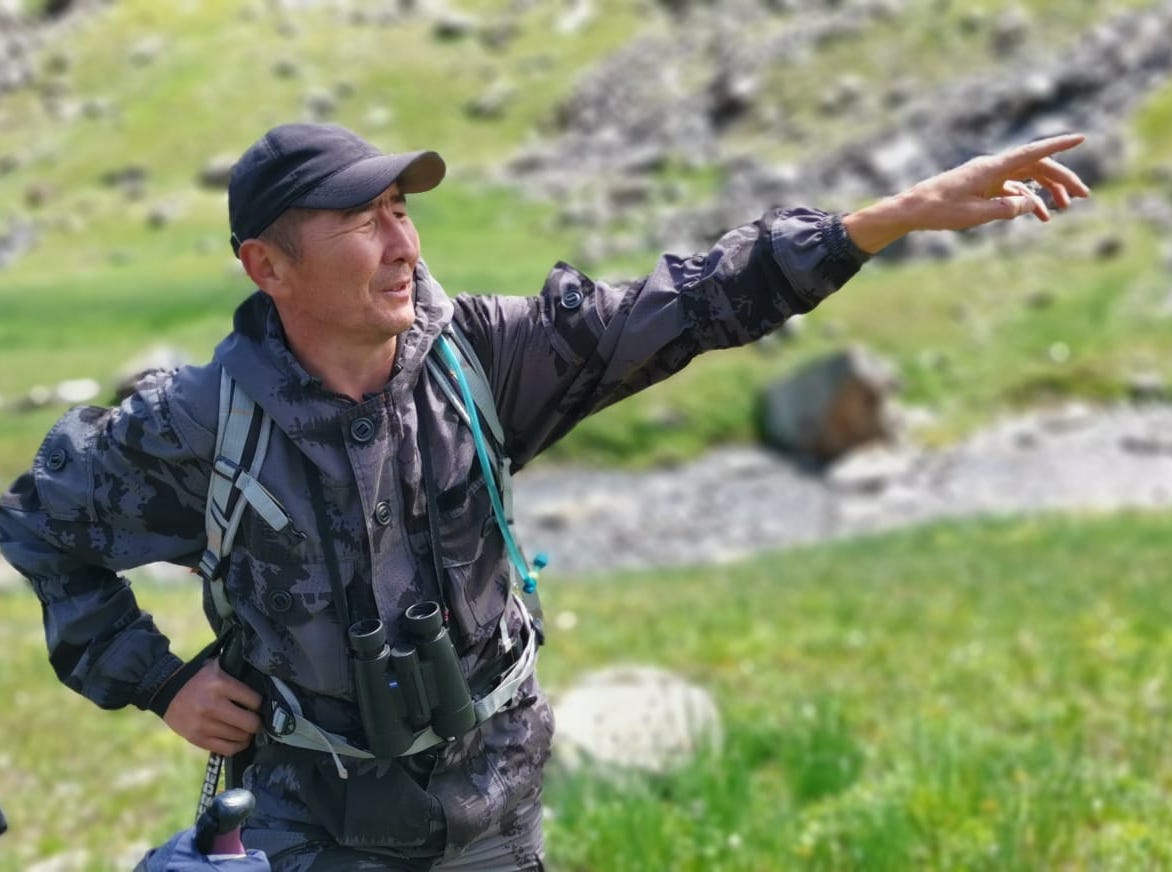
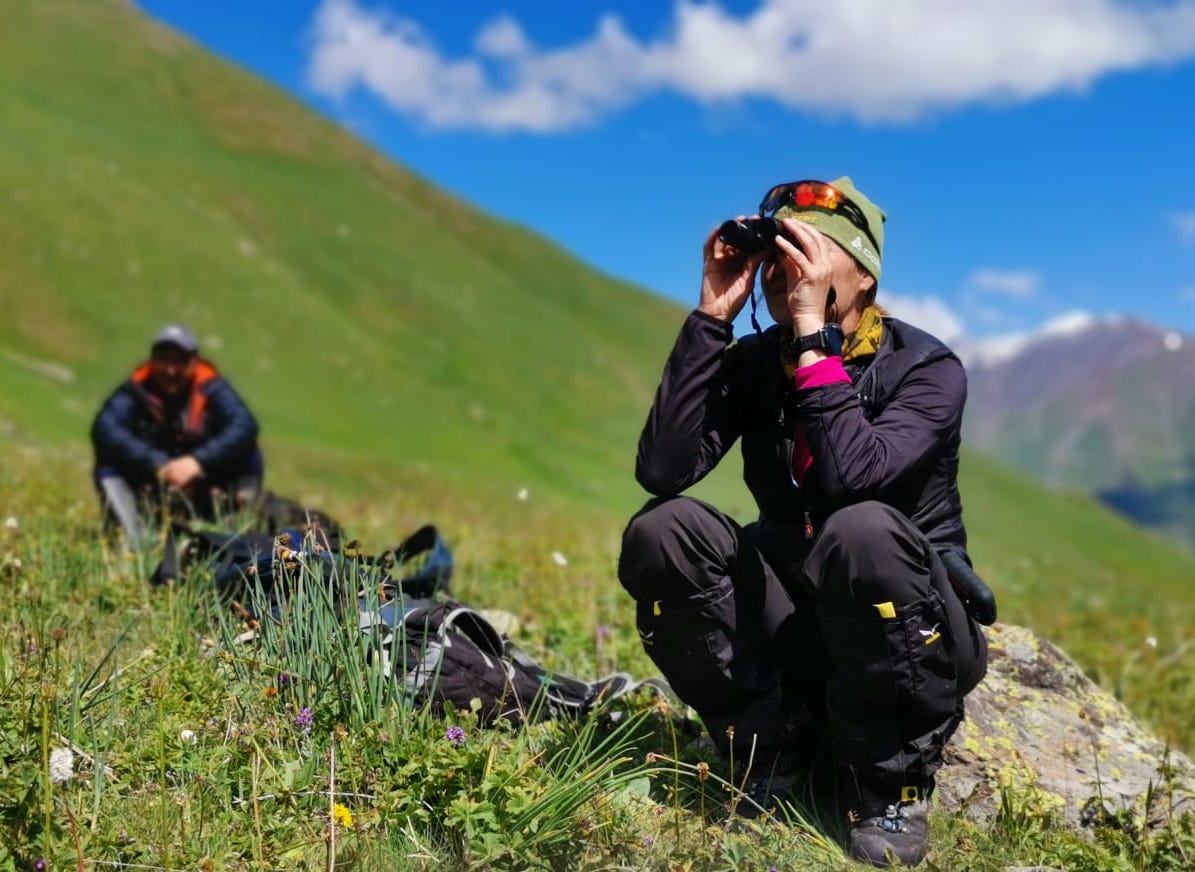
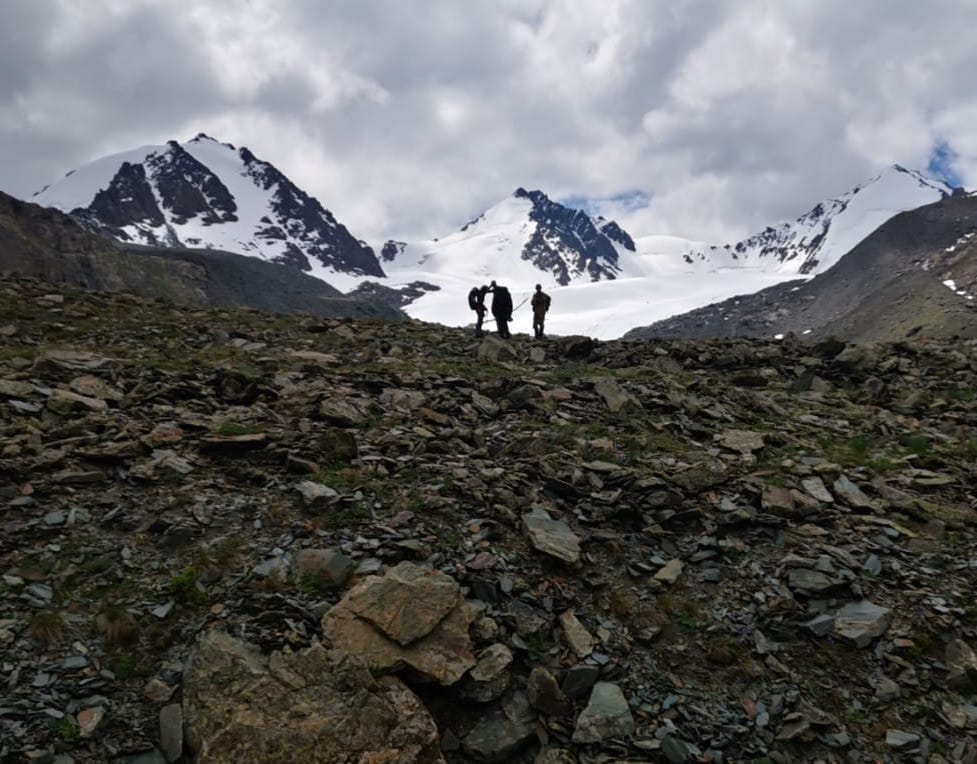
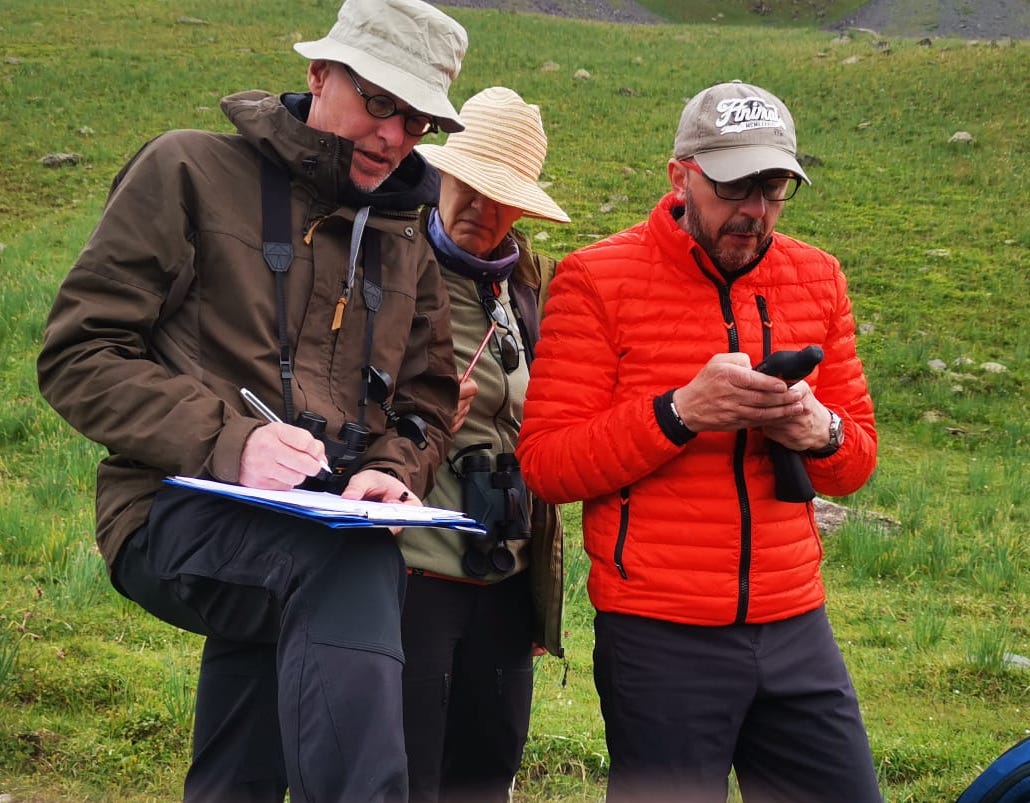
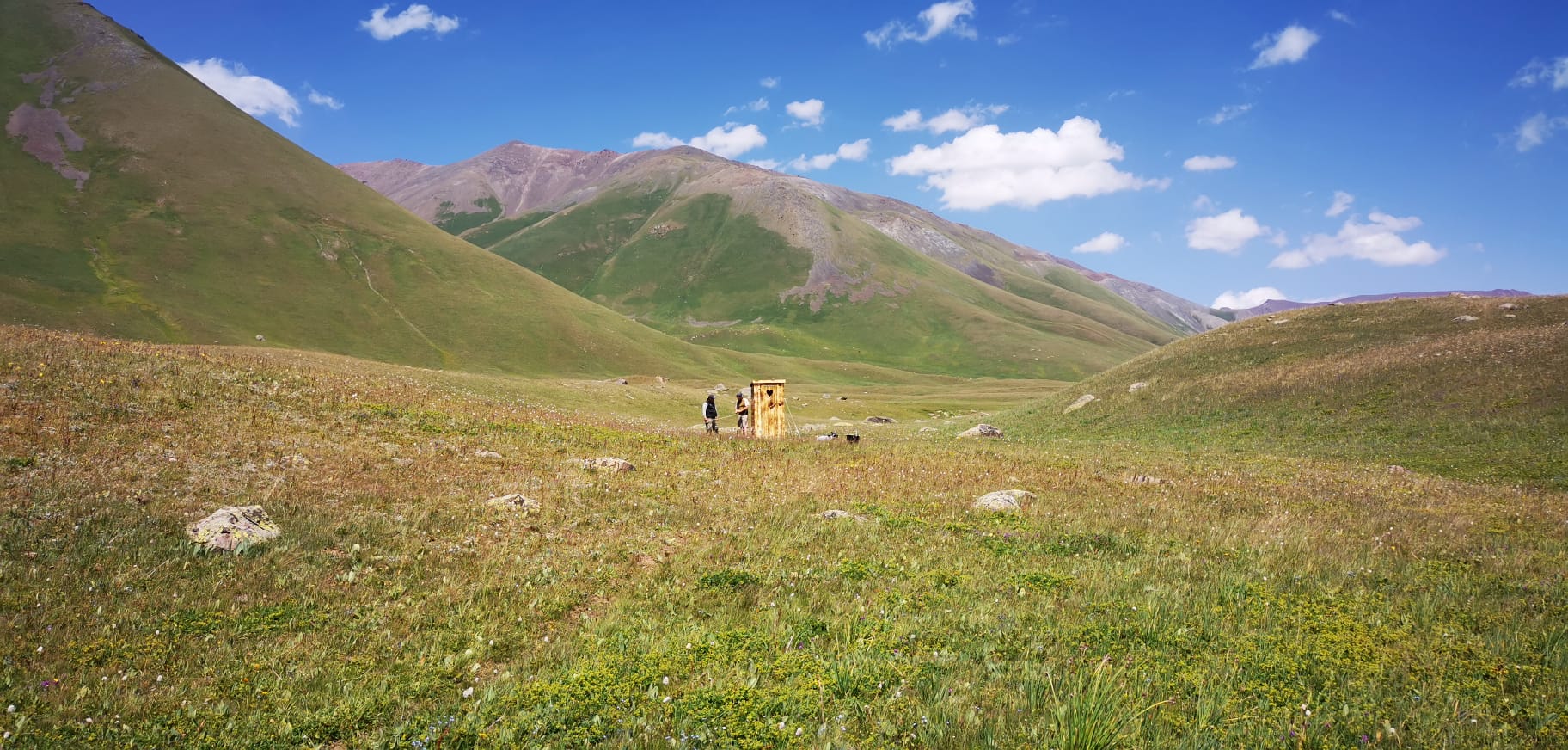
The 2022 expedition ran between 11 July and 20 August 2022 and was supported by an experienced ranger as well as members of the NABU anti-poaching patrol, Gruppa Bars. The core research task comprised a number of small teams surveying different parts of the Karakol valley and its side valleys, up to an altitude of 4000 metres, recording any signs of the snow leopard or its main prey species – ibex, argali sheep, Himalayan snowcock and marmots. The types of signs that were searched for included direct sightings or audible calls of the animals, footprints, scat and fur. In each case, the location of the sign was recorded.
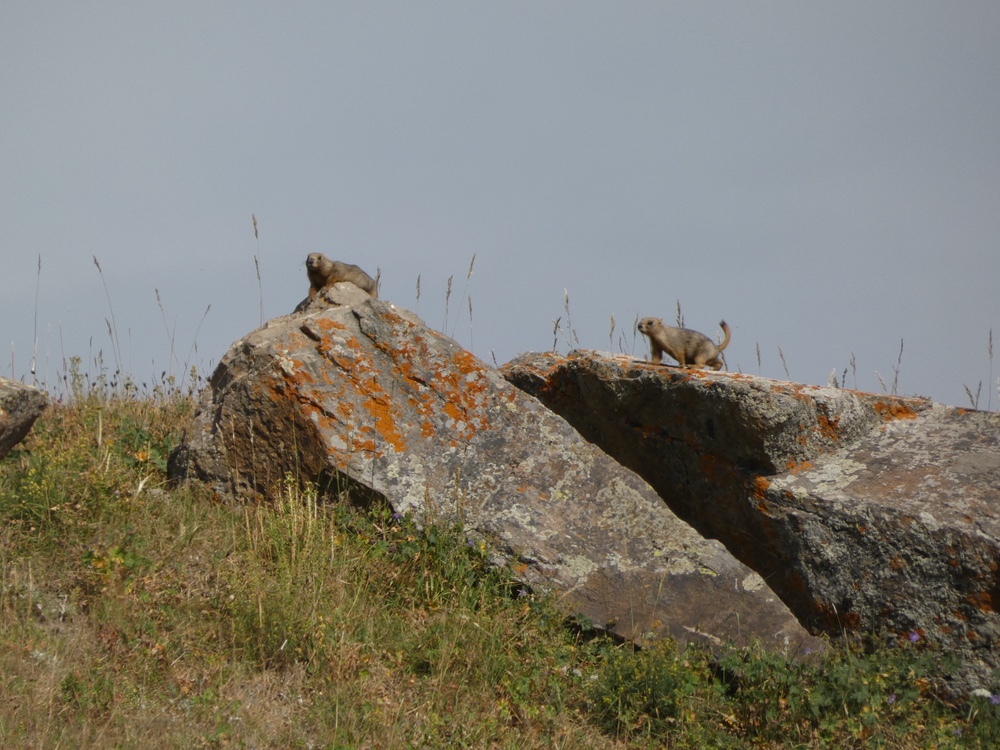
The expedition recorded many sightings of marmots and occasional sightings of ibex and snowcock. Three potential snow leopard footprints and five potential snow leopard scats were found and recorded. Samples of the scats were collected for later DNA analysis, which revealed that one of the scats was from a snow leopard.
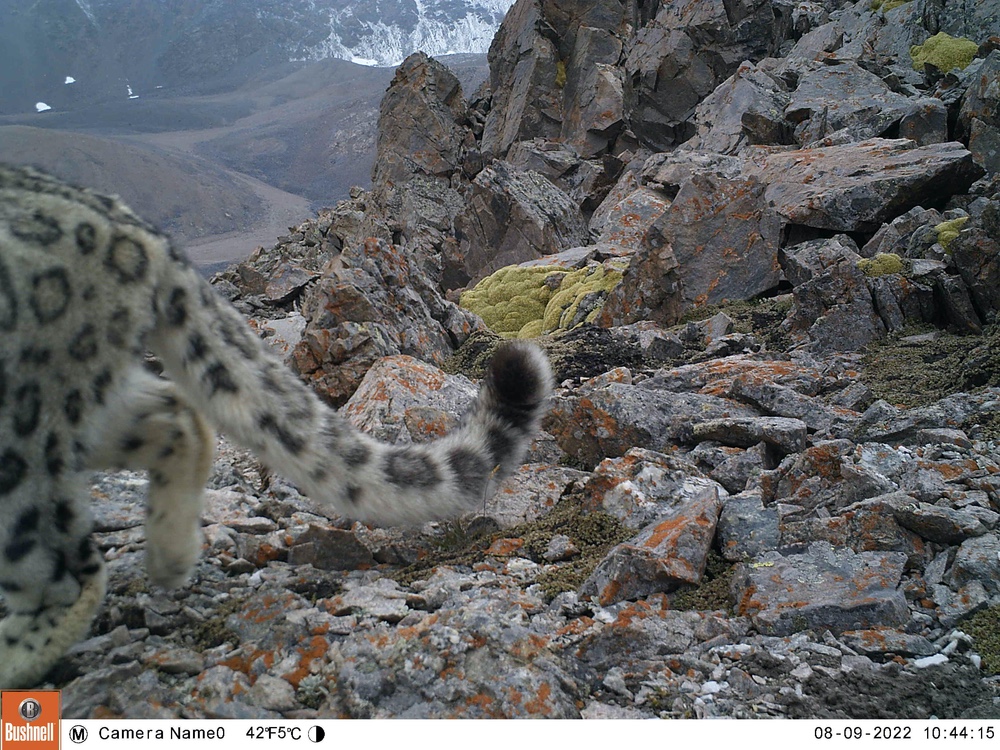
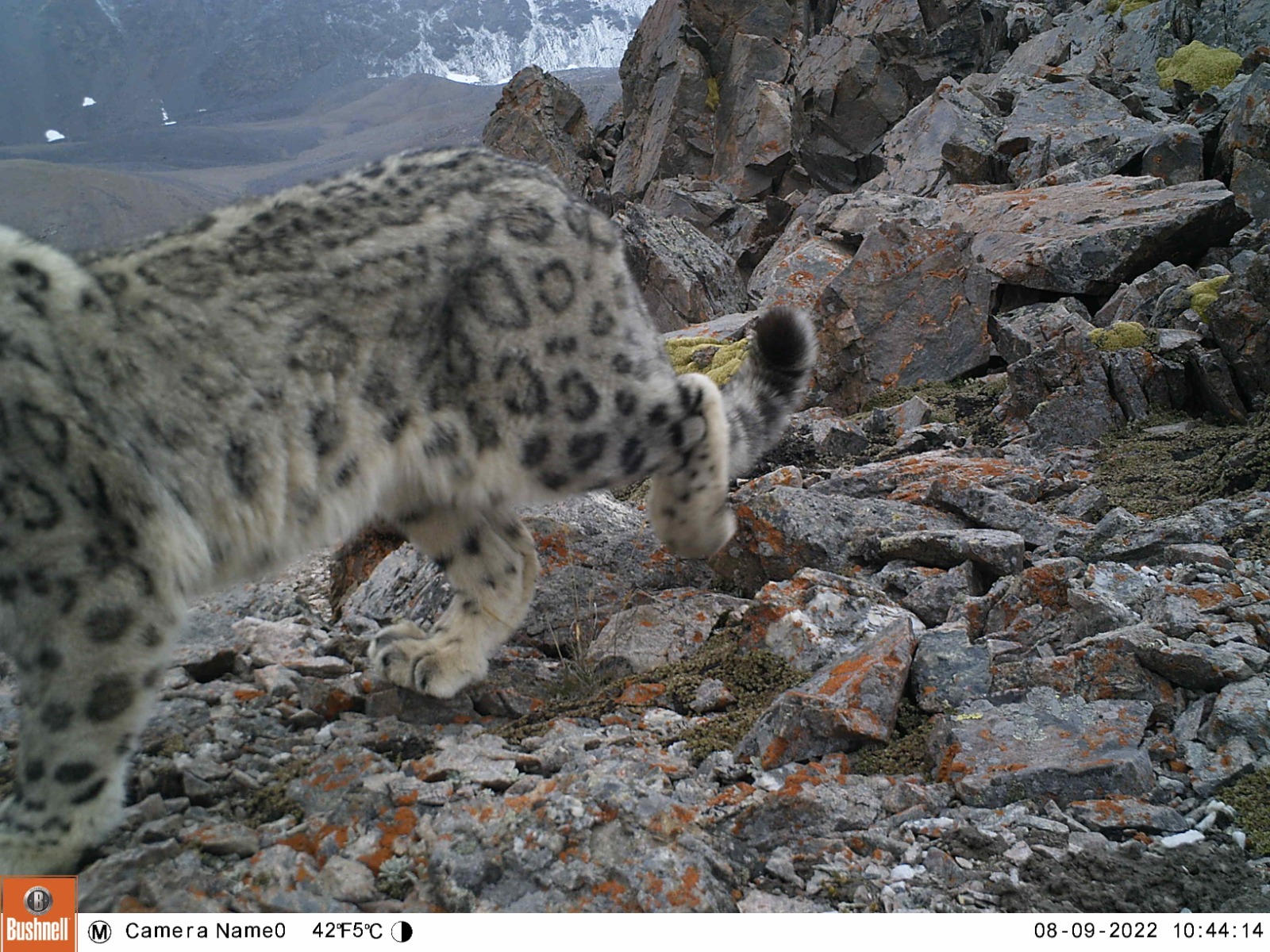
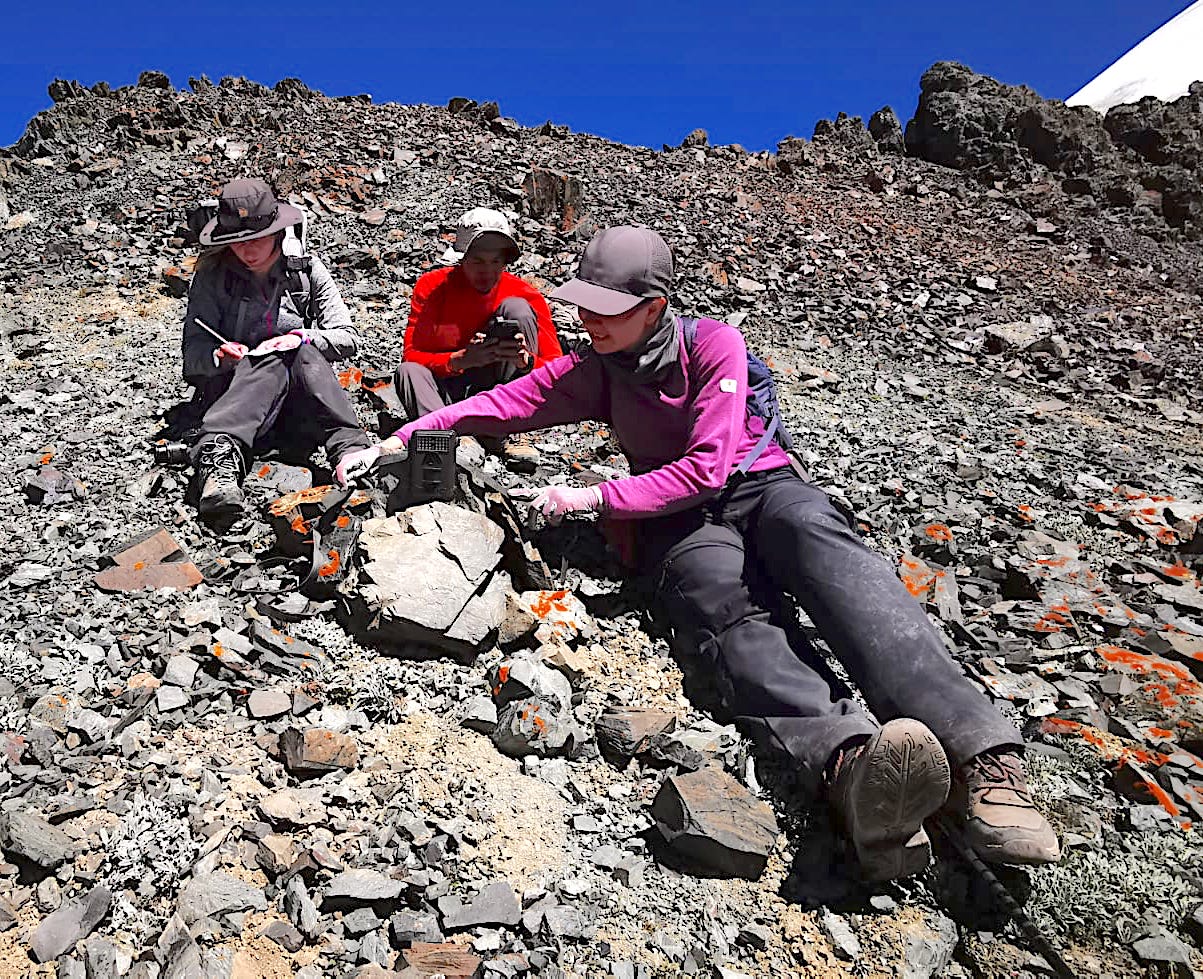
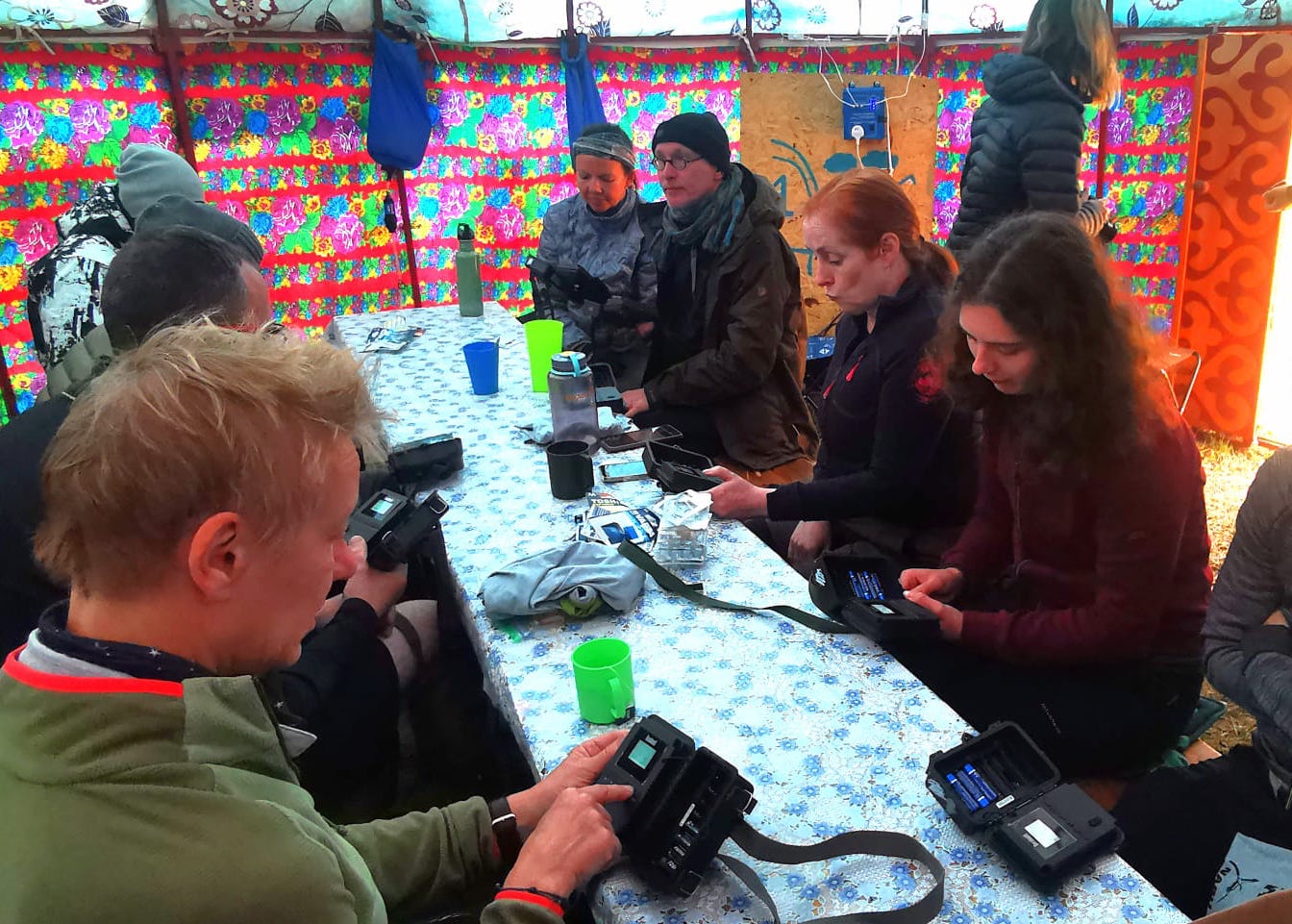
Camera traps were placed in twenty six locations around the high side valleys, for different periods of time, as a research tool to provide evidence of the presence of snow leopards and other animals. Twelve of these cameras had been placed and checked earlier by the Community Camera Monitoring Trap Group (CCTMG) established by Biosphere Expeditions. The CCTMG is a small team of local people, trained in the use of camera traps, who are responsible for the camera traps in locations around the Karakol Valley in the periods between each expedition. By the end of the 2022 expedition, 15 camera traps were left in place for the CCTMG to service until the 2023 expedition.
The camera traps recorded two instances of snow leopards (one of which was a snow leopard passing the camera during the expedition period, the other was from the previous autumn). Camera trap images during the expedition also included ibex (eight times), marmots (five times) and snowcock (15 times).
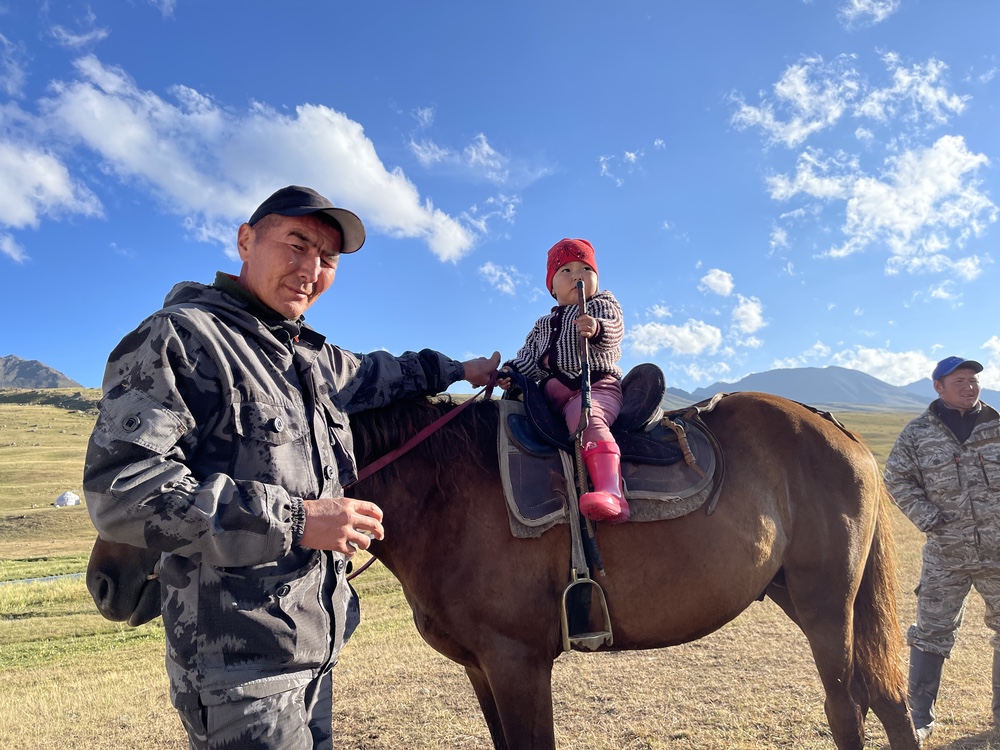
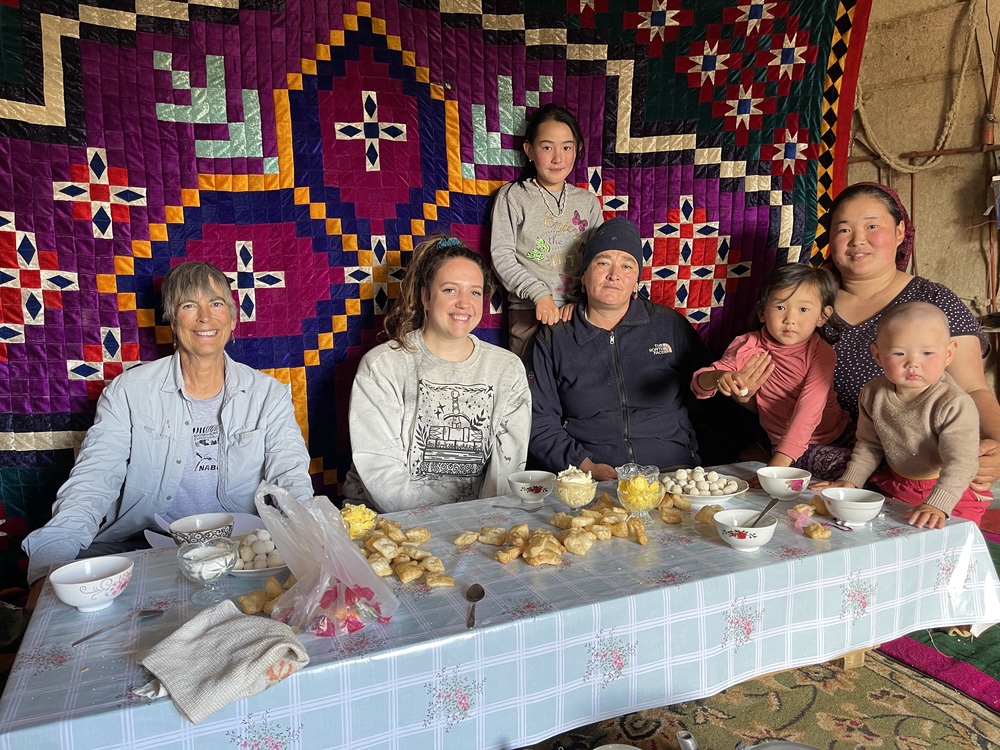
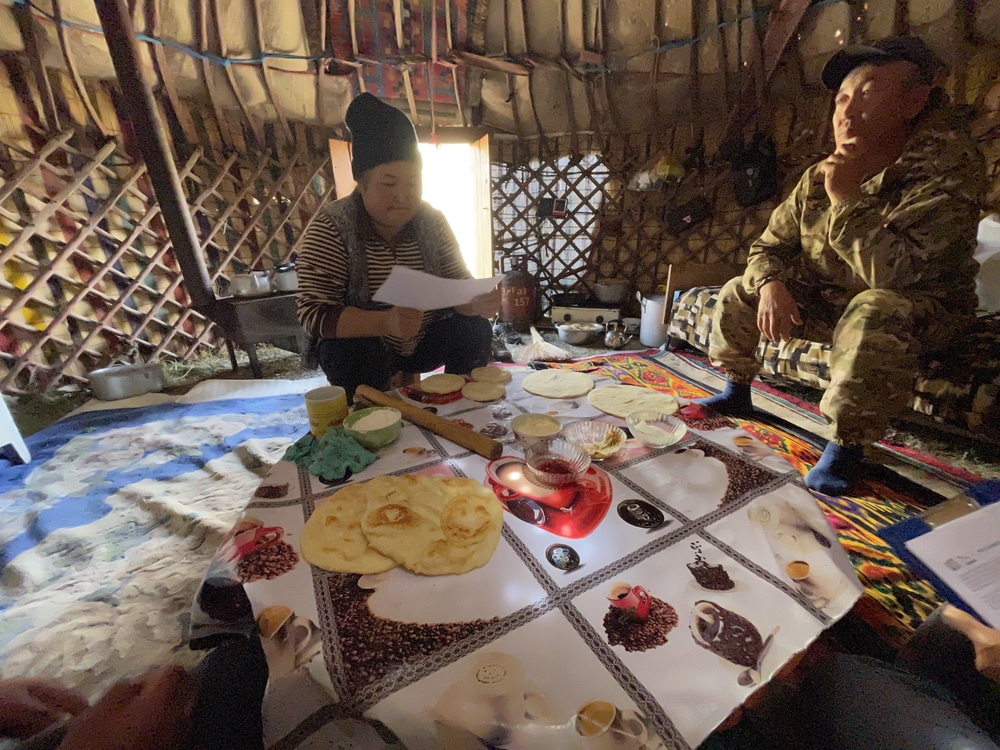
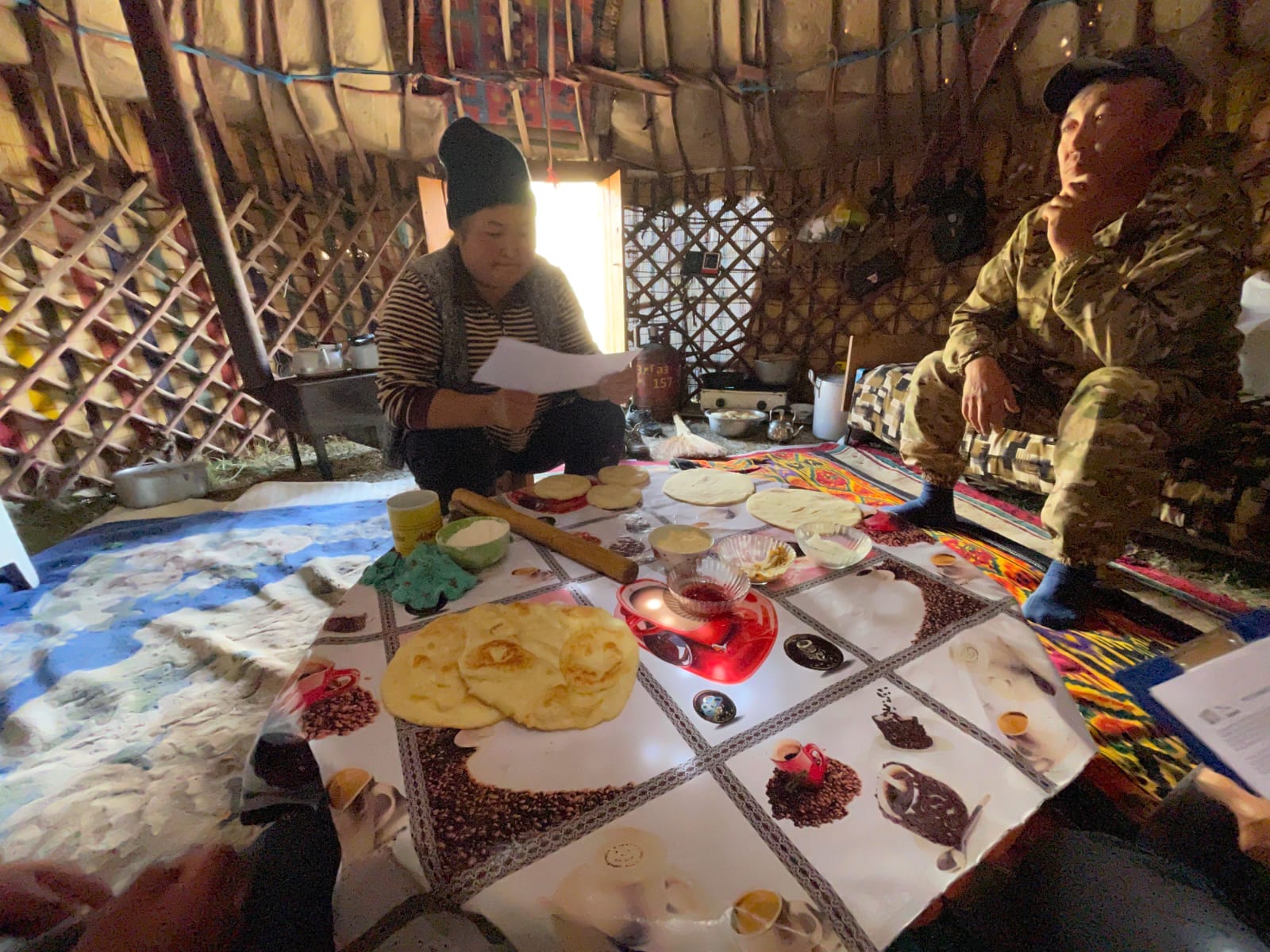
The 2022 expedition also interviewed eleven local shepherds and their families to ascertain their attitudes to the snow leopards and about eco-tourism and its potential for generating further income for local people. These interviews revealed a substantially positive response from the local people towards the snow leopard and an enthusiasm for hosting tourists as an additional income stream to livestock herding.
The expedition provided clear evidence of snow leopard presence, through camera trap images and scat. Along with the results of previous expeditions, the 2022 expedition demonstrated a stable and healthy prey base for the snow leopard in the Karakol Valley and a positive attitude amongst local herders towards the snow leopard and the idea of hosting ecotourism in the valley. Seventy percent of the shepherds interviewed by the expedition expressed their willingness to consider a complete transition to alternative income sources, if it could rival or come close to their main earnings from livestock herding.
However, some conclusions from the research paint a more worrying outlook for snow leopard conservation in this region. In particular, no evidence of Argali sheep was found in 2022 compared to signs of this prey species in previous years. The high grazing pressure from livestock kept in the Karakol valley every summer, with especially high numbers observed in 2022, almost certainly threatens the success of ibex and argali sheep, key snow leopard prey species, through resource competition.
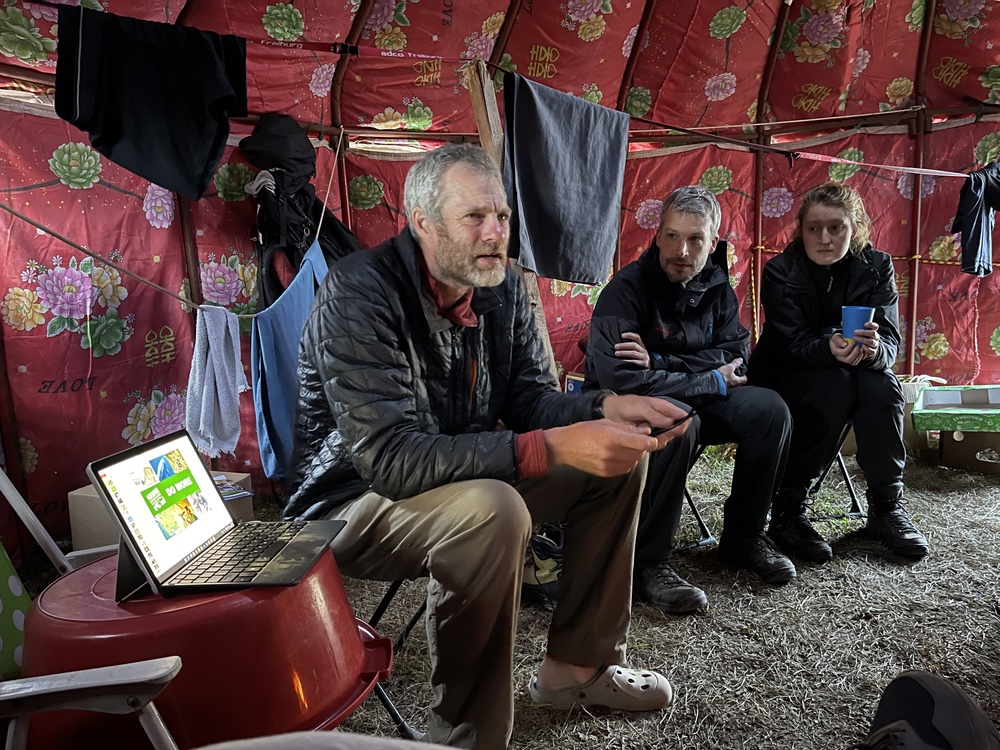
Overall, the 2022 expedition achieved its research objectives. Expedition leader, Roland Arnison, said “This was a highly successful expedition – our first since the end of the Covid lockdowns, and a very welcome return to the Karakol valley for Biosphere Expeditions. Our citizen scientists worked hard to collect a substantial amount of data over a huge area – we surveyed a total of 304 square kilometers of mountain terrain and recorded 156 signs of animals of interest. Excitingly, we had several direct sightings of ibex in the mountains and conclusive evidence of snow leopard in some locations.”







































 Biosphere Expeditions: blogs from the frontline of wildlife conservation and the fight for a more sustainable planet