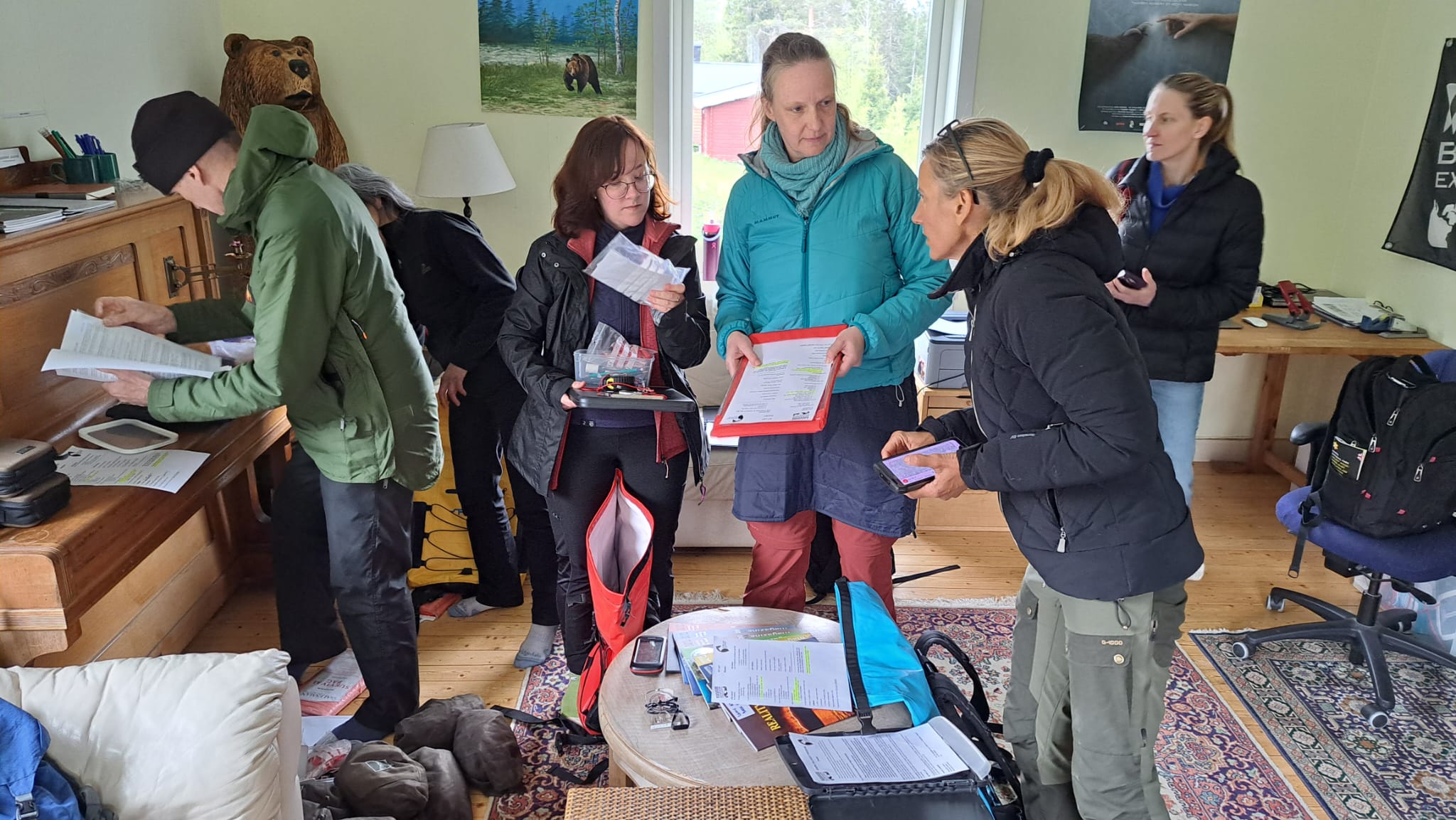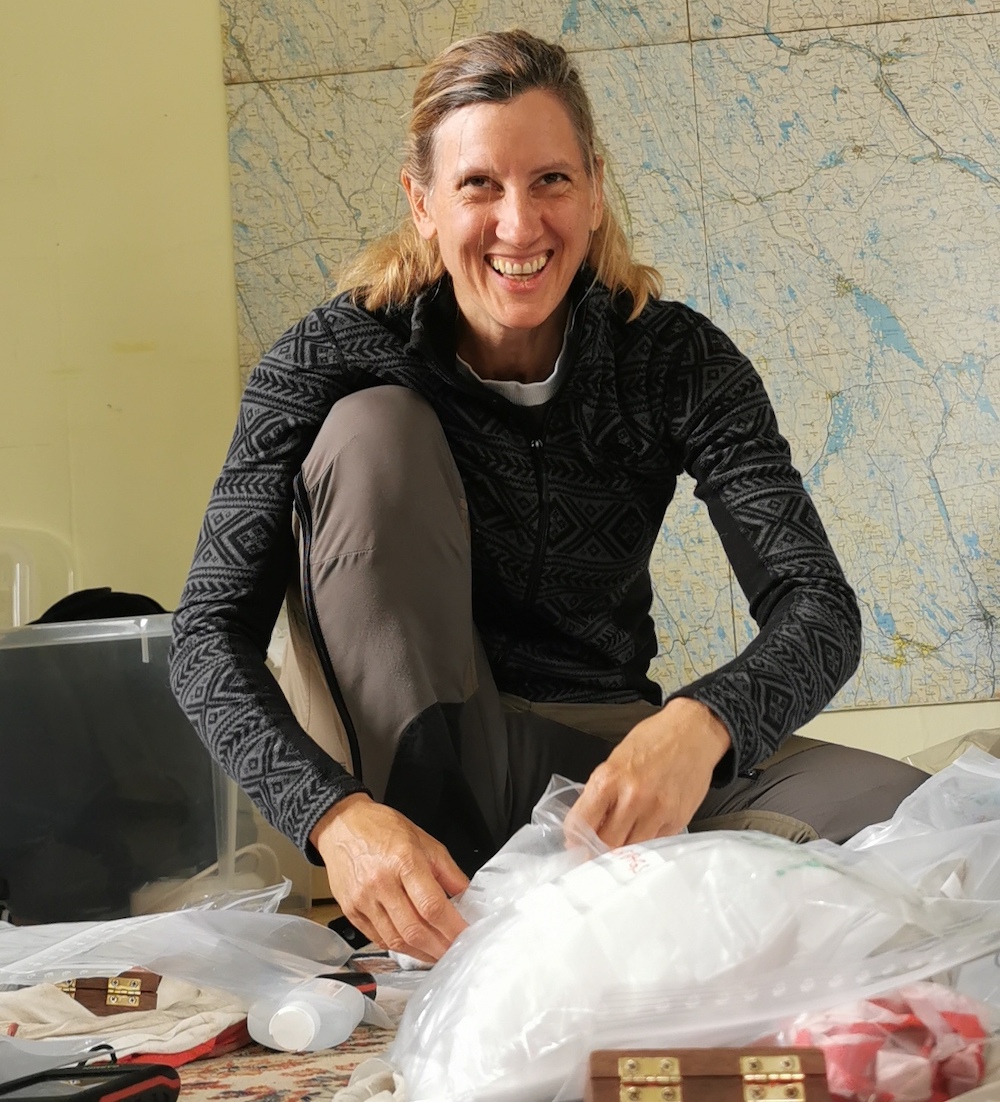
Sweden : Wrap-up

Update from our Sweden bear volunteer project

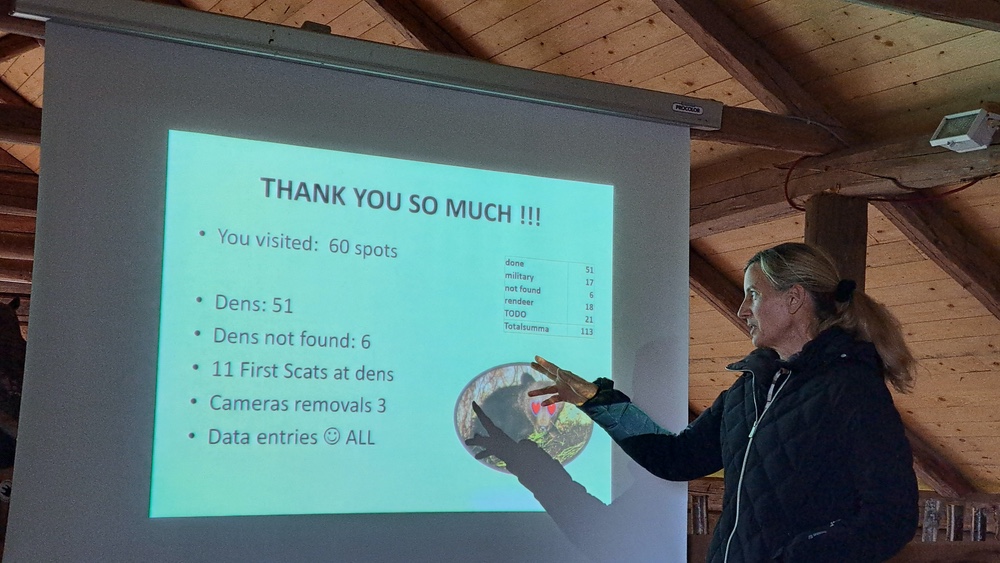
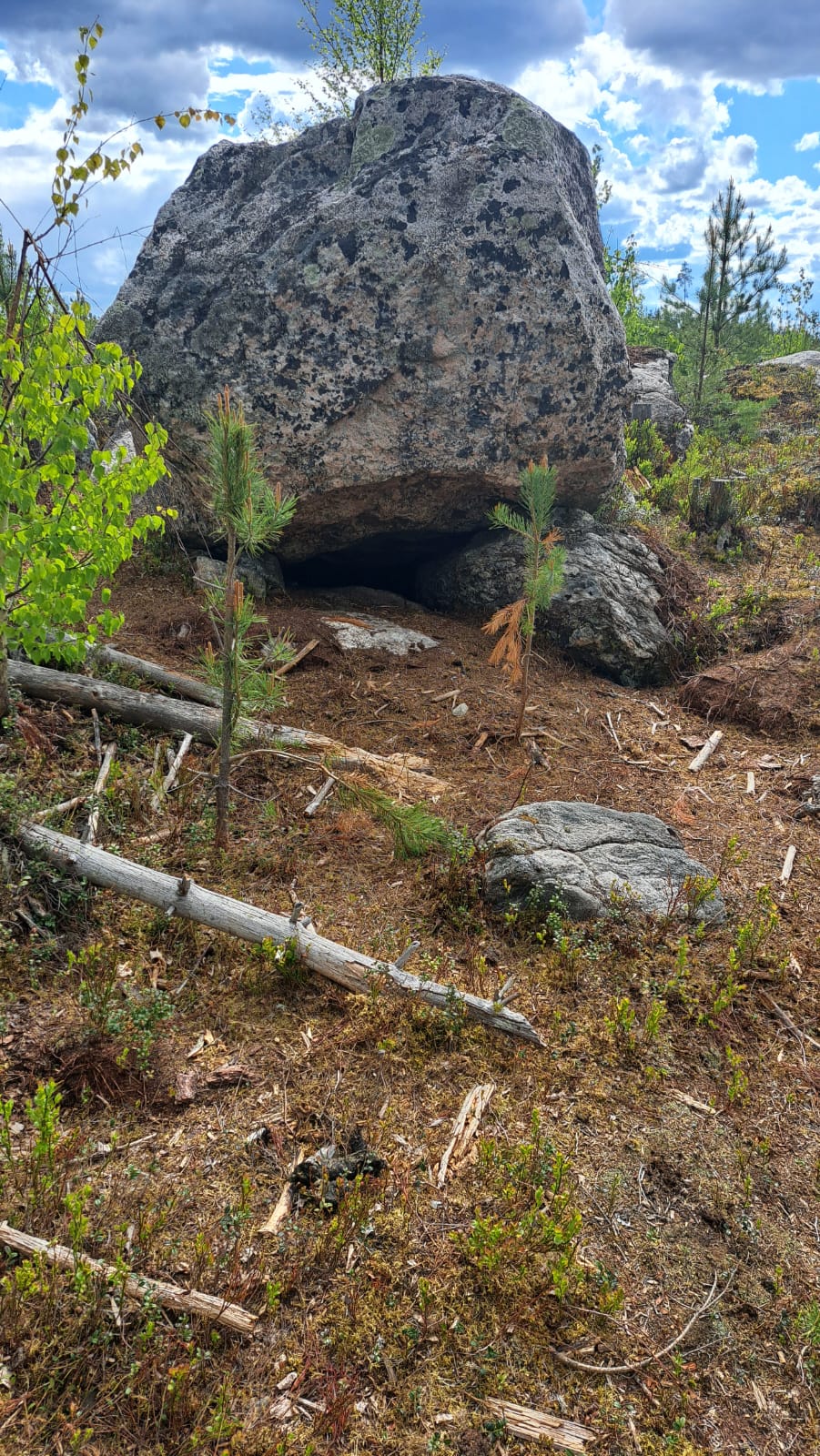
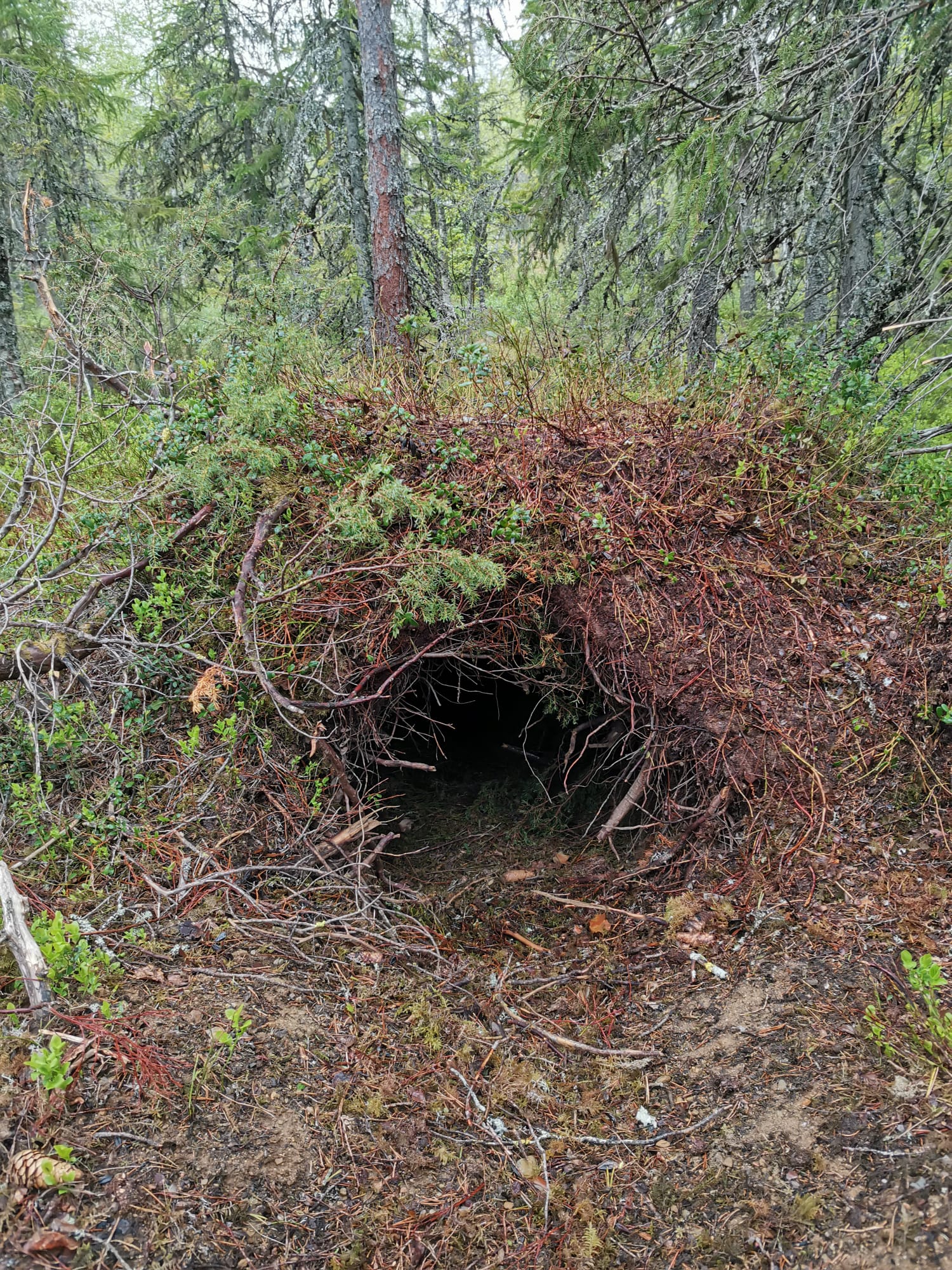
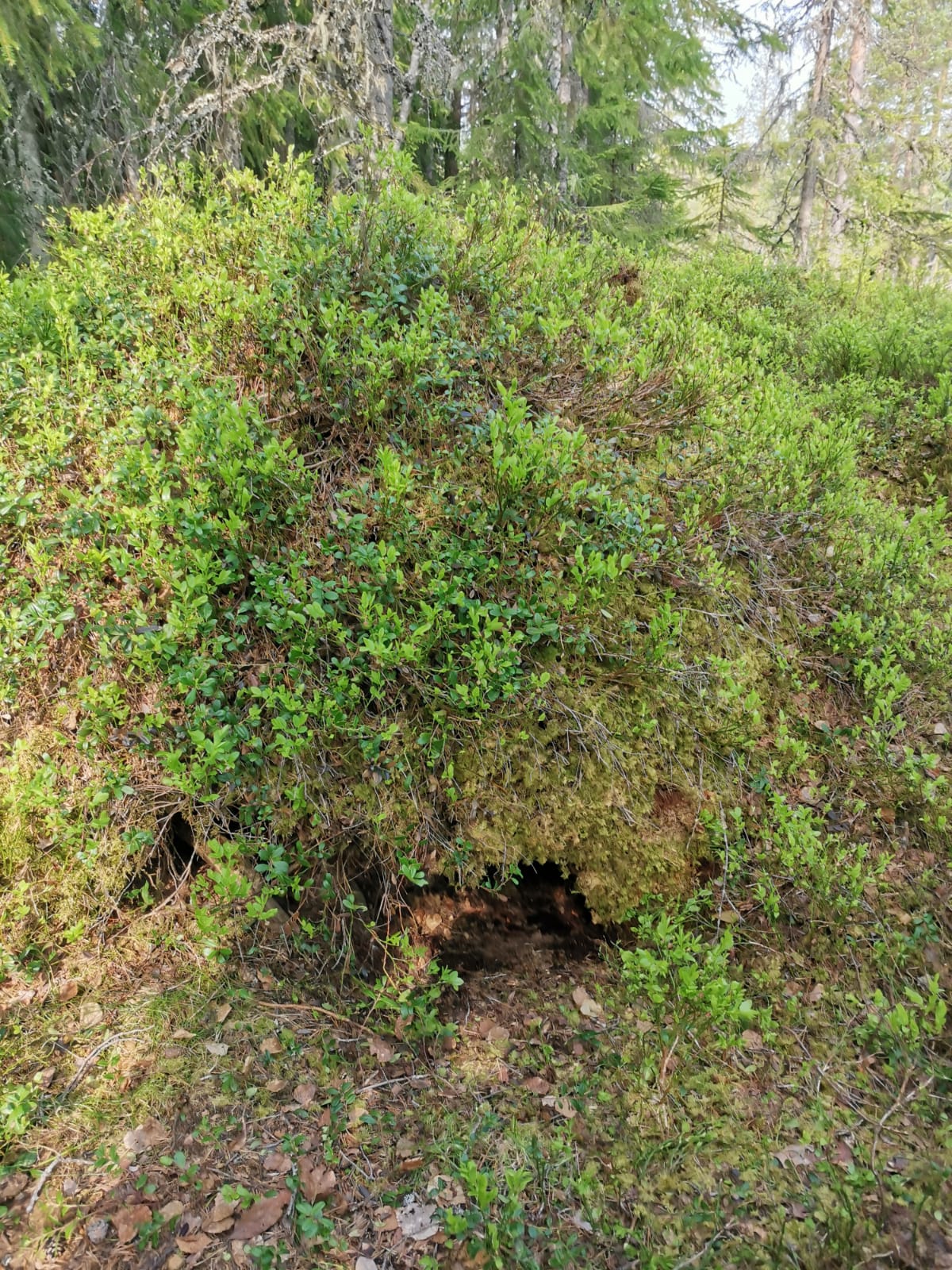
The 2025 expedition is done. Over 10 expedition days and with the help of ten citizen and professional scientists from six countries (Australia, Canada, France, Germany, Spain, UK), we found and recorded 51 dens (17 anthill, 4 anthill/soil, 6 nest, 16 rock and 8 soil dens). We also collected 11 first scats at dens, which is a record that Dr. Andrea Friebe, the expedition scientist, called “sensational”. We also removed three camera traps and entered all the data into the database. This has once again been a very significant contribution to the Scandinavian Brown Bear Research Project’s database and studies and we are expecting scientific publications that use these data soon (as well as the usual annual expedition report).

Thank you so much to all our citizen scientists who have made this possible by contributing their time and funds. Without you, there would be no expedition. You have been an exceptionally effective and determined team and we take our hats off to you for the effort you have put in.
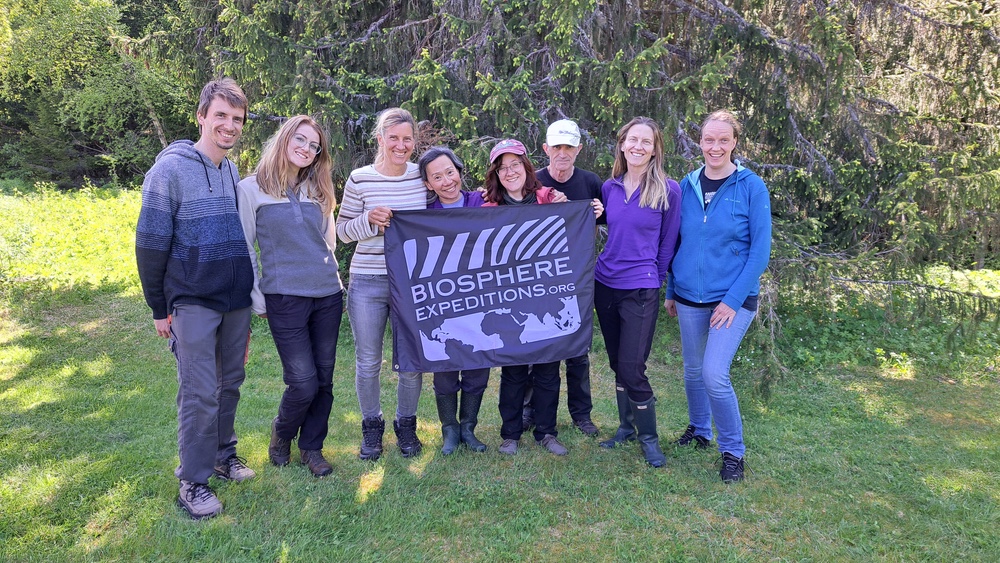
Team 2025

So, since 2019, this expedition has developed into an essential data collection part of the Scandinavian Brown Bear Research Project, because it collects – over a relatively short period each year – large amounts of den and scat data through the concentrated efforts of citizen scientists. For example, in 2019 the expedition visited 28 bear den sites and mapped 24, found 10 scats at 15 bear cluster sites, recovered a bear skeleton from a bog for further analysis, recovered a valuable transmitter, covered over 2,000 km of the study site and had two bear encounters, increasing the SBBRP’s bear den database by between a third and a half. After an unwanted Covid-break, the 2023 expedition visited 68 sites, including 38 winter dens and 35 scat collections, ten of which were ‘first scats of the season’ (especially valuable samples that can reveal what a bear has eaten before and during hibernation). The 2024 expedition surveyed 27 dens, and collected 56 scat samples including three samples of ‘first scats of the season’. The 2025 expedition surveyed 51 dens, and collected a record 11 first scats. The SBBRP expedition scientist has called the contributions of the expeditions over the years “invaluable” and “sensational”.

So I leave you with some impressions of the last few days and some citizen scientist feedback. Thank you so much again and safe travels onwards or home. We hope to meet you again on an expedition, somewhere, somewhen on this fragile planet of ours.
I really liked how we were able to go out independently in small groups and were trusted to conduct our fieldwork to a high standard. It was all amazing.
Keira W., Australia

I really enjoyed the satisfaction of helping to gather data so scientists can makes sense of how climate breakdown is affecting flagship species. Also the age of participants – I’ve been on a number of projects with other organisations where everyone around me was below 25.
Chai H., UK

I really enjoyed staying here and I am not sure whether anything can match the experience I had here. The work with our local scientist Andrea was so joyful and fantastic. I also learnt a lot about bears. I hope I can join the expedition again in another year.
Sarah H., Germany

Continue reading “Sweden : Wrap-up”

Sweden : Dens galore

Update from our Sweden bear volunteer project

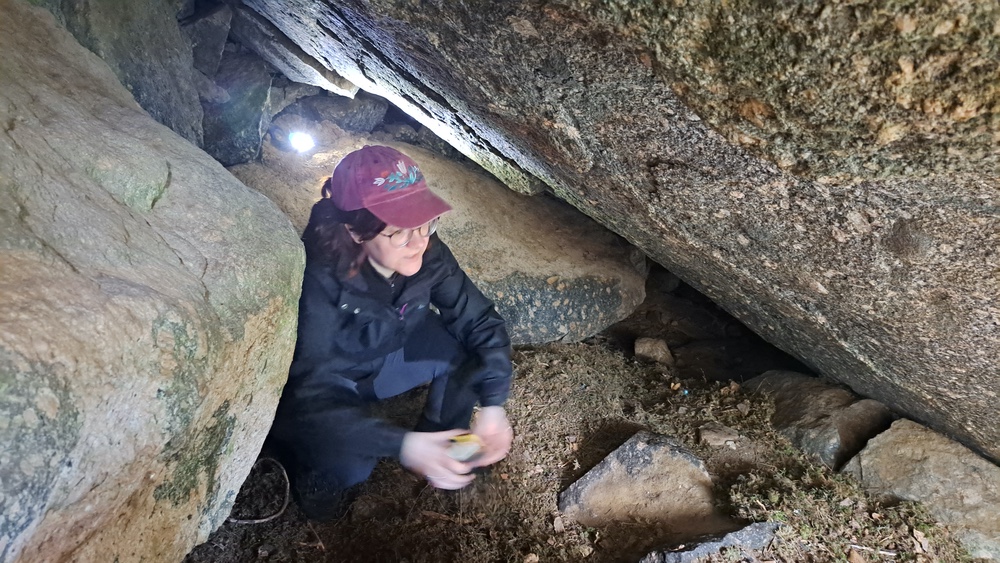
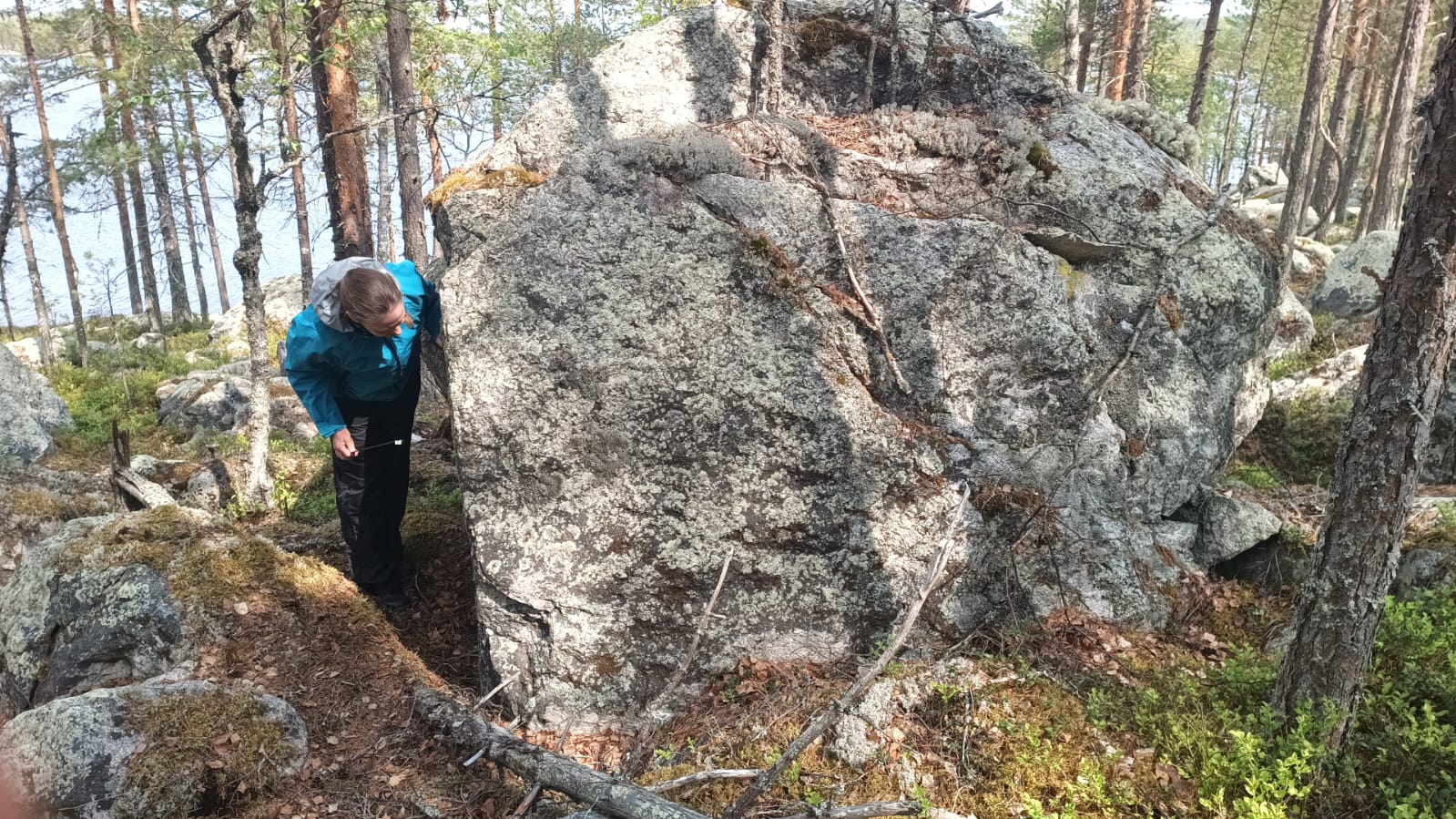
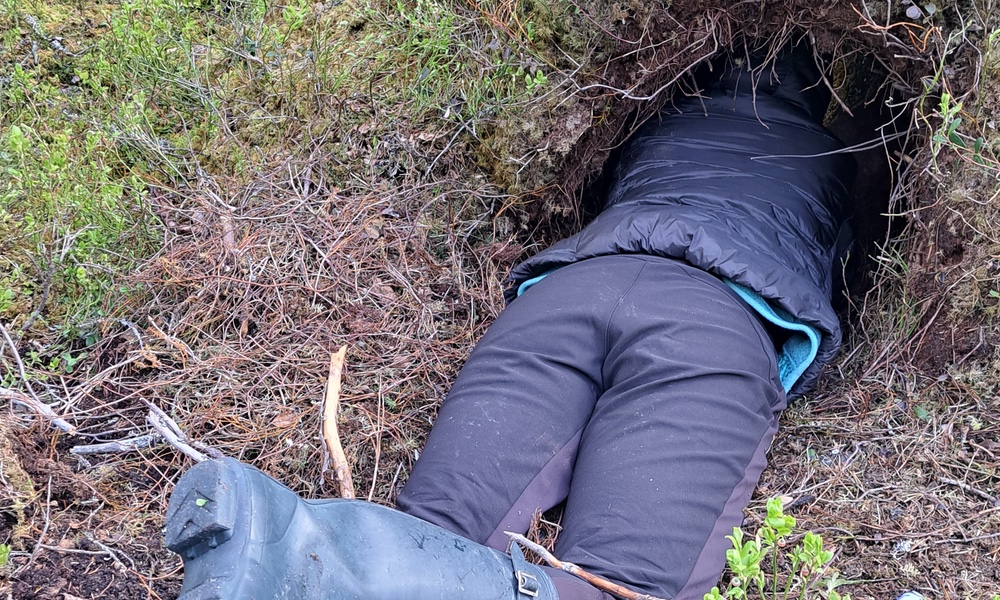
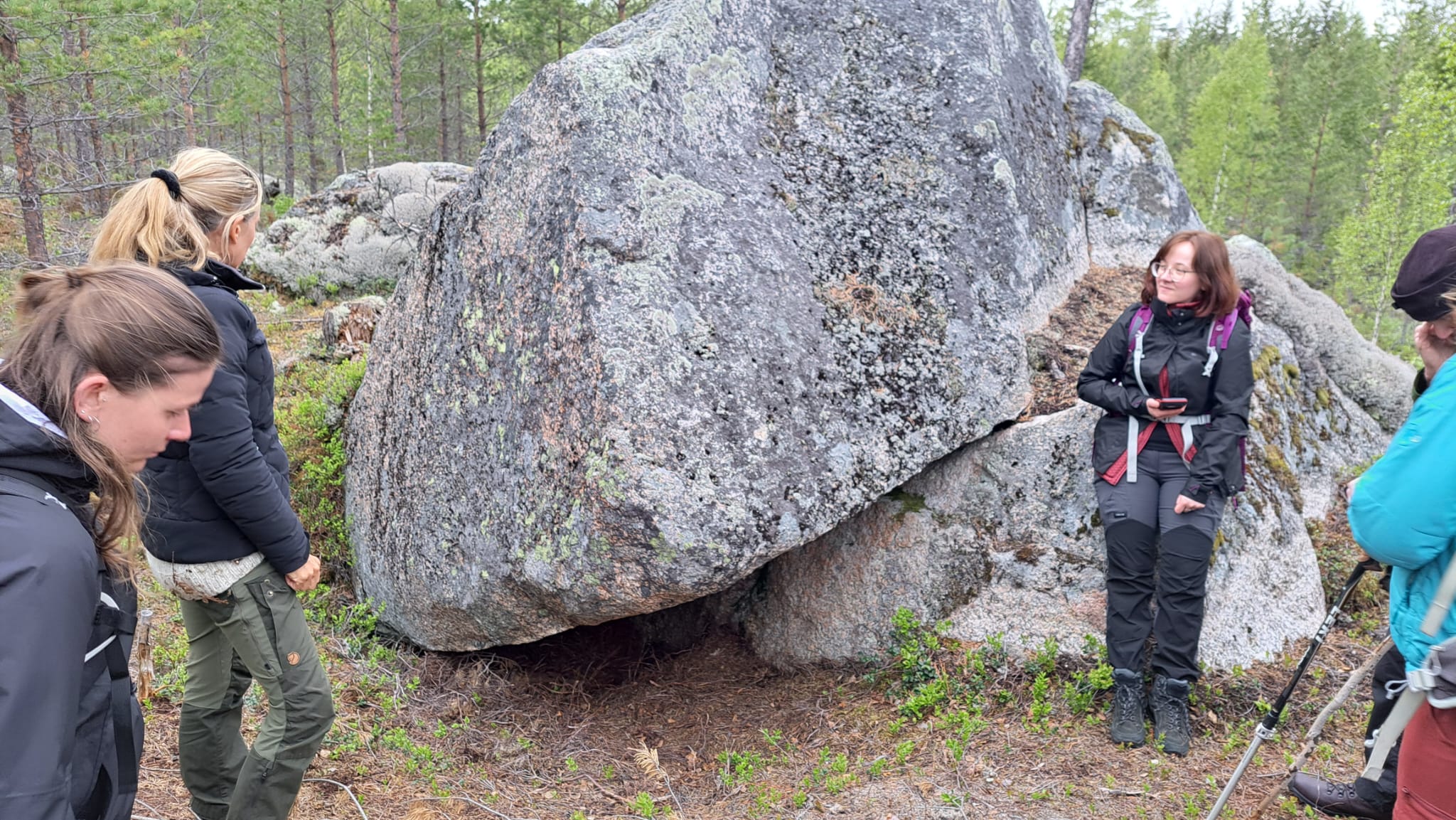
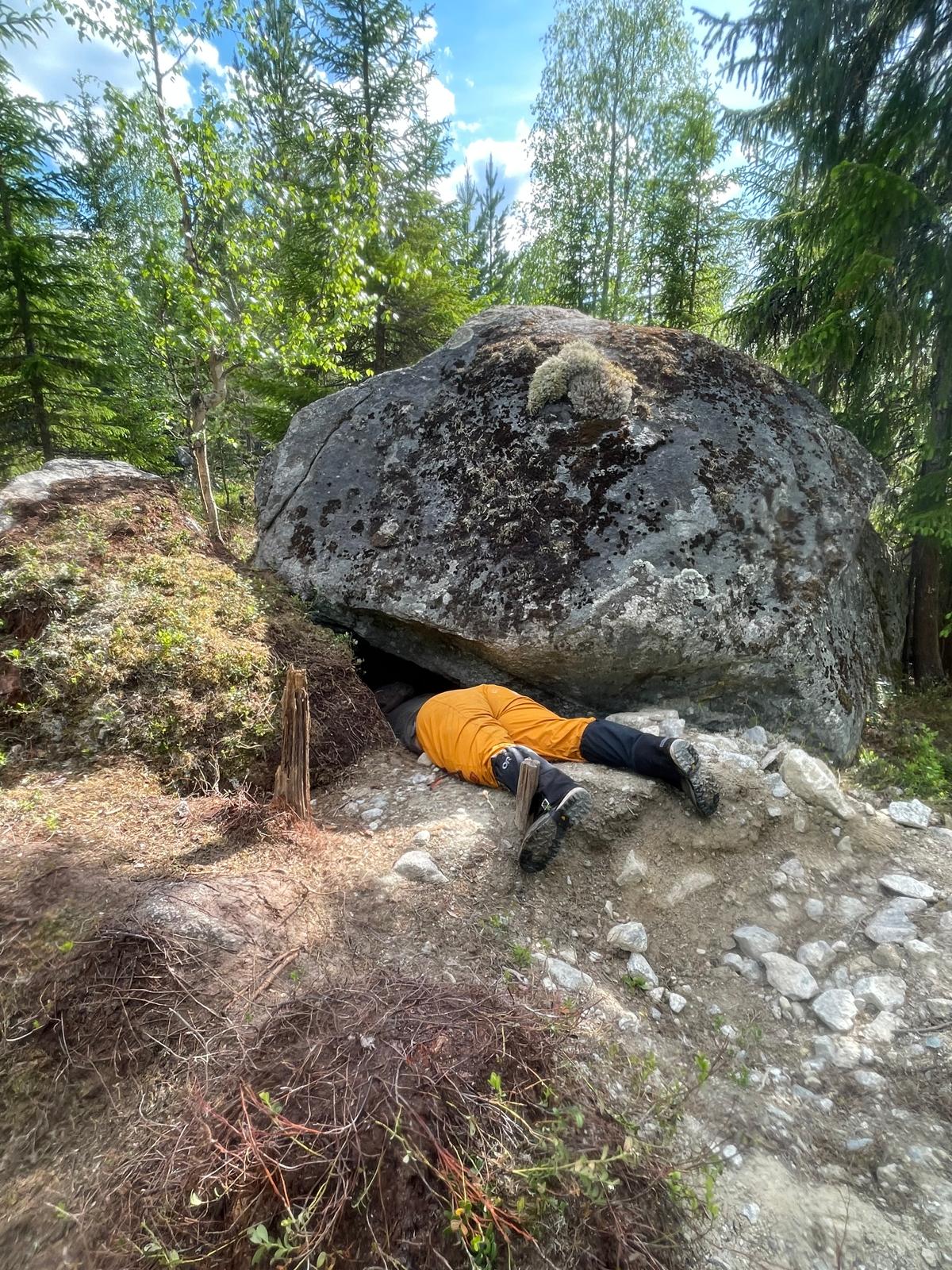
Over the past week, we’ve been checking the hell out of the dens within an hour’s drive of the base in all directions. We’ve studied and recorded soil, rock, anthill, nest and all manner of weird and wonderful dens, crawled into almost all of them (thank you Keira and Sarah for being the pre-eminent den crawlers) to measure and study the inside, found evidence of cubs and feeding and preying and playing.

Here’s a den gallery:

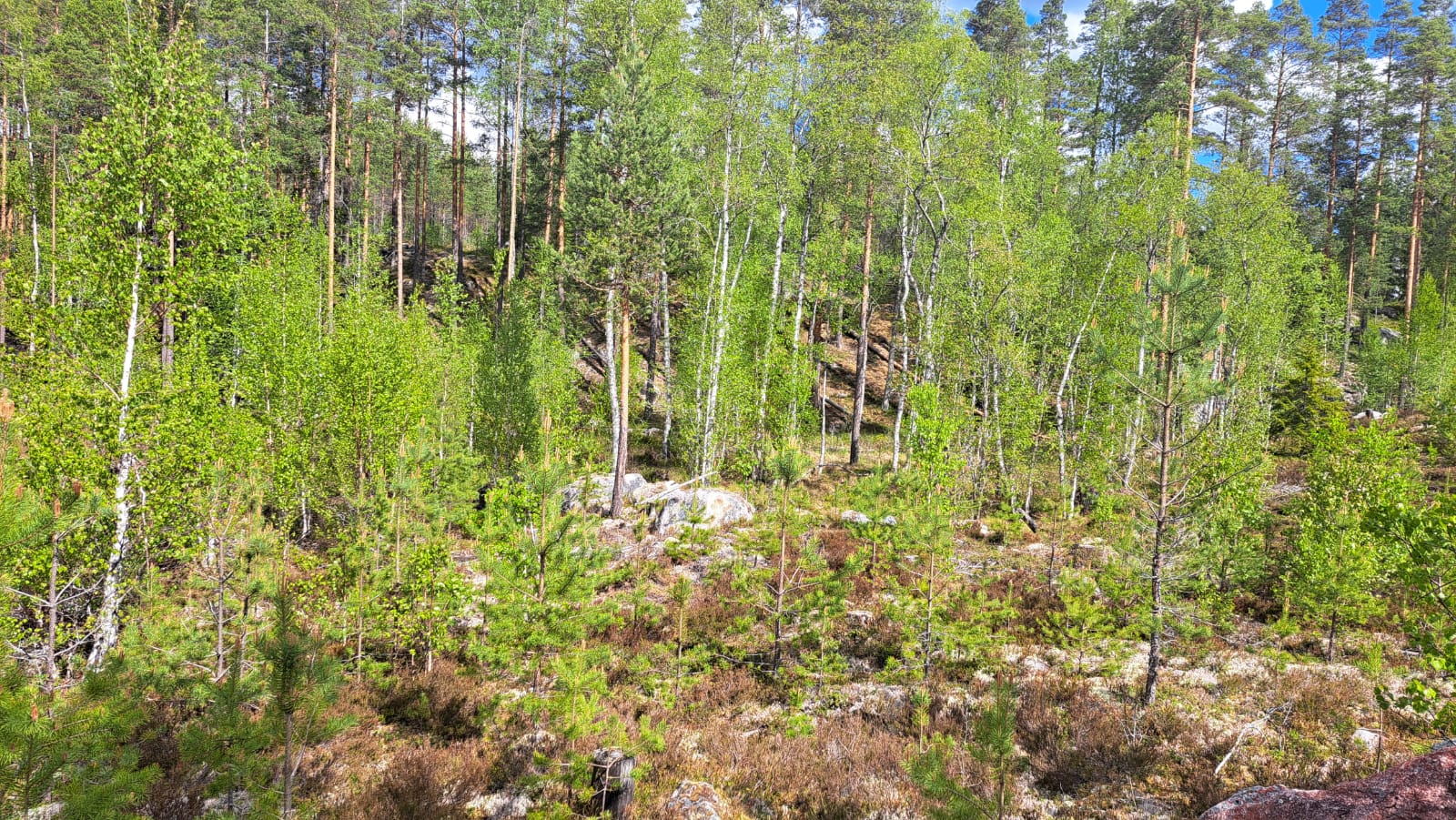
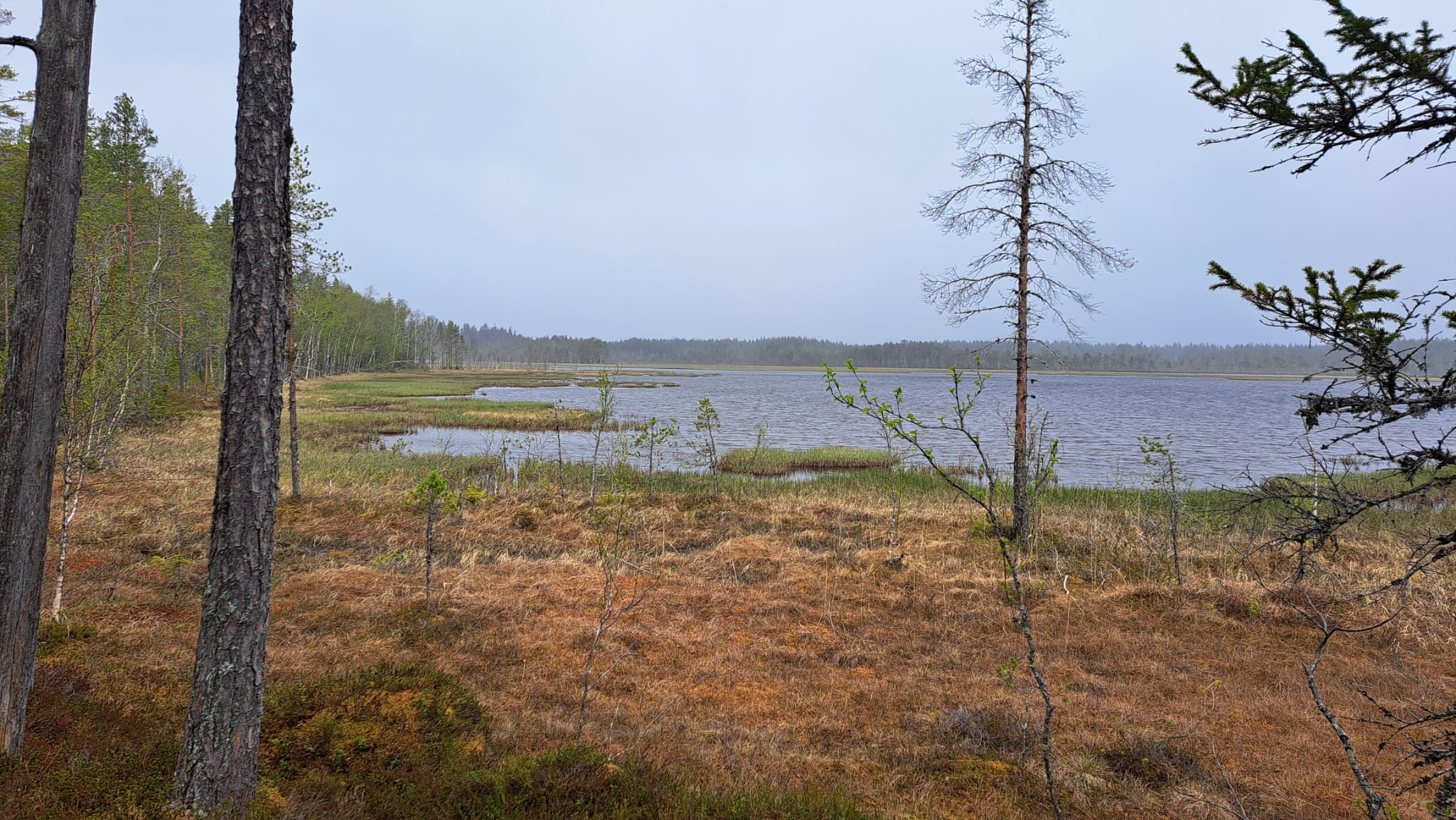
To get to the dens, we’ve negotiated broken ground, bogs, steep hills, gentle slopes, beautiful meadows, rock falls, woods and forests, plantations and clear-cuts, as well as lakes and waterways.

Highlights included coming across a bear crossing the road (“we were all too busy screaming to take pictures”), fox, moose, capercaillie and various other birdlife, crossing a lake on a paddle board to get to a den on a small island, and the team meeting at a local beauty spot for lunch.

Island den-checking

Tomorrow is our last survey day. It’ll be more dens and retrieving some camera traps. Our scientist Andrea will also present some preliminary results. I will share this all in the next diary entry, before we part, ready for a holiday after this research expedition. Thank you for den-checking your guts out team! You deserve a holiday 😉

Continue reading “Sweden : Dens galore”

Sweden : Groove

Update from our Sweden bear volunteer project

After two days of training and recording den data as one group, we have been let loose and are now on our second day of collecting den data by ourselves, in three groups of two or three people.

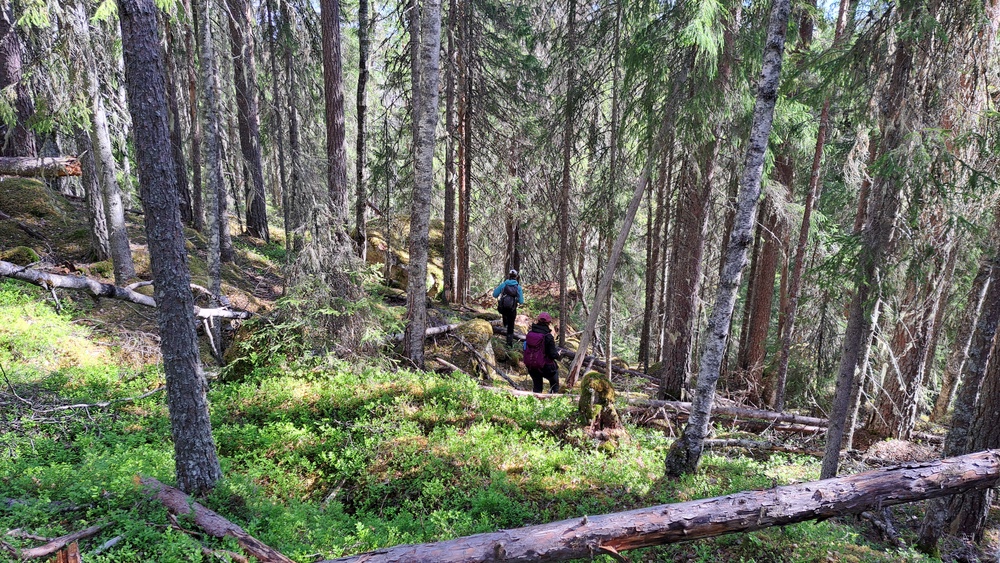
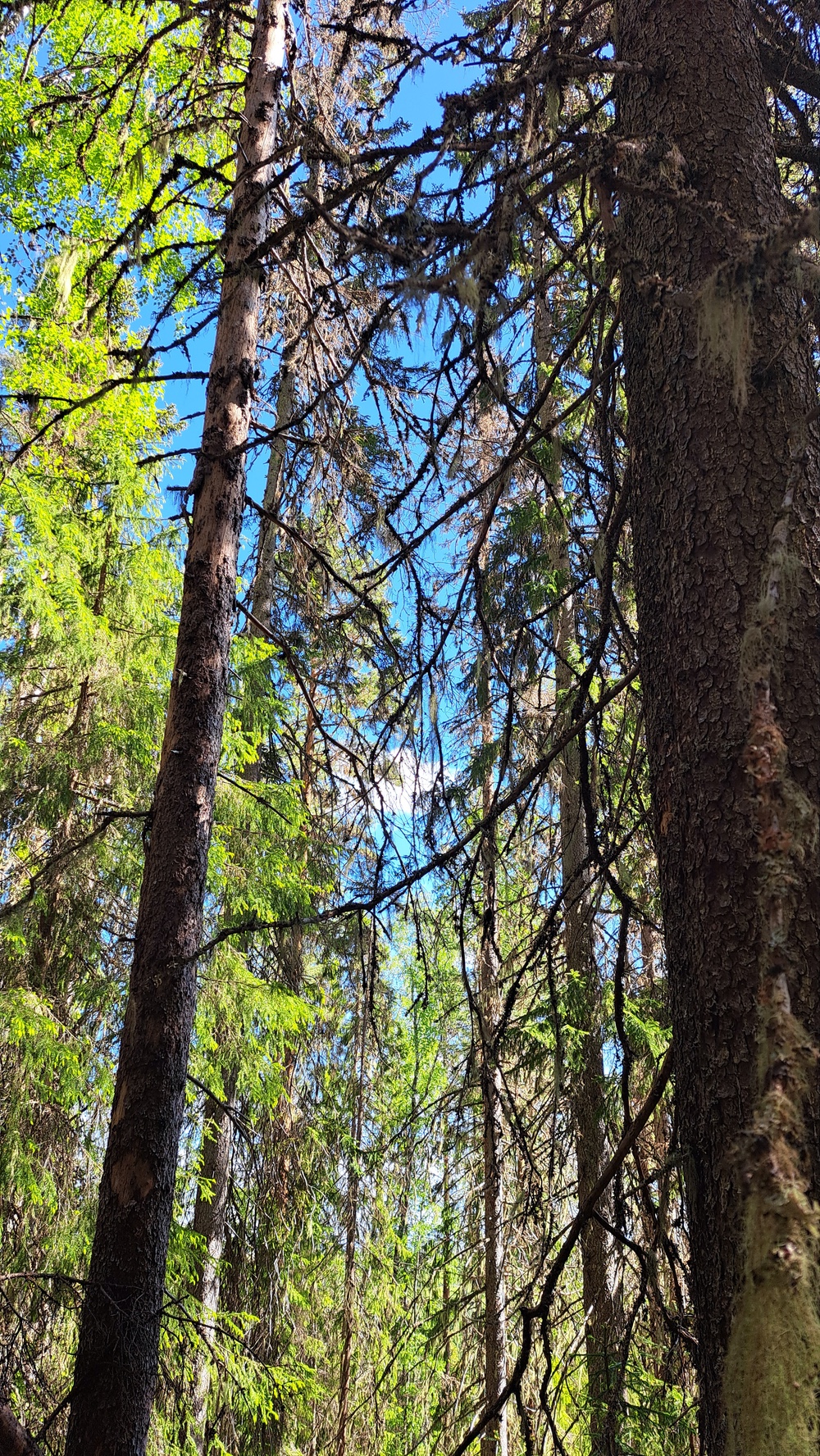
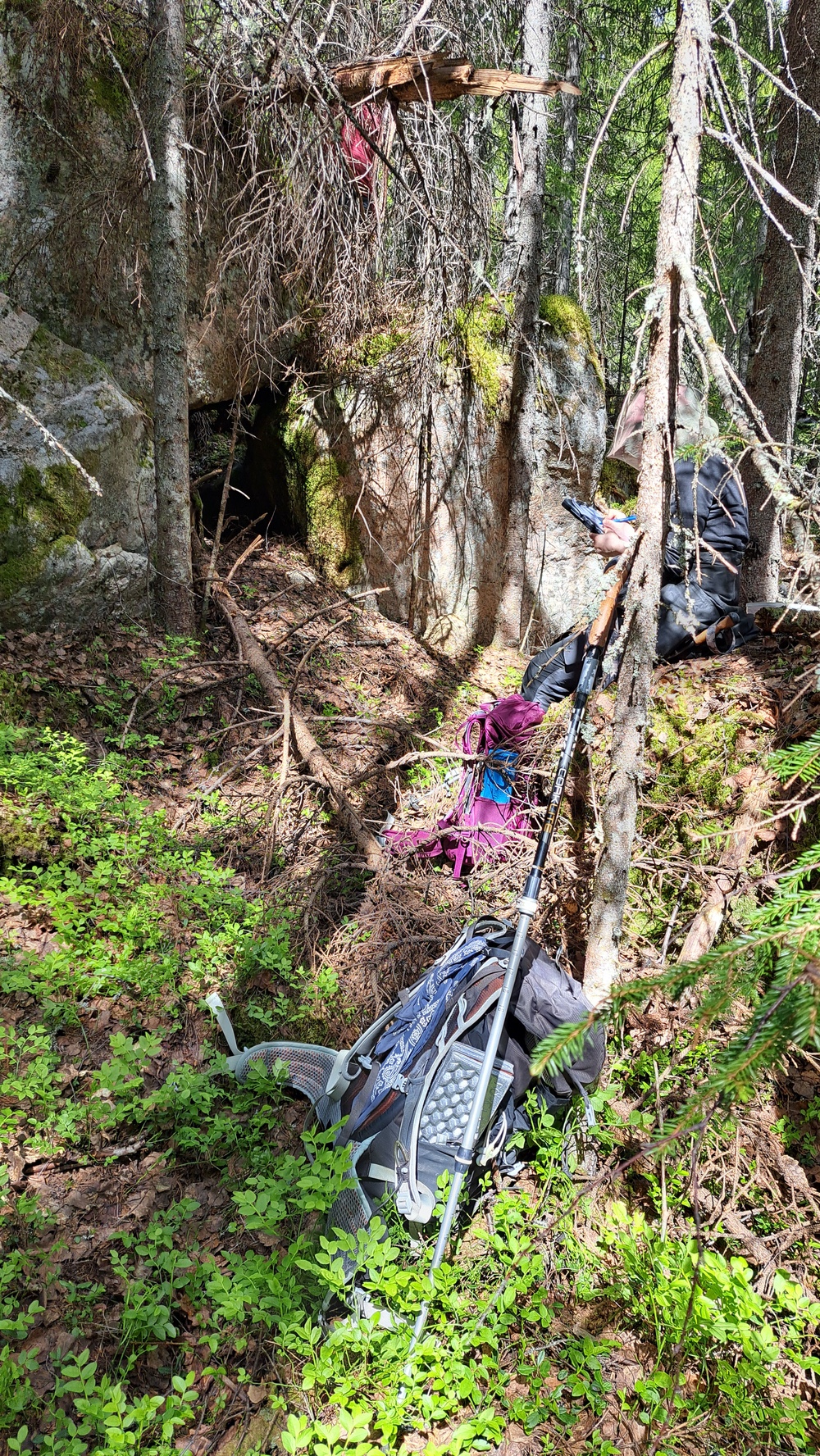
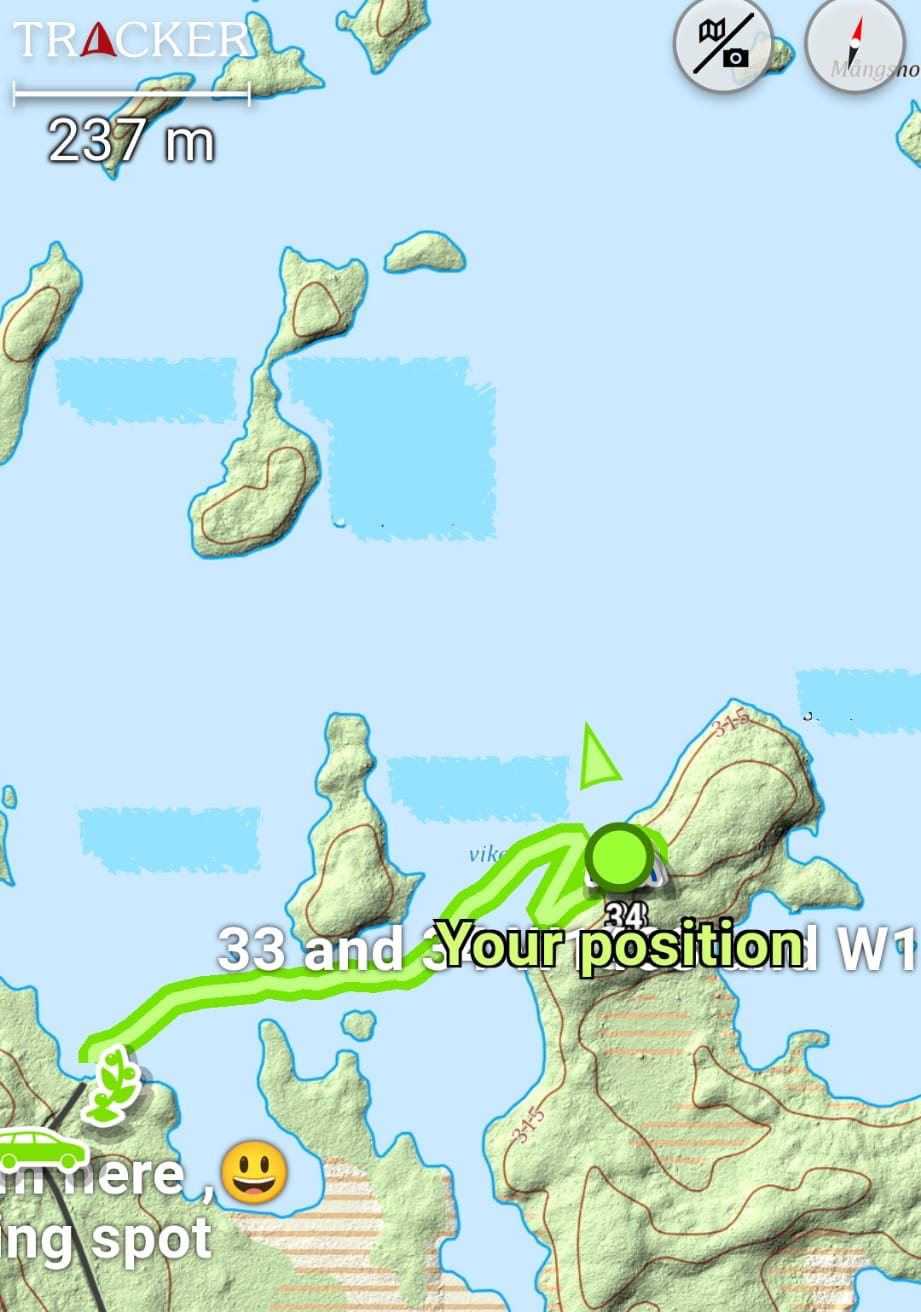
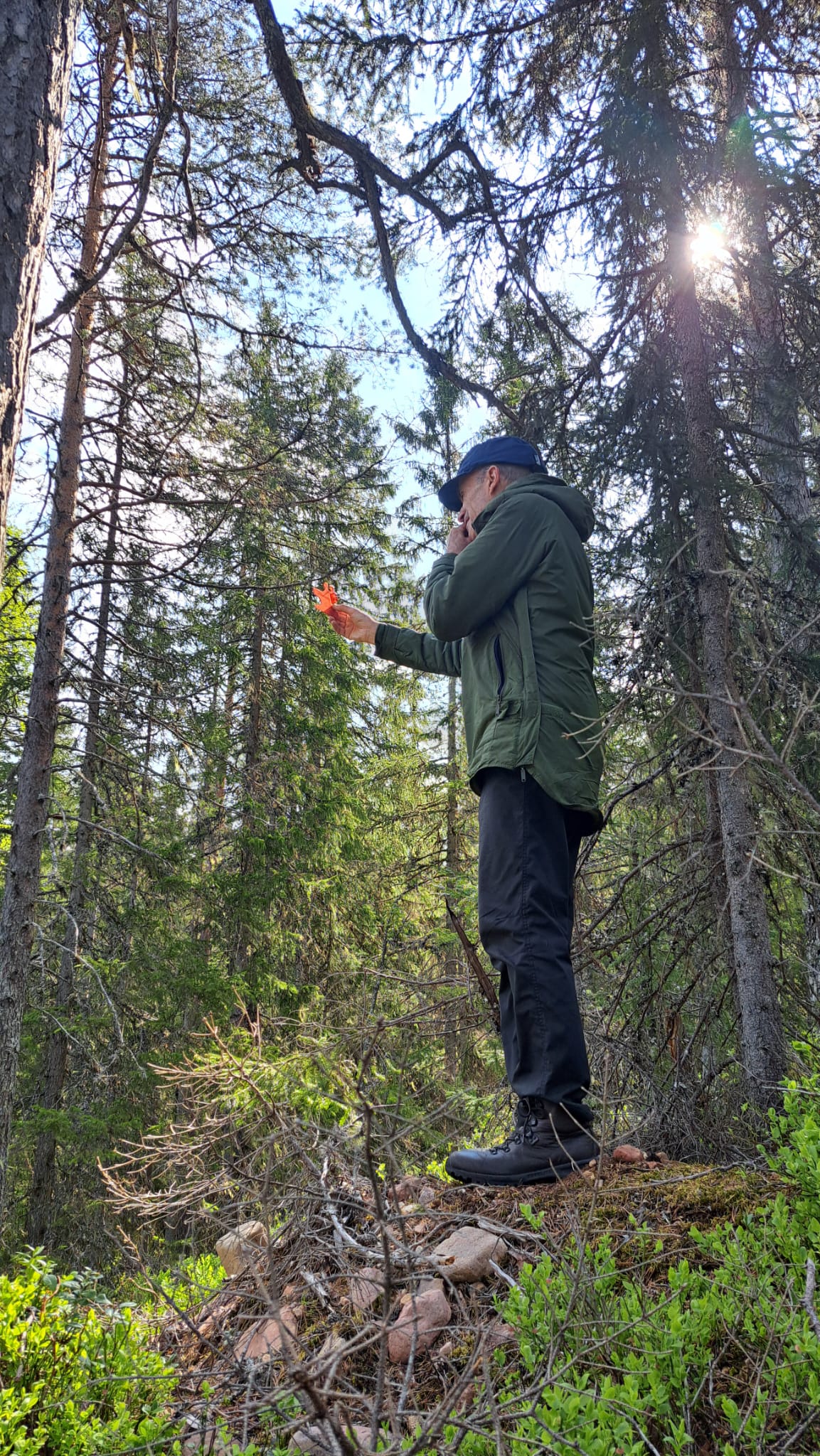
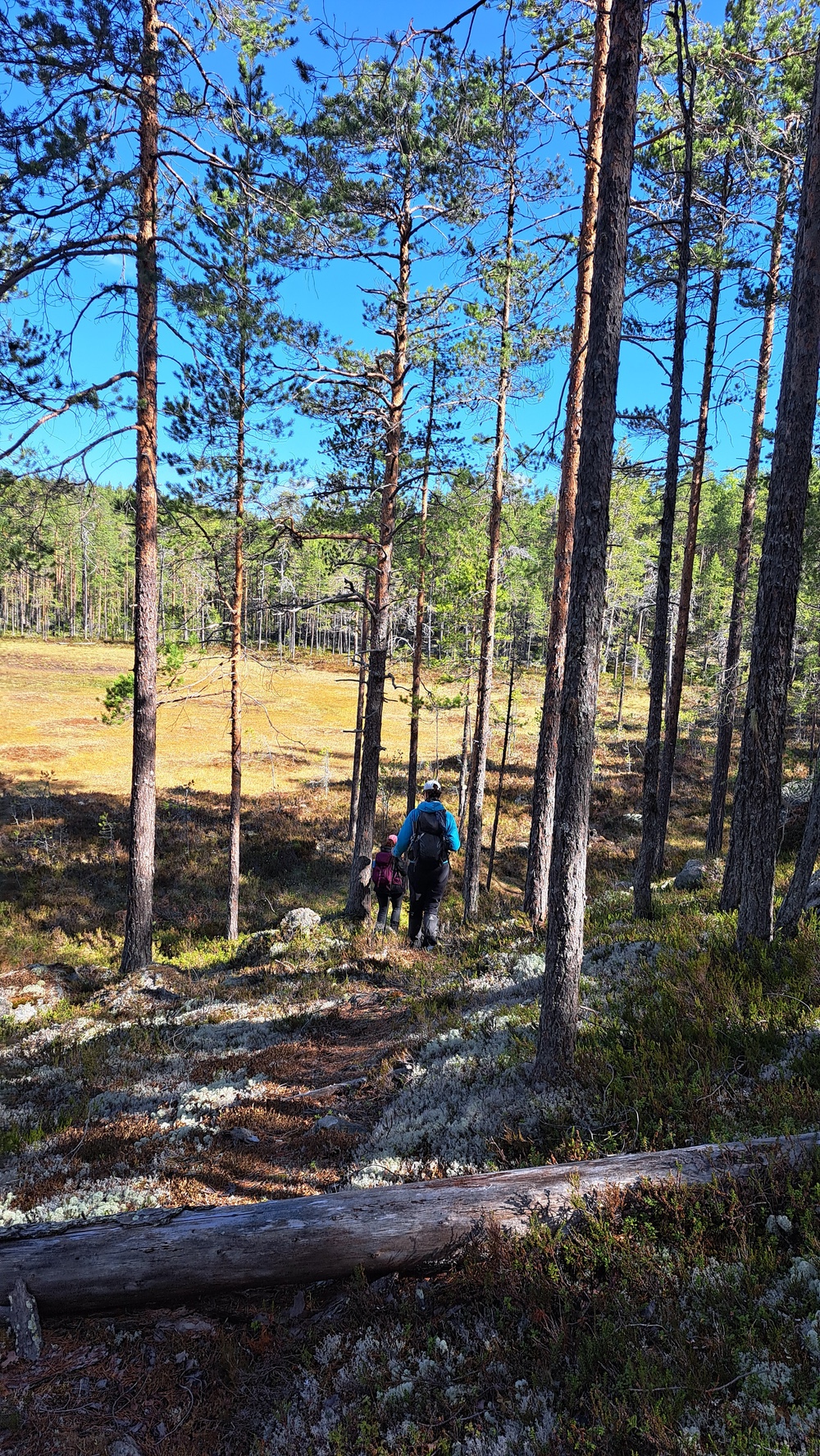
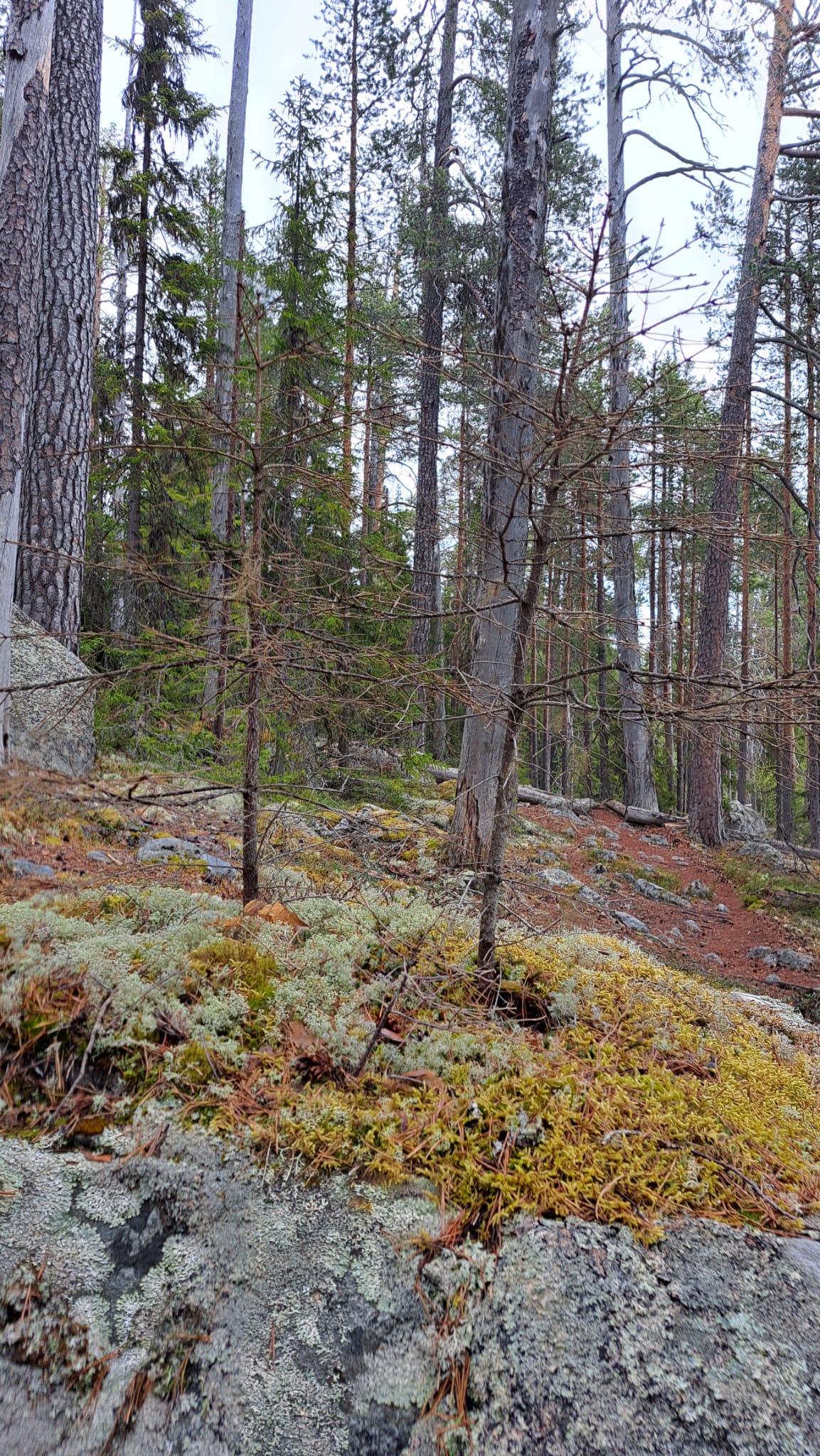
Each morning Andrea assigns dens to us, hidden in the forest. We get their GPS position and some background information and then have to work out how to get there, first in the car, mainly on forest roads to advance as close to the den as we can. Then it’s on foot through enchanted, pathless forests, picking our way through wetlands, bolder fields, carpets of moss, over rocks, birds for company. Sunshine and light through the clouds change as we walk and clamber through quiet groves, past springs and fallen trees to our object of desire: a bear den. Sometimes we only have a few hundred metres to go, sometimes one or two kilometres. It’s slow going. You have to pick a path through the trees, watch your direction on the GPS. It slows you down. It’s not a race. You sink into the forest. Deceleration. Sometimes it’s only a few minutes to the den, sometimes an hour or more.

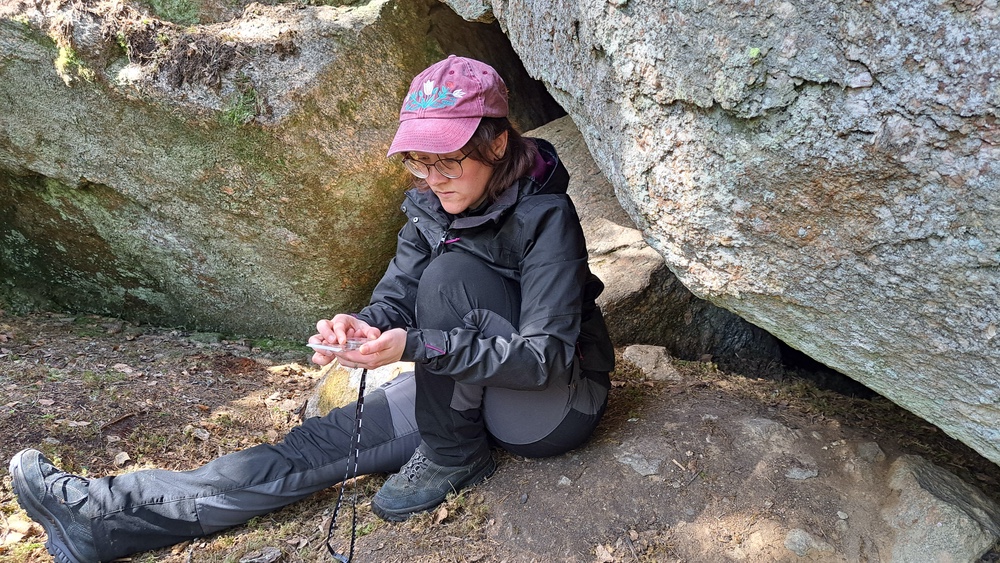
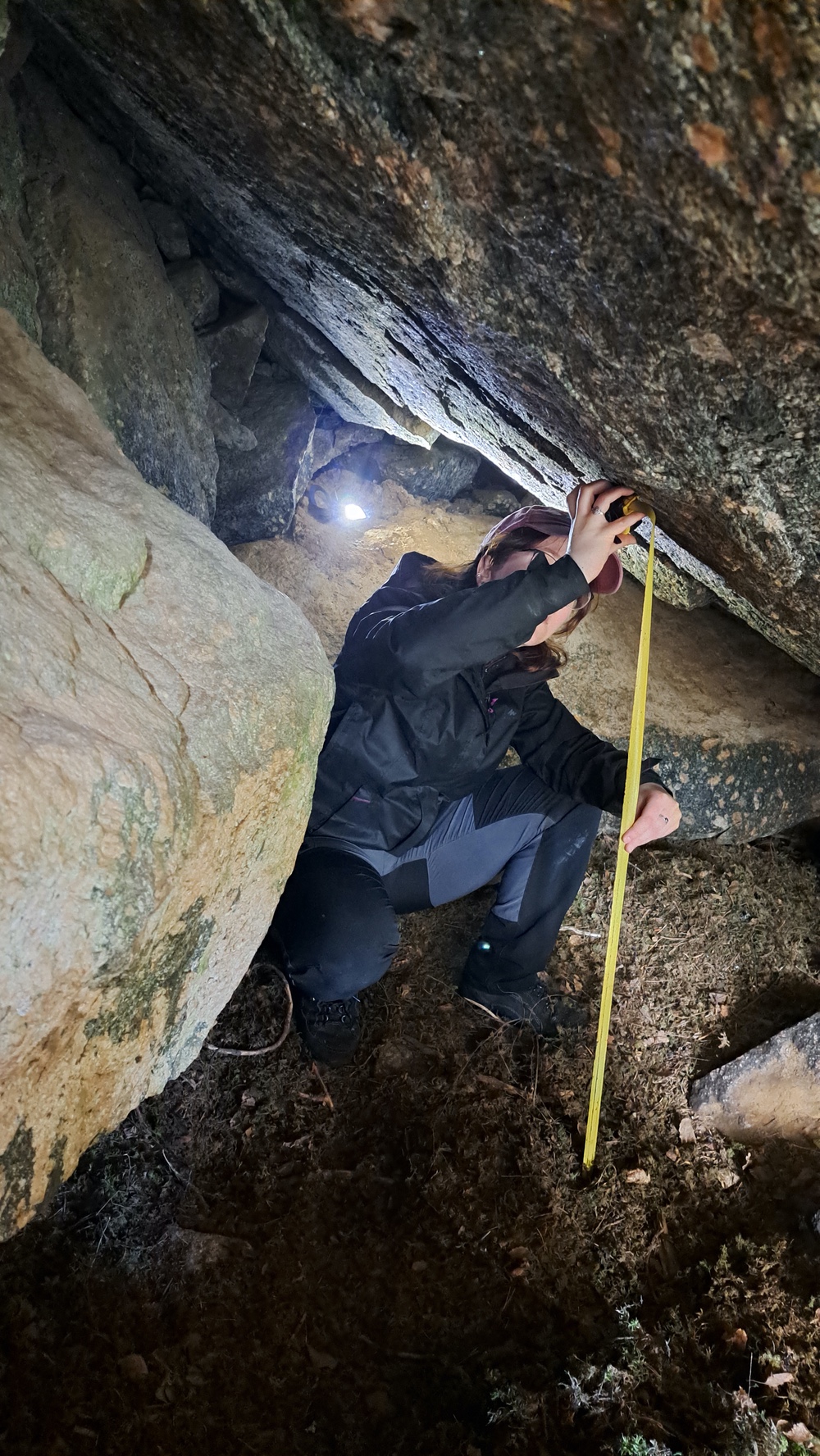
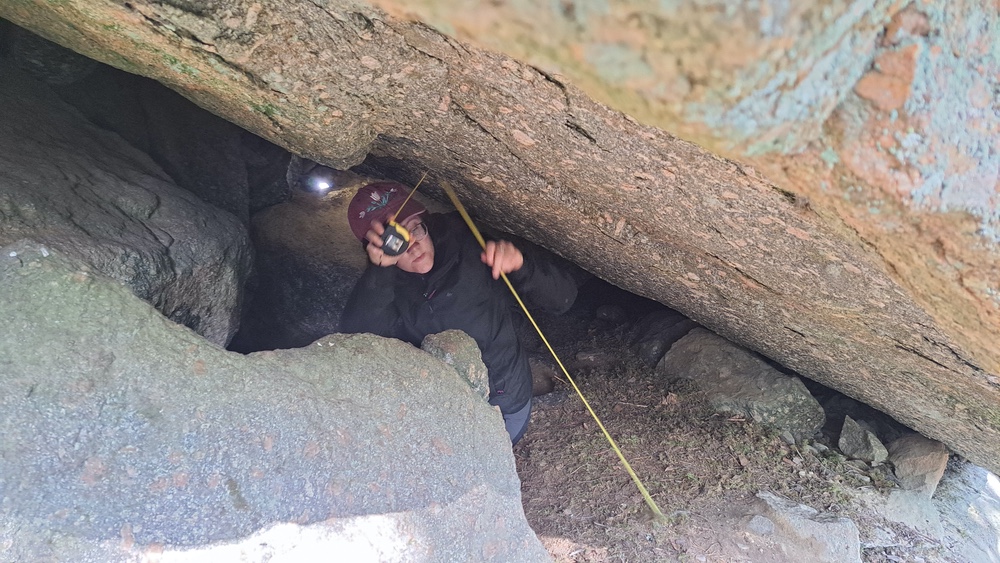
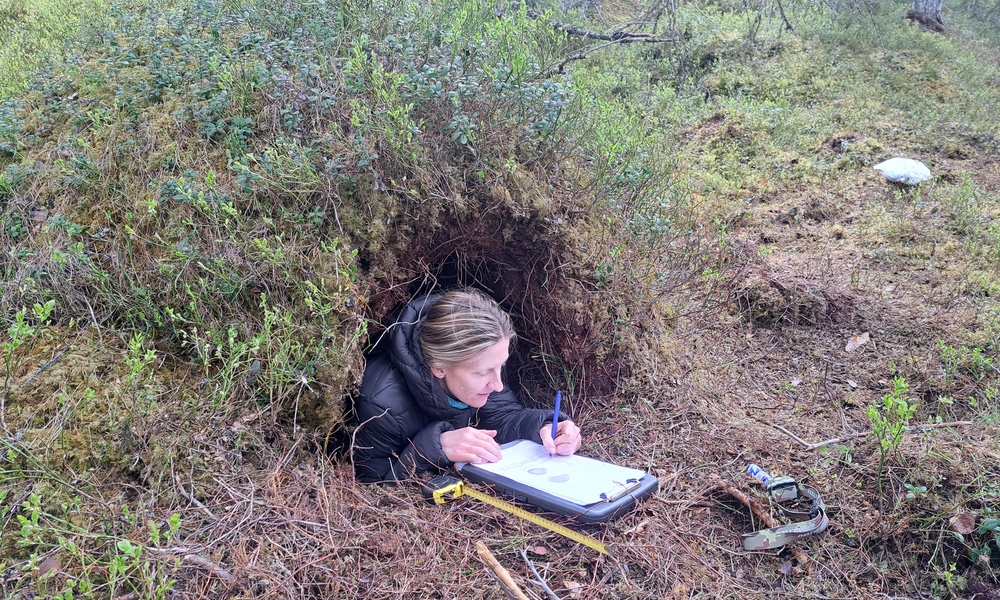
Once at the den, which wants to be found first too, lots of measurements need to be taken. How big is the den and its inside chamber (crawl inside for this)? What bedding did the bear use? What trees make up the surrounding forest? Are there any scratch marks around or scat (collect this). Are there signs of cubs, such as small scratch marks low down on trees, and more. This takes about another hour and is all meticulously recorded. Then back to the car and onto the next den. A group manages between a couple and half a dozen a day, depending how far apart they are in the forest and on the roads.

Measuring the inside of a den

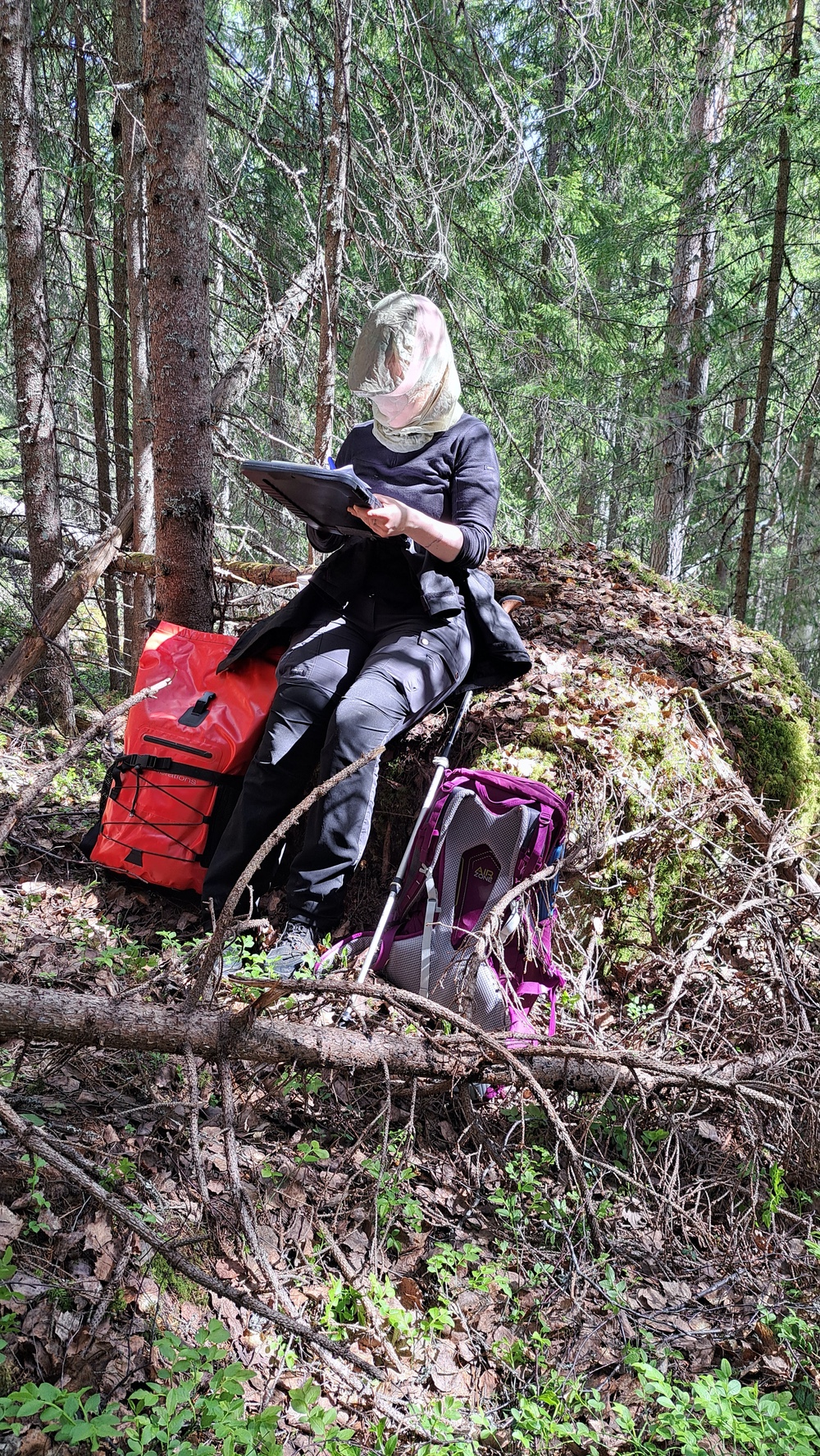
Back to base in the afternoon for a de-brief session where each group tells the others what they found. Tips & tricks are exchanged, Andrea asks questions, wants to know more. Then data entry into the computer and a well-deserved hot dinner. Some fireplace conversations perhaps, for those who haven’t crashed already. Ready for the next day.

Continue reading “Sweden : Groove”

Sweden : Start

Update from our Sweden bear volunteer project

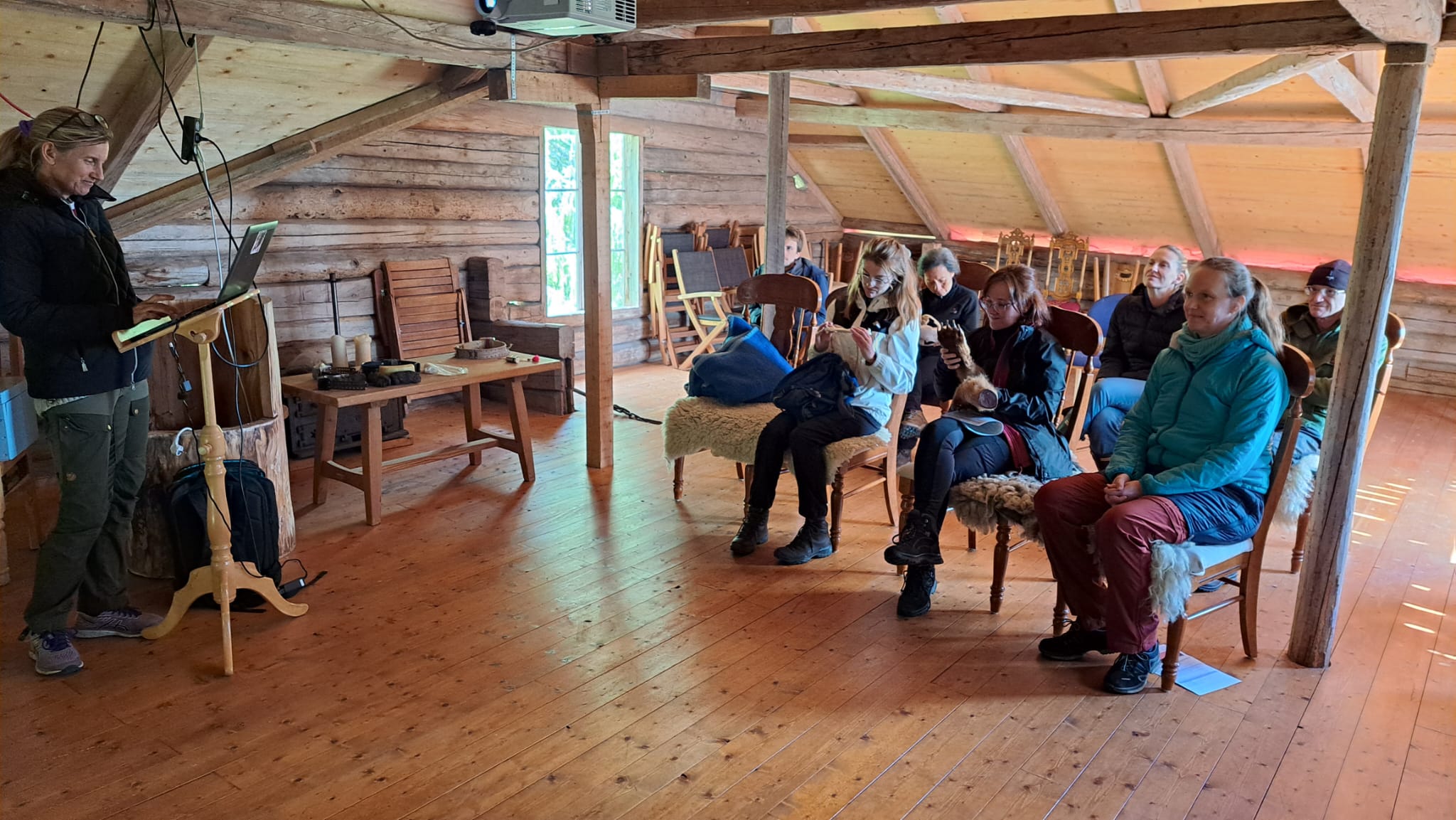
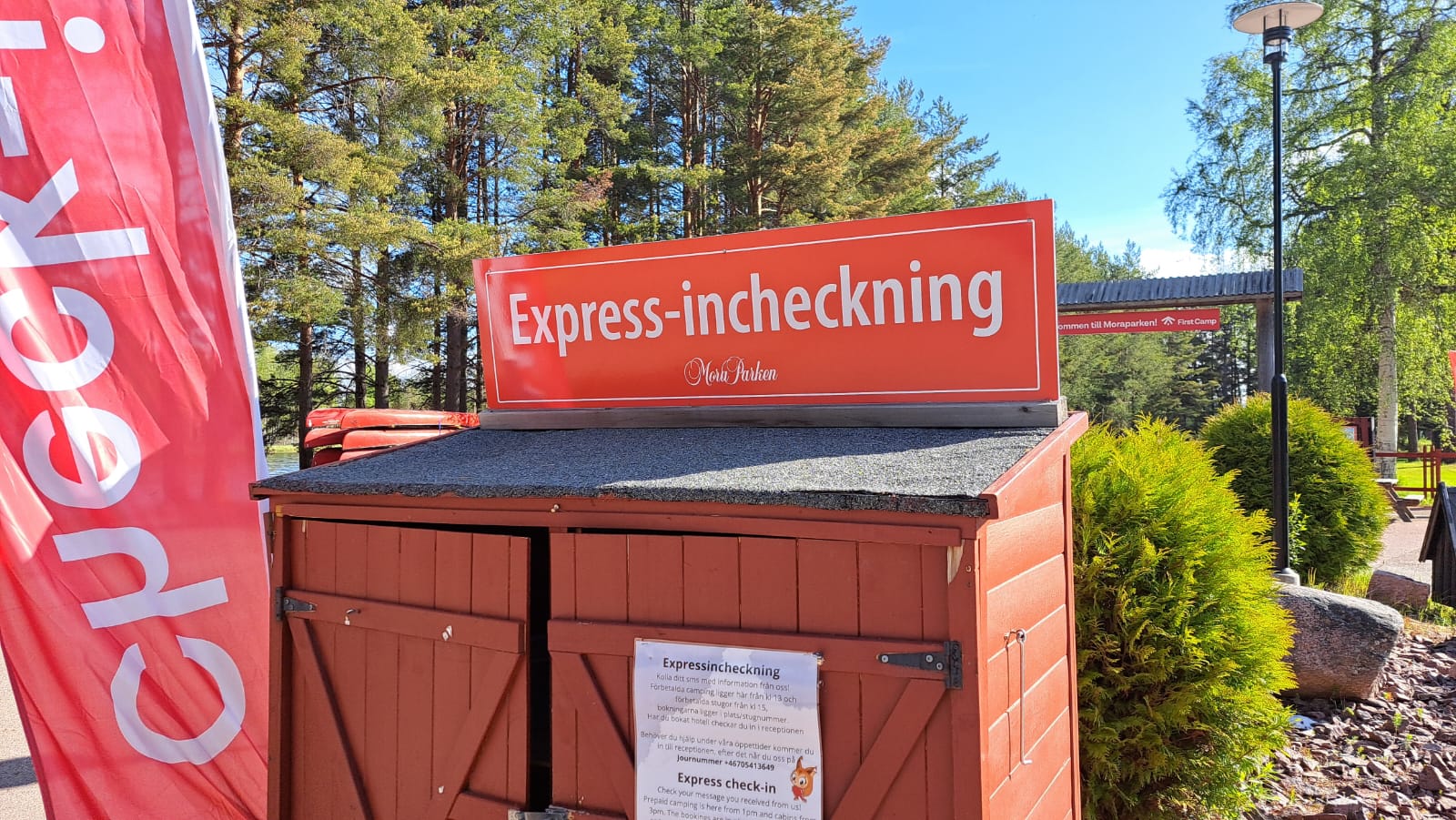
We’re off with everyone here. After some “express-incheckning” in Mora we proceeded to the expedition base and went straight into training for the rest of the morning and early afternoon: What the project is about, why citizen science is so important to it, how the bears are doing, what we will be doing, how to use a GPS & compass, how to pack your research bag and more.

In the afternoon, we checked out some old dens to see what a rock and anthill den look like, as well as an open hibernation nest (the big males just make one of those and let themselves get snowed in). Then a short lecture, dinner with the fire roaring, crash.

More of the same tomorrow. Boring, this life of a field biologist 😉

Continue reading “Sweden : Start”

Sweden : Snow

Update from our Sweden bear volunteer project

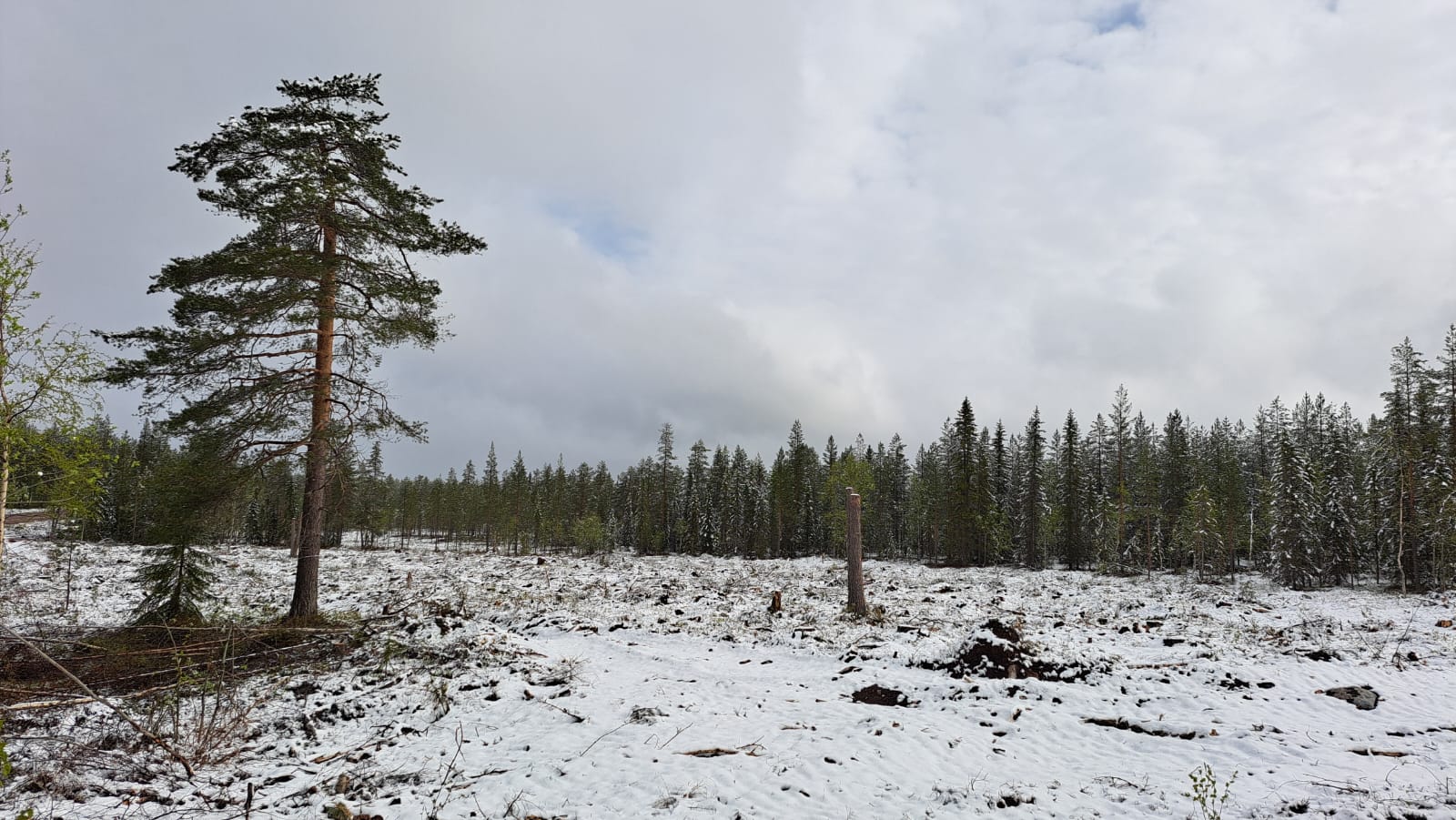
Sweden is as beautiful as ever, so is our expedition base and the surrounding forest. Note that it snowed today.

Snow in May

The bears have not fared too well over the past 12 months. The government has slashed the number of bears it wants alive in Sweden from 2800 to 1400. This has meant that over the past year lots of bears have been killed in the study site, many of them with collars. At the same time the SBBRP has been starved of funds. How all this impacts what we do on the expedition this year, Andrea will explain when you get here. Suffice it to say that your contribution will be as important as ever, if not more.
On the bright side, we’ll be getting everything ready for you over the next few days. The weather forecast says the weather should improve and get warmer by the time you arrive, but come prepared for fours seasons anyway.

So safe travels and I’ll leave you with some impressions from today…

Continue reading “Sweden : Snow”

Sweden : Opener

Update from our Sweden bear volunteer project

It’s time for our 2025 edition of our Sweden bear expedition, working in collaboration with Björn & Vildmark (bear & wilderness). I am Matthias Hammer and I will be your expedition leader this year.

Expedition base

This is our fifth citizen science research expedition in Dalarna province, Sweden, gathering field data on brown bears (Ursus arctos), contributing to the conservation of this iconic Scandinavian mammal. The data collected is used by the trans-national Scandinavian Brown Bear Research Project (SBBRP). Expedition scientist Dr Andrea Friebe has worked in the SBBRP since 1998 and wrote her master thesis and dissertation about brown bear hibernation and ecology in Sweden.

Dr. Andrea Friebe

The main focus of the Biosphere Expeditions brown bear research expeditions is locating and surveying winter dens used by bears that have previously been fitted with tracking devices. Once the bears have left in spring, each winter den is then carefully measured by the citizen scientists and a wide range of data are collected relating to the type of den, the surrounding habitat and any evidence of cubs and/or bear scats at the den site. The data gathered by the expeditions are used by the SBBRP as part of their long-term research programme following the lives of specific bears from birth to death, to gain insights into bear diet, weight development, patterns of movement, colonisation of new areas, choice of den, social behaviour, mortality and reproduction. Inter-species interaction with moose and domestic livestock have also been investigated, as well as the sensitivity of bears to human disturbance and human-bear conflict. The purpose of this all this is to provide managers in Norway and Sweden with solid, fact-based knowledge to meet present and future challenges by managing the population of brown bears, which is both an important hunted species and a source of conflict, and whose management has been changing rapidly in recent years.
Investigating a den

So, here we are. I hope you have read the latest expedition reports, your preparations are going well and you are all excited. I will be a few days ahead of you and my next diary entry will be from Sweden with updates from the ground.

Continue reading “Sweden : Opener”