
Update from our Malawi expedition volunteering with elephants, hippo, cats, pangolins and African biodiversity
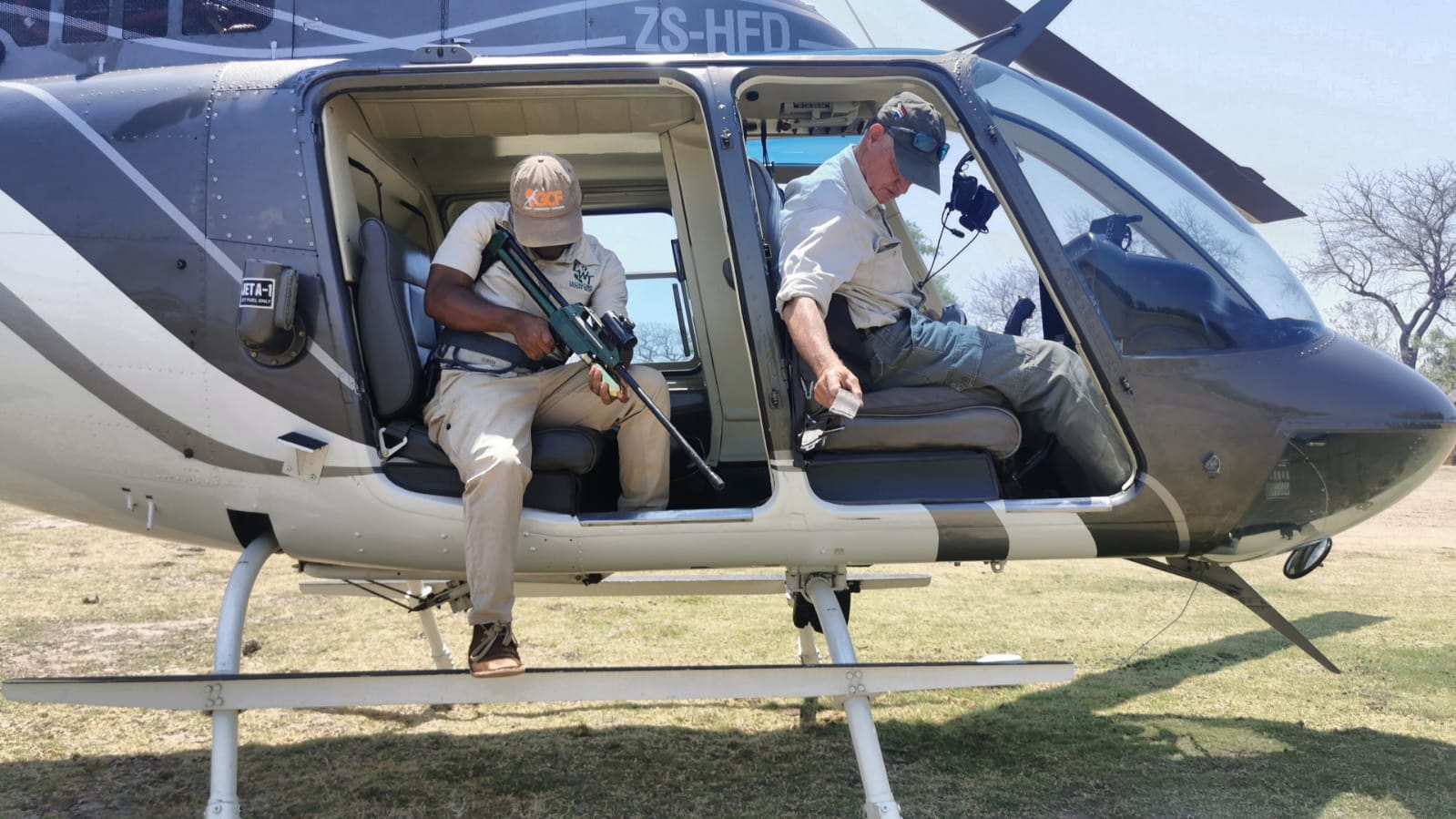
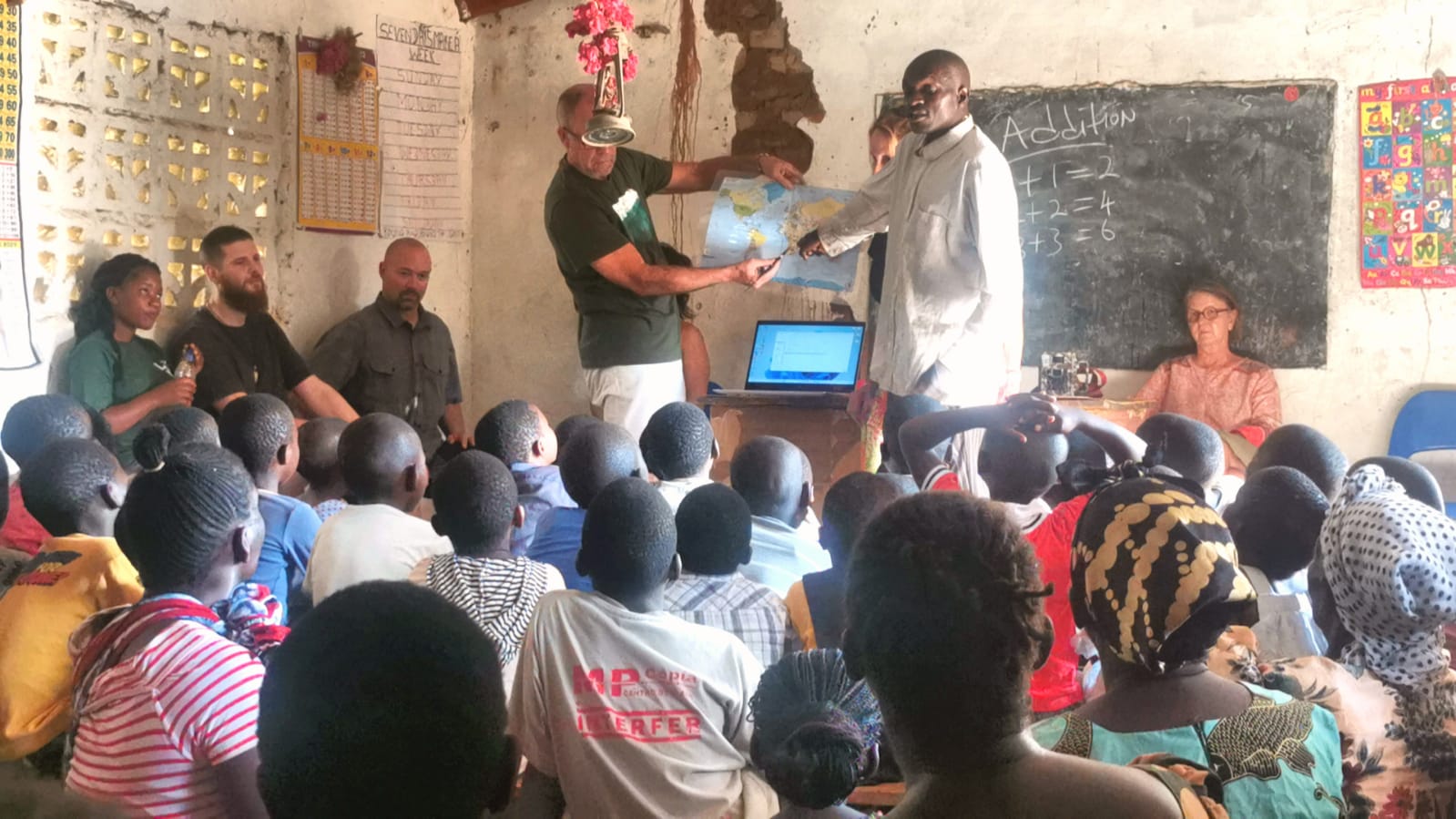
Biosphere Expeditions have continued their long term partnership with Lilongwe Wildlife Trust (LWT), researching and monitoring wildlife populations in the Vwaza Marsh Wildlife Reserve in Malawi.
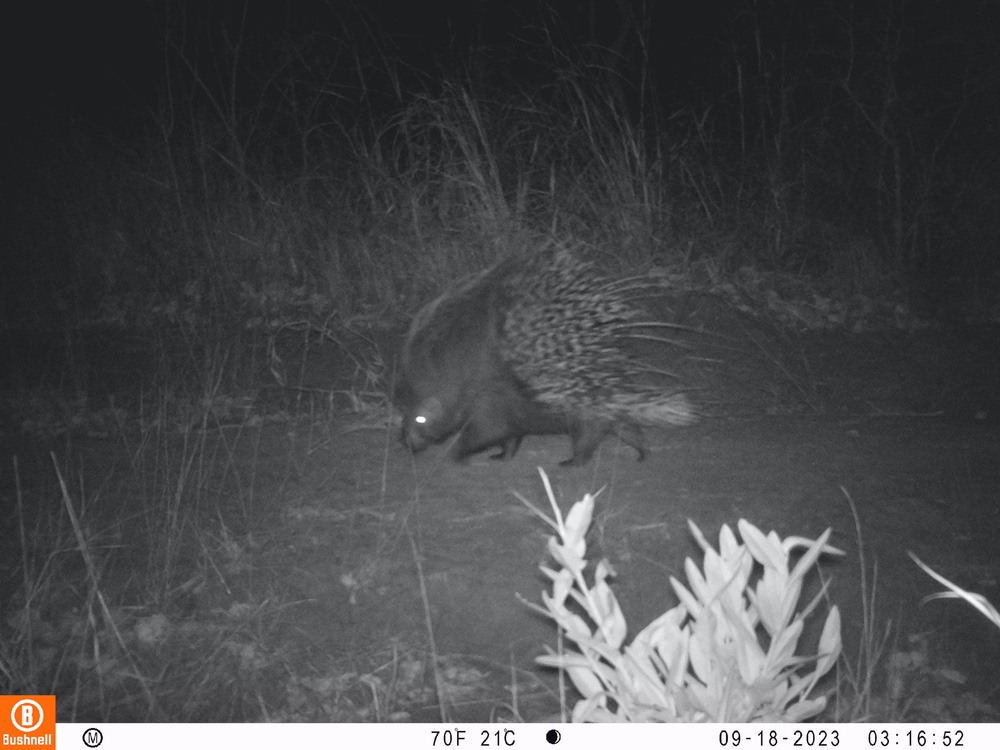
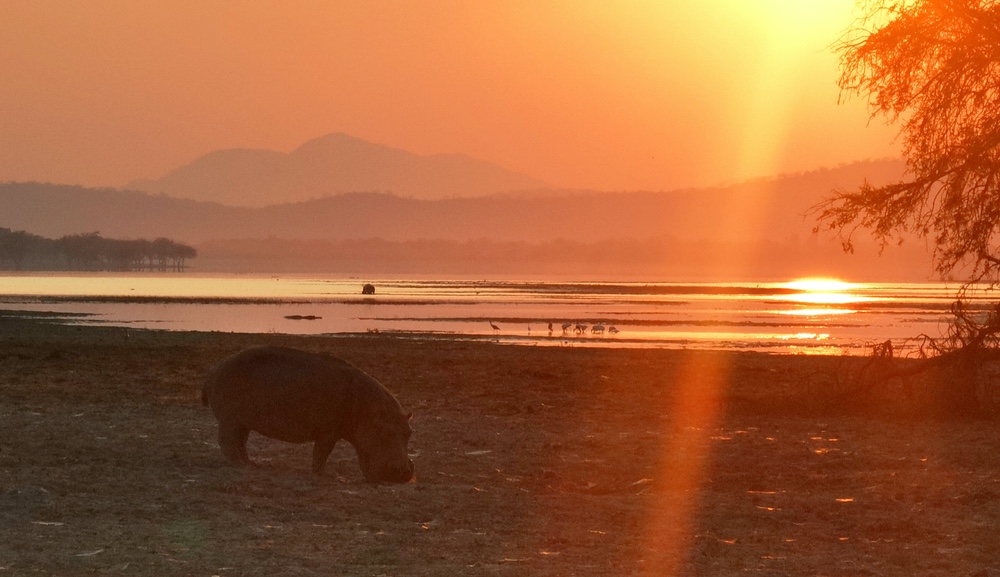
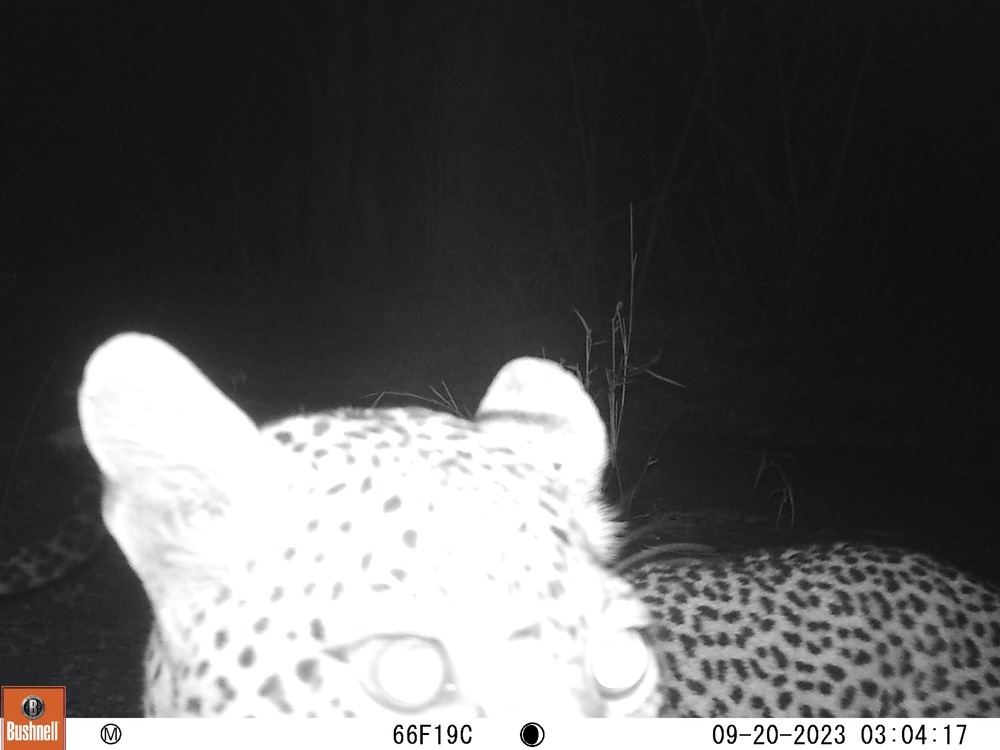
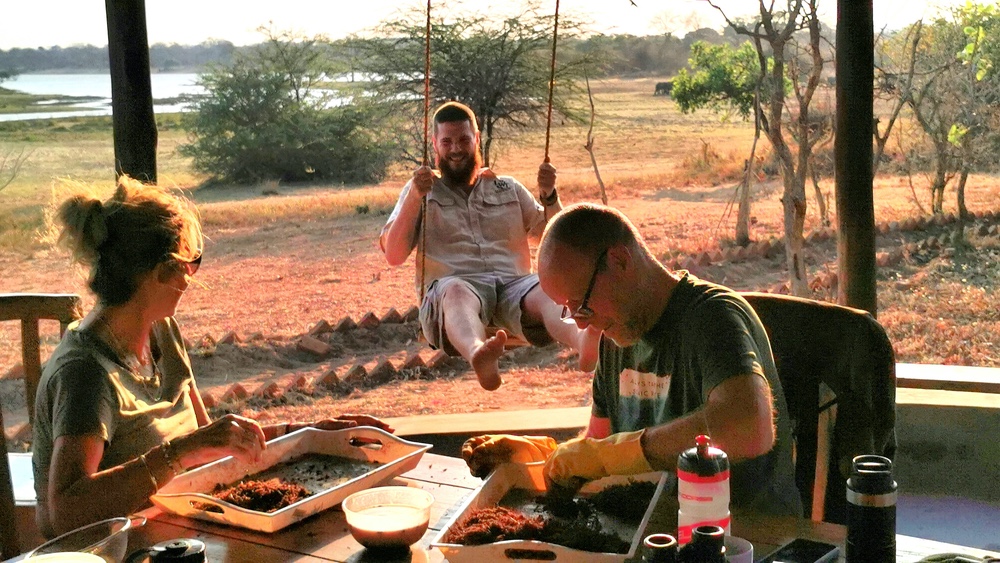
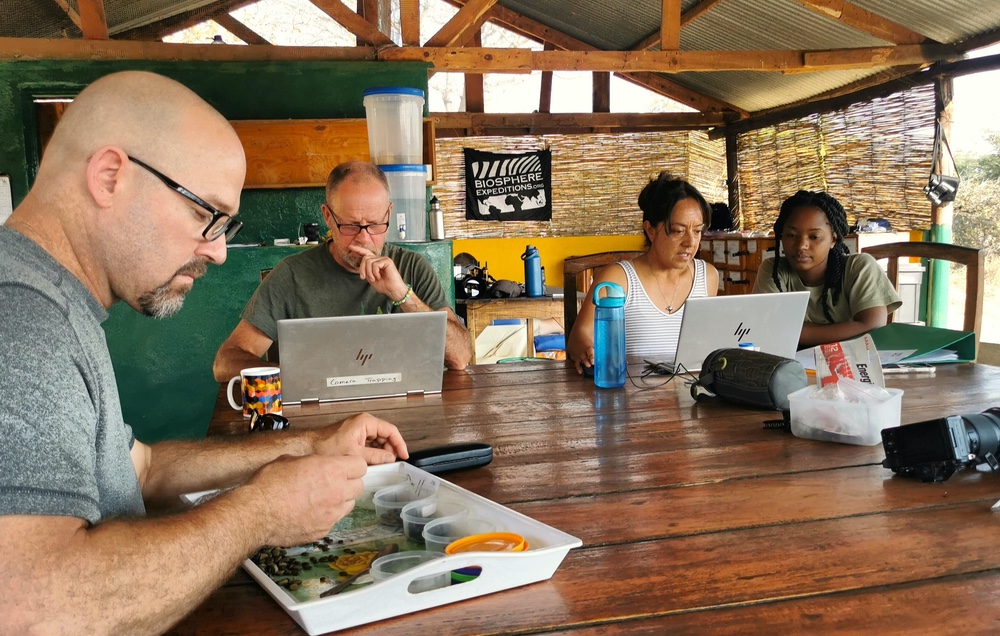
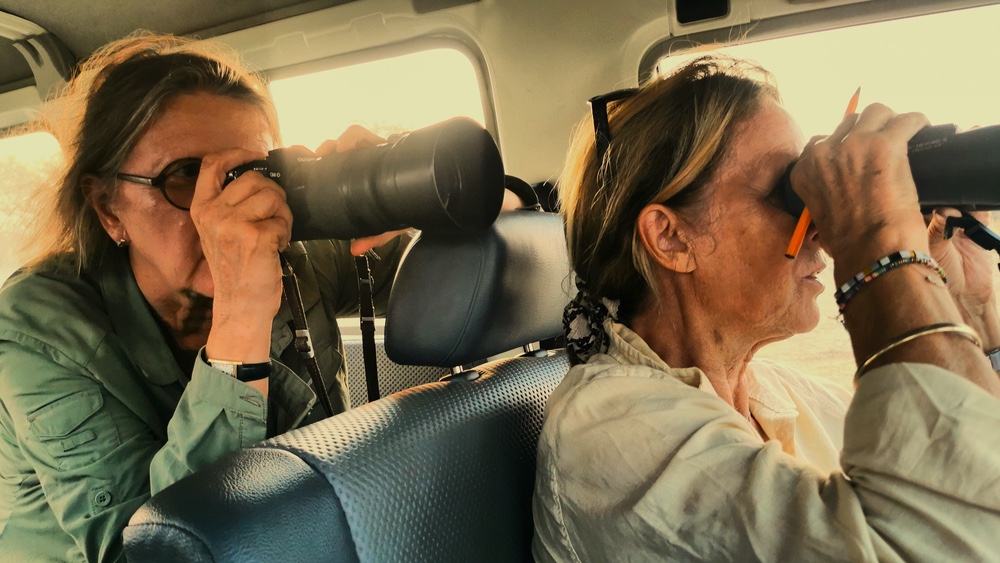
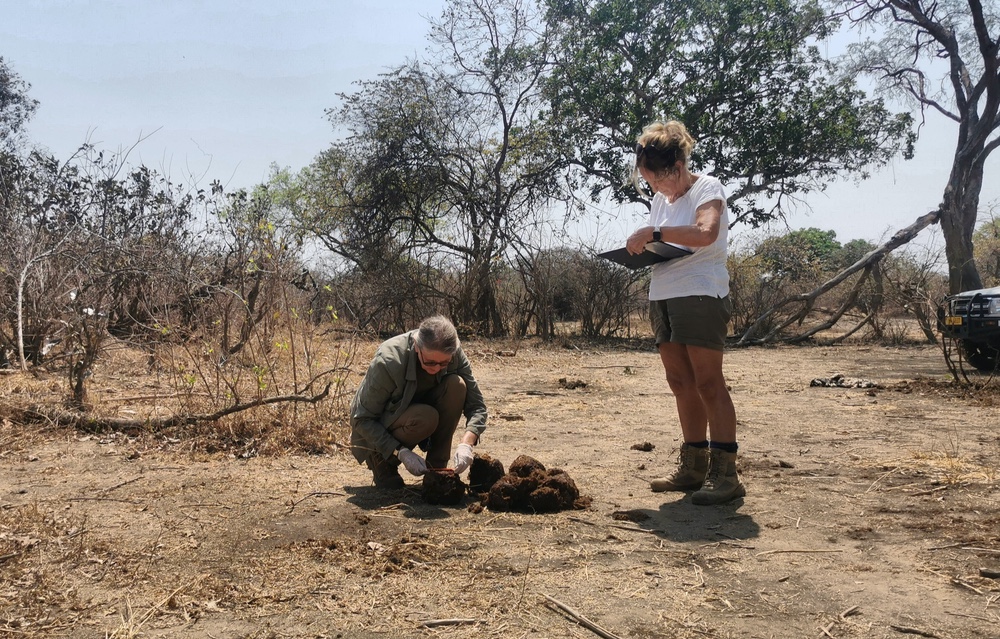
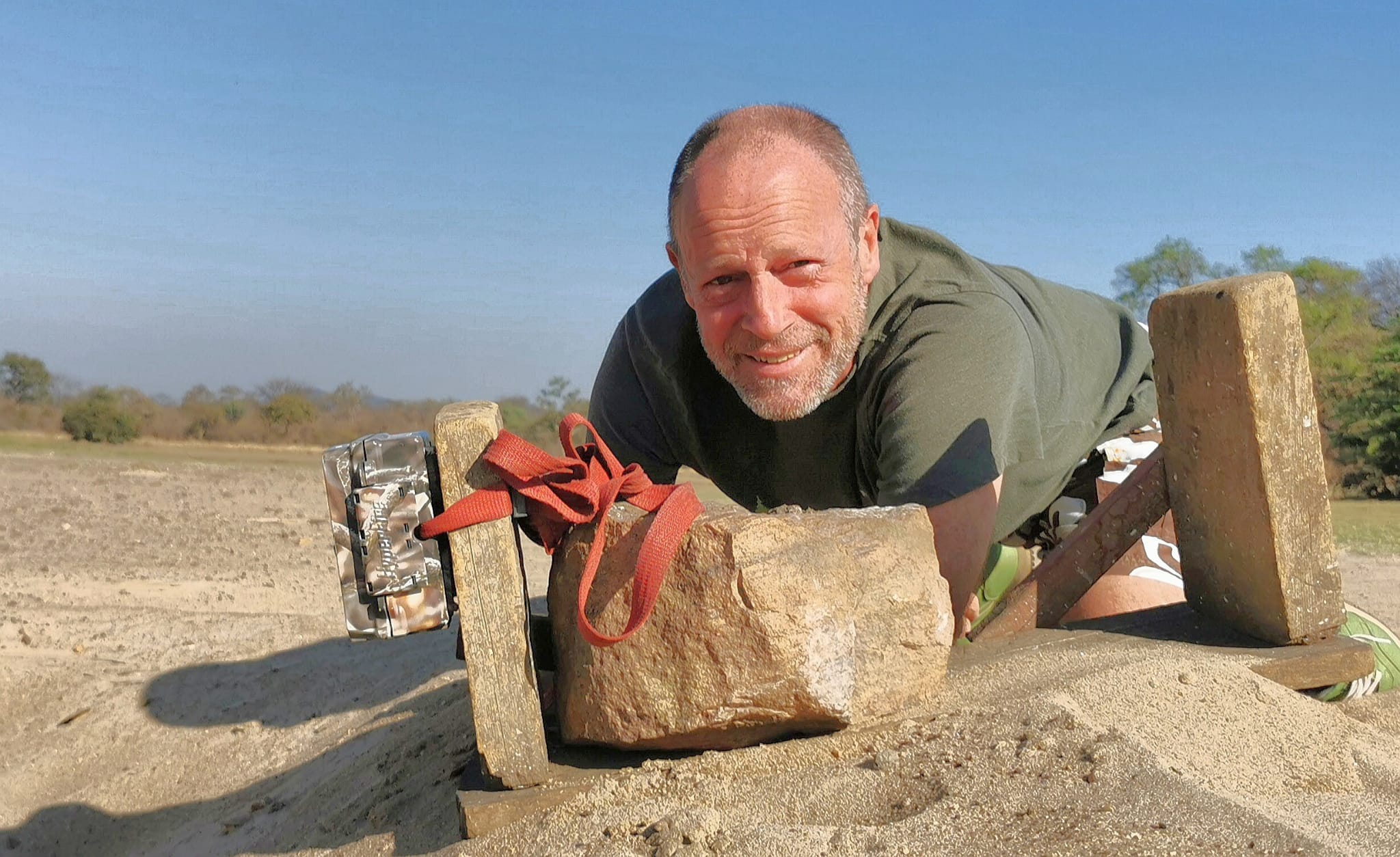
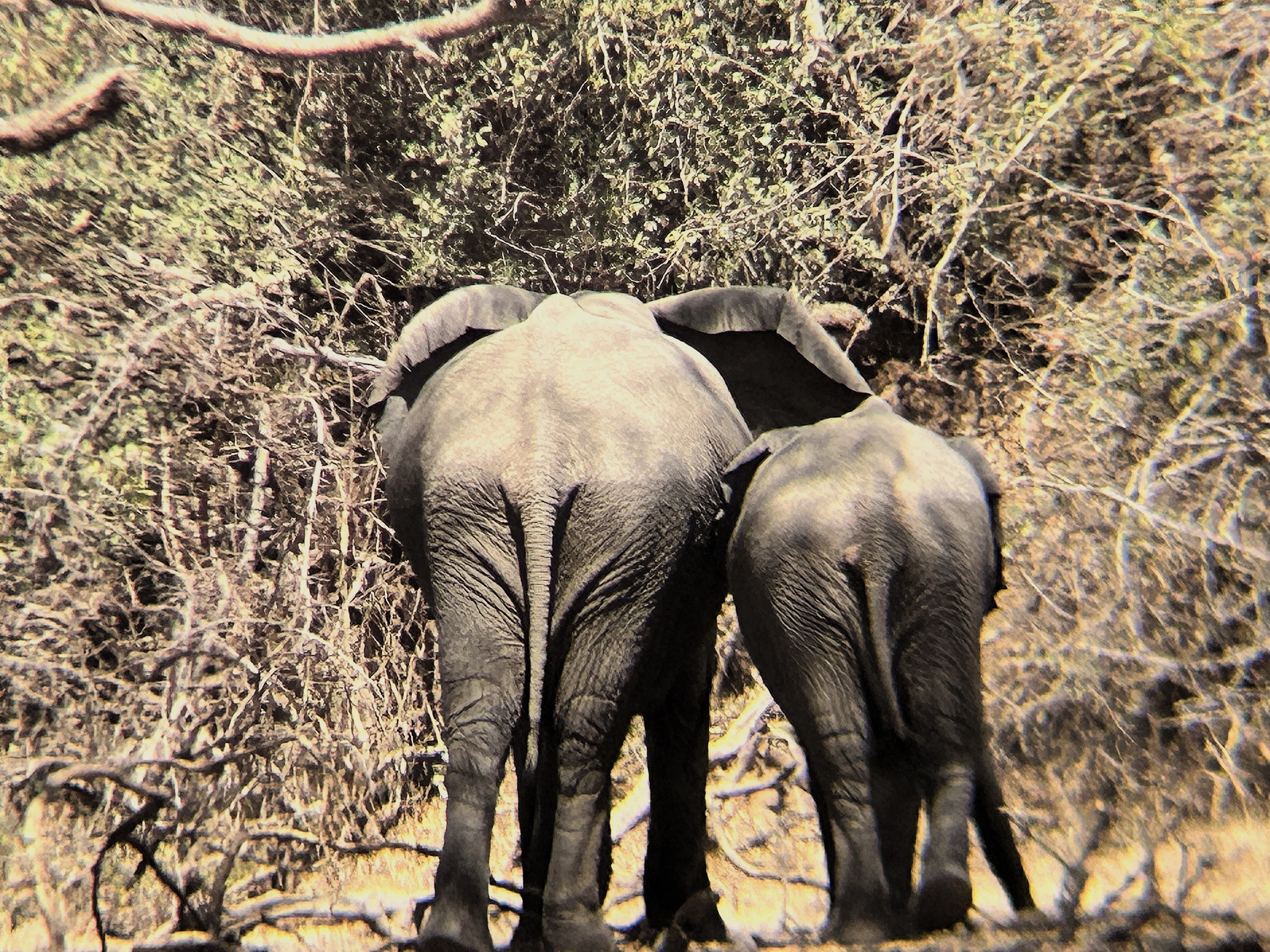
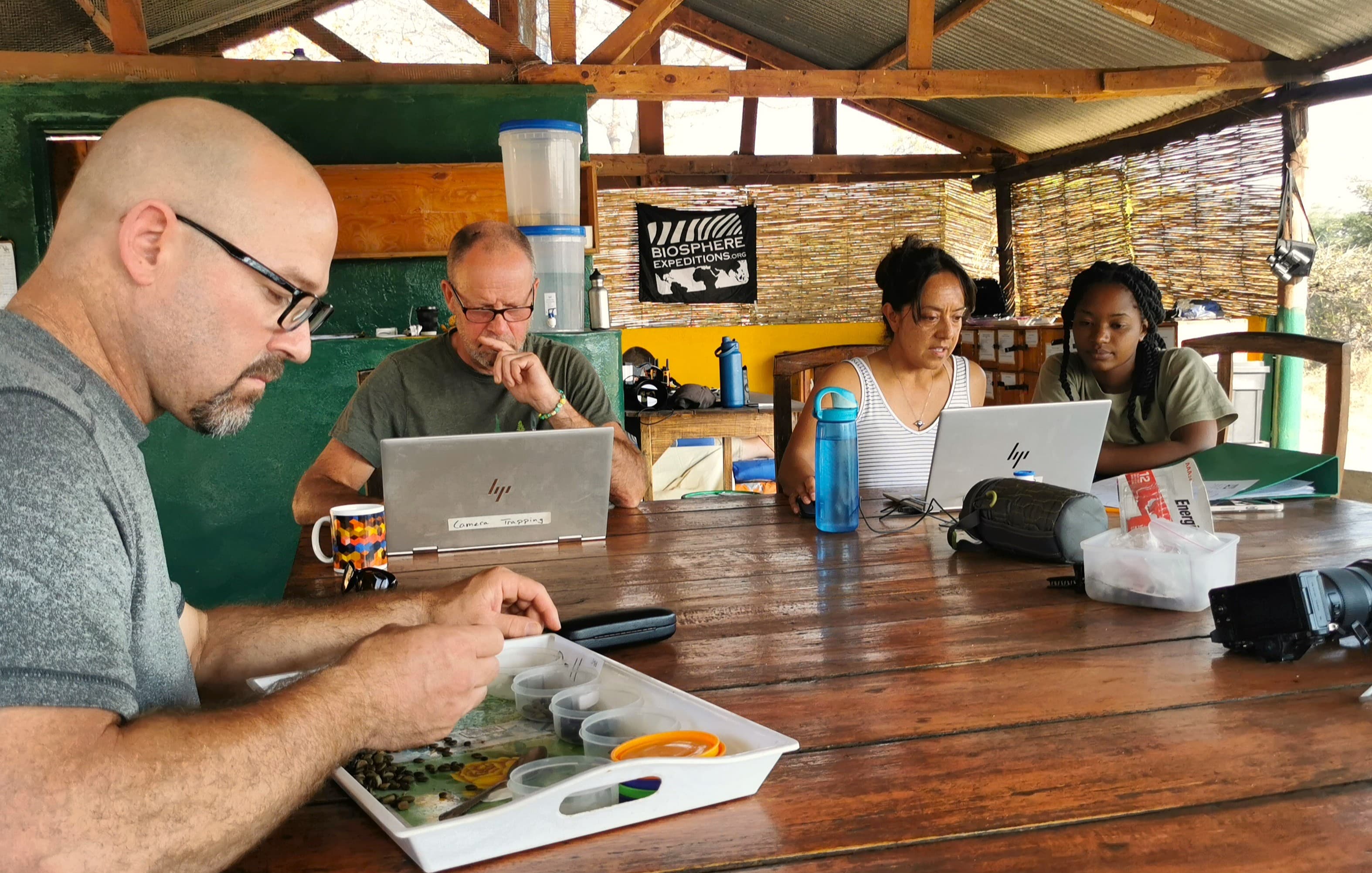
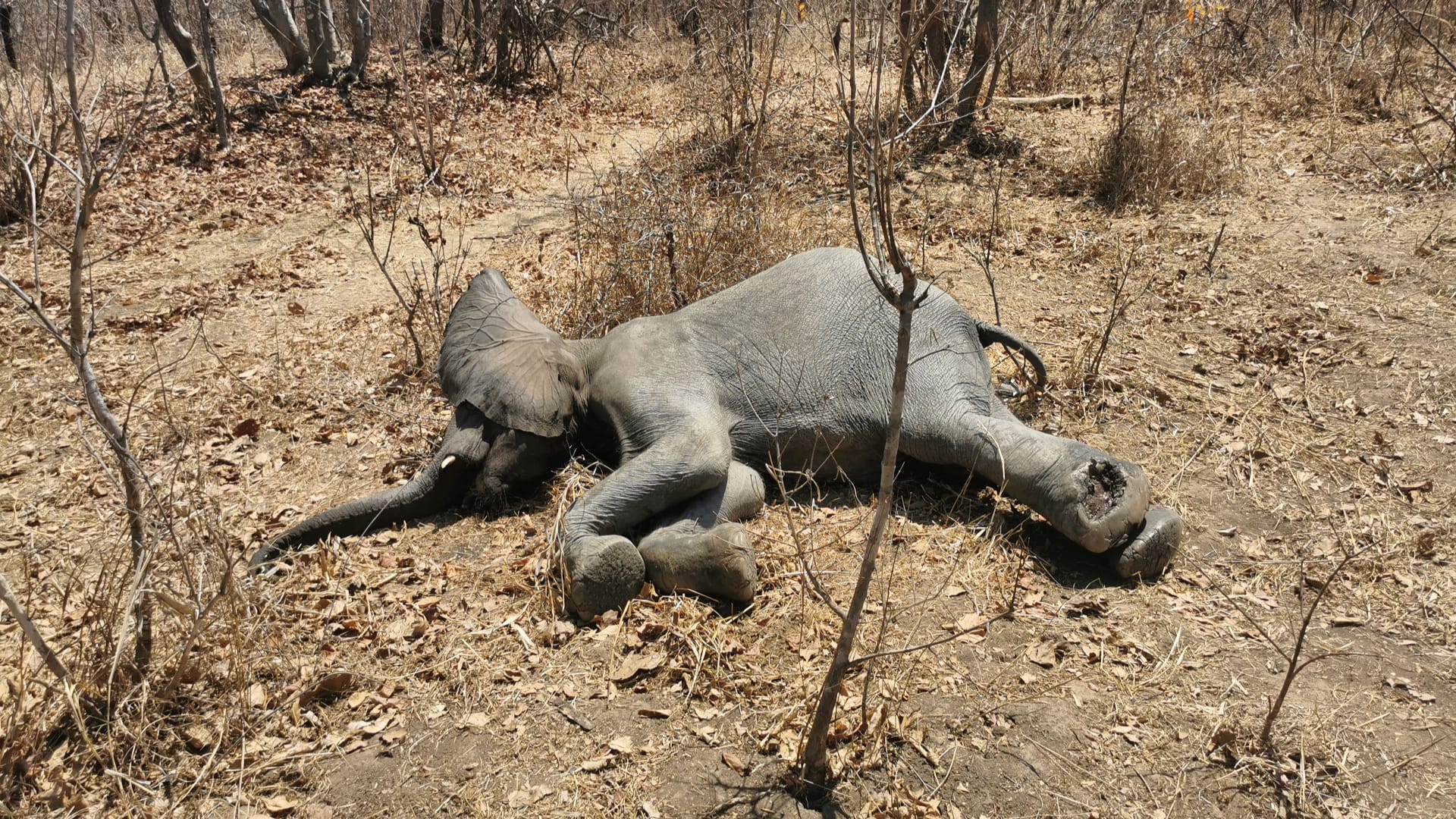
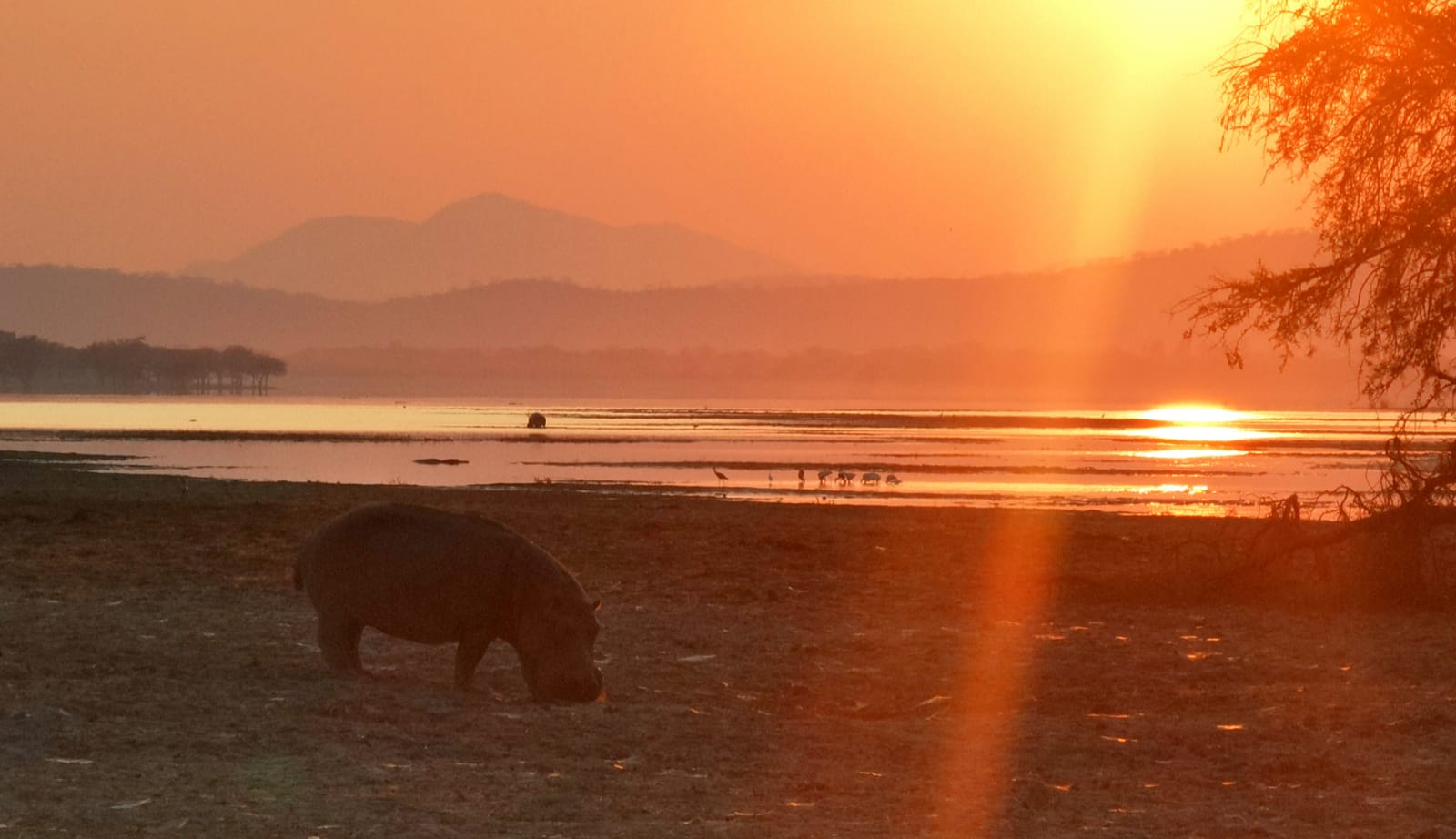
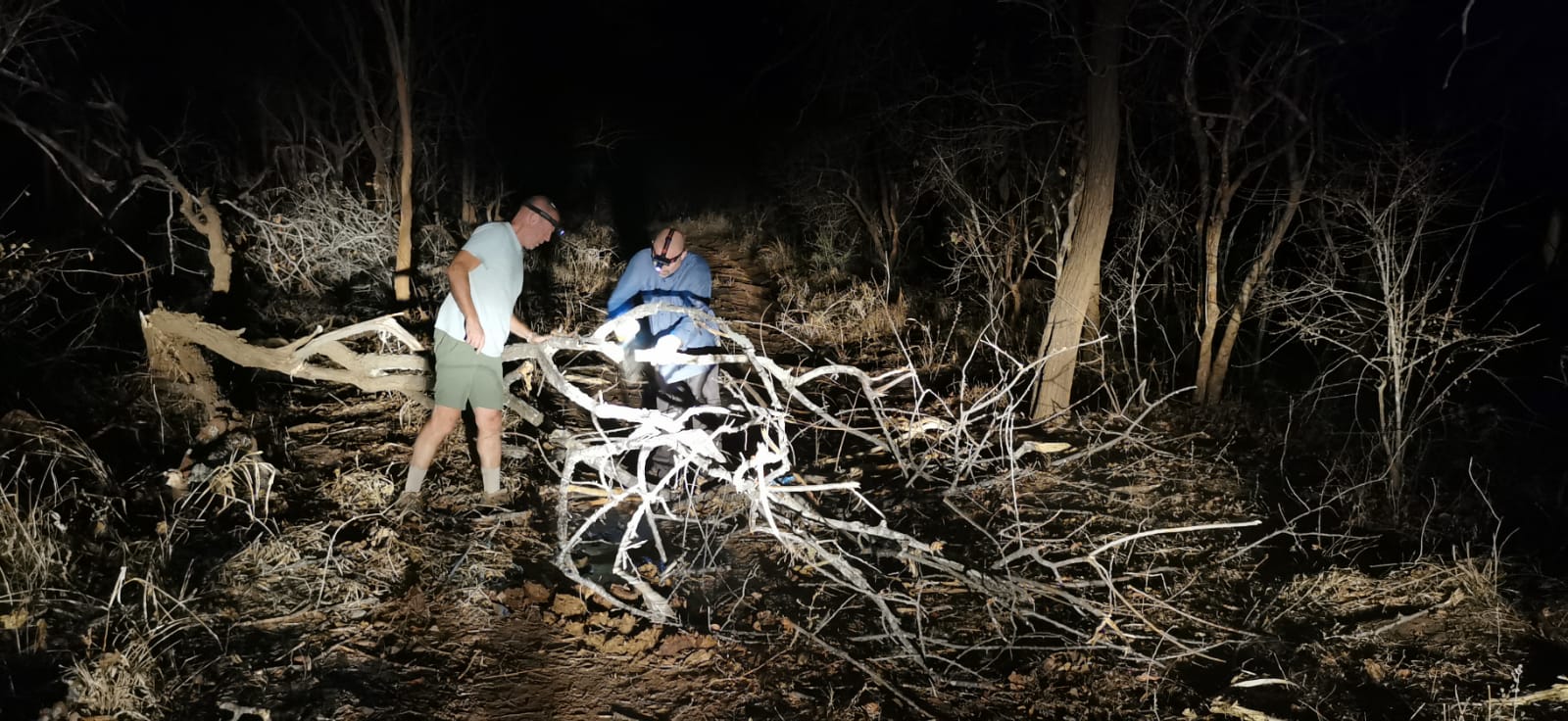
The two post-Covid expeditions in 2022 and 2023 have had a particular focus on elephants and hippos as well as camera trap surveys of other wild animals. Analysis of elephant dung was also carried out to assess whether elephants had been eating crops grown in fields outside the reserve. The 2022 expedition also included a project to identify invertebrates in different habitats, as potential food source for pangolins. The 2023 expedition began the process of identifying individual matriarch and adult bull elephants. Building this database of individual elephants will greatly help in mapping the demographics, movements and health of the elephant herds in Vwaza.
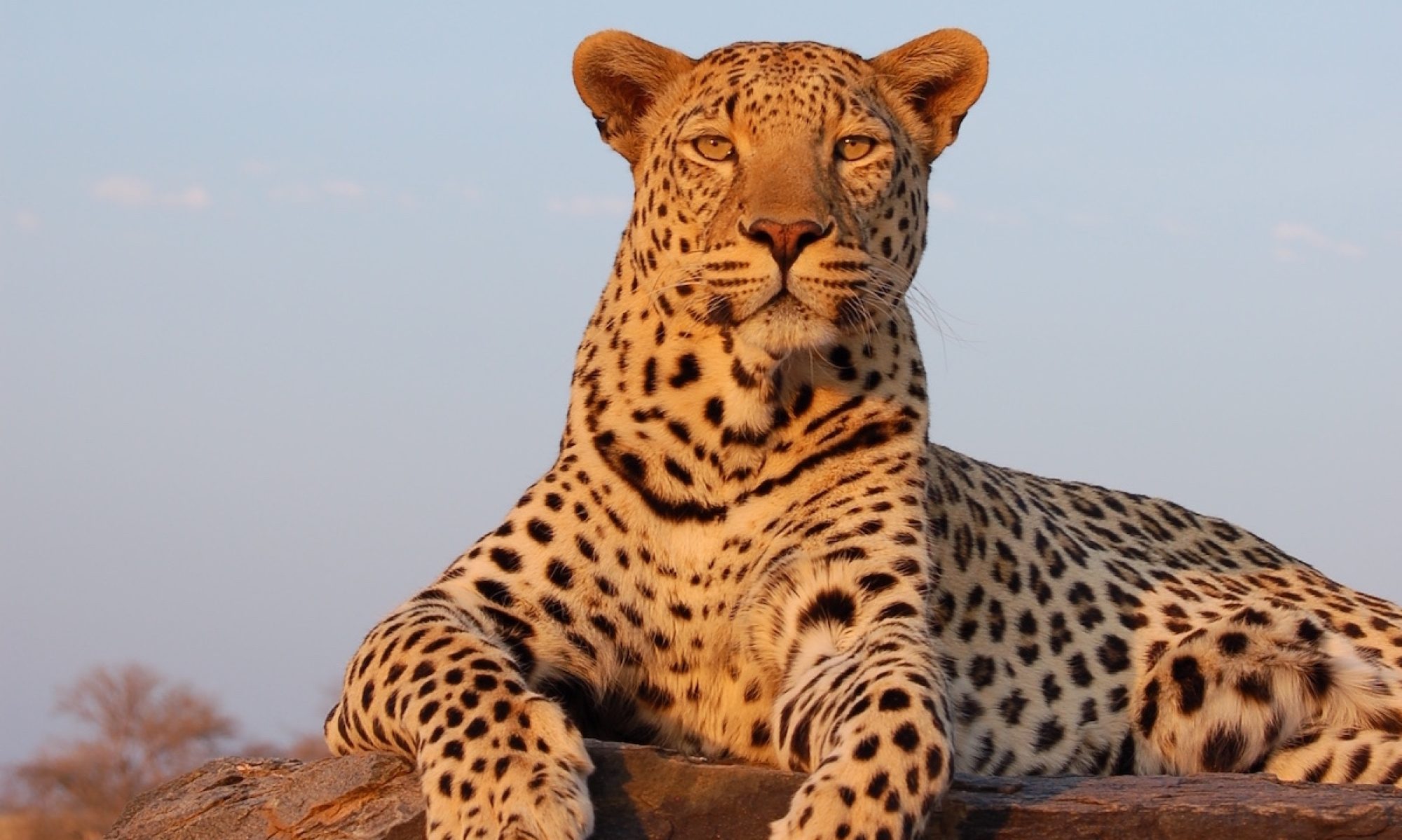
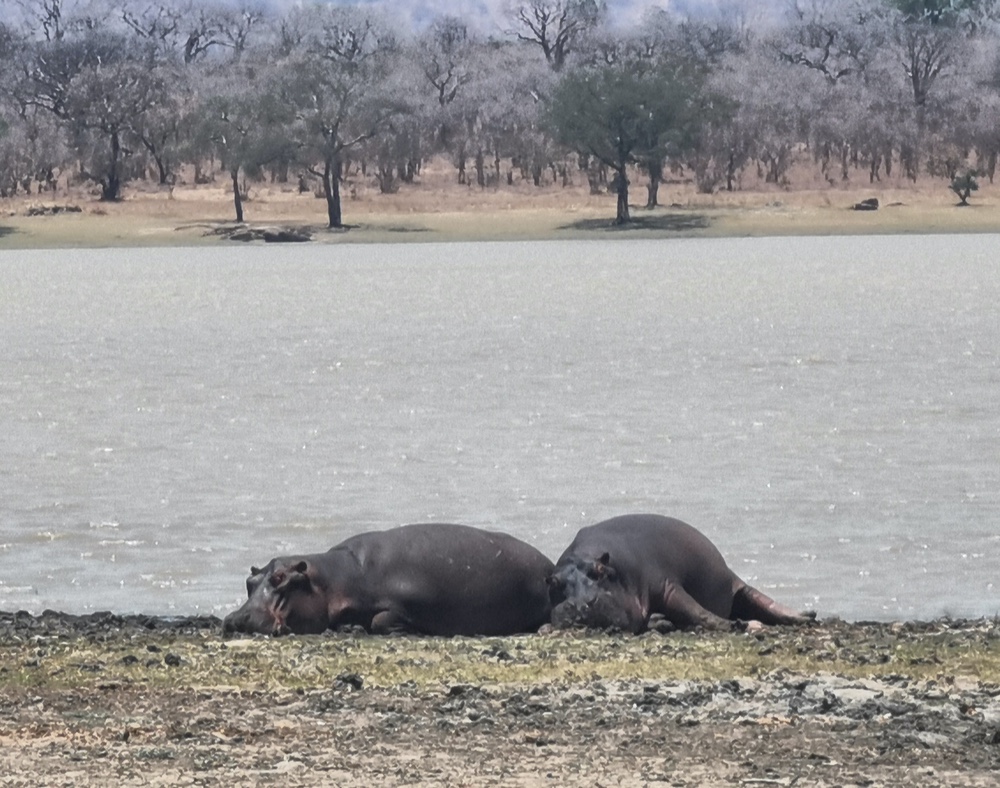
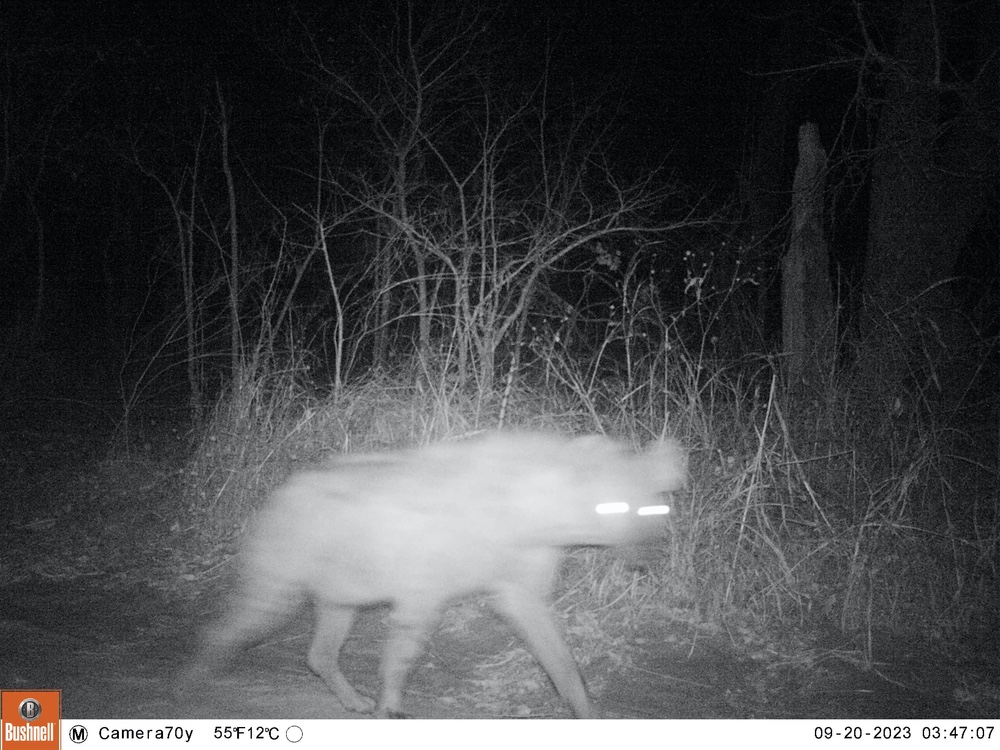
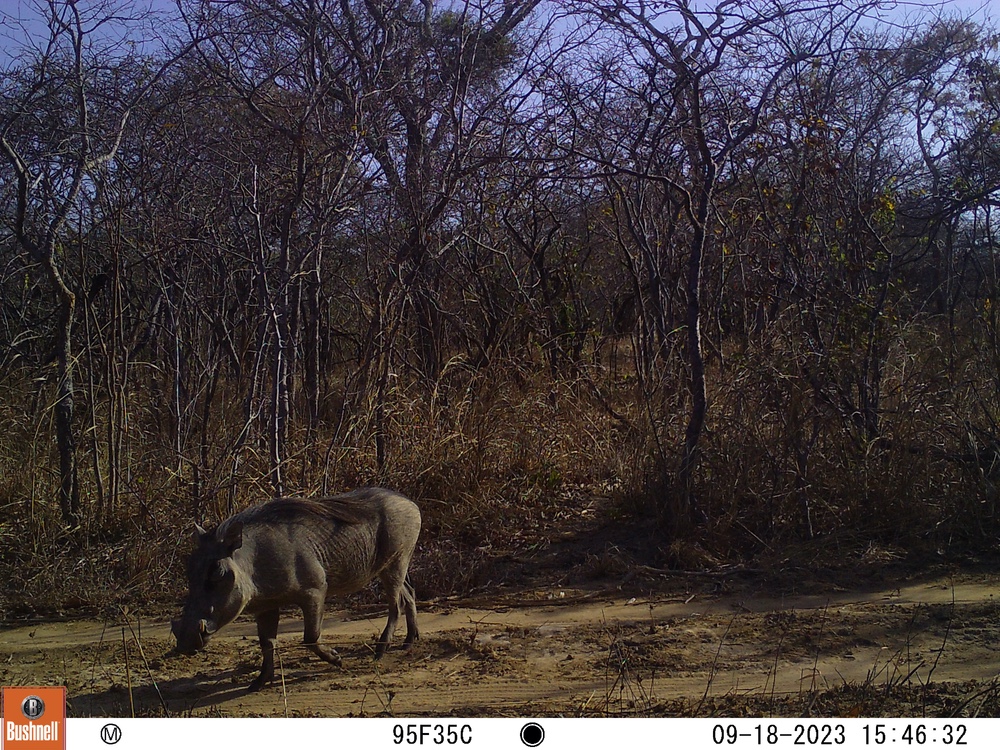
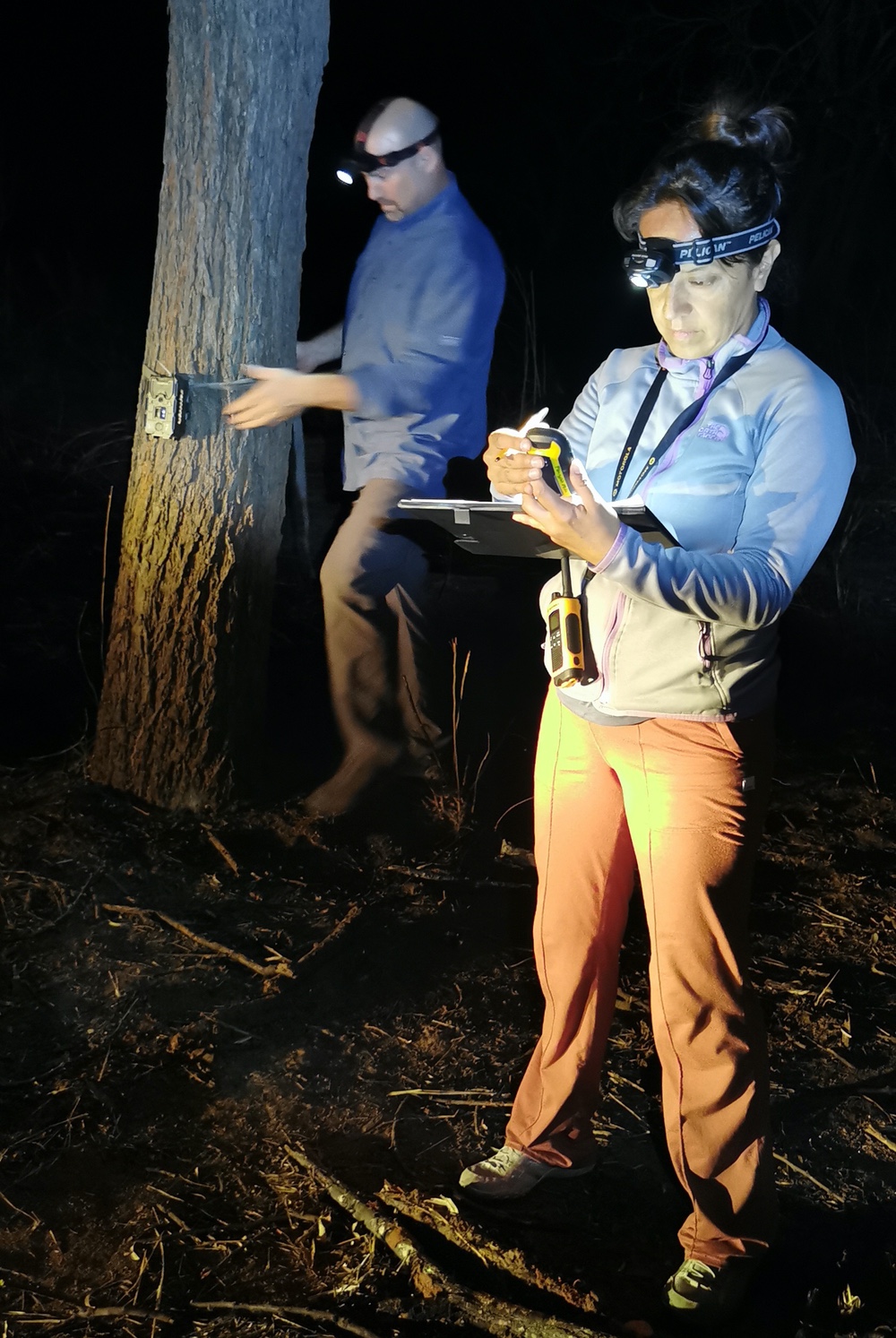
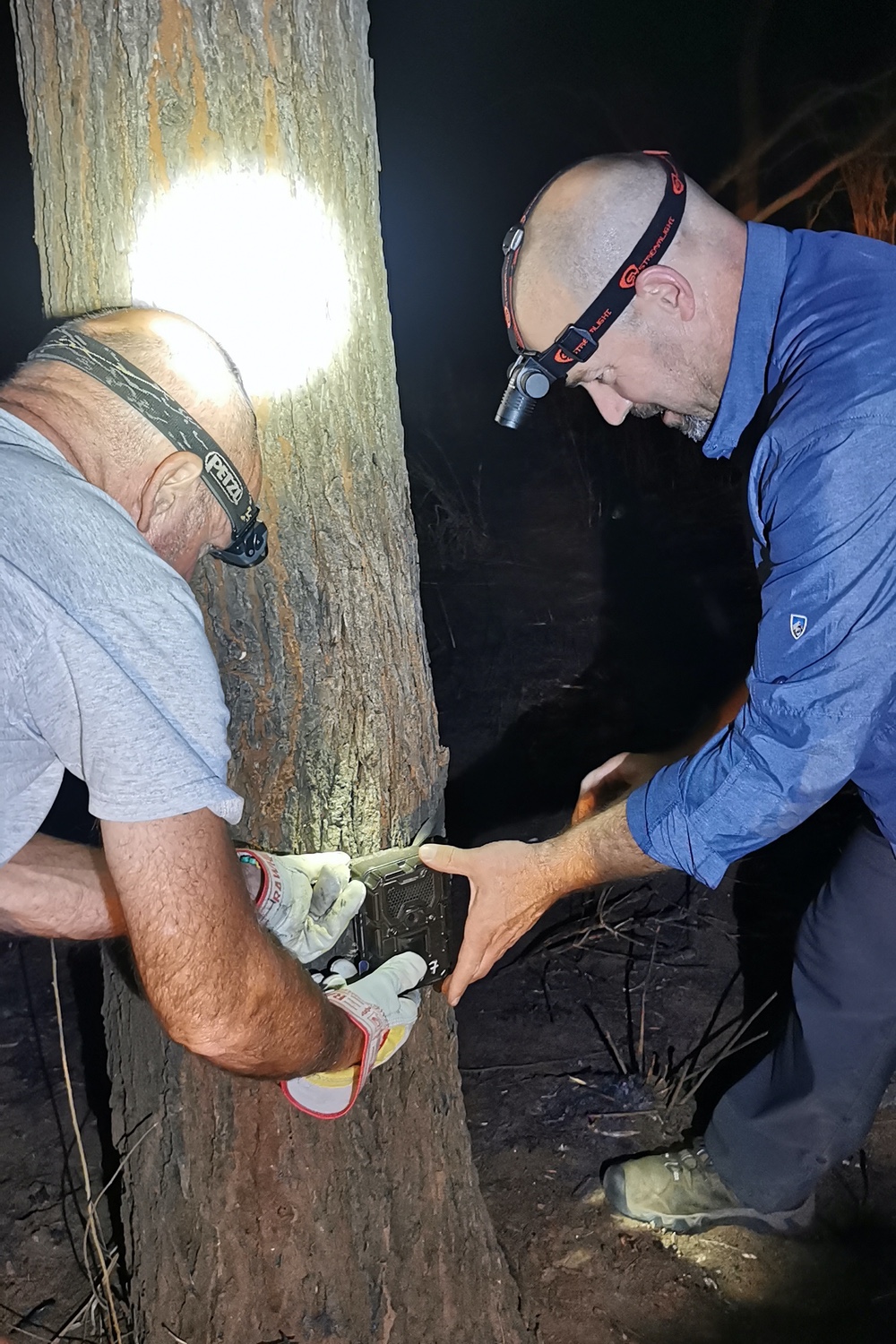
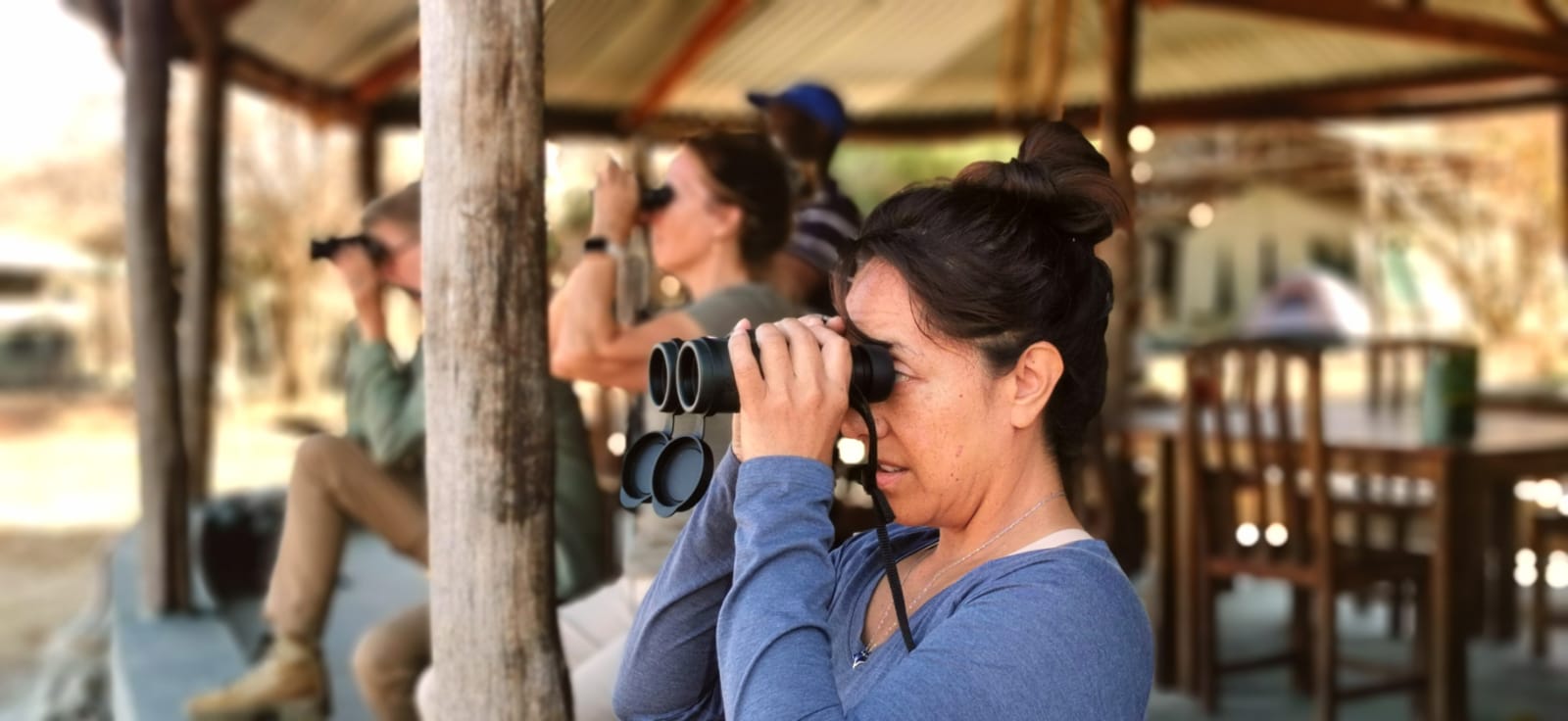
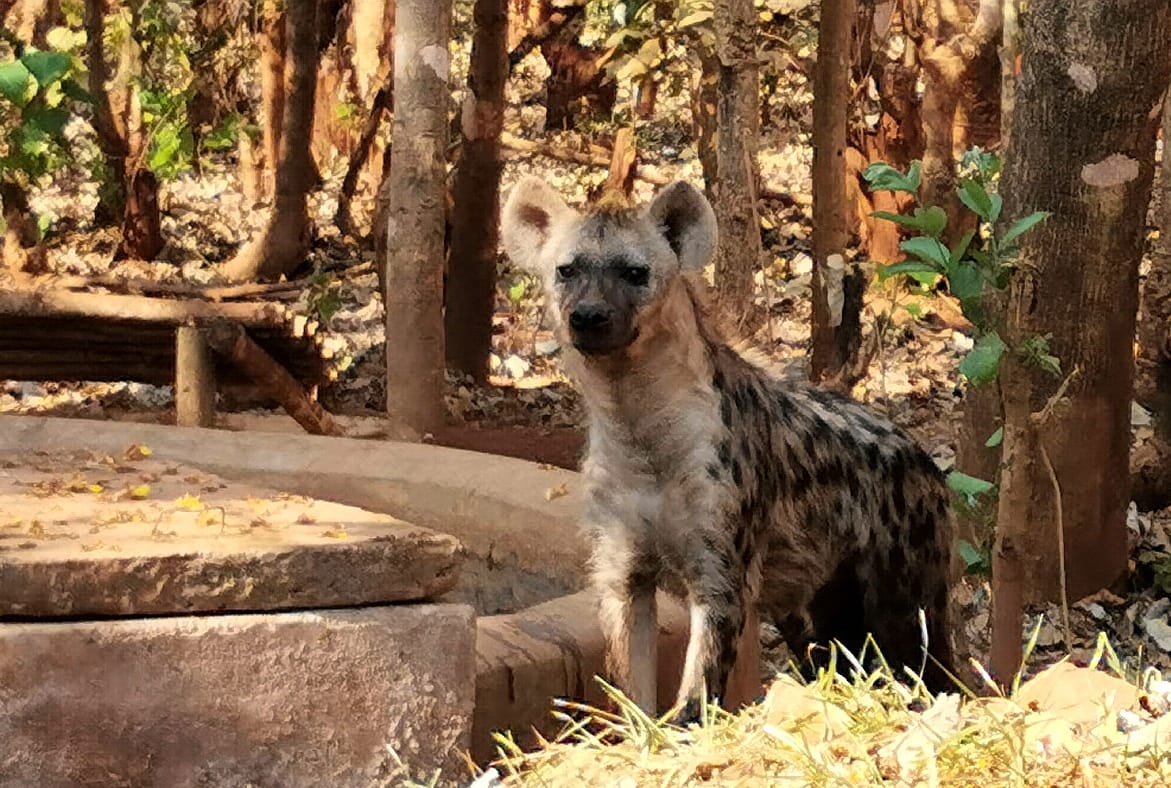
The 2022 and 2023 expeditions between them counted 676 elephants over 64 sightings, 1144 hippos over 10 complete lake-side transects and collected and analysed 66 elephant dung samples (yielding 3110 seeds). More than 80,000 camera trap images were analysed, giving evidence of notable species rarely seen directly, including leopards, honey badgers, hyaena and wild dogs. The 2023 expedition also created 16 ID profiles of individual bull and matriarch elephants.
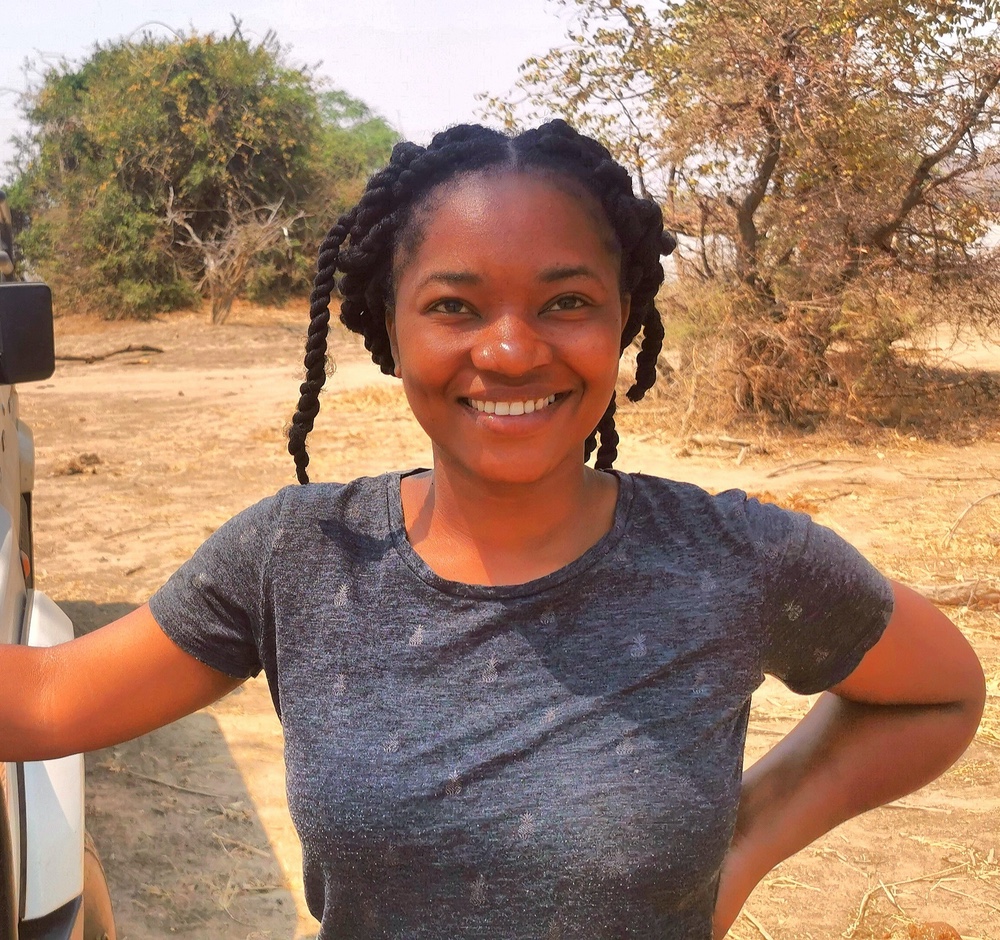
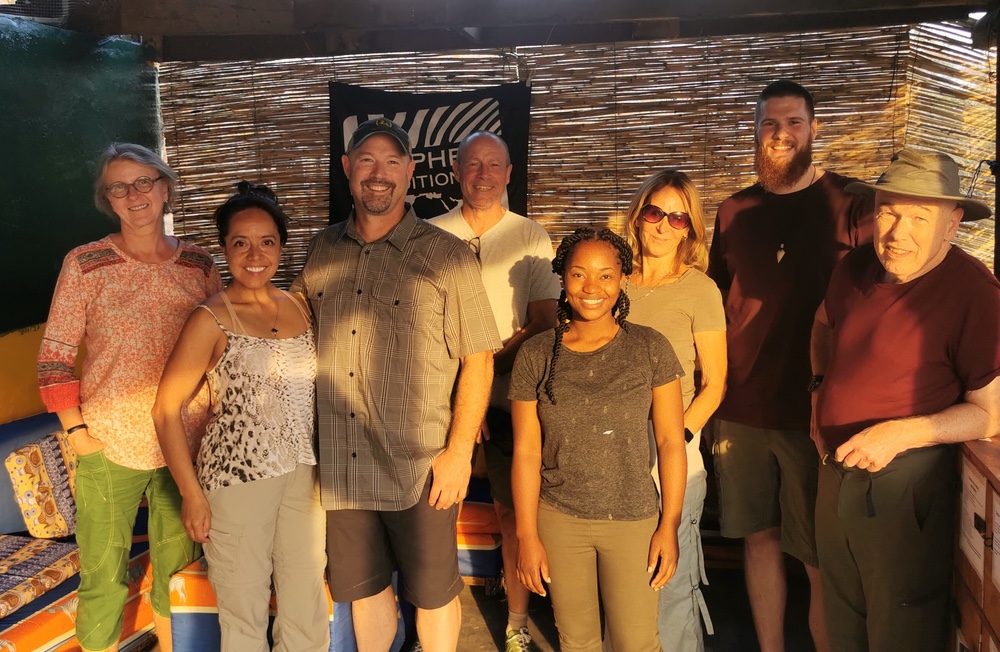
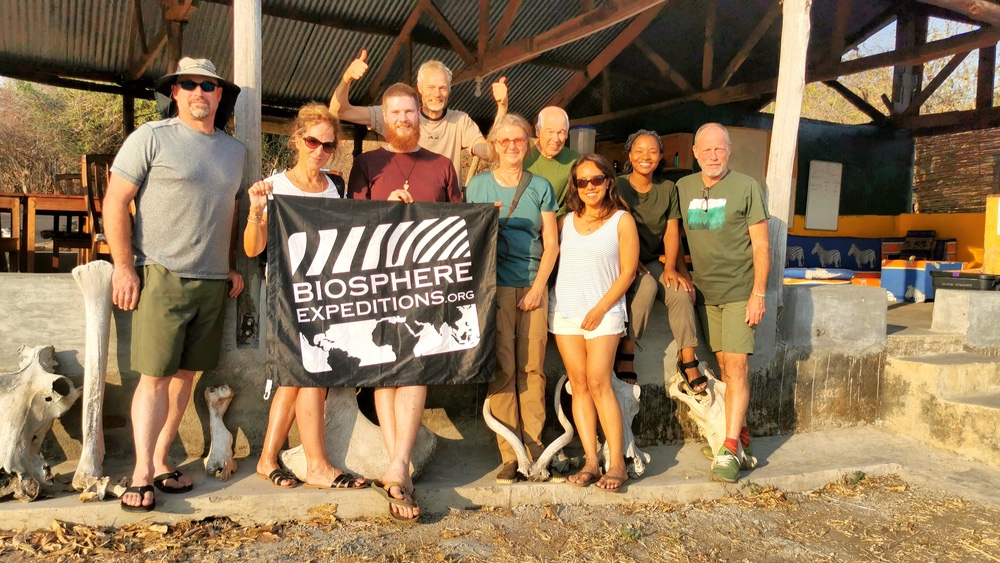
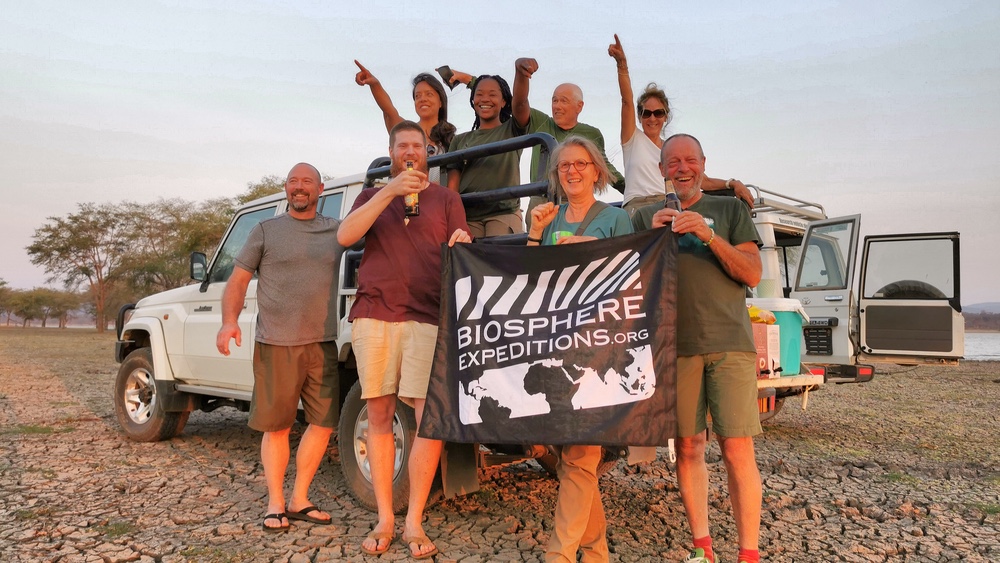
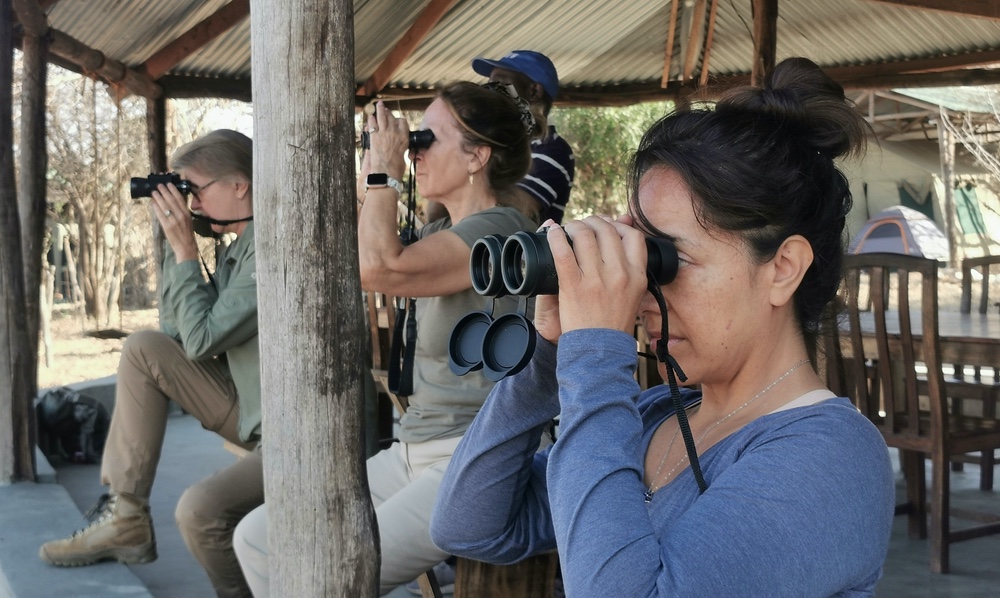
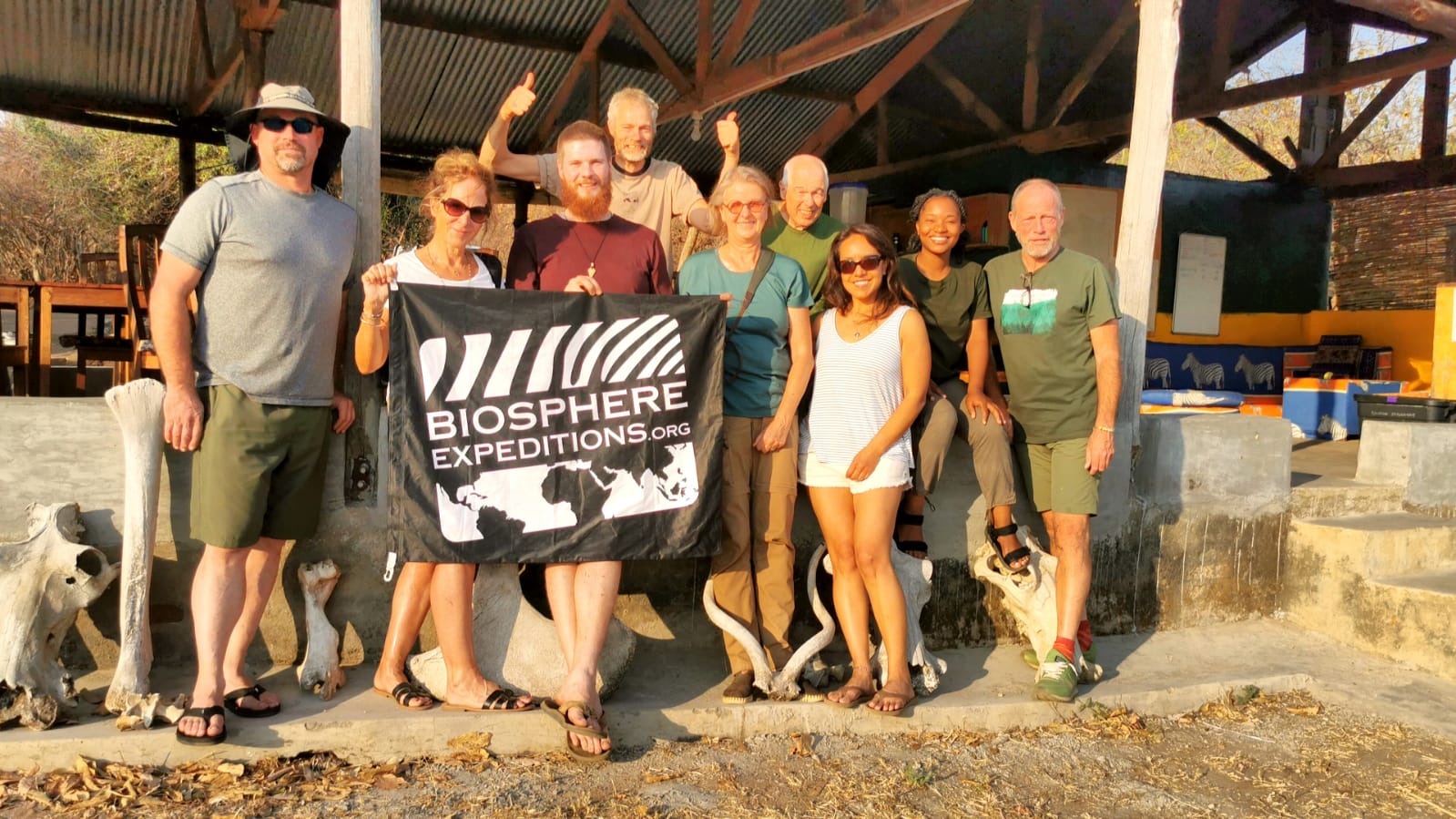
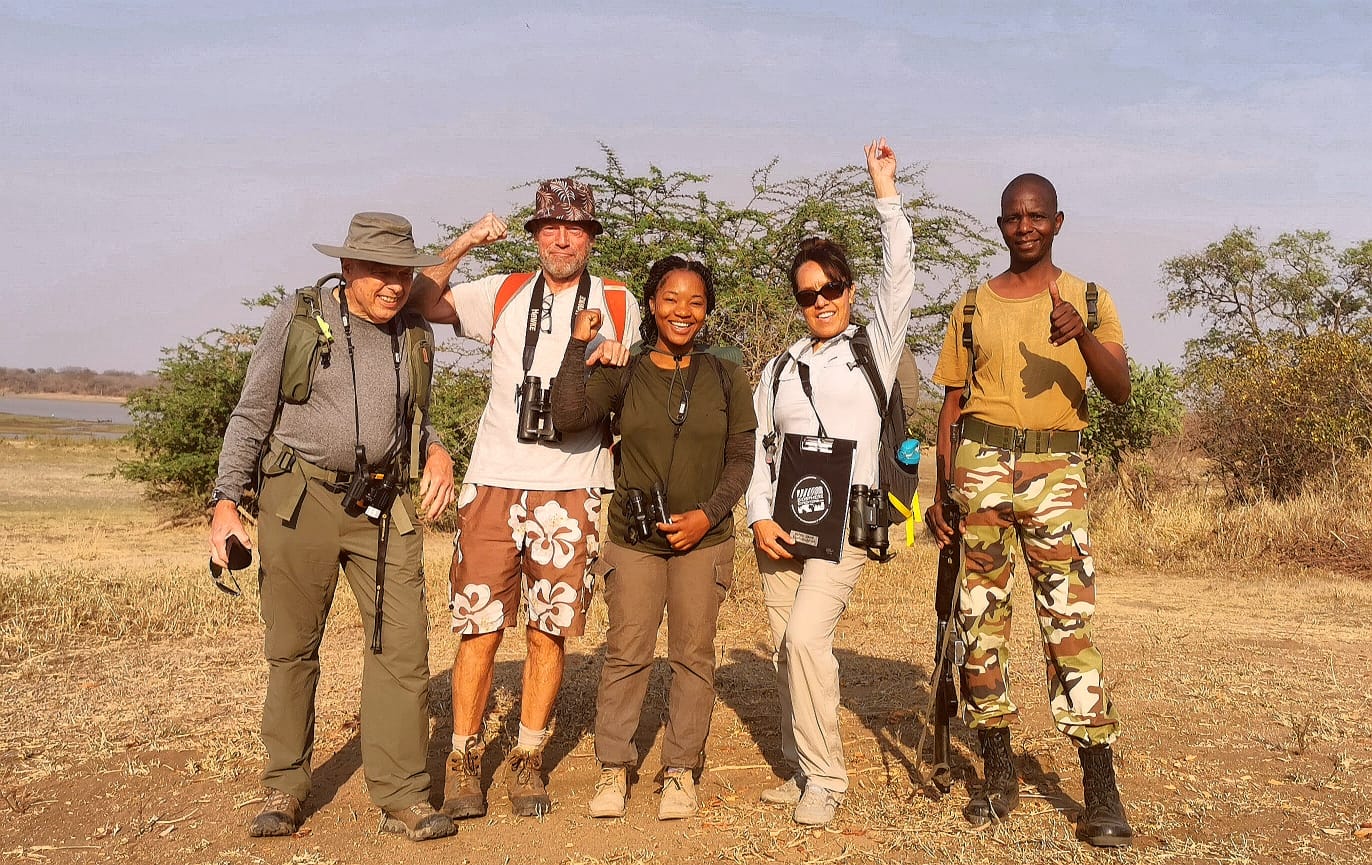
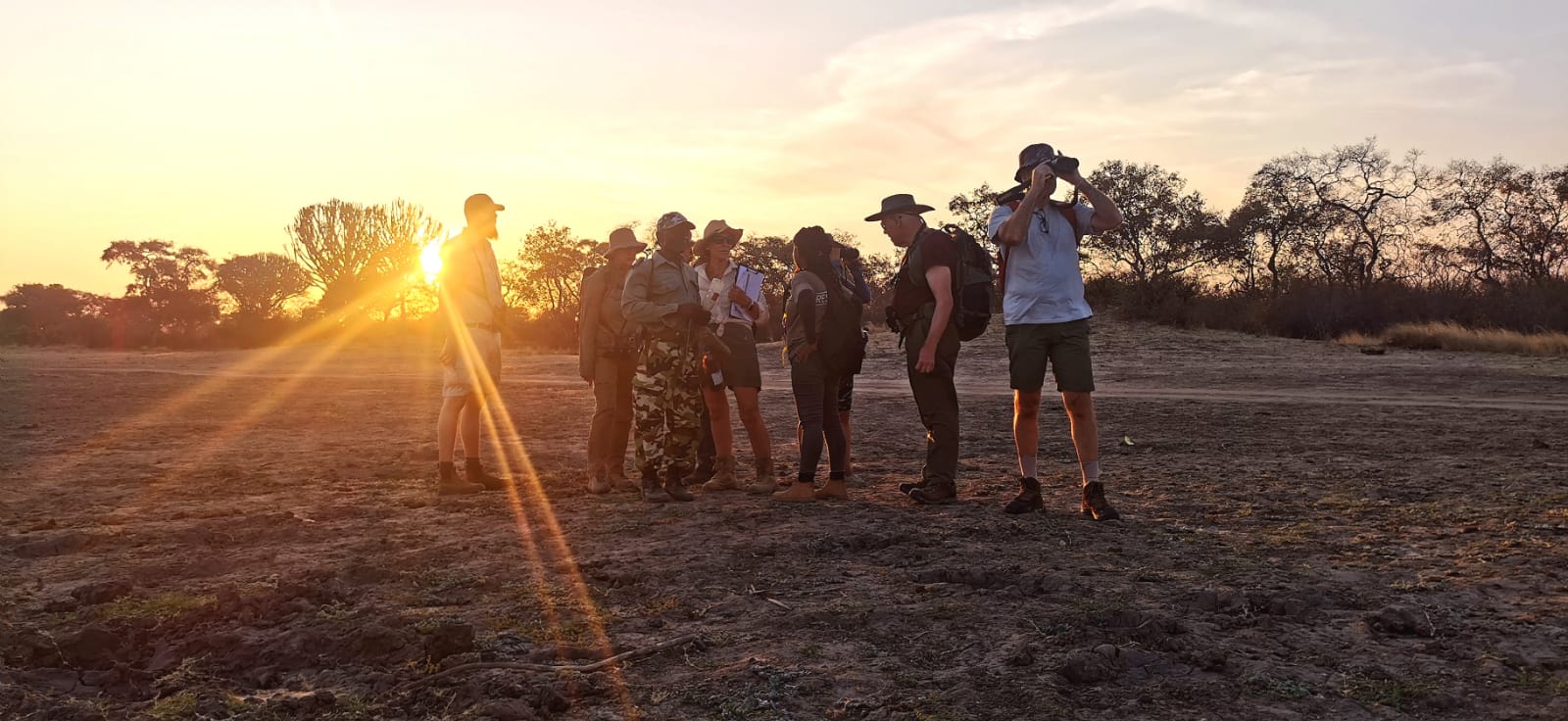
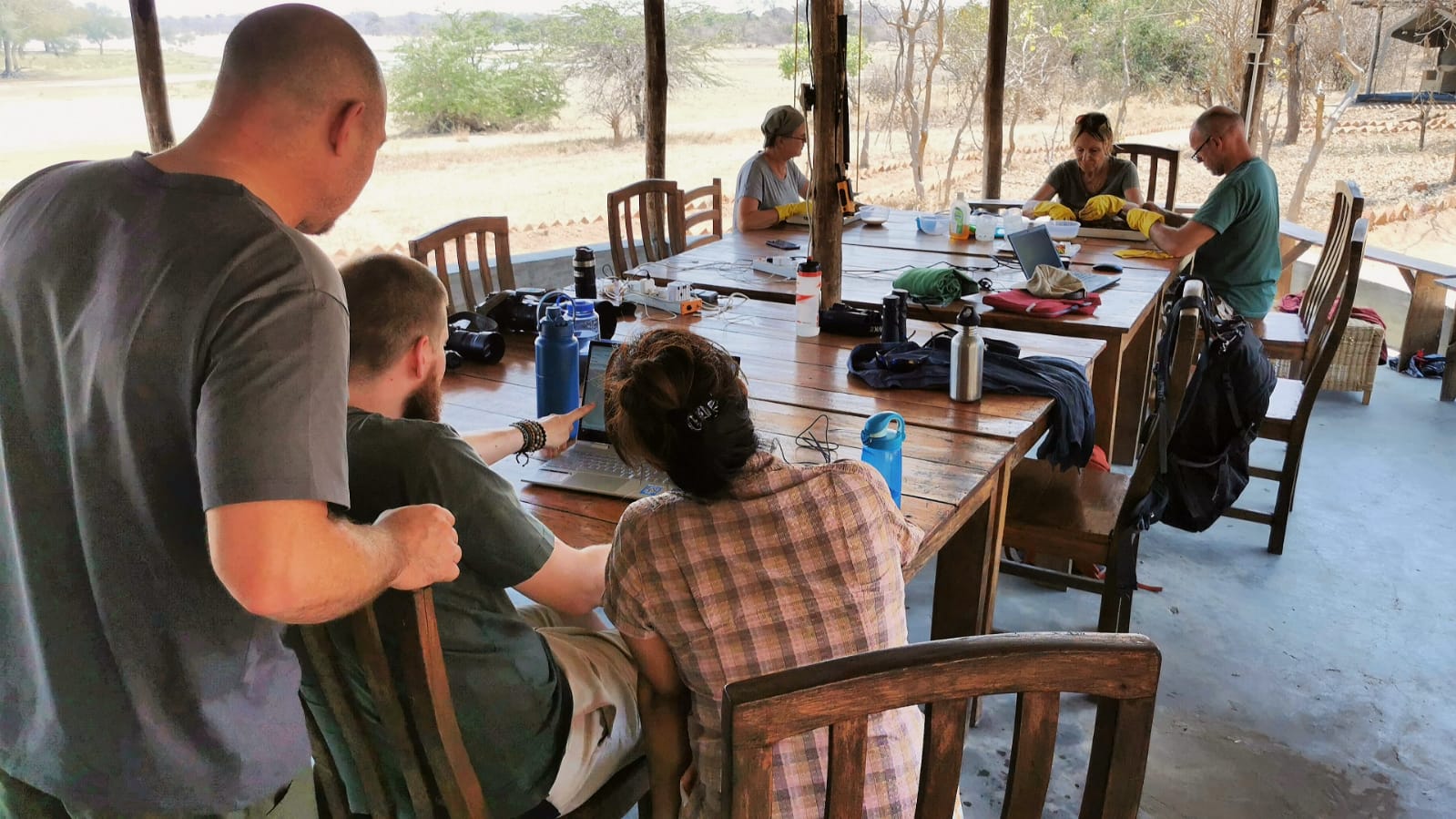
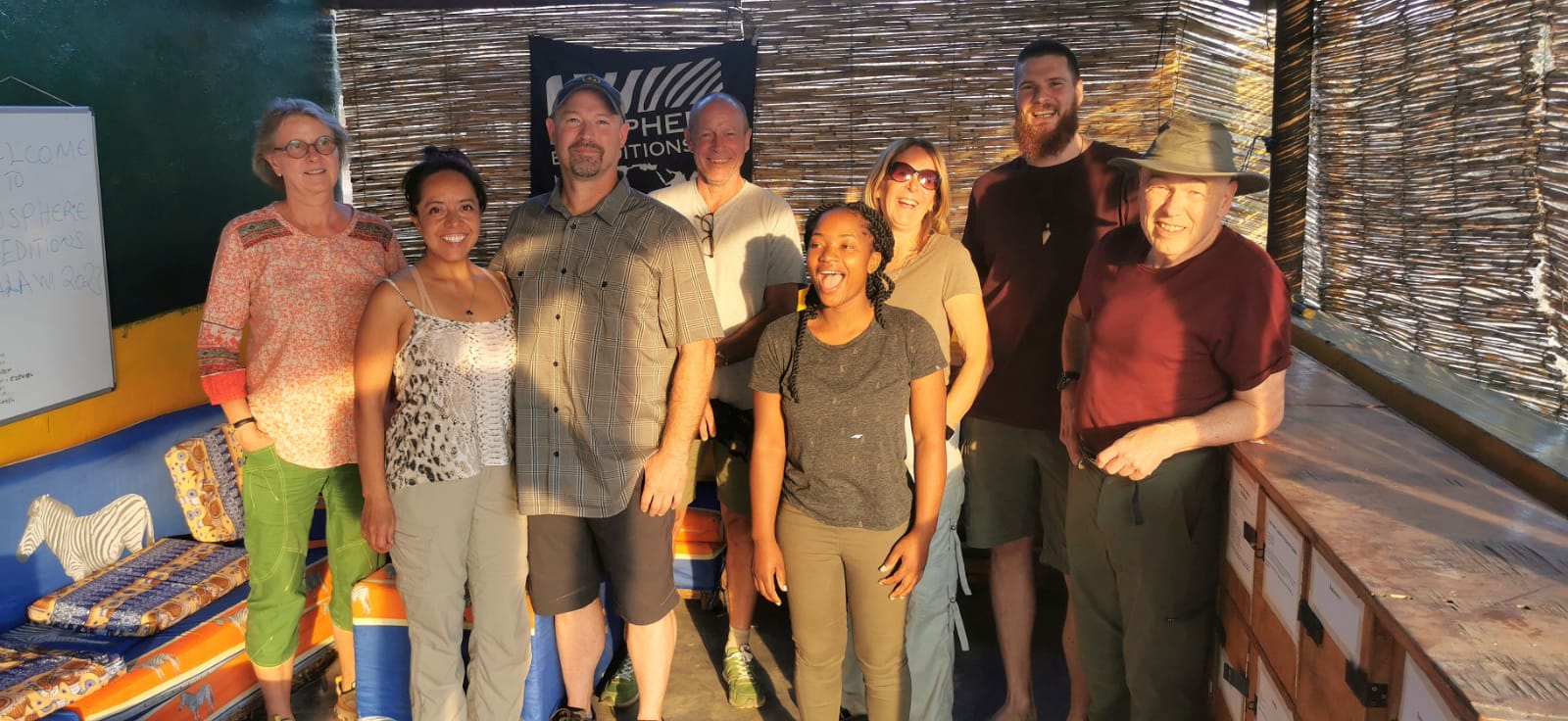
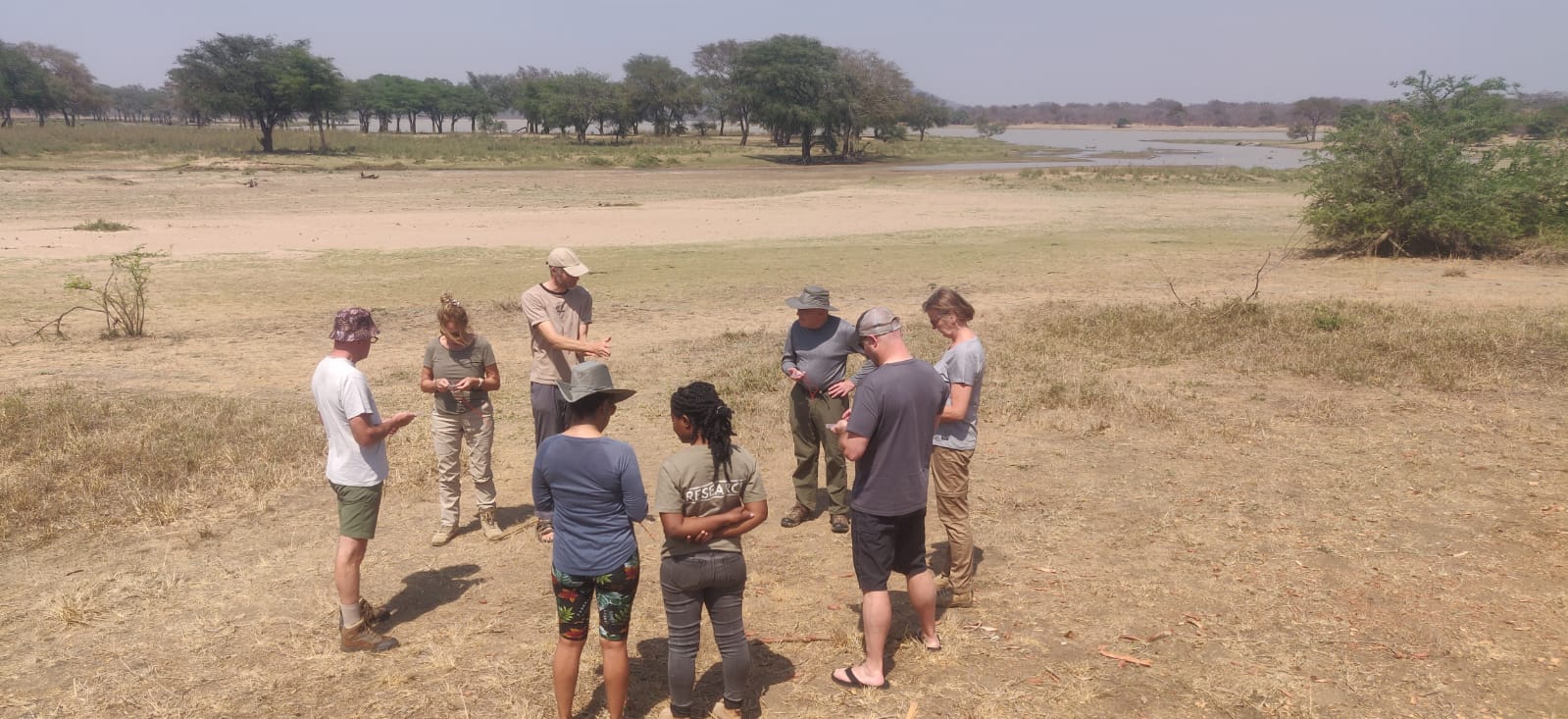
2023 expedition leader Roland Arnison, who also led the 2022 expedition, says “our citizen scientist did really well. They were quick at learning from the research methodology training, worked well as a team, and were diligent and dedicated in carrying out the research tasks every day. I am very grateful to them.”
LWT’s field research coordinator, Benni Hintz, said, “Data are absolutely critical to conservation, which is why we were thrilled to partner with Biosphere Expeditions for another year of wildlife monitoring work in Vwaza Marsh Wildlife Reserve. Thanks to the efforts of Biosphere Expeditions’ citizen scientists we were able to expand our knowledge of the movement, health and composition of wildlife populations in the reserve – particularly elephants and hippos – and had a lot of fun along the way! We’re very grateful to everyone for their hard work during yet another successful expedition.”











































 Biosphere Expeditions: blogs from the frontline of wildlife conservation and the fight for a more sustainable planet