
Update from our Malawi expedition volunteering with elephants, hippo, cats, pangolins and African biodiversity
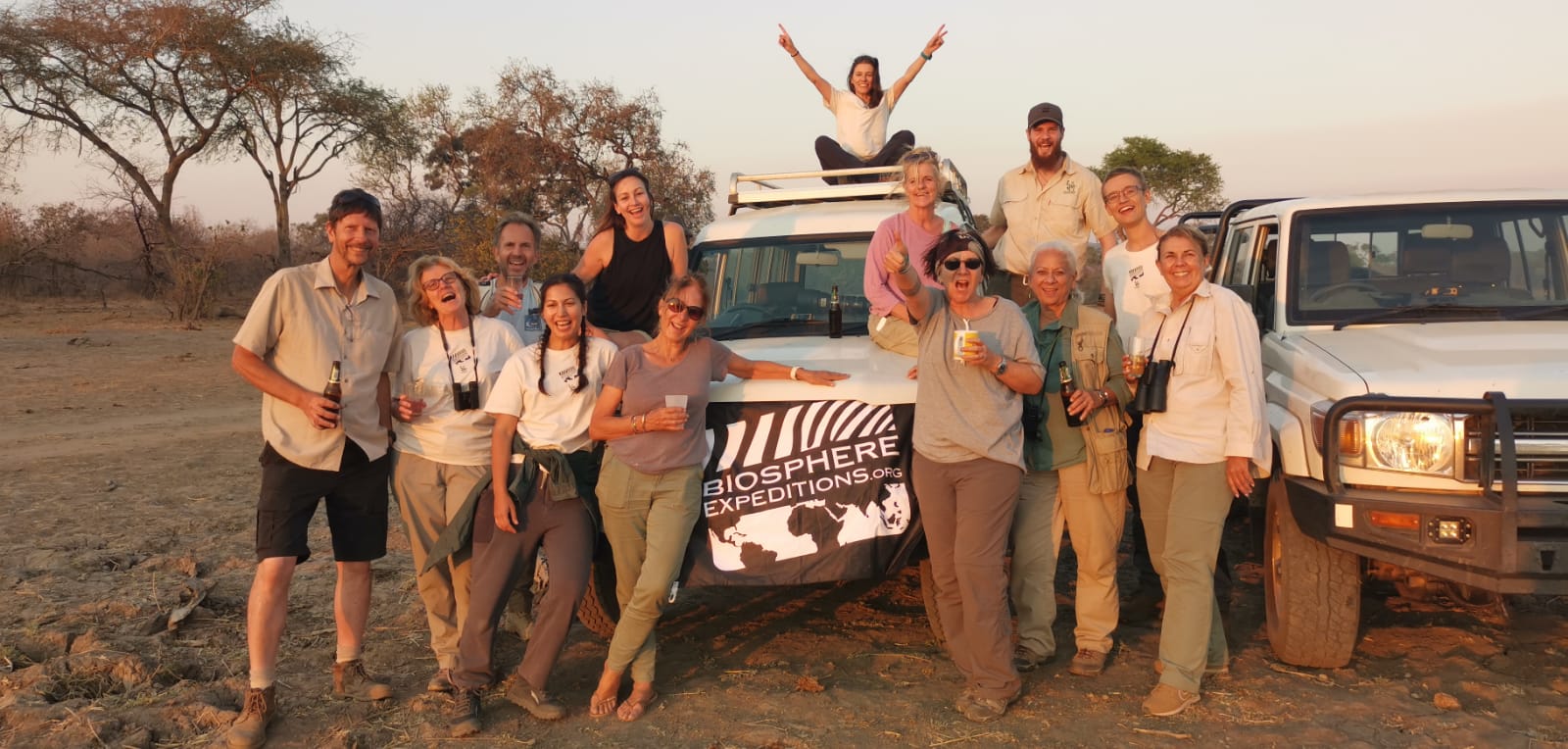
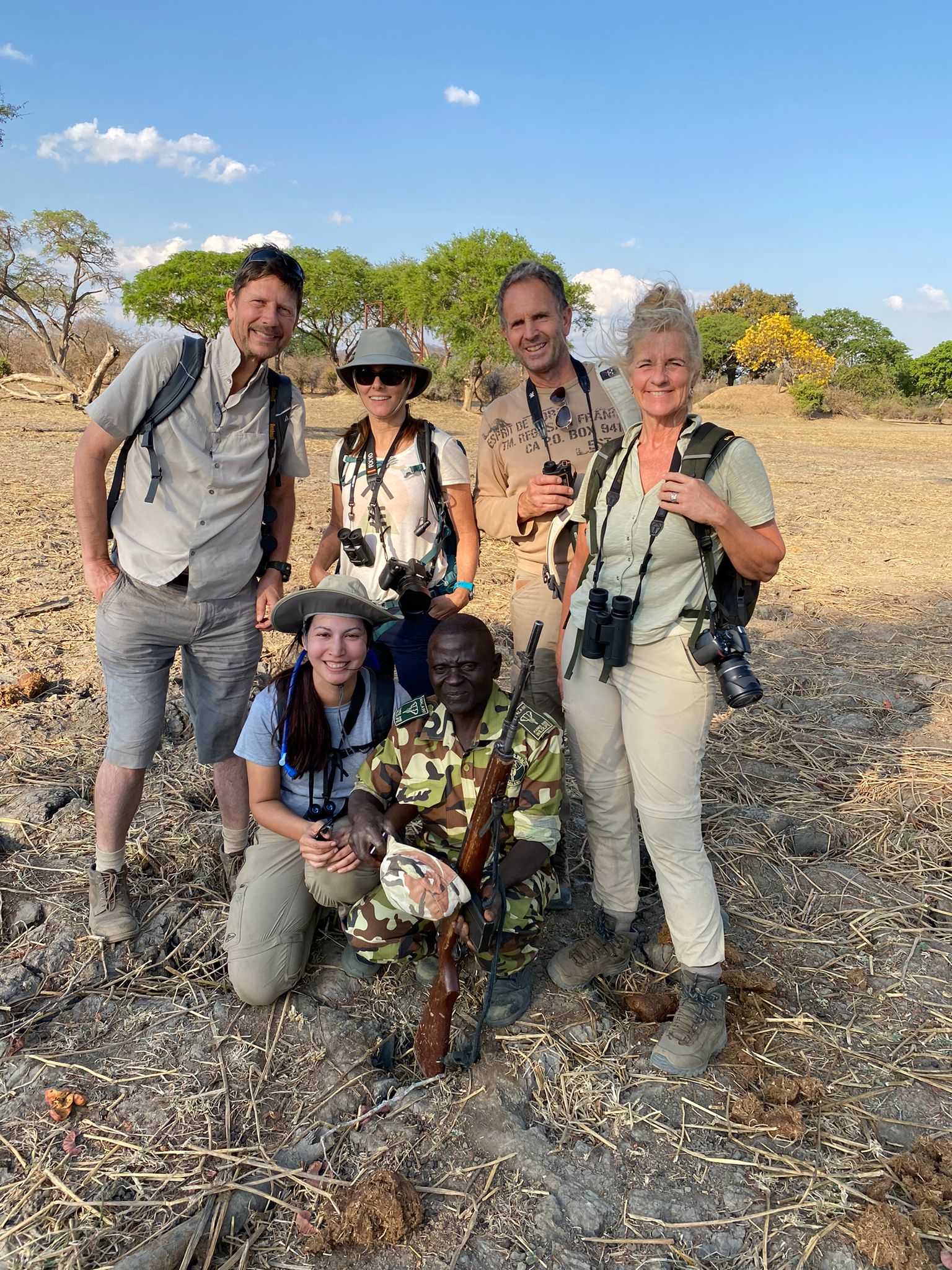
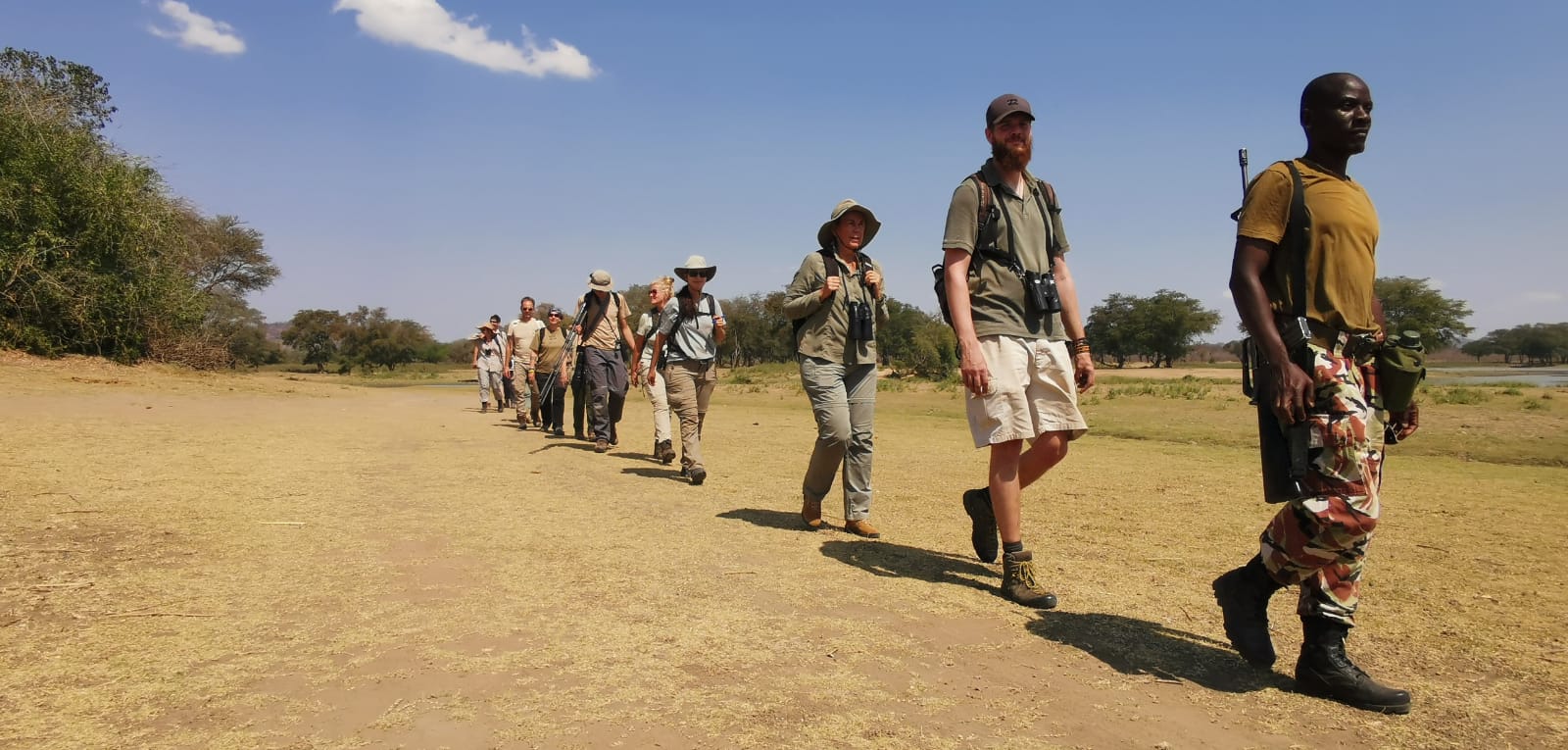
Biosphere Expeditions citizen scientists supported Lilongwe Wildlife Trust (LWT) research projects for a third time in 2022, between 25 September and 7 October, conducting the following research activities:
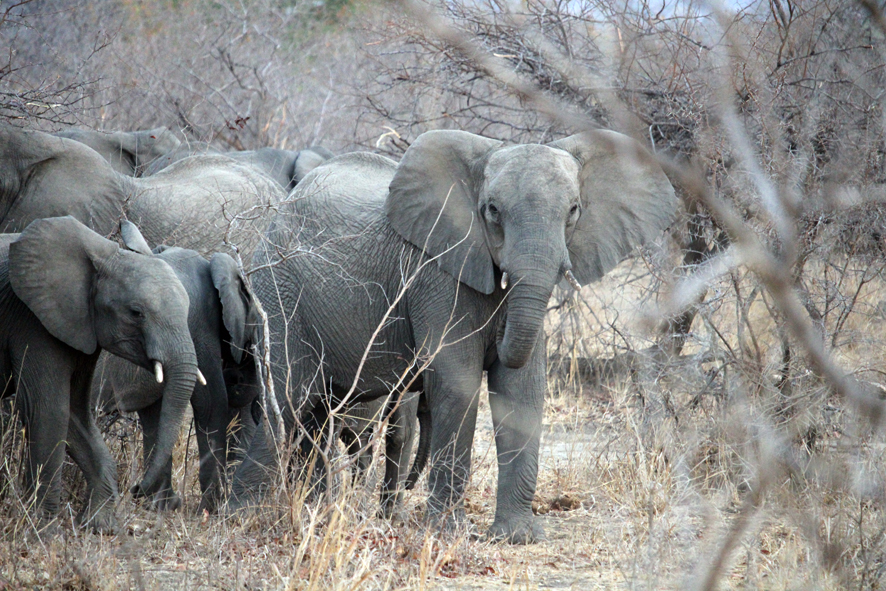
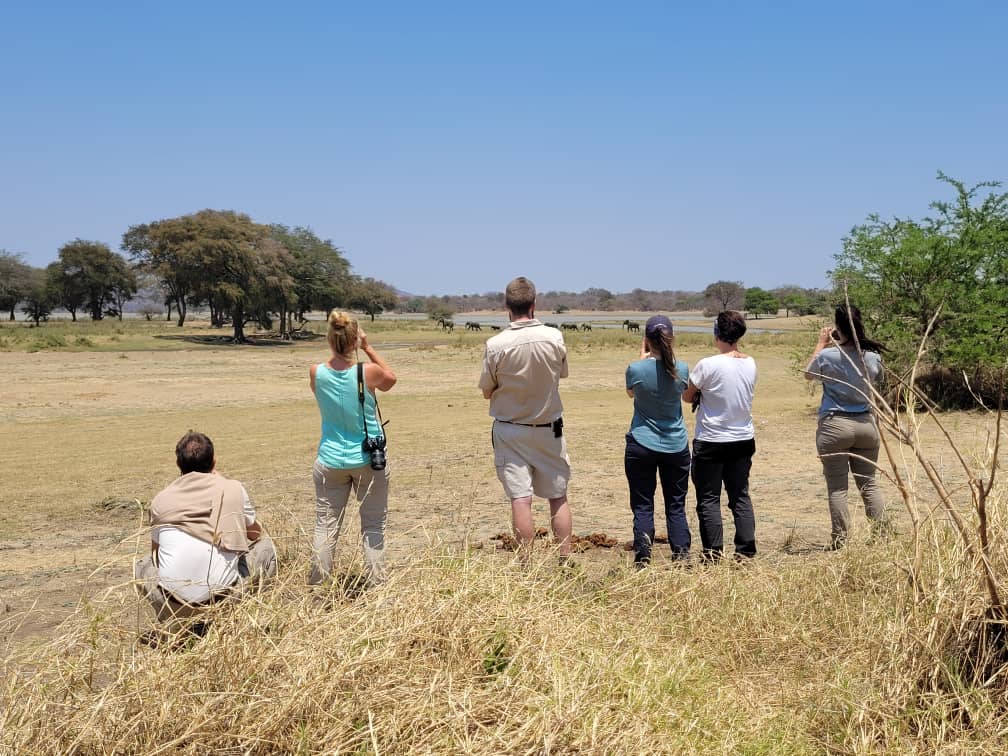
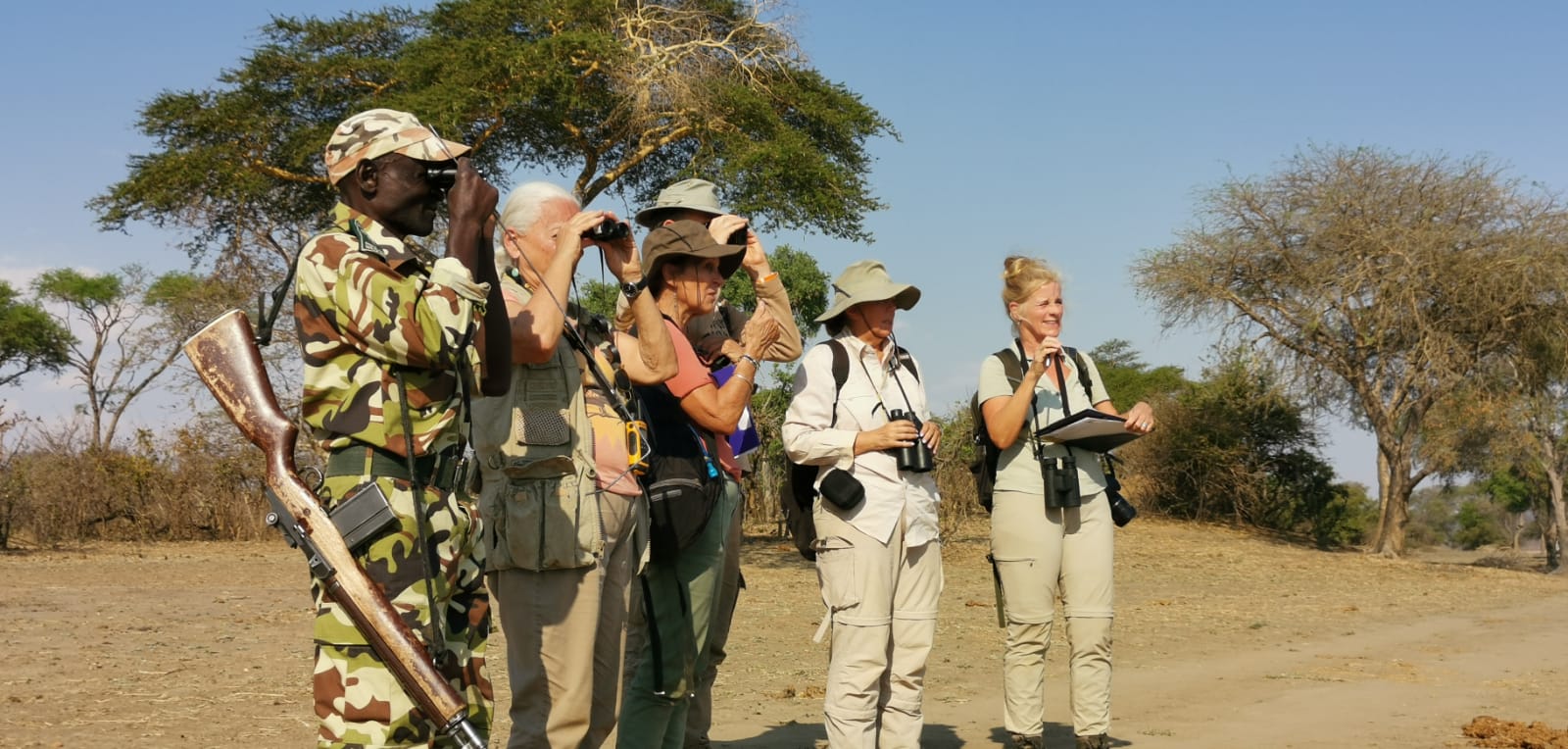
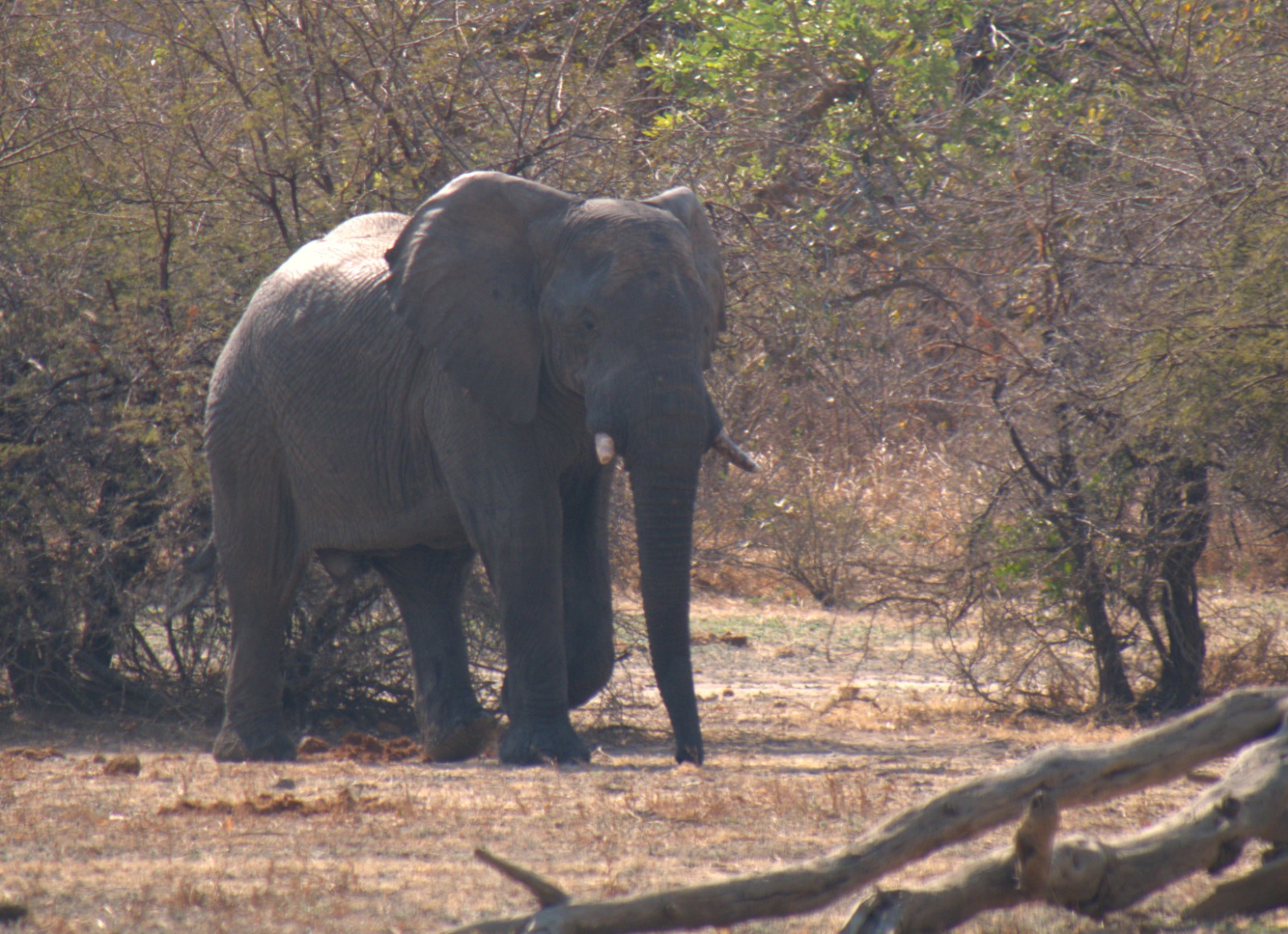
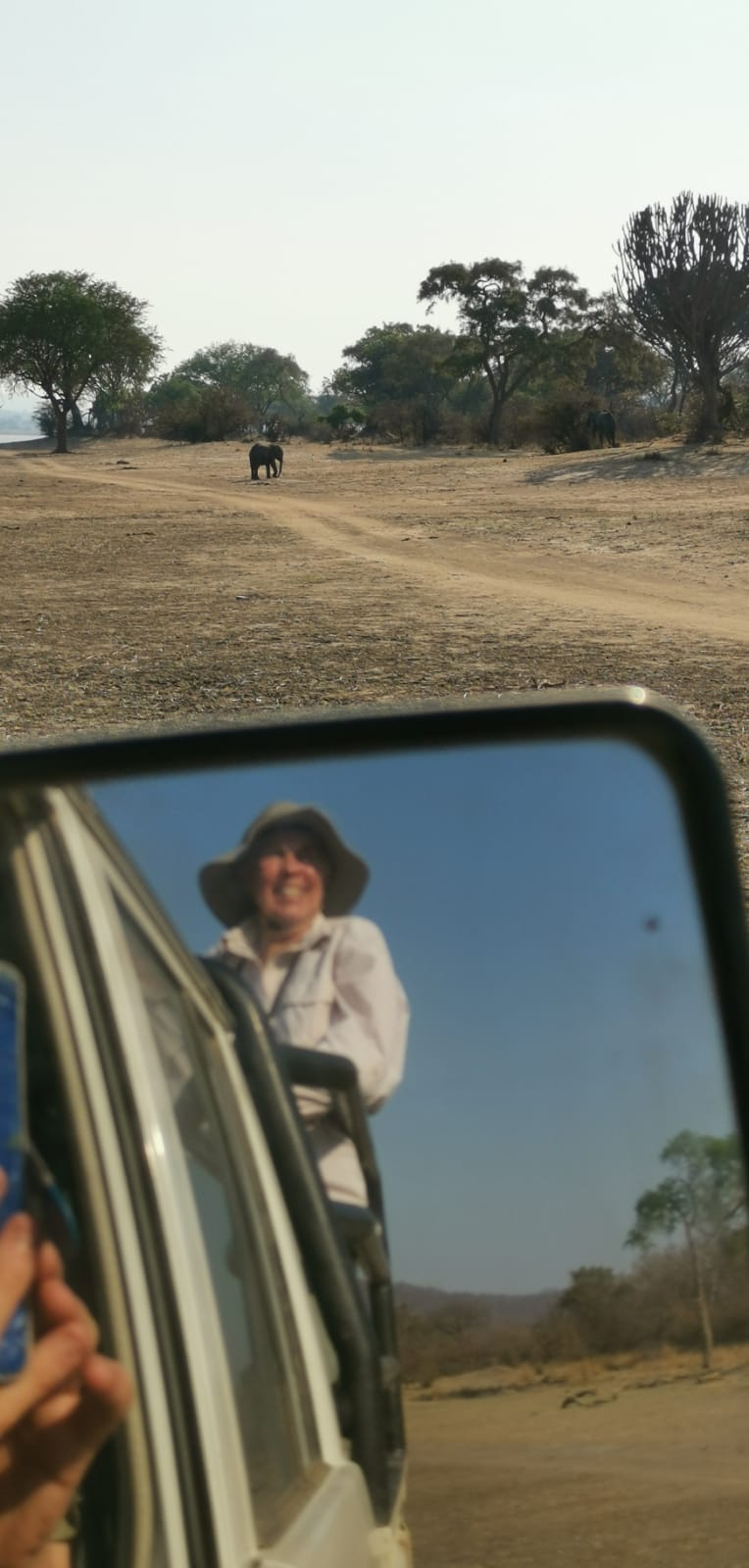
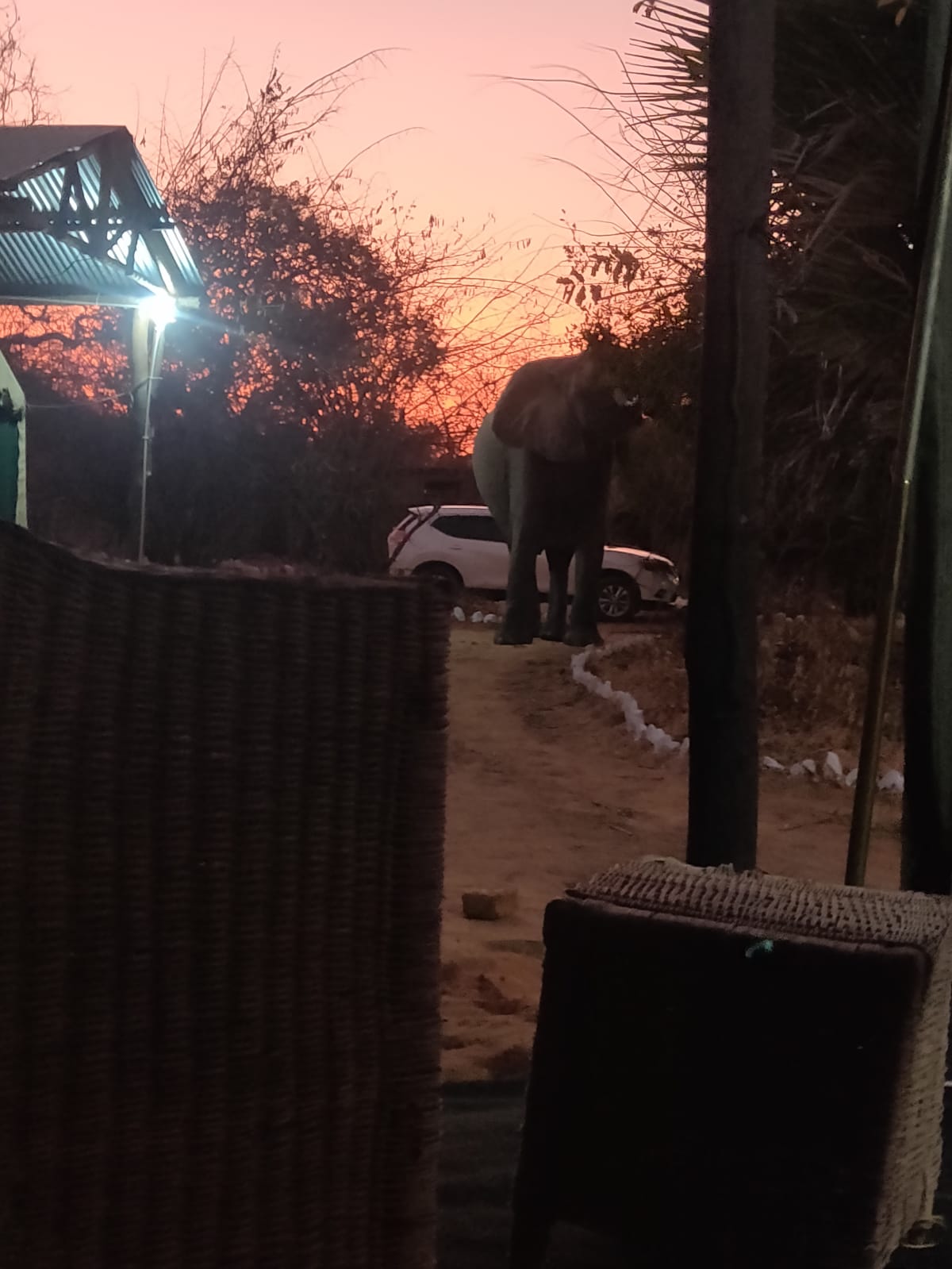
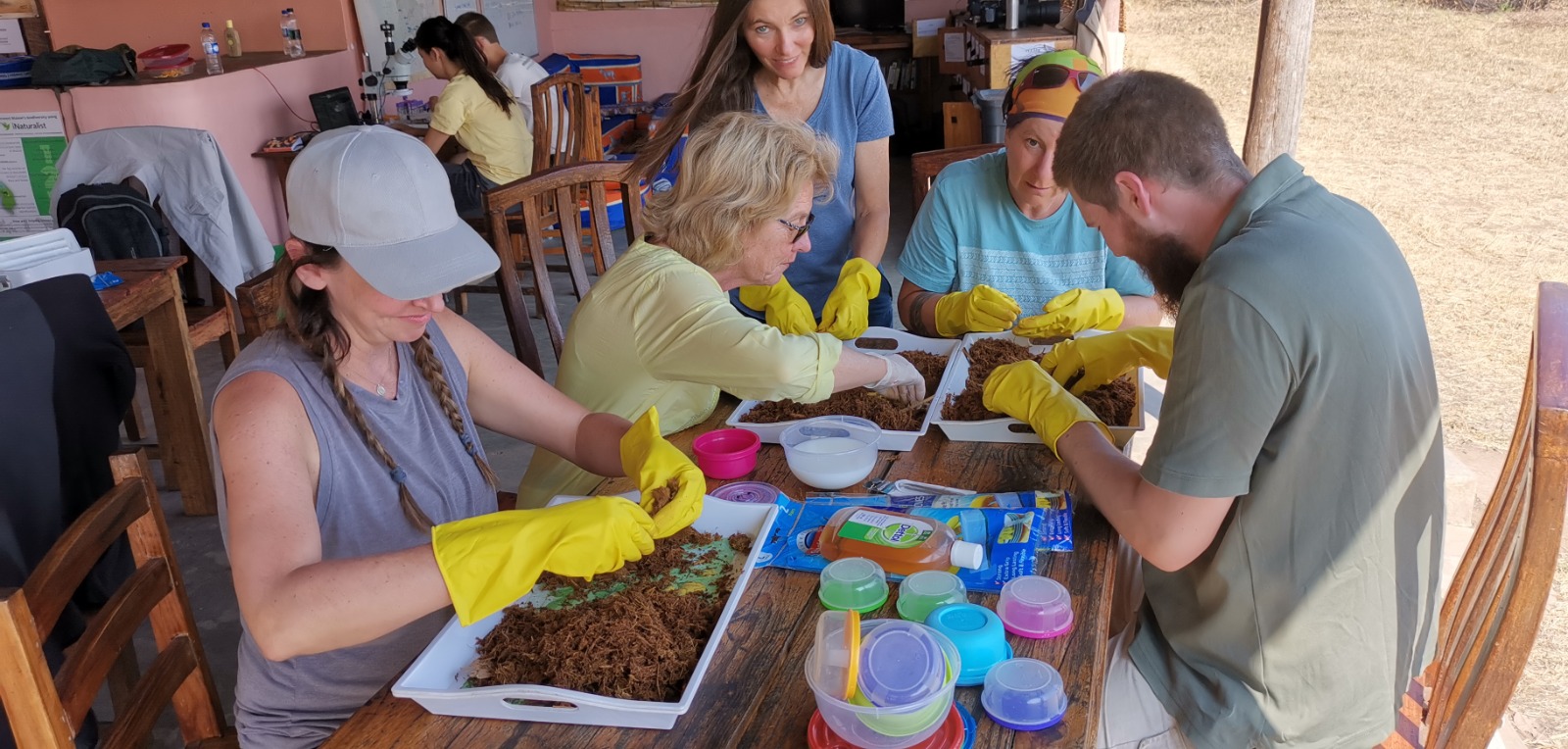
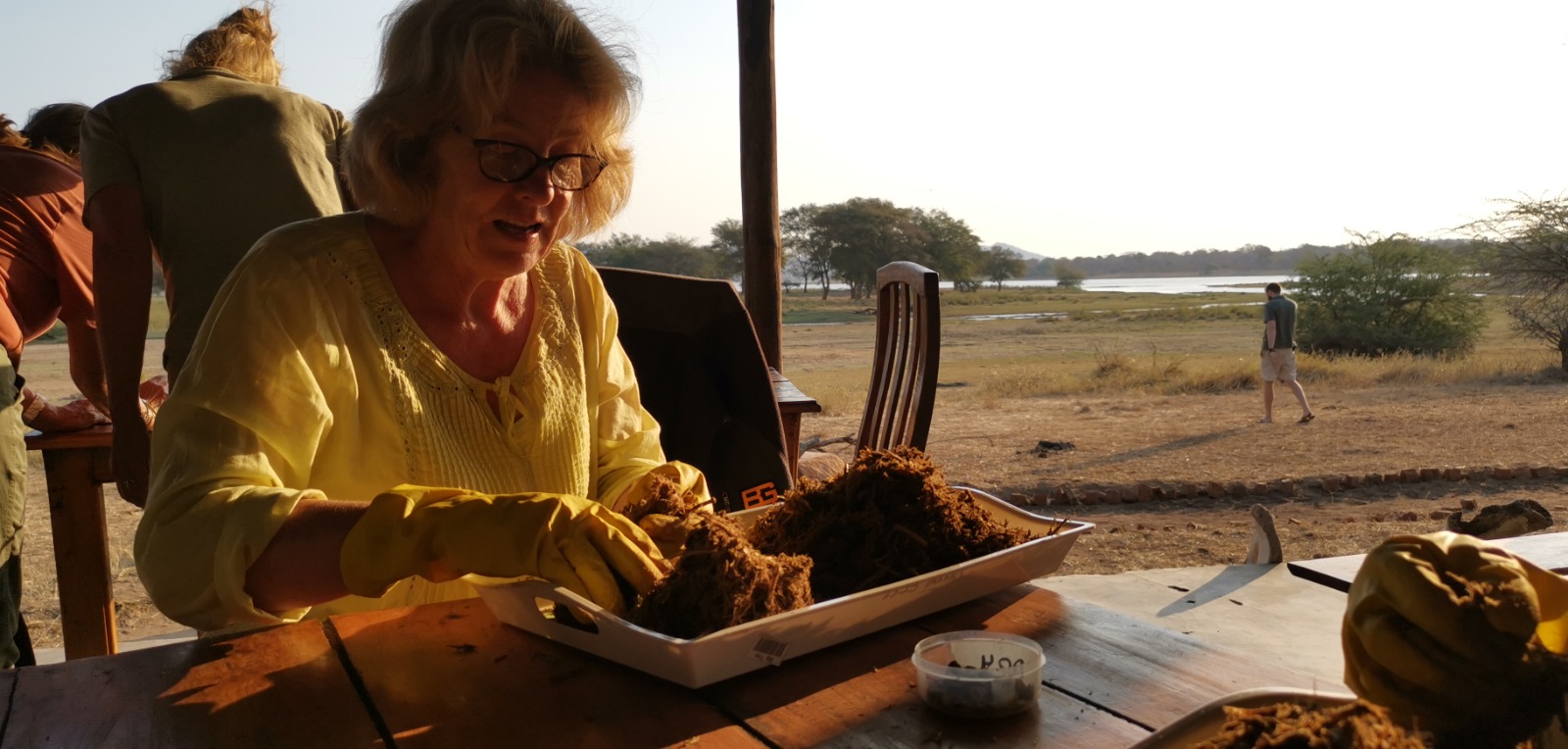
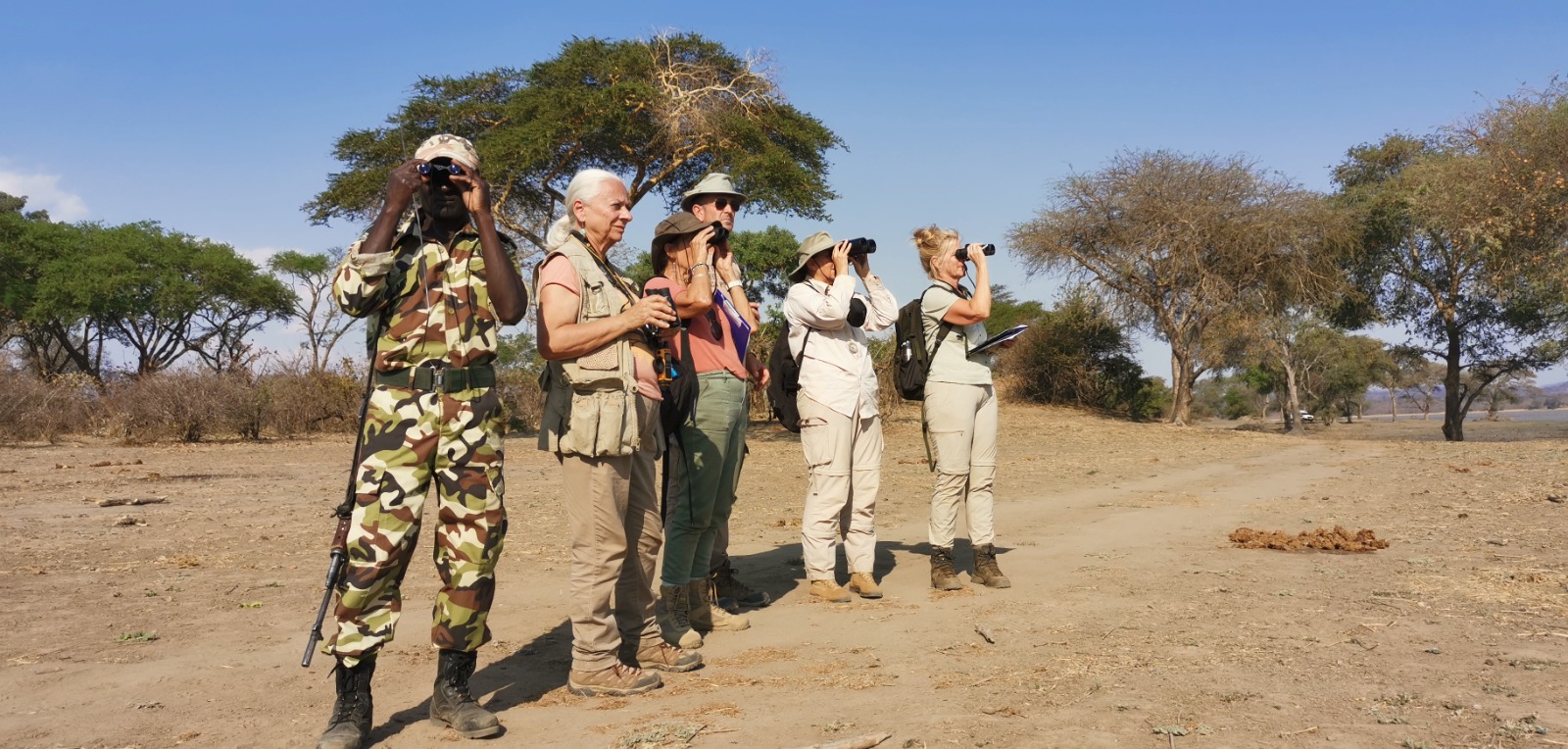
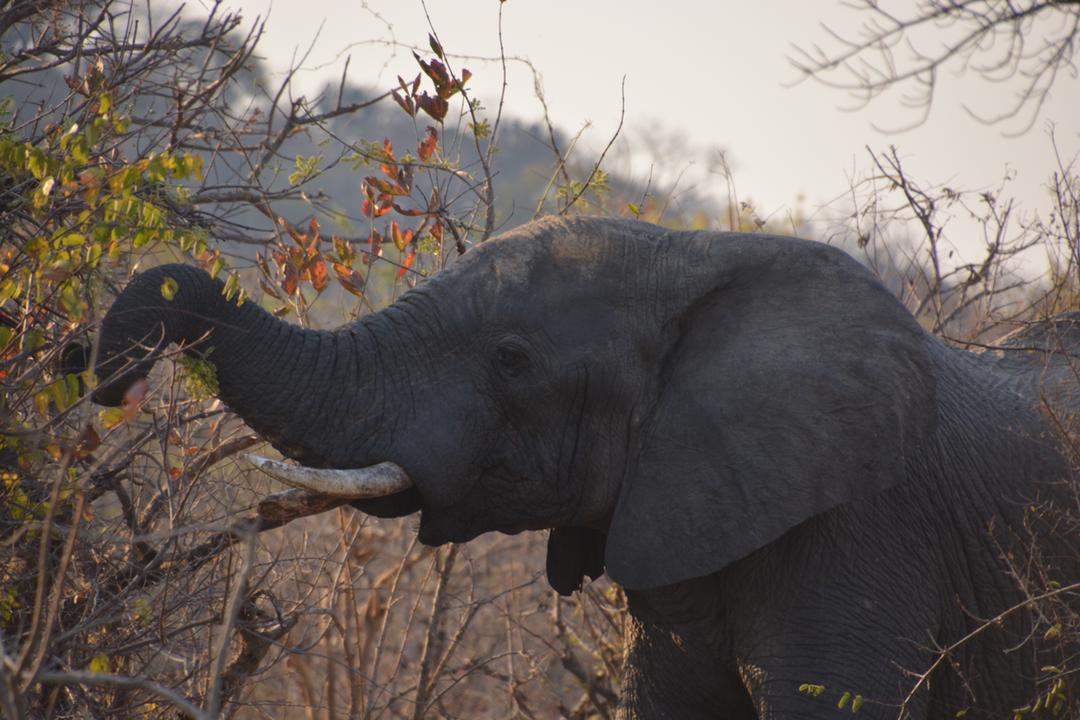
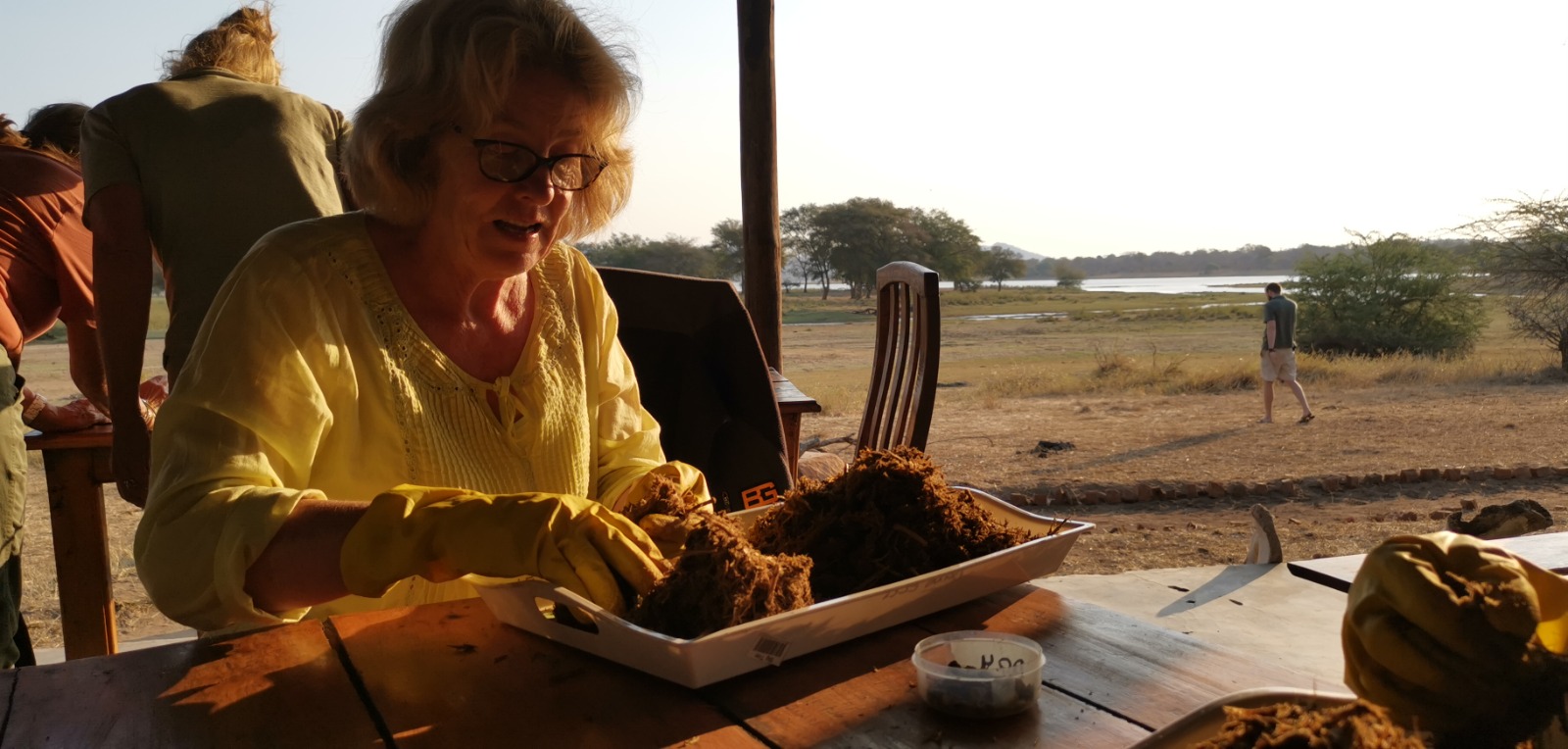
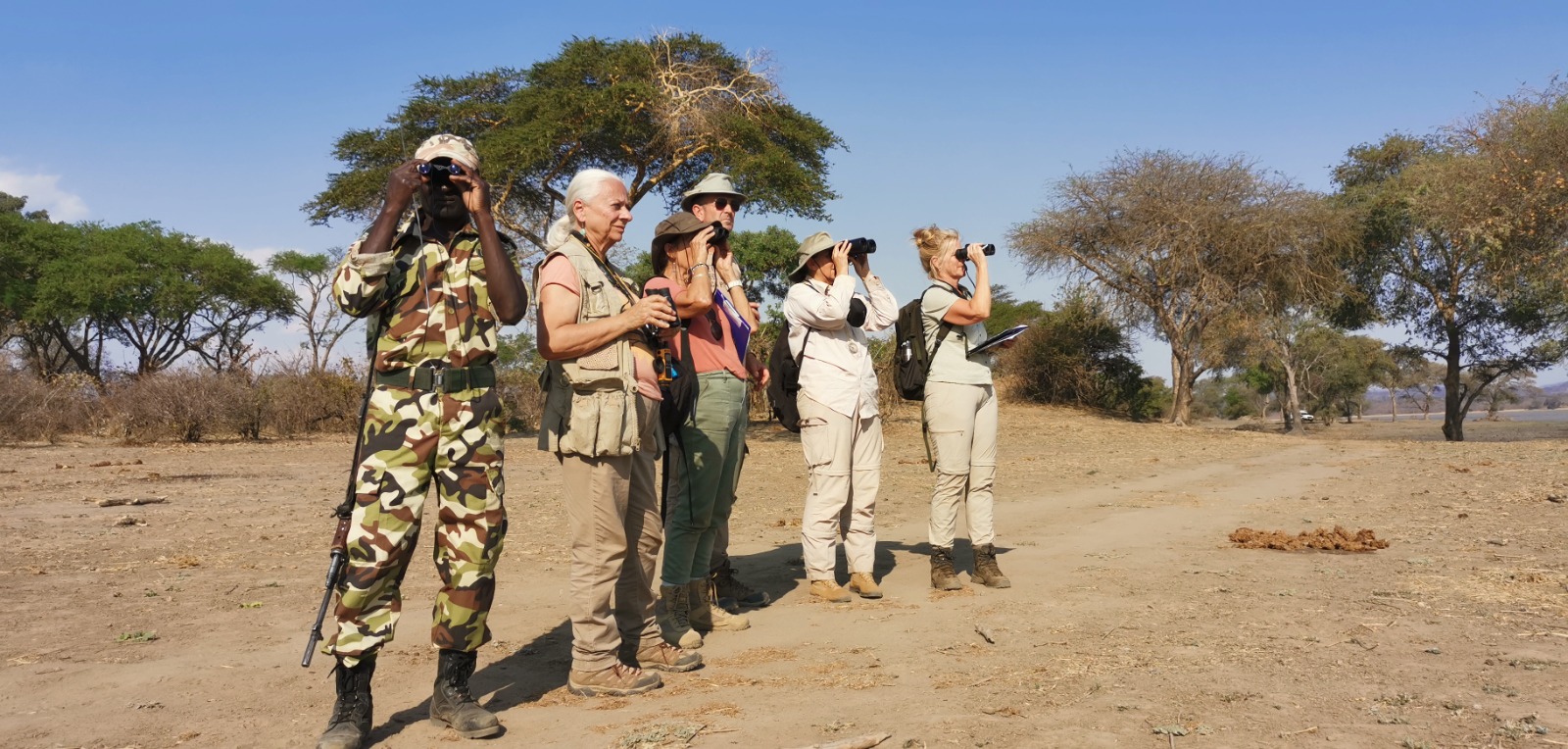
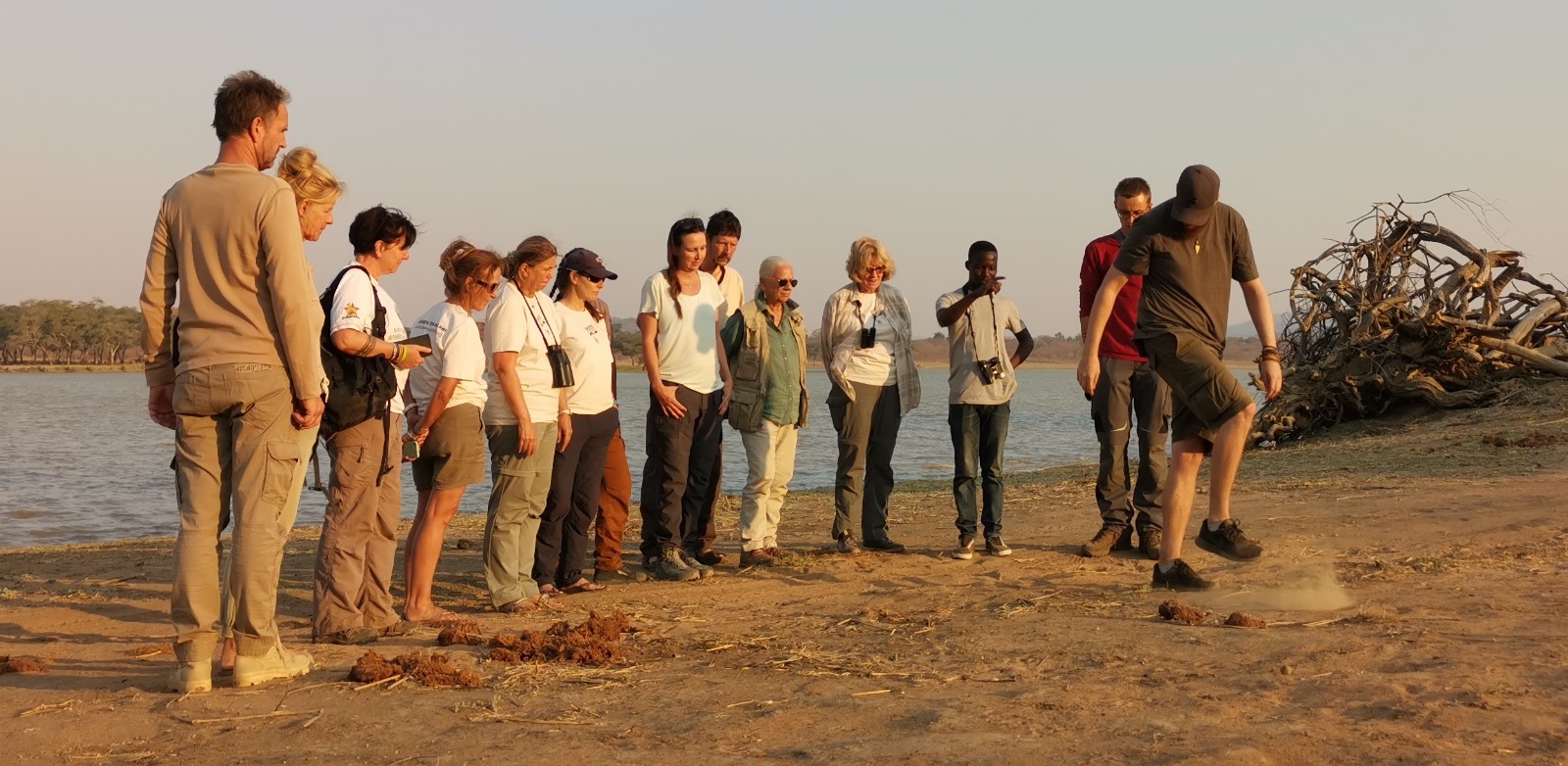
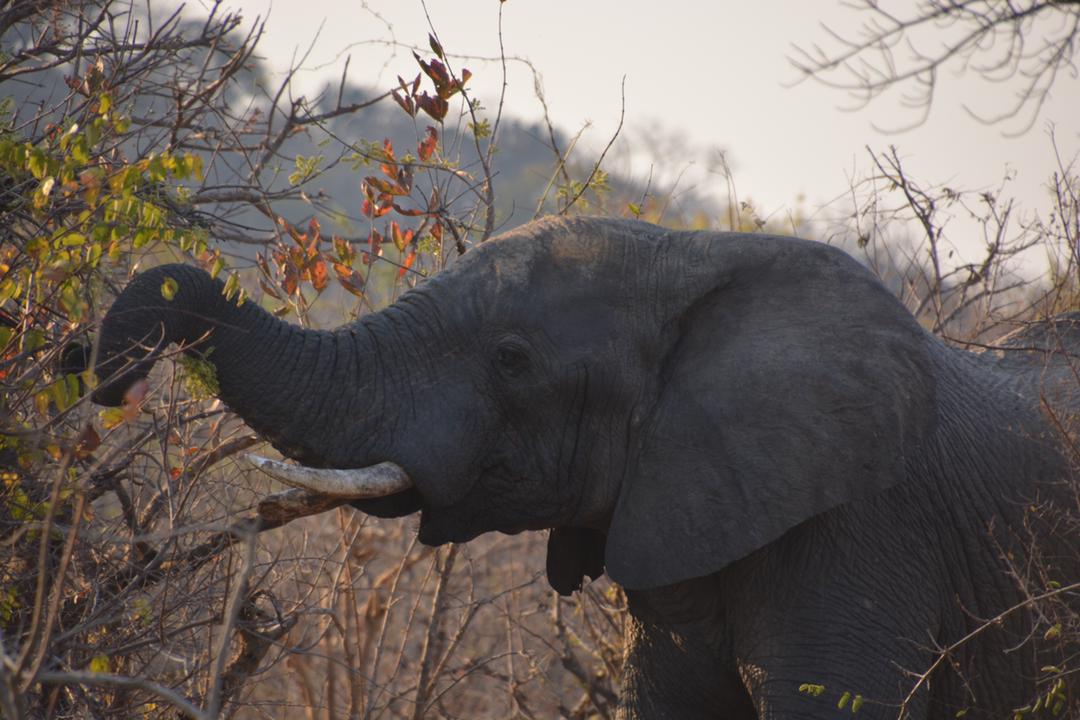
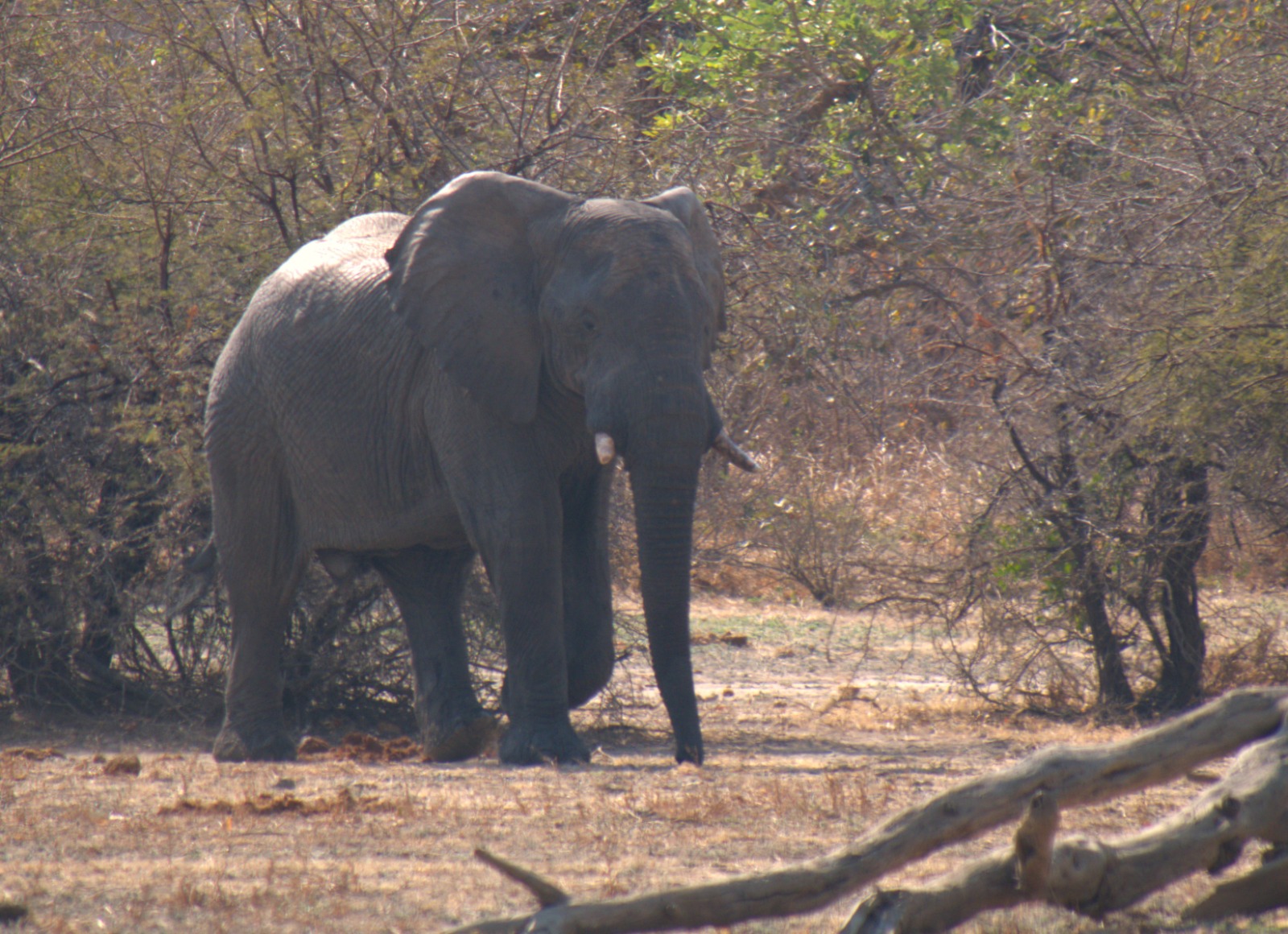
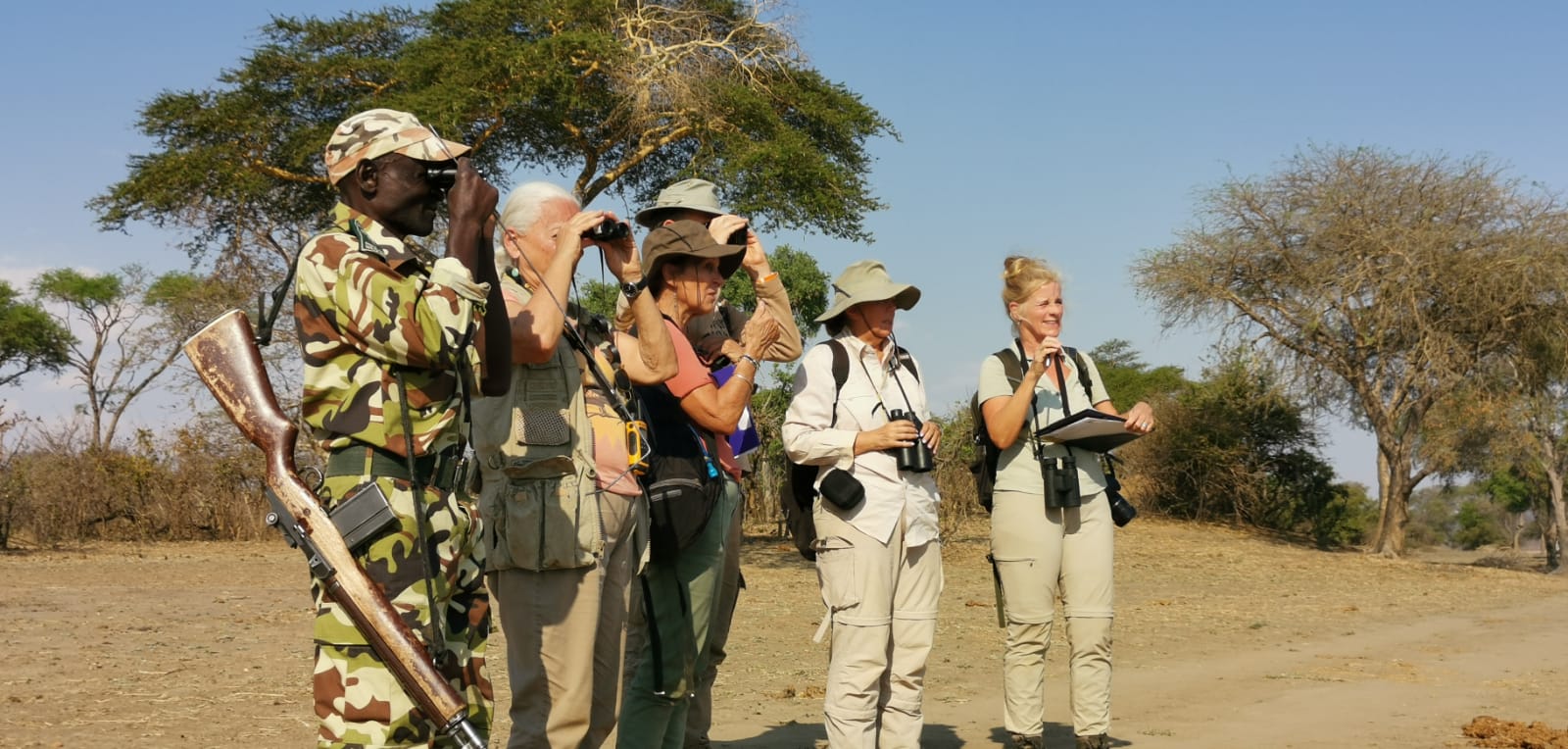
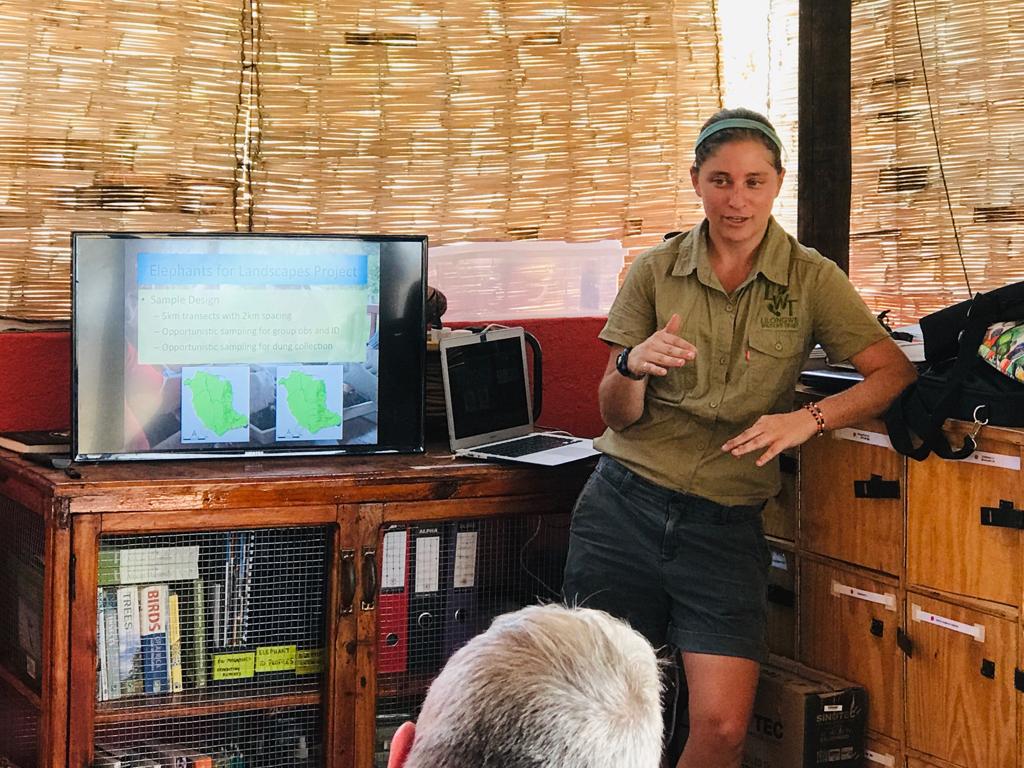
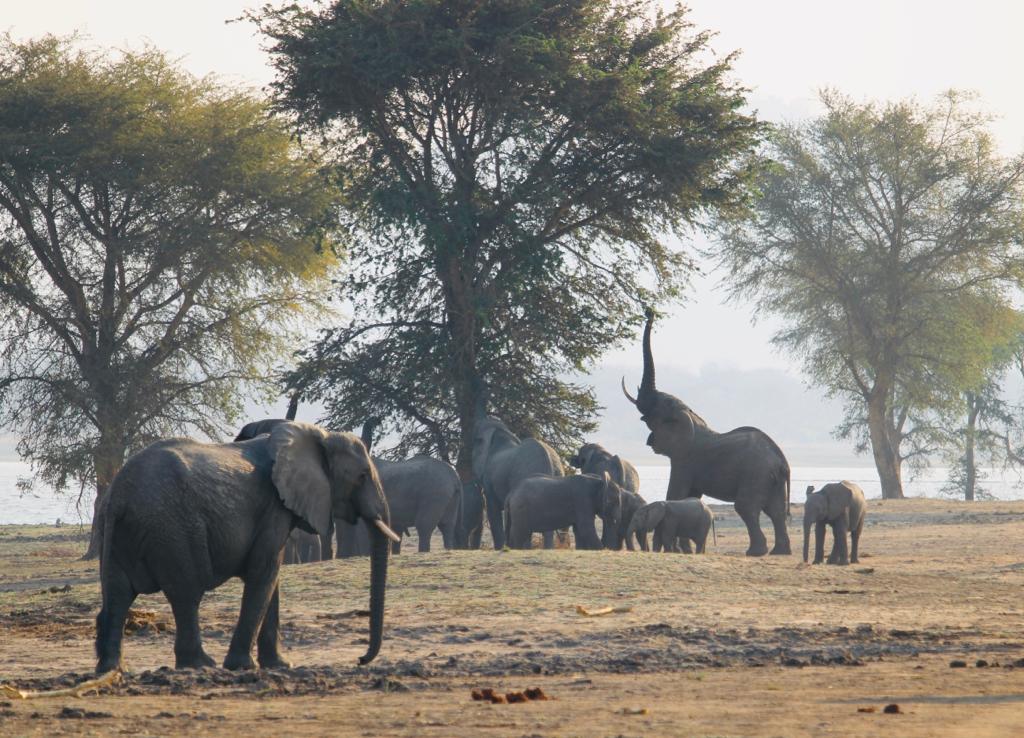
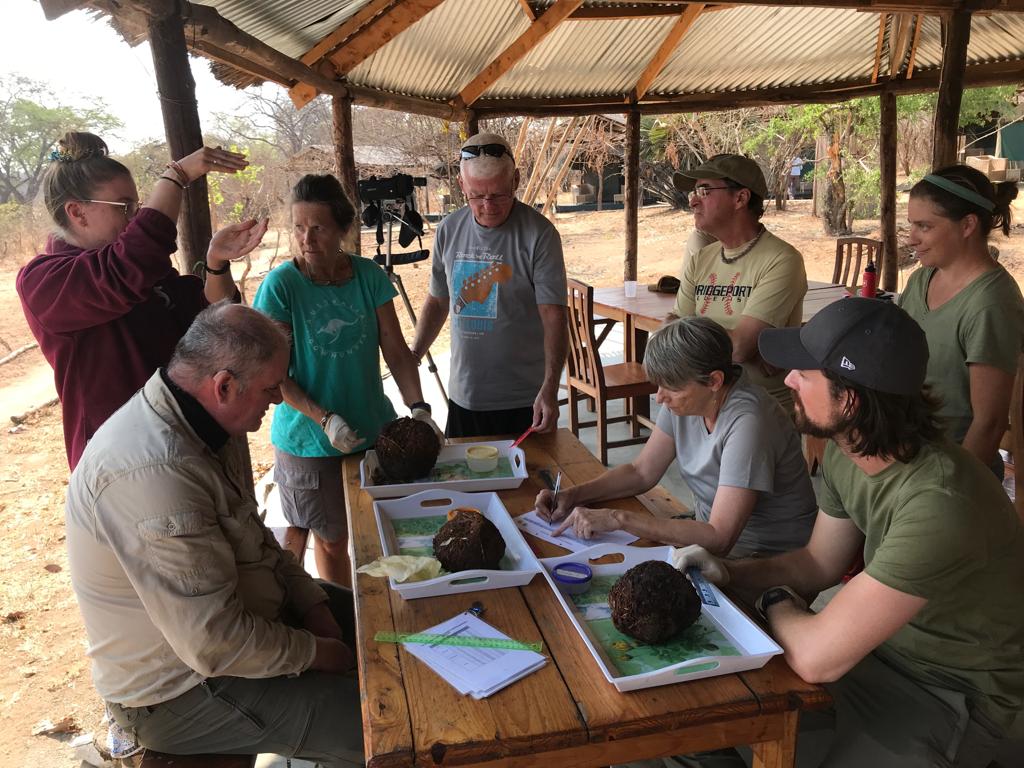
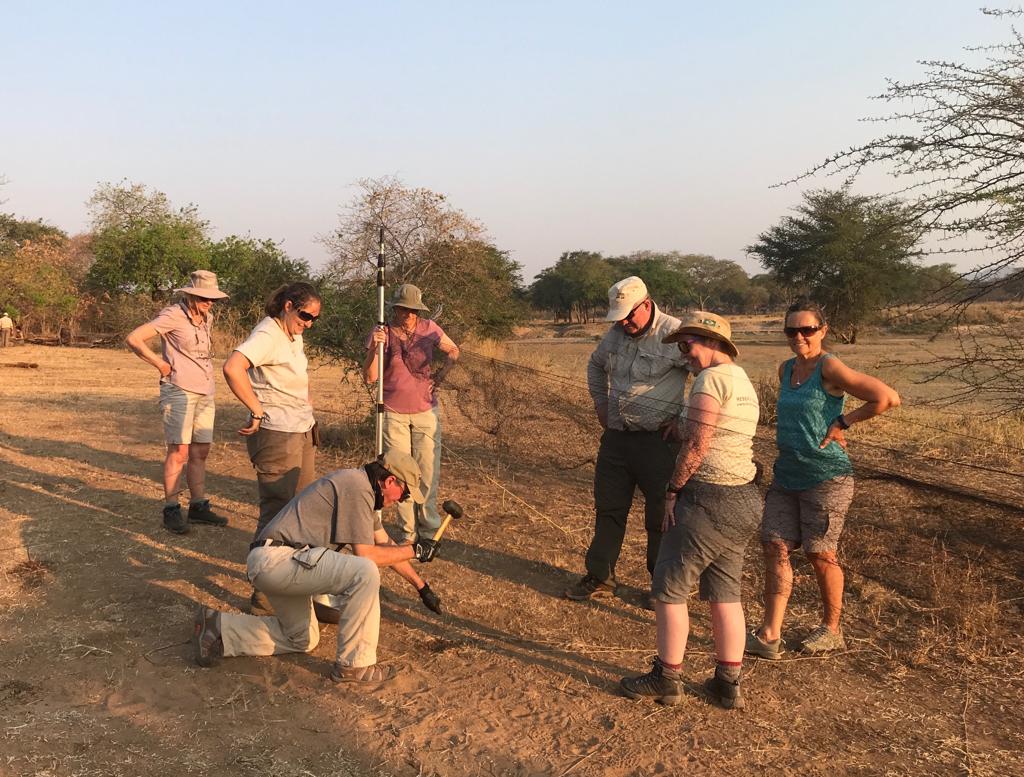
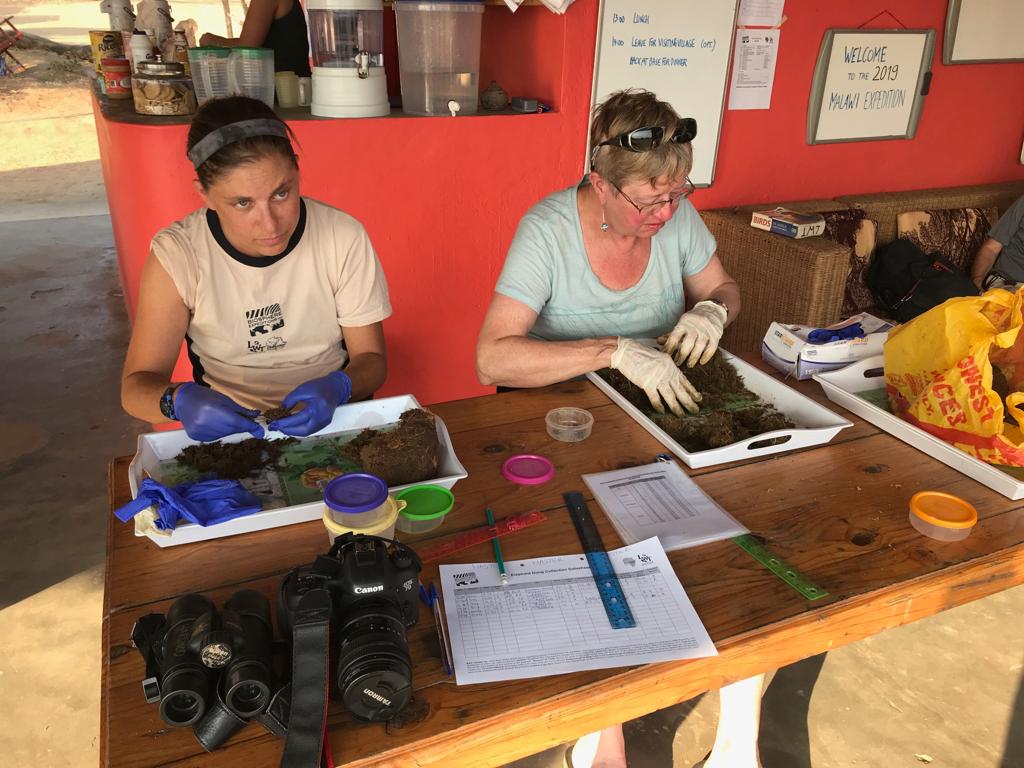
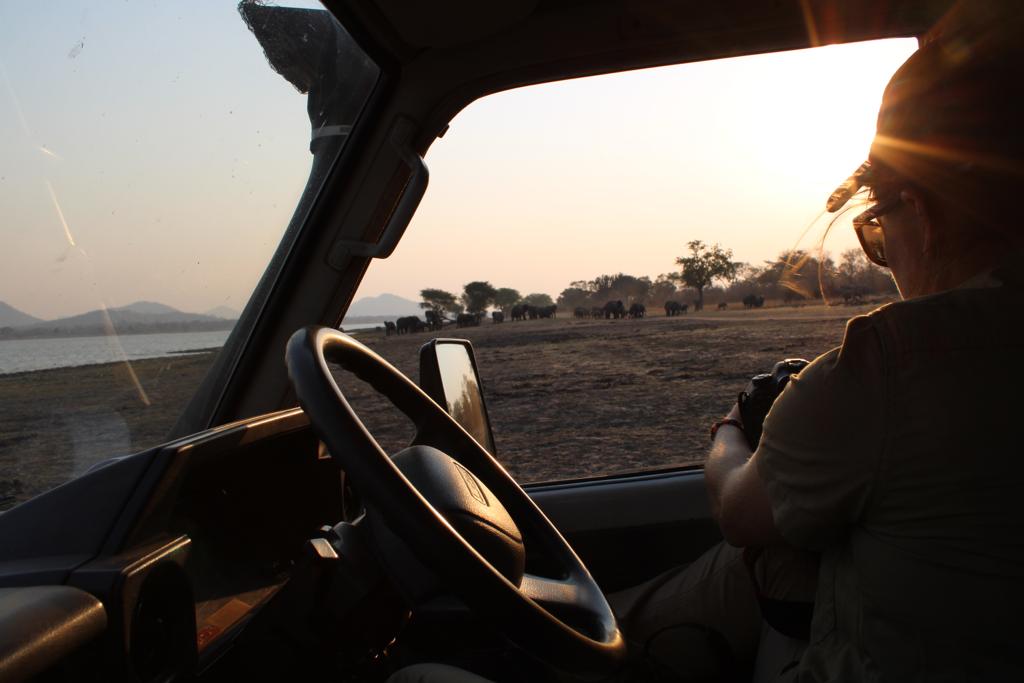
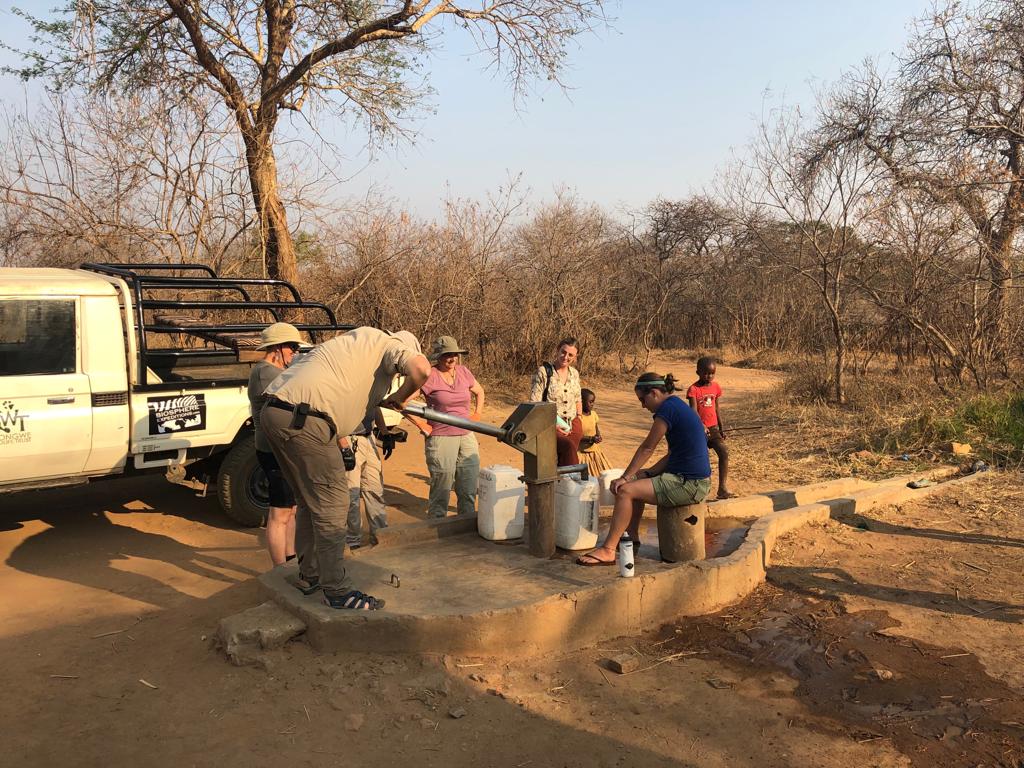
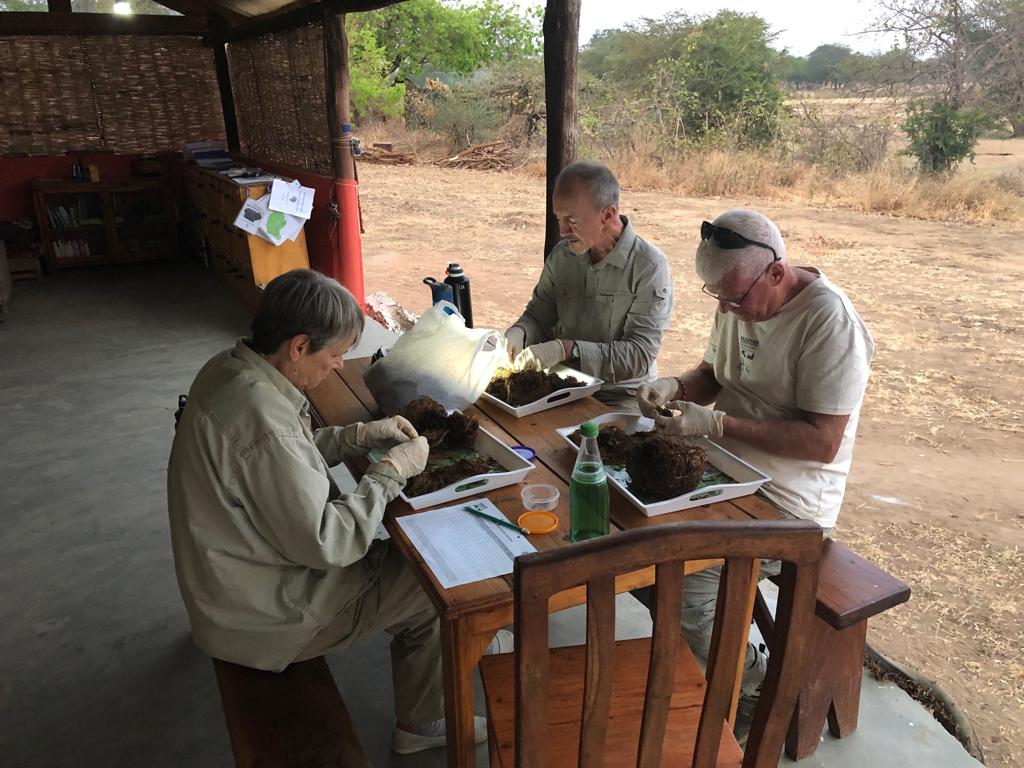
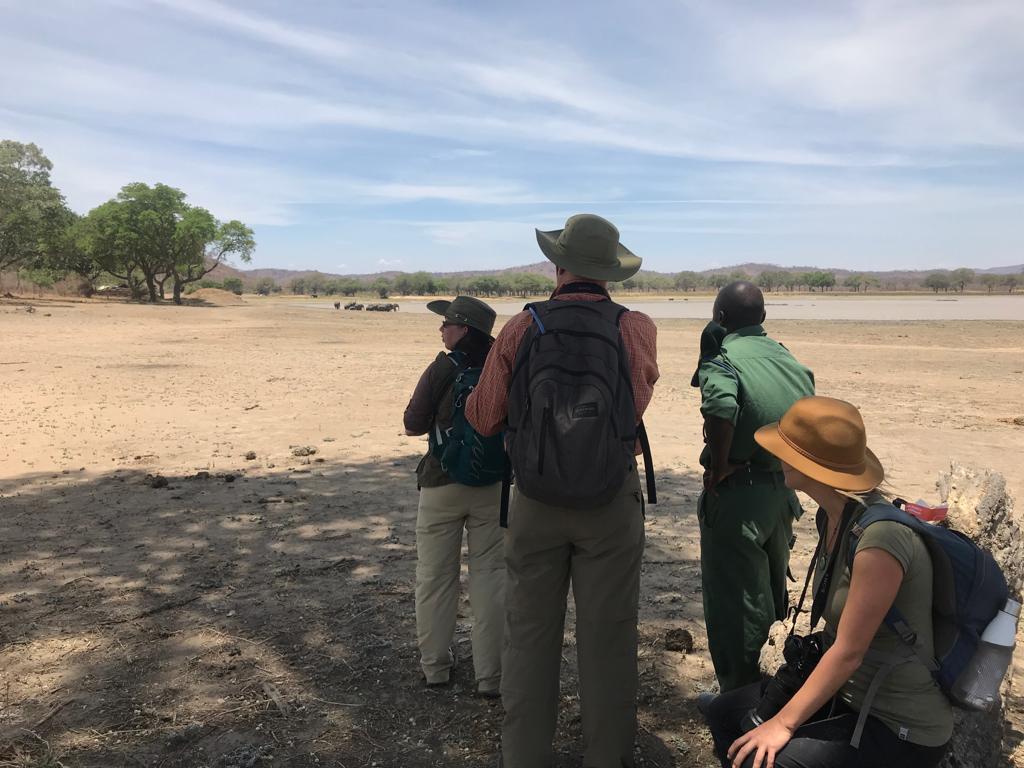
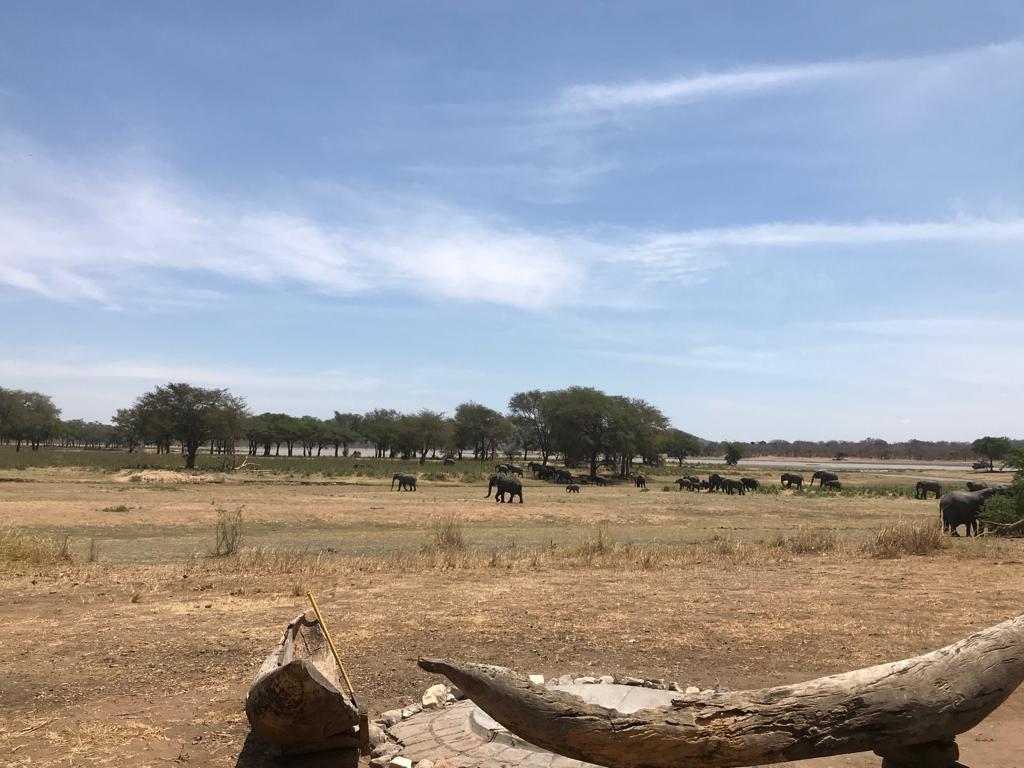
Elephant herd sightings and dung sampling: In recent years, human-elephant conflict has become an increasing threat to people’s livelihoods, but also for the local elephant population. A new fence was constructed in 2021 along the southern and eastern boundaries of Vwaza Marsh Wildlife Reserve (VMWR), aiming to keep elephants within the reserve and reduce conflict. Elephant herd sightings were conducted around Lake Kazuni and resulted in 42 observations of family herds or single bulls. 49% of all elephants observed were in the age categories younger than 16, suggesting a stable population recruitment. For future expeditions, identification of matriarchs would be beneficial to monitor herd compositions and natality and mortality rates within herds. Dung samples were collected ad lib to assess if there were any cultivated food items contained in them, which would indicate that elephants still managed to venture into community land. No cultivated food items were found in 38 collected dung samples.
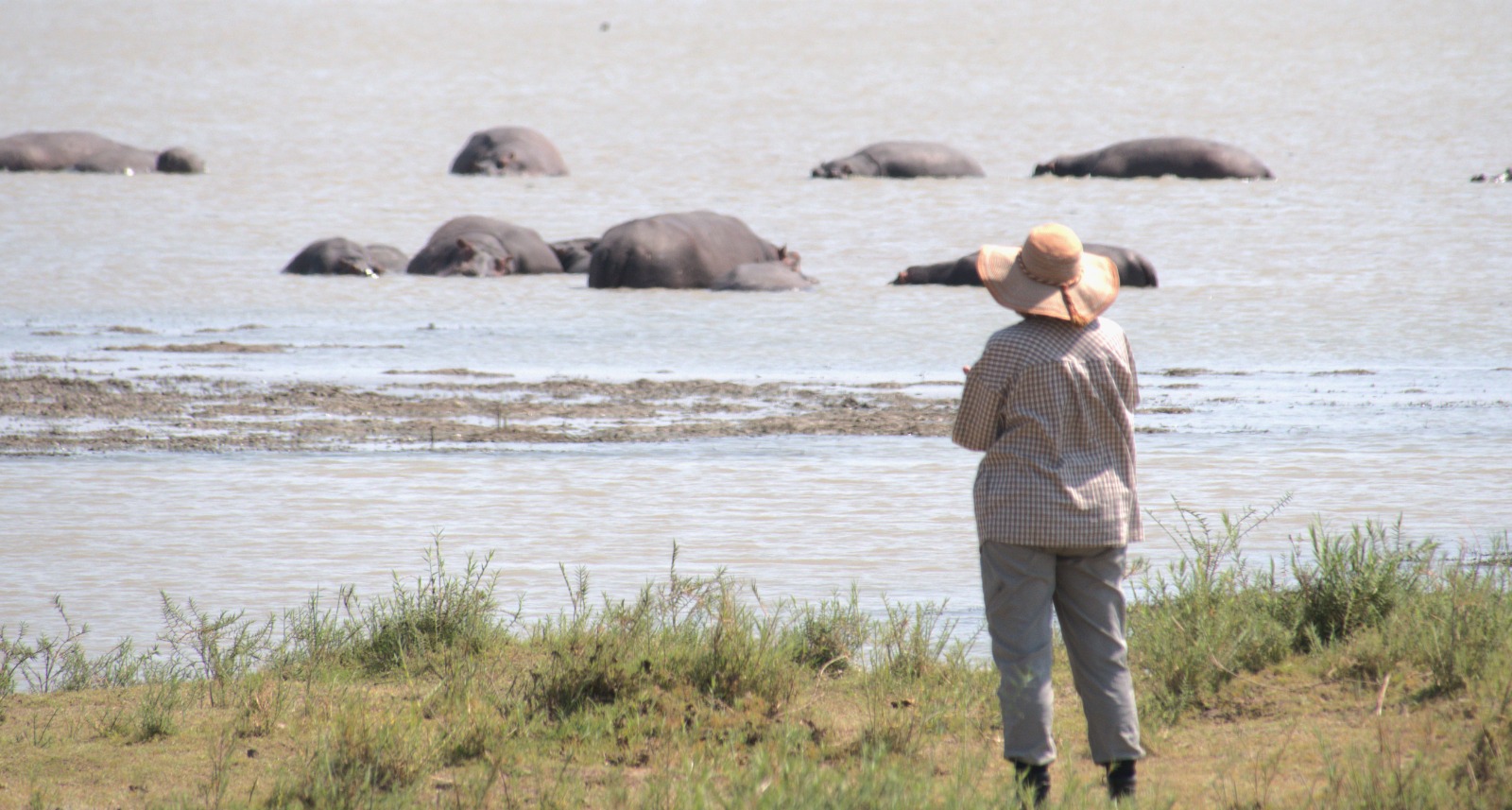
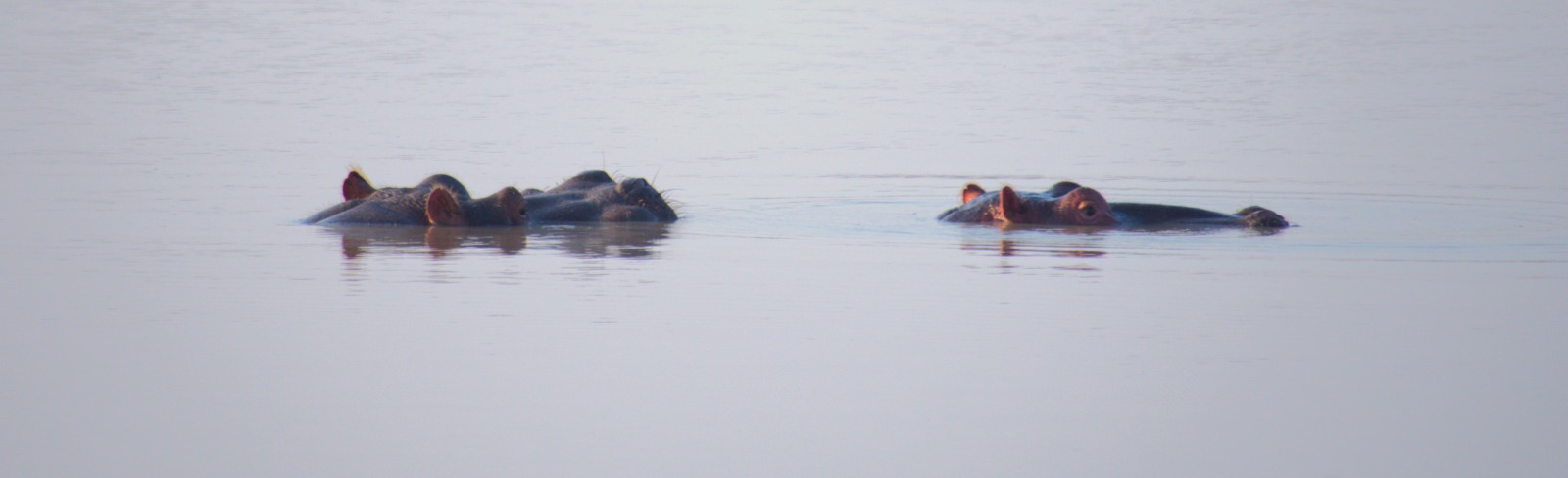
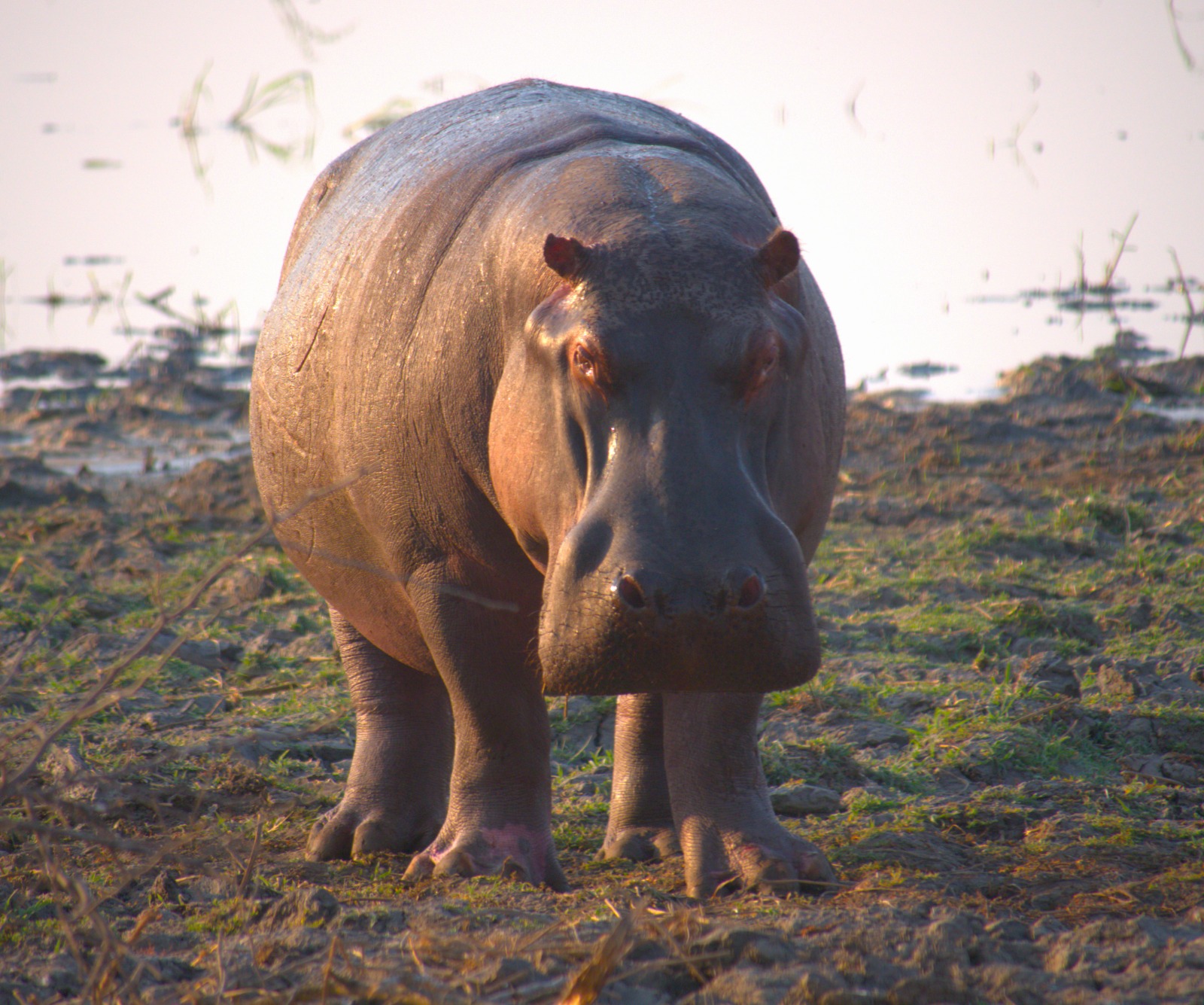
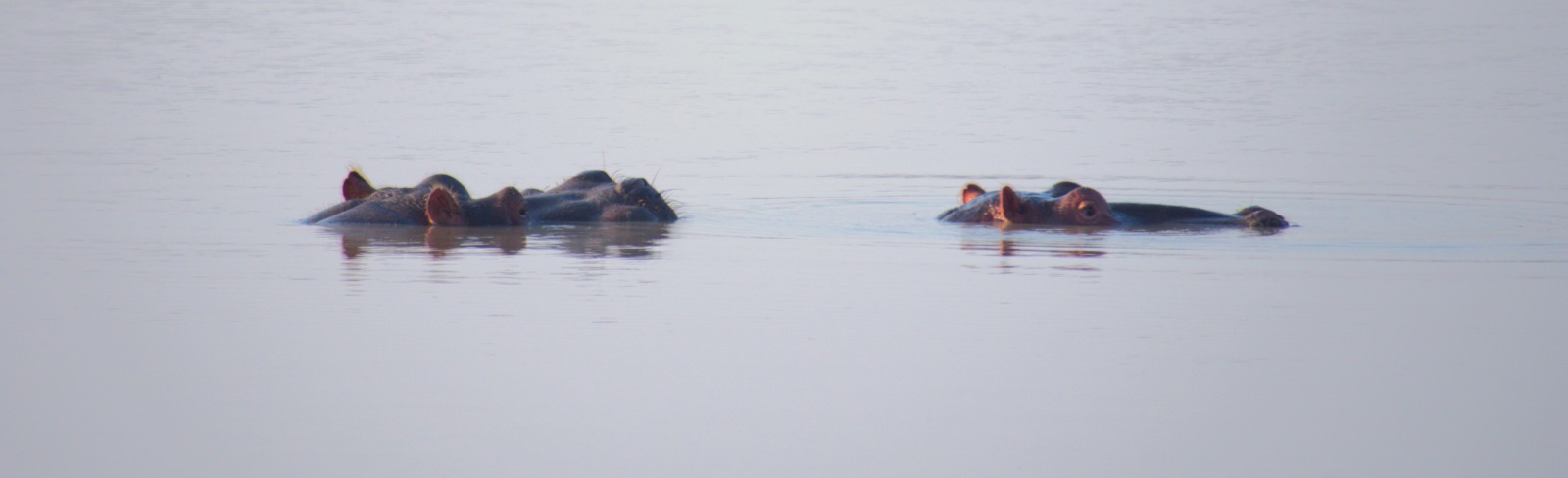
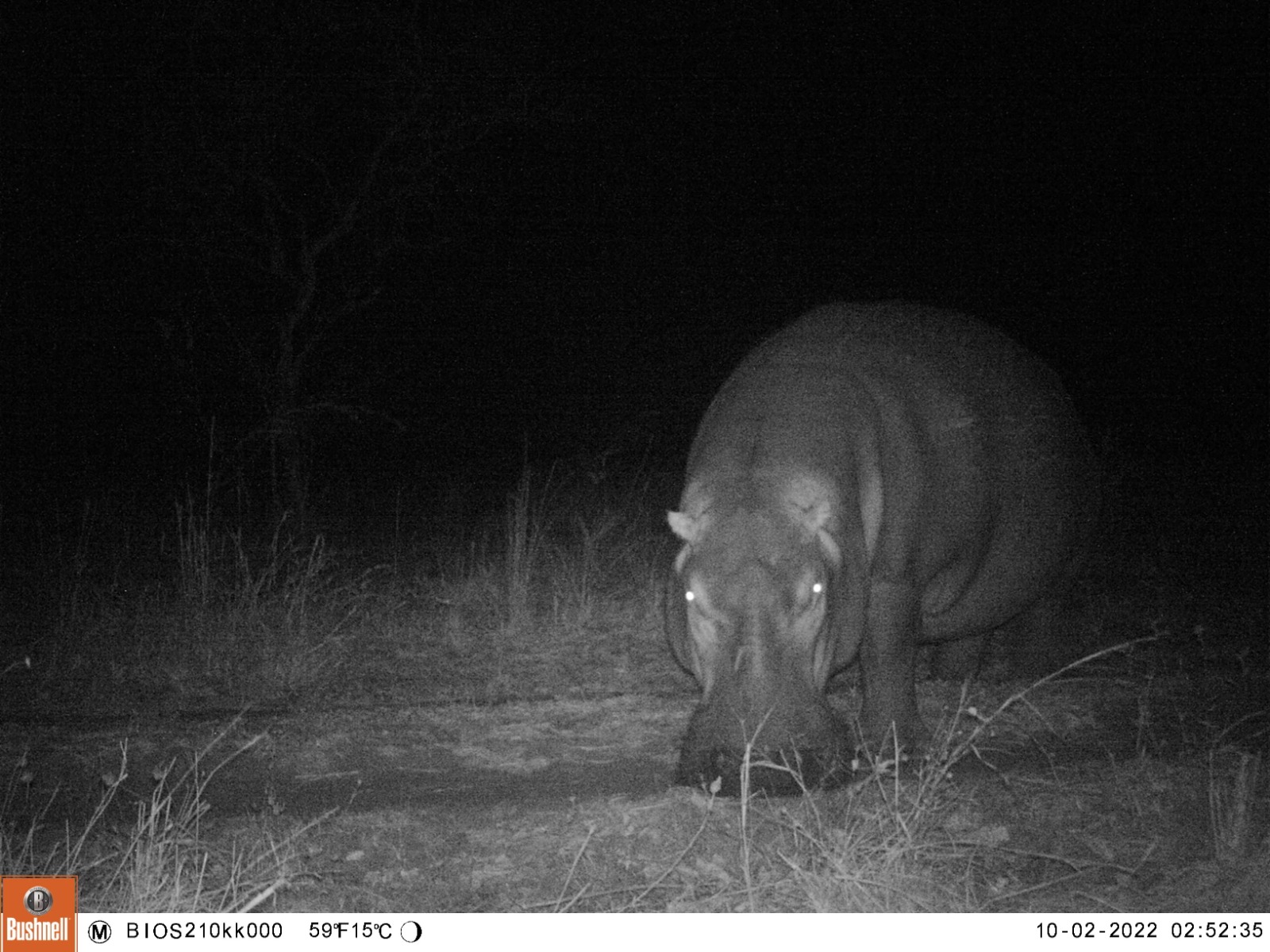
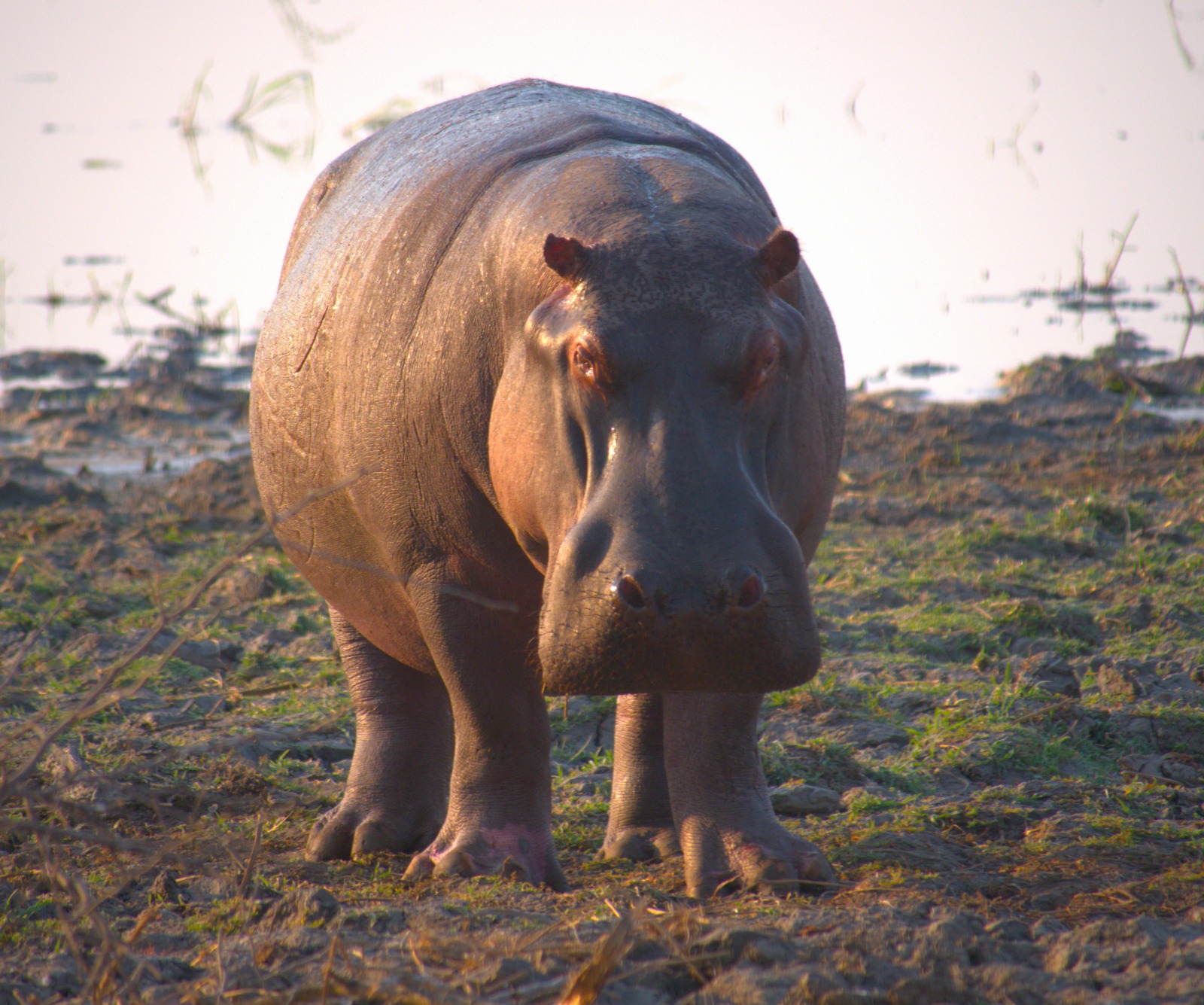
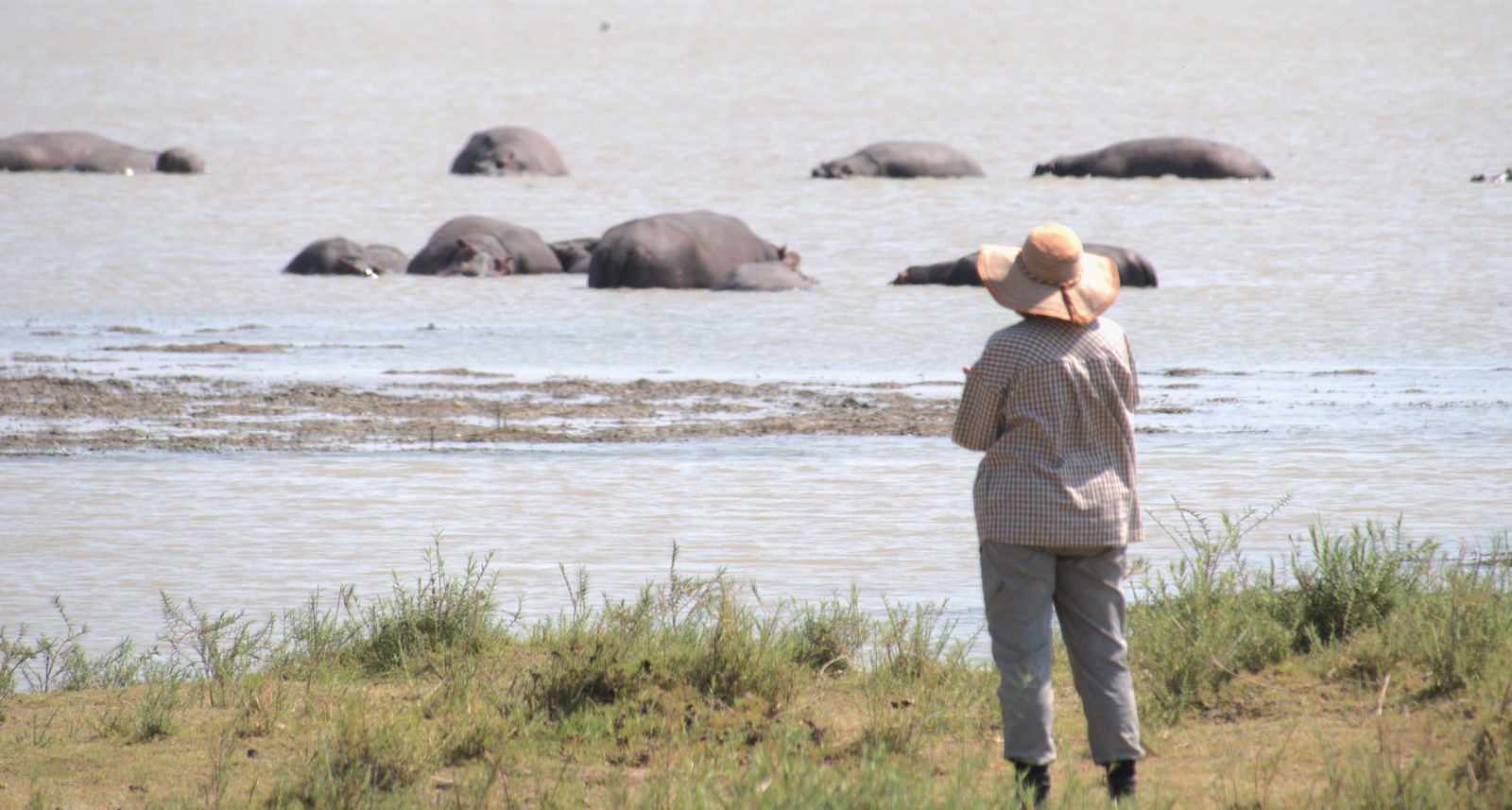
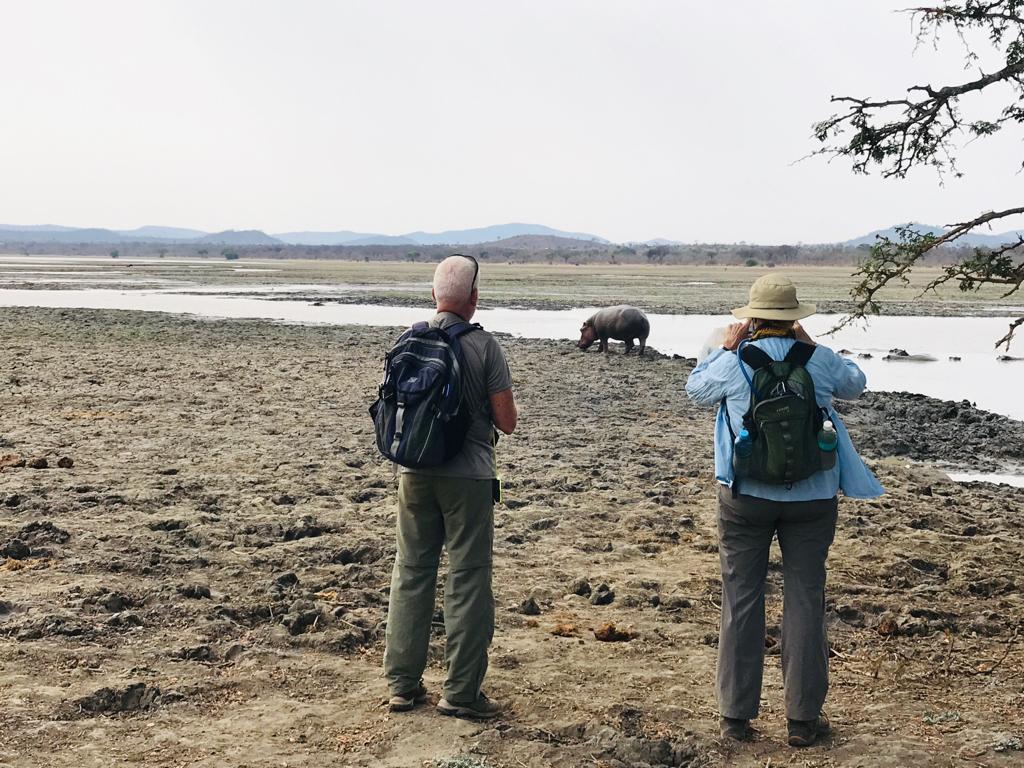
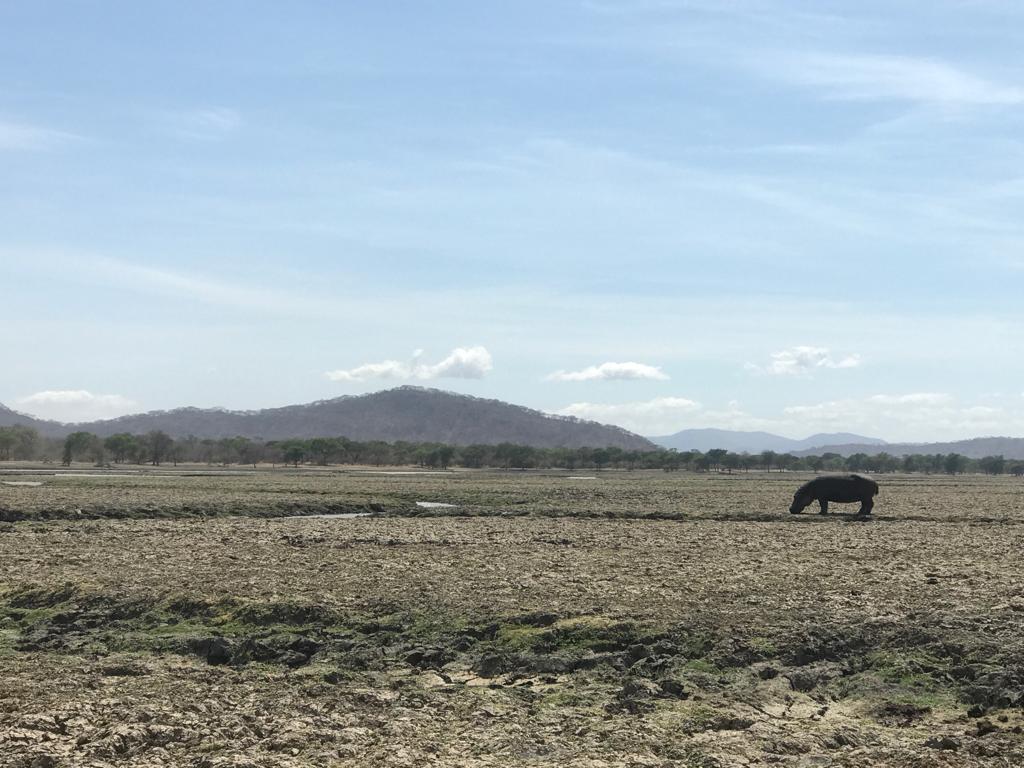
Hippo transects: VMWR is the only protected area in Malawi’s northern region to host a stable hippo population. However, no consistent monitoring of their populations is being done. As Lake Kazuni and the adjacent South Rukuru River are the only perennial water sources in the reserve, the majority of the population should be concentrated there. Transects of the northern shore of the lake were completed six times and resulted in a total of 698 hippos counted, with a maximum of 120 during two of the transects, which serves as a conservative population estimate. Compared to previous years, the maximum count has decreased substantially (from 338 in 2018 and 169 in 2019), suggesting a population decline. Future expeditions should keep monitoring the hippo population to recognise population crashes.Camera trapping:
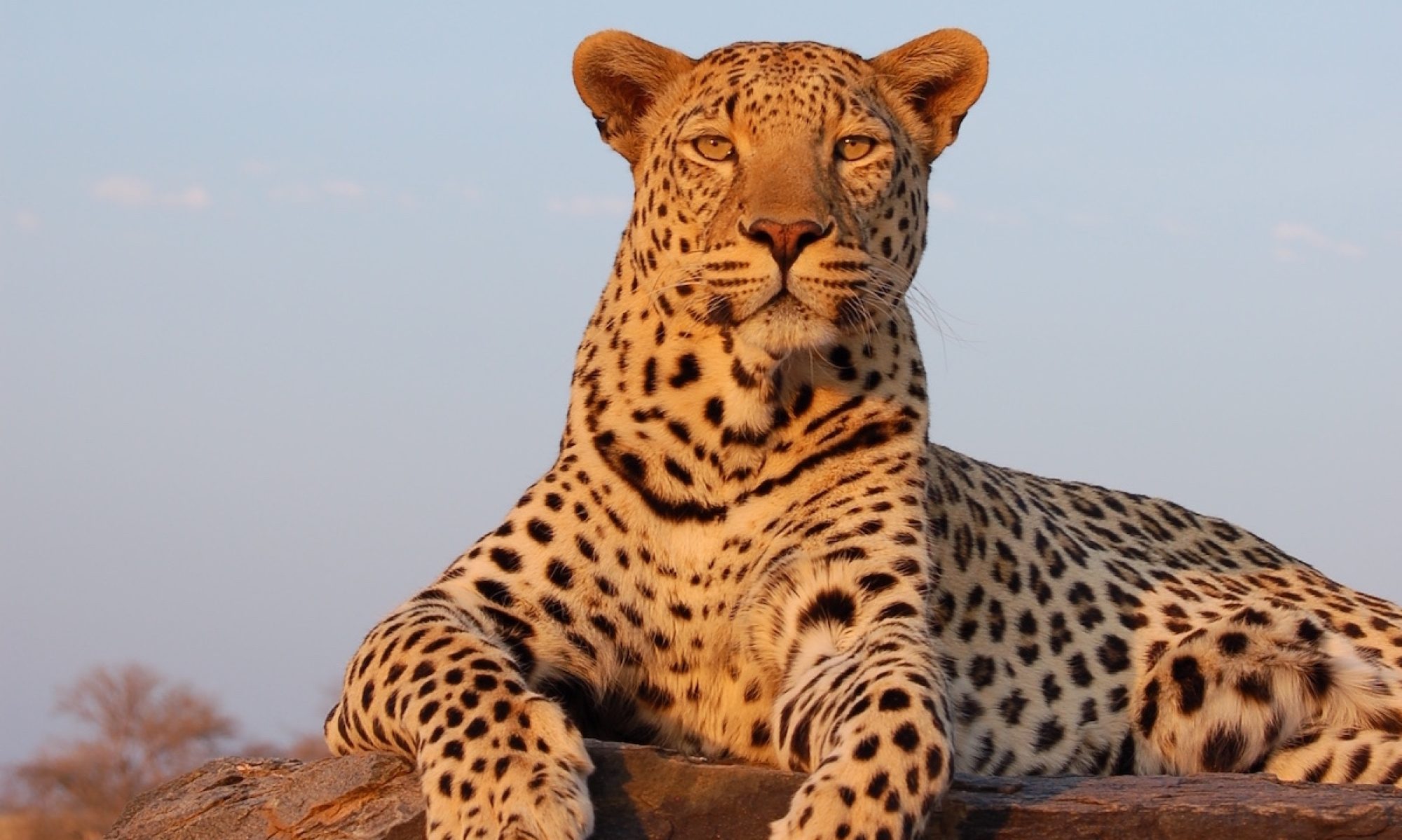
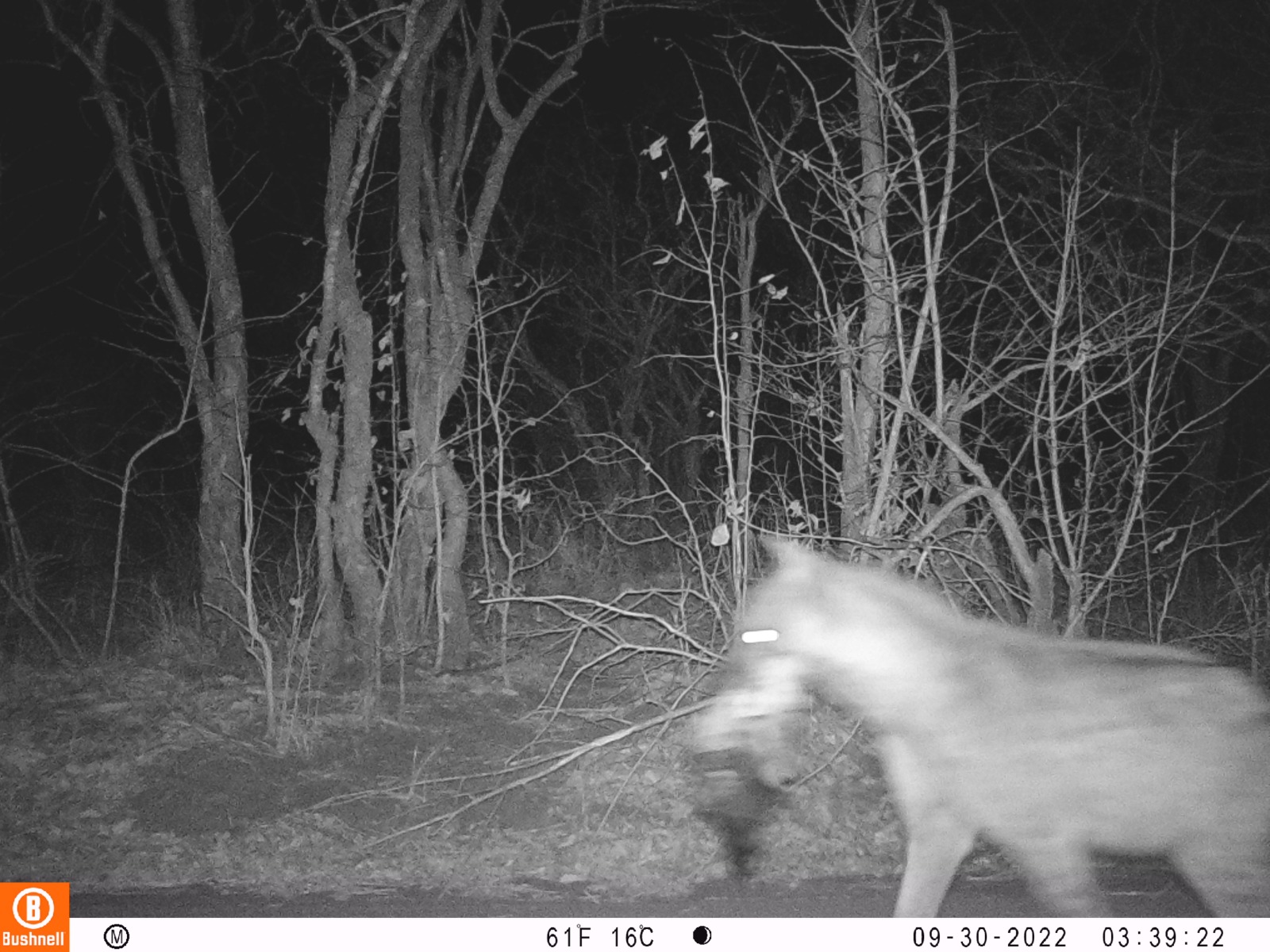
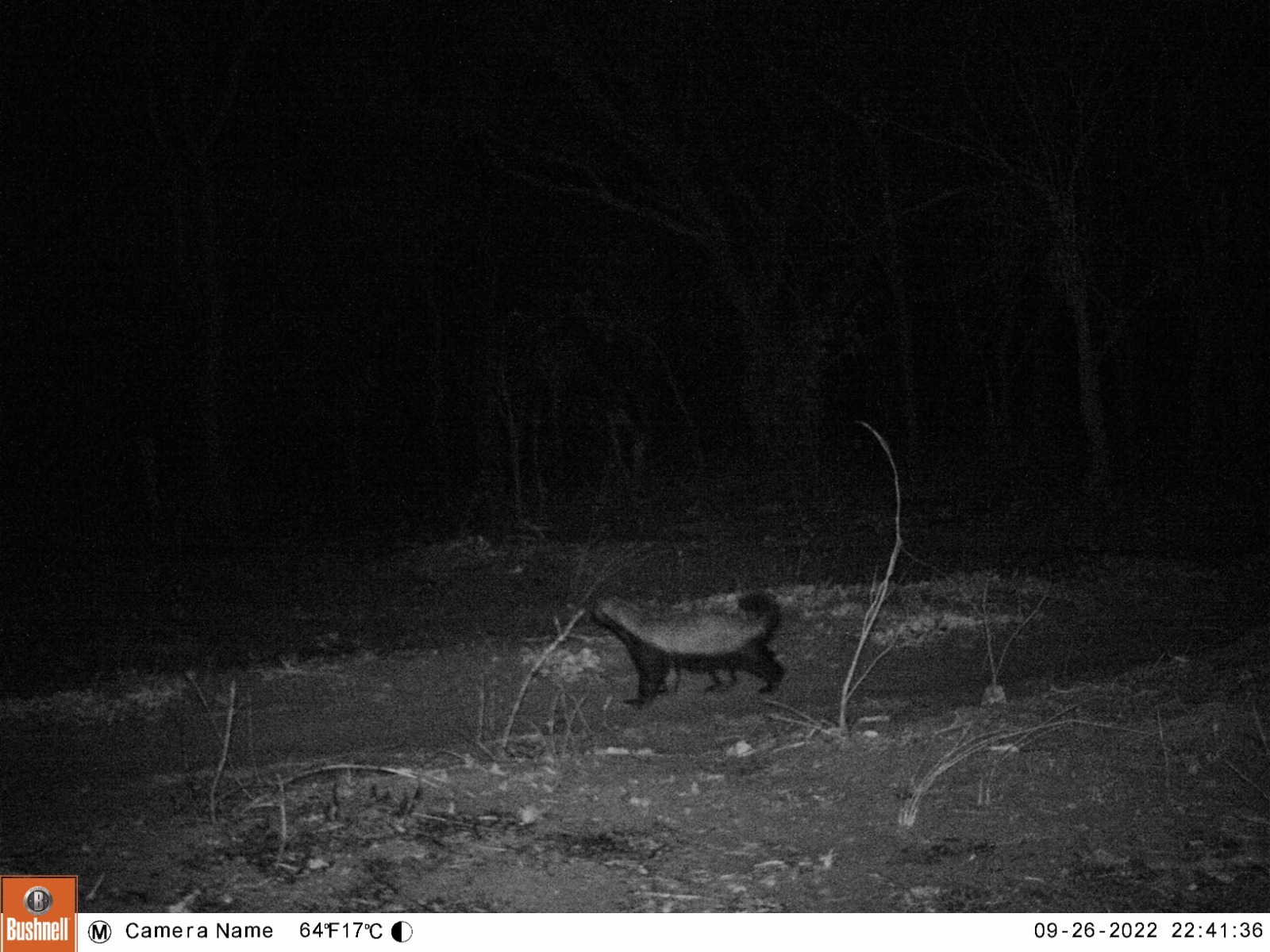
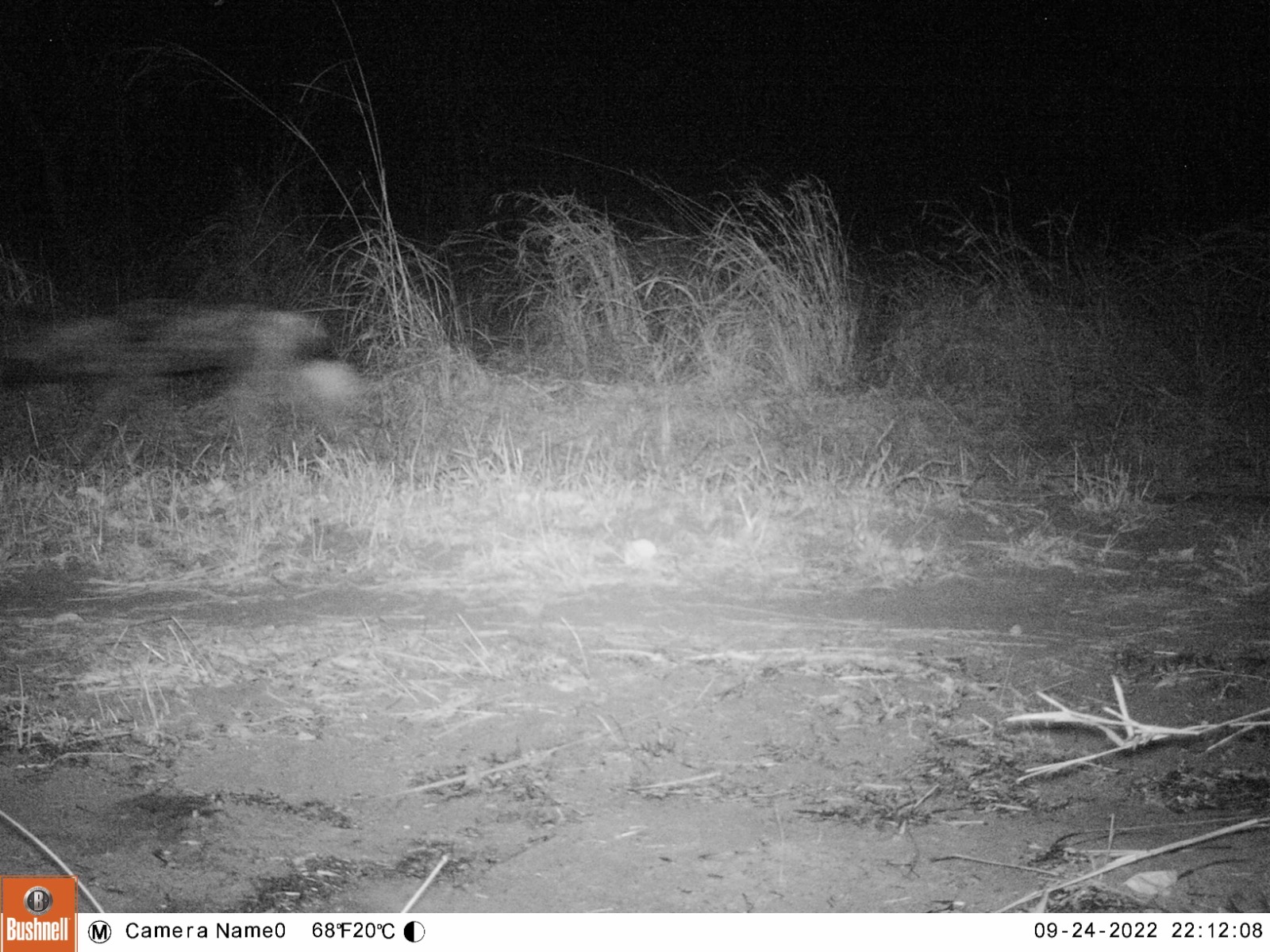
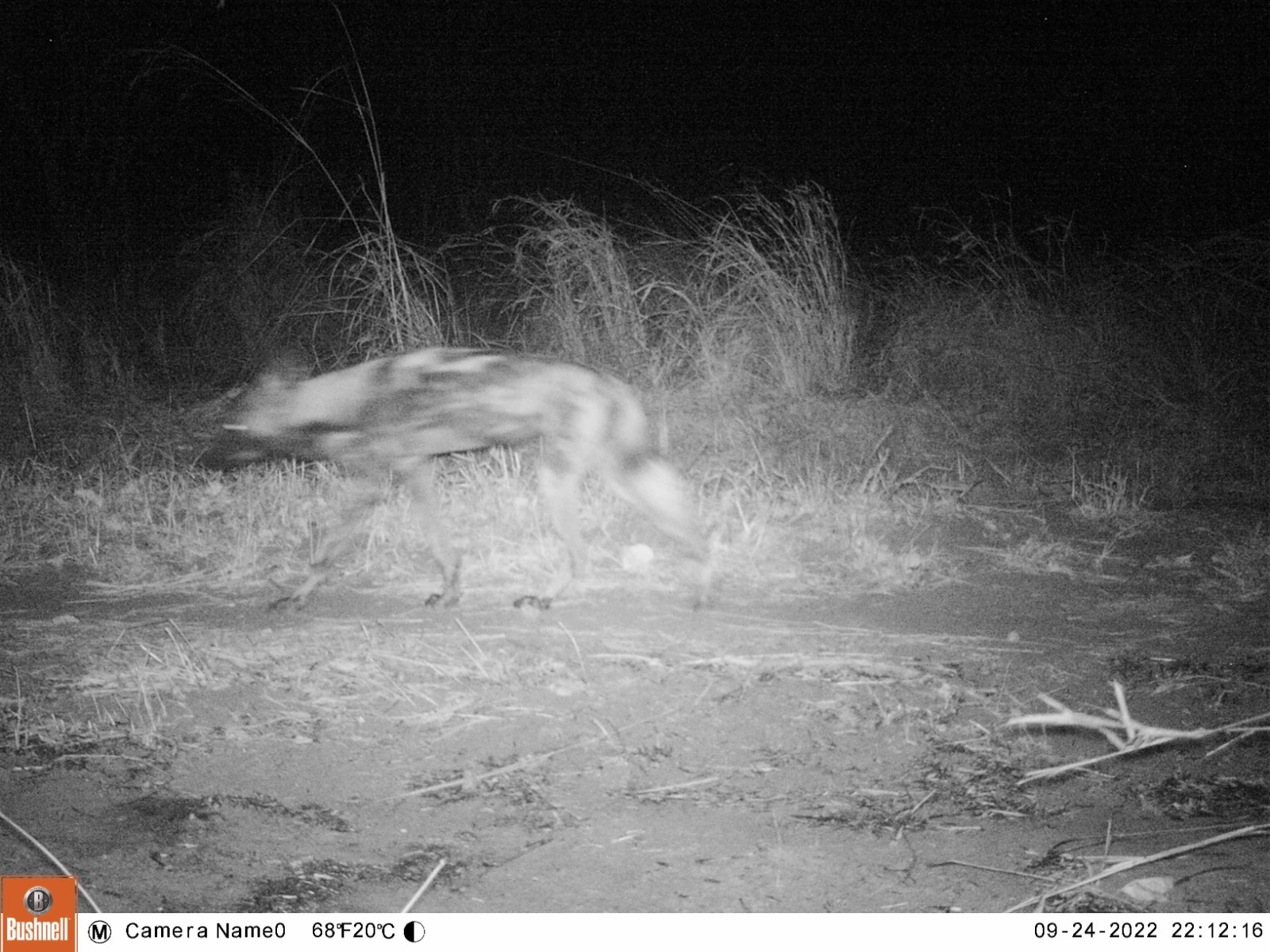
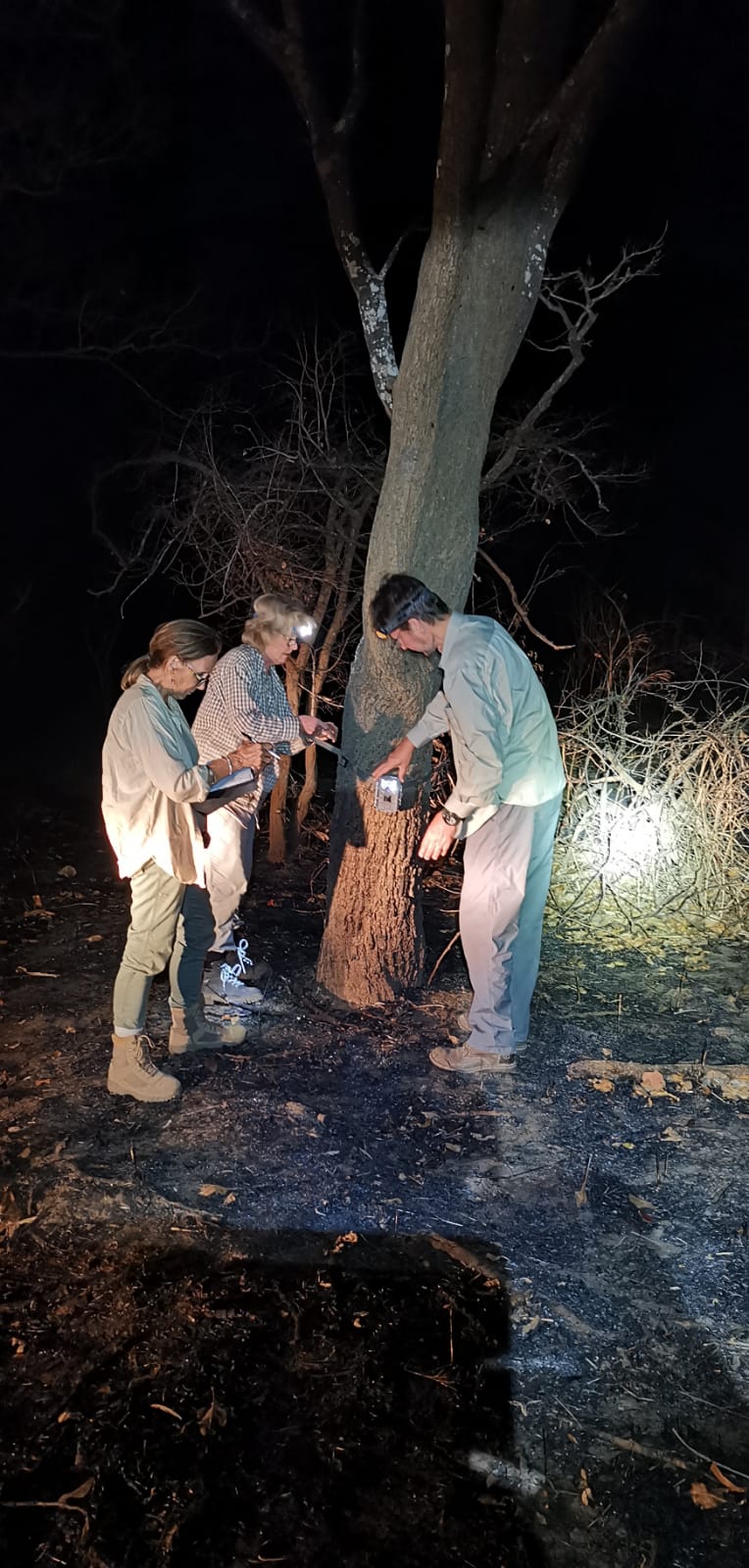
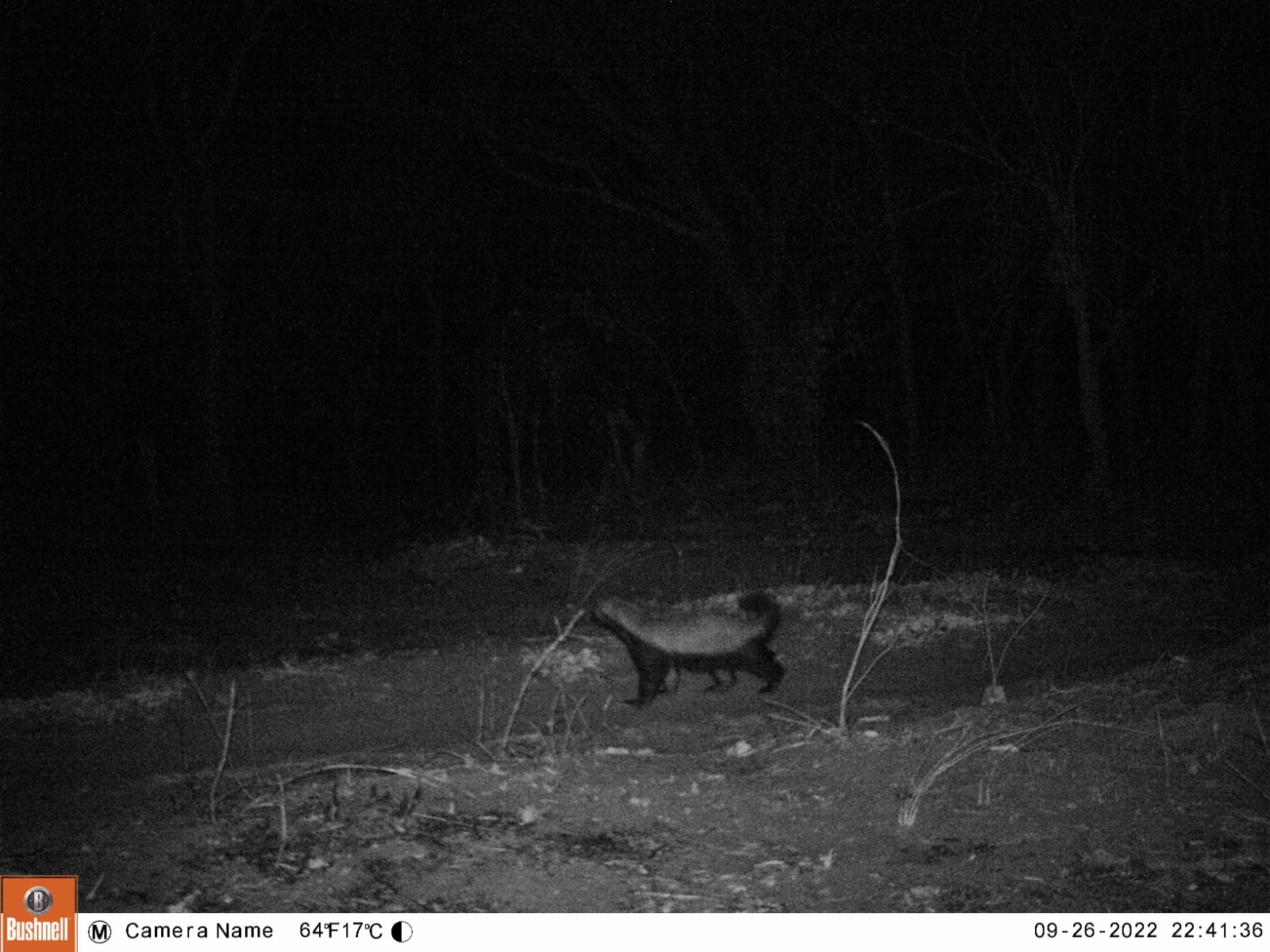
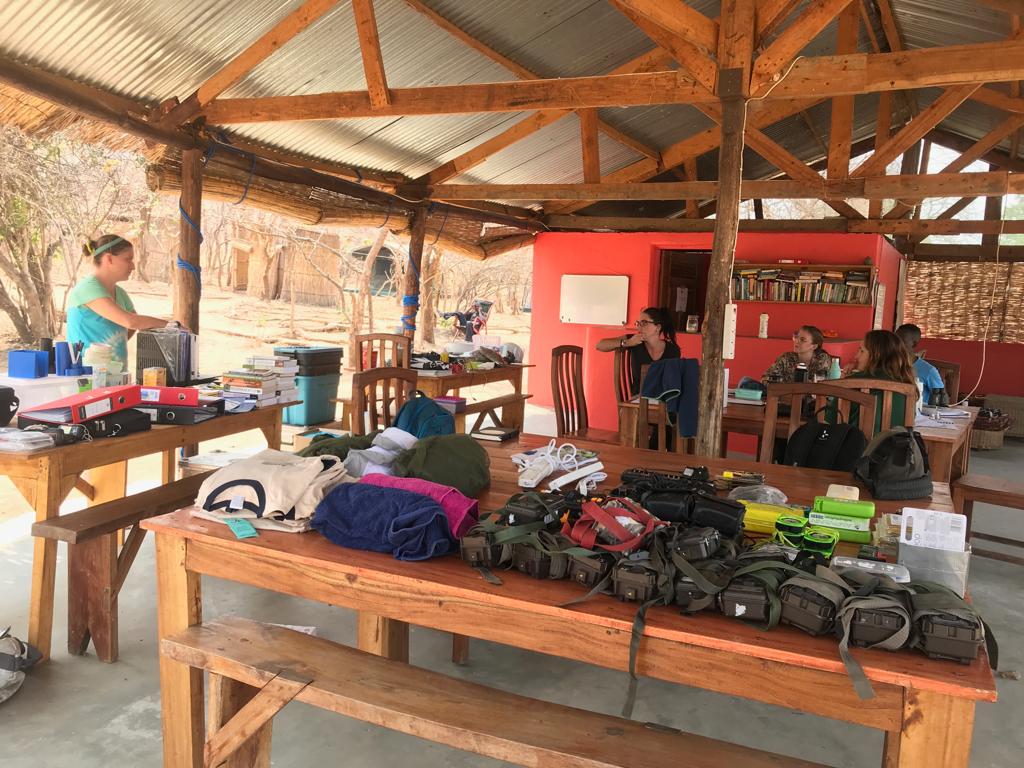
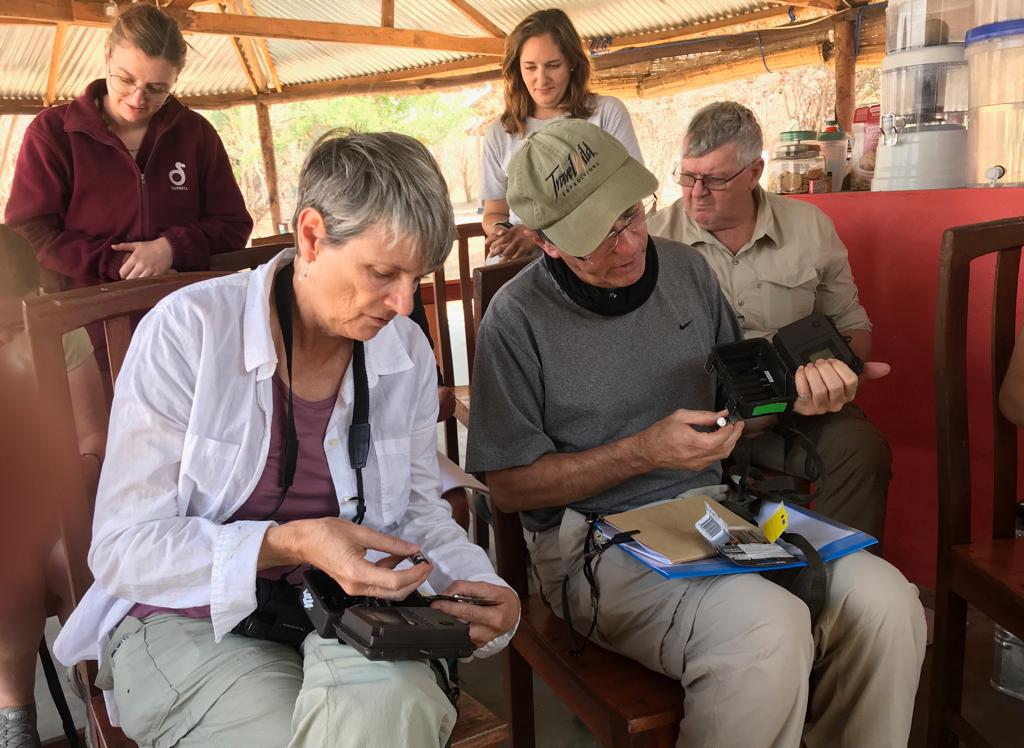
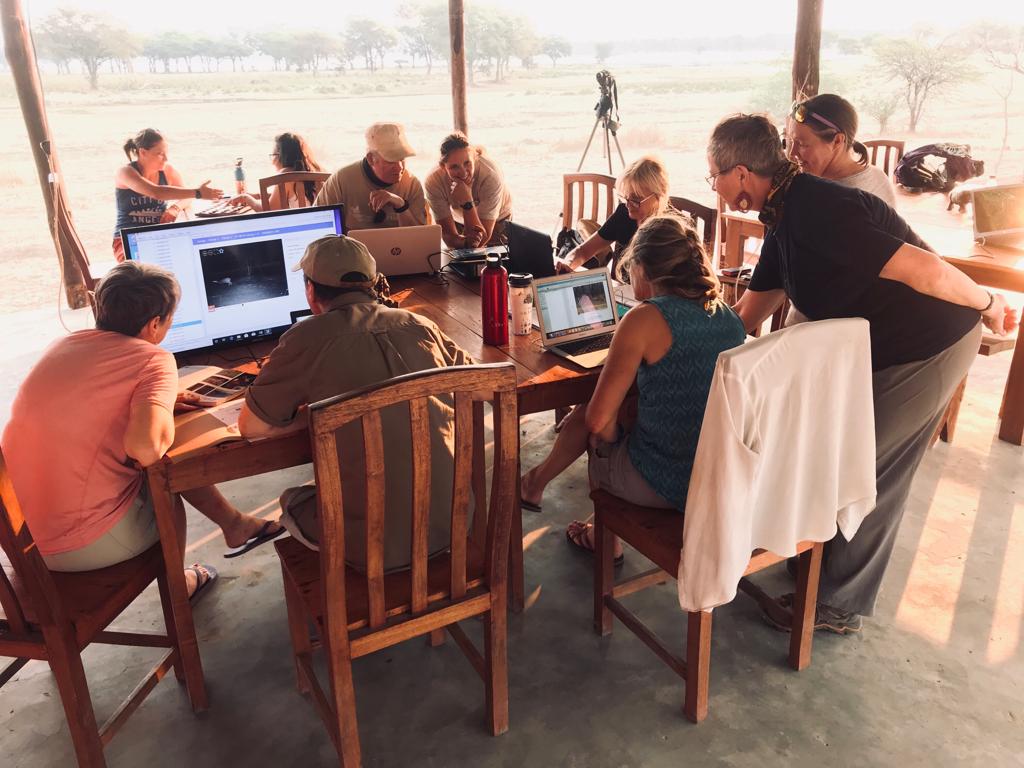
Camera trapping is used worldwide as a non-intrusive remote monitoring method, particularly for elusive and cryptic species that are difficult to monitor through older, more conventional methods. 14 camera traps were deployed along roads in the southern area of the reserve, and an additional 3 at baited sites. 447 pictures with animals from 26 different species were recorded. Compared to previous expeditions, 3 new species were recorded: African wild dog, Selous’s mongoose and Sharpe’s grysbok. Four individual wild dogs were identified, which likely formed a dispersal group. African wild dogs had not been seen in VMWR in 20 years, substantiating the value of camera traps for monitoring.
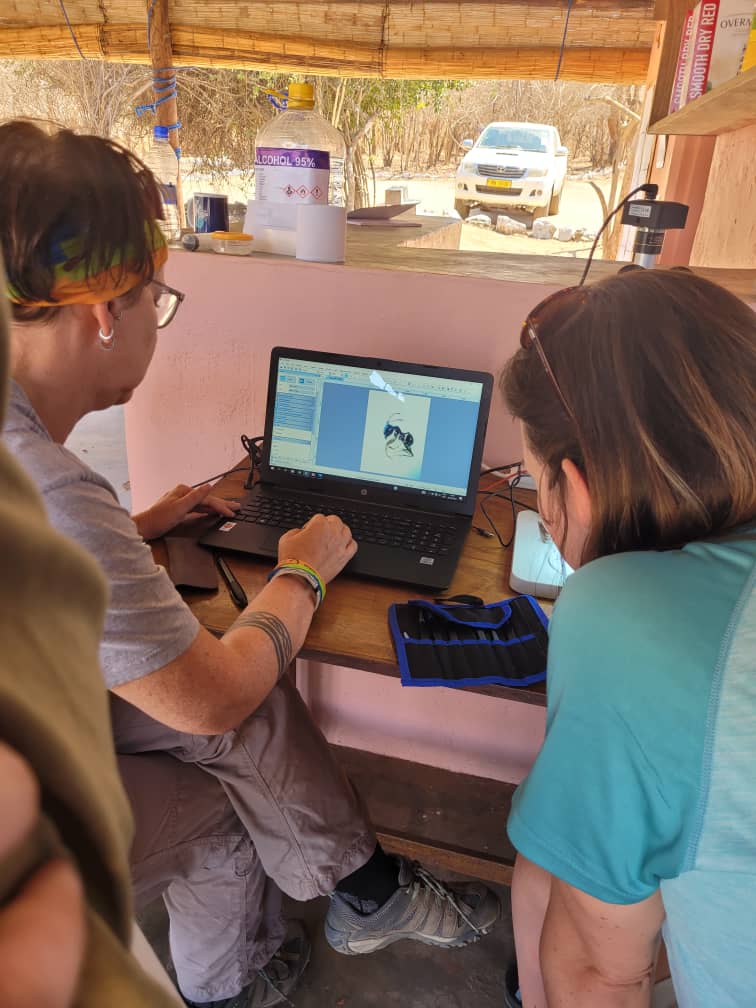
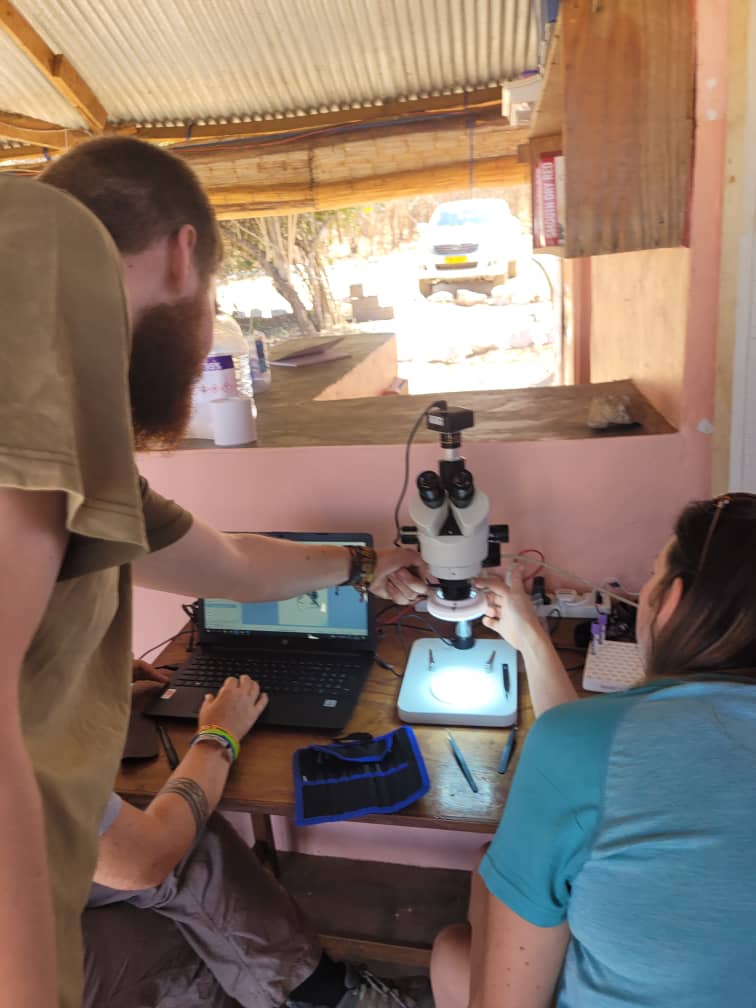
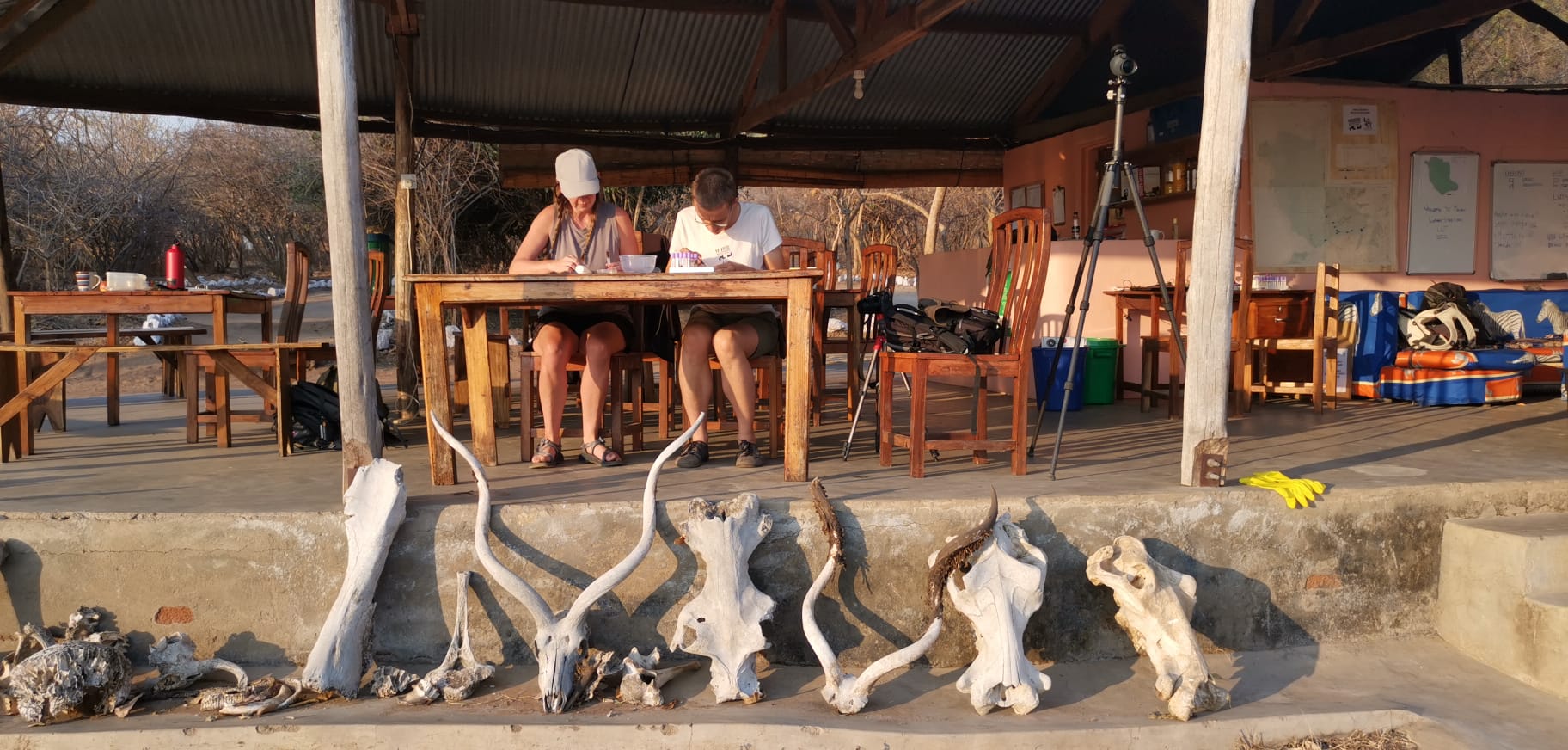
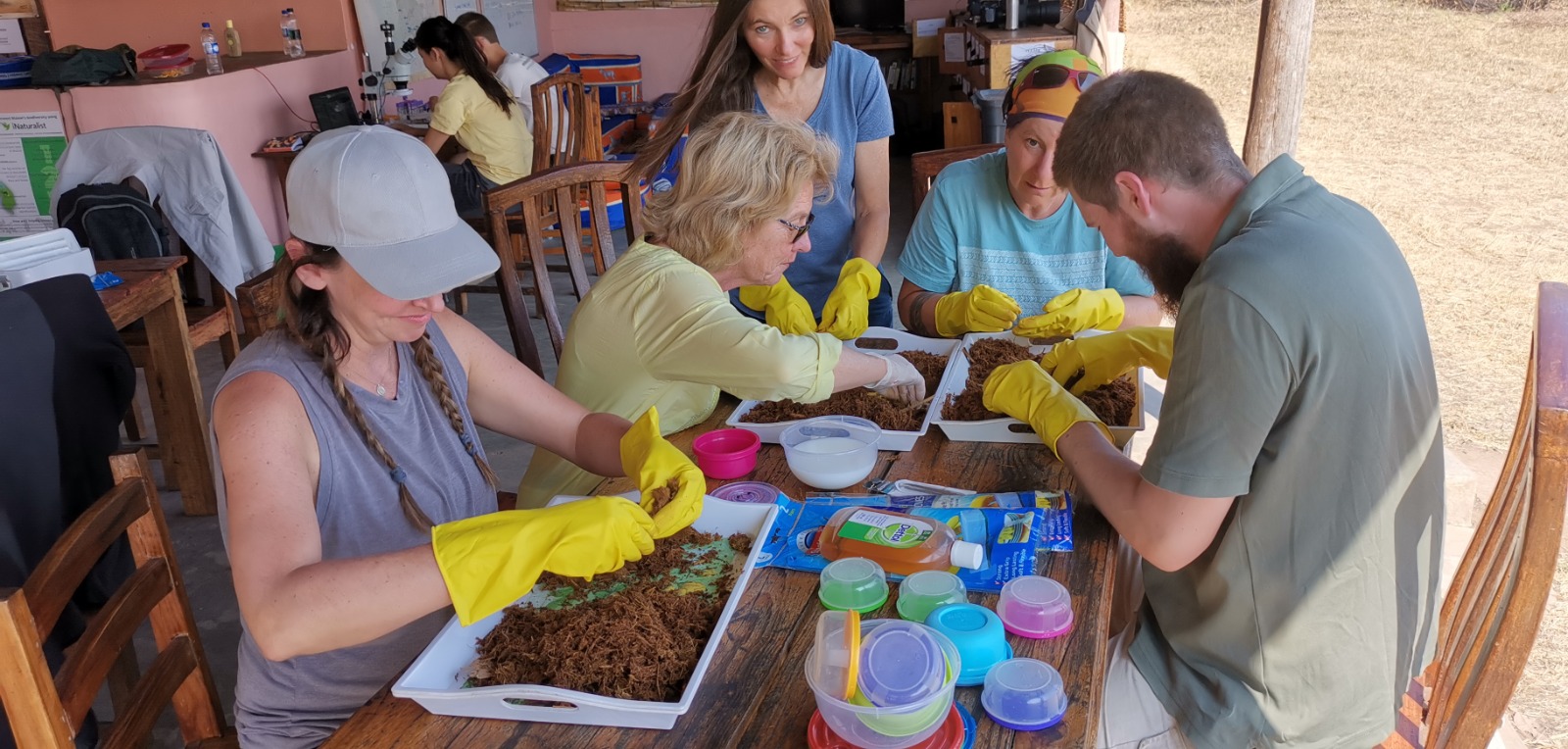
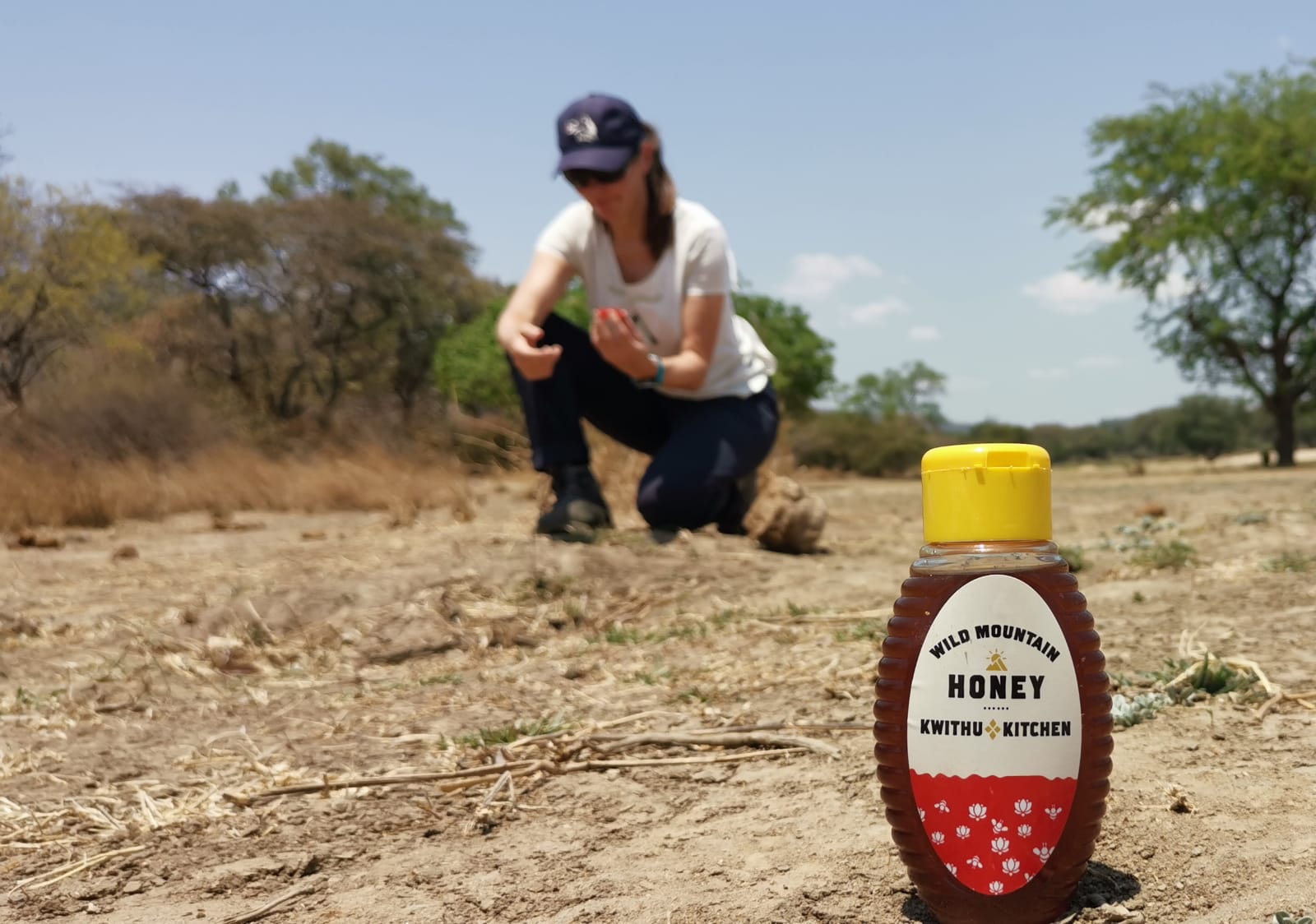
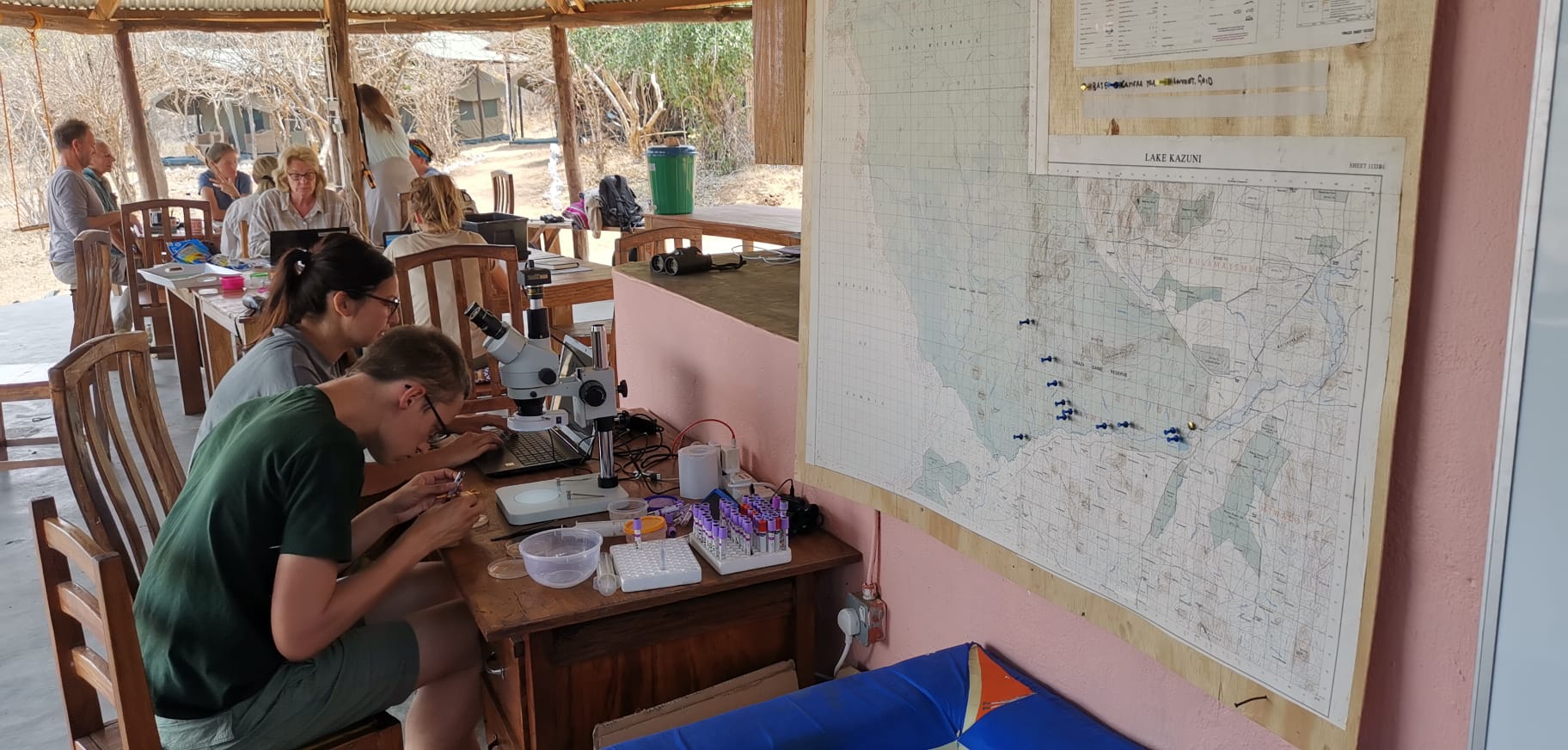
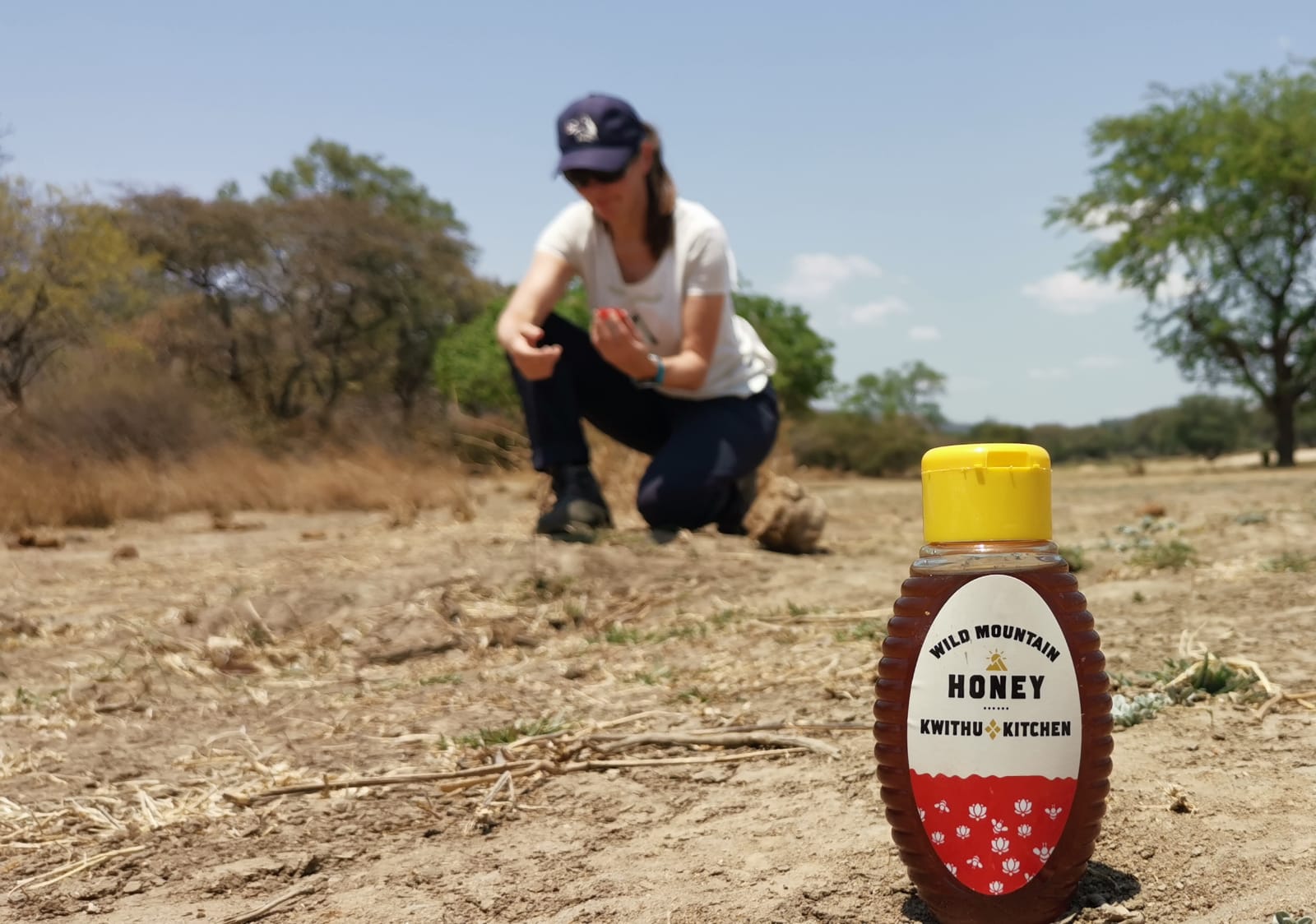
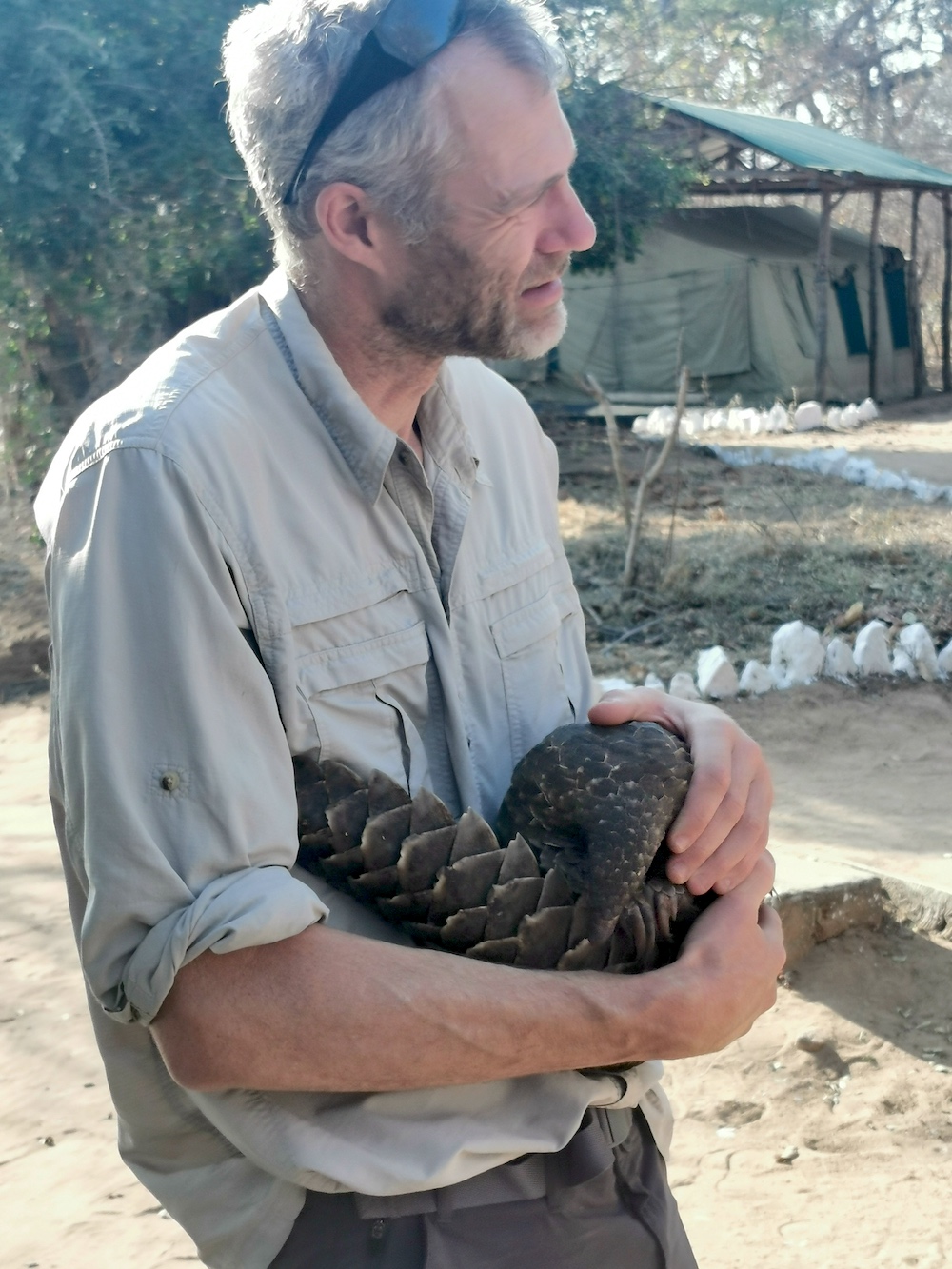
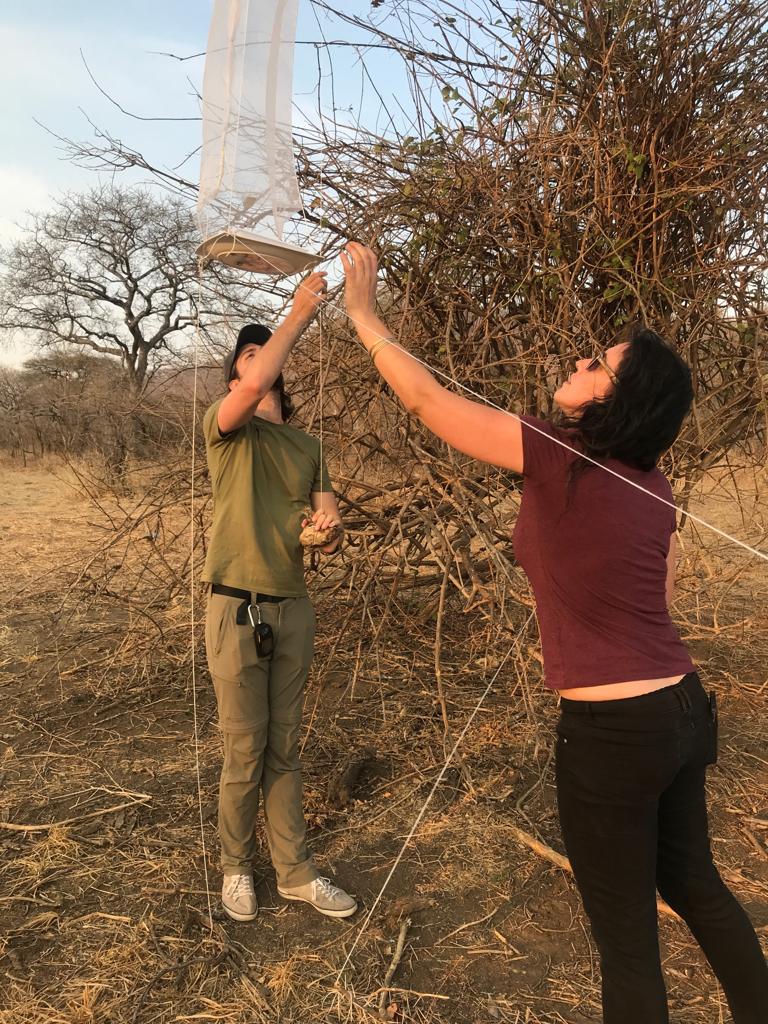
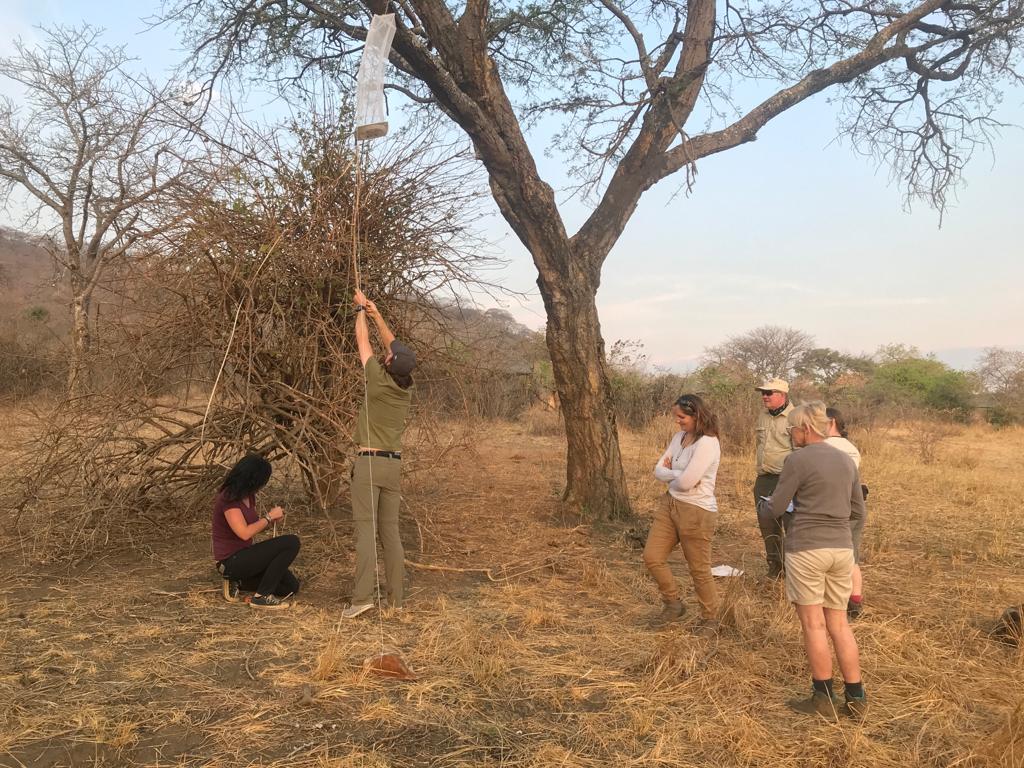
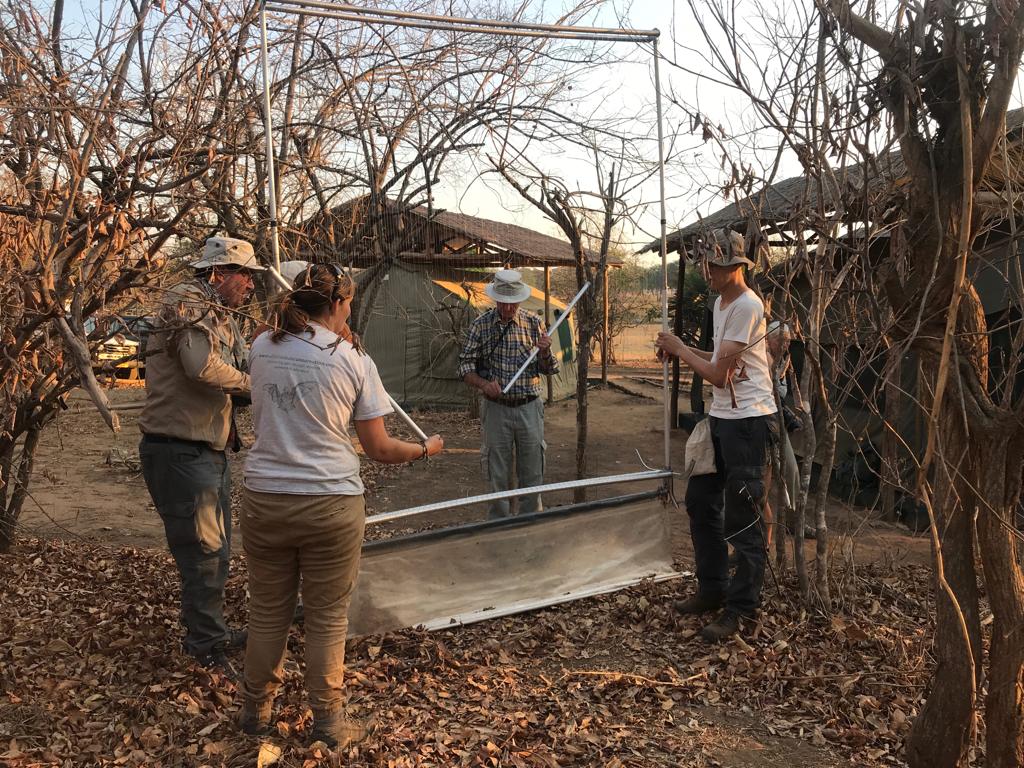
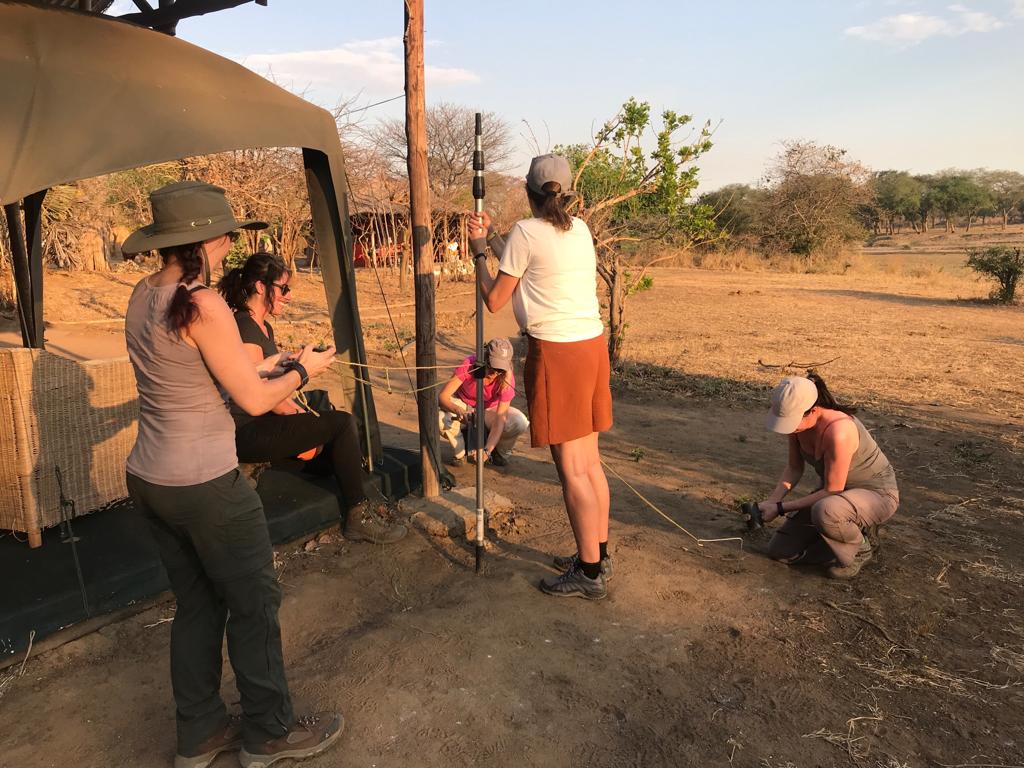
Invertebrate sampling: VMWR is being considered as a release site for pangolins rehabilitated by the LWT. Pangolins depend on ants as a food source. However, no data on ant composition inside the reserve was available. A grid of baited pitfall invertebrate traps was set up in two representative habitat types: woodland and floodplains. Seven different ant species were identified during the sampling. Capture rates of these species did not significantly differ between habitats. During a previous research project, the LWT aimed to identify preferred ant species for pangolins, three of which were also identified in VMWR. Among other invertebrates captured, nine different taxonomic orders were represented.
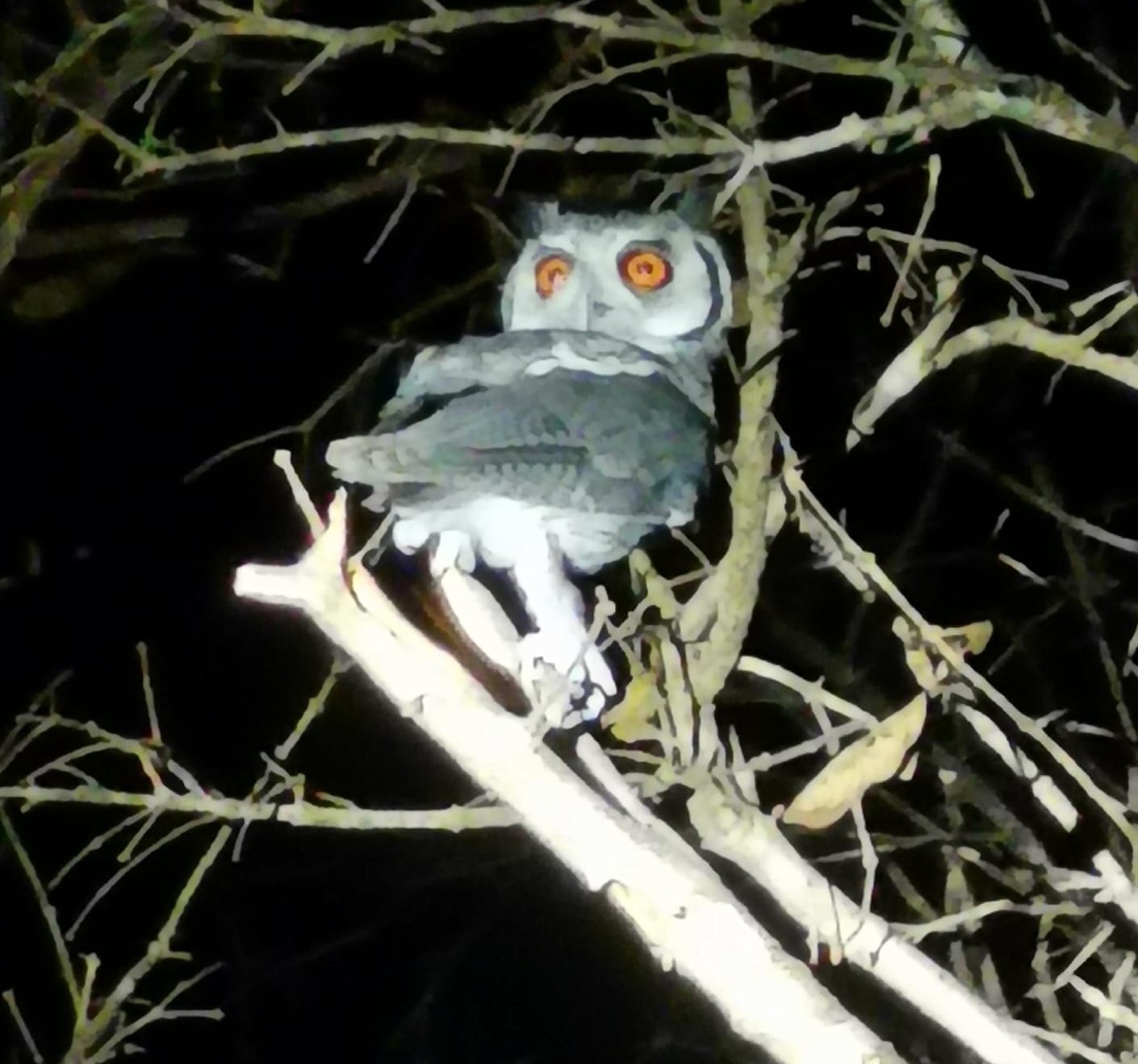
Hyaena call-ins: Spotted hyaenas are the most abundant and widespread large carnivore in Africa. However, their conservation status is often overlooked. Despite this, they can influence other species’ populations and can serve as indicators of ecosystem health. Call-ins via audio playback to attract animals are a commonly used method to estimate hyaena populations. Three call-in events were conducted at baited sites and camera traps deployed to monitor hyaena activity after departure. No hyaenas were observed during the call-ins, nor were vocalisations in response to the call-ins recorded. The next expedition will try again, with an adapted methodology.
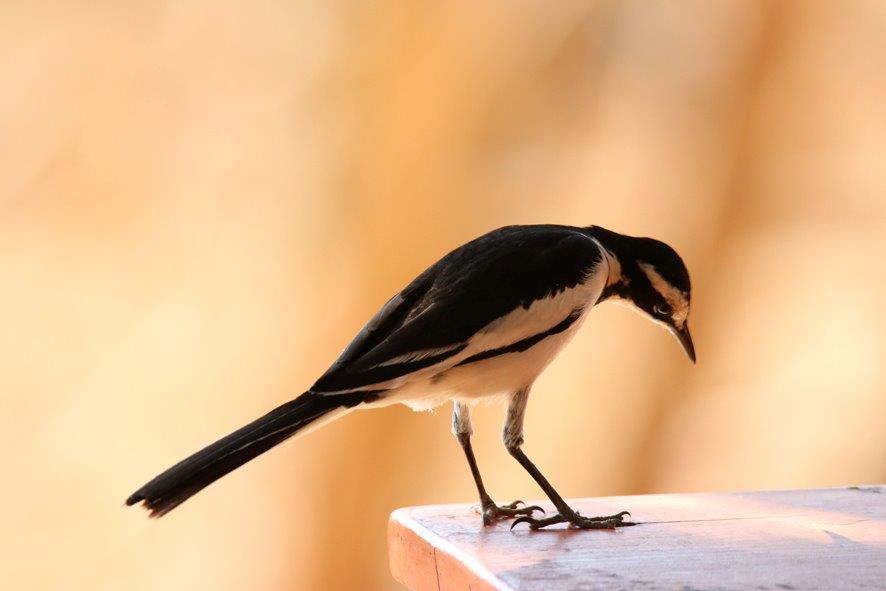
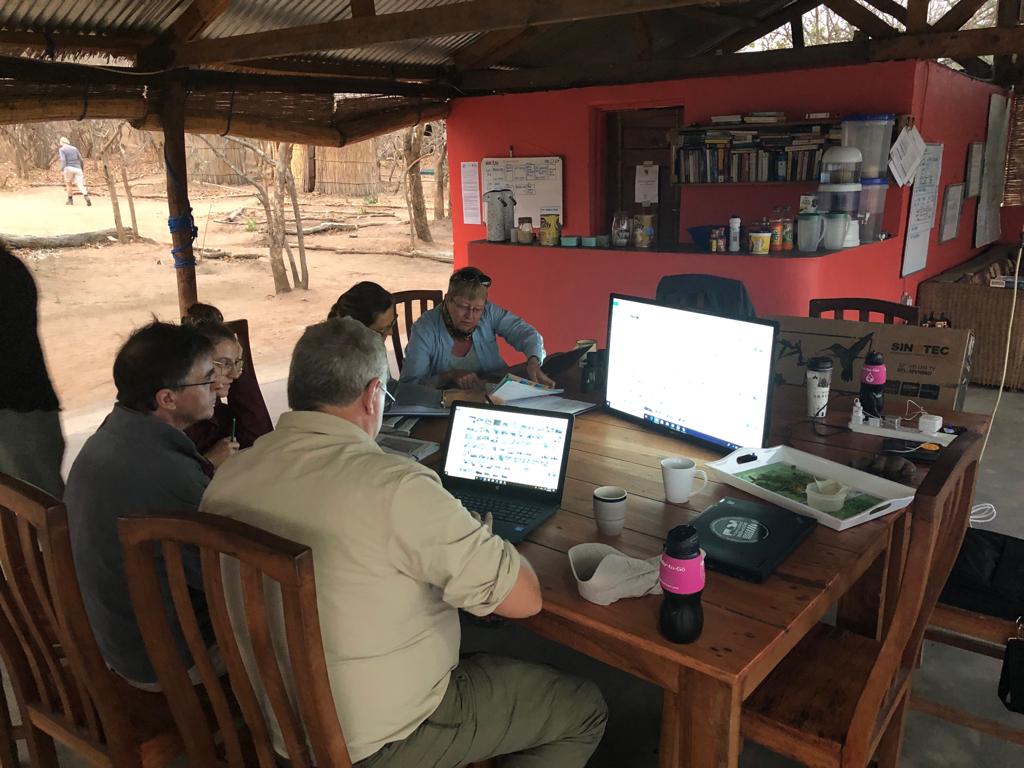
iNaturalist: iNaturalist is an online platform and application compiling evidence-based observations of organisms globally, making the data publicly accessible to researchers. Participants of the expedition uploaded 397 observations of 138 different species. A large proportion of observations was added from pictures taken during the invertebrate sampling project.
Video impressions of the 2022 expedition
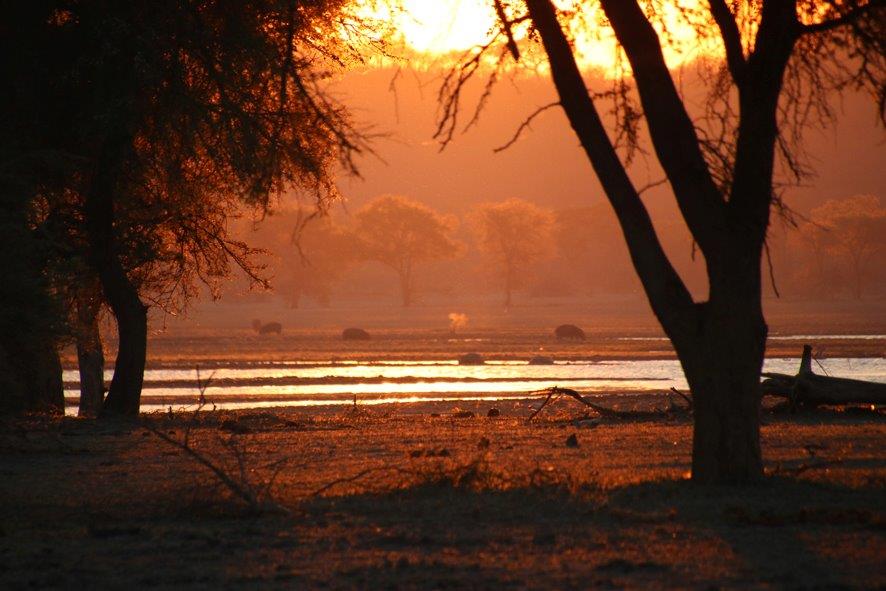
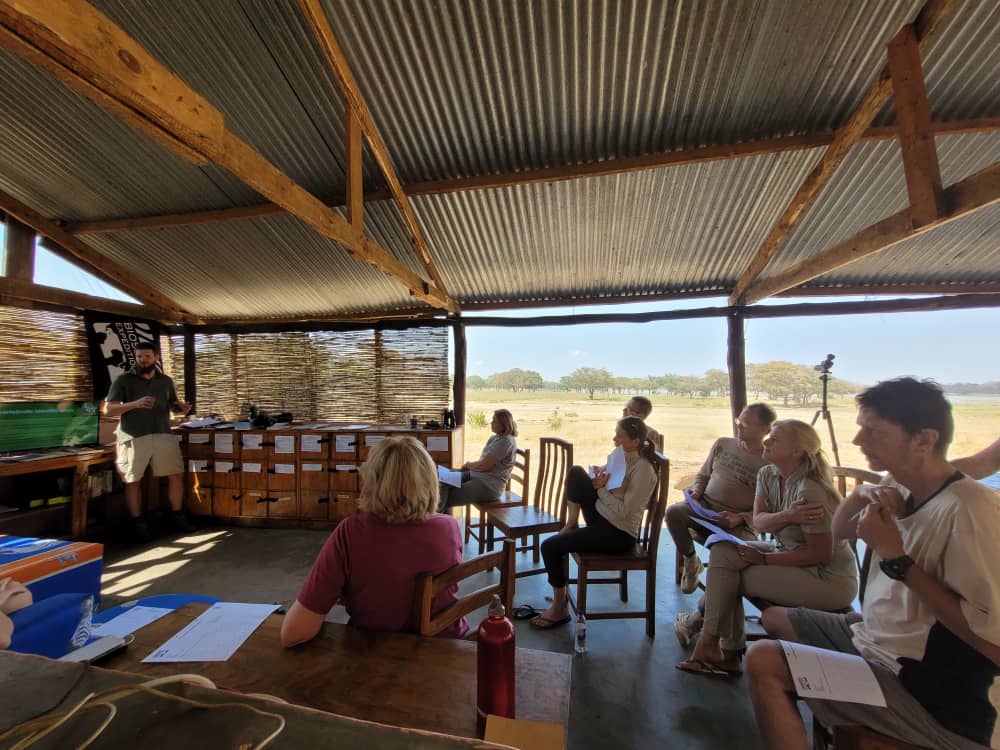
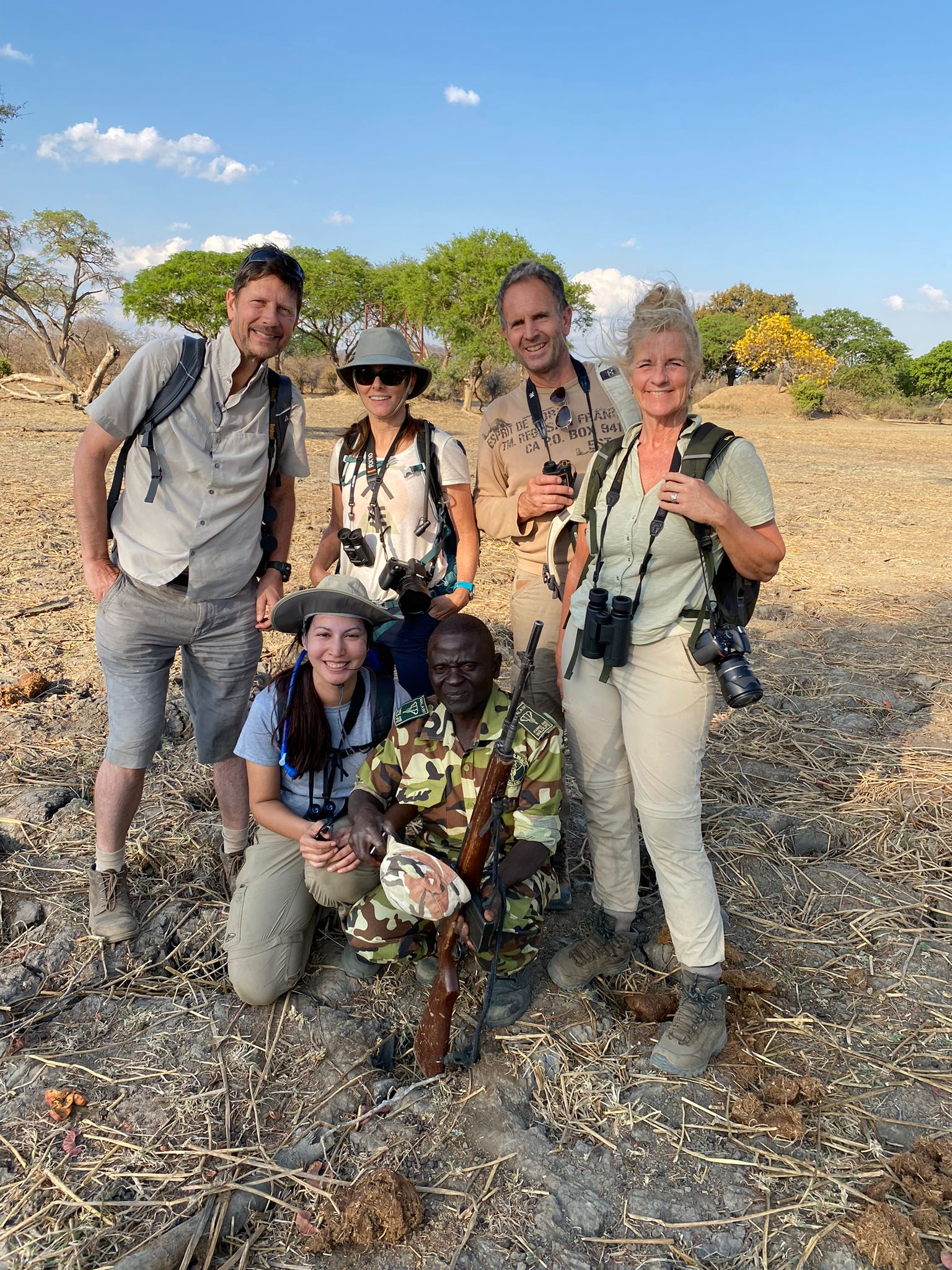
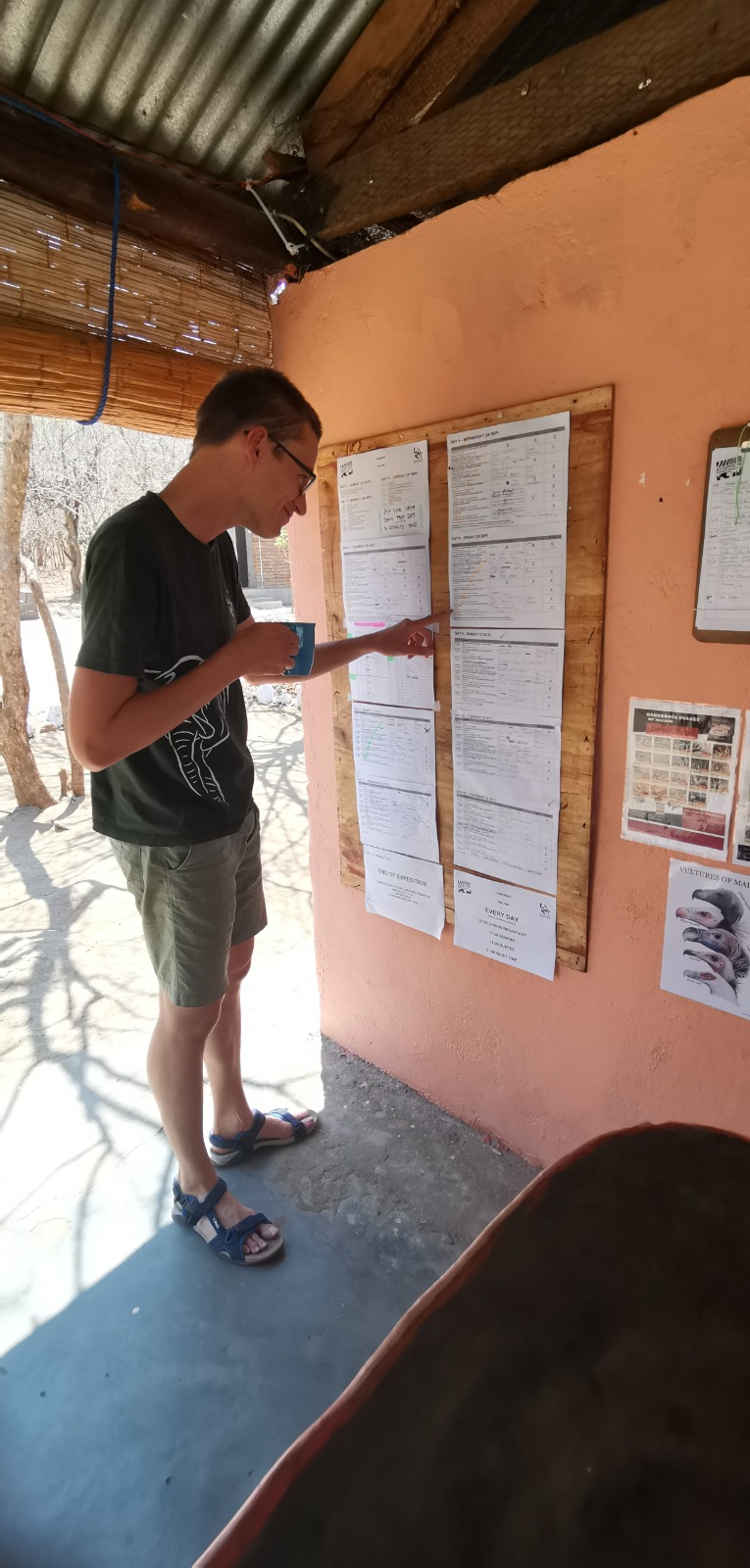
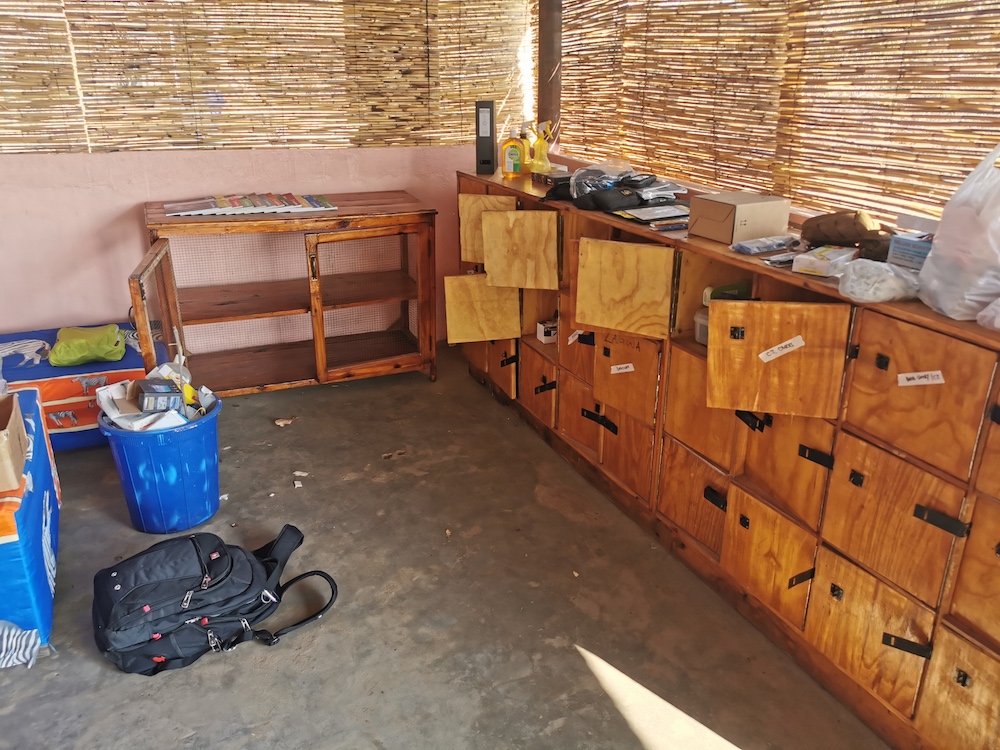
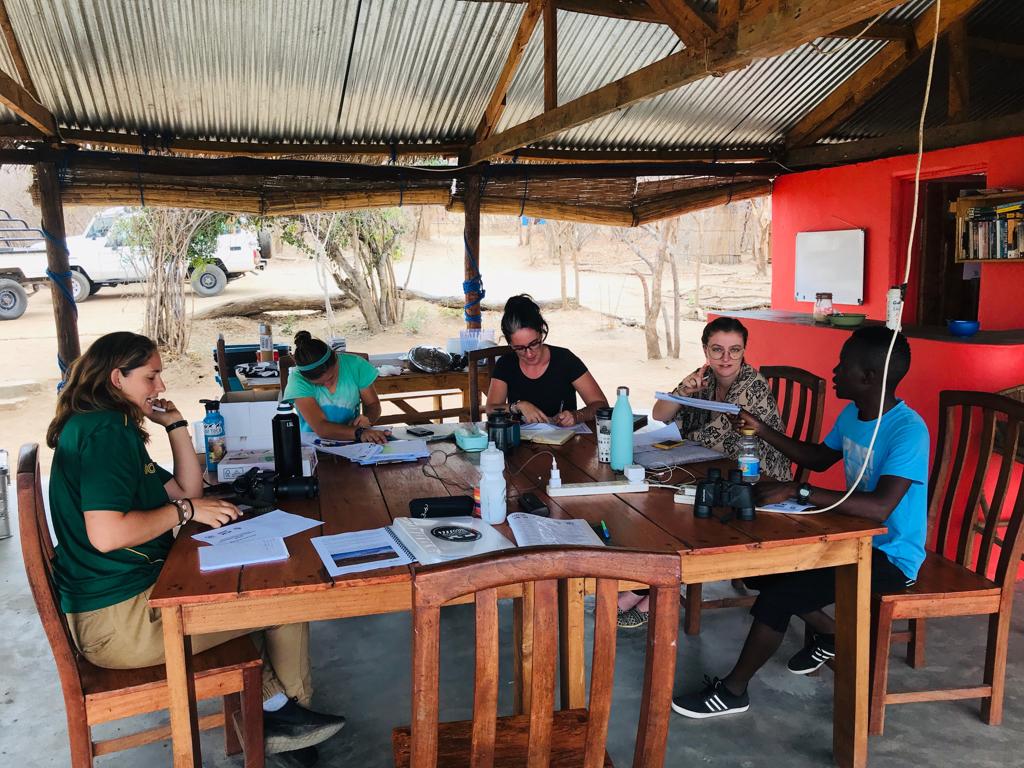
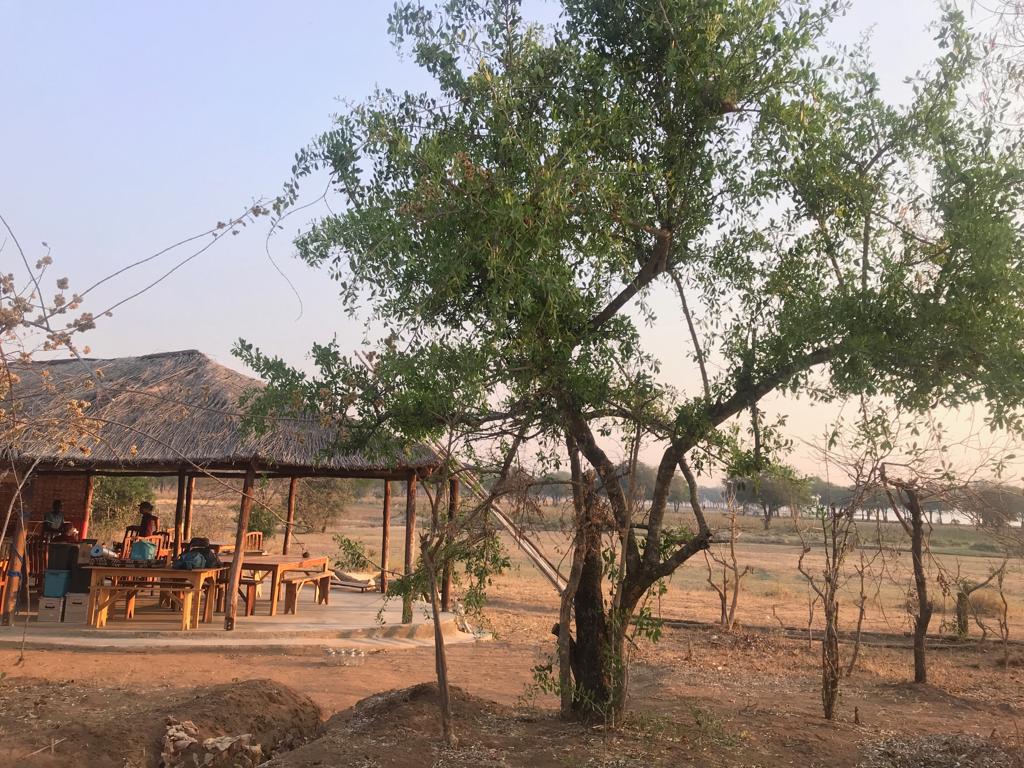
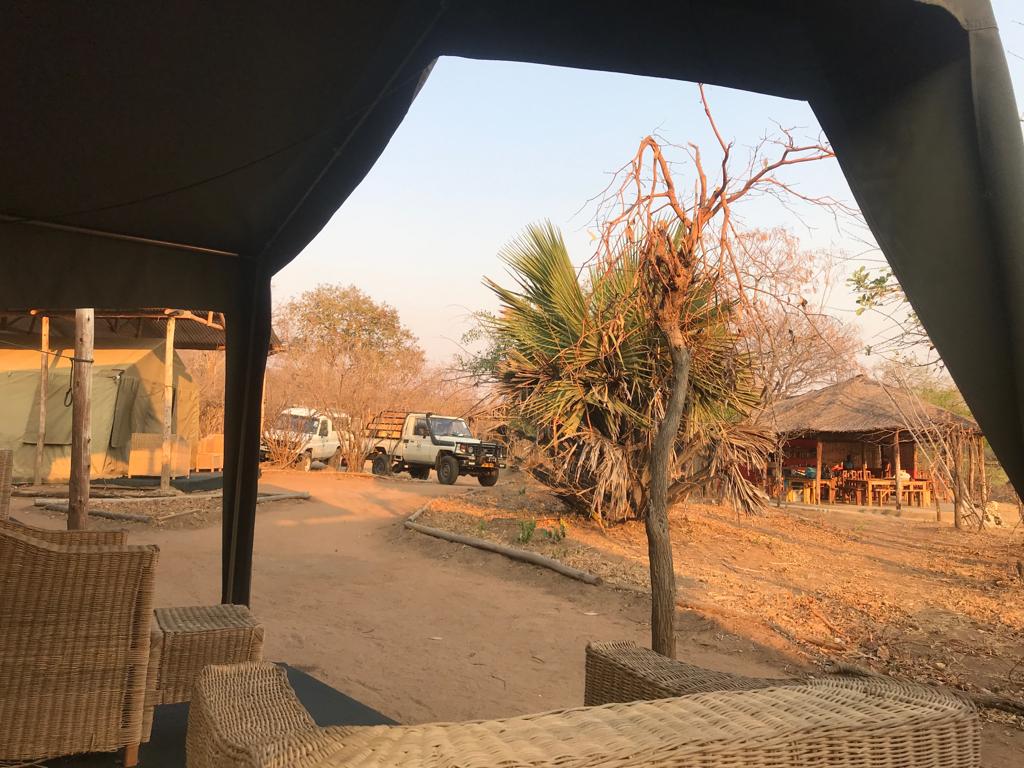
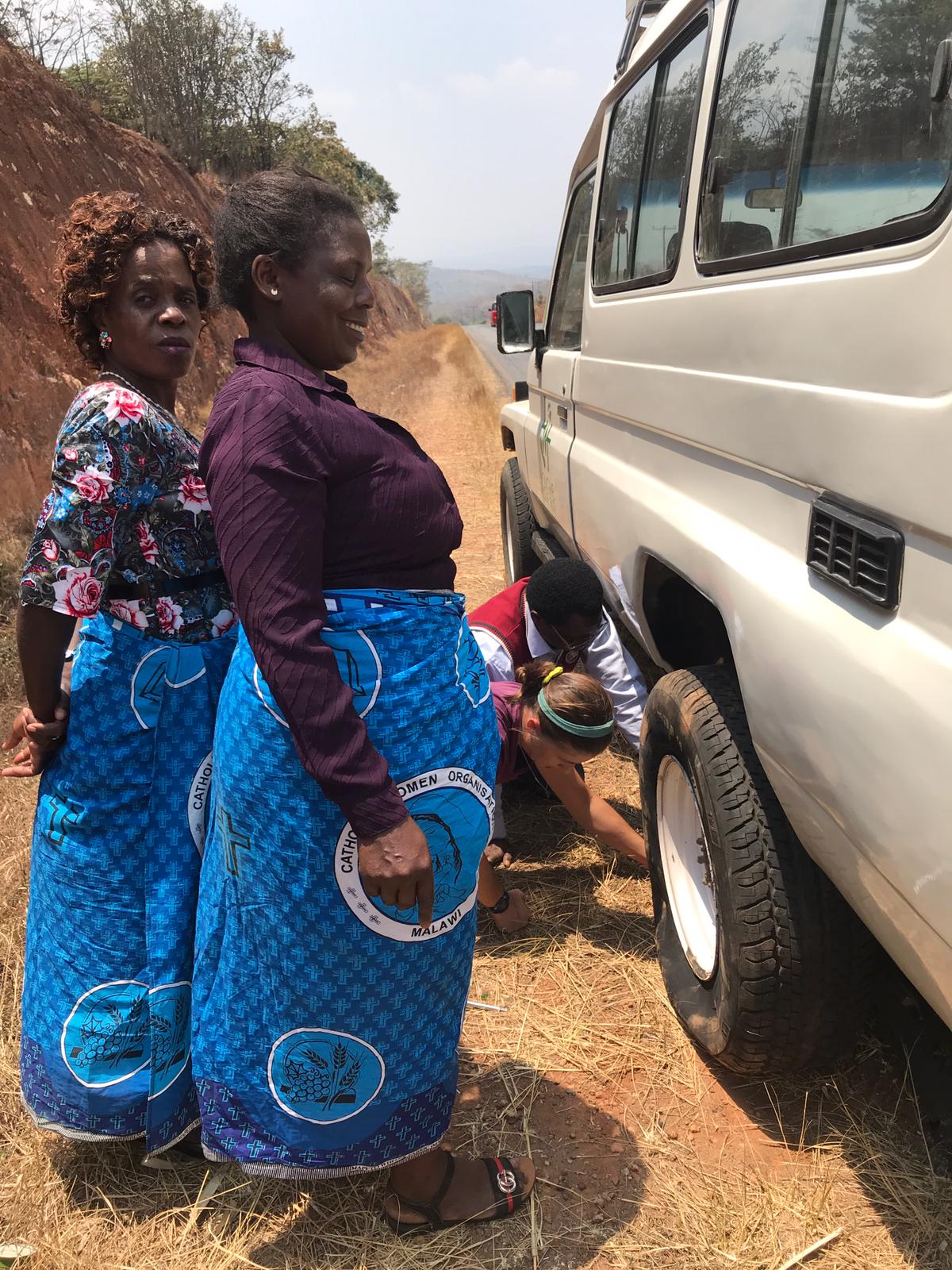
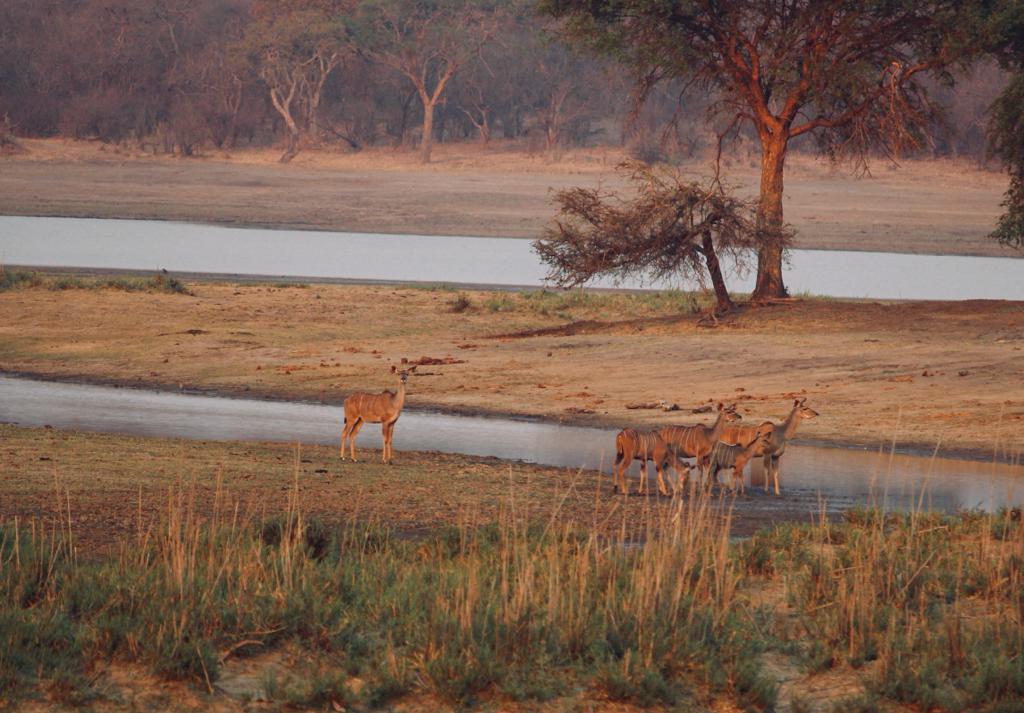
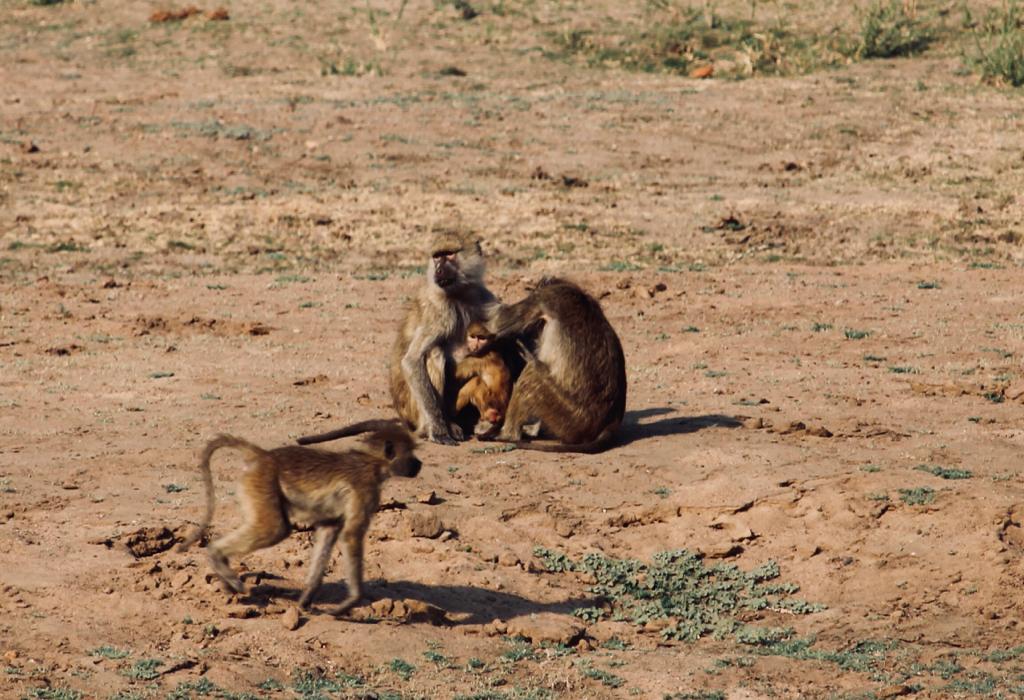
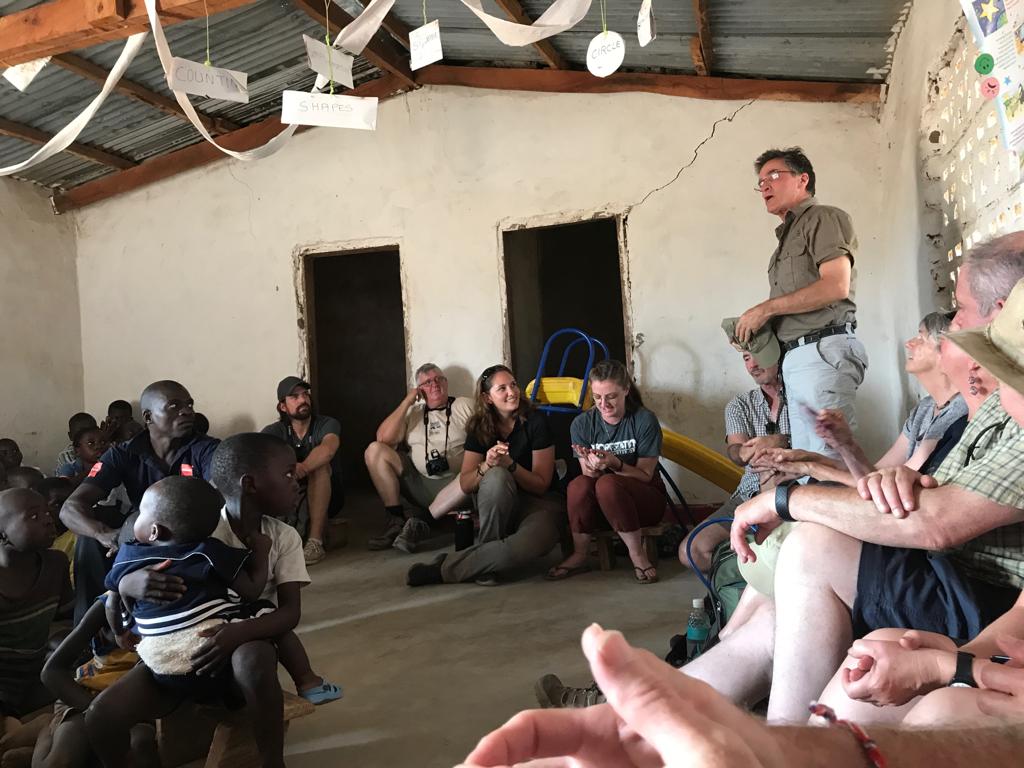
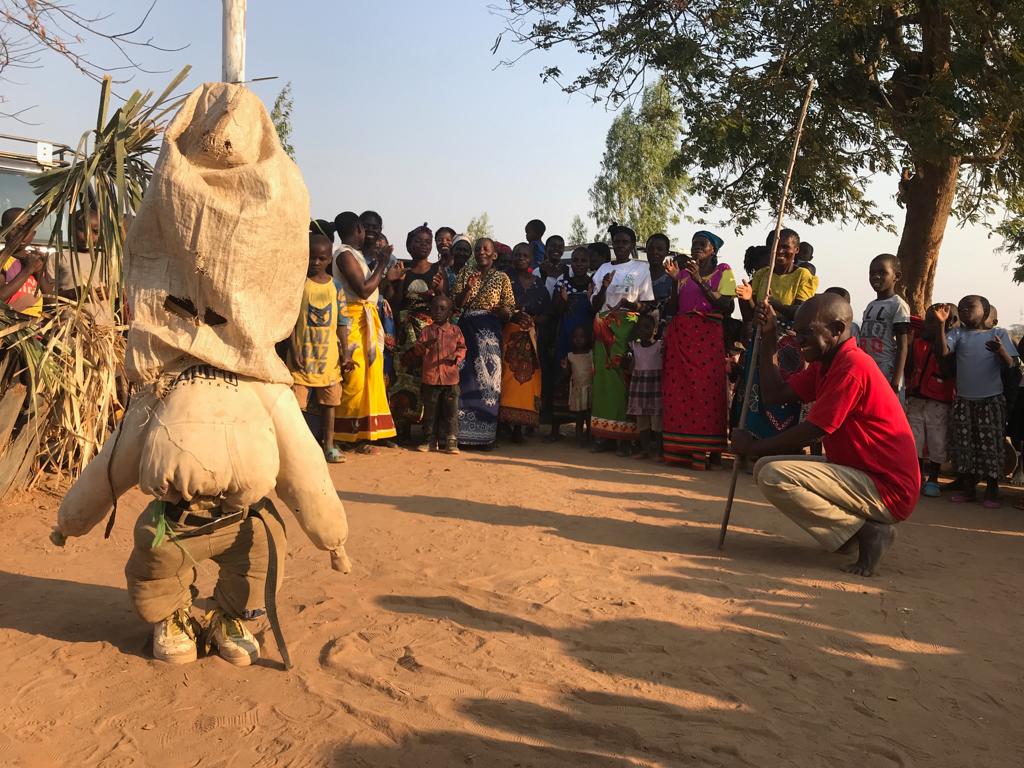
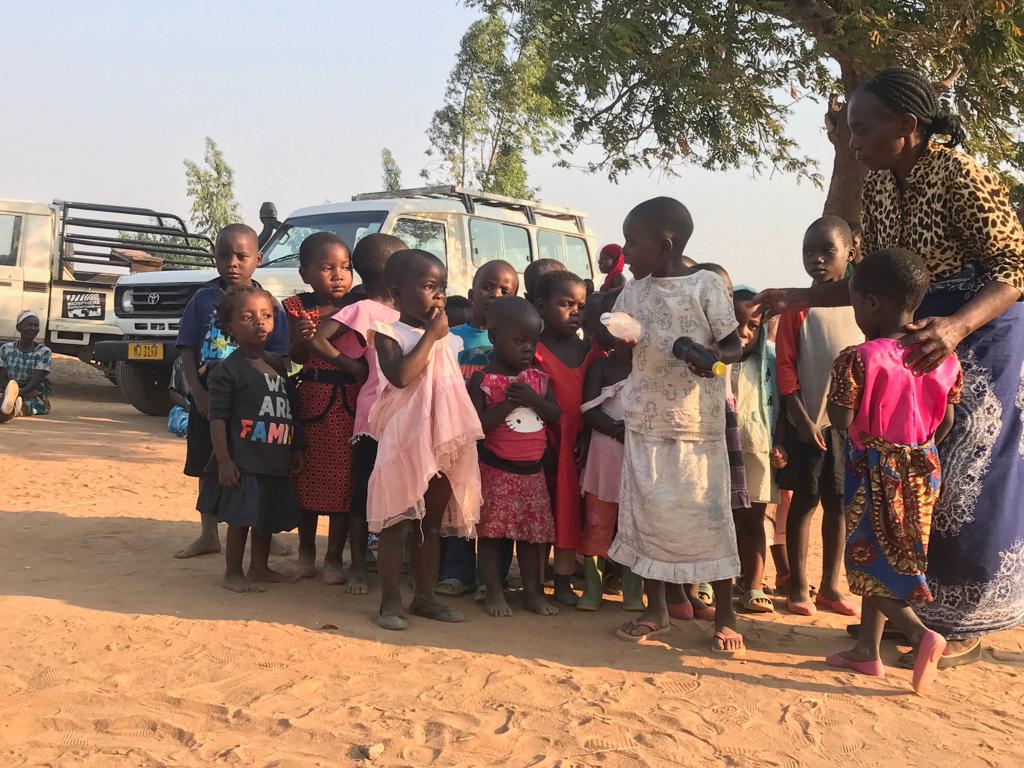
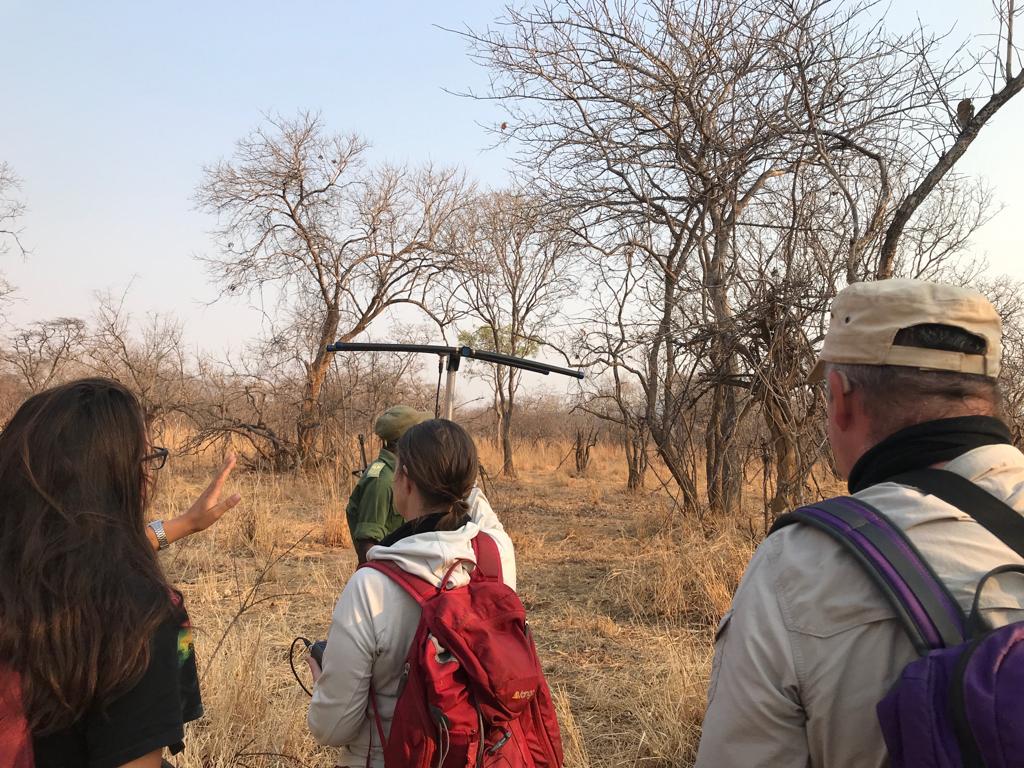
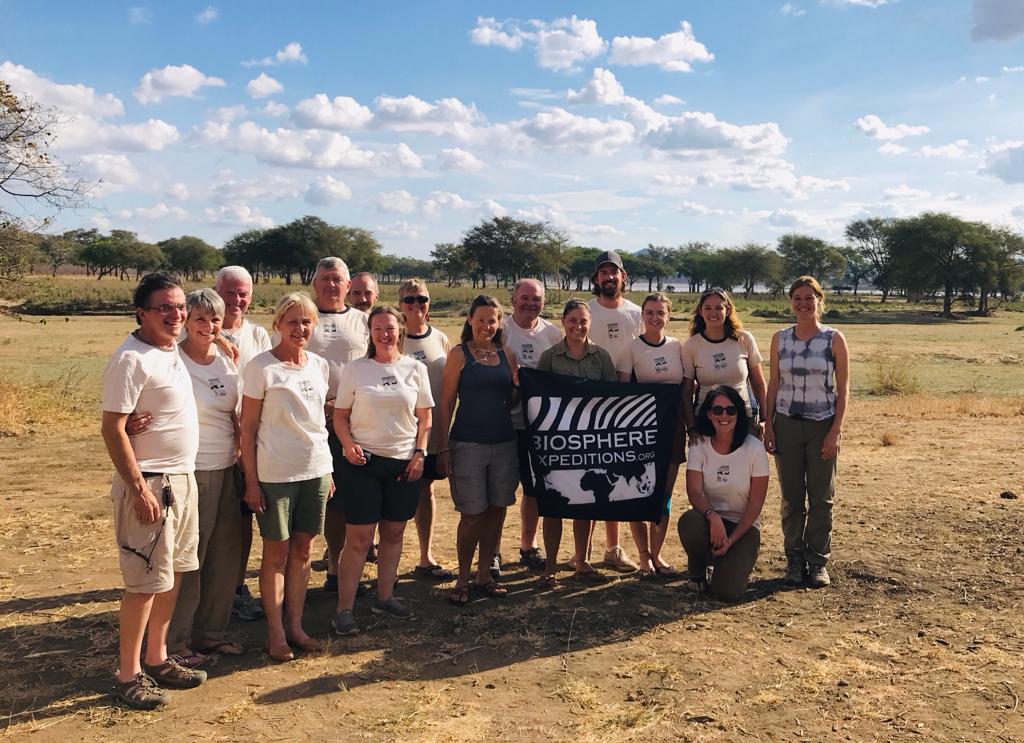
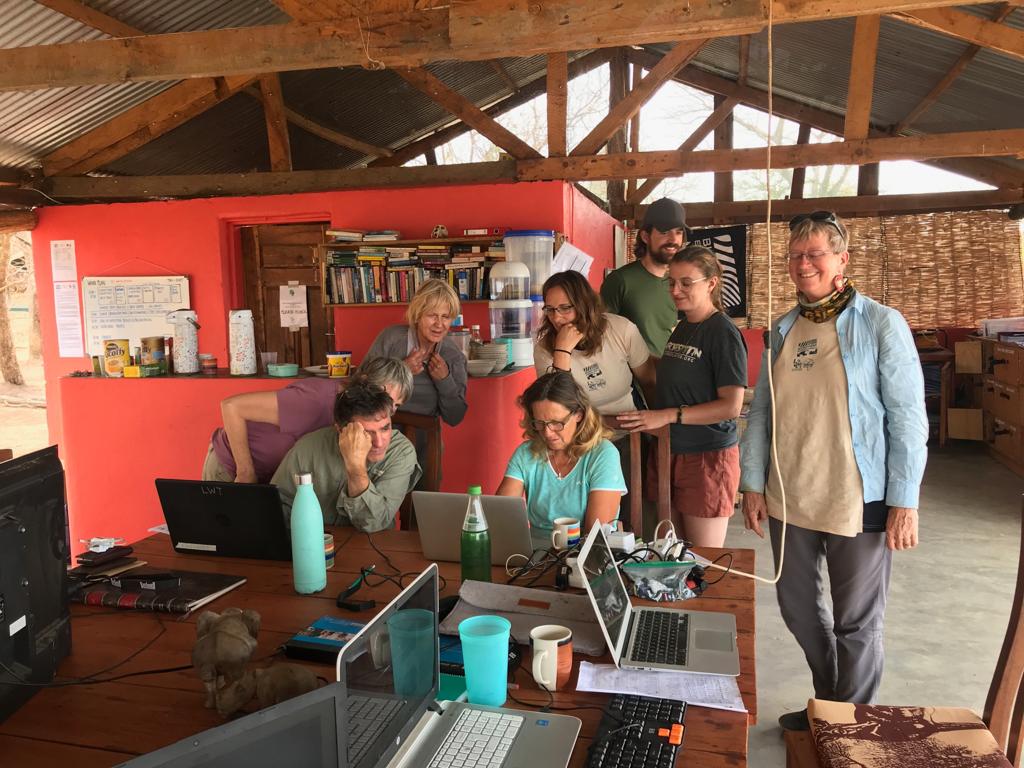
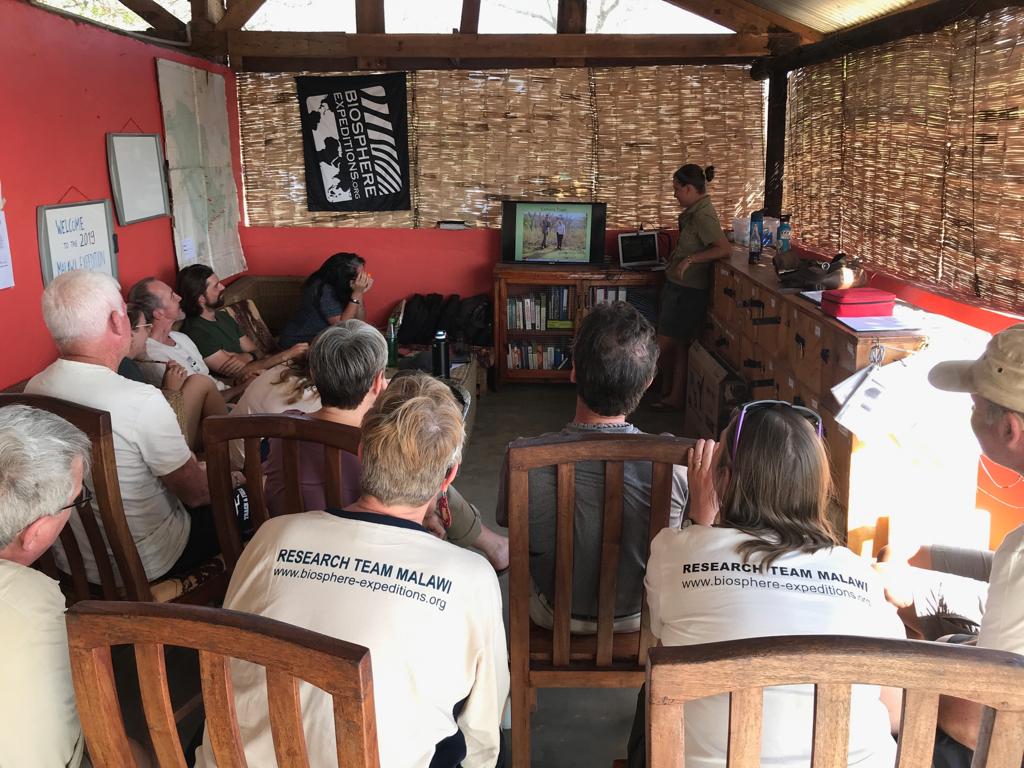
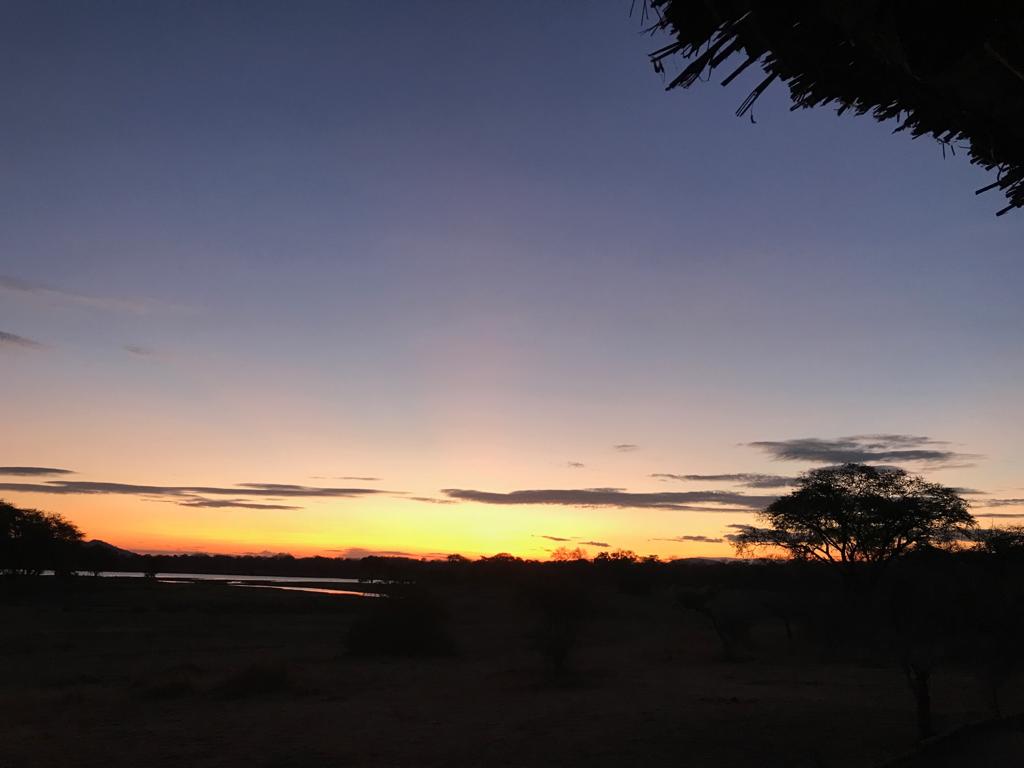
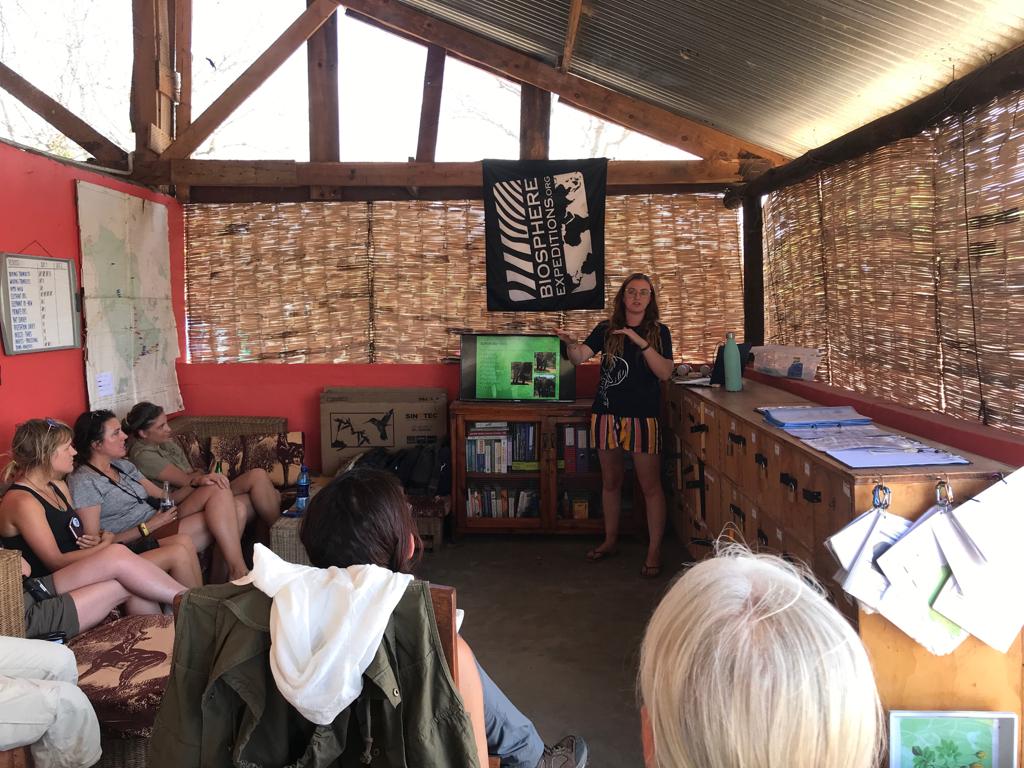
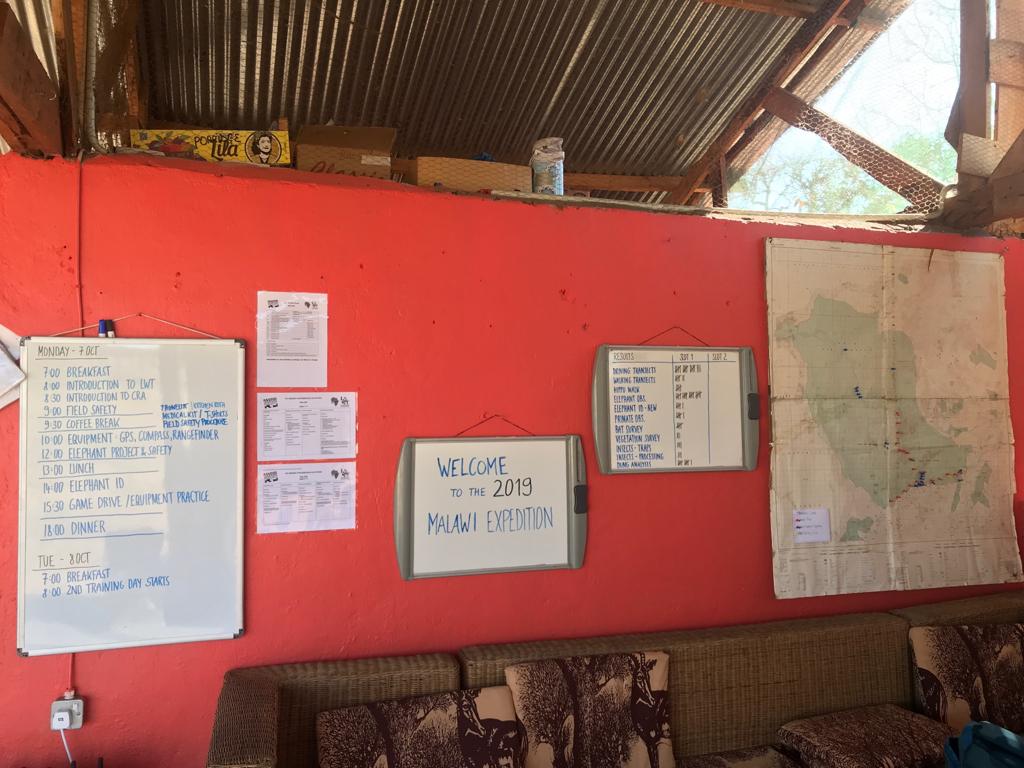
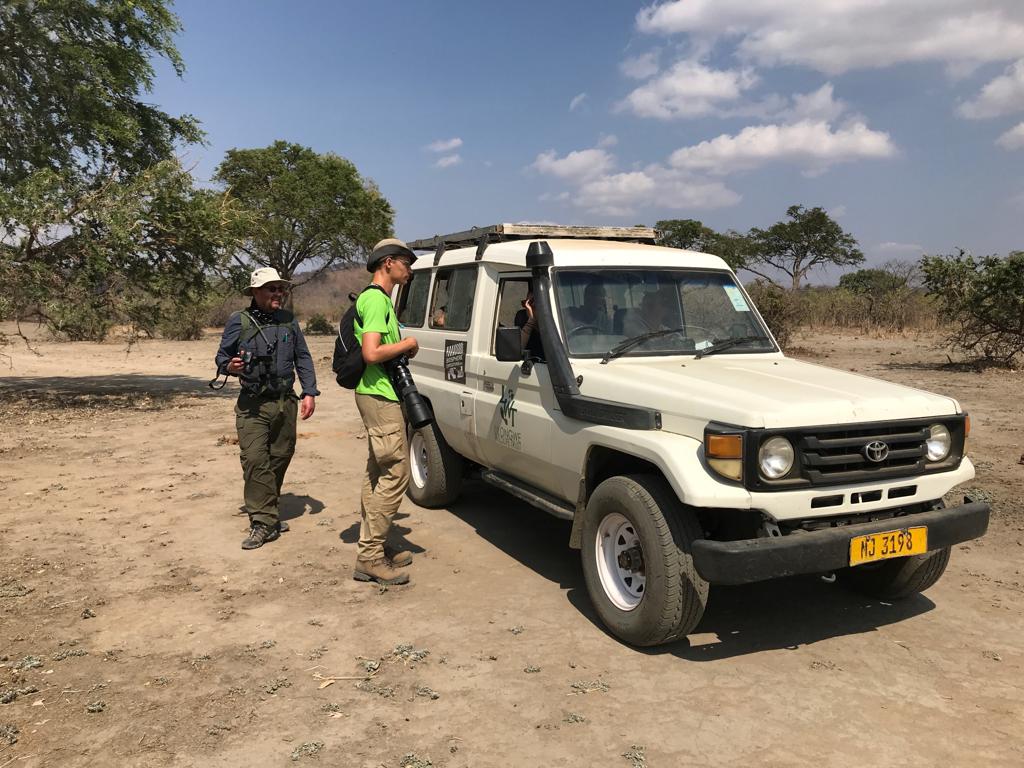
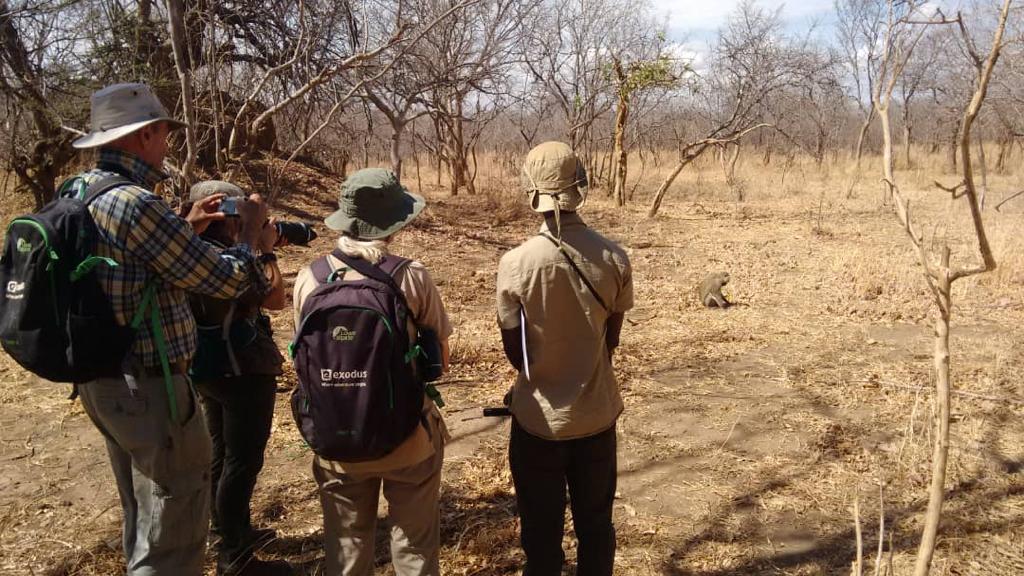
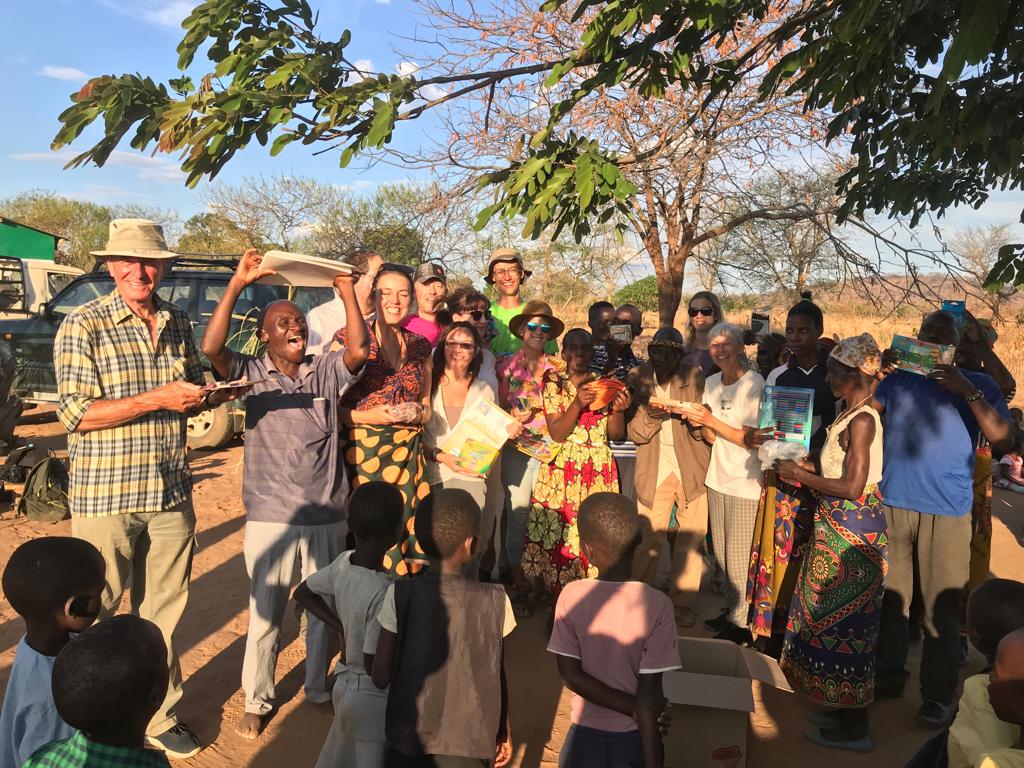
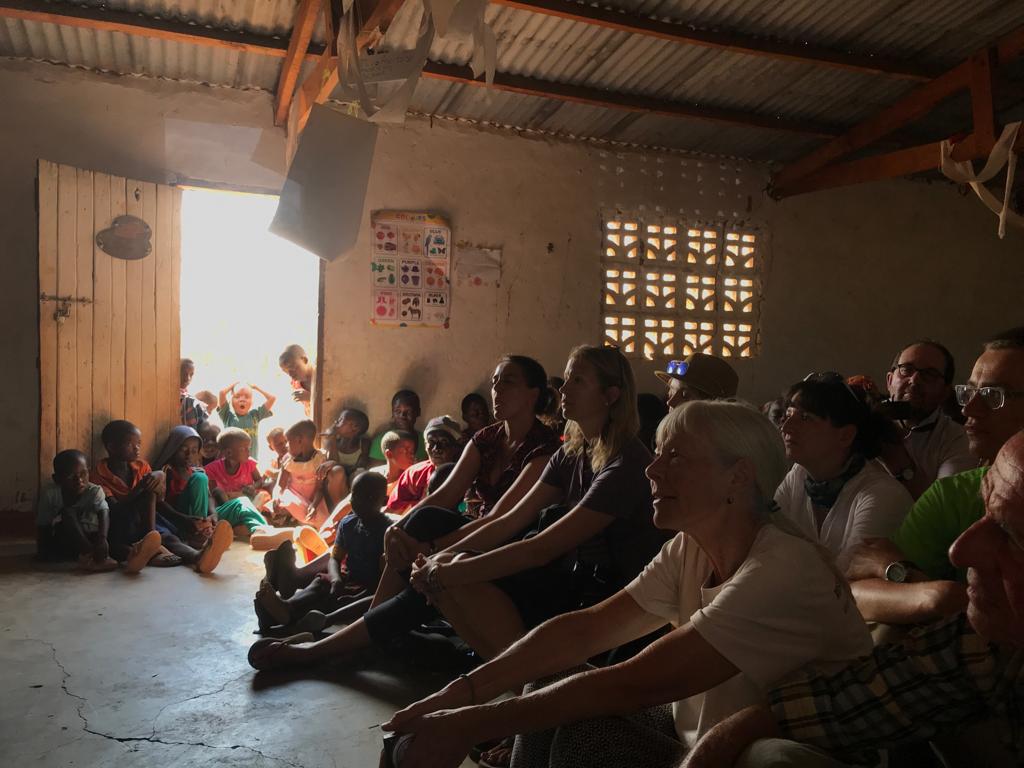
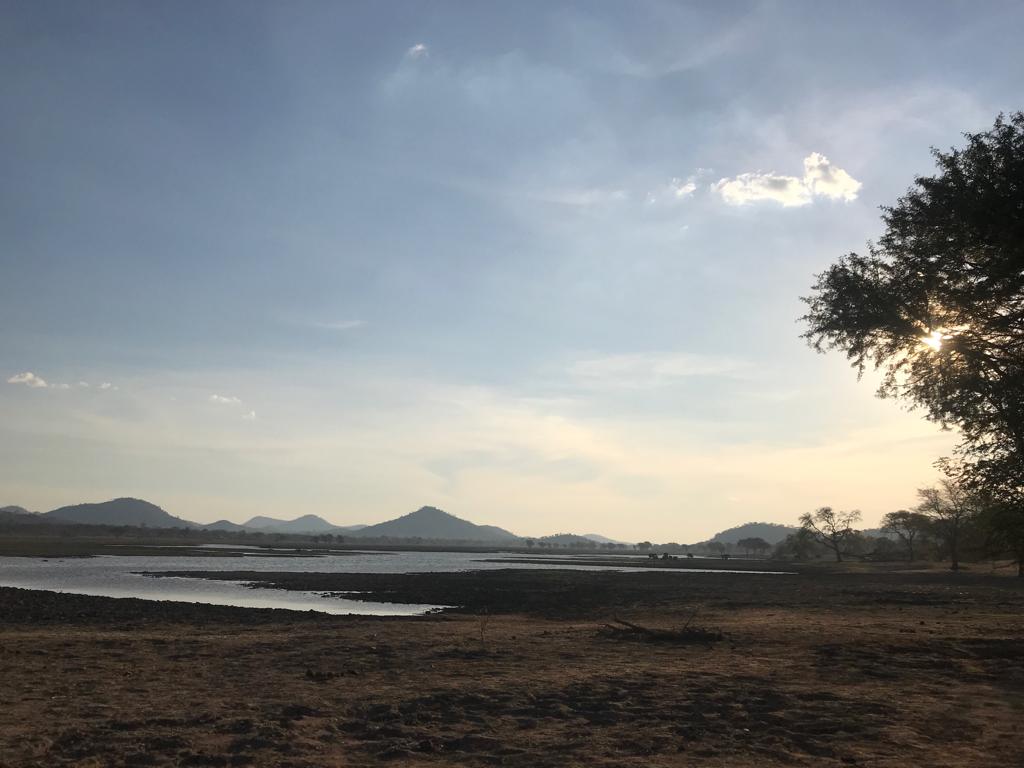
Picture impressions of the 2022 expedition
















































































 Biosphere Expeditions: blogs from the frontline of wildlife conservation and the fight for a more sustainable planet