Mongabay explains: What are wet markets?

Status update April 2020 – The world and coronavirus

How the virus is affecting nature, humankind and the world

Status update April 2020 – Coronavirus appeal update

We’ve reached the milestone of one-third of funds (EUR 20,000) raised, thank you!

Still in need of funding are:

  • ARABIA (sand gazelle)
  • ARMENIA (Persian leopard, lynx, bear, wolf)
  • COSTA RICA (sea turtles)
  • GERMANY (wolf)
  • KENYA (Big Five and African biodiversity)
  • MALAWI (elephant and African biodiversity)
  • MALDIVES (coral reefs)
  • THAILAND (elephant)

Fully funded are:

  • AZORES (whales & dolphins)
  • TIEN SHAN (snow leopard)

Our local partners need your help to continue their conservation work! Please keep giving.

www.biosphere-expeditions.org/appeal

Citizen science month: more citizen science from home

The month of April is Global Citizen Science Month. Unfortunately with the current COVID-19 pandemic occurring globally, many citizen science projects have been put on hold, but there are also many still seeking help.

The Australian Citizen Science Association (ACSA) and the US Citizen Science Association (CSA) have both put up a page about citizen science and COVID-19 with many options to contribute without leaving your house.

For nature lovers, there are two popular apps to explore and share nature, and to contribute to science: iSpot and iNaturalist.


‘We did it to ourselves’: scientist says intrusion into nature led to pandemic

Leading US biologist Thomas Lovejoy says to stop future outbreaks we need more respect for natural world > More

Also watch:

Azores mini expedition underway

This year everything is different. The coronavirus has stopped the world in its tracks and made citizen scientists participation on most of our expeditions impossible. However, we feel very strongly about the need for continued conservation efforts and supporting our local partners and staff despite, or indeed because of, the unprecedented and very difficult circumstances.

So we are empowering our local partners and scientists to run mini expeditions with local staff and helpers only. You can support our efforts and see what is planned in various project locations around the world on our coronavirus appeal page.

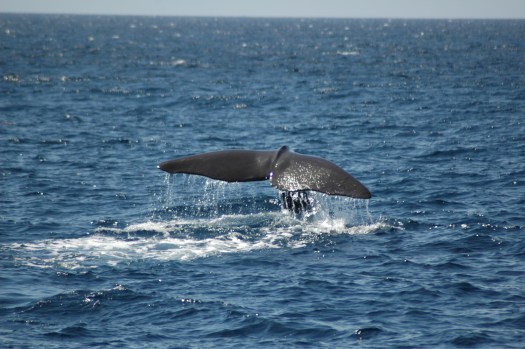
Our Azores whales and dolphin expedition will start with this and you can read the expedition diary here.
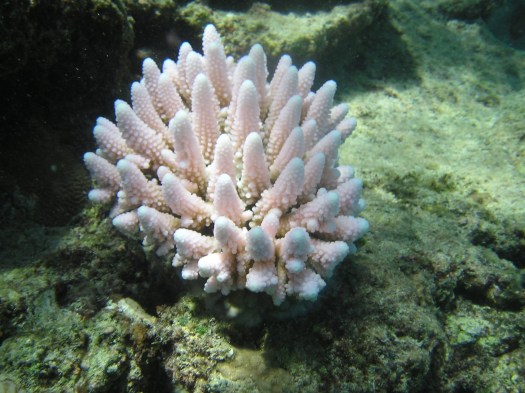
Maldives coral reef expedition (August)

Our boat operator has now suspended operations until further notice and most citizen scientists have deferred to Maldives 2021 (or some to other 2021 expeditions).  So our Maldives coral reef expedition has followed suit and joined the ranks of expeditions with no citizen science element in 2020 (see a previous post for details).

All citizen science elements are deferred to 2021. The 2020 dates for the expedition have come offline and the 2021 dates are now online. Plans for continuing the research work through a local mini expedition  are on our coronavirus appeal page. Please contribute to this if you can.

We have to wake up: factory farms are breeding grounds for pandemics

Covid-19’s history is not yet fully known, but the links between animal and human health could not be clearer

Read more

Experts say that rapid deforestation of Brazilian Amazon could bring next pandemic

  • Nearly 25,000 COVID-19 cases have been confirmed in Brazil, with 1,378 deaths as of April 15, though some experts say this is an underestimate. Those figures continue growing, even as President Jair Bolsonaro downplays the crisis, calling it “no worse than a mild flu,” and places the economy above public health.
  • Scientists warn that the next emergent pandemic could originate in the Brazilian Amazon if Bolsonaro’s policies continue to drive Amazon deforestation rates ever higher. Researchers have long known that new diseases typically arise at the nexus between forest and agribusiness, mining, and other human development.
  • One way deforestation leads to new disease emergence is through fire, like the Amazon blazes seen in 2019. In the aftermath of wildfires, altered habitat often offers less food, changing animal behavior, bringing foraging wildlife into contact with neighboring human communities, creating vectors for zoonotic bacteria, viruses and parasites.
  • Now, Bolsonaro is pushing to open indigenous lands and conservation units to mining and agribusiness — policies which greatly benefit land grabbers. Escalating deforestation, worsened by climate change, growing drought and fire, heighten the risk of the emergence of new diseases, along with epidemics of existing ones, such as malaria.

More

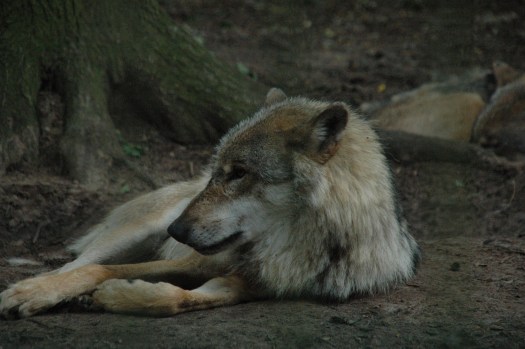
Germany wolf expedition (July)

Our Germany wolf expedition has followed suit and joined the ranks of expeditions with no citizen science element in 2020 (see a previous post for details).

All citizen science elements are deferred to 2021. The 2020 dates for the expedition have come offline and the 2021 dates are now online. Plans for continuing the research work through a local mini expedition  are on our coronavirus appeal page. Please contribute to this if you can.