Update from our snow leopard conservation expedition to the high mountains of the Altai Republic in Central Asia

Sorry for the longs silence. We’re in the back of beyond and communication is difficult. And being away from the internet and the reachable-24/7 is a blessing too! Anyway, here’s what has happend since my last update.

There was heavy rain last Saturday (4 August) morning. It is frustrating for everyone who wants to get up into the mountains. The snow level dropped again overnight and is making its way inevitably towards our camp. Slot 5, I will say it again, COLD/WET WEATHER GEAR IS ESSENTIAL, we are in Siberia after all! We took a journey away from camp today to visit a local museum. It was small but packed with interesting things; the Altaian owner was very knowledgeable. The ground squirrels are out despite the rain, ripping up one of my best base layers that had fallen off the washing line. The rain continued into the afternoon and everybody was keeping warm in the mess tent. The rain eased in the evening and we were all treated to a wonderful sunset with a double rainbow over the camp.

The sun came out on Sunday (5 August)! The air is still very chilly, but it gave us a change to get out into the hills. We split out into two groups; group 1 was with me surveying the valley floor, group 2 made it up onto the high ridges with Jenny and Oleg just north of basecamp. My group traversed a previously unknown valley to Biosphere. The river was up, so we all got wet feet (and some a bit more than feet), navigating through the trees and rocks. We found evidence of prey animals living in the valley including deer scat in the woods. The ridge group had some more tricky terrain through the snow. Camera traps 5 and 6 revealed ibex moving up in the high ridges. The day ended with hot showers and everybody in high spirits!

We had big plans for Monday (6 August). The whole group moved away from camp to access some of the valleys to the East. This involves setting up an advanced camp in some of the most breathtaking scenery I have evers seen. After a late 09:00 breakfast, we set off stopping a few times for photo opportunities (it’s not all work!). We arrived just before lunch and had the afternoon to organise camp. A few of the team scouted out the lakes and hills nearby. Campfire and early bed, it’s an early start tomorrow.

On Tuesday (7 August) everyone was and ready to go by 08:45. More (weak) sun means the snow is melting on the lower slopes of the mountains. We split into three groups, the lake group, the valley group and the ridge group. The lake group set off to survey the lower lakes in the valley to the West of camp. This group contained our Russian biology student and scholarship winner Lena and retired biologist Cornelia. So they were well qualified to look for tracks and signs on the lake shore and observe the valley sides for prey animals. The second group contained Jenny and I and our objective was to complete a stiff walk to the end of a nearby valley to observe prey animals and look for snow leopard signs in the scree. The ridge group had the enormous task of keeping up with our resident mountain goat/guide Oleg to collect camera trap data and set cameras up in snow leopard country. Oleg’s group spent a massive 11 hours climbing the ridge to an altitude of 3400 m next to the glacier to fulfill their objective! When we all eventually retuned to camp, everyone had stories of seeing prey animals. Each group spotted herds of prey and incredibly up to a 50 strong herd of argali sheep. Argali are a rare and endangered species and it was thought that only around 20-30 survived on this mountain range! We will relay this information onto WWF and other relevant bodies (in fact they are reading this right now along with you). The ridge group reported finding snow leopard scrape with scat, a great find. They also set up camera traps 9 and 10 along the highest ridge. Besides 22 ibex, two more herds of 9 argali were spotted by the valley and lake groups. So we are very happy to announce that we observed at least 90 prey animals in only one (long) day of surveying. Well done everyone!

After such a long day yesterday, I allowed everybody a later breakfast this Wednesday (8 August) morning. We had packed up camp and were ready to go at 10:30. An easier day and a drive back to camp allowed us to stop at some local yurts and interview local people about the surrounding area, its wildlife and to try and gauge attitudes toward the snow leopard. We will continue with interviews in a different area tomorrow.

Continue reading “Update from our snow leopard conservation expedition to the high mountains of the Altai Republic in Central Asia”

Update from our working holiday volunteering with leopards, elephants and cheetahs in Namibia, Africa (www.biosphere-expeditions.org/namibia)

Hello from the bush hospital with news of our first leopard capture of the expedition!

A gastro-intestrinal virus is going round and seven of us have gone down. All the rehydration sachets have gone, as have the bananas. There weren’t many people around the dinner table last night. To make things even more uncomfortable, a cold front has moved in, so group 2, don’t forget to bring at least one layer of warm clothing.

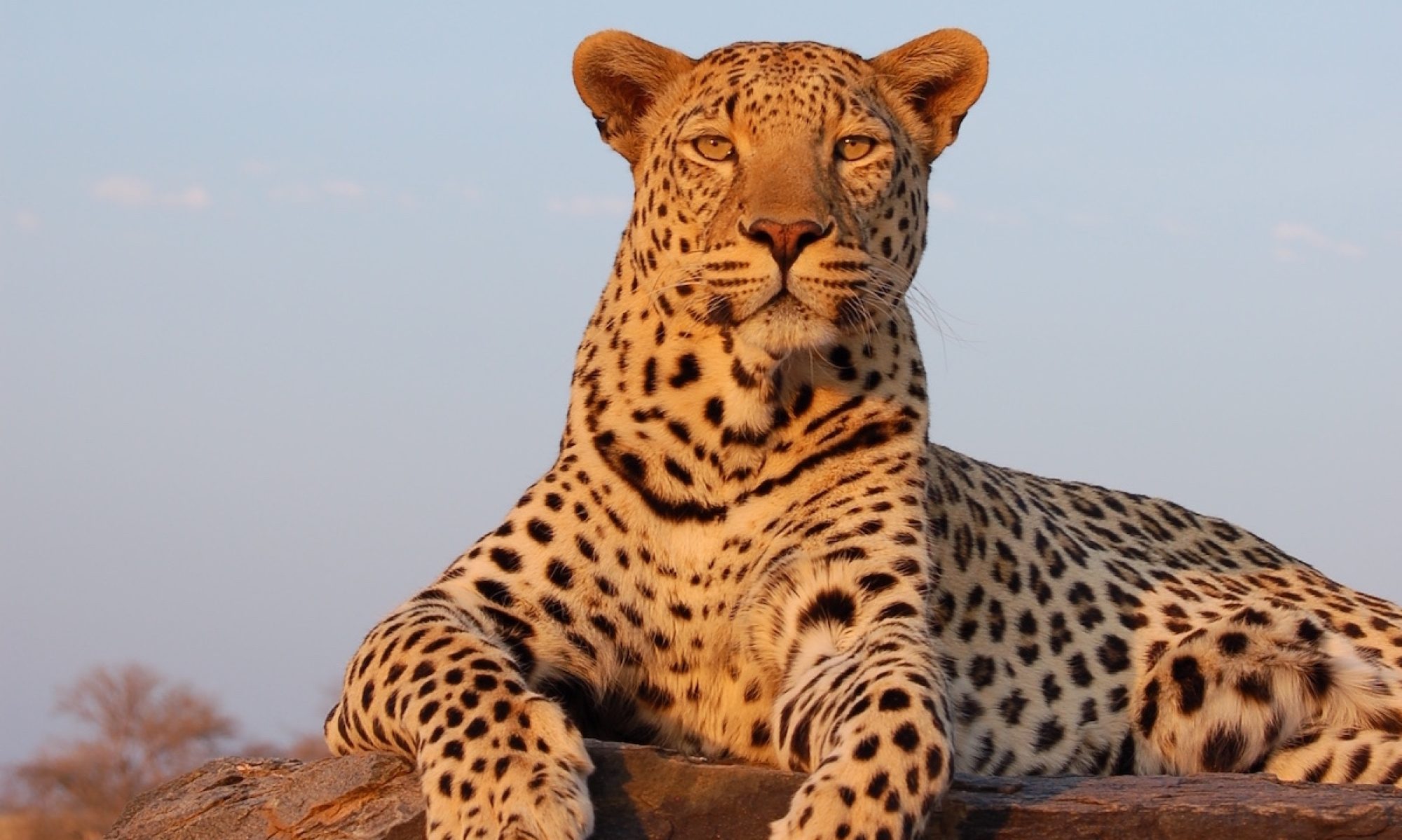
These minor inconveniences aside, we’ve had an interesting time over the last three days. Saturday’s box trap team Liz, Stacey, Jay and I found trap BT3 closed. At first it did not look like there was anything inside, but when we approached on foot, we could tell immediately from the noise that there must be a leopard inside. What a great start to the expedition! Pictures from the camera trap next to the trap also showed us that this was a popular place attracting a rhino, a hare and “our” curious leopard who was caught candid-camera-like walking right in on Friday night and then looking somewhat sheepish inside about twelve minutes later.

We called a vet for the sedation, the rest of the team and then set up our field lab. The first (female) leopard of this expedition was named L038, is about 18-20 months old and weighs 25 kg. Her neck circumference is 35 cm; too small to wear a collar (adult females measure about 40 cm). Once we had taken all the samples and given her the wake-up shot, we left her alone for about three hours before coming back to release her. Guess what happened when we opened the gate: nothing! We sat around for 90 minutes waiting for her to come out, everyone with their cameras ready to get THE release shot. Still nothing. And you can’t blame her for being put off by four Land Rovers full of people facing her. So we left her in peace and found the trap empty when checking two hours later. So long L038, we’ll be on your heels from now on, and what a great start for group 1!

Continue reading “Update from our working holiday volunteering with leopards, elephants and cheetahs in Namibia, Africa (www.biosphere-expeditions.org/namibia)”

Update from our working holiday volunteering with leopards, elephants and cheetahs in Namibia, Africa (www.biosphere-expeditions.org/namibia)

Four box traps are in place. Everyone worked hard to build leopard-proof kraals around the trap entries by cutting and arranging thorny Acacia branches. The ground was then flattened and the bait hung up in a tree. Leopard-woman Kristina co-ordinated the workers from above (see picture). For the leopard the only way to get to the ‘lekker’ meat is to walk into the trap (‘lekker’ means tasty, good, nice – my favourite Afrikaans word!).

Leopard woman Kristina

Kirsty, Philipp & Giles were the first to check the traps this morning. They reported fresh leopard tracks around one of them – very good news! If the leopard doesn’t eat today, he might be hungry enough to walk into the trap later..

Cate, Sanya & Brian also reported fresh leopard tracks on one out of seven walking routes they were on yesterday. Led by Jesaja, one of two local trackers here to share their knowledge with us, they bravely walked 9 km and finished the survey only when it was dark.

Leopard calls were heard at base early in the morning today – they are all around, we only have to catch the buggers if we can ;).

Continue reading “Update from our working holiday volunteering with leopards, elephants and cheetahs in Namibia, Africa (www.biosphere-expeditions.org/namibia)”

Update from our snow leopard conservation expedition to the high mountains of the Altai Republic in Central Asia (www.biosphere-expeditions.org/altai)

It was a sunny morning again yesterday, so we set out on the first day in the mountains. Breakfast was early, so we could make good time up a nearby valley. As we ascended we were on the lookout for prey species – this is always hard with such a large group, as prey will flee at the smallest of noises. However, it was important we stick together on the first day.

The main objective of the day was to recover camera trap data from the high ridges and survey the upper valley moraine for scat and scrape evidence. When we reached the moraine we were in luck, numerous scrape marks were found as well as scat. Data and samples were recorded, more evidence for previously unknown presence of snow leopard in this area. Part of the group stayed in the valley to continue surveying and those feeling strong tackled the ridge. It took an hour of climbing up the scree slope to reach the ridge and set our first camera trap. We walked along a short way and found the previously set camera. No luck with leopard, but to our surprise we captured another Pallas cat, a very rare species of small cat not usually known to be up this high. A further walk along the ridge presented us with another scrape and a chance to set another camera trap.

After a very successful day we managed to return to camp at around 18:30 just in time for dinner. Nina cooked up a vegetable stew with rice for our return as well as organised a few celebrations for those with birthdays this week!

This morning it started to rain steadily at around 02:00 and continued until 09:00. A quick look up the mountain revealed that the snowline has dropped around 300 meters. Although the rain stopped, there was low cloud and my decision was that conditions on the ridges were too treacherous. This gave Jenny time to work with some of the group to sift through yesterday’s data. The afternoon brightened up, so some of the group went for a trek with Oleg to look at some ancient rock art nearby.

The summer is short here in the Altai and predictions are that it is going to get colder in the coming weeks, so warm weather gear is essential (note this group 5)!

Continue reading “Update from our snow leopard conservation expedition to the high mountains of the Altai Republic in Central Asia (www.biosphere-expeditions.org/altai)”

Update from our working holiday volunteering with leopards, elephants and cheetahs in Namibia, Africa (www.biosphere-expeditions.org/namibia)

The pictures below show survey teams (1) trying to get the elephant herd telemetry signal before leaving base so that they know where to drive to ;), (2) finding the elephant herd and observing its behaviour and (3) filling in the  datasheet (what do they feed on?). This is one of the questions we want to answer with your help this year as surprisingly little is known about the feeding ecology of these magnificent animals.

Continue reading “Update from our working holiday volunteering with leopards, elephants and cheetahs in Namibia, Africa (www.biosphere-expeditions.org/namibia)”

Update from our snow leopard conservation expedition to the high mountains of the Altai Republic in Central Asia (www.biosphere-expeditions.org/altai)

Everyone was tired last night, but very relieved to be at camp (in record time!). We appreciated the leisurely 09:00 breakfast, but after that the training started straight away as we hope to be out tomorrow for a climb up a nearby valley to check some camera traps. The weather is hot and sunny, allowing us to crack on with the introductory talks, presentations and compass/GPS training. We haven’t had to wait long for the wildlife either; we have seen marmot, fox, eagle and already one of the main preys of the snow leopard, the ibex, from the camp! At time of writing Jenny is going through some of the datasheets to be filled out and we have another presentation later.

This slideshow requires JavaScript.

Continue reading “Update from our snow leopard conservation expedition to the high mountains of the Altai Republic in Central Asia (www.biosphere-expeditions.org/altai)”

Update from our working holiday volunteering with leopards, elephants and cheetahs in Namibia, Africa (www.biosphere-expeditions.org/namibia)

Our trailblazing group 1 has survived introductions, training sessions and a 4×4 driving course and is now out in the field to set up the first box trap. In the last couple of days we learnt a lot about Namibia, the ecosystem we are working in, our study animals and their prey, research methods and safety procedures in the bush.

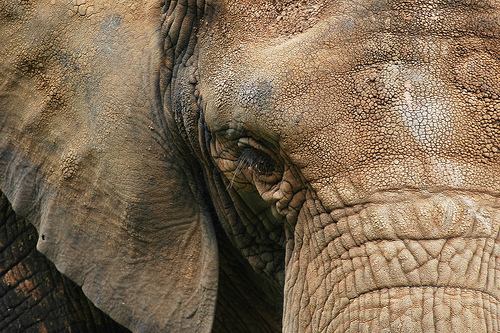
We also had our first elephant sighting yesterday afternoon – three mothers and six juveniles showed up for us at ‘Frankposten’ waterhole. They were busy drinking, playing and taking a dirt bath when we came across them just as it was getting dark. It was a thrilling experience and unsurprisingly everyone is keen to go out for more.

Elephant
Elephant

I am happy to report that group 1 did not have to join in the dirt bath shenanigans, albeit a minor teething problems incidents at our brand new field base (a broken water pump) has split the group into hot shower wimps and cold shower hardcore expeditioners. The wimps, however, showed great esprit de corps by letting the hardcore contingent use their showers…

Continue reading “Update from our working holiday volunteering with leopards, elephants and cheetahs in Namibia, Africa (www.biosphere-expeditions.org/namibia)”

Update from our snow leopard conservation expedition to the high mountains of the Altai Republic in Central Asia (www.biosphere-expeditions.org/altai)

Another day, another group (welcome all on group 4), another leader, another long, but beautiful drive with glaciers visible on the mountains. The half-way sauna and river swim was enjoyed by all; the queuing for permits not so much, but we accept this as part of the adventure now. I am writing this from the last control gate before the Altai mountains open up before us for a late night base camp arrival and more snow leopard conservation adventures

Another day in the mobile office
Another day in the mobile office 😉

Best wishes

Adam

Continue reading “Update from our snow leopard conservation expedition to the high mountains of the Altai Republic in Central Asia (www.biosphere-expeditions.org/altai)”

Update from our snow leopard conservation expedition to the high mountains of the Altai Republic in Central Asia (www.biosphere-expeditions.org/altai)

We’ve just finished the turnaround at Novosibirsk and I have handed over to Adam Stickler (see www.biosphere-expeditions.org/staff) for the last two groups. Adam will be trained by Jenny (who is also a full-blown expedition leader in her other lives in Namibia and the Azores for example). I am writing this from the Sibir in Novosibirsk, waiting for my flight back to Australia tonight. Here’s the summary (with pictures at https://biosphereexpeditions.wordpress.com/) of what happened on slot 3 since the last update.

22 July

Base camp was like a beehive this morning, buzzing with activity. We were getting ready for our first overnighter at Salyugem lake and it is quite incredible how much stuff we manage to pack into our small backpacks. Not only all our sleeping gear, but also the food for two days and all the scientific gear Jenny needs. Coming up the valley we really did look like an expedition.

The first ibex of the day showed up not far from the forest and when we climbed the very last ledge facing the lake, there was another herd of 15. The overnight team set up advanced camp while I headed back with Samara and Dani. Although tired, they negotiated the famous lake scree magnificently and we flew through the valley. And then Samara saw another viper. She certainly has a gift for animal spotting.

When we got to base camp, the weather took a turn for the worse. The whole steppe was bathed in thick haze and cold and a strong wind was blowing through. But looking over Salyugem, there was not a cloud in sight.

This slideshow requires JavaScript.

23 July

It was a cold night and the lake team felt it first thing in the morning. Climbing up the ridge it even started hailing, but luckily it didn’t last too long and no one got too wet. Then the disappointment of the non-functional camera trap (see my 23 July entry below). The entire team then took a lesson from Oleg in scree running and safely made it back to the lake. They enjoyed their time in the mountains so much that they didn’t make it back to base until 19:00.

We didn’t have a bad day at base either. In the very early morning we headed to Kokoria with Olga to stock up on groceries, only to find the shop closed. Luckily someone saw us hanging around and alerted the shop owner, a lovely lady called Irina, who came running after us and kindly opened her “magazine”. Later on I took the rest of the group and went to find the elusive petroglyph everyone keeps talking about. After some rather extensive search, we found an enormous wall with numerous inscriptions of mostly deer, ibex and wild boar. On the small rock nearby was an incredibly realistic depiction of a man on a horse hunting deer. A very enjoyable afternoon.

Unfortunately that was it for the science for the day. Samara’s birthday determined the course of the evening. Happy birthday!

25 July

Excellent day! Time to retrieve our first camera in Kunduayk valley. Walking well above the river, we wondered why we have very little water at camp when only a kilometre up the river is still a raging torrent. We reached the end of the valley in record time. Jenny and Oleg took Gordon and Dani to take a look at the saddle above the main ridge, but it was hard for them to cross the slippery scree. Meanwhile Fred, Mark, Friedie and I climbed to the camera trap and I nervously slipped the memory card into my laptop. It was quite a relief to find it full of ibex pictures. We left the camera there, hoping for more and slowly returned to base camp where we were rewarded for our efforts by Olga’s excellent borscht and a spectacular sunset later on.

26 July

Last day in the mountains. Kampi Petrovich has kindly agreed to show us his secret valley with mineral springs and possibly a waterfall. We picked him up from his yurt, attended to his injured horse and set off. Yet again it was glorious day and the drive through the steppe was spectacular. Fred and Mark negotiated all the stream crossing and bogs really well and before long, we arrived at one the most beautiful valleys I have ever seen. Unfortunately the mineral spring was full of mud, to Kampi’s disgust, so we headed off over to the waterfall. Once we climbed the short hill, the scenery got even better, with a blue lake dominating the landscape. While some decided to rest by the lake, Fred, Gordon and I headed over to the waterfall a little bit further on. 15 minutes later we were sitting in the cool pool below. Mark and Friedy kept the science going and spotted both a golden eagle’s nest and two lammergeyers flying in and out. They then topped it up with three ibex on the top of the ridge. What a great day. Or was it? After all the training and explaining how to get through the mud, I managed to get myself nicely stuck with the Land Rover and there was nothing that would move the car. In the end we had to jack each wheel and put rocks under it to get it out. Our camp fire was roaring till late at night, as was Gordon and with his beautiful signing. Ivan then recited some Russian poems to us before we finally retired to bed.

27 and 28 July

The scenery on the way was spectacular; nothing like we have seen before. Clear skies meant that for the first time we could see the Altai mountains in their full beauty. We made it to Kamlak in record time and all plunged into the river to cool down. We noticed the forest fires along the way and the ever-present smell of smoke. Later on we found out that we were in the midst of one of the worst forest fires in Siberian history, so far wiping out around 50,000 hectares of forest.

We arrived back at Novosibirsk in the afternoon. It has been great expedition, well done team 3. You will be missed. All the best for Adam’s teams four and five – I will be thinking of you and follow Adam’s diaries with interest.

Best wishes

Jiri

Continue reading “Update from our snow leopard conservation expedition to the high mountains of the Altai Republic in Central Asia (www.biosphere-expeditions.org/altai)”

Update from our snow leopard conservation expedition to the high mountains of the Altai Republic in Central Asia (www.biosphere-expeditions.org/altai)

Just a quick one now with more details when have a minute in between switching groups and handing over to Adam. Thank you group 3, you have been excellent and we have achieved a lot (see Jenny’s presentation on http://www.slideshare.net/BiosphereExpeditions/altai-snow-leopard-expedition-iii2012).

Group 3
Group 3

Roll in group 4 and 5!

Continue reading “Update from our snow leopard conservation expedition to the high mountains of the Altai Republic in Central Asia (www.biosphere-expeditions.org/altai)”